India
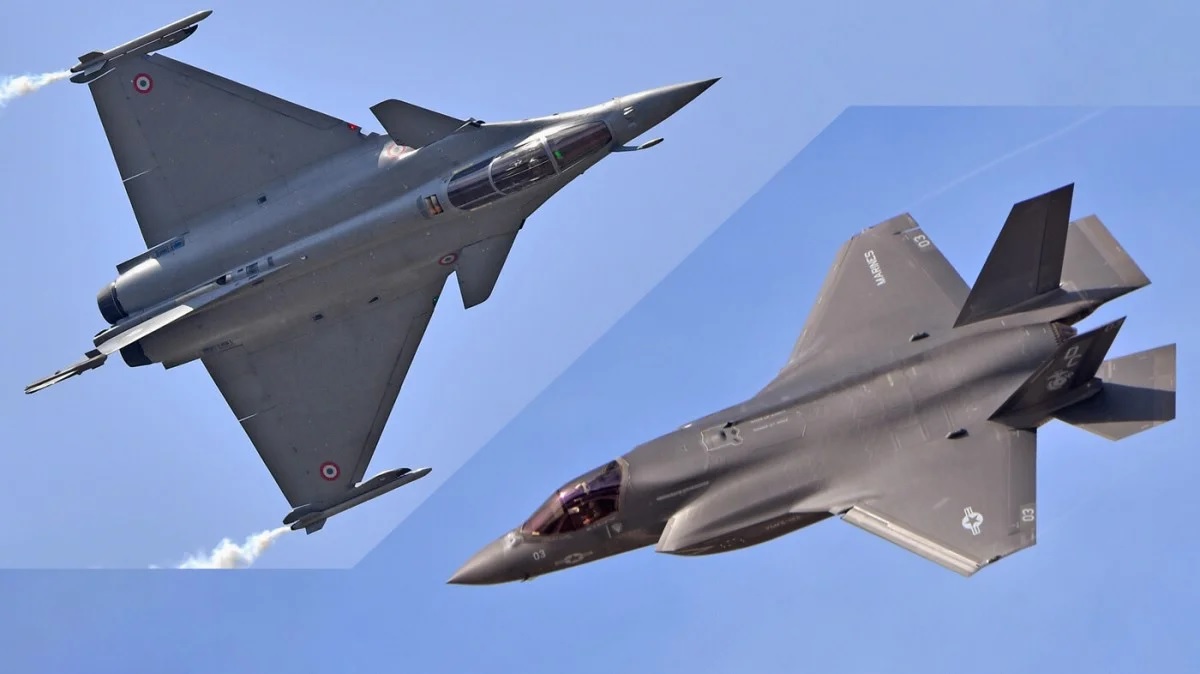
Eight Indian Rafale fighter jets are participating in joint combat exercises with the US Air Force's F-35s in Alaska, providing critical training amid rising tensions with China.Eight Rafale fighter jets from the Indian Air Force (IAF) have arrived at Eielson Air Force Base in Alaska to participate in a joint combat simulation exercise with the United States Air Force (USAF). This exercise is seen by many analysts as a strategic move amidst ongoing tensions between India and China.Training Against Advanced FightersThe exercise includes simulated air combat scenarios where the Indian Rafales face off against the American F-35 stealth fighters. The F-35 is being used as a stand-in for the Chinese J-20 stealth fighter, which is often deployed by China along the disputed border with India. This training provides Indian pilots with a valuable opportunity to understand and adapt to the capabilities of aircraft similar to those operated by China.Rafale's CapabilitiesThe Dassault Rafale is a highly advanced multirole fighter jet known for its agility, sophisticated avionics, and powerful electronic warfare systems. Its design allows it to perform a variety of missions, including air superiority, ground attack, reconnaissance, and nuclear deterrence. Indian pilots, who are highly trained, can utilize the Rafale's full potential during these exercises.F-35 vs. J-20While the F-35 and J-20 are both stealth fighters, they are designed with different priorities. The F-35 excels in its multirole capacity, capable of performing ground attacks, aerial reconnaissance, and electronic warfare in addition to air-to-air combat. The J-20, on the other hand, is primarily focused on achieving air superiority. Despite these differences, the F-35's advanced stealth and combat systems provide a realistic and challenging opponent for the Rafale in these simulations.Strategic ImplicationsThe outcome of these exercises is of significant interest to both India and China. By training against an aircraft like the F-35, Indian pilots can better understand the tactics and technology that they might face if they ever encounter the J-20 in a real conflict. This knowledge is critical for enhancing the IAF's preparedness and strategic planning.Broader ContextThese exercises take place against a backdrop of ongoing military tensions between India and China, particularly along their disputed border in the Himalayan region. Both nations have been modernizing their military forces, and such joint exercises with advanced partners like the USAF help India stay ahead in terms of combat readiness and technological know-how.In conclusion, the deployment of Indian Rafale jets to Alaska for joint exercises with the USAF is a significant step in strengthening India's defense capabilities. By training against advanced aircraft like the F-35, Indian pilots gain valuable experience that could prove crucial in any future conflicts involving similar adversaries.
Read More → Posted on 2024-06-01 15:57:54
India
India has moved 100 metric tons of gold from the UK to domestic vaults, balancing its overall gold holdings between local and foreign storage.India has successfully transferred 100 metric tons of its gold from storage in the UK to domestic vaults during the fiscal year 2023-24 (FY24). This significant movement of gold is the largest undertaken by the country since 1991, a year marked by an economic crisis that required pledging a substantial portion of its gold reserves abroad.As of FY24, India's total gold holdings have increased by 27.46 metric tons, bringing the overall reserves to 822 metric tons. Of this, more than 408 metric tons are now stored domestically, with the remaining 413.79 metric tons held abroad, primarily with the Bank of England.The decision to repatriate a portion of the gold reserves was part of a standard review procedure. Over the past few years, India has been increasing its gold purchases from the secondary market as a part of its strategy to diversify foreign exchange assets. Notably, in 2009, India acquired 200 metric tons of gold from the International Monetary Fund (IMF).According to the Reserve Bank of India's (RBI) annual report for FY24, over 308 metric tons of gold are held in India as backing for currency notes, while an additional 100.28 metric tons are held as an asset by the banking department.The movement of gold was carried out with the utmost secrecy by officials from the Ministry of Finance, the RBI, and other relevant agencies due to the high value of the asset. The repatriated gold is now securely stored in high-security vaults located in Mumbai and Nagpur.This strategic move ensures a more balanced distribution of India's gold reserves, enhancing the security and accessibility of these assets. By storing a significant portion of its gold domestically, India aims to bolster its economic stability and reduce dependency on foreign storage facilities.India continues to maintain a robust position in gold holdings globally, reflecting its commitment to secure and diversify its financial assets amidst evolving economic landscapes.
Read More → Posted on 2024-06-01 15:32:17
India
Meta has dismantled a Chinese-linked network attempting to influence global opinion on the Khalistan movement through coordinated inauthentic behavior on Facebook and Instagram.Meta, the parent company of Facebook and Instagram, recently dismantled a network of accounts from China involved in coordinated inauthentic behavior. This operation, dubbed "Operation K," aimed to influence discussions about the Sikh community following the killing of Khalistani separatist Hardeep Singh Nijjar in Canada. The network promoted the Khalistan movement, advocating for an independent Sikh state.The network utilized 37 Facebook accounts, 13 pages, five groups, and nine Instagram accounts, posing as a fictitious activist movement to incite pro-Khalistan demonstrations. Their primary targets were audiences in New Zealand and Australia.Meta's latest Quarterly Adversarial Threat Report revealed that Operation K's activities extended beyond Meta's platforms, also targeting the Sikh community on Telegram and X (formerly Twitter). This operation was linked to a similar network disrupted by Meta in early 2023, attributed to an unidentified Chinese entity focusing on India and Tibet.The network used "amplification clusters," fake accounts interacting with each other's content to create an illusion of widespread support. They manipulated news and current events, using altered or AI-generated images to promote pro-Khalistan narratives.This incident highlights the issue of foreign interference in Indian affairs through social media manipulation. Meta's actions demonstrate ongoing efforts by social media platforms to combat such activities. However, the sophistication of networks like Operation K underscores the need for continuous vigilance in the digital age.These developments are part of a broader pattern of social media manipulation, where foreign entities exploit divisive issues to influence public opinion and achieve geopolitical goals. The targeting of the Sikh community and the promotion of the Khalistan movement show how sensitive and complex these issues can be, necessitating robust measures to ensure the integrity of online discourse.Meta's proactive approach in identifying and removing these networks is a crucial step in mitigating the influence of coordinated inauthentic behavior. However, it also highlights the persistent and evolving challenges social media platforms face in maintaining the authenticity and trustworthiness of their ecosystems.This case underscores the importance of global cooperation and technological advancements to detect and prevent such activities. As social media continues to play a significant role in shaping public opinion, the need for effective strategies to counteract manipulation efforts becomes ever more critical.
Read More → Posted on 2024-06-01 15:25:58
India
A confrontation between J&K Police and army personnel in Kupwara has led to serious allegations and legal action, with both parties working to de-escalate the situation.Tensions are running high in Kupwara, Jammu and Kashmir, following a serious confrontation between J&K Police and army personnel. The police have filed a case against 16 army personnel, including three Lieutenant Colonels, on charges of attempt to murder, rioting, robbery, and kidnapping. The incident occurred when army personnel allegedly forced their way into the Kupwara police station and assaulted duty officials, resulting in injuries to five policemen, including an officer.Shobit Saxena, Senior Superintendent of Police (SSP) Kupwara, confirmed that there have been no updates in the case as of now. Another police official revealed that the police had examined the mobile phone of a detained Territorial Army man, recovering important data related to ongoing investigations. Although the FIR does not specify the cause of the confrontation, it is understood that the altercation began after the police raided the house of a Territorial Army personnel in Batapora village and detained him for questioning.Army officials, speaking informally, have stated that the issue has been resolved and that matters will proceed naturally. Despite these assurances, the situation remains delicate. Both the police and the army are taking cautious steps to prevent further escalation.This incident highlights the complex dynamics between the security forces operating in Jammu and Kashmir. The region has a history of tensions between different security agencies, which can complicate their operations and cooperation. It is crucial for both parties to handle such incidents with care to maintain peace and order in the area.As the investigation continues, it remains to be seen how this case will unfold and what impact it will have on the relations between J&K Police and the Indian Army in the future.
Read More → Posted on 2024-06-01 15:22:22
India
India begins building the first of six Next-Generation Offshore Patrol Vessels, enhancing the Coast Guard's capabilities with advanced technology and indigenous manufacturing.On May 31, 2024, Mazagon Dock Shipbuilders Limited (MDL) in Mumbai hosted the steel-cutting ceremony for the first Next-Generation Offshore Patrol Vessel (NGOPV) in the presence of Indian Coast Guard (ICG) officials. This event marks a significant milestone in India's maritime defense efforts.In December 2023, the Ministry of Defence signed a contract with MDL to build six NGOPVs for the ICG at a total cost of Rs 1,614.89 crore. These vessels are designed to improve coastal and offshore patrol capabilities, protect maritime zones, and enhance operational efficiency.Each NGOPV will be equipped with modern machinery and technology. They are powered by two diesel engines, allowing a maximum speed of 23 knots and a range of up to 5,000 nautical miles. The vessels also feature facilities for integral twin-engine helicopters and heavy helicopters, which will enhance aerial surveillance and response capabilities.Advanced features include multipurpose drones, artificial intelligence capabilities, and wirelessly controlled remote water rescue craft, providing the ICG with enhanced flexibility and operational advantages.The first NGOPV is scheduled for delivery by May 2027. This project highlights the collaborative efforts of the ICG, MDL, and other stakeholders, reflecting the nation's commitment to self-reliance and indigenous manufacturing.India's investment in these vessels underscores its dedication to modernizing its maritime defense infrastructure, ensuring robust security in its coastal and offshore regions.Sources from the internet reveal that the NGOPVs are part of a broader initiative to enhance maritime security in the Indian Ocean Region (IOR). This effort aligns with India's goal of maintaining a secure maritime environment, crucial for the nation's economic and strategic interests. The NGOPVs will support various missions, including search and rescue, anti-smuggling operations, and environmental protection, making them versatile assets for the Coast Guard.
Read More → Posted on 2024-06-01 15:16:30
India
Biggen Technologies showcased their innovative UAV helicopters at the Defense Expo 2024, demonstrating advanced models and announcing plans to enter the logistics market.Biggen Technologies (BGT), a forward-thinking startup specializing in unmanned helicopters, drones, and automation, showcased their innovative products at the Defense Expo 2024 in CODISSIA, Coimbatore. The event featured a range of their cutting-edge UAV helicopters, drawing significant attention from attendees, especially students and children.Director Adarsh led the demonstrations, highlighting the capabilities of the Chakra UAV helicopters. The helicopters on display included engine-powered, electric transmission, and multi-payload models, emphasizing their advanced technology and versatile applications. A standout moment was the demonstration of a helicopter lifting 10 kg, which captivated the audience.Mr. Adarsh also announced Biggen's plans to enter the logistics market, targeting both e-commerce and defense sectors. He noted the strong interest from the defense sector, with several requirements already being addressed. The Chakra version 1.0 helicopter can carry 4 kg of cargo for 45 minutes at a speed of 60 km/h, while another variant can lift 10 kg and fly for 90 minutes, both battery-powered. The Chakra version 2.0, a petrol-powered model, can lift 6 kg and travel 60 km in 40 minutes. A new petrol-powered helicopter can lift 10 kg and fly for 120 minutes at 60 km/h.Adarsh emphasized the importance of these helicopters in government operations and emergency situations, such as transporting medicines during crises like the COVID-19 outbreak. They are already being used in hilly states like Manipur and Nagaland, operating at altitudes of 3000 to 4000 meters with GPS tracking.Biggen Aerospace, headquartered in Bangalore, designs, manufactures, and supplies specialized UAV helicopters to various governmental and para-governmental organizations. Their clients include the Indian Council of Medical Research, the Defense Research and Development Organization, the Indian Army, Navy, and Air Force, the Parachute Regiment, NAL Lab, the Indian Institute of Science, and IITs in Jodhpur and Kanpur. They are active in fields such as defense, navy, DRDO logistics, and automation.The company is also developing advanced models capable of carrying up to 100 kg and has received approval to develop a two-person UAV helicopter, which could revolutionize emergency medical transport in remote and flood-prone areas.The positive reception at the Defense Expo 2024 highlights Biggen Technologies' commitment to innovation and their potential to significantly impact various sectors with their reliable and efficient UAV helicopters.
Read More → Posted on 2024-05-31 16:32:55
India
The Indian Navy has taken delivery of the sixth Ammunition Cum Torpedo Cum Missile Barge (LSAM 20) from Suryadipta Projects on 29 May 2024 at Naval Dockyard, Mumbai.On 29 May 2024, the Indian Navy took delivery of the sixth Ammunition Cum Torpedo Cum Missile Barge (LSAM 20) at the Naval Dockyard in Mumbai. This barge is part of an 11-barge project known as the ACTCM (Ammunition Cum Torpedo Cum Missile) Barge Project, constructed by Suryadipta Projects.These specialized barges are designed to support the Indian Navy by facilitating the transportation, embarkation, and disembarkation of articles, ammunition, torpedoes, and missiles to naval ships. The barges can operate both alongside jetties and at various harbors, enhancing the logistical capabilities of the Navy.The LSAM 20 is equipped with advanced handling and transportation systems to ensure the safe and efficient movement of critical supplies. The design and construction of these barges emphasize durability and operational reliability, ensuring they can perform under various maritime conditions.The ACTCM Barge Project aims to bolster the operational readiness of the Indian Navy by providing a dependable means to transport essential munitions and supplies to vessels in port and at sea. The introduction of LSAM 20 into the fleet represents a significant step towards achieving this goal.The delivery of LSAM 20 follows the successful completion of the previous five barges in the series, which have already been integrated into naval operations. With the addition of this latest barge, the Indian Navy continues to enhance its logistical infrastructure, ensuring that its ships remain well-supplied and mission-ready.Suryadipta Projects has played a crucial role in this endeavor, leveraging its expertise in maritime construction to meet the specific needs of the Indian Navy. The collaboration between Suryadipta Projects and the Navy underscores the importance of domestic industry in supporting national defense capabilities.As the Indian Navy looks to the future, the continued delivery of these specialized barges will further strengthen its operational capabilities, ensuring that it remains equipped to handle a wide range of maritime challenges.In summary, the delivery of the sixth Ammunition Cum Torpedo Cum Missile Barge (LSAM 20) marks a significant milestone in the ongoing efforts to enhance the logistical support infrastructure of the Indian Navy, providing a robust and reliable means to transport critical supplies to naval vessels.
Read More → Posted on 2024-05-31 16:26:34
India
Bharat Dynamics Limited (BDL) eyes global markets for the Varunastra torpedo, an advanced anti-submarine weapon developed with DRDO's Naval Science and Technological Laboratory.Bharat Dynamics Limited (BDL) has completed its orders for the Varunastra torpedo for the Indian Navy and is now exploring export opportunities for this advanced anti-submarine weapon. The Varunastra, a heavyweight torpedo with a diameter of 533mm, is a product of collaboration between BDL and the Defence Research and Development Organisation's (DRDO) Naval Science and Technological Laboratory (NSTL).The Varunastra is equipped with sophisticated technology, including an active-passive acoustic homing system and a powerful 250 kg high-explosive warhead. It also features selectable speed modes, enhancing its effectiveness in anti-submarine warfare. Having successfully delivered 136 Varunastra torpedoes to the Indian Navy, BDL is confident in the torpedo's capabilities and potential appeal to other navies around the world.BDL's Chairman, A. Madhavarao, highlighted in a recent interview with Bharat Shakti that the company is actively looking for export opportunities. The Varunastra's advanced technology, competitive pricing, and proven performance make it a strong contender in the global defense market. This move aligns with the Indian government's broader initiative to promote indigenous defense products internationally, showcasing India's growing expertise in developing and manufacturing advanced defense technologies.In addition to the Varunastra's technical specifications, its development represents a significant achievement for India's defense industry, marking a step forward in the country's self-reliance in defense production. BDL's pursuit of export markets is expected to boost India's defense exports and establish the Varunastra as a competitive option for enhancing anti-submarine capabilities globally.This strategic move by BDL not only aims to generate revenue but also to establish India as a significant player in the global defense market. With rising geopolitical tensions and increasing defense budgets worldwide, the Varunastra is well-positioned to meet the needs of navies seeking advanced, reliable, and cost-effective anti-submarine warfare solutions.
Read More → Posted on 2024-05-31 15:36:34
India
Mazagon Dock Shipbuilders successfully demonstrates autonomous navigation technology on the MT Andaman, marking a significant advancement in maritime innovation.Mazagon Dock Shipbuilders (MDL) in Mumbai has reached a significant milestone in autonomous vessel technology with the successful demonstration and certification of their autonomous navigation system on the tugboat MT Andaman. This achievement, certified by the Indian Register of Shipping (IRS), highlights MDL's capability in developing advanced maritime technologies.Comprehensive Evaluation and Simulation TestingThe IRS conducted a thorough review of the autonomous system, evaluating its design, documentation, software quality, and potential risks according to their guidelines for remotely operated and autonomous surface vessels. Before real-world trials, the system underwent rigorous simulation tests at MDL’s development center, following Factory Acceptance Test procedures.Remote-Control Centre CapabilitiesThe autonomous navigation system includes a Remote-Control Centre (RCC), which allows complete control and monitoring of the vessel from an off-site location. The RCC facilitates remote operation of the tugboat's propulsion and steering systems, and monitors key machinery functions, navigation parameters, and situational awareness systems.Successful Harbor and Sea TrialsAfter installation on the MT Andaman, the IRS conducted harbor trials to verify the system's remote control capabilities and its ability to monitor essential vessel operations. These trials adhered to Harbor Acceptance Test procedures and confirmed the RCC’s functionality.Subsequent sea trials demonstrated the system’s proficiency in collision avoidance, adhering to the International Regulations for Preventing Collisions at Sea (COLREG). The trials also tested the system’s response to emergency scenarios, such as loss of primary controls and communication with the RCC. The Indian Navy supported the trials by deploying an interceptor boat to ensure safety and provide intervention if necessary.Future Implications and Industry ImpactMDL's success with the MT Andaman showcases the potential for autonomous navigation systems in maritime operations, promising enhanced safety, efficiency, and reduced human intervention in vessel management. This technological advancement aligns with global trends towards increased automation in the shipping industry.By achieving this milestone, Mazagon Dock Shipbuilders not only reinforces their position as a leader in maritime technology but also contributes significantly to the advancement of autonomous vessel capabilities in India and beyond.
Read More → Posted on 2024-05-30 16:47:27
India
Cochin Shipyard Limited (CSL) secures a €60 million contract to build hybrid Service Operation Vessels for North Star Shipping, to be deployed at the East Anglia THREE offshore wind farm.Cochin Shipyard Limited (CSL) has announced a significant international order from North Star Shipping, a prominent UK-based offshore renewable operator. The contract, valued at €60 million, involves constructing hybrid Service Operation Vessels (SOVs) for Siemens Gamesa. These vessels will support the East Anglia THREE offshore wind farm located off the Suffolk coast in the UK.This contract also includes an option for North Star Shipping to order two additional vessels in the future. Earlier this year, North Star had already commissioned another hybrid SOV from CSL, reinforcing their partnership.The 85-meter hybrid SOVs, designed by Norwegian company VARD AS based on the proven 4 19 design, will feature advanced technology tailored for the offshore wind industry. These vessels will be equipped with a fully electric azimuth propulsion system and a 3D motion-compensated gangway system (walk2work). The hybrid propulsion system includes four diesel generator sets and a large lithium battery pack to significantly reduce emissions. The vessels, which will be classed with DNV Norway, will have high-standard interiors to accommodate 80 technicians and crew members, meeting DNV comfort ratings and incorporating a Dynamic Positioning System.Cochin Shipyard is already building two Commissioning Service Operation Vessels (CSOVs) for another European client, marking its expanding presence in the renewable energy sector. This new contract with North Star Shipping enhances CSL's reputation in the high-end niche market for offshore renewable energy solutions.North Star Shipping's Chief Technology Officer, James Bradford, emphasized their choice of CSL for this project due to CSL's proven track record of delivering high-quality vessels on time and within budget. He highlighted CSL's alignment with North Star's vision for sustainable maritime solutions and their commitment to meeting the evolving needs of clients while contributing to a greener future.Madhu Nair, Chairman and Managing Director of CSL, expressed his satisfaction with the partnership, reiterating CSL's dedication to building high-quality, sustainable maritime products to serve the evolving market needs.This order signifies a growing global focus on sustainable and green energy solutions, particularly in the offshore renewable energy sector. CSL's engagement in this project showcases its expertise and commitment to contributing positively to the renewable energy industry.
Read More → Posted on 2024-05-30 16:34:31
India
China's deployment of J-20 stealth fighters at Shigatse, Tibet, near the Indian border, escalates regional military tensions. India counters with its Rafale jets, amid a significant military build-up on both sides.Satellite images from May 27 reveal that China has positioned its advanced J-20 stealth fighter jets less than 150 kilometers from India's boundary in Sikkim. These images, provided by All Source Analysis, show six J-20 fighters at the Shigatse dual-use military and civilian airport in Tibet. Situated at an altitude of 12,408 feet, this airport is one of the highest in the world. Additionally, a KJ-500 Airborne Early Warning and Control Aircraft is visible in the images.Indian Air Force's Stance and Strategic ImplicationsThe Indian Air Force (IAF) is aware of this deployment but has refrained from commenting. According to a Technology and Analysis VP at All Source Analysis, the J-20 is China's most advanced operational fighter. The presence of these aircraft at Shigatse is notable as they are usually stationed in China's eastern provinces. This deployment places them within proximity of the Indian border, a significant strategic shift.India's CountermeasuresIn response, India relies on its fleet of 36 French-built Rafale fighters. Currently, eight Rafales are engaged in advanced air combat exercises with the US Air Force in Alaska. The Chinese J-20s stationed at Shigatse are less than 290 kilometers from Hasimara in West Bengal, where India bases its second squadron of 16 Rafales.Historical Deployments and Aircraft CapabilitiesThis is not the first sighting of the J-20 in Tibet. Between 2020 and 2023, these jets were observed in Xinjiang's Hotan prefecture. However, this recent deployment is the largest captured by commercial satellite imagery. Introduced in 2017, the Chengdu J-20, also known as the Mighty Dragon, features advanced sensors and China's most sophisticated air-to-air missiles, such as the PL-15, capable of striking targets up to 300 kilometers away.Military Build-Up by China and IndiaOver the past five years, China has significantly increased its air power capacity in Tibet and other areas near India. This includes new air bases and upgraded infrastructure. China has also temporarily deployed aircraft like the J-20 and H-6 nuclear-capable bombers to these regions.In response, India has upgraded its airbases, adding hardened shelters and deploying the Russian-built S-400 long-range surface-to-air missile system. The S-400, capable of tracking stealth aircraft, aims to deter Chinese fighter sweeps along the Line of Actual Control (LAC).ConclusionThe deployment of J-20 stealth fighters by China near the Indian border marks a significant escalation in regional military tensions. Both countries have been enhancing their military capabilities and infrastructure, indicating a strategic build-up that could influence regional security dynamics.
Read More → Posted on 2024-05-30 15:49:24
India
Sixteen army personnel, including three lieutenant colonels, have been charged with attempted murder and robbery after a violent attack on Kupwara police station in Jammu and Kashmir.Sixteen members of the Indian Army, including three lieutenant colonels, have been charged with serious offenses including attempted murder and robbery, following a violent attack on the Kupwara police station in Jammu and Kashmir. The incident reportedly stemmed from the questioning of a Territorial Army jawan by the police in connection to a narcotics case.The confrontation took place on the night between Tuesday and Wednesday, when an armed group of soldiers from the 160 Territorial Army, led by Lieutenant Colonels Ankit Sood, Rajiv Chauhan, and Nikhil, stormed the police station. According to the FIR, the soldiers assaulted the police officers using rifle buttstocks and sticks, resulting in significant injuries.The situation escalated when the soldiers brandished their weapons, seized mobile phones from the injured police officers, and abducted a police constable before fleeing. Prompt intervention by senior police officers helped rescue the targeted personnel and initiated legal proceedings against the attackers.The charges listed in the FIR include:Section 186: Obstructing a public servant in discharge of public functionsSection 332: Voluntarily causing hurt to deter a public servant from dutySection 307: Attempt to murderSection 342: Wrongful confinementSection 147: Punishment for riotingSection 149: Guilt of unlawful assembly in furtherance of a common objectSection 392: Punishment for robberySection 397: Robbery or dacoity with intent to cause death or great harmSection 365: Kidnapping or abducting with intent to secretly and unlawfully confine a personThe accused have also been booked under the Arms Act. The investigation is being led by the Deputy Superintendent of Police in Kupwara, aiming to uncover the full extent of the offense and bring the perpetrators to justice.Despite the severity of the incident, a defense official based in Srinagar downplayed the confrontation, stating that it was a minor operational disagreement that had been resolved amicably. This statement contradicts the detailed allegations in the FIR, highlighting the gravity of the attack on the police personnel.The Territorial Army, a reserve force consisting of part-time volunteers supporting the Indian Army, plays a crucial role in such operations. However, this incident has raised concerns about the conduct and discipline within the unit.The investigation continues, with authorities determined to hold those responsible accountable for their actions. The incident has also sparked a broader discussion on the relationship and coordination between the police and military forces in the region.
Read More → Posted on 2024-05-30 15:44:44
India
India's advanced Akash-NG missile system attracts interest from East Asian countries like Vietnam and the Philippines, offering enhanced defense capabilities against regional threats.India's newly tested Akash-NG (Next Generation) missile system has caught the attention of several countries, particularly in East Asia. Nations like Vietnam and the Philippines are showing keen interest in this advanced air defense system to bolster their security amid regional tensions.Key Features of Akash-NGThe Akash-NG stands out due to its significant improvements over previous versions. It features a new two-pulse solid rocket motor that has reduced its weight from 700 kilograms to 350 kilograms. This weight reduction enhances its mobility, allowing for quicker deployment and potentially reducing operational costs.Additionally, the Akash-NG boasts a range of up to 50 kilometers, capable of neutralizing high-speed targets such as fighter jets. Its advanced detection system can identify enemy aircraft from up to 80 kilometers away, providing early warning and enabling timely response.Interest from East AsiaCountries like Vietnam and the Philippines are particularly interested in the Akash-NG due to ongoing regional tensions and potential threats from neighboring countries. The missile system's impressive range, speed, and accuracy make it an appealing choice for enhancing their defense capabilities.Proven Track RecordIndia's previous success with the Akash-1S variant, which was exported to Armenia, further boosts the credibility of the Akash-NG. Armenia's deployment of the Akash-1S highlights its reliability and effectiveness, likely instilling confidence in potential buyers about the capabilities of the Akash-NG.Potential for UpgradesArmenia, already familiar with the Akash-1S, might consider the Akash-NG as a natural upgrade. This familiarity could simplify the transition and training processes, making it a logical choice for modernizing their air defense infrastructure.Global AppealBeyond its technical specifications, the Akash-NG benefits from India's growing reputation as a reliable defense exporter. Competitive pricing further enhances its attractiveness in the global arms market. As demand for advanced air defense systems rises, the Akash-NG is well-positioned to play a significant role in the defense strategies of nations looking to protect their airspace and national interests.ConclusionThe Akash-NG missile system's advanced features and proven track record make it a sought-after defense solution. Its emergence underscores India's increasing prominence in the global defense industry, offering nations a reliable and effective option to enhance their air defense capabilities amid growing regional tensions.
Read More → Posted on 2024-05-30 15:38:51
India
Reliance Industries has signed a one-year agreement with Russia’s Rosneft to buy oil in roubles, reflecting a shift away from Western financial systems due to sanctions.Reliance Industries, the operator of the world’s largest refining complex, has secured a one-year agreement with Russia's Rosneft to purchase at least 3 million barrels of oil monthly. The payment for these transactions will be made in roubles, marking a significant shift from the traditional use of dollars and euros.This move aligns with Russian President Vladimir Putin’s initiative for Moscow and its trading partners to circumvent the Western financial system, which has been under increased scrutiny due to sanctions from the US and Europe. These sanctions were imposed in response to Russia's invasion of Ukraine in 2022.The agreement not only benefits Reliance by securing oil at potentially discounted rates but also comes at a crucial time. The Opec+ group, consisting of the Organization of the Petroleum Exporting Countries (OPEC) and allies like Russia, is expected to extend its voluntary supply cuts beyond June. This group's next meeting is scheduled for June 2, where they will discuss these output cuts.India, ranking as the world's third-largest oil importer and consumer, has become the leading buyer of seaborne Russian crude. This shift follows the halt in purchases and the imposition of sanctions against Moscow by Western nations. To navigate these sanctions, India has previously paid for Russian crude using a mix of currencies, including rupees, dirhams, and Chinese yuan.While privately-run Reliance Industries has managed to secure this term deal, state-owned Indian refiners have been purchasing Russian oil on the spot market. They have faced challenges in finalizing long-term supply agreements for the current year.Rosneft, in an emailed response to Reuters, acknowledged India as a strategic partner but did not comment on the specifics of their agreements, citing confidentiality.This deal underscores the evolving dynamics in global oil trade, particularly in the face of geopolitical tensions and economic sanctions. By opting to pay in roubles, Reliance Industries and Rosneft are setting a precedent that might influence future international trade agreements.
Read More → Posted on 2024-05-30 15:30:53
India
The Indian Air Force boosts its capabilities with 15 indigenously manufactured RD-33 engines for MiG-29UPG jets, marking a significant step in self-reliance and modernization.The Indian Air Force (IAF) has taken a major step towards strengthening its air defense capabilities by receiving 15 RD-33 engines. These engines, produced domestically by Hindustan Aeronautics Limited (HAL), are designated for the MiG-29UPG fighter jets. This swift delivery, achieved within a month of signing a ₹5300 crore contract, highlights the IAF's commitment to modernizing and extending the service life of its MiG-29 fleet until 2037.The RD-33 engines are expected to significantly boost the performance and longevity of the MiG-29UPG aircraft. The MiG-29UPG is an upgraded version of the MiG-29, which has been a core component of the IAF's fleet. This initiative aligns with India's broader strategy to reduce dependence on foreign suppliers by promoting the indigenization of defense equipment and enhancing domestic manufacturing capabilities.According to the Ministry of Defense, the program will focus on indigenizing several high-value critical components. This will increase the indigenous content of future repair and overhaul (ROH) tasks for the RD-33 aero-engines, thereby fostering self-reliance in maintaining these critical assets.The IAF's decision to extend the operational life of the MiG-29s to 2037 underscores the aircraft's enduring relevance and strategic value. The upgrade program includes improvements in avionics, weapon systems, and engine performance, ensuring that the MiG-29UPG remains a capable and versatile fighter jet.In addition to enhancing the MiG-29UPG's capabilities, this move reflects India's ongoing efforts to build a robust domestic defense industry. By developing and manufacturing critical defense components locally, India aims to reduce its dependency on foreign technologies and suppliers, thereby bolstering national security and technological self-sufficiency.The rapid delivery of the RD-33 engines by HAL also demonstrates the capabilities of India's defense manufacturing sector. This achievement is a testament to HAL's ability to meet stringent timelines and deliver complex defense products efficiently.Overall, the induction of indigenously manufactured RD-33 engines for the MiG-29UPG represents a significant milestone in the IAF's modernization efforts and India's push towards self-reliance in defense manufacturing. This initiative not only enhances the operational capabilities of the IAF but also contributes to the long-term goal of building a self-sustaining defense industrial base in India.
Read More → Posted on 2024-05-29 15:58:34Search
Top Trending in 24 Hours
-
 Tulsi Gabbard Releases Declassified Files Detailing U.S.-Backed Network of 120 Biolaboratories Across 30+ Countries
-
 AM General Unveils Next-Generation UGV and JLTV A2 with Counter-Drone Systems at Eurosatory 2026
-
 Dassault Seeks Compensation From Airbus as Eurodrone Dispute Erupts After FCAS Collapse
-
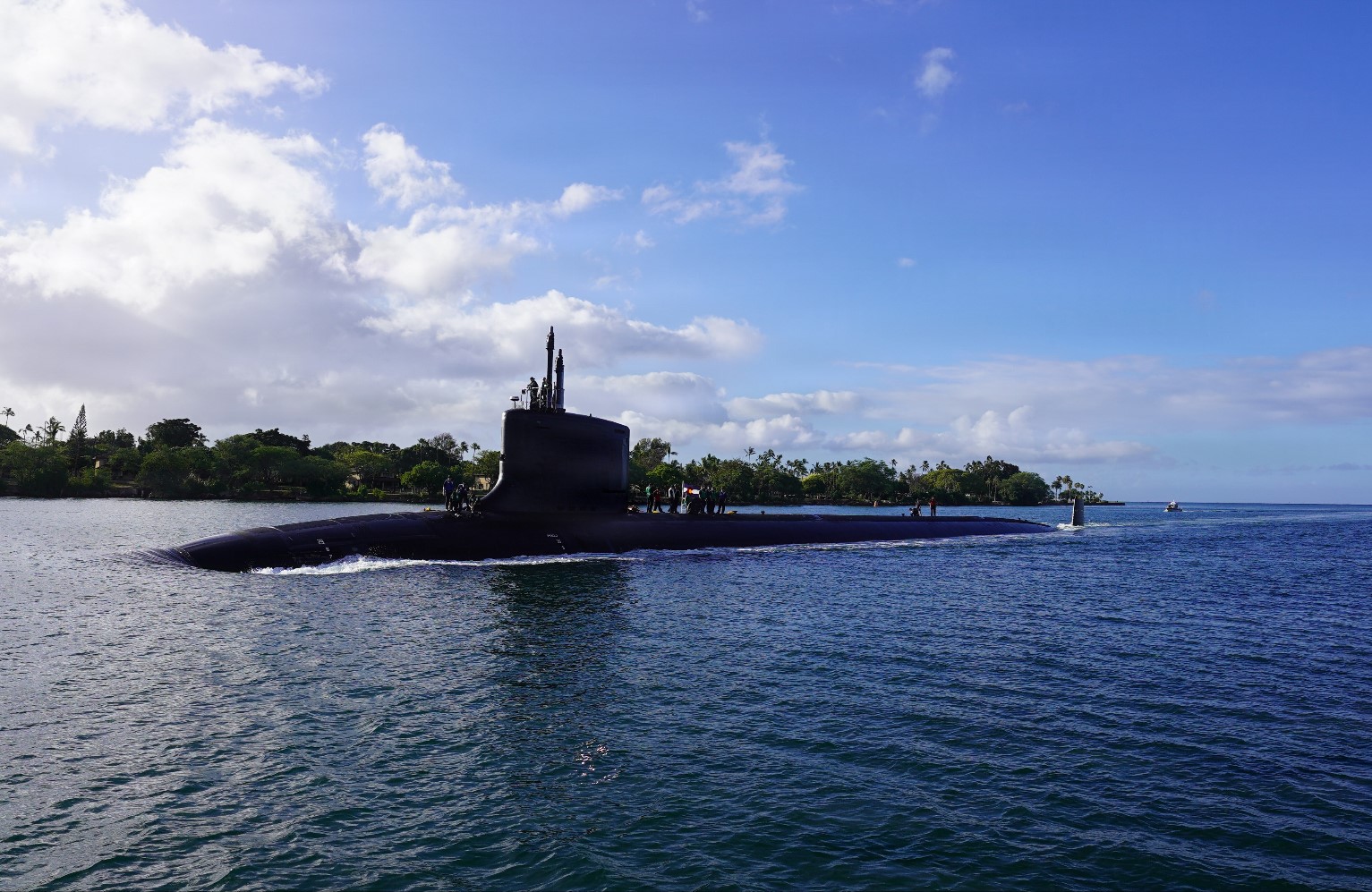 U.S. Navy's USS Colorado Submarine Returns to Pacific Fleet 29 Days Early After Major Pearl Harbor Overhaul
-
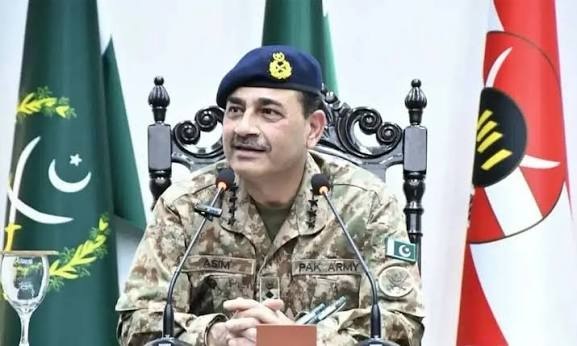 Pakistan Raises Defence Budget from $9 Billion to $10.8 Billion as J-35 Fighter and Hangor Submarine Programs Advance
-
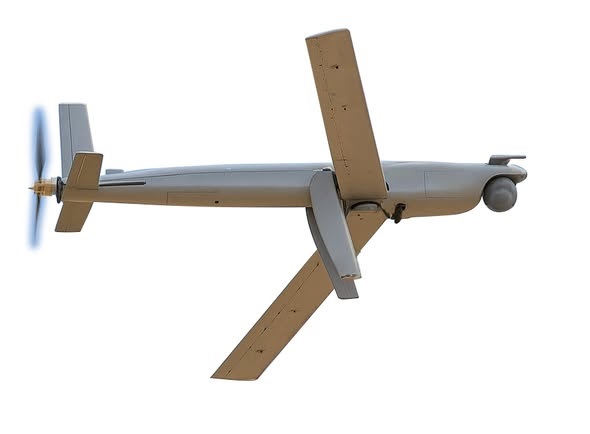 Elbit Systems and Diehl Defence Partner to Offer SkyStriker Loitering Munition to German Armed Forces
-
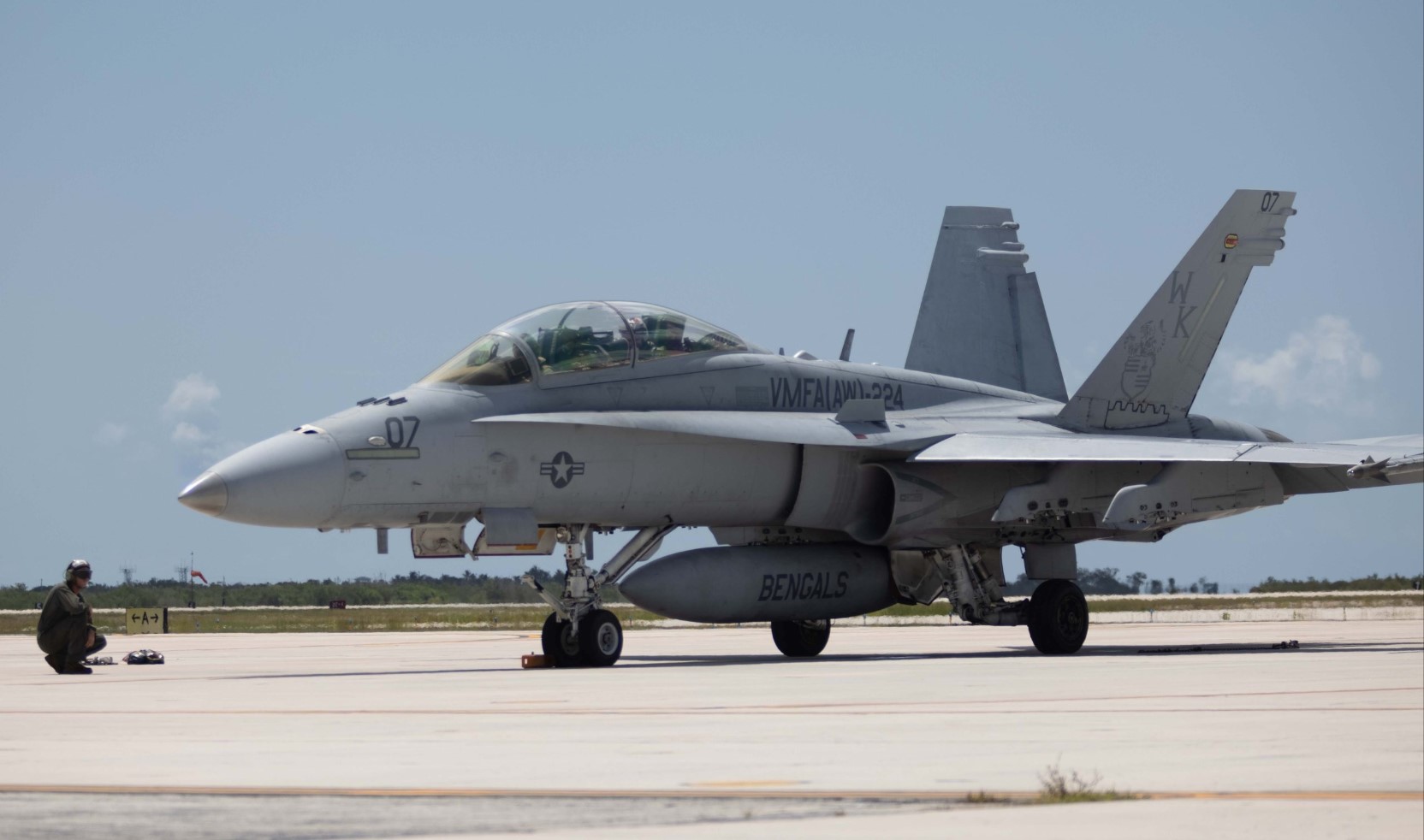 US Marine Corps F/A-18D Hornet Crashes During Training Flight in Washington Mountains; Pilot Ejects Safely
-
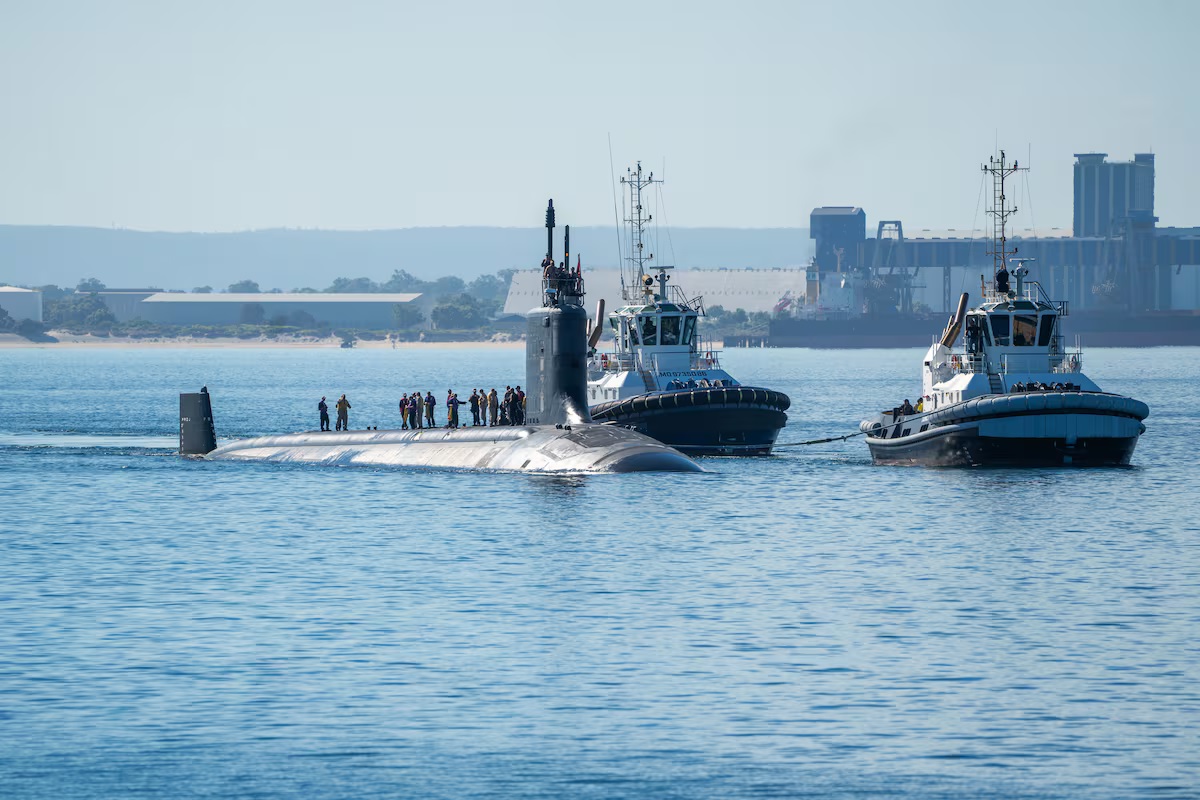 U.S. Navy Reestablishes Submarine Squadron 3 at HMAS Stirling to Support AUKUS Rotational Force
Top Trending in 4 Days
-
 Iranian Media Leaks 14-Point U.S.-Iran Peace Framework Amid Ongoing Negotiations
-
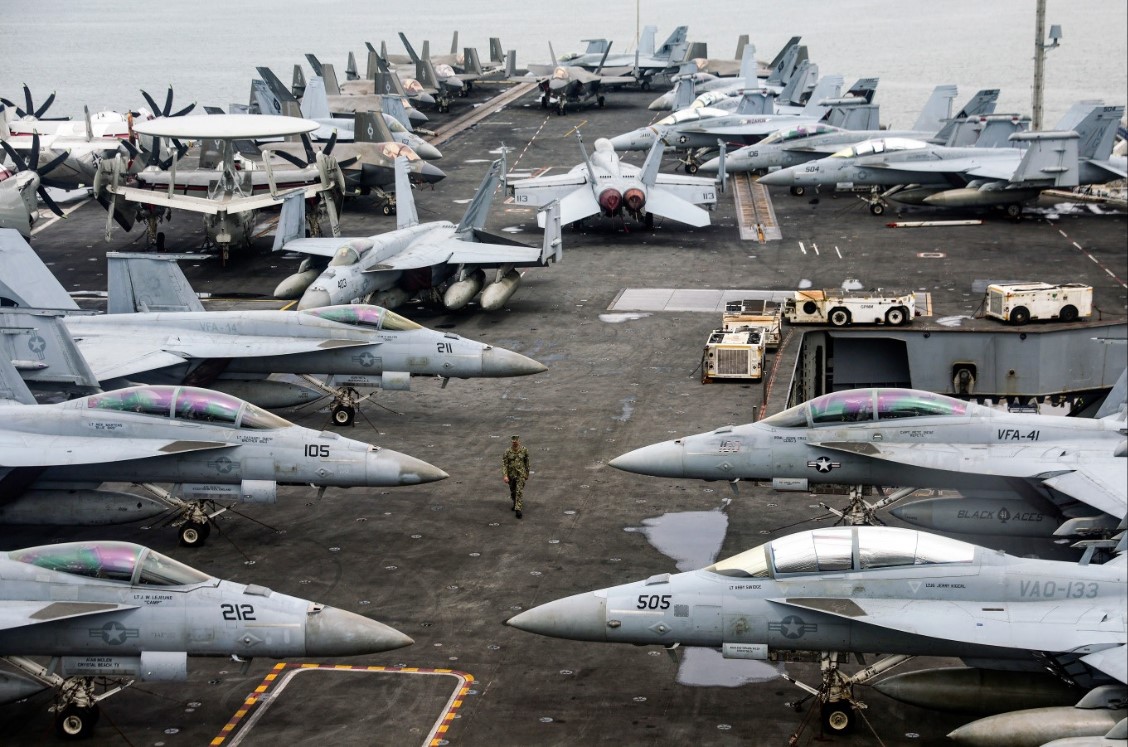 US Plans Significant Reduction of Fighter Jets and Warships for NATO Operations in Europe
-
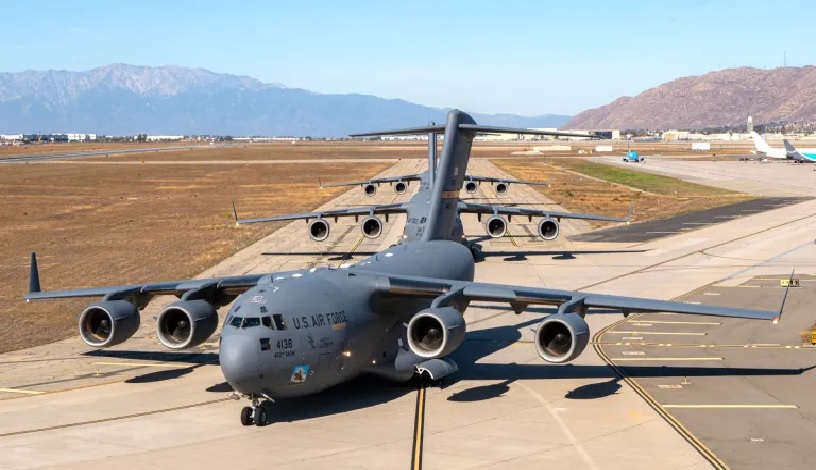 U.S. Air Force Faces Strategic Airlift Shortfall as C-17 Production Restart Remains Uncertain
-
 NATO Commander Says Russia Not Seeking Conflict With Alliance Despite U.S. Force Reductions
-
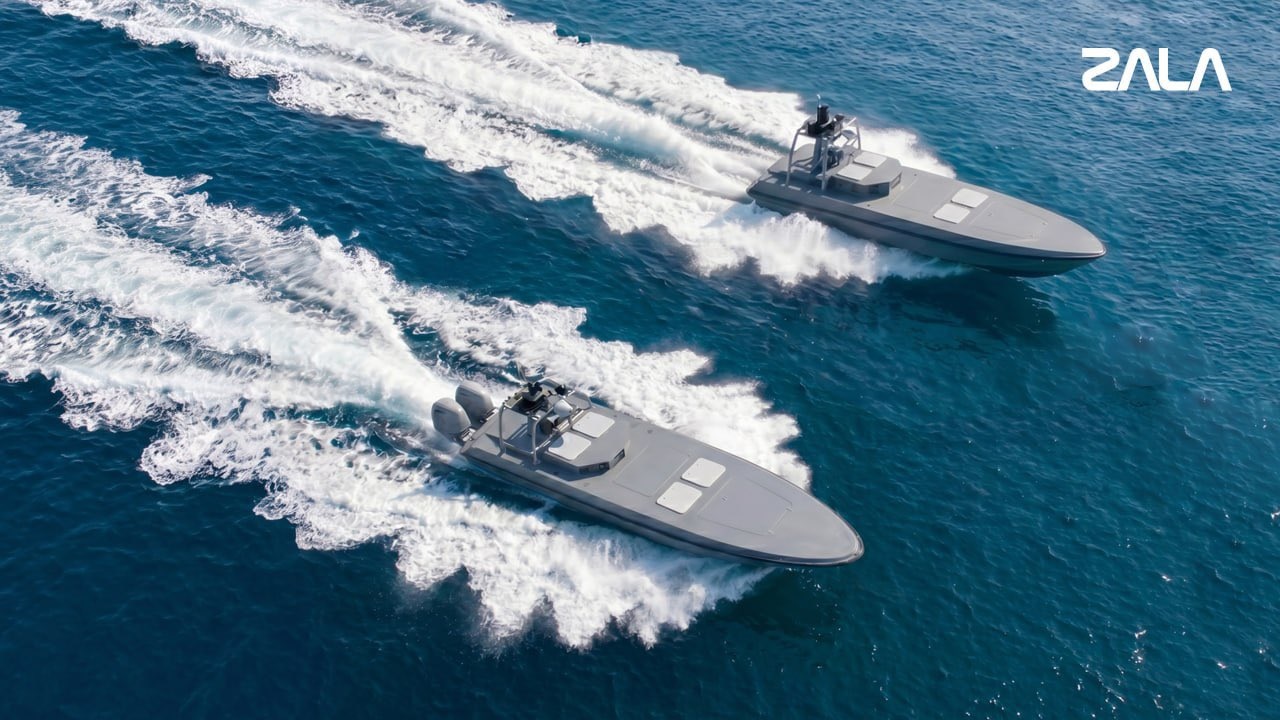 Russian Defense Firm ZALA Unveils KAMA Unmanned Surface Vessel Family at FLOT-2026 Naval Exhibition
-
 U.S. Space Force Awards $437.7 Million Contracts for First PTS-G Swarm 1 Anti-Jam Satellites
-
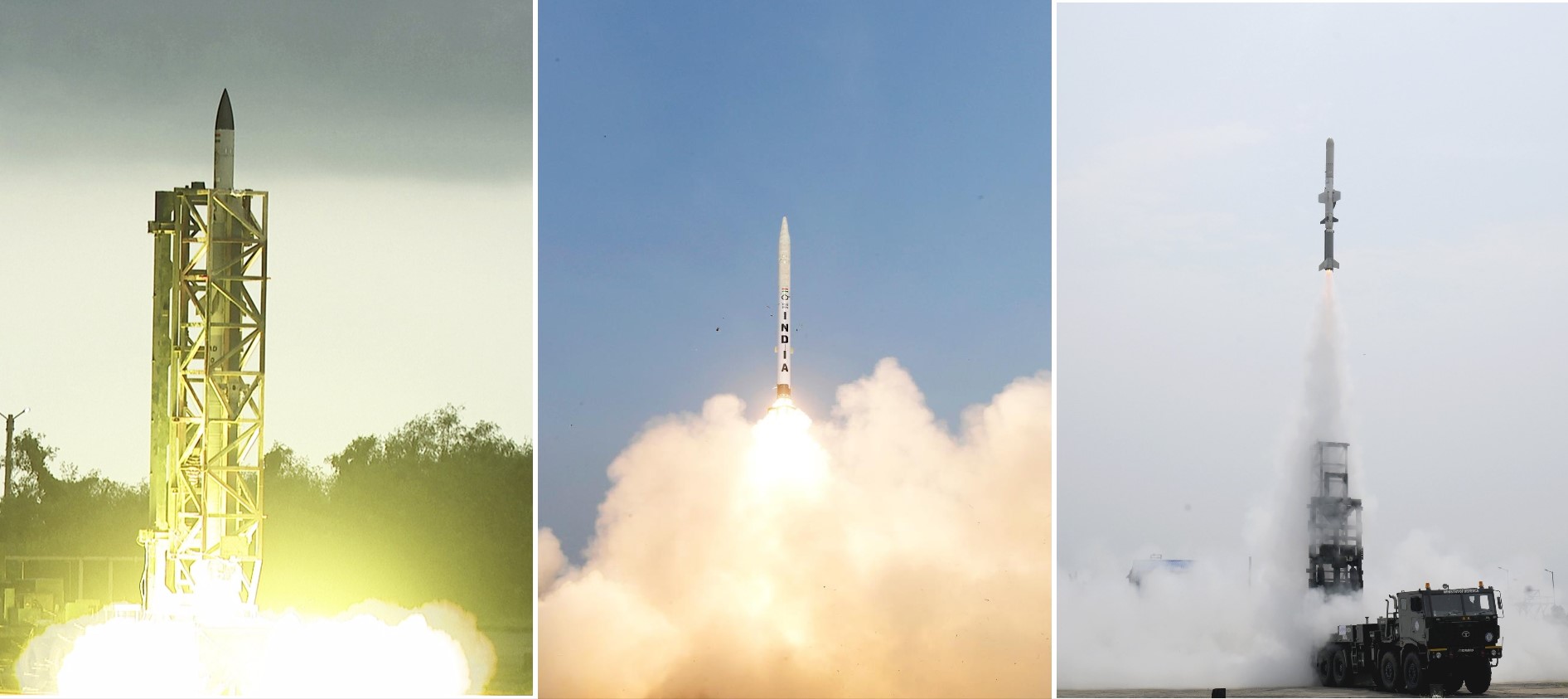 India Successfully Conducts AD-1, AD-2 Interceptor Tests and Maiden NASM-MR Flight Trial
-
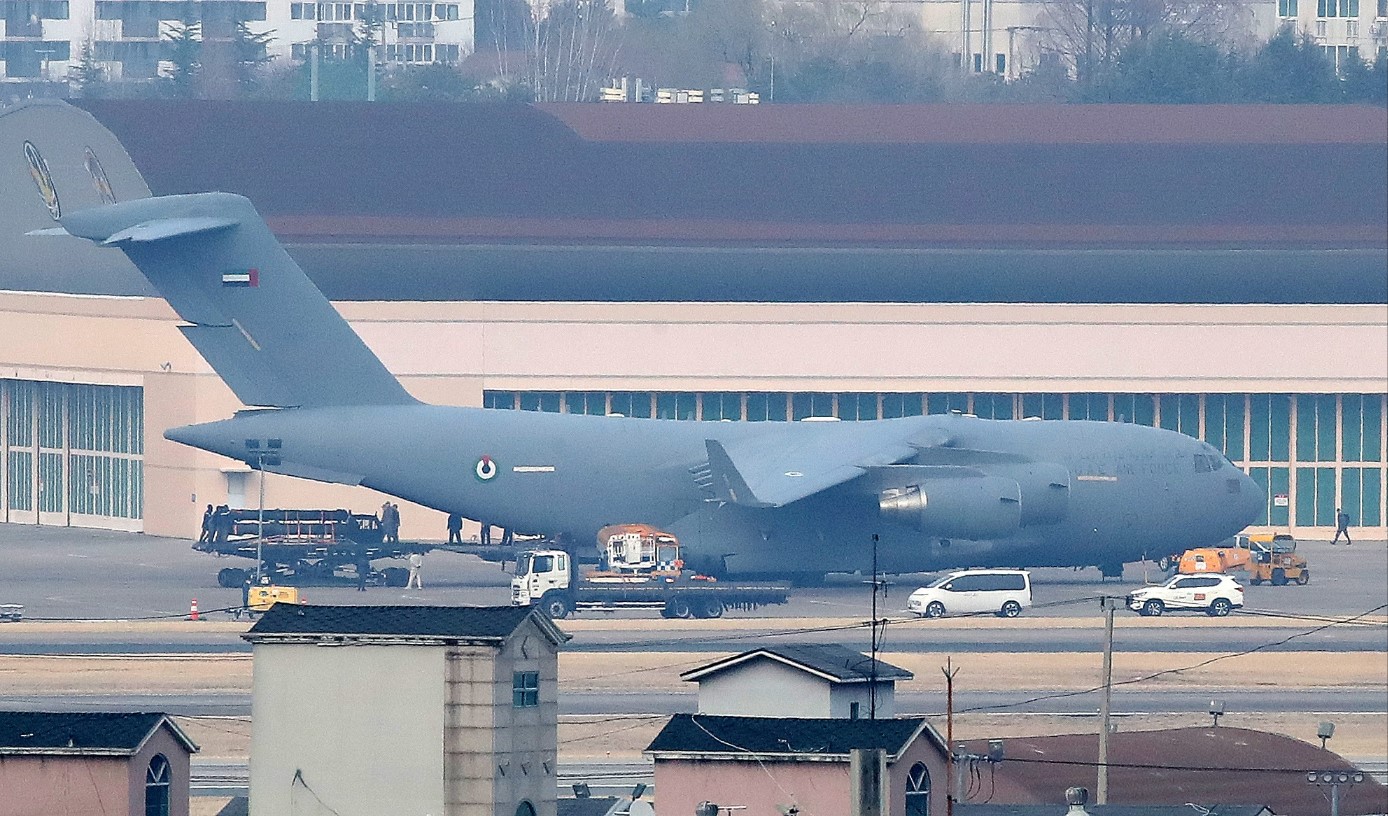 UAE Urgently Airlifts Cheongung-II Missile Defense Battery From South Korea Using Eight C-17 Aircraft