
India
Jayesh Natarajan, a mechanic from Kerala, has been awarded a patent for his innovative twin magazine rifle, potentially revolutionizing firearm technology for defense forces.Jayesh Natarajan, a 36-year-old mechanic from Thiruvananthapuram, Kerala, has been awarded a patent by the Government of India for his innovative "twin magazine rifle" design. This breakthrough could significantly impact firearm technology, providing crucial benefits for defense and security forces.The twin magazine rifle design addresses a critical issue faced by soldiers in combat: the need to manually reload when a magazine is emptied. Jayesh’s design allows for automatic switching between two magazines, saving valuable time in combat situations.Jayesh, currently pursuing a BTech degree at the College of Engineering, Thiruvananthapuram (CET), has spent five years developing this concept. His background as a two-wheeler mechanic and his passion for engineering fueled his relentless research and development efforts.The innovation has attracted attention from the Army Design Bureau, which is assessing its technical feasibility. With the support of former Director General of Police Alexander Jacob and Lt General (Retd) Sarath Chand, Jayesh has refined his design, addressing various technical concerns.Jayesh's journey has been challenging. He faced personal hardships, including the loss of his father at a young age, which required him to support his family by working as a mechanic while continuing his education. Despite these obstacles, his determination led to this significant achievement.The patented twin magazine rifle has been presented to the Armament Research & Development Establishment of the Defence Research and Development Organisation (DRDO) in Pune. The Army is now evaluating the design, which could accelerate research and development efforts in this field.This patent not only recognizes Jayesh's contribution to the defense sector but also highlights his resilience and pursuit of innovation. His story is a testament to overcoming adversity and making valuable contributions to society.Jayesh’s design is expected to enhance the efficiency and effectiveness of soldiers in combat, potentially leading to widespread adoption and further advancements in firearm technology.
Read More → Posted on 2024-06-05 06:48:47
India
A Sukhoi-30MKI fighter jet crashed in Nashik, Maharashtra, with the pilots safely ejecting and suffering minor injuries. The crash occurred during a test flight post-overhaul by Hindustan Aeronautics Limited (HAL).A Sukhoi-30MKI fighter jet crashed today in a field near Shirasgaon village in Maharashtra's Nashik district. The aircraft, on a test flight after an overhaul by Hindustan Aeronautics Limited (HAL), took off from Ozar and soon encountered a technical snag. Despite the malfunction, both the pilot and the co-pilot managed to eject safely using the aircraft's advanced ejection system, suffering only minor injuries.Upon receiving reports of the crash, police and emergency services rushed to the scene to provide medical assistance to the pilots. Visuals from the crash site showed the twin-engine aircraft engulfed in flames, with smoke billowing into the sky and a crowd gathering near the site.The Sukhoi-30MKI, a mainstay of the Indian Air Force (IAF), is a fourth-generation, twin-engine, twin-seater fighter jet built by Russia and manufactured under license by HAL in India. It has been a crucial part of the IAF's fleet for over 20 years, with more than 200 aircraft in service across various squadrons.The aircraft is equipped with the NPP Zvezda K-36DM ejection seat, known for its zero-zero capability. This feature allows pilots to eject safely from the aircraft even at zero altitude and zero speed, making it one of the most advanced ejection systems available. The ejection process involves explosives under the seat and canopy, as well as parachutes to ensure the pilot's safety. However, the high g-forces experienced during ejection can cause severe injuries and may impact the pilot's ability to fly again.The exact cause of the technical snag that led to the crash is yet to be determined, and an investigation is expected to be launched to ascertain the details. The Su-30MKI, despite this incident, remains a vital component of the IAF, known for its versatility and combat capabilities.
Read More → Posted on 2024-06-05 06:38:00
India
Hindustan Aeronautics Limited (HAL) is finalizing essential safety upgrades for the Dhruv Advanced Light Helicopter (ALH) fleet, addressing control rod flaws to enhance airworthiness.Hindustan Aeronautics Limited (HAL) is close to finishing a vital safety upgrade for its Dhruv Advanced Light Helicopter (ALH) fleet. This effort comes after several accidents in 2023 highlighted the need for improvements. The upgrade focuses on replacing faulty control rods with a more robust design to ensure better airworthiness.The Dhruv helicopters, used by the Indian Army, Navy, and Air Force, have faced multiple groundings due to recurring issues with the booster control rods. These flaws have been linked to several accidents, raising serious concerns about the helicopters' safety.Following a comprehensive design review, HAL has successfully replaced the collective control rods in all Dhruv helicopters. The ongoing replacement of the lateral and longitudinal control rods is expected to be completed by the end of June. The new control rods, made of steel instead of aluminum, are anticipated to significantly improve flight safety.Control rods are crucial for the helicopter's maneuverability. Any failure in these components can lead to catastrophic outcomes, as seen in past incidents. The control assembly, comprising collective, pitch, and roll control rods, had previously failed, leading to multiple mishaps.The Centre for Military Airworthiness and Certification (CEMILAC) ordered a design review in April 2023 after a Navy ALH crashed into the Arabian Sea. An expert committee attributed the incident to a technical failure in the assembly of serrated washers within the booster control rods.In the past five years, the Dhruv helicopter has been involved in at least 12 accidents. This upgrade marks a significant step towards addressing the ongoing issues and enhancing the safety of the pilots and crew operating these helicopters.Air Marshal Anil Chopra (retd), former director general of the Centre for Air Power Studies, commented, "This issue is behind us now. Control rods made of steel will improve flight safety. Earlier, there were concerns about the metallurgy of control rods in the ALH gearboxes."With these upgrades, HAL aims to restore confidence in the Dhruv ALH fleet, ensuring that these helicopters continue to serve the Indian Armed Forces effectively and safely.
Read More → Posted on 2024-06-05 06:26:09
India
Nishant Agarwal, a former engineer at BrahMos Aerospace, has been sentenced to life imprisonment for espionage activities on behalf of Pakistan's ISI, under the Official Secrets Act.Nishant Agarwal, a former engineer with BrahMos Aerospace Pvt Ltd, has been sentenced to life imprisonment by the Nagpur district court for spying for Pakistan’s intelligence agency, ISI. In addition to the life sentence, Agarwal will serve 14 years of rigorous imprisonment and has been fined ₹3,000. This verdict was delivered by Additional Sessions Court Judge MV Deshpande.Agarwal was convicted under section 235 of the Criminal Procedure Code for offenses punishable under section 66(f) of the IT Act and various sections of the Official Secrets Act (OSA). The prosecution, led by Special Public Prosecutor Jyoti Vajani, presented evidence that Agarwal had leaked sensitive technical information from his position in the technical research section of BrahMos Aerospace’s missile center in Nagpur.Agarwal's arrest in 2018 was the result of a coordinated operation by the military intelligence and Anti-terrorism squads (ATS) of Uttar Pradesh and Maharashtra. At the time of his arrest, Agarwal had been working at the BrahMos facility for four years. BrahMos Aerospace, a joint venture between the Defence Research and Development Organisation (DRDO) of India and Russia's military industrial consortium NPO Mashinostroyenia, is responsible for the development and production of the BrahMos missile, a key asset in India's defense capabilities.The investigation revealed that Agarwal had been sharing classified information with the ISI, compromising national security. Despite being granted bail by the Nagpur bench of the Bombay High Court in April last year, the recent court ruling has now led to his conviction and sentencing.This case underscores the critical importance of stringent security measures within India's defense establishments and the severe consequences of breaching these protocols. The conviction of Nishant Agarwal serves as a stern warning to those who might consider engaging in espionage against the nation.
Read More → Posted on 2024-06-05 06:08:50
India
Adani Ports and Special Economic Zone (APSEZ) on Friday said its wholly owned subsidiary Adani International Ports Holdings Pte Ltd (AIPH) has signed a 30-year concession agreement with the Tanzania Ports Authority to operate and manage Container Terminal 2 at the Dar es Salaam Port in Tanzania.The Dar es Salaam Port is a gateway port with a well-connected network of roadways and railways, APSEZ said in a statement.East Africa Gateway Ltd (EAGL) has been incorporated as a joint venture of AIPH, AD Ports Group, and East Harbour Terminals Ltd (EHTL), the statement added.APSEZ will be the controlling shareholder and will consolidate EAGL on its books, it said.According to the statement, Container Terminal 2, with four berths, has an annual cargo handling capacity of 1 million twenty-foot equivalent units (TEUs) and managed 0.82 million TEUs of containers in 2023 — about 83% of Tanzania's total container volumes.
Read More → Posted on 2024-06-04 15:20:40
India
Throttle Aerospace Systems (TAS) introduces the Defender, a cutting-edge anti-drone solution designed to track and neutralize rogue drones using advanced AI and vision-based techniques.Throttle Aerospace Systems (TAS): Leaders in Indian Drone TechnologyThrottle Aerospace Systems (TAS), an Indian company with over 15 years of experience in drone technology, has established itself as a frontrunner in the drone industry. They were the first company approved by the Directorate General of Civil Aviation (DGCA) to manufacture military and civil drones in India. TAS specializes in designing, developing, and deploying advanced drone hardware and software.Introducing the Defender: TAS's Anti-Drone SolutionTAS has developed the Defender, an advanced anti-drone platform aimed at addressing the growing threat posed by rogue drones. The Defender is equipped with sophisticated features that allow it to track and neutralize unauthorized drones effectively.Neutralization Capabilities of the Defender1. Drone Neutralization: The Defender can neutralize drones weighing up to 5 kg or having a diagonal size of up to 5 meters.2. Net Capture: It employs a non-lethal method to capture rogue drones using a net.3. Artificial Intelligence: The Defender leverages powerful AI algorithms to enhance its detection and neutralization efficiency.4. Vision-Based Tracking: It uses vision-based techniques to accurately track the movements of rogue drones.Technical Specifications of the Defender1. Top Speed: The Defender can achieve speeds of up to 95 km/hr.2. Range: It boasts an impressive operational range of up to 20 km.3. Flying Time: The drone can fly for up to 45 minutes on a single charge.4. Altitude: It can operate at altitudes of up to 1000 meters above ground level.5. Protection: The Defender is designed with an IP45 ingress protection rating, ensuring durability against environmental factors.Integration and CommunicationThe Defender can be seamlessly integrated with any ground-based long-range detection system, enhancing its operational capabilities. It supports communication via Frequency-Hopping Spread Spectrum (FHSS) in the 2.4 - 2.482 GHz range, ensuring secure and reliable control.ConclusionThrottle Aerospace Systems continues to lead the way in drone technology with the introduction of the Defender. This anti-drone platform, equipped with advanced AI and vision-based tracking, offers a robust solution to the challenges posed by rogue drones. With its impressive specifications and integration capabilities, the Defender is set to become a key player in the field of drone security.
Read More → Posted on 2024-06-03 16:02:49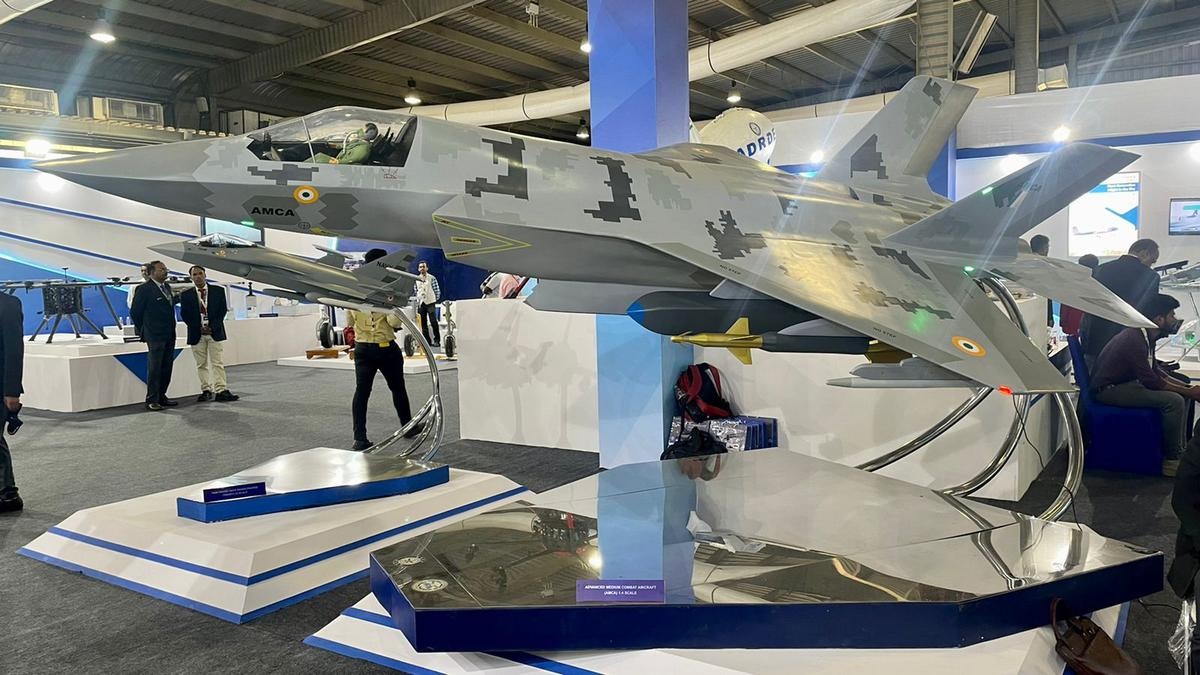
India
GE partners with India's AMCA program, offering F-414 engines with 80% technology transfer to HAL and developing an enhanced version with up to 120kN thrust.General Electric (GE) is set to play a crucial role in India's Advanced Medium Combat Aircraft (AMCA) program, providing its F-414 engine for the new fighter jets. This partnership is not just about supplying engines; GE plans to transfer 80% of the engine technology to Hindustan Aeronautics Limited (HAL), the main Indian company leading the AMCA project.F-414 Engine for AMCA MkIThe F-414 engine, known for its reliability and performance, will power the initial phase of the AMCA MkI fighter jets. With a thrust rating of 98kN, the engine is expected to give the jets the power and agility needed for modern combat scenarios. Enhanced Durability Engine (EDE)GE is also working on an enhanced version of the F-414 engine, known as the Enhanced Durability Engine (EDE). The EDE aims to deliver up to 120kN of thrust. It features a two-stage fan with a unique forward-swept, all-black design. This new design increases the pressure ratio by 10%, reduces specific fuel consumption (SFC) by 4%, and boosts thrust by 20% compared to the current F-414 model.The EDE also promises to be more durable, with components designed to last three times longer than those in the current engine. This means greater reliability and lower maintenance costs for the AMCA fleet. The EDE is projected to produce nearly 29,000 lbs of thrust, offering exceptional performance for India’s next-generation fighter jets.Collaboration with DRDOIn addition to providing the F-414 engines, GE is exploring a partnership with India's Defence Research and Development Organisation (DRDO) to co-develop a new engine based on the F-414 platform. This collaboration aims to enhance India's self-reliance in defense manufacturing and improve its aerospace capabilities.Rigorous Testing and ValidationGE is committed to ensuring the safety and reliability of its engines through rigorous testing and validation. The new fan design for the EDE will undergo rig testing next year, pending approval from DRDO and the Indian Air Force (IAF). This testing phase will ensure that the engine meets all the requirements for modern aerial combat.Extra Details and ContextThe AMCA project is a part of India’s effort to develop an indigenous fifth-generation fighter jet to strengthen its air force capabilities. The collaboration with GE is seen as a significant step towards achieving this goal, as it brings advanced engine technology and expertise to the table. The transfer of technology is expected to boost India's domestic aerospace industry, enabling HAL to manufacture and maintain these advanced engines locally.The F-414 engine has a strong track record, powering various fighter jets like the Boeing F/A-18E/F Super Hornet and the Saab JAS 39 Gripen. Its selection for the AMCA program underscores its reputation for performance and reliability.By partnering with GE, India is not only acquiring advanced engines but also building a foundation for future aerospace developments. This collaboration is expected to lead to advancements in engine technology and greater self-sufficiency in defense manufacturing, contributing to India’s long-term strategic and defense objectives.
Read More → Posted on 2024-06-03 15:29:27
India
Security forces killed two Lashkar-e-Taiba terrorists, including a wanted commander, in an encounter in Pulwama district, Jammu and Kashmir.On Monday, two terrorists from the banned Lashkar-e-Taiba (LeT) group were killed in an encounter with security forces in Pulwama district, Jammu and Kashmir. The terrorists were identified as Riyaz Dar and Rayees Dar.Riyaz Dar, a commander within the LeT, had been wanted for several terror-related cases and had managed to evade capture for years. Security forces initiated the operation after receiving precise intelligence about the presence of terrorists in the Nihama area of south Kashmir.The encounter began when the militants opened fire on the search party. In the ensuing exchange of gunfire, both Riyaz and Rayees Dar were killed. Inspector General of Police, Kashmir, V K Birdhi, confirmed their identities and the successful conclusion of the operation.Lashkar-e-Taiba, which operates primarily in Pakistan, has been responsible for numerous terrorist activities in India. The group is infamous for the 2008 Mumbai attacks, which resulted in the deaths of 166 people and left hundreds injured. The Indian government has been conducting continuous operations to eliminate the presence of such terrorist groups in the region.The encounter in Pulwama is part of a broader effort by security forces to maintain stability and safety in Jammu and Kashmir. Such operations are crucial in dismantling the networks of terrorist organizations operating in the area.Local residents were advised to stay indoors during the operation to ensure their safety. The area was secured, and a thorough search was conducted to ensure no other militants were hiding.This operation highlights the ongoing efforts and dedication of the security forces to combat terrorism and protect the citizens of Jammu and Kashmir.
Read More → Posted on 2024-06-03 15:11:02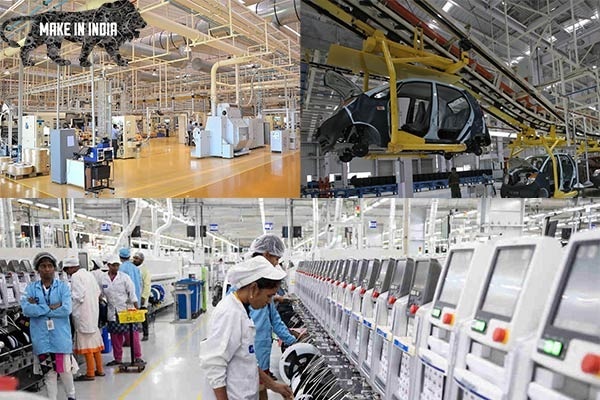
India
India's emergence as a global manufacturing hub amid supply chain challenges, driven by stable policies, incentives, and strategic advantages.In response to the disruptions caused by the COVID-19 pandemic and ongoing geopolitical tensions, many leading global manufacturing companies are diversifying their operations across different regions. This strategy aims to reduce risks and enhance flexibility in the supply chain.Geopolitical conflicts like the Ukraine-Russia conflict and the Israel-Hamas war, along with attacks on shipping lines by groups like the Houthis, have underscored the importance of mitigating risks in the supply chain. These tensions often lead to increased costs for businesses.India, with its stable political environment, vast market opportunities, and dynamic workforce, has emerged as a top choice for setting up manufacturing bases. The country has sustained impressive economic growth rates, becoming the fastest-growing major economy.Amit Goel, a strategist at Pace 360, highlights how India is benefiting from the global shift in supply chains. The pandemic exposed vulnerabilities in relying too heavily on specific regions for production, prompting many companies to diversify their operations. India's large and growing domestic market makes it attractive for companies to establish production facilities to meet local demand.Moreover, the Indian government's initiatives, such as production-linked incentives, are expected to boost domestic manufacturing capabilities further.India's GDP has climbed steadily, currently ranking as the fifth-largest globally. It surpassed the UK's GDP in 2022 and aims to reach $5 trillion in the near term.The country's strategic advantages include having the second-largest English-speaking population globally, with a focus on STEM education. Additionally, its geographical location provides easy access to markets in the Middle East, Europe, Africa, and Asia, facilitated by well-established sea routes.According to a Forbes article titled 'India's Rise in the Global Supply Chain,' India is poised to become a significant center of commerce. Major companies like Foxconn and Apple are expanding their operations in India, drawn by government incentives and favorable policies, such as the production-linked incentive scheme.For instance, Apple began manufacturing iPhones in India in 2017, with exports witnessing significant growth. Similarly, Samsung has made substantial investments in expanding its manufacturing capacity in India.The Indian government's initiatives like 'Make in India' and 'Atmanirbhar Bharat' aim to make Indian manufacturers globally competitive, boost exports, and reduce dependency on imports. Various sectors, including electronics, are being incentivized to attract investments and integrate India into the global supply chain.India's strengths in the global logistics supply chain, particularly in mobile, semiconductor manufacturing, aerospace, and defense sectors, have been recognized by industry experts. Companies like Thales India are actively expanding their presence in India and partnering with local suppliers to leverage the country's growing supply chain.The government has set ambitious targets for indigenous defense manufacturing and exports, aiming to achieve significant growth by 2024-25. Notably, many global companies are sharing critical defense and aerospace knowledge with India, contributing to its growing expertise in these sectors.India's defense exports have surged in recent years, reaching record highs. The country's commitment to strengthening its manufacturing capabilities and expanding its global presence underscores its emergence as a key player in the global supply chain.In conclusion, India's favorable business environment, government initiatives, and strategic advantages position it as an attractive destination for global investments and manufacturing operations amidst evolving supply chain challenges.
Read More → Posted on 2024-06-03 08:06:27
India
The Indian Army can boost its T-90 tanks' effectiveness by adopting Russia's recent armor plate upgrades, enhancing protection and mobility while simplifying maintenance.The Indian Army, with its significant fleet of T-90 tanks, is at a pivotal moment where adopting new tactics and upgrades can greatly improve its combat effectiveness. Recent changes in Russia's use of T-90 tanks offer valuable insights for India. Specifically, Russia has replaced the traditional cope cage on its T-90M tanks with two armor plates. This shift aims to enhance protection and operational efficiency, presenting a compelling case for India to consider similar modifications for its T-90 fleet.Understanding the Cope Cage and Its ReplacementInitially, the cope cage was added to T-90 tanks as an extra layer of defense against anti-tank missiles and drones. However, recent battlefield experiences have led Russia to replace the cope cage with two armor plates on their T-90M tanks. This change is driven by the evolving nature of threats and a continuous assessment of combat performance.Advantages of Armor Plates Over Cope Cages1. Improved Protection: The primary benefit of using armor plates is the enhanced protection they offer. Modern anti-tank weapons are highly sophisticated, and ensuring that tanks can withstand these threats is crucial. Armor plates have shown to provide better resilience against contemporary anti-tank munitions compared to the cope cage.2. Enhanced Mobility: The cope cage adds considerable weight to the tank, which can hinder its mobility. Mobility is vital in combat, especially in diverse terrains such as the deserts of Rajasthan and the mountainous regions along India's northern borders. By replacing the cope cage with armor plates, the overall weight of the tank is better managed, improving its maneuverability.3. Simplified Maintenance: The cope cage increases the complexity of the tank's design, potentially leading to higher maintenance requirements. In contrast, armor plates are more integrated into the tank's structure, simplifying maintenance and increasing operational uptime. This is crucial for maintaining the tank’s readiness and reducing downtime during operations.Strategic Evaluation and Iterative ImprovementsTo keep its T-90 tanks at the forefront of armored warfare, the Indian Army should systematically evaluate their performance in various operational scenarios. By gathering and analyzing real-world combat feedback, the Army can make iterative improvements, ensuring that their tanks remain effective against evolving threats.Additional Considerations for Upgrading T-90 TanksWhile adopting armor plates is a significant step, the Indian Army should also consider other potential upgrades and innovations:Active Protection Systems (APS): These systems can detect and neutralize incoming threats before they hit the tank, offering an additional layer of defense.Improved Fire Control Systems: Upgrading the fire control systems can enhance target acquisition and accuracy, increasing the tank's effectiveness in combat.Enhanced Communication Systems: Modern communication systems can improve coordination between tanks and other units, leading to more effective operations.ConclusionBy learning from Russia's recent modifications to the T-90 tanks, the Indian Army can enhance the combat effectiveness of its own fleet. Replacing the cope cage with armor plates offers improved protection, better mobility, and simpler maintenance. Coupled with a strategic approach to evaluating and upgrading the tanks, these changes can ensure that the T-90s remain a formidable force in modern warfare.
Read More → Posted on 2024-06-03 07:21:55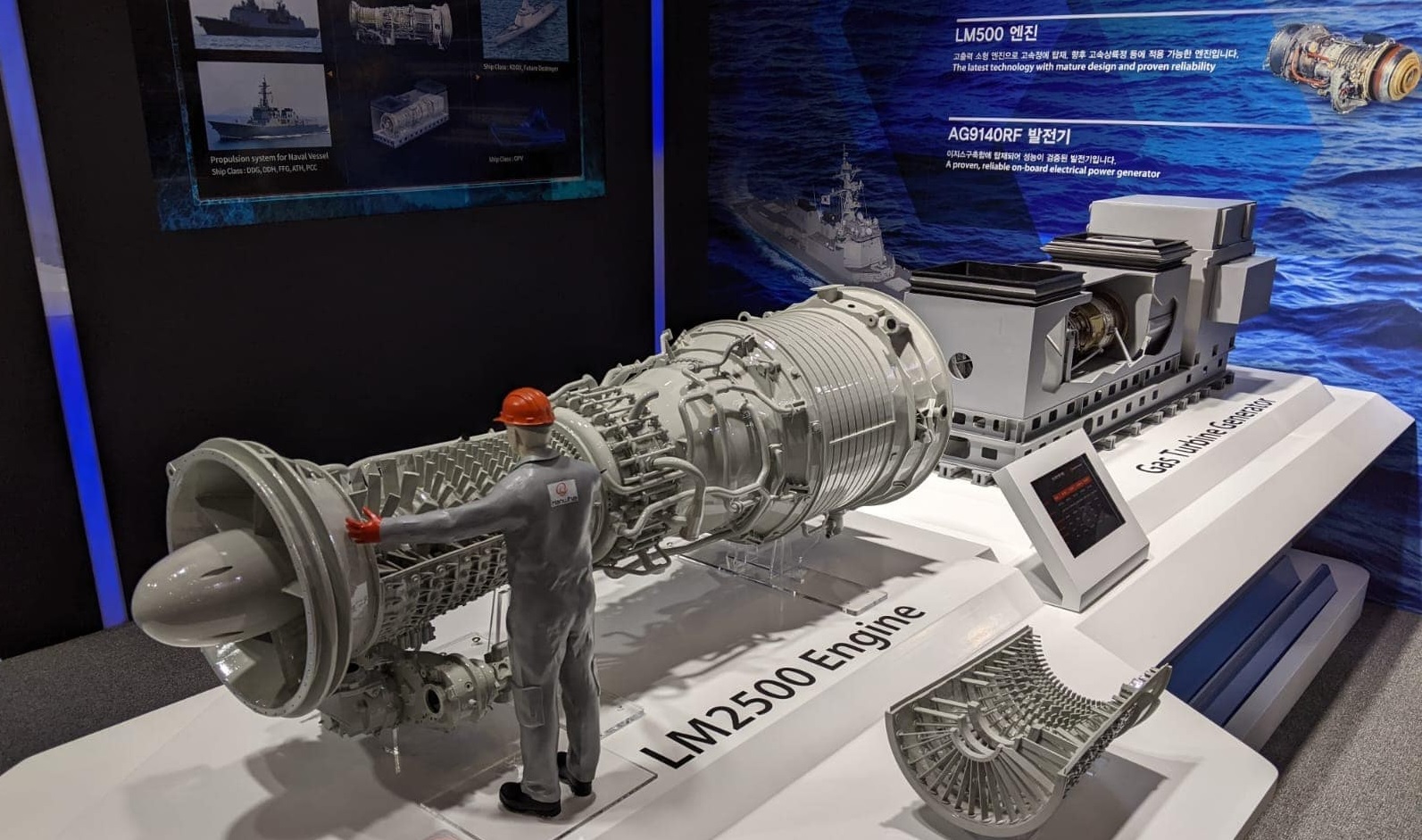
India
HAL has secured a ₹1,173 crore contract with Cochin Shipyard to supply LM2500 gas turbines for the Indian Navy's new missile vessels, set for delivery between 2026 and 2029.Hindustan Aeronautics Limited (HAL) has won a contract worth ₹1,173.42 crore (approximately $147 million USD) with Cochin Shipyard Limited (CSL). This agreement is for supplying critical equipment for the Indian Navy’s Next Generation Missile Vessel (NGMV) project, marking a significant step in the construction of these advanced warships.As part of the contract, HAL will manufacture and deliver six sets of LM2500 Gas Turbines (GT) along with their corresponding Gas Turbine Auxiliaries (GTAE). These turbines are known for their reliability and efficiency and will serve as the propulsion system for the NGMVs. The contract also includes providing spare parts and tools necessary for the operation and maintenance of these systems.The LM2500 is a well-established marine gas turbine engine that is widely used in navies around the world. Its efficiency and high performance make it suitable for the demanding operational requirements of the Indian Navy's new missile vessels.The contract execution is planned over a period from FY 2026 to FY 2029, indicating a multi-year commitment to ensure the timely delivery of these essential components for the NGMV project.HAL's involvement in this project highlights its capabilities in manufacturing advanced marine propulsion systems, reinforcing its position as a key player in India’s defense manufacturing sector. This collaboration with CSL also underscores the growing synergy between Indian defense firms in enhancing the country's maritime defense capabilities.The LM2500 gas turbines have been utilized by over 30 navies globally, powering various classes of ships due to their robust performance and adaptability. This collaboration is expected to bolster the indigenous manufacturing capabilities in India's defense sector and contribute significantly to the 'Make in India' initiative.
Read More → Posted on 2024-06-02 15:31:18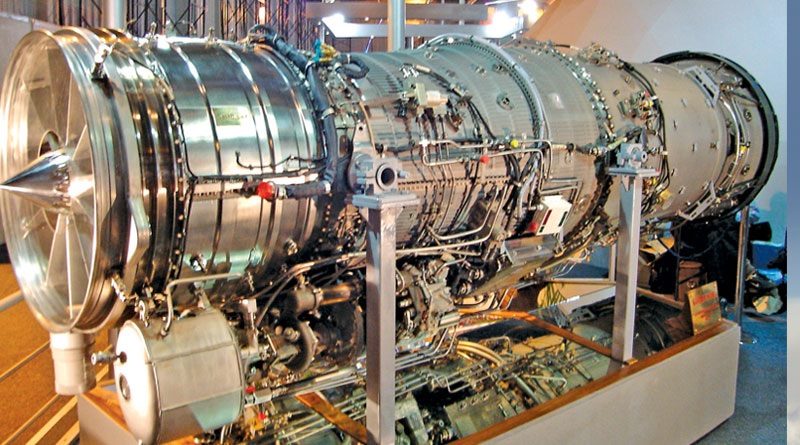
India
India's GTRE, part of DRDO, has advanced its Dry Kaveri engine program, aiming for self-reliance in fighter jet technology with upcoming rigorous tests and potential integration into the LCA-Tejas Mk1 aircraft.The Gas Turbine Research Establishment (GTRE), a division of India's Defence Research and Development Organisation (DRDO), has made significant progress in developing the Dry Kaveri engine. This milestone is crucial for India's goal of self-reliance in critical aerospace technology. The Dry Kaveri engine, under development for several years, has now entered a phase of rigorous testing and certification.The GTRE plans to integrate an afterburner into the engine, which will enhance its thrust capabilities. This modified engine will be installed in an older Limited Series Production (LSP) LCA-Tejas Mk1 aircraft for essential flight testing. These trials, expected to start within the next two years, will focus on validating the engine's ability to generate 73 kilonewtons (kN) of thrust. Achieving this thrust level is a significant milestone for the DRDO.The long-term goal of the Dry Kaveri engine program is to develop a 90kN class engine. This engine could replace the F-404 engine currently powering the Tejas Mk1A fighter jets. If successful, it would reduce India's dependence on foreign suppliers for critical fighter jet components, marking a major breakthrough for the country's defense capabilities.The development of the Dry Kaveri engine has faced delays in the past, but recent advancements suggest the project is gaining momentum. The DRDO aims to use this engine as a viable alternative when the Tejas Mk1A fleet undergoes future engine upgrades, provided it meets the necessary performance and safety standards during flight trials.The LCA-Tejas Mk1, an indigenously developed light combat aircraft, is a cornerstone of India's efforts to modernize its air force. Integrating the Dry Kaveri engine into the Tejas Mk1A represents a strategic move to bolster the country's defense manufacturing sector.Developing a domestic engine like the Dry Kaveri also aligns with the Indian government's 'Make in India' initiative, which aims to encourage local production and reduce reliance on imports. Successful implementation of this engine would not only enhance the performance of India's fighter jets but also signify a major achievement in India's aerospace engineering capabilities.As the flight trials approach, the aerospace community will closely monitor the progress of the Dry Kaveri engine. If the engine meets the rigorous standards required, it will pave the way for future advancements in India's indigenous fighter jet programs.
Read More → Posted on 2024-06-02 15:20:33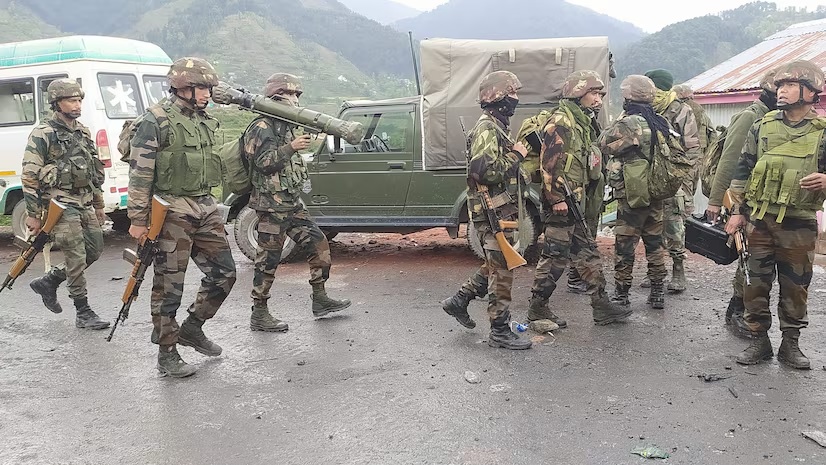
India
Indian security forces face ongoing challenges from terrorist infiltration and drone smuggling along the Line of Control in Jammu and Kashmir.The security situation along the Line of Control (LoC) in Jammu and Kashmir remains tense, with 60 to 70 terrorists reportedly active on launch pads, ready to infiltrate into Indian territory. Despite a decrease in their capabilities, Pakistan continues to send men and materials across the border. This information was shared by Rashmi Ranjan Swain, Director General of Police (DGP) for Jammu and Kashmir, who also oversees the Criminal Investigation Department (CID).In an interview with PTI, DGP Swain emphasized that the enemy’s intent to destabilize the region persists, even though their operational capabilities have been somewhat degraded. He highlighted the presence of foreign terrorists from Pakistan actively operating within the region. Swain noted that despite some successes in thwarting these infiltration attempts, ongoing efforts are essential to further diminish the enemy’s ability to cause unrest.Swain pointed out that at any given time, small groups of terrorists, typically consisting of five to six individuals, are positioned at various locations along the LoC, waiting to cross into Indian territory. He assured that the combined efforts of the Army, paramilitary forces, and Jammu and Kashmir Police are resolute in making it extremely difficult for these adversaries to succeed.Drone Threats and CountermeasuresOne significant challenge mentioned by Swain is the use of drones by adversaries to smuggle arms, ammunition, explosives, cash, and narcotics into Jammu and Kashmir. This method of infiltration poses a considerable threat, complicating the security landscape. While progress has been made in countering drone activities, the DGP stressed the need for sustained vigilance and ongoing efforts to fully eradicate these threats.The security forces have been working diligently to intercept and neutralize drone droppings, but Swain acknowledged that completely stopping these activities requires more time and concerted effort. He highlighted that in the case of narcotics, reversing the cycle of smuggling and distribution is a significant challenge that demands persistent efforts.Collaborative Efforts for Enhanced SecuritySwain underscored the importance of collaborative efforts among the various security agencies in the region. He praised the coordinated actions of the police, Army, and paramilitary forces, which are crucial in ensuring the safety and stability of the border areas. The collective resolve of these agencies aims to make it increasingly challenging for adversaries to carry out their disruptive activities.In summary, the security situation in Jammu and Kashmir remains complex, with ongoing threats from both terrorist infiltration and drone-based smuggling. However, the steadfast commitment of Indian security forces to counter these challenges is evident. Through continued vigilance and collaborative efforts, the security agencies aim to protect the region from destabilizing forces and maintain peace and stability.
Read More → Posted on 2024-06-02 15:06:02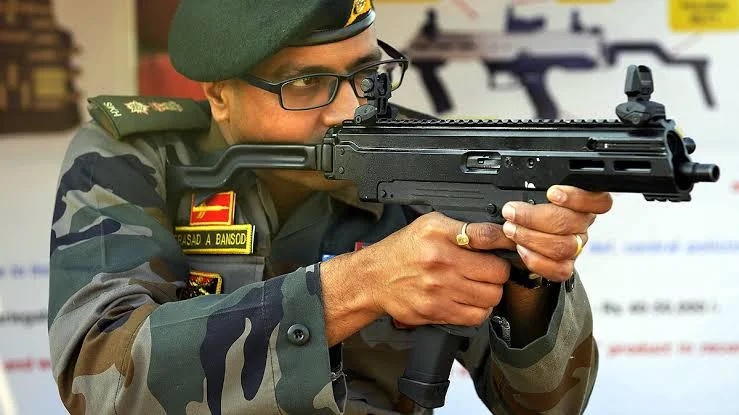
India
Lokesh Machines Limited has secured a ₹42.6 million contract from the Indian Army for the supply of ASMI submachine guns, marking a significant boost for India's domestic defence manufacturing sector.In a significant development for India's defence manufacturing sector, Lokesh Machines Limited has secured a contract worth ₹42.6 million (approximately USD 515,000) from the Indian Army's Northern Command. This contract involves supplying 9x19mm ASMI submachine guns with accessories, and the order is expected to be fulfilled by September 28, 2024.About Lokesh Machines LimitedEstablished in 1983, Lokesh Machines Limited is a prominent Indian manufacturer specializing in special-purpose machines (SPM), general-purpose machines/CNC lathes (GPM), connecting rods, and machining of cylinder blocks and heads. The company operates through two main divisions:1. Machines Division: Focuses on manufacturing various types of machinery.2. Component Division: Specializes in the production of components like connecting rods and cylinder blocks.Financial PerformanceThe announcement of the contract had a positive impact on the company’s stock, which closed at ₹408.30 per share, resulting in a market capitalization of ₹755.22 crore. Over the past year, the stock has delivered a remarkable return of approximately 185%.As of March 2024, the company's shareholding structure includes:Promoters: 50.76%Foreign Institutional Investors (FIIs): 0.27%Public: 48.98%In Q4 FY24, Lokesh Machines Limited reported revenue of ₹80.34 crore and a net profit of ₹4.69 crore. For the entire fiscal year FY24, the company’s revenue reached ₹294 crore, with a net profit of ₹14 crore, an increase from the ₹10 crore net profit recorded in the previous year.About the ASMI Submachine GunThe ASMI submachine gun is the first indigenous small arm ordered by the Indian Army since the INSAS rifle. It was designed by Colonel Prasad Bansod from the Infantry School in Mhow, with support from the Defence Research and Development Organisation (DRDO). The ASMI, meaning pride and self-respect, is a 9x19mm caliber weapon designed for close-quarter combat, offering enhanced mobility and firepower to the troops.Industry ImpactThis contract is a major boost for Lokesh Machines Limited and reflects the Indian government's push towards self-reliance in defence manufacturing. The successful fulfillment of this order could pave the way for more such contracts in the future, enhancing the company's reputation and financial standing.Future ProspectsWith the Indian government focusing on increasing domestic production of defence equipment, companies like Lokesh Machines Limited are well-positioned to benefit from new opportunities. The company's robust financial performance and strategic contracts like the one with the Indian Army are likely to contribute to its growth trajectory.ConclusionThe awarding of the ₹42.6 million contract to Lokesh Machines Limited by the Indian Army underscores the potential of India's domestic defence manufacturing sector. This achievement not only highlights the capabilities of Lokesh Machines but also marks a step forward in the country's journey towards self-reliance in defence production.DisclaimerThis article is for informational purposes only and should not be considered financial advice. Readers are encouraged to conduct their own research before making any investment decisions.
Read More → Posted on 2024-06-02 15:02:27
India
Pakistan on Friday refused to share details on any consular access to the two Indian nationals held in the neighbouring country on accusations of spyingOn Friday, Pakistan declined to provide detailed information about consular access to two Indian nationals held on spying charges, only acknowledging that such access has been granted periodically. Foreign Office spokesperson Mumtaz Zahra Baloch responded to inquiries about consular access to the two Indian prisoners, emphasizing that such arrangements have been made "from time to time."According to The Express Tribune, Pakistani authorities recently allowed Indian diplomats to meet with the two accused individuals, identified as Feroze Lone, 29, and Noor Muhammad Wani, 24. The two men, who hail from the Gurez area of Jammu and Kashmir, were arrested in 2020 in Gilgit-Baltistan, a region in Pakistan-administered Kashmir. Pakistani reports claim they were involved in espionage activities.The consular meeting took place at Adiala Jail, where a three-member delegation from the Indian High Commission in Islamabad met with the prisoners. Interior Ministry officers were also present during the meeting. Indian sources reported that Lone and Wani had been missing since November 2018, and it was believed they had crossed into Pakistan illegally before being detained on charges of spying.The issue of consular access between India and Pakistan has a contentious history. One notable case is that of Kulbhushan Jadhav, an Indian national arrested by Pakistan in 2016 and sentenced to death by a military court for espionage and terrorism. Despite India's repeated requests, Pakistan initially denied consular access to Jadhav. India took the case to the International Court of Justice (ICJ), which ruled in favor of India. The ICJ directed Pakistan to grant consular access to Jadhav, annul his death sentence, and conduct a civilian trial. Following the ICJ's order, Indian officials were finally allowed to meet Jadhav under strict security at the Pakistan Foreign Office in Islamabad.Consular access is a crucial aspect of international relations and diplomatic protocols, as it allows countries to provide support to their nationals detained abroad. The Vienna Convention on Consular Relations outlines the rights of consular access and assistance, aiming to ensure fair treatment and legal representation for detainees. In cases involving allegations of espionage, the provision of consular access becomes even more critical, given the sensitive nature of the charges and the potential for diplomatic tensions.The recent consular access granted to Feroze Lone and Noor Muhammad Wani indicates a willingness on both sides to adhere to diplomatic norms, despite ongoing political and military tensions between India and Pakistan. While Pakistan's refusal to divulge detailed information on consular communications keeps certain aspects of the situation opaque, the acknowledgment of such access suggests a degree of compliance with international diplomatic standards.For further context, Gilgit-Baltistan, where Lone and Wani were arrested, is a region of strategic importance. It is part of the larger Kashmir conflict, which has been a flashpoint between India and Pakistan since their independence in 1947. Both countries claim the entire region but control only parts of it. The geopolitical significance of the area adds another layer of complexity to cases of alleged espionage.As India and Pakistan navigate their diplomatic relationship, cases like these highlight the delicate balance of maintaining national security while adhering to international legal obligations. The provision of consular access, though sporadic, is a step towards upholding the rights of detainees and managing bilateral relations in a highly charged environment.
Read More → Posted on 2024-06-02 14:49:03Search
Top Trending in 24 Hours
-
 Tulsi Gabbard Releases Declassified Files Detailing U.S.-Backed Network of 120 Biolaboratories Across 30+ Countries
-
 AM General Unveils Next-Generation UGV and JLTV A2 with Counter-Drone Systems at Eurosatory 2026
-
 Dassault Seeks Compensation From Airbus as Eurodrone Dispute Erupts After FCAS Collapse
-
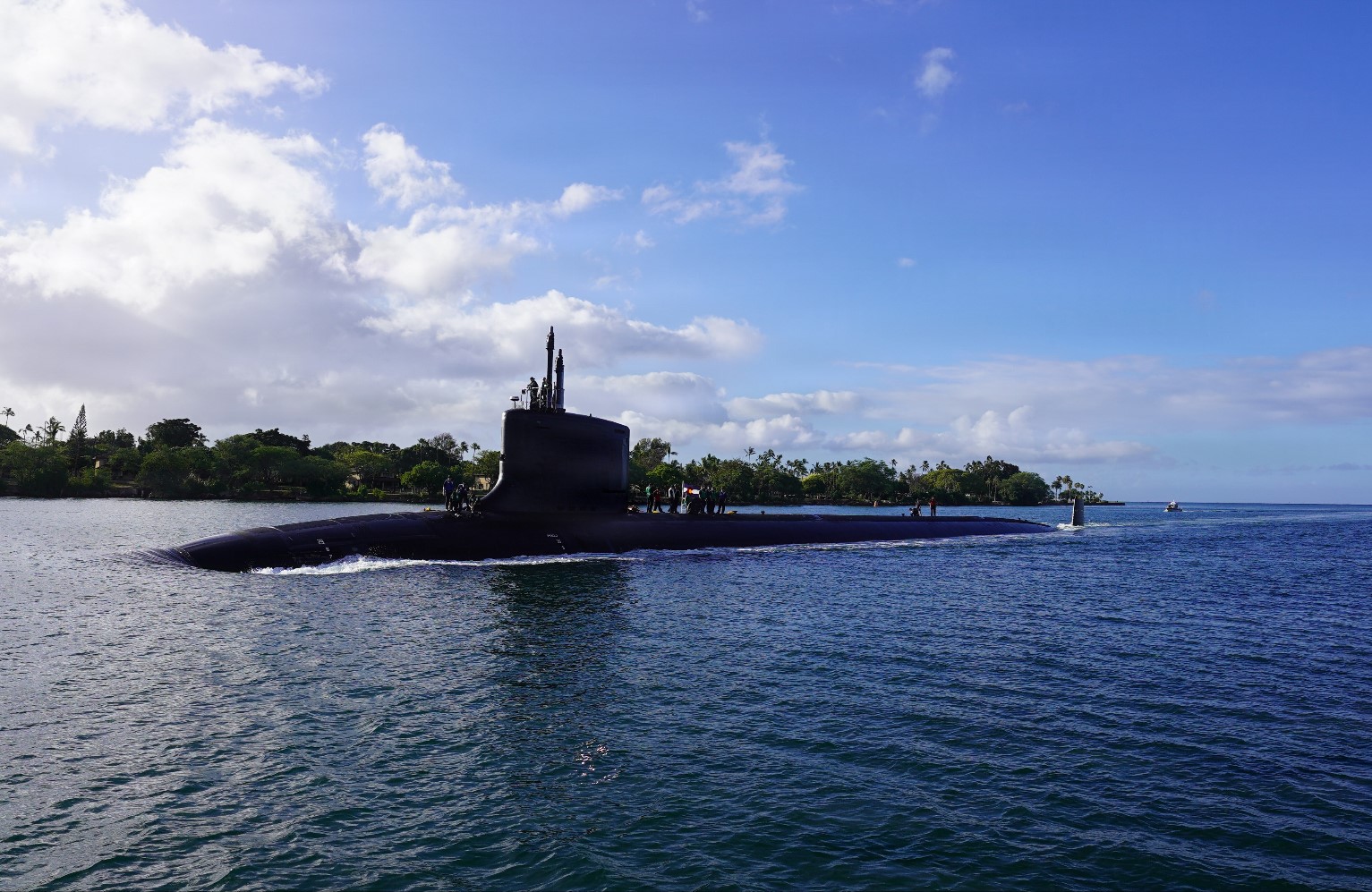 U.S. Navy's USS Colorado Submarine Returns to Pacific Fleet 29 Days Early After Major Pearl Harbor Overhaul
-
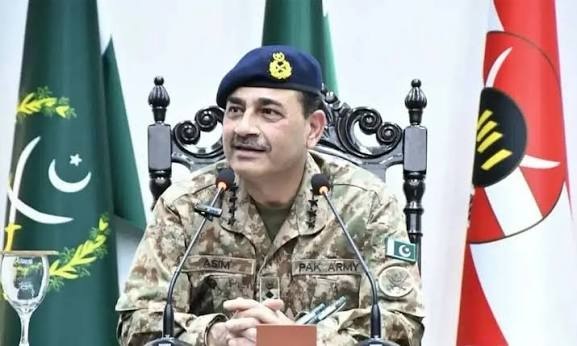 Pakistan Raises Defence Budget from $9 Billion to $10.8 Billion as J-35 Fighter and Hangor Submarine Programs Advance
-
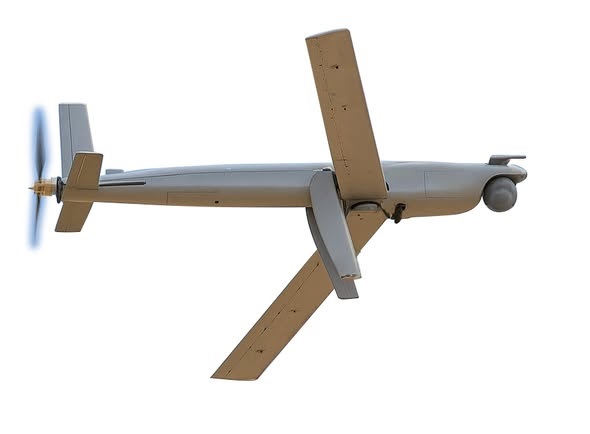 Elbit Systems and Diehl Defence Partner to Offer SkyStriker Loitering Munition to German Armed Forces
-
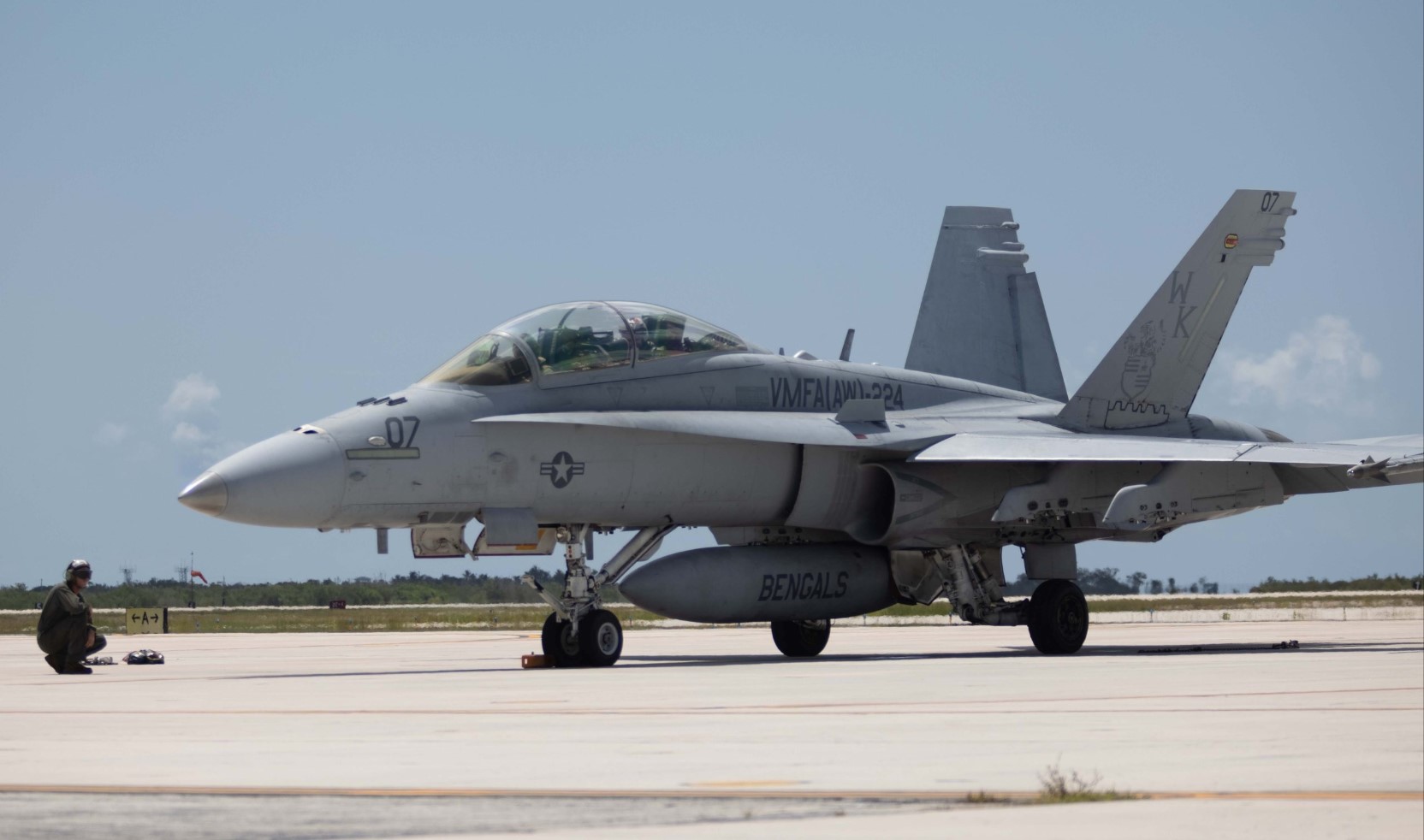 US Marine Corps F/A-18D Hornet Crashes During Training Flight in Washington Mountains; Pilot Ejects Safely
-
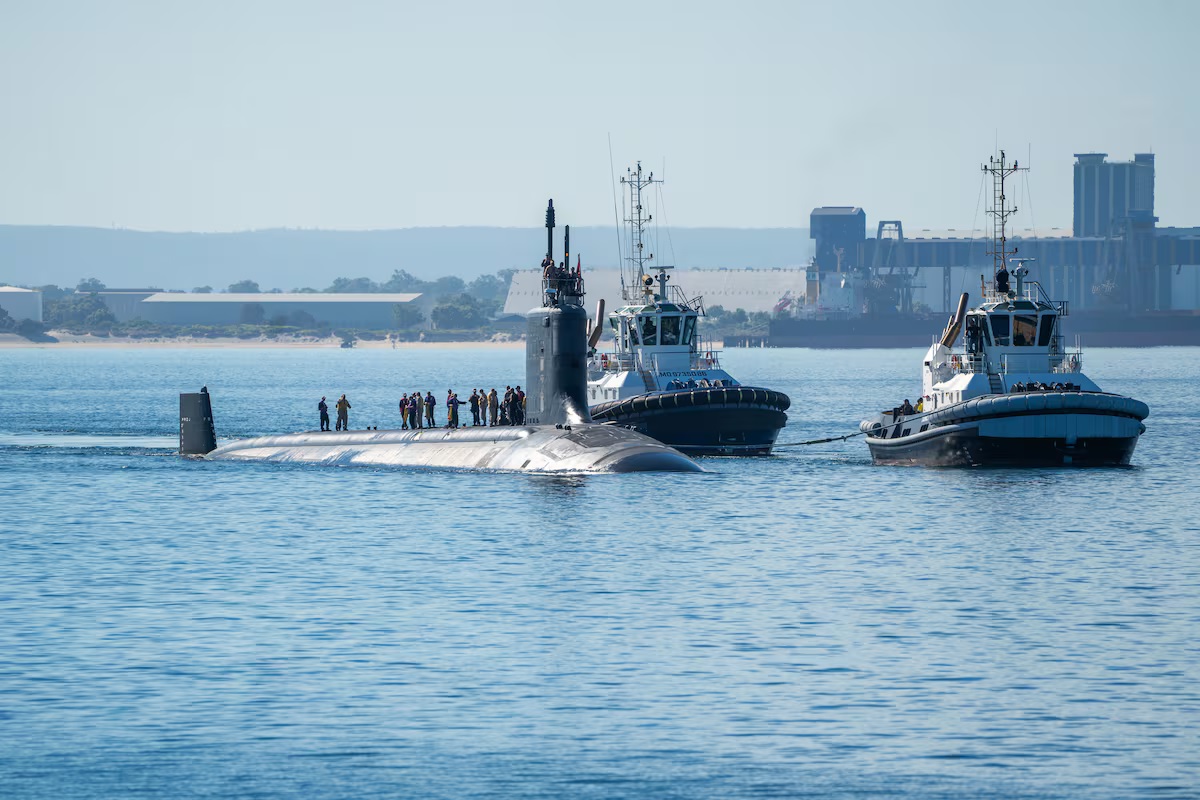 U.S. Navy Reestablishes Submarine Squadron 3 at HMAS Stirling to Support AUKUS Rotational Force
Top Trending in 4 Days
-
 Iranian Media Leaks 14-Point U.S.-Iran Peace Framework Amid Ongoing Negotiations
-
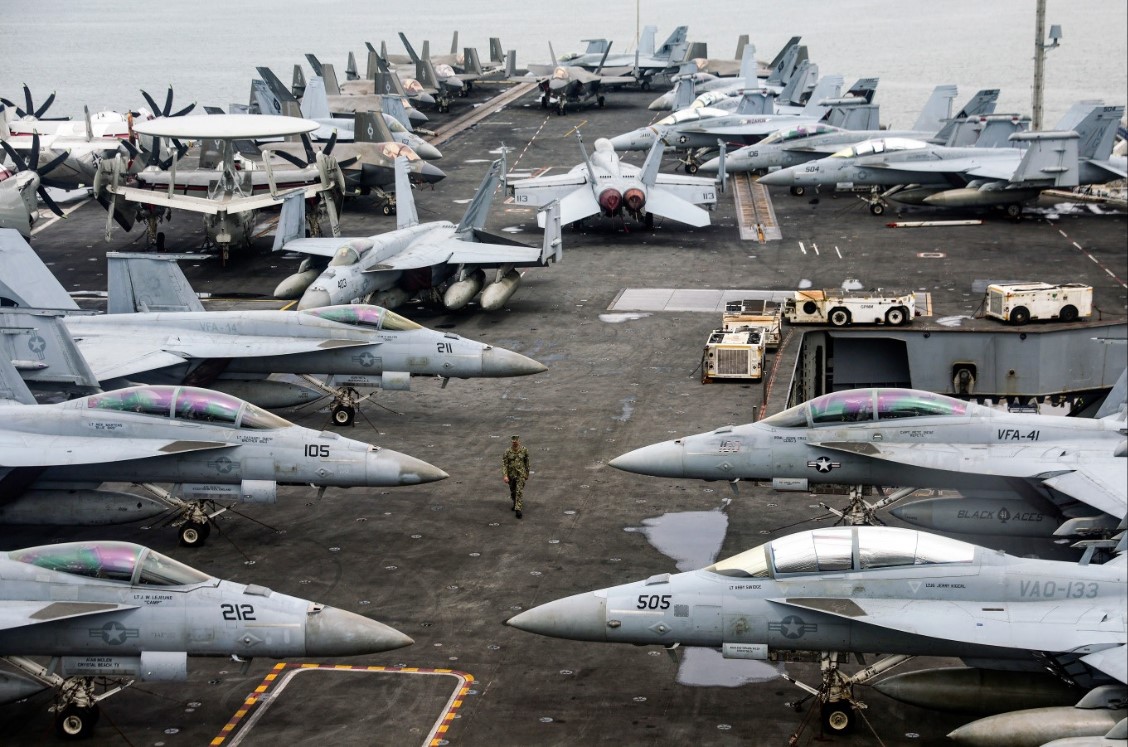 US Plans Significant Reduction of Fighter Jets and Warships for NATO Operations in Europe
-
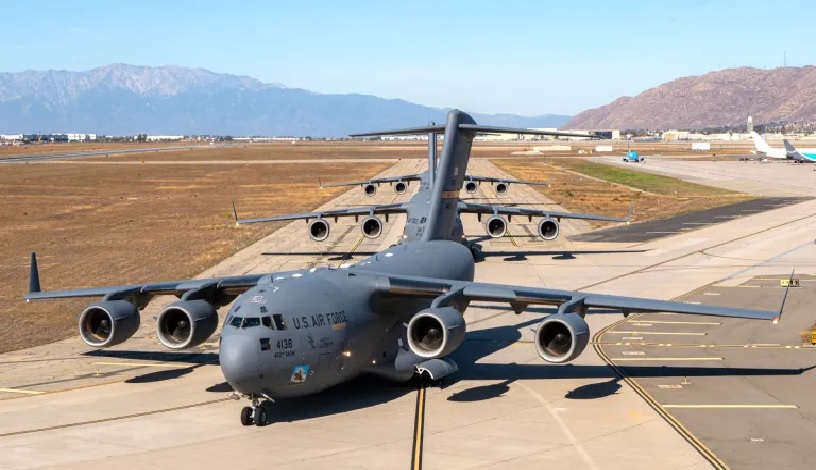 U.S. Air Force Faces Strategic Airlift Shortfall as C-17 Production Restart Remains Uncertain
-
 NATO Commander Says Russia Not Seeking Conflict With Alliance Despite U.S. Force Reductions
-
 Russian Defense Firm ZALA Unveils KAMA Unmanned Surface Vessel Family at FLOT-2026 Naval Exhibition
-
 U.S. Space Force Awards $437.7 Million Contracts for First PTS-G Swarm 1 Anti-Jam Satellites
-
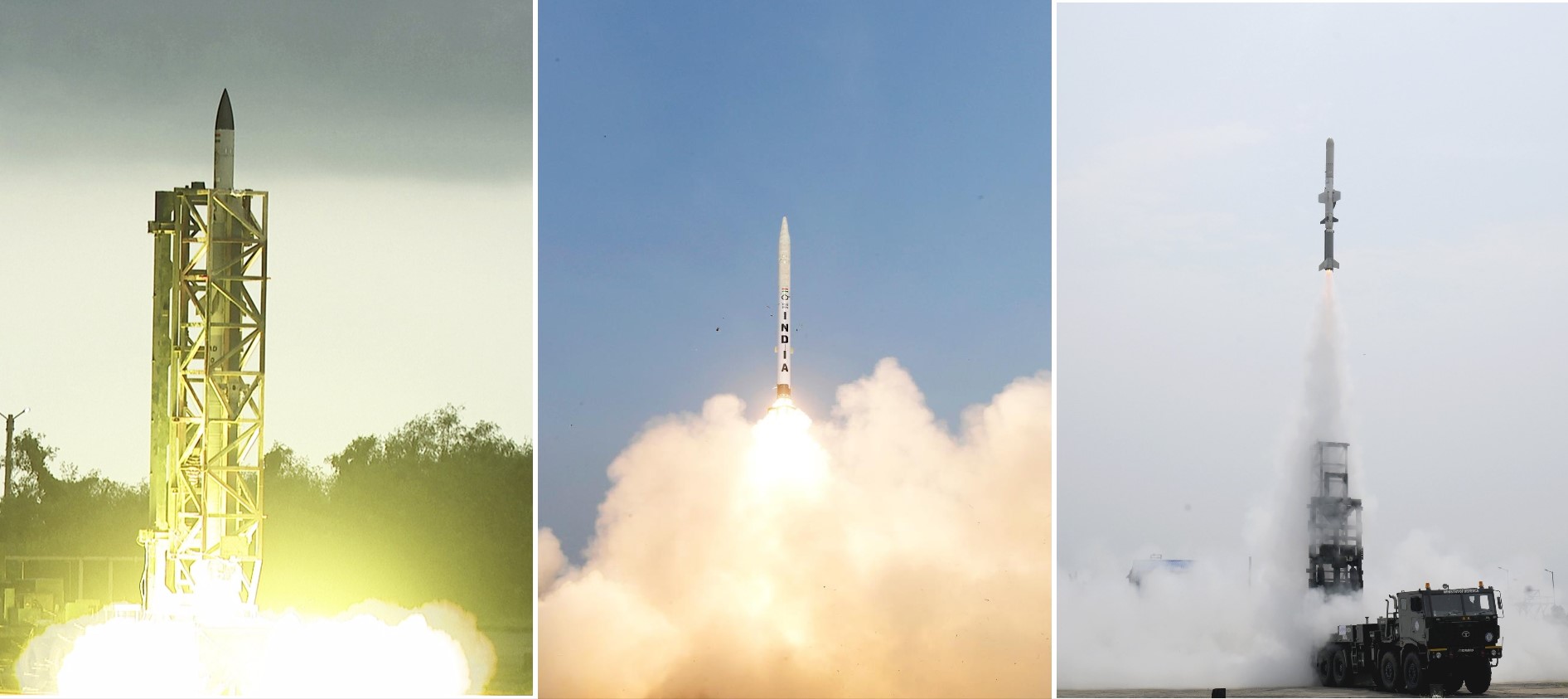 India Successfully Conducts AD-1, AD-2 Interceptor Tests and Maiden NASM-MR Flight Trial
-
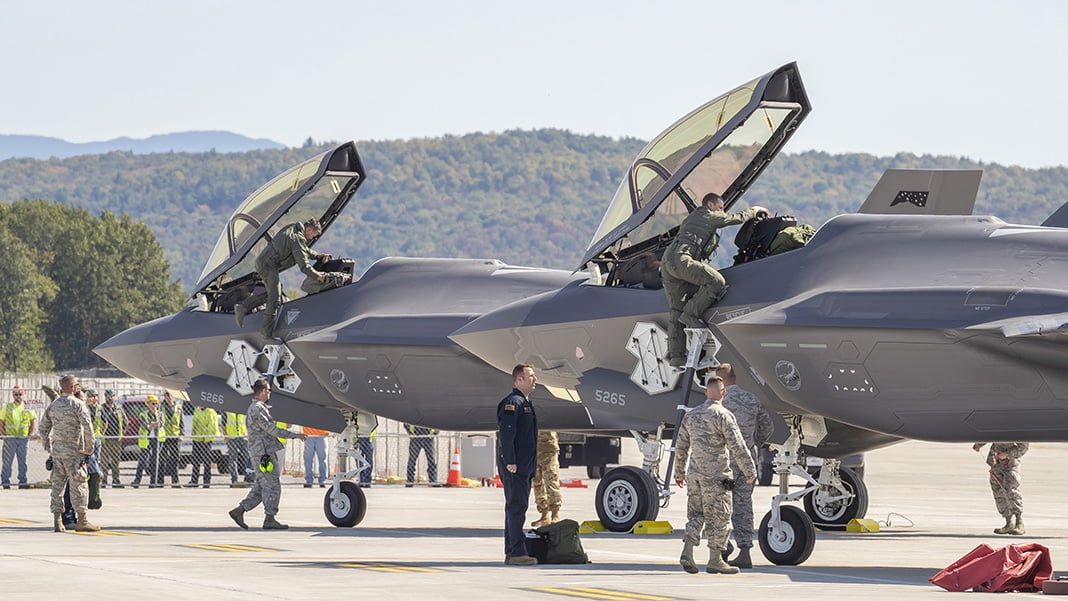 F-35 Fleet Readiness Falls to 25% Amid Parts Shortages and Software Delays: GAO Report