India
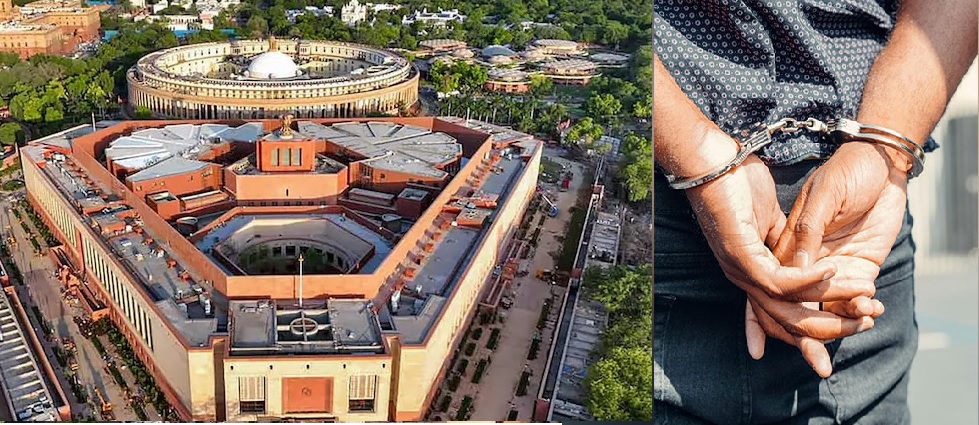
Delhi Police have apprehended three laborers for using forged Aadhaar cards to gain access to the highly secure Parliament House.Delhi Police have initiated an investigation after three men, identified as Kasim, Monis, and Soyeb, were caught using forged Aadhaar cards to enter the Parliament House. The incident took place on June 4. All three men are laborers from Uttar Pradesh and were hired by a contractor named Sahnawaj Alam for construction work in the Member of Parliament (MP) lounge.The security breach was detected at 1:30 p.m. at Iron Gate No. 03 of the Parliament House. A Central Industrial Security Force (CISF) official, responsible for verifying photo IDs, noticed discrepancies in the Aadhaar cards presented by Monis and Kasim. Both individuals displayed Aadhaar cards bearing the same number but with different photographs. Kasim had also impersonated Monis using these forged documents.Following the detection, the police booked the three men under multiple sections of the Indian Penal Code (IPC) at the Parliament Street police station. The charges include Section 465 (forgery), Section 419 (cheating by personation), Section 120B (criminal conspiracy), Section 471 (using as genuine a forged document), and Section 468 (forgery for cheating).The First Information Report (FIR) indicates that the forgery was part of a conspiracy, and the forged documents
Read More → Posted on 2024-06-07 15:50:40
India
Johnnette Technologies secures a strategic contract with the Indian Army to supply 150 JM-1 loitering munitions, bolstering India's defence capabilities with locally-produced, precision-guided technology.Johnnette Technologies Private Limited, a leading name in Indian defence innovation, has secured a contract to supply 150 JM-1 loitering munitions to the Indian Army. This move is part of India's Atmanirbhar Bharat initiative, aimed at boosting self-reliance in defence production.Founded in 2014 by retired Lt Cdr John Livingstone, Johnnette Technologies has been instrumental in developing advanced unmanned systems for military and commercial use. The JM-1 loitering munition is the company's latest innovation, designed for high-altitude tactical engagements. It features an AI-based algorithm that enables precise targeting at altitudes exceeding 18,000 feet.The JM-1 is a versatile weapon, with a maximum operational altitude of 500 meters and a range of 5 kilometers. It can be launched from a canister or by hand, making it suitable for various mission types. The munition has a flight endurance of up to 25 minutes and is equipped with advanced GPS navigation and onboard computing systems to ensure accuracy.Lt Cdr John Livingstone, Founder and CEO of Johnnette Technologies, expressed pride in the company's achievement. "This contract reinforces our commitment to producing high-quality defence products and supporting the Atmanirbhar Bharat initiative. Our experience working closely with defence clients positions us as a leading provider of UAVs and loitering munitions for the Indian military."The Indian Army's acquisition of the JM-1 highlights its focus on enhancing tactical capabilities with homegrown technology. This contract follows a successful collaboration in December 2023, when Johnnette Technologies supplied the Indian Army with the JF-2, a tactical fixed-wing drone used for border surveillance.Johnnette Technologies continues to expand its portfolio of aerospace systems, aiming to deliver innovative solutions that meet the evolving needs of modern warfare. The company's success underscores the growing importance of indigenous defence technology in strengthening national security.
Read More → Posted on 2024-06-07 15:19:38
India
The Madhya Pradesh High Court has criticized the Indian Army's treatment of missing soldiers' families and called for reforms in pension and retirement benefit laws.The Madhya Pradesh High Court recently criticized the Indian Army for its handling of cases involving missing soldiers, calling for an urgent overhaul of outdated laws governing pension and retirement benefits for their families. This critique came during a case involving Signalman Surendra Singh Solanki, who went missing on July 25, 2010.Solanki's parents were initially granted an ordinary family pension but were later denied a special family pension and arrears due to the absence of a death certificate. Justice Anil Verma, presiding over the case, expressed dismay at the army's expectation that grieving families navigate complex legal procedures to obtain a declaration of death for missing soldiers. He described this expectation as a "hardship for the grieving family of a missing soldier."The court noted that the current laws governing pensions and benefits for the families of missing soldiers are outdated and inadequate. Justice Verma emphasized the need to reform these laws to ensure that the dignity and honor of soldiers are upheld and that their families receive the necessary support. The High Court's observations highlight the army's "somewhat rude" behavior in these cases and call for a compassionate approach towards the families of missing soldiers.This landmark ruling has the potential to significantly impact the lives of countless families who have lost loved ones in the line of duty. It underscores the urgent need for the Indian Army to review its policies and practices concerning missing soldiers. The High Court urged the army to collaborate with lawmakers to enact necessary reforms, ensuring that families do not have to endure additional hardships due to bureaucratic processes.In addition to this case, there have been other instances where the Indian judiciary has intervened to protect the rights of military personnel and their families. These interventions highlight the ongoing challenges faced by the families of missing soldiers and the need for systemic changes.The call for reform is not just about financial support but also about providing emotional and legal support to the families of missing soldiers. Ensuring timely and fair compensation and benefits is a step towards recognizing the sacrifices made by soldiers and their families.This ruling by the Madhya Pradesh High Court is a significant step towards addressing the long-standing issues faced by the families of missing soldiers. It is a reminder of the need for compassion and support for those who have given so much for their country.
Read More → Posted on 2024-06-06 16:25:42
India
A recent report highlights Canada's intensified measures to counter foreign interference by China and India, addressing concerns over sovereignty and securityCanada is intensifying its efforts to address foreign interference concerns, with a recent report highlighting alleged activities by China and India. The report has sparked discussions on the influence of foreign powers on Canada's internal affairs, leading to strengthened defense mechanisms.China's Alleged ActivitiesThe report claims that China employs various methods to influence Canadian policies and public opinion. These methods allegedly include cyber attacks, economic leverage, political influence operations, and utilizing Chinese diaspora networks.India's PerspectiveThe report also touches on India's involvement, though it is important to consider the context and response from India. The allegations against India include lobbying efforts, funding political campaigns, and leveraging cultural and religious organizations to promote its interests. However, the Indian government has firmly refuted these accusations.India's Engagement with CanadaIndia's engagement with Canada, particularly through its large diaspora, is often driven by cultural and economic ties. The Indian community in Canada is active in fostering strong bilateral relations, contributing positively to Canadian society. India's lobbying efforts and political engagement are consistent with standard diplomatic practices aimed at strengthening mutual interests.Concerns of MisrepresentationIndia has expressed concerns that the report may misrepresent its intentions and activities. The Indian government argues that its actions are focused on promoting bilateral trade, cultural exchange, and cooperation in areas such as technology and education. India has also pointed out that accusations of interference overlook the legitimate role of diaspora communities in shaping democratic societies.Counter-Claims by IndiaIn response to the allegations, India has accused Canada's ruling party of promoting Sikh separatism. This claim is based on past incidents involving attacks on Indian consulates in Canada and the United States. India maintains that addressing such issues requires cooperation and mutual understanding, rather than unfounded accusations.Canada's ResponseCanada is taking steps to protect its sovereignty by enhancing cybersecurity, tightening regulations on foreign lobbying, and increasing scrutiny of economic activities that may pose security risks. The Canadian government is also collaborating with international allies to share intelligence and coordinate efforts against potential threats.Emphasizing Balanced PerspectivesWhile addressing foreign interference is crucial for national security, it is equally important to approach these issues with a balanced perspective. Allegations should be thoroughly investigated, and diplomatic engagements should prioritize transparency and cooperation. Recognizing the positive contributions of diaspora communities and fostering open dialogue can help mitigate misunderstandings.
Read More → Posted on 2024-06-06 16:17:02
India
The Indian Army's upcoming headquarters, Thal Sena Bhawan, is set to modernize military infrastructure with completion slated for June 2025. Key features include eco-friendly construction, green initiatives, and state-of-the-art amenities.Indian Army Chief General Manoj Pande recently visited the construction site of Thal Sena Bhawan, the new building for the Army headquarters in Delhi Cantonment, to review its progress. This project, essential for modernizing the Army's infrastructure, is expected to be completed by June 2025.Background and ProgressThe foundation stone for Thal Sena Bhawan was laid by Defence Minister Rajnath Singh in February 2020. Despite delays due to the COVID-19 pandemic, construction officially began in March 2023. According to officials, the project is progressing on schedule and adheres to high engineering standards.Sustainability and Green InitiativesThe construction of Thal Sena Bhawan includes several eco-friendly practices. The project involves the transplantation of 476 fully grown trees and a compensatory plantation of 5,790 trees to enhance green cover. Additionally, the construction uses environmentally friendly materials such as fly ash bricks, ashcrete cement, recycled wood, and peri formwork.Thal Sena Bhawan aims to be a net-zero building. It will feature its own compost plant, sewage treatment plant, solar panels, and electric vehicle charging stations to promote clean energy.Modern Amenities and TechnologyThe Army chief also inaugurated a state-of-the-art living barrack for troops at the Army HQ Camp in Delhi Cantonment. This barrack, with a capacity of 400 beds, was constructed using light gauge steel frame technology, allowing for rapid and sturdy construction. Completed in just one year, the barrack is equipped with modern amenities, including a central cooling system, CCTV cameras, and biometric attendance systems.Project SignificanceThal Sena Bhawan, an eight-storey structure, is designed to complement the Central Vista redevelopment project. Its architectural design is inspired by the official emblem of the Indian Army. The building is planned to be fully quake-resistant and is designed to last 100 years. The project, with an estimated cost of Rs 760 crore, underscores the Indian Army's commitment to modernizing its infrastructure, prioritizing sustainability, and enhancing the quality of life for its personnel.ConclusionGeneral Manoj Pande expressed satisfaction with the progress of both the Thal Sena Bhawan and the new living barrack, highlighting the Army's dedication to improving its facilities and infrastructure. These projects reflect the Indian Army's resolve to adopt sustainable practices and provide state-of-the-art amenities for its troops.
Read More → Posted on 2024-06-06 16:04:12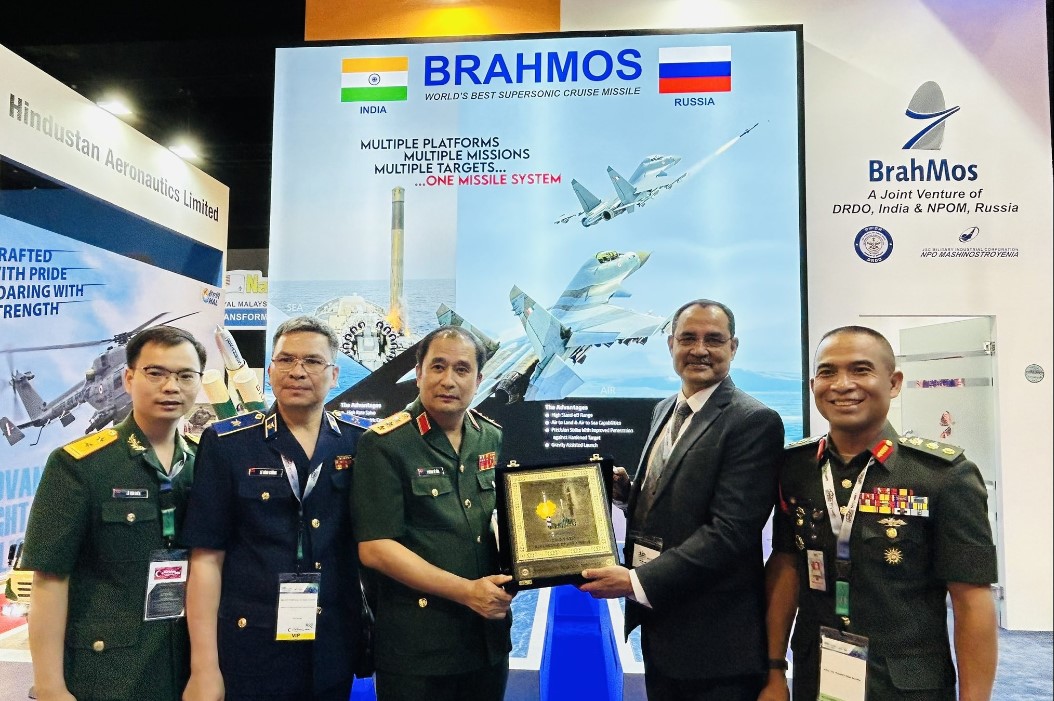
India
Malaysia shows strong interest in acquiring India's BrahMos supersonic cruise missiles to boost its air force and navy capabilities.At the Defence Services Asia (DSA) and National Security Asia (NATSEC Asia) 2024 exhibition, Malaysia expressed keen interest in acquiring the BrahMos supersonic cruise missile system from India. This potential acquisition aims to enhance Malaysia's defence capabilities amidst rising geopolitical tensions in the region.The BrahMos missile, known for its speed, precision, and versatility, was prominently featured at the exhibition. The air-launched BrahMos-A variant is designed for integration with the Royal Malaysian Air Force's Su-30MKM fighter jets. Additionally, a ship-launched variant was showcased, highlighting its suitability for Malaysia's naval needs. The BrahMos Aerospace pavilion was inaugurated by India's High Commissioner to Malaysia, emphasizing the significance of this potential defence collaboration.Malaysia's interest in the BrahMos missile system aligns with a broader trend among Southeast Asian countries to strengthen their military capabilities. This interest is part of Malaysia's broader defence modernization efforts, aiming to address evolving security challenges in the region. The BrahMos system, with its proven track record in speed and accuracy, offers a reliable solution for both air and sea defence operations.The DSA & NATSEC Asia 2024 exhibition serves as a vital platform for showcasing advanced defence technologies. It has facilitated important interactions between India and Malaysia, setting the stage for potential negotiations. Although official discussions have yet to begin, Malaysia's interest in the BrahMos system marks a significant development in regional defence dynamics.If successful, this acquisition could pave the way for future defence collaborations between India and other Southeast Asian nations. The BrahMos missile system's deployment would significantly bolster Malaysia's deterrence capabilities, providing a robust response to regional security threats.
Read More → Posted on 2024-06-06 15:53:33
India
The Defence Accounts Department (DAD) has partnered with Bank of India, Canara Bank, Central Bank of India, and Utkarsh Small Finance Bank to enhance pension services for defence pensioners through the SPARSH system.The Defence Accounts Department (DAD), operating under the Ministry of Defence, has signed Memoranda of Understanding (MoUs) with Bank of India, Canara Bank, Central Bank of India, and Utkarsh Small Finance Bank. This initiative aims to provide seamless pension services to defence pensioners through the SPARSH [System for Pension Administration (Raksha)] system.Expansion of Service Centres:With these new partnerships, the SPARSH Service Centres will now be accessible across 1,128 branches of the aforementioned banks nationwide. This expansion significantly enhances the last-mile connectivity for pensioners, enabling them to manage their pension-related matters more efficiently.About SPARSH:Implemented in 2021, the SPARSH system is a web-based platform designed for the automated processing and disbursement of defence pensions. It integrates various pension services, providing a single-window solution for pensioners. Through the Pensioner Portal, individuals can view their pension details, entitlements, profile information, and access Income Tax forms.Benefits for Pensioners:The SPARSH system processes pension claims and directly credits pensions into the bank accounts of defence pensioners, eliminating the need for external intermediaries. The newly established Service Centres will serve as interfaces for pensioners, offering services such as profile updates, grievance registration, digital annual identification, data verification, and detailed pension information. These services are provided free of cost, with nominal service charges covered by DAD.Widespread Availability:With these MoUs, SPARSH services will be available at over 26,000 branches of 15 banks across the country. Additionally, there are 199 dedicated service centres operated by DAD and more than 3.75 lakh Common Service Centers nationwide.Enhanced Accessibility:This initiative is part of the Ministry of Defence's ongoing efforts to improve accessibility and efficiency in delivering pension services to defence personnel. By leveraging the extensive network of partnering banks, the SPARSH system ensures that pensioners, regardless of their location, have easy access to the necessary services and support.Conclusion:The collaboration between DAD and these four banks marks a significant step towards enhancing the pension service infrastructure for defence pensioners. With the expanded network of SPARSH Service Centres, pensioners can now experience improved service delivery and support, ensuring their pension-related needs are met promptly and efficiently.
Read More → Posted on 2024-06-06 15:50:14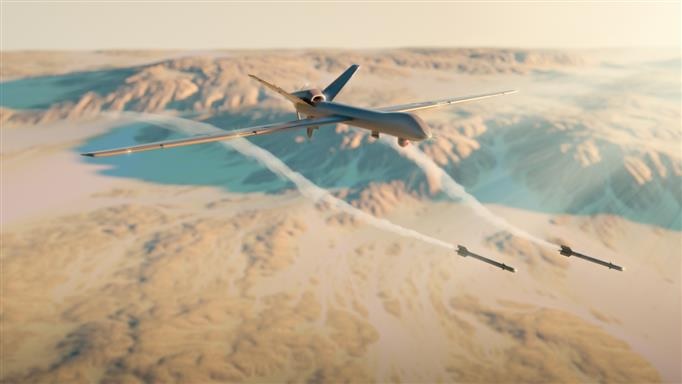
India
Veda Aeronautics is developing an advanced interceptor missile for MALE and HALE UAVs to counter unauthorized drones, strengthening India's defense capabilities.Veda Aeronautics, a promising defense startup in India, is developing cutting-edge counter-drone technology. The company is working on an interceptor missile designed to be launched from Medium-Altitude Long-Endurance (MALE) and High-Altitude Long-Endurance (HALE) Unmanned Aerial Vehicles (UAVs). This development addresses the rising threat of unauthorized drones, which can be used for surveillance, espionage, and even attacks.The Interceptor MissileWhile specific details about the interceptor missile are still confidential, Veda Aeronautics has confirmed that the project is in development. The missile will be launched from MALE and HALE UAVs, indicating a focus on intercepting other drones and loitering munitions. Turbojet Engine UtilizationThe interceptor missile is expected to use a turbojet engine. Turbojet engines are known for their ability to provide sustained speed over long distances, making them ideal for engaging slower-moving aerial targets. However, for faster targets, Veda Aeronautics might explore alternative propulsion technologies in future versions of the missile.Significance for India's DefenseThe development of this interceptor missile is a significant step for India's defense sector. As drone technology becomes more widespread, the ability to neutralize these threats is crucial. Veda Aeronautics' project enhances India's domestic capabilities in counter-drone technology, contributing to national security.Broader ImplicationsThe advancement in counter-drone technology by companies like Veda Aeronautics is essential as drones become more accessible and potentially more dangerous. Effective counter-drone measures are vital for maintaining security and preventing malicious activities.ConclusionVeda Aeronautics is making substantial progress in developing a counter-drone interceptor missile for use with MALE and HALE UAVs. This technology is crucial for addressing the growing threat posed by unauthorized drones. By focusing on innovative propulsion technologies and advanced interception capabilities, Veda Aeronautics is playing a key role in strengthening India's defense infrastructure.
Read More → Posted on 2024-06-05 16:25:31
India
The TEDBF's shift of Astra missile pylons to the wing roots boosts aerodynamic efficiency and operational effectiveness, enhancing the Indian Navy's air combat capabilities.The Twin Engine Deck-Based Fighter (TEDBF) is India’s ambitious project to develop a state-of-the-art combat aircraft capable of operating from the decks of aircraft carriers. As a successor to the naval variant of the HAL Tejas, the TEDBF aims to significantly boost the Indian Navy’s air combat capabilities. One of the notable advancements in the TEDBF design is the strategic shift of Astra missile pylons to the wing roots. This modification is set to enhance both the performance and operational effectiveness of the aircraft, bringing several benefits to its design and deployment.Understanding the TEDBF and Astra MissilesThe TEDBF is being developed by Hindustan Aeronautics Limited (HAL) in collaboration with the Aeronautical Development Agency (ADA) under India’s Defence Research and Development Organisation (DRDO). This fighter jet is envisioned to replace the aging fleet of MiG-29K aircraft, offering superior performance, versatility, and technological sophistication. The TEDBF will be equipped with advanced avionics, stealth features, and the ability to carry a wide array of weapons, making it a formidable asset for the Indian Navy.A key component of the TEDBF’s armament is the Astra missile, India’s first indigenously developed beyond-visual-range air-to-air missile (BVRAAM). The Astra missile, with its advanced guidance system and high maneuverability, is designed to engage and destroy highly agile and fast-moving aerial targets. Integrating this missile into the TEDBF is a critical step towards achieving air superiority and enhancing the defensive and offensive capabilities of the aircraft.The Shift to Wing Root PylonsTraditionally, missiles are mounted on pylons located under the wings or fuselage of fighter jets. However, the TEDBF’s design incorporates a significant shift by placing the Astra missile pylons at the wing roots. This change, though seemingly minor, has profound implications for the aircraft’s performance and operational effectiveness.Aerodynamic AdvantagesMounting missiles at the wing roots offers several aerodynamic benefits. Firstly, it reduces drag, as the missile's position at the wing root minimizes the disturbance to the airflow over the wings. This results in a smoother aerodynamic profile, enhancing the aircraft's speed and fuel efficiency. Reduced drag also means that the aircraft can achieve higher speeds and improved maneuverability, crucial for dogfighting and evading enemy fire.Additionally, the shift helps in better weight distribution. Placing heavy missiles closer to the aircraft's center of gravity ensures a more balanced load, reducing stress on the airframe and enhancing stability. This balanced load distribution is particularly important during high-speed maneuvers and when operating in challenging conditions, such as take-offs and landings from aircraft carriers.Structural Integrity and MaintenanceThe structural integrity of an aircraft is paramount, especially for carrier-based operations where the stresses during take-offs and landings are significantly higher. By relocating the missile pylons to the wing roots, the TEDBF benefits from a more robust attachment point. The wing root is inherently stronger than the outer wing sections, capable of withstanding greater forces. This reduces the risk of structural fatigue and potential damage during high-G maneuvers or rough landings on carrier decks.From a maintenance perspective, wing root pylons offer easier access for ground crews. This facilitates quicker rearming and maintenance operations, crucial for ensuring high sortie rates during combat operations. Reduced maintenance time directly translates to higher operational availability, enabling the TEDBF to maintain a persistent presence in the theater of operations.Enhanced Stealth CapabilitiesStealth is a critical factor in modern air combat, and every design decision in the TEDBF aims to minimize its radar cross-section (RCS). By positioning the Astra missiles at the wing roots, the TEDBF reduces its overall RCS. The missile’s placement within the aircraft’s profile helps in maintaining a sleek and low-observable design. This enhancement in stealth capabilities is vital for the TEDBF’s survivability in hostile environments, allowing it to evade enemy radar detection and improve its chances of successful engagement.Operational EffectivenessThe operational effectiveness of the TEDBF is significantly augmented by the wing root pylon configuration. The reduced drag and improved aerodynamics result in longer range and endurance. This allows the aircraft to undertake extended missions without the need for frequent refueling, enhancing its capability to project power far from the carrier group.The improved maneuverability afforded by the balanced load distribution and reduced drag enables the TEDBF to excel in air combat scenarios. It can engage enemy aircraft more effectively, leveraging the advanced capabilities of the Astra missile. The TEDBF’s ability to perform complex aerial maneuvers with greater ease provides a tactical advantage, increasing its lethality and survivability in dogfights.Moreover, the structural benefits and ease of maintenance ensure that the TEDBF can operate at high sortie rates, maintaining continuous pressure on adversaries and supporting sustained air operations. The combination of advanced weaponry, enhanced performance, and operational reliability makes the TEDBF a formidable force multiplier for the Indian Navy.ConclusionThe decision to shift Astra missile pylons to the wing roots in the TEDBF represents a strategic advancement in aircraft design. This modification brings a host of benefits, including improved aerodynamics, structural integrity, stealth capabilities, and operational effectiveness. As the TEDBF continues to undergo development and testing, these enhancements will play a crucial role in ensuring that the Indian Navy possesses a cutting-edge fighter jet capable of meeting the demands of modern aerial warfare.Incorporating such innovative design elements underscores India’s commitment to developing indigenous defense technologies and achieving self-reliance in defense production. The TEDBF, with its advanced features and capabilities, is poised to become a cornerstone of the Indian Navy’s air combat strategy, securing the nation’s maritime interests and enhancing its strategic deterrence.
Read More → Posted on 2024-06-05 16:15:37
India
India to Conduct Possible Missile Test in Bay of Bengal Mid-JuneIndia plans a potential missile test in the Bay of Bengal between June 13th and 15th, alerting pilots through a NOTAM for safety. India has issued a Notice to Airmen (NOTAM) for a potential missile test in the Bay of Bengal from June 13th to 15th, 2024. The designated test area spans 430 kilometers, with specific coordinates yet to be disclosed. This announcement follows standard procedure to ensure the safety of civilian air traffic by alerting pilots to avoid the area during the test window.The Defence Research and Development Organisation (DRDO) has not specified which missile will be tested. However, experts suggest it could involve the BrahMos air-to-air missile or the Rudram-III air-to-surface missile, both of which are currently under development and have undergone previous testing.The BrahMos missile, a supersonic cruise missile developed in collaboration with Russia, is already operational with the Indian Armed Forces. It is known for its speed and precision, capable of being launched from land, sea, and air platforms. The Rudram-III is an indigenous anti-radiation missile designed to neutralize enemy radar systems, enhancing India's air defense capabilities.This upcoming test highlights India's ongoing efforts to advance its missile technology and strengthen its defense infrastructure. As the scheduled dates approach, more details about the specific missile and the nature of the test are expected to be released.
Read More → Posted on 2024-06-05 15:49:41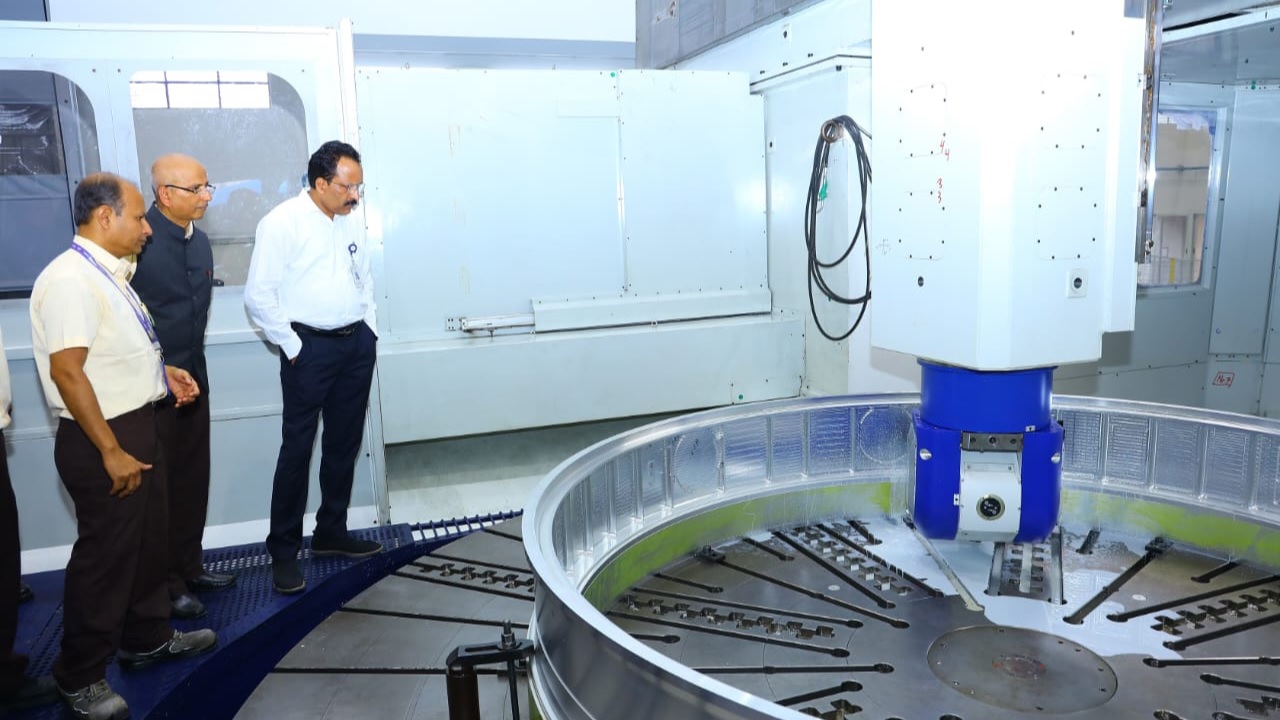
India
HAL inaugurates advanced facilities to enhance ISRO’s rocket production, aiming to meet the demand for six LVM3 launches annually.Hindustan Aeronautics Limited (HAL) recently inaugurated new state-of-the-art facilities at its Aerospace Division, significantly boosting the manufacturing capacity for the Indian Space Research Organisation (ISRO). The new propellant tank production and computer numerical control (CNC) machining facilities were unveiled by ISRO Chairman S Somanath, marking a significant milestone in India's space exploration efforts.These new facilities are set to address a critical gap in ISRO's launch vehicle production. Currently, the existing infrastructure only supports two Launch Vehicle Mark-3 (LVM3) launches per year. However, ISRO's growing ambitions require six LVM3 launches annually. The enhanced production capabilities at HAL will now enable the manufacture of sufficient components to meet this increased demand.ISRO Chairman S Somanath emphasized the importance of HAL's role in the space agency’s future missions. He highlighted HAL's enormous production capacities and potential, urging for a broader collaboration that leverages emerging technologies and takes on comprehensive tasks to alleviate pressure on ISRO.C B Ananthakrishnan, HAL's Chairman and Managing Director (Additional Charge), echoed this sentiment, pointing out that the partnership with ISRO will accelerate both human spaceflight missions and the development of Next-Generation Launch Vehicles (NGLV). He expressed HAL's commitment to further investments in space programs, envisioning a future where space becomes a significant vertical for HAL.The new propellant tank production facility at HAL specializes in manufacturing high-performance fuel and oxidizer tanks, which are crucial for the LVM3 launch vehicle. These tanks measure up to four meters in diameter and 15 meters in length. Additionally, the CNC machining facility is equipped with advanced machines capable of handling high-precision fabrication of 4.5-meter class rings and propellant tank domes for the LVM3.This strategic enhancement of HAL's capabilities is expected to play a pivotal role in supporting ISRO's ambitious space exploration goals, including increased launch frequencies and more complex missions. The collaboration between HAL and ISRO represents a significant step forward in India's space program, ensuring that the necessary infrastructure and technology are in place to support future advancements.By investing in these advanced facilities, HAL not only strengthens its partnership with ISRO but also positions itself as a critical player in the global aerospace industry. This move is anticipated to yield significant benefits for India's space missions and contribute to the country's growing presence in space exploration.
Read More → Posted on 2024-06-05 15:44:27
India
India's recent election results reinforce its democratic vitality and signify a stronger regional presence, crucial for Asia and South Asia amid rising geopolitical tensions.India's recent general elections, culminating in the re-election of Prime Minister Narendra Modi's government, have been widely interpreted as a robust affirmation of the country's democratic framework and political stability. Foreign policy experts and academics view these results as a testament to India's vibrant democracy and a significant advantage for the region.Vibrant Democracy and Strong OppositionRanga Kalansooriya, a former diplomat and political analyst, hailed the election outcome as a sign of a healthy democracy. "This is a sign of a healthy democracy because you need checks and balances in a healthy democracy. India will have a strong opposition as well," Kalansooriya told IANS. He emphasized that the presence of a strong opposition is crucial for maintaining democratic health and accountability.Regional Leadership and Global InfluenceKalansooriya further noted that a politically stable India is beneficial for the entire region. "A strong India is an advantage because the region is looking at India as a regional power and regional leader. India is rising up as a leader of the global south. So strong India is an advantage for Asia and South Asia," he added.Implications for South Asia and BeyondSri Lankan academic and foreign policy analyst, Prof. Asanga Abeyagoonasekera, highlighted the strategic importance of Modi's third term, especially in light of China's growing influence. "Foreign policy of Modi 3.0 will be crucial for the entire region of South Asia and Southeast Asia. Beijing has made concerted moves in India’s immediate periphery in Sri Lanka, Afghanistan, Nepal, Maldives, and Bhutan," he explained.Abeyagoonasekera pointed out that China’s military and civil operations in South and Southeast Asia, such as submarine bases in Bangladesh and military maneuvers in Sri Lanka, pose significant challenges. He stressed the need for a balanced foreign policy from India, navigating relations with the US Indo-Pacific strategy while maintaining strategic autonomy with nations like Iran and Russia.Continuity in Foreign PolicyNilanthan Niruthan, an academic and defence analyst, asserted that Modi's re-election is likely to continue the current trajectory of India's foreign relations. "In terms of the impact PM Modi will have on India's engagement with the world, with the region, or Sri Lanka, there is unlikely to be a significant shift in this third term," Niruthan said. He highlighted that foreign policy in India enjoys a level of bipartisan consensus, ensuring stability in its long-term regional plans.ConclusionIndia's recent election results not only underscore the strength of its democracy but also reinforce its role as a regional leader. The continuity in governance under Prime Minister Modi is expected to provide stability and strategic direction amid rising geopolitical tensions, particularly with China. This stability is crucial for the broader South Asian and Southeast Asian regions, ensuring that India remains a pivotal player on the global stage.
Read More → Posted on 2024-06-05 15:38:01
India
Global leaders, including Italy's PM Giorgia Meloni, extend their congratulations to Prime Minister Narendra Modi on his third consecutive electoral victory, highlighting strengthened international cooperation and bilateral ties.Prime Minister Narendra Modi and the BJP-led National Democratic Alliance (NDA) have secured a historic third consecutive term in the Lok Sabha elections. The results, announced on Tuesday, showed the NDA poised to win 291 seats, with the opposition INDIA bloc securing 234 seats and other parties claiming 18 seats. This election result underscores a significant political milestone, marking the first time since 1962 that a government completing two full terms has been elected for a third term.Global leaders were quick to congratulate PM Modi and his party on their victory. Among them, Italian Prime Minister Giorgia Meloni expressed her warm wishes and optimism about future collaboration. In a post on X (formerly Twitter), Meloni stated, "Congratulations to @narendramodi on the new electoral victory and my warmest wishes for good work. Certain that we will continue to work together to strengthen the friendship that unites Italy and India and consolidate cooperation on the various issues that bind us, for the well-being of our Nations and our peoples."Other leaders, including Nepal's Prime Minister Pushpa Kamal Dahal (Prachanda), Sri Lankan President Ranil Wickremesinghe, and Mauritian Prime Minister Pravind Jugnauth, also conveyed their congratulations, reflecting the widespread international acknowledgment of India's electoral process and the significance of this political achievement.The close contest saw a much tighter race than predicted by exit polls, which had anticipated a sweeping victory for the NDA. Despite the competitive landscape, the NDA's ability to form a government for the third consecutive time is a testament to its enduring appeal and the strong mandate from the Indian electorate.In his remarks at the BJP central office, Prime Minister Modi attributed the victory to the resolve for a developed India ('Viksit Bharat') and the inclusive development agenda ('Sabka Sath, Sabka Vikas'). He emphasized that this win represents the people's unwavering faith in India's Constitution and democratic framework.The re-election of the NDA is set to bring continued political stability and policy continuity to India, allowing the government to pursue its developmental and reform agendas with renewed vigor. The victory also highlights the effectiveness of BJP's strategies and the leadership of Narendra Modi, who has been instrumental in navigating the party through successive electoral successes.As India embarks on this new political chapter, the global community looks forward to strengthened bilateral relations and enhanced cooperation on various fronts, from economic development to strategic partnerships. The continued leadership of Narendra Modi is expected to play a crucial role in shaping India's future trajectory and its role on the global stage.
Read More → Posted on 2024-06-05 15:22:29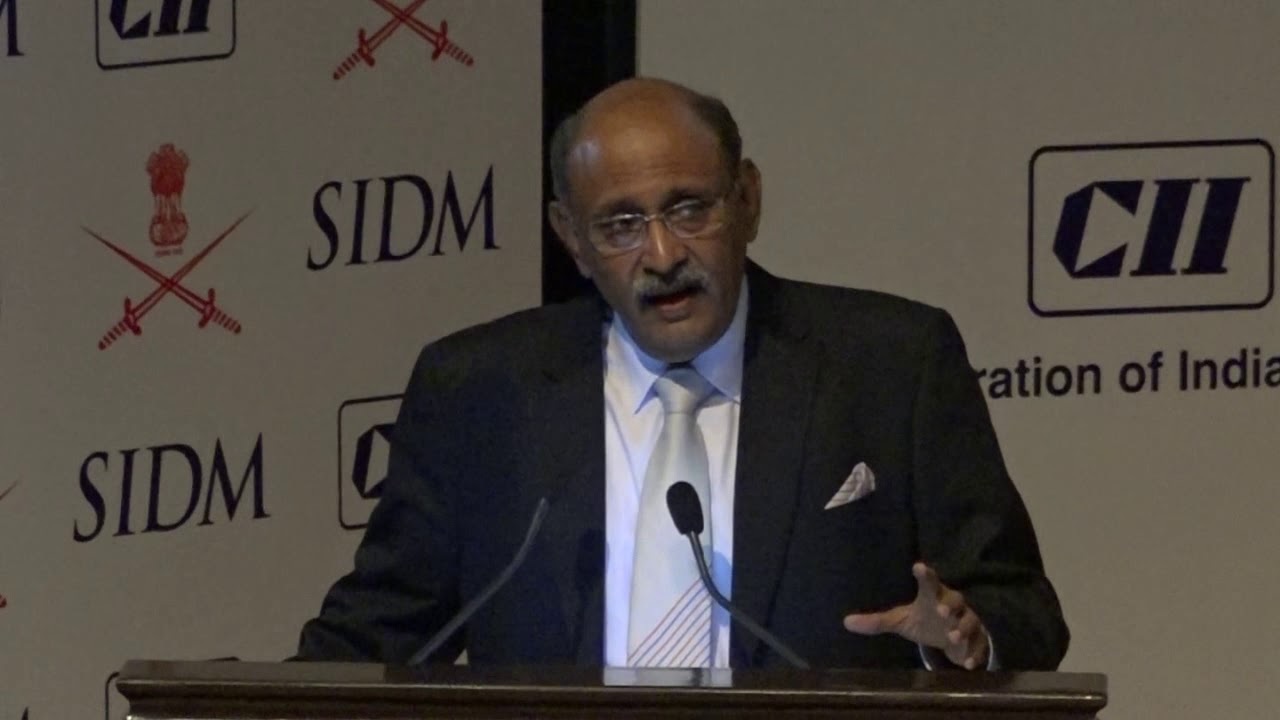
India
India's defense strategy must evolve to counter the increasing missile threats from regional adversaries like China, advocating for integrated military operations and enhanced strategic coordination.In a recent lecture at the Centre for Land Warfare Studies (CLAWS), Lt General P.R. Shankar (Retd) highlighted the critical role of missiles in modern warfare and the growing threat they pose to regional stability. He emphasized that China is increasingly relying on its missile arsenal to intimidate its neighbors and that India could soon face similar coercion. "The day is not far when they will start coercing us (India). Their way of coercing is firing," warned Lt Gen Shankar.Global Examples of Missile CoercionLt Gen Shankar provided several examples of how countries use missiles to exert strategic pressure:North Korea uses its missile program to threaten Japan, South Korea, and the United States.Iran employs missiles to compensate for its limited air force capabilities.Russia, in its conflict with Ukraine, relies on missiles to deter NATO intervention.India's Strategic NeedsTo counter these evolving threats, Lt Gen Shankar argued that India needs to adopt an integrated defense strategy that promotes jointness among its military branches. He outlined several key elements:1. Cross-Domain Coordination: Ensuring that the Army, Navy, and Air Force operate together effectively across land, sea, air, space, and cyber domains.2. Unified Command Structures: Developing command structures that facilitate joint operations and streamline decision-making processes.3. Efficient Resource Utilization: Allocating resources to leverage the strengths of each service branch.Current Shortcomings and RecommendationsDespite India's technical capabilities in missile production, Lt Gen Shankar pointed out several critical shortcomings:Reconnaissance-Strike Integration: India needs better integration between its reconnaissance and strike capabilities.Dedicated Command and Control Systems: There is a need for a specialized system to manage long-range firepower.Cohesive National Security Strategy: A unified strategy that includes stakeholders like ISRO and DRDO is essential.He also criticized the lack of jointness among India's armed forces, noting that "each service has its own philosophy at variance with the other." For instance, the Army's decision to reduce rocket regiments and the lack of integrated surveillance and targeting capabilities in the Indian Artillery were highlighted as significant issues.ConclusionLt Gen Shankar's lecture underscores the urgent need for India to adapt its defense strategy to address the growing missile threat from China and other adversaries. By fostering jointness, integrating defense systems, and developing a comprehensive national security strategy, India can better safeguard its interests and deter potential threats. As regional tensions rise, these steps will be crucial for maintaining stability and security.
Read More → Posted on 2024-06-05 06:56:38
India
In a proud moment for the Indian Army, 402 Agniveer recruits were inducted into the Ladakh Scouts regiment in a ceremonial event attended by top military officials and the recruits' families.A total of 402 well-trained Agniveer recruits were formally inducted into the Ladakh Scouts regiment of the Indian Army during a passing out parade held on Tuesday. The ceremony was a significant event, showcasing the highest traditions of the Army and was reviewed by Major General Dinesh Kumar Singh, Chief of Staff at the headquarters of the 14 Corps.The event was attended by a wide array of distinguished military officers, civil dignitaries, and the proud parents of the Agniveer recruits. The parade saw six young Agniveers receiving medals for their outstanding achievements during training. Additionally, 'Gaurav Padak' medals were presented to the parents whose wards had joined the regiment, marking a moment of pride for families who had traveled from distant areas to witness the occasion.In his address, Major General Singh congratulated the new recruits for their impressive parade performance and urged them to dedicate their lives to serving the nation as proud soldiers. He praised the parents for encouraging their children to join the Army, instilling a sense of national pride in them.The Major General also commended the Ladakh Scouts personnel for their exceptional performance and unwavering valor in upholding the nation's sovereignty. He encouraged the young soldiers to pursue excellence in all their endeavors and to take a solemn vow to defend the country against all adversities, reflecting the true spirit of the Army's ethos.The Ladakh Scouts, also known as the "Snow Warriors" or "Snow Leopards," are renowned for their expertise in mountain warfare and their crucial role in safeguarding India's borders in the challenging terrains of the Himalayas. This regiment has a rich history of valor and has been instrumental in various operations, particularly in the high-altitude regions.The induction of these new Agniveer recruits is seen as a significant boost to the regiment, enhancing its strength and capability to perform its duties effectively. This ceremony not only marked the beginning of the recruits' military careers but also reinforced the strong tradition of service and sacrifice upheld by the Ladakh Scouts.
Read More → Posted on 2024-06-05 06:51:24Search
Top Trending in 24 Hours
-
 Tulsi Gabbard Releases Declassified Files Detailing U.S.-Backed Network of 120 Biolaboratories Across 30+ Countries
-
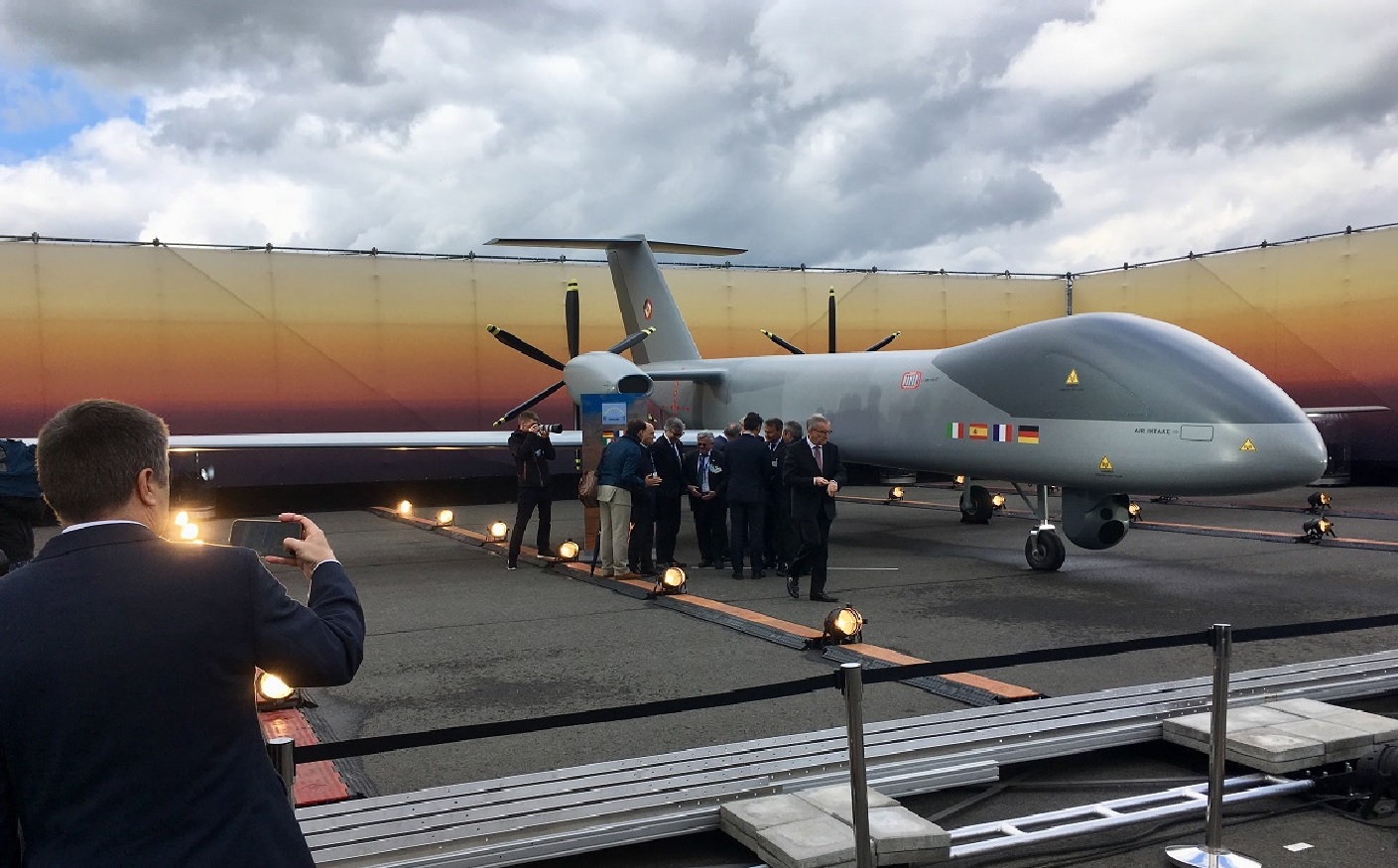 Dassault Seeks Compensation From Airbus as Eurodrone Dispute Erupts After FCAS Collapse
-
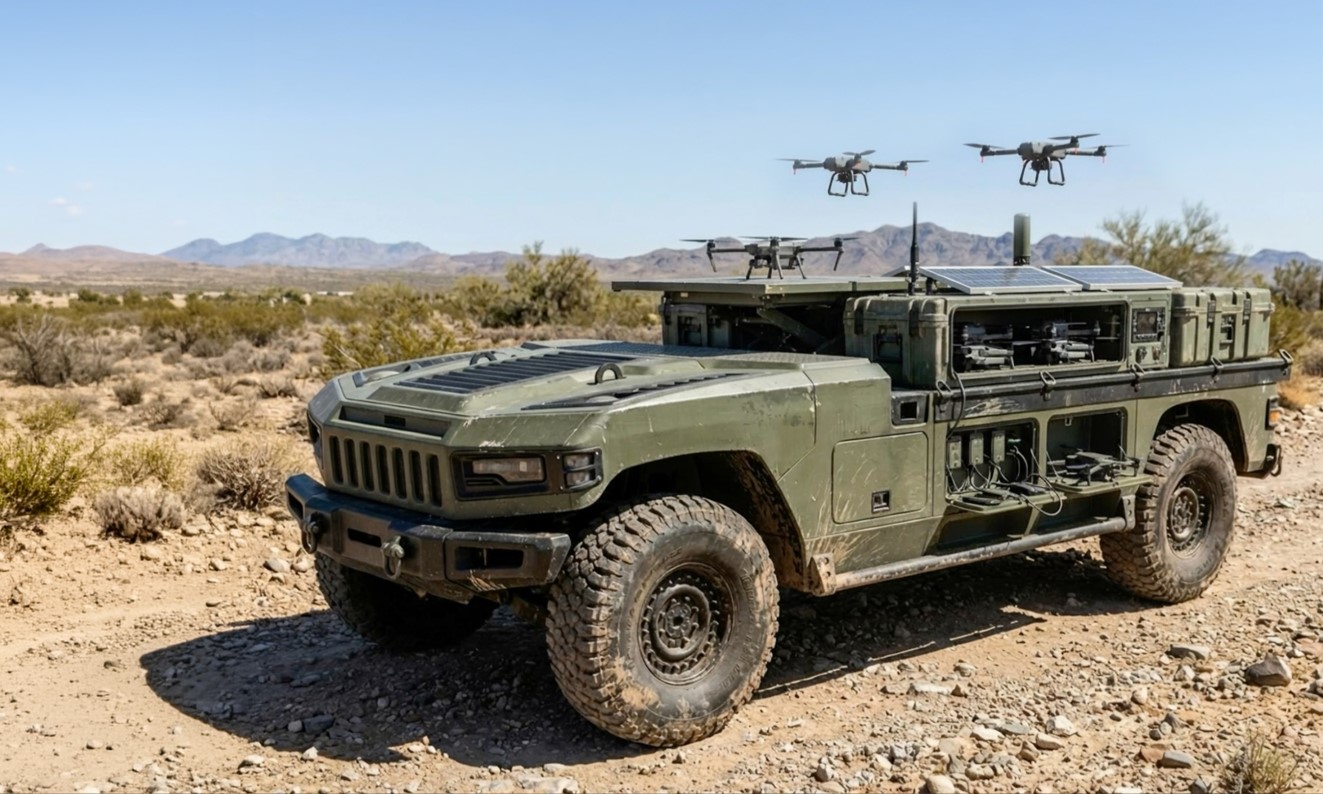 AM General Unveils Next-Generation UGV and JLTV A2 with Counter-Drone Systems at Eurosatory 2026
-
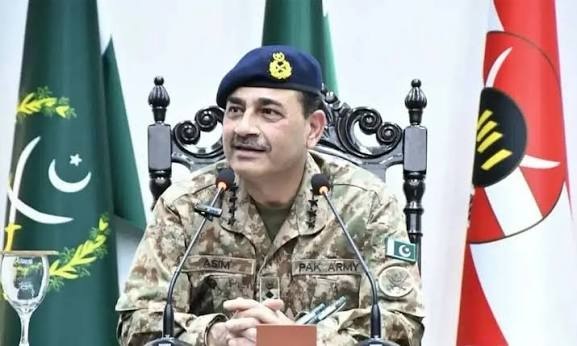 Pakistan Raises Defence Budget from $9 Billion to $10.8 Billion as J-35 Fighter and Hangor Submarine Programs Advance
-
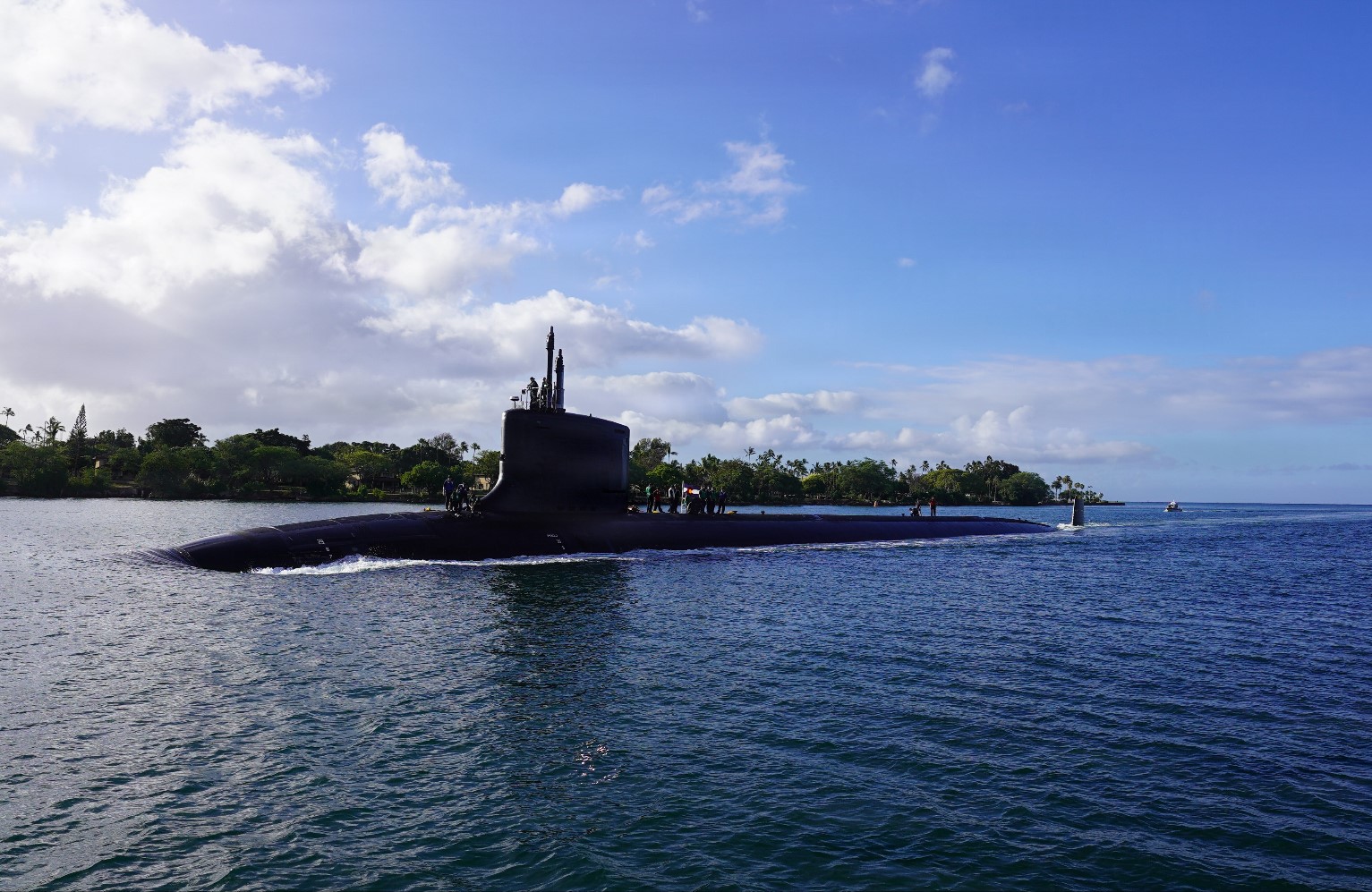 U.S. Navy's USS Colorado Submarine Returns to Pacific Fleet 29 Days Early After Major Pearl Harbor Overhaul
-
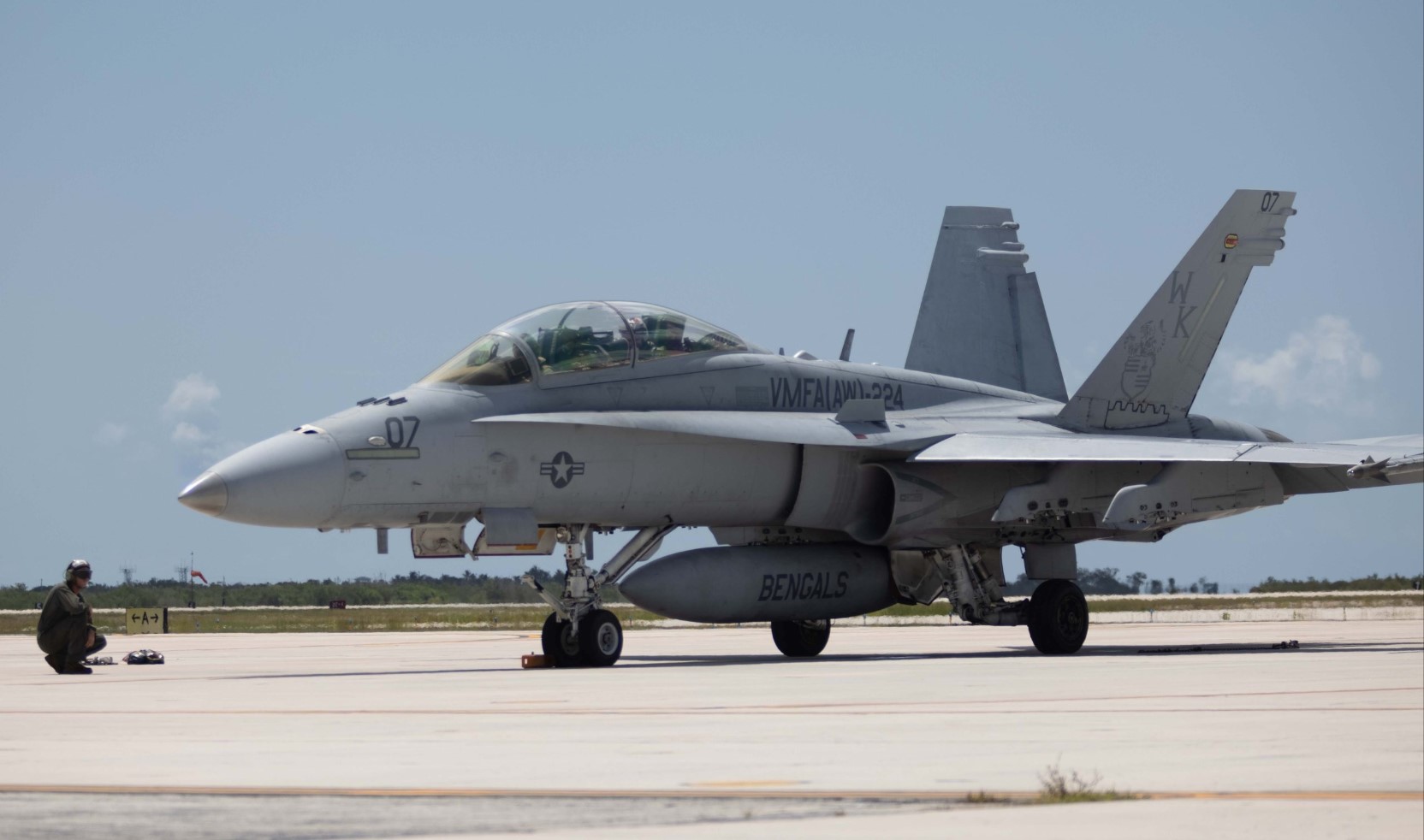 US Marine Corps F/A-18D Hornet Crashes During Training Flight in Washington Mountains; Pilot Ejects Safely
-
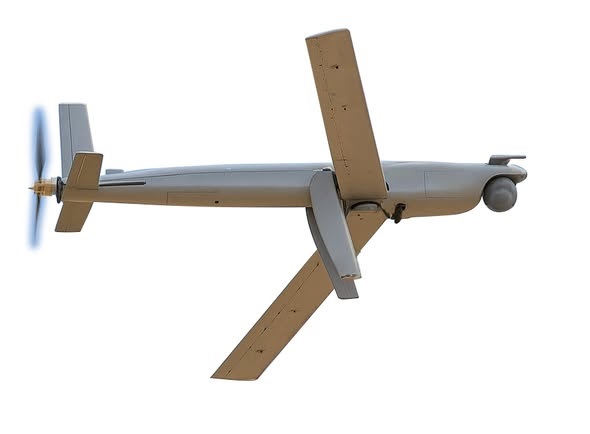 Elbit Systems and Diehl Defence Partner to Offer SkyStriker Loitering Munition to German Armed Forces
-
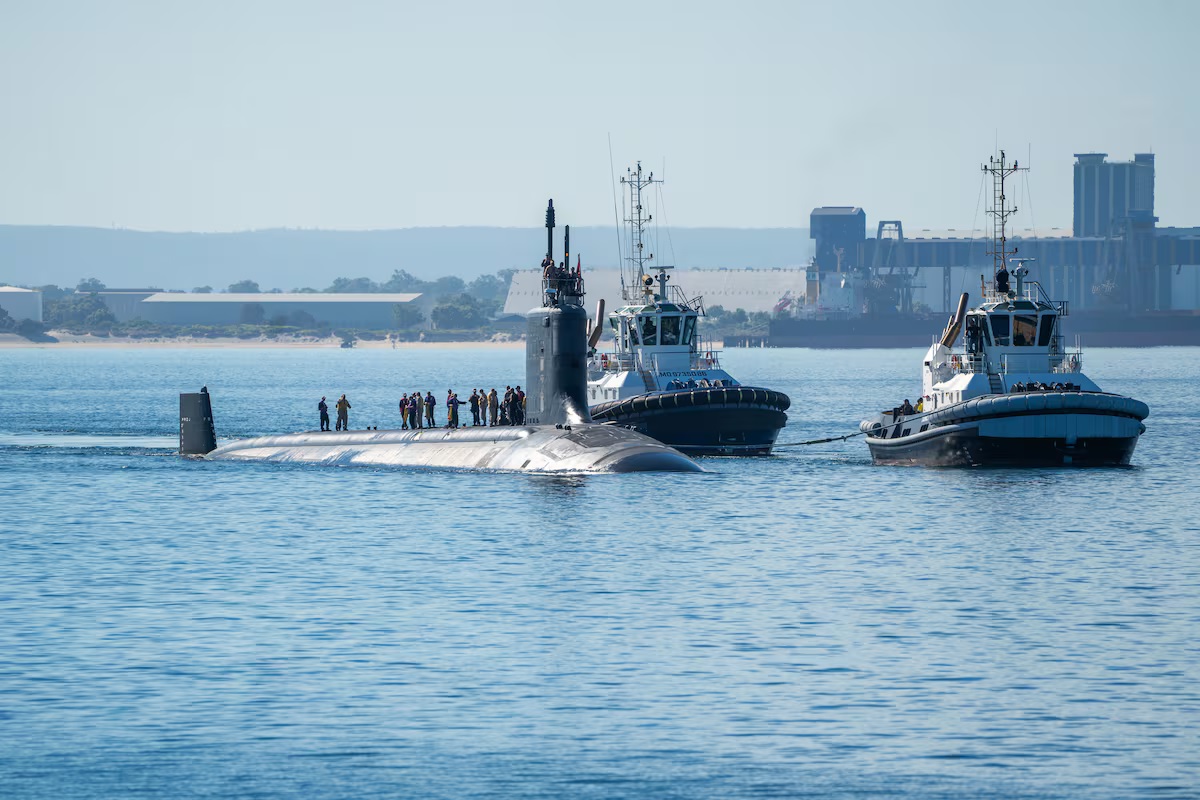 U.S. Navy Reestablishes Submarine Squadron 3 at HMAS Stirling to Support AUKUS Rotational Force
Top Trending in 4 Days
-
 Iranian Media Leaks 14-Point U.S.-Iran Peace Framework Amid Ongoing Negotiations
-
 US Plans Significant Reduction of Fighter Jets and Warships for NATO Operations in Europe
-
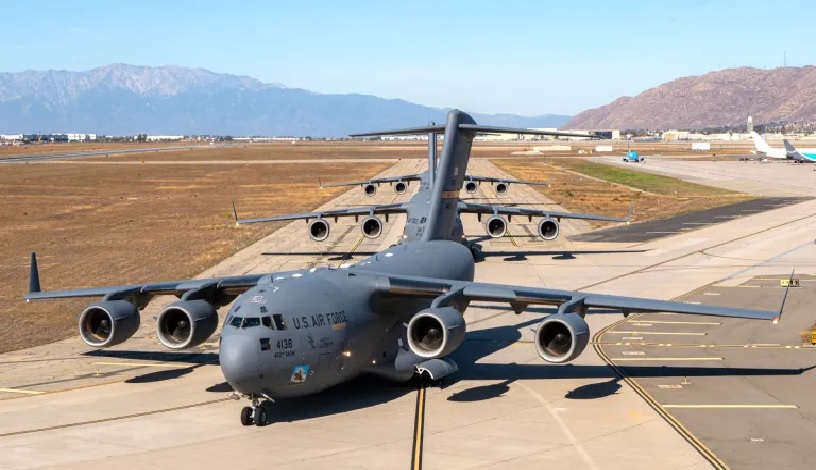 U.S. Air Force Faces Strategic Airlift Shortfall as C-17 Production Restart Remains Uncertain
-
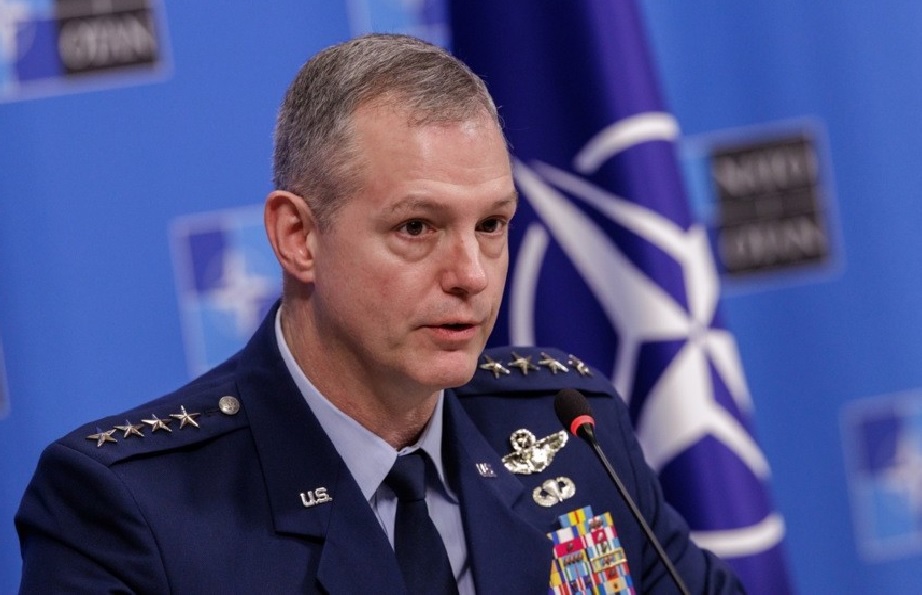 NATO Commander Says Russia Not Seeking Conflict With Alliance Despite U.S. Force Reductions
-
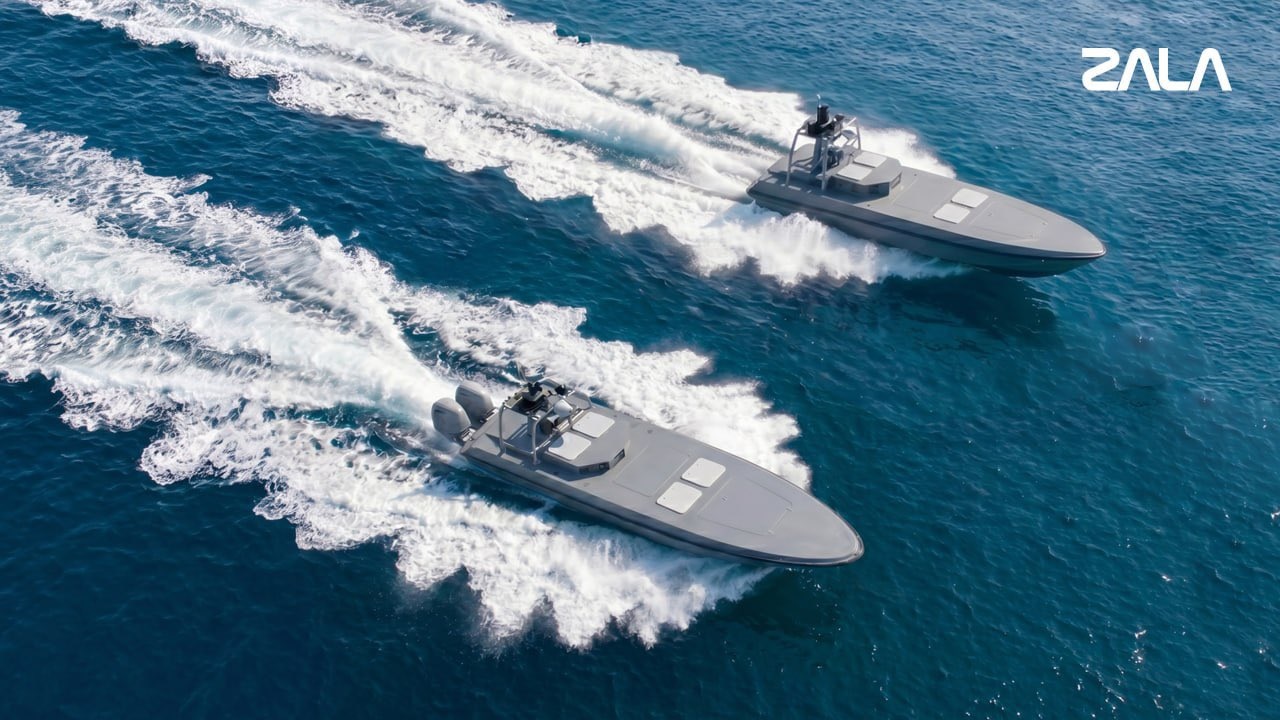 Russian Defense Firm ZALA Unveils KAMA Unmanned Surface Vessel Family at FLOT-2026 Naval Exhibition
-
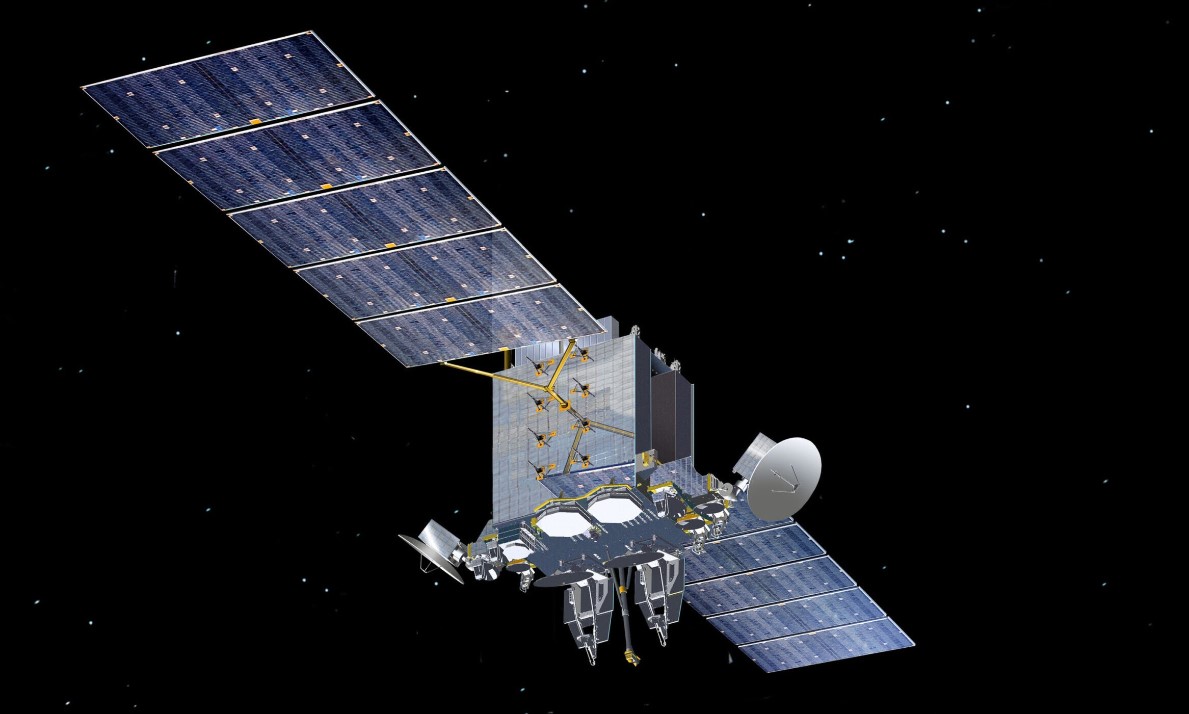 U.S. Space Force Awards $437.7 Million Contracts for First PTS-G Swarm 1 Anti-Jam Satellites
-
 India Successfully Conducts AD-1, AD-2 Interceptor Tests and Maiden NASM-MR Flight Trial
-
 F-35 Fleet Readiness Falls to 25% Amid Parts Shortages and Software Delays: GAO Report