
India
The Jalasimha ROV combines advanced stereovision, a dexterous robotic arm, and non-destructive testing capabilities, making it ideal for deep-sea inspections and maintenance up to 300 meters.The Jalasimha ROV is setting new standards in underwater technology with its enhanced compact design, advanced features, and increased depth capability of 300 meters. This next-generation Remotely Operated Vehicle (ROV) is designed for a wide range of underwater inspection and maintenance tasks, catering to industries with submerged infrastructure.Key Features:1. Stereovision System:Jalasimha is equipped with a state-of-the-art stereovision system that provides high-resolution, three-dimensional imaging. This feature is crucial for precise navigation and detailed inspection, allowing operators to see and analyze underwater environments with exceptional clarity.2. Dexterous Robotic Arm:The integrated robotic arm in Jalasimha is highly dexterous, enabling intricate and precise manipulation of objects underwater. This capability is essential for complex maintenance tasks and salvage operations, allowing the ROV to handle delicate and demanding underwater work with ease.3. Non-Destructive Testing (NDT) Equipment:Jalasimha features advanced non-destructive testing equipment, including a thickness gauge and laser scaler. These tools provide comprehensive data on metal corrosion, thickness, and defect quantification, ensuring thorough and accurate inspections of underwater structures.4. Advanced Technologies:Jalasimha integrates cutting-edge technologies to enhance its overall performance. From improved stability and maneuverability to advanced data collection and analysis tools, Jalasimha is a reliable solution for demanding underwater tasks.5. Increased Depth Capability:With an increased depth capability of 300 meters, Jalasimha excels in deep-sea inspections and maintenance. This makes it suitable for a variety of industries, including offshore oil and gas, marine research, and underwater construction.Applications:Offshore Oil and Gas: Inspecting and maintaining underwater pipelines, rigs, and platforms.Marine Research: Conducting detailed studies of marine ecosystems and underwater geology.Underwater Construction: Assisting in the building and maintenance of submerged infrastructure.Salvage Operations: Recovering objects from deep underwater environments.The Jalasimha ROV represents a significant advancement in underwater technology, combining robust design with innovative features to perform complex underwater tasks efficiently and accurately. With its enhanced capabilities, Jalasimha is poised to become an invaluable tool for industries that require reliable and precise underwater inspection and maintenance solutions.
Read More → Posted on 2024-06-10 15:41:25
Terrorist Attack on Pilgrims' Bus in Jammu and Kashmir's Reasi District Leaves Nine Dead, 33 Injured
India
A bus carrying pilgrims was attacked by terrorists in Reasi district, Jammu and Kashmir, resulting in nine deaths and 33 injuries. The bus fell into a gorge after the attack.In a tragic incident on Sunday evening, terrorists opened fire on a bus carrying pilgrims in the Reasi district of Jammu and Kashmir. The attack occurred around 6.15 pm near Teryath village in the Poni area. The bus, which was en route from the Shiv Khori temple to Katra, veered off the road due to the gunfire and plunged into a deep gorge.The 53-seater bus was carrying pilgrims, mostly from Uttar Pradesh, though their exact identities are still being confirmed. The assault resulted in the death of nine pilgrims and left 33 others injured. Rescue operations were promptly carried out, and the injured were rushed to nearby hospitals for treatment.Reasi senior superintendent of police, Mohita Sharma, informed the media about the completion of rescue operations and confirmed that the passengers were not locals. She also assured that the Shiv Khori shrine had been secured and area domination measures were in place to prevent further incidents.This attack signifies a troubling escalation in violence in Jammu and Kashmir. Historically, Reasi district has experienced fewer terrorist activities compared to its neighboring districts like Rajouri and Poonch. The sudden surge in violence in this relatively peaceful area has raised concerns among local authorities and residents.The Indian Army and other security forces have intensified their vigilance in the region following the attack. Security measures have been bolstered around key areas, including religious shrines and major transit routes, to ensure the safety of locals and visitors.The incident has also drawn attention to the broader issue of security for pilgrims and tourists in the region. Authorities are likely to review and enhance security protocols to prevent such attacks in the future.In the wake of the attack, there has been an outpouring of condolences from various quarters, with calls for stronger measures to counter terrorism in the region. The government is expected to take stringent actions to address the security concerns and provide support to the victims' families.This tragic event underscores the ongoing challenges in maintaining security and peace in Jammu and Kashmir, highlighting the need for continued vigilance and robust counter-terrorism efforts.
Read More → Posted on 2024-06-10 15:31:03
India
The Indian Army has launched 'Vidyut Rakshak', a cutting-edge IoT-based system for monitoring, protecting, and controlling generators, developed by the Army Design Bureau.The Indian Army has introduced 'Vidyut Rakshak', an innovative system aimed at revolutionizing the monitoring and control of generators used in various military operations. The system, developed by the Army Design Bureau (ADB), was launched by the Army's Vice Chief, Lt Gen Upendra Dwivedi.Key Features of Vidyut Rakshak:1. Internet of Things (IoT) Integration: Vidyut Rakshak is an IoT-enabled system, meaning it uses a network of interconnected devices to collect and exchange data, allowing for remote monitoring and control.2. Universal Compatibility: This system is designed to work with all existing generators in the Indian Army, regardless of their type, make, rating, or age.3. Fault Prediction and Prevention: Vidyut Rakshak not only monitors generator parameters but also predicts and prevents faults, significantly enhancing operational reliability.4. Automation and Efficiency: It automates many manual operations, thereby saving manpower and increasing efficiency. The system features a user-friendly interface for easy operation.During the launch event, Lt Gen Dwivedi demonstrated the system by remotely switching on generators located in Srinagar, Jammu and Kashmir, and viewing their parameters. This highlights the system's capability for real-time remote monitoring.The Army Chief, Gen Manoj Pande, praised the development, emphasizing its importance during the 'Year of Tech Absorption'. He highlighted that Vidyut Rakshak's transition from innovation to induction signifies the Indian Army's commitment to leveraging technology for transformative change.Collaborations and Development:An MoU was signed between the Indian Army and the Foundation for Innovation and Technology Transfer (FITT) at IIT Delhi for the production of innovations, with Vidyut Rakshak being the first to benefit from this collaboration.Vidyut Rakshak was developed by Major Rajprasad R S and showcased during 'Exercise Bharat Shakti', which was attended by Prime Minister Narendra Modi.Future Prospects:The success of Vidyut Rakshak is expected to set a precedent for future technological advancements in the Indian Army. The development and deployment of such innovations reflect the Army's ongoing efforts to integrate advanced technology into its operations for enhanced efficiency and effectiveness.Additionally, the Army recently secured a patent for another innovation by Major Rajprasad, the 'Portable Multi-Target Detonation Device', which has already been inducted into service.The introduction of Vidyut Rakshak marks a significant step in modernizing the Army's logistical and operational capabilities, ensuring that it remains well-equipped to handle the demands of contemporary military engagements.
Read More → Posted on 2024-06-10 15:27:39
India
The Johnnette JF-2 drone, developed by Johnnette Technologies, enhances military reconnaissance and surveillance with its lightweight design and advanced features.The Johnnette JF-2, developed by Johnnette Technologies, is a lightweight, hand-launched fixed-wing drone that has recently demonstrated significant value to land forces during a military exercise in Rajasthan. This drone has been specifically designed to provide battlefield reconnaissance and surveillance, enhancing the situational awareness of troops on the ground.Key Features of the JF-21. Lightweight and Hand-Launched:The JF-2's compact design allows it to be easily deployed by soldiers in the field. It can be hand-launched without requiring any specialized equipment, making it highly practical for rapid deployment by a tank crew or infantry unit.2. Extended Endurance:With a flight time of up to 90 minutes, the JF-2 can gather intelligence over extended periods. This capability enables troops to continuously monitor enemy movements and positions, providing crucial information for tactical decision-making.3. Crash-Resistant Avionics Bay:The drone is built to withstand rough landings. Its avionics bay is designed to protect essential control systems from damage, ensuring the drone remains operational even after hard landings.4. Anti-Jamming and Anti-Spoofing Technologies:Equipped with advanced communication systems, the JF-2 can operate reliably in contested environments. Anti-jamming and anti-spoofing features ensure uninterrupted communication, critical for maintaining control and receiving data during missions.Impact on Modern WarfareThe JF-2's successful deployment in Rajasthan highlights the growing importance of unmanned systems in military operations. Its ability to provide real-time reconnaissance and surveillance significantly enhances the capabilities of land forces. By reducing the risk to human operators and delivering valuable intelligence, the JF-2 represents a significant advancement in military technology.Orders for JM-1 Loitering MunitionJohnnette Technologies has also secured orders from the Indian Army for its JM-1 Loitering Munition (LM). The JM-1 is a versatile drone designed for both aerial surveillance and target neutralization. It features a pneumatic ground-based canister launch mechanism and an endurance of 25 minutes. Once a target is identified, the JM-1 can be guided to it and detonated, effectively neutralizing the threat with its explosive payload.ConclusionThe deployment and recent orders of Johnnette's JF-2 and JM-1 drones underscore the critical role of unmanned systems in modern warfare. These drones offer significant advantages in terms of situational awareness, intelligence gathering, and precision strikes, all while minimizing the risk to human operators. The innovations by Johnnette Technologies continue to shape the future of military operations, providing land forces with advanced tools to achieve their missions effectively.
Read More → Posted on 2024-06-10 15:12:46
India
India offers Nigeria a complete package deal, including financing, pilot training, and long-term support, to promote the LCA Tejas fighter jet over Pakistan’s JF-17.India is making a strong bid to sell 15 LCA Tejas fighter jets to the Nigerian Air Force (NAF) by offering an attractive and comprehensive deal. This package includes low-interest financing, pilot training, and a three-year on-ground assistance program from Hindustan Aeronautics Limited (HAL), the manufacturer of the Tejas jets. This deal aims to present the Tejas as a better option compared to Pakistan's JF-17 "Thunder," which Nigeria currently operates.Key Elements of India's Offer1. Financial Incentives:India is proposing low-interest financing to ease the purchase for Nigeria, making the acquisition cost-effective and manageable.2. Pilot Training:Indian Air Force (IAF) Training School, renowned for its excellence, will train Nigerian pilots, ensuring they are well-prepared to operate the Tejas jets.3. Long-term Technical Support:HAL will deploy its personnel to Nigeria for three years. These experts will assist Nigerian ground crews in operating and maintaining the Tejas fleet, ensuring smooth operations and knowledge transfer.Technical Advantages of the TejasThe Tejas jet is powered by an American F404 engine, which offers higher reliability and availability compared to the Russian RD-93 engine used in the JF-17. The reliability of the Tejas is further emphasized by the current difficulties in maintaining the RD-93 due to ongoing Western sanctions on Russia, making the Tejas a more dependable choice.Strategic ImplicationsIndia’s offer reflects its growing ambitions in the global defense export market. By providing a holistic package that covers not just the acquisition but also training and long-term maintenance, India aims to set itself apart from competitors like China.Nigeria's ConsiderationsFor Nigeria, the decision to choose the Tejas over the JF-17 extends beyond just the capabilities of the jets. It involves selecting a strategic partner for its defense modernization efforts. India’s comprehensive package, which includes financial incentives, skill development, and technical support, presents a compelling case for choosing the Tejas.Broader ImpactThe outcome of this deal could significantly influence defense partnerships and procurement strategies in Africa. It highlights the importance of offering complete solutions that address long-term operational needs rather than just the initial purchase.India’s aggressive and comprehensive approach in pitching the Tejas to Nigeria underscores its commitment to expanding its footprint in the global defense market. This deal, if successful, could reshape defense acquisition trends and strengthen India’s strategic partnerships in Africa.
Read More → Posted on 2024-06-09 15:53:29
India
NTPC Ltd announces a significant push into nuclear power, aiming to develop 10 GW of capacity within the next decade, aligning with India's clean energy goals.In a move to diversify its energy portfolio and support India's clean energy goals, NTPC Ltd, India's largest power utility, has unveiled an ambitious plan to develop 10 gigawatts (GW) of nuclear power capacity by 2034. This initiative will be carried out through a newly formed subsidiary, NTPC Nuclear Ltd., dedicated exclusively to nuclear power generation.Investment and Strategic GoalsThe company's chairman and managing director, Gurdeep Singh, disclosed that the expansion could require an investment of around Rs 1.5 trillion. This effort is part of the Indian government's broader objective to install 500 GW of non-fossil fuel-based generation by 2030, with nuclear energy expected to contribute 20 GW to this target. Nuclear power is considered a vital clean energy source that can significantly help reduce carbon emissions and enhance energy security.Site Selection and Technology ExplorationNTPC is currently evaluating potential sites for nuclear power plants in Gujarat, Tamil Nadu, Jharkhand, Chhattisgarh, and Karnataka, pending necessary regulatory approvals. The company is also exploring the viability of small modular reactors (SMRs), which offer a flexible and potentially cost-effective approach to nuclear energy generation.Existing and Future ProjectsAlthough this is NTPC's first independent foray into nuclear power, the company is already involved in joint ventures with the Nuclear Power Corporation of India Ltd (NPCIL). Through their existing collaboration, Anushakti Vidhyut Nigam Limited, they are working on the 2.8 GW Mahi Banswara plant in Rajasthan and the 1.4 GW Chutka project in Madhya Pradesh.Doubling India’s Nuclear CapacityNTPC's 10 GW nuclear target will more than double India's current installed nuclear capacity of approximately 7 GW. This increase will play a crucial role in meeting the country's energy needs sustainably and securely.Broader Clean Energy StrategyThis nuclear initiative is part of NTPC's larger strategy to expand its renewable and clean energy footprint. While the company currently relies heavily on coal-based power, it aims to achieve 60 GW of renewable energy capacity by 2032. The addition of nuclear power will complement this goal, enhancing NTPC’s contribution to India's energy transition.ConclusionNTPC’s nuclear power expansion marks a significant step towards achieving India's clean energy ambitions. By focusing on nuclear and renewable energy sources, NTPC is set to play a pivotal role in the country's efforts to reduce carbon emissions and ensure a sustainable energy future.
Read More → Posted on 2024-06-09 15:32:03
India
Learn about the new P-72 assault rifle developed by SSS Defence for India's paramilitary, offering versatility and reliability in combat scenarios.In India, paramilitary forces play a crucial role in maintaining security and combating various threats. To equip these forces with advanced weaponry, SSS Defence, a prominent domestic firearms manufacturer, has introduced the P-72 assault rifle.Designed specifically for the needs of Indian paramilitary units, the P-72 is chambered in the widely-used 7.62x39mm caliber. This ensures compatibility with existing ammunition stocks, simplifying logistics for the forces.One of the key features of the P-72 is its select-fire mechanism, allowing operators to switch between semi-automatic and fully automatic firing modes. This flexibility enables effective engagement in different combat situations, whether in close-quarters encounters or during longer-range engagements.To ensure reliability in harsh environments, the P-72 employs a short-stroke piston operating system. This mechanism reduces recoil and enhances the rifle's longevity, crucial for sustained operations in challenging conditions.SSS Defence claims that the P-72 has an effective range of up to 800 meters, providing paramilitary forces with the capability to engage targets at various distances. Additionally, the rifle supports standard 20 and 30 round magazines, offering ample ammunition capacity for extended operations.Furthermore, the P-72 is designed with suppressor adaptability, allowing operators to attach suppressors for stealthier engagements. This feature enhances the rifle's tactical versatility, particularly in urban environments or covert operations.After successful internal trials, SSS Defence has begun offering the P-72 to Indian paramilitary organizations. The company is actively participating in tenders, competing to secure contracts that could make the P-72 the standard-issue rifle for these forces.This initiative by SSS Defence underscores the growing capabilities of India's indigenous defense industry. With the P-72, there is potential for greater self-reliance in small arms procurement for the Indian paramilitary sector, contributing to the nation's security and defense objectives.
Read More → Posted on 2024-06-08 16:24:48
India
The DRDO-TATA LORDS (Laser Ordnance Disposal System) utilizes high-energy laser technology to safely neutralize unexploded ordnance and improvised explosive devices from a distance, enhancing precision and operator safety. Developed collaboratively by DRDO and TATA Group, this system integrates advanced targeting, monitoring, and remote control components for efficient ordnance disposal.The DRDO-TATA LORDS, an acronym for Laser Ordnance Disposal System, represents a significant advancement in defense technology, marking a collaborative effort between India's Defence Research and Development Organisation (DRDO) and TATA Group. This cutting-edge system is designed to neutralize unexploded ordnance (UXO) and improvised explosive devices (IEDs) using directed energy, offering a safer and more efficient alternative to traditional disposal methods.Overview of LORDSLORDS utilizes high-energy laser technology to disable and destroy explosive devices from a safe distance. This system is equipped with advanced targeting mechanisms to precisely direct laser energy onto the explosive, causing it to detonate in a controlled manner or rendering it harmless. The use of lasers for ordnance disposal reduces the risk to human operators and minimizes collateral damage, making it an invaluable tool in both military and civilian applications.Key Components of LORDSThe LORDS system is composed of several integral components, each playing a crucial role in its operation:1. BCS (Beam Control System): The Beam Control System is responsible for directing the laser beam onto the target with high precision. It ensures the accurate alignment and focusing of the laser, compensating for any environmental factors such as atmospheric disturbances. The BCS is critical for maintaining the effectiveness of the laser in neutralizing threats.2. Generator: The Generator provides the necessary power for the entire system. It ensures a stable and continuous energy supply, which is crucial for the high-energy demands of the laser. The generator must be reliable and robust, capable of operating in various field conditions without interruption.3. LD (Laser Device): The Laser Device is the core component that generates the high-energy laser beam. It is designed to produce a beam of sufficient power and quality to effectively neutralize explosive devices. The LD must be durable and capable of sustained operation, as it is the primary tool for ordnance disposal in the LORDS system.4. TMS (Targeting and Monitoring System): The Targeting and Monitoring System is responsible for identifying, tracking, and assessing potential threats. It incorporates advanced sensors and imaging technologies to provide real-time data on the target, ensuring accurate engagement by the laser. The TMS also monitors the effectiveness of the laser strike, providing feedback for any necessary adjustments.5. RCU (Remote Control Unit): The Remote Control Unit allows operators to manage the LORDS system from a safe distance. It provides interface controls for targeting, firing, and monitoring the laser device. The RCU is designed to be user-friendly, ensuring that operators can effectively manage the system without being in proximity to potential threats.6. FCU (Fire Control Unit): The Fire Control Unit integrates the targeting data from the TMS with the operational commands from the RCU to execute the laser strike. It ensures that the laser is fired with precision and that all safety protocols are followed. The FCU is a critical component in the decision-making process, balancing the need for effective ordnance disposal with the imperative of operator safety.Advantages of LORDSThe development and deployment of LORDS offer several advantages:Enhanced Safety: By using a remote-controlled laser system, LORDS significantly reduces the risk to personnel involved in ordnance disposal.Precision: The advanced targeting systems ensure that the laser beam is accurately directed, minimizing collateral damage.Efficiency: LORDS can neutralize threats quickly and effectively, making it a valuable tool in high-risk environments.Versatility: The system can be used in a variety of scenarios, from military battlefields to urban areas where UXOs and IEDs pose significant risks.ConclusionThe DRDO-TATA LORDS represents a remarkable leap in ordnance disposal technology. Its combination of precision, safety, and efficiency makes it an essential asset for modern defense forces. As the technology continues to evolve, systems like LORDS will play an increasingly important role in safeguarding both military personnel and civilians from explosive threats.
Read More → Posted on 2024-06-08 16:20:36
India
India plans to rename over two dozen locations in China's Tibet Autonomous Region in response to China's renaming of places in India's Arunachal Pradesh state. Learn about India's strategy and the escalating tensions between the two countries.In a tit-for-tat response to China's recent actions, India is gearing up to rename more than two dozen locations within China's Tibet Autonomous Region. This retaliatory move comes after China renamed places in India's Arunachal Pradesh state, a region both countries claim as their own.The decision to rename these locations is seen as a strategic move by India's Prime Minister, Narendra Modi, to assert strength, particularly in the face of ongoing border disputes with China. Analysts suggest that Modi's focus on projecting a strong image during his recent election campaign has influenced this decision.India views China's renaming of places in Arunachal Pradesh as a deliberate attempt to strengthen its territorial claim over the region, which China refers to as Zangnan or "southern Tibet." To challenge the legitimacy of China's actions, India's military has collaborated with prestigious institutions like the Asiatic Society in Kolkata to conduct historical research. The Indian Army's information warfare division is leading the effort, aiming to debunk China's newly assigned names through detailed tweets and official communication channels.This renaming strategy underscores the escalating tensions between India and China over disputed border territories. While its effectiveness remains to be seen, it signals India's growing assertiveness in responding to China's actions in the region.The decision to rename these locations underscores the complex geopolitical dynamics at play in the India-China relationship. As both countries vie for influence in the region, such actions could further strain bilateral ties and complicate efforts to resolve longstanding border disputes.In conclusion, India's decision to rename locations within China's Tibet Autonomous Region reflects its firm stance in response to China's actions in Arunachal Pradesh. As tensions continue to escalate between the two countries, the implications of this tit-for-tat move remain significant for regional stability and diplomatic relations.This article is prepared based on information obtained from reliable sources and aims to provide an objective overview of the situation.
Read More → Posted on 2024-06-08 16:02:13
India
Kolkata-based GRSE emerges as the leading bidder for a Rs 500 crore DRDO research vessel contract, showcasing its shipbuilding expertise and competitiveness.Garden Reach Shipbuilders & Engineers (GRSE), a prominent shipyard and defense public sector undertaking (PSU) based in Kolkata, is poised to secure a significant contract from the Defence Research and Development Organisation (DRDO). GRSE has emerged as the lowest bidder (L1) for the construction of a new research vessel, a project estimated to be worth around Rs 500 crore. The selection of GRSE as the lowest bidder marks a critical step forward in the contract awarding process. Although the final agreement is still under negotiation, GRSE's position as the L1 bidder indicates that it is the most likely candidate to win the contract. This potential contract win underscores GRSE's capability to deliver cost-effective and specialized solutions, reinforcing its status as a leading player in India's shipbuilding industry.GRSE has a long history of constructing a variety of vessels, including warships, patrol vessels, and other specialized ships for the Indian Navy and Coast Guard. This experience positions the company well for the DRDO project, which is expected to enhance India's defense research and development infrastructure. The new research vessel will likely support advanced defense research, contributing to the nation's strategic capabilities.Securing this contract would be a notable achievement for GRSE, reflecting its competitive edge and technical expertise in the shipbuilding sector. The company has previously delivered numerous vessels that meet high standards of quality and performance, further bolstering its reputation.In addition to its strong track record, GRSE's potential involvement in this project aligns with India's broader defense modernization efforts. The DRDO research vessel will be crucial for conducting scientific research and experiments, thereby supporting the development of new technologies and defense systems.As the contract negotiations proceed, GRSE's position as the L1 bidder highlights its strategic importance in the defense sector. The successful construction and deployment of the research vessel will not only benefit DRDO but also enhance GRSE's portfolio and future prospects in the shipbuilding industry.Overall, this development represents a key milestone for GRSE, reflecting its ability to meet the demanding requirements of defense projects and contribute to India's defense capabilities.
Read More → Posted on 2024-06-08 15:37:47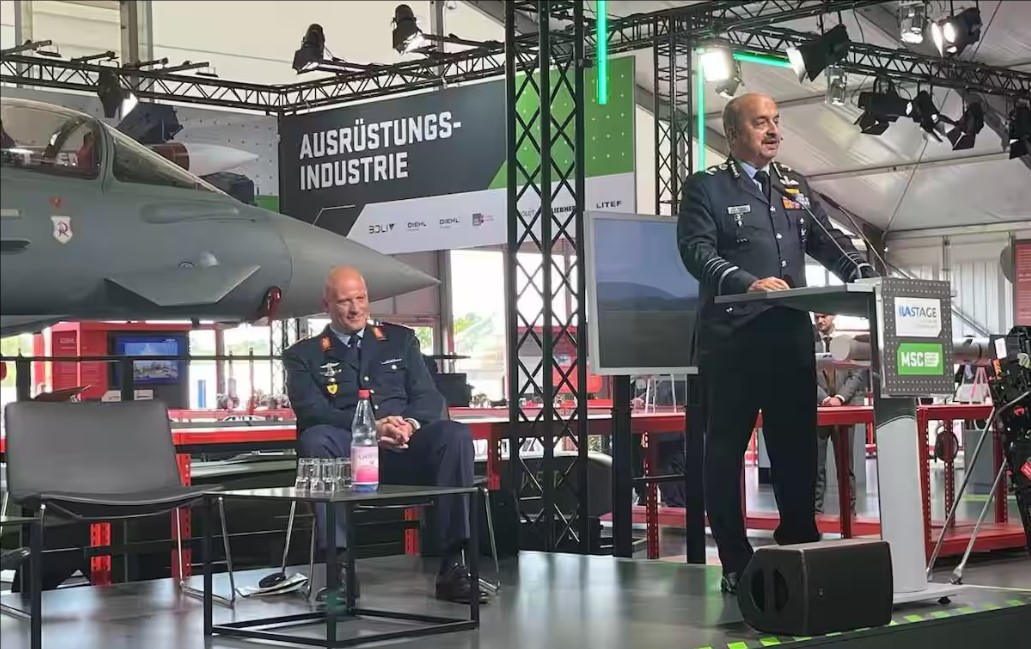
India
Indian Air Force Chief Air Chief Marshal V R Chaudhari flies a Eurofighter Typhoon in Germany, raising speculation about the MRFA 2 deal's impact on France and the USA.On a recent visit to Germany, Indian Air Force (IAF) Chief Air Chief Marshal V R Chaudhari took to the skies in a Eurofighter Typhoon fighter aircraft. This sortie, conducted at a German airbase, is seen as a significant event, particularly in the context of the Multi-Role Fighter Aircraft (MRFA) 2 deal.The visit was made at the invitation of Lieutenant General Ingo Gerhartz, Commander of the German Air Force. During his tour, Air Chief Marshal Chaudhari also attended the ILA 2024, an international aerospace exhibition held in Germany. The Indian Air Force (IAF) highlighted this visit on social media, noting the ongoing and strengthening ties between India and Germany. The IAF's official statement on X (formerly Twitter) read: “CAS Air Chief Marshal VR Chaudhari is on an official visit to Germany on invitation by his German counterpart Lt Gen Ingo Gerhartz, Commander of the German Air Force. During the tour, the CAS also visited the ILA 2024 and took to the German skies in a Eurofighter Typhoon fighter aircraft."The timing of this sortie is particularly noteworthy. The MRFA 2 deal, aimed at acquiring 114 multi-role fighter jets for the IAF, is currently in the evaluation phase. This deal has attracted bids from several major aerospace companies, including France’s Dassault Aviation (Rafale) and the USA’s Lockheed Martin (F-21) and Boeing (F/A-18 Super Hornet).The Eurofighter Typhoon, developed by a consortium of Airbus, BAE Systems, and Leonardo, is one of the contenders in this deal. Air Chief Marshal Chaudhari’s experience flying the Typhoon could influence India’s final decision, given the operational insights gained from such sorties.Additionally, the IAF announced its plans to host the German Air Force in India for the first multinational Exercise Tarang Shakti 2024 later this year. This exercise aims to enhance bilateral military cooperation and operational synergy between the two air forces.As India evaluates its options for the MRFA 2 deal, the recent events in Germany add an interesting dimension to the decision-making process. The presence and performance of the Eurofighter Typhoon in these contexts might provide a competitive edge, potentially impacting the dynamics of the deal and posing a challenge to the offerings from France and the USA.The visit underscores the growing defense cooperation between India and Germany and highlights the strategic considerations involved in India’s quest to modernize its air force capabilities.
Read More → Posted on 2024-06-08 15:05:06
India
The Indian Navy celebrates a milestone with the graduation of its first woman helicopter pilot, SLt Anamika B Rajeev, during the 102nd Helicopter Conversion Course at INS Rajali, Tamil Nadu.In a historic event, the Indian Navy marked the graduation of its first woman helicopter pilot, SLt Anamika B Rajeev, during the Passing Out Parade for the 102nd Helicopter Conversion Course (HCC) at Naval Air Station INS Rajali, Arakkonam, Tamil Nadu. The ceremony, held on Friday, also celebrated the completion of Stage I training for the 4th Basic Helicopter Conversion Course (BHCC).The prestigious "Golden Wings" were awarded to 21 officers by Vice Admiral Rajesh Pendharkar, Flag Officer Commanding-in-Chief, Eastern Naval Command. This accolade included three officers from the 03 BHCC. Additionally, three officers of the 04 Basic Conversion Course (BCC) successfully completed their Stage I training.The Passing Out Parade marked the culmination of a 22-week intensive training program at Indian Naval Air Squadron 561. This program included rigorous flying and ground training, underscoring the Indian Navy’s commitment to producing skilled helicopter pilots.Among the highlights of the event was SLt Anamika B Rajeev, who made history as the first woman naval helicopter pilot. This achievement signifies the Indian Navy’s dedication to gender inclusivity and expanding career opportunities for women. Another notable graduate was Lt Jamyang Tsewang, the first commissioned naval officer from the Union Territory of Ladakh, who also became a qualified helicopter pilot.Several awards were presented during the ceremony to recognize exceptional performance:Lt Gurkirat Rajput received the FOCinC, Eastern Naval Command Rolling Trophy for the top trainee pilot in flying.Lt Nitin Sharan Chaturvedi was awarded the Sub-Lt Kunte Memorial Book Prize for excelling in ground subjects.Lt Deepak Gupta earned the Governor of Kerala Rolling Trophy for overall merit.The Helicopter Training School at INS Rajali, currently commanded by Cmde Kapil Mehta, has a rich heritage of over five decades. It has trained 849 pilots for the Indian Navy, Coast Guard, and friendly foreign nations. The school, overseen by Cdr Archesh, is known for its safe and effective training environment, ensuring timely and efficient course completion.The newly qualified pilots from the 102nd HCC will join various frontline operational units of the Indian Navy. They are prepared to undertake diverse missions including reconnaissance, surveillance, search and rescue, and anti-piracy operations. The officers who completed Stage I of the 04 BHCC will continue their Stage II training at the Helicopter Training School.This graduation ceremony not only celebrated individual achievements but also underscored the Indian Navy's commitment to excellence and inclusivity in its ranks.
Read More → Posted on 2024-06-08 15:01:59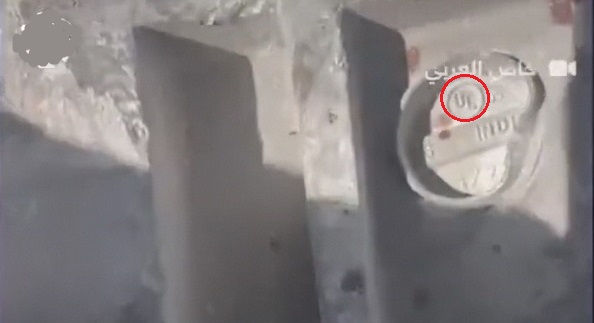
India
Analysis of viral video showing missile debris with "Made in India" markings, exploring potential misunderstandings and the global supply chain implications.A video circulating on the social media platform X, allegedly showing the wreckage of an Indian-made missile fired by Israeli forces at a UN shelter in Gaza, has sparked significant debate. The video, which quickly went viral, features debris with a "Made in India" label, leading many to speculate about India's direct involvement in supplying arms to Israel.However, experts who analyzed the video suggest a more nuanced interpretation. The debris not only bears a "Made in India" label but also includes a logo for Underwriters Laboratories (UL), a global safety certification company based in the United States. This detail complicates the narrative of direct Indian involvement in the missile's manufacturing.Understanding Underwriters Laboratories (UL)Underwriters Laboratories (UL) is a global safety certification company headquartered in Northbrook, Illinois. Established in 1894, UL tests and certifies products to ensure they meet safety and quality standards. While UL itself does not manufacture weapons, its certification marks are found on a wide range of products, including electrical components and systems used in various industries.The Role of Global Supply ChainsThe presence of both "Made in India" and UL markings on the debris suggests that the component could be a minor part sourced from an Indian supplier but integrated into a larger system manufactured in the U.S. It is also possible that the label was misinterpreted, and the marking could refer to a product "Made in Indiana," a state in the U.S., rather than the country of India.This incident highlights the complexity of global supply chains, where parts and components from various countries are often assembled into final products elsewhere. It underscores the challenges in tracing the exact origins of components used in military equipment and the need for careful examination before drawing conclusions.Calls for ClarificationThe viral video has led to widespread calls for clarification from international observers and political analysts, with concerns about the ethical implications of India's arms exports and its stance in the Israel-Gaza conflict. However, without further investigation and official statements from the Indian and Israeli governments, definitive conclusions cannot be made.ConclusionWhile the initial video led to assumptions about India's direct involvement in supplying weapons to Israel, the presence of UL markings suggests a more complex scenario involving global supply chains. This underscores the importance of thorough investigation and caution in interpreting such videos. As of now, no official statements have been released regarding the missile component, and further investigation is needed to clarify the true origin and purpose of the debris.By understanding the intricate nature of global supply chains and the role of certification bodies like Underwriters Laboratories, we can better appreciate the complexities involved in tracing the origins of military equipment.
Read More → Posted on 2024-06-08 14:50:08
India
India's negotiations with General Electric for manufacturing F-414 engines, its impact on indigenous fighter jet programs, and the dilemma surrounding intellectual property rights.India's defense sector is abuzz with discussions as Hindustan Aeronautics Limited (HAL) and General Electric (GE) engage in talks to locally produce F-414 engines crucial for India's Tejas MkII and AMCA MkI fighter jet programs. However, a significant snag in the negotiations revolves around the Intellectual Property Rights (IPR) of these engines.The crux of the matter lies in GE's insistence on retaining the IPR for the engines, even if they are manufactured in India. This means that while HAL gains the ability to produce the engines domestically, GE maintains control over the technology and designs. This poses a potential roadblock for India's aspirations of achieving self-reliance in defense manufacturing, as it could limit future modifications or independent development of the engines.Moreover, any export of Indian fighter jets powered by the F-414 engine would require clearance from the United States, as the technology originates from there. This could potentially restrict India's ability to sell these aircraft to certain countries or regions, affecting its geopolitical strategies.The decision to allow GE to retain IPR has sparked debates among experts. Some argue that it keeps India dependent on GE for upgrades and maintenance, potentially affecting operational readiness. On the other hand, others view it as a necessary compromise to acquire advanced technology and expedite indigenous fighter programs.Despite the contentious issue of IPR, negotiations between HAL and GE persist, with both sides recognizing the mutual benefits of collaboration. The Indian government plays an active role in seeking a balanced agreement that serves the nation's strategic interests.The outcome of these negotiations holds immense significance for India's aerospace industry and its defense capabilities. It will not only impact the future of indigenous fighter programs but also set a precedent for future collaborations with foreign defense companies, shaping India's journey towards self-reliance in defense technology.
Read More → Posted on 2024-06-07 16:11:57
India
Bharat Electronics Limited (BEL) adopts 32 Tata Xpres-T electric cars, replacing its diesel fleet, promoting eco-friendly transportation in Bangalore.Bharat Electronics Limited (BEL), a leading defense public sector undertaking (PSU) and a Navratna company, has made a significant move towards sustainable transportation. On World Environment Day, BEL replaced its fleet of Toyota Etios diesel cars with 32 Tata Xpres-T electric cars. These vehicles are leased from a travel agency and will be used by senior officials, including executive directors, chief technical officers, and general managers for their daily commutes.This initiative is part of Bangalore's broader effort to promote eco-friendly transportation solutions and reduce air pollution. The transition to electric vehicles (EVs) is expected to lead to cleaner air in the city by significantly reducing tailpipe emissions. Moreover, the operational costs of EVs are lower compared to their diesel counterparts, potentially resulting in long-term savings for BEL.By adopting electric vehicles, BEL sets a positive example for other organizations in Bangalore and across India. This move highlights the growing feasibility and benefits of electric mobility, encouraging wider adoption of EVs in both public and private sectors. The adoption of EVs by a prominent PSU like BEL underscores the practical advantages of electric vehicles and supports the city's ongoing efforts to embrace sustainable transportation solutions.The Tata Xpres-T, chosen by BEL, is designed for fleet operations and offers a range of up to 213 kilometers on a single charge, ensuring it meets the daily commuting needs of BEL's senior officials. This model is equipped with fast charging capabilities, allowing the battery to be charged from 0% to 80% in about 90 minutes. This convenience, combined with the lower environmental impact, makes the Tata Xpres-T an ideal choice for corporate and government fleets.Bangalore, known for its traffic congestion and air quality issues, stands to benefit significantly from increased EV adoption. As more organizations like BEL transition to electric vehicles, the cumulative effect could lead to a substantial reduction in the city's overall carbon footprint. This move by BEL is not only a step towards environmental sustainability but also a testament to the economic and operational viability of electric vehicles for corporate use.In summary, BEL's switch to an electric vehicle fleet is a forward-thinking decision that aligns with global trends towards sustainable transportation. It serves as a practical demonstration of how electric vehicles can be seamlessly integrated into corporate fleets, offering both environmental benefits and cost savings. This initiative by BEL is likely to inspire other organizations to follow suit, accelerating the shift towards a greener and cleaner future for Bangalore and beyond.
Read More → Posted on 2024-06-07 15:57:25Search
Top Trending in 24 Hours
-
 Tulsi Gabbard Releases Declassified Files Detailing U.S.-Backed Network of 120 Biolaboratories Across 30+ Countries
-
 Dassault Seeks Compensation From Airbus as Eurodrone Dispute Erupts After FCAS Collapse
-
 AM General Unveils Next-Generation UGV and JLTV A2 with Counter-Drone Systems at Eurosatory 2026
-
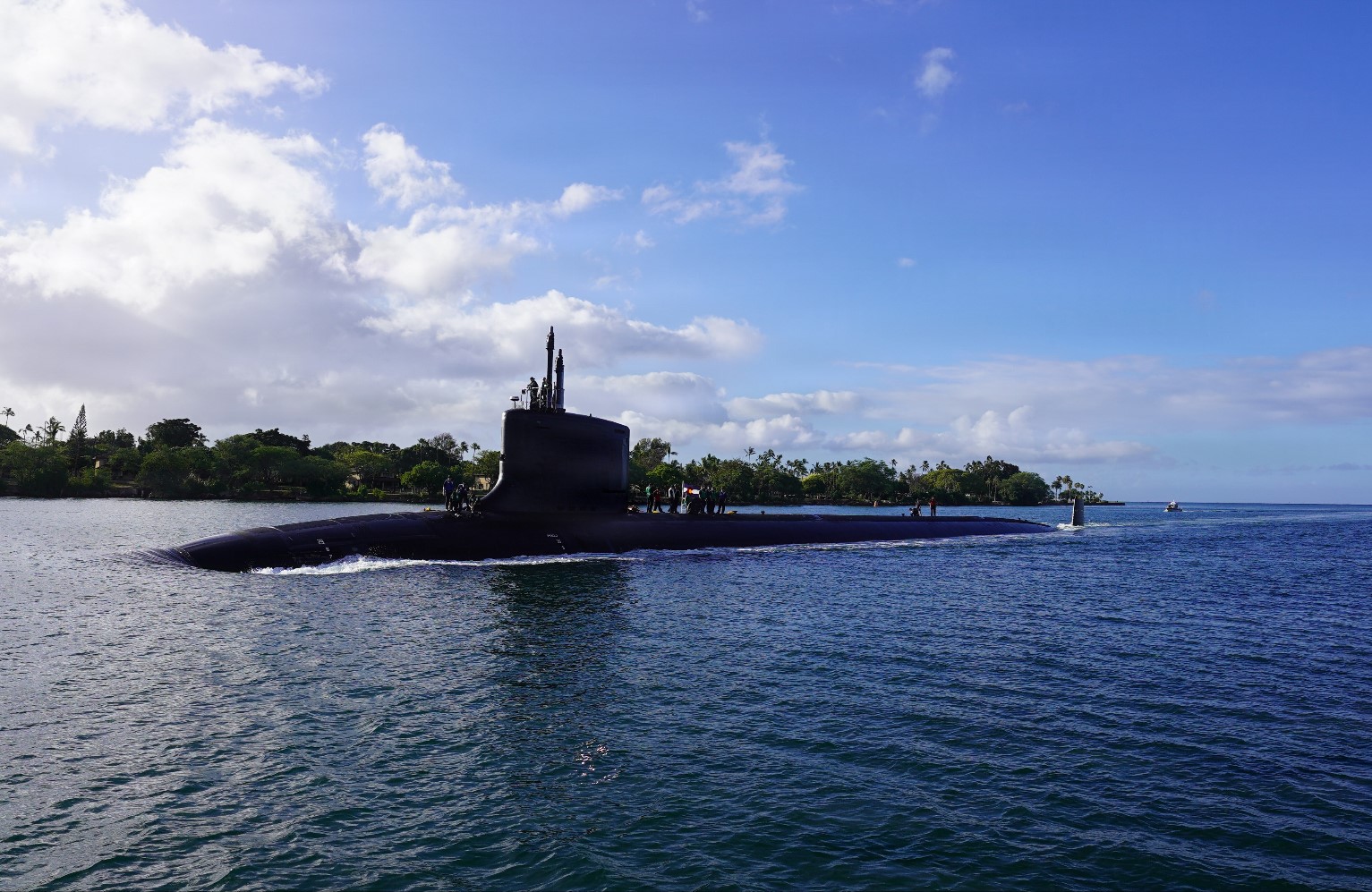 U.S. Navy's USS Colorado Submarine Returns to Pacific Fleet 29 Days Early After Major Pearl Harbor Overhaul
-
 Pakistan Raises Defence Budget from $9 Billion to $10.8 Billion as J-35 Fighter and Hangor Submarine Programs Advance
-
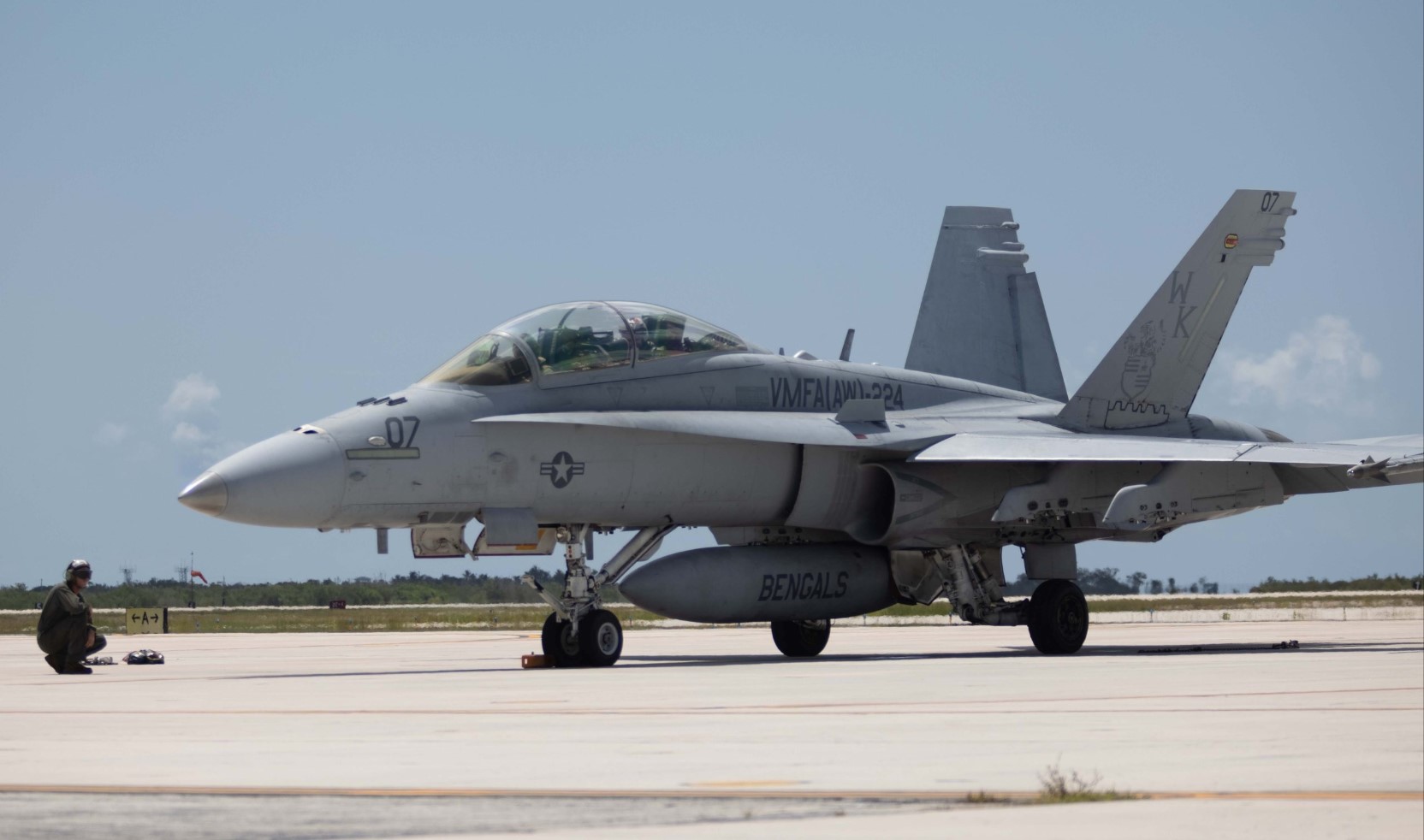 US Marine Corps F/A-18D Hornet Crashes During Training Flight in Washington Mountains; Pilot Ejects Safely
-
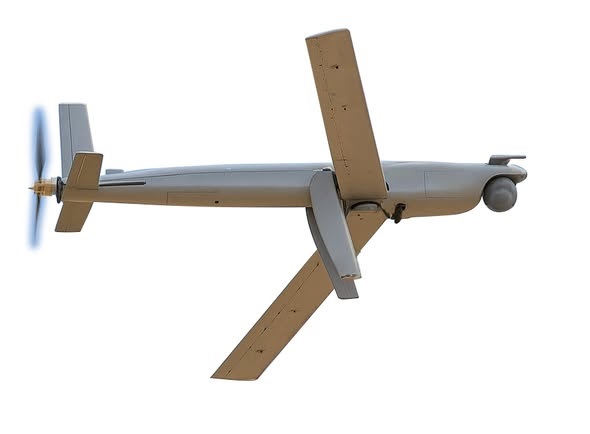 Elbit Systems and Diehl Defence Partner to Offer SkyStriker Loitering Munition to German Armed Forces
-
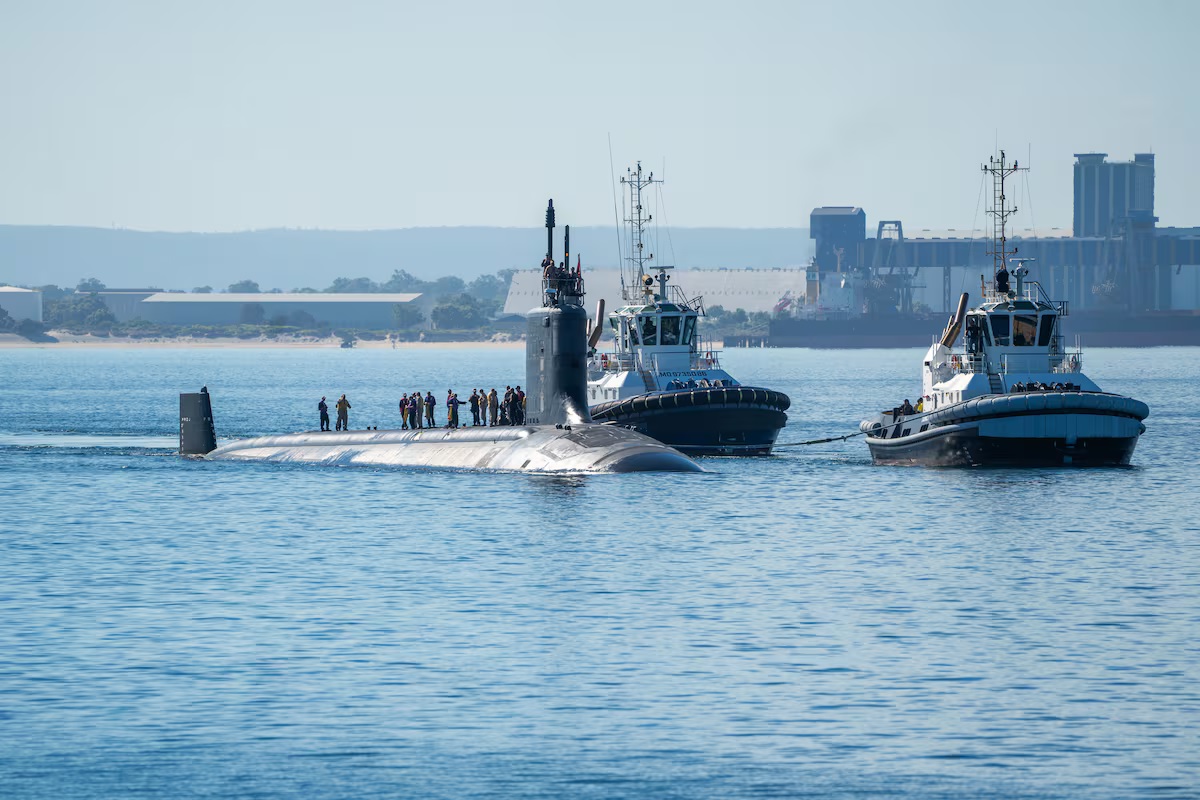 U.S. Navy Reestablishes Submarine Squadron 3 at HMAS Stirling to Support AUKUS Rotational Force
Top Trending in 4 Days
-
 Iranian Media Leaks 14-Point U.S.-Iran Peace Framework Amid Ongoing Negotiations
-
 US Plans Significant Reduction of Fighter Jets and Warships for NATO Operations in Europe
-
 U.S. Air Force Faces Strategic Airlift Shortfall as C-17 Production Restart Remains Uncertain
-
 NATO Commander Says Russia Not Seeking Conflict With Alliance Despite U.S. Force Reductions
-
 Russian Defense Firm ZALA Unveils KAMA Unmanned Surface Vessel Family at FLOT-2026 Naval Exhibition
-
 U.S. Space Force Awards $437.7 Million Contracts for First PTS-G Swarm 1 Anti-Jam Satellites
-
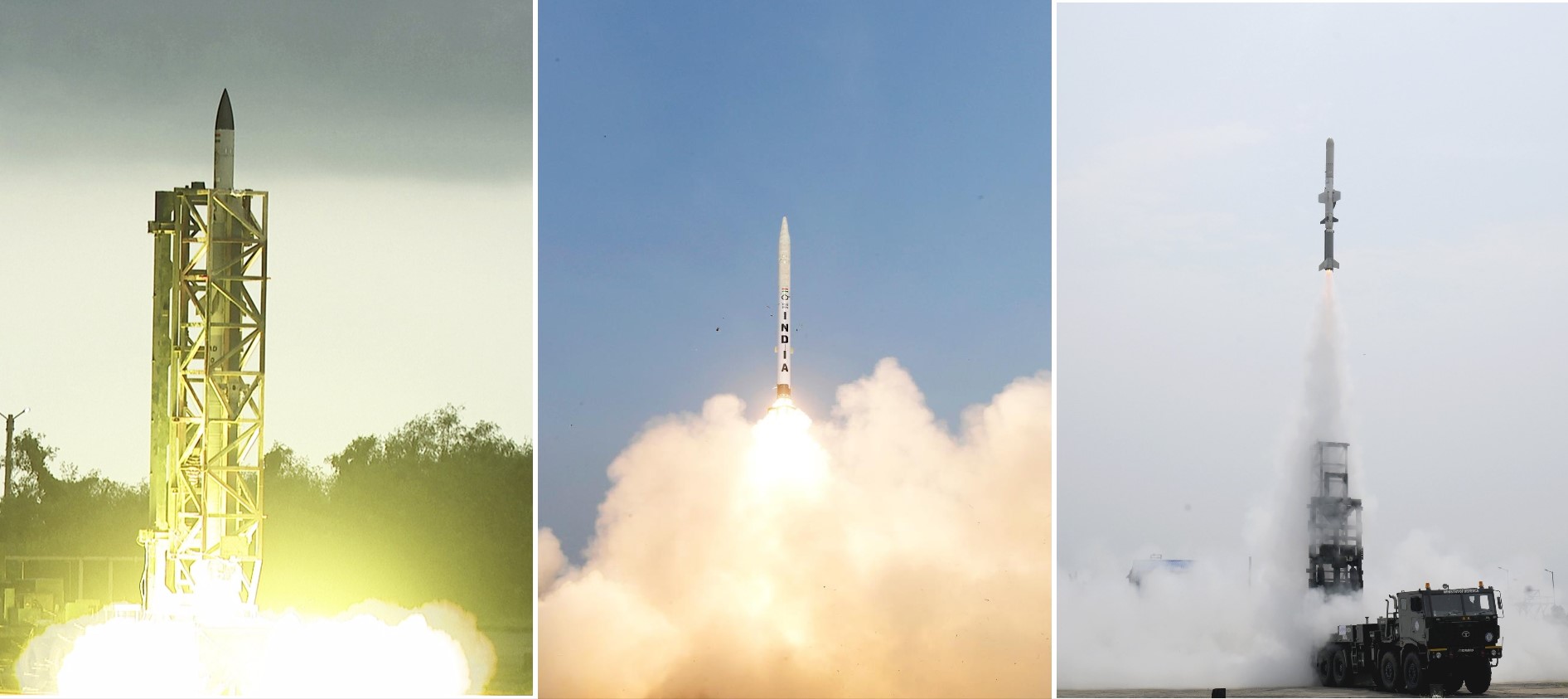 India Successfully Conducts AD-1, AD-2 Interceptor Tests and Maiden NASM-MR Flight Trial
-
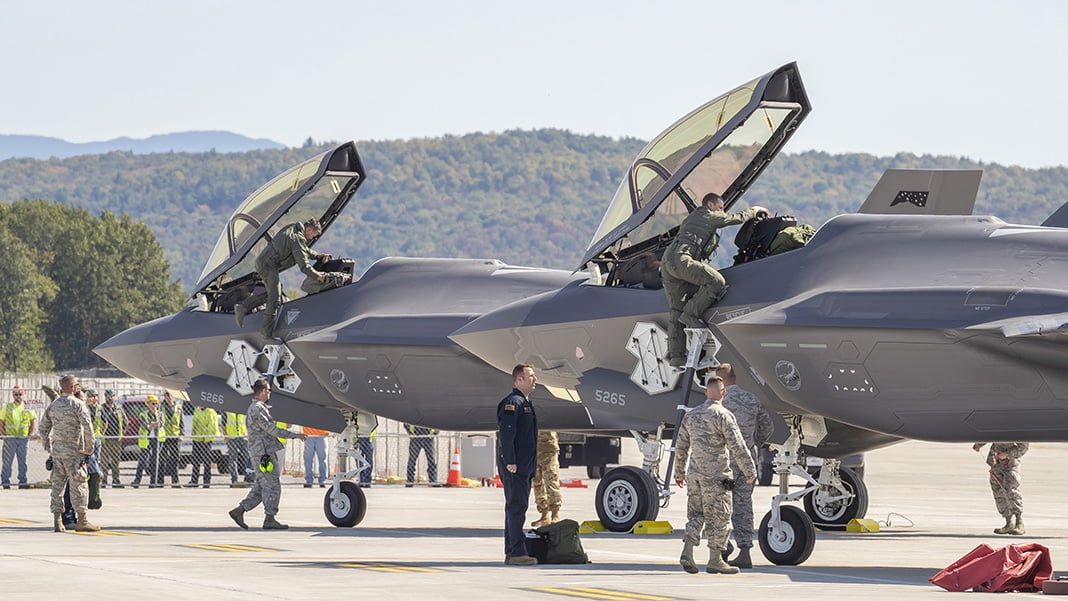 F-35 Fleet Readiness Falls to 25% Amid Parts Shortages and Software Delays: GAO Report