India
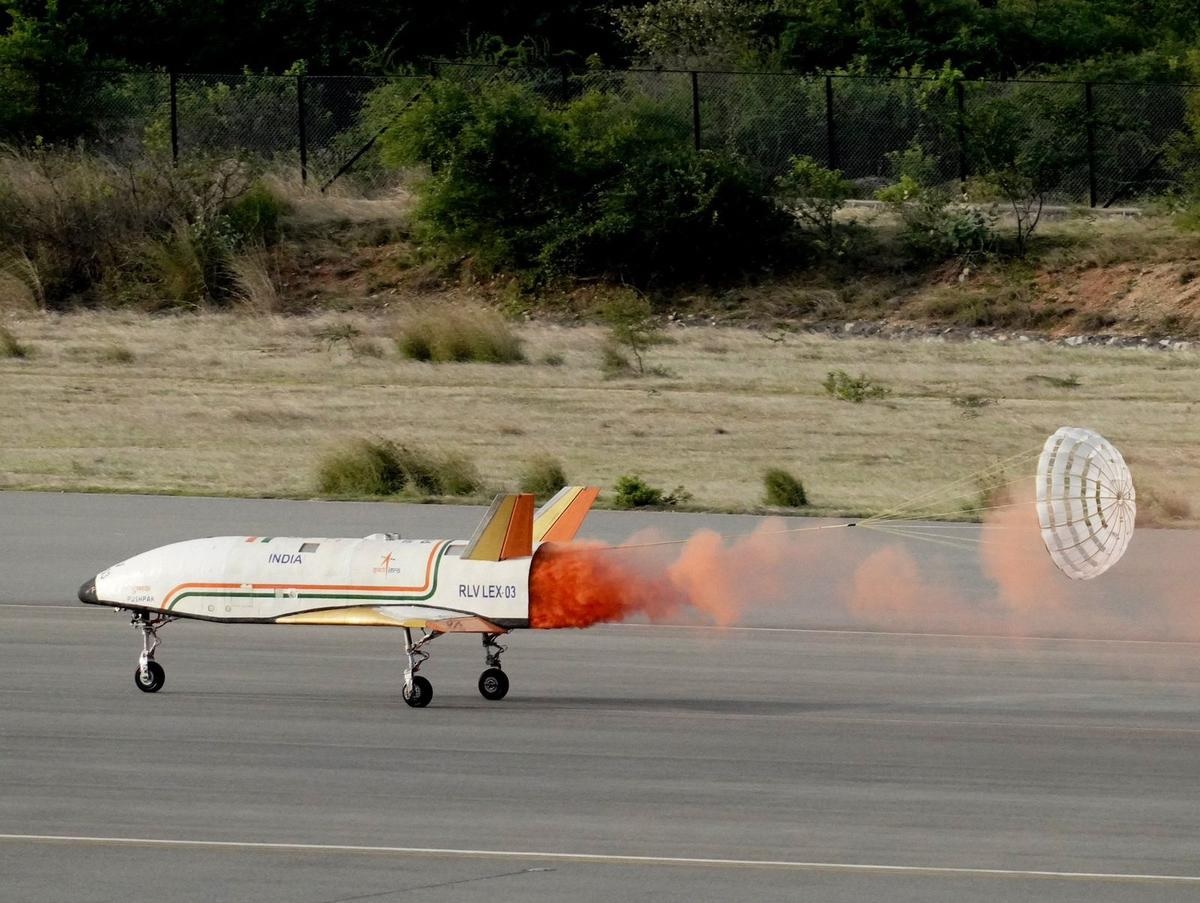
The Indian Space Research Organisation (ISRO) marked a significant milestone today, June 23, by successfully completing the third and final Reusable Launch Vehicle (RLV) Landing Experiment (LEX) at the Aeronautical Test Range (ATR) in Chitradurga, Karnataka. This crucial test, known as LEX-03, was conducted at 7:10 a.m., demonstrating advanced autonomous landing capabilities and reaffirming ISRO's prowess in reusable space technology.A Series of Successful TestsFollowing the successes of the RLV LEX-01 and LEX-02 missions, the LEX-03 mission aimed to further validate the autonomous landing technology under more demanding conditions. The winged vehicle, named Pushpak, was released from an Indian Air Force Chinook Helicopter at an altitude of 4.5 km. The mission showcased ISRO's ability to adapt to challenging release conditions, with a cross range of 500 meters compared to the 150 meters achieved in LEX-02, and more severe wind conditions.Precision and Autonomy in ActionFrom a release point 4.5 km away from the runway, Pushpak autonomously performed cross-range correction maneuvers, approached the runway, and executed a precise horizontal landing on the runway centerline. Due to its low lift-to-drag ratio aerodynamic configuration, Pushpak achieved a landing velocity exceeding 320 kmph, surpassing the 260 kmph typical for commercial aircraft and the 280 kmph for typical fighter jets. After touchdown, the vehicle's velocity was reduced to nearly 100 kmph using its brake parachute, and further decelerated to a complete stop using its landing gear brakes. During the ground roll phase, Pushpak utilized its rudder and nose wheel steering system to autonomously maintain a stable and precise trajectory along the runway.Advanced Technology and Robust DesignThe LEX-03 mission not only simulated the approach and landing interface but also the high-speed landing conditions for a vehicle returning from space. This experiment reaffirmed ISRO's expertise in acquiring the critical technologies essential for developing a Reusable Launch Vehicle. The advanced guidance algorithm, which caters to longitudinal and lateral plane error corrections essential for future Orbital Re-entry Missions, was successfully validated during this mission.ISRO highlighted the robustness of the RLV-LEX system, noting that the LEX-03 mission reused the winged body and flight systems from the LEX-02 mission without any modifications. This demonstrates the robustness of ISRO’s design and capability to reuse flight systems for multiple missions, underscoring the efficiency and reliability of their technology.Multi-Sensor Fusion and Technological IntegrationThe RLV-LEX employs a multi-sensor fusion system, incorporating an array of sensors such as the Inertial sensor, Radar altimeter, Flush air data system, Pseudolite system, and NavIC. This integration of advanced sensors ensures precise navigation and control during the autonomous landing process.Future ProspectsThe successful completion of the LEX-03 mission marks a significant step forward in ISRO’s journey towards developing fully operational reusable launch vehicles. The technologies validated and the expertise gained through these experiments lay a strong foundation for future missions, including the ambitious Orbital Re-entry Missions.With the accomplishment of the third and final Pushpak RLV landing experiment, ISRO continues to demonstrate its commitment to advancing space technology and contributing to the global efforts in space exploration and utilization. The successful execution of this mission is a testament to the dedication and innovation of ISRO’s scientists and engineers, propelling India’s space capabilities to new heights.
Read More → Posted on 2024-06-23 14:53:53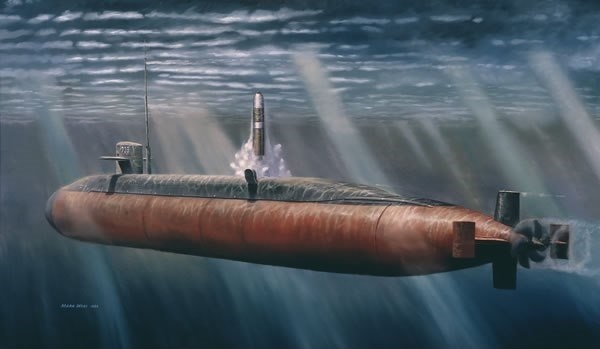
India
India's nuclear stockpile has been steadily growing, currently standing at over 172 warheads, surpassing Pakistan's estimated 170. This growth is driven by significant advancements in India's missile technology and the expansion of its ballistic missile submarine fleet. Advancements in Ballistic Missile SubmarinesCentral to India’s nuclear strategy is its fleet of Arihant-class submarines. These vessels form the backbone of India’s sea-based nuclear deterrence, providing a credible second-strike capability. The first two Arihant-class submarines, INS Arihant and INS Arighat, are already operational. The Indian Navy is now focusing on developing two more advanced variants, the S4 and S4* submarines. These new submarines are expected to be larger and more capable than their predecessors, with improved stealth features and the ability to carry more nuclear-tipped ballistic missiles.The development of these submarines is a crucial factor in the increase of India’s nuclear stockpile. As the number of submarines grows, so does the need for a larger arsenal of deployable nuclear warheads. This expansion is not just about increasing the number of warheads but also about enhancing the survivability and credibility of India's nuclear deterrent. Multiple Independently Re-entry Vehicles (MIRVs)Another key factor contributing to the rise in India’s nuclear stockpile is the successful development and testing of the Agni-5 MkII missile equipped with Multiple Independently Re-entry Vehicles (MIRVs). The Agni-5 is an intercontinental ballistic missile (ICBM) with a range of over 5,000 kilometers, capable of reaching targets deep inside China and other potential adversaries. The addition of MIRVs to the Agni-5 significantly increases its lethality, as a single missile can now carry multiple warheads, each capable of hitting a different target. This technological advancement not only enhances India’s strike capabilities but also necessitates an increase in the number of warheads available for deployment.Strategic ImplicationsThe expansion of India’s nuclear arsenal and advancements in missile technology have significant strategic implications. First, it strengthens India’s deterrence posture against both Pakistan and China. A more robust and diversified nuclear arsenal enhances India’s ability to respond to any nuclear threat or aggression. Second, it reflects India’s commitment to maintaining a credible minimum deterrent while ensuring that its nuclear forces are modern and capable of addressing emerging security challenges.However, this growth in nuclear capabilities also raises concerns about regional stability and the potential for an arms race in South Asia. As India enhances its nuclear capabilities, Pakistan is likely to respond by further developing its own arsenal. This dynamic could lead to a security dilemma, where both countries feel compelled to continue expanding their nuclear stockpiles and capabilities.ConclusionIndia’s nuclear stockpile is set to grow, driven by the development of advanced ballistic missile submarines and the successful integration of MIRVs into its missile arsenal. These advancements are crucial for maintaining a credible nuclear deterrent and addressing the evolving security landscape. However, they also underscore the need for continued dialogue and confidence-building measures in South Asia to mitigate the risks of an escalating arms race and ensure regional stability. As India continues to modernize its nuclear forces, it must balance its strategic imperatives with efforts to promote peace and security in the region.
Read More → Posted on 2024-06-23 14:49:28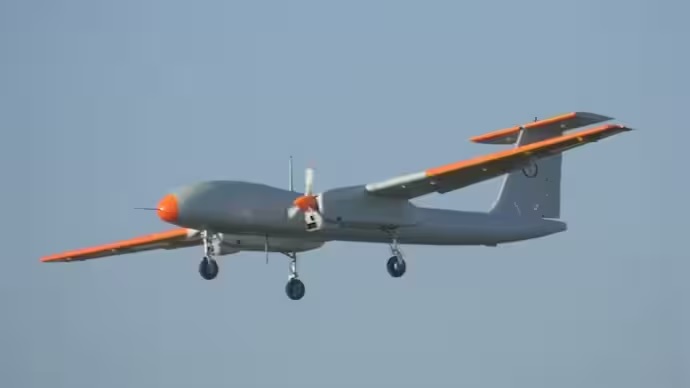
India
The Indian Navy has announced its decision to procure four Tapas drones developed by the Defence Research and Development Organisation (DRDO) for maritime surveillance purposes. This marks a significant step in bolstering India's indigenous defense manufacturing capabilities and enhancing the Navy's operational surveillance over the extensive maritime zones.Tapas Drones: An OverviewThe Tapas drones, designed by the Aeronautical Development Establishment (ADE) Laboratory of DRDO, are Medium Altitude Long Endurance (MALE) Unmanned Aerial Vehicles (UAVs). Despite some challenges in meeting the stringent requirements of the Indian defense forces, the project is ongoing with continuous improvements.Specifications and TrialsThe Tapas drones have been tested rigorously by the defense forces, demonstrating an altitude reach of up to 28,000 feet and an endurance of over 18 hours. However, the Joint Services Qualitative Requirements (JSQR) necessitate an altitude of 30,000 feet and an endurance of 24 hours. While the drones have not fully met these criteria, their performance in trials has shown promise, especially in maritime surveillance.During one notable trial, the Indian Navy operated the Tapas drone over the Arabian Sea from an airfield in Chitradurga, Karnataka, showcasing its potential for naval applications. Additionally, the Tapas UAV requires a relatively short runway, making it suitable for deployment from smaller airfields in island territories and the mainland.Why the Indian Army Did Not Induct Tapas UAVsThe Indian Army has stringent operational requirements for UAVs, including high-altitude performance and extended endurance capabilities. The Tapas UAVs, despite their promising performance, have not yet met the JSQR of flying at 30,000 feet for over 24 hours. This shortfall has led to their exclusion from the category of mission mode projects for the Army, which demands UAVs capable of sustained high-altitude surveillance for extended durations to monitor hostile activities and secure the nation's borders effectively.Why the Indian Navy Ordered TAPAS UAVsThe Indian Navy's decision to order TAPAS drones is driven by several strategic and operational considerations:Enhanced Maritime Surveillance: The Navy requires robust ISR capabilities to monitor vast maritime zones. TAPAS UAVs, with their long endurance and high-altitude operations, are well-suited for this role. They can provide real-time surveillance data, improving maritime domain awareness and aiding in the detection of potential threats.Indigenous Development: The 'Make in India' initiative aims to reduce dependence on foreign defense equipment. By procuring TAPAS drones, the Navy supports domestic defense manufacturing and innovation, contributing to national self-reliance.Cost-Effectiveness: Indigenous UAVs are typically more cost-effective compared to their foreign counterparts. The TAPAS drones offer a balance between advanced technology and affordability, making them an attractive option for the Navy.Operational Flexibility: The TAPAS UAVs can be deployed for various missions, including surveillance, reconnaissance, and intelligence gathering. This versatility enhances the operational flexibility of the Navy.Future of Tapas UAVsThe future of Tapas UAVs lies in the ongoing development and enhancements by DRDO. Despite not fully meeting the current requirements, continuous improvements and successful trials could make them a viable option for other branches of the armed forces. The focus will be on achieving the JSQR benchmarks, which include higher altitude endurance and longer flight durations.Moreover, the collaboration between DRDO, BEL, and HAL highlights the potential for further advancements in indigenous UAV technology. As these drones evolve, they could become a cornerstone of India's surveillance and reconnaissance capabilities, contributing significantly to the nation's defense infrastructure.In conclusion, the Indian Navy's order of four Tapas drones represents a strategic move to enhance maritime surveillance while supporting indigenous defense manufacturing. The ongoing development and potential future improvements of these UAVs could pave the way for their broader acceptance and deployment across various defense forces in India.
Read More → Posted on 2024-06-23 14:33:27
India
GRSE signs a $54 million deal with a German firm to build four cargo vessels, with an option for four more in the future.Kolkata, India On Saturday, Defence PSU Garden Reach Shipbuilders and Engineers (GRSE) Ltd, a prominent shipbuilding company, signed an agreement with Germany-based Carsten Rehder Schiffsmakler and Reederei GmbH and Co. KG for the construction and delivery of four multi-purpose cargo vessels. The contract, valued at approximately $54 million, is slated for completion within 33 months.The official statement from GRSE revealed that there is an option to build an additional four vessels in the future. Each vessel will measure 120 meters in length and 17 meters in width, capable of carrying 7,500 metric tonnes of cargo. The ships will feature a single cargo hold to accommodate bulk, general, and project cargoes, with containers transported on hatch covers. Notably, these vessels are specifically designed to carry multiple large windmill blades on deck.GRSE has been actively expanding its footprint in the maritime and commercial vessel markets. Apart from this new contract, the company has recently delivered several notable projects, including an offshore patrol vessel to Mauritius, a fast patrol vessel to Seychelles, and a passenger-cum-cargo ocean-going ferry to the Cooperative Republic of Guyana. Additionally, GRSE is currently constructing six patrol boats and a dredger for Bangladesh.The agreement was signed by Commodore Shantanu Bose (retd), Director (Shipbuilding) for GRSE, and Carsten Thomas Rehder, Managing Director for the German shipping company. The event also featured GRSE's Chairman and Managing Director, Commodore P R Hari (retd).
Read More → Posted on 2024-06-22 15:56:02
India
Tardid Technologies showcased its AI innovations at Eurosatory, drawing significant interest from global defense and security sectors. The company's versatile AI platform and autonomous vessel highlighted its advanced capabilities and potential for international expansion.Bangalore-based Tardid Technologies, a leader in AI-based solutions, made a significant impact at the Eurosatory defense and security exhibition in Paris. The company, founded in 2016 by Niladri Dutta and Aastha Verma, is known for its proprietary Brainbox Artificial Intelligence Platform, which was showcased to an international audience that included government agencies, military officials, and major corporations.Showcasing Cutting-Edge AI SolutionsAt Eurosatory, Tardid Technologies highlighted its versatile AI engine and innovative solutions. The Brainbox AI Platform, which is platform-agnostic, has applications in threat detection, autonomous weapon systems, and logistical optimization. This versatility drew considerable interest from the attendees.Highlight on Autonomous IMO Level 4 VesselOne of the standout innovations on display was Tardid's Autonomous IMO Level 4 vessel. This technology garnered significant attention from military and coast guard representatives due to its potential for surveillance and patrol applications. The vessel's capabilities demonstrated Tardid's advanced AI integration and practical application in real-world scenarios.Strategic Importance of Eurosatory LabAastha Verma, COO and Co-Founder, emphasized the importance of the Eurosatory Lab, a dedicated space for startups. This venue provided a cost-effective way for Tardid to connect with a highly relevant audience, facilitating networking and potential partnerships.Track Record and RecognitionsTardid Technologies has an impressive track record, including projects under the Ministry of Defence. The company has been recognized by Gartner as a leading IT provider for Digital Twin, underscoring its industry credibility and technological prowess.Securing Strategic InvestmentsRecently, Tardid secured strategic funding from Samarthya Investment Advisors and Pegasus India Evolving Fund. This investment signals growing confidence in Indian aerospace and defense companies and is expected to accelerate Tardid's growth, enabling further international expansion and customer acquisition.Samarthya Investment Advisors highlighted Tardid's unique position in the AI sector, with applications spanning defense, railways, maritime, aerospace, and industrial sectors. This investment is set to enhance Tardid's capabilities and market reach.
Read More → Posted on 2024-06-22 15:49:46
India
A hoax bomb threat at Calicut International Airport grounded an Air Arabia flight to Sharjah, causing significant delays. Police are investigating to identify the responsible passenger.A false bomb threat on an Air Arabia flight scheduled to depart from Calicut International Airport to Sharjah caused significant disruption on Saturday morning. Airport authorities reported that the flight was grounded for several hours while police conducted a thorough inspection.The incident began when ground staff discovered a note with the word "bomb" on one of the seats of the aircraft. The note was left by a passenger who had arrived on the flight from Sharjah to Calicut. This discovery was made before boarding for the return flight commenced.Upon finding the note, airport officials immediately alerted the police. The aircraft was grounded, and a bomb detection squad was called in to perform a detailed inspection. "It was later determined that the note was a hoax bomb threat," an airport official said. "The inspection and security procedures have just concluded, and we are awaiting a report from the bomb detection squad before clearing the flight for takeoff."Originally scheduled to depart at 8:30 am, the flight is now expected to leave around 5 pm. "Passengers have been accommodated at the airport and provided with food and water," the official added.Authorities are actively investigating to identify the passenger responsible for the hoax. An officer from Karipur police station said, "The passenger who placed the note has not yet been identified. We are working to find out who was behind this hoax threat and will take further action accordingly."Hoax bomb threats are a serious concern as they lead to unnecessary panic, operational disruptions, and significant financial costs. They also strain airport security and police resources, diverting them from other critical duties.The Civil Aviation Authority has strict regulations and severe penalties for those who make bomb threats, even as a prank. Such incidents are punishable under various sections of the Indian Penal Code and the Aircraft Act. The penalty can include imprisonment and fines, depending on the severity and impact of the threat.Passengers are reminded to remain vigilant and report any suspicious activity to the authorities immediately. Airports and airlines continuously work to enhance security measures to ensure the safety of all passengers.
Read More → Posted on 2024-06-22 15:38:59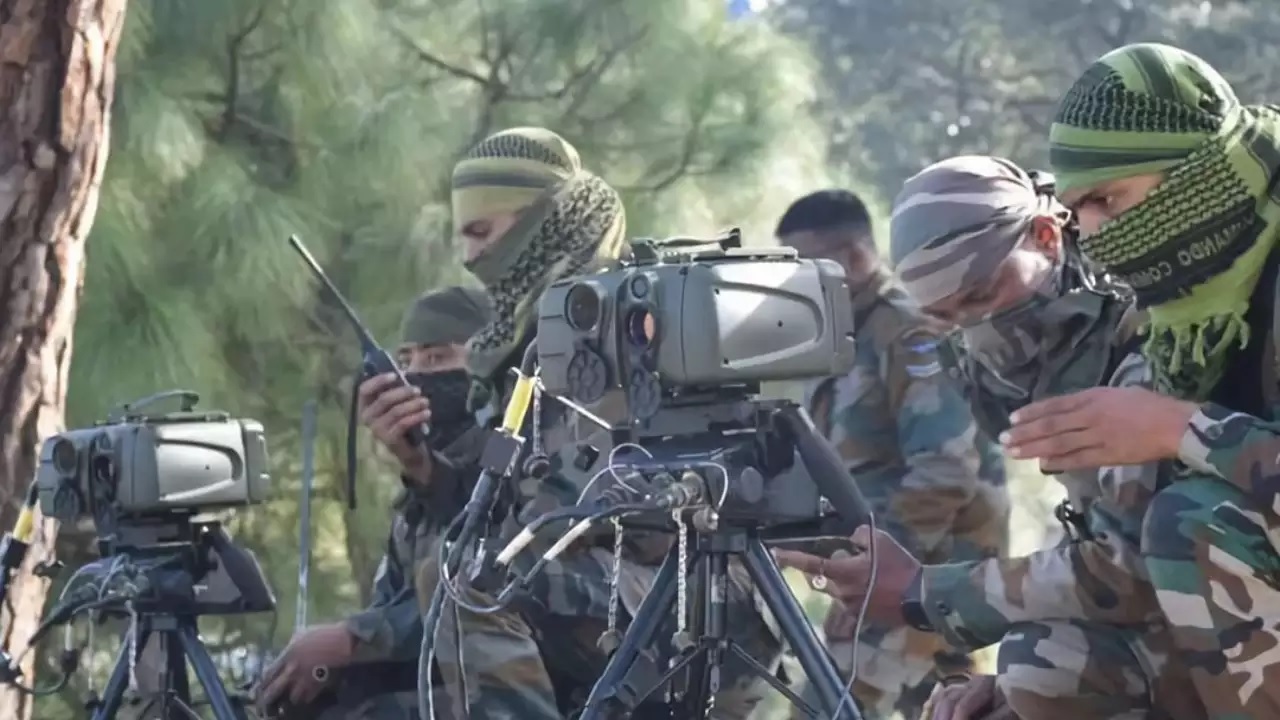
India
The Indian Army PARA Special Forces enhance their capabilities with the introduction of Laser Target Designators, enabling precise strikes and reducing risks in complex combat scenarios.The Indian Army’s PARA Special Forces (SF) have significantly enhanced their operational capabilities by incorporating Laser Target Designators (LTDs) into their equipment. These portable devices are a major advancement for PARA SF, especially in dense conflict zones, as they allow for precise strikes on enemy positions.Laser Target Designators work by emitting a focused beam of light to illuminate a target, a process known as "painting the target." This illuminated target reflects the laser beam, which is then detected by sensors on laser-guided bombs or missiles. Once these munitions are released, they home in on the reflected laser signal, ensuring high accuracy and reducing collateral damage.The introduction of LTDs offers small PARA SF teams on the ground significant tactical advantages. Soldiers can use the LTD’s viewfinder to visually confirm targets and make real-time adjustments to the aiming point. This capability is critical in fast-paced and complex combat situations where conditions change rapidly.With the ability to guide munitions directly to a target, PARA SF units can neutralize threats without engaging in close-quarter combat. This reduces the risk of casualties among soldiers and enhances the success rates of their missions. The use of LTDs allows for precise targeting, which is crucial in minimizing damage to surrounding structures and civilians.The deployment of LTDs aligns with global military trends, where precision-guided munitions are becoming increasingly important. Many modern armies have adopted similar technologies to improve their effectiveness in combat. By integrating LTDs, the Indian Army ensures that its PARA SF units are equipped with state-of-the-art technology, maintaining their edge in modern warfare.Overall, the induction of Laser Target Designators into the PARA Special Forces represents a significant step forward in their operational capabilities, ensuring they can carry out their missions with greater precision and safety.
Read More → Posted on 2024-06-22 15:28:49
India
India reaffirms respect for the Dalai Lama as a revered spiritual leader, coinciding with a high-level US Congressional delegation visit to discuss regional security and economic cooperation.India has reiterated its respect and reverence for the Dalai Lama, highlighting his significant role as a spiritual leader. Randhir Jaiswal, spokesperson for the Ministry of External Affairs (MEA), emphasized that the Dalai Lama is deeply respected by the Indian people and enjoys full freedom to conduct his religious and spiritual activities. This statement was made during a weekly briefing in response to queries about India's stance on the succession of the Dalai Lama.Jaiswal's comments underscore the longstanding respect India has for the Dalai Lama, who has been residing in India since fleeing Tibet in 1959. The Dalai Lama's presence in India has been a point of contention with China, which views him as a separatist. However, India continues to provide him with a safe haven, allowing him to continue his religious and spiritual teachings.In recent diplomatic engagements, a high-level United States Congressional delegation visited India from June 16 to 20. The delegation, led by Michael McCaul, Chairman of the House Foreign Affairs Committee, included former House Speaker Nancy Pelosi and other prominent US Representatives such as Gregory Meeks, Mariannette Miller-Meeks, Nicole Malliotakis, Ami Bera, and Jim McGovern. They visited Dharamshala, the Dalai Lama's residence, on June 18 and 19.During their visit, the delegation met with Prime Minister Narendra Modi, External Affairs Minister S. Jaishankar, and Commerce and Industry Minister Piyush Goyal. These meetings underscored the ongoing bilateral exchanges and strategic dialogues between India and the United States, focusing on regional security, economic cooperation, and other areas of mutual interest.The visit of the US Congressional delegation coincided with the US Congress passing the 'Resolve Tibet Act,' urging Beijing to re-engage with the Dalai Lama and other Tibetan leaders for a peaceful resolution of their dispute over the governance of Tibet. This Act reflects the US's support for the Tibetan cause and its push for a peaceful resolution to the long-standing issue.India's reaffirmation of the Dalai Lama's revered status and the high-profile visit of the US delegation highlight the ongoing importance of the Dalai Lama in international diplomatic discussions and the strategic interests of both India and the United States in the region.
Read More → Posted on 2024-06-22 15:03:12
India
In the wake of the 2020 Galwan Valley clash, India has significantly tightened visa policies for Chinese nationals to safeguard national security and reduce economic dependence on China.In response to the 2020 Galwan Valley border clash, India has dramatically reduced the number of visas issued to Chinese nationals. This decision highlights the Indian government's increased focus on national economic security and a cautious stance towards Chinese investments.Before the Galwan incident, India issued about 200,000 visas to Chinese nationals in 2019. However, by 2024, this number has fallen to just 2,000. The steep decline is due to stricter scrutiny of Chinese investments and concerns over potential security risks.Despite the reduction, a small number of visas are still being granted, primarily to meet the needs of the Indian electronics industry. Each application is subjected to thorough screening to protect India's goals of self-reliance and domestic manufacturing interests.India's trade deficit with China remains a significant issue. Although the government has initiated measures to boost domestic production, imports from China still exceed exports. This trade imbalance has further driven the stringent visa policy.Some sectors of Indian industry have expressed concern over the visa restrictions, arguing that it hinders business operations and job creation. However, government officials assert that national security is a top priority and that uncontrolled visa issuance could compromise India's economic autonomy.Relations between India and China have been strained since the Galwan clash. Despite several rounds of talks, tensions persist along the Line of Actual Control (LAC) in Ladakh. Additionally, China's increasing naval presence in the Indian Ocean region has raised more security concerns for India.In light of these challenges, the Indian government is taking steps to reduce economic dependence on China. This includes a selective approach to Chinese investments and a rigorous vetting process for visa applications. The tightened visa policy is part of India's evolving stance towards China following the Galwan clash.
Read More → Posted on 2024-06-22 14:59:31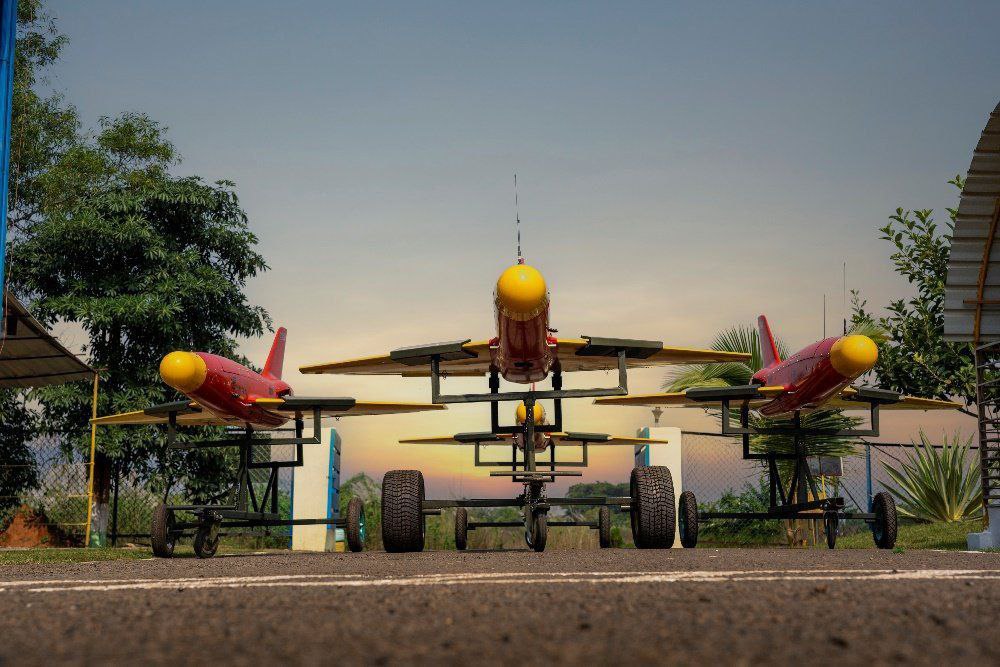
India
Anadrone Systems secures a landmark contract with the Indian Navy for 100 SHIKRA target systems, bolstering India's air defense capabilities through indigenous drone technology.In a significant boost to India's defense sector, particularly the "Atmanirbhar Bharat" (Self-Reliant India) initiative, Anadrone Systems Pvt Ltd has secured a major contract with the Indian Navy. The contract, awarded in March 2024, entails the supply of 100 SHIKRA high-speed aerial target systems, falling under the prestigious IDDM (Indigenously Designed, Developed & Manufactured) category.Enhancing Naval Readiness Through Realistic TrainingThe SHIKRA target drones will play a pivotal role in sharpening the Indian Navy's air defense skills. These high-speed drones are specifically designed to mimic real-world aerial threats, allowing the Navy to conduct critical training exercises that simulate engaging and neutralizing hostile aircraft. The SHIKRA's maneuverability and performance will provide a realistic training environment, ensuring the Navy's preparedness to effectively defend India's territorial waters and airspace.Proven Track Record and Technological ExpertiseAnadrone Systems brings a wealth of experience to the table, having supplied over 1,000 high-speed aerial target drones for more than 300 missions conducted by the Indian Defence Forces and weapons developers. With state-of-the-art facilities in Gurugram and Odisha, and a planned expansion in Bhubaneshwar, the company is well-equipped to handle large-scale production of the SHIKRA drones.Leading the Way in Indigenous Drone TechnologyAnadrone has established itself as a pioneer in the field of indigenous aerial target systems. They hold the distinction of being the first company to secure contracts under the government's key initiatives: Make in India, Make II, and IDDM for Aerial Target Systems. This commitment to indigenization is further reflected in Anadrone's impressive 80% indigenous content rate in the SHIKRA drones, with an ambitious target of reaching 95% by the end of 2024, perfectly aligning with the vision of Atmanirbhar Bharat.Trusted Partner for Defense and BeyondAnadrone's dedication to quality and innovation is evident through their certifications from ISO, DRDO (DLRL & RCI), and HAL, coupled with an Industrial License from DPIIT and a Production License. This ensures the SHIKRA target drones meet the most stringent quality standards. Their role as a prime contractor for DRDO with proven experience positions them as a trusted partner for India's defense needs and technological advancements.Looking Ahead: A Self-Reliant FutureThe Indian Navy's contract with Anadrone Systems for the SHIKRA drones marks a significant milestone in India's journey towards self-reliance in the defense sector. This collaboration strengthens domestic drone technology expertise and paves the way for a future where India can design, develop, and manufacture advanced defense equipment, solidifying its strategic position in the region.
Read More → Posted on 2024-06-21 15:39:33
India
Canadian MP Chandra Arya recalls the 1985 Kanishka bombing, stressing that the extremist ideology behind it still persists in Canada, causing concern among Hindu Canadians.On June 20, 2024, Canadian Member of Parliament Chandra Arya, originally from India, spoke in the Canadian Parliament about the tragic Kanishka flight bombing incident, which occurred 39 years ago. The bombing of Air India Flight 182 on June 23, 1985, claimed the lives of 329 passengers and crew members, making it the deadliest terrorist attack in Canadian history.Arya emphasized that the ideology responsible for this attack, rooted in Khalistani extremism, is still present among a minority in Canada. He highlighted that recent events, such as the celebration of the assassination of former Indian Prime Minister Indira Gandhi by Khalistani supporters, demonstrate that these "dark forces" have been re-energized. This resurgence of violent ideologies has raised concerns among Hindu Canadians about their safety and the potential for future incidents.In his speech, Arya stated, "Mr. Speaker, June 23rd is the National Day of Remembrance for Victims of Terrorism. Thirty-nine years ago, on this day, Air India Flight 182 was blown up mid-air by a bomb planted by Canadian Khalistani extremists. It killed all 329 passengers and crew members and is the largest mass killing in Canadian history."He further remarked, "Unfortunately, many Canadians are not aware that even today, the ideology responsible for this terrorist attack is still alive among a few people in Canada. The recent celebration of the assassination of Hindu Indian Prime Minister Indira Gandhi by Khalistan supporters, glorifying violence and hate, shows that the dark forces have been energized again and point to dreadful times ahead. Hindu Canadians are rightfully concerned. I stand in solidarity with the families of the victims of the Air India bombing."The Indian High Commission in Ottawa had previously described the attack as a "cowardly act of terror carried out by Canada-based Khalistani terrorists." To honor the victims, the Consulate General of India in Toronto will hold a memorial service on June 23, 2024, at Queen's Park.India has consistently condemned terrorism and opposed its justification and glorification. The Consulate General of India in Toronto reiterated this stance, reminding the world of the Kanishka bombing's impact. In a statement shared on social media, the Consulate General stated, "India has always been at the forefront of the fight against terrorism and has opposed the justification and glorification of terrorism. June 23, 2024, marks the 39th anniversary of the bombing of Air India Flight 182 (Kanishka), which resulted in the death of 329 innocent victims, including 86 children, and remains one of the most heinous acts of terror in civil aviation."The memorial service is taking place amid strained relations between India and Canada, following allegations by Canadian Prime Minister Justin Trudeau that Indian agents were involved in the killing of Khalistani terrorist Hardeep Singh Nijjar in Surrey last year. India has dismissed these claims as "absurd and motivated." Nijjar, designated a terrorist by India's National Investigation Agency in 2020, was shot outside a Gurdwara in June 2023.As both nations navigate these tensions, the remembrance of the Air India Flight 182 bombing serves as a somber reminder of the enduring impact of terrorism and the ongoing need to address extremist ideologies.
Read More → Posted on 2024-06-21 11:34:43
India
IISc researchers have developed a device that converts infrared light into visible light, potentially transforming applications in defense, medical imaging, and telecommunications.Researchers at the Indian Institute of Science (IISc) have made a significant breakthrough in the field of light conversion technology. They have developed a device that can convert infrared light, which is invisible to the human eye, into visible light. This advancement has potential applications in defense, communications, and scientific imaging.The innovative device uses a new type of non-linear optical mirror stack composed of a 2D material called gallium selenide. This material enables the "up-conversion" of short infrared light frequencies, making them detectable by standard silicon-based cameras.Infrared light has lower frequencies compared to red light on the visible spectrum. Traditional infrared imaging, which is widely used in defense and research, typically relies on specialized sensors. These sensors are often bulky, inefficient, and restricted for export due to their strategic importance.The device created by the IISc team overcomes these limitations by offering a more efficient and potentially cost-effective alternative. The device operates by combining an infrared input signal with a pump beam on the mirror stack. The unique non-linear optical properties of gallium selenide in the stack cause the frequencies to mix, resulting in an output beam with increased (up-converted) frequency. Importantly, this process preserves the original properties of the input beam.In their experiments, the researchers successfully up-converted infrared light with a wavelength of 1550 nm to visible light at 622 nm. This wavelength is easily captured by conventional cameras. The team is now working on extending the device's capabilities to up-convert light of even longer wavelengths and to improve its overall efficiency.Associate Professor Varun Raghunathan from the Department of Electrical Communication Engineering at IISc highlighted the global significance of this achievement. "There is a lot of interest worldwide in doing infrared imaging without using infrared sensors. Our work could be a game-changer for those applications," he said.This technology could revolutionize various fields. In defense, it could enhance night vision capabilities. In medicine, it could improve imaging techniques. In telecommunications, it could enable more efficient data transmission.
Read More → Posted on 2024-06-21 11:27:13
India
China’s aggressive maneuvers against the Philippines in the disputed Second Thomas Shoal may have gone too far this time, as reports emerge of Chinese Coast Guards brandishing sharp-edged weapons against Filipino troops. Many experts have connected this incident to the India-China clash in Galwan Valley, Ladakh. The latest skirmish occurred as Philippine Coast Guard and Navy personnel were delivering supplies to Filipino troops stationed on the Sierra Madre warship near the Second Thomas Shoal. The warship, run aground by the Filipinos, operates as a military outpost in the region. China frequently attempts to thwart these missions, sometimes using force. This time, however, it turned out to be a bloody engagement.The Philippines’ top military commander, General Romeo Brawner, said Chinese ships allegedly slammed Philippine boats, boarded them, and took their weapons away. A Filipino soldier lost his thumb when his vessel was hit by the Chinese, the General said.Although Beijing has maintained that its personnel practiced restraint, the Filipino general said two inflatable boats of the Philippine Navy were repeatedly hit by over eight motorboats carrying Chinese forces, who subsequently boarded them. Manila has also accused the Chinese soldiers of stealing firearms and demanded that the rifles and other equipment be returned. The Philippine military released images and video of the violent confrontation, showing Chinese soldiers on boats near Manila’s ship outpost encircling two Philippine navy supply boats with sticks, knives, and axes. The Chinese struck the Philippine navy boat with a pole while sirens blared nonstop, and both sides yelled at one another.The Chinese reportedly took control of the boats and used hammers, machetes, and knives to damage them following a skirmish and several deliberate collisions. This may have been the first of its kind of attack in the contested South China Sea. The Armed Forces of the Philippines said the Chinese Coast Guard crew harassed them with “physical attacks, the use of bladed weapons… and blinding strobe lights”. As per reports, sharp objects and weapons were used to puncture the rubber boats, deflate them, and make them inoperable. Some accounts suggested that weapons were also used to threaten the Filipino soldiers who were on a routine replenishment mission to a region that Manila claims as its sovereign territory.Photographs show a damaged Philippine naval vessel with its side floaters cut and deflated and another vessel with its windshield and navigation screens broken. The photos also show the severely damaged Filipino vessels’ communication and navigation equipment. Philippines-based military analyst Miguel Miranda told EurAsian Times, “What happened to the Philippine Navy’s latest attempt at a resupply mission to the BRP Sierra Madre in Ayungin Shoal (Second Thomas Shoal) fits a very clear pattern of harassment and violence that started once Pres. Marcos entered office in the middle of 2022. Short of using live ammunition, the Chinese Coast Guard has employed every other means to assault and harm Filipinos inside the territory of the Philippines. It’s absurd warfare, but the intent is clear enough: China is using a sizable armada to annex Philippine waters while its Navy is always sailing around nearby, with the grunt work done by all sorts of other watercraft.”However, China attributed the conflict to the Philippines, claiming that despite its warnings, the Filipino personnel “trespassed” into the shoal.The Chinese Foreign Ministry spokesperson Lin Jian said, “This is the direct cause of the incident. The Chinese coast guard at the scene has taken professional law-enforcement measures with restraint aimed at stopping the illegal supply mission by the Philippine vessels, and no direct measures were taken against the Philippine personnel.”However, as these accounts started appearing, several netizens and social media military watchers likened the incident to what Chinese troops had pulled off against India in the Galwan Valley clash in 2020. Several users on X (previously Twitter) wrote that China’s recent actions in the South China Sea were a Galwan 2.0.One user wrote: A nuclear-armed nation using spears to try to bully its neighbors. First India in Galwan and now the Philippines. Who is next?”Reminiscent Of Galwan ClashIt was the first time Chinese Coast Guards were spotted with spears, knives, and bolos (usually used to describe a wide range of Philippine single-edged machete-like tools and weapons). General Brawner said that since the guns of the Filipino troops were disassembled and stored in cases, they were not armed. The officials claimed that the Filipino boat crew members were instructed not to brandish their firearms.Brawner stated that even though the eight-boat Chinese Coast Guard detachment had “outnumbered” them, Filipino personnel had “fought back with our bare hands” after seeing the injured sailor.Incidentally, the confrontation happened on June 17, almost four years after a similar June 15 Galwan clash between Chinese PLA troops and Indian soldiers in 2020, which involved hand-to-hand combat. India lost 20 of its soldiers. China later admitted that it lost four or five soldiers. Reports, however, suggested that it may have lost about 40 soldiers. Chinese troops used iron rods studded with metal tips and stones against the Indians as they were not allowed to use firearms due to the confidence-building agreements. China and India remain embroiled in a border dispute along the Line of Actual Control (LAC) that has resulted in multiple standoffs between their forces over the years.Much like the latest attack on the Philippines, the Galwan clash came after several confrontations between the two sides.The brawl started when Chinese soldiers were sent to block India’s efforts to build a road that would give its forces easier access to the area. In retaliation, India sent out its forces. By May 2020, the two sides were already engaged in combat, not only in Ladakh but also in Sikkim, another frontier region located 1,200 kilometers to the east.Hours of hand-to-hand fighting took place on the rocky, steep terrain using iron rods, rocks, and fists. There were no guns on any side. In the fiercest battle between China and India in 60 years, the majority of the men slain either lost their footing or were thrown off the narrow Himalayan ridge and fell to their deaths.The combat started when a patrol of Indian soldiers came face-to-face with Chinese troops on a precipice in the mountainous region.India accused the Chinese troops of violating the disengagement agreement and carrying out a “pre-meditated and planned action” against Indian troops that were “directly responsible for the resulting violence and casualties.”The Indian side noted that 20 Indian Army personnel were killed by the Chinese troops and used clubs, iron rods, nails-studded sticks, and stones. Indian government sources told the media that the Chinese troops were carrying ‘Guandao,’ which is a kind of Chinese pole weapon used in some forms of Chinese martial arts. It has a blade mounted atop a long wooden pole.Similar to its reaction to the recent Filipino accusations, the Chinese side said at that time that India alone was to blame for the confrontation. It claimed that Indian forces had illegally entered the Chinese side of the Line of Actual Control three times. Chinese Foreign Minister Wang Yi then asked India to punish its personnel for these violations.When asked if there were any parallels between the Galwan clash and the recent clash in the Second Thomas Shoal, another military expert who did not wish to be quoted said, “Not really. The difference is that the Philippines did not fight back. In Galwan, the Indian Army fought back.”
Read More → Posted on 2024-06-21 11:10:18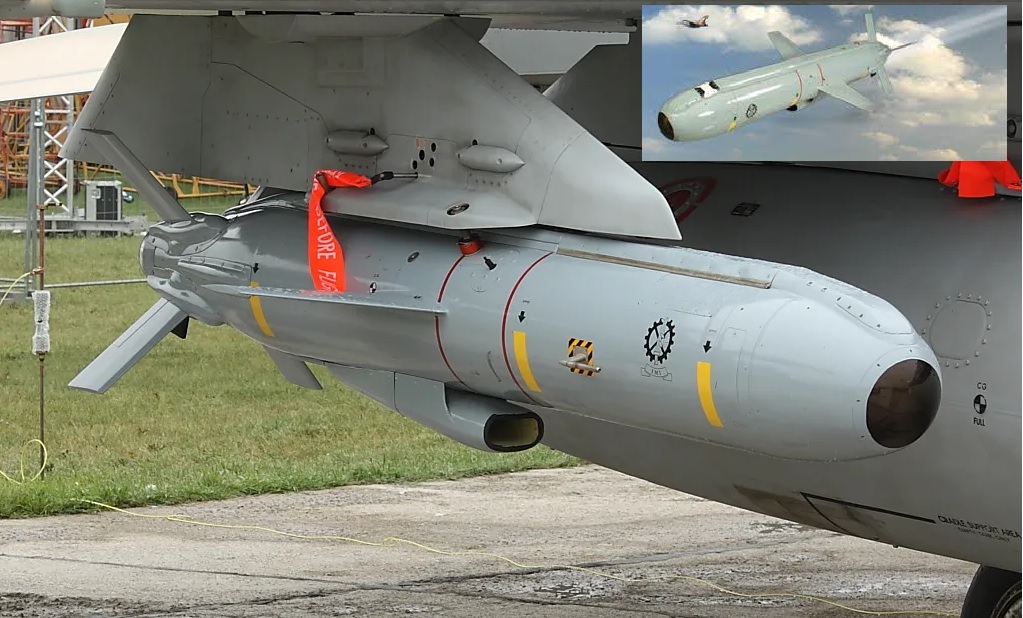
India
The Indian Air Force explores Delilah missiles from Elbit Systems, leveraging their loitering capabilities and adaptability to bolster battlefield effectiveness.The Indian Air Force (IAF) is reportedly evaluating the Delilah series of air-to-surface missiles developed by Elbit Systems, an Israeli defense electronics company. This move highlights the IAF's growing interest in acquiring loitering munitions, a category of missiles offering unique advantages in modern warfare.What is the Delilah Missile?The Delilah is a long-range, precision-strike missile known for its **loitering capability**. Unlike traditional fire-and-forget missiles, Delilah can linger in the air after launch, circling a designated area and relaying real-time video imagery back to the operator. This allows for positive target identification before striking, minimizing collateral damage.Key Features and Specifications:Range: Up to 250 kilometers (km)Guidance: Delilah employs a combination of GPS/inertial navigation system (INS) for initial flight path and an advanced electro-optical seeker for precise terminal guidance.Engine: Powered by a turbo-jet engine, the missile boasts high maneuverability and the ability to adjust its flight profile mid-mission, making it suitable for various operational scenarios. Warhead: Delilah can be equipped with different warheads depending on the target type, offering flexibility in its destructive potential.Real-time video: The missile transmits live video feed to the operator, enabling them to confirm the target and make a final strike decision. Go-around" capability: If the target is no longer viable, Delilah can return to its search pattern or be redirected to a new target, minimizing wasted ordnance.Why is the IAF Interested?The IAF's interest in the Delilah stems from several factors:Loitering capability: Delilah's ability to stay airborne for extended periods allows for positive target identification, reducing the risk of civilian casualties. Versatility: The missile's range, maneuverability, and various warhead options make it adaptable to a wide range of missions, from engaging high-value targets to destroying fortified positions.Operational flexibility: Delilah can be launched from different fighter aircraft platforms, increasing the IAF's operational flexibility.The Evaluation ProcessThe IAF is likely considering factors such as cost, potential technology transfer agreements with Elbit Systems, and the overall capabilities offered by Delilah compared to other options. ConclusionThe Indian Air Force's evaluation of the Delilah missile signifies its focus on acquiring advanced weaponry that enhances battlefield precision and operational flexibility. Delilah's loitering capability and adaptability could potentially play a significant role in the IAF's future operations.
Read More → Posted on 2024-06-20 16:16:09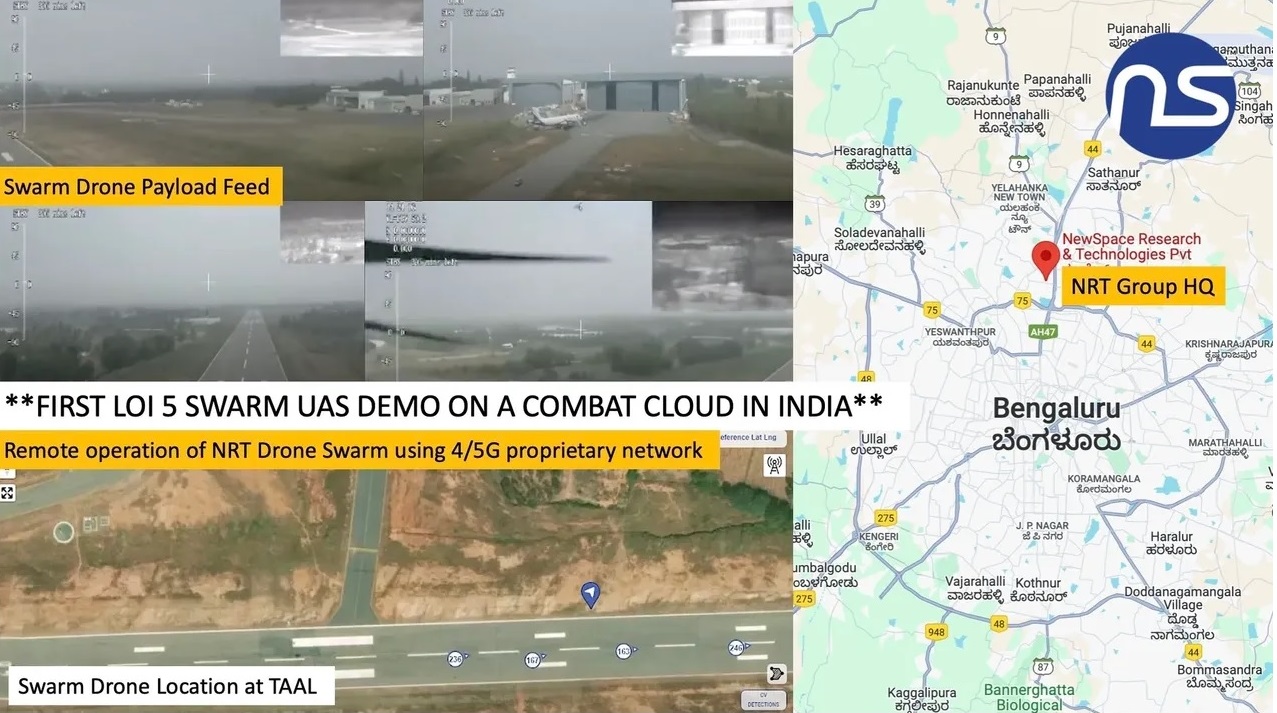
India
NRT's "Swarm in the Wild" showcases advanced autonomous drones for GPS-denied environments, revolutionizing disaster relief and military operations with 3D mapping and night vision capabilities.NewSpace Research and Technologies (NRT), a Bengaluru-based aerospace and defense R&D company, has taken a significant leap forward in drone technology with its successful field demonstration, "Swarm in the Wild." This showcase highlighted the impressive capabilities of NRT's autonomous Uncrewed Aerial Vehicles (UAVs), particularly their ability to function effectively in challenging environments where GPS signals are unavailable. Collaborative 3D Mapping: A Boon for Disaster ReliefOne of the most remarkable aspects of the NRT swarm is its ability to collaboratively create 3D maps of the surrounding environment in real-time. This data is invaluable for various applications, especially in disaster response and search-and-rescue operations. Imagine a scenario following an earthquake or a landslide. Traditional methods of surveying the damage and locating survivors can be slow and dangerous. NRT's swarm technology can quickly deploy multiple drones, working together to build a detailed 3D map of the affected area. This data can then be used by rescue teams to identify priority zones, navigate treacherous terrain, and locate survivors much faster and more efficiently.Enhanced Situational Awareness: Eyes in the Sky, Day or NightThe NRT swarm goes beyond just mapping. The drones are equipped with a powerful suite of sensors, including:High and Low-Resolution Video Cameras: These cameras provide detailed visual data for mission observation and analysis. High-resolution cameras can be used to identify specific objects or people, while low-resolution cameras offer broader situational awareness, particularly useful for monitoring large areas.On-Board IR Video: This technology allows the drones to operate effectively in low-light or nighttime environments. This is crucial for search-and-rescue missions that might extend into the night, or for military operations requiring covert surveillance.LIDAR (Light Detection and Ranging) and Inertial Navigation Systems (INS): These systems work together to ensure precise positioning and mission execution even in the absence of GPS. LIDAR uses lasers to create highly accurate 3D maps of the surroundings, while INS tracks the drone's movement using internal sensors. This combined technology allows the NRT swarm to navigate complex environments and complete missions autonomously without relying on unreliable GPS signals.Ideal for the Indian Army: Countering Threats in Diverse EnvironmentsThe capabilities showcased by NRT's "Swarm in the Wild" make it a perfect fit for the Indian Army, particularly for counter-terrorism operations in forested areas. Navigation in Dense Foliage: GPS signals can be easily disrupted by dense tree cover. The NRT swarm's reliance on LIDAR and INS ensures smooth operation even under such conditions.3D Mapping of Forests: The collaborative 3D mapping capabilities can be immensely valuable for creating detailed terrain models of forested regions, helping troops understand the environment and plan operations more effectively.Covert Surveillance: With silent operation and night vision capabilities, the NRT swarm can be deployed for discreet reconnaissance missions, pinpointing enemy positions without alerting them.Looking Ahead: A Future of Autonomous Drone OperationsThe successful demonstration by NRT paves the way for a future where autonomous drone swarms play a vital role in various military and civilian applications. NRT's technology offers significant advantages in terms of navigation, data gathering, and situational awareness, particularly in GPS-denied environments. As the technology continues to develop, we can expect even more innovative applications for these versatile aerial platforms.
Read More → Posted on 2024-06-20 16:01:09Search
Top Trending in 24 Hours
-
 Tulsi Gabbard Releases Declassified Files Detailing U.S.-Backed Network of 120 Biolaboratories Across 30+ Countries
-
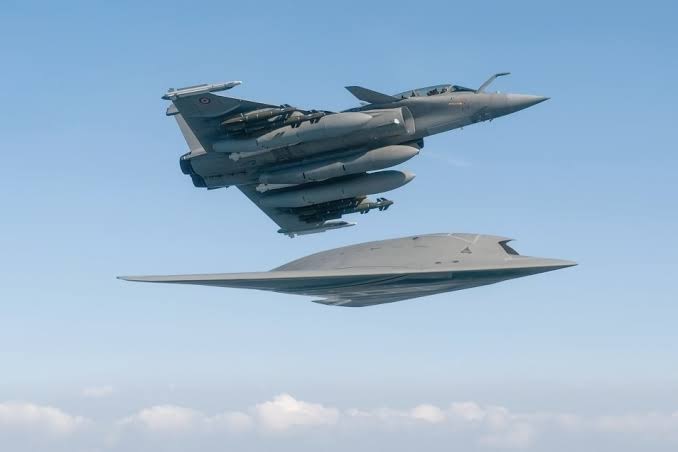 France Agrees to Equip Future Indian Rafales with AI, MUM-T and Secure Satellite Links Under F5 Standard
-
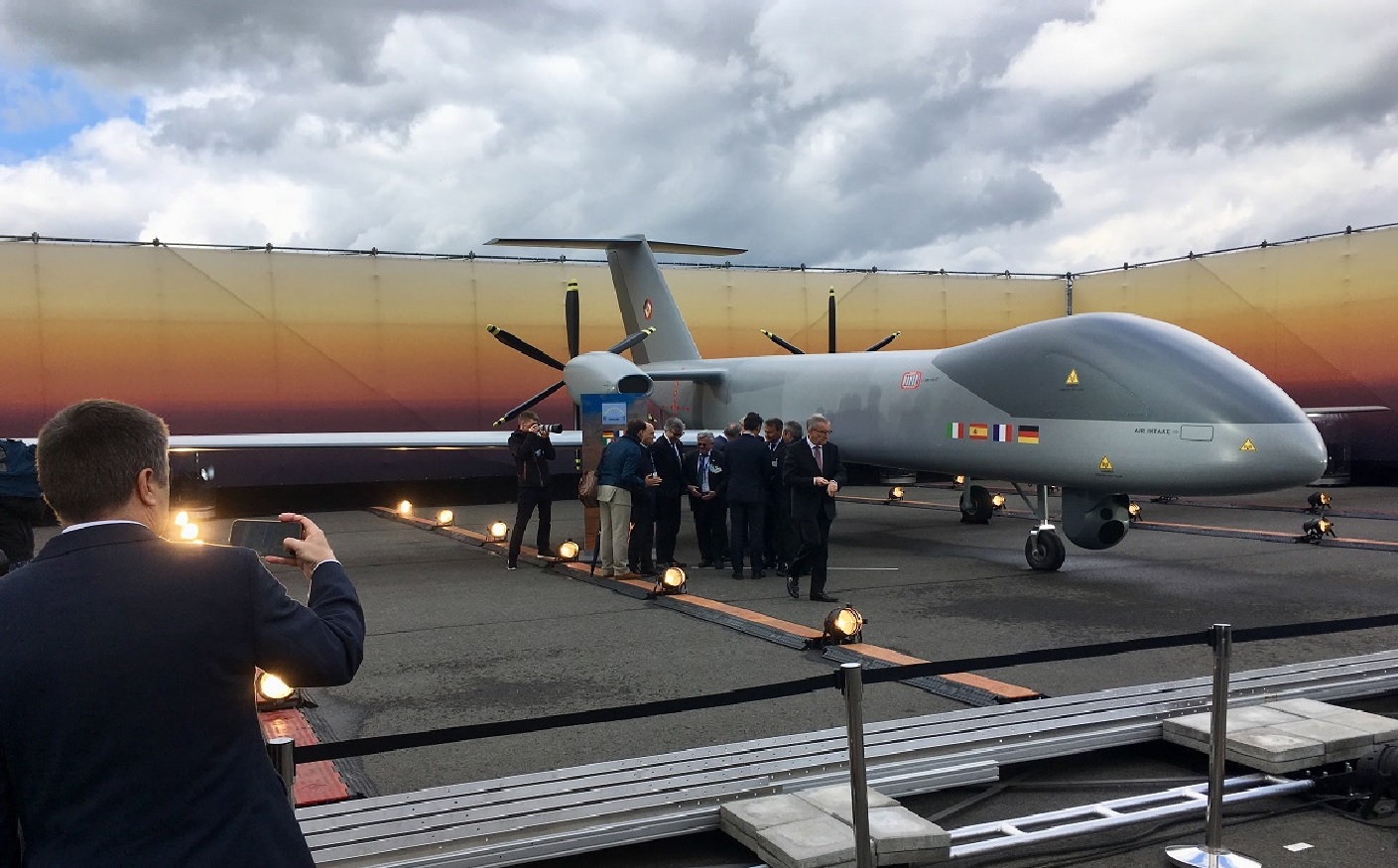 Dassault Seeks Compensation From Airbus as Eurodrone Dispute Erupts After FCAS Collapse
-
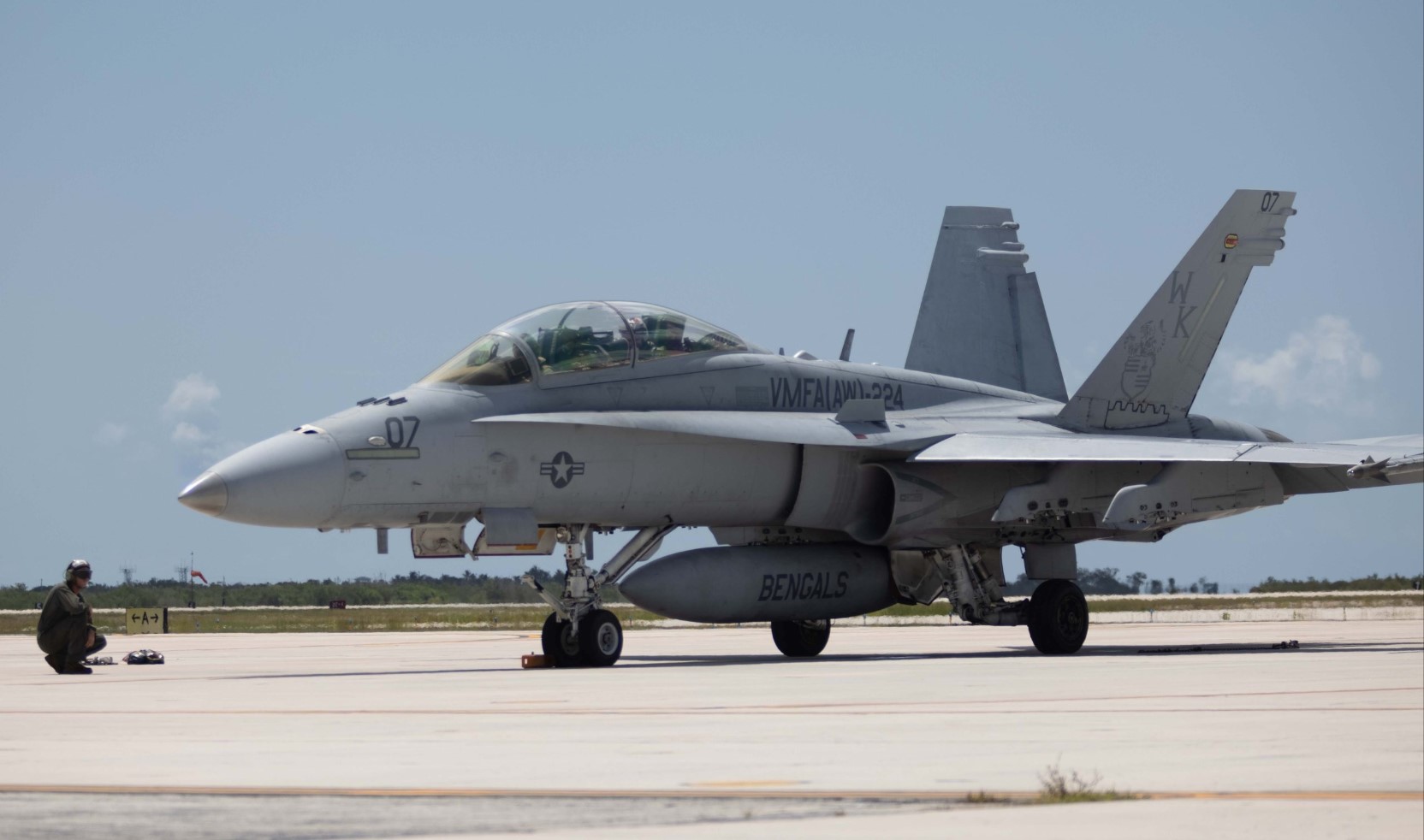 US Marine Corps F/A-18D Hornet Crashes During Training Flight in Washington Mountains; Pilot Ejects Safely
-
 AM General Unveils Next-Generation UGV and JLTV A2 with Counter-Drone Systems at Eurosatory 2026
-
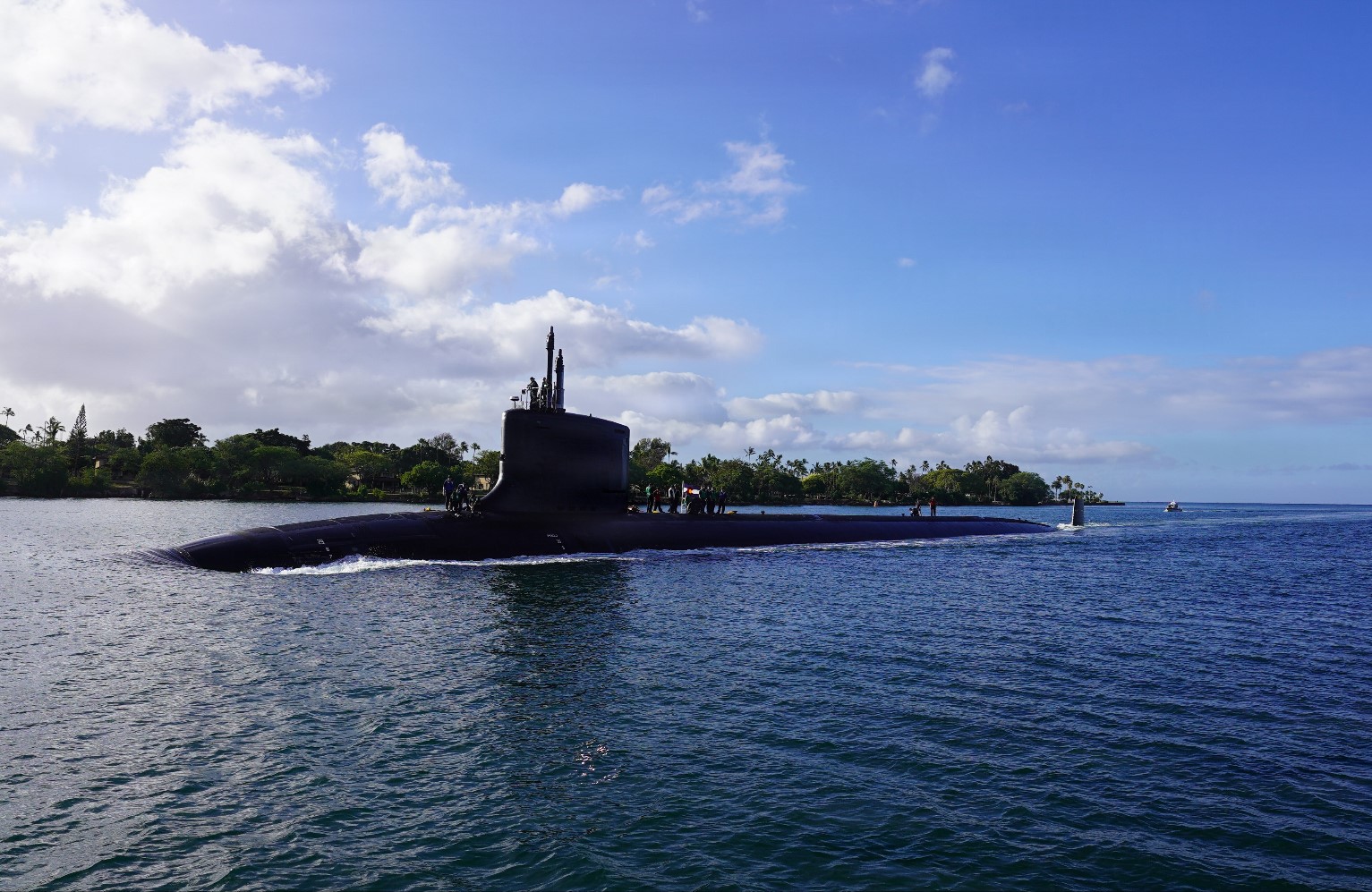 U.S. Navy's USS Colorado Submarine Returns to Pacific Fleet 29 Days Early After Major Pearl Harbor Overhaul
-
 Pakistan Raises Defence Budget from $9 Billion to $10.8 Billion as J-35 Fighter and Hangor Submarine Programs Advance
-
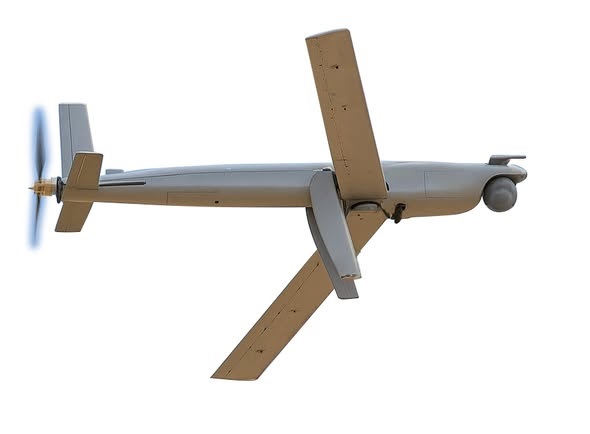 Elbit Systems and Diehl Defence Partner to Offer SkyStriker Loitering Munition to German Armed Forces
Top Trending in 4 Days
-
 Iranian Media Leaks 14-Point U.S.-Iran Peace Framework Amid Ongoing Negotiations
-
 US Plans Significant Reduction of Fighter Jets and Warships for NATO Operations in Europe
-
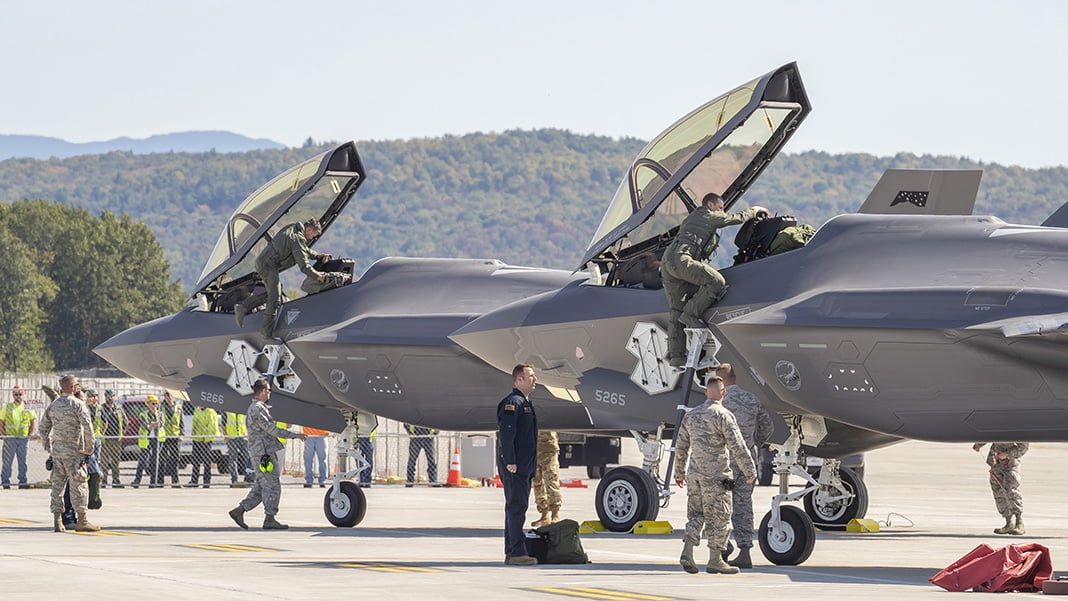 F-35 Fleet Readiness Falls to 25% Amid Parts Shortages and Software Delays: GAO Report
-
 U.S. Air Force Faces Strategic Airlift Shortfall as C-17 Production Restart Remains Uncertain
-
 NATO Commander Says Russia Not Seeking Conflict With Alliance Despite U.S. Force Reductions
-
 Russian Defense Firm ZALA Unveils KAMA Unmanned Surface Vessel Family at FLOT-2026 Naval Exhibition
-
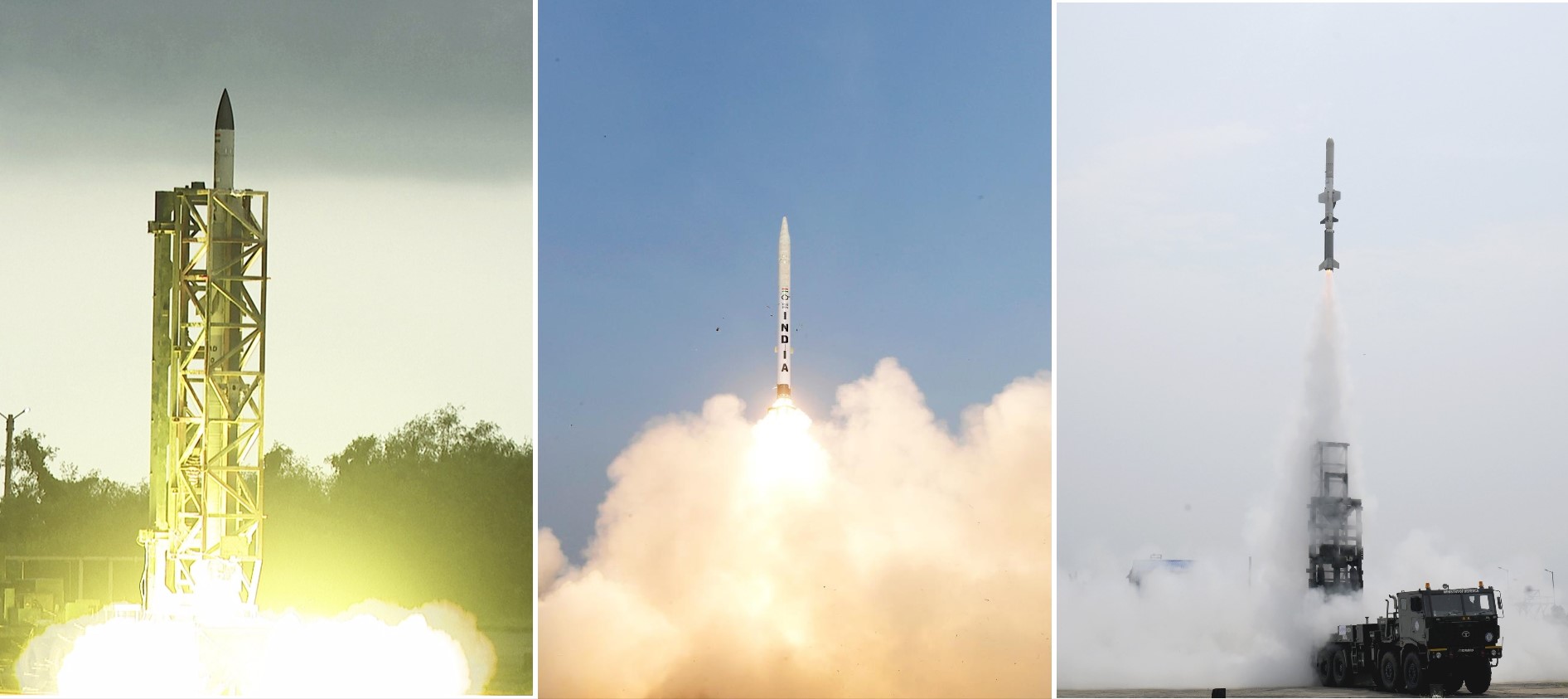 India Successfully Conducts AD-1, AD-2 Interceptor Tests and Maiden NASM-MR Flight Trial
-
 U.S. Space Force Awards $437.7 Million Contracts for First PTS-G Swarm 1 Anti-Jam Satellites