
India
The Indian Minorities Foundation (IMF) has issued a strong condemnation of a report prepared by the United States Commission on International Religious Freedom (USCIRF). In a statement released on Thursday, the IMF emphasized that the USCIRF’s attempt to categorize India alongside authoritarian regimes such as Afghanistan, Cuba, North Korea, Russia, and China disregards and overlooks the country’s democratic structure, robust civil society, and rich pluralistic heritage.“This mischaracterization undermines USCIRF’s credibility and understanding of India’s religious freedom landscape,” the statement said.The IMF was particularly critical of the USCIRF’s attempt to designate India as a “country of particular concern (CPC)”. This designation, the IMF pointed out, has consistently failed to obtain the US State Department’s approval since 2020, highlighting what it described as the USCIRF’s ‘misdirected activism’.In its latest report, the USCIRF has again raised concerns over religious freedom in India. However, the IMF argued that comparing India with non-democratic regimes reflects a fundamental misunderstanding of the country’s federal structure. Unlike authoritarian states, India’s federalism allows its states considerable autonomy in law enforcement, much like the American system.The IMF’s statement emphasized that these flawed comparisons diminish the USCIRF’s credibility and fail to acknowledge India’s complex and nuanced reality. It also expressed puzzlement over comments made by US Secretary of State Antony Blinken, who spoke of an increase in anti-conversion laws despite no new such laws being passed during the report’s focus period. Additionally, Blinken’s reference to hate speech was seen as inconsistent, given the hateful rhetoric sometimes directed at India and its leaders from North America.“This hateful speech includes instances that have glorified violence and celebrated the assassination of a former Prime Minister of India. It would appear perhaps that the line blurs between free speech and hate speech depending on the country of origin,” the IMF said.The IMF also addressed the report’s unsubstantiated claims regarding the demolition of homes and places of worship belonging to minority communities. The foundation clarified that these incidents were related to illegal constructions rather than religious persecution.Furthermore, the IMF criticized the USCIRF for being influenced by NGOs and activists affected by regulations unrelated to religion. By conflating the secular issue of foreign funding regulations with violence against minorities, the USCIRF report was seen as indirectly supporting foreign funding to NGOs in India.Ironically, the report’s preamble dedicated a section to ‘malign foreign influence’, a concept that the IMF argued could equally apply to the USCIRF’s actions in support of foreign-funded NGO activism.The IMF also took issue with the USCIRF’s characterization of the ethnic violence in Manipur, accusing the report of giving a communal twist by falsely labeling Meitis as Hindus and Kukis as Christians, thereby exacerbating ethnic tensions.Two specific issues underscored the IMF’s argument that the USCIRF’s judgments on religious freedom disrespected India’s unity and territorial integrity. The first was the USCIRF’s comments on Kashmir in the context of Article 370. The IMF argued that the revocation of Article 370 aimed at integrating Jammu and Kashmir more closely with the rest of India, fostering economic development, and ensuring equal rights for all residents. This move, upheld by the Supreme Court, reflected its constitutionality and was a step towards restoring statehood with elections already in process.The second issue concerned the Khalistani movement and the USCIRF’s adoption of the term “transnational repression,” a phrase used by Khalistan advocates. The IMF suggested that the USCIRF’s framing of the issue as one of religious freedom was misleading and unhelpful.In conclusion, the IMF accused the USCIRF of disproportionately focusing on perceived negatives and ignoring the broader context of religious freedom and social harmony within India, the world’s largest democracy. The IMF warned that the USCIRF’s approach risks exacerbating tensions rather than fostering understanding and resolution.
Read More → Posted on 2024-06-28 15:21:46
India
For years, the Indian Army has valiantly guarded the nation's frontiers, enduring some of the harshest weather conditions on the planet. In the remote and isolated regions of Jammu & Kashmir, soldiers face brutal winters, with temperatures plummeting to dangerously low levels, leading to serious injuries and sometimes even death. Addressing this critical issue, the 2 Engineer Regiment of the Chinar Corps partnered with R+D Studio, a Gurugram-based firm, to develop an innovative solution aimed at improving the living conditions of these brave soldiers.The mission was clear: design and implement a pilot outpost at a staggering altitude of 14,000 feet near the Razdan Pass. During their site visits, the team noticed the prevalent use of sandbags for construction, insulation, and security at outposts. Drawing inspiration from this, they developed the 13" x 9" x 6" Silica Composite Hollow Blocks (SCHB). These blocks are a marvel of modern engineering, made entirely from recycled materials like foundry dust and single-use or multi-use plastic waste, avoiding the use of any natural materials.The SCHB is not just an environmental win but also a practical solution to the "Last Mile" problem faced by the armed forces. In remote, inaccessible areas, transporting building materials can be a logistical nightmare, often relying on mules or porters. The SCHB blocks, weighing only 7.5 kg each, are designed for easy transport and assembly. Despite their light weight, these blocks can withstand three times the load of traditional clay bricks or concrete blocks.Constructing the outpost with these blocks is akin to assembling a giant Lego set. The entire building, from foundation to roof, is built using 1800 interlocking SCHBs that simply click into place with a hammer. The walls are formed in three layers, providing a robust structure that narrows as it rises, culminating in a single layer at the top. The roof is engineered to endure the immense weight of 25 feet of snowfall, a testament to its durability.One of the standout features of this design is its thermal efficiency. Each layer of the structure is compacted and filled with earth, which helps maintain a comfortable temperature differential between the interior and exterior. To combat the bitter cold of winter nights, when temperatures can drop to -20 degrees Celsius, a specialized Infra-Red Heating System (IRHS) is installed inside the outpost, ensuring a warm and habitable environment for the soldiers.Moreover, these SCHB blocks provide significant defense benefits. The compacted soil filling makes the walls impenetrable, offering robust protection against enemy fire. And once the outpost is no longer needed, the blocks can be recycled for other purposes, exemplifying a sustainable approach to military infrastructure.This groundbreaking initiative underscores a crucial point: in today's world, innovation in building materials is not just an idea but an obligation. The partnership between the Indian Army and R+D Studio has not only created a carbon-neutral modular defense system but has also set a new standard for sustainable, practical, and efficient military infrastructure. This pioneering effort stands as a testament to what can be achieved when ingenuity meets necessity, providing a safer, more sustainable future for those who defend our borders.
Read More → Posted on 2024-06-28 15:06:27
India
Megha Engineering & Infrastructure Ltd. (MEIL), a prominent infrastructure company based in Hyderabad, has achieved a significant milestone by winning a contract valued at Rs 12,800 crore (approximately $1.6 billion USD) to construct two 700-megawatt nuclear reactors at the Kaiga Nuclear Power Plant in Karnataka. This contract, the largest ever awarded by the state-owned Nuclear Power Corporation of India Ltd. (NPCIL), is a key step in India's ambitious plan to enhance its clean energy capacity.The journey to secure this monumental project began in May 2023 with the tendering process. The technical bids were opened in October, and MEIL faced stiff competition from industry heavyweights Bharat Heavy Electricals Ltd. (BHEL) and Larsen & Toubro (L&T). Despite the intense competition, MEIL's bid of Rs 12,799.92 crore emerged as the lowest, underscoring the company’s technical prowess and competitive pricing.This project marks MEIL's significant foray into the nuclear power sector, broadening its extensive portfolio, which includes ventures in hydrocarbons, electric buses, defence, power, transport, and manufacturing. MEIL Director Ch Subbaiah lauded the contract as a "landmark achievement," highlighting the company's dedication to excellence and innovation.The new reactors at the Kaiga plant are expected to substantially increase India's nuclear power capacity, contributing to the nation’s efforts to reduce carbon emissions and transition to clean energy sources. The Kaiga plant, which currently has an installed capacity of 880 MW, will more than double its capacity with the completion of this project.The tender process for this project was notable for its use of the Quality-cum-Cost-Based Selection (QCBS) methodology, ensuring a rigorous evaluation of both the technical capabilities and cost-effectiveness of the proposals. This approach, used for the first time in a nuclear power project tender, set a new benchmark for future projects.While this contract signifies a major advancement in India's energy sector, MEIL has not been without controversy. The company has faced allegations of corruption in the past, raising questions about the transparency of the bidding process. However, these allegations remain unverified and were not addressed during the tendering process.As the project gets underway, it will be closely monitored by both the industry and the public, marking a pivotal development in India's pursuit of a sustainable and clean energy future.
Read More → Posted on 2024-06-28 14:50:12
India
India is set to enhance its defense capabilities with a significant new development: the establishment of domestic maintenance and repair facilities for the S-400 air defense systems. This initiative marks a major step in bolstering India's self-reliance in defense technology.A Strategic PartnershipAccording to a well-placed source in the Indian defense industry, an agreement between an Indian company and the Russian manufacturer Almaz-Antey is nearing finalization. This collaboration will be a joint venture, with the Russian side providing the necessary technical assistance and helping set up the required infrastructure. This partnership signifies a deepening of India-Russia defense ties, leveraging Russian expertise to build local capabilities.Deployment and ExpansionThe S-400 squadrons, which are already a critical part of India's air defense, will see expanded deployment across the country. The Indian Air Force (IAF) currently operates three squadrons of the S-400, strategically positioned near Pathankot, Siliguri, and in Rajasthan. These locations are crucial for monitoring and intercepting potential threats from neighboring countries like China and Pakistan.The S-400 air defense system is renowned for its capability to intercept a wide range of aerial threats from a distance of 2 km to 400 km. This makes it a formidable shield against any air attack, providing India with a robust defensive stance.Future PlansAs part of the agreement, two maintenance and repair centers could be established initially, with the potential for more if required. The second phase of the project aims to commence the production of necessary parts for the system within India. This move is designed to ensure long-term sustainability and reduce dependency on foreign suppliers.The Russian company Almaz-Antey will form another joint venture with the Indian company, providing the essential technology and technical assistance needed for this venture. The entire project is expected to be completed by 2028, significantly enhancing India's indigenous defense manufacturing capabilities.Historical Context and FinancialsIndia signed a deal with Russia in 2018 to procure five squadrons of the S-400 air defense systems, valued at approximately 400 million rupees. The delivery of the remaining two squadrons is anticipated within the next 12 to 24 months, further strengthening India's air defense network.These systems have already proven their worth, reportedly intercepting airstrikes along India's borders with China and Pakistan. The deployment of the S-400 systems provides a critical layer of security, ensuring that any aerial threats can be effectively neutralized.The establishment of domestic maintenance and repair facilities for the S-400 air defense systems is a pivotal move for India's defense sector. By creating local infrastructure and capabilities, India is not only enhancing its self-reliance but also ensuring that its air defense remains at the cutting edge. This strategic partnership with Russia underscores the importance of international collaboration in strengthening national security.The future of India's air defense looks robust, with the S-400 systems providing a powerful shield against any potential threats. As the project progresses, it will serve as a testament to India's growing prowess in defense technology and its commitment to safeguarding the nation.
Read More → Posted on 2024-06-28 14:46:00
India
India's quest for a reliable anti-tank guided missile (ATGM) system has been a long and winding road, spanning over 15 years and involving multiple twists and turns. The latest development sees India and the United States rekindling talks for the joint production of Javelin ATGMs, marking a return to an option initially considered in 2010.The Beginning: Javelin Consideration in 2010In 2010, India intended to procure the US-made Javelin missiles. The Javelin, developed by Raytheon and Lockheed Martin, is renowned for its fire-and-forget capability and effectiveness against modern tanks. However, the deal faced roadblocks due to disagreements over technology transfer and field trials.Shift to Israel's Spike ATGMsWith the Javelin deal stalling, India turned to Israel's Rafael Advanced Defense Systems, opting for the Spike ATGMs in 2014. The Spike missiles were favored for their advanced technology and proven performance. Despite finalizing a $500 million deal and setting up a joint venture with India's Kalyani Group, the contract was later canceled due to cost issues and a shift in focus towards indigenization.Indigenous Development: MP-ATGMIn response to the cancellations, the Defence Research and Development Organisation (DRDO) initiated the development of the Man-Portable Anti-Tank Guided Missile (MP-ATGM). This indigenous solution aimed to meet the Army's requirements for a lightweight, portable missile system. However, the MP-ATGM has reportedly struggled to meet the desired specifications in terms of weight and portability.Javelin's International Acclaim and Renewed InterestThe Javelin system has gained international acclaim, particularly for its effectiveness in recent conflicts, including its use by Ukrainian forces against Russian armor. This has prompted renewed interest from India. The US has consistently advocated for the joint production of Javelins in India, viewing it as a means to enhance India's defense capabilities and deepen bilateral defense cooperation.Recent DevelopmentsHigh-level discussions between India and the US, including a visit by US National Security Advisor Jake Sullivan, have reignited the possibility of joint Javelin production in India. This development represents a significant shift in India's ATGM procurement strategy, as it once again considers a system that was nearly acquired over a decade ago.ConclusionIndia's anti-tank missile saga reflects the complexities of defense procurement and the challenges of balancing indigenous development with immediate operational needs. The successful joint production of Javelins in India would not only bolster the Indian Army's anti-tank arsenal but also signify a major milestone in India-US defense collaboration. However, the outcome of ongoing negotiations and the future of India's indigenous ATGM development remain uncertain, leaving the final chapter of this saga yet to be written【13†source】【14†source】.This 15-year journey underscores the importance of strategic partnerships and the continuous evolution of military technology in addressing modern defense challenges.
Read More → Posted on 2024-06-27 16:29:36
India
In response to the devastating floods in Sikkim, the Indian Army's Trishakti Corps engineers achieved a remarkable feat by constructing a 70-feet Bailey Bridge in just under 72 hours. The bridge, built on the Dikchu-Sanklang road, was crucial in restoring connectivity to areas cut off due to the floods, providing essential access for relief and medical aid to the affected regions, particularly in Mangan district.The Bailey Bridge: An Engineering MarvelBailey Bridges are prefabricated truss bridges used extensively in military and emergency situations. They are known for their modular design, which allows for rapid assembly and deployment without the need for specialized tools or heavy equipment.Key Features and Specifications:1. Material and Design: Constructed from high-tensile steel (ASTM A242), Bailey Bridges offer excellent durability and corrosion resistance. Components are pre-engineered and standardized, ensuring compatibility and ease of assembly.2. Modularity: The bridges are made from interchangeable panels connected with pins or bolts, allowing for various configurations to accommodate different spans and load capacities. This modularity also makes them easy to transport, assemble, and disassemble.3. Load Capacity and Span: Bailey Bridges can span from 20 feet to 200 feet for highway use. For emergency applications like the one in Sikkim, the typical configuration supports light to moderate loads, making it ideal for restoring connectivity quickly in disaster-hit areas.4. Construction Speed: Due to their modular nature, these bridges can be erected rapidly. In the case of the Sikkim floods, the construction began on June 23 and was completed within 72 hours despite challenging weather conditions and technical constraints.Impact and SignificanceThe construction of the Bailey Bridge by the Indian Army engineers was a significant effort to restore normalcy in flood-hit Sikkim. The rapid deployment ensured that vital supplies and medical aid could reach the affected areas, demonstrating the effectiveness of the Bailey Bridge system in emergency response scenarios.State officials, including the State Forest Minister Mr. Pintso Namgyal Lepcha, acknowledged and appreciated the swift action and dedication of the Indian Army in addressing the urgent needs of the community.The recent heavy rains in Sikkim had caused severe disruptions, with multiple landslides and road breaches cutting off many areas in North Sikkim. The quick construction of the Bailey Bridge provided a crucial lifeline, reconnecting isolated regions and aiding in the overall recovery efforts.In summary, the Indian Army's efficient construction of the Bailey Bridge showcases the importance of having reliable, rapid-deployment infrastructure solutions in place to manage and mitigate the impact of natural disasters.
Read More → Posted on 2024-06-27 16:12:35
India
Hindustan Aeronautics Limited (HAL), India's premier aerospace and defence company, has taken significant steps to fortify its financial framework and enhance shareholder value. In a board meeting held recently, HAL decided to increase its authorized share capital from Rs 600 crore to Rs 700 crore. This move is aimed at supporting the company's future growth and development initiatives.The decision to raise the authorized capital underscores HAL's commitment to expanding its operations and capabilities. The increased capital will provide the company with greater financial flexibility to invest in new projects and technologies, ensuring it remains at the forefront of India's defence and aerospace sectors.In addition to the capital increase, HAL's board has proposed a final dividend of Rs 13 per equity share, each with a face value of Rs 5. This represents a substantial 260 percent payout for the financial year 2023-24, highlighting HAL's robust financial performance and its commitment to rewarding shareholders. The dividend will be distributed to eligible shareholders within 30 days of approval at the Annual General Meeting (AGM), with the record date for determining eligibility set for August 21, 2024.These decisions are aligned with Regulation 30 of the SEBI (Listing Obligations and Disclosure Requirements) Regulations, 2015, and will be presented for shareholder approval at the upcoming AGM. The alteration of the capital clause in the company’s Memorandum of Association will also be subject to shareholder approval.In a notable development earlier this month, HAL announced that the Ministry of Defence had issued a Request for Proposal (RFP) for the procurement of 156 Light Combat Helicopters (LCH), also known as the Prachand. This significant deal, valued at over Rs 45,000 crore, includes 90 helicopters for the Indian Army and 66 for the Indian Air Force. The Prachand is lauded for its capability to operate in high-altitude areas like the Siachen Glacier and Eastern Ladakh. It is the only attack helicopter in the world that can land and take off at an altitude of 5,000 meters (16,400 feet).Equipped to fire a range of air-to-ground and air-to-air missiles, the Prachand is designed to neutralize enemy air defence systems, making it a critical asset for India's military operations. This procurement is a testament to the government's commitment to boosting self-reliance in defence manufacturing under the Make in India initiative, part of the broader Atmanirbhar Bharat vision.The emphasis on indigenous production is further evident as the Defence Ministry has also issued a tender to HAL in April this year for 97 LCA Mark 1A fighter jets, a contract valued at over Rs 65,000 crore. These initiatives highlight the government's strategy to reduce dependency on foreign defence equipment and bolster domestic manufacturing capabilities.Overall, HAL's strategic financial decisions, coupled with significant defence contracts, position the company for sustained growth and development. The increase in authorized capital and the substantial dividend payout reflect HAL's strong financial health and its ongoing commitment to enhancing shareholder value while contributing to India's defence preparedness and self-reliance.
Read More → Posted on 2024-06-27 16:02:39
India
In 2023, India achieved a significant milestone by receiving $120 billion in remittances, according to a World Bank report. This impressive figure highlights India's position as the top recipient of remittances globally, underscoring the crucial role of the Indian diaspora in supporting the nation's economy.Remittances are funds sent back home by migrants, and they play a vital role in the economies of developing countries like India. For many families, these remittances are a lifeline, providing essential support for education, healthcare, and other basic needs. In India, remittances contribute significantly to the national economy, accounting for a substantial portion of the GDP.A significant portion of these remittances comes from Indian workers in the Gulf Cooperation Council (GCC) countries, including Saudi Arabia, the UAE, and Qatar. The large Indian workforce in these countries, often employed in construction and low-skilled jobs, sends money back home to support their families. It's estimated that nearly one-third of India's total remittances originate from the Gulf region.The state-wise distribution of remittances in India shows that Maharashtra, Kerala, Tamil Nadu, and Delhi receive the largest shares. Kerala, in particular, has a high dependency on remittances, which has played a crucial role in improving the living standards and economic conditions in the state.The resilience of remittance flows even during challenging times, such as the COVID-19 pandemic, has been remarkable. Despite global economic disruptions, remittances to India remained robust, thanks to the fiscal stimulus in host countries, a shift to digital remittance channels, and stable oil prices.Overall, the $120 billion in remittances received by India in 2023 not only reflects the strong ties between the Indian diaspora and their homeland but also underscores the critical economic impact of these funds on the country's development and social welfare.
Read More → Posted on 2024-06-27 15:47:18
India
In a significant development in India-US defense relations, discussions have progressed regarding the joint manufacture of the latest generation of Stryker combat vehicles. The announcement came from US Deputy Secretary of State, Kurt Campbell, following a series of high-level meetings in New Delhi, where he, alongside White House National Security Adviser Jake Sullivan, engaged with Indian Prime Minister Narendra Modi and National Security Adviser Ajit Doval.The potential co-production of Stryker armored infantry combat vehicles (ICVs) marks a strategic shift in India's defense procurement landscape. Historically reliant on Russian defense equipment, India is now seeking to diversify its sources and bolster indigenous production capabilities. The Stryker, an eight-wheeled armored vehicle known for its versatility and effectiveness in various combat scenarios, represents a substantial upgrade for India's military infrastructure.The discussions between the US and India occurred under the framework of the US-India initiative on Critical and Emerging Technology (iCET). This initiative aims to enhance collaboration in high-technology areas, reflecting the growing strategic partnership between the two nations. The talks are in the relatively early stages, as Campbell noted, but the intent to move forward is clear.One of the key aspects of the proposed deal is the demonstration of the Stryker's capabilities to the Indian Army. This demonstration is expected to provide a hands-on understanding of the vehicle's performance and operational advantages. The Stryker, designed for rapid deployment and equipped with advanced weaponry and communication systems, could significantly enhance the mobility and combat effectiveness of Indian ground forces.Beyond the immediate military benefits, the co-production of Stryker vehicles in India holds substantial economic implications. It could catalyze the development of a robust defense manufacturing sector, create jobs, and foster technological advancements. This aligns with India's broader goals of self-reliance in defense production, encapsulated in the "Make in India" initiative.However, the partnership is not without its challenges. The US has expressed concerns about the potential risks of sensitive technology being accessed by Russia, given India's longstanding defense relationship with Moscow. Campbell addressed these concerns, emphasizing that the US would take necessary measures to mitigate any risks associated with India's ongoing military and technological engagements with Russia.In addition to the Stryker deal, discussions also covered the status of the MQ-9B drones. The US delivered a letter of offer and acceptance to India in early March, and negotiations are ongoing. General Atomics, the manufacturer, is in talks with the Indian Ministry of Defence to finalize the details, indicating another area of expanding defense cooperation.The visit by Deputy Secretary Campbell also included meetings with Indian Foreign Secretary Vinay Kwatra and Deputy National Security Advisor Vikram Misri. These discussions reaffirmed the commitment of both nations to strengthen their partnership and enhance coordination across the Indo-Pacific region. The Quad partnership, involving the US, India, Japan, and Australia, was highlighted as a critical element in ensuring regional security and prosperity.The evolving defense collaboration between India and the US underscores a strategic realignment in response to regional security dynamics, particularly concerning China's rising influence. As both nations seek to bolster their defense capabilities and deepen technological cooperation, the co-production of Stryker vehicles stands out as a significant milestone in their partnership. The move not only enhances India's military prowess but also solidifies the foundation for a more resilient and multifaceted bilateral relationship.
Read More → Posted on 2024-06-27 15:23:47
India
In a significant boost to India's "Make in India" initiative, Adani Defence & Aerospace, the defence arm of the Adani Group, has inked an agreement with the French multinational Thales Group to manufacture 70mm rockets within the country. This strategic partnership aims to fortify India's self-reliance in defence production and enhance the operational capabilities of the Indian Armed Forces.The 70mm rockets, a crucial component of India's indigenous attack helicopters, the HAL Rudra and Prachand, are renowned for their light weight, compact size, and maneuverability. These rockets are designed for precision strikes, offering capabilities at ranges varying from 1.5 meters to 7 kilometers, making them ideal for deployment on helicopters during both day and night operations. The collaboration is poised to elevate India's defence manufacturing sector by integrating advanced technology with local production. Thales Group, celebrated for its expertise in aerospace, defence, and security, brings cutting-edge technology and innovation to this collaboration. Adani Defence, with its extensive experience in local manufacturing and infrastructure, will establish a robust production ecosystem within India. This partnership is anticipated to reduce India's dependency on imported defence equipment, foster technological advancements, and generate employment opportunities, contributing significantly to the growth of India's defence manufacturing sector.The partnership announcement was met with enthusiasm on social media, with a tweet from Alpha Defense™ stating, "We are thrilled to announce our partnership with the Adani Group in India. We look forward to collaborating on the manufacturing of Thales' 70mm rockets in India. This partnership is a key milestone in our continued commitment to India’s defence sector."This agreement with Adani Defence & Aerospace is not an isolated event for Thales Group in India. Last year, Thales signed a similar agreement with Bharat Dynamics Limited (BDL), a government-owned enterprise, further demonstrating the company's commitment to bolstering India's defence sector. This ongoing engagement underscores Thales' strategic focus on India, aligning with the nation's vision of self-reliance in defence.Furthermore, this collaboration comes on the heels of Adani Defence and Aerospace's landmark agreement with EDGE Group, a leading advanced technology and defence group in the UAE. This agreement aims to establish a global platform leveraging the defence and aerospace capabilities of both companies to cater to the requirements of both global and local customers.The partnership between Adani Defence & Aerospace and Thales Group marks a significant milestone in India's journey towards self-reliance in defence production. By leveraging advanced technology and local manufacturing capabilities, this collaboration is set to strengthen India's defence infrastructure and enhance its strategic capabilities. This move not only signifies a strategic leap for the Indian defence industry but also showcases the global confidence in India's growing prowess in defence manufacturing.In essence, the Adani-Thales partnership is a testament to the synergistic potential of global and local expertise, aiming to transform India's defence landscape and establish it as a formidable player on the global stage. As India continues to stride towards self-reliance, collaborations like these are pivotal in shaping a resilient and self-sufficient defence ecosystem.
Read More → Posted on 2024-06-27 15:19:31
India
NewSpace Research (NSRT), a burgeoning player in the Indian drone industry based in Bengaluru, has recently unveiled an advanced design for its much-anticipated Abhimanyu UCAV (Unmanned Combat Aerial Vehicle). This innovative design draws inspiration from the legendary warrior Abhimanyu, renowned for his valor and strategic prowess.Sleek Design and Enhanced CapabilitiesThe most striking enhancement in the new Abhimanyu UCAV is its engine configuration. Departing from the previous models' external podded engines, the revamped design features internally mounted engines within strategically placed trapezoidal side intakes. This significant change promises not only a more streamlined appearance but also enhanced performance and potentially improved stealth capabilities.Enhanced Stealth and Aerodynamics One of the most notable upgrades in the new Abhimanyu design is its enhanced stealth capabilities. Utilizing advanced materials and innovative design techniques, the UCAV minimizes its radar cross-section, making it significantly harder to detect by enemy radar systems. The aerodynamic improvements also contribute to reduced drag, allowing for higher speeds and better fuel efficiency. Advanced Avionics and AI Integration NewSpace Research has integrated cutting-edge avionics and artificial intelligence (AI) systems into the Abhimanyu UCAV. These enhancements provide the UCAV with superior navigation and targeting capabilities. The AI-driven systems enable autonomous mission planning and execution, allowing the UCAV to adapt in real-time to dynamic combat environments. This level of autonomy reduces the need for constant human intervention, freeing up resources and personnel for other critical tasks.Integrating with Manned MothershipsLast year, NSRT captivated audiences with a promotional video showcasing the Abhimanyu in action. The video highlighted its launch from an airbase and its seamless integration with a Manned Mothership, demonstrating potential for innovative collaborative combat tactics. This ability to work in conjunction with manned aircraft positions the Abhimanyu UCAV as a versatile and formidable asset in modern warfare.Four Configurations for Versatile MissionsThe Abhimanyu UCAV is designed to excel in various combat roles, with four distinct configurations tailored for specific missions:Abhimanyu EW: This variant specializes in electronic warfare, safeguarding airbases by jamming enemy communications and disrupting radars, effectively neutralizing potential threats.Abhimanyu Kamikaze: Designed for high-impact kinetic attacks, the Kamikaze configuration eliminates hostile military aircraft with precision. The promotional video depicted the Abhimanyu Kamikaze engaging a J-10CE, a combat aircraft used by the Pakistan Air Force.Abhimanyu Decoy: Playing a critical role in deception, this variant mimics real aircraft, confusing enemy air defenses and making it difficult for them to distinguish between genuine threats and decoys.Abhimanyu ISR: Serving as the “eyes and ears” of operations, the ISR configuration gathers vital intelligence through surveillance, identifying and tracking potential threats, and providing essential situational awareness for the entire team.Promoting Technological InnovationThe development of the revamped Abhimanyu UCAV underscores the importance of continuous innovation in the defense sector. NewSpace Research’s commitment to advancing UCAV technology sets a benchmark for future developments, encouraging other players in the industry to invest in research and development. This competitive drive is essential for maintaining technological superiority in the rapidly evolving landscape of aerial combat.A Game-Changer in Modern WarfareNewSpace Research's revamped Abhimanyu UCAV is poised to be a game-changer in modern combat. Its versatility, from intelligence gathering to combat missions, makes it a formidable force on the battlefield. With its advanced design and multi-role capabilities, the Abhimanyu UCAV is set to redefine the standards of unmanned aerial warfare, embodying the legacy of its namesake warrior with cutting-edge technology and strategic innovation.This modernization marks a significant milestone for NSRT and the Indian drone industry, promising to enhance national defense capabilities and establish new paradigms in aerial combat operations.
Read More → Posted on 2024-06-26 15:52:18
India
India’s defense landscape is poised for a significant upgrade as the Defence Research and Development Organisation (DRDO) embarks on the development of the K-7 missile. This strategic initiative marks a monumental step in strengthening India’s defense capabilities, ensuring a robust deterrent against potential threats, and showcasing the nation’s technological prowess on the global stage.The Strategic Importance of K-7The K-7 missile is expected to be a game-changer in India's defense arsenal. It belongs to the series of missiles named after former President Dr. APJ Abdul Kalam, who played a pivotal role in India's missile development programs. The K-7 is set to be an advanced intercontinental ballistic missile (ICBM) that will enhance India’s second-strike capability, an essential component of its nuclear deterrence strategy.Technological Advancements and CapabilitiesThe K-7 missile is anticipated to incorporate cutting-edge technologies, making it a formidable addition to India's defense systems. Key features are expected to include:Extended Range: With an estimated range significantly greater than its predecessors, the K-7 will be capable of striking targets across continents, thus providing India with a powerful deterrent against distant adversaries.Multiple Independently Targetable Reentry Vehicles (MIRVs): The K-7 will likely be equipped with MIRVs, enabling it to carry multiple nuclear warheads. Each warhead can be directed towards different targets, enhancing the missile's effectiveness and strategic impact.Advanced Propulsion Systems: The missile will feature state-of-the-art propulsion systems, ensuring greater speed, accuracy, and reliability. This will also make it more difficult for enemy defenses to intercept.Stealth and Countermeasures: Incorporating advanced stealth technologies and countermeasures, the K-7 will be designed to evade enemy radar and missile defense systems, ensuring its successful delivery to the intended targets.DRDO’s Vision and ExpertiseThe DRDO, known for its pioneering work in defense technology, is at the helm of the K-7 project. Over the years, DRDO has developed a range of missile systems, including the Agni and Prithvi series, which have significantly bolstered India’s defense capabilities. The K-7 project is a testament to DRDO’s unwavering commitment to innovation, self-reliance, and excellence in defense technology.Implications for National SecurityThe development of the K-7 missile is a critical step in fortifying India's defense posture. It will serve as a strong deterrent against any form of aggression, providing a credible second-strike capability. This is particularly significant in the context of regional security dynamics, where India's strategic interests are continually evolving in response to the actions of neighboring countries.Global Reactions and Strategic BalanceThe announcement of the K-7 missile project has garnered significant attention globally. While it reinforces India’s position as a formidable military power, it also contributes to the strategic balance in the region. The development is likely to prompt discussions on arms control and non-proliferation, highlighting the importance of dialogue and cooperation among global powers to maintain stability.ConclusionThe DRDO’s initiative to develop the K-7 missile underscores India’s resolve to enhance its defense capabilities through indigenous technological advancements. As the project progresses, it will not only strengthen national security but also inspire confidence in India's ability to safeguard its interests and contribute to global peace and stability. The K-7 missile is set to be a cornerstone of India's strategic defense, reflecting the nation's vision for a secure and resilient future.---This article provides a comprehensive overview of the significance, technological advancements, and strategic implications of the DRDO's K-7 missile project, highlighting its potential impact on India's defense landscape.
Read More → Posted on 2024-06-26 15:37:47
India
In a landmark achievement for India’s defense and space sectors, the Ministry of Defence has signed its 350th iDEX (Innovations for Defence Excellence) contract with SpacePixxel Technologies Pvt Ltd. This significant milestone marks a major leap forward in the design and development of a miniature observation and imaging satellite for the Indian Air Force (IAF). This initiative is set to revolutionize space electronics by miniaturizing payloads traditionally deployed on larger satellites.The miniaturized satellite developed under this contract is a marvel of modern technology, capable of carrying a variety of sophisticated payloads. These include electro-optical, infrared, synthetic aperture radar, and hyperspectral imaging systems, all within a compact form factor of up to 150 kg. This innovative approach offers numerous advantages such as faster deployment, cost efficiency, ease of manufacturing, scalability, adaptability, and a reduced environmental footprint.SpacePixxel Technologies, renowned for its high-resolution hyperspectral imaging satellites, is at the forefront of this groundbreaking project. The contract was formally exchanged between Anurag Bajpai, Additional Secretary (Defence Production) & CEO of the Defence Innovation Organisation (DIO), and Awais Ahmed Nadeem Alduri, Founder and CEO of SpacePixxel Technologies. This collaboration underscores SpacePixxel’s commitment to providing detailed earth observation data through advanced satellite technology.The Ministry of Defence’s rapid progress in fostering defense innovation is evident from this milestone. Within just 18 months of signing the 150th iDEX contract in December 2022, the Ministry has reached this significant landmark. Defence Secretary Giridhar Aramane praised the new wave of defense innovators for their dedication and technological advancements, emphasizing the government's unwavering support for these initiatives.The iDEX initiative, launched by the DIO under the Department of Defence Production, is a flagship program aimed at fostering innovation and technology development in defense and aerospace. It actively engages industries, including MSMEs, start-ups, individual innovators, R&D institutes, and academia, promoting a collaborative approach to innovation and entrepreneurship in these critical sectors.Since its inception, iDEX has been a driving force in advancing defense technology in India. The initiative has launched 11 editions of the Defence India Start-up Challenge and recently unveiled the Acing Development of Innovative Technologies with iDEX (ADITI) scheme to further promote innovations in strategic defense technologies. The procurement of 35 items worth over ₹2,000 crore has already been cleared, showcasing the tangible impact of iDEX’s efforts.In 2021, iDEX was honored with the Prime Minister Award for Public Policy in the Innovation Category, highlighting its significant contributions to the field. Currently, iDEX is engaged with over 400 start-ups and MSMEs, reflecting the growing ecosystem of defense innovators in India.This 350th contract with SpacePixxel Technologies not only signifies a milestone for the Ministry of Defence but also represents a pivotal moment in the evolution of defense technology in India. By embracing miniaturized satellite technology, the Ministry is paving the way for faster, more efficient, and environmentally friendly space missions, ensuring that India remains at the cutting edge of defense and aerospace innovation.
Read More → Posted on 2024-06-26 15:16:58
India
In a significant leap towards enhancing the stealth capabilities of the Indian Navy, the Defence Research and Development Organisation (DRDO) handed over a groundbreaking technology designed to obscure radar signals and create a microwave shield around naval platforms and assets. This innovative technology, named the Medium Range-Microwave Obscurant Chaff Rocket (MR-MOCR), represents a monumental advancement in naval defense, reducing radar detection and providing a tactical edge in modern warfare.The official handover ceremony, held on a momentous Wednesday, saw DRDO transfer the MR-MOCR to the Indian Navy. This cutting-edge technology, developed by the Defence Laboratory in Jodhpur, has been meticulously crafted to generate a microwave obscurant cloud, effectively camouflaging naval assets from radar detection. The microwave shield formed by the MR-MOCR is achieved through a special type of fiber with a diameter of mere microns, boasting unique microwave obscuration properties.Upon firing, the MR-MOCR disperses these fibers into space, creating a cloud that spreads over a considerable area and remains persistent for an adequate duration. This cloud serves as an effective shield against threats equipped with radio frequency seekers, thereby significantly enhancing the survivability of naval platforms.The development of the MR-MOCR has undergone rigorous testing, with phase-I trials successfully conducted from Indian Navy ships. These trials demonstrated the cloud's ability to bloom and persist in space, validating its efficacy. In the subsequent phase-II trials, the technology showcased its remarkable capability by reducing the Radar Cross Section (RCS) of an aerial target by an impressive 90 percent, a milestone that has been officially cleared by the Indian Navy.Defence Minister Rajnath Singh lauded the DRDO and the Indian Navy for their collaborative efforts in developing the MR-MOCR. He emphasized that this achievement marks another crucial step towards achieving 'Aatmanirbharta' (self-reliance) in defense technology. The successful development of the MR-MOCR not only underscores India's growing prowess in defense innovation but also fortifies its maritime security infrastructure.The official handover of the MR-MOCR was conducted by Samir V Kamat, the Secretary of the Department of Defence R&D and Chairman of DRDO, to Rear Admiral Brijesh Vashistha, the Director General of Naval Armament Inspection, Indian Navy. Chairman Kamat congratulated the Defence Laboratory's Jodhpur team for their remarkable achievement, highlighting the strategic importance of the MR-MOCR in modern naval warfare.Rear Admiral Vashistha echoed these sentiments, applauding the DRDO for indigenously developing such a crucial technology in a relatively short span of time. He emphasized that the MR-MOCR would play a vital role in enhancing the stealth capabilities of the Indian Navy, ensuring that its platforms remain undetected and secure in the face of evolving threats.This groundbreaking technology represents a significant milestone in India's defense capabilities, reinforcing the nation's commitment to self-reliance and technological advancement. The MR-MOCR not only enhances the operational readiness of the Indian Navy but also positions India as a formidable force in the realm of defense innovation.As global maritime security dynamics continue to evolve, the induction of the MR-MOCR into the Indian Navy's arsenal underscores the strategic foresight and technical prowess of India's defense establishment. This milestone achievement paves the way for further advancements in stealth technology, ensuring that India's naval forces remain at the cutting edge of modern warfare.In conclusion, the successful handover of the MR-MOCR to the Indian Navy marks a significant triumph for the DRDO and India's defense sector. This state-of-the-art radar obscuration technology not only bolsters the stealth capabilities of naval platforms but also reinforces India's position as a leader in defense innovation. The future of naval warfare is undoubtedly being shaped by such groundbreaking advancements, and the MR-MOCR stands as a testament to India's unwavering commitment to achieving technological self-reliance and maritime security.
Read More → Posted on 2024-06-26 14:59:53
India
In a pioneering move set to redefine modern warfare, the Indian Army is poised to introduce its latest arsenal addition: robotic MULES (Multi-Utility Legged Equipment) in the form of advanced robotic dogs. These state-of-the-art machines are not merely gadgets but represent a strategic leap forward in military capability, blending surveillance prowess, combat readiness, and logistical support in one agile package.The genesis of this development dates back to September 2023 when an urgent requirement prompted the Army to procure 100 robotic dogs for immediate deployment. Following rigorous pre-dispatch inspections, the first batch of 25 MULES is nearing induction, marking the beginning of a potentially transformative era in Indian defense strategy.Equipped with thermal cameras, sensors, and the capability to integrate small arms, these robotic dogs are designed to operate seamlessly across challenging terrains, from rugged mountains to dense forests, enhancing the Army's reconnaissance capabilities without jeopardizing human lives. The ability to engage adversaries autonomously underscores their dual role in surveillance and combat, crucial for securing strategic advantages in volatile scenarios.The decision to opt for robotic MULES stems not only from their operational effectiveness but also from the imperative to minimize risks to soldiers and conventional canines in hostile environments. By leveraging advanced robotics, the Army aims to achieve operational efficiencies and tactical superiority, ensuring swift responses to evolving threats with minimal human intervention.While the initial procurement under emergency provisions focuses on immediate needs, the success of these robotic dogs could pave the way for broader adoption and indigenous manufacturing initiatives, aligning with India's strategic objectives of self-reliance in defense technology.The global landscape in military robotics underscores the significance of India's initiative, with countries like China already integrating similar technologies into their armed forces. China's recent unveiling of gun-toting robot dogs highlights a broader trend toward mechanization in warfare, emphasizing the need for India to maintain pace with technological advancements in the region.With parallels to innovations by Boston Dynamics, these robotic canines represent a convergence of cutting-edge engineering and military strategy, positioning India at the forefront of defense innovation in South Asia. As geopolitical dynamics continue to evolve, the introduction of robotic MULES by the Indian Army signifies a pivotal moment in modern military history, heralding a new era where precision, agility, and technological supremacy converge on the battlefield.In essence, India's adoption of robotic MULES is not merely a stride toward modernization but a decisive leap toward safeguarding national security with innovation, resilience, and foresight.
Read More → Posted on 2024-06-25 16:05:29Search
Top Trending in 24 Hours
-
 Tulsi Gabbard Releases Declassified Files Detailing U.S.-Backed Network of 120 Biolaboratories Across 30+ Countries
-
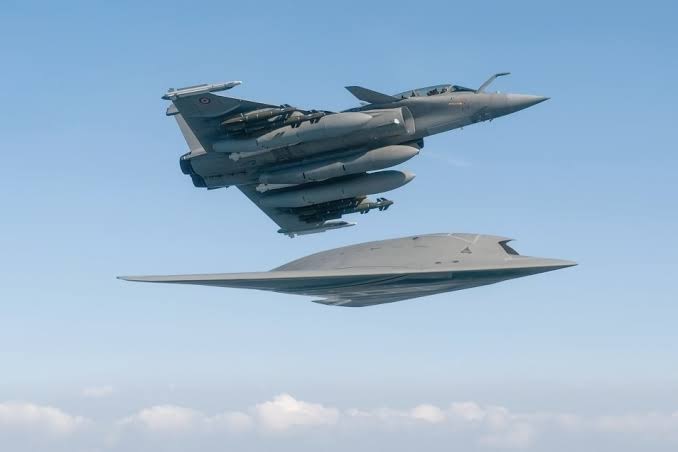 France Agrees to Equip Future Indian Rafales with AI, MUM-T and Secure Satellite Links Under F5 Standard
-
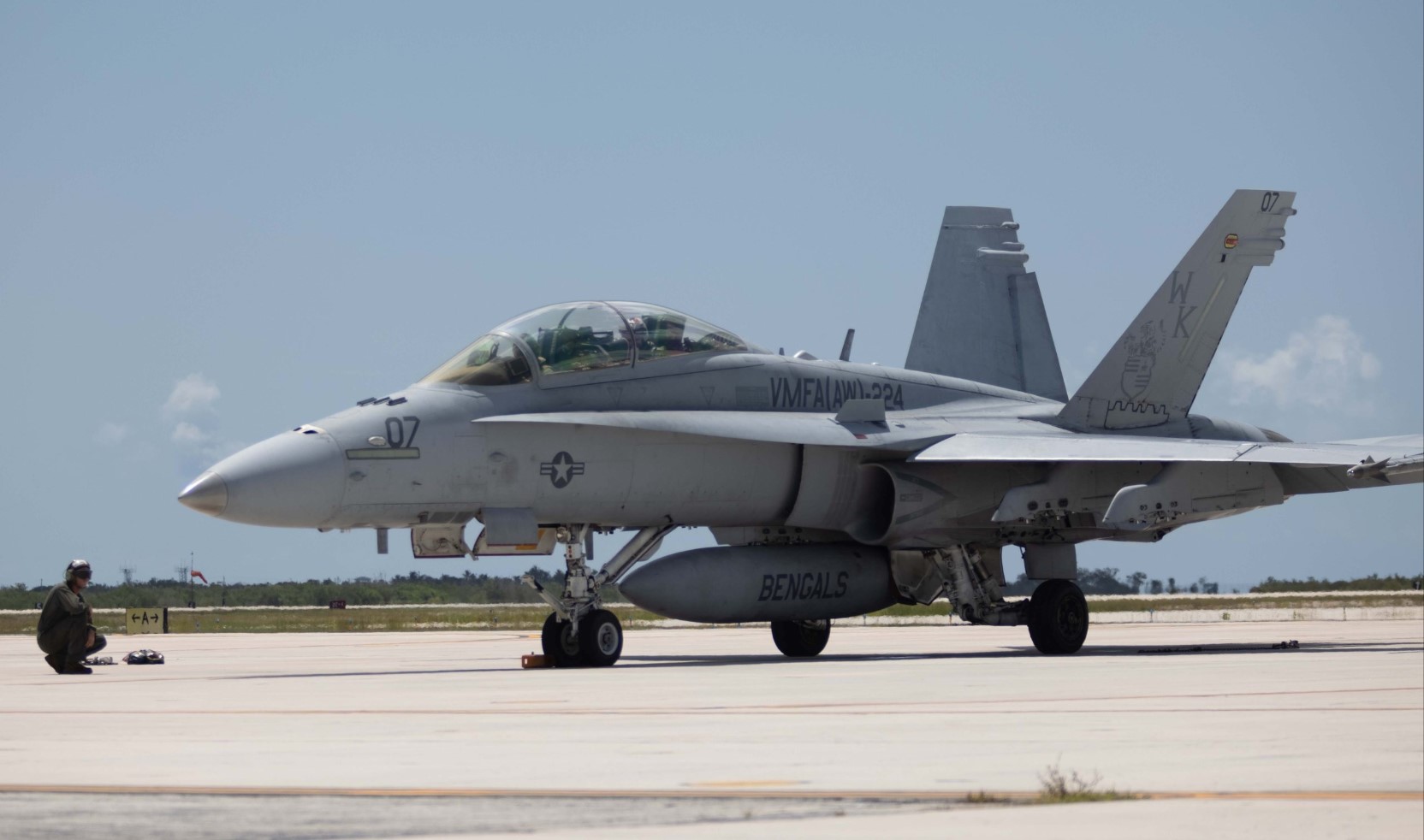 US Marine Corps F/A-18D Hornet Crashes During Training Flight in Washington Mountains; Pilot Ejects Safely
-
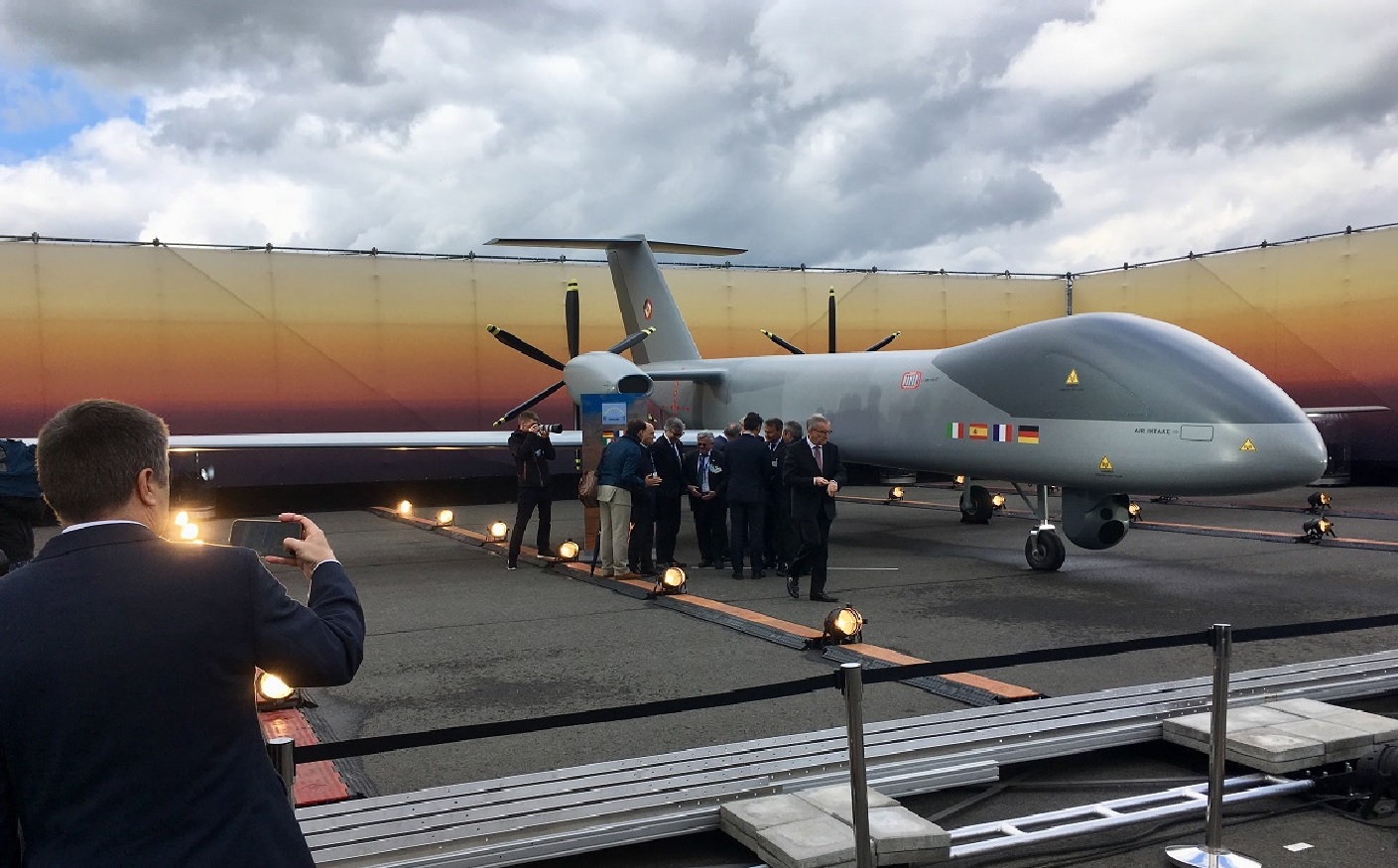 Dassault Seeks Compensation From Airbus as Eurodrone Dispute Erupts After FCAS Collapse
-
 AM General Unveils Next-Generation UGV and JLTV A2 with Counter-Drone Systems at Eurosatory 2026
-
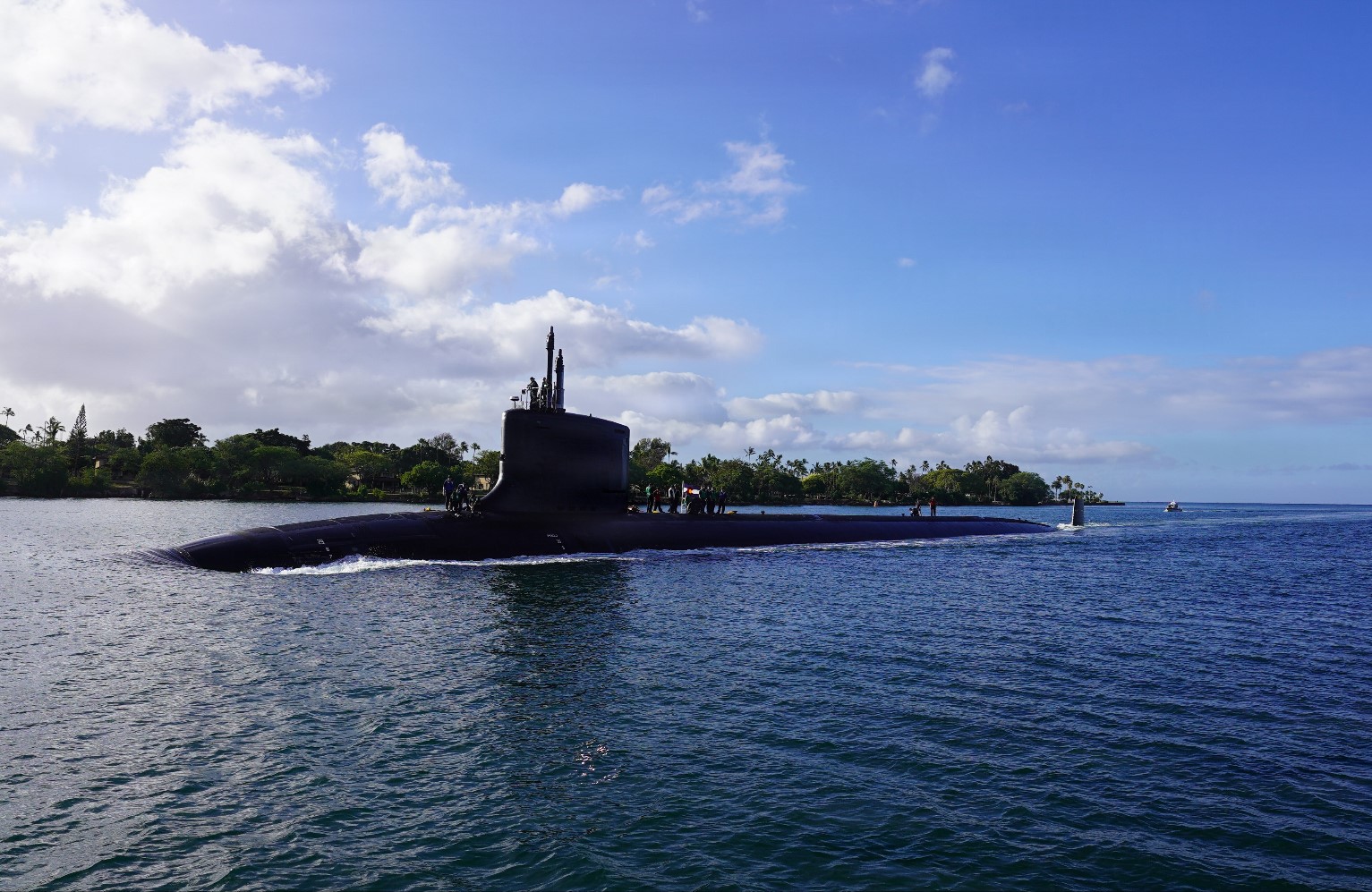 U.S. Navy's USS Colorado Submarine Returns to Pacific Fleet 29 Days Early After Major Pearl Harbor Overhaul
-
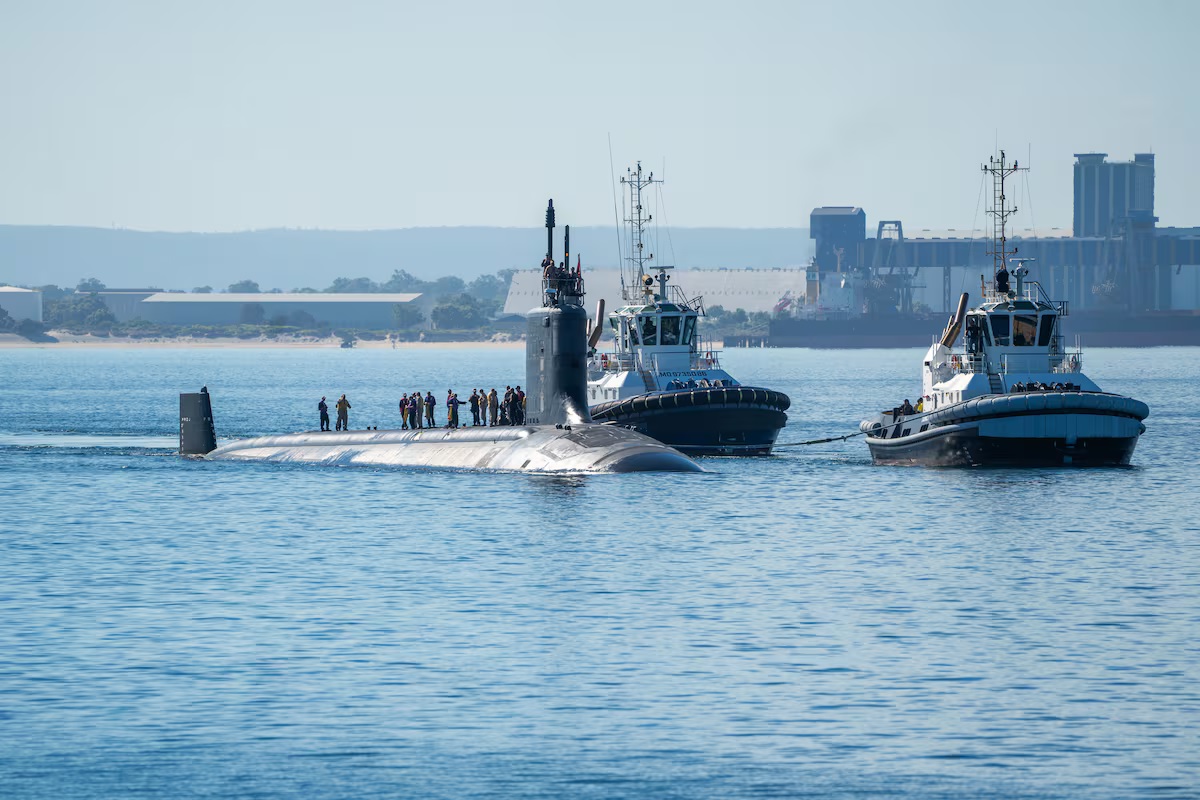 U.S. Navy Reestablishes Submarine Squadron 3 at HMAS Stirling to Support AUKUS Rotational Force
-
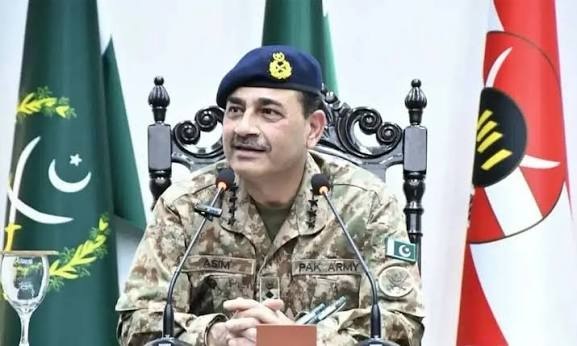 Pakistan Raises Defence Budget from $9 Billion to $10.8 Billion as J-35 Fighter and Hangor Submarine Programs Advance
Top Trending in 4 Days
-
 Iranian Media Leaks 14-Point U.S.-Iran Peace Framework Amid Ongoing Negotiations
-
 US Plans Significant Reduction of Fighter Jets and Warships for NATO Operations in Europe
-
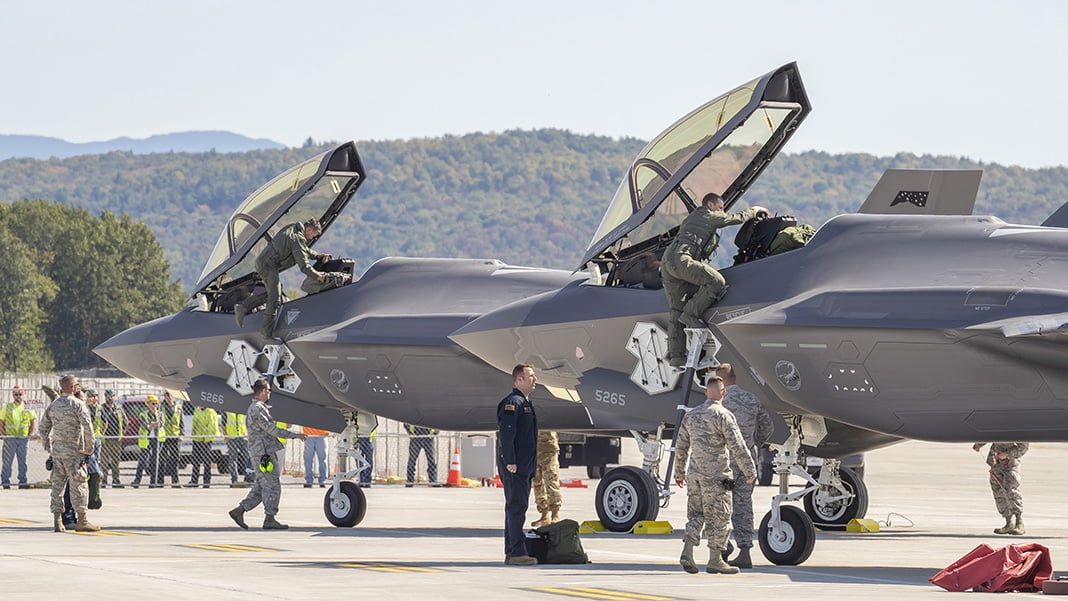 F-35 Fleet Readiness Falls to 25% Amid Parts Shortages and Software Delays: GAO Report
-
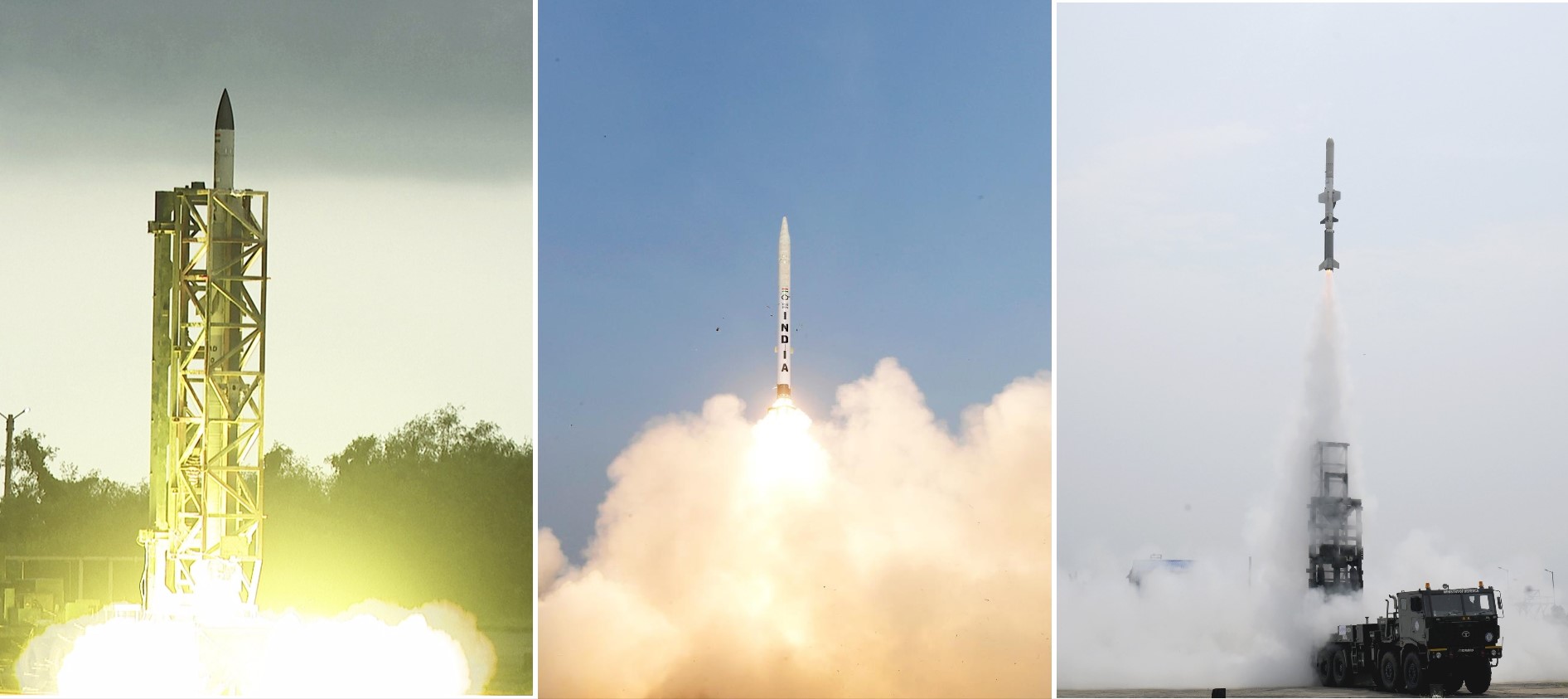 India Successfully Conducts AD-1, AD-2 Interceptor Tests and Maiden NASM-MR Flight Trial
-
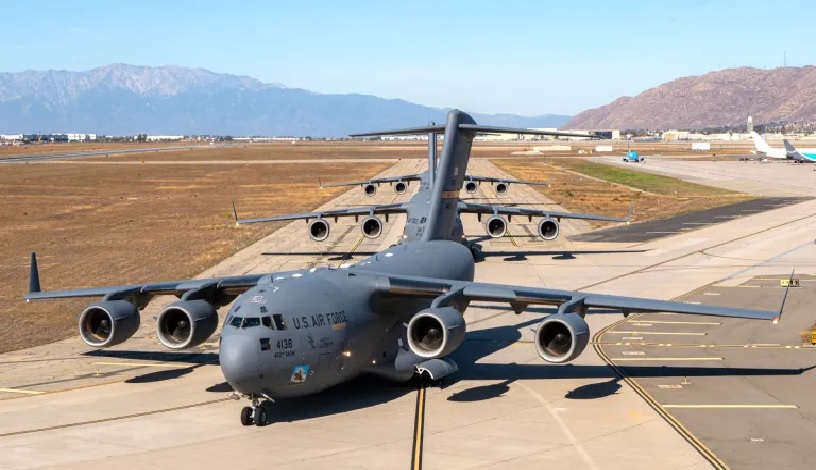 U.S. Air Force Faces Strategic Airlift Shortfall as C-17 Production Restart Remains Uncertain
-
 NATO Commander Says Russia Not Seeking Conflict With Alliance Despite U.S. Force Reductions
-
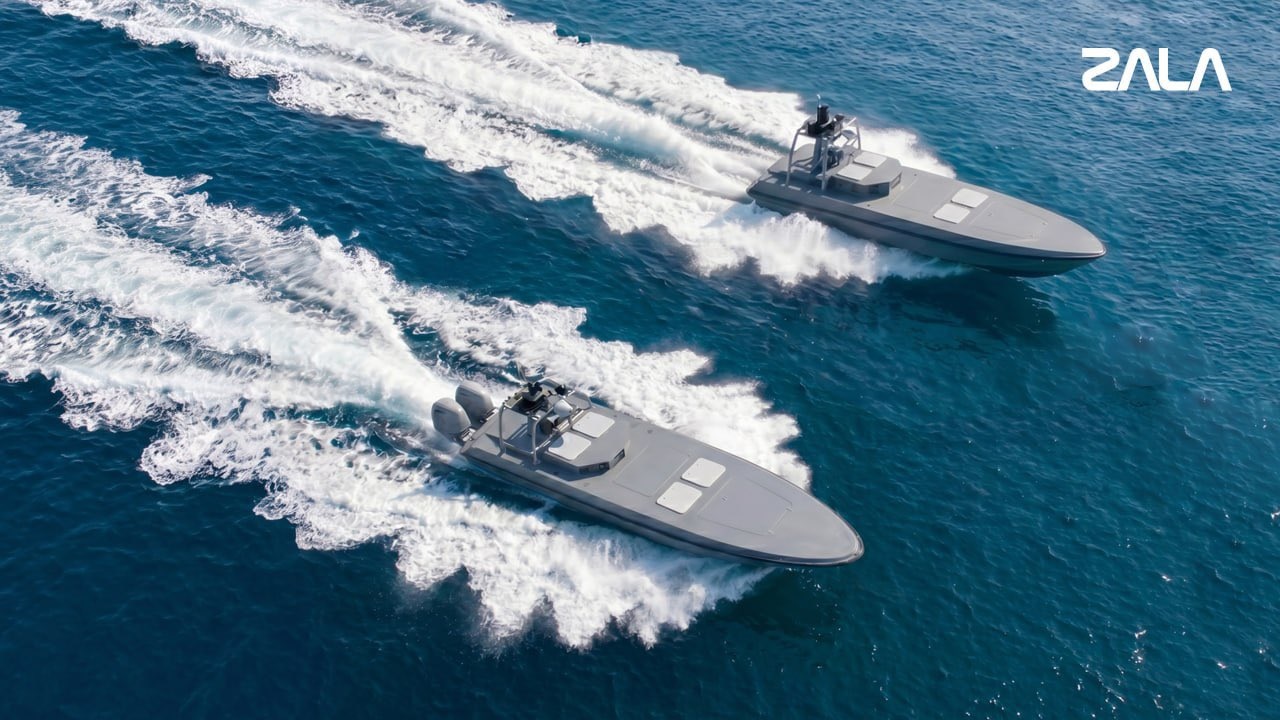 Russian Defense Firm ZALA Unveils KAMA Unmanned Surface Vessel Family at FLOT-2026 Naval Exhibition
-
 U.S. Space Force Awards $437.7 Million Contracts for First PTS-G Swarm 1 Anti-Jam Satellites