India
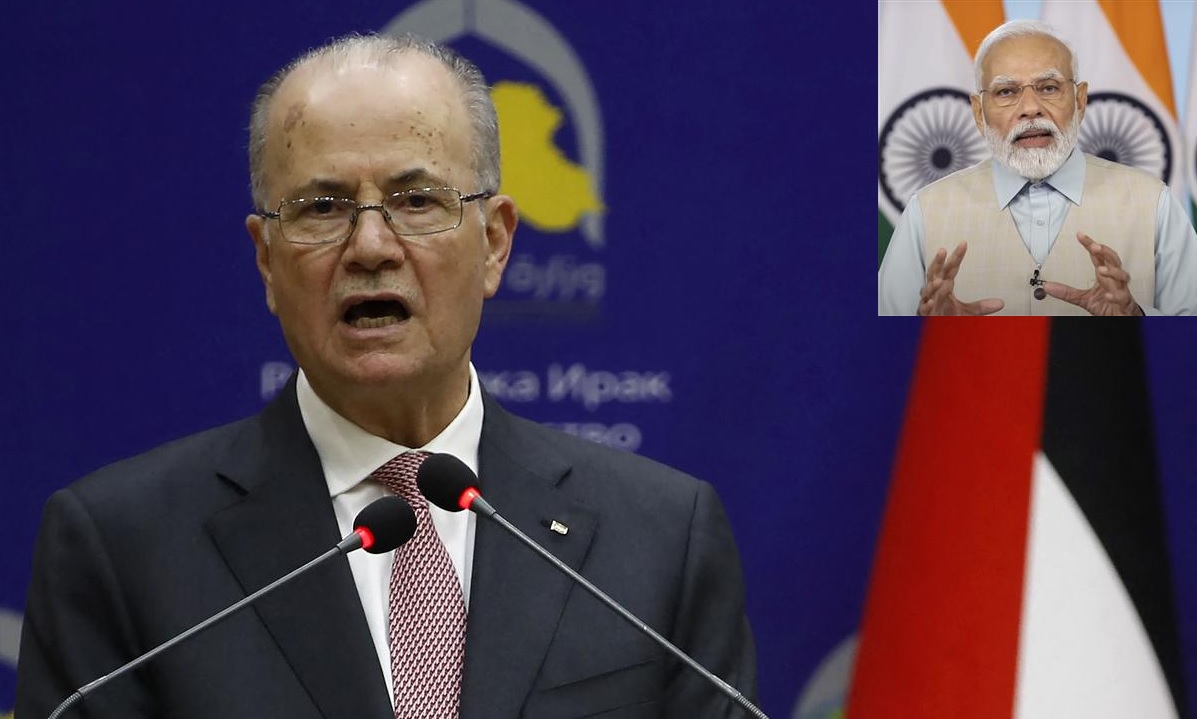
Palestinian PM Muhammad Mustafa urges India to leverage its diplomatic influence to address the humanitarian crisis in Gaza and calls for an immediate ceasefire.Palestinian Prime Minister Muhammad Mustafa has called on India to play a crucial role in resolving the ongoing violence in Gaza. In a letter dated June 12, Mustafa congratulated Prime Minister Narendra Modi on his re-election and emphasized India's potential to influence a peaceful resolution. Describing the Israeli actions as "genocide," Mustafa urged India to use diplomatic channels to advocate for an immediate ceasefire and to increase humanitarian aid to Gaza.Mustafa's letter highlights the severity of the humanitarian crisis in Gaza, referring to it as a catastrophe that demands immediate and decisive action. He appeals to India, a nation that values human rights and peace, to intervene and help alleviate the suffering of the Palestinian people.This letter follows previous communications from Mustafa to Modi and External Affairs Minister S. Jaishankar in May. In those letters, Mustafa blamed the Israeli Defense Forces (IDF) for the death of former Indian Army Colonel Waibhav Anil Kale, who was working as a security coordinator with the United Nations in Gaza. India has refrained from attributing blame for Kale's death, awaiting the United Nations' investigation results.India continues to uphold its longstanding support for a "two-state solution" to the Israel-Palestine conflict while maintaining strong bilateral relations with Israel. The ongoing conflict has also affected the India–Middle East–Europe Economic Corridor (IMEC) project, a significant infrastructure initiative launched during the 2023 G-20 meeting in New Delhi. The IMEC, which includes Israel, was discussed at the G-7 Summit in Borgo Egnazia, Italy. The G-7 communique issued at the summit's conclusion emphasized the group's commitment to promoting projects like the IMEC.As India navigates its diplomatic stance, the global community watches closely, anticipating how one of the world's largest democracies will address the escalating crisis in Gaza.
Read More → Posted on 2024-06-16 15:51:24
India
Indian Air Force Rafale jets, alongside F-16 and F-15 aircraft, participated in the Red Flag 2024 exercise in Alaska, showcasing interoperability and collaboration in multinational missions.The Indian Air Force (IAF) recently showcased its Rafale fighter jets at the prestigious Red Flag 2024 military exercise held in Alaska, USA. The exercise, which ran from June 4 to June 14, saw the participation of various international air forces, including those from the Republic of Singapore (RSAF), the United Kingdom (RAF), the Netherlands (RNLAF), Germany (Luftwaffe), and the United States (USAF).This year marked the first time IAF Rafale aircraft participated in the Red Flag exercise. They flew alongside RSAF's F-16s and USAF's F-15s, engaging in complex missions that tested their capabilities in realistic combat settings. The exercise focused on Beyond Visual Range (BVR) combat exercises as part of large force engagements (LFE), involving offensive counter air and air defense roles.The IAF's participation provided invaluable insights into interoperability with international partners and fostered a collaborative understanding of multinational mission planning and execution. Indian crew members not only participated in mission planning but also took on leadership roles for designated missions.Despite facing challenging weather conditions and sub-zero temperatures, the IAF maintenance crew ensured that all aircraft remained operational, allowing for over 100 sorties to be flown during the exercise. This dedication highlighted the crew's resilience and technical expertise.The journey to Alaska involved the transatlantic ferry of Rafale fighter jets, supported by IL-78 air-to-air refuelers, while personnel and equipment were transported using C-17 Globemaster aircraft. This experience was particularly enriching for the younger crew members, who benefited from the long-distance ferrying and air-to-air refueling operations.Upon completing the exercise, the IAF contingent continued their journey, participating in additional exercises with air force elements from Greece and Egypt before returning to India on June 24. This extended engagement further enhanced their operational experience and readiness.The Red Flag exercise was a crucial step in strengthening the IAF's capabilities and building stronger ties with international air forces. With the experience gained, the IAF is now looking forward to hosting Ex-Tarang Shakti-2024, India's first-ever multinational air exercise, later this year.The successful participation of the IAF's Rafale jets in Red Flag 2024 underscores India's growing prowess in aerial combat and its commitment to enhancing global military cooperation.
Read More → Posted on 2024-06-16 15:44:44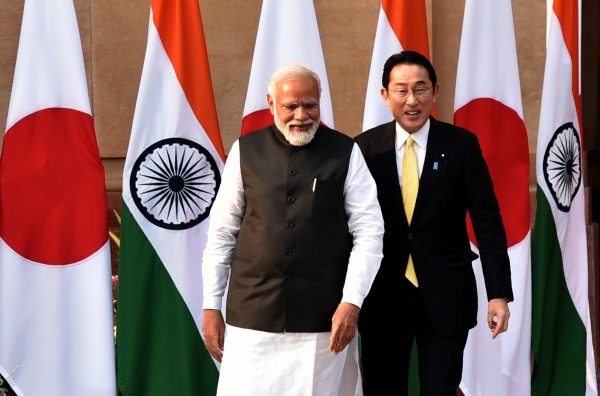
India
Japan is contemplating imposing sanctions on an Indian company for maintaining business relations with Russia, potentially impacting bilateral relations.Japan is considering imposing sanctions on an Indian company for continuing business relations with Russia, sources told the Economic Times (ET). This would be the first time Japan has taken such action against India since the 1998 nuclear tests in Pokhran.The potential sanctions are part of Japan's broader strategy to penalize entities that it believes are bypassing international sanctions and engaging in trade with Russia. Companies from other countries, including China, the United Arab Emirates, and Uzbekistan, are also under scrutiny for similar reasons.The identity of the Indian company has not been disclosed, and no final decision has been made yet. However, Japanese sources indicate that the sanctions would target organizations suspected of supplying materials to Russia that could be repurposed for military use.If Japan proceeds with the sanctions, it could strain the growing bilateral relationship between Japan and India. Historically, Japan imposed sanctions on India following the 1998 nuclear tests, leading to a period of tension. Since then, relations have significantly improved, with both countries engaging in various strategic and economic partnerships.India faces a challenging situation as it seeks to maintain its longstanding strategic partnership with Russia while navigating the complexities of the ongoing conflict in Ukraine. Russia has been a key defense supplier for India, and the two countries share a deep-rooted historical relationship.The move by Japan highlights the delicate balancing act India must perform in its international relations. As a member of the Quad alliance, which includes Japan, the United States, and Australia, India has to manage its ties with Russia carefully, especially given the geopolitical dynamics in the Indo-Pacific region.In the broader context, Japan's consideration of sanctions against an Indian company underscores the global efforts to isolate Russia economically and diplomatically. The implications of such sanctions could be far-reaching, affecting not only India-Japan relations but also India's position in the international arena.As of now, the situation remains fluid, with diplomatic discussions likely ongoing behind the scenes. The potential sanctions serve as a reminder of the interconnectedness of global politics and the complex decisions nations must make in response to international conflicts.
Read More → Posted on 2024-06-16 15:39:24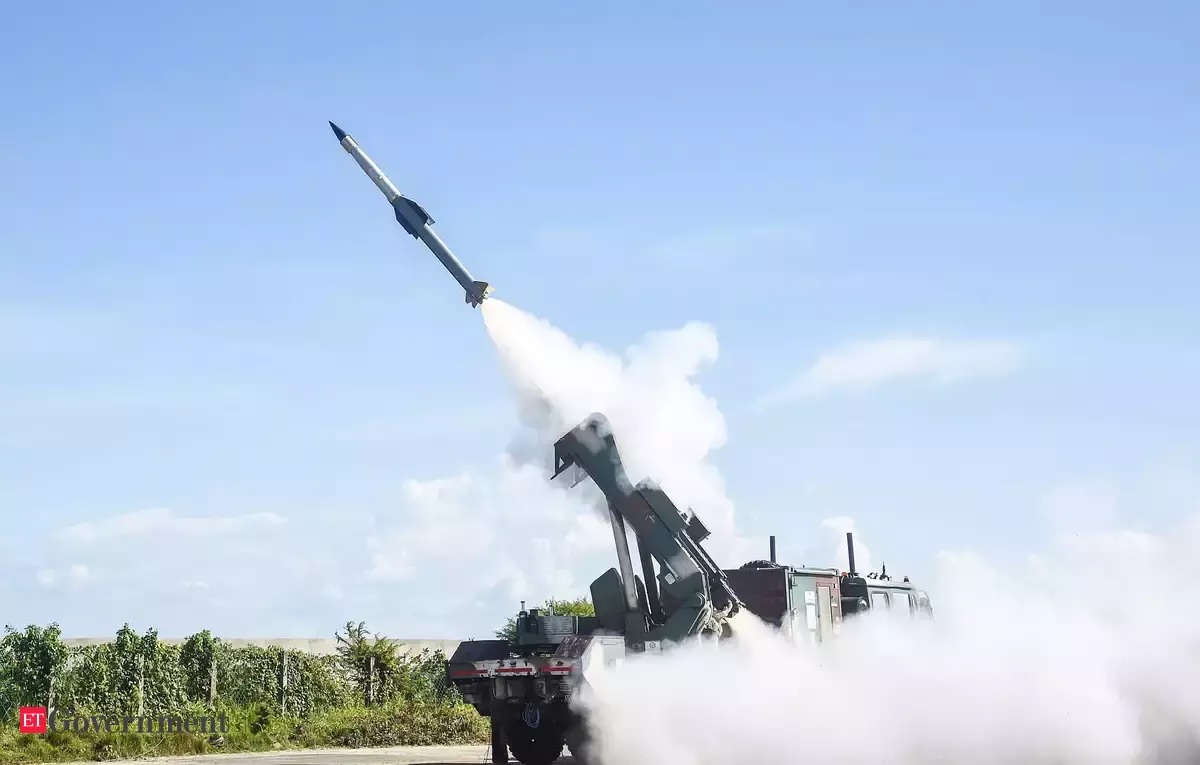
India
The Defence Research and Development Organisation (DRDO) is set to conduct high-altitude trials for its new indigenous shoulder-fired air defence missiles, designed to meet the Indian Army and Air Force's needs against modern aerial threats.The Defence Research and Development Organisation (DRDO) is gearing up to conduct high-altitude trials of its newly developed shoulder-fired air defence missiles. These trials will take place in mountainous regions such as Ladakh or Sikkim. This development is a significant step towards fulfilling the Indian Army and Air Force's requirement for effective air defence systems capable of tackling fast-moving aerial threats, including drones, fighter aircraft, and helicopters.DRDO has been working on Very Short Range Air Defence (VSHORAD) missiles to meet these needs. According to defence officials, the indigenous missile system has successfully locked onto and taken out both long-range and short-range targets, resolving earlier issues with short-range targeting.Following the successful high-altitude trials, the missile system will be handed over to the Indian Army for user trials and assessments. This move is part of a broader effort to address the shortage of shoulder-fired air defence missiles within the Indian military's inventory, especially in light of potential threats from neighboring countries such as Pakistan and China.The Indian Army is currently pursuing two significant projects worth Rs 6,800 crore to develop VSHORAD systems indigenously. This initiative is crucial as the existing VSHORAD missiles in the Army and Air Force's inventory, which rely on infrared (IR) homing guidance systems, are outdated. For instance, the Igla 1M VSHORAD missile system, inducted in 1989, was planned for de-induction in 2013, highlighting the urgent need for modern replacements.In addition to meeting immediate defence needs, the development and successful deployment of these indigenous missile systems will enhance India's self-reliance in defence technology. This aligns with the broader "Make in India" initiative, aimed at boosting domestic manufacturing and reducing dependency on foreign defence imports.As the DRDO prepares for these critical trials, the focus remains on ensuring that the missile systems are fully capable of defending the nation's borders against any aerial threats. The successful completion and induction of these systems will mark a significant milestone in India's defence capabilities.
Read More → Posted on 2024-06-16 15:32:54
India
Azerbaijan invites Indian Prime Minister Modi to COP29 in Baku, spotlighting climate change and regional dynamics.Azerbaijan's President Ilham Aliyev has extended an official invitation to Indian Prime Minister Narendra Modi to attend the 29th Conference of the Parties (COP29) climate summit. This significant event, hosted by the United Nations Framework Convention on Climate Change (UNFCCC), is scheduled to take place in Baku, Azerbaijan, from November 11 to November 22.The annual COP29 summit will bring together leaders, policymakers, scientists, and activists from around the world to discuss global efforts to limit global warming, adapt to the impacts of climate change, and mobilize financing for these critical activities. The summit will provide a platform for nations to negotiate strategies to mitigate climate change, enhance resilience, and secure the necessary funding to implement these measures. As the host nation, Azerbaijan will play a pivotal role in facilitating these discussions and driving international cooperation.The invitation to Prime Minister Modi is seen as a diplomatic gesture aimed at strengthening bilateral relations between Azerbaijan and India. The move also underscores Azerbaijan's commitment to addressing global climate challenges and engaging with key international partners.However, this invitation comes against a backdrop of regional tensions and complex geopolitical dynamics. Earlier this year, President Aliyev warned against the sale of weapons systems to Armenia, highlighting the ongoing conflict between Azerbaijan and Armenia. This conflict has historical roots and has seen periodic flare-ups, most notably the Nagorno-Karabakh conflict.Adding to the geopolitical complexities, Azerbaijan’s ambassador to India, Elchin Huseynli, has requested that India reconsider its decision to arm Armenia with Indian-made weapons. This request underscores the delicate balance of power in the region and the strategic considerations of various nations. Notably, Azerbaijan's defense analysts have often criticized Indian-made weapons and have aligned themselves with Pakistan on issues such as Kashmir, further complicating regional dynamics.Despite these tensions, the COP29 summit in Baku represents an opportunity for nations to come together and address the urgent global issue of climate change. The participation of high-profile leaders like Prime Minister Modi could enhance the summit's impact and help foster international cooperation in the fight against climate change.As the world looks to COP29 for meaningful action on climate change, the diplomatic engagements and discussions at the summit will be closely watched. The outcomes of these negotiations will be crucial in shaping global climate policies and ensuring a sustainable future for all.
Read More → Posted on 2024-06-16 15:29:04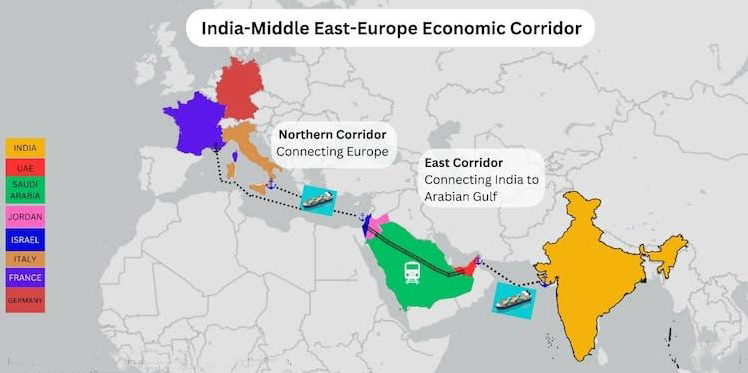
India
The Group of Seven (G7) nations have committed to supporting several key infrastructure projects, including the India-Middle East-Europe Economic Corridor (IMEC), as highlighted in their joint statement following the recent summit in Italy. The G7 aims to enhance global economic connectivity through improved infrastructure and investments.The recent G7 summit in Italy concluded with a strong commitment from member nations to enhance global infrastructure through significant investments in economic corridors. These projects include the India-Middle East-Europe Economic Corridor (IMEC), the Lobito Corridor, the Luzon Corridor, and the Middle Corridor. Key Initiatives:India-Middle East-Europe Economic Corridor (IMEC): This ambitious project aims to link South Asia, the Middle East, and Europe through a network of trade routes, enhancing economic cooperation and development.Lobito Corridor: This corridor aims to improve transportation and trade links in Africa, particularly through the development of the Lobito railway line connecting Angola, the Democratic Republic of the Congo, and Zambia.Luzon Corridor: Targeted at enhancing infrastructure in the Philippines, this corridor aims to boost economic activity and connectivity in the Luzon region.Middle Corridor: This initiative focuses on improving trade routes that connect Europe and Asia through the Caucasus region, promoting economic integration and development.The G7's commitment builds on existing initiatives such as the EU Global Gateway, which focuses on global infrastructure development; the Great Green Wall Initiative, aimed at combating desertification in Africa; and Italy's Mattei Plan for Africa, which promotes sustainable development on the continent.Strategic Goals:The G7 leaders emphasized their dedication to a free and open Indo-Pacific region, governed by international law and promoting sovereignty, territorial integrity, and human rights. They reiterated that their actions are not aimed at harming China but are focused on protecting businesses from unfair practices and ensuring a level playing field.Engagement with China:The G7 seeks stable and constructive relations with China, emphasizing the importance of direct and candid engagement to manage differences and address global challenges. They called on China to enhance its efforts in promoting international peace, security, and cooperation in tackling climate change, biodiversity, and pollution crises. Additionally, the G7 urged China to combat illicit drug trafficking, support global health security, and address debt sustainability for vulnerable countries.Summit Highlights:Participants: The summit included leaders from the US, UK, Canada, Germany, Italy, Japan, and France, along with the European Union. Italian Prime Minister Giorgia Meloni invited India as an 'Outreach Country.'PM Modi's Participation: Indian Prime Minister Narendra Modi addressed sessions on AI and Energy, Africa, and the Mediterranean, highlighting technology's transformative role in human progress. He also held bilateral meetings with leaders from France, the UK, Japan, Italy, Ukraine, the US, Germany, Canada, and Pope Francis.Conclusion:The G7's commitment to these infrastructure projects and economic corridors reflects their strategic vision for global economic connectivity and sustainable development. By investing in these initiatives, the G7 aims to foster economic growth, enhance international cooperation, and address global challenges collaboratively.
Read More → Posted on 2024-06-16 15:13:52
India
The BMC has rejected the Indian Army's directive to halt construction on Godrej Properties' project in Kandivli East, citing compliance with regional planning laws and ongoing discussions about construction restrictions near defense establishments.In a rare and bold move, the Brihanmumbai Municipal Corporation (BMC) has turned down the Indian Army's request to stop construction on a residential project by Godrej Properties in Kandivli East. The project, named Godrej Reserve, is located about 250 meters from the perimeter wall of the Central Ordnance Depot (COD) in Kandivli.The Central Ordnance Depot had issued a directive based on central government guidelines that prohibit any construction within 100 meters of defense establishments. Furthermore, these guidelines restrict construction to a maximum of four storeys for buildings situated between 100 to 500 meters from such facilities unless a no-objection certificate (NOC) is obtained from the defense authorities.On May 15, the COD sent a letter to the BMC claiming that the ongoing construction violated these government orders and guidelines. The letter urged the BMC to issue a stop-work notice to avoid legal complications. However, the BMC, in its response dated June 11, defended the project's legality. It cited the Maharashtra Regional Town Planning Act, 1966, and the Development Plan, 2034, which take into account safety and security considerations around defense establishments.The BMC highlighted that numerous projects near the COD in Kandivli and Malad adhere to a 2016 circular, ensuring they are beyond the 10-meter restricted zone. According to the BMC, halting these projects would be illegal and unfounded.This decision by the BMC comes amid ongoing discussions about construction restrictions near defense establishments. In January 2023, the defense ministry had announced a reduction in restrictions around naval installations from 500 meters to 50 meters. However, this decision appears to be on hold as per real estate industry sources.The issue of redevelopment restrictions within the 500-meter zone around Army and Navy installations in Mumbai has been a topic of media coverage since 2016. The BMC's refusal to issue a stop-work notice for the Godrej project could set a significant precedent for future construction activities near defense facilities.This case may have broader implications for the construction industry in Mumbai, as builders and developers navigate the complex landscape of regulations and guidelines concerning defense establishments.
Read More → Posted on 2024-06-16 14:57:58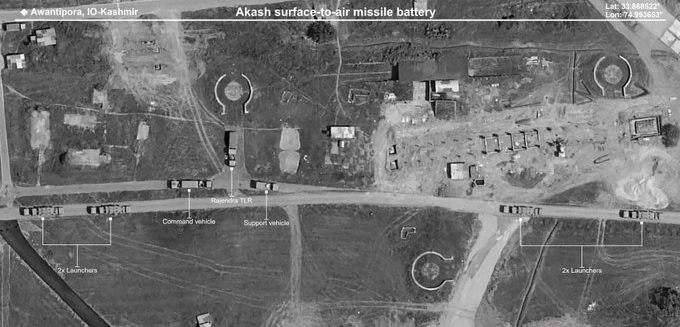
India
The Indian military strengthens its air defense in Kashmir by replacing aging systems with the advanced Akash missile system, ensuring superior protection and operational readiness.The Indian military is significantly upgrading its air defense capabilities with the deployment of the indigenously developed Akash air defense system. This modern, medium-range surface-to-air missile (SAM) system is set to replace the outdated SA-3 Goa systems, marking a substantial improvement in technological capability.Transition to Advanced Defense in AwantiporaA notable example of this upgrade is in Awantipora, Kashmir. This strategically important location has recently seen the deployment of an Akash battery, which has taken over the operational duties from the older SA-3 system. This change is a crucial step towards enhancing India’s air defense in the region.To support the long-term deployment and optimal use of the Akash system, a dedicated Akash SAM site is currently under construction in Awantipora. This purpose-built facility will offer robust infrastructure to house the system, ensuring its maximum effectiveness.Advantages of the Akash SystemThe Akash missile system offers several significant improvements over its predecessor:Extended Range: The Akash system has a longer range, allowing it to engage targets at greater distances.Improved Accuracy: Enhanced targeting capabilities ensure higher precision in intercepting threats.Superior Target Engagement: The system can effectively engage multiple targets simultaneously.High Maneuverability: Akash missiles are highly maneuverable, making them more effective against agile aerial threats.Jamming Immunity: Advanced technology makes the Akash system resistant to electronic jamming, enhancing its reliability in combat scenarios.Complementary Defense in SrinagarThis strategic upgrade in Awantipora complements the deployment of the Barak-8 missile defense system in Srinagar, another critical location in Kashmir. The Barak-8 system provides medium to long-range protection and is designed to intercept and destroy aerial threats like aircraft, helicopters, and missiles.The combination of the Akash and Barak-8 systems creates a layered air defense network in Kashmir. This network ensures comprehensive protection against a wide range of aerial threats, including fixed-wing aircraft, drones, and cruise missiles. By integrating these advanced systems, the Indian military enhances its operational readiness and deterrence capabilities in the region.ConclusionThe deployment of the Akash air defense system in Awantipora and the construction of a dedicated SAM site underscore India’s commitment to strengthening its military infrastructure and defense capabilities. This upgrade not only replaces outdated systems but also provides a robust and modern defense solution capable of addressing contemporary aerial threats. The strategic enhancement in Kashmir, complemented by the Barak-8 system in Srinagar, signifies a significant leap in India’s air defense posture.
Read More → Posted on 2024-06-15 16:03:17
India
Prime Ministers Narendra Modi and Fumio Kishida held a significant meeting at the G-7 Summit, discussing the Mumbai-Ahmedabad High-Speed Rail project and deepening India-Japan relations.Prime Minister Narendra Modi of India and Prime Minister Fumio Kishida of Japan held a productive bilateral meeting during the G-7 Summit in Apulia, Italy. Their discussion focused on several crucial areas of cooperation, including the landmark Mumbai-Ahmedabad High-Speed Rail project and a targeted 5 trillion yen investment in India over the next five years.Key Points of Discussion:High-Speed Rail Project:The Mumbai-Ahmedabad High-Speed Rail project, a flagship initiative between India and Japan, aims to revolutionize mobility in India. With significant Japanese investment and expertise, this project is expected to enhance connectivity and economic growth in the region.Strengthening Relations:The leaders emphasized the importance of strengthening business-to-business (B2B), people-to-people (P2P), and government-to-government (G2G) relations. They discussed various ways to bolster these ties, ensuring a robust framework for future cooperation.Strategic Sectors:The conversation covered key strategic sectors such as defense, technology, semiconductors, clean energy, and digital technology. Both leaders expressed their commitment to deepening collaboration in these critical areas, which are vital for the security and prosperity of both nations.Investment and Industrial Competitiveness:The two prime ministers highlighted the India-Japan Industrial Competitiveness Partnership, aimed at transforming manufacturing cooperation between the two countries. They also reviewed the progress of the targeted 5 trillion yen Japanese investment in India for the period 2022-2027.Mutual Congratulations and Priorities:Prime Minister Modi thanked Prime Minister Kishida for his congratulatory wishes on Modi's third consecutive term in office. Modi assured that India would continue to prioritize its bilateral ties with Japan, reinforcing the Special Strategic and Global Partnership between the two nations.Looking Ahead:The leaders expressed satisfaction with the progress made in their bilateral relationship, which marks its 10th year as a Special Strategic and Global Partnership. They looked forward to continuing their discussions at the next India-Japan annual summit.In a post on X (formerly Twitter), PM Modi described his meeting with PM Kishida as delightful, highlighting the importance of India-Japan ties for a peaceful and prosperous Indo-Pacific. He emphasized collaboration in defense, technology, clean energy, and cultural exchanges as areas of focus.Additionally, PM Modi shared his positive interaction with German Chancellor Olaf Scholz, underscoring the potential of the India-Germany Strategic Partnership to contribute to inclusive and sustainable global growth.ConclusionThe bilateral meeting between PM Narendra Modi and PM Fumio Kishida at the G-7 Summit signifies a strong commitment to enhancing India-Japan relations. The focus on strategic projects and sectors, coupled with substantial investments, sets the stage for a future of robust cooperation and mutual growth.
Read More → Posted on 2024-06-15 15:42:28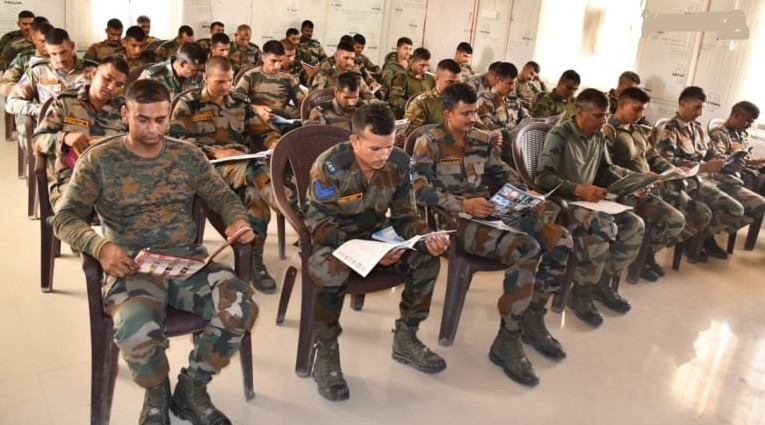
India
Discover the Sainik Samman Scheme 2024, its significant changes, and benefits compared to the previous Agneepath Scheme. Understand how this new initiative enhances opportunities for Indian youth in defense services.The Sainik Samman Scheme 2024 is a revamped version of the Agneepath Scheme, introduced to provide better opportunities and benefits for individuals joining the Indian defense services. Launched by Defense Minister Rajnath Singh on June 23, 2024, this scheme aims to offer enhanced career prospects, financial security, and improved service conditions for soldiers.Key Changes and Benefits under the Sainik Samman Scheme1. Increased Permanency:Previous Scheme (Agneepath): Only 25% of Agniveers were made permanent.Sainik Samman Scheme: 60% of Agniveers will be granted permanent positions, with all technical post Agniveers becoming permanent.2. Extended Service Period:Previous Scheme: The duty period was 4 years.Sainik Samman Scheme: The duty period is now extended to 7 years, ensuring longer job security.3. Enhanced Training and Leave:Training Period: Increased from 24 weeks to 42 weeks.Leave: Annual leave has been increased from 30 days to 45 days.4. Financial Improvements:Total Income: Increased from ₹22 lakhs to ₹41 lakhs over the service period.Retirement Fund: Enhanced to ₹41 lakhs.Death Benefits: In case of a soldier's death, the family will receive ₹75 lakhs and the status of a martyr.5. Job Guarantee and Relaxations:Job Security: After 7 years of service, soldiers are guaranteed a permanent job.Central Vacancy Relaxation: Increased from 10% to 15% for all central vacancies.6. Status and Recognition:Soldiers recruited under the Sainik Samman Scheme will no longer be called Agniveers.In case of death, soldiers will be granted the status of a warrior and their families will receive full assistance and honors.Differences Between Agneepath Scheme and Sainik Samman SchemeImplementation DetailsThe Sainik Samman Scheme will be officially implemented nationwide on June 23, 2024. It applies to all new recruits from February 2024 onwards. Existing Agniveers recruited before this date will not be covered under the new scheme.ConclusionThe Sainik Samman Scheme 2024 introduces significant improvements over the Agneepath Scheme, providing better financial benefits, job security, and enhanced service conditions for Indian soldiers. These changes aim to attract more youth to join the defense services and ensure their well-being and career growth.This comprehensive overhaul reflects the government's commitment to honoring and supporting the nation's soldiers, ensuring they receive the respect and benefits they deserve.
Read More → Posted on 2024-06-15 15:12:31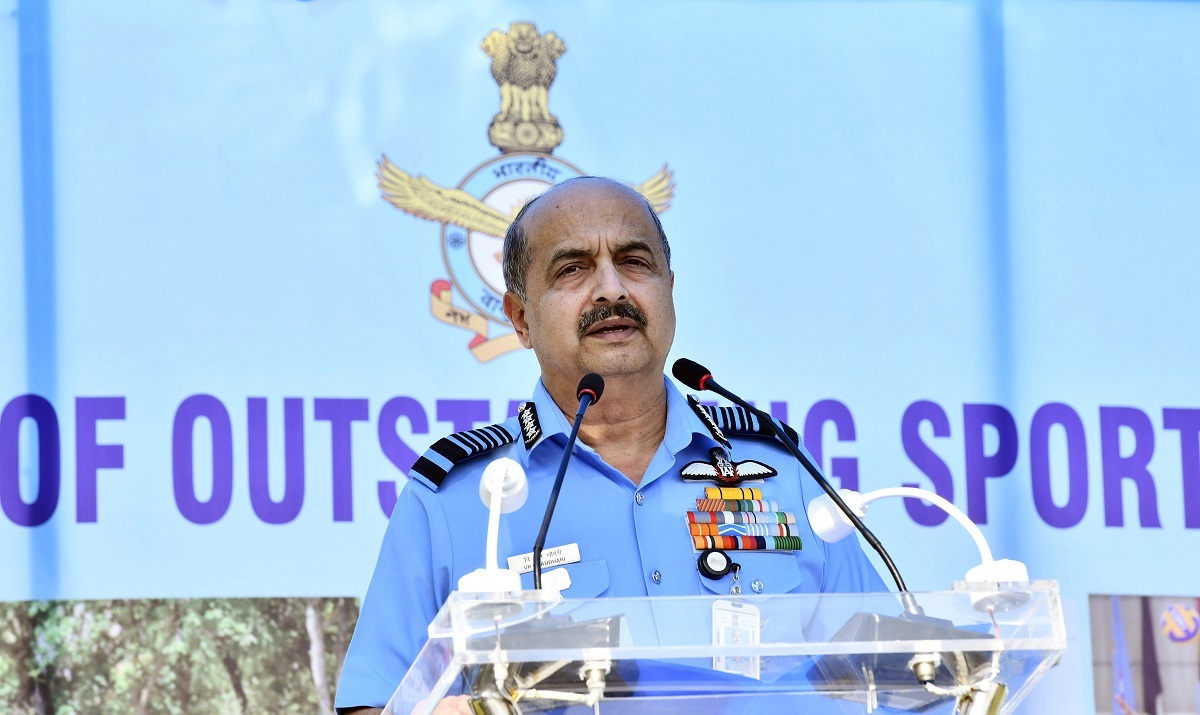
India
IAF Chief Air Chief Marshal VR Chaudhari emphasized the importance of adapting to modern warfare's dynamic landscape influenced by advanced cyber technologies, stressing the need for innovative leadership at the Combined Graduation Parade.At the Combined Graduation Parade (CGP) of the 213 Officers' Course held at the Air Force Academy (AFA) in Dundigal, Air Chief Marshal VR Chaudhari highlighted the evolving nature of modern warfare. He stated that contemporary conflicts extend beyond physical battles and are significantly shaped by complex data networks and advanced cyber technologies. Emphasizing the need for adaptability and innovation, Chaudhari underscored that tomorrow’s conflicts require a forward-thinking mindset.Chaudhari addressed the newly commissioned officers, stressing three critical leadership qualities: professionalism, aggressiveness, and initiative. He pointed out that leaders must not only be action-oriented but also thoughtful and strategic. Encouraging the officers to embrace the core values of the Indian Air Force—mission, integrity, and excellence—he stressed that these principles should guide their careers.The Air Chief Marshal emphasized the importance of mission accomplishment for maintaining the direction, efficiency, and overall success of the organization. He also advocated for continuous learning and reading, suggesting that a well-read mind is better equipped to navigate and lead in complex situations.Integrity was another key theme in Chaudhari’s address. He highlighted the importance of ethical decision-making, upholding high standards of conduct, and leading by example to inspire trust and loyalty among team members. Reflecting the IAF's vision of 'People First, Mission Always,' he urged the officers to earn respect through professional competence, courage, character, and empathy.The CGP celebrated the successful completion of training for 235 flight cadets from the flying and ground duty branches of the Indian Air Force. This cohort included 22 women officers and marked the first CGP where cadets from the National Defence Academy, trained for Ground Duty branches, were commissioned as officers.Among the notable graduates, Flying Officer Happy Singh received the President's Plaque and the Chief of the Air Staff Sword of Honour for his outstanding performance in the pilots' course. Flying Officer Taufeeq Raza was awarded the President's Plaque for his excellence in the ground duty officers course.Additionally, the event saw nine officers from the Indian Navy, nine from the Indian Coast Guard, and one officer from a friendly foreign country receiving their 'Wings' upon successful completion of flying training.In conclusion, Air Chief Marshal Chaudhari’s address at the CGP underscored the importance of adapting to the evolving nature of warfare, continuous learning, and upholding integrity. His words served as a guiding light for the newly commissioned officers embarking on their careers in the Indian Air Force.
Read More → Posted on 2024-06-15 14:48:48
India
A woman Colonel in the Indian Army has filed a petition in the Delhi High Court, challenging her transfer order, alleging it was a retaliatory move to hinder her sexual harassment complaint against senior officers.A woman Colonel serving in the Indian Army's Western Command has taken legal action by filing a petition in the Delhi High Court. She is challenging her recent transfer order, which she alleges is a retaliatory measure intended to impede her pursuit of a sexual harassment case she filed against four senior officers in February.The Colonel, previously stationed at a Corps Headquarters, has been reassigned to a Division Headquarters as an "additional officer." She argues that this transfer is unwarranted and there is no legitimate vacancy for an officer of her rank in the new posting.The transfer order was issued while the Colonel was on leave, shortly after the National Commission for Women acknowledged her complaint about the Army's inaction regarding her sexual harassment case. The officers named in her complaint include the Station Commander, the Chief Signal Officer, the Deputy Judge Advocate General of the Western Command, and the officiating Commanding Officer of the Military Police Unit. These officers have been charged under various sections of the Indian Penal Code and the Sexual Harassment of Women at Workplace (Prevention, Prohibition & Redressal) Act, with allegations of stalking, confinement, defamation, and sexual harassment.The roots of this case go back to August 2023 when a Court of Inquiry was initiated to investigate a security breach at the Corps Headquarters. This inquiry followed a criminal trespass incident at the Colonel's residence, which she reported to the local police. The four accused officers were involved in this inquiry.In response to the Colonel's FIR, the accused officers have sought to quash it in the Himachal Pradesh High Court, which has temporarily halted any coercive actions against them. Meanwhile, the Delhi High Court has directed the Colonel to report to her new posting and then proceed on leave, scheduling the matter for further hearing in July.The Army's Western Command has refrained from commenting on the ongoing legal proceedings, stating that the matter is sub-judice. This case highlights the ongoing challenges and complexities surrounding sexual harassment allegations within the military, underscoring the need for robust mechanisms to address such issues transparently and fairly.
Read More → Posted on 2024-06-15 14:42:39
India
BAE Systems Bofors will unveil the TRIDON Mk2, a cutting-edge air defense system, at the Eurosatory defense exhibition in Paris, highlighting its precision and versatility against modern threats.BAE Systems Bofors is set to introduce its latest innovation in air defense, the TRIDON Mk2, at the upcoming Eurosatory defense exhibition in Paris. Scheduled from June 17-21, Eurosatory will see the debut of what BAE Systems describes as one of the most advanced anti-aircraft systems currently available.The TRIDON Mk2 is engineered to address the increasing threat from drones and other aerial threats. According to Lena Gillström, CEO of BAE Systems Bofors, the system offers "high precision, firepower, and modularity," making it suitable for both military and civilian applications. Gillström emphasized that TRIDON Mk2 is designed to protect people and critical infrastructure reliably.Key Features of TRIDON Mk2:1. High Precision and Firepower: The system is noted for its superior accuracy and powerful capabilities, outperforming other 40mm caliber guns.2. Modular Design: TRIDON Mk2's modularity allows it to be easily upgraded with new technologies, ensuring it can meet evolving defense needs.3. Versatility: It can counter a wide range of threats including drones, cruise missiles, aircraft, and armored vehicles, providing comprehensive security for various environments.4. Cost-Effectiveness: Designed as a low-cost alternative to more expensive missile systems, the TRIDON Mk2 offers a rapid response and easy maintenance.5. Adaptability: The system can be deployed quickly and is designed to integrate seamlessly with existing defense infrastructure.Visitors to Eurosatory can find the TRIDON Mk2 on display at BAE Systems' booth in Hall 5A, B369. The system’s advanced capabilities stem from nearly 90 years of BAE Systems Bofors' expertise in air defense.The TRIDON Mk2 aims to fill the gap left by more costly missile systems, providing a vital air-denial solution crucial for maintaining clear skies in today’s complex security landscape. Its flexibility and efficiency ensure it is a reliable choice for modern air defense needs.
Read More → Posted on 2024-06-14 16:08:11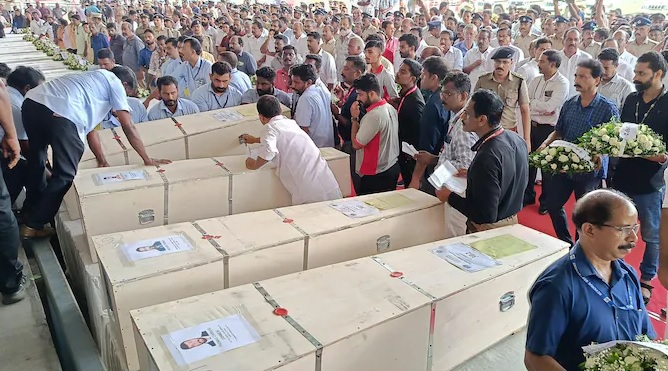
India
A special Indian Air Force aircraft has taken off from Kuwait, carrying the bodies of 45 Indians who died in a massive fire. The plane will land in Kochi before heading to Delhi, with junior Foreign Minister Kirti Vardhan Singh also onboard.A special Indian Air Force aircraft has taken off from Kuwait, carrying the mortal remains of 45 Indian workers who perished in a massive fire two days ago. The plane is expected to land in Kochi, Kerala around 11 am, and then proceed to Delhi. Kirti Vardhan Singh, Gonda MP and newly appointed junior minister in the foreign ministry, is also on the flight. Singh coordinated with Kuwaiti authorities to ensure the swift repatriation of the bodies.The Indian embassy in Kuwait confirmed the departure, stating, "A special IAF aircraft carrying mortal remains of 45 Indian victims in the fire incident in Kuwait has taken off for Kochi. MoS @KVSinghMPGonda, who coordinated with Kuwaiti authorities ensuring swift repatriation, is onboard the aircraft."The incident occurred in Mangaf city, where a massive fire broke out in a six-storied building on Wednesday, killing at least 48 people. Among the 176 Indian workers living in the facility, 45 died, 33 were hospitalized, and the rest were reported safe. The Indian embassy provided a detailed breakdown of the victims, noting that they included individuals from various states in India, with the highest number of victims being from Kerala.Local authorities in Kuwait are investigating the cause of the fire and how more than 160 people were staying in the building. The bodies were severely charred, necessitating DNA testing to confirm identities. Among the deceased, 45 were Indians and three were Filipino nationals, as reported by Sheikh Fahad Al-Yousuf Al-Sabah, Kuwait's First Deputy Prime Minister.Upon reaching Kuwait, Kirti Vardhan Singh visited five hospitals where injured Indian workers are being treated. Hospital authorities informed that the injured will be discharged progressively based on their recovery.Indian Prime Minister Narendra Modi has reviewed the incident and announced a compensation of ₹2 lakh for the families of those who died. The Kuwaiti administration has also pledged full support and assistance for the early repatriation of the bodies.Ambulances are on standby at Cochin International Airport to handle the arrival of the bodies. The repatriation process has been a coordinated effort between Indian and Kuwaiti authorities, showcasing strong diplomatic cooperation during a tragic event.
Read More → Posted on 2024-06-14 15:53:18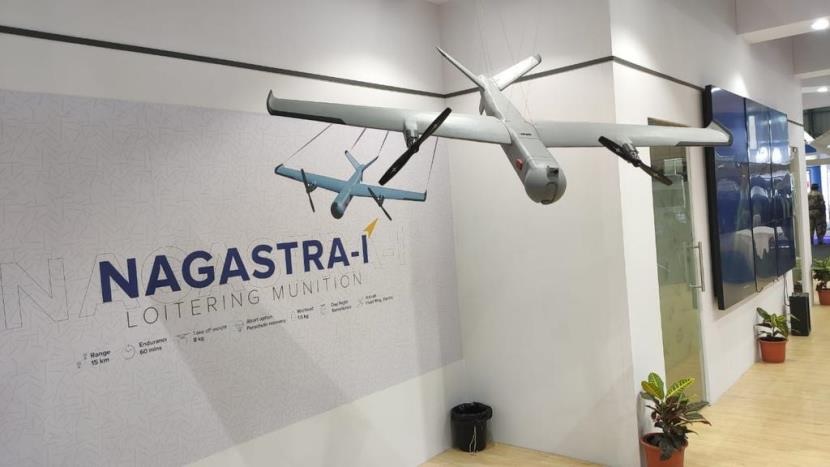
India
The Indian Army has inducted the Nagastra-1, a locally developed loitering munition by Solar Industries, Nagpur. This advanced UAV offers precision strikes with GPS-enabled accuracy and silent operation, enhancing battlefield capabilities for infantry troops.The Indian Army has taken delivery of the Nagastra-1, India’s first indigenous loitering munition developed by Solar Industries, Nagpur. This man-portable, fixed-wing electric UAV is designed for precision strikes in 'kamikaze mode', allowing it to neutralize threats with high accuracy.Key Features of Nagastra-11. Precision Strike Capability: The Nagastra-1 is equipped with GPS-enabled targeting, ensuring a strike accuracy of 2 meters. This precision is critical for neutralizing hostile threats effectively.2. Operational Range and Endurance: The UAV has a man-in-loop operational range of 15 kilometers and can autonomously reach targets up to 30 kilometers away. It boasts an endurance of 30 minutes, making it suitable for various mission profiles.3. Portability and Flexibility: Weighing just 9 kilograms, the Nagastra-1 is easily portable and can be carried by infantry troops on foot. This enhances the flexibility and mobility of ground forces, allowing them to deploy the UAV in diverse operational environments.4. Stealth Capabilities: Its electric propulsion system provides a low acoustic signature, rendering it virtually undetectable by enemies when operating at altitudes over 200 meters. This stealth feature is crucial for maintaining the element of surprise.5. Ease of Use: Designed with user-friendliness in mind, the Nagastra-1 can be quickly deployed by troops with minimal training. This ensures that even in the heat of battle, the UAV can be effectively used to deliver precise strikes.Advantages on the BattlefieldThe Nagastra-1 offers several strategic advantages:Enhanced Precision: With GPS-enabled targeting, the UAV can deliver strikes with exceptional accuracy, minimizing collateral damage and maximizing mission success.Silent Operation: The electric propulsion system allows for silent operation, reducing the likelihood of detection by the enemy.Extended Range: The combination of a man-in-loop range of 15 km and an autonomous mode range of 30 km provides flexibility for different mission needs.Portability: The lightweight design makes it easy for infantry units to carry and deploy, adding a new dimension to their operational capabilities.ConclusionThe induction of the Nagastra-1 into the Indian Army represents a significant advancement in India’s defense capabilities. Developed by Solar Industries, this indigenous loitering munition combines precision, stealth, and ease of use, making it a valuable asset for infantry troops. With the ability to deliver accurate strikes over extended ranges, the Nagastra-1 enhances the Indian Army’s operational effectiveness and flexibility on the battlefield.
Read More → Posted on 2024-06-14 15:47:48Search
Top Trending in 24 Hours
-
 Tulsi Gabbard Releases Declassified Files Detailing U.S.-Backed Network of 120 Biolaboratories Across 30+ Countries
-
 Dassault Seeks Compensation From Airbus as Eurodrone Dispute Erupts After FCAS Collapse
-
 AM General Unveils Next-Generation UGV and JLTV A2 with Counter-Drone Systems at Eurosatory 2026
-
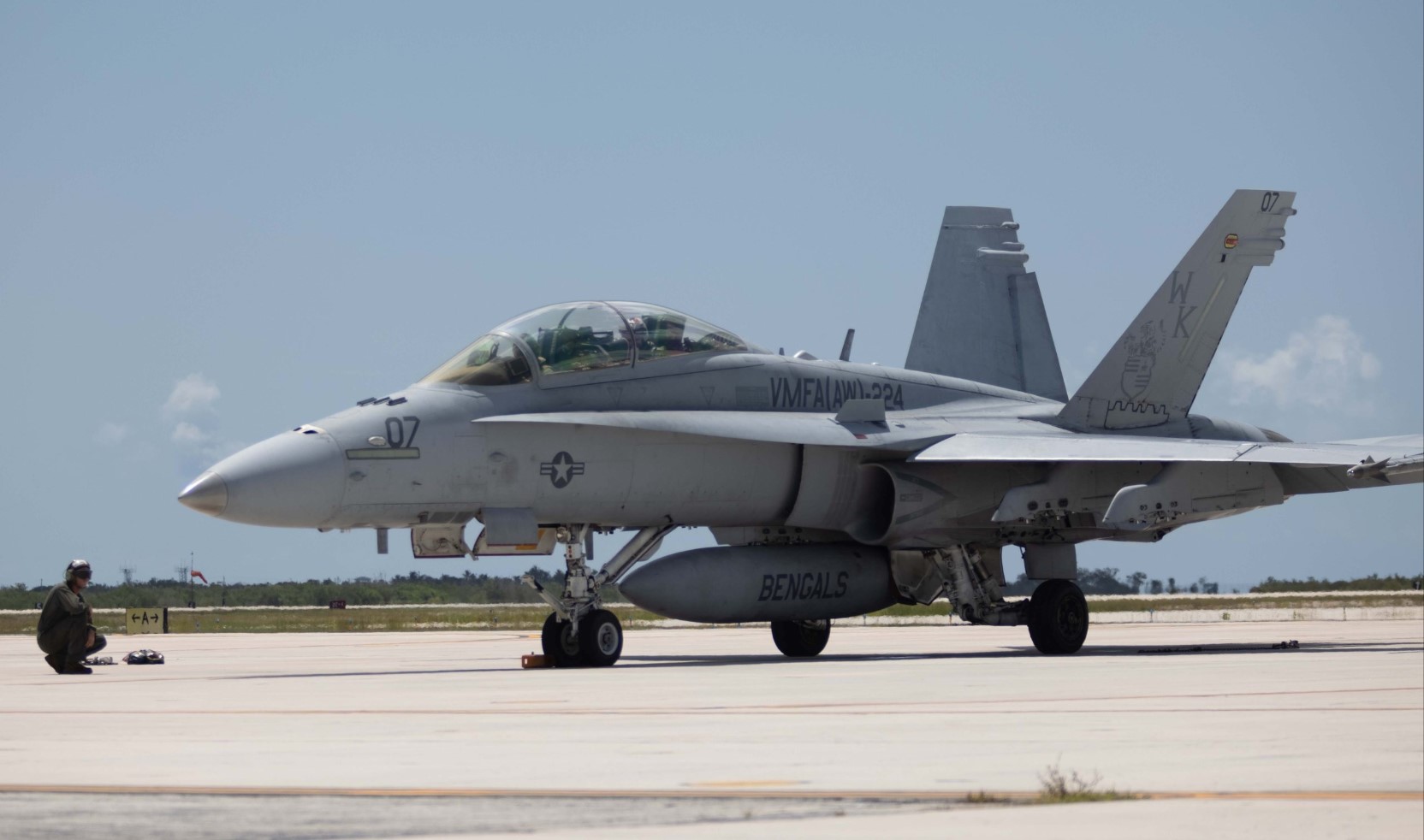 US Marine Corps F/A-18D Hornet Crashes During Training Flight in Washington Mountains; Pilot Ejects Safely
-
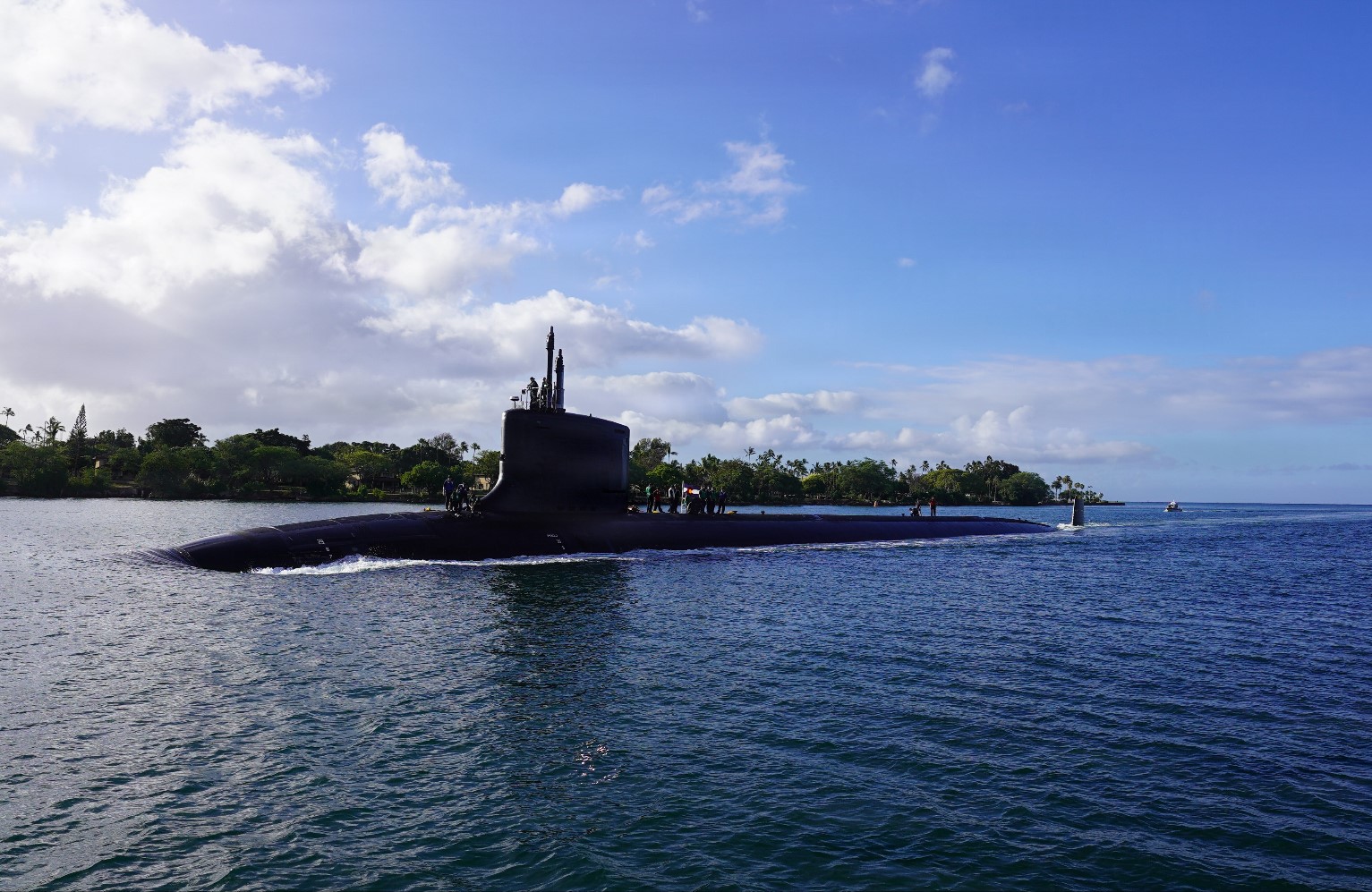 U.S. Navy's USS Colorado Submarine Returns to Pacific Fleet 29 Days Early After Major Pearl Harbor Overhaul
-
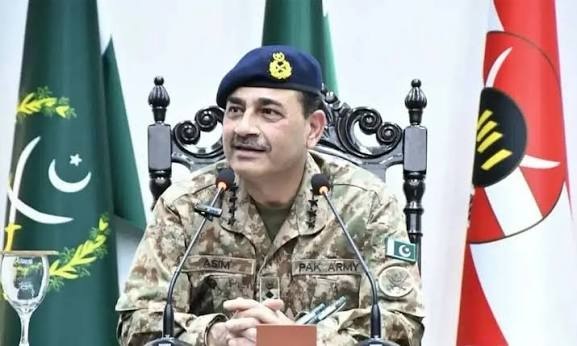 Pakistan Raises Defence Budget from $9 Billion to $10.8 Billion as J-35 Fighter and Hangor Submarine Programs Advance
-
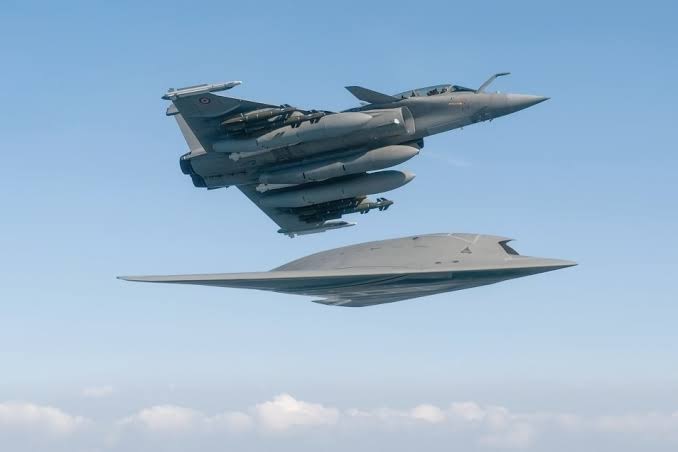 France Agrees to Equip Future Indian Rafales with AI, MUM-T and Secure Satellite Links Under F5 Standard
-
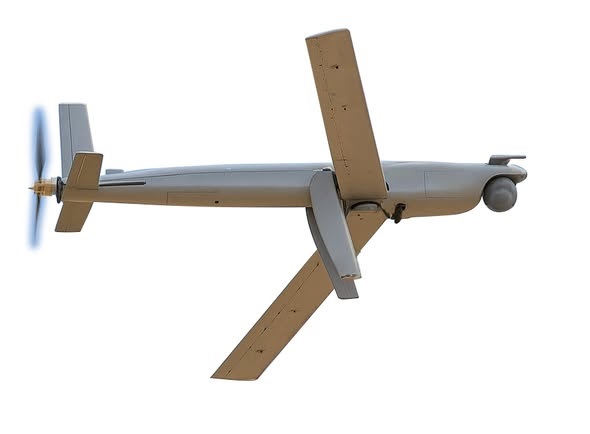 Elbit Systems and Diehl Defence Partner to Offer SkyStriker Loitering Munition to German Armed Forces
Top Trending in 4 Days
-
 Iranian Media Leaks 14-Point U.S.-Iran Peace Framework Amid Ongoing Negotiations
-
 US Plans Significant Reduction of Fighter Jets and Warships for NATO Operations in Europe
-
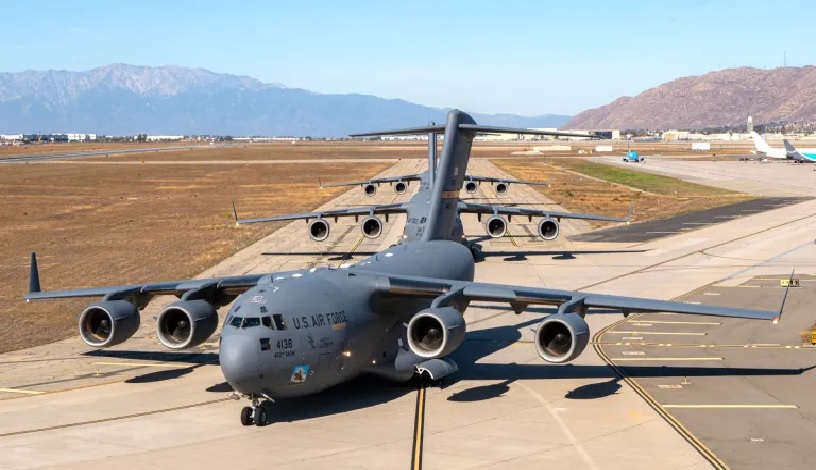 U.S. Air Force Faces Strategic Airlift Shortfall as C-17 Production Restart Remains Uncertain
-
 NATO Commander Says Russia Not Seeking Conflict With Alliance Despite U.S. Force Reductions
-
 F-35 Fleet Readiness Falls to 25% Amid Parts Shortages and Software Delays: GAO Report
-
 Russian Defense Firm ZALA Unveils KAMA Unmanned Surface Vessel Family at FLOT-2026 Naval Exhibition
-
 U.S. Space Force Awards $437.7 Million Contracts for First PTS-G Swarm 1 Anti-Jam Satellites
-
 India Successfully Conducts AD-1, AD-2 Interceptor Tests and Maiden NASM-MR Flight Trial