
India
India seeks nine decommissioned Jaguar aircraft and spare parts from the UK to address IAF attrition issues and maintain operational capabilities.The Indian Ministry of Defence has officially requested the transfer of nine retired Jaguar aircraft from the United Kingdom. This request, which also includes a substantial number of spare parts, is aimed at addressing attrition issues within the Indian Air Force (IAF). The Jaguars play a crucial role in the IAF's deep penetration strike and tactical reconnaissance missions. Additionally, some of these aircraft have been modified for maritime operations, equipped with anti-ship missiles.Details of the RequestThe IAF is specifically seeking five single-seater GR-1 and four twin-seat T-2 Jaguar variants. Alongside the aircraft, approximately 150 different types of spare parts are also requested. If the deal is finalized, the transfer will be facilitated by the UK's Defence Equipment Sales Authority. The aircraft and parts will be shipped to Air Force Station Ambala, which currently houses two Jaguar squadrons.Background and SignificanceThis acquisition follows a similar procurement strategy from France, where India acquired 31 decommissioned airframes, engines, and spare parts as part of the Rafale fighter jet offset agreement. The French airframes were primarily intended for cannibalization to maintain the serviceability of the existing Jaguar fleet.The Jaguar aircraft, which are no longer in production, are currently only operated by the IAF. Other countries, including France, the UK, Oman, Nigeria, and Ecuador, have retired their fleets. India originally imported 40 Jaguar aircraft from the UK in 1979 and subsequently produced 150 under license by Hindustan Aeronautics Limited. Currently, the IAF operates approximately 115 Jaguars, but the fleet faces significant serviceability challenges due to the obsolescence of parts.Modernization EffortsTo address these challenges, the IAF has undertaken a comprehensive modernization program over the past decade. This program includes upgrading the Jaguars with the DARIN-III advanced navigation and attack avionics suite. Additionally, there are projects underway to integrate new-generation close combat air-to-air missiles, transport platforms, cruise missiles, and UAVs. These upgrades aim to extend the operational lifespan of the Jaguar fleet by approximately 15 more years.ConclusionWhile acquiring decommissioned Jaguars provides a temporary solution to the issues of attrition and spare parts shortages, it highlights the need for the IAF to accelerate its modernization efforts. Transitioning to newer platforms will be crucial to maintaining operational capabilities in the long term.
Read More → Posted on 2024-06-20 15:28:52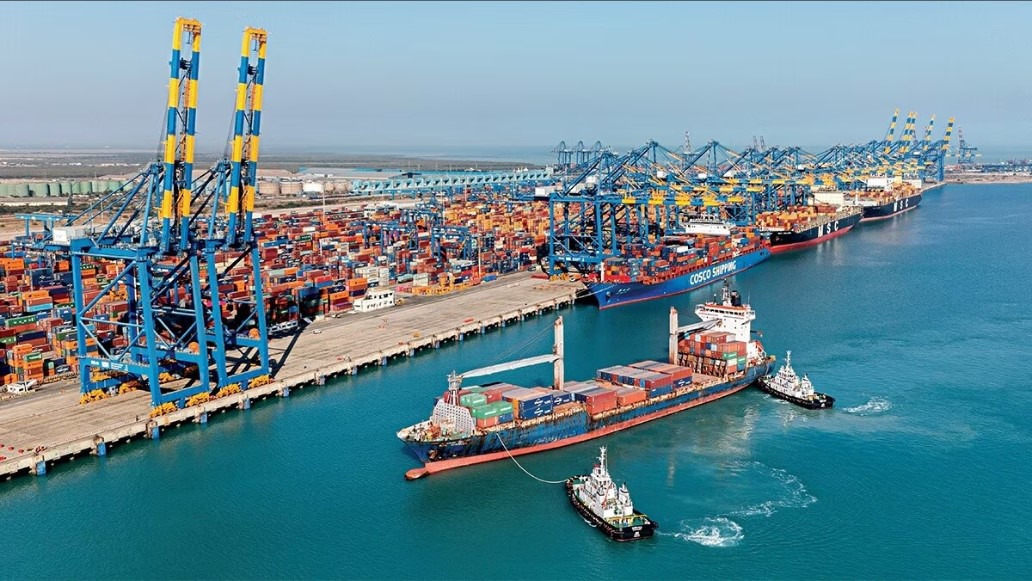
India
Four Adani Ports have ranked in the top 100 of the Container Port Performance Index 2023, showcasing their operational excellence. APSEZ also received high marks from CDP for its climate and ESG efforts.Adani Ports and Special Economic Zone Limited (APSEZ) announced on Wednesday that four of its ports have been listed in the prestigious 'Container Port Performance (CPP) Index 2023', developed by the World Bank and S&P Global Market Intelligence. This index is a significant benchmark that evaluates port performance based on parameters like productivity, efficiency, and reliability. Mundra port achieved the highest ranking among the APSEZ ports, securing the 27th position. Kattupalli, Hazira, and Krishnapatnam ports were ranked 57th, 68th, and 71st respectively in the top 100 list. Ashwani Gupta, CEO and Whole Time Director of APSEZ, expressed pride in this achievement, stating, "It reaffirms our position as a key player in the global container port industry. This accomplishment is a testament to the hard work and dedication of our team as well as our ongoing commitment to deliver exceptional service to our customers."The CPP Index is widely regarded in the industry as a reference point for national governments, port authorities, development agencies, supra-national organizations, and private operators in trade, logistics, and supply chain services. In total, nine ports from India made it to the top 100 list, with four of them being part of the Adani portfolio. This underscores APSEZ's commitment to operational efficiency and world-class service standards.Furthermore, Adani Ports was recently recognized by CDP (formerly the Carbon Disclosure Project) for its outstanding efforts in tackling climate change and implementing best Environmental, Social, and Governance (ESG) practices. The global non-profit organization assigned APSEZ a leadership band "A-" in both climate change and supplier engagement.Adani Ports operates seven strategically located ports and terminals on the western coast and eight ports and terminals on the eastern coast of India. These ports handle 27 percent of the country's total port volumes, highlighting APSEZ's significant role in the Indian maritime sector.
Read More → Posted on 2024-06-20 12:13:32
India
A US Congressional delegation led by Michael McCaul met with the Dalai Lama, where Nancy Pelosi criticized Chinese President Xi Jinping, emphasizing the enduring legacy of the Tibetan spiritual leader. The visit highlights ongoing US support for Tibetan autonomy amid rising tensions with China.Dharamshala, Himachal Pradesh – A high-powered bipartisan delegation from the US Congress, led by US House Foreign Affairs Committee Chairman Michael McCaul, met with the Dalai Lama on Wednesday. The delegation included notable figures such as former US House Speaker Nancy Pelosi, now Speaker Emerita, and Congressional members Mariannette Miller, Gregory Meeks, Nicole Malliotakis, Jim McGovern, and Ami Bera.During the visit, Pelosi delivered a strongly-worded statement about Chinese President Xi Jinping, asserting that while the Dalai Lama's legacy would endure, Xi's contributions would be forgotten. "His Holiness Dalai Lama, with his message of knowledge, tradition, compassion, purity of soul, and love, will live a long time, and his legacy will live forever. But you, the President of China, you’ll be gone and nobody will give you credit for anything," Pelosi stated.Pelosi acknowledged that the Dalai Lama might not approve of her critical remarks towards the Chinese government, noting, "When I criticize the Chinese government, he says, let’s pray for Nancy to rid her of her negative attitudes."US Representative Gregory Meeks echoed Pelosi's sentiments, emphasizing the importance of Tibetan freedom. "China can express unhappiness if it wants to. We are going to stand for what is right. What is right is to make sure that Tibetans have freedom. They are able to return to their native land and keep their culture and history," Meeks said.The delegation’s visit is one of the most significant US delegations to meet with the Dalai Lama in recent years, highlighting the ongoing US support for Tibet. Last week, the US Congress passed the 'Promoting a Resolution to the Tibet-China Dispute Act,' also known as the 'Resolve Tibet Act.' This bill urges Beijing to re-engage with the Dalai Lama and other Tibetan leaders to resolve their dispute over Tibet peacefully. The bill, having passed the House of Representatives, now awaits President Joe Biden's signature to become law.Pelosi elaborated on the significance of the bill, stating, "This Bill is a message to the Chinese Government that we have clarity in our thinking and understanding of this issue of the freedom of Tibet." She added, "Things have changed now, get ready for that."McCaul reaffirmed American support for Tibetan self-determination and revealed that the delegation had received a warning letter from the Chinese Communist Party before their visit. "Just this week our delegation received a letter from the Chinese Communist Party, warning us not to come here… but we did not let the CCP intimidate us for we are here today," McCaul said.The Chinese Embassy in New Delhi reacted sharply to the delegation’s visit, urging the US to recognize Tibet (referred to as Xizang by China) as part of China. The Embassy's spokesperson stated, "China will take resolute measures to firmly defend its sovereignty, security, and development interests."China has consistently labeled the Dalai Lama as a political exile involved in anti-China separatist activities. The Chinese Embassy spokesperson reiterated this stance, urging the US to recognize the "anti-China separatist nature of the Dalai group" and honor its commitments regarding Tibet.This visit underscores the ongoing tension between the US and China over Tibet, highlighting the international community's continued interest in the region's autonomy and human rights situation.
Read More → Posted on 2024-06-20 12:11:34
India
India is set to enter the semiconductor manufacturing industry by 2025, focusing on the 28nm technology node. This move aims to boost domestic production, create jobs, and reduce dependency on imports.India, long known for its rich engineering talent, has historically been on the fringes of global semiconductor manufacturing. However, the nation is poised to enter the semiconductor market by establishing its own chip-making capabilities by 2025. A critical decision for this endeavor is selecting the right nanometer (nm) technology to serve as the foundation for India's semiconductor industry.Why 28nm Technology?Industry experts widely recommend the 28nm node as the ideal starting point for India’s semiconductor ambitions. This technology is mature, versatile, and finds applications across various sectors such as automotive, consumer electronics, aerospace, and defense.Anurag Awasthi, Vice President of the India Electronics and Semiconductor Association (IESA), emphasizes the potential of 28nm chips, highlighting their maturity and capability for diverse applications. He notes the strong domestic demand for products leveraging this technology, aligning with IESA's projection of a $100 billion Indian semiconductor market by 2030.Satya Gupta, President of VLSI Society, underscores the commercial viability of the 28nm node, noting its significant role in the global foundry market. He also points out the geopolitical advantages of this technology, such as the reduced risk of denial of access compared to more advanced nodes that rely on restricted equipment.**Danish Faruqui**, CEO of Fab Economics, supports the 28nm node as a suitable entry point, advocating for multiple fabs utilizing the same node platform to create synergies and propel the ecosystem toward more advanced technologies. He also advises against limiting India's focus to a single node, suggesting a diversified fab portfolio to meet varied demands.Government Initiatives and InvestmentsIndia's government is offering significant subsidies and has shown a high level of commitment to semiconductor manufacturing. For instance, the government has allocated over ₹1.25 lakh crore (approximately $15 billion) for setting up three new semiconductor plants. These facilities, located in Gujarat and Assam, are expected to generate substantial employment and foster technological advancements.One of the key projects is the Tata Electronics Private Limited (TEPL) partnership with Taiwan's Powerchip Semiconductor Manufacturing Corporation (PSMC) to establish a fabrication facility in Dholera, Gujarat. This plant aims to start producing 28nm chips by the end of 2026 and potentially 22nm chips in the future.Additionally, the Micron Technology project in Sanand, Gujarat, will further enhance India's semiconductor capabilities by producing D-RAM and Nand products, supported by significant fiscal incentives from both the central and state governments.Benefits and ChallengesEntering semiconductor manufacturing offers several potential benefits for India. It can enhance manufacturing capacity for export-oriented components, strengthen India's position in global semiconductor value chains, and localize the electronics supply chain. This move can also reduce dependency on imports for critical infrastructure like defense and power.However, challenges remain, such as the need for robust infrastructure and overcoming the lack of legacy in the semiconductor business. To address these challenges, industry experts recommend focusing on the 28nm node and potentially acquiring existing foundries to jump-start manufacturing.ConclusionIndia's strategic entry into semiconductor manufacturing through 28nm technology is a significant step towards becoming a major player in the global semiconductor industry. With favorable subsidies, strong government commitment, and a growing domestic market, India has the potential to enhance its position in the semiconductor value chain and reduce its dependency on imports.
Read More → Posted on 2024-06-20 12:00:05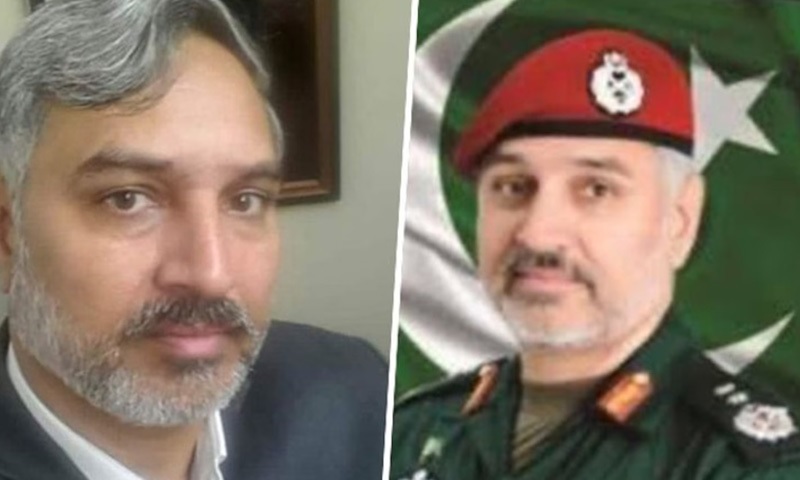
India
The assassination of retired Brigadier Amir Hamza in Pakistan highlights a troubling pattern of targeted killings of ISI operatives involved in attacks against India, raising concerns about internal security and factional conflicts.Retired Brigadier Amir Hamza, a prominent figure within Pakistan's Inter-Services Intelligence (ISI) agency, was assassinated on Monday in a targeted attack in Jhelum district, Punjab province. Hamza, known for his involvement in ISI operations against India, was ambushed by four unidentified gunmen while traveling with his wife and daughter.The attack occurred at the Lilla interchange, where the assailants, riding on two motorcycles, cornered Hamza's vehicle and opened fire. Hamza was pronounced dead at the scene, while his wife and daughter sustained injuries. According to local police, the attackers did not steal any belongings, indicating the motive was targeted killing rather than robbery.Hamza had a significant history within the ISI. He was allegedly one of the masterminds behind the 2018 attack on the Sunjwan Army camp in Jammu and Kashmir, India. This attack resulted in the deaths of six Indian soldiers and injuries to twelve others. Following his retirement, Hamza held key supervisory posts, with his last position being the director general of the Emergency Services Academy (1122).The police have launched an investigation into Hamza's assassination, describing it as a "blind murder case." Hamza's brother, Ayub, who was following the car on a motorcycle, witnessed the incident. Local authorities have registered a case and are probing into the targeted attack.Hamza's killing marks the elimination of the second Pakistani involved in the Sunjwan attack. Last November, Lashkar-e-Taiba (LeT) commander Khwaja Shahid, also known as Mia Muajhid, was found beheaded near the Line of Control (LoC) in Pakistan-occupied Kashmir (PoK).This incident is the latest in a series of targeted killings of Pakistani individuals associated with the ISI and implicated in attacks against India. In April, Amir Sarfaraz, another high-ranking ISI operative, was killed by unidentified gunmen in Lahore. Similarly, Adnan Ahmed, a top Lashkar-e-Taiba commander responsible for a series of attacks on security convoys in Jammu and Kashmir, was gunned down in Karachi last December. In October last year, Jaish-e-Muhammed terrorist Shahid Latif, who was the chief handler of the suicide squad that attacked the Pulwama air base in 2016, was killed in Sialkot.The pattern of these targeted killings raises concerns about the internal security situation within Pakistan and the potential for factional conflicts within the intelligence community. The consistent elimination of key ISI operatives involved in high-profile attacks against India suggests a coordinated effort to dismantle the network of individuals responsible for cross-border terrorism.Pakistani authorities are under pressure to address these security breaches and investigate the underlying causes of these assassinations. The recurring nature of these incidents highlights the challenges faced by Pakistan's intelligence and security apparatus in maintaining control and stability within the country.
Read More → Posted on 2024-06-20 11:50:10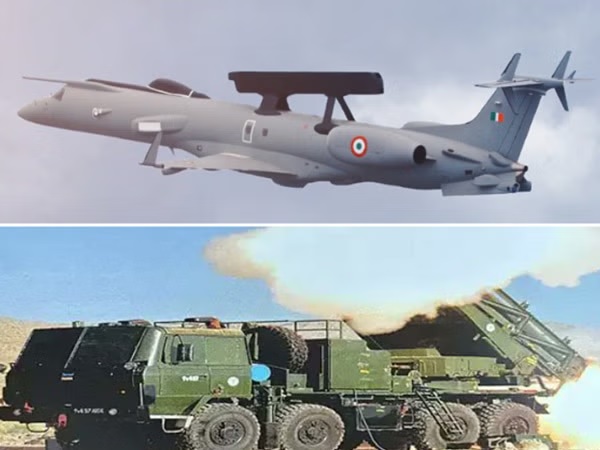
India
India's indigenous military technologies, including the Netra AEW&C aircraft and Pinaka rocket launcher systems, attract global interest at Eurosatory 2024, highlighting the nation's growing defense export capabilities.At the Eurosatory 2024 Defence Show in Paris, India's homegrown military technologies have captured the interest of European and Southeast Asian countries. Among the prominent systems on display at the India pavilion are the Netra Airborne Early Warning and Control (AEW&C) aircraft and the Pinaka multi-barrel rocket launcher (MBRL) systems. These advanced technologies are attracting potential buyers, reflecting India's growing capabilities in defense manufacturing and exports.A defense official revealed that several European and Southeast Asian nations have shown interest in acquiring the Netra AEW&C aircraft and Pinaka rocket launcher systems. The Netra AEW&C, developed by the Centre for Airborne Systems, is already in service with the Indian Air Force, providing extensive coverage of adversarial activities along India's western and northern borders. The Indian forces are set to receive 12 more of these airborne systems in various configurations.The Pinaka MBRL system, developed by the Defence Research and Development Organisation (DRDO) and manufactured by private and public sector firms, has also piqued the interest of European countries. This system has already been exported to nations like Armenia. Notable private sector companies involved in the Pinaka project include Larsen & Toubro, Tata Defence, and Economic Explosives Limited. The Indian Army plans to acquire 23 regiments of the Pinaka MBRL as part of its broader artillery modernization strategy.India's efforts to promote defense exports have been fruitful, with a record Rs 21,083 crore (approximately USD 2.63 billion) in exports during the Financial Year 2023-24. This represents a 32.5% increase over the previous fiscal year's figure of Rs 15,920 crore. Over the past decade, defense exports have grown 31 times compared to 2013-14 levels.Indian defense companies have successfully secured international customers for various indigenous systems, with Armenia being a notable example. Armenia has ordered multiple systems amid its ongoing tensions with Azerbaijan, showcasing the global trust in Indian defense technology.
Read More → Posted on 2024-06-20 11:27:33
India
ADIA acquires a 1.44% stake in Paras Defence and Space Technologies, underscoring foreign interest in India's growing defense sector.In a significant development for the Indian defense sector, the Abu Dhabi Investment Authority (ADIA) has acquired a 1.44% stake in Paras Defence and Space Technologies (PDST). The transaction, which took place on June 14, 2024, marks a strategic investment by the UAE's sovereign wealth fund into India's burgeoning defense market.Paras Defence and Space Technologies, a notable player in the private defense sector, is involved in the design, development, manufacturing, and testing of a wide range of defense and space engineering products and solutions. The company's expertise and innovative approach have positioned it as a key contributor to India's defense capabilities.This acquisition highlights the increasing attractiveness of the Indian defense sector to foreign investors. Paras Defence has shown robust financial performance, with projections of annual revenue growth between 25% and 30%. This strong financial outlook, coupled with the Indian government's push for self-reliance in defense manufacturing, makes the company an appealing investment.Moreover, Paras Defence’s involvement in space engineering aligns with the growing global interest in space exploration and defense applications. This could present future collaboration opportunities, further enhancing the strategic value of ADIA's investment.The move by ADIA is seen as a strategic effort to gain a foothold in the rapidly growing Indian defense market, which is expected to expand significantly in the coming years due to increased defense spending and initiatives aimed at boosting domestic production capabilities.
Read More → Posted on 2024-06-19 15:54:51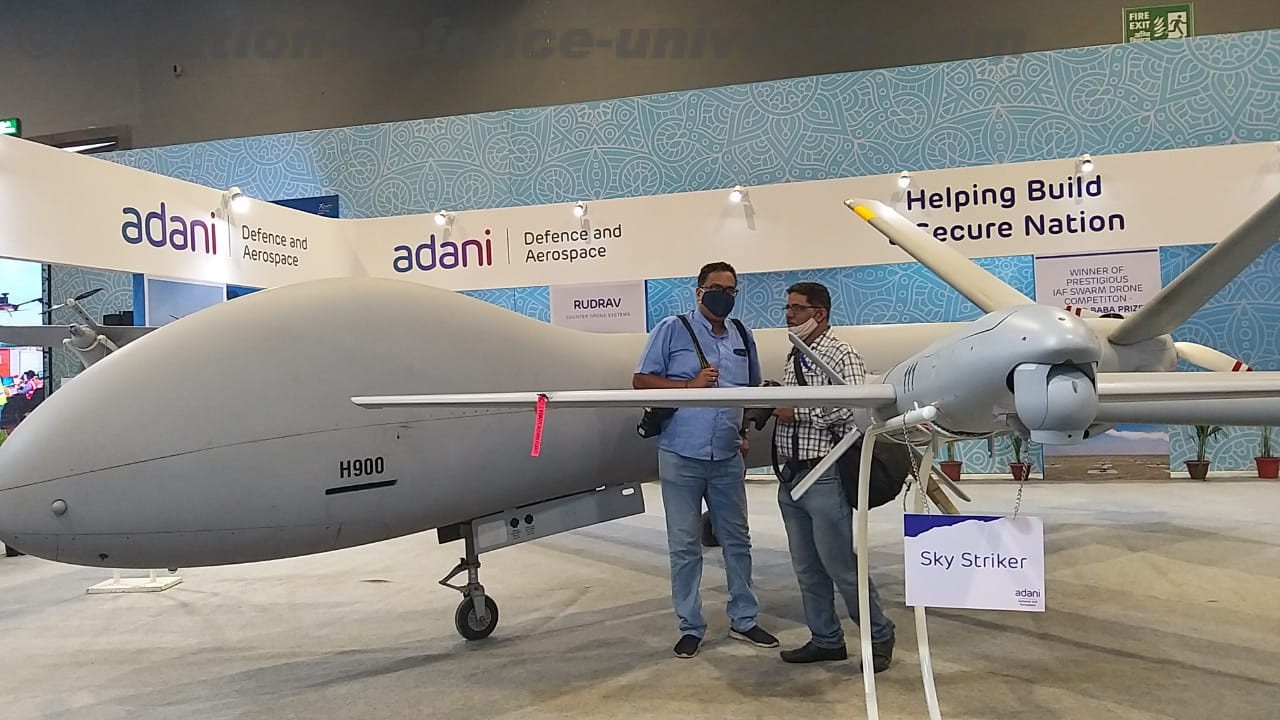
India
The Adani Group plans to invest $2-2.5 billion in defence sector acquisitions over the next few years, focusing on drone technology and advanced defence systems to enhance its technological capabilities.The Adani Group has announced plans to invest $2-2.5 billion in acquisitions within the defence sector over the next 2-3 years. This substantial investment aims to enhance the company's technological capabilities, with a particular focus on drone technology companies based in Bengaluru and Hyderabad. These companies specialize in reconnaissance technologies suitable for use in hostile environments.Negotiations are currently underway with several drone technology firms, and a deal is expected to be finalized in the coming months. By acquiring these firms, the Adani Group aims to bridge the gap in advanced technologies and bolster its capabilities in the defence sector.In 2022, the Adani Group acquired Alpha Design Technologies, a Bengaluru-based firm that serves the aerospace sector. This acquisition significantly enhanced Adani's technological portfolio. In May of the following year, the Indian Space Research Organisation (ISRO) transferred the IMS-1 Satellite Bus Technology to Alpha Design Technologies. This transfer was part of an initiative by ISRO's commercial arm, NewSpace India Limited (NSIL), to collaborate with private players through an Interest Exploratory Note (IEN).Additionally, the Adani Group has collaborated with the Defence Research and Development Organisation (DRDO) on various projects, including the development of naval anti-ship missiles. Earlier this month, Adani Defence & Aerospace entered into a strategic partnership with EDGE Group, a leading advanced technology and defence group from the UAE. This collaboration focuses on combining expertise in missiles, weapons, unmanned platforms, and cyber systems. The agreement also explores the establishment of research and development facilities in India, the UAE, and other global markets to drive technological advancements in the defence sector.The Adani Group has also invested in an ammunition factory in Kanpur and has plans to establish counter-drone and missile facilities in Telangana. These initiatives are part of Adani's broader strategy to enhance its technological capabilities, with an emphasis on unmanned systems, small arms, missiles, and indigenous artillery guns.In January, Adani Defence & Aerospace achieved a significant milestone by unveiling the Drishti 10 Starliner Unmanned Aerial Vehicle (UAV). This advanced intelligence, surveillance, and reconnaissance (ISR) platform can fly continuously for up to 36 hours, showcasing Adani's commitment to developing cutting-edge defence technologies.With these strategic investments and collaborations, the Adani Group is poised to play a significant role in advancing India's defence capabilities and positioning itself as a key player in the global defence industry.
Read More → Posted on 2024-06-19 15:13:40
NCERT Remove 'Azad Kashmir,' Emphasizes 'Chinese Aggression' in Class 12 Political Science Textbooks
India
NCERT has revised its Class 12 Political Science textbooks, highlighting Chinese aggression on the Indian border and renaming "Azad Kashmir" to "Pakistan-occupied Jammu and Kashmir (POJK)." The updates also acknowledge the abrogation of Article 370 in August 2019.The National Council of Educational Research and Training (NCERT) has revised its Class 12 Political Science textbooks for the upcoming academic year. These changes include significant updates on India's relationship with China and the status of Jammu and Kashmir.Highlighting Chinese AggressionIn the "Contemporary World Politics" chapter, the description of India's border situation with China has been modified. The previous phrase, "military conflict over a border dispute," has been replaced with "Chinese aggression on the Indian border." This change reflects the growing tensions and recent clashes between India and China, particularly in areas like the Galwan Valley and Pangong Lake in Eastern Ladakh.Renaming Azad KashmirThe textbook "Politics in India since Independence" has also seen notable revisions. The term "Azad Kashmir" has been replaced with "Pakistan-occupied Jammu and Kashmir (POJK)." This aligns with the Indian government's official stance on the region. The previous description, which mentioned Pakistan describing the area as "Azad Kashmir," now reads, "However, it is Indian territory under illegal occupation by Pakistan called Pakistan-occupied Jammu and Kashmir (POJK)." This change underscores India's claim over the region and highlights the ongoing territorial dispute.Abrogation of Article 370The updated textbooks now explicitly mention the abrogation of Article 370, which granted special status to Jammu and Kashmir. A new sentence has been added to the section on special provisions for certain states: "Article 370, which contains special provisions for J&K, was abrogated in August 2019." This update reflects the significant political shift that occurred with the Indian government's decision to revoke the special status of Jammu and Kashmir, integrating it more fully into the Indian Union.Additional ContextThese changes in the NCERT textbooks come amid broader geopolitical and domestic developments. The India-China border tensions have been a focal point of India's foreign policy, with numerous diplomatic and military engagements aimed at resolving the disputes. Similarly, the abrogation of Article 370 has been a contentious issue within India, with significant political, social, and economic implications for the region of Jammu and Kashmir.The revisions aim to provide students with a more current and government-aligned perspective on these critical issues, ensuring that educational content reflects the latest developments and official positions.
Read More → Posted on 2024-06-19 15:06:36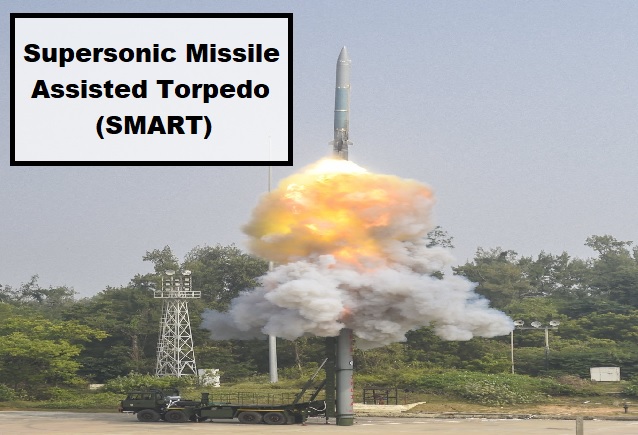
India
The UK Ministry of Defence is seeking a new Long Range Anti-Submarine Warfare weapon for the Royal Navy's Type 26 frigates, aiming to enhance ASW capabilities. This initiative aligns with the UK's Defence and Security Industrial Strategy and may involve international collaborations.The UK Ministry of Defence (MoD) has recently announced its search for a new Long Range Anti-Submarine Warfare (LRAW) weapon for the Royal Navy. This initiative aims to enhance the anti-submarine warfare (ASW) capabilities of the Royal Navy's Type 26 frigates, known for their advanced design and versatility.Key Requirements for the LRAWThe MoD has outlined several key requirements for the new LRAW system:1. Extended Range: The weapon must have a significantly greater range than current and projected threat heavyweight torpedoes, ensuring a strategic advantage in ASW operations.2. Versatility: It should be interchangeable, capable of quick-reaction, all-weather operation, and able to deliver lightweight torpedoes from the Mk41 Vertical Launching Systems (VLS) aboard Type 26 frigates.3. Compatibility: The system must work seamlessly with existing UK lightweight torpedoes and be deployable from any platform equipped with the Mk41 VLS.4. Integration: The weapon must integrate smoothly with Royal Navy combat or sonar systems and adhere to 'Secure by Design' principles to ensure robust cybersecurity measures.Potential SolutionsOne promising solution is the Vertical Launch Anti-Submarine Rocket (ASROC) missile, currently used by the U.S. Navy. The ASROC system offers a proven, all-weather, quick-reaction, stand-off anti-submarine capability and is compatible with the Mk41 VLS. This system could meet the Royal Navy's requirements while leveraging existing technology.Comparative DevelopmentsIndia's Defence Research and Development Organisation (DRDO) has developed a similar system known as the Supersonic Missile Assisted Release of Torpedo (SMART). This system uses missile technology to deliver lightweight torpedoes at extended ranges, enhancing India's ASW capabilities. The similarities between SMART and the proposed LRAW highlight potential avenues for international collaboration, which could benefit both nations by sharing expertise and technological advancements.Strategic ImplicationsThe development of the LRAW aligns with the UK's Defence and Security Industrial Strategy (DSIS), which emphasizes the importance of modernizing defense capabilities and fostering relationships with the defense industry. The Royal Navy's pursuit of a new ASW weapon demonstrates its commitment to maintaining maritime security and enhancing its operational capabilities.The MoD has issued a Request for Information (RFI), inviting industry partners to provide insights and potential solutions. While this RFI is not a formal bidding opportunity, it marks a significant step towards procuring a next-generation ASW weapon system that will bolster the Royal Navy's defensive and offensive capabilities against submarine threats.As the Royal Navy progresses with this initiative, potential collaborations with countries like India could lead to shared technological advancements, enhancing global maritime security.ConclusionThe UK Ministry of Defence's search for a new Long Range Anti-Submarine Warfare weapon underscores the ongoing efforts to modernize the Royal Navy's capabilities. By seeking advanced solutions like the ASROC missile and exploring international collaborations, the Royal Navy aims to maintain a strategic edge in ASW operations, ensuring the security of its maritime borders and global interests.
Read More → Posted on 2024-06-19 10:26:01
India
Manipur is facing heightened tensions after a youth was gunned down and a CRPF bus was torched by mobs, prompting increased security measures and curfews. The government is taking steps to prevent further violence.In recent incidents highlighting the escalating tensions in Manipur, a youth was gunned down by unidentified assailants in the Imphal West district, and a bus carrying Central Reserve Police Force (CRPF) personnel was stopped and torched by a mob in the Kangpokpi district. These events have raised concerns about the stability and safety in the region.Incident DetailsYouth Gunned Down in Imphal WestOn Tuesday, a youth was found dead in the Meijao Mamang Leikai area of Imphal West district. According to a police official, the victim had a bullet wound on the back of the head. The identity of the assailants remains unknown, and the police are currently investigating the incident. This murder has further aggravated the already tense atmosphere in the region.CRPF Bus Torched in KangpokpiIn a separate incident, on Monday night, a bus carrying CRPF personnel was stopped by a 200-strong mob, including women, at Kangpokpi Bazaar in Kangpokpi district. The mob blocked the road and subsequently torched the bus. Fortunately, no one was injured in this attack. A case has been registered against unknown individuals involved in this act of arson.Reinforcements and Security MeasuresIn response to these incidents, reinforcements of the Central Armed Police Forces (CAPF), including CRPF and Border Security Force (BSF), have been deployed to Manipur. These forces are returning from election duties in various parts of the country and are now focusing on stabilizing the situation in the state.Curfew Relaxation in JiribamIn Jiribam district, which borders southern Assam, the situation has shown slight improvement. The district administration has relaxed the indefinite curfew for four and a half hours from 9 a.m. on Wednesday. The curfew was initially imposed following the killing of 59-year-old farmer Soibam Saratkumar Singh on June 6. The murder led to a mass displacement of around 900 tribals from the Kuki and Hmar communities, who sought refuge with relatives and friends in the Cachar district of southern Assam. Meanwhile, approximately 1,000 people, mostly from the Meitei community, are sheltered in seven relief camps in Jiribam.Government ResponseUnion Home Minister Amit Shah chaired a high-level meeting in New Delhi on Monday to review the security situation in Manipur. Shah directed officials to ensure that no further incidents of violence occur in the northeastern state. The government is working to restore peace and stability, but the recent events underscore the challenges in achieving this goal.ConclusionThe recent incidents in Manipur, including the murder of a youth and the torching of a CRPF bus, highlight the ongoing unrest in the region. With reinforcements arriving and government efforts to stabilize the situation, the hope is to restore peace and prevent further violence.
Read More → Posted on 2024-06-19 10:11:27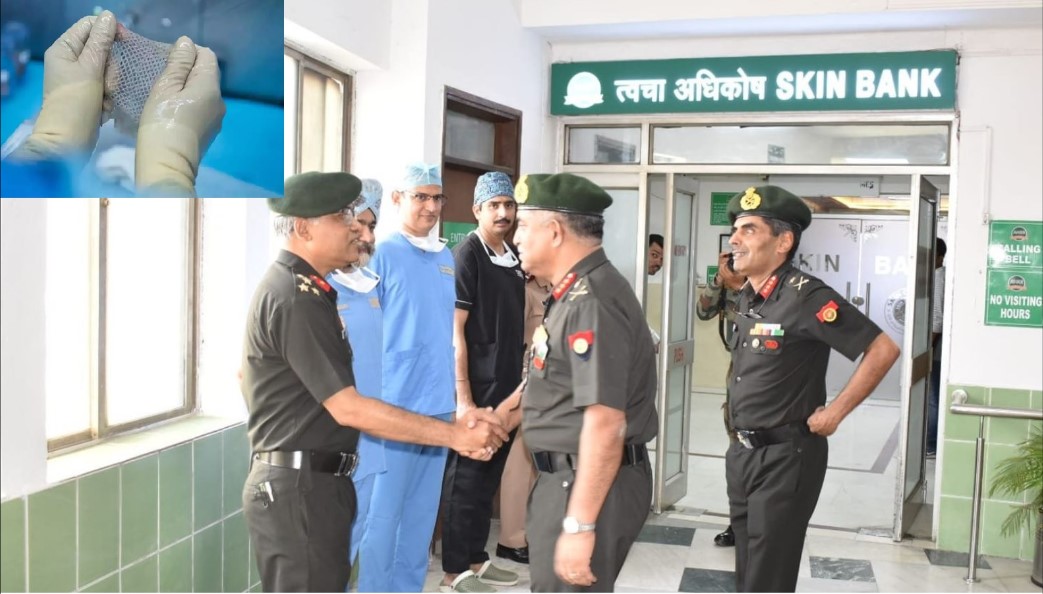
India
The Indian Army has launched a groundbreaking skin bank facility to revolutionize burn injury treatment for service personnel and their families. This pioneering initiative aims to provide advanced skin replacement therapies, ensuring high standards of care and improved recovery outcomes.The Indian Army has launched a pioneering skin bank facility, the first of its kind within the Armed Forces Medical Services, aimed at revolutionizing the treatment of severe burn injuries and other skin-related conditions for service personnel and their families. The facility was announced by the Army Hospital (Research and Referral) and will be staffed by a team of highly-trained medical professionals, including plastic surgeons, tissue engineers, and specialized technicians.According to a statement from the Defence Ministry, the skin bank will serve as a central hub for the collection, processing, storage, and distribution of skin grafts, providing a critical resource for military medical centers across the country. This initiative ensures that service members and their families have access to advanced skin replacement therapies, thereby significantly improving their chances of recovery and rehabilitation.The facility will adhere to the highest standards of quality control and safety, ensuring the integrity and reliability of the skin grafts. Lt Gen Arindam Chatterjee, the Director General of Medical Services (Army) and Colonel Commandant, described the launch as a testament to the unwavering commitment to the health and well-being of service members. He emphasized that the facility will enhance the quality of care and strengthen the support system for those affected by serious injuries.Commandant of the Army Hospital (R&R), Lt Gen Ajith Nilakantan, highlighted the importance of having a dedicated resource for skin tissue. He noted that this would enable the provision of the most effective and personalized treatments to patients, ultimately improving their recovery outcomes.In addition to serving military personnel and their families, the skin bank has the potential to assist civilian patients in the future, as the infrastructure and expertise developed can be leveraged for broader public health benefits. The establishment of this facility represents a significant advancement in medical care within the armed forces, ensuring that those who serve the nation receive the best possible treatment for severe burn injuries and other skin conditions.The launch of the skin bank aligns with the Indian Army's ongoing efforts to enhance medical facilities and provide comprehensive healthcare support to its personnel. This initiative also underscores the importance of collaboration between various medical disciplines, including surgery, tissue engineering, and biotechnology, to achieve improved healthcare outcomes.
Read More → Posted on 2024-06-19 10:05:54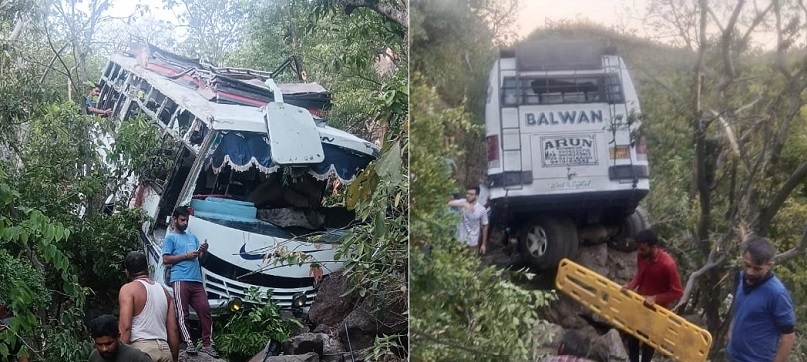
India
Maulvi Deen Saeed, a senior Lashkar-e-Taiba operative and mastermind behind the Reasi terrorist attack, was eliminated by unknown gunmen in Khamrang, Pakistan. This crucial development, shared by Frontalforce on X, marks a significant blow to the terrorist organization.In a significant development in the global fight against terrorism, Maulvi Deen Saeed, a high-ranking member of the terrorist organization Lashkar-e-Taiba (LeT) and the mastermind behind the Reasi terrorist attack, was eliminated by unknown gunmen in Khamrang, Pakistan. Saeed, a relative of India's most wanted terrorist Hafiz Saeed, was a key figure in orchestrating attacks against Indian targets and was considered a major threat to regional stability. This crucial information was shared by Frontalforce on X, the social media platform formerly known as Twitter. The Terrorist Profile: Maulvi Deen SaeedMaulvi Deen Saeed had long been on the radar of international intelligence agencies due to his involvement in several high-profile terrorist activities. As a senior operative of Lashkar-e-Taiba, Saeed was instrumental in planning and executing attacks aimed at destabilizing the region and fomenting violence. His most notorious act was the orchestration of the Reasi terrorist attack in the Jammu and Kashmir region of India, which resulted in significant casualties and widespread fear.Saeed's connection to Hafiz Saeed, the founder of Lashkar-e-Taiba and a globally designated terrorist, further amplified his influence within the organization. Hafiz Saeed has been accused of masterminding the 2008 Mumbai attacks, which left 166 people dead and hundreds injured. The familial tie between the two terrorists underscored the deeply entrenched network of terror that spans across borders and generations.The Reasi Terrorist AttackThe Reasi terrorist attack, which took place in the Reasi district of Jammu and Kashmir, was one of the deadliest in recent years. Lashkar-e-Taiba operatives, under the direction of Maulvi Deen Saeed, carried out a coordinated assault targeting security forces and civilians. The attack was marked by its brutality and precision, aiming to maximize chaos and casualties.The Indian government, in the aftermath of the attack, intensified its efforts to track down and neutralize key LeT operatives. Intelligence agencies worked tirelessly to dismantle the network responsible for the assault, leading to significant arrests and the disruption of several planned attacks.The Elimination in KhamrangThe elimination of Maulvi Deen Saeed in Khamrang, Pakistan, came as a result of an ambush by unknown gunmen. The incident, which took place in the early hours of the morning, saw Saeed targeted while traveling through a remote area. The attackers, whose identities remain unknown, managed to evade capture, leaving behind a scene that has prompted widespread speculation and investigation. This critical update was shared by Frontalforce on X, highlighting the covert nature of the operation and the significance of the target.While no group has claimed responsibility for the killing, analysts suggest that it could be the result of infighting within terrorist organizations, a targeted operation by rival factions, or a covert action by intelligence agencies aiming to disrupt terrorist activities. The death of Saeed is a significant blow to Lashkar-e-Taiba, as it loses a key strategist and operative.Implications and ReactionsThe elimination of Maulvi Deen Saeed has far-reaching implications for the ongoing battle against terrorism in South Asia. For India, this marks a moment of reprieve and a step towards justice for the victims of the Reasi attack. The Indian government has welcomed the development, reiterating its commitment to eradicating terrorism from its soil and urging Pakistan to dismantle terrorist networks operating within its borders.In Pakistan, the incident has sparked discussions about the presence and activities of terrorist groups within the country. The government faces increasing pressure to address the issue of terrorism comprehensively, ensuring that its territory is not used as a launchpad for attacks against neighboring countries.Internationally, the event highlights the persistent and evolving threat posed by terrorist organizations like Lashkar-e-Taiba. The global community continues to emphasize the importance of coordinated efforts in intelligence sharing, counter-terrorism operations, and addressing the root causes of extremism.ConclusionThe elimination of Maulvi Deen Saeed is a significant development in the fight against terrorism. As a key figure in Lashkar-e-Taiba and the mastermind behind the devastating Reasi attack, Saeed's death represents a major setback for the terrorist organization. While the identity of the gunmen remains unknown, their actions have removed a dangerous operative from the scene, offering a glimmer of hope for peace and stability in the region.The international community, particularly India and Pakistan, must continue to work together to dismantle terrorist networks and prevent future attacks. The death of Saeed serves as a reminder of the ongoing struggle against terrorism and the need for vigilance, cooperation, and unwavering commitment to global security.
Read More → Posted on 2024-06-19 10:00:52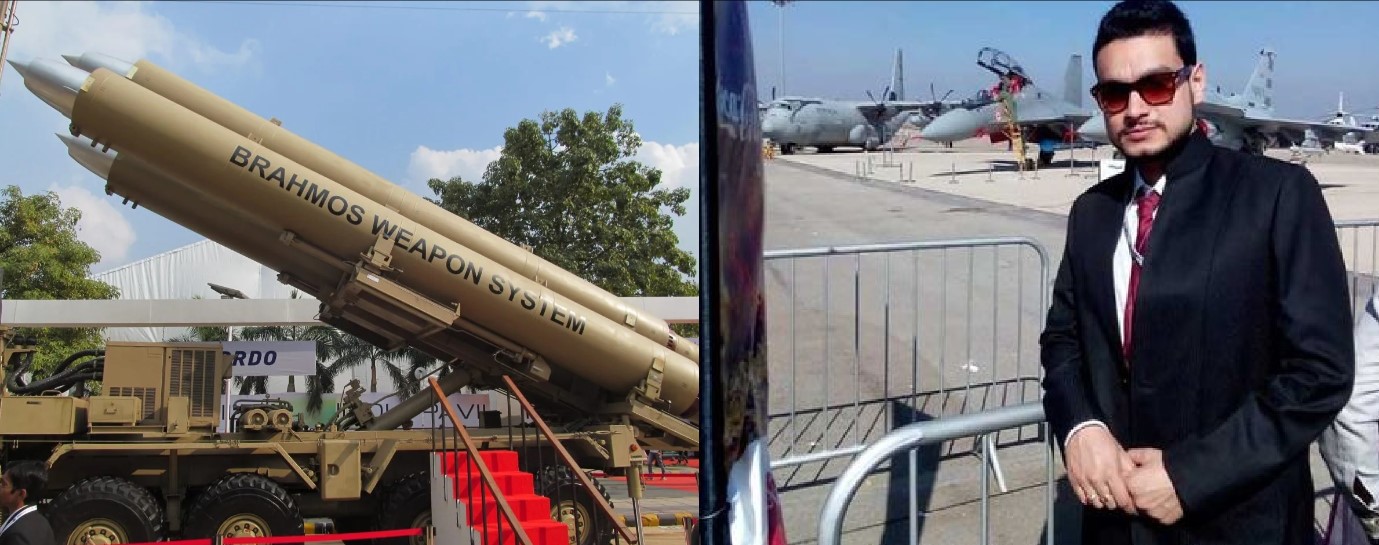
India
Three sophisticated malwares—Qwhisper, Chat to Hire, and X-trust—used by Pakistan’s intelligence services were pivotal in extracting classified BrahMos missile information from former scientist Nishant Agrawal.In a high-profile case, Nishant Agrawal, a former BrahMos scientist, was sentenced to life imprisonment for leaking military secrets to Pakistan. Agrawal, a respected missile engineer, was found guilty under various sections of the Indian Penal Code, IT Act, and Official Secrets Act. His conviction has shed light on a sophisticated cyber-espionage operation orchestrated by Pakistan's intelligence services, employing three distinct malware applications: Qwhisper, Chat to Hire, and X-trust.Qwhisper: Silent Extraction of InformationQwhisper is a stealthy malware designed to operate quietly, making it difficult to detect. It infiltrates systems through phishing attacks or malicious downloads, embedding itself deep within the victim's computer. Once installed, Qwhisper silently extracts sensitive data, such as documents and communication logs, and transmits them to a remote server controlled by the attackers. In Agrawal’s case, Qwhisper played a critical role in extracting confidential information about the BrahMos missile program.Chat to Hire: Disguised as a Recruitment ToolChat to Hire masquerades as a legitimate application designed to facilitate job recruitment processes. However, it contains hidden spyware capabilities. When Agrawal interacted with the application, believing it to be a genuine tool for professional networking or job opportunities, the malware covertly monitored his activities, captured keystrokes, and collected sensitive information. This malware's guise as a recruitment app highlights the deceptive tactics used in cyber-espionage.X-trust: A Trojan HorseX-trust functions as a Trojan horse, appearing as trustworthy software but carrying a hidden malicious payload. Once installed, it gains elevated privileges, allowing it to bypass security measures and gain access to critical systems. In Agrawal’s case, X-trust enabled the attackers to remotely control his computer, steal sensitive documents related to the BrahMos missile, and further compromise national security. The use of a Trojan horse like X-trust underscores the importance of rigorous cybersecurity practices and skepticism towards seemingly harmless software.Implications for National SecurityThe infiltration of these malwares into Agrawal's personal computer reveals significant vulnerabilities in the security protocols of defense organizations. Despite stringent measures in place at BrahMos Aerospace Private Limited (BAPL), the sophisticated nature of the malware used and the exploitation of insider threats have demonstrated the challenges in safeguarding sensitive information. This case has underscored the necessity for continuous improvement in cybersecurity defenses, regular training for personnel handling classified information, and the implementation of advanced monitoring tools to detect and respond to cyber threats promptly.Lessons LearnedNishant Agrawal’s actions and the subsequent breach of critical defense technology have sent shockwaves through India’s defense community. The case highlights the persistent threat posed by cyber-espionage and the need for robust cybersecurity measures. It serves as a stark reminder of the severe consequences of espionage and the importance of vigilance in protecting national secrets from foreign adversaries.
Read More → Posted on 2024-06-18 16:03:09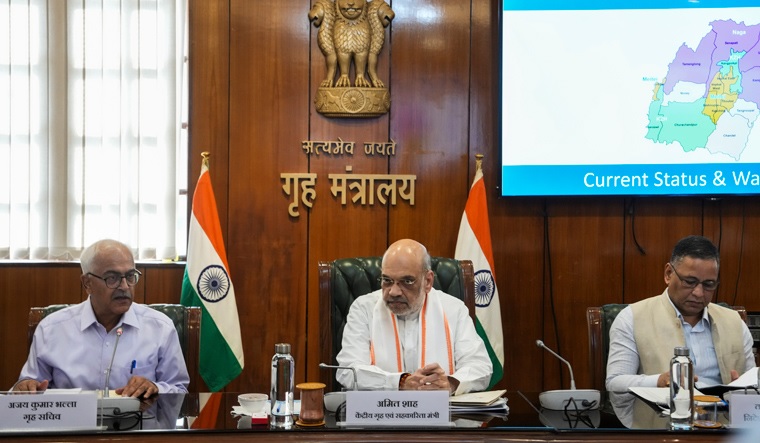
India
Home Minister Amit Shah unveils measures to address Manipur's ethnic violence, emphasizing dialogue and increased security.Union Home Minister Amit Shah has announced a comprehensive plan to address the ongoing ethnic violence in Manipur. Reviewing the security situation, Shah emphasized that the Ministry of Home Affairs (MHA) will initiate talks with both the Meitei and Kuki communities as soon as possible to mend the ethnic divide.During a high-level meeting, Shah directed that strict legal action must be taken against those responsible for the violence that has plagued the northeastern state for over a year. The violence began on May 3, 2023, following a tribal solidarity march in the hill districts to protest the Meitei community's demand for Scheduled Tribe status. This unrest has led to the deaths of over 220 people, including members of both communities and security personnel.To restore peace, Shah stated that central forces will be strategically increased and deployed if necessary. He stressed the importance of preventing any further incidents of violence and ensuring the safety and security of all citizens in the state.The Home Minister also instructed the Manipur Chief Secretary to provide proper health and education facilities for displaced individuals and to focus on their rehabilitation. The Centre, under Prime Minister Narendra Modi's leadership, is committed to supporting the Manipur government in strengthening the state's security.Shah reviewed the conditions in relief camps, ensuring the availability of food, water, medicines, and other basic amenities. He highlighted the need for a coordinated approach to resolve the ongoing conflict and ensure the well-being of affected residents.
Read More → Posted on 2024-06-18 15:55:24Search
Top Trending in 24 Hours
-
 Tulsi Gabbard Releases Declassified Files Detailing U.S.-Backed Network of 120 Biolaboratories Across 30+ Countries
-
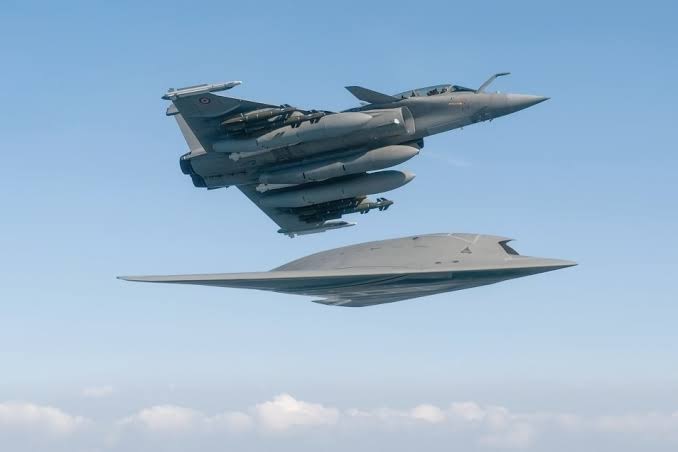 France Agrees to Equip Future Indian Rafales with AI, MUM-T and Secure Satellite Links Under F5 Standard
-
 Dassault Seeks Compensation From Airbus as Eurodrone Dispute Erupts After FCAS Collapse
-
 US Marine Corps F/A-18D Hornet Crashes During Training Flight in Washington Mountains; Pilot Ejects Safely
-
 AM General Unveils Next-Generation UGV and JLTV A2 with Counter-Drone Systems at Eurosatory 2026
-
 U.S. Navy's USS Colorado Submarine Returns to Pacific Fleet 29 Days Early After Major Pearl Harbor Overhaul
-
 Pakistan Raises Defence Budget from $9 Billion to $10.8 Billion as J-35 Fighter and Hangor Submarine Programs Advance
-
 Elbit Systems and Diehl Defence Partner to Offer SkyStriker Loitering Munition to German Armed Forces
Top Trending in 4 Days
-
 Iranian Media Leaks 14-Point U.S.-Iran Peace Framework Amid Ongoing Negotiations
-
 US Plans Significant Reduction of Fighter Jets and Warships for NATO Operations in Europe
-
 F-35 Fleet Readiness Falls to 25% Amid Parts Shortages and Software Delays: GAO Report
-
 U.S. Air Force Faces Strategic Airlift Shortfall as C-17 Production Restart Remains Uncertain
-
 NATO Commander Says Russia Not Seeking Conflict With Alliance Despite U.S. Force Reductions
-
 Russian Defense Firm ZALA Unveils KAMA Unmanned Surface Vessel Family at FLOT-2026 Naval Exhibition
-
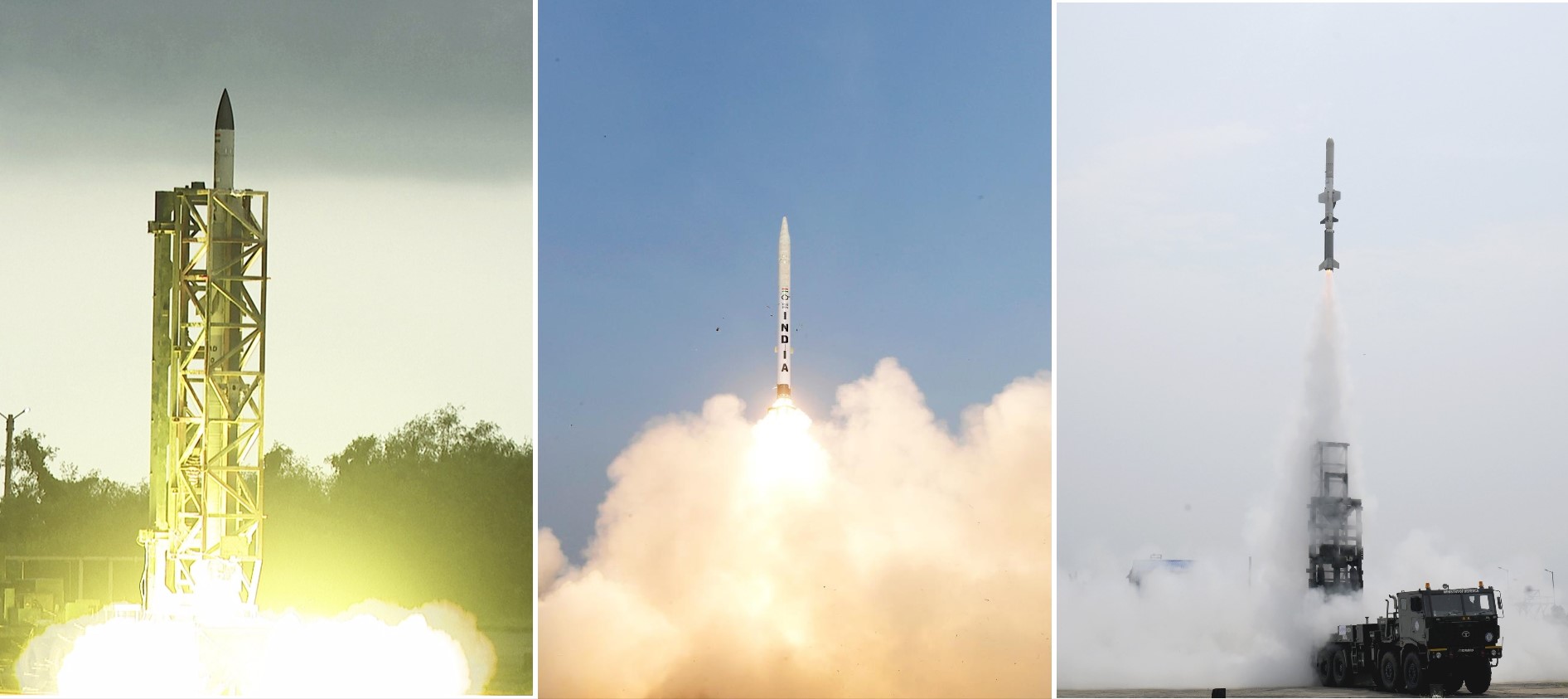 India Successfully Conducts AD-1, AD-2 Interceptor Tests and Maiden NASM-MR Flight Trial
-
 U.S. Space Force Awards $437.7 Million Contracts for First PTS-G Swarm 1 Anti-Jam Satellites