
India
Indian defence companies make a significant impact at Eurosatory 2024 in Paris, while Israeli firms face a ban due to political tensions.At Eurosatory 2024, a major international defence trade show in Paris, over 30 Indian defence companies are making a notable impact. Key public sector undertakings (PSUs) such as Advanced Weapons and Equipment India Limited, Bharat Electronics Ltd, and the Defence Research and Development Organisation (DRDO) are showcasing an array of advanced technologies and products.The Indian presence stands out against the backdrop of the absence of Israeli defence firms, which were banned from participating by the French government. This ban stems from France's disapproval of recent Israeli military actions in Gaza. The French Ministry of Armed Forces cited unsuitable "conditions" for Israeli participation. Additionally, French President Emmanuel Macron has been vocal in criticizing Israeli operations, advocating for a ceasefire and respect for international law.Originally, Israeli companies like Israel Aerospace Industries and Rafael Advanced Systems were expected to be among the nearly 70 exhibitors. Their exclusion underscores the influence of political factors on defence trade. In contrast, Indian firms are capitalizing on this opportunity to enhance their global presence.Eurosatory, running from June 17-21, is one of Europe's largest defence trade shows, drawing over 1,740 exhibitors from 96 countries. The event is crucial for showcasing cutting-edge defence technologies and fostering international collaborations.The strong participation of Indian companies highlights the growing prominence of India's defence industry. With a focus on indigenous development and manufacturing, Indian companies are becoming key players in the global defence market. This participation also reflects India's strategic push towards self-reliance in defence production.The absence of Israeli companies, though a setback for them, illustrates the complexities of international relations and their impact on defence trade. The future of defence cooperation between France, Israel, and India remains uncertain, and these developments could influence diplomatic and trade dynamics in the coming years.
Read More → Posted on 2024-06-18 15:50:00
India
India now has more nuclear weapons than Pakistan, and China's arsenal has rapidly expanded. SIPRI reports that the world's nuclear-armed states are modernizing their arsenals amid growing geopolitical tensions.The global landscape of nuclear weapons is evolving rapidly. India now possesses more nuclear weapons than Pakistan, with China also significantly increasing its nuclear arsenal. According to the Stockholm International Peace Research Institute (SIPRI), these developments come amid a broader trend of modernization and expansion among the world's nuclear-armed states, including the United States, Russia, the United Kingdom, France, North Korea, and Israel. This article delves into the implications of these changes, highlighting how the growing emphasis on nuclear capabilities reflects the deteriorating state of geopolitical relations worldwide.India's Nuclear CapabilityAs of January 2024, India has 172 nuclear warheads, slightly more than Pakistan's 170. SIPRI's report indicates that India marginally expanded its nuclear arsenal in 2023, continuing to develop new types of nuclear delivery systems. While Pakistan remains the primary focus of India's nuclear deterrent, there is a noticeable shift towards enhancing longer-range weapons capable of reaching targets throughout China. This strategic realignment underscores India's broader security concerns, particularly in the context of China's growing influence and military capabilities in the region.China's Rapid Nuclear ExpansionChina's nuclear arsenal has seen the fastest growth among the nine nuclear-armed states, increasing from 410 warheads in January 2023 to 500 in January 2024. For the first time, China is believed to have kept some warheads on high operational alert, a status previously reserved for the United States and Russia. This significant expansion is part of China's broader strategy to bolster its military capabilities and assert its position as a global superpower.According to Hans Kristensen, Associate Senior Fellow with SIPRI’s Weapons of Mass Destruction Programme, "China is expanding its nuclear arsenal faster than any other country." This rapid growth indicates China's intent to develop a nuclear force that could rival those of Russia and the United States in terms of delivery systems, even if its total stockpile remains smaller.The Modernization of Nuclear ArsenalsThe SIPRI report highlights that all nine nuclear-armed nations are modernizing their arsenals. The United States and Russia, which together account for 90 percent of the world's nuclear weapons, have deployed new nuclear-capable weapon systems in 2023. Approximately 2,100 warheads, mostly belonging to the US and Russia, are kept in a state of high operational alert on ballistic missiles.India, Pakistan, and North Korea are following suit by developing the capability to deploy multiple warheads on ballistic missiles. This technology, already possessed by Russia, France, the UK, the USA, and China, enables a rapid potential increase in deployed warheads and the ability to threaten a broader array of targets.The Role of Nuclear Weapons in Geopolitical TensionsThe modernization and expansion of nuclear arsenals reflect the growing role of nuclear weapons in geopolitical strategies. The increasing emphasis on nuclear capabilities is particularly evident in the context of recent conflicts and deteriorating diplomatic relations.The Ukraine War and NATORussia's invasion of Ukraine has had profound implications for global nuclear diplomacy. In February 2023, Russia suspended its participation in the New START treaty, the last remaining nuclear arms control agreement between Russia and the United States. This move has increased tensions and diminished transparency regarding nuclear arsenals. Furthermore, there have been public claims, albeit unverified, that Russia has deployed nuclear weapons on Belarusian territory, further escalating concerns about nuclear proliferation.The Middle East and North KoreaIn the Middle East, the ongoing conflict between Israel and Hamas, coupled with Iran's military support for Russian forces in Ukraine, has heightened regional tensions. These developments have undermined efforts to establish a Middle East Zone Free of Nuclear Weapons and Other Weapons of Mass Destruction.North Korea, meanwhile, continues to prioritize its military nuclear program. SIPRI estimates that North Korea has now assembled around 50 warheads and possesses enough fissile material to produce up to 90 warheads. The country has conducted tests of short-range ballistic missiles and developed land-attack cruise missiles capable of delivering nuclear warheads, emphasizing the potential use of these weapons early in a conflict.The Implications for Global SecurityThe SIPRI report warns that the global total of nuclear warheads continues to fall as Cold War-era weapons are dismantled, but the number of operational nuclear warheads is increasing year-on-year. This trend is likely to accelerate, posing significant risks to global security.Dan Smith, SIPRI Director, stated, "We are now in one of the most dangerous periods in human history. There are numerous sources of instability—political rivalries, economic inequalities, ecological disruption, an accelerating arms race. The abyss is beckoning and it is time for the great powers to step back and reflect. Preferably together."ConclusionThe expansion and modernization of nuclear arsenals by the world's nuclear-armed states are indicative of a broader trend towards increasing reliance on nuclear weapons in geopolitical strategies. India's growing arsenal, China's rapid expansion, and the modernization efforts by other nuclear states reflect the heightened tensions and deteriorating diplomatic relations globally. As the world grapples with multiple conflicts and rising instability, the role of nuclear weapons is becoming more prominent, raising concerns about the future of global security and stability.
Read More → Posted on 2024-06-18 15:44:34
India
Ingenious Research Solutions, with DRDO's support, has developed Divya Drishti, an AI-powered facial recognition system, enhancing India's security infrastructure and promoting self-reliance in defence technology.Ingenious Research Solutions, an AI start-up based in Noida, has developed an advanced facial recognition system called 'Divya Drishti' with support from the Defence Research and Development Organisation (DRDO). This new tool, which uses AI to perform facial authentication with high accuracy, promises to enhance national security and reduce fraud.Founded by AI expert Dr. Shivani Verma in 2022, Ingenious Research aims to create cutting-edge technologies for strategic sectors. The start-up gained prominence after winning the DRDO innovation contest in 2023, securing funding from the Ministry of Defence's Technology Development Fund to commercialize their innovative solutions.Divya Drishti stands out due to its dual-factor authentication, combining facial recognition with gait and skeletal analysis. This approach ensures over 95% accuracy even in challenging conditions such as low light or obscured faces, making it highly reliable for security applications. This technology will be particularly useful for managing access at sensitive facilities and enhancing overall security infrastructure.The system is set to be deployed across various sectors, including defence, law enforcement, enterprises, and public infrastructure. It aligns with the government's push for self-reliance in defence manufacturing under the Aatmanirbhar Bharat initiative. By integrating advanced AI technology, Ingenious Research is contributing to building a robust indigenous defence industrial base in India.Additionally, Ingenious Research is expanding its portfolio to include solutions like drone detection, satellite imaging, and autonomous robots. As India continues to focus on strengthening its defence capabilities, collaborations like these are expected to grow, further boosting the nation's self-reliance and innovation in critical technology sectors.
Read More → Posted on 2024-06-18 15:31:09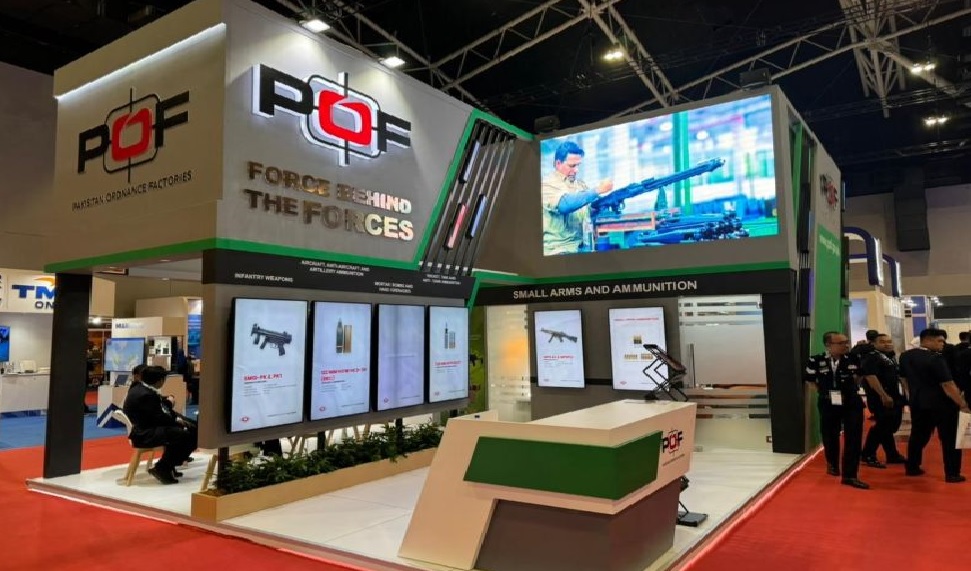
India
Pakistan Ordnance Factories (POF) faces declining sales due to quality concerns and stiff competition from India's Munitions India Limited (MIL), which has made significant inroads in the Arab Gulf and Africa with superior, competitively priced products.For many years, Pakistan Ordnance Factories (POF) was a leading supplier of small arms and ammunition, enjoying a steady annual market worth around $100 million. POF's primary customers were in the Arab Gulf and Africa, regions where it held a strong market presence. However, this dominance is now being challenged by India’s rapidly growing arms industry, particularly by Munitions India Limited (MIL).One of the significant reasons for POF’s declining sales is the concern over the quality of its ammunition. Reports indicate that high failure rates in Pakistani ammo have driven traditional customers to seek more reliable alternatives. This has opened the door for competitors like MIL, who have capitalized on these concerns by focusing on automation and quality improvement in their production processes.MIL’s commitment to producing superior ammunition has paid off, with countries like Saudi Arabia placing substantial orders. Recently, Saudi Arabia made headlines by placing a record-breaking $225 million order for artillery from MIL, highlighting the increasing trust in Indian products. The African market, another key region for POF, is also experiencing a shift. Indian companies are gaining ground by offering competitive prices and high-quality products. Moreover, India's strategy of extending Lines of Credit to African nations has made their offerings even more attractive compared to traditional suppliers like China, Russia, and Pakistan.POF's recent participation in the World Defence Show in Riyadh underscored their struggles. Despite their presence, they were overshadowed by India’s success, signaling a rapid decline in POF’s influence. Unlike their Indian counterparts, POF has not undertaken significant modernization efforts or focused on improving quality control, further affecting their market share.India's emergence as a major arms exporter is reshaping the global arms trade, posing a significant threat to Pakistan’s established position. With India continuing to innovate and expand its market reach, POF faces an uphill battle to regain its former standing.
Read More → Posted on 2024-06-18 15:16:47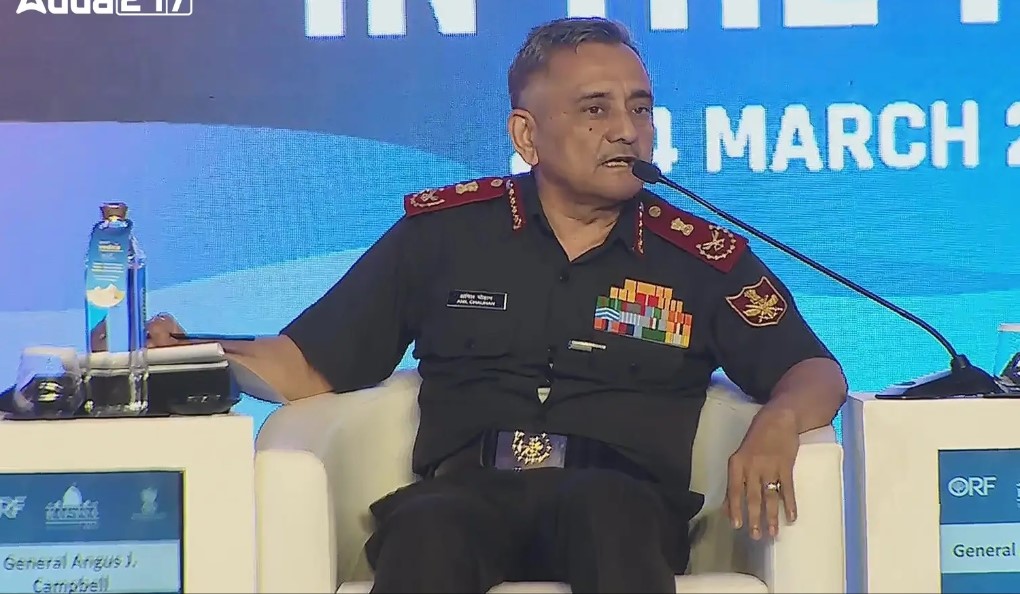
India
India has introduced a joint doctrine for cyberspace operations to enhance coordination among the armed forces, emphasizing the integration of cyberspace into national security.In a strategic move to streamline operations in the vital domain of cyberspace, Chief of Defence Staff General Anil Chauhan unveiled a joint doctrine for cyberspace operations by the Indian armed forces. This significant initiative aims to provide a unified framework for conducting cyberspace operations, ensuring that all three military services—Army, Navy, and Air Force—work cohesively.The newly released doctrine underscores the importance of understanding the military aspects of cyberspace. It offers conceptual guidance to military commanders for planning and achieving desired objectives within this complex and evolving domain. The announcement comes as the Indian government pushes forward with plans to establish theatre commands, aiming to bolster the nation's overall military capabilities.According to the defence ministry, cyberspace operations must be integrated into the national security framework. This approach is crucial for creating advantages and influencing events across all operational environments and instruments of power. The doctrine will aid commanders in navigating the intricate landscape of cyberspace, which, unlike traditional domains such as land, sea, and air, is a global common with shared sovereignty."Hostile actions in cyberspace can impact the nation's economy, political decision-making, and its ability to defend itself," the ministry emphasized. The doctrine aims to raise awareness among military personnel at all levels about the significance of cyberspace in modern warfare and its potential impacts on national security.The release of this doctrine marks a pivotal step towards jointness and integration within the Indian armed forces, which is being actively pursued to enhance operational efficiency. The doctrine not only covers the traditional warfare domains but also acknowledges cyberspace as a critical and challenging arena.The defence ministry highlighted the necessity of a comprehensive policy approach to link cyberspace operations to national security. This includes developing strategies to create a tactical advantage and ensuring that cyberspace activities are seamlessly integrated with other military operations.As cyberspace continues to evolve as a crucial battleground, the joint doctrine provides the necessary framework for India’s military to effectively conduct operations and protect national interests in this domain.
Read More → Posted on 2024-06-18 15:09:20
Gurpatwant Pannun Murder Plot: Nikhil Gupta Pleads Not Guilty to Murder-for-Hire Charges in US Court
India
Nikhil Gupta, extradited from the Czech Republic, faces charges of orchestrating a murder-for-hire plot against a Sikh extremist on American soil. He pleaded not guilty in Manhattan federal court.Nikhil Gupta, an Indian national, has pleaded not guilty to charges of orchestrating a murder-for-hire plot targeting a Sikh extremist in the United States. Gupta's plea was entered by his attorney, Jeffrey Chabrowe, during his arraignment in a Manhattan federal court before Magistrate Judge James Cott.Gupta was extradited to the United States from the Czech Republic on June 14. He is being held in a Brooklyn detention facility. Charged with murder-for-hire and conspiracy to commit murder-for-hire, Gupta faces a maximum sentence of 10 years in prison for each charge if convicted.The next court hearing in Gupta's case is scheduled for June 28. Judge Victor Marrero will preside over the status conference.US Attorney General Merrick Garland emphasized that Gupta's extradition highlights the Justice Department's commitment to protecting American citizens from harm. Deputy Attorney General Lisa Monaco praised the cooperation with Czech authorities, calling the extradition a significant step toward justice. US Attorney Damian Williams for the Southern District of New York echoed these sentiments, affirming the government's resolve to prosecute those who threaten US citizens.Gupta was arrested in the Czech Republic last year at the US government's request. He is accused of plotting to assassinate Khalistani separatist Gurpatwant Singh Pannun, who holds dual American and Canadian citizenship.India has denied any involvement in the alleged plot and has launched a high-level investigation. Gupta's attorney, Jeffrey Chabrowe, urged caution, stating, "It is extremely important that we refrain from rushing to conclusions so early in the process. Background and details will develop that may cast government allegations into an entirely new light." He assured that Gupta's defense would be pursued vigorously, ensuring due process.Federal prosecutors allege that Gupta was acting on orders from an unnamed Indian government official. Reports from The Washington Post in April suggested that Vikram Yadav, an officer of India's Research and Analysis Wing (R&AW), and former R&AW chief Samant Goel were involved in sanctioning the operation. India's Ministry of External Affairs has dismissed these claims as baseless. The Czech Republic Police released a video showing Gupta's extradition from Prague airport. The footage highlights the cooperation between Czech and US authorities in facilitating the extradition. Gupta was arrested after traveling from India to Prague last year, with Czech justice minister Pavel Blazek approving the extradition on June 3 based on the murder-for-hire conspiracy charges.This case continues to unfold as more details emerge, and the upcoming court hearings are expected to shed further light on the allegations against Nikhil Gupta and the involvement of any Indian officials.
Read More → Posted on 2024-06-18 15:05:41
India
India's maritime capabilities receive a significant boost with Anadrone Systems' partnership with US-based Ocean Aero to bring the Triton Autonomous Underwater and Surface Vehicle (AUSV) to the Indian market.In a bid to enhance India's maritime operations, Anadrone Systems, an Indian leader in unmanned aerial systems (UAS), has joined forces with the US-based company Ocean Aero to introduce the Triton Autonomous Underwater and Surface Vehicle (AUSV) in India. This collaboration aims to transform various maritime sectors, including defense, environmental protection, and the offshore industry.The Triton AUSV is a state-of-the-art vehicle that can operate both on the water's surface and underwater. This versatility makes it suitable for a range of applications, such as maritime domain awareness, port defense, sonar mapping, intelligence, surveillance, and reconnaissance (ISR) missions, mine countermeasures, and anti-submarine warfare. Additionally, it is valuable for oil and gas exploration, underwater pipeline maintenance, oceanographic research, and environmental monitoring.One of the standout features of the Triton is its ability to operate autonomously for up to 30 days, even in harsh conditions. This long endurance is powered by solar energy, allowing the vehicle to conduct prolonged missions without the need for frequent recharging. The Triton is also equipped with advanced sonar systems for detailed underwater mapping and can launch UAS for aerial surveillance, enhancing its capability to gather comprehensive data from multiple dimensions.The introduction of the Triton AUSV is set to significantly impact India's maritime landscape. For the defense sector, it means improved maritime security through persistent monitoring and advanced reconnaissance capabilities. In environmental protection, the Triton can help monitor marine ecosystems and detect pollution, contributing to more effective conservation efforts. For the offshore industry, its applications in underwater pipeline maintenance and oil and gas exploration promise to enhance operational efficiency and safety.Anadrone Systems and Ocean Aero's strategic partnership brings cutting-edge technology to India's shores, aligning with the nation's goal to strengthen its maritime infrastructure. By integrating the Triton AUSV into various operations, India is poised to enhance its maritime security, boost environmental protection initiatives, and achieve higher efficiency in offshore activities.This collaboration not only signifies a technological advancement but also represents a commitment to safeguarding maritime interests and promoting sustainable practices in the oceanic environment. As the Triton AUSV begins its operations in India, it is expected to play a pivotal role in shaping the future of the country's maritime endeavors.
Read More → Posted on 2024-06-17 15:53:59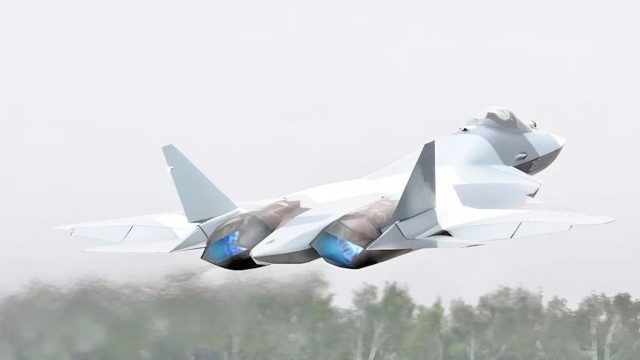
India
A commentary by former IAF marshal Anil Chopra – The Indian Air Force [IAF] is the fourth largest air force in the world. It is also one of the most powerful. Despite working on the Sukhoi/HAL Fifth Generation Fighter Aircraft [FGFA] project, based on the Russian Sukhoi Su-57, the IAF does not yet have a fifth-generation fighter. The FGFA was planned to have 43 improvements over the Su-57, including better sensors, enhanced networking, and advanced combat avionics. The Indian model was designed to be a two-seater with a pilot and a weapon systems operator [WSO]. Although India left the FGFA program in 2018, it might join again in the future. Meanwhile, a few Russian Su-57 Felon jets have seen action in places like Syria and Ukraine. On the other hand, China is quickly growing its fleet of J-20 fighters, with almost 250 units in service. These J-20s have been spotted at air bases along the Line of Actual Control [LAC] in Xinjiang and Tibet. India is working on its own fifth-generation fighter, the Advanced Medium Combat Aircraft [AMCA]. Still, the Su-57 remains an option for them. However, India can’t get the F-35 due to its purchase of the Russian S-400 air defense system. If India thinks about getting a few Su-57s temporarily, comparing the Felon to the J-20 Mighty Dragon becomes more relevant.The ‘Felon’The Sukhoi Su-57 is a twin-engine stealth fighter aircraft that started development in 1999 with the code name T-50. It was the first stealth aircraft designed for the Russian military. In 2009, the design was officially approved, and its first flight took place on January 29, 2010. By July 2017, it was renamed Su-57. The aircraft entered service with the Russian Aerospace Forces in 2020. As of now, 32 units have been built, including 10 test models and 22 production units. The Su-57 is designed for air superiority missions and can also attack surface and sea targets. It features stealth technology, high maneuverability, the ability to cruise at high speeds without afterburners, advanced avionics, and a large payload capacity. It’s intended to replace the MiG-29 and Su-27 and is also offered for export. However, the project has faced some technological and funding issues. During initial tests, prototypes showed early structural cracks, indicating that the airframe needed a redesign.What Su-57 has?The aircraft has a unique design with a wide, blended wing body and engines that are far apart. It features moving horizontal and vertical stabilizers. This design uses a lot of composite materials, making it lighter and stronger. Composites make up 22-26% of its structure and about 70% of the outer surface. Efforts have been made to reduce the radar cross-section [RCS] and infrared [IR] signatures to improve stealth. The aircraft canopy is treated with metal oxide layers to absorb radar waves, focusing on frontal stealth. However, the back part of the fuselage is not as stealthy as some American designs.The ‘Integrated Modular Avionics Combat Systems’ uses advanced fiber optic channels. It includes a main nose-mounted radar with 1,514 T/R modules and two side-looking radars with 404 T/R modules each. These are placed on the forward fuselage cheeks to improve coverage. The nose antenna is angled backward to enhance stealth. It also has an L-band array on the front edges. Advanced onboard computers manage both radar signals, significantly improving information processing. The aircraft includes a night vision and tracking system, a countermeasure system to defend against infrared missiles, and sensors that can detect missile launches. It also has a thermal camera for low-altitude flights and landings, as well as a navigation and targeting system. It can release flares and radar decoys to confuse enemy missiles. The Su-57 also tests advanced AI and technology that teams manned and unmanned aircraft. The Su-57 is powered by two NPO Lyulka-Saturn AL-41F1 engines. These engines produce 88.3 kN of thrust without afterburners and can go up to 142.2 kN with afterburners, reaching 147.1 kN in emergencies. The plane uses thrust vector control [TVC], similar to the Su-30MKI, which makes it more agile. The Su-57 has advanced weapon bays with two main internal bays measuring about 4.4 meters long and 0.9 meters wide. There are also two side weapon bays under the fuselage near the wings. These bays can hold up to four beyond-visual-range [BVR] missiles [R-37M] and two short-range missiles [upgraded R-74]. Additionally, the main bays can carry bombs and surface-attack missiles.When stealth isn’t crucial, the Su-57 can use its six external mounting points. These points can hold different weapons, including the fast Kh-47M2 Kinzhal missile. The fighter has a large fuel tank, giving it a range of over 1,500 km at high speeds—more than twice that of the Su-27. It also has a refueling probe to extend this range even more.QuantityBack in 2011, Russia’s Ministry of Defense [MoD] planned to evaluate the first 10 aircraft and then acquire 60 more by 2015. This plan changed, aiming for 52 aircraft by 2020 and another 150-160 by 2025. By June 2018, a new order for 12 aircraft was made. Deliveries faced delays until 2019, and a solid contract for 76 aircraft was signed, setting deliveries by 2028. Serial production started in July 2019, but delays meant they had to use more Su-35 variants. With a new production line in 2022, 12 Su-57s might be delivered to the Russian Air Force by the end of 2023. Another 20 aircraft are expected in 2024, making the Su-57 a significant jet fighter for Russia.Su-57 deploymentsIn 2018, Russia deployed two Su-57s to the Khmeimim air base in Syria. This deployment also included four Sukhoi Su-35 fighters, four Sukhoi Su-25s, and one Beriev A-50 AEW&C aircraft. A Su-57 reportedly fired a cruise missile, likely a Kh-59MK2, during combat operations and flew around 10 missions in Syria. The 23rd Guards Fighter Aviation Regiment, located in Dzyomgi in the Eastern Military District, is the first unit to use the Su-57. Deliveries started in 2023, with all 24 aircraft expected to be delivered by 2025.Reports say that Russia has been using Su-57 fighters to hit targets in Ukraine from a distance, staying away from Ukrainian air defenses. These fighters have also been used to disable enemy air defenses. Some reports claim that the Su-57’s low radar visibility was effective in combat, successfully engaging both air and ground targets, including shooting down a Ukrainian Su-27 with a long-range R-37 missile. By May 2024, Ukrainian sources reported more frequent use of Su-57 fighters to strike targets within Ukraine. On June 9, 2024, Ukraine’s Main Directorate of Intelligence shared satellite images showing a damaged Su-57 at Akhtubinsk Airfield after a Ukrainian drone strike. This base is 600 kilometers from the border.Future of Su-57Sanctions from the Ukraine War initially slowed down the import of semiconductors and high-tech equipment from the European Union. Despite this, the United Aircraft Corporation [UAC] reported that the upgraded Su-57 aircraft made its first flight on October 21, 2022. This new Su-57M model will have a more advanced engine, called AL-51F-1, with a thrust of 107.9 kN and 167 kN with an afterburner. It features glass-fiber plastic parts and a specially designed-nozzle to reduce radar and infrared detection.Efforts are ongoing to add the Okhotnik UCAV into a ‘loyal wingman’ role for working with manned aircraft. A carrier-based version of the Su-57 is also being developed. Additionally, it’s been reported that an experiment was conducted using a group of Su-35s, with a Su-57 acting as the command and control aircraft.China’s J-20 fighterThe Chengdu J-20 “Mighty Dragon” is China’s advanced stealth fighter jet. It has three versions: the original J-20A, the J-20B with better maneuverability, and the two-seat J-20S for teamwork. This jet first flew in January 2011 and started active service in February 2018. This achievement made China the second country in the world and the first in Asia to have an operational stealth aircraft, with almost 250 jets made so far. The J-20 features a sleek design with a sharp nose and a smooth canopy. It has special air intakes and movable surfaces to help with supersonic speeds and turning quickly. This also makes landing easier. The back of the J-20 includes two angled fins, short vertical fins, and either regular or stealthy engine exhausts.Reports indicate that the aircraft uses the Type 1475 [KLJ-5] radar system, which has advanced technology with over 1,800 modules. Some experts believe it might have between 2,000 and 2,200 modules. The J-20 also has six sensors called the Distributed Aperture System, giving the pilot complete coverage. This system combines radar and infrared images to improve situational awareness.Experts believe the aircraft’s fins and rear areas might be easy to detect by radar, yet its overall stealth design is still very effective and better than the Russian PAK-FA. At first, Russian AL-31FM2 engines were used for test flights. Now, it uses Chinese WS-10C engines with 142-147 kN thrust, improved by special nozzles for better stealth. Eventually, the goal is to use Shenyang WS-15 engines providing 180 kN thrust, which is crucial for higher speed and better maneuverability.The main weapon bay holds long-range air-to-air missiles [AAMs like the PL-12, PL-15, and PL-21] and precision-guided munitions. The two smaller side weapon bays, located behind the air inlets, are for short-range AAMs like the PL-10. The Pentagon says China plans to upgrade the weapons bay to hold six missiles. The aircraft also has four external hard points for non-stealth missions or ferry flights. In 2022, China produced about 40 to 50 airframes per year, and this is expected to increase to 100 to 120 per year by 2023. Right now, the PLA Air Force [PLAAF] has around 240 aircraft. The goal is to counter the growing number of F-35 fighters operated by the United States in the Western Pacific. By the early 2030s, the J-20 fleet could reach up to 1,000 aircraft.Chinese media recently noted that the J-20S, a new version of their advanced fighter jet, is being developed for bombing, electronic warfare, and carrier strike missions. This makes the J-20S the world’s first twin-seat stealth fighter. The extra seat allows a co-pilot to help with attacks, manage missions, and control unmanned combat aerial vehicles [UCAVs] using “loyal wingman” systems and advanced sensors. Additionally, China is working on the AVIC Dark Sword and stealth Hongdu GJ-11 UCAVs to support these roles.Notably, about ten brigades have switched to the new fighter platform. J-20s are now conducting regular patrols in the South China Sea. However, it’s important to note that the J-20 has not yet left Chinese territory, even for air shows or joint exercises with other countries. These jets have also been seen at airbases along the India-China border.CompetitionThe J-20 shows that China has moved from using Russian technology to developing its own advanced sensors and weapons. While the Su-57 has been used in combat in Syria and Ukraine, the J-20 has not left China. India is Russia’s top potential customer, but it’s working on its own Advanced Medium Combat Aircraft [AMCA]. After the Fifth Generation Fighter Aircraft [FGFA] project, India knows the limitations of the Su-57. It doesn’t want to rely too much on Russian weapons. However, if the AMCA gets delayed and Pakistan gets a fifth-generation fighter, India might rethink its position. Chinese and Russian aircraft will compete in markets across Africa, West Asia, and Southeast Asia, where their affordability will be a big advantage. On December 27, 2019, Algeria signed a deal for 14 Su-57 aircraft as part of a larger military package that includes Su-34 and Su-35 fighters. Algeria is expected to get its first Su-57E by 2028. There are rumors that Vietnam might buy the Su-57. Russia has also offered Su-57E fighters to the United Arab Emirates, and Iraq has shown interest too. However, no Su-57 fighters have been exported yet.China is quickly expanding its fleet of J-20 stealth fighters, and Pakistan is interested in the Chinese FC-31 stealth fighter. India must act fast. Since the AMCA is still being developed, India needs a temporary solution. The US F-35 would be perfect, but it’s not an option right now. The Indian Air Force [IAF] might look at the Su-57 or the new Su-75 Checkmate from Russia. India is considering all its options!
Read More → Posted on 2024-06-17 15:47:28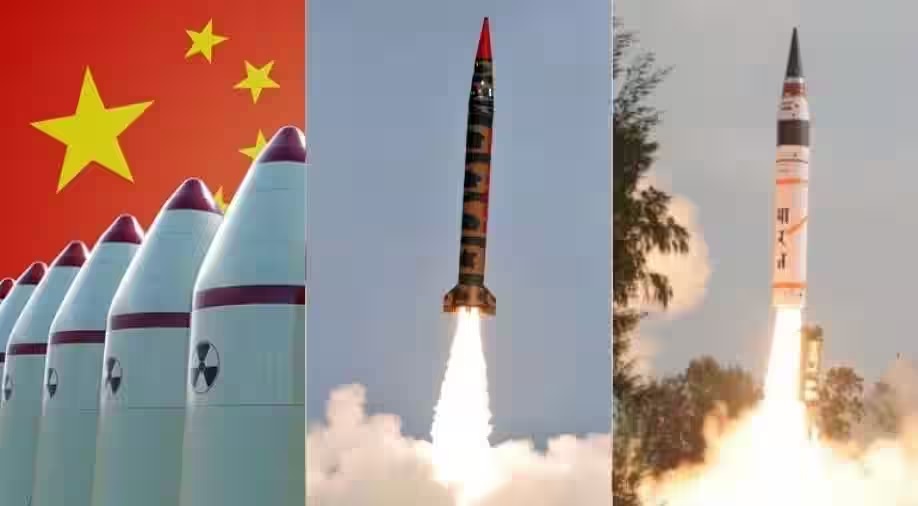
India
A recent SIPRI report reveals that the world's nuclear-armed nations are modernizing their arsenals, with China's stockpile growing rapidly. The US and Russia hold the majority of nuclear weapons, while India, Pakistan, and North Korea work on multiple warhead capabilities.According to a recent analysis by the Stockholm International Peace Research Institute (SIPRI), nine nuclear-armed nations—including the US, Russia, France, China, India, and Pakistan—continued to modernize their nuclear arsenals in 2023. Several of these countries deployed new nuclear-capable weapon systems during the year. The SIPRI report notes a significant increase in China's nuclear arsenal, growing from 410 warheads in January 2023 to 500 in January 2024, with expectations of further growth.The report highlights that around 2,100 deployed warheads are maintained in a state of high operational alert, primarily belonging to Russia and the US. For the first time, China is also believed to have some warheads on high operational alert. This development underscores the ongoing changes and escalations in global nuclear postures.SIPRI's analysis reveals that the total global inventory of nuclear warheads was estimated at 12,121 in January 2024, with approximately 9,585 of these warheads in military stockpiles ready for potential use. Of these, about 3,904 warheads were deployed with missiles and aircraft, marking an increase of 60 warheads compared to January 2023. The remaining warheads are stored centrally.India, Pakistan, and North Korea are actively working to develop the capability to deploy multiple warheads on ballistic missiles. This technology is already possessed by Russia, France, the UK, the US, and more recently, China. The capability to deploy multiple warheads significantly increases the potential destructive power of these nations' arsenals.Russia and the US together hold nearly 90% of the world's nuclear weapons. Despite their large stockpiles, both countries have seen little change in their numbers over the past year. However, Russia is estimated to have deployed around 36 more warheads with operational forces than in January 2023. Transparency about nuclear forces has decreased in both countries since Russia's full-scale invasion of Ukraine in February 2022, contributing to heightened concerns and debates about nuclear-sharing arrangements.India's nuclear warhead count was reported at 172 in January 2024, slightly up from the previous year. Pakistan's count stands at 170. Both countries continue to develop new nuclear delivery systems, with India increasingly focusing on longer-range weapons capable of reaching targets throughout China. This shift indicates a growing emphasis on countering threats beyond its immediate neighbor, Pakistan.China's rapid expansion of its nuclear arsenal is notable, with the potential to possess as many intercontinental ballistic missiles (ICBMs) as either Russia or the US by the end of the decade. Despite this growth, China's stockpile is expected to remain significantly smaller than those of Russia and the US.Hans M. Kristensen, Associate Senior Fellow with SIPRI's Weapons of Mass Destruction Programme and Director of the Nuclear Information Project at the Federation of American Scientists (FAS), remarked, "China is expanding its nuclear arsenal faster than any other country. But in nearly all of the nuclear-armed states, there are either plans or a significant push to increase nuclear forces."This ongoing modernization and expansion highlight the persistent and evolving nature of nuclear armament, raising critical concerns about global security and stability.
Read More → Posted on 2024-06-17 15:28:36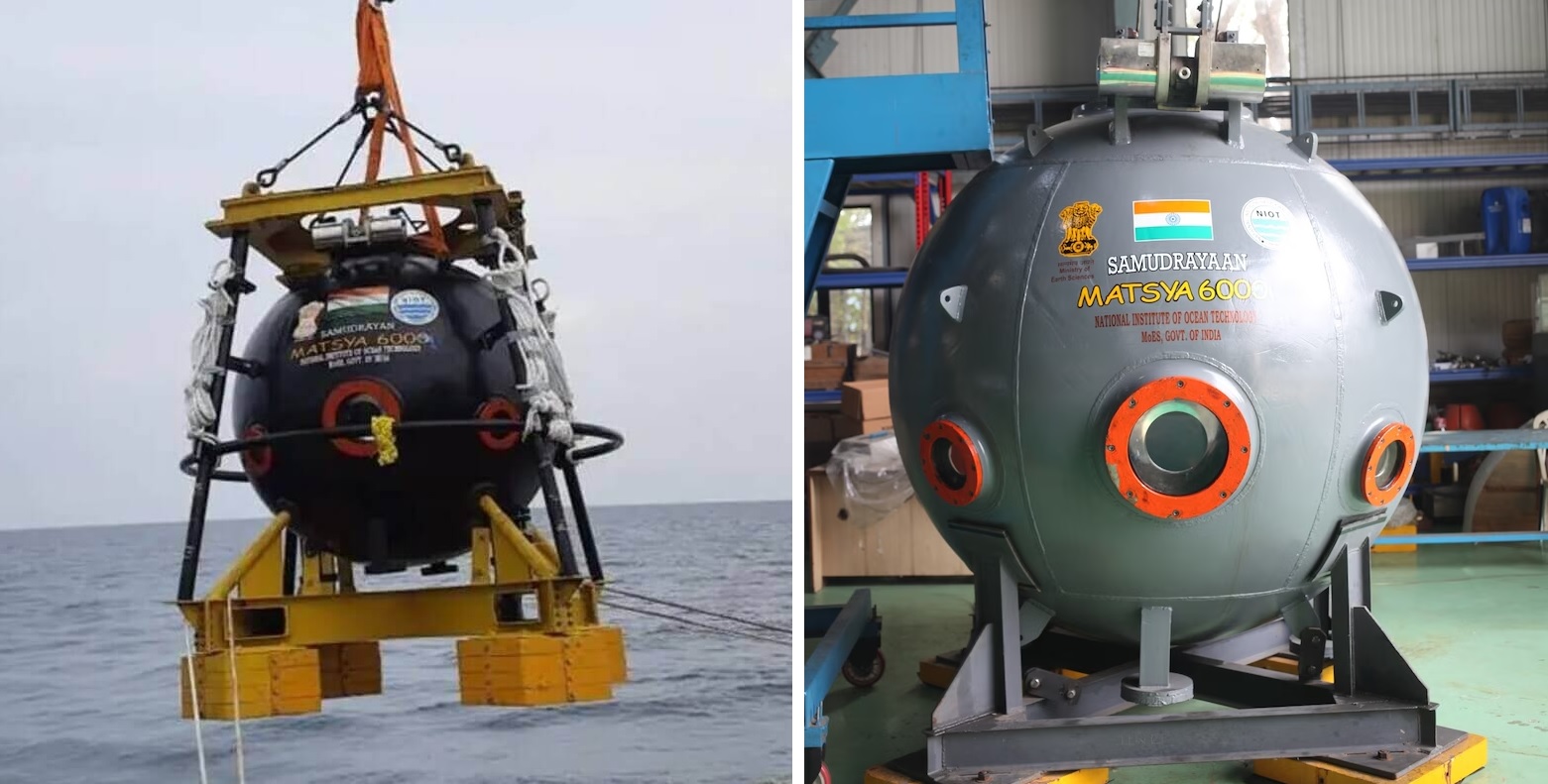
India
India is set to become the sixth country to launch its own Deep Sea Mission, aiming to explore and conserve marine biodiversity while developing ocean sciences and technologies.India is making significant strides in ocean exploration with its ambitious Deep Sea Mission, announced by Dr. Jitendra Singh, Union Minister of State for Science and Technology, and Earth Sciences, in a recent meeting in New Delhi. The mission positions India as the sixth country to undertake such a comprehensive ocean exploration project.The mission encompasses a broad range of objectives, from mineral exploration to the study of marine biodiversity. Dr. Singh emphasized the importance of this mission for developing a resilient blue economy that can support livelihoods dependent on ocean resources.A key component of the mission is the development of Matsya 6000, a submersible vehicle capable of diving to depths of 6000 meters. This project, spearheaded by the National Institute of Ocean Technology (NIOT), is a testament to India's growing expertise in ocean technology. The Matsya 6000 is expected to undergo its first harbor trials by September 2024, with subsequent trials planned for completion by 2026.The collaboration between NIOT and the Indian Space Research Organisation (ISRO) has led to significant advancements, such as the development of a titanium hull designed to withstand extreme underwater pressure. Additionally, efforts are underway to create self-floatation technology, enabling the submersible to remain submerged for up to 72 hours in emergency situations.Dr. Singh highlighted the mission's potential to greatly impact India's economy through the exploration and commercial exploitation of rare earth metals and polymetallic nodules in the Indian seabed. He urged scientists and officials to focus on developing indigenous technology to reduce India's dependence on foreign resources.The meeting, attended by Dr. M Ravi Chandran, Secretary of the Ministry of Earth Sciences, and other senior officials, showcased the progress made so far and set ambitious goals for the future. The Deep Sea Mission is not only a scientific endeavor but also a strategic initiative to harness the vast potential of India's marine resources.By achieving this milestone, India joins an elite group of nations dedicated to advancing ocean sciences and technologies. The mission promises to contribute significantly to the understanding and conservation of marine biodiversity, paving the way for sustainable ocean resource management.
Read More → Posted on 2024-06-17 15:19:46
India
A tragic collision between a goods train and the Sealdah-bound Kanchanjunga Express near New Jalpaiguri has resulted in multiple fatalities and numerous injuries, highlighting the need for improved railway safety measures.On Monday, a devastating accident occurred when a goods train collided with the Sealdah-bound Kanchanjunga Express (13174) near New Jalpaiguri, resulting in multiple fatalities and injuries. The incident took place at 8:55 am and has raised significant concerns about railway safety.Casualties and InjuriesAccording to the Press Trust of India (PTI), at least 15 people lost their lives in the accident. However, official reports indicate a total of nine fatalities, with 32 others injured. Contradictory reports highlight the confusion and urgency surrounding the incident.Immediate Response and Rescue OperationsThe Railway Protection Force (RPF) reached the accident site by 11 am. Local ambulances were arranged to transport the injured to nearby hospitals, and gas cutters were used to clear the debris. A rescue train was dispatched by railway authorities to transport stranded passengers to Sealdah.Passenger AccountsA passenger from the B1 coach of the Kanchanjunga Express recounted the terrifying moment of impact and mentioned sustaining a head injury. The chaos and distress experienced by passengers underscore the severity of the collision.Compensation and SupportRailway Minister Ashwini Vaishnaw announced enhanced ex-gratia compensation for the victims: Rs 10 lakhs for fatalities, Rs 2.5 lakhs for grievous injuries, and Rs 50,000 for minor injuries. These measures aim to provide some relief to the affected families.Cause of the AccidentThe collision was reportedly caused by low visibility conditions, leading the goods train to pass a signal at danger (SPAD). This resulted in the goods train ramming into the stationary Kanchanjunga Express. The accident has brought renewed attention to the need for the railways' automatic train protection system, "Kavach," designed to prevent such incidents.Official ReactionsBengal Chief Minister Mamata Banerjee and Railway Minister Vaishnaw expressed their shock and condolences. They assured swift action and comprehensive rescue operations. President Droupadi Murmu also expressed deep distress over the tragic event and offered her prayers for the victims and their families. Helpline and SupportSealdah Eastern Railway has set up a control desk at Rangapani station to assist those seeking information about the accident. Helpline numbers have been provided for concerned relatives and friends.Helpline numbers for assistance and information regarding the derailment of Kanchenjunga Express in West Bengal. pic.twitter.com/ctwkZQc5m7— Ministry of Railways (@RailMinIndia) June 17, 2024 ConclusionThe Kanchanjunga Express train accident is a tragic reminder of the importance of railway safety and the need for robust preventive measures. As rescue operations conclude and restoration efforts begin, the focus shifts to ensuring such accidents do not occur in the future, reinforcing the railway's commitment to passenger safety.
Read More → Posted on 2024-06-17 15:02:44
India
Adani Group signs an MoU with Bhutan for a 570 MW green hydro plant and collaborative infrastructure initiatives, marking a significant step in sustainable development.In a recent visit to Thimphu, Gautam Adani, Chairman of the Adani Group, met with Bhutan's King Jigme Khesar Namgyel Wangchuck and Prime Minister Dasho Tshering Tobgay. During this meeting, Adani signed a Memorandum of Understanding (MoU) with Druk Green Power Corporation Limited (DGPC) to develop a 570 MW green hydro plant in Chukha province. This project aligns with Bhutan's ongoing efforts to harness its hydroelectric potential and promote sustainable energy.Adani shared his enthusiasm on social media platform X, formerly known as Twitter, highlighting the productive discussions with Prime Minister Tobgay. He expressed admiration for Bhutan's vision, led by His Majesty the King, and the country's ambitious infrastructure plans. The Adani Group aims to collaborate closely on both the hydro project and other transformative infrastructure initiatives. Among these projects is the Gelephu Mindfulness City, an eco-friendly master plan that includes large computing centers and data facilities. This initiative reflects Bhutan's commitment to maintaining its status as a carbon-negative nation while advancing technological and infrastructure development.This isn't the first engagement between Gautam Adani and the Bhutanese leadership. In November last year, Adani met the King and expressed interest in contributing to Bhutan's green infrastructure goals. The Adani Group's involvement in Bhutan's projects signifies a strengthening partnership focused on sustainable development and mutual growth.
Read More → Posted on 2024-06-17 14:48:49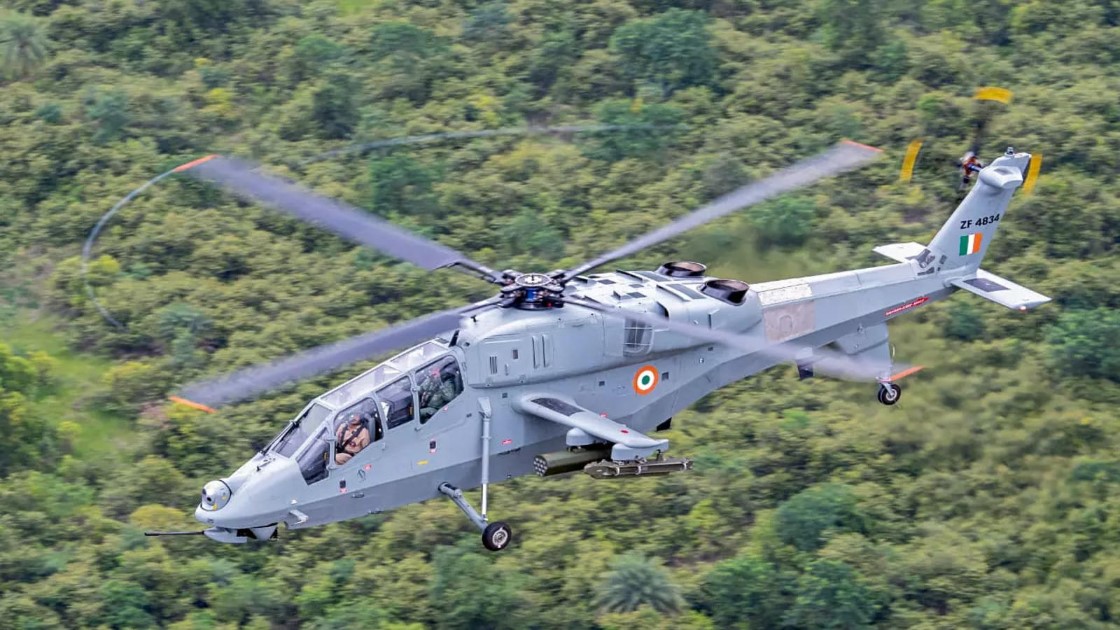
India
Hindustan Aeronautics Limited announces a significant procurement move by the Defence Ministry for 156 Light Combat Helicopters, aiming to enhance India's defence capabilities and self-reliance.In a significant step towards strengthening India's defence sector, Hindustan Aeronautics Limited (HAL) announced that the Defence Ministry has issued a Request for Proposal (RFP) for the procurement of 156 Light Combat Helicopters (LCH). This move underscores the government's push for aatmanirbharta (self-reliance) in defence manufacturing.According to HAL's official statement, of the 156 LCH units, 90 are designated for the Indian Army (IA), while the remaining 66 are for the Indian Air Force (IAF). The tender is expected to be worth over Rs 45,000 crore, reflecting a substantial investment in enhancing the nation's aerial combat capabilities.Features and Capabilities of the Light Combat Helicopter (LCH)The LCH, also known as Prachand, shares several design elements with the Advanced Light Helicopter (ALH) Dhruv. Key features of the LCH include:Stealth and Armoured Protection: The LCH is equipped with stealth features and armoured protection systems, enhancing its survivability in combat situations.Night Attack Capability: It has advanced systems for night attack missions, allowing operations around the clock.Crash-Worthy Landing Gear: This feature ensures better survivability during crash landings.Versatility and Operational RolesThe LCH boasts exceptional agility, manoeuvrability, extended range, and high-altitude performance, making it suitable for a variety of roles. These include:Combat Search and Rescue (CSAR): Essential for rescuing personnel from hostile environments.Destruction of Enemy Air Defence (DEAD): Targeting and neutralizing enemy air defence systems.Counter-Insurgency (CI) Operations: Effective in both jungle and urban environments.Additionally, the LCH can perform high-altitude bunker-busting operations and support ground forces. It is also capable of engaging slow-moving aircraft and remotely piloted aircraft (RPAs) of adversaries.Technological AdvancementsThe LCH incorporates several advanced aviation technologies, many of which have been indigenized. These include:Glass Cockpit: Modern, digital avionics that improve pilot situational awareness.Composite Airframe Structure: Lightweight yet durable materials that enhance performance and reduce maintenance needs.Government's Vision for DefenceDefence Minister Rajnath Singh, in his statement after resuming office, emphasized the goal of achieving self-reliance in defence manufacturing. He highlighted that modernizing the armed forces and ensuring the welfare of both serving and retired soldiers remain top priorities.This procurement of 156 Light Combat Helicopters is a testament to India's commitment to bolstering its defence infrastructure and achieving greater self-reliance. The LCH's advanced features and versatile capabilities are expected to significantly enhance the operational readiness and combat effectiveness of the Indian Army and Air Force.By fostering indigenous defence manufacturing, India not only strengthens its security apparatus but also promotes technological innovation and economic growth within the country.
Read More → Posted on 2024-06-17 14:45:29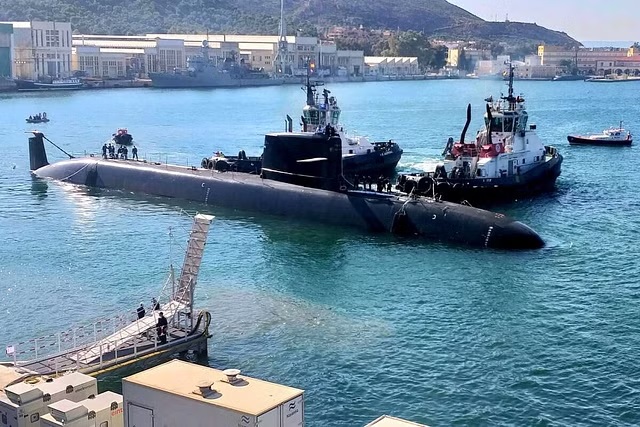
India
The Indian Navy, in collaboration with Spanish shipyard Navantia, will conduct trials in Spain to test critical equipment for its Project 75 India, aiming to acquire six advanced submarines.The Indian Navy is set to hold trials in Spain to test critical equipment for its Project 75 India, targeting the acquisition of six advanced submarines equipped with Air Independent Propulsion (AIP) systems. These trials will be conducted by Spanish shipyard Navantia at its Cartagena facility, with the assistance of Indian partner Larsen & Toubro (L&T).Ricardo Dominguez Garcia-Baquero, Chairman of Navantia, stated that both the Spanish government and the Spanish Navy are keen to support the P75(I) project. This support includes facilitating expeditious export clearances and signing necessary agreements with the Indian government, similar to the recent Airbus deal involving C-295 transport aircraft with Tata.The field evaluation trials of the AIP system are scheduled for the last week of June. Navantia and L&T are prepared to demonstrate their advanced AIP technology, which enables submarines to stay underwater longer compared to previous generations. This feature is crucial for enhancing the operational capabilities of the Indian Navy.The P75(I) project, valued at over Rs 60,000 crore, involves multiple contenders, including the Navantia-L&T partnership and the German ThyssenKrupp Marine Systems with Mazagon Dockyards Limited. Navantia has proposed its S80 submarine design, which has already been commissioned for the Spanish Navy. The S80 design meets almost all technical requirements of P75(I) without significant redesign, minimizing project risks.The S80 submarine features third-generation BEST AIP (Bio-ethanol Stealth Technology) and an advanced sensor suite. Navantia has also collaborated with L&T to integrate proven Lithium-ion battery technology for this project. The company is committed to meeting the Transfer of Technology requirements and the stipulated Indigenous Content, aligning with India’s goal of achieving self-reliance in submarine technology.Top-ranking Spanish government officials have engaged with their Indian counterparts to express their commitment to this project. Navantia has maintained ongoing dialogues with Indian suppliers to assess their technical capabilities and ensure they meet the project’s requirements.L&T’s extensive experience in indigenization across the defense sector further strengthens this partnership. Navantia is confident that their collaboration with L&T will not only fulfill the project’s requirements but also create opportunities beyond submarines.The strategic partnership aims to develop the Indian private sector for manufacturing major defense platforms and equipment. Navantia sees this project as a gateway to future collaborations, extending beyond the scope of submarines.In summary, the upcoming trials in Spain mark a significant step forward in the Indian Navy’s efforts to enhance its submarine fleet. The collaboration between Navantia and L&T highlights the potential for technological advancements and industrial growth in India’s defense sector.
Read More → Posted on 2024-06-17 09:19:31
India
India, along with several other nations, chose not to sign the final communique at the Ukraine peace summit in Switzerland, underscoring its consistent diplomatic approach towards resolving the conflict through dialogue.At the recent Ukraine peace summit held in Switzerland, India was among the countries that chose not to sign the final communique. The summit, attended by over 90 nations, aimed to seek consensus on resolving the ongoing conflict between Russia and Ukraine. However, India, alongside countries such as Saudi Arabia, South Africa, Thailand, Indonesia, Mexico, and the UAE, abstained from endorsing the final document.India's Delegation and ParticipationIndia's delegation was led by Pavan Kapoor, Secretary (West) of the Ministry of External Affairs. The Ministry of External Affairs (MEA) clarified that India participated in the opening and closing plenary sessions but did not associate itself with any communique or document emerging from the summit. The MEA stated that India's approach remains consistent in advocating for a lasting and peaceful resolution to the conflict through dialogue and diplomacy.Switzerland’s Role and Summit DetailsSwitzerland, the host of the summit, reported that the majority of the participating countries signed the communique. However, notable exceptions included India and Brazil, the latter listed as an observer. The final communique addressed Russia's invasion, emphasizing Ukraine’s sovereignty over the Zaporizhzhia nuclear plant and its Azov Sea ports, while omitting more contentious issues such as NATO membership and troop withdrawals.India's Position on the Ukraine ConflictIndia has maintained a neutral stance throughout the conflict. Prime Minister Narendra Modi, in a recent meeting with Ukrainian President Volodymyr Zelenskyy at the G7 Summit, reiterated India's commitment to supporting a peaceful solution through dialogue. Zelenskyy thanked Modi for sending a high-level delegation to the peace summit and acknowledged India's "human-centric" approach to resolving the conflict.Western Powers and the Summit OutcomesWestern powers pushed for a unified stance on ending the war, but the summit concluded without unanimous agreement. The final declaration condemned the invasion and rejected Russia's conditions for peace, which included Ukraine's withdrawal from occupied territories and renunciation of its NATO aspirations. Italian Prime Minister Giorgia Meloni dismissed these demands as propaganda, emphasizing the need for nuclear safety, food security, and prisoner exchanges.Future Prospects and India's RoleThe path to peace remains uncertain, with no clear indication of future talks involving Russia. India, however, continues to engage with all stakeholders, emphasizing a practical and sincere engagement between the conflicting parties. This stance aligns with India's broader diplomatic strategy of promoting peace and stability through balanced and thoughtful international relations.India’s decision not to sign the final communique reflects its commitment to a nuanced and independent foreign policy, aiming to facilitate dialogue and uphold international law while remaining neutral in global conflicts.
Read More → Posted on 2024-06-17 09:11:37Search
Top Trending in 24 Hours
-
 Tulsi Gabbard Releases Declassified Files Detailing U.S.-Backed Network of 120 Biolaboratories Across 30+ Countries
-
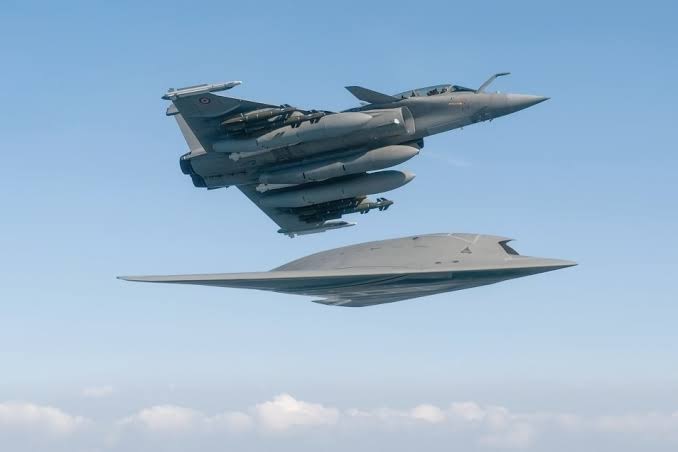 France Agrees to Equip Future Indian Rafales with AI, MUM-T and Secure Satellite Links Under F5 Standard
-
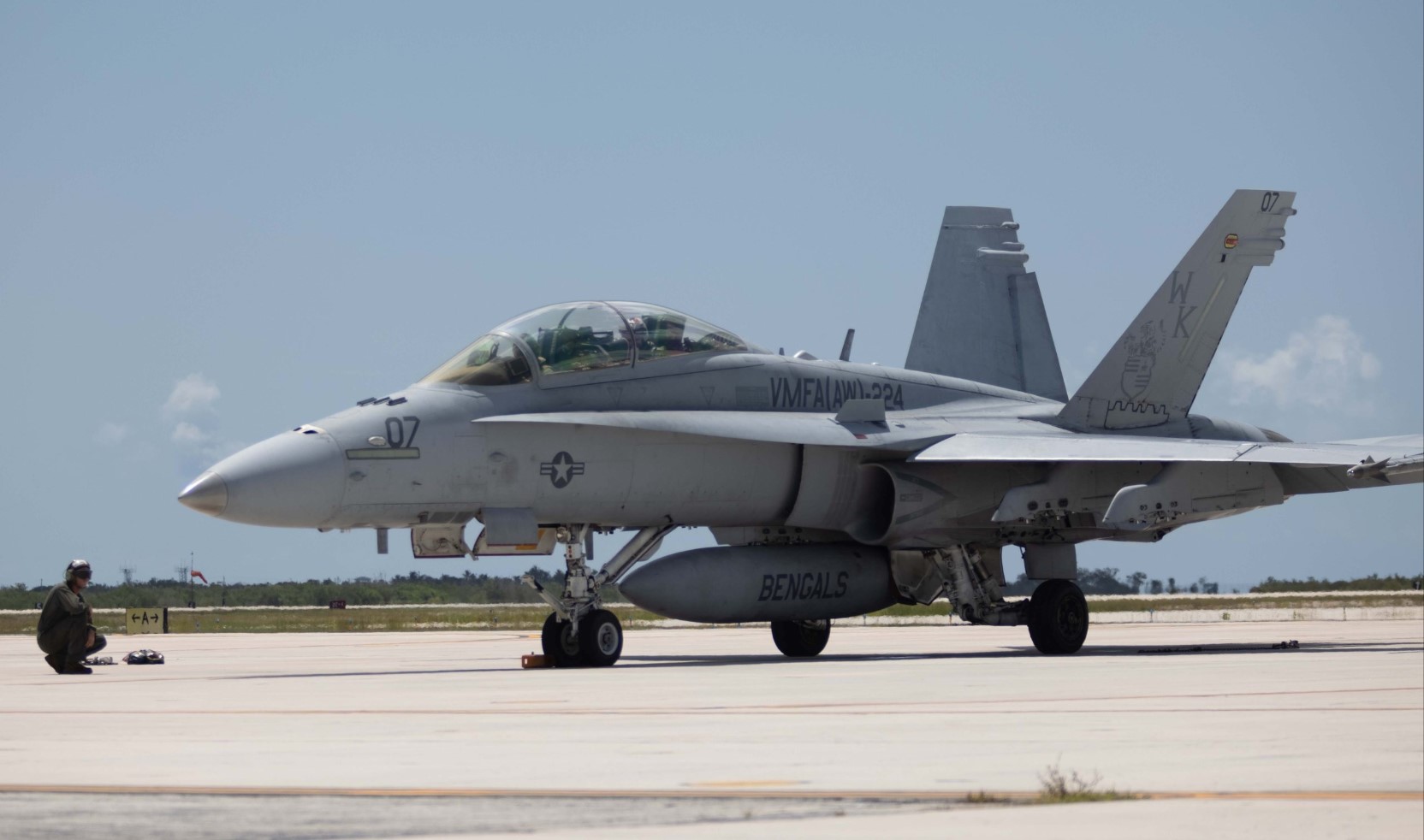 US Marine Corps F/A-18D Hornet Crashes During Training Flight in Washington Mountains; Pilot Ejects Safely
-
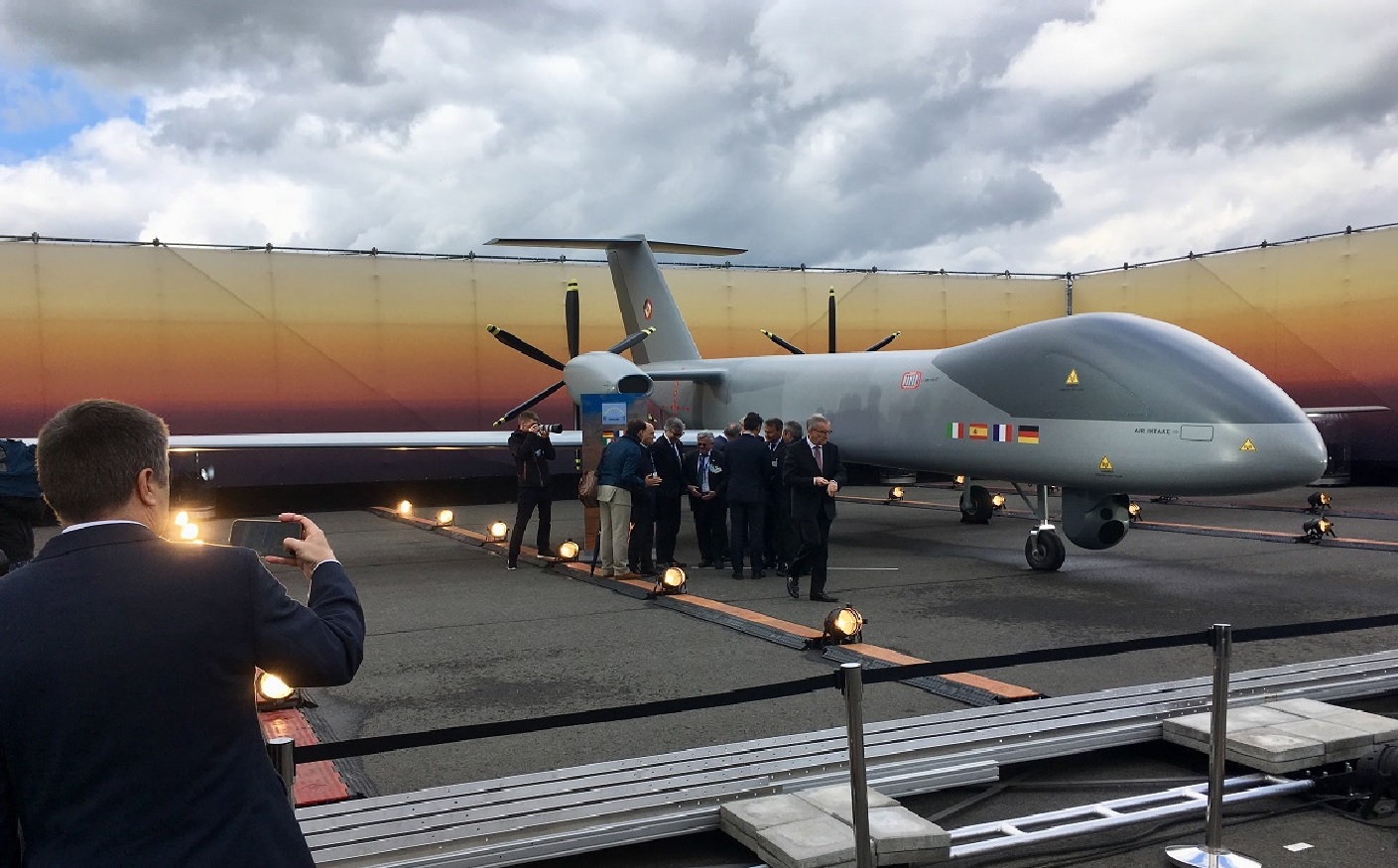 Dassault Seeks Compensation From Airbus as Eurodrone Dispute Erupts After FCAS Collapse
-
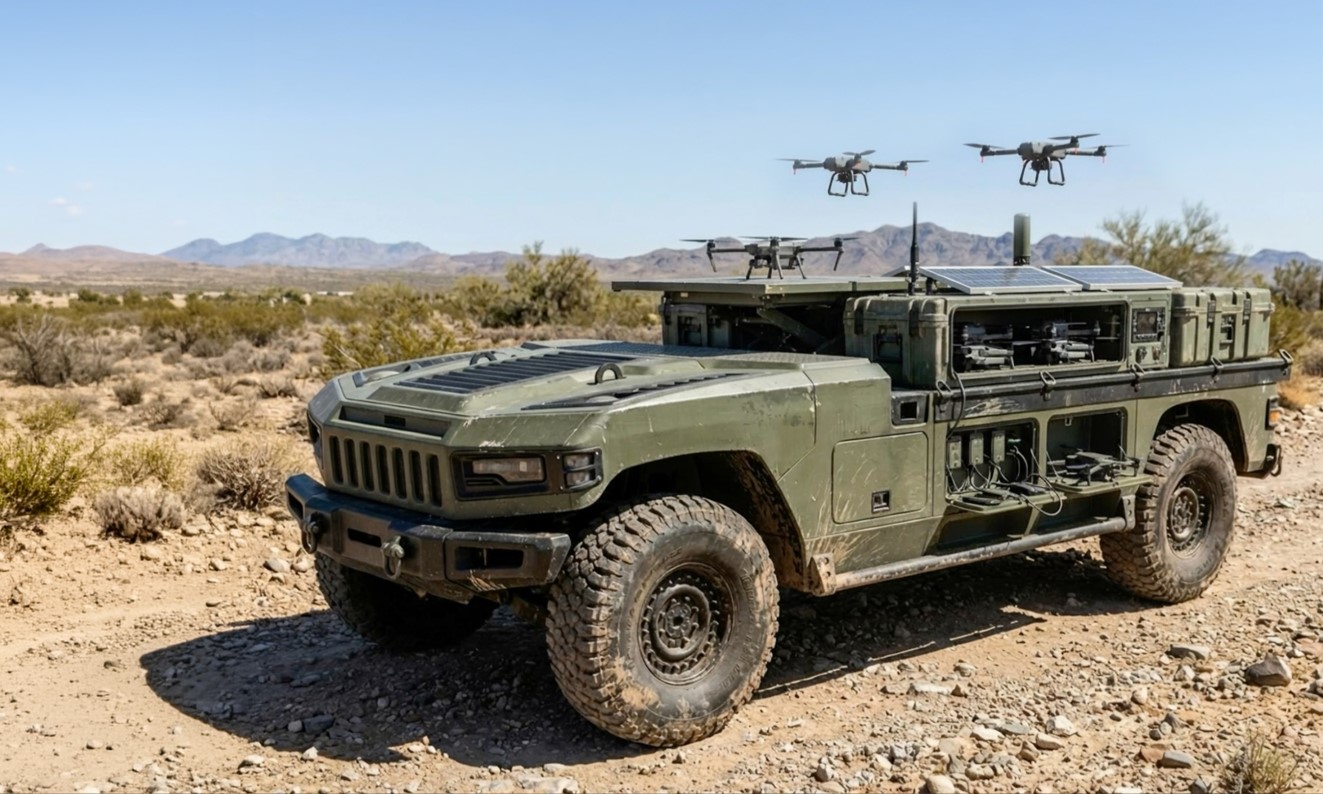 AM General Unveils Next-Generation UGV and JLTV A2 with Counter-Drone Systems at Eurosatory 2026
-
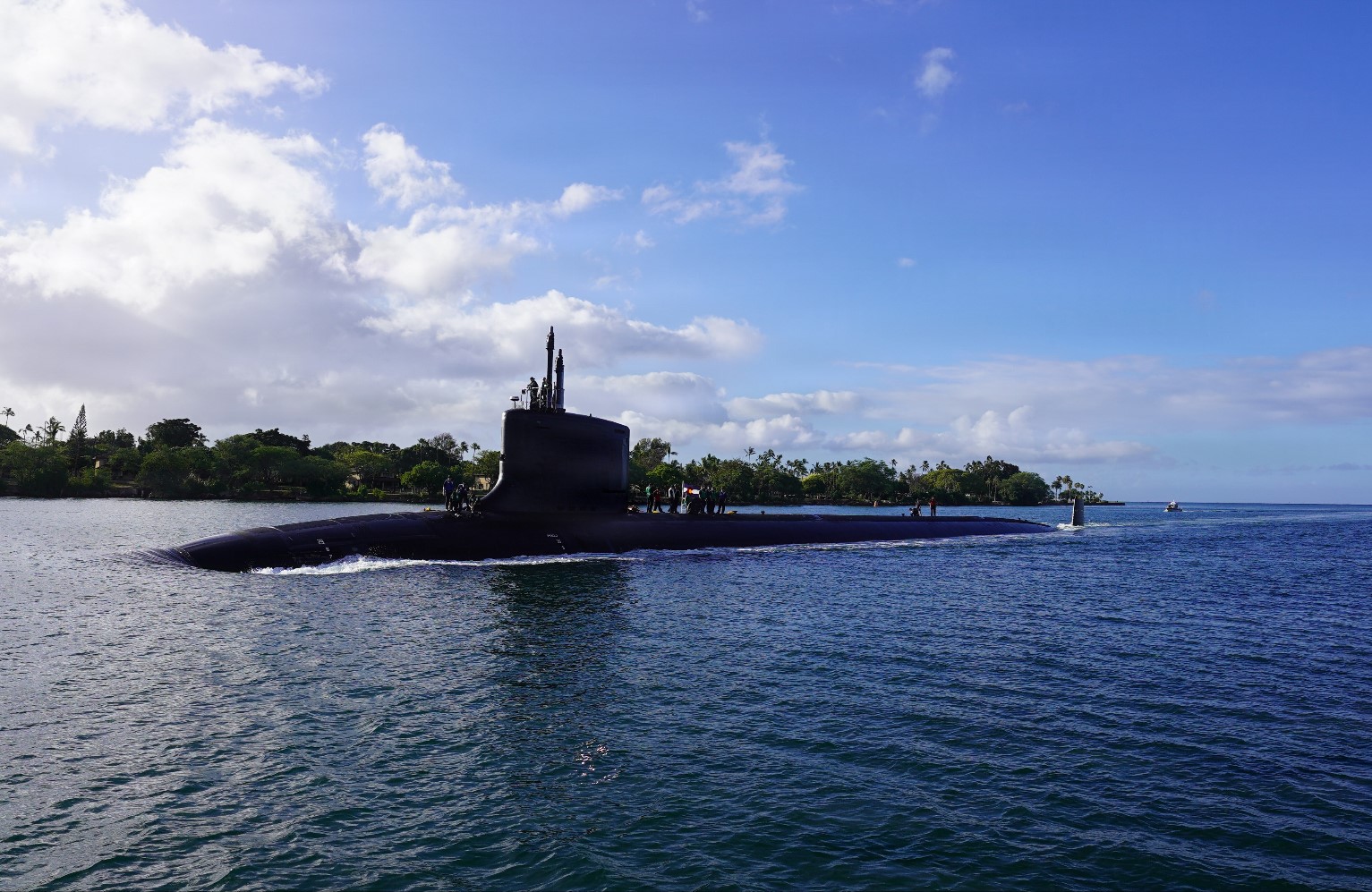 U.S. Navy's USS Colorado Submarine Returns to Pacific Fleet 29 Days Early After Major Pearl Harbor Overhaul
-
 Pakistan Raises Defence Budget from $9 Billion to $10.8 Billion as J-35 Fighter and Hangor Submarine Programs Advance
-
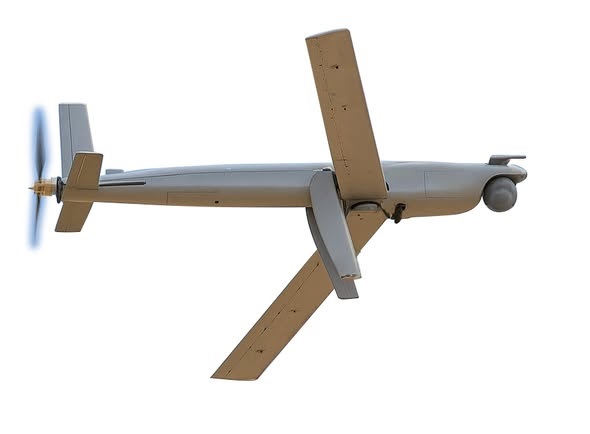 Elbit Systems and Diehl Defence Partner to Offer SkyStriker Loitering Munition to German Armed Forces
Top Trending in 4 Days
-
 Iranian Media Leaks 14-Point U.S.-Iran Peace Framework Amid Ongoing Negotiations
-
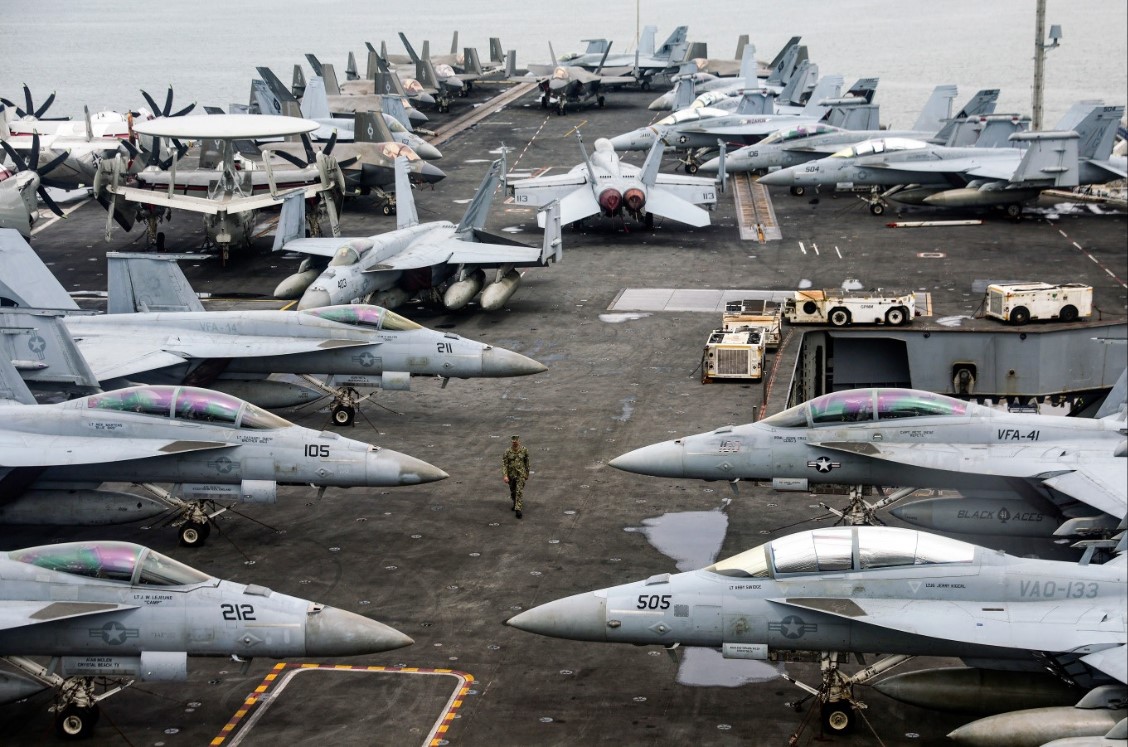 US Plans Significant Reduction of Fighter Jets and Warships for NATO Operations in Europe
-
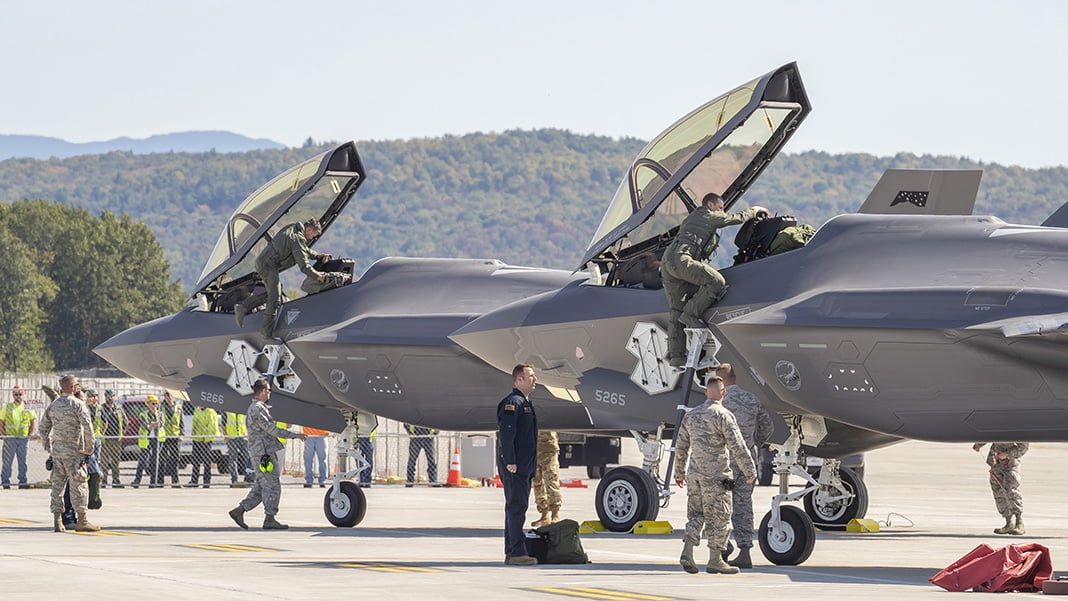 F-35 Fleet Readiness Falls to 25% Amid Parts Shortages and Software Delays: GAO Report
-
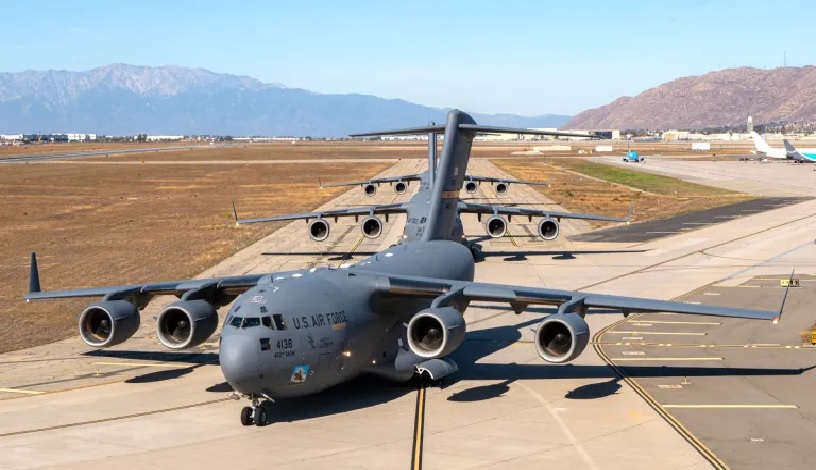 U.S. Air Force Faces Strategic Airlift Shortfall as C-17 Production Restart Remains Uncertain
-
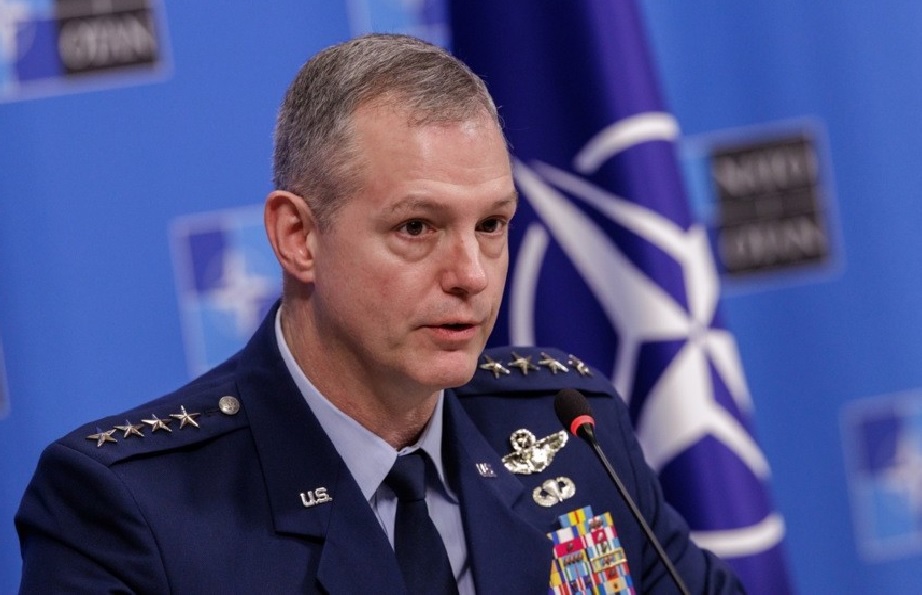 NATO Commander Says Russia Not Seeking Conflict With Alliance Despite U.S. Force Reductions
-
 Russian Defense Firm ZALA Unveils KAMA Unmanned Surface Vessel Family at FLOT-2026 Naval Exhibition
-
 India Successfully Conducts AD-1, AD-2 Interceptor Tests and Maiden NASM-MR Flight Trial
-
 U.S. Space Force Awards $437.7 Million Contracts for First PTS-G Swarm 1 Anti-Jam Satellites