
India
In the rugged terrain of Jammu and Kashmir, where security forces tirelessly combat terrorism, a new adversary has emerged: Chinese 'Ultra Set' handsets. These sophisticated devices, combining cell phone functionalities with specialized radio equipment, have sparked grave concerns among security agencies due to their unique communication capabilities.Recent operations in Jammu's Pir Panjal range uncovered these 'Ultra Set' handsets, originally intended for the Pakistan Army but now infiltrating into the hands of terror groups operating in the region. This revelation has escalated alarms, linking these devices directly to an uptick in terrorist activities witnessed in the Union Territory.Unlike conventional mobile technologies like GSM or CDMA, 'Ultra Set' handsets operate on encrypted radio waves, enabling stealthy communication channels that are challenging to intercept. Each device is reportedly linked to control stations across the border, utilizing Chinese satellites for transmitting compressed messages to a master server in Pakistan before onward dissemination.Security forces have repeatedly seized these Chinese-made devices from terrorists across Jammu and Kashmir, underscoring their strategic role in facilitating cross-border infiltration and terrorist operations. The recovery of such equipment not only exposes the intricate support network between terror groups and the Pakistan Army but also points to broader geopolitical implications involving China's strategic ties with Pakistan.The backdrop of recent high-level discussions on the China-Pakistan Economic Corridor (CPEC) further amplifies concerns, as China and Pakistan reaffirm their deepening alliance. The implications of Chinese 'Ultra Set' handsets in Jammu and Kashmir serve as a stark reminder of the evolving security landscape, where advanced technology intersects with geopolitical interests, posing unprecedented challenges to regional stability.As security agencies remain vigilant, the emergence of these Chinese devices marks a critical juncture in the ongoing struggle against terrorism in Jammu and Kashmir. The path ahead demands not only heightened surveillance and strategic countermeasures but also international cooperation to address the proliferation of such advanced communication technologies in conflict zones.In conclusion, the infiltration of Chinese 'Ultra Set' handsets into Jammu and Kashmir represents more than just a technological challenge—it is a poignant reminder of the complex nexus between state actors, terror networks, and the global implications of advanced warfare technologies in modern conflicts.
Read More → Posted on 2024-06-25 15:54:06
India
In a significant legal tussle, the authorized vendor of Indo-Russian Rifles Private Limited (IRRPL), a company responsible for manufacturing AK 203 assault rifles at the Amethi small arms factory, has approached the Delhi High Court. The vendor, M/s BSS Material Ltd., has alleged an unfair ouster from the bidding process for a substantial ₹12,000-crore contract intended to supply close-quarter battle carbines to the Indian Army.This dispute highlights the intricate dynamics and competitive nature of defense procurement in India, where large-scale contracts are highly coveted, and the stakes are exceptionally high.The Backbone of Indian Infantry ModernizationThe Indo-Russian Rifles Private Limited, a collaborative venture between India and Russia, plays a pivotal role in the modernization of the Indian infantry. The company, operating out of Amethi, has been at the forefront of producing the AK 203 assault rifles, which are a part of the larger AK-100 series, renowned for their reliability and performance in diverse combat conditions.Last year marked a significant milestone for IRRPL as they delivered the first batch of these sophisticated rifles to the Indian Army. The delivery was a step forward in enhancing the firepower and operational readiness of the Indian forces. However, as the army looks to further bolster its arsenal with close-quarter battle carbines, the competition for the contract has become fierce and contentious.Allegations and Legal BattleM/s BSS Material Ltd., authorized vendor for IRRPL, has filed a petition in the Delhi High Court, alleging that they were unfairly excluded from the bidding process. The vendor claims that procedural irregularities and lack of transparency in the bidding process led to their ouster. This petition brings to light the often opaque nature of defense procurements, where allegations of favoritism and procedural lapses are not uncommon.The ₹12,000-crore contract is not just a matter of financial significance but also of strategic importance. Close-quarter battle carbines are essential for the Indian Army's counter-insurgency and close-combat operations, necessitating the procurement process to be both fair and meticulous.The Strategic Partnership and Its ImplicationsThe Indo-Russian Rifles Private Limited is a manifestation of the strategic partnership between India and Russia, which has historical roots and contemporary significance. The joint venture symbolizes mutual trust and cooperation in defense manufacturing, aimed at bolstering India's self-reliance in arms production under the 'Make in India' initiative.The AK 203 rifles produced at the Amethi plant are expected to replace the aging INSAS rifles, providing the Indian soldiers with a more reliable and effective weapon. The success of this venture is crucial not only for the Indian defense landscape but also for the future of India-Russia defense collaborations.Broader Implications of the DisputeThe legal battle over the carbine contract could have broader implications for defense procurement in India. It underscores the need for greater transparency and accountability in the bidding processes to ensure that competent and deserving vendors are not sidelined. Moreover, it highlights the importance of robust legal frameworks to address grievances and disputes in defense contracts, which are critical for national security.The outcome of this case could set a precedent for how future disputes in defense procurements are handled and resolved, potentially leading to reforms that enhance the integrity and efficiency of the process.
Read More → Posted on 2024-06-25 15:47:23
India
In a strategic move to fortify international defence collaborations, the United Kingdom has renewed its invitation to India to join the ambitious Tempest sixth-generation fighter jet program. This overture aims to leverage India's technological expertise while potentially reducing the overall development costs of the state-of-the-art aircraft. Currently, the UK is working alongside Italy and Japan on this cutting-edge project, but both nations have expressed that India’s participation is crucial for its ultimate success.The Tempest program, a hallmark of next-generation aerial warfare, is designed to introduce advanced capabilities such as stealth technology, artificial intelligence, and swarming drone operations. Set to achieve its maiden flight by 2035, the initiative represents a significant leap in military aviation, with an estimated budget of $32.5 billion. By inviting India to the table, the UK underscores the importance of global collaboration in achieving technological milestones that could redefine future air combat.This invitation follows a similar approach in 2019, where the UK highlighted the potential for India to contribute significantly in software development and other critical areas. This renewed push underscores the strategic value seen in India’s growing technological prowess, particularly in defense software and systems integration.Concurrently, Rolls-Royce, a key member of the Tempest development team, has shown a keen interest in partnering with India on engine technology for the indigenous Advanced Medium Combat Aircraft (AMCA) fifth-generation fighter program. This potential collaboration could offer India a tailored solution for its domestic jet project, aligning with the country's "Make in India" initiative aimed at achieving self-reliance in defence manufacturing.India's decision regarding these proposals remains pivotal. The nation is at a crossroads, balancing the allure of accessing cutting-edge technology with the imperative of retaining control over intellectual property rights. While joining the Tempest program could propel India into the forefront of global aerospace technology, it also poses potential constraints on its strategic autonomy.The UK’s proposal is not merely about co-development but also about fostering a deeper strategic partnership. With India’s involvement, the Tempest program stands to benefit from reduced costs and enriched technological input. Moreover, Rolls-Royce’s offer to collaborate on engine development could expedite the AMCA program, providing India with enhanced propulsion technology that meets its specific requirements.The potential partnership is mutually beneficial. For India, participation in the Tempest program could significantly bolster its defense capabilities and international standing. The collaboration with Rolls-Royce, on the other hand, promises to enhance India’s indigenous manufacturing prowess, aligning with its nationalistic aspirations of self-sufficiency in defense production.As India deliberates its options, the outcome will undeniably influence the trajectory of its defense modernization and its strategic role on the global stage. The decision to join the Tempest fighter jet program or to embark on a separate engine development venture with Rolls-Royce will be a defining moment in India’s defense strategy.In conclusion, the UK's courting of India for the Tempest program and Rolls-Royce's engine collaboration proposal represent significant opportunities for strengthening international defense ties and advancing technological frontiers. India's response to these overtures will shape the future of its defense industry and its position in the global aerospace arena.
Read More → Posted on 2024-06-25 15:33:39
India
The Indian Army has officially commenced Phase II of the Agniveer recruitment process, marking a significant milestone in its ongoing efforts to transform recruitment procedures and ensure a seamless, efficient selection process for aspiring candidates. The announcement was made on Tuesday, highlighting the Army's dedication to maintaining a free, fair, and transparent recruitment rally. This phase embodies a crucial step in modernizing the Army's approach to induction, aligning with the broader objectives of the Agnipath recruitment scheme introduced in June 2022.The Agnipath scheme represents a groundbreaking initiative by the Indian government aimed at revitalizing the age profile of the nation's three armed services. This program focuses on recruiting young individuals within the age bracket of 17-and-a-half to 21 years for a tenure of four years, with a provision to retain 25% of these recruits for an additional 15 years. This strategic move is designed to infuse fresh energy and innovation into the armed forces, ensuring a dynamic and youthful workforce capable of meeting contemporary challenges.Phase I of the Agniveer recruitment process involved an online computer-based written examination, setting the foundation for the subsequent phase. Phase II, which has now commenced, involves a comprehensive recruitment rally where candidates undergo a series of rigorous physical and medical evaluations. This two-phase approach ensures that only the most capable and dedicated individuals are selected to serve as Agniveers, embodying the values and ethos of the Indian Army.The announcement of Phase II's commencement has been met with enthusiasm and anticipation, particularly given the significant review and adjustments made to the Agnipath scheme in recent months. The NDA government, recognizing the critical importance of this recruitment program, has tasked a group of secretaries from ten key ministries with reviewing the scheme to enhance its attractiveness and effectiveness. This review underscores the urgency with which the government aims to address any potential shortcomings and optimize the recruitment process.The Modi government's decision to review the Agnipath scheme is particularly noteworthy in the context of recent political developments. After failing to secure a majority independently in the 18th Lok Sabha elections, the government formed a coalition with key allies, including the JD(U). The coalition's formation highlighted the necessity of revisiting and refining key national policies, including the Agnipath scheme, to ensure broad-based support and effectiveness.The current review process is part of the revised 100-day agenda of the new government, reflecting its commitment to continuous improvement and responsiveness to public and political feedback. The Indian Army's proactive steps in advancing to Phase II of the Agniveer recruitment process align with this broader governmental agenda, demonstrating a concerted effort to enhance the nation's defense capabilities through strategic recruitment and retention initiatives.In summary, the commencement of Phase II of the Agniveer recruitment process signifies a pivotal moment in the Indian Army's journey towards a modernized, efficient, and transparent recruitment system. This phase builds on the foundational work laid in Phase I, ensuring a thorough and rigorous selection process that upholds the highest standards of the Indian Army. As the Agnipath scheme continues to evolve and improve, the nation's armed forces are poised to benefit from an influx of youthful talent, equipped to navigate the complexities of modern defense and uphold India's security and sovereignty.
Read More → Posted on 2024-06-25 15:18:24
India
India's underwater prowess is set to achieve unprecedented heights with the induction of three additional Kalvari-class submarines into the Indian Navy. This development marks a significant leap in strengthening India's naval capabilities and regional influence.Advanced Capabilities for Enhanced Underwater WarfareThe new Kalvari-class submarines are poised to redefine underwater warfare with their state-of-the-art technology and advanced features. Key among these is the potential integration of Air-Independent Propulsion (AIP) systems, a groundbreaking enhancement that will allow these submarines to operate submerged for extended periods without needing to surface for air. This capability drastically increases their stealth and endurance, making them formidable assets in underwater operations.Moreover, these submarines will boast an extended operational range and endurance, allowing for missions farther from home shores and prolonged deployments. This enhancement not only expands the operational scope of the Indian Navy but also ensures a persistent underwater presence in critical maritime zones.Equipped with modern electronics and advanced sensor suites, the new Kalvari-class submarines will have superior detection and targeting capabilities. This technological edge will enhance their effectiveness in both offensive and defensive roles, ensuring that the Indian Navy can counter threats with greater precision and efficiency.Strategic Implications for India's Naval PowerThe induction of these three advanced submarines will significantly bolster India's naval power, with far-reaching strategic implications. A stronger submarine fleet acts as a powerful deterrent against potential adversaries, contributing to regional stability and safeguarding India's maritime interests. This enhanced deterrence capability is crucial in maintaining peace and stability in the region.Additionally, the advanced underwater capabilities of these submarines will enable the Indian Navy to project power across a wider area of operation. This ensures a stronger presence in critical maritime zones, reinforcing India's influence and strategic reach. The new submarines will also significantly enhance India's anti-submarine warfare capabilities, effectively countering threats posed by enemy submarines and ensuring the security of vital sea lanes.Submarines are invaluable assets for intelligence gathering, and the new Kalvari-class vessels will further augment the Indian Navy's ability to monitor and assess underwater activities in the region. This enhanced intelligence capability is crucial for maintaining situational awareness and responding effectively to potential threats.A Step Towards Self-Reliance in Defence ManufacturingThe construction of these submarines emphasizes indigenous content, reducing reliance on foreign suppliers and fostering technological development within India's defence industry. This aligns with the government's vision of "Make in India" and strengthens the country's self-reliance in defence manufacturing. By developing advanced submarine technology domestically, India is not only enhancing its naval capabilities but also building a robust and self-sufficient defence industrial base.
Read More → Posted on 2024-06-25 15:10:25
India
A delegation from Pakistan arrived in Jammu on Sunday evening for discussions related to the Indus Waters Treaty of 1960. This treaty, signed by Indian Prime Minister Jawaharlal Nehru and Pakistani President Ayub Khan, established guidelines for sharing the waters of the Indus river system. It created the Permanent Indus Commission (PIC), comprising representatives from both countries, tasked with managing and resolving disputes regarding the usage of these shared waters.Under the treaty, both nations are allowed certain rights to the waters of the Indus, Jhelum, and Chenab rivers. However, tensions have periodically arisen over specific projects, notably the Kishanganga and Ratle hydroelectric plants built by India. Pakistan has raised objections, claiming these projects violate the treaty's provisions. In response, India contends that its constructions adhere to treaty guidelines and are crucial for its energy needs.The World Bank, which facilitated the treaty's negotiations, has at times been involved in mediating disagreements. In 2015, Pakistan requested a Neutral Expert to assess its concerns about Indian projects, but later withdrew this request in favor of arbitration through a Court of Arbitration. Despite efforts, discussions on these issues in the Permanent Indus Commission have stalled since 2017.The current visit of the Pakistani delegation aims to inspect the sites of these contentious projects. This inspection forms part of ongoing efforts to understand the technical aspects and potential impacts of the Indian hydroelectric developments on Pakistan's water interests.Efforts to resolve these disputes reflect broader geopolitical complexities between India and Pakistan. Water management remains a critical issue for both nations, impacting agriculture, industry, and overall development. While the Indus Waters Treaty provides a framework for cooperation, its implementation and interpretation continue to be areas of contention.In conclusion, the arrival of the Pakistani delegation in Jammu underscores the ongoing challenges and efforts to navigate the complexities of water sharing under the Indus Waters Treaty. It highlights the importance of dialogue and technical evaluation in addressing disputes that affect the livelihoods and futures of millions dependent on these vital river systems.
Read More → Posted on 2024-06-24 16:03:13
India
India and the United States are engaged in advanced discussions regarding the co-production of Javelin anti-tank missiles, a move that signifies a deepening of defense cooperation between the two nations. This development aligns with India's strategic objective to enhance its defense manufacturing capabilities under the 'Make in India' initiative, while also addressing its military modernization needs.The Javelin missile, a man-portable, fire-and-forget infrared-guided missile, is one of the most advanced anti-tank systems globally. Co-producing this technology in India would not only strengthen the country's defense sector but also bolster its self-reliance in critical military hardware. The partnership is expected to involve technology transfer, joint production, and potentially, future collaboration on advanced versions of the missile.This prospective collaboration underscores the growing defense ties between India and the U.S., which have expanded significantly over the past decade. The two countries have already signed key agreements, such as the Logistics Exchange Memorandum of Agreement (LEMOA) and the Communications Compatibility and Security Agreement (COMCASA), which facilitate deeper military cooperation. The co-production of Javelin missiles would further cement this partnership, contributing to regional stability and security.India's interest in the Javelin system is driven by its need to counter modern armored threats along its borders. The Indian Army has been seeking advanced anti-tank guided missile (ATGM) systems to replace its older inventory and enhance its combat capabilities. The Javelin missile, with its top-attack and direct-attack modes, offers a versatile and effective solution against a variety of targets, including tanks equipped with explosive reactive armor.For the U.S., this collaboration represents an opportunity to strengthen a strategic partnership in a geopolitically critical region. It also aligns with the U.S. strategy of supporting allied nations in building their defense capabilities, thereby promoting stability and security in regions of mutual interest. Furthermore, co-production deals such as this can have significant economic benefits, creating jobs and stimulating the defense manufacturing sectors in both countries.Negotiations between India and the U.S. have focused on the specifics of technology transfer, production timelines, and the integration of Indian defense firms into the supply chain. Indian defense manufacturers, both public and private, are likely to play a crucial role in this endeavor. This collaboration could also pave the way for future joint ventures in other advanced defense technologies.In conclusion, the discussions on co-producing Javelin anti-tank missiles represent a significant milestone in India-U.S. defense relations. This initiative promises to enhance India's defense capabilities, promote technological self-reliance, and strengthen bilateral ties between the two nations. As the talks progress, the successful implementation of this collaboration could set a precedent for future defense partnerships, contributing to regional and global security.
Read More → Posted on 2024-06-24 15:42:34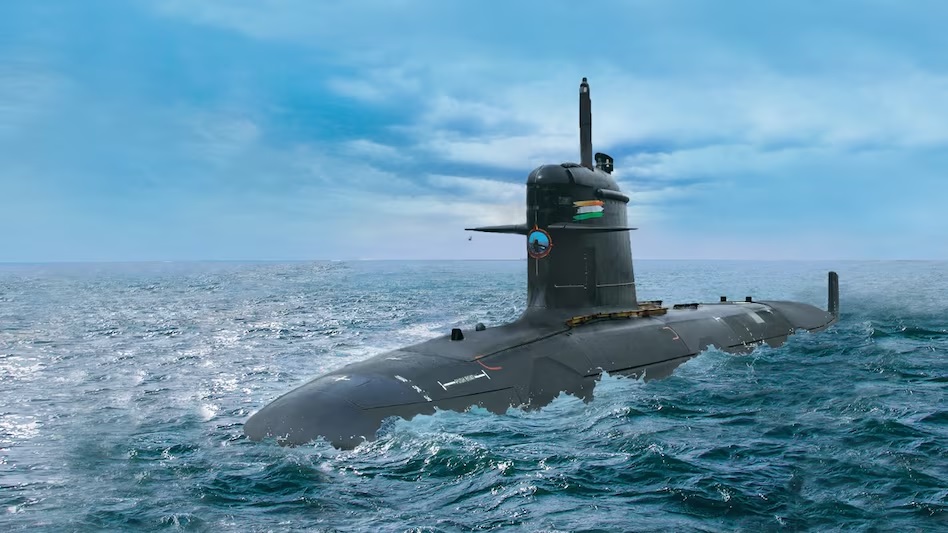
India
The Indian Navy is set to enhance its underwater capabilities significantly, with Mazagaon Dockyard Limited (MDL) moving closer to securing a ₹35,000-crore deal for three new Kalvari-class (Scorpene) submarines. These submarines are expected to be a substantial upgrade from their predecessors, featuring larger dimensions, advanced electronics, and improved endurance. Enhanced propulsion technology will allow these submarines to operate over greater distances, surpassing the current fleet's operational range, which has seen deployments as far as Australia.MDL has submitted a detailed techno-commercial bid to the defense ministry, emphasizing a commitment to ensuring at least 60% indigenous content in the construction of these new vessels. This focus on local content will significantly involve Indian sub-suppliers and the MSME (Micro, Small, and Medium Enterprises) sector, strengthening the domestic defense manufacturing ecosystem. The estimated contract value of around ₹35,000 crore is in line with international standards for submarines of this class. The project is expected to create approximately 5,000 jobs and keep a significant portion of the contract value within the Indian economy. The high degree of indigenous content will also facilitate substantial technology transfer, setting the stage for future Kalvari-class submarines to be entirely designed, developed, and manufactured in India.MDL is currently building Kalvari-class submarines under Project 75, with the final, sixth vessel scheduled for delivery by the end of the year. The proposed additional submarines can be delivered within six years, addressing the Navy's urgent need for conventional submarines as its fleet of Russian-origin Kilo-class vessels approaches the end of their service life.This deal is part of a broader effort to modernize and expand the Indian Navy's submarine fleet. Alongside this agreement, the Navy is also pursuing Project 75I, which aims to construct six additional conventional submarines indigenously. These projects are critical to maintaining the Navy's operational capabilities and ensuring maritime security.Overall, the acquisition of these advanced Kalvari-class submarines will significantly enhance the Indian Navy's underwater warfare capabilities, boost indigenous defense manufacturing, and create numerous job opportunities, reinforcing India's strategic autonomy in defense.
Read More → Posted on 2024-06-24 15:30:58
India
The Indian Army has successfully built a foot suspension bridge in North Sikkim within 48 hours to reconnect border villages affected by severe weather conditions. Heavy rains and landslides had recently disrupted the area, causing the tragic death of six individuals and leaving around 1,500 tourists stranded. The rapid construction was undertaken by the engineers of the Trishakti Corps, who assembled a 150-foot suspension bridge to restore essential connectivity.This newly constructed bridge, spanning over a stream, plays a crucial role in facilitating the movement of local residents and the transportation of relief materials. The bridge's design includes a roadway suspended from cables, which are supported by towers and anchored securely at both ends. This structure ensures stability and durability, vital for the harsh weather conditions often experienced in the region.The affected area, particularly Mangan district, faced severe disruption due to the torrential rains on June 13. Road links and communication infrastructure were heavily damaged, isolating several villages and stranding tourists. The swift response by the Indian Army not only provided immediate relief but also showcased the military's capability to execute critical infrastructure projects under challenging circumstances.Such initiatives are vital for the region's resilience against natural calamities. The bridge not only restores immediate connectivity but also serves as a symbol of hope and support for the local communities. In addition to the army's efforts, local authorities and various organizations have been working tirelessly to provide relief and support to those affected by the disaster.The swift construction of the suspension bridge highlights the importance of efficient disaster response mechanisms. The Indian Army's role in such operations underscores its commitment to national service, extending beyond conventional defense duties to include humanitarian assistance and disaster relief.The proactive measures taken by the Indian Army in constructing the suspension bridge are commendable and reflect the institution's readiness to respond to emergencies. This project has brought much-needed relief to the people of North Sikkim, ensuring that essential supplies and services can reach those in need.
Read More → Posted on 2024-06-24 15:26:09
India
India and Russia are set to finalize a long-awaited Reciprocal Exchange of Logistics Agreement (RELOS), which aims to streamline military exchanges between the two nations. This agreement, which has been under discussion for several years, recently gained momentum with Russia approving the draft. The Russian government has authorized its Ministry of Defence to negotiate the terms with India, bringing the agreement closer to being signed.Key Features of the AgreementThe RELOS agreement is designed to simplify logistical support for military operations, including exercises, training, port calls, and humanitarian assistance and disaster relief (HADR) efforts. It mirrors similar agreements India has with other countries, such as the United States, which began in 2016. Once signed, the RELOS will be valid for five years and will automatically renew unless either country decides to terminate it.Strategic ImportanceDefence cooperation is a cornerstone of the India-Russia strategic partnership, supported by a broader military technical cooperation agreement signed during the India-Russia 2+2 dialogue in December 2021. This cooperation includes joint development and supply of weapons and military equipment. Additionally, a Navy-to-Navy cooperation agreement is also in the pipeline, highlighting the deepening maritime collaboration between the two countries.Access to Arctic FacilitiesOne of the significant benefits of the RELOS for India is access to Russian military facilities in the Arctic. This region is becoming increasingly important due to new shipping routes opening up. India's investments in Russia's eastern regions make this access particularly valuable for its strategic interests.Benefits to the Indian NavyAmong the Indian armed forces, the Navy stands to gain the most from these logistics agreements. Such agreements have already proven beneficial with other countries, enhancing operational turnaround and interoperability on the high seas. For example, foundational agreements with the U.S. and logistics arrangements with Australia and Japan have been advantageous due to shared military platforms.Broader Context of India's Logistics AgreementsIndia has signed logistics agreements with multiple countries, including the Quad members (U.S., Japan, and Australia), France, Singapore, South Korea, and Vietnam. These agreements facilitate mutual access to military facilities for refueling and supplies, thereby improving operational efficiency during deployments.The United Kingdom has also benefited from its logistics agreement with India. Royal Navy ships have received spare parts from Indian shipyards, demonstrating growing naval cooperation. Additionally, Royal Air Force flights have used Indian facilities for logistics halts during regional operations.
Read More → Posted on 2024-06-23 15:41:58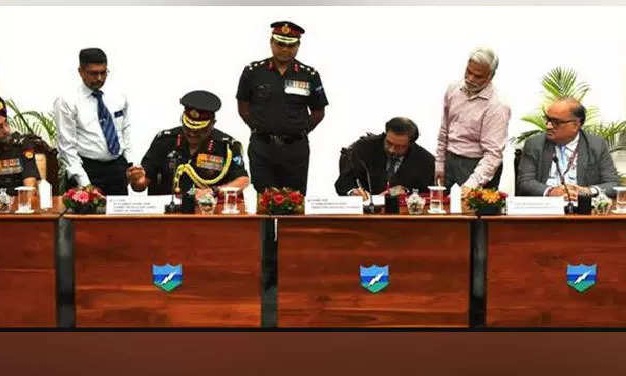
India
In a significant move to bolster technological capabilities, the Military College of Telecommunication Engineering (MCTE) of the Indian Army and the Society for Applied Microwave Electronics Engineering & Research (SAMEER) signed a Memorandum of Understanding (MoU). This collaboration aims to advance next-generation wireless technologies for the Indian Army.The MoU was signed by Lt Gen K H Gawas, Commandant MCTE and Colonel Commandant Corps of Signals, and Dr P H Rao, Director General SAMEER. This initiative aligns with the Chief of Army Staff's vision for 2024 as the 'Year of Technological Absorption for Indian Army.'Key Objectives and Expected OutcomesThe partnership plans to establish an 'Advanced Military Research and Incubation Centre' at MCTE. This center will focus on developing advanced wireless technologies specifically for military applications. The collaboration combines SAMEER's expertise in wireless technologies with MCTE's skills in communications, electronic warfare, and cyber operations.The key objectives of this partnership include:Enhancing national security through improved technological infrastructure.Developing field-deployable solutions for tactical battle areas.Creating an ecosystem involving academia, industry, researchers, and start-ups to foster innovation.Supporting the national initiative of 'Atmanirbhar Bharat' (self-reliant India).Impact Beyond the MilitaryWhile the primary focus is on military applications, the advancements made through this collaboration are expected to have broader implications. Enhanced telecommunications, better emergency response systems, and improved public safety measures are potential benefits.Insights from the Signing CeremonyDuring the MoU signing ceremony, Maj Gen C S Mann, Additional Director General of Army Design Bureau, emphasized the Indian Army's efforts to adopt emerging technologies. S K Marwaha, Group Coordinator MeitY, highlighted various initiatives by the Ministry of Electronics and Information Technology (MeitY) for defence applications, noting contributions from SAMEER and the Centre for Development of Advanced Computing (CDAC).Dr P H Rao from SAMEER discussed the extensive work in the defence sector and the vision for this MoU to develop practical solutions for the Indian Army. Lt Gen K H Gawas underscored the significance of the MoU, expressing confidence that this partnership would lead to groundbreaking achievements in military technology.Future ProspectsThe MoU marks a pivotal moment in the collaboration between SAMEER and MCTE, setting a new standard for cooperation between government R&D institutions and military educational bodies. This strategic alliance is expected to drive significant technological progress, benefiting not just the military but various sectors.The collaboration is seen as a step towards creating a robust ecosystem for the development of advanced technology-based solutions, paving the way for a more secure and technologically advanced India.
Read More → Posted on 2024-06-23 15:34:50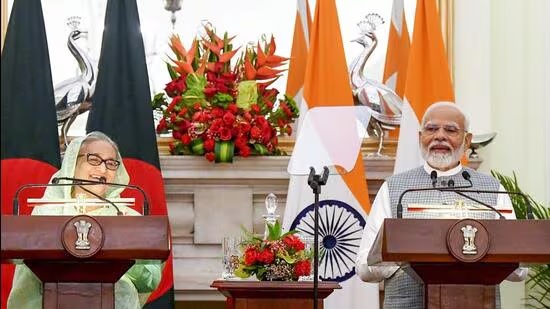
India
India and Bangladesh have reached a pivotal agreement on the Teesta River, marking a significant step forward in their bilateral relationship. Prime Minister Narendra Modi and Prime Minister Sheikh Hasina concluded talks with a focus on enhancing cooperation across multiple fronts. The initiative to conserve and manage the Teesta River, facilitated by a forthcoming technical team from India to Bangladesh, underscores their commitment to addressing longstanding water management challenges.In addition to the Teesta River project, both leaders oversaw the signing of 10 agreements spanning digital technology, maritime affairs, railways, space exploration, green technology, healthcare, and more. These agreements highlight their shared vision for transformative cooperation in critical sectors.Strategically, the discussions emphasized strengthening defense ties, including collaboration in defense production and modernization, as well as joint efforts in counter-terrorism and border management. This strategic alignment is crucial for regional security and stability in South Asia.Moreover, both nations reaffirmed their commitment to regional cooperation through platforms like BIMSTEC and the Indo-Pacific Oceans Initiative. Bangladesh's participation in the latter initiative further solidifies their strategic partnership in the broader Indo-Pacific region.The agreements reached during Prime Minister Hasina's visit signify a significant milestone in Indo-Bangladeshi relations, reinforcing their status as "trusted neighbors." The Teesta river project, particularly, holds promise for resolving longstanding water disputes and promoting sustainable development in both countries.As India and Bangladesh move forward with their ambitious agendas, these agreements set the stage for deeper collaboration across economic, strategic, and environmental domains. They promise a brighter future for bilateral relations, driven by mutual respect and shared prosperity.
Read More → Posted on 2024-06-23 15:24:48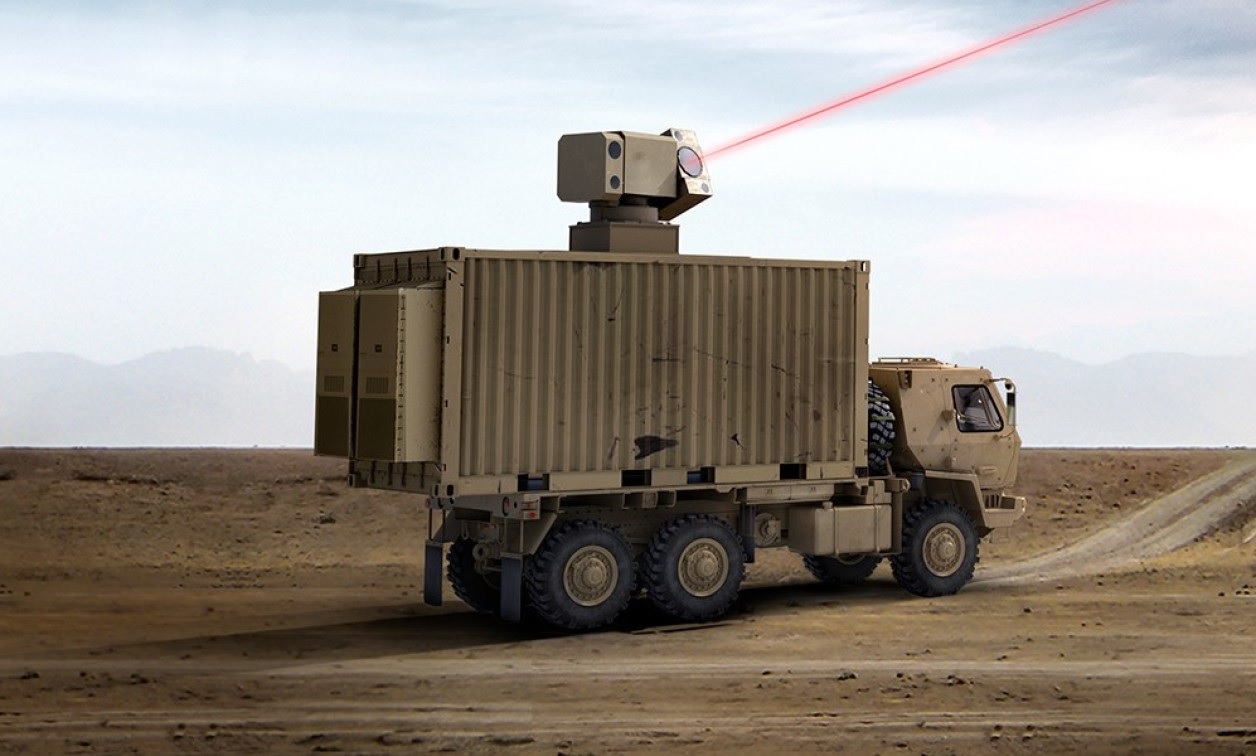
India
The Defence Research and Development Organisation (DRDO) has successfully completed trials for its 30-kilowatt (kW) laser weapon system, marking a significant advancement in India's defense capabilities. The system, designed to neutralize aerial threats such as drones and helicopters, is now ready for mass production and deployment across various military platforms.Key Features and CapabilitiesThe laser weapon system has an operational range of up to 5 kilometers, with DRDO aiming to extend this range further. This extension will enhance its effectiveness against a wider range of targets. The core technology is versatile, adapted for both ground-based and shipborne applications. The Shipborne Laser Weapon System (SLWS), which weighs less than 8 tons, can be integrated seamlessly onto naval vessels and land-based vehicles.Targeting and Electronic Warfare CapabilitiesEquipped with a 360-degree Electro-Optical/Infrared (EO/IR) sensor, the laser weapon system ensures precise identification and neutralization of threats. The system allows for user-defined targeting capabilities, enhancing its operational flexibility. Additionally, it features advanced electronic warfare capabilities, including the ability to jam communication and satellite signals.Mobility and DeploymentThe 30kW laser weapon system's exceptional mobility allows it to be transported by air, rail, road, and sea, facilitating rapid deployment to meet evolving security challenges. This mobility ensures that the system can be quickly positioned in strategic locations as needed.Strategic ImplicationsThe successful trials and imminent deployment of the 30kW laser weapon system represent a major leap forward for India's defense technology. With the ability to neutralize modern aerial threats and the flexibility to be used in various environments, the system significantly enhances India's military preparedness. The DRDO's ongoing efforts to extend the range and capabilities of the system will further solidify its strategic value.Future ProspectsLooking ahead, the DRDO plans to continue refining and expanding the capabilities of the 30kW laser weapon system. Potential developments include increasing the operational range and integrating the system with other defense platforms. These advancements will ensure that India's defense forces remain equipped with cutting-edge technology to address current and future security threats.
Read More → Posted on 2024-06-23 15:21:40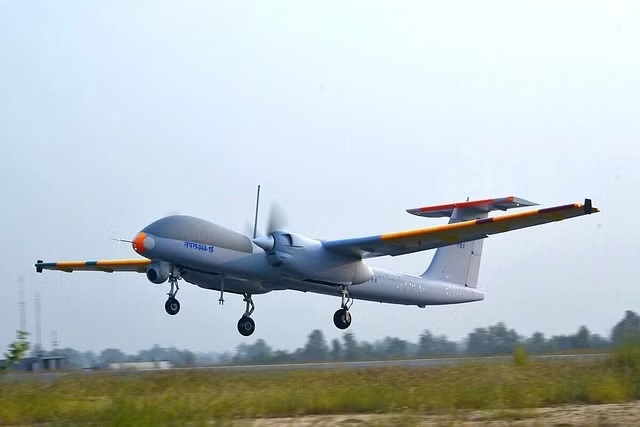
India
In a significant move to enhance the indigenous unmanned surveillance capabilities of the Indian defence forces, the Indian Air Force (IAF) has proposed the acquisition of 10 Tapas drones from the central government. According to defence officials, six of these drones will be allocated to the Indian Air Force, while the remaining four will be assigned to the Indian Navy. The IAF will spearhead the induction and acquisition process for these drones.Indigenous Development and ManufacturingThe Tapas drones, classified as medium-altitude long-endurance (MALE) drones, are developed by the Defence Research and Development Organisation (DRDO). They will be manufactured by a consortium comprising Bharat Electronics Limited (BEL) and Hindustan Aeronautics Limited (HAL). Although these drones have not yet fully met the defence forces' requirements, their limited induction is expected to drive further upgrades and refinements.Current Capabilities and Future EnhancementsDuring trials, the Tapas drones reached an altitude of 28,000 feet and demonstrated the ability to fly for over 18 hours. However, they fell short of the Joint Services Qualitative Requirements, which demand flight capabilities at 30,000 feet for more than 24 hours. Despite these limitations, the Tapas drones are expected to enhance the IAF’s unmanned surveillance on the northern and western fronts.Support for Indigenous Defence ProductionThe IAF has shown strong support for the "Make in India" initiative in defence. In addition to the Tapas drones, the IAF has placed or is in the process of placing orders for 180 Light Combat Aircraft (LCA) Mark 1A and 156 Light Combat Helicopters (LCH), amounting to approximately ₹1.6 lakh crore.Delivery and Future DevelopmentsThe consortium of BEL and HAL is expected to expedite the delivery of the Tapas drones, with the first unit ready within 24 months of signing the contract. The ongoing Tapas project, led by the Aeronautical Development Establishment Laboratory, continues to focus on meeting the operational requirements and enhancing the system’s capabilities.IAF's Existing and Future Drone FleetThe IAF currently operates a fleet of Israeli-origin drones, including the Searcher, Heron Mark-1, and Mark-2. Additionally, there are plans to induct American Predator MQ-9B drones as part of a tri-services acquisition program. The introduction of the indigenous Tapas drones will complement these existing assets and contribute to a more robust surveillance infrastructure.Navy's Use of Tapas DronesThe Indian Navy plans to utilize the Tapas drones for surveillance activities over the maritime zone, enhancing its ability to monitor and secure India's extensive coastline and maritime interests.In summary, the proposed acquisition of Tapas drones marks a critical step towards bolstering India’s unmanned surveillance capabilities with indigenous technology. This initiative not only supports the national defence strategy but also promotes domestic defence manufacturing under the Make in India campaign.
Read More → Posted on 2024-06-23 15:12:52
India
In a significant security operation, nine Bangladeshi nationals were apprehended at the Agartala railway station in Tripura on charges of illegal entry into India. The arrests took place early in the morning on June 22, 2024, when the group was found without valid travel documents.The IncidentThe individuals were detained during a routine security check by the Railway Protection Force (RPF) and local police at the Agartala railway station. Upon interrogation, it was revealed that the group had crossed the India-Bangladesh border in search of employment opportunities.The ArrestThe arrested individuals, all males, are aged between 18 and 45 years. They were found to have entered India through an unfenced and less patrolled section of the border near the Comilla district in Bangladesh. Authorities believe that they were assisted by local agents and human traffickers who facilitate such illegal crossings.Legal ProceedingsFollowing their arrest, the Bangladeshi nationals were taken to the local police station for further questioning and verification of their identities. They have been charged under the Foreigners Act, 1946, and the Passport (Entry into India) Act, 1920, which regulate the entry, stay, and exit of foreigners in India.The authorities have also initiated a detailed investigation to trace the local contacts and networks that facilitated their illegal entry. This includes identifying any human trafficking rings operating in the region.Security MeasuresThe incident has prompted the Tripura police and border security forces to intensify their vigilance along the Indo-Bangladesh border. Tripura shares a porous and often inadequately monitored border with Bangladesh, making it a hotspot for illegal immigration.Diplomatic ReactionsThe Bangladeshi High Commission in India has been informed about the arrests. Diplomatic channels are expected to be utilized for the repatriation of the detained individuals. The incident underscores the need for better coordination between India and Bangladesh to address the issues of illegal immigration and human trafficking.ConclusionThis incident highlights the ongoing challenges faced by border states like Tripura in managing illegal immigration. While addressing the humanitarian concerns of migrants, it is equally crucial to uphold the law and ensure the security of the nation. The authorities' swift action in apprehending the individuals and initiating legal proceedings serves as a reminder of the complex dynamics at play in border regions and the need for comprehensive solutions to manage such issues effectively.Further updates are expected as the investigation progresses and diplomatic discussions continue to determine the fate of the detained Bangladeshi nationals.
Read More → Posted on 2024-06-23 15:02:41Search
Top Trending in 24 Hours
-
 Tulsi Gabbard Releases Declassified Files Detailing U.S.-Backed Network of 120 Biolaboratories Across 30+ Countries
-
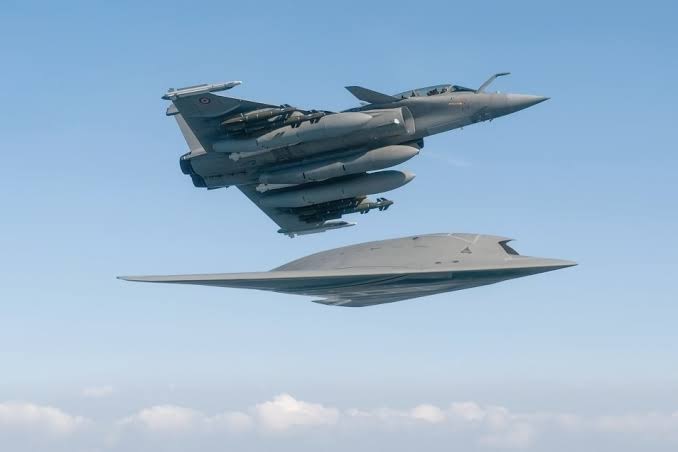 France Agrees to Equip Future Indian Rafales with AI, MUM-T and Secure Satellite Links Under F5 Standard
-
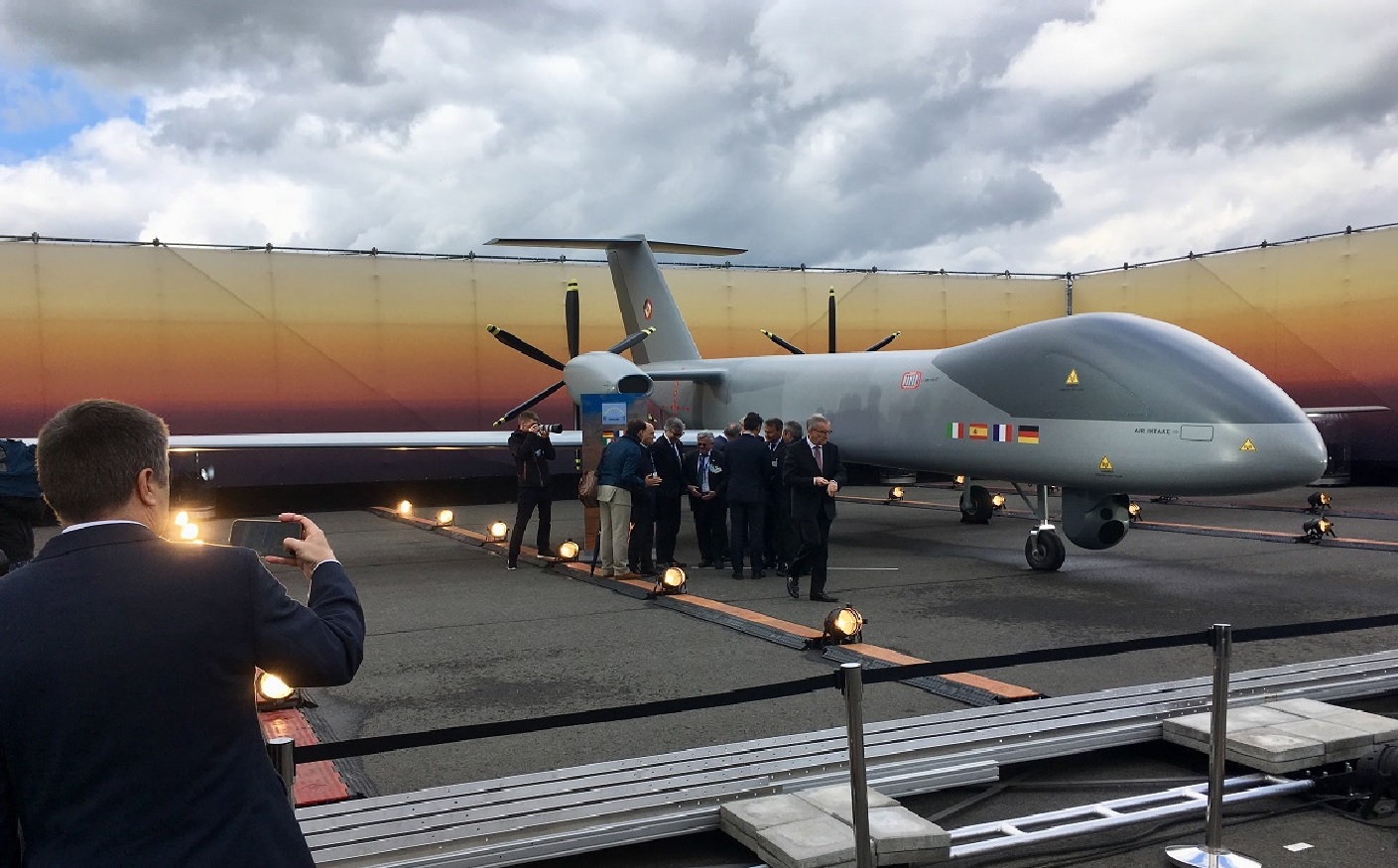 Dassault Seeks Compensation From Airbus as Eurodrone Dispute Erupts After FCAS Collapse
-
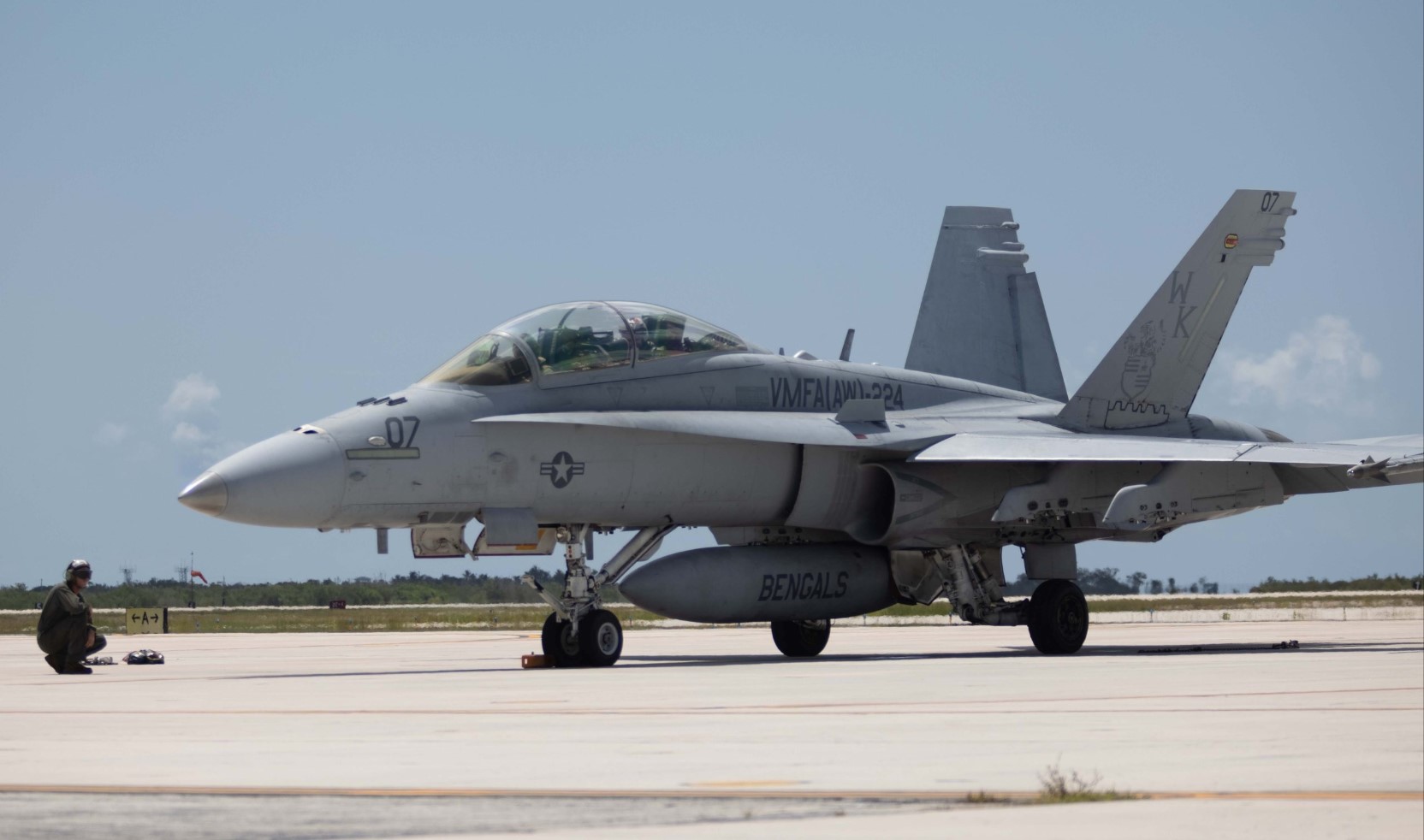 US Marine Corps F/A-18D Hornet Crashes During Training Flight in Washington Mountains; Pilot Ejects Safely
-
 AM General Unveils Next-Generation UGV and JLTV A2 with Counter-Drone Systems at Eurosatory 2026
-
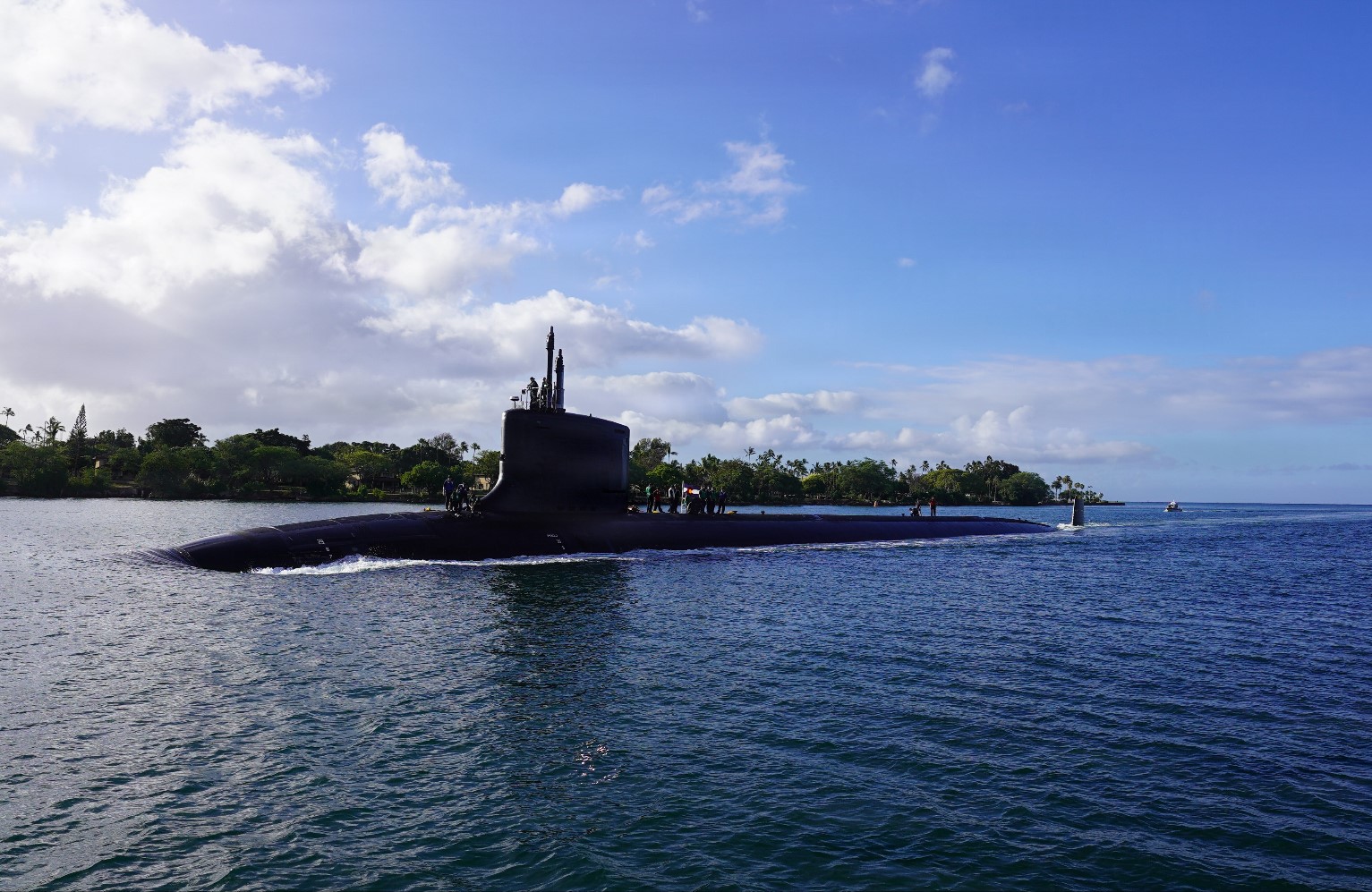 U.S. Navy's USS Colorado Submarine Returns to Pacific Fleet 29 Days Early After Major Pearl Harbor Overhaul
-
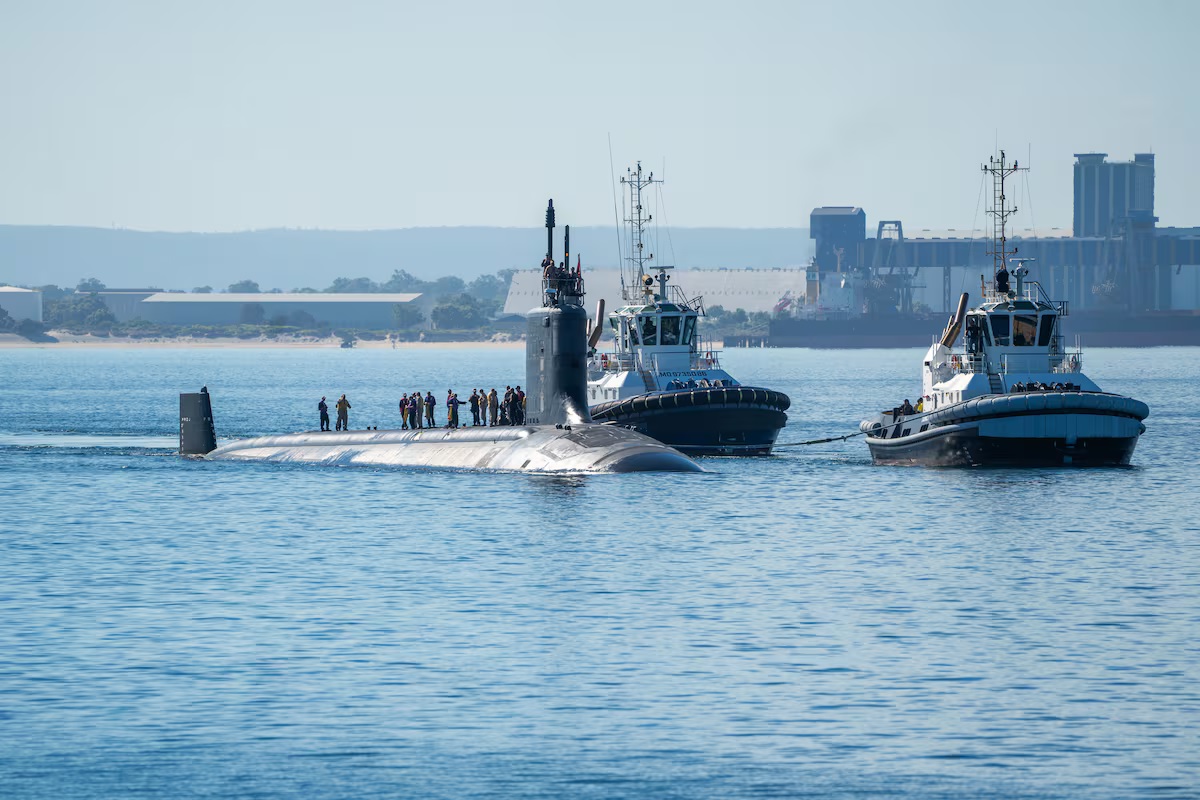 U.S. Navy Reestablishes Submarine Squadron 3 at HMAS Stirling to Support AUKUS Rotational Force
-
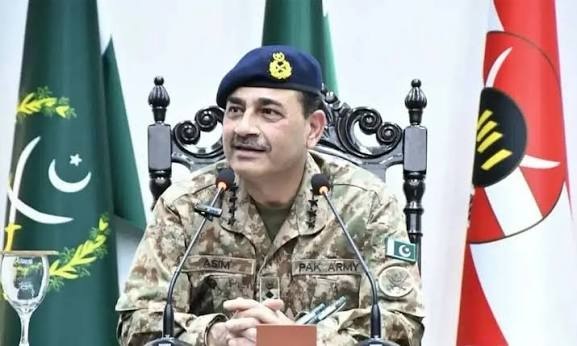 Pakistan Raises Defence Budget from $9 Billion to $10.8 Billion as J-35 Fighter and Hangor Submarine Programs Advance
Top Trending in 4 Days
-
 Iranian Media Leaks 14-Point U.S.-Iran Peace Framework Amid Ongoing Negotiations
-
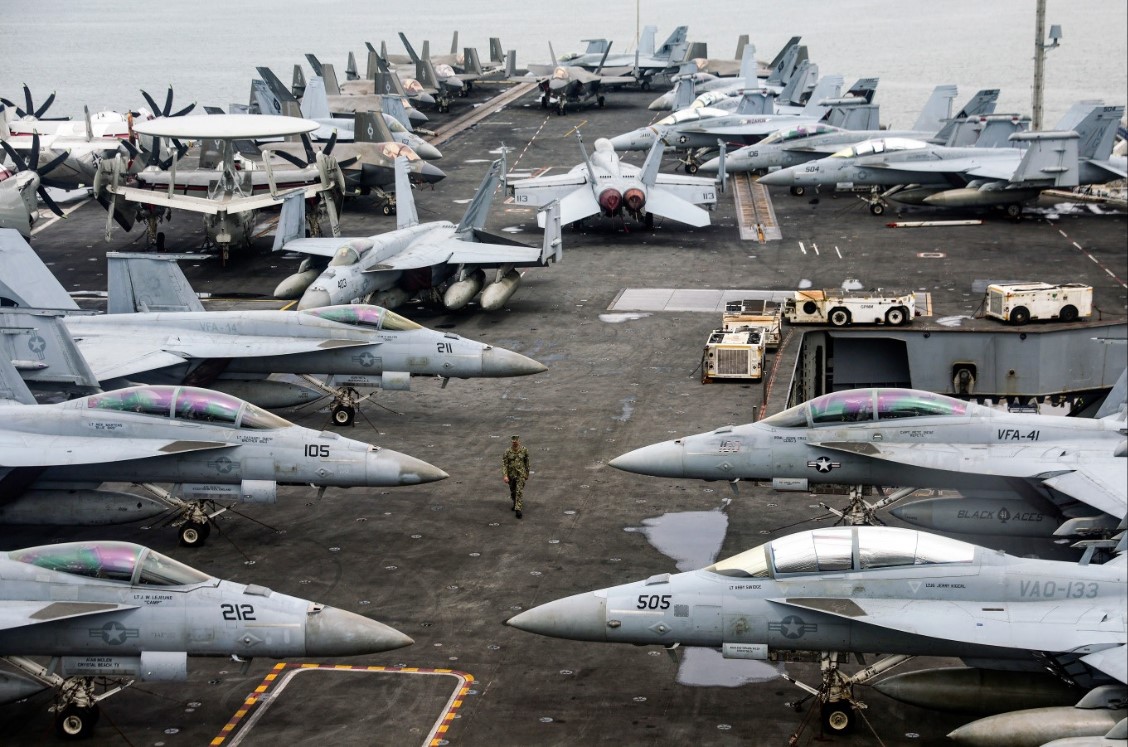 US Plans Significant Reduction of Fighter Jets and Warships for NATO Operations in Europe
-
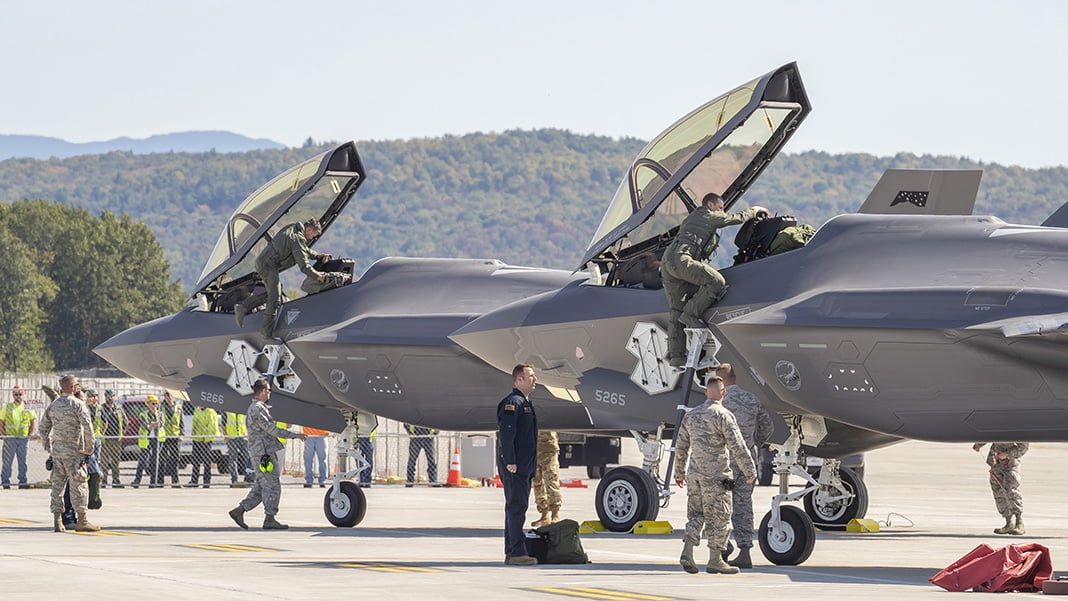 F-35 Fleet Readiness Falls to 25% Amid Parts Shortages and Software Delays: GAO Report
-
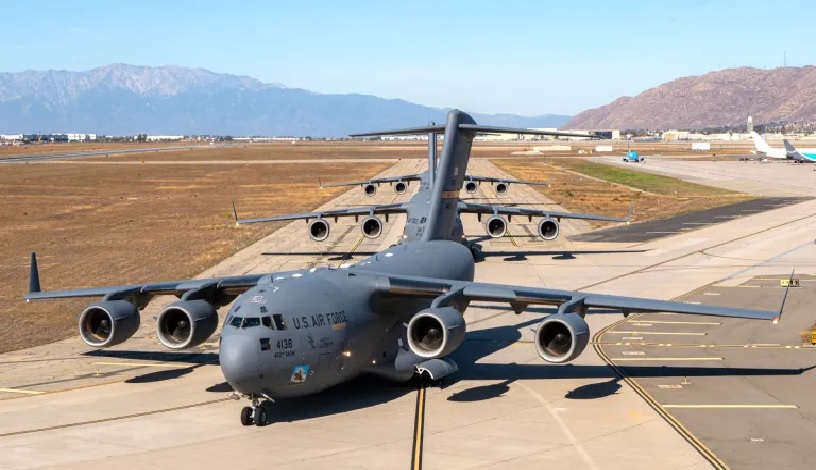 U.S. Air Force Faces Strategic Airlift Shortfall as C-17 Production Restart Remains Uncertain
-
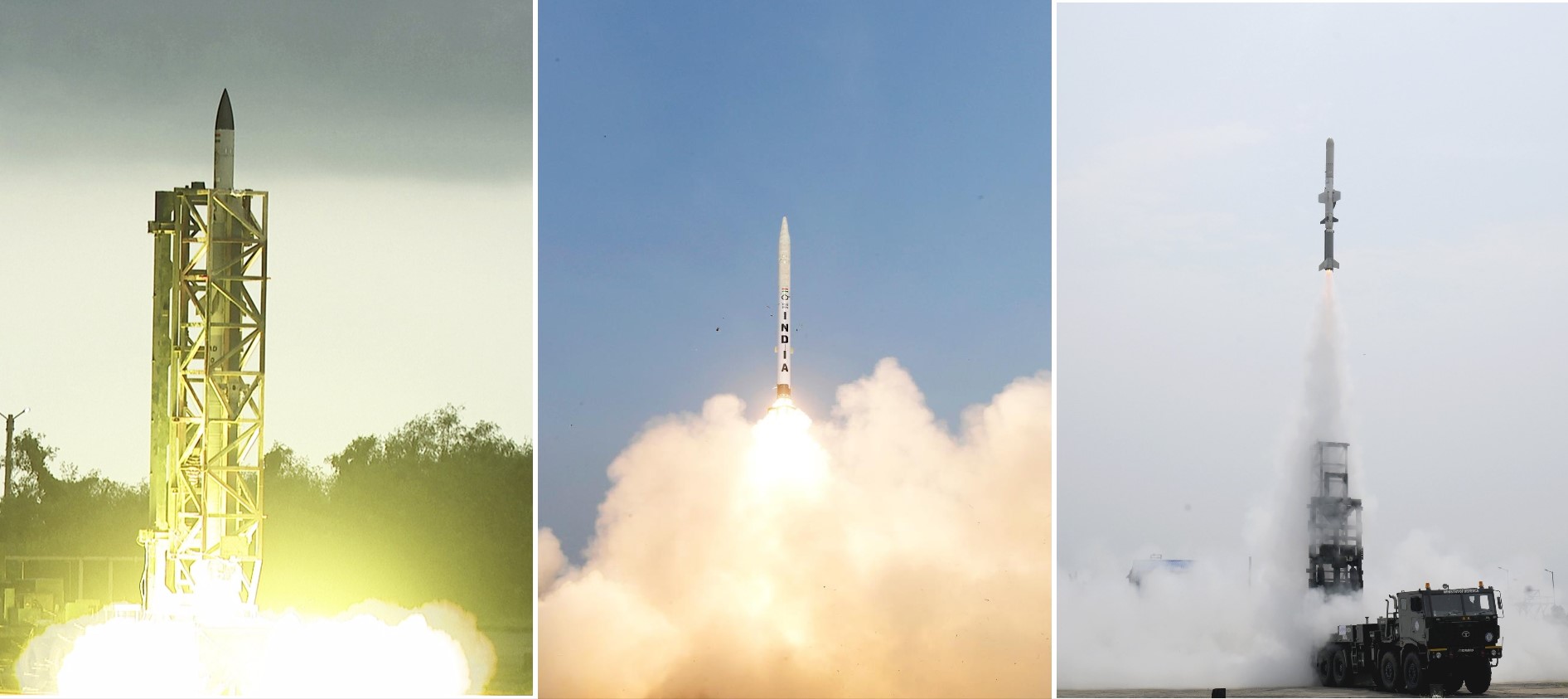 India Successfully Conducts AD-1, AD-2 Interceptor Tests and Maiden NASM-MR Flight Trial
-
 NATO Commander Says Russia Not Seeking Conflict With Alliance Despite U.S. Force Reductions
-
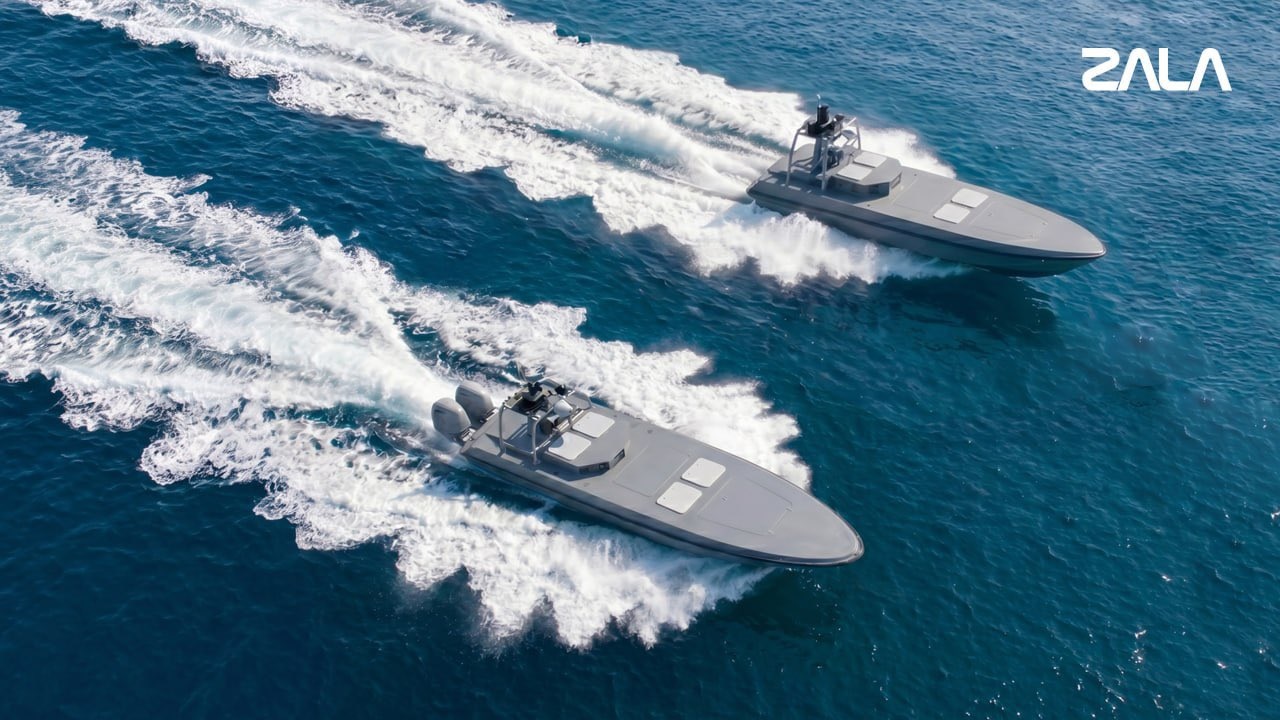 Russian Defense Firm ZALA Unveils KAMA Unmanned Surface Vessel Family at FLOT-2026 Naval Exhibition
-
 U.S. Space Force Awards $437.7 Million Contracts for First PTS-G Swarm 1 Anti-Jam Satellites