
India
In a stunning turn of events, a Ukrainian hacker group known as Cyber Resistance, in collaboration with InformNapalm, an international intelligence community, released a series of publications under the banner BaumankaLeaks on July 15, 2024. These leaks, derived from the hacked emails of high-ranking Russian officers, have exposed sensitive details about various Russian-Indian defense contracts, most notably the highly publicized S-400 missile systems deal.The timing of the release is no coincidence. It coincided with a diplomatic skirmish between India and Ukraine, where the Indian Ministry of External Affairs summoned the Ukrainian ambassador. This followed Ukrainian President Volodymyr Zelensky’s sharp condemnation of Indian Prime Minister Narendra Modi's meeting with Russian President Vladimir Putin, which occurred amidst a Russian missile strike on a children’s hospital in Kyiv. In retaliation, InformNapalm decided to disclose extensive details about the Russian-Indian defense contracts, initially intended to be released in a redacted form.The S-400 “Triumf” deal, signed in 2018 during one of Putin’s visits to India, was celebrated as a major success for the Russian defense industry. The contract, worth over $5 billion, was not just a financial transaction but a strategic maneuver to deepen India’s dependency on Russian military technology. It included long-term training for Indian specialists, ensuring that India remained reliant on Russian expertise for future upgrades.Despite the high hopes pinned on this deal, it soon ran into several obstacles. Repeated delays, often attributed to Russia’s own needs and its ongoing war against Ukraine, plagued the project. Nonetheless, Russia has remained committed to fulfilling the contract, keen on maintaining its strategic influence over India.The leaked emails revealed an astonishing level of detail about the S-400 systems. They included detailed inventories, specifying the quantities and codes of all components, including spare parts. The documents also listed the exact number of munitions that Russia would supply to India. One particularly revealing email, sent by Vladimir Chervakov, the head of the Air Defense Department at Bauman Moscow State Technical University, to faculty members, provided a comprehensive breakdown of the S-400 divisions.This leak is more than just an embarrassment for Russia; it underscores the nation's inability to secure sensitive information, posing a direct threat to the security of its partners. By exposing these detailed defense contracts, the leak serves as a stark warning for countries engaging in military agreements with Russia. It also raises serious concerns about the confidentiality and integrity of defense-related transactions in today’s volatile geopolitical climate.The BaumankaLeaks incident highlights critical vulnerabilities in Russia’s handling of sensitive defense information, potentially jeopardizing its international military partnerships. The repercussions of this leak could be far-reaching, affecting not only the immediate stakeholders but also the broader dynamics of global defense collaborations.
Read More → Posted on 2024-07-26 16:23:31
India
In a recent statement, the Director General (DG) of the Indo-Tibetan Border Police (ITBP), Rahul Rasgotra, expressed confidence that Agniveers—soldiers recruited under the new Agnipath scheme—will be highly beneficial for the ITBP. The force, responsible for safeguarding the Line of Actual Control (LAC) between India and China, is preparing to integrate these young, disciplined soldiers into its ranks.Rasgotra highlighted that the Agniveers, having received rigorous training in the Army, are well-equipped to bring a new energy and effectiveness to the ITBP. This move comes as part of a broader strategy to bolster the ITBP's capabilities in managing the extensive and sensitive border with China.The Agnipath recruitment scheme, introduced by the Indian government in 2022, aims to rejuvenate the armed forces by lowering the average age of personnel. Under this scheme, Agniveers are enlisted for a four-year term, after which 25% may be retained for longer service. Despite concerns from opposition parties about the future of the remaining 75%, the government asserts that this approach will refresh the armed forces and improve efficiency.For the ITBP, the inclusion of Agniveers is seen as a strategic advantage. The necessary amendments to recruitment rules have been made, allowing for relaxed age and physical efficiency tests for these recruits. This adaptation is expected to streamline their integration into the force.The ITBP, with its 90,000 personnel, plays a critical role in securing the 3,488-kilometre-long LAC. The addition of Agniveers is anticipated to enhance the force’s operational effectiveness, ensuring better vigilance and security along this crucial frontier.Overall, the integration of Agniveers into the ITBP reflects a significant step in modernizing and strengthening India’s border security forces, aligning with the government's vision of a more agile and capable military force.
Read More → Posted on 2024-07-26 16:12:13
India
In a recent development, the Kerala government's decision to appoint a senior IAS officer as a 'Foreign Secretary' has triggered a strong response from the Ministry of External Affairs (MEA). The MEA has asserted that the appointment goes beyond the state's constitutional jurisdiction, which has sparked a broader debate on the limits of state authority in foreign matters.On July 15, the Kerala government, led by Chief Minister Pinarayi Vijayan, issued an order appointing K. Vasuki, a senior IAS officer, to the newly created position of Foreign Secretary. This role is intended to oversee matters related to external cooperation. However, this move has been met with sharp criticism from the MEA.The MEA's spokesperson, Randhir Jaiswal, emphasized that according to the Indian Constitution, particularly the Seventh Schedule, foreign affairs fall exclusively under the Union List, which means they are within the purview of the central government. Jaiswal clarified that foreign affairs are neither a concurrent subject nor a state subject, reinforcing that state governments should refrain from involving themselves in matters outside their constitutional remit.The appointment of K. Vasuki as Foreign Secretary has been described as an overreach by several political figures. K. Surendran, the BJP's Kerala unit chief, criticized the decision as a blatant violation of constitutional norms. He argued that such actions could set a dangerous precedent, suggesting that it might even lead to demands for a separate consulate or a dedicated Foreign Affairs Minister for Kerala.The controversy highlights ongoing tensions between state and central authorities regarding jurisdictional boundaries. Critics argue that this move by the Kerala government undermines the unity and coherence of national foreign policy. As the debate continues, many are calling for the Kerala government to reconsider and revoke the appointment to align with national interests and constitutional principles.
Read More → Posted on 2024-07-26 16:04:26
India
The Indian Ministry of Defence is making significant strides in enhancing the nation's military capabilities with the development of a light tank specifically designed for high-altitude operations. This initiative, known as Project 'Zorawar,' was recently highlighted in Parliament, with Minister of State for Defence Sanjay Seth confirming the realization of the first prototype.Project 'Zorawar' represents a strategic effort to equip the Indian Army with advanced, indigenously developed light tanks capable of operating in the challenging terrains of high-altitude border areas. Minister Seth, in response to a parliamentary query, stated that the Defence Research and Development Organisation (DRDO) is spearheading the project, which aims to produce and induct these light tanks by 2027.The light tank's prototype, a crucial milestone in the project, has already been built, showcasing the progress made by the defence ministry. The tank is designed to be agile, lightweight, and highly effective in high-altitude environments, addressing the specific needs of the Indian Army in these regions. This development is particularly significant given the ongoing geopolitical tensions along India's northern borders, where high-altitude warfare capabilities are essential.Private sector involvement has been a key component of Project 'Zorawar.' Larsen & Toubro Ltd., a leading Indian multinational engaged in engineering, construction, and manufacturing, has been appointed as the lead system integrator. The collaboration extends to numerous Micro, Small, and Medium Enterprises (MSMEs) that are contributing to the development of various subsystems of the light tank. This partnership not only accelerates the project but also strengthens India's defense manufacturing sector by fostering innovation and technological advancements.The sanctioned cost for Project 'Zorawar' stands at Rs 234.5 crores, covering the design, development, and realization of the prototype. This budget allocation underscores the government's commitment to bolstering national defense capabilities through indigenous development.Project 'Zorawar' aligns with the broader strategic vision of the Indian government to enhance self-reliance in defense production and reduce dependency on foreign military imports. By developing advanced military hardware within the country, India aims to build a robust defense ecosystem that can meet the evolving security challenges of the 21st century.As the project progresses, the successful induction of these light tanks into the Indian Army will mark a significant achievement in India's defense modernization efforts. The deployment of these tanks in high-altitude areas will not only enhance the operational readiness of the Indian Army but also serve as a deterrent against potential threats along the country's borders.In summary, Project 'Zorawar' is a testament to India's dedication to strengthening its defense capabilities through indigenous innovation and strategic collaboration. The completion of the light tank prototype is a promising step towards achieving greater self-reliance and preparedness in high-altitude warfare.
Read More → Posted on 2024-07-26 15:57:31
India
In a significant move to bolster the strategic alliance between the United States and India, Senator Marco Rubio introduced a bill in Congress aimed at treating India on par with major U.S. allies like Japan, Israel, South Korea, and NATO members. The proposed legislation, known as the U.S.-India Defense Cooperation Act, seeks to enhance technology transfers, support India in countering threats to its territorial integrity, and bar Pakistan from receiving security assistance if it sponsors terrorism against India.Rubio emphasized the urgency of countering China's aggressive expansion in the Indo-Pacific region. "Communist China continues to aggressively expand its domain in the Indo-Pacific region, all while it seeks to impede the sovereignty and autonomy of our regional partners. It’s crucial for the U.S. to continue its support in countering these malicious tactics. India, along with other nations in the region, is not alone," he stated.The bill underlines the critical importance of the US-India partnership in countering China's influence. It calls for a comprehensive enhancement of diplomatic, economic, and military relations with India. Among its key provisions, the bill proposes a policy of supporting India in responding to threats to its territorial integrity, providing necessary security assistance, and expanding cooperation in defense, civil space, technology, medicine, and economic investments.A notable aspect of the bill is its provision for a limited exemption for India from the Countering America's Adversaries Through Sanctions Act (CAATSA) sanctions. This exemption would apply to India's purchase of Russian military equipment, which is currently in use by the Indian armed forces. The bill asserts that expeditious consideration of certifications for selling defense articles, services, and major defense equipment to India aligns with U.S. interests and promotes peace and stability in the region.Furthermore, the bill proposes to treat India on the same level as other major U.S. allies regarding technology transfers. It authorizes the Secretary of State to enter into a memorandum of understanding with India to increase military cooperation, expedite the provision of excess defense articles to India for two years, and expand International Military Education and Training Cooperation with New Delhi.An additional requirement of the bill is for a report to Congress on Pakistan's use of offensive force, including terrorism and proxy groups, against India. It mandates that Pakistan be barred from receiving security assistance if found to have sponsored terrorism against India.While the bill faces a challenging path in a divided Congress during an election year, it reflects a strong bipartisan support for strengthening the US-India relationship. Should it not pass in the current session, there is a possibility of reintroduction in the next Congress.This bill marks the first time such a comprehensive, India-centric legislation has been introduced in the U.S. Congress. By proposing to elevate India to the status of a major U.S. ally, exempting it from CAATSA sanctions, and imposing sanctions on Pakistan for terrorism, the bill aims to solidify a strategic partnership that is vital for maintaining balance and stability in the Indo-Pacific region.
Read More → Posted on 2024-07-26 15:54:56
India
The second India-Japan consultation on the Middle East took place in New Delhi, focusing on the complex and ever-evolving political and economic landscape of the Middle East and West Asia. This consultation saw the participation of high-level officials from both nations, underscoring their commitment to addressing regional challenges and exploring mutual opportunities.Leading the Indian delegation was Suresh Kumar, Joint Secretary of the West Asia & North Africa (WANA) Division. Representing Japan was Ando Toshihide, Director General of the Middle Eastern and African Affairs Bureau. Their discussions covered a wide array of topics, from political developments and economic prospects to specific regional issues such as the situation in Gaza.The Ministry of External Affairs (MEA) highlighted the comprehensive nature of these talks. Both sides exchanged valuable perspectives and insights, fostering a deeper understanding of the region's complexities. This consultation was not just a routine diplomatic engagement but a strategic dialogue aimed at enhancing cooperation and formulating coordinated responses to regional developments.MEA Spokesperson Randhir Jaiswal shared details of the meeting on social media, emphasizing the broad scope of the discussions and the commitment of both nations to ongoing dialogue. This consultation follows a series of high-level meetings between Indian and Japanese officials, including a recent discussion between Foreign Secretary Vinay Kwatra and Japanese Senior Deputy Foreign Minister Takehiro Funakoshi. These meetings reflect the strong and enduring partnership between India and Japan, characterized by their 'Special Strategic and Global Partnership.'This partnership is rooted in a long history of mutual respect and shared values, extending beyond political and economic cooperation to cultural and civilizational ties. The regular consultations and meetings between the two countries are a testament to their dedication to working together on regional and global issues of mutual concern.As both nations navigate the complexities of the Middle East and West Asia, their collaboration signifies a robust and strategic approach to regional stability and prosperity. The India-Japan consultations serve as a critical platform for dialogue, enabling both countries to align their strategies and enhance their influence in a region of significant geopolitical importance.
Read More → Posted on 2024-07-26 15:49:46
India
In a significant announcement on the 25th anniversary of Kargil Vijay Diwas, Uttarakhand Chief Minister Pushkar Singh Dhami declared that Agniveers, veterans returning from their service in the armed forces, will be granted reservation in government jobs. This initiative, aimed at recognizing and utilizing the skills and discipline of former military personnel, underscores the state's commitment to their welfare and integration into civilian life.During a tribute event to honor the valiant soldiers of the Kargil War, CM Dhami detailed the government's plans to bring forth legislation that would ensure these reservations. "We will make provisions and bring an Act to give reservation to them in government services. We are working on this plan. We will make use of their skills and discipline in various government departments," he stated.The Kargil War, fought in 1999, saw Indian soldiers endure harsh conditions to defend the nation's territory. The sacrifices made during this conflict were profoundly acknowledged by CM Dhami, who emphasized the unparalleled nature of such acts of bravery. In addition to the job reservation announcement, Dhami revealed that financial aid to the families of martyrs will be significantly increased from Rs 10 lakh to Rs 50 lakh, highlighting the state's commitment to supporting those who have lost their loved ones in service to the nation.CM Dhami also paid homage to the political leadership that played a crucial role during the Kargil War. He credited former Prime Minister Atal Bihari Vajpayee's leadership for India's victory, emphasizing the importance of political will in achieving military success. Drawing parallels to the present, Dhami praised Prime Minister Narendra Modi for his unwavering support and initiatives for the armed forces, including the implementation of the One Rank One Pension (OROP) scheme. He noted that PM Modi's leadership has significantly boosted the morale of the armed forces.In a poignant gesture, CM Dhami mentioned that PM Modi was celebrating Vijay Diwas with soldiers in the Dras sector, further underlining the government's close connection and ongoing support for military personnel.The announcement by CM Dhami is seen as a step towards ensuring that the dedication and discipline of Agniveers are recognized and utilized within the state’s administrative framework. This move not only honors their service but also provides them with new opportunities for career growth and stability in their post-military lives.As the nation commemorates the bravery and sacrifices of the Kargil War heroes, Uttarakhand's initiative to offer job reservations to Agniveers stands as a testament to the state's commitment to its veterans, ensuring their continued contribution to society and recognizing the invaluable skills they bring from their military service.
Read More → Posted on 2024-07-26 15:38:49
India
Reliance Industries Ltd., India's largest privately-owned refiner, has successfully obtained approval from the U.S. government to resume importing oil from Venezuela. This development marks a significant shift, considering the stringent sanctions imposed by the White House on the South American nation. The news, disclosed by sources familiar with the matter, signifies a crucial moment for both Reliance and the broader geopolitical landscape.Venezuela has long been a critical supplier of crude oil to India, and Reliance Industries accounted for approximately 90% of India's crude imports from Venezuela after sanctions were initially lifted last year. According to data intelligence firm Kpler, this substantial share underscores the importance of Venezuelan oil in India's energy portfolio.The backdrop to this approval is rooted in a temporary easing of sanctions by Washington last year. This relaxation came after Venezuelan President Nicolas Maduro and opposition leaders reached an agreement aimed at ensuring free and fair elections. However, when Venezuela failed to honor this agreement, the sanctions were reinstated in April, compelling oil companies to seek special permits from the U.S. Treasury Department to continue their operations.In June, Venezuela's crude exports surged to 654,000 barrels per day, the highest level since April 2020. This increase followed a specific license granted by the U.S. that allowed companies to continue drilling in the country despite the sanctions. This license was pivotal in enabling Reliance to move forward with its import plans.Reliance is not alone in seeking to import Venezuelan oil. ONGC Videsh Ltd., the overseas investment arm of India's state-owned Oil and Natural Gas Corporation, has also applied for waivers to import crude from Venezuela. This collective interest highlights the strategic importance of Venezuelan oil for India's energy security.The resumption of Venezuelan oil imports by Reliance is expected to provide a much-needed boost to the Indian refiner's operations. Venezuelan crude is known for its heavy and sour characteristics, which are well-suited for Reliance's complex refining processes. This compatibility allows Reliance to maximize efficiency and output, ensuring a steady supply of refined products to meet domestic and international demand.On a broader scale, the approval also reflects the intricate dance of international diplomacy and economic interests. The U.S. sanctions on Venezuela were initially aimed at pressuring the Maduro regime to implement democratic reforms. However, the need to balance geopolitical strategies with economic realities has led to nuanced decisions, such as granting specific licenses to oil companies.For Venezuela, the ability to export more oil is crucial for its struggling economy. The nation has been grappling with hyperinflation, political instability, and a severe humanitarian crisis. Increased oil exports provide much-needed revenue that can potentially stabilize the economy and improve living conditions for its citizens.In summary, Reliance Industries' green light to import Venezuelan oil underscores the complex interplay between politics, economics, and energy security. It also highlights India's strategic maneuvering to secure its energy needs amid global uncertainties. As Reliance prepares to restart its imports, the move will likely have significant implications for the Indian energy market and the broader geopolitical landscape.
Read More → Posted on 2024-07-26 15:36:29
India
Thiruvananthapuram: In a significant milestone for India's defence electronics sector, Keltron's subsidiary, Kuttipuram Keltron Electro Ceramics Limited (KECL), has secured a ₹17 crore contract to manufacture advanced transducer elements for the Indian Navy. This order, announced by State Industries Minister P. Rajeeve, marks the largest defence electronics deal ever received by KECL.The contract, awarded by Bharat Electronics Limited (BEL) Bangalore, focuses on producing transducer elements essential for sonars used on Anti-Submarine Warfare (ASW) shallow watercraft, a flagship project of the Indian Navy. The advanced transducer elements, over 2,000 of which are to be manufactured under this contract, play a critical role in the functionality of sonars. Sonars are crucial in maritime security as they detect other ships and submarines by using sound waves under the sea.Transducers are the primary components of hydrophones, the devices used in sonar systems. Hydrophones convert sound waves into electrical signals, enabling the detection and tracking of underwater objects. This technology is vital for ensuring the Indian Navy's capability to monitor and secure the country's vast maritime borders.Keltron, a state-run electronics company, has a long-standing history of supplying various defence electronics equipment for the Indian Navy, particularly for underwater applications. The company's expertise and technological excellence in this field have been consistently recognized, with this latest order reinforcing its reputation. Just last month, Keltron secured a substantial ₹97 crore order from the Indian Navy, further underscoring its pivotal role in India's defence sector.Minister Rajeeve highlighted the importance of this contract, noting that it reflects the technological advancements and reliability that Keltron has achieved. The continuous stream of orders from the defence sector is a testament to the company's capabilities and its critical contribution to India's defence infrastructure.Keltron Electro Ceramics Limited (KECL), the subsidiary responsible for this contract, is a major public sector undertaking (PSU) in India, specializing in the domestic manufacturing of transducers. The company's commitment to innovation and quality has positioned it as a key player in the defence electronics market, particularly in the production of advanced sonar components.This ₹17 crore contract is not only a significant achievement for KECL but also a crucial step in bolstering India's self-reliance in defence manufacturing. By producing advanced transducer elements domestically, KECL is helping to reduce dependency on foreign suppliers and enhancing the indigenous capabilities of the Indian defence sector.As India continues to prioritize strengthening its maritime security and defence infrastructure, companies like Keltron and its subsidiaries play an essential role. The successful execution of this contract will likely pave the way for more such opportunities, further solidifying Keltron's position as a leader in defence electronics manufacturing.
Read More → Posted on 2024-07-26 15:28:15
India
In a significant diplomatic engagement, India's External Affairs Minister S. Jaishankar met with Chinese Foreign Minister Wang Yi on the sidelines of the ASEAN meetings in Vientiane. This meeting comes at a crucial time as tensions along the Line of Actual Control (LAC) between India and China have remained a major concern since the 2020 Galwan Valley clash.During the discussion, Jaishankar emphasized the critical need to respect the LAC and adhere to past agreements to stabilize bilateral relations. He highlighted that peace and tranquility at the border are essential for the normalization of ties between the two neighboring giants. This sentiment was echoed on his social media platform X, where he reiterated the importance of mutual respect, mutual interest, and mutual sensitivity in guiding the India-China relationship.The backdrop to this meeting includes the aggressive posturing by Chinese troops in eastern Ladakh in May 2020, which disrupted the status quo and led to the Galwan Valley clash. Since then, both countries have maintained significant troop deployments near the LAC, with India stationing over 50,000 soldiers equipped with advanced weapons to prevent any further unilateral changes by China.The ASEAN meeting provided an opportune platform for Jaishankar and Wang to review the progress made since their last encounter in Astana earlier this month. The primary focus was on expediting the disengagement process at friction points along the LAC. The ministers agreed that achieving complete disengagement and ensuring respect for the LAC are pivotal steps towards rebuilding and stabilizing bilateral relations.Jaishankar also underscored the importance of the "three mutuals" — mutual respect, mutual interest, and mutual sensitivity — as fundamental principles for the relationship between India and China. The Ministry of External Affairs' press release highlighted that both sides must fully abide by existing bilateral agreements and protocols to maintain peace at the borders.In addition to border issues, the two leaders exchanged views on regional and global matters. Jaishankar noted the broader implications of stable India-China relations for Asia and the multipolar world. He expressed optimism about resolving the border dispute and reaffirmed India's commitment to completing the disengagement process.The meeting also set the stage for an upcoming session of the Working Mechanism on Consultation and Coordination on India-China Border Affairs (WMCC), aimed at advancing discussions and addressing remaining issues.Jaishankar's visit to Vientiane from July 25 to 27 underscores India's active participation in the ASEAN framework and its commitment to ASEAN centrality and the ASEAN-India Comprehensive Strategic Partnership. This year marks the tenth anniversary of India's Act East Policy, highlighting the country's deep engagement with Southeast Asia.As the ASEAN region continues to play a vital role in global geopolitics, India's consistent efforts to foster strong ties with ASEAN nations, alongside managing complex bilateral relationships like that with China, reflect its strategic vision and commitment to regional stability.
Read More → Posted on 2024-07-25 16:28:49
India
The Indian Army is increasingly embracing technological advancements to enhance its operational capabilities. One such groundbreaking addition is the UGV Vision 60, a quadruped robot designed to operate in challenging terrains and support soldiers in various missions. Developed by Ghost Robotics, this robotic canine is set to revolutionize warfare tactics.Key Features of the UGV Vision 60Weight: 51kgIngress & Temperature: IP67 rated for operation in extreme conditions from -45 to 55 degrees CelsiusCPU/GPU: Powered by NVIDIA Xavier for advanced computing capabilitiesTop Speed: Capable of moving at a speed of 3 meters per secondMax Power Uptime: Offers a runtime of 3 hours on a single chargeAssemble/Disassemble: Can be quickly assembled or disassembled within 15 minutesMax Payload: Able to carry a maximum load of 10kgA Versatile Asset for the Indian ArmyThe UGV Vision 60's robust design and impressive specifications make it a valuable asset for the Indian Army. Its ability to operate in harsh environments, coupled with its advanced sensors and AI capabilities, allows it to perform a wide range of tasks, including:Reconnaissance and Surveillance: Equipped with cameras and sensors, the robot can gather intelligence from dangerous areas, reducing the risk to human soldiers.Explosive Ordnance Disposal (EOD): The robot can be used to safely identify and disarm explosive devices, protecting personnel from harm.Logistics and Supply: It can carry essential supplies to troops in remote or inaccessible locations.Communication Relay: The robot can act as a communication relay, ensuring seamless connectivity in challenging terrain.Future ImplicationsThe integration of the UGV Vision 60 into the Indian Army marks a significant step towards a more technologically advanced and efficient force. As technology continues to evolve, we can expect to see even more sophisticated robotic systems being deployed in the future. This will not only enhance the capabilities of the Indian Army but also contribute to the development of cutting-edge robotics and artificial intelligence in the country.The UGV Vision 60 is a testament to India's commitment to harnessing technology for national security. As this robotic canine proves its worth on the battlefield, it is likely to become an indispensable tool for the Indian Army in the years to come.
Read More → Posted on 2024-07-24 16:37:47
India
In recent statements, the Union Ministry of Home Affairs assured that there are no specific threats of biological attacks currently being reported. This announcement came in response to a query in the Rajya Sabha, the upper house of India's Parliament. Union Minister of State for Home Affairs, Nityanand Rai, highlighted that while there are no immediate threats, the government is well-prepared to address any potential biological attack.The Ministry has outlined comprehensive measures and guidelines to handle biological crises effectively. According to Rai, the government has established Standard Operating Procedures (SOPs) to manage such emergencies. The National Disaster Management Authority (NDMA) has also published detailed guidelines covering various aspects of biological disasters, including bio-warfare and bio-terrorism. These guidelines encompass the identification of biological agents, their characteristics, epidemiological indicators for disease outbreaks, and protocols for laboratory identification and management.Additionally, the National Disaster Response Force (NDRF) has received specialized training to respond to biological threats. This preparation is part of a broader strategy to ensure that the country can handle any emergencies involving biological agents.While the central government has taken steps to prepare for potential biological threats, the primary responsibility for detecting and responding to such events lies with state governments. The Ministry of Health and Family Welfare (MoHFW) plays a crucial role in this area, providing support and guidance to states through a crisis management plan that was last updated in October 2023. The MoHFW also shares Model Crisis Management Plans with states and Union territories to help them develop their own response strategies.Overall, the government’s proactive stance and detailed planning reflect its commitment to managing biological threats effectively, despite the current absence of specific threat inputs.
Read More → Posted on 2024-07-24 16:23:57
India
A tragic incident struck the Indian Navy as a major fire broke out on the frontline warship INS Brahmaputra at the naval dockyard in Mumbai. The fire, which erupted on Sunday evening, caused severe damage to the warship, leaving it heavily tilted to one side. The situation became even more dire when Leading Seaman Sitendra Singh was reported missing amid the chaos.After three days of exhaustive search and rescue operations, the body of Leading Seaman Sitendra Singh was found on Wednesday. Navy spokesperson Commander Vivek Madhwal announced the discovery, stating, "The body of Sitendra Singh, Leading Seaman, has been found today after intensive diving operations." The news brought a somber conclusion to the frantic efforts to locate the missing sailor.The entire Indian Navy, led by Navy Chief Admiral Dinesh K Tripathi, expressed their deepest condolences to Singh's family. Admiral Tripathi, acknowledging the gravity of the loss, extended heartfelt sympathies on behalf of all naval personnel. He also issued immediate directives to ensure that INS Brahmaputra is made seaworthy and combat-ready as soon as possible.The Admiral urged the crew of INS Brahmaputra to expedite the ship's operationalization, underscoring the importance of restoring the vessel's capabilities. This incident not only highlights the inherent dangers faced by naval personnel but also the resilience and dedication required to maintain operational readiness in the face of adversity.The fire aboard INS Brahmaputra serves as a stark reminder of the risks involved in naval service. The Indian Navy's swift response to the incident, including the search and recovery efforts, reflects their commitment to the safety and preparedness of their fleet. As the Navy mourns the loss of Leading Seaman Sitendra Singh, they also look ahead to ensuring that INS Brahmaputra returns to its crucial role in safeguarding the nation's maritime interests.
Read More → Posted on 2024-07-24 16:07:42
India
In a significant stride towards bolstering India's defense capabilities, the Defence Research & Development Organisation (DRDO) successfully conducted the flight test of its Phase-II Ballistic Missile Defence (BMD) system on July 24, 2024. This achievement marks a crucial milestone in the nation's quest for a robust and reliable defense mechanism against potential ballistic missile threats.The test commenced at 1620 hrs from Launch Complex-IV (LC-IV) at Dhamra, where a target missile was launched to simulate an adversary ballistic missile. The advanced radar systems deployed both on land and sea swiftly detected the missile, triggering the activation of the Air Defence (AD) Interceptor system. Just four minutes later, at 1624 hrs, the Phase-II AD Endo-atmospheric missile was launched from Launch Complex-III (LC-III) at the Integrated Test Range (ITR) in Chandipur.This meticulously planned and executed flight test met all the trial objectives, effectively validating the network-centric warfare weapon system. The system comprises long-range sensors, a low-latency communication system, a Mission Control Centre (MCC), and advanced interceptor missiles. The missile's performance was closely monitored through flight data captured by a range of tracking instruments, including Electro-Optical Systems, Radar, and Telemetry Stations, strategically placed at various locations and on-board ships.The successful test highlights India's indigenous capability to defend against ballistic missiles with ranges up to 5000 kilometers. The Phase-II AD Endo-atmospheric missile, an indigenously developed two-stage solid-propelled missile system, is designed to neutralize various types of enemy ballistic missile threats within the endo to low exo-atmospheric regions. This advanced missile system incorporates a multitude of state-of-the-art technologies developed by various DRDO laboratories.Raksha Mantri Shri Rajnath Singh lauded DRDO for this significant achievement, stating that it once again demonstrates India's ballistic missile defense capability. Secretary of the Department of Defence R&D and Chairman of DRDO, Dr. Samir V Kamat, also congratulated the entire DRDO team for their relentless efforts and contributions, which culminated in the success of this flight test.This successful test of the Phase-II BMD system not only reinforces India's defense preparedness but also showcases the nation's advancements in indigenous technology development. As global security dynamics continue to evolve, such achievements underscore India's commitment to maintaining a robust and self-reliant defense infrastructure.
Read More → Posted on 2024-07-24 16:04:37
India
In a bold move to strengthen its military prowess, the Indian government has allocated an impressive ₹1.72 lakh crore specifically for capital acquisition in the defence sector. This substantial allocation forms part of the defence ministry's broader budget of ₹6.22 lakh crore and signals a major step towards modernizing India's armed forces with advanced weapon systems. The investment, heavily focused on bolstering domestic defence industries, promises to enhance the country's defence capabilities while also stimulating economic growth.The allocated funds are earmarked for the acquisition of a diverse array of state-of-the-art military equipment. This includes fighter aircraft, ships, submarines, drones, and specialized vehicles. Among the key projects are the modernization of the Su-30MKI fighter fleet, the procurement of new engines for the MiG-29 fleet, and the acquisition of C-295 transport aircraft along with LCA Mk1A fighters. These upgrades are not only essential for maintaining operational readiness but also for ensuring that the Indian Air Force remains a formidable force in the region.Significant deals are on the horizon, with the defence ministry expected to finalize contracts for several high-profile acquisitions this year. These include three additional submarines from Mazagon Dockyards Ltd, 26 Rafale Marine fighters from France, and long-range drones from the United States. Defence Minister Rajnath Singh has expressed his appreciation for this substantial budget allocation, highlighting its potential to positively impact GDP, create employment opportunities, and boost capital formation within the country.The defence budget also reflects a strong commitment to ongoing flagship schemes. The Agnipath scheme, aimed at transforming the recruitment process for the armed forces, has received a notable increase in funding to ₹5,979 crore. Additionally, the ADITI scheme, which supports innovation in defence technology, has been allocated ₹400 crore to encourage the development of specific defence products. This focus on innovation is crucial for maintaining a technological edge and ensuring that the armed forces are equipped with cutting-edge capabilities.Border infrastructure development remains a critical priority for the government, with a 30% increase in funding for the Border Roads Organisation (BRO). This increased allocation will support several strategic projects, including the development of the Nyoma airfield in Ladakh, the Shinku La tunnel in Himachal Pradesh, and the Nechiphu tunnel in Arunachal Pradesh. Enhancing border infrastructure is vital for improving logistics and operational efficiency in these challenging terrains.This comprehensive investment in defence underscores the government's unwavering commitment to modernizing the armed forces and enhancing national security. By prioritizing domestic procurement, the initiative also aims to stimulate the growth of India's indigenous defence industry, contributing to the nation's overall economic development. The significant allocation not only prepares the military for future challenges but also aligns with the broader vision of Atmanirbhar Bharat (Self-Reliant India), promoting self-sufficiency and resilience in the defence sector.
Read More → Posted on 2024-07-24 15:55:02Search
Top Trending in 24 Hours
-
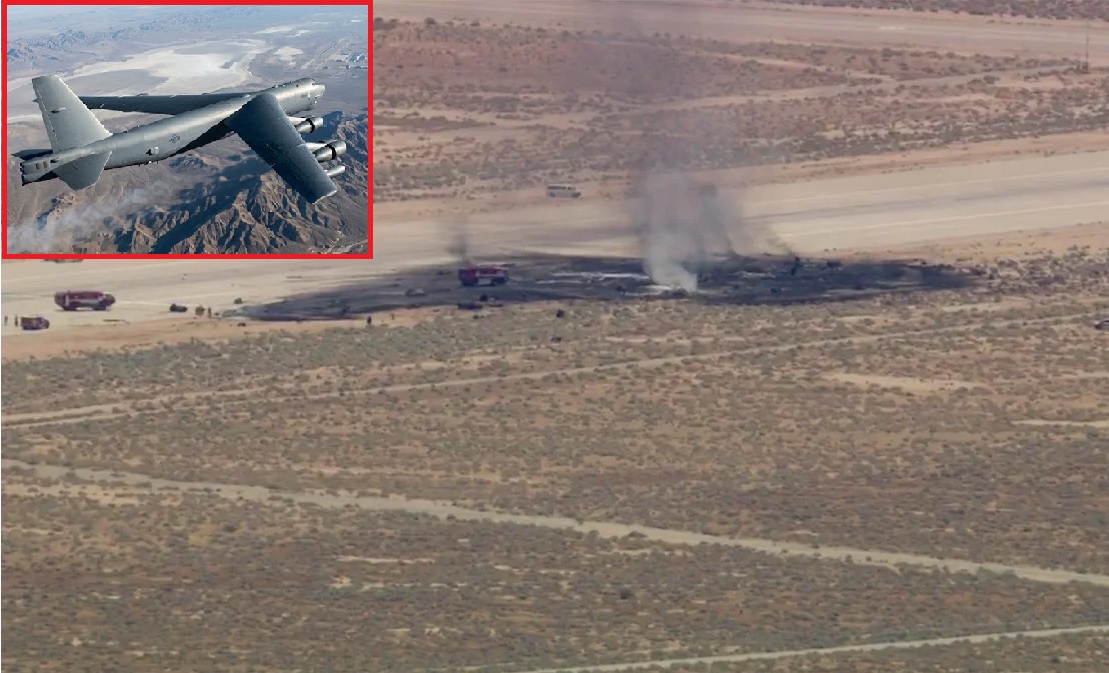 8 U.S. Air Force Crew Members Killed in B-52 Bomber Crash During Test Flight at Edwards Air Force Base
-
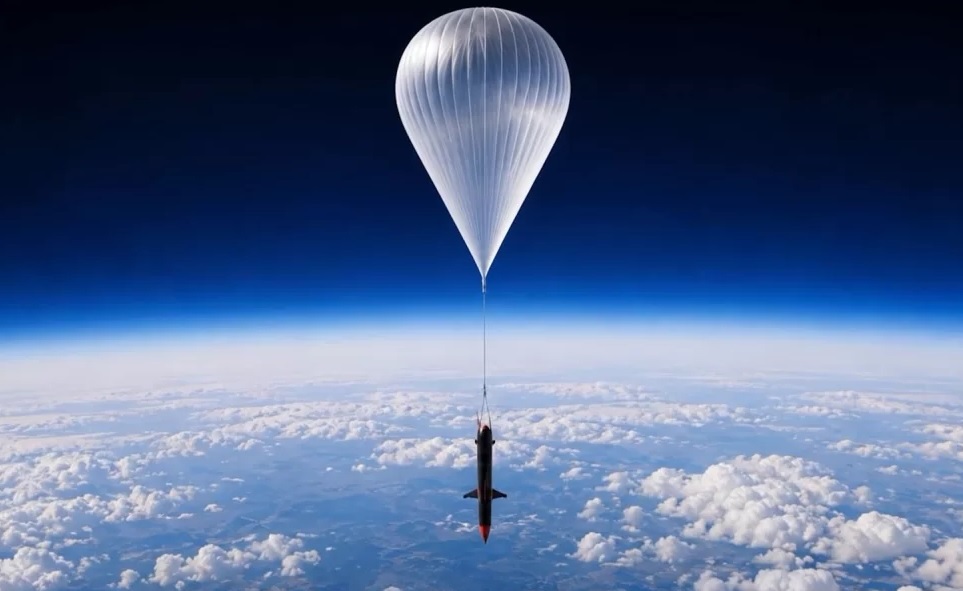 Ukraine Introduces Balloon-Launched DART Missile Designed to Defeat Electronic Warfare
-
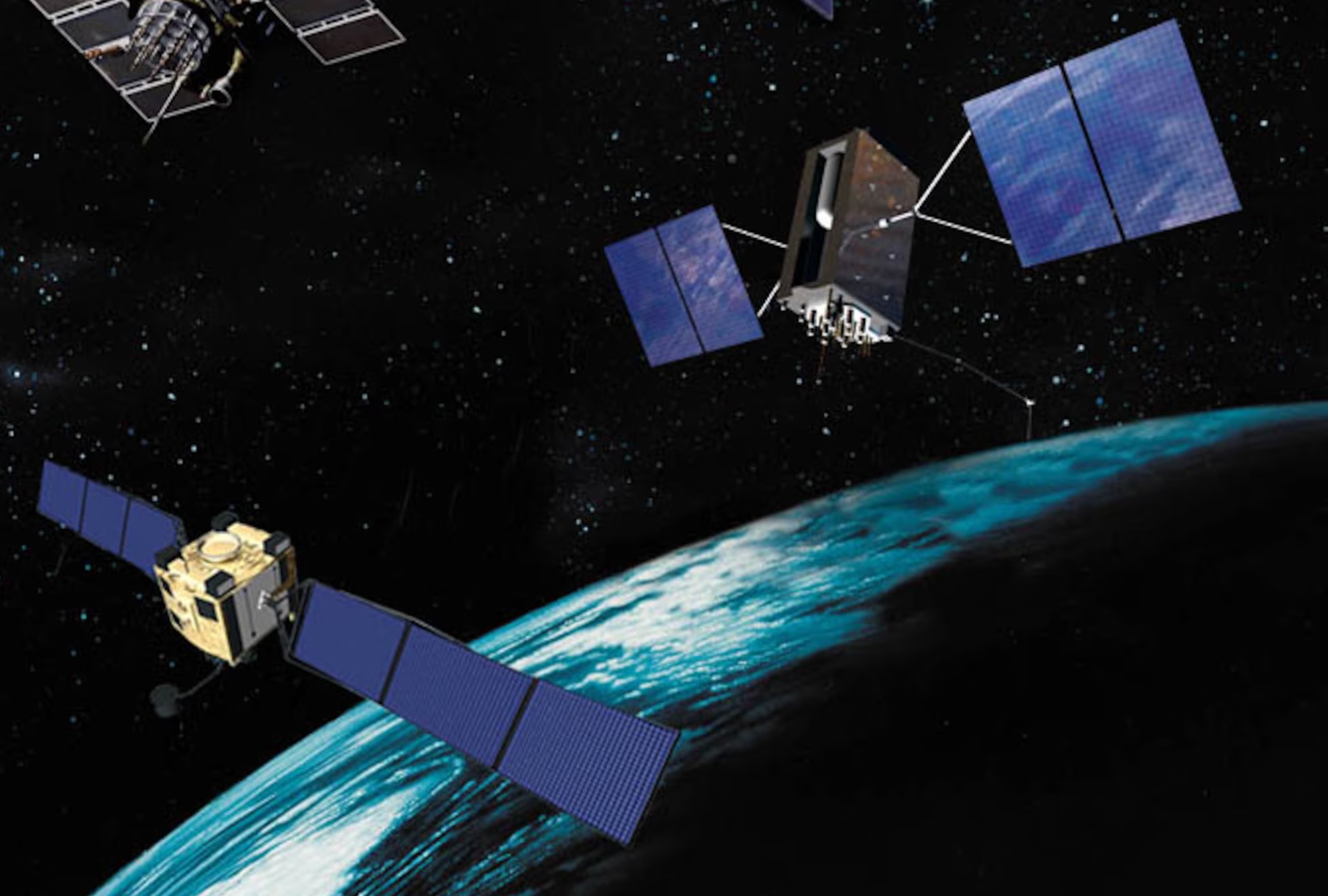 Lockheed Martin Wins $514 Million U.S. Space Force Contract for Two New GPS IIIF Satellites
-
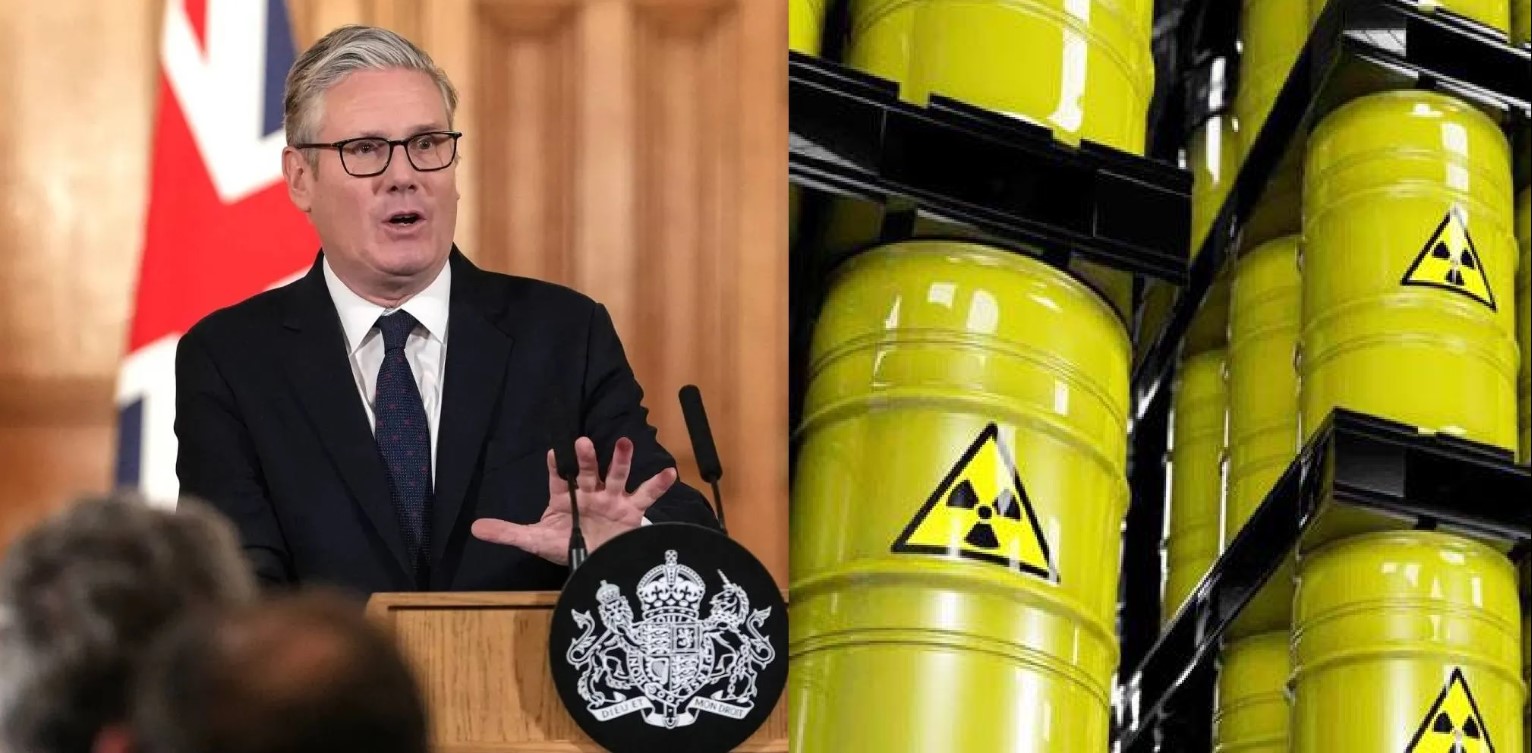 UK Announces £210 Million Deal to Supply Enriched Uranium to Ukraine for Two Years
-
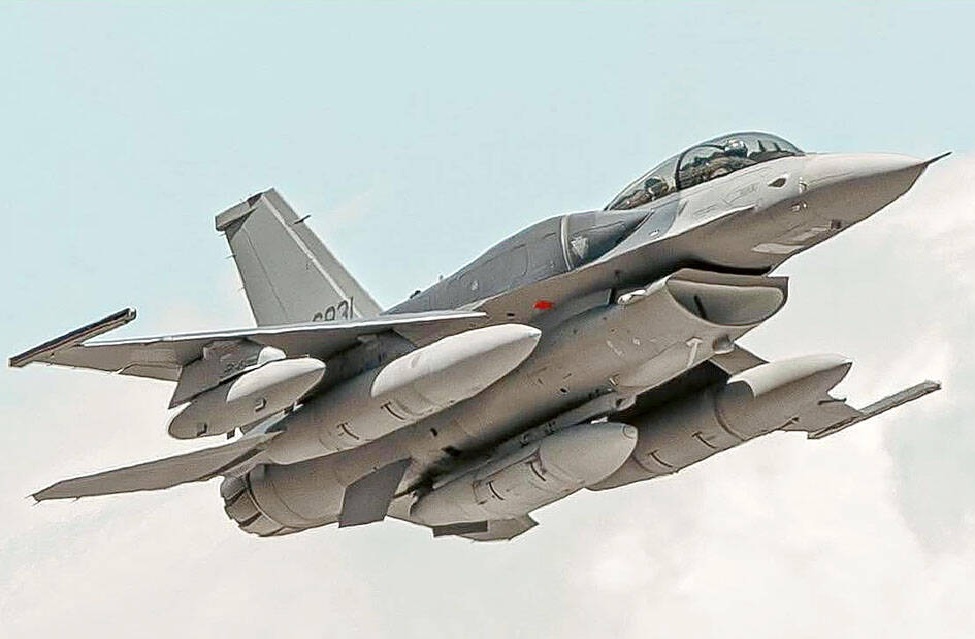 First Taiwanese F-16 Block 70 Flies with Five-Tank Fuel Configuration During Texas Tests
-
 Patria Launches WISPR Passive Counter-Battery Radar with Silent Detection Capability at Eurosatory 2026
-
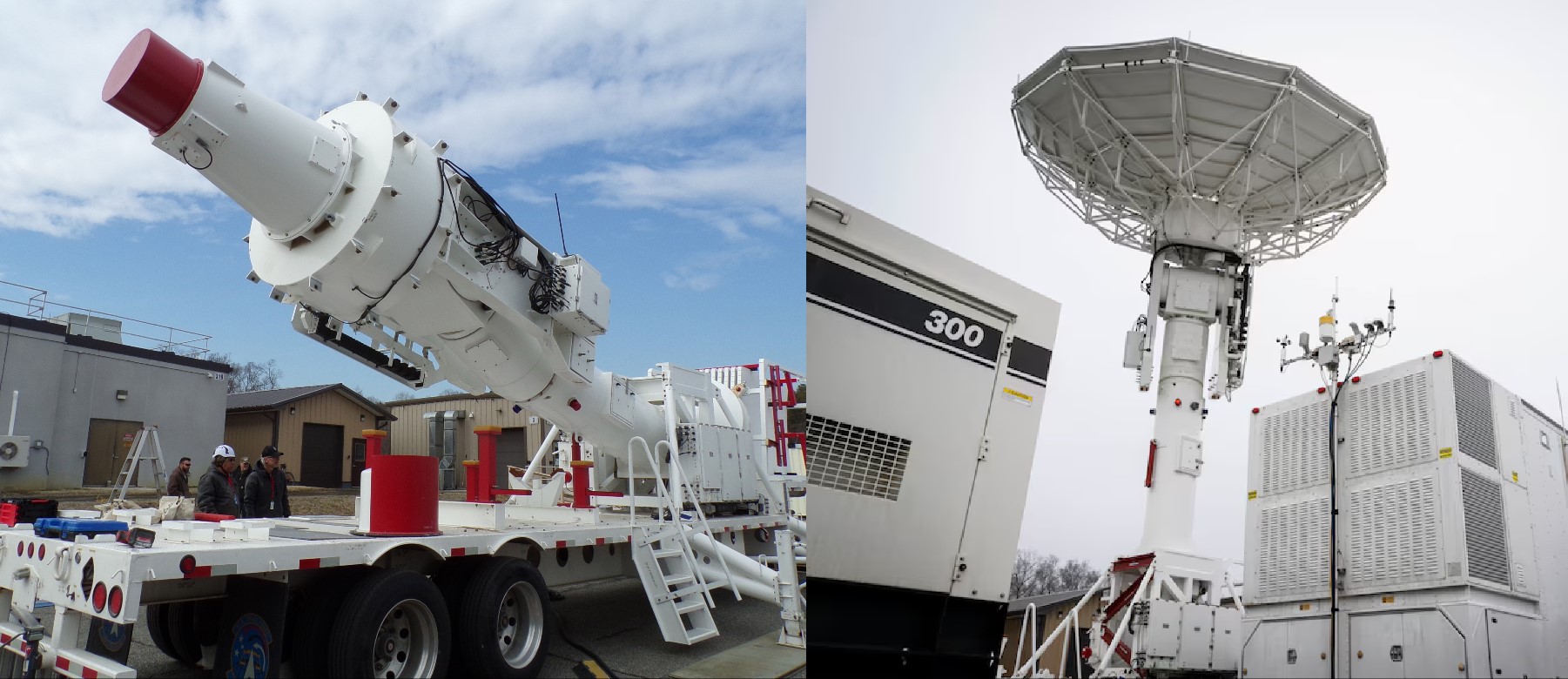 Space Force Transfers Transportable Satellite Tracking Antenna to Naval Research Laboratory
-
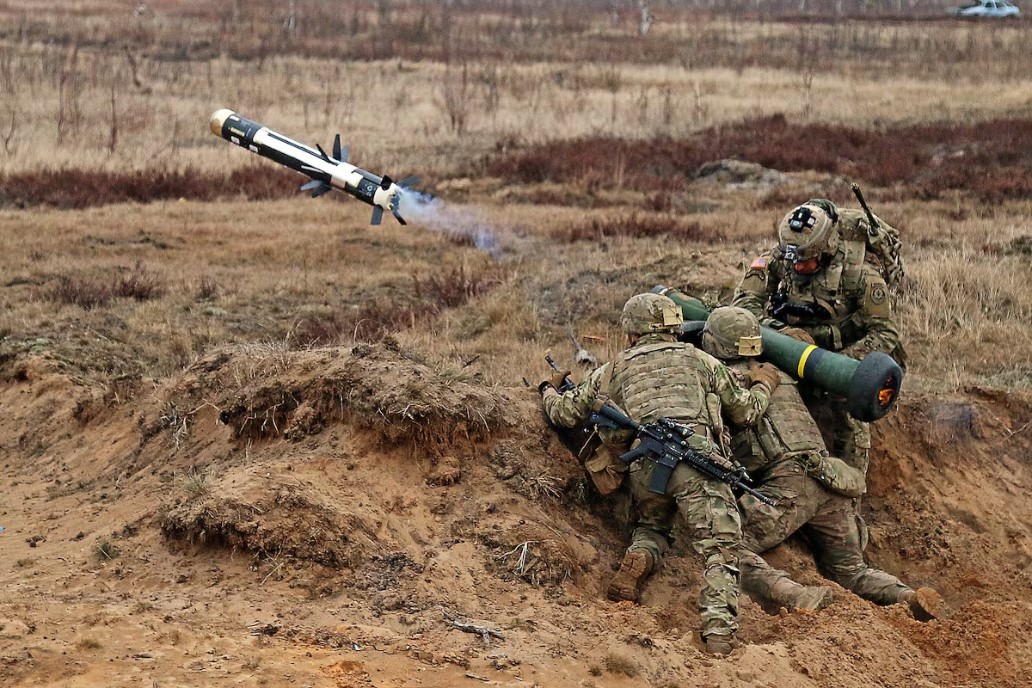 U.S. Army Launches 10-Year Plan to Sustain Javelin Missile Production Through 2036
Top Trending in 4 Days
-
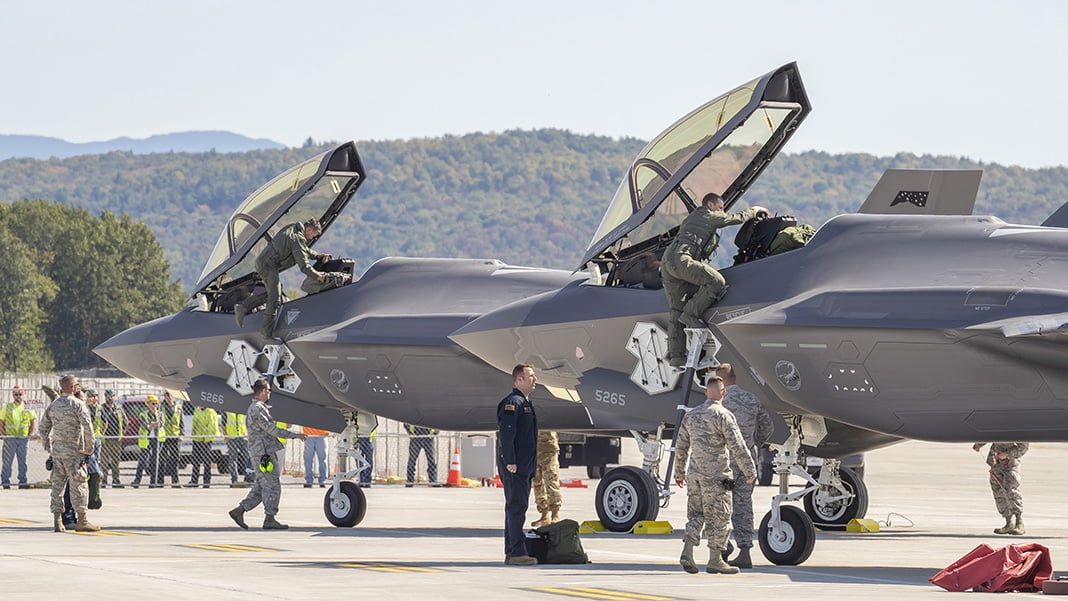 F-35 Fleet Readiness Falls to 25% Amid Parts Shortages and Software Delays: GAO Report
-
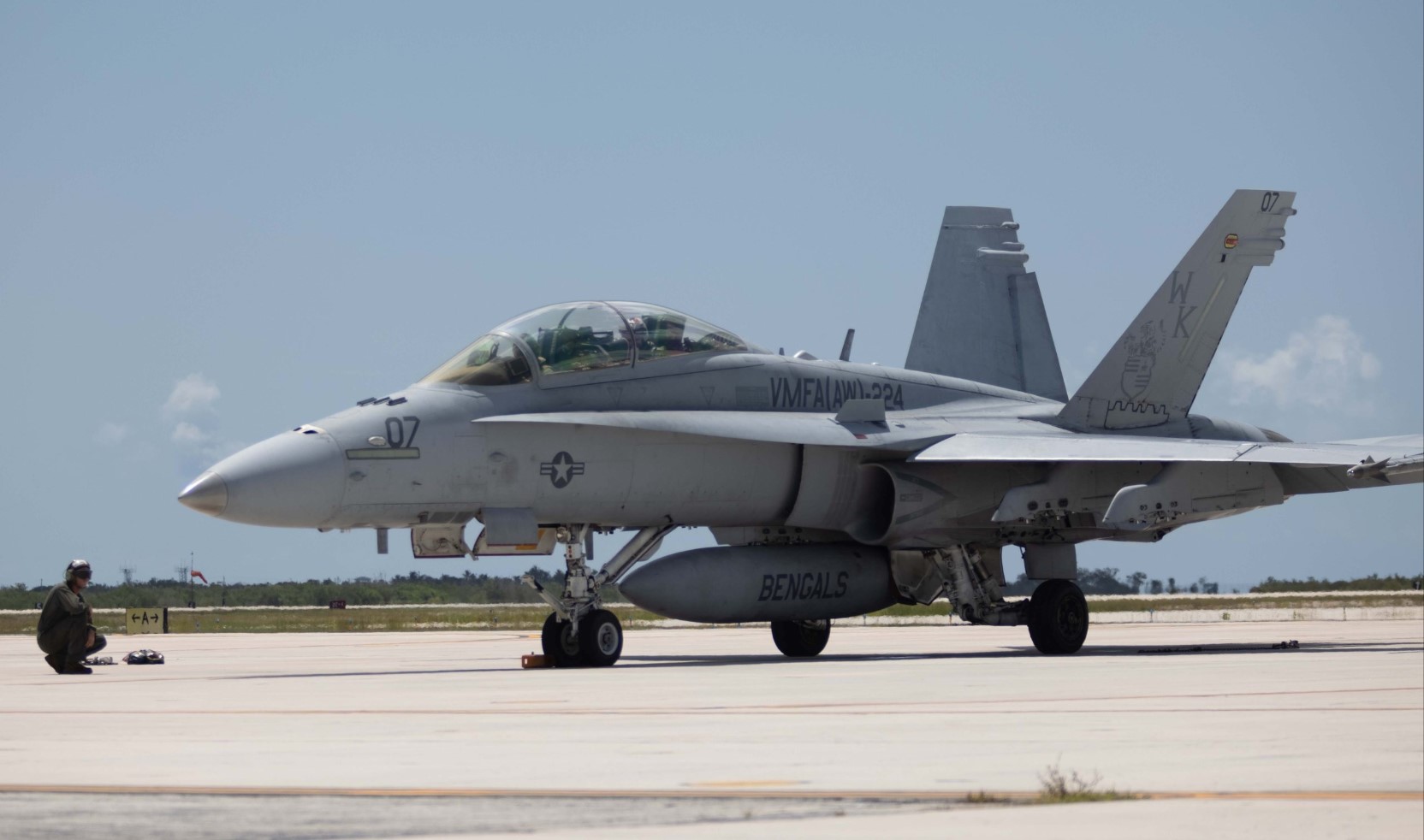 US Marine Corps F/A-18D Hornet Crashes During Training Flight in Washington Mountains; Pilot Ejects Safely
-
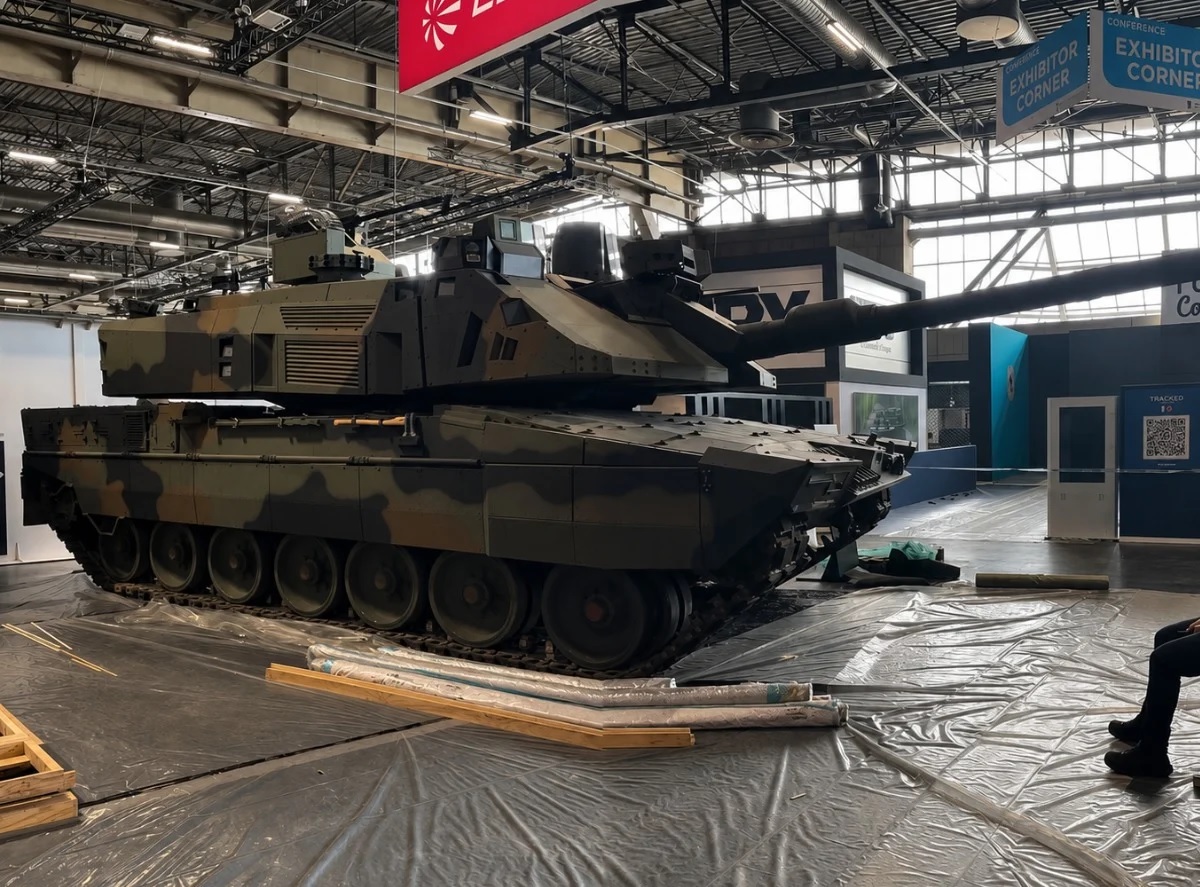 Leonardo Rheinmetall to Unveil Italy’s New IMBT Main Battle Tank at Eurosatory 2026
-
 Tulsi Gabbard Releases Declassified Files Detailing U.S.-Backed Network of 120 Biolaboratories Across 30+ Countries
-
8 U.S. Air Force Crew Members Killed in B-52 Bomber Crash During Test Flight at Edwards Air Force Base
-
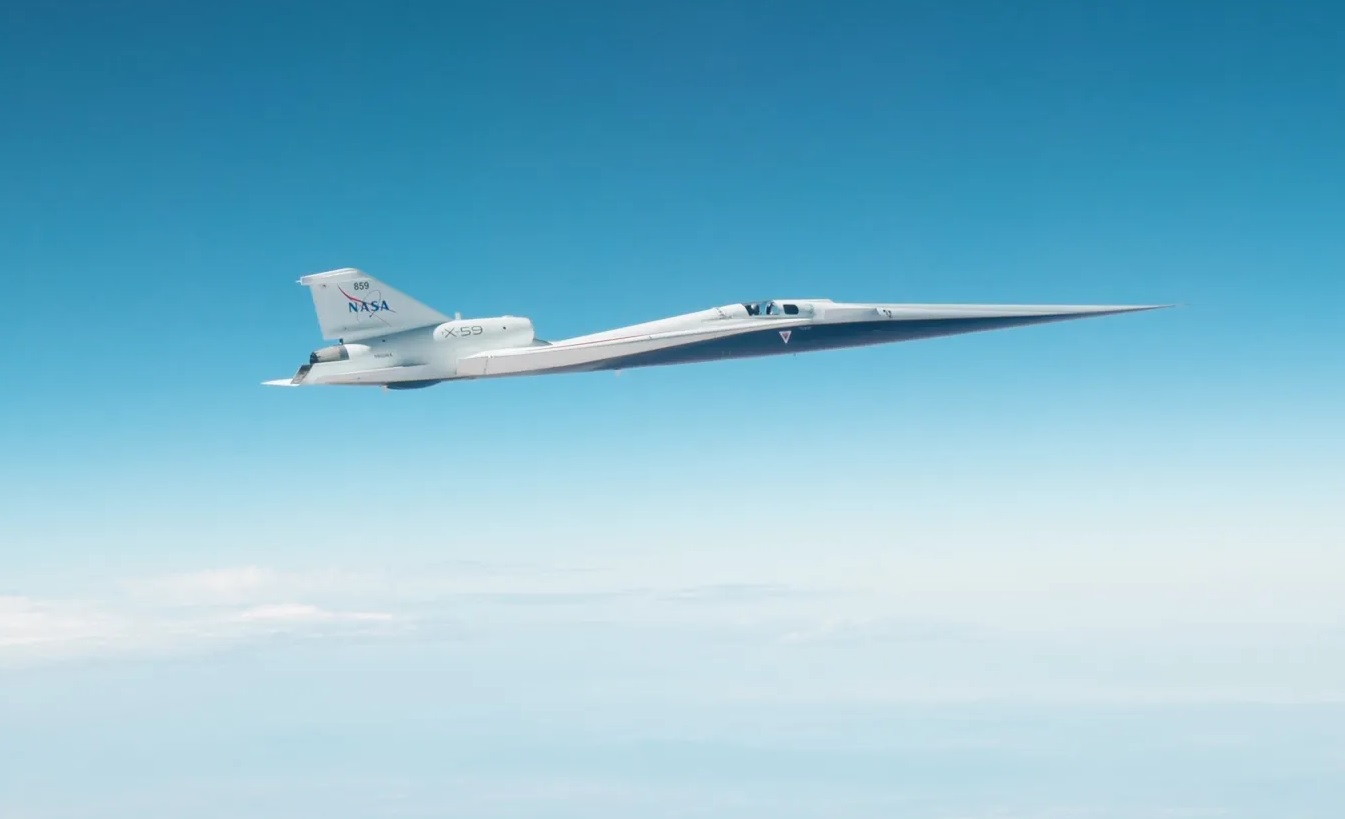 NASA X-59 Achieves Planned Mission Conditions with Mach 1.4 Flight at 55,000 Feet
-
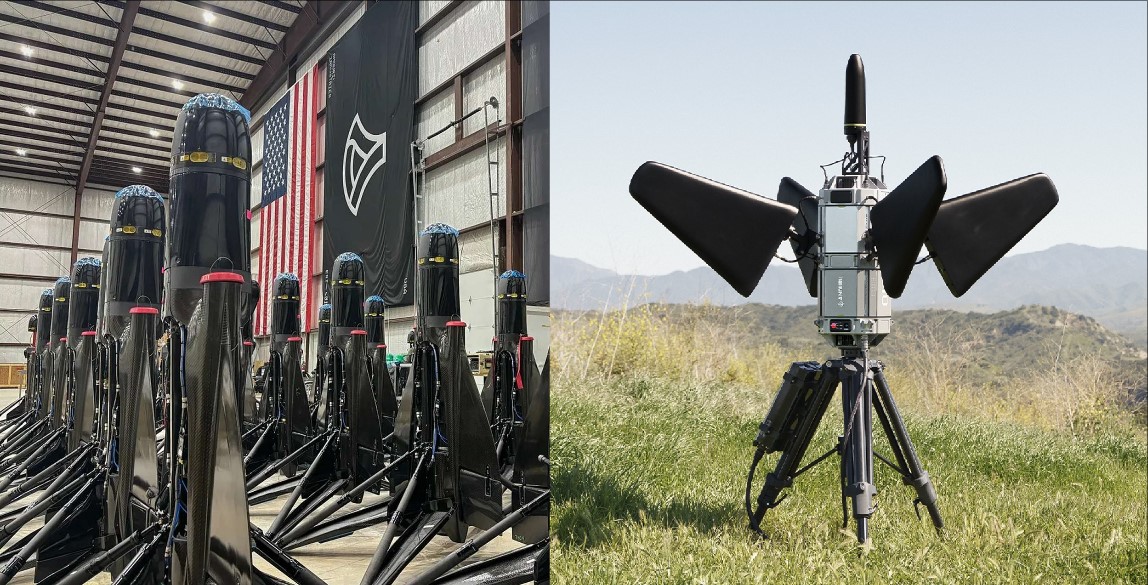 U.S. Approves $1.98 Billion Sale of Anduril AI-Powered Counter-Drone Systems to Kuwait
-
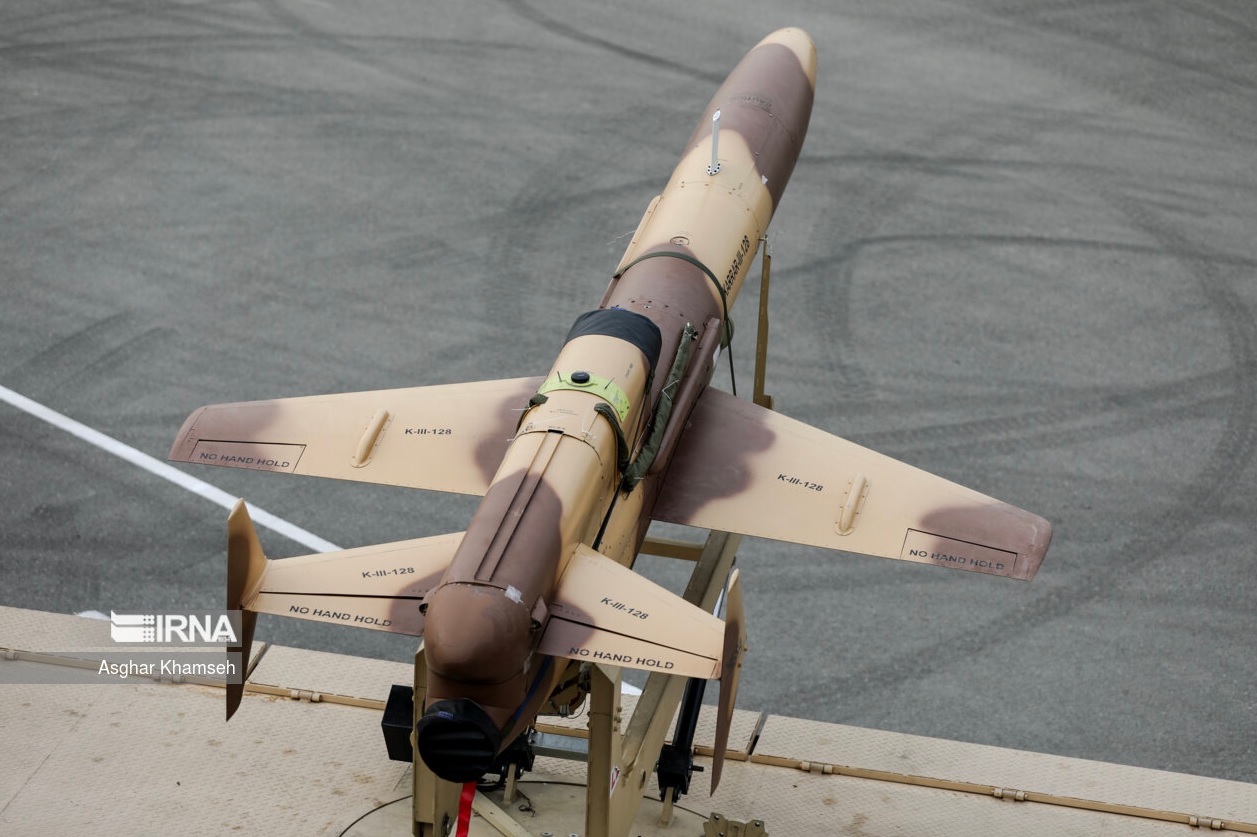 Russia Launches 1,400 Jet-Powered Drones in 2026 as Strike Tactics Evolve to Challenge Ukraine's Air Defenses