
India
In a bid to bolster its technological edge and adapt to the rapidly changing dynamics of modern warfare, the Indian Army has embarked on a strategic initiative, identifying 16 crucial technology clusters for focused development and integration. This ambitious move aims to arm the force with cutting-edge capabilities, ensuring it remains formidable and adaptable in the face of future conflicts.The Indian Army's initiative is not just about keeping pace with global military advancements; it's about setting new benchmarks in defense technology. Among these 16 clusters, one is dedicated to emerging technologies that are currently in the conceptual phase. This includes stealth and anti-stealth systems, advanced sensing, novel energy and propulsion solutions, nanotechnology, hypersonic weaponry, and defense mechanisms against chemical, biological, radiological, and nuclear (CBRN) threats. These areas are the frontier of global military research, with some nations already beginning to implement these technologies.Beyond these nascent technologies, the Indian Army's vision encompasses a broad technological spectrum. Clusters are set to enhance cybersecurity and space-based capabilities, leveraging automation and digitization for greater efficiency, and exploring quantum computing and communication for military applications. The integration of the Internet of Things (IoT), 5G, and even 6G technologies will revolutionize interconnected device networks and communication frameworks within the military.Another critical focus is on Remotely Piloted Aircraft (RPA) and Directed Energy Weapons (DEW), aiming to incorporate unmanned aerial vehicles and energy-based weaponry for both offensive and defensive purposes. The development of countermeasures against hostile drones through Counter Unmanned Aerial Systems (C-UAS) is also a priority, addressing the increasing threat posed by enemy drones.Immersive technologies like Augmented Reality (AR) and Virtual Reality (VR) will be utilized for advanced training and simulation, while unmanned ground and aerial systems will enhance surveillance and targeting capabilities. Blockchain technology will be applied for secure data management and optimizing supply chains, ensuring data integrity and efficiency.Artificial Intelligence (AI) and Machine Learning (ML) are set to revolutionize decision-making processes, threat analysis, and the deployment of autonomous systems. Robotics will be integrated for various military tasks, from reconnaissance to logistics. The development of loitering munition systems—self-destructing aerial weapons for precision strikes—will add a new dimension to the Army's offensive capabilities. Enhancements in mine detection and diffusion, camouflage, and concealment techniques will further bolster ground operations.The Army's commitment to rapid prototyping and on-demand manufacturing is evident in its focus on 3D printing infrastructure. This technology will allow for swift production of essential components and equipment, tailored to specific needs and conditions.To effectively implement these technologies, the Indian Army has launched a drive to identify and recruit officers with specialized expertise in these fields. Additionally, a comprehensive overhaul of human resource policies is underway to facilitate the absorption and utilization of these niche technologies, aligning training infrastructure with the demands of a technologically advanced force.The decision to prioritize technological advancement was a pivotal outcome of the Army Commanders Conference held in April. This conference outlined a strategic roadmap for procedural transformation, including the establishment of Army Design Bureau Cells at Command Headquarters, dedicated funding for technology trials, and the nomination of test bed units for the streamlined evaluation of emerging technologies.This comprehensive approach signifies a major step towards transforming the Indian Army into a technologically intensive force, capable of meeting the challenges of future warfare head-on. The emphasis on self-reliance, innovation, and the integration of cutting-edge technologies underscores the Army's commitment to remaining a formidable and adaptable force in an ever-evolving security landscape.As the Indian Army marches forward with this strategic initiative, it sets a clear message: in the realm of future warfare, technological superiority will be paramount. The meticulous planning and foresight in identifying and developing these 16 tech clusters will ensure that the Indian Army remains at the forefront of global military capabilities, ready to face any challenge that the future may hold.
Read More → Posted on 2024-07-28 15:48:30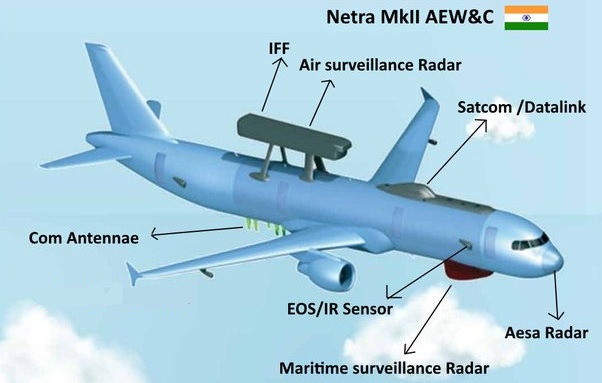
India
In a significant boost to India's aerial defense capabilities, Adani Defence & Aerospace has secured a pivotal role in the Netra II project. This project, aimed at modernizing the country’s Airborne Early Warning and Control (AEW&C) systems, marks a crucial step forward in enhancing the Indian Air Force's (IAF) surveillance and defense operations.The Netra II project involves the development of six advanced AEW&C aircraft designed to detect and track airborne threats, such as enemy aircraft, missiles, and drones. These aircraft will act as force multipliers, providing the IAF with a strategic advantage in monitoring and responding to potential threats. Adani Defence & Aerospace, in collaboration with the Defence Research and Development Organisation (DRDO), will integrate and deliver cutting-edge sensors for these aircraft.One of the standout features of the Netra II system is its impressive coverage area of 300 degrees. This extensive range is achieved through the integration of both dorsal and nose-cone radar systems, utilizing powerful 4D Active Electronically Scanned Array (AESA) multi-mode radar technology. This radar can operate in both air-to-air and air-to-sea modes, significantly enhancing the aircraft's surveillance and detection capabilities. The use of S-band and X-band functionalities further bolsters its performance, making it a formidable component of India's aerial defense.The Netra II aircraft will be based on pre-owned Airbus A321 platforms, offering increased power and capacity compared to the Embraer-145 aircraft used in the earlier Netra Mark I. This larger platform not only enhances the aircraft's operational capabilities but also provides the necessary space and power for the advanced sensors and systems being integrated by Adani Defence.One of the most critical enhancements in the Netra II project is its ability to track ballistic missiles, strengthening India's anti-ballistic missile defense system. This capability is vital for maintaining national security in the face of evolving threats. The delivery of the six Netra II AEW&C aircraft is expected to commence in 2025 and conclude by 2028, marking a significant milestone in India's defense modernization efforts.In addition to the Netra II project, the IAF is also considering placing repeat orders for six more Embraer-145-based AEW&C aircraft, designated as Netra Mark IA. These aircraft will incorporate similar upgrades as the Netra II but will be based on the Embraer platform, ensuring a consistent enhancement of India's AEW&C capabilities.This collaboration between Adani Defence & Aerospace and the DRDO not only underscores the importance of indigenous defense manufacturing but also highlights the strides India is making in developing state-of-the-art defense technologies. As the Netra II project progresses, it will undoubtedly play a crucial role in safeguarding India's skies and enhancing its aerial defense capabilities.
Read More → Posted on 2024-07-28 15:38:07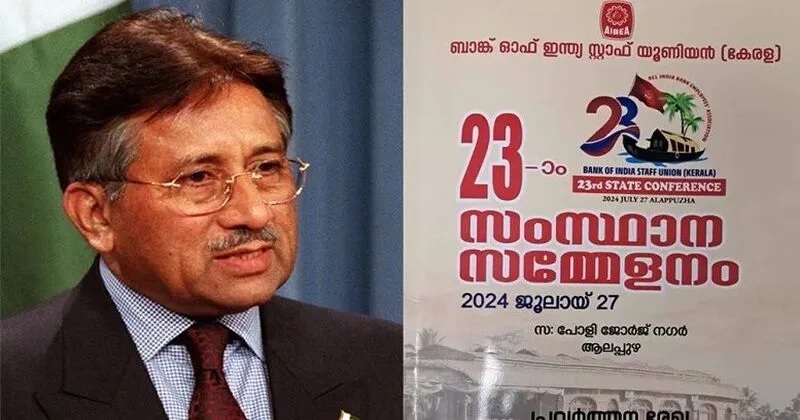
India
In a decision that ignited a firestorm of controversy, the Kerala State unit of the Bank of India Staff Union planned to honor former Pakistan President Pervez Musharraf during their 23rd State Conference in Alappuzha. This plan came on the heels of the 25th anniversary of Kargil Vijay Diwas, a day of significant national pride in India, commemorating the victory over Pakistan in the 1999 Kargil War. The timing and choice of honoree quickly drew sharp criticism and led to protests, primarily spearheaded by the Bharatiya Janata Party (BJP).On July 27, the conference at Poly George Nagar saw BJP members gathering in protest outside the venue, decrying the union's decision to include Musharraf in the list of those to be honored. Pervez Musharraf, who was Pakistan's Chief of Army Staff during the Kargil conflict, is a figure deeply associated with the war, which resulted in the loss of many Indian soldiers. For many Indians, the idea of honoring Musharraf, especially so soon after a day dedicated to remembering the sacrifices of those soldiers, was unacceptable.The Bank of India Staff Union's conference was a significant event, attended by several dignitaries and featuring a program that included the felicitation of various notable personalities from different fields, such as actors, singers, dancers, sportspersons, and activists. However, the union's decision to pay tribute to Musharraf overshadowed these other aspects.Amid the growing outrage and the BJP's vocal protests, the union made a swift reversal. At the last moment, they decided to cancel the tribute to Musharraf, recognizing the sensitivity and the potential for further controversy. This decision came after a significant backlash and a clear message from various quarters that honoring Musharraf was seen as deeply disrespectful to the memory of those who had fought and died in the Kargil War.Adding to the drama, Congress MP and AICC General Secretary KC Venugopal, who was scheduled to inaugurate the conference, did not attend the event. His absence was noted amidst the unfolding controversy, although no official reason was provided for his decision to skip the event.The incident has brought to light the complexities and sensitivities involved in public commemorations and the importance of timing and context. For many, the decision to honor a figure like Musharraf, especially during a time of national remembrance like Kargil Vijay Diwas, was seen as a significant misstep.In conclusion, the Bank of India Staff Union's plan to honor Pervez Musharraf in Kerala sparked significant protests and backlash, leading to the cancellation of the tribute. The controversy highlights the deep sensitivities surrounding national pride and historical conflicts, and the incident serves as a reminder of the importance of thoughtful consideration in public commemorations.
Read More → Posted on 2024-07-28 15:34:41
India
In the pursuit of clean and limitless energy, the Institute for Plasma Research (IPR) has made a significant stride by developing a 120 kW High Power Amplifier (HPA) system. This advancement is critical for enhancing the heating and current drive in fusion nuclear reactors, particularly within the Tokamak, a device designed to harness the power of nuclear fusion.Fusion plasma in a Tokamak is heated using high power radio frequency (RF) waves. These waves are transmitted by an antenna into the doughnut-shaped vacuum chamber of the Tokamak. Inside this chamber, the RF waves heat the plasma fuel and drive its current around the toroidal interior. This process is vital for achieving the extreme temperatures necessary for fusion reactions.To understand the significance of this development, it’s important to grasp the basics of how a Tokamak operates. The ITER Tokamak, for instance, requires temperatures of 150 million degrees Celsius, which is about ten times hotter than the core of the Sun. Such extreme heat is essential for sustaining fusion reactions, which have the potential to provide nearly unlimited energy without the harmful byproducts of conventional nuclear fission.Achieving these high temperatures relies on three primary sources of external heating: neutral beam injection, ion cyclotron resonance heating (ICRH), and high-frequency electromagnetic waves. The newly developed HPA at IPR, which operates over the 36 to 60 MHz range, plays a pivotal role in this heating process. It enhances the efficiency and accuracy of heating and current drive predictions for fusion plasmas.The 120 kW HPA developed by IPR is a testament to both innovation and self-reliance. It consists of an indigenously fabricated High-Power RF Cavity and an imported Tetrode. All ancillary components, including a 10 kW solid-state power amplifier, high voltage power supply, auxiliary power supplies, and control systems, are fully developed within India. This reflects IPR’s commitment to reducing dependency on external technologies while achieving cutting-edge advancements in fusion research.The HPA's characterization has been completed up to the 40 MHz range, and further tests are underway to ensure its reliability, repeatability, and compliance with electromagnetic standards. Once fully characterized, this HPA will be delivered to ITER as an in-kind contribution from India, showcasing the nation’s capabilities in advanced scientific research and technology development.This breakthrough not only propels India’s contributions to global fusion research but also brings the world a step closer to realizing the dream of sustainable and clean fusion energy. The successful development of the 120 kW HPA system by IPR marks a significant milestone in the journey towards harnessing the power of the stars here on Earth.
Read More → Posted on 2024-07-28 15:27:48
India
Bharat Heavy Electricals Limited (BHEL), a state-owned engineering and manufacturing giant, has secured a monumental contract worth over Rs 10,000 crore from the Damodar Valley Corporation (DVC). This contract, exclusive of taxes and duties, involves the construction of a 2x800 MW thermal power station in the Koderma district of Jharkhand.The project, known as the Koderma Phase-II Thermal Power Station, is set to be executed on an Engineering, Procurement, and Construction (EPC) basis. BHEL will oversee the entire project lifecycle, covering everything from design and engineering to procurement, construction, testing, and commissioning. This comprehensive approach ensures that BHEL will manage all critical aspects of the project, reinforcing its reputation as a key player in the power generation sector.BHEL's responsibilities under this contract are extensive. The company will supply essential equipment, including boilers, turbines, generators, and related auxiliaries. Moreover, BHEL will provide the necessary electrical, control, and instrumentation (C&I) systems, as well as balance of plant (BoP) packages. The scope of work also encompasses the erection, commissioning, and civil works required to bring the thermal power station to life.This significant order is expected to greatly enhance BHEL's order book, strengthening its market position. The project is slated for completion within 52 months, marking a substantial addition to India's power infrastructure.The announcement of this contract had an immediate positive impact on BHEL's stock performance. On the Bombay Stock Exchange, BHEL's shares closed at Rs 317.25, reflecting a 1.96% increase. This uptick underscores investor confidence in the company's future prospects, buoyed by this substantial new order.BHEL, with the Indian government holding a 63.17% stake as of March 31, 2024, remains a pivotal entity in the power and industrial equipment sectors. Despite reporting a decline in net profit for the fourth quarter of FY24, this new contract with DVC is a promising development. It not only signals potential for growth but also reinforces BHEL's critical role in India's ongoing industrial and infrastructural expansion.As BHEL embarks on this ambitious project, the successful completion of the Koderma Phase-II Thermal Power Station will not only bolster its portfolio but also contribute significantly to the power capacity in Jharkhand. This aligns with India's broader goals of enhancing its power generation capabilities to meet the rising demand for energy across the country.
Read More → Posted on 2024-07-28 15:13:23
India
In a dramatic confrontation early Saturday morning, the Indian Army successfully thwarted an attack by Pakistan's Border Action Team (BAT) in the Kamakari sector of Jammu and Kashmir's Kupwara district. The clash resulted in the death of one Indian soldier and injuries to four others, including a captain.The Pakistani BAT, which typically consists of special forces and militants, launched their attack near the Kumkadi post in the Trehgam sector. The assailants threw a grenade and opened fire on the Indian forward post, sparking an intense gunfight that lasted several hours. The Indian troops, demonstrating exceptional alertness and bravery, managed to repel the attack.During the exchange of fire, a Pakistani intruder was killed, while two others managed to retreat to Pakistan-occupied Kashmir (PoK). The intense firefight also led to injuries among the Indian soldiers, with one soldier eventually succumbing to his wounds. The wounded, including the captain, were swiftly evacuated to a base hospital, where the condition of one soldier was reported to be critical.This incident underscores the ongoing tension and volatility along the Line of Control (LoC), where clashes between Indian and Pakistani forces are a frequent occurrence. The situation remains tense, as both sides continue to monitor and respond to each other's movements closely.This attack by the BAT highlights the ongoing security challenges faced by Indian forces in the region, as they work to maintain peace and protect their borders amid persistent threats.
Read More → Posted on 2024-07-27 15:28:39India
In a significant move aimed at bolstering security in the terror-affected Jammu region, the Indian government has ordered the transfer of two Border Security Force (BSF) battalions from Odisha. This decision, made public on Saturday, is part of a broader strategy to reinforce security along the India-Pakistan border, particularly in light of recent terror incidents in the region.The two BSF battalions, totaling over 2,000 personnel, are being redeployed from their current assignments in Odisha to the Jammu area. The move was prompted by a spate of terror attacks that have recently plagued Jammu, leading to increased security concerns. These battalions were initially engaged in anti-Naxal operations in Odisha but are now redirected to strengthen the border security in Jammu, where they will be stationed in Samba and near the Jammu-Punjab border.This strategic shift comes after high-level meetings in Delhi and Jammu, where top security officials assessed the deteriorating situation in the Jammu region. The region has been the target of multiple terror attacks this year, resulting in the deaths of 22 people, including 11 security personnel. In response to this alarming situation, the decision was made to prioritize the deployment of these BSF units to reinforce the security framework.The Jammu region, which spans 485 kilometers of the India-Pakistan border, is particularly vulnerable due to its dense forests and mountainous terrain. This challenging geography has made it an attractive area for terrorists to launch attacks. The BSF’s role here is crucial as they work to prevent infiltration and manage the security of this sensitive border area. The two battalions being relocated were initially tasked with anti-Naxal operations in Malkangiri and Koraput districts of Odisha. These districts will now need to be reassigned with new units, a decision pending further deliberation by the Ministry of Home Affairs. In the interim, the redeployed battalions will serve as a critical "second line" of defense along the Jammu international border.The presence of these additional BSF units is expected to enhance the capacity to manage cross-border infiltration and terrorist activities, which have been a persistent challenge in the region. Infrastructure and logistics for their deployment will be established over the coming months to ensure that they are fully operational in their new roles.This redeployment underscores the government’s commitment to addressing the security challenges in Jammu and enhancing the overall safety of the region, which continues to grapple with the threat of terrorism despite ongoing efforts to stabilize the area.
Read More → Posted on 2024-07-27 15:25:56
India
In a heartfelt tribute to a landmark moment in Indian military history, India Post has unveiled a commemorative postage stamp marking the 25th anniversary of Kargil Vijay Diwas. The ceremony took place at Dras, Kargil, in Ladakh, bringing attention to the bravery and sacrifice of the Indian Armed Forces during the Kargil War.The special stamp celebrates the Silver Jubilee of the victory achieved in Operation Vijay, where Indian troops successfully reclaimed territory from Pakistani intruders in the harsh terrains of Dras, Kargil, and Batalik sectors. This operation, which took place in 1999, is remembered as a testament to the courage and resilience of the Indian soldiers.Communications Minister Jyotiraditya Scindia highlighted the significance of this commemorative stamp, stating that it not only pays homage to the soldiers' valor but also serves as a powerful symbol of national pride. "This stamp is more than just a collectible; it is a tribute to the heroism of our armed forces and a reminder of their unmatched sacrifice," Scindia noted.The release of this stamp comes as a gesture of enduring gratitude towards those who defended the nation during a critical time. The commemorative stamp features imagery that encapsulates the spirit and determination of the soldiers who fought in the Kargil conflict, making it a poignant addition to India's postal history.Scindia encouraged all citizens to purchase the stamp, emphasizing its importance as a token of appreciation and respect for the defenders of the country. This release is not just a nod to the past but a celebration of the unity and strength of the nation forged through trials and triumphs.As India reflects on the 25th anniversary of Kargil Vijay Diwas, the stamp stands as a proud reminder of the sacrifices made by the armed forces and the nation's indomitable spirit.
Read More → Posted on 2024-07-27 15:22:48
India
Prime Minister Narendra Modi is preparing for a landmark visit to Kyiv in August, marking his first trip to Ukraine since the Russian invasion began on February 24, 2022. This significant diplomatic move underscores India's commitment to strengthening its relationship with Ukraine and fostering peace in the region.The upcoming visit follows a series of high-level interactions between Indian and Ukrainian officials in recent months. In July, External Affairs Minister S. Jaishankar and Ukraine’s Foreign Minister Dmytro Kuleba, along with National Security Advisors Ajit Doval and Andriy Yermak, engaged in crucial telephonic discussions. These conversations focused on enhancing bilateral ties and exploring ways to support Ukraine amidst its ongoing conflict.In June, on the sidelines of the G7 Summit in Italy, Prime Minister Modi met Ukrainian President Volodymyr Zelenskyy. This meeting highlighted the mutual desire to deepen the India-Ukraine partnership. Following the meeting, EAM Jaishankar expressed on social media platform X that discussions had centered on advancing bilateral relations.President Zelenskyy, on June 4, congratulated PM Modi on his third consecutive general election victory and extended an invitation for him to visit Ukraine. This invitation was a testament to the strong bond and mutual respect between the two leaders. During a telephone conversation in March, they discussed ways to bolster the India-Ukraine partnership, with PM Modi reiterating India's commitment to supporting a peaceful resolution to the conflict.In a significant development earlier this month, PM Modi visited Moscow, where he emphasized the importance of dialogue and diplomacy over military solutions. He stated, “There is no solution on the battlefield. Dialogue and diplomacy is the way forward.” This visit underscored India's long-standing call for respecting the United Nations Charter, including territorial integrity and sovereignty.As Prime Minister Modi prepares for his visit to Kyiv, the international community watches closely. His trip symbolizes a crucial step in India’s efforts to contribute to peace and stability in Ukraine. The visit also reaffirms India's stance on promoting dialogue and diplomacy as the primary means to resolve conflicts.
Read More → Posted on 2024-07-27 15:14:53
India
In a significant legislative move, US Republican Senator Marco Rubio has introduced a bill that aims to provide a limited exemption for India from the Countering America's Adversaries Through Sanctions Act (CAATSA). This exemption would allow India to purchase Russian military equipment without facing the sanctions typically imposed under CAATSA. The bill proposes to treat India on par with key US allies like Japan, Israel, and South Korea, particularly concerning technology transfers.The US-India Defense Cooperation Act, as introduced by Rubio, is designed to support India in its efforts to counter growing threats to its territorial integrity, implicitly from China. The legislation also includes provisions to bar Pakistan from receiving US security assistance if it is found to have sponsored terrorism against India. Rubio emphasized the importance of US support in countering China's aggressive expansion in the Indo-Pacific region, which threatens the sovereignty and autonomy of regional partners, including India.This bill comes at a critical time when geopolitical tensions in the Indo-Pacific are high, with China's assertive actions prompting regional powers to strengthen their defense capabilities. The proposed legislation underscores the strategic importance of India in the US's Indo-Pacific strategy, highlighting the necessity for enhanced military cooperation between the two nations.Despite the potential impact of the bill, its passage faces significant hurdles. Given the current political climate in the US Congress, which is deeply divided and focused on the upcoming elections, the bill may struggle to gain traction. However, there is a possibility that it could be reintroduced in the next Congress, especially given the bipartisan support for strengthening US-India relations.The bill includes several key provisions aimed at bolstering US-India defense ties. It seeks to authorize the US Secretary of State to enter into a memorandum of understanding with India to increase military cooperation, expedite the transfer of excess defense articles to India for two years, and grant India the same status as other US allies in terms of military education and training cooperation.This is a landmark moment, as it is the first time an India-centric bill of this nature has been introduced in the US Congress. The legislation not only proposes to exempt India from CAATSA sanctions but also aims to elevate India's status to that of a US treaty ally. Additionally, it calls for sanctions on Pakistan if it is found to promote terrorism against India.In a notable precedent, the US House of Representatives approved an India-specific CAATSA waiver in 2022 for India's purchase of the S-400 missile defense system from Russia. This previous waiver highlights the ongoing strategic importance of India to US foreign policy and defense strategy.As the bill awaits further deliberation, India remains vigilant, monitoring the proceedings closely. The outcome of this legislative effort will have significant implications for the future of US-India defense cooperation and the broader geopolitical dynamics in the Indo-Pacific region.
Read More → Posted on 2024-07-27 15:10:33
India
Tensions are escalating in the Bay of Bengal as a Chinese ocean research vessel, the Xiang Yang Hong 03, nears an area designated by India for a naval subsurface firing exercise. This unexpected proximity, a mere 120 nautical miles from the exercise zone, has sparked concerns over potential surveillance and intelligence-gathering activities.India had declared a no-fly zone in the region for the duration of its naval exercise, issuing a Notice to Airmen (NOTAM) to ensure the safety and secrecy of the operations. The presence of the Chinese vessel so close to this restricted area has prompted the Indian Navy to keep a vigilant eye on its movements, assessing any potential security threats it might pose.While China asserts that the Xiang Yang Hong 03 is engaged in civilian research, its activities in the Indian Ocean Region (IOR) have consistently raised alarms in New Delhi. India perceives these vessels as dual-use platforms that, under the guise of civilian missions, can serve military purposes. This incident is seen as part of the broader strategic rivalry between the two Asian giants, each striving to assert its influence in the Indo-Pacific region.The Bay of Bengal has become a focal point of this competition, with both nations expanding their naval capabilities and presence. Experts suggest that the timing and location of the Chinese vessel's appearance are no coincidence. They believe it is a calculated move by China to demonstrate its reach and capabilities, possibly to gather intelligence on India's naval operations.The Indian Navy's reaction to this situation will be crucial in shaping future maritime interactions between the two countries. Maintaining a balance between asserting its own strategic interests and avoiding unnecessary escalation will be key. As India continues to enhance its naval presence and capabilities in the IOR, encounters like these are likely to become more frequent, underscoring the need for robust maritime security strategies.The incident comes amidst broader geopolitical dynamics, with both nations also involved in land border disputes and expanding their economic and diplomatic influence across Asia and beyond. The Bay of Bengal, a vital maritime route for trade and energy supplies, remains a strategically significant area where the interests of major regional powers converge and sometimes clash.As the situation unfolds, it serves as a reminder of the complex and often tense nature of maritime security in the Indo-Pacific, where strategic interests, national security, and international diplomacy intersect.
Read More → Posted on 2024-07-27 15:06:19
India
In a bid to meet India's ambitious renewable energy goals, leading solar module manufacturers Tata Power Solar, ReNew Photovoltaic, and Avaada Electro have reached out to the government, requesting visa approvals for 36 Chinese engineers and technicians. These professionals are crucial for scaling up operations and advancing solar module manufacturing projects across the country.Since January, the three companies have been seeking 'business visas' for these Chinese experts to aid their solar manufacturing efforts. Specifically, Tata Power Solar has applied for 20 visas, ReNew Power has requested nine, and Avaada Electro has submitted applications for seven professionals. These applications have been forwarded to the Solar Energy Corporation of India Limited (SECI), which then passed them on to the Ministry of New and Renewable Energy.The companies' requests come at a time when India is striving to achieve a renewable energy capacity of 500 GW by 2030. This target is part of India's broader efforts to reduce reliance on fossil fuels and promote sustainable energy sources. However, the country heavily relies on imports of high-end equipment and technology from China, the world's largest producer and exporter of solar panels.Tata Power is investing a substantial ₹3,000 crore in a new 4 GW solar cell and 4 GW solar module manufacturing plant in Tirunelveli, Tamil Nadu. Solar cells, which convert sunlight directly into electricity, are assembled into solar modules that generate power. Similarly, ReNew is developing a solar cell manufacturing facility in Dholera, Gujarat, and Avaada is establishing a similar plant in Gautam Buddh Nagar, Uttar Pradesh.Despite these investments, stringent restrictions on the entry of Chinese personnel into India, enforced due to COVID-19 and ongoing border tensions, have posed significant challenges. The delays in visa approvals could hinder project timelines and affect the completion of solar and wind power projects, which are critical to meeting contractual obligations and advancing India's renewable energy agenda.The demand for Chinese expertise is driven by the cost-effectiveness and technological advancements of Chinese solar modules. The prices of these modules have dropped by more than 50%, making solar power a competitive alternative to traditional thermal power. This aligns with India's objectives of reducing dependence on imported coal and gas and maintaining stable, affordable power tariffs.Tata Power has sought visas for professionals from its suppliers, including Yingkou Jinchen Machinery Co., Maxwell Technology PTE Ltd., and RoboTechnik Intelligent Technology Co. ReNew has requested visas for experts from LAPLACE Renewable Energy Technology Co. Ltd., while Avaada has applied for visas for professionals from Yingkou Jinchen and RoboTechnik.The Indian renewable energy industry has urged the government to consider the visa issue from a humanitarian and technical perspective rather than a political or diplomatic one. They have requested that visas be granted on a case-by-case basis, ensuring compliance with all protocols upon arrival. Additionally, the industry has suggested exploring remote work options for Chinese experts and training Indian engineers and technicians to handle Chinese equipment and technology, thereby reducing dependence on foreign assistance.In conclusion, the timely approval of visas for Chinese solar professionals is vital for India's renewable energy companies to meet their targets and support the nation's transition to sustainable energy sources. The collaboration between Indian and Chinese experts is essential for the successful implementation of advanced solar technologies and the achievement of India's ambitious renewable energy goals.
Read More → Posted on 2024-07-27 15:03:08
India
In a significant move to honor the dedication and patriotism of Agniveers, the Rajasthan government has announced a provision for reservation in the recruitment of jail guards, forest guards, and state police. This announcement was made by Chief Minister Bhajanlal Sharma on the occasion of Kargil Vijay Diwas, July 26.The Agnipath scheme, introduced by the central government in 2022, aims to recruit youths aged between 17-and-a-half and 21 into the Army, Navy, and Air Force on a four-year contractual basis. Those selected under this scheme are called Agniveers. After completing their four-year tenure, 25 percent of these recruits will be offered regular service in the armed forces. Recognizing their service, the Union Ministry of Home Affairs had previously reserved 10 percent of vacancies in the Central Armed Police Forces for ex-Agniveers.Following the central government’s initiative, several states have also implemented similar measures. In Rajasthan, Chief Minister Sharma emphasized the state’s commitment to providing opportunities for Agniveers to continue their service at the state level after their tenure in the armed forces. This reservation policy is seen as a step towards acknowledging the sacrifices and contributions of these young soldiers.While the exact percentage of reservation for Agniveers in Rajasthan’s state police, jail guard, and forest guard recruitments has not been disclosed, the announcement marks a significant step towards integrating these trained personnel into the state’s security apparatus. This move is expected to enhance the efficiency and effectiveness of the state's security forces, given the rigorous training and discipline that Agniveers undergo during their service in the armed forces.The decision also aligns with the broader national policy of providing career opportunities for Agniveers beyond their military service, thereby ensuring their skills and dedication are utilized in various security roles across the country. This initiative by the Rajasthan government not only offers a career path for ex-Agniveers but also strengthens the state’s commitment to national security and public safety.The announcement has been welcomed by many as a positive step towards recognizing the value of military service and providing a seamless transition for Agniveers into civilian roles. It also highlights the collaborative efforts between the central and state governments in addressing the employment and integration of ex-servicemen into the broader workforce.
Read More → Posted on 2024-07-27 14:58:06
India
The Kudankulam Nuclear Power Plant (NPP), a symbol of Indo-Russian collaboration, has reached a remarkable milestone by generating 100 billion kilowatt-hours (kWh) of electricity. This achievement, announced by Rosatom, the Russian atomic energy corporation, underscores the successful operation and efficiency of the two 1,000 MW nuclear reactors in Tamil Nadu, India.The journey of the Kudankulam NPP began with the collaboration between India's Nuclear Power Corporation of India Ltd (NPCIL) and Rosatom. This partnership has been pivotal in bringing advanced nuclear technology to India. The first two units, which have now collectively delivered 100 billion kWh to the Indian power grid, are operating in routine mode, exceeding their expected efficiency levels. This impressive performance is a testament to the robust design, reliable equipment, and high-quality construction that went into the plant.Alexey Zhukov, First Vice President for Construction at ASE JSC, a Rosatom subsidiary, highlighted the significance of this milestone. He attributed the plant's effective operation to the application of proven design solutions and the seamless cooperation between the Indian and Russian teams. This collaboration ensured that the project met the highest standards of quality and safety, from the initial design phase through to operation.The success of Units 1 and 2 at Kudankulam is just the beginning. NPCIL and Rosatom are currently constructing four additional 1,000 MW units (Units 3, 4, 5, and 6) at the same site. The major equipment for Units 3 and 4 has already arrived from Russia, marking significant progress in expanding the plant's capacity. When completed, these six units will significantly bolster India's power generation capacity, contributing to the country's energy security and reducing its carbon footprint.One of the critical aspects of this project is the long-term fuel supply agreement. Rosatom is committed to providing the necessary fuel for the Kudankulam reactors throughout their operational life. This ensures a stable and continuous supply of energy, which is crucial for meeting the growing electricity demands in India.The Kudankulam NPP is not just a power plant; it is a beacon of international cooperation, technological advancement, and sustainable energy production. The 100 billion kWh milestone is a significant achievement, reflecting the dedication and expertise of both Indian and Russian engineers and workers. As the project progresses, it promises to play a vital role in India's energy landscape, fostering economic growth and environmental sustainability.
Read More → Posted on 2024-07-27 14:47:45
India
In a recent high-stakes exercise, the Indian Air Force's (IAF) Sudarshan S-400 air defense missile system showcased its formidable capabilities by "shooting down" 80% of the simulated enemy fighter aircraft and forcing the remaining to retreat. This exercise marks a significant milestone in the integration and operational readiness of the S-400 system within the IAF's defense framework.Conducted in a strategically chosen theatre, the exercise involved real fighter aircraft simulating an enemy offensive package. The Sudarshan, named after the legendary Sudarshan chakra of Lord Krishna, demonstrated its precision and effectiveness by locking onto and targeting the enemy aircraft. This impressive display not only validated the system's operational readiness but also highlighted its role in bolstering India's air defense.The Sudarshan S-400 system, originally developed by Russia and acquired by India through a substantial Rs 35,000 crore deal for five squadrons, is considered a game changer for the IAF. The exercise's success underscores the system's capability to protect Indian airspace by intercepting and neutralizing potential aerial threats. The IAF has already inducted three squadrons of the S-400, with two more expected by 2026. The recent high-level visit to Russia saw Indian officials requesting an expedited delivery of the remaining systems, emphasizing the system's critical importance to India's defense strategy.This exercise was not just about testing the S-400 but also about showcasing the IAF's enhanced air defense network. Alongside the S-400, the IAF has incorporated other advanced systems like the indigenous MR-SAM, Akash missile systems, and the Israeli Spyder quick reaction surface-to-air missile systems. These integrations represent a significant leap in India's air defense capabilities, providing a multi-layered shield against potential threats.The exercise's outcomes have reinforced the confidence of the IAF in the Sudarshan S-400 system. The successful simulation of an enemy airstrike, with an 80% success rate in neutralizing the threats, is a testament to the system's reliability and effectiveness. The remaining aircraft, which were forced to abort their missions, further demonstrate the psychological and strategic impact of such a robust defense mechanism.The IAF's air defense enhancements are part of a broader strategy to counter increasing regional threats, particularly from across the Line of Actual Control (LAC) where the Chinese military has deployed its air defense systems extensively. By bolstering its own capabilities, India aims to maintain a strategic balance and ensure the protection of its airspace.In summary, the recent exercise has validated the Sudarshan S-400's role as a cornerstone of India's air defense. Its ability to intercept and neutralize enemy aircraft with high precision underscores its strategic importance. As the IAF continues to integrate and operationalize advanced systems like the S-400, India's air defense posture becomes increasingly formidable, enhancing national security and maintaining regional stability.
Read More → Posted on 2024-07-27 14:40:42Search
Top Trending in 24 Hours
-
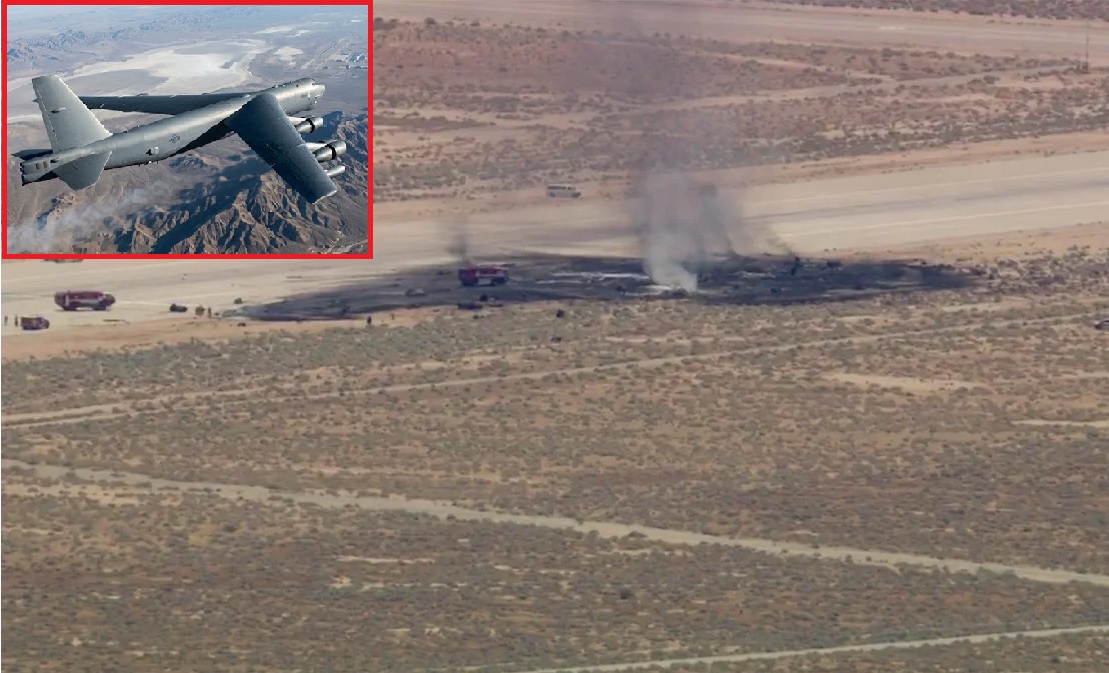 8 U.S. Air Force Crew Members Killed in B-52 Bomber Crash During Test Flight at Edwards Air Force Base
-
 Ukraine Introduces Balloon-Launched DART Missile Designed to Defeat Electronic Warfare
-
 Lockheed Martin Wins $514 Million U.S. Space Force Contract for Two New GPS IIIF Satellites
-
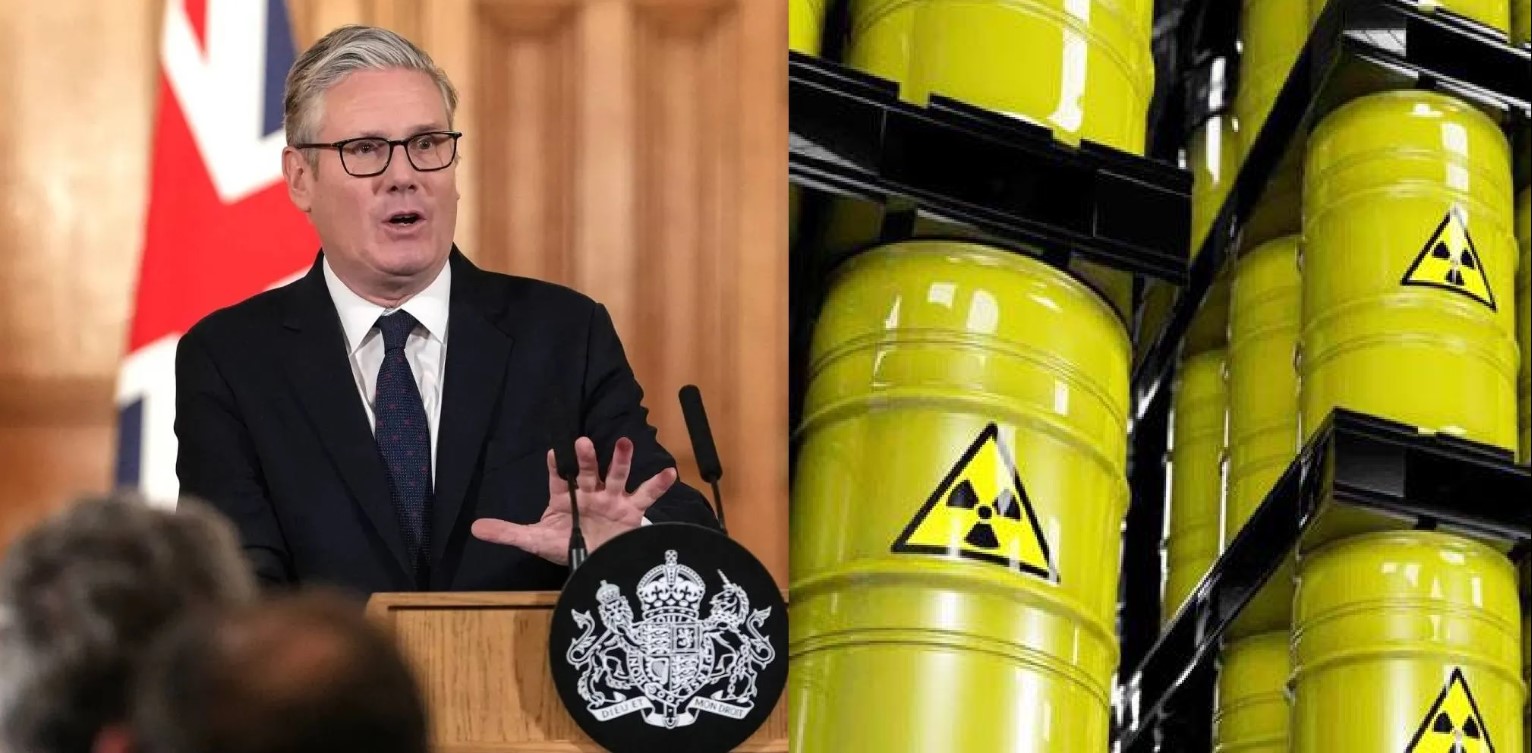 UK Announces £210 Million Deal to Supply Enriched Uranium to Ukraine for Two Years
-
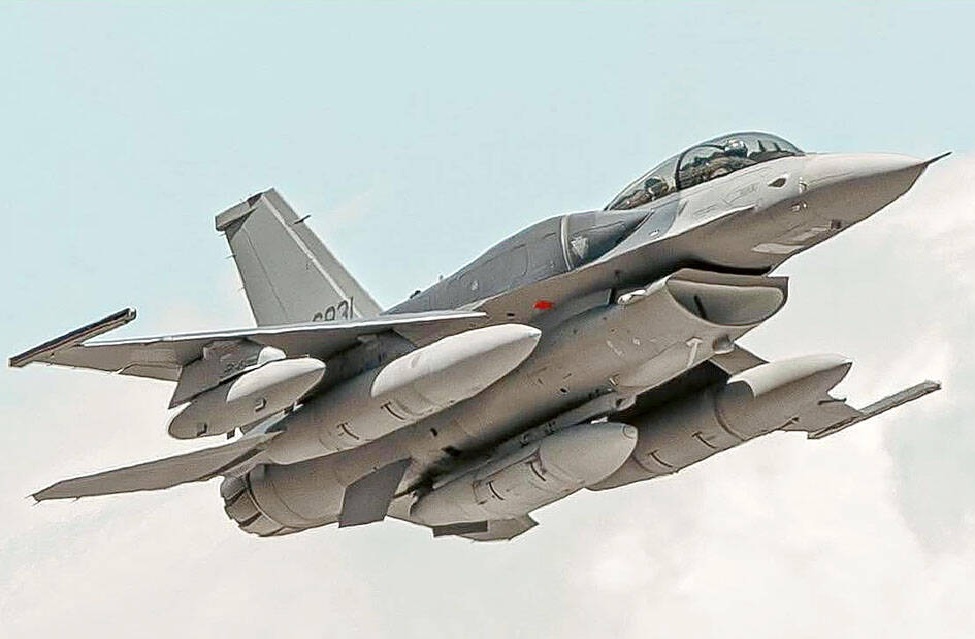 First Taiwanese F-16 Block 70 Flies with Five-Tank Fuel Configuration During Texas Tests
-
 Patria Launches WISPR Passive Counter-Battery Radar with Silent Detection Capability at Eurosatory 2026
-
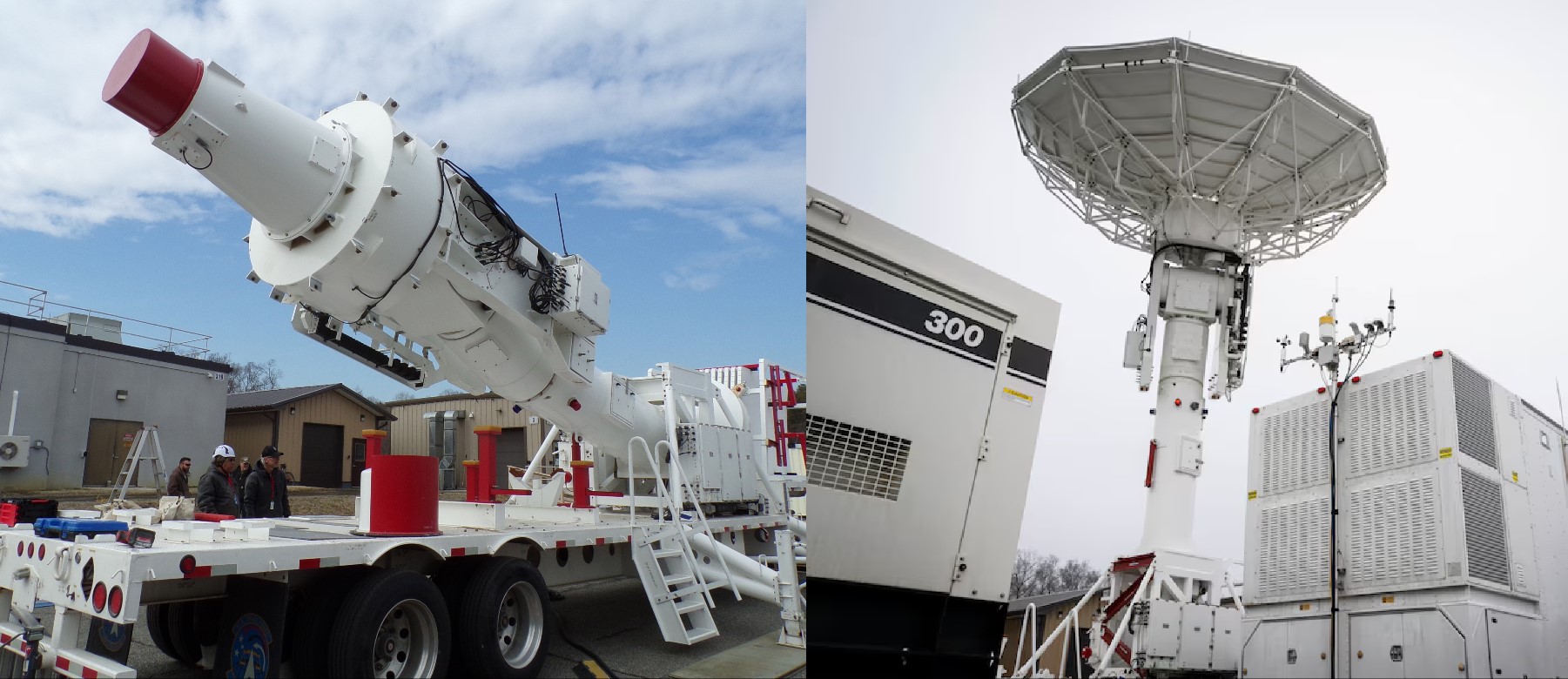 Space Force Transfers Transportable Satellite Tracking Antenna to Naval Research Laboratory
-
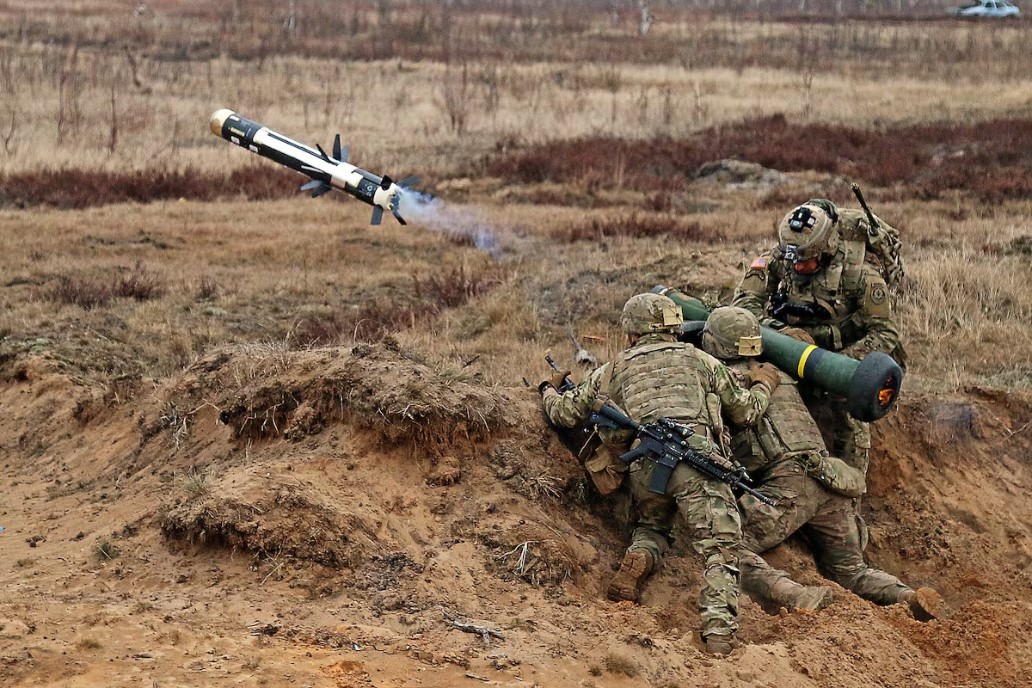 U.S. Army Launches 10-Year Plan to Sustain Javelin Missile Production Through 2036
Top Trending in 4 Days
-
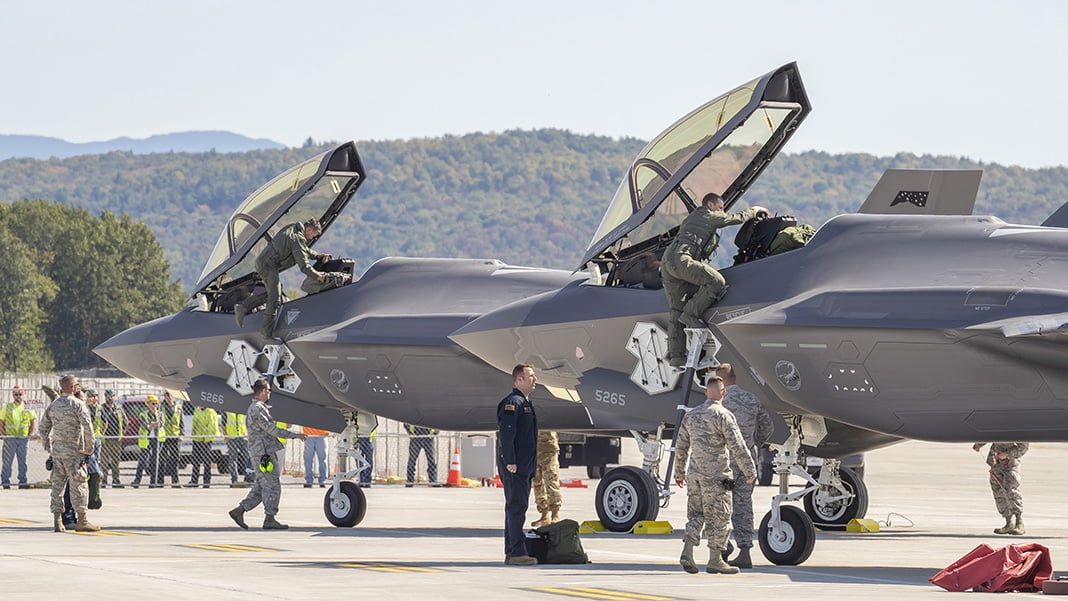 F-35 Fleet Readiness Falls to 25% Amid Parts Shortages and Software Delays: GAO Report
-
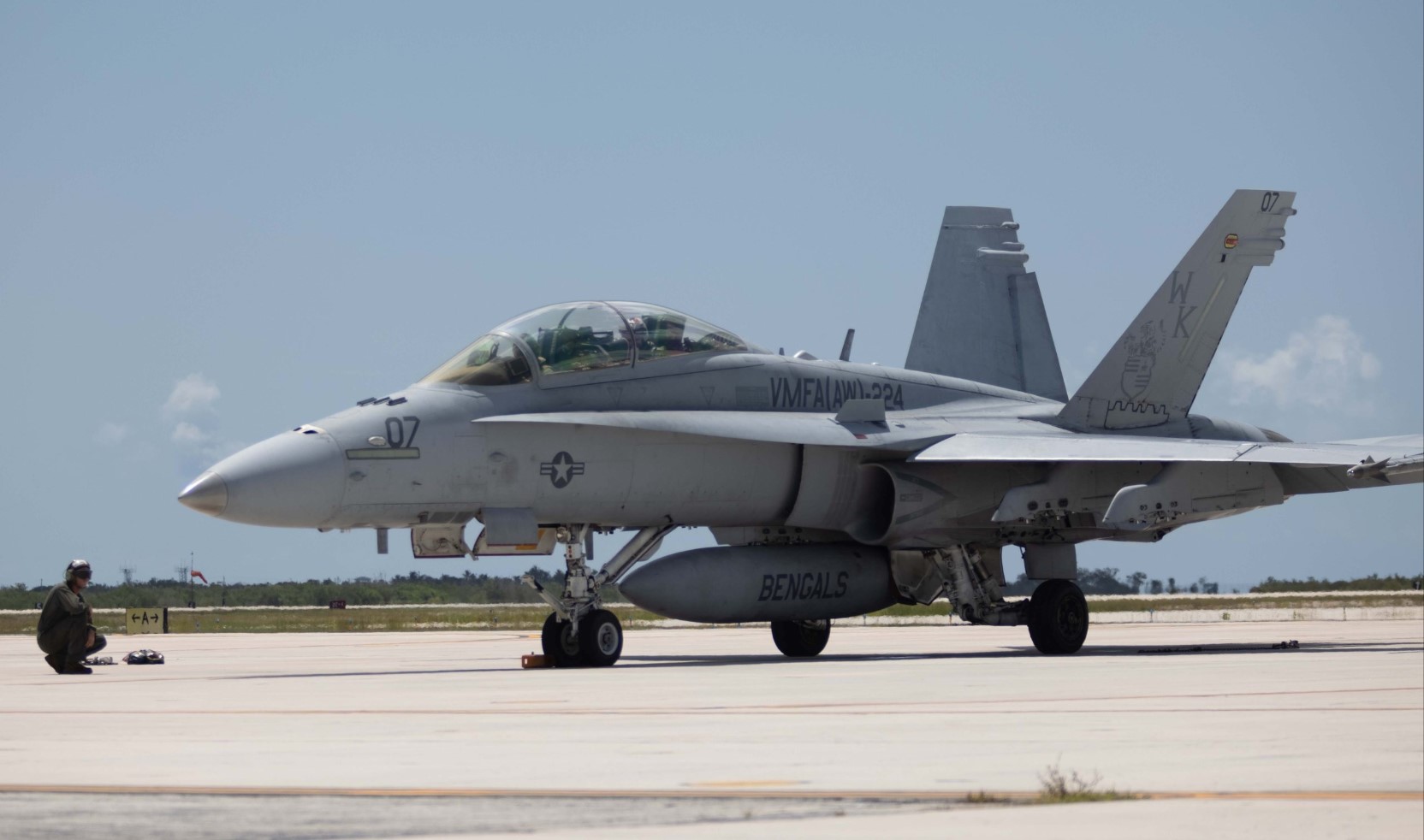 US Marine Corps F/A-18D Hornet Crashes During Training Flight in Washington Mountains; Pilot Ejects Safely
-
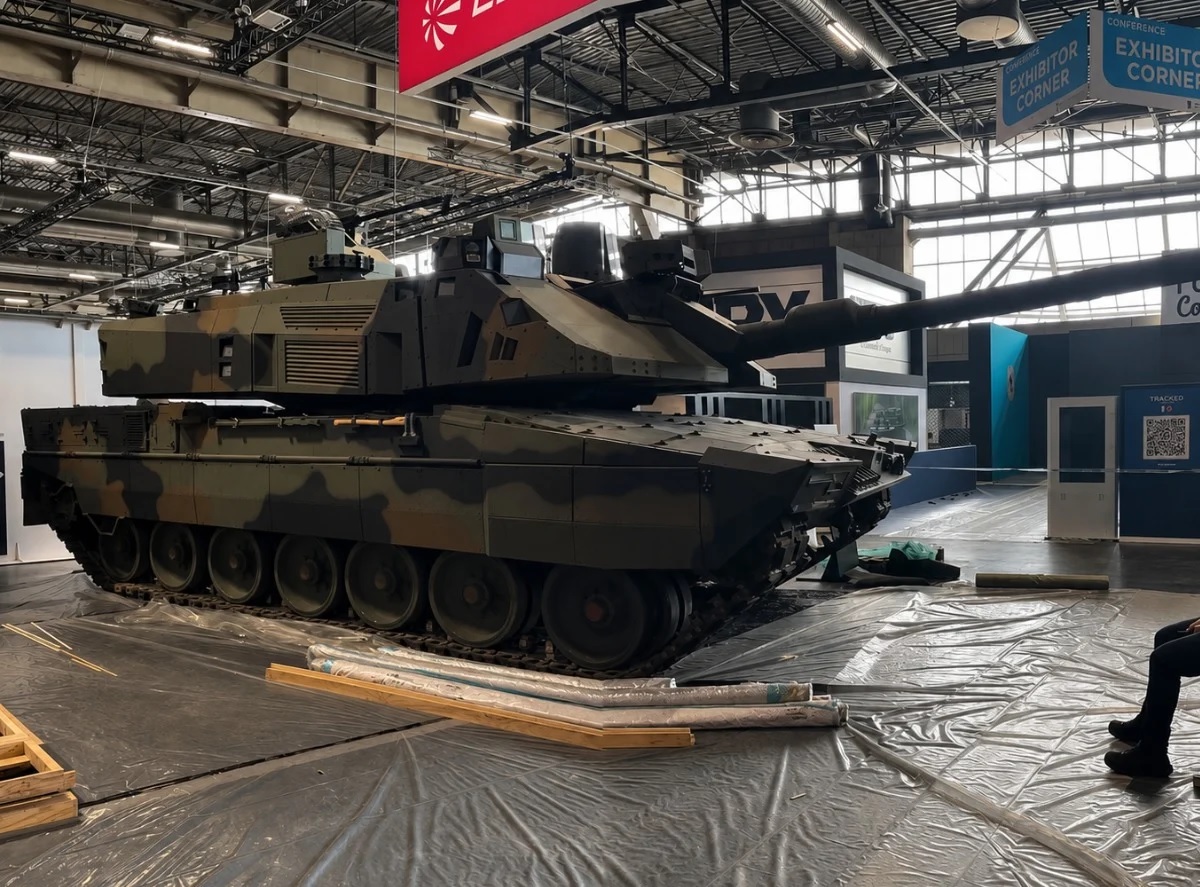 Leonardo Rheinmetall to Unveil Italy’s New IMBT Main Battle Tank at Eurosatory 2026
-
 Tulsi Gabbard Releases Declassified Files Detailing U.S.-Backed Network of 120 Biolaboratories Across 30+ Countries
-
8 U.S. Air Force Crew Members Killed in B-52 Bomber Crash During Test Flight at Edwards Air Force Base
-
 NASA X-59 Achieves Planned Mission Conditions with Mach 1.4 Flight at 55,000 Feet
-
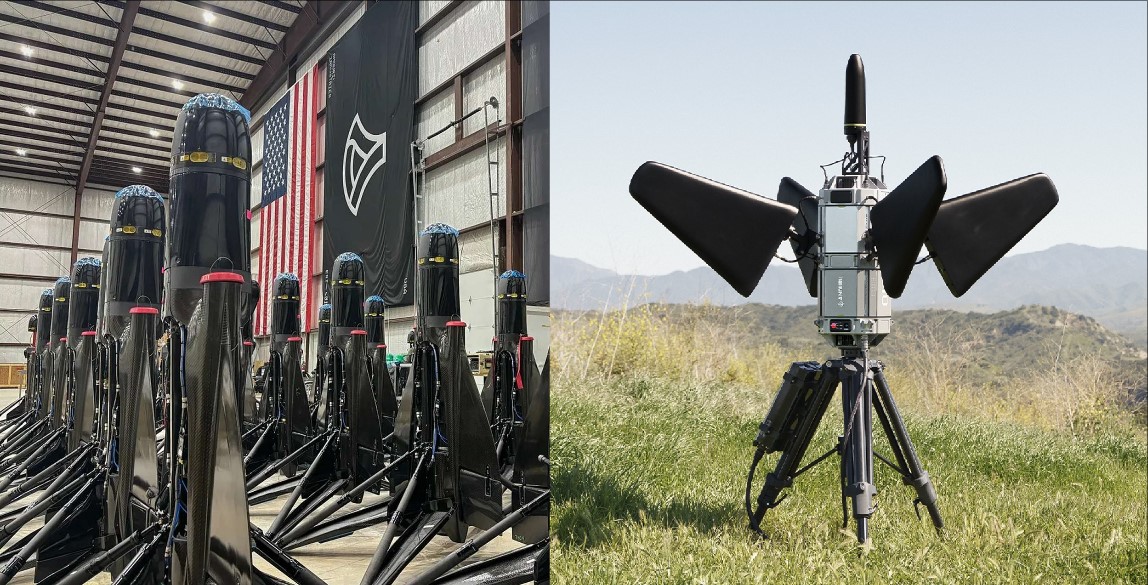 U.S. Approves $1.98 Billion Sale of Anduril AI-Powered Counter-Drone Systems to Kuwait
-
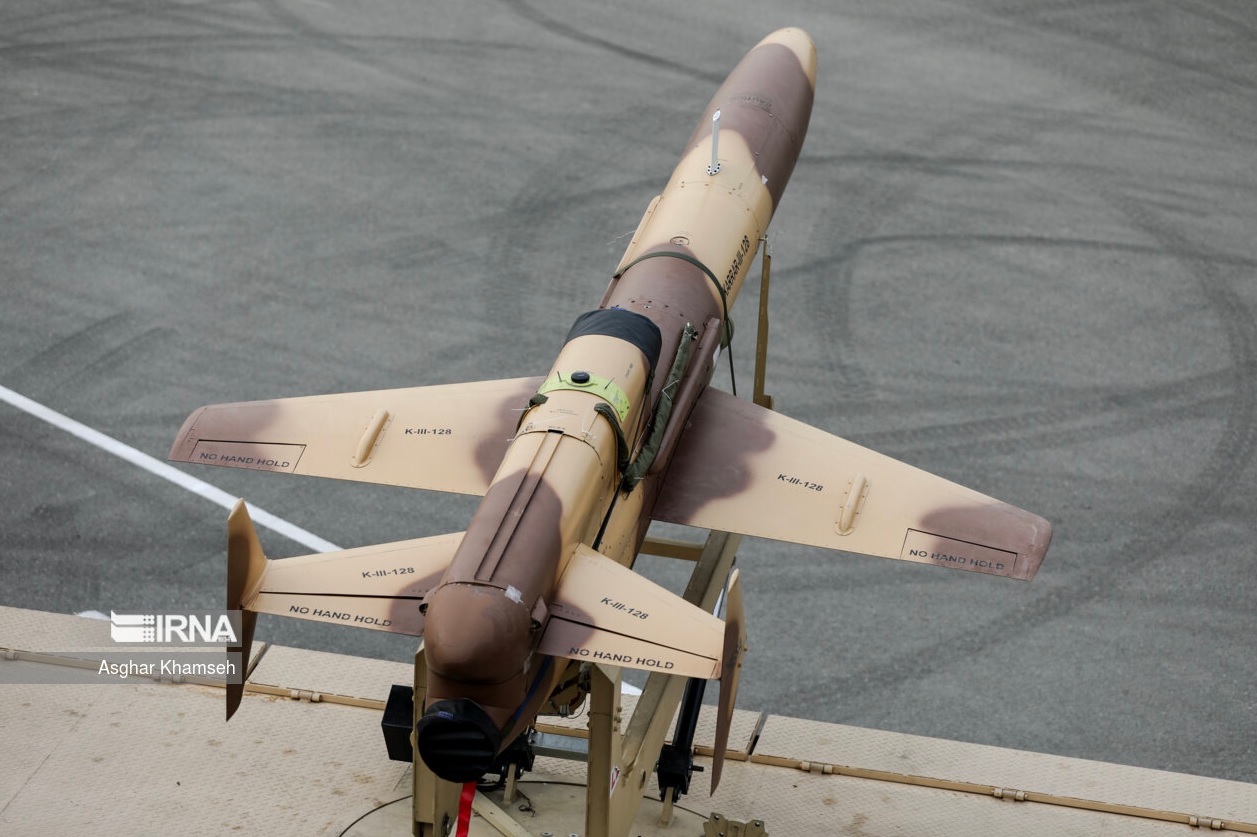 Russia Launches 1,400 Jet-Powered Drones in 2026 as Strike Tactics Evolve to Challenge Ukraine's Air Defenses