World
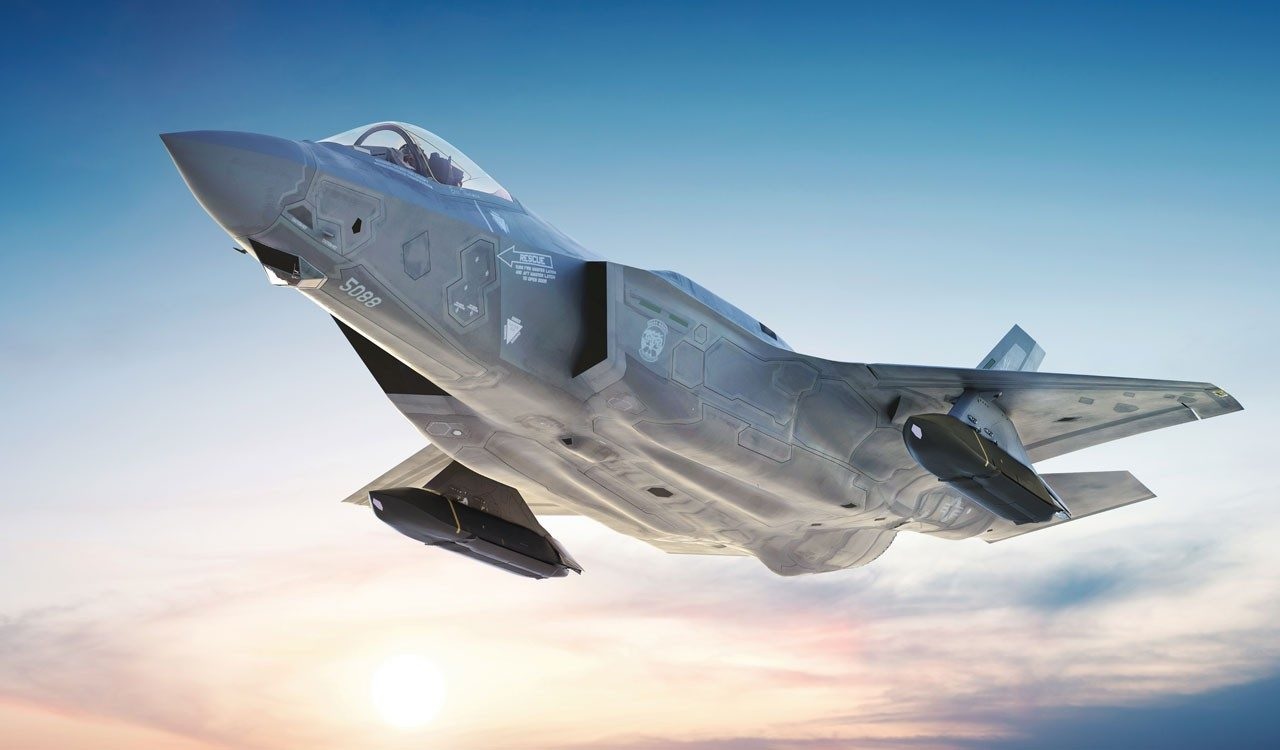
Saudi Arabia is taking a significant step in its efforts to modernize its air force by expressing interest in purchasing 100 Kaan fighter jets from Turkey. This potential deal signals Riyadh's focus on strengthening its defense capabilities while transitioning toward a future sixth-generation air combat fleet. Strengthening Ties Between Saudi Arabia and Turkey The discussions surrounding the Kaan fighter jet purchase occurred during high-profile meetings in Istanbul and Ankara in late December 2024. Representatives from the Saudi defense ministry, military, and Turkish defense industry, including state-owned Turkish Aerospace Industries (TAI), were involved in these talks. Beyond fighter jets, the discussions also extended to collaborations on warships, radar systems, and missile programs, hinting at a broader defense partnership between the two nations. Aligning with Sixth-Generation Fighter Development Saudi Arabia’s interest in the Kaan jets aligns with its long-term strategic goal of adopting a sixth-generation fighter by the 2040s. The kingdom joined the Global Combat Air Program (GCAP) in 2023, a collaboration among Italy, the UK, and Japan to develop cutting-edge air combat technology. With Saudi Arabia’s financial backing and market potential, the GCAP aims to produce an advanced fighter jet featuring stealth capabilities, high-tech sensors, and unmatched combat performance. While the sixth-generation jet remains a decade and a half away, the acquisition of Kaan fighters would serve as a critical stand-in fleet for Saudi Arabia, ensuring its air force remains robust and capable in the interim. The Turkish Kaan Fighter: Key Specifications Developed by Turkish Aerospace Industries, the Kaan fighter jet represents a significant leap in Turkey’s aviation technology. Designed to replace the aging F-16 fleet, the Kaan aims to deliver advanced capabilities comparable to fifth-generation fighters like the American F-35. Dimensions: The Kaan measures 21 meters (69 feet) in length with a wingspan of 14 meters (46 feet). Performance: It is powered by twin General Electric turbofan engines, allowing a maximum speed of Mach 1.8 (2,223 kilometers/1,381 miles per hour) and an operational ceiling of 17,000 meters (55,775 feet). Armament: The aircraft can carry a variety of air-to-air and air-to-surface missiles, precision-guided bombs, and miniature munitions. Systems: Equipped with advanced radar, electronic warfare, and target-tracking systems, the Kaan offers cutting-edge situational awareness and combat effectiveness. Versatility: Its all-weather capability makes it suitable for various missions, including precision strikes and defensive operations. The Kaan made its maiden flight in February 2024 and has since been positioned as a competitive option in the global fighter jet market. Strategic Implications for Saudi Arabia For Saudi Arabia, the acquisition of the Kaan jets represents more than just fleet modernization; it signals a shift toward diversifying its defense procurement strategies. Historically reliant on Western suppliers, this move demonstrates Riyadh’s interest in exploring new partnerships to enhance its military capabilities while reducing dependence on traditional allies. If finalized, the purchase of 100 Kaan fighter jets would be one of the largest defense deals between Saudi Arabia and Turkey, underscoring the growing strategic relationship between the two countries. As the kingdom prepares for the eventual induction of a sixth-generation aircraft, the Kaan fighters will play a pivotal role in maintaining the operational readiness of the Saudi air force, ensuring it remains a formidable force in the region. Title for Google Indexing S: Key Details and Strategic Implications
Read More → Posted on 2025-01-03 14:26:39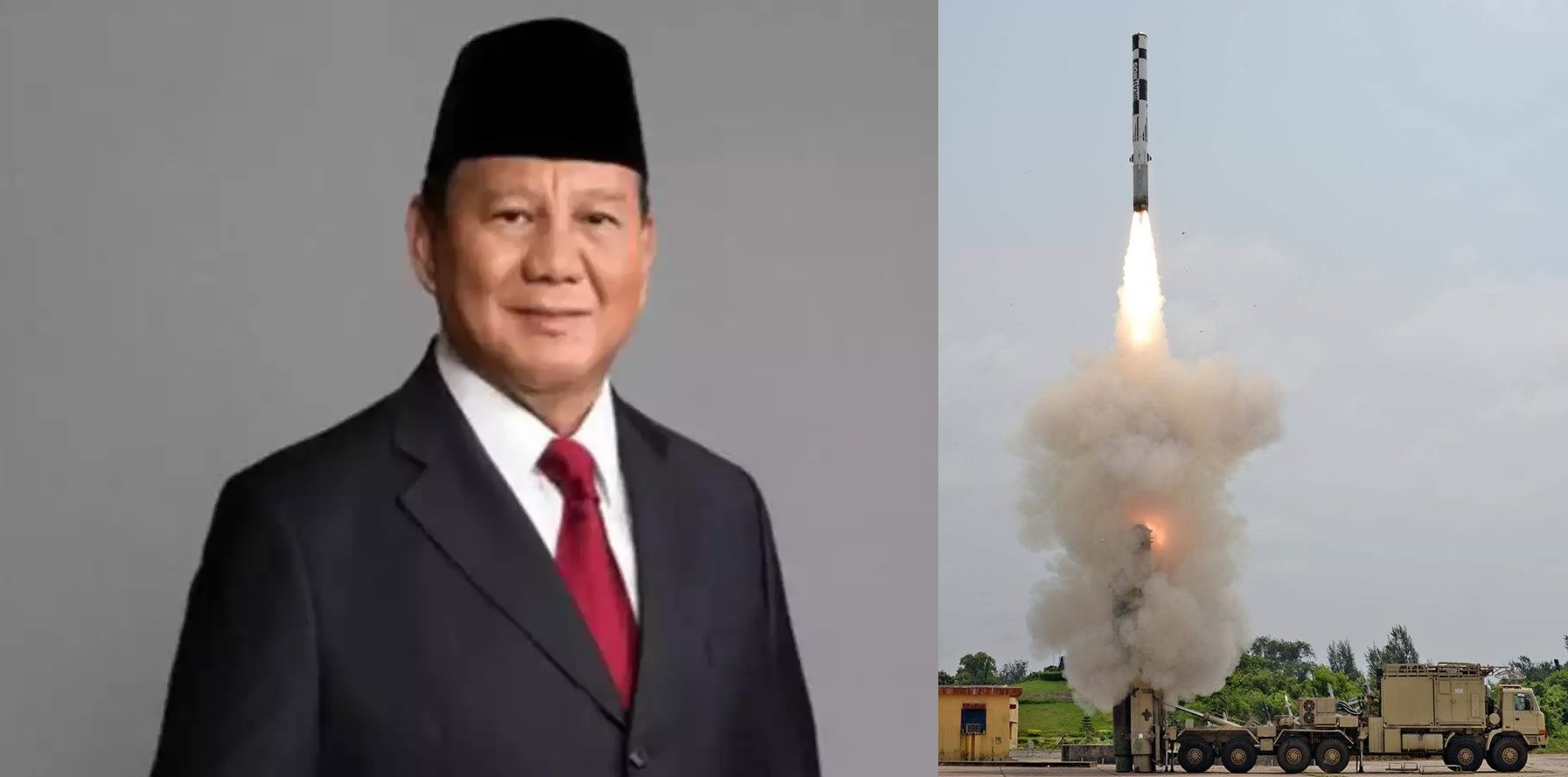
India
Indonesian President Prabowo Subianto has reaffirmed his interest in acquiring the BrahMos supersonic cruise missile, a product of an Indo-Russian joint venture. This move underscores Indonesia's intention to modernize its defense arsenal while fostering closer military cooperation with India. If the deal materializes, Indonesia could become the third Southeast Asian nation to adopt the BrahMos system, after the Philippines and Vietnam. BrahMos Missile Specifications The BrahMos missile is renowned for its speed, precision, and versatility. It operates at a top speed of Mach 3 (three times the speed of sound) and has a range of up to 450 kilometers in its latest configuration. The missile is equipped with advanced guidance systems and can be launched from various platforms, including land, air, sea, and submarines. With its ability to carry conventional warheads weighing up to 300 kilograms, BrahMos is a formidable tool for precision strikes against high-value targets. The missile's unique combination of speed and stealth makes it difficult to intercept, providing a significant strategic advantage. Its operational versatility and proven effectiveness have made it one of the most sought-after systems in global defense markets. Indonesia’s Strategic Interests Indonesia's renewed focus on BrahMos aligns with its broader military modernization strategy, which includes strengthening naval and air force capabilities to address evolving security challenges in the Indo-Pacific region. Regional tensions, particularly in the South China Sea, have prompted Indonesia to prioritize advanced defense technologies that enhance its deterrence capabilities. President Prabowo Subianto, who previously served as Indonesia's defense minister, has long been an advocate for modernizing the country's military. His earlier efforts to procure BrahMos in 2020 faced financial hurdles, but the renewed discussions signal a commitment to overcoming these challenges. Indonesia has significantly increased its defense budget in recent years, indicating a serious intent to advance its military capabilities despite economic constraints. Challenges and Opportunities While the potential acquisition of BrahMos reflects Indonesia's strategic ambitions, it also poses challenges. The missile's Russian components could trigger U.S. sanctions under the Countering America's Adversaries Through Sanctions Act (CAATSA). Similar concerns have arisen for other nations dealing with Russian defense technologies. However, Indonesia’s careful diplomatic maneuvering and its strong ties with the U.S. and India may help mitigate these risks. On the opportunities front, the BrahMos deal could pave the way for deeper India-Indonesia defense collaborations. Beyond missile procurement, Indonesia is exploring Indian expertise in maintaining and upgrading its fleet of Sukhoi fighter jets. Additionally, Prabowo has shown interest in replicating India’s successful social programs to address domestic challenges, signaling a multi-dimensional approach to bilateral relations. Prabowo’s Upcoming India Visit President Prabowo's planned visit to India for Republic Day 2025 is expected to further strengthen defense and diplomatic ties. Discussions during this visit could potentially finalize the BrahMos deal and expand cooperation in areas like technology transfer, joint exercises, and maritime security. As Indonesia seeks to balance its defense needs with economic realities and geopolitical sensitivities, the BrahMos missile could become a cornerstone of its military modernization efforts. For India, this deal represents another step toward becoming a leading exporter of advanced defense systems, reinforcing its role as a key player in regional security dynamics.
Read More → Posted on 2025-01-03 14:23:57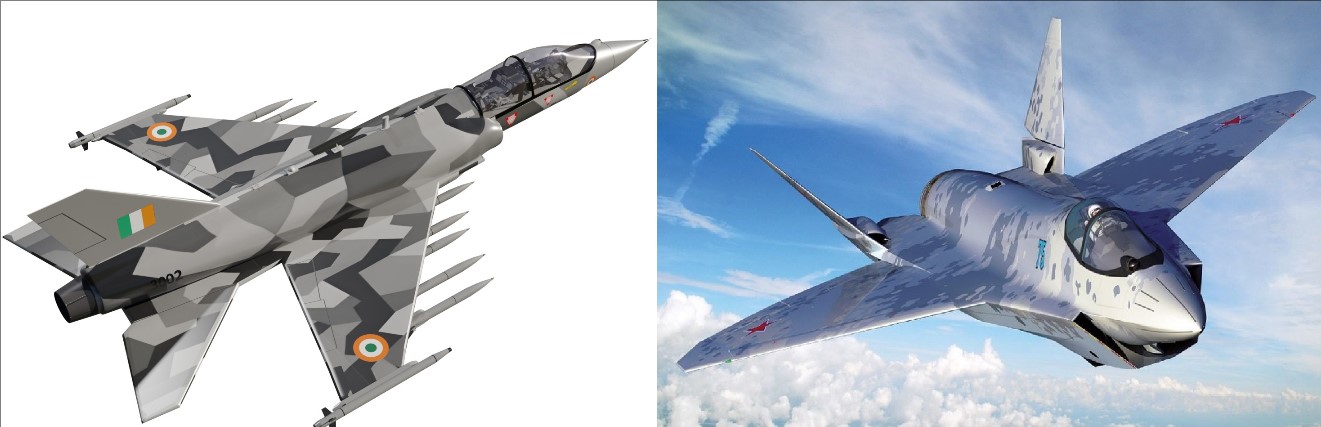
India
India’s Hindustan Aeronautics Limited (HAL) is making waves with its plans for the Hindustan Aeronautics Limited Fighter Trainer-42 (HLFT-42), a next-generation advanced jet trainer. While the current focus is on developing an AI-driven platform for pilot training, the HLFT-42 could serve as the foundation for a transformative leap in India's defense aviation. If HAL prioritizes a low radar cross-section (RCS) in the early stages of the HLFT-42’s design, the aircraft could evolve into a platform comparable to China's Chengdu J-10 and, eventually, even a low-cost 5th-generation stealth fighter. Low RCS Design: A Strategic Beginning A low RCS design for the HLFT-42 from the outset could be a game-changer. By emphasizing stealth elements, such as shaping, internal weapon bays, and composite materials, HAL could position the HLFT-42 as not just a trainer but also as a potential multi-role combat aircraft. Key elements of a low RCS-focused HLFT-42 might include: Stealth-Optimized Airframe: Smooth, angular surfaces to deflect radar waves, minimizing detection. Engine Infrared Suppression: Modifications to reduce heat signatures, crucial for stealth operations. Internal Weapon Carriage: Retrofitting bays for future upgrades to carry guided weapons without compromising stealth. Radar-Absorbent Materials (RAM): Integration of advanced coatings and composite materials to further reduce RCS. Such a configuration would not only enhance survivability in contested airspaces but also enable seamless transition to a combat-capable platform with minor modifications. A Transition to a J-10-Class Fighter The HLFT-42, equipped with the powerful AL-31FP turbofan engine, could evolve into an aircraft with performance metrics akin to the J-10, which serves as the backbone of China's air force. With an initial thrust output of approximately 123 kN, the AL-31 engine offers ample power for both high agility in training scenarios and combat versatility. HAL’s gradual upgrades to the HLFT-42 could include: Advanced Avionics: Integration of Active Electronically Scanned Array (AESA) radars, improved electronic warfare (EW) suites, and enhanced situational awareness systems. Expanded Payload Capacity: Compatibility with air-to-air and air-to-ground munitions, transforming the HLFT-42 into a light multi-role fighter. In-Flight Refueling: Increasing endurance for longer missions. This upgraded variant could serve as an affordable yet potent option for countries looking for a light fighter, filling a niche between trainers and full-fledged multirole jets. The Future: A Single-Engine 5th Generation Variant Building on the HLFT-42’s airframe and technology, HAL could develop a single-engine, 5th-generation stealth fighter, offering a low-cost alternative to platforms like Russia’s Sukhoi Su-75 Checkmate. Such an aircraft could complement India's Advanced Medium Combat Aircraft (AMCA) by filling the role of a cost-effective, high-volume fighter for frontline operations. Design Elements for a Future 5th-Gen Variant: Stealth Enhancements: Full stealth shaping with internal weapon bays and sensor integration. Improved Propulsion: An upgraded version of the AL-31 or indigenous Kaveri-derived engines for enhanced thrust and fuel efficiency. Network-Centric Capabilities: Seamless integration with existing platforms like AMCA, Su-30MKI, and UAVs for coordinated operations. AI-Driven Systems: Fully autonomous flight capabilities, sensor fusion, and predictive maintenance powered by artificial intelligence. Supersonic Cruise: Achieving supercruise capabilities to reduce reliance on afterburners, increasing operational range and survivability. By incorporating lessons learned from the HLFT-42 program and leveraging stealth expertise from the AMCA, this future fighter could provide India with an edge in low-cost 5th-generation air dominance. Strategic Advantages Affordability and Scalability: The HLFT-42 and its derivatives would serve as cost-effective alternatives to heavy fighters like the Su-30MKI, reducing the operational burden while increasing fleet numbers. Export Potential: A 5th-gen light fighter could be an attractive option for countries unable to afford high-end Western fighters. Force Multiplication: Working in tandem with AMCA and other platforms, the HLFT-42 derivatives could create a layered defense and offense strategy, ensuring air superiority. Indigenous Capability: Developing a light, 5th-generation fighter domestically would further India’s Atmanirbhar Bharat (self-reliance) goals in defense production. Complementing AMCA in Warfare While the AMCA is designed as a heavy stealth fighter optimized for advanced missions, a single-engine stealth variant of the HLFT-42 could handle: High-tempo missions requiring rapid deployment. Operations in secondary theaters, freeing up AMCA for critical engagements. Cost-effective patrols and quick-reaction alerts. Together, the two platforms would create a balanced air force capable of countering threats across the spectrum, from peer adversaries to asymmetric challenges. Conclusion The HLFT-42 offers India more than just a trainer—it is a potential springboard to an entire family of future-ready aircraft. By focusing on low RCS from the beginning, HAL can lay the groundwork for a multi-role fighter in the J-10 category and eventually evolve the platform into a low-cost, single-engine 5th-generation stealth aircraft. This strategic move could redefine India’s airpower and enable it to meet the challenges of modern aerial warfare while achieving cost efficiency and technological self-reliance. As India continues its journey toward becoming a global aviation leader, the HLFT-42 stands as a critical milestone, showcasing the nation's commitment to innovation, adaptability, and operational excellence.
Read More → Posted on 2025-01-02 16:51:20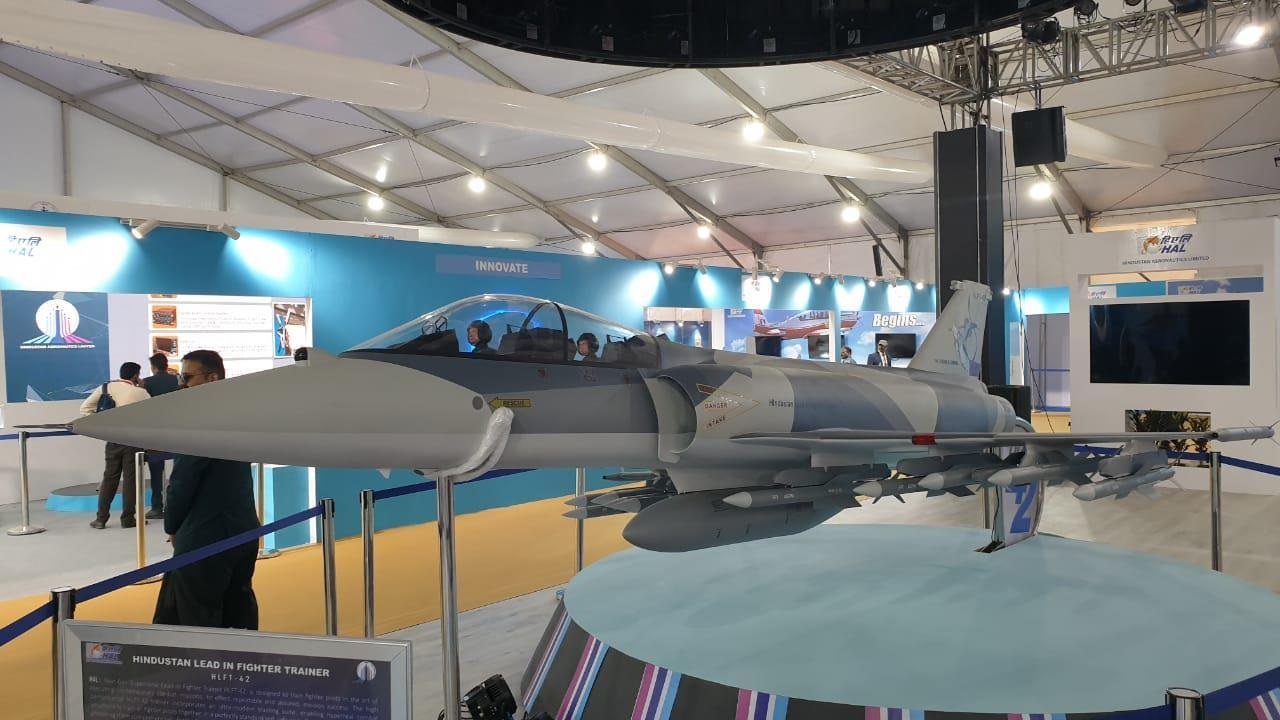
India
India's aerospace sector is witnessing a transformative shift with Hindustan Aeronautics Limited (HAL) unveiling plans for the next-generation Hindustan Aeronautics Limited Fighter Trainer-42 (HLFT-42). This advanced aircraft is set to incorporate cutting-edge artificial intelligence (AI) technologies, promising to redefine the training paradigm for future Indian Air Force (IAF) pilots. AI Integration: Transforming Training The HLFT-42 is designed to revolutionize pilot training through the inclusion of AI-powered features. These advanced capabilities aim to enhance learning outcomes and operational readiness by simulating combat scenarios in controlled environments. Virtual Tactical Training Systems: The HLFT-42 will likely feature immersive simulation environments, allowing cadets to practice a wide range of combat scenarios, from dogfights to multi-aircraft engagements. These systems will replicate realistic battlefield conditions to help pilots master split-second decision-making under high stress. Real-Time Performance Analysis: AI will monitor and analyze pilots' maneuvers during training sessions, comparing them to ideal performance benchmarks. The system can identify micro-errors in techniques and suggest corrective measures, delivering feedback with unparalleled precision. This capability augments human instructors by capturing minute details often missed during live evaluations. Key Specifications of HLFT-42 Engine: The HLFT-42 is expected to feature a single-engine configuration, likely based on HAL’s expertise with turbofan engines like the F404-IN20, offering reliability and sufficient thrust for training and combat readiness. AI-Assisted Cockpit: Equipped with next-generation avionics, the cockpit will feature AI-powered decision support systems, enhancing situational awareness and enabling instructors to inject live tactical challenges during training. Advanced Sensors: Integrated electro-optical targeting systems, radar simulation technologies, and sensor fusion capabilities will ensure that pilots are exposed to the operational complexities of modern air combat. Multi-Role Capabilities: Beyond its role as a trainer, the HLFT-42 is expected to have limited combat capabilities, including air-to-air and air-to-ground weapon systems for secondary roles. Data-Driven Insights: The aircraft will incorporate data link systems for real-time data sharing, allowing for synchronized training across multiple platforms. Why AI in Training Matters The addition of AI to the HLFT-42 is a forward-thinking move, especially as India progresses toward operationalizing advanced fighter jets like the Advanced Medium Combat Aircraft (AMCA). AI not only streamlines the training process but also introduces a level of standardization and efficiency previously unattainable. The hybrid training approach, combining AI systems with experienced human instructors, will shorten the learning curve and ensure pilots are mission-ready for the challenges posed by fifth-generation warfare. Broader Implications for Indian Defense The HLFT-42 aligns with India’s push for self-reliance in defense production and technological innovation under the Atmanirbhar Bharat initiative. Its development not only bolsters the IAF’s capabilities but also enhances India's global standing as a hub for advanced military aviation technologies. The HLFT-42’s AI-driven advancements may also have potential export opportunities, given the increasing global demand for sophisticated training platforms. The Future of Military Aviation Training As HAL continues to refine the HLFT-42’s design, the aircraft stands as a testament to India’s capability to integrate cutting-edge AI technologies into defense applications. By offering a mix of innovation, adaptability, and operational excellence, the HLFT-42 could set a global benchmark in fighter pilot training, equipping the IAF with the tools to dominate the skies in the decades to come.
Read More → Posted on 2025-01-02 16:26:52
World
The Russian defense industry has been steadily ramping up its production and delivery of main battle tanks (MBTs) to meet evolving battlefield requirements. Uralvagonzavod, a major Russian defense contractor, recently announced the completion of its 2024 tank delivery commitments. The company's efforts focused on upgrading older platforms and producing new-generation tanks, enhancing their survivability and combat efficiency. Deliveries and Modernization Initiatives Uralvagonzavod fulfilled two critical Ministry of Defence contracts in 2024. These contracts involved the modernization of legacy T-72 tanks to the T-72B3 standard and the production of T-90M "Proryv" tanks. The year concluded with a shipment that included at least four T-90M tanks, showcased in a company-released video. This delivery underscores the Russian military’s commitment to maintaining a robust armored force. The T-90M "Proryv" tanks delivered in 2024 are equipped with state-of-the-art enhancements tailored to modern combat scenarios. These include: Advanced Protection Against UAVs: Add-ons such as protective mesh screens, rubber shielding, and reinforced structures safeguard critical systems like the drivetrain and suspension. Enhanced Stealth and Countermeasures: New features reduce the tank’s detectability, coupled with electronic warfare (EW) systems to counter UAV threats effectively. Improved Firepower and Control: Upgrades include a new 125mm smoothbore gun, enhanced targeting systems, and an automated fire control system for superior battlefield performance. Numbers and Speculations While Uralvagonzavod has not disclosed the exact number of tanks delivered, defense analysts estimate that approximately 280 units were supplied to the Ministry of Defence in 2024. This figure includes around 200 modernized T-72B3 tanks and between 60 and 80 newly built T-90M tanks. Interestingly, some reports suggest that a portion of the T-90M production involved the refurbishment of older T-90 and T-90A chassis, reflecting resourceful manufacturing practices in light of resource constraints and battlefield demands. Adaptations to Modern Warfare Since the onset of the conflict in Ukraine, Russian tank designs have undergone over 100 modifications to address the dynamic challenges of modern warfare. Enhancements include: Battlefield Survivability: Additional armor and shielding systems protect against drones and anti-tank weapons. Operational Efficiency: Improved suspension systems and drivetrain resilience ensure better performance in harsh environments. Adaptability: Modular upgrades allow older tanks to remain relevant, effectively bridging the gap between legacy systems and modern battlefield needs. These adaptations highlight Russia’s focus on maintaining an effective armored force despite logistical and technological challenges. The incorporation of modern technologies and battlefield-specific upgrades aligns with the broader strategic goals of the Russian military. Strategic Implications The continued delivery of upgraded and newly produced tanks demonstrates Russia's intent to sustain and modernize its armored capabilities. By leveraging both modernization programs and new production, the Russian defense industry aims to enhance the effectiveness of its land forces. The emphasis on electronic warfare, survivability, and adaptability reflects a keen understanding of current and future combat requirements. This dual-track approach—balancing upgrades with new production—positions Russia to address its immediate operational needs while preparing for long-term strategic engagements.
Read More → Posted on 2025-01-02 16:21:06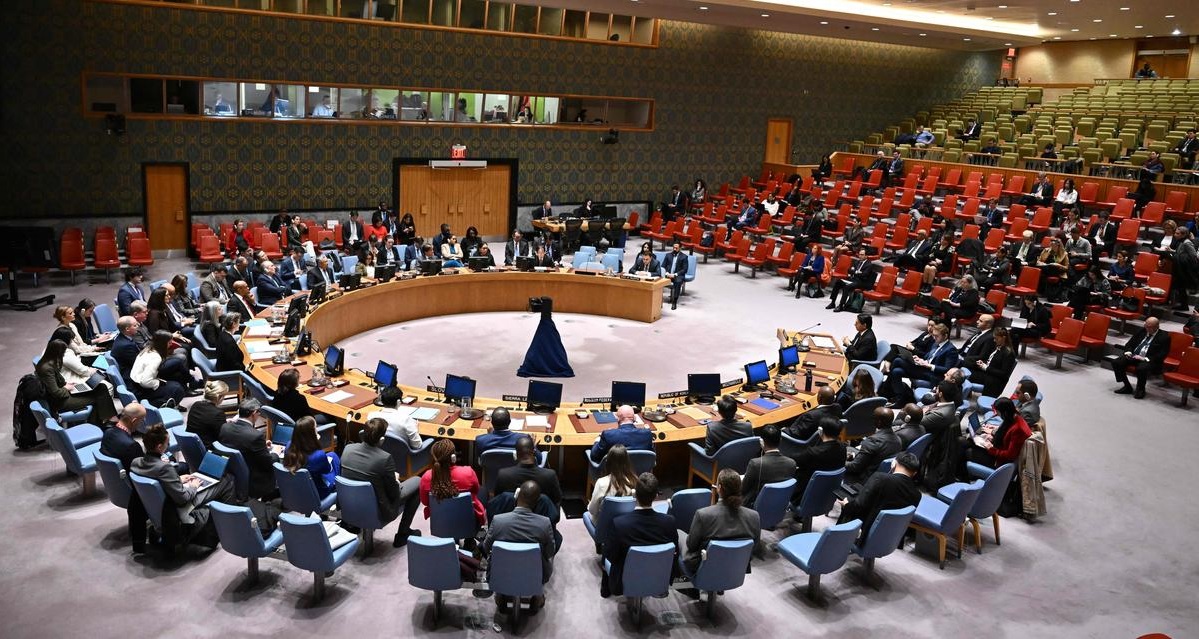
India
As the United Nations Security Council (UNSC) kicks off its sessions this January, India is proactively preparing to address potential challenges posed by Pakistan, which has recently assumed a non-permanent seat for the 2025-26 term. Sources indicate that Islamabad may attempt to internationalize the Kashmir issue and leverage the platform to highlight differences with India, particularly concerning sanctions on international terrorists. India’s Counter-Strategy New Delhi is strategically working to neutralize Pakistan's moves by leaning on its strong diplomatic ties with key permanent members of the UNSC. India is banking on support from Russia, France, and the United States, countries that have historically backed India on critical global issues. Diplomatic channels have been actively engaged over the past few months, with Indian officials coordinating with these influential members to preemptively address topics that might surface during Council deliberations. In addition to leveraging its ties with permanent members, India is also looking to work closely with several non-permanent members of the Council. Countries like Algeria, an old African ally, as well as Greece, Denmark, and Slovenia, are expected to play pivotal roles in India’s broader diplomatic strategy. These nations, while not as powerful as the permanent members, can provide critical support in shaping discussions and countering narratives unfavorable to New Delhi. China's Role: A Key Variable China, a permanent member of the UNSC and a close ally of Pakistan, remains a crucial factor in India's plans. Traditionally, Beijing has supported Pakistan’s stance on Kashmir and other matters involving India. However, recent developments, including improved ties between India and China following the Kazan Summit, suggest that China might adopt a more balanced approach in upcoming UNSC debates. Diplomatic sources hint that India is cautiously optimistic about maintaining this positive momentum and ensuring that China refrains from fully backing Pakistan's agenda. Anticipating Pakistan’s Moves Pakistan’s track record in international forums indicates a likelihood of it raising the Kashmir issue prominently in UNSC meetings. It may also attempt to discuss matters related to sanctions on individuals and groups designated as international terrorists, areas where it has often clashed with India. By using its new position as a non-permanent member, Pakistan aims to amplify its voice on these issues, potentially rallying support from its traditional allies. India, aware of these intentions, is focusing on presenting a robust case grounded in international law and historical precedents. It plans to highlight Pakistan’s failure to address terrorism within its own borders and its role in fostering regional instability. Broader Implications India’s diplomatic efforts in the UNSC are not merely about countering Pakistan but also about reinforcing its position as a responsible global player. New Delhi is expected to showcase its contributions to peacekeeping operations, its commitment to sustainable development goals, and its leadership in addressing global challenges like climate change and counter-terrorism. In doing so, India aims to garner broader international support, not just from UNSC members but from the global community at large. The country is keenly aware that its actions and alliances in the Security Council could have long-term implications for its aspirations for a permanent seat in the body. The Road Ahead As Pakistan begins its two-year term on the Security Council, India’s approach reflects a blend of diplomacy, strategy, and resilience. By forging stronger ties with allies, addressing potential challenges head-on, and promoting its global contributions, India is positioning itself to effectively counter Pakistan’s efforts while enhancing its stature on the international stage. This unfolding diplomatic battle at the UNSC underscores the complexities of India-Pakistan relations and highlights the role of global alliances in shaping the narratives within one of the world’s most powerful international bodies.
Read More → Posted on 2025-01-02 16:17:35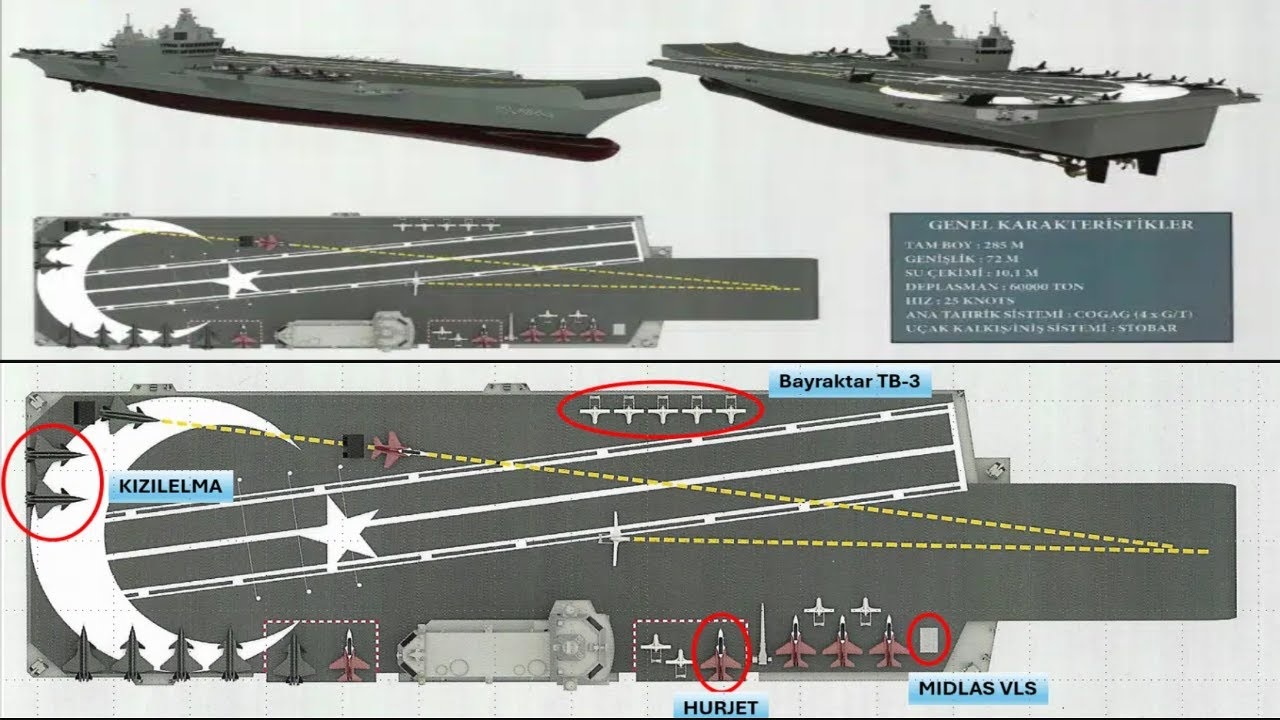
World
The Turkish Navy has taken a monumental step forward with the initiation of three landmark projects: the MUGEM Aircraft Carrier, TF-2000 Destroyer, and MILDEN Submarine. Announced during a weekly press conference by the Turkish Defence Ministry, this ambitious undertaking reflects the nation's commitment to bolstering its naval capabilities. The steel-cutting ceremonies for these vessels were conducted at the Istanbul and Gölcük Naval Shipyards, attended by Turkish Navy officials and industry representatives. MUGEM: The National Aircraft Carrier The MUGEM (Milli Uçak Gemisi), Turkey's future aircraft carrier, promises to be a game-changer in regional maritime dynamics. Publicly unveiled in February 2024, the carrier has been designed to deliver unmatched seakeeping, stability, and maneuverability. Its optimized bow design not only enhances operational stealth but also improves fuel efficiency by 1.5%. Key Features and Specifications: Length: 285 meters Beam: 72 meters Draft: 10.1 meters Displacement: 60,000 tons Max Speed: 25+ knots Range: 10,000 nautical miles at cruising speed Aircraft Capacity: Up to 50 aircraft, including the naval versions of TAI’s Hurjet, ANKA-III, Bayraktar KIZILELMA, and TB-3 UCAV Weaponry: 32-cell MIDLAS VLS, Gökdeniz CIWS, and Aselsan STOP systems The carrier will initially use a modular ramp design but is planned to transition to an indigenous catapult system. Its aircraft capacity, currently set at 50, may be expanded as discussions with Turkish defense firms TAI and Baykar progress. TF-2000: Advanced Air-Warfare Destroyer The TF-2000 project represents the culmination of Turkey’s MILGEM program, tailored for air defense and missile interception. Designed to counter ballistic and guided missile threats, this 8,300-ton destroyer will be the largest vessel built under the program. Specifications and Armament: Length: 149 meters Beam: 21.5 meters Draft: 5.75 meters Speed: 26+ knots Weaponry: 96-cell MIDLAS VLS for SIPER SAMs, GEZGİN missiles 16 ATMACA anti-ship missiles Gökdeniz CIWS, lightweight torpedoes, and ASELSAN STAMP systems Sensors: CAFRAD AESA radar with a 450 km range, sonar systems, and EO directors This destroyer will be powered by a Combined Diesel and Gas (CODOG) propulsion system and is poised to serve as the backbone of the Turkish Navy's air defense operations. MILDEN: Turkey's National Submarine Program The MILDEN (Milli Denizaltı) project underscores Turkey’s ambition to achieve self-reliance in submarine technology. Construction began following a decade of research and design, with delivery expected in the 2030s. Technical Highlights: Length: Over 80 meters Displacement: 2,700 tons Propulsion: Air-Independent Propulsion (AIP) system for extended underwater endurance Weaponry: AKYA heavyweight torpedoes ATMACA anti-ship missiles GEZGİN land-attack missiles Developed at the Gölcük Naval Shipyard, MILDEN incorporates advanced stealth and operational capabilities. It is expected to significantly enhance Turkey's strategic underwater presence. Strategic Implications These projects collectively demonstrate Turkey’s resolve to establish a modern, powerful navy capable of defending its maritime interests. The MUGEM will project air power far from Turkish shores, the TF-2000 will provide robust air and missile defense, and the MILDEN will reinforce underwater deterrence. Together, these platforms underscore Turkey's emergence as a key player in regional naval dynamics. By integrating indigenous technologies and collaborating with national defense firms, Turkey is not only enhancing its military self-reliance but also paving the way for a stronger geopolitical presence. The completion of these projects will mark a significant milestone in the evolution of Turkish naval power.
Read More → Posted on 2025-01-02 16:10:35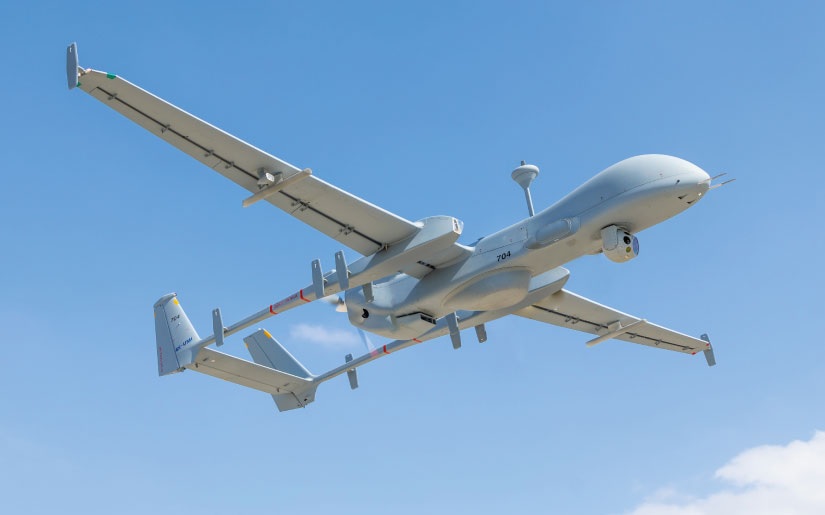
India
India’s quest for indigenous drone technology is set to take a major leap forward with the imminent maiden flight of the Archer-NG (Next Generation), an advanced Medium Altitude Long Endurance (MALE) Unmanned Aerial Vehicle (UAV). Developed by the Aeronautical Development Establishment (ADE), a division of the Defence Research and Development Organisation (DRDO), Archer-NG represents a significant milestone in the country’s military modernization efforts. High-Speed Taxi Trials Completed Archer-NG recently cleared a critical development phase with the successful completion of high-speed taxi trials (HSTT), a key precursor to its first flight. Military sources indicate that every effort is being made to ensure the UAV takes flight before the much-awaited Bengaluru Air Show, set to commence on February 10, 2025. Should there be any delays, the UAV is expected to be airborne no later than March 2025. Specifications of Archer-NG Archer-NG boasts cutting-edge features that make it a formidable addition to India’s aerial arsenal. Configuration: Single Engine Twin Boom (SETB) All-Up Weight (AUW): 1,700 kg Payload Capacity: 300 kg Altitude Capability: Operates at heights up to 27,500 feet Endurance: 18 hours Range: 250 km for Line-of-Sight (LOS) and up to 1,000 km for Beyond Line-of-Sight (BLOS) operations Navigation: Integrated with the indigenous GAGAN satellite navigation system Technologies: Autonomous Take-Off and Landing (ATOL) capability Armament and Capabilities Designed to carry a variety of weapon systems, Archer-NG is capable of deploying: Smart Anti-Airfield Weapons (SAAWs) Anti-Tank Guided Missiles (ATGMs) The UAV also features state-of-the-art systems for real-time imagery and signal intelligence, enabling Intelligence, Surveillance, Target Acquisition, and Reconnaissance (ISTAR) missions. Its ability to deliver precision-guided munitions makes it a versatile platform for both defensive and offensive operations. Development and Compatibility Archer-NG shares significant technological commonalities with the now-downgraded TAPAS program (formerly Rustom-II), including avionics, software, Ground Control Station (GCS), and Ground Data Terminal (GDT). This shared development reduces costs and enhances operational compatibility. The UAV has also garnered interest from the Tri-Services Command (CINCAN) in the Andaman and Nicobar Islands, emphasizing its strategic utility for maritime surveillance and reconnaissance in sensitive regions. Industrial Collaboration and Future Production Bharat Electronics Limited (BEL) has been entrusted with manufacturing both versions of the Archer UAV, underscoring India’s commitment to the Make in India initiative. This move not only strengthens the domestic defense manufacturing sector but also positions Archer-NG as a potential export product for international markets. Strategic Implications The Archer-NG UAV aligns with India’s vision of enhancing indigenous technological capabilities while addressing critical gaps in military hardware. Its long-endurance and multi-role features are particularly suited for the evolving demands of modern warfare, including border surveillance, counter-insurgency operations, and precision strikes. As India prepares to showcase its capabilities at the Bengaluru Air Show, Archer-NG stands as a testament to the nation’s growing prowess in defense technology. Its maiden flight will mark not just an engineering achievement but a significant step toward self-reliance in defense production.
Read More → Posted on 2025-01-02 16:00:56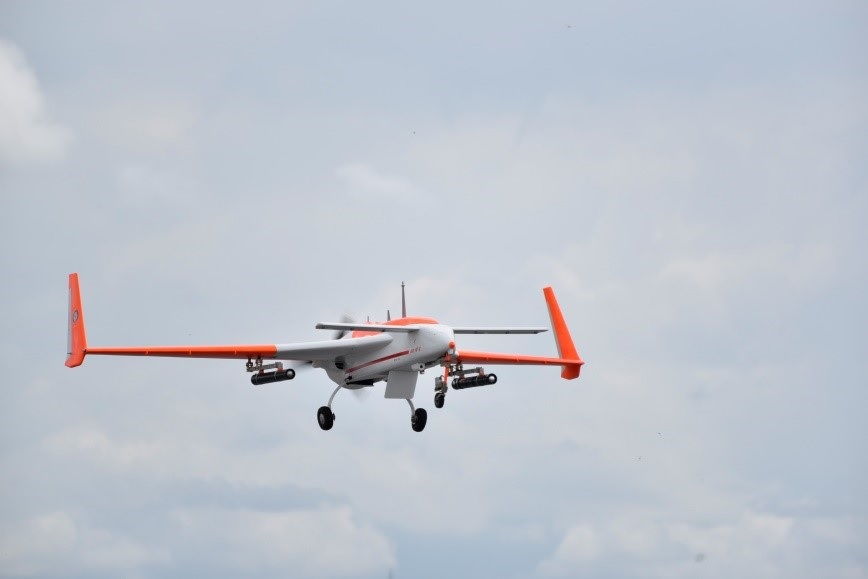
India
India's quest for self-reliance in defense technology has taken a significant leap forward with the development of the Archer Short-Range Unmanned Aerial Vehicle (SRUAV), an armed variant derived from the Rustom-1 program. The Archer SRUAV, being spearheaded by the Defence Research and Development Organization (DRDO) and its production partner Bharat Electronics Limited (BEL), is positioned as a cost-effective, indigenously designed alternative to renowned UAVs like Turkey's Bayraktar TB2. A New Configuration for Tactical Supremacy The Archer SRUAV, a spin-off of DRDO's Rustom-1, is not just an upgrade but a complete transformation. Featuring a lightweight airframe built by Godrej, the UAV has shed 80 kilograms, boosting its payload capacity and operational efficiency. This agility allows the Archer to carry up to 200 kg of payload, including precision-guided munitions such as anti-tank missiles, laser-guided rockets, and bombs. With a maximum takeoff weight of 600 kg and a fuel capacity of 150 kg, the Archer boasts an endurance of 12 hours, a service ceiling of 22,000 feet, and an operational range of 220 kilometers. Its advanced avionics, line-replaceable units (LRUs), and ground control systems are shared with other DRDO UAVs, like the TAPAS-BH-201. This modularity enhances operational flexibility, enabling seamless integration into India's defense infrastructure. Rivaling Global Competitors The Archer SRUAV is being developed to rival the Bayraktar TB2 in both performance and cost, while surpassing the now-retired Israeli Searcher MkII in capabilities. Designed for ISTAR (Intelligence, Surveillance, Target Acquisition, and Reconnaissance) missions, the Archer also excels in armed roles, making it a versatile platform for border surveillance, patrolling conflict zones, and engaging high-value targets. In a noteworthy development, DRDO is also working to integrate the Archer with air-to-air missiles and the indigenously developed HELINA anti-tank guided missile (ATGM), which can engage targets at distances of 7–8 kilometers. Additionally, its auto take-off and landing (ATOL) system and integration with India's GAGAN satellite navigation further amplify its operational efficiency. Production and Future Prospects BEL recently emerged as the leading bidder for manufacturing, assembly, and integration of the Archer SRUAV. The program envisions the production of four prototypes for testing and certification within a year of contract approval. Following successful evaluations, 20 Limited Series Production (LSP) units will be delivered to the Indian Army and Air Force. If operational performance meets expectations, the order could expand to 100 units, addressing critical UAV needs across India's armed forces. This aggressive production timeline reflects DRDO’s commitment under its new leadership to deliver timely and effective solutions. DRDO Chairman Dr. Samir V. Kamat and Aeronautics Director General Dr. K. Rajalakshmi Menon have instituted strict accountability measures to accelerate high-priority programs like the Archer. Complementing the TAPAS-BH-201 The Archer is part of DRDO's broader Rustom UAV program, which also includes the TAPAS-BH-201, a Medium Altitude Long Endurance (MALE) UAV designed for ISR and combat missions. While the TAPAS is optimized for higher endurance and altitude, the Archer’s focus on shorter-range tactical missions ensures a complementary role. TAPAS has already demonstrated a flight altitude of 27,500 feet and 18-hour endurance, with plans to induct 76 units across the Army, Navy, and Air Force. Filling Operational Gaps India’s focus on indigenous UAV development aligns with its broader Make in India initiative. By offering a cost-effective, homegrown alternative to imported systems, the Archer SRUAV not only strengthens India’s defense capabilities but also reduces dependency on foreign platforms. Its weaponized capabilities make it a critical tool for modern warfare, allowing India to respond to emerging threats with precision and efficiency. With its cutting-edge design, advanced payloads, and indigenous manufacturing, the Archer SRUAV is poised to redefine India's UAV capabilities, bridging operational gaps and bolstering national security. Its development underscores India’s growing prowess in unmanned systems, marking a significant milestone in the nation's journey toward defense self-reliance.
Read More → Posted on 2025-01-02 15:49:41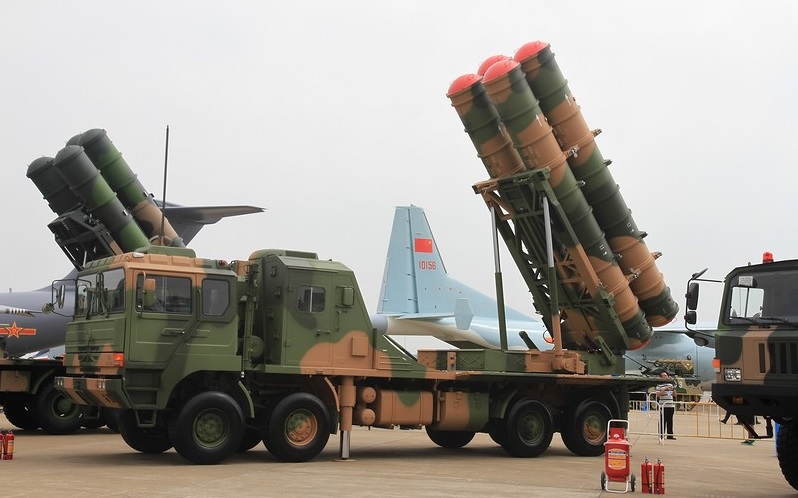
World
In a significant move to enhance its national security, Serbia has deployed the FK-3 air defence missile system, a Chinese-made platform designed to provide robust protection against a range of aerial threats. The Serbian Ministry of Defence has integrated this advanced system into its 250th Air Defence Missile Brigade, marking a milestone in the country’s military modernization efforts. The FK-3 system, derived from China’s HQ-22 long-range air defence system, is designed to neutralize threats such as aircraft, helicopters, cruise missiles, and drones. With its ability to simultaneously engage up to six targets using 12 missiles, the system showcases its formidable capabilities in complex combat scenarios. FK-3 Specifications: A Modern Defence Powerhouse The FK-3’s operational specifications underline its advanced nature. The system boasts: Range: Effective up to 100 kilometres. Altitude Ceiling: Capable of intercepting threats at altitudes up to 27 kilometres. Speed of Engagement: Intercepts targets moving at speeds of up to 1,000 metres per second. Multi-Target Engagement: Tracks and engages six threats simultaneously. The FK-3 is equipped with advanced anti-jamming technology, ensuring resilience in electronic warfare environments. This feature is particularly crucial in modern conflicts, where radar and communication systems are prime targets for disruption. The system’s high manoeuvrability and modular design enable it to adapt to various mission requirements, from defending critical infrastructure to safeguarding military installations. Comprehensive Training for Serbian Armed Forces To operate this sophisticated system effectively, Serbian Armed Forces (SAF) personnel underwent rigorous training in China. According to Captain 1st Class Stefan Manić, commander of the FK-3 missile battery, the training covered all aspects of the system's operation and maintenance. He praised the dedication of the SAF personnel, stating that their successful training ensures the system's seamless integration into Serbia's defence strategy. The FK-3 is now fully operational, with regular drills and performance evaluations conducted to maintain the unit's combat readiness. These exercises focus on protecting strategic assets, military units, and the nation’s airspace from evolving threats. Strategic Importance for Serbia The deployment of the FK-3 highlights Serbia’s efforts to modernize its military capabilities and strengthen its defensive posture. In a region where geopolitical tensions often influence defence policies, the acquisition of this Chinese missile system represents a strategic investment in national security. The FK-3’s deployment also underscores Serbia’s growing defence cooperation with China, reflecting a broader trend of diversifying military partnerships. By integrating advanced systems like the FK-3, Serbia is positioning itself to respond effectively to emerging challenges in airspace security. With its cutting-edge features and comprehensive operational readiness, the FK-3 missile system is set to play a pivotal role in safeguarding Serbia’s skies.
Read More → Posted on 2025-01-02 15:39:08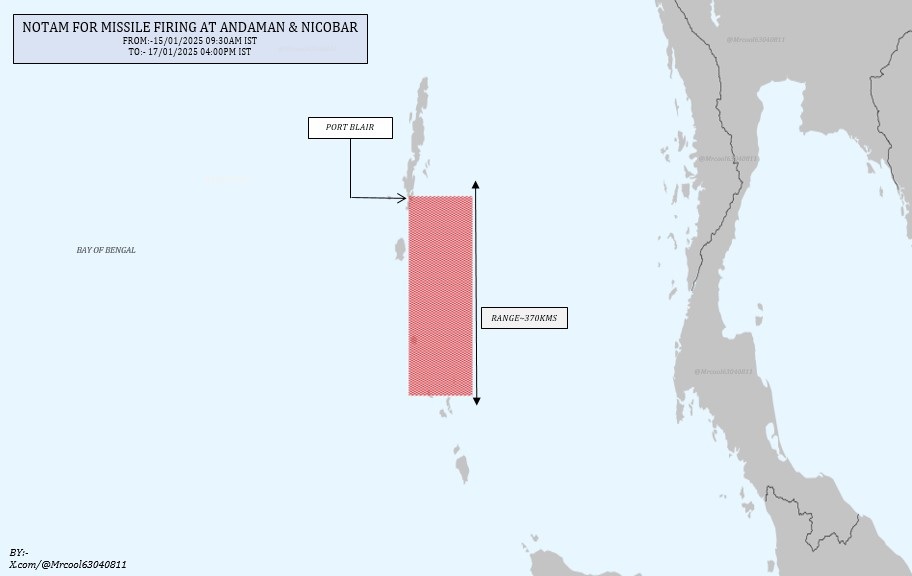
India
India has announced a new Notice to Airmen (NOTAM) for a missile firing exercise to be conducted from January 15 to January 17, 2025, over the Andaman and Nicobar Islands. The designated area for this exercise spans an impressive 370 kilometers, highlighting the significance of the test and raising speculation about the missile system involved. While official details of the missile remain under wraps, many experts believe the test could involve the BrahMos supersonic cruise missile. This missile, a joint venture between India and Russia, is renowned for its versatility and power. With a range of 290 kilometers in its standard version and up to 450 kilometers in newer variants, BrahMos can reach speeds of Mach 2.8 to Mach 3, making it one of the fastest cruise missiles in the world. It is capable of precision strikes against sea and land targets and can be launched from land-based platforms, warships, submarines, and aircraft. Given the strategic importance of the Andaman and Nicobar Islands, situated near vital maritime routes like the Malacca Strait, the location serves as a crucial testing and operational zone for India’s military advancements. The region’s geography allows India to assess the missile's performance in realistic maritime conditions while simultaneously asserting its strategic presence. If the test involves an air-launched BrahMos, it is likely to feature the Su-30MKI fighter jet as the launch platform. These jets, modified to carry the 2.5-ton BrahMos missile, provide extended operational range and strike capability, enhancing India’s ability to respond to potential threats in the Indo-Pacific region. On the other hand, a naval test could see the missile launched from one of India’s stealth warships, demonstrating its anti-ship and land-attack capabilities. The exercise also underscores India’s ongoing efforts to bolster its defense posture amidst regional security dynamics. The BrahMos, known for its pinpoint accuracy and high-speed trajectory, serves as a deterrent and a critical component of India’s military strategy. Such tests not only enhance operational readiness but also send a clear message about India's advanced technological capabilities. As the scheduled dates approach, defense analysts will closely monitor the outcomes of this exercise. Whether it involves BrahMos or another advanced missile system, the test reinforces India’s commitment to maintaining robust defense capabilities in strategically significant regions.
Read More → Posted on 2025-01-02 15:35:54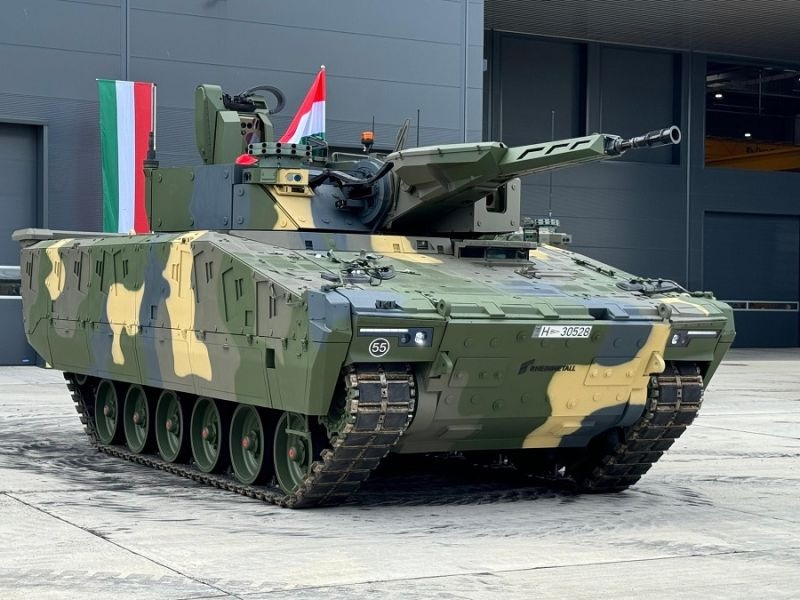
World
The Italian Army has embarked on a pivotal chapter in its defence modernisation journey by evaluating the Lynx KF41 infantry fighting vehicle (IFV). Recently delivered to the Army Multipurpose Testing Centre, the Lynx KF41 is undergoing extensive testing to assess its capabilities in mobility, protection, firepower, and interoperability. These trials are part of Italy’s ambitious Armoured Infantry Combat System (AICS) programme, which aims to procure over 1,000 cutting-edge combat vehicles in 16 different configurations. Lynx KF41: Modular and Versatile The Lynx KF41, developed by Rheinmetall AG, is designed with modularity and adaptability at its core. This armoured fighting vehicle can serve multiple roles, including infantry fighting, troop transport, mobile command post, and ambulance functions. Its modular design allows for rapid reconfiguration, making it a versatile choice for modern battlefield scenarios. Key specifications of the Lynx KF41 include: Engine: A 1,140-horsepower Liebherr diesel engine, providing exceptional mobility and a top speed of 70 km/h. Crew Capacity: Accommodates a crew of three (commander, gunner, driver) and up to eight infantry soldiers. Protection: Features advanced ballistic and mine-resistant armour, with optional active protection systems for enhanced survivability. Weaponry: Equipped with a 30mm or 35mm autocannon, anti-tank guided missiles (ATGMs), and a remote-controlled weapon station for secondary armament. Technology: State-of-the-art digital architecture for mission management, situational awareness, and interoperability with NATO systems. Strategic Partnership: Leonardo and Rheinmetall The Lynx KF41 serves as a critical component of the broader collaboration between Rheinmetall AG and Italy’s Leonardo S.p.A. In 2024, the two companies formed a 50-50 joint venture, Leonardo Rheinmetall Military Vehicles (LRMV), headquartered in Rome. This partnership underscores a shared commitment to advancing European defence capabilities. LRMV’s objectives include developing and manufacturing innovative combat systems for Italy and allied nations. In addition to the Lynx KF41, the joint venture will spearhead the development of a new main battle tank (MBT) to replace the Italian Army’s ageing Ariete MBTs. This future MBT will be based on Rheinmetall’s Panther KF51 platform, integrating Leonardo’s expertise in mission systems, electronics, and weapons tailored to Italian specifications. Economic and Strategic Implications Approximately 60% of the production activities, including final assembly and testing, will occur in Italy, significantly boosting the nation’s defence industrial base. This initiative is expected to generate substantial economic opportunities, reinforce Italy’s technological self-sufficiency, and position the country as a key player in European defence manufacturing. Roberto Cingolani, CEO of Leonardo, hailed the partnership as a milestone in creating a shared European defence ecosystem. Rheinmetall’s CEO, Armin Papperger, emphasised that the collaboration positions the joint venture as a "heavyweight in European tank production," capable of addressing domestic and international defence needs. AICS Programme: The Road Ahead The AICS programme reflects the Italian Army’s strategic shift toward next-generation combat vehicles. The Lynx KF41 is the first platform under evaluation, with its performance during trials serving as a benchmark for future procurements. As Italy continues to modernise its armed forces, the Lynx KF41 and its associated developments promise to redefine the nation’s battlefield capabilities. The collaboration between Leonardo and Rheinmetall highlights the importance of international partnerships in creating robust, state-of-the-art military solutions. The ongoing trials and future deployment of the Lynx KF41 signal a transformative era for the Italian Army, paving the way for a more agile, adaptable, and technologically advanced military force.
Read More → Posted on 2025-01-02 15:31:37
World
China has escalated its response to U.S. arms sales to Taiwan by imposing sanctions on ten major American defense firms, including subsidiaries of Lockheed Martin, General Dynamics, and Raytheon, as well as barring key senior executives from entering the country. This move, announced by China’s Ministry of Commerce on Thursday, adds a new layer to the growing tensions between Beijing and Washington over Taiwan. Beijing’s “Unreliable Entities List” Expands The sanctioned companies have been added to China’s "Unreliable Entities List," a tool Beijing uses to penalize foreign firms it deems a threat to its sovereignty. These companies are now prohibited from engaging in import and export activities with China and barred from making new investments in the country. The targeted firms include Lockheed Martin Corporation, a leading U.S. defense contractor responsible for producing the F-35 fighter jets and Patriot missile systems, and Raytheon Technologies, which supplies advanced missile defense systems and radar technologies. General Dynamics, known for its production of Abrams tanks and submarine systems, was also implicated. These companies played direct or indirect roles in recent arms packages supplied to Taiwan. Dual-Use Export Controls Tightened In a parallel action, China also added 28 American entities, mostly defense firms, to its Export Control List. This measure restricts these companies from receiving dual-use items—goods and technologies that could have both civilian and military applications. Among the new entrants to the list are Boeing Defense, Space & Security and Insitu, a subsidiary of Boeing that specializes in unmanned aerial vehicles (UAVs). The stated purpose of these actions, according to the Chinese Ministry of Commerce, is to "safeguard national security and interests" while upholding international non-proliferation obligations. However, it also serves as a sharp rebuke to U.S. military assistance to Taiwan, which China views as interference in its internal affairs. Taiwan’s Strategic Importance Taiwan has been a critical flashpoint in U.S.-China relations. Beijing considers the self-ruled island a breakaway province and has repeatedly asserted its intention to unify Taiwan with mainland China, including by military force if necessary. In contrast, the U.S. does not officially recognize Taiwan as a sovereign state but remains its most significant strategic ally and arms supplier. Washington has ramped up its support for Taiwan in recent years, with President Joe Biden approving $571.3 million in defense aid in December 2024. This aid package includes advanced weapons systems aimed at bolstering Taiwan's ability to defend itself against a potential Chinese invasion. The arms deal comprises air defense systems, anti-ship missiles, and advanced surveillance technology, which Beijing views as a direct threat to its regional dominance. China’s Growing Military Pressure China’s actions are part of a broader strategy to intensify pressure on Taiwan. Since President Lai Ching-te assumed office in May, Beijing has conducted three large-scale military drills in the Taiwan Strait, simulating scenarios that could be part of a potential invasion. These exercises involved aircraft carriers, fighter jets, and missile systems, underscoring China’s military capabilities and signaling its readiness to act if provoked. The sanctions against American defense firms also come less than a week after Beijing sanctioned seven other U.S. military-industrial companies, including Insitu, for similar reasons. These repeated measures indicate a sustained campaign by China to push back against U.S. involvement in what it considers its domestic affairs. Implications for U.S.-China Relations The sanctions underscore a deepening divide between the two global powers. While the penalties may have limited immediate impact on the operations of U.S. defense contractors—given their minimal reliance on Chinese markets—they signal Beijing's willingness to leverage economic and diplomatic tools to counter U.S. policies. Moreover, these measures may further complicate the already strained U.S.-China relationship, which is marked by disputes over trade, technology, human rights, and territorial sovereignty. For Taiwan, these developments could either solidify international support or increase the risks of confrontation as the island finds itself at the heart of an escalating geopolitical rivalry. A Test of Resolve China’s sanctions highlight its determination to counter what it perceives as external interference in its sovereignty. For the U.S. and its defense contractors, these moves serve as a reminder of the complexities and risks involved in supporting Taiwan. With both nations refusing to back down, the geopolitical chessboard is growing ever more tense, with Taiwan caught in the middle as a crucial piece.
Read More → Posted on 2025-01-02 15:24:44
India
India and Pakistan's Bilateral Nuclear AgreementOn January 1, India and Pakistan upheld a long-standing tradition by exchanging lists of their nuclear installations under a bilateral agreement that explicitly prohibits attacks on each other's nuclear facilities. This annual exercise, carried out simultaneously through diplomatic channels in New Delhi and Islamabad, signifies a commitment to transparency and confidence-building amidst ongoing tensions between the two neighboring countries. The arrangement stems from the Agreement on the Prohibition of Attack Against Nuclear Installations and Facilities, signed on December 31, 1988, and implemented on January 27, 1991. As per the terms of this pact, both nations are required to share details of their nuclear installations covered under the agreement by January 1 each year. This year's exchange marks the 34th consecutive instance of compliance since the inaugural exchange on January 1, 1992. Key Features of the AgreementThe 1988 agreement was designed to mitigate risks of nuclear conflict between the two countries, ensuring that nuclear facilities remain off-limits during potential hostilities. It also includes provisions aimed at reducing misunderstandings regarding nuclear capabilities and intentions. Both nations must disclose a list of sites housing nuclear reactors, research facilities, and associated installations covered under the pact. Such agreements are rare and represent a unique confidence-building measure (CBM) globally, especially between nations with a history of prolonged hostility. Despite strained relations, the pact has endured through decades of political and military challenges, including heightened tensions over the Kashmir dispute and cross-border terrorism. Why This Exchange MattersThis ritual of exchanging nuclear lists is significant for several reasons: Strategic Stability: The agreement promotes mutual restraint, deterring the possibility of nuclear escalation. Transparency: Sharing these lists ensures clarity and reduces misinterpretations about each other’s nuclear programs. Continued Engagement: Even during periods of heightened conflict, the annual exchange acts as a communication channel between the two governments. Broader ContextWhile the exchange is a positive move toward maintaining a degree of stability, it takes place against a backdrop of ongoing friction. Tensions between India and Pakistan persist due to unresolved territorial disputes and accusations of state-sponsored terrorism. For instance, India has frequently criticized Pakistan for providing safe havens to terrorist groups, while Pakistan raises concerns about India's stance on Kashmir. Despite these challenges, both countries have continued this nuclear dialogue without interruption, highlighting the resilience of the agreement. Analysts often view this as a hopeful sign that certain elements of diplomacy can withstand even the most severe geopolitical strains. Additional Specifications of the Agreement Scope: The agreement covers nuclear power plants, research reactors, and any installations associated with nuclear fuel cycle activities. Exemptions: Military facilities explicitly associated with strategic weapons are typically excluded from the list. Verification: The agreement does not involve physical inspections but relies on mutual trust and the shared lists. Legal Binding: Non-compliance or deliberate attacks would constitute a violation of international norms and bilateral agreements. Looking AheadWhile the annual exchange is a reminder of the importance of nuclear safeguards, it also underscores the need for broader CBMs to improve bilateral ties. Steps like expanding nuclear dialogue to include safety and emergency protocols or establishing additional agreements to mitigate risks could further enhance regional stability. This continued adherence to the pact offers a rare glimmer of diplomatic maturity in an otherwise volatile relationship, demonstrating that even in the face of adversity, certain principles of mutual respect can endure.
Read More → Posted on 2025-01-01 15:56:52
Space & Technology
In a significant stride for India's burgeoning private space sector, Mumbai-based start-up Manastu Space announced the successful in-orbit test of its indigenously developed green propulsion system, Vyom 2U, on the PSLV Orbital Experimental Module-4 (POEM-4). The test marks a breakthrough in the use of eco-friendly propellants for space applications, setting the stage for a more sustainable future in satellite technology. The POEM-4 platform, part of the fourth stage of the PSLV-C60 rocket that launched the SpaDeX satellites earlier this week, was positioned in a 350-kilometer orbit. This module is designed as a versatile platform enabling in-orbit experimentation by ISRO, start-ups, and academic institutions. Vyom 2U’s Successful Test Firing On New Year's Eve, Manastu Space successfully test-fired its Vyom 2U thruster, tilting the POEM-4 platform by 24 degrees and imparting an angular velocity of 0.5 degrees per second during a controlled 30-second burn. The onboard systems of the POEM-4 then regained control seamlessly, underscoring the precision and reliability of the thruster. Over the coming weeks, the platform is expected to execute multiple critical maneuvers using the Vyom 2U thruster, accumulating over 500 seconds of in-space firing time. This extensive testing phase aims to solidify the performance and versatility of the propulsion system. Green Propulsion: A Game Changer What sets Vyom 2U apart is its use of MS289 propellant, an innovative and environmentally friendly blend of hydrogen peroxide. Unlike the traditional hydrazine-based propellants commonly used in satellite propulsion systems, MS289 is non-carcinogenic and significantly safer to handle. This development represents a leap forward in minimizing environmental and health hazards associated with space missions. Enabling In-Orbit Innovation: The Role of POEM ISRO’s POEM platform played a crucial role in enabling this test. The PSLV Orbital Experimental Module (POEM) serves as a cost-effective solution for start-ups and academic institutions to test space technologies in orbit without needing to launch standalone satellites. With 24 experiments onboard—14 from ISRO labs and 10 from private entities—POEM-4 is a hub of innovation, featuring experiments ranging from green propulsion to robotic debris capture and seed germination in space. Dr. Pawan Kumar Goenka, Chairman of IN-SPACe, highlighted the importance of platforms like POEM in democratizing access to space technology. “By reducing entry barriers, we are enabling a broader range of contributors to India's space ecosystem,” he said. The Growing Footprint of India’s Space Start-Ups Manastu Space's success is another testament to the growing dynamism of India's private space sector. With support from ISRO and IN-SPACe, start-ups are accelerating the pace of innovation, contributing to a more robust and competitive space ecosystem. The milestone achieved by Manastu Space with Vyom 2U underscores India’s capability to pioneer cutting-edge solutions in the global space arena while embracing sustainability. As the testing phase progresses, the world watches keenly for what this technology could mean for the future of propulsion systems in space exploration.
Read More → Posted on 2025-01-01 15:49:41
India
In a landmark achievement for India's aerospace industry, Delhi-based startup DG Propulsion has successfully completed the test-run of its indigenous 100kg (1 kN) turbojet engine. This breakthrough not only enhances India’s self-reliance in critical aerospace technology but also represents a giant leap forward in the unmanned aerial vehicle (UAV) sector. Technical Marvel with Strategic Impact The 100kg-class engine, delivering a thrust of 1 kilonewton (kN), is a compact and efficient turbojet design tailored for high-speed UAVs, drones, and defense systems. Its lightweight design, combined with advanced combustion and thermal management systems, ensures optimal performance under demanding operational conditions. This engine has been meticulously engineered to power UAVs capable of performing both reconnaissance and combat missions. It offers high fuel efficiency, reduced noise levels, and robust operational durability, making it an ideal choice for a range of applications, from military drones to high-altitude, long-endurance systems. Specifications at a Glance Thrust Output: 1 kN Weight: 100kg Fuel Efficiency: Advanced system ensuring prolonged operational range Materials: High-temperature-resistant alloys for durability Applications: UAVs, drones, and potentially cruise missiles Benefits to the UAV Sector The successful test of this engine is set to significantly boost India’s UAV capabilities. The indigenous design minimizes dependency on foreign manufacturers, ensuring cost-effectiveness and security of supply chains. It also enhances India’s defense preparedness by enabling rapid deployment of UAVs in critical scenarios. For the commercial drone sector, this engine opens avenues for developing high-speed delivery drones and UAVs designed for industrial inspections, disaster management, and agricultural applications. Its high thrust-to-weight ratio ensures versatility across a wide range of UAV designs. A Catalyst for Indigenous Innovation DG Propulsion’s achievement is emblematic of the potential that lies within India’s burgeoning aerospace ecosystem. With government programs like iDEX (Innovations for Defence Excellence) and Make in India offering financial and logistical support, startups like DG Propulsion are poised to drive innovation and create world-class technologies. This development also serves as an inspiration for other Indian firms to pursue indigenous solutions in high-tech domains, furthering the country’s ambitions to emerge as a global hub for defense and aerospace manufacturing. Paving the Path for Future Growth The successful test of the 100kg engine is just the beginning for DG Propulsion. The company is reportedly working on scaling up its technologies to develop more powerful engines for larger UAVs and other aerospace platforms. This could also open opportunities for exporting Indian-made engines to global markets, adding to the country’s economic and technological prowess. As India continues to invest in cutting-edge technology, milestones like this one underscore the nation’s ability to innovate and lead in the aerospace sector. DG Propulsion’s breakthrough is not just a win for the company but a significant step forward in India’s journey toward self-reliance in high-tech industries.
Read More → Posted on 2025-01-01 15:44:44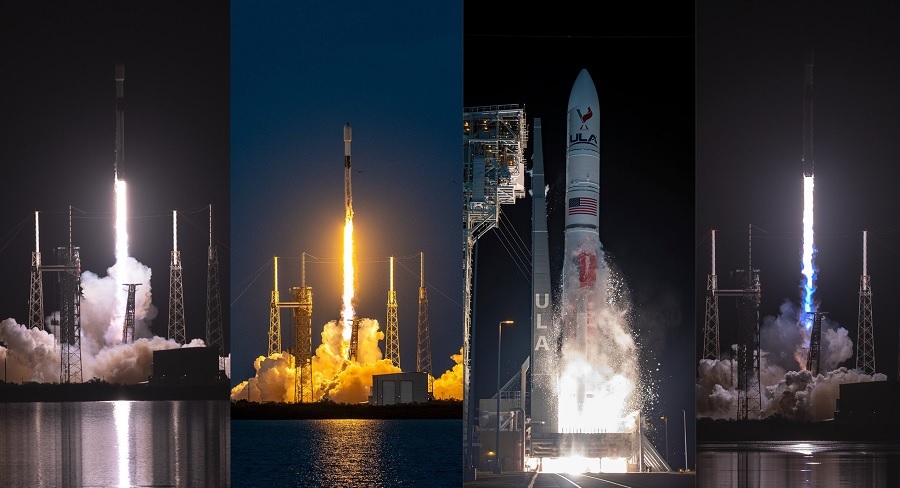
World
The Eastern Range, operated by Space Launch Delta 45 (SLD 45) at Patrick Space Force Base and Cape Canaveral Space Force Station, shattered records in 2024 with an astonishing 93 successful launches. This monumental achievement solidified its position as the world’s busiest spaceport, propelling 1,389 orbital assets into space and showcasing the rapid evolution of U.S. space capabilities. A Historic Year for Space Launches 2024 marked the second consecutive year that the U.S. Space Force exceeded global launch records. With 93 launches, the Eastern Range surpassed the 2023 record of 108 launches, a milestone that had already broken the Soviet Union's 1982 record. These back-to-back achievements underscore the increasing pace of space operations and the critical role the Eastern Range plays in advancing both national and global interests. Leadership and Collaboration Brigadier General Kristin Panzenhagen, director of the Eastern Range, emphasized the synergy between SLD 45 and its commercial partners. She attributed the year’s success to a shared commitment to ensuring reliable and efficient space access for national security, international allies, and commercial enterprises. “Our team’s dedication to innovation and operational excellence is unmatched,” Panzenhagen remarked, highlighting the Eastern Range’s pivotal role in maintaining U.S. leadership in space exploration and defence. Highlights of 2024 One of the most remarkable moments of the year was the historic Crew-9 mission on September 28, 2024. This mission saw Colonel Nick Hague become the first United States Space Force Guardian to journey into space, accompanied by Russian cosmonaut Aleksandr Gorbunov. Hague’s participation not only marked a milestone for the U.S. Space Force but also symbolized international collaboration, as his mission facilitated the safe return of NASA astronauts Suni Williams and Butch Wilmore from the International Space Station (ISS). In addition to Crew-9, the Eastern Range successfully executed four National Security Space Launch (NSSL) missions. These missions deployed advanced payloads essential for missile detection, intelligence gathering, and global surveillance. Among them, the Rapid Response Trailblazer mission on December 16, 2024, stood out for its agility. It launched a GPS III Space Vehicle (SV-07) in record time, showcasing the U.S.’s ability to adapt to urgent military requirements and demonstrating its technological superiority in space-based defence systems. Commercial Space Surge The Eastern Range’s record-breaking year was not limited to military and national missions. It was also fueled by a surge in commercial launches, reflecting the growing role of private companies in space exploration. Companies such as SpaceX, Blue Origin, and United Launch Alliance (ULA) contributed significantly to the Eastern Range’s bustling activity. The successful deployment of a diverse array of satellites—ranging from communications and weather monitoring to Earth observation and research—highlighted the versatility of the spaceport and its ability to cater to a wide spectrum of missions. Preparing for the Future As the Eastern Range closes out its record-breaking year, preparations are already underway to handle an even greater workload in 2025. With the demand for space access showing no signs of slowing, Brigadier General Panzenhagen has projected a higher launch cadence in the coming year. Investments in infrastructure, technological advancements, and enhanced coordination with commercial partners will be critical to sustaining this momentum. The Eastern Range is set to remain the world’s premier gateway to space, leading the way in innovation, collaboration, and strategic capability. Its accomplishments in 2024 not only demonstrate the U.S.’s unparalleled expertise in space operations but also lay the groundwork for a future where space becomes an even more integral part of global progress and security. A New Era for Space Exploration The Eastern Range’s success is more than a testament to technical prowess—it’s a symbol of the U.S.’s enduring commitment to space exploration and defence. As we look to 2025, the achievements of 2024 serve as a powerful reminder of the potential that lies ahead in the ever-expanding frontier of space.
Read More → Posted on 2025-01-01 15:40:55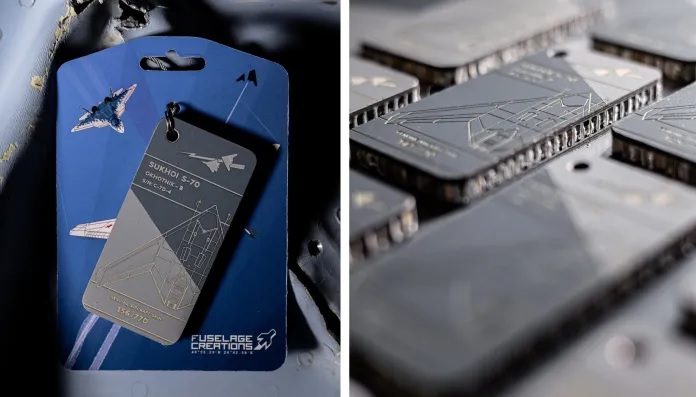
World
In a surprising twist to modern warfare, fragments of Russia’s cutting-edge S-70 "Okhotnik" (Hunter) combat drone have been repurposed as collectible souvenirs by Ukrainian enthusiasts. The remains of the drone, downed during an ill-fated test flight on October 5, 2024, have sparked widespread interest among collectors and military enthusiasts alike. The S-70 “Okhotnik”: Russia’s Advanced Combat Drone The S-70 “Okhotnik” represents one of Russia’s most ambitious unmanned aerial vehicle (UAV) projects. Designed as a "loyal wingman" for the Su-57 stealth fighter, the drone is built to conduct coordinated operations, deliver precision-guided munitions, and handle complex combat scenarios. With a wingspan of approximately 65 feet, the flying-wing design emphasizes stealth, speed, and advanced aerodynamics, allowing it to evade radar detection effectively. The drone is powered by a Saturn AL-31F turbofan engine, granting it speeds up to 1,000 km/h (621 mph) and an operational range exceeding 6,000 kilometers. It boasts a payload capacity of nearly 2,800 kilograms, enabling it to carry a diverse array of weaponry, including guided bombs and air-to-surface missiles. Despite these impressive specifications, the S-70 remains largely experimental, as evidenced by the October 2024 mishap. Crash and Controversy The test flight began at Russia's Akhtubinsk Air Base, over 365 miles from the frontline, aiming to assess the drone's capabilities in conjunction with manned Su-57 aircraft. However, the mission ended in chaos when Russian operators lost control of the UAV. Fearing that the drone might fall into Ukrainian or Western hands, the accompanying Su-57 fighter jet destroyed it mid-flight using an air-to-air missile. The wreckage, which crashed near Kostyantynivka in Donetsk Oblast, revealed intriguing details. Ukrainian forces recovered components from U.S., German, and Swiss manufacturers embedded within the drone’s systems. This discovery raises questions about Russia's procurement practices and reliance on foreign technologies, despite facing international sanctions. Additionally, remnants of a UMPK D-30 guided bomb based on the Soviet-era FAB-250 were found at the crash site. This suggests the S-70 was testing its bombing capabilities during the flight. From Fuselage to Souvenirs In an innovative project spearheaded by a group called Fuselage Creations, fragments of the drone’s fuselage have been turned into unique keepsakes. The collectibles include small metal pieces engraved with the drone’s specifications and details about its crash. These items are marketed as a testament to Ukraine's resilience and ingenuity in the face of Russian aggression. The souvenirs not only serve as mementos of modern warfare but also shed light on the vulnerabilities of Russia's advanced weaponry. For Ukraine, they symbolize a small victory in the larger battle for technological and military superiority. Implications for Russian Defense The crash of the S-70 raises significant concerns about the reliability of Russia’s next-generation combat systems. While the drone is marketed as a game-changer in aerial warfare, its failure during an operational test highlights unresolved issues in control systems, coordination with manned aircraft, and live combat performance. The S-70 program, launched in 2017 and developed by the Chkalov Aviation Plant in Novosibirsk, has faced repeated delays and challenges. Although touted as a key component of Russia's future UAV fleet, the platform remains a work in progress with limited operational deployments. A Reflection of Modern Warfare The transformation of Russian drone wreckage into souvenirs underscores the intersection of war, technology, and culture. It highlights both the advancements and the vulnerabilities in modern combat systems, as well as the human capacity to find creative responses to adversity. As the conflict continues, the story of the S-70 Okhotnik serves as a reminder that even the most advanced technologies are not immune to failure—and that such failures can carry symbolic significance far beyond the battlefield.
Read More → Posted on 2025-01-01 15:34:52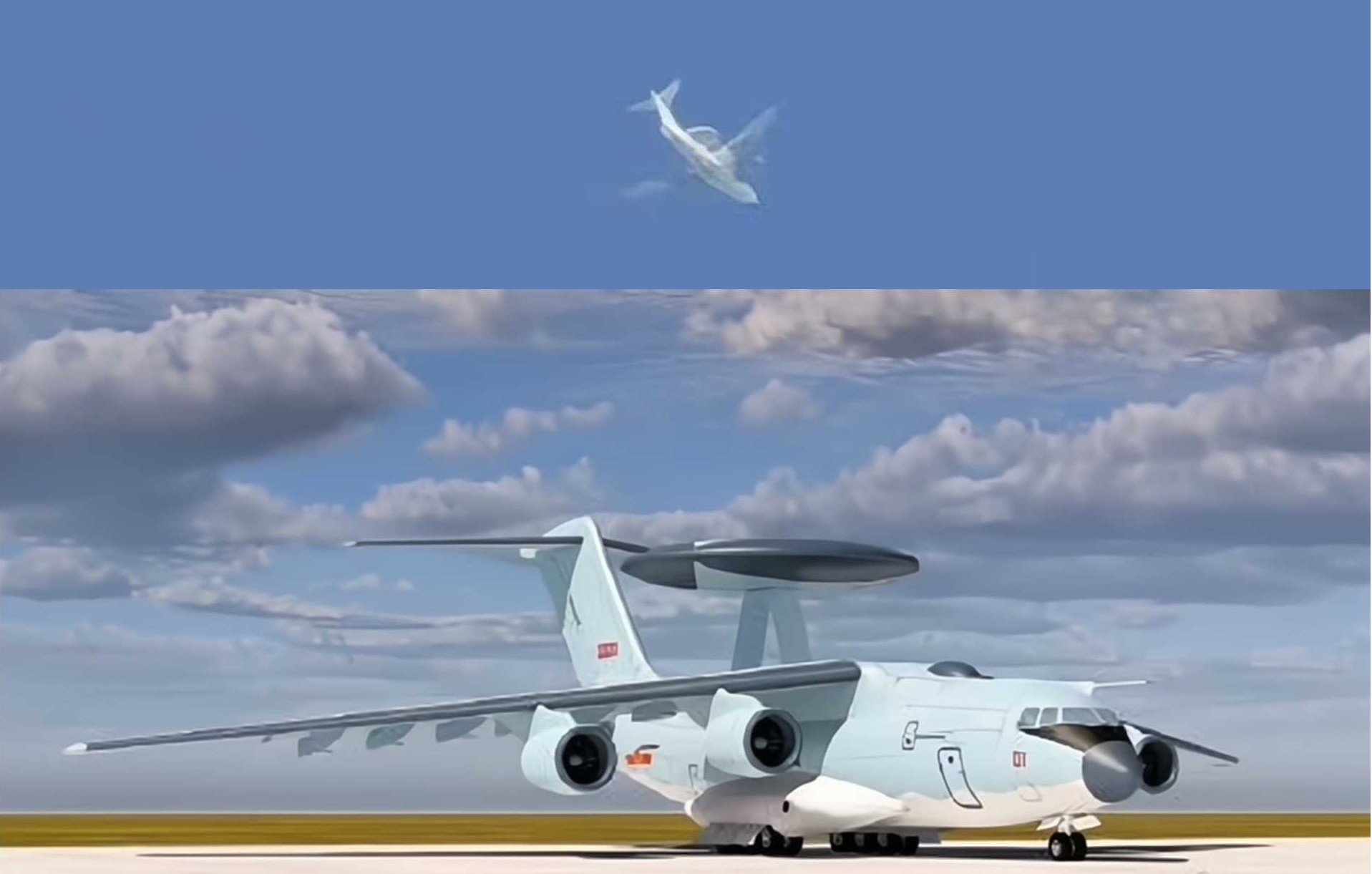
World
China’s People’s Liberation Army (PLA) has taken a significant step in extending its detection and operational capabilities with the introduction of a new early warning and control aircraft, believed to be the KJ-3000. This advanced platform, based on the Y-20 heavy transport aircraft, is set to enhance China's strategic presence in contested regions, including the South China Sea and the western Pacific. Analysts suggest this development reflects a broader push toward independent innovation in Chinese military technology. The Rise of the KJ-3000 The KJ-3000, reportedly spotted during a test flight over Xi’an in northwest China, is based on the Y-20B variant. This variant is powered by the domestically developed WS-20 turbofan engine, which delivers increased thrust and superior fuel efficiency, enabling extended endurance and the capacity to carry larger radar systems. The Y-20 platform, celebrated as the world’s largest transport aircraft currently in production, initially entered service in 2016 and has since become a cornerstone of China’s long-range and heavy-payload operations. The KJ-3000 builds on the foundation laid by its predecessors, the KJ-500 and KJ-2000, but represents a quantum leap in capability. Analysts believe the aircraft boasts cutting-edge radar technology, likely enabling it to detect stealth targets more effectively and over greater distances. Compared to the KJ-500, which has been actively involved in Taiwan’s air defense identification zone (ADIZ), the KJ-3000 is expected to feature enhanced detection range, more comprehensive data-gathering capabilities, and stronger operational resilience. Expanded Strategic Reach The addition of the KJ-3000 is poised to significantly broaden the PLA’s operational range. Capable of covering the East China Sea, the South China Sea, and extending well into the western Pacific, the aircraft enhances the military's ability to monitor and respond to distant threats. More than just a surveillance tool, the KJ-3000 is designed as a multi-service airborne command center, coordinating ground, air, and naval forces. “It’s not just an early warning system; it’s a comprehensive command platform,” said Song Zhongping, a Chinese military analyst. “Its ability to serve as an integrated command hub makes it a pivotal asset for joint operations.” Contextualizing the KJ-3000’s Debut The emergence of the KJ-3000 comes amid a series of other technological milestones for China’s military. Last week, the PLA unveiled several advanced platforms, including: The Type 076 Amphibious Assault Ship: The world’s first such vessel equipped with an electromagnetic catapult system. The WZ-9 “Divine Eagle” UAV: A high-altitude, anti-stealth uncrewed aerial vehicle designed to counter advanced stealth technologies. Sixth-Generation Fighter Jets: Two stealth fighters with a tailless triangular design were spotted in test flights, signaling China’s intent to dominate future air combat scenarios. These advancements underscore China’s shift toward developing independently innovative and high-tech weaponry, a move that military experts like Fu Qianshao describe as a "new strategic approach." Implications for Regional Security The deployment of the KJ-3000 is expected to heighten tensions in the region, particularly in the South China Sea, where overlapping territorial claims have long fueled disputes. The aircraft’s ability to detect stealth fighters and coordinate multi-branch operations positions it as a key enabler for China’s assertive military posture in contested areas. Additionally, the timing of these advancements highlights Beijing’s ambition to modernize its military infrastructure and expand its influence over critical waterways and airspaces. The KJ-3000, as part of this broader strategy, signals China’s determination to assert its dominance in the face of growing regional and global competition. With these developments, 2024 marks a turning point for China’s military trajectory, cementing its focus on technology-driven innovation to reshape the dynamics of regional and global security. The KJ-3000, alongside other cutting-edge platforms, underscores Beijing’s commitment to modernizing its forces and expanding its strategic capabilities.
Read More → Posted on 2025-01-01 15:32:20
India
India's burgeoning aerospace ambitions have been on display in recent years with landmark achievements like the Tejas fighter, the AMCA stealth program, and the robust development of UAVs. Among these, the Ghatak Unmanned Combat Aerial Vehicle (UCAV) stands out as a promising stealth platform. While Ghatak is currently conceived as a tactical UCAV, there is a compelling case for scaling it up into a strategic stealth bomber weighing 50 tons or more, akin to leading global designs such as the American B-21 Raider, Russian PAK-DA, and Chinese H-20. Such a leap would not only address India's growing strategic requirements but could also position the nation directly within the realm of sixth-generation aerial warfare capabilities. The Case for a 50-Ton Stealth Bomber 1. Strategic Reach in a Challenging Geopolitical Environment India's security challenges span diverse theaters, from the Himalayas to the Indian Ocean. A 50-ton stealth bomber would provide the Indian Air Force (IAF) with the capability to conduct long-range, precision strikes deep into adversarial territories, while maintaining minimal radar visibility. This capability becomes essential given the advanced air defense networks being fielded by China and Pakistan, such as the S-400 system. A stealth bomber could penetrate these defenses to deliver precision-guided munitions, cruise missiles, or even nuclear payloads, bolstering India's deterrence posture. 2. Bridging the Capability Gap While India has developed formidable tactical aircraft, it currently lacks strategic bombers, a domain dominated by global powers like the U.S., China, and Russia. With advancements in stealth technology, radar-absorbing materials, and long-range weaponry, India has the opportunity to bridge this gap by directly adopting cutting-edge designs. Scaling up the Ghatak UCAV would provide a faster pathway to such capabilities, leveraging the existing expertise and infrastructure established during its development. Learning from Global Trends United States: B-21 Raider The U.S. Air Force's B-21 Raider embodies the principles of low observability, long-range capability, and flexible payload delivery. Its modular design allows for integration with future technologies, making it a benchmark for sixth-generation stealth bombers. China: H-20 Stealth Bomber China's H-20 aims to complement its existing ballistic missile capabilities with a stealthy, long-range strategic bomber, reflecting Beijing's commitment to becoming a peer competitor to the U.S. in airpower. Russia: PAK-DA Russia's PAK-DA bomber, still under development, emphasizes hypersonic weapon delivery and the ability to evade cutting-edge missile defenses, highlighting the evolving nature of strategic aerial warfare. India can draw valuable lessons from these programs, especially in materials science, sensor fusion, and autonomous operations. Opportunities for Sixth-Generation Features 1. Artificial Intelligence and Autonomous Operations Incorporating advanced AI systems would enable India's stealth bomber to operate in both manned and unmanned configurations. Autonomous capabilities would enhance mission flexibility, allowing the platform to penetrate hostile environments without risking pilot lives. 2. Sensor Fusion and Data Sharing A sixth-generation stealth bomber must act as a node in a broader combat network. Integrating advanced sensor fusion technologies would allow seamless communication with satellites, AWACS, and naval assets, enabling coordinated strikes and real-time battlefield awareness. 3. Hypersonic Compatibility The ability to carry hypersonic weapons, such as the BrahMos-II and Other Hypersonic Cruise Missile, would significantly amplify the bomber's strike potential. Hypersonic missiles can evade modern air defenses, ensuring that India stays ahead of adversaries in terms of strategic capability. Challenges and the Way Forward While scaling up Ghatak is an ambitious proposition, it comes with its share of challenges: R&D and Infrastructure: Developing a 50-ton bomber demands substantial investment in materials, propulsion systems, and stealth technology. Global Collaboration: To accelerate development, India could consider partnerships with allies like France, which has advanced aerospace capabilities. Budgetary Constraints: Strategic bombers are capital-intensive projects, necessitating a careful balance between funding this initiative and other defense priorities. India can leverage its growing domestic defense ecosystem, particularly private players like Tata Aerospace and HAL, to overcome these challenges. The DRDO's experience with Ghatak and AMCA also provides a strong foundation for developing the requisite technologies. Conclusion As India's geopolitical and security landscape evolves, the need for a strategic stealth bomber becomes increasingly apparent. Scaling up the Ghatak program to develop a 50-ton stealth platform would be a transformative step, enhancing India's long-range strike capabilities while propelling it into the league of sixth-generation airpower leaders. By making bold investments now, India can not only safeguard its strategic interests but also emerge as a global aerospace leader, showcasing indigenous prowess on the world stage.
Read More → Posted on 2025-01-01 15:27:28Search
Top Trending in 24 Hours
-
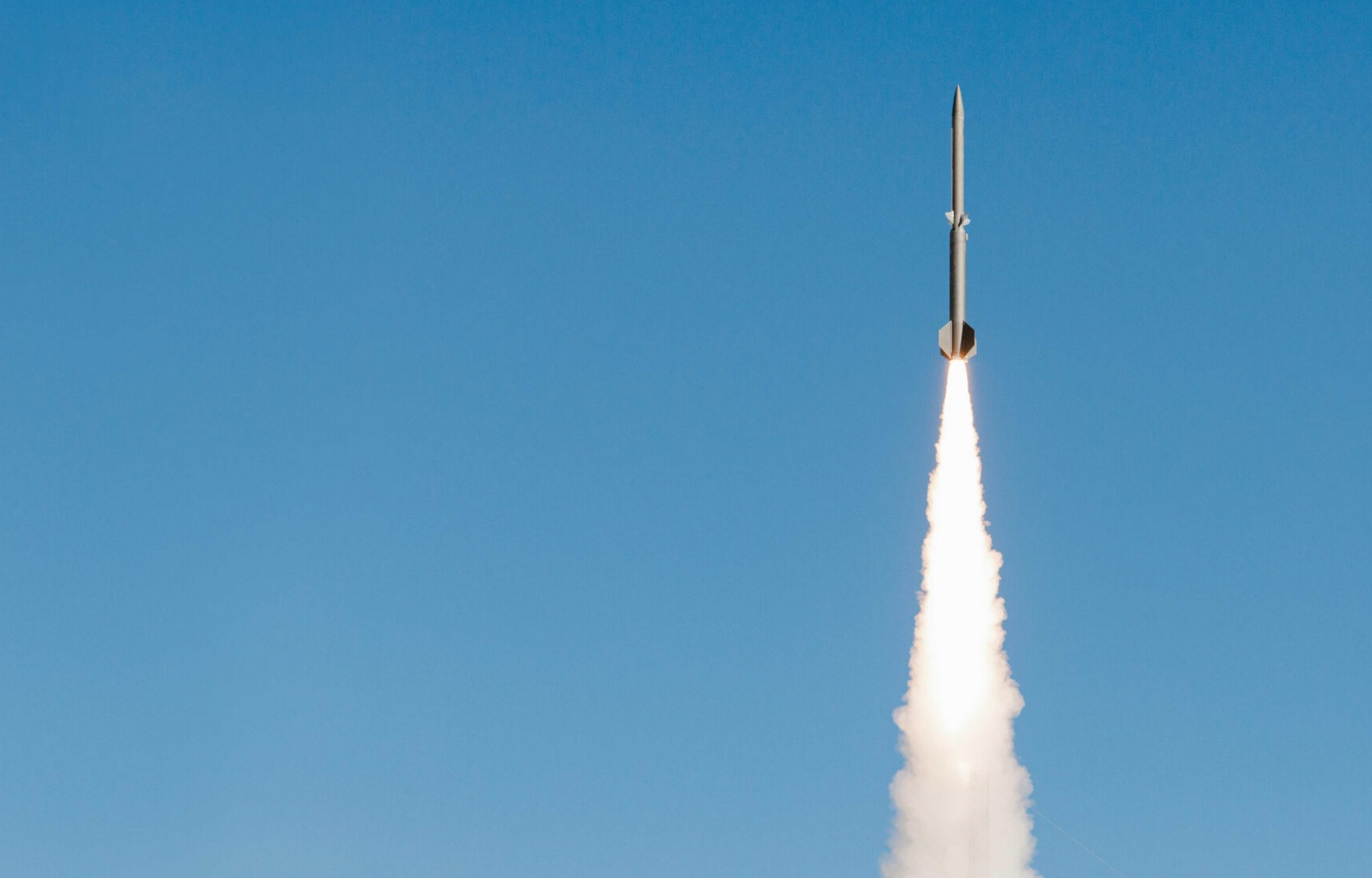 U.S Navy Orders 50 Blackbeard Hypersonic Missiles in New $23.4 Million Contract
-
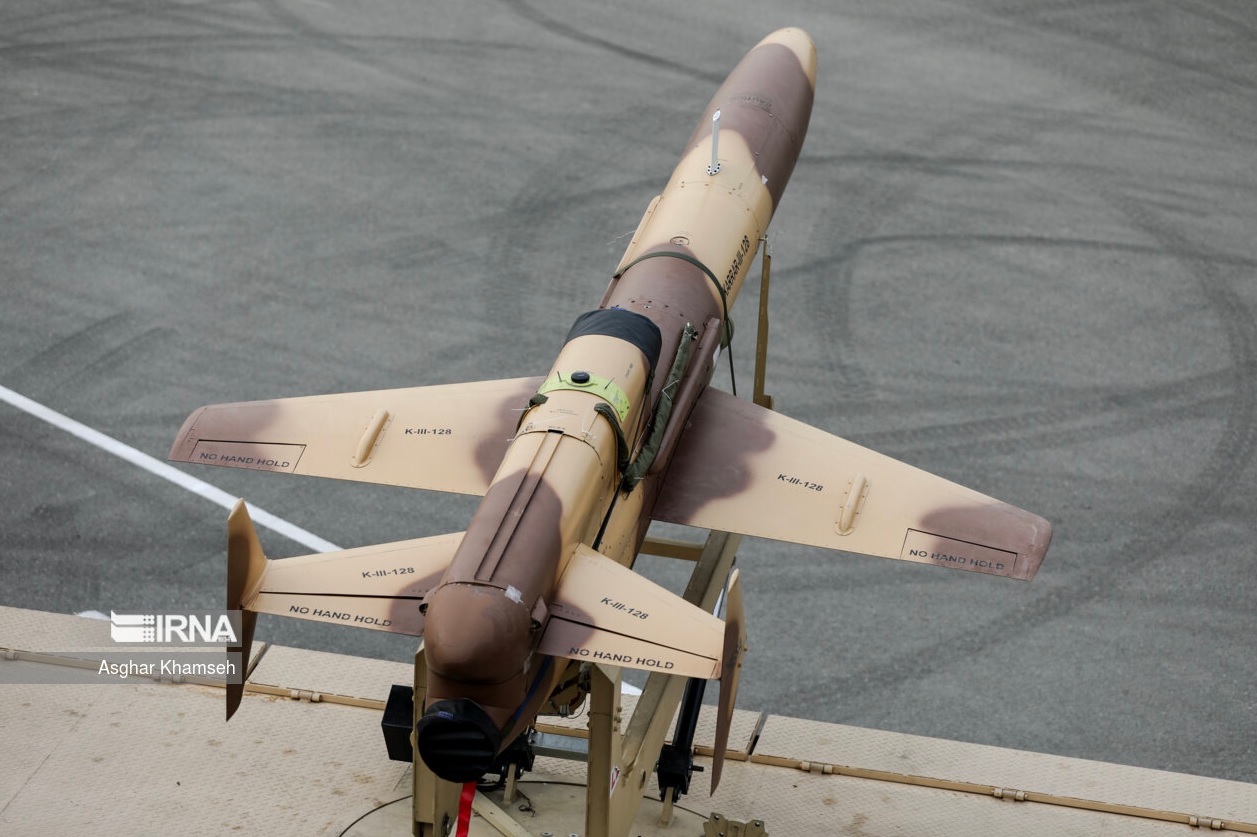 Russia Launches 1,400 Jet-Powered Drones in 2026 as Strike Tactics Evolve to Challenge Ukraine's Air Defenses
-
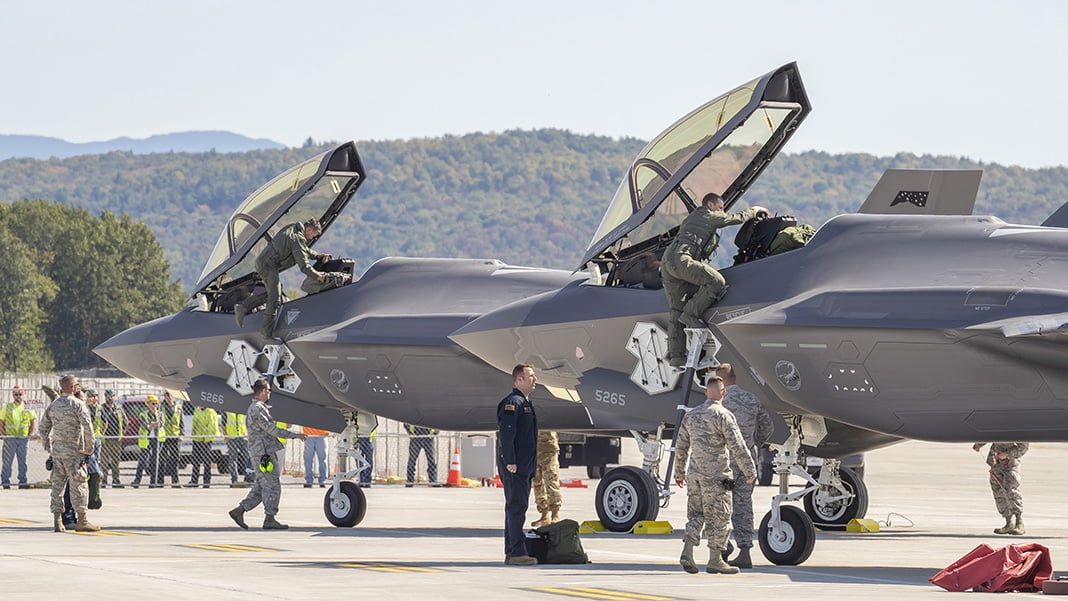 F-35 Fleet Readiness Falls to 25% Amid Parts Shortages and Software Delays: GAO Report
-
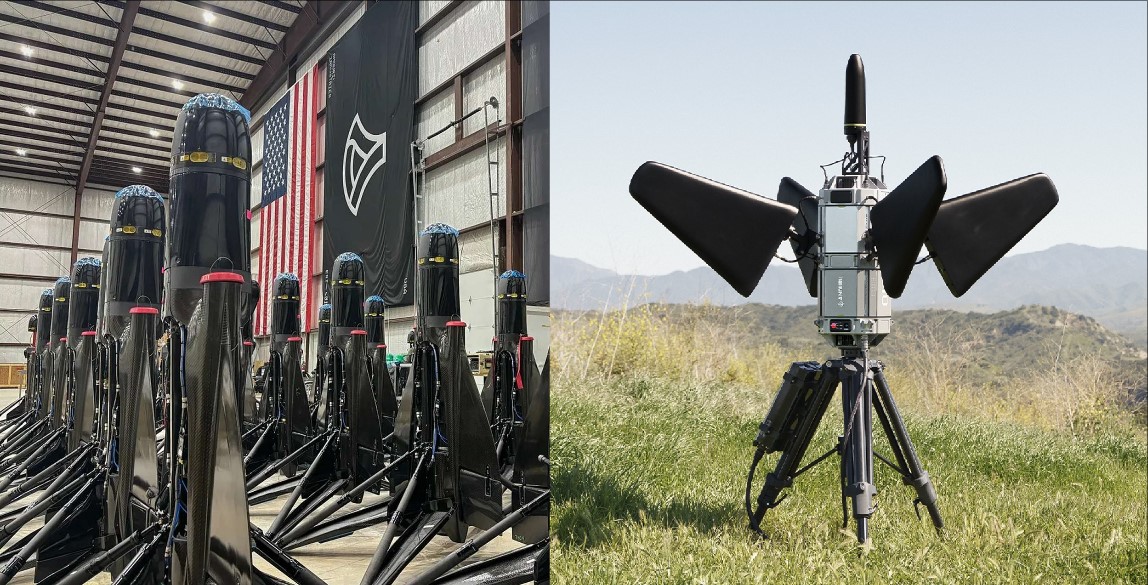 U.S. Approves $1.98 Billion Sale of Anduril AI-Powered Counter-Drone Systems to Kuwait
-
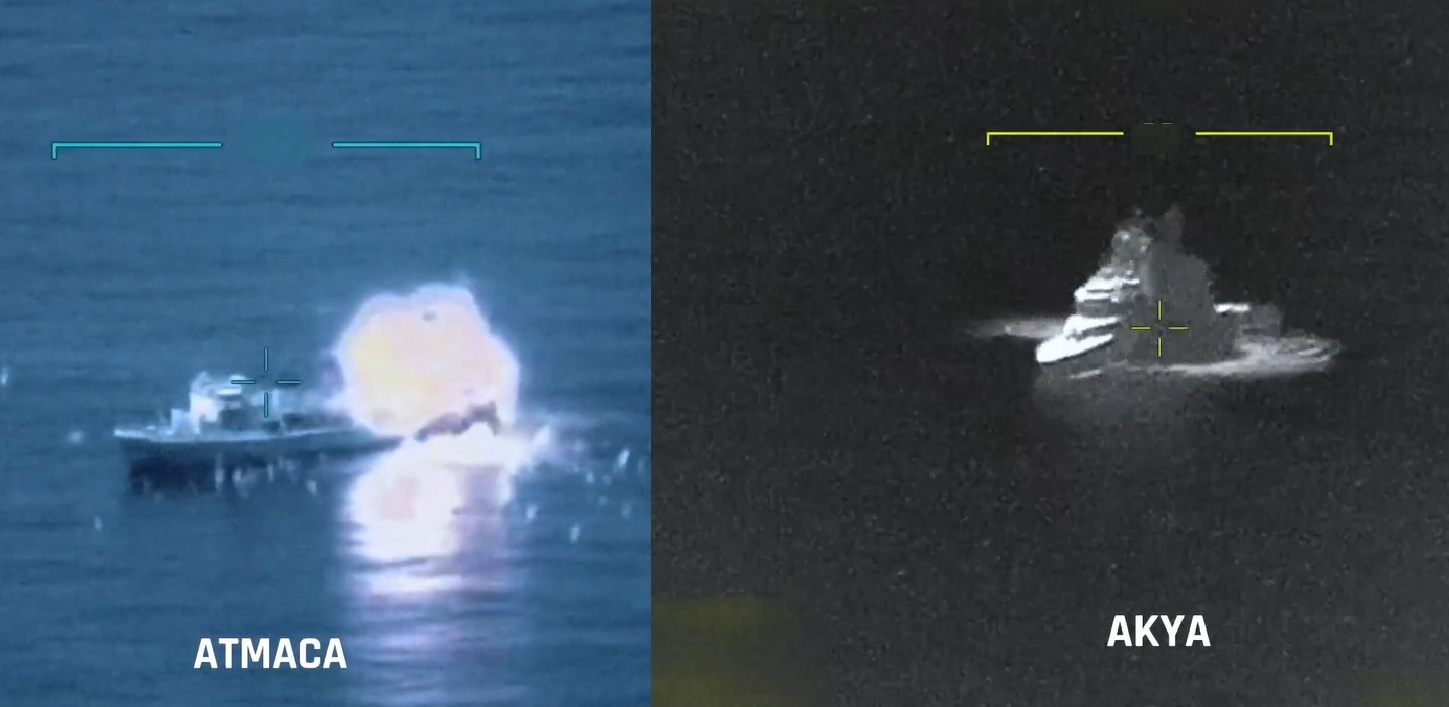 Turkey Navy Successfully Tests AKYA Torpedo and ATMACA Missile During Major Denizkurdu-II Naval Exercise
-
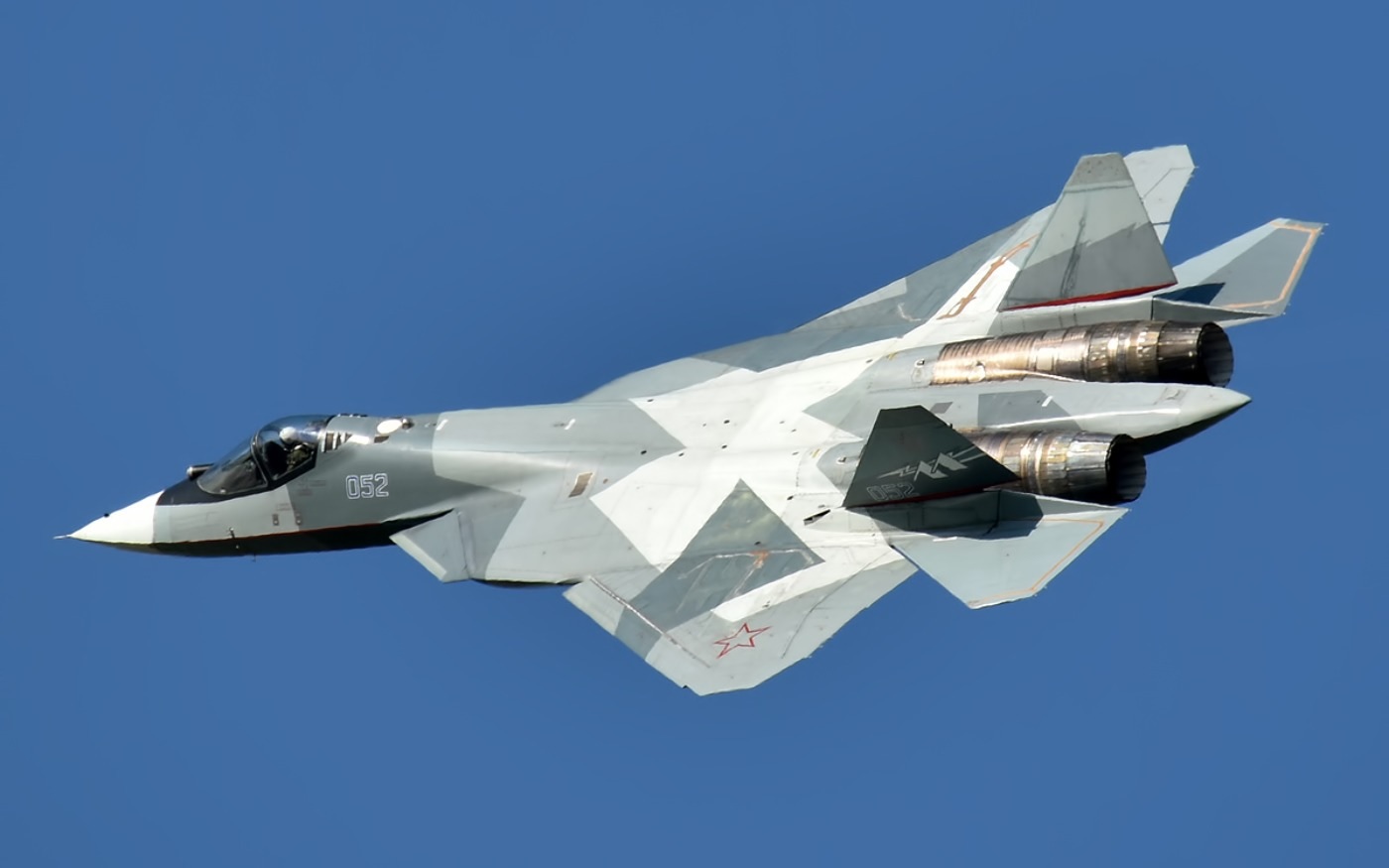 Russian Analysts Debate Su-57 Capabilities After Putin Calls Fighter Superior to F-35
-
 UAE Denies Reports of Releasing Up to $20 Billion in Funds to Iran Amid Regional De-Escalation Efforts
-
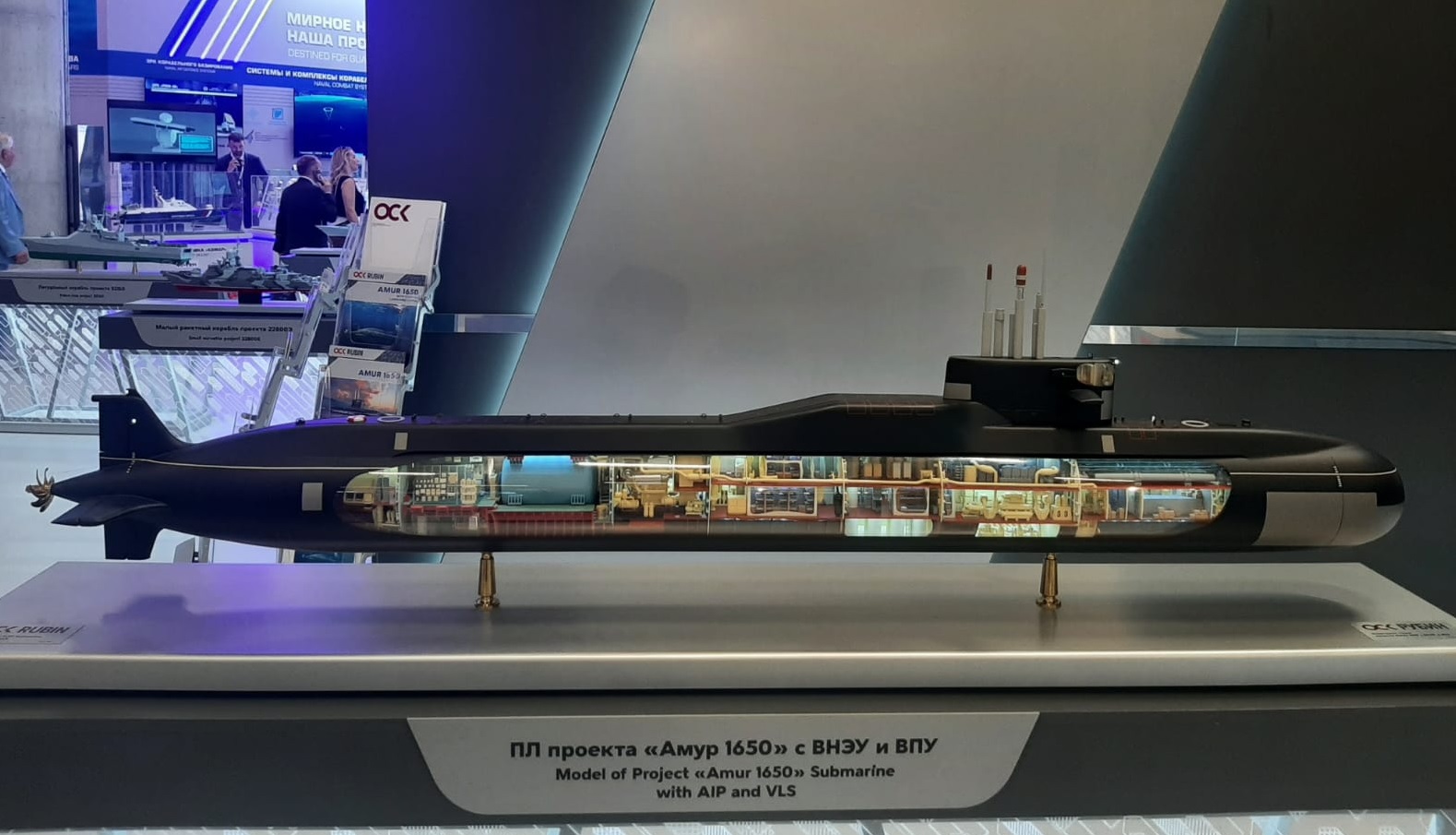 Russia Unveils Amur-1650 AIP Submarine Equipped with BrahMos Vertical Launch System at Fleet-2026
Top Trending in 4 Days
-
 Iranian Media Leaks 14-Point U.S.-Iran Peace Framework Amid Ongoing Negotiations
-
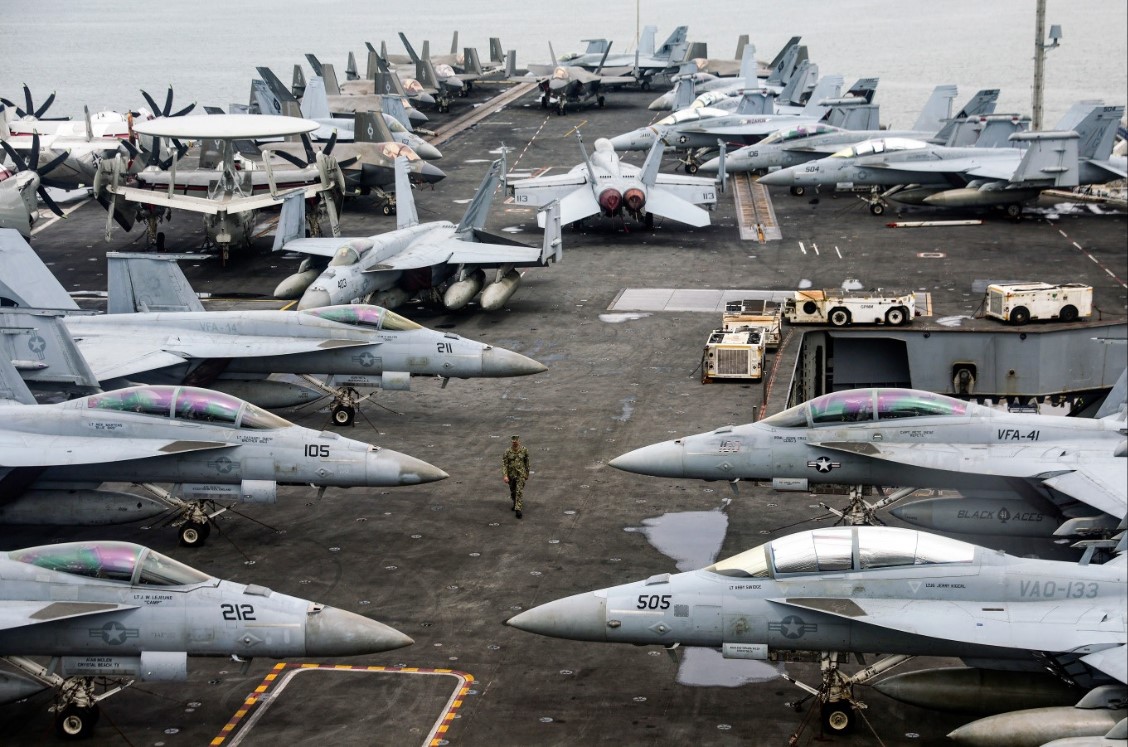 US Plans Significant Reduction of Fighter Jets and Warships for NATO Operations in Europe
-
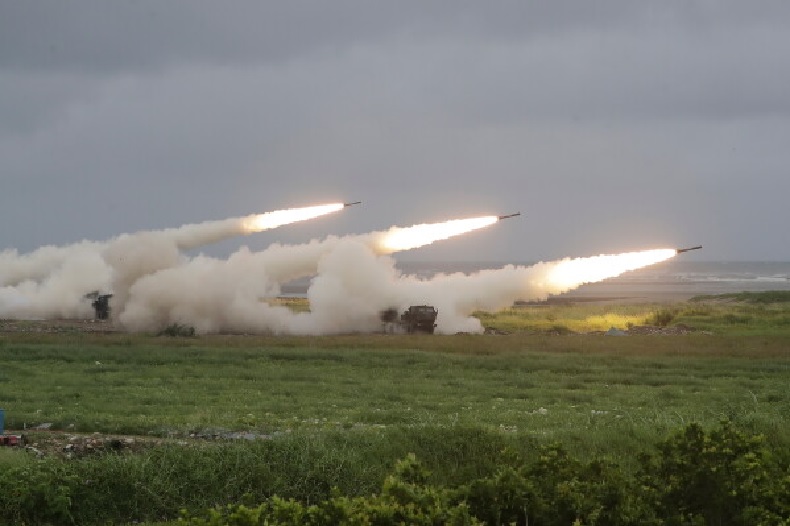 Taiwan Conducts First Live-Fire of HIMARS Rockets From West Coast During Invasion Defense Drill
-
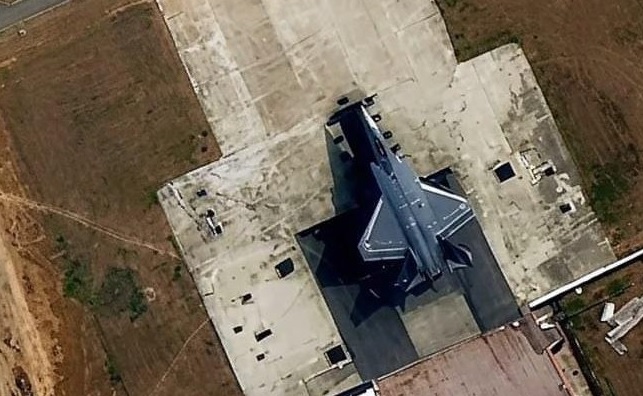 AMCA Airframe Spotted at DRDO’s ORANGE Facility for Radar Cross-Section Testing
-
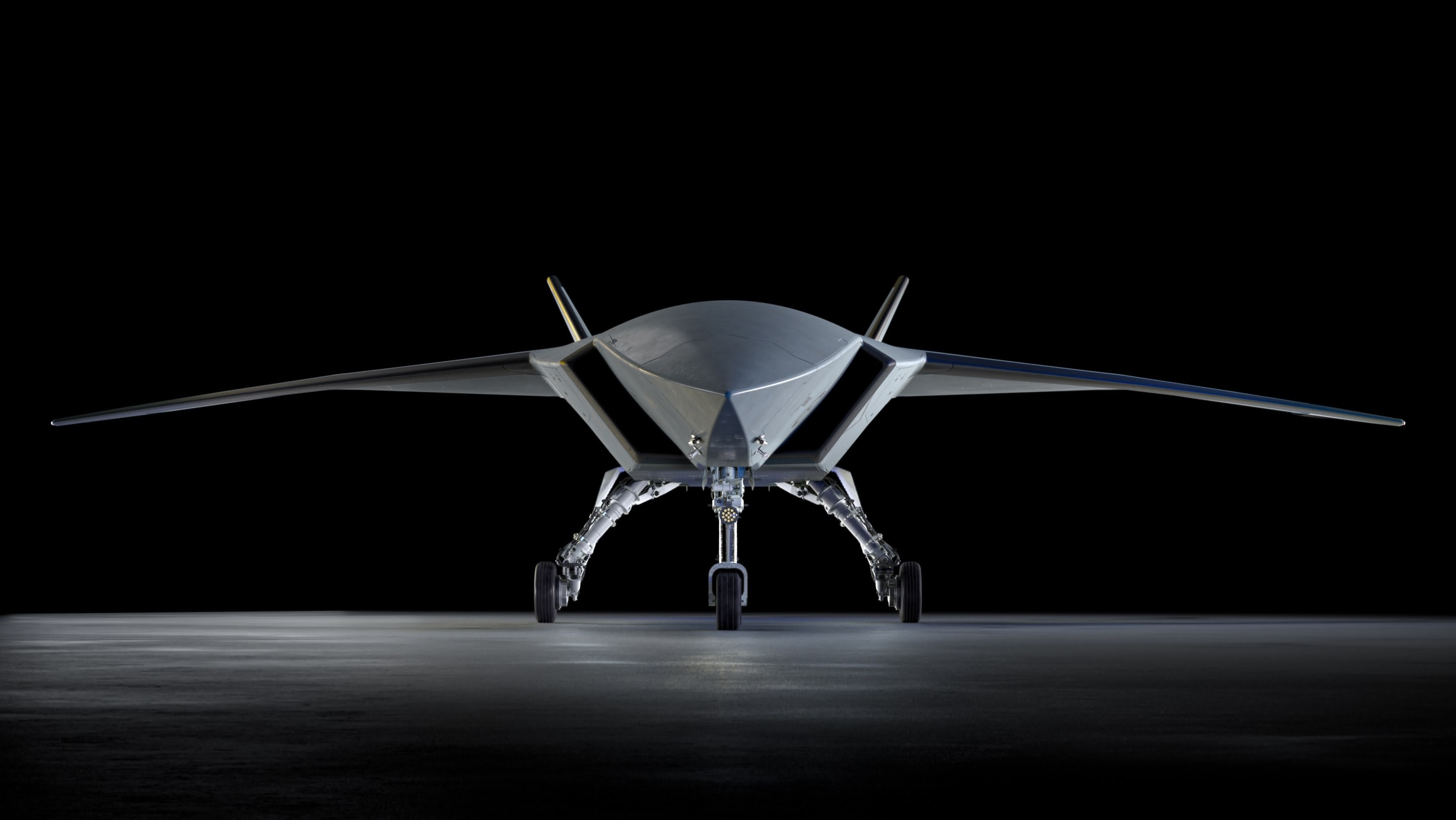 Boeing Introduces New MQ-28 Ghost Bat Upgrades with Increased Range, Payload and Weapons Capacity at ILA Berlin 2026
-
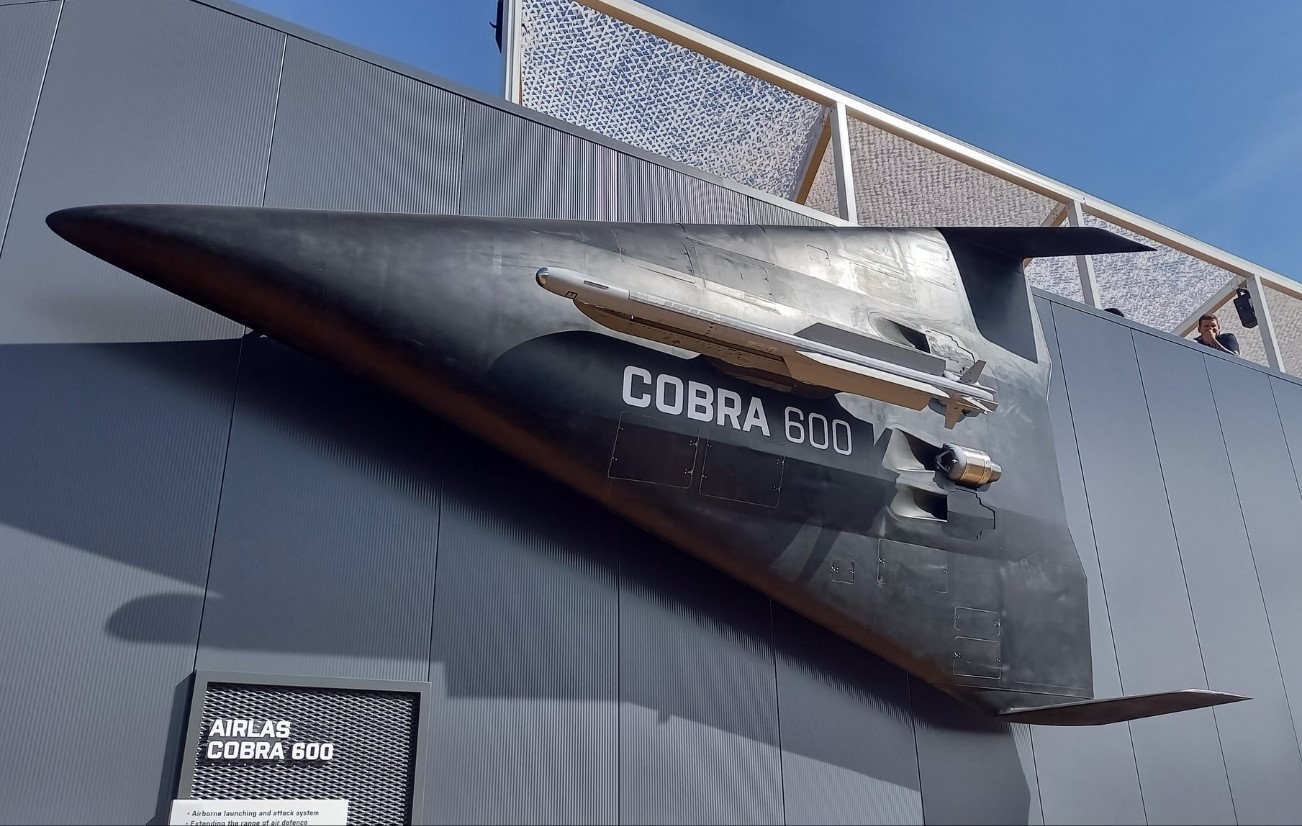 Diehl Defence Unveils IRIS-T Armed Cobra 600 Air Defense Drone at ILA Berlin 2026
-
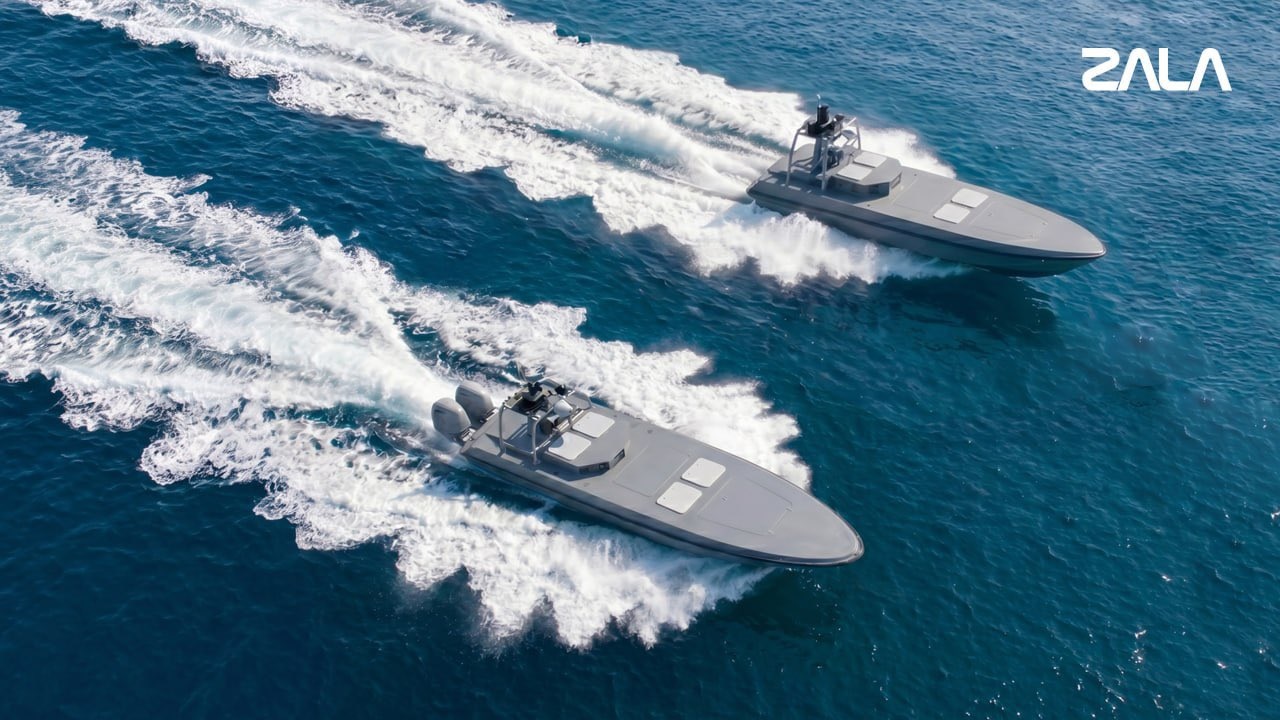 Russian Defense Firm ZALA Unveils KAMA Unmanned Surface Vessel Family at FLOT-2026 Naval Exhibition
-
 U.S Aircraft Carrier USS Theodore Roosevelt Departs San Diego for Major RIMPAC 2026 Naval Exercise
