India
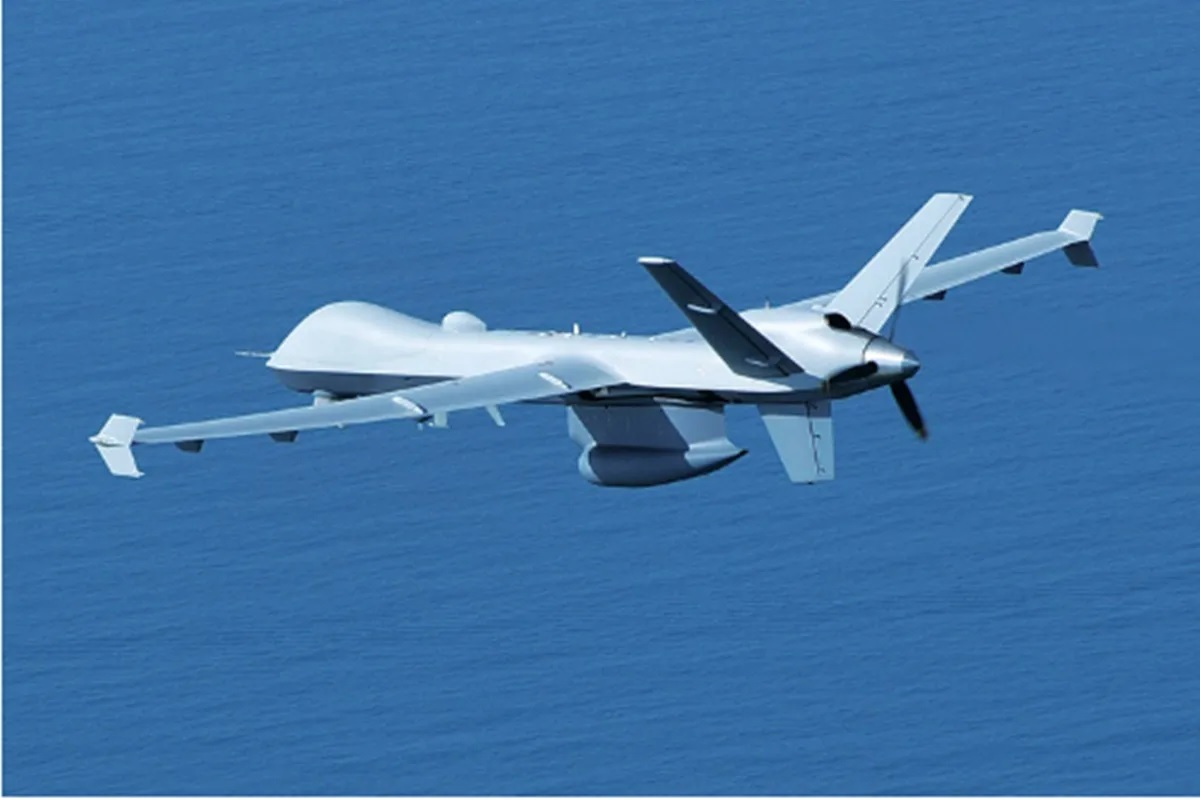
The Indian Navy is embarking on an ambitious plan to develop long-range, jet-powered unmanned aerial vehicles (UAVs) to enhance its surveillance and reconnaissance capabilities across the expansive Indian Ocean Region (IOR). This move is part of a larger strategy to reinforce maritime domain awareness and strengthen India’s readiness to address emerging security challenges in the region. Why Jet-Powered UAVs? While the Navy is already in the process of acquiring MQ-9 Reaper drones for intelligence, surveillance, and reconnaissance (ISR) missions, these UAVs are powered by turboprop engines. Despite their exceptional ability to provide persistent monitoring, turboprop UAVs lack the speed required to quickly reach distant areas of interest within the IOR, especially during emergencies or evolving situations. Jet-powered UAVs, on the other hand, offer a significant edge in terms of operational speed and range. Equipped with jet or turbofan engines, these platforms can be rapidly deployed over vast distances, addressing the Navy's need for quicker reaction times and enhanced operational flexibility. Key Specifications and Capabilities The Indian Navy's requirements for these advanced UAVs include: Extended RangeThe UAVs must be capable of covering the vast expanses of the IOR, ensuring comprehensive surveillance of maritime activities. Proposed operational ranges could span several thousand kilometers, enabling coverage of far-flung strategic areas. High SpeedJet-powered propulsion will allow these UAVs to achieve speeds upwards of 900 km/h, significantly reducing the time needed to respond to threats or incidents across the region. Advanced ISR SystemsThese UAVs will feature cutting-edge sensors such as electro-optical/infrared (EO/IR) systems, synthetic aperture radars (SAR), and maritime patrol radars. They will also include secure satellite communication (SATCOM) systems for real-time data transmission to naval command centers. Endurance and AltitudeWith a High-Altitude Long-Endurance (HALE) classification, these UAVs are expected to operate at altitudes exceeding 50,000 feet and remain airborne for up to 24 hours or more. Payload CapacityThe UAVs will be designed to carry multiple payloads, including electronic warfare (EW) systems and even small precision-strike munitions if required, making them versatile for a range of missions. Development Roadmap The Indian Navy plans to partner with both public and private sector defence companies within India to conceptualize and develop these advanced UAVs. Organizations like Hindustan Aeronautics Limited (HAL), Bharat Electronics Limited (BEL), and private firms such as Tata Advanced Systems and Adani Defence are expected to play a pivotal role. To fast-track development, the Navy is also exploring international collaborations to gain access to proven technologies and expertise. Partnerships with countries like the United States, Israel, or European nations could help integrate cutting-edge avionics, propulsion systems, and ISR technologies into the indigenous platforms. Strategic Significance The Indian Ocean Region has become a hotspot for geostrategic competition, with the increasing presence of foreign naval forces, including those from China. The ability to maintain real-time situational awareness across this vital region is critical for India’s maritime security and broader power projection objectives. The introduction of long-range, jet-powered UAVs will serve as a force multiplier for the Navy, enhancing its ability to monitor potential threats, secure vital sea lanes of communication, and safeguard its economic and strategic interests. Looking Ahead By pursuing this advanced UAV program, the Indian Navy is not only addressing immediate operational needs but also fostering domestic defence innovation. The initiative aligns with the government's push for self-reliance in defence production under the “Make in India” campaign. Once operational, these UAVs will significantly elevate India’s maritime surveillance capabilities, reinforcing its role as a net security provider in the region and a formidable force in the Indian Ocean.
Read More → Posted on 2025-01-06 15:04:18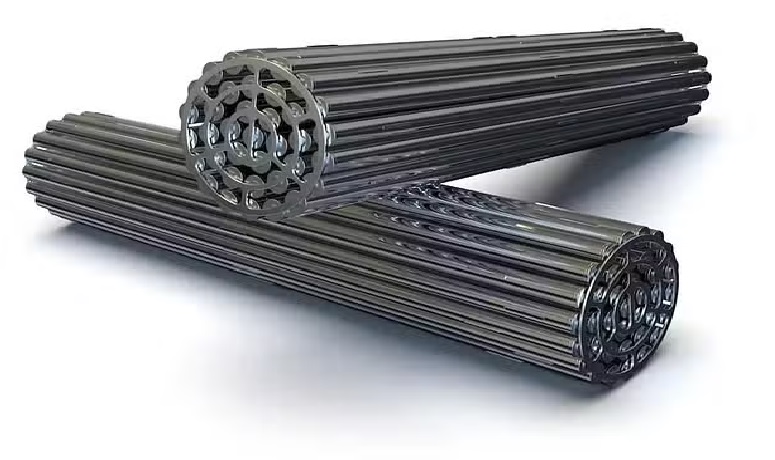
India
India has taken a decisive step towards revolutionizing its nuclear energy future by partnering with Clean Core Thorium Energy (CCTE), a U.S.-based firm, to develop and deploy thorium-based nuclear fuel. NTPC Limited, India’s largest power utility, is spearheading this collaboration, which is focused on introducing ANEEL (Advanced Nuclear Energy for Enriched Life) fuel for Pressurized Heavy Water Reactors (PHWRs) across the country. This initiative is a strategic move that aligns with India’s broader goals of achieving energy security, reducing carbon emissions, and tapping into its vast thorium reserves, which account for nearly 25% of the world’s total. Specifications and Benefits of ANEEL Fuel ANEEL fuel is a groundbreaking innovation developed by CCTE. It combines thorium—a naturally abundant and less-reactive element—with small quantities of enriched uranium to create a high-performance nuclear fuel. The specifications and advantages of ANEEL include: Reduced Nuclear Waste: ANEEL fuel reduces nuclear waste by over 85% compared to conventional uranium-based fuels. This addresses one of the primary challenges of nuclear power: long-term waste management. Safety Enhancements: The fuel is inherently safer due to its proliferation resistance. Spent ANEEL fuel cannot be weaponized, adding an extra layer of security. Economic Efficiency: ANEEL offers higher energy output, resulting in cost savings for operational and maintenance expenses in nuclear reactors. Its efficiency could lower the overall cost of nuclear energy production. Compatibility with PHWRs: The fuel is designed specifically for India's PHWRs, making it easier to integrate into the country's existing nuclear infrastructure. Focus on HALEU: The partnership will also explore the production of High-Assay Low-Enriched Uranium (HALEU), further diversifying India's nuclear fuel options. Leveraging India’s Thorium Potential India’s thorium reserves are estimated at approximately 1.07 million tonnes, primarily found in states such as Kerala, Tamil Nadu, and Odisha. Unlike uranium, thorium is not fissile but fertile, meaning it can be converted into a fissile material—uranium-233—when irradiated in a reactor. This makes thorium an ideal resource for India's long-term nuclear strategy, which emphasizes self-reliance and the use of indigenous resources. By utilizing thorium, India can reduce its dependence on imported uranium, ensuring a steady and secure supply of nuclear fuel for decades to come. Additionally, thorium-based reactors generate less radioactive waste, which decays more quickly than traditional nuclear waste, addressing environmental concerns. Broader Implications of the NTPC-CCTE Collaboration The NTPC-CCTE partnership is poised to deliver transformative benefits for India’s nuclear sector: Boosting Energy Security: Utilizing domestically available thorium ensures energy independence and reduces vulnerabilities linked to global uranium supply chains. Accelerating SMR Adoption: ANEEL’s efficiency and safety could catalyze the development of Small Modular Reactors (SMRs), which are faster and more cost-effective to build than traditional large-scale reactors. SMRs also offer flexibility in powering remote and underdeveloped regions. Global Leadership in Thorium Technology: With this collaboration, India positions itself as a leader in thorium-based nuclear technologies, creating opportunities for international partnerships and exports. Strengthening Sustainability Goals: The move supports India’s pledge to achieve net-zero carbon emissions by 2070 by significantly expanding its clean energy portfolio. Public and Regulatory Support: The reduction in nuclear waste and enhanced safety features of ANEEL fuel could increase public trust and ease regulatory hurdles for expanding nuclear infrastructure. Shaping the Future of Indian Nuclear Energy This collaboration represents a crucial milestone in India's journey toward a sustainable and energy-secure future. By adopting advanced thorium-based technologies, India can diversify its energy mix, reduce environmental impact, and enhance the operational efficiency of its nuclear power plants. The NTPC-CCTE partnership is not merely a technological advancement; it is a strategic vision to harness the potential of thorium for the nation’s energy needs. With a focus on local production, global partnerships, and cutting-edge innovation, India is well on its way to becoming a global leader in clean and efficient nuclear energy.
Read More → Posted on 2025-01-06 15:01:14
Science
Amid a growing surge in respiratory illnesses in China, India has reported its first cases of Human Metapneumovirus (HMPV) in Bengaluru. Two infants, an eight-month-old currently recovering in the hospital and a three-month-old who has been discharged, mark the first documented cases of HMPV in the country. While China battles a significant HMPV outbreak alongside other respiratory viruses such as influenza A, Mycoplasma pneumoniae, and COVID-19, hospitals there are reportedly overwhelmed with patients suffering from severe respiratory symptoms. Strengthened Surveillance and Guidelines Across Indian States In response to the HMPV detection and the alarming situation in China, several Indian states have initiated precautionary measures to prevent a potential outbreak. Delhi health authorities have released detailed guidelines focusing on enhanced surveillance, prevention, and isolation protocols. Hospitals have been instructed to report cases of Influenza-like Illness (ILI) and Severe Acute Respiratory Infection (SARI) via the Integrated Health Information Platform (IHIP). These measures are part of efforts to monitor and contain any rise in respiratory illnesses effectively. Delhi’s top health official, Dr. Vandana Bagga, recently held a meeting with chief district medical officers and the state programme officer from the Integrated Disease Surveillance Programme (IDSP) to assess preparedness for managing respiratory infections. Other states have also ramped up their efforts. Maharashtra has intensified the monitoring of SARI and ILI cases, though health authorities have assured the public there is no immediate cause for concern. Kerala's Health Minister, Veena George, has urged high-risk groups—including pregnant women, children, and the elderly—to adopt preventive measures, such as wearing masks. Similarly, Telangana has issued advisories emphasizing that no HMPV cases have been detected in the state. In Andhra Pradesh, Dr. Padmavathi, Director of Public Health and Family Welfare, has encouraged the public to remain calm and take basic precautions. "By following simple preventive measures, we can protect ourselves and our loved ones from HMPV," she said. These state-level initiatives follow reassurance from the Union Health Ministry, which emphasized there is no need for alarm regarding HMPV. The Ministry has reiterated the importance of basic hygiene and preventive practices to mitigate the risk of respiratory illnesses. Understanding HMPV: Symptoms, Transmission, and Prevention Human Metapneumovirus (HMPV), first identified in 2001, is a respiratory virus that can range from causing mild flu-like symptoms to severe respiratory complications, particularly in vulnerable populations. While unrelated to COVID-19, HMPV shares similarities in transmission methods—via respiratory droplets and contaminated surfaces—and symptoms. Common Symptoms: Cough Wheezing Runny nose Fever Sore throat In high-risk groups, such as young children, older adults, and immunocompromised individuals, HMPV can lead to severe respiratory complications requiring hospitalization. Symptoms typically appear 3–6 days after exposure. Transmission: HMPV spreads through direct contact with infected individuals, respiratory droplets from coughing or sneezing, and contact with contaminated surfaces. Practices like handshaking and touching the face can also facilitate the virus's spread. Treatment and Vaccination: Currently, there is no vaccine available for HMPV. Treatment focuses on managing symptoms, and individuals experiencing severe complications, such as difficulty breathing, are advised to seek immediate medical care. Preventive Measures: To reduce the risk of HMPV and other respiratory infections, health authorities recommend the following: Wash hands regularly with soap and water for at least 20 seconds or use an alcohol-based sanitizer. Cover your mouth and nose when coughing or sneezing. Wear masks in crowded places or around sick individuals. Avoid touching your face with unwashed hands. Isolate yourself if you feel unwell. Individuals with pre-existing lung conditions or weakened immune systems are advised to exercise extra caution and strictly follow preventive measures. A Call for Vigilance As India detects its first HMPV cases amidst rising concerns in China, public health officials stress the importance of vigilance and adherence to preventive guidelines. While there is no immediate threat, proactive measures and heightened awareness will play a crucial role in mitigating the spread of respiratory illnesses.
Read More → Posted on 2025-01-06 08:00:17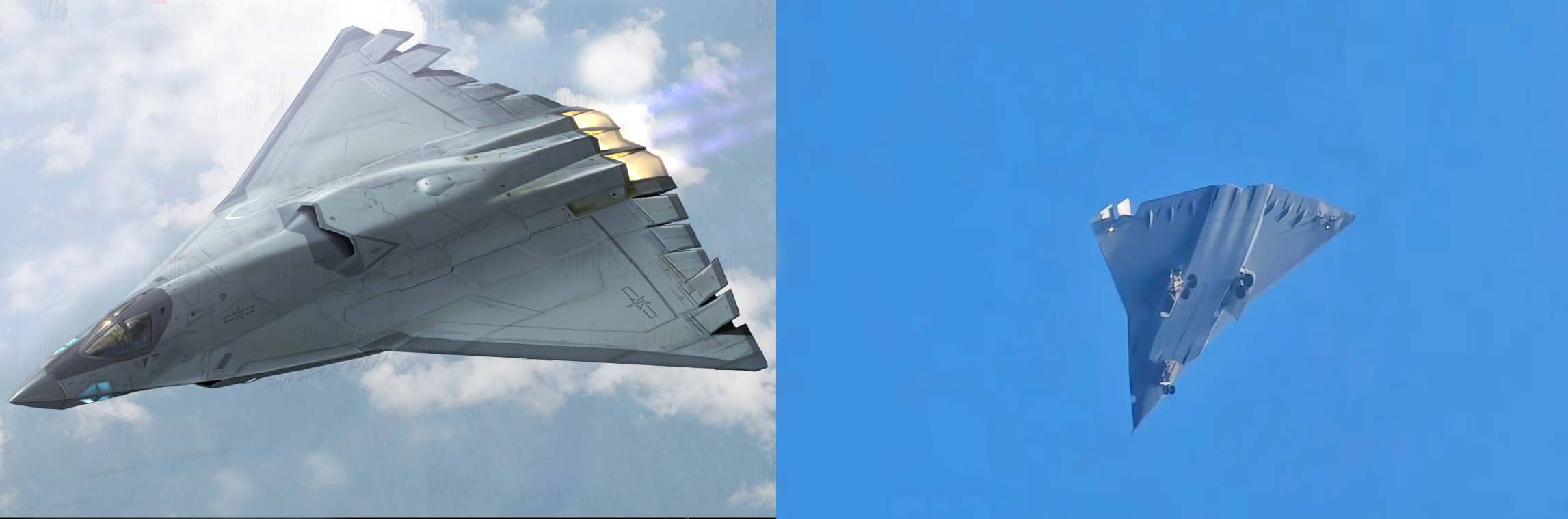
World
China's mystery sixth-generation stealth fighter, which was recently spotted, has sparked significant interest in military circles. Military experts speculate that this jet, potentially named the J-36, could be designed as a command center for combat drones, rather than a traditional dogfighter. The aircraft, which surfaced around December 26, 2024, has generated excitement due to its tailless design and innovative features, which could represent a significant shift in aerial combat strategies. The Mysterious J-36: A New Era in Warfare Footage showing two nearly identical tailless fighter jets was shared on Chinese social media platforms, fueling speculation about their role in China's future military strategy. These jets were filmed near China’s top fighter jet manufacturing hubs in Shenyang (northeast) and Chengdu (southwest). While there has been no official confirmation from the Chinese government, a subtle endorsement emerged through the PLA Eastern Theatre Command’s New Year’s Day music video, which featured an image resembling the new jet. Military analysts quickly labeled this new fighter as the J-36, anticipating that it would incorporate several groundbreaking technologies. John Waters, a former US Air Force fighter pilot, highlighted the J-36's design as favoring stealth over agility, a trade-off that's becoming increasingly common with modern aircraft. The absence of a tail suggests a focus on low-observability characteristics, aiming to make the jet harder to detect by enemy radar. Redefining Combat Roles The J-36 is expected to be a force multiplier, enhancing China's air capabilities by working in tandem with unmanned combat drones. The aircraft's design suggests it could act as a command center for these drones, linking them with other assets like the J-20 and J-35 fighter jets, AWACS (Airborne Warning and Control Systems), and aerial refueling tankers. This would represent a shift away from traditional dogfighting towards a network-centric approach, where a combination of manned and unmanned systems work together seamlessly in real-time. Experts such as Bill Sweetman and Peter Layton point out that the J-36 could focus on long-range interdiction missions, targeting enemy air forces, tankers, and surveillance aircraft. Its design could support missions like escorting strategic bombers or providing air defense in areas where ground-based systems are unavailable. The J-36’s potential supercruise ability, which would allow it to operate at high speeds for extended periods, could enhance its performance in these roles, ensuring rapid responses to distant threats. Advanced Technology and Combat Potential The J-36 is expected to carry advanced radar and sensors, which would help it detect stealth aircraft at greater distances than current fighters like the J-20. This would not only improve its effectiveness but also increase the overall situational awareness of the entire combat network. The aircraft’s large centerline and side weapons bays could accommodate heavy payloads, such as the PL-17, an extreme-range air-to-air missile with a range of up to 400 km (248 miles). As a part of China's broader shift toward network-centric warfare, the J-36 could be a key node in a data-driven air combat system. It would gather, process, and disseminate critical information to ensure that all combat elements operate with a unified understanding of the battlefield. This could significantly shorten the “kill chain,” or the time it takes to locate, track, and engage enemy targets, accelerating the pace of modern warfare. Not a Frontline Fighter Despite its advanced capabilities, the J-36 is unlikely to be a frontline fighter. Analysts suggest that its primary role would be supporting other combat assets rather than engaging in close-range aerial battles. This would align with the growing importance of beyond-visual-range (BVR) missiles and sensors that allow for longer-range engagements without the need for close-quarters dogfights. Kelly Grieco, a senior fellow at the Stimson Center, echoes this view, noting that next-generation aircraft, both in China and the US, are focusing on manned-unmanned teaming. The combination of advanced automation, AI, and real-time data sharing will improve situational awareness and make warfare more efficient. Carrier Operations? The J-36's design raises questions about its potential for carrier-based operations. Some experts believe its size, weight, and the need for three engines would make it unsuitable for carriers. Aircraft carriers require planes with low landing speeds, but the J-36’s delta shape suggests a landing speed higher than what’s typically feasible for carrier-based aircraft. However, there are discussions that a smaller, twin-engine version of the jet, such as the one spotted in Shenyang, might be more suited for carrier operations, though the likelihood remains low. Conclusion China's J-36 represents a bold step into the future of aerial warfare. Rather than focusing on traditional dogfights, it seems poised to revolutionize how China approaches combat by integrating manned and unmanned systems into a highly coordinated network. With its advanced stealth, long-range capabilities, and potential to serve as a command center for drones, the J-36 could be a critical element in China’s military modernization, shifting the focus from individual combat to a more strategic, system-based approach. This new jet may not only redefine the role of fighter aircraft but also set the stage for the next generation of air combat, where artificial intelligence and automation play a central role in shaping the battlefield.
Read More → Posted on 2025-01-05 16:32:35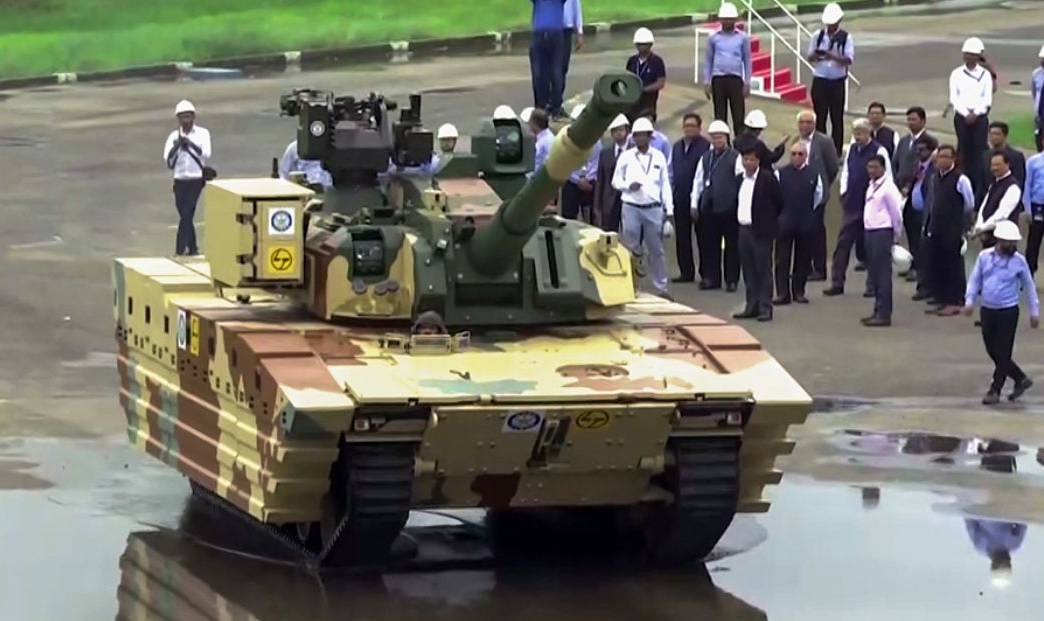
India
India’s ambitious indigenous light tank project, the Zorawar, named after the legendary General Zorawar Singh known for his exploits in the Himalayas, is set to enter user trials this year. This milestone marks a significant leap in India’s defense modernization efforts, particularly in enhancing its operational capabilities in mountainous and high-altitude terrains. As the development trials approach completion, the Zorawar light tank is generating considerable excitement among defense analysts and military planners alike. A Response to Geopolitical Challenges The development of the Zorawar light tank was initiated in response to the 2017 Doklam standoff and the ongoing border tensions with China in Ladakh. These situations underscored the necessity for a versatile, lightweight armored platform capable of operating effectively in the challenging terrains of the Himalayas, where conventional main battle tanks (MBTs) like the T-90 and T-72 face significant mobility challenges due to their weight and size. Zorawar has been designed to ensure mobility, firepower, and survivability in regions where roads are sparse, altitudes are extreme, and temperatures plummet below freezing. Its introduction signals India’s commitment to bolstering its defenses along its mountainous northern borders. Key Features and Specifications of the Zorawar Light Tank The Zorawar light tank stands apart due to its advanced design and cutting-edge features, tailored specifically for mountain warfare: Weight and Mobility With a combat weight of approximately 25 tons, the Zorawar is significantly lighter than traditional MBTs, enabling it to traverse narrow mountain passes, fragile bridges, and unpaved roads. Powered by a high-performance 1500 hp engine, the tank ensures superior mobility and agility in high-altitude areas where oxygen levels are low. Firepower The Zorawar is equipped with a 105mm gun capable of firing high-explosive, armor-piercing, and anti-tank guided munitions. It is also integrated with drone-launched precision munitions, providing a significant advantage in targeting enemy positions in rugged terrains. Advanced Protection Systems The tank features modular armor to protect against kinetic energy rounds and explosive threats. It is equipped with an Active Protection System (APS) that detects and neutralizes incoming projectiles, a critical feature for modern battlefields. Versatility Zorawar can operate in extreme environments, from the freezing heights of the Himalayas to the sandy deserts of Rajasthan. It is designed for air transportability, enabling rapid deployment via aircraft like the C-17 Globemaster III and the IL-76, making it a strategic asset for India’s armed forces. Indigenous Design Developed in partnership with private sector players under India’s Make in India initiative, the Zorawar light tank emphasizes self-reliance in defense manufacturing. Key systems, including the fire control system, armor, and electronics, have been developed domestically, reducing dependency on foreign suppliers. Testing and Trials The Zorawar has undergone rigorous developmental trials over the past year, testing its performance across diverse conditions: High-altitude regions like Ladakh and Arunachal Pradesh, where temperatures drop to -20°C and oxygen levels are significantly lower. Desert environments in Rajasthan, simulating the challenges of rapid mobility across sandy terrains. Ballistics and survivability tests, ensuring the tank’s resilience against enemy firepower and operational effectiveness in real-world scenarios. The user trials, scheduled for this year, will involve evaluations by the Indian Army in realistic operational scenarios. Feedback from these trials will be instrumental in fine-tuning the platform before induction into service. Why the Zorawar is a Game-Changer Mountain Warfare SuperiorityThe Zorawar light tank provides India with a decisive advantage in mountain warfare. Its ability to operate in high-altitude regions ensures that the Indian Army can maintain a strong presence along its northern borders, where the terrain is as much an adversary as any hostile force. Rapid DeploymentAir transportability ensures that Zorawar can be quickly deployed to hotspots, providing a rapid response capability during crises. Multi-Domain UtilityThe tank’s adaptability to diverse terrains makes it a versatile platform for conventional warfare, counter-insurgency operations, and peacekeeping missions. Indigenous Manufacturing PushAs an indigenously designed and manufactured platform, Zorawar strengthens India’s defense industrial base, aligns with the Atmanirbhar Bharat initiative, and reduces reliance on foreign suppliers. Strategic Implications The induction of the Zorawar light tank into the Indian Army will enhance its ability to counterbalance China’s deployment of lightweight armored platforms, such as the Type 15 light tank, along the Line of Actual Control (LAC). By investing in a capable and agile light tank, India ensures that it can effectively respond to any escalation, securing its strategic interests in the region. Moreover, the Zorawar’s versatility positions it as an attractive export option for countries with similar operational requirements, particularly those with mountainous terrains or limited infrastructure. Conclusion The Zorawar light tank represents a blend of innovation, strategy, and indigenous ingenuity. As it enters user trials, it symbolizes India’s determination to adapt to evolving battlefield dynamics and address emerging security challenges. Whether it’s defending the icy heights of Ladakh or asserting dominance in rugged terrains, the Zorawar is poised to become a cornerstone of India’s modern armored forces. The next few months will be critical in determining the tank’s readiness for induction, and its eventual deployment will undoubtedly shape the future of India’s military preparedness in challenging environments.
Read More → Posted on 2025-01-05 16:26:27
World
In a fresh display of military adaptation, Russian forces have deployed an upgraded version of the BTR-80 armored personnel carrier (APC) equipped with a remote-controlled combat module, the 32G01 "Boomerang-Burevestnik." This development has been observed on the frontlines of eastern Ukraine, signaling Moscow's ongoing efforts to enhance its battlefield capabilities amidst mounting challenges. A Closer Look at the Upgraded BTR-80 The upgraded BTR-80 integrates the 32G01 "Boomerang-Burevestnik" module, originally developed by the Burevestnik Central Research Institute for the advanced BTR K-16 vehicle built on the Boomerang chassis. While the module was initially intended for cutting-edge platforms, its adaptability has allowed its use on legacy vehicles, including the BTR-80 and even the T-16 armored recovery vehicle on the Armata platform. Key Specifications of the 32G01 Module: Primary Weapon: 12.7mm "Utes" heavy machine gun Fire Control System: Remote-controlled, providing enhanced precision and safety for operators Operational Benefits: Improved efficiency in urban and open combat scenarios, as well as increased lethality compared to traditional BTR-80 configurations This enhanced firepower and remote operation capability represent a significant upgrade over the standard BTR-80, which traditionally relied on manually operated weapon systems. The Context of Deployment The upgraded BTR-80 has surfaced amid a broader trend of Russia repurposing Soviet-era equipment, such as T-62 tanks and older APCs, to offset losses in Ukraine. While advanced platforms like the Armata tank and Boomerang APC were intended to spearhead Russia's modernization efforts, production delays and logistical hurdles have stalled their large-scale deployment. Instead, Moscow has turned to upgrading existing systems to meet operational demands. The deployment of these modified BTR-80s reflects this strategy, where cost-effective enhancements are used to fill capability gaps. Challenges for Russia's Modernization Goals Despite efforts to modernize, Russia faces significant obstacles in scaling up its next-generation platforms. Programs such as the Armata, Kurganets-25, and Boomerang have encountered production bottlenecks due to: Supply Chain Disruptions: International sanctions and shortages of critical components Financial Strain: Economic pressures limiting defense budgets Operational Priorities: The urgent need to field equipment amidst a high-intensity conflict These constraints have necessitated a reliance on modified Soviet-era systems, such as the updated BTR-80, to sustain combat operations. Strategic Implications The sighting of the upgraded BTR-80 on Ukrainian frontlines underscores several key points about Russia's current military posture: Adaptation and Innovation: While struggling with supply chain issues, Russia continues to find ways to extend the operational life of aging equipment. Resourceful Deployment: The integration of the 32G01 module into older platforms highlights the flexibility of Russia’s military-industrial complex. Signaling Capability: Deploying upgraded vehicles serves as a message to adversaries that Moscow remains capable of fielding enhanced combat solutions despite setbacks. Conclusion The upgraded BTR-80 with the 32G01 "Boomerang-Burevestnik" combat module represents a pragmatic approach to addressing battlefield requirements while navigating the challenges of a constrained defense industry. While not a revolutionary leap, this development demonstrates Russia's ability to adapt and innovate under pressure, keeping its forces operationally relevant on the frontlines of Ukraine. This deployment sheds light on the evolving dynamics of the conflict and highlights how both sides continue to adapt their strategies and technologies to the realities of a prolonged and intense war.
Read More → Posted on 2025-01-05 16:22:44
India
The Gas Turbine Research Establishment (GTRE), a crucial division of India’s Defence Research and Development Organisation (DRDO), has laid out an ambitious plan to create a new iteration of the Kaveri engine, capable of generating a formidable 90kN thrust. This next-generation engine aims to power the Tejas Mk1A and potentially the Tejas MkII fighter jets. However, realizing this vision demands an entirely new engine core, advanced materials, and substantial financial backing. Why a New Core is Essential The current Kaveri engine, which can produce a thrust of 46-49kN, falls short of the power needed for advanced fighter platforms. The upgraded engine must deliver approximately 60kN of dry thrust—thrust generated without afterburners—with the afterburners boosting it to the targeted 90kN. This leap requires designing a new core that can handle higher pressure and temperature ratios, ensuring improved reliability, efficiency, and performance under demanding conditions. Lessons from the Original Kaveri Program The Kaveri engine program, initiated in the 1980s, faced challenges ranging from technological hurdles to delays in achieving operational reliability. Despite this, it provided valuable insights into jet engine design and development. GTRE plans to build upon these lessons, integrating modern advancements in material sciences, aerodynamics, and thermodynamics to overcome the limitations of the earlier engine. Design Highlights and Applications One of the standout features of the proposed 90kN Kaveri engine is its "flat-bed" design. This innovative architecture minimizes thrust loss across varying flight conditions, ensuring consistent performance. Such adaptability is crucial for powering both the Tejas Mk1A and the larger, more advanced Tejas MkII, which demands higher thrust for optimal combat readiness. Technical Specifications of the Proposed Engine Thrust (Dry): ~60kN Thrust (With Afterburner): 90kN Core Design: High-pressure ratio with advanced materials for heat resistance. Flight Adaptability: Flat-bed design to reduce thrust loss. Target Applications: Tejas Mk1A and Tejas MkII fighter jets. The Road Ahead Developing a jet engine of this caliber is a complex, time-intensive endeavor. Experts estimate that the project will require several years of rigorous design, testing, and validation. However, with adequate funding and strategic international collaborations, the development timeline could be significantly reduced. GTRE’s efforts also align with India’s broader push for self-reliance in defense manufacturing. An indigenous engine with such capabilities would reduce dependence on foreign technologies, bolster the domestic aerospace ecosystem, and position India as a leader in jet engine innovation. While challenges abound, the commitment to overcoming them reflects India’s growing technological prowess and its determination to achieve self-sufficiency in critical defense technologies. If successful, the 90kN Kaveri engine could mark a new era for India’s indigenous fighter jet programs.
Read More → Posted on 2025-01-05 16:20:25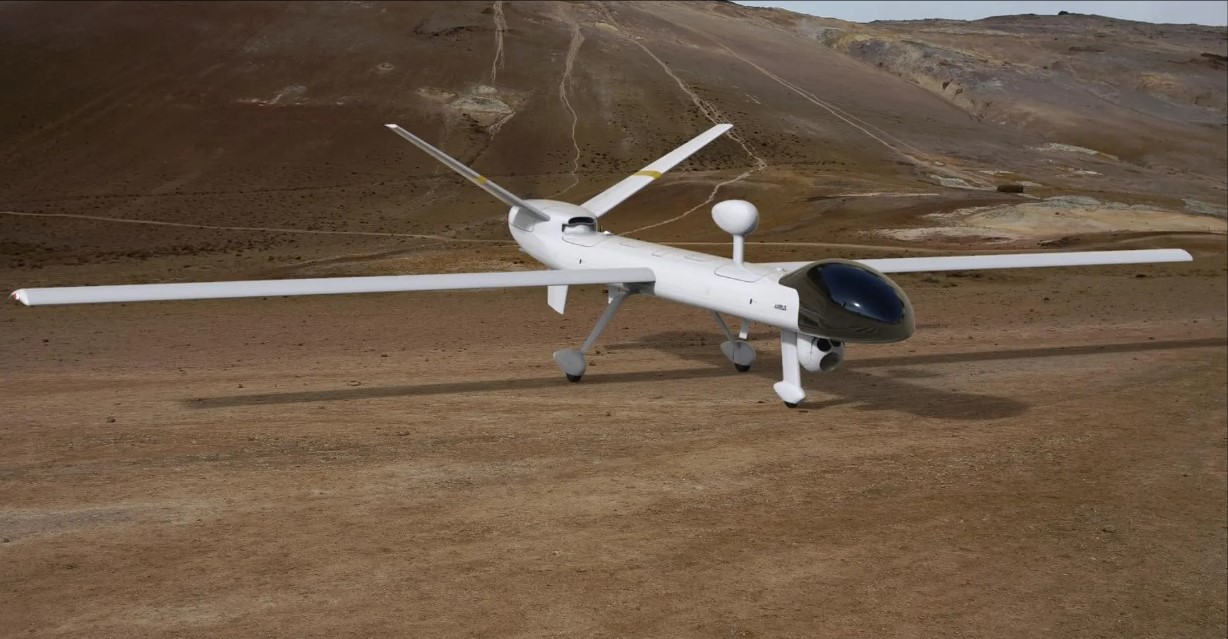
World
Spain’s Ministry of Defence has marked a significant milestone in its quest for aerospace autonomy with the advancement of the SIRTAP programme (High-Performance Tactical Remotely Piloted Aircraft System). This ambitious initiative, which positions Spain as a leader in indigenous defence technology, is moving forward as planned. The first prototype is on track for completion, with a maiden flight anticipated in 2025 following the successful Critical Design Review in June 2024. The SIRTAP (Sistema RPAS Táctico de Altas Prestaciones) represents Spain's first fully domestically developed military drone in the Class II/III category. Tailored to meet the operational demands of the Spanish Army and Air and Space Force, this tactical unmanned aerial system (UAS) is designed to perform under challenging conditions. Its primary roles include intelligence, surveillance, and reconnaissance (ISR) missions, day or night, across a range of temperatures and environments. Key Features and Specifications of SIRTAP The SIRTAP drone showcases Spain’s commitment to cutting-edge design and operational versatility: Dimensions: The drone is 7.3 metres long, 2.5 metres tall, and has an impressive wingspan of 11.3 metres. Range: With a flight range exceeding 2,000 kilometres, the drone offers extensive operational reach. Payload: It is equipped to carry advanced sensors and systems for ISR missions, ensuring precision and effectiveness. All-Weather Capabilities: Engineered to endure extreme weather conditions, the SIRTAP can operate seamlessly in both high and low-temperature environments. The project outlines the production of nine systems, with each system comprising three drones, a ground control station, and two simulators. The delivery of the first system and simulator is set for 2026, while serial production is scheduled to commence in 2027. The entire programme is expected to be completed by 2030. Made in Spain: A Boost for the Aerospace Industry One of the most defining aspects of the SIRTAP programme is its domestic industrial footprint. All aircraft will be manufactured and assembled at the Airbus Defence and Space plant in Getafe, Madrid. As the industrial leader of the programme, Airbus is spearheading the integration of components and technologies supplied by a broad network of Spanish companies. The Industrial Participation Plan embedded within the project not only ensures the localisation of production but also strengthens Spain’s aerospace sector. By involving domestic firms in key aspects of manufacturing and assembly, the programme acts as a growth catalyst for local technological innovation and skilled employment. Future Implications The SIRTAP drone is a testament to Spain’s strategic vision of self-reliance in defence. Beyond bolstering the operational capabilities of its military forces, the project underscores the country’s ambition to be a competitive player in the global defence and aerospace market. The advanced features of the drone, combined with its indigenous origins, are likely to make it an attractive option for international buyers in the future. As the programme progresses, SIRTAP is expected to redefine tactical drone operations while setting a benchmark for homegrown defence technology in Spain. With its advanced ISR capabilities, all-weather resilience, and extended range, this drone marks a significant step forward in Spain's aerospace ambitions.
Read More → Posted on 2025-01-05 16:05:07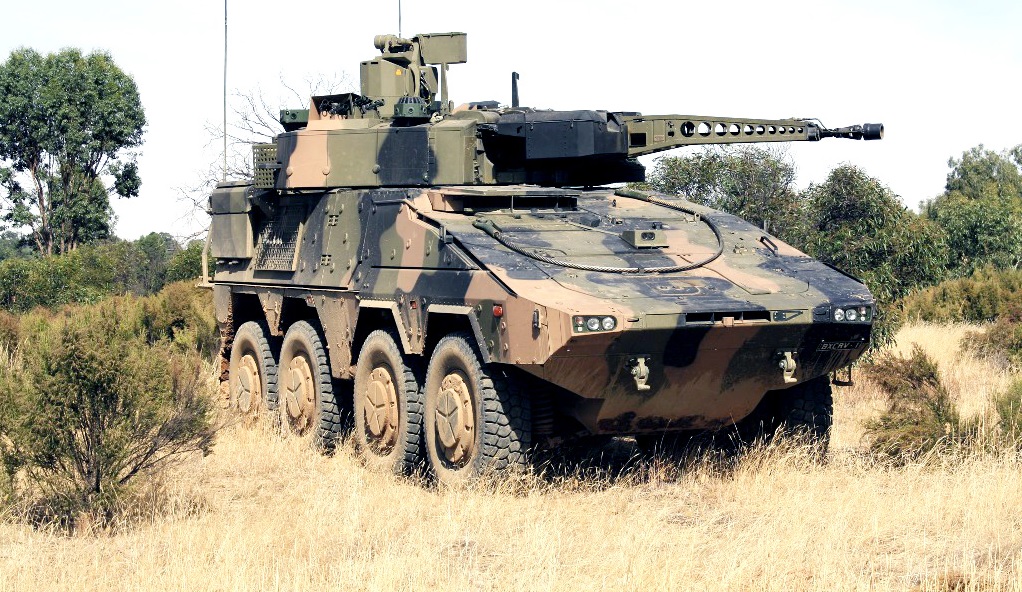
World
In a significant decision that has sparked debate within its defence and political circles, Slovenia has officially cancelled its €350 million contract to acquire Boxer 8x8 armoured personnel carriers (APCs). The move, announced on Thursday, also came with a €4 million penalty, which the Slovenian government has already paid. The procurement of 45 Boxer vehicles was initially signed in May 2022 under the outgoing centre-right administration led by Matej Tonin, Slovenia’s then-defence minister. The deal, managed through the Organisation for Joint Armament Cooperation (OCCAR), involved Germany's Rheinmetall and KNDS Deutschland as manufacturers. However, the agreement faced immediate scrutiny when the new government, which took office shortly afterward, began to question its financial and strategic viability. Why the Deal Was Cancelled The current Slovenian administration, led by Prime Minister Robert Golob, labelled the deal as "ill-considered" and argued that it did not align with the country’s defence needs or financial priorities. By September 2022, the government had signalled its intent to withdraw from the contract. This decision was formalised this week, ending a controversial process that has lingered for over a year. Officials cited concerns over cost-effectiveness and the operational suitability of the Boxer APCs for the Slovenian Armed Forces. The high acquisition cost and the potential long-term maintenance expenses were deemed disproportionate to Slovenia’s defence budget and operational scope. Boxer APC Specifications The Boxer 8x8 is a state-of-the-art multi-role armoured fighting vehicle that has been widely adopted by several NATO member states. Developed by ARTEC—a joint venture between Rheinmetall and KNDS Deutschland—the Boxer is known for its modular design, offering unmatched versatility. Key specifications of the Boxer APC include: Mobility: The vehicle features an 8x8 wheel configuration, making it highly mobile on diverse terrains. It is powered by a 720-horsepower diesel engine, enabling a top speed of approximately 103 km/h. Protection: The Boxer offers advanced ballistic and mine protection, capable of withstanding blasts from improvised explosive devices (IEDs) and anti-tank weapons. Modularity: Its design allows for interchangeable mission modules, ranging from troop transport to medical evacuation and command and control operations. Armament: Depending on configuration, it can be equipped with a variety of weapons systems, including remote-controlled turrets and anti-tank guided missiles. Capacity: It can carry up to 11 personnel, including a driver, commander, and nine fully equipped soldiers. While the Boxer is considered one of the most advanced armoured vehicles globally, its high cost remains a contentious issue for smaller nations like Slovenia. Broader Implications The cancellation of the Boxer deal highlights a broader dilemma faced by smaller NATO nations: balancing modernisation with budgetary constraints. While many member states are upgrading their military capabilities to meet NATO’s 2% GDP defence spending target, not all acquisitions align with the specific needs of individual countries. The decision also reflects Slovenia’s shifting defence priorities. Instead of investing in high-cost APCs, the government may focus on enhancing its infantry, logistics, and border surveillance capabilities, which are more aligned with its strategic position and operational demands. A New Procurement Strategy Slovenia’s withdrawal from the Boxer programme could pave the way for alternative procurement strategies. Analysts speculate that the government may opt for less expensive APCs or seek second-hand options from NATO allies. Such measures would ensure cost-efficiency while still modernising the country’s defence forces. Additionally, the cancellation reinforces the importance of thorough cost-benefit analyses in defence acquisitions, especially for smaller nations with limited resources. Conclusion While Slovenia’s decision to cancel the €350 million Boxer APC deal has closed one chapter of its defence procurement saga, it opens new questions about the future direction of its military modernisation efforts. The government’s willingness to incur a €4 million penalty underscores its determination to prioritise fiscal responsibility and operational suitability over prestige-driven acquisitions. This move, though controversial, sets an important precedent for other nations grappling with similar challenges in defence procurement.
Read More → Posted on 2025-01-05 16:02:57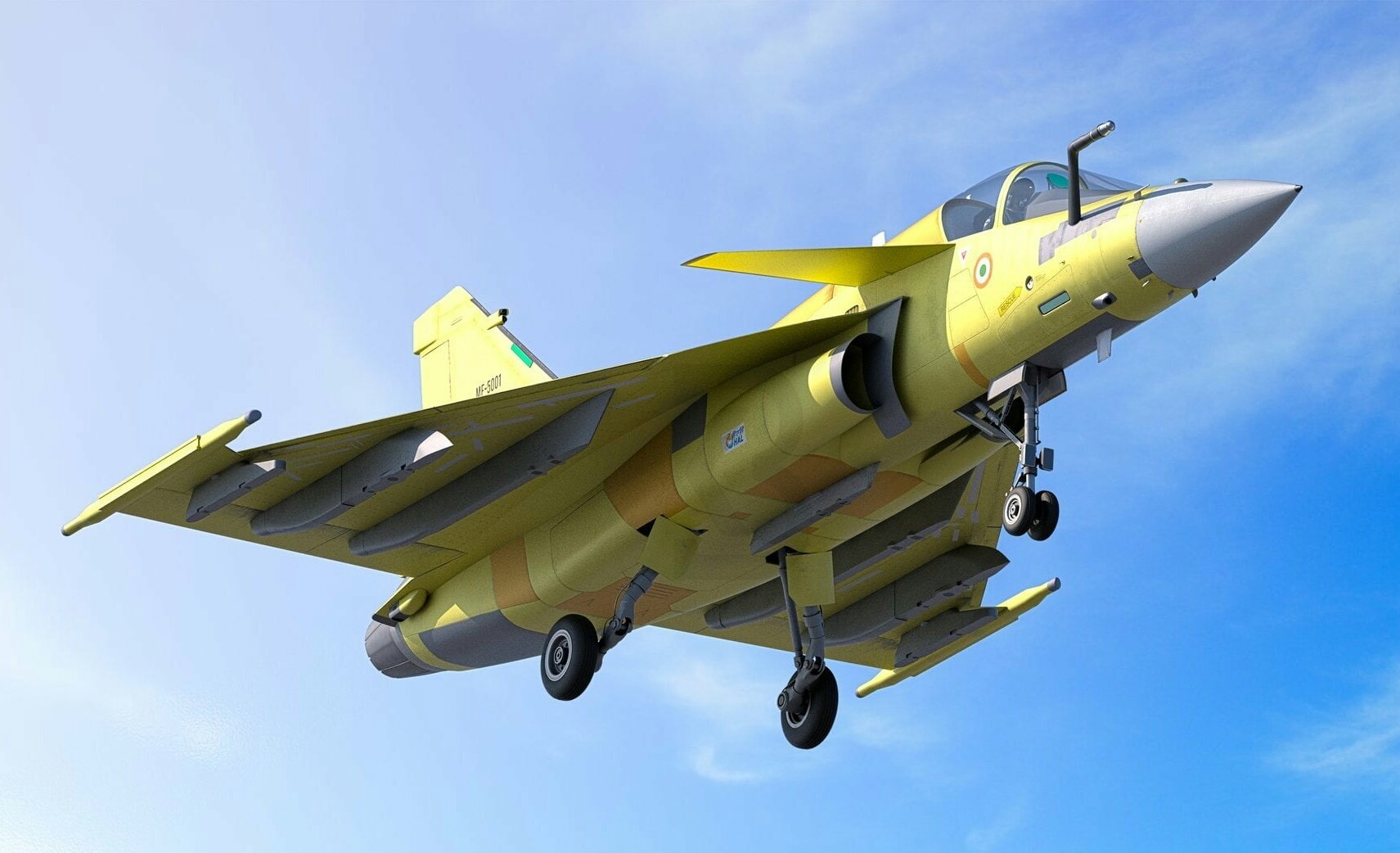
India
The Indian Air Force (IAF) has officially committed to acquiring 120 Tejas Mk2 fighter jets, solidifying the aircraft's role as a central pillar of India's indigenous defence strategy. This number could potentially increase to over 250 units in the coming years, positioning the Tejas Mk2 as a key player in modernizing India's aging combat fleet. A Major Step Towards Fleet Modernization The Tejas Mk2 is set to replace the IAF's aging Jaguar, Mirage-2000, and MiG-29 aircraft, which together constitute more than 250 jets in the current fleet. These older platforms, which have served the IAF for decades, are nearing the end of their operational life and will be phased out completely by 2040. The introduction of the Tejas Mk2 ensures that the IAF remains operationally robust and technologically advanced. In parallel, the IAF has also committed to 220 Tejas Mk1 and Mk1A fighters, with 32 already delivered. An additional 83 Tejas Mk1A jets are currently on order, and 97 more are in the pipeline. These acquisitions underscore the IAF's confidence in the indigenous Tejas program as a cornerstone of its future aerial capabilities. Tejas Mk2 Specifications and Capabilities The Tejas Mk2 is a multirole fighter jet designed to perform air superiority, ground strike, close air support, and reconnaissance missions. Below are some of its key specifications: Engine: Powered by the General Electric GE-F414 turbofan engine, capable of generating 98 kN of thrust. Speed and Range: The aircraft can reach a top speed of Mach 1.8 and has a combat range of 1,500 km with drop tanks. Payload Capacity: Equipped with 11 hardpoints, the Tejas Mk2 can carry a payload of up to 6,500 kg, accommodating a mix of air-to-air missiles, air-to-ground weapons, and precision-guided munitions. Avionics and Radar: Features an advanced active electronically scanned array (AESA) radar, infrared search and track (IRST) system, and advanced electronic warfare (EW) suites. Design Enhancements: A lengthened fuselage and canards for improved aerodynamic performance and maneuverability. Future Prospects and Engine Upgrades The Tejas Mk2 program is designed with future adaptability in mind. There is a potential for the aircraft to be equipped with a more powerful 110 kN-class engine, currently linked to the development of the Advanced Medium Combat Aircraft (AMCA), India’s fifth-generation fighter. This engine is expected to be ready post-2035, enabling the Tejas Mk2 to transition to even greater performance levels in subsequent production phases. The integration of a more powerful engine would not only extend the aircraft’s operational capabilities but also allow it to undertake heavier payloads and advanced mission profiles. This upgrade aligns with India’s strategy of creating scalable and versatile combat platforms. Indigenous Defence Push The Tejas Mk2 is more than just a fighter jet—it is a symbol of India's drive for self-reliance in defence manufacturing. The program has stimulated domestic industries by fostering partnerships and knowledge-sharing among public and private sectors. Hindustan Aeronautics Limited (HAL), the primary contractor, is working alongside several Indian companies to integrate cutting-edge technologies into the Tejas platform. Timeline and Production Goals The first prototype of the Tejas Mk2 is expected to take flight by 2025, with production starting by 2028. The IAF aims to induct the initial batch of Tejas Mk2 jets by 2030. Over the next two decades, this platform will form the backbone of India's air combat fleet, eventually replacing legacy aircraft entirely by 2040. A New Era for Indian Air Power The Tejas Mk2 marks a significant leap forward for the Indian Air Force. With advanced capabilities, scalable design, and indigenous roots, it is set to secure India's airspace while contributing to the nation's strategic autonomy. By 2040, the IAF's commitment to over 250 Tejas Mk2 jets will not only modernize its fleet but also serve as a testament to India's growing defence production capabilities.
Read More → Posted on 2025-01-05 16:00:41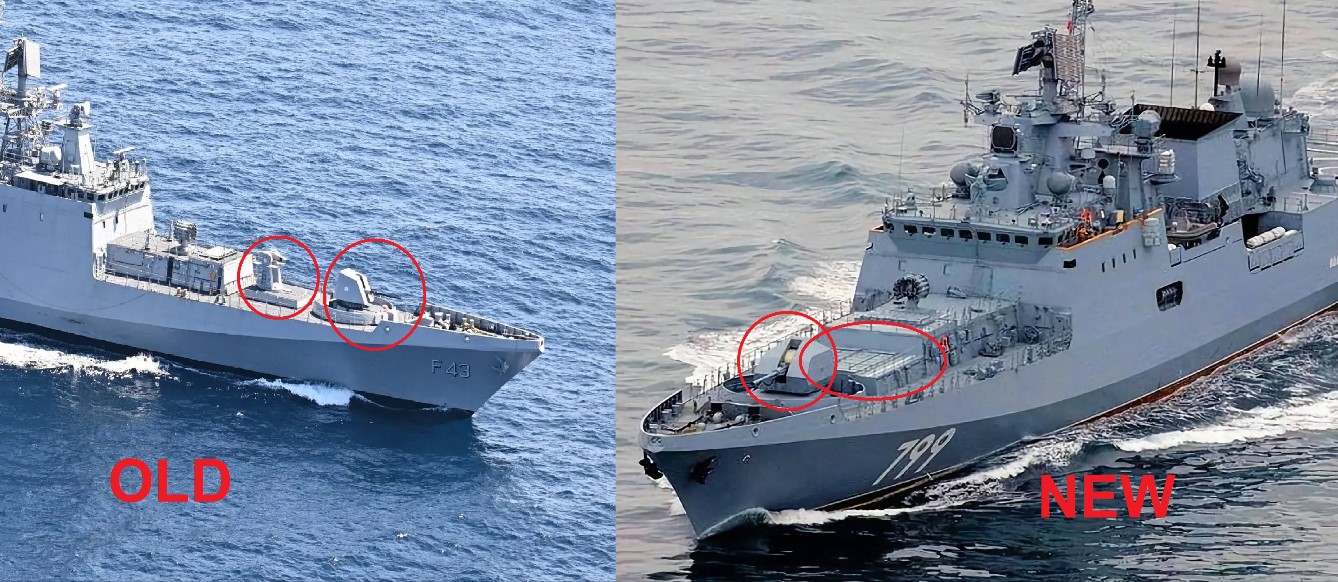
India
The Indian Navy is stepping up its game with a major upgrade to its Talwar-class frigates, ensuring these warships stay ahead in modern naval warfare. The enhancements include the addition of the A-192M Naval Gun and the adoption of a Vertical Launch System (VLS) for the Shtil-1 Air Defense (AD) system. These upgrades bring significant improvements in both firepower and defensive capabilities, bolstering the Navy's strategic edge. A-192M Naval Gun: A Precision Weapon for Modern Warfare The A-192M Naval Gun replaces the earlier A-190E model on the Talwar-class frigates. Known for its deployment on advanced Russian Admiral Gorshkov-class frigates, the A-192M is a next-generation weapon designed to engage both surface and aerial targets effectively. Key specifications of the A-192M Naval Gun: Caliber: 130 mm Maximum Range: Over 23 kilometers for surface targets, with high accuracy. Rate of Fire: Up to 30 rounds per minute. Stealth Design: The gun's housing reduces its radar cross-section, aligning with the stealth profile of the frigates. This upgrade enhances the frigate's offensive capabilities, allowing it to tackle enemy warships, aircraft, and even land-based targets with precision. Additionally, the stealth-friendly design of the A-192M ensures minimal radar detection, a crucial factor in modern naval engagements. Vertical Launch System: Revolutionizing Air Defense The shift from a twin-arm launcher to a Vertical Launch System (VLS) for the Shtil-1 Air Defense system represents a transformative step in the frigates' defensive strategy. The VLS configuration offers a range of benefits that enhance the ship’s ability to counter aerial threats effectively. Key Advantages of the VLS System: Increased Missile Capacity: The VLS allows the storage and launch of a larger number of missiles compared to traditional systems. Faster Reload Times: Quick reloading ensures the frigates remain battle-ready during prolonged engagements. Improved Stealth Features: By eliminating protruding structures, the VLS contributes to the frigate's reduced radar cross-section. Flexibility in Missile Integration: The system supports multiple missile types, such as Vertical Launch Short-Range Air-to-Air Missiles (VLSRAAM) and Medium-Range Surface-to-Air Missiles (MRSAM), enabling layered defense against a wide array of threats. The Shtil-1 system itself is a proven asset in naval defense, capable of neutralizing incoming missiles, aircraft, and other aerial threats at ranges exceeding 50 kilometers. The VLS enhances its effectiveness by allowing rapid, multi-directional deployment of missiles. The Future of Talwar-Class Frigates These upgrades align the Talwar-class frigates with the Navy's broader strategy to modernize its fleet. With enhanced firepower, improved stealth, and advanced air defense capabilities, these frigates are now better equipped to handle the challenges of 21st-century naval warfare. The Indian Navy’s focus on upgrading its existing fleet instead of solely relying on new acquisitions demonstrates a pragmatic approach to maintaining combat readiness. As these frigates integrate these advanced systems, they not only bolster the Navy’s operational capabilities but also send a strong signal of India’s growing maritime power. This modernization effort is part of a larger vision to safeguard India's maritime interests and enhance its presence in the Indo-Pacific region, where strategic challenges are constantly evolving.
Read More → Posted on 2025-01-05 15:54:24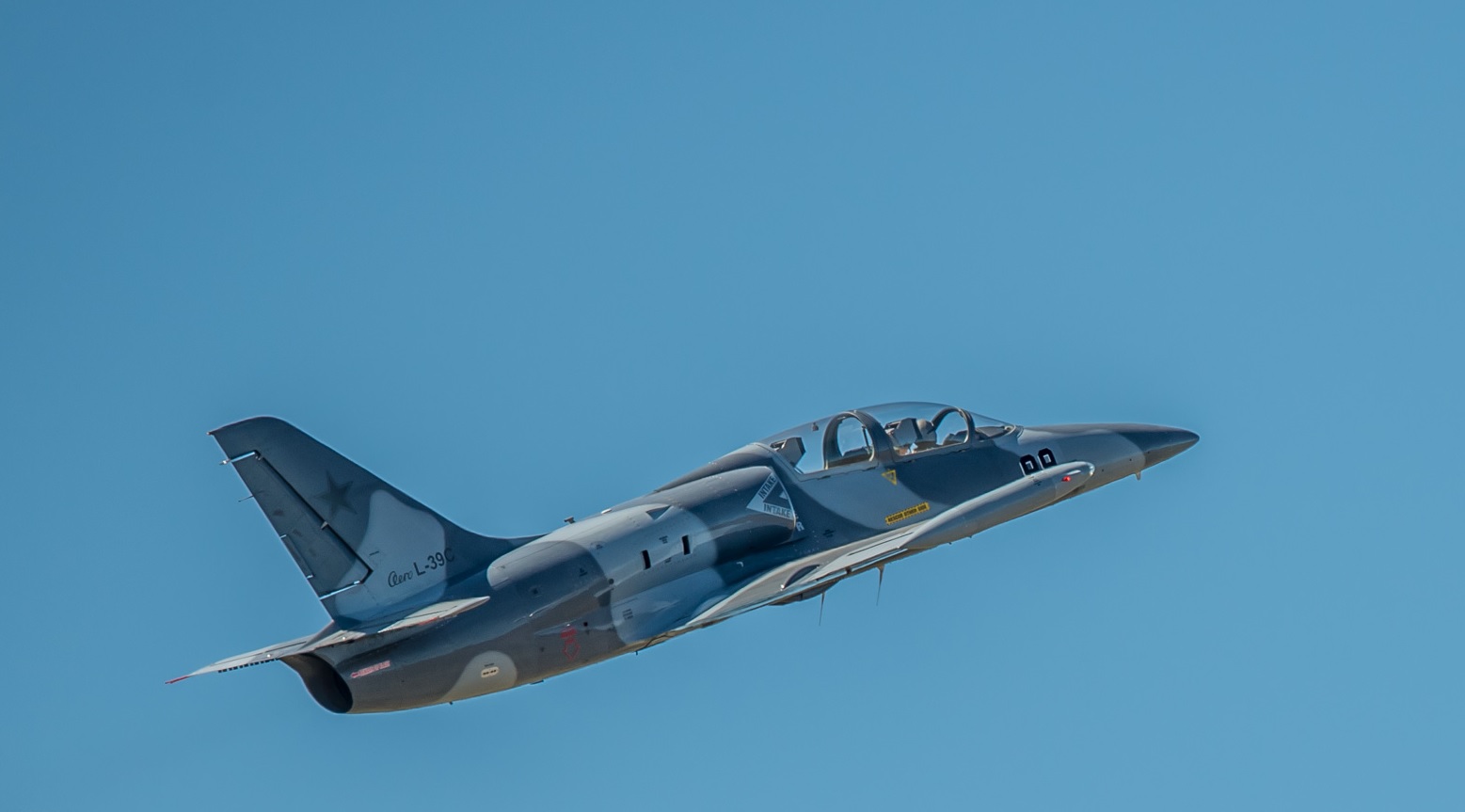
World
British defence and aerospace company Babcock has taken a significant step in enhancing its fighter pilot training capabilities by acquiring 11 L-39 Albatros aircraft from Apache Aviation. This strategic move bolsters Babcock's international pilot training academy in Dijon, France, equipping it to meet the growing demand for advanced military aviation training. The academy operates on a former military base in Dijon and offers a wide range of programmes tailored to the requirements of international air forces. These include training for future fighter pilots, certification for L-39 pilot instructors, retraining for experienced pilots, and specialised courses in close air support missions. All these programmes are designed and conducted by former fighter pilots of the French Air and Space Force, ensuring a high level of expertise and alignment with NATO’s operational standards. The L-39 Albatros: A Versatile Training Aircraft The L-39 Albatros, developed by Czech aerospace manufacturer Aero Vodochody, is a legendary jet trainer known for its versatility and reliability. First introduced in the 1960s, it became the world’s most widely used jet trainer, with over 2,800 units produced. The aircraft is powered by an Ivchenko AI-25TL turbofan engine, enabling a maximum speed of 910 km/h (565 mph). Key specifications of the L-39 Albatros: Length: 12.13 meters (39 feet 10 inches) Wingspan: 9.46 meters (31 feet) Maximum Takeoff Weight: 4,700 kg (10,362 lbs) Range: 1,100 km (684 miles) Service Ceiling: 11,000 meters (36,000 feet) Armament: Optional, including machine guns, rockets, and bombs for light attack roles. The L-39 is particularly valued for its easy handling, durability, and suitability for aerobatic manoeuvres, making it an ideal choice for training fighter pilots in complex combat scenarios. Advanced Training for Military Readiness The L-39 aircraft acquired by Babcock come with a distinguished history, having been part of the Breitling Jet Team, one of the world's largest professional civilian aerobatic display teams. Their legacy of precision flying and aerobatics now transitions into preparing military pilots for the demands of modern aerial combat. Babcock’s academy employs these aircraft for a range of training missions, including simulated combat scenarios, close air support operations, and the use of aircraft as aerial targets for military exercises. These capabilities significantly enhance the operational readiness of fighter squadrons, military ships, and ground units across Europe and beyond. Expanding Capabilities for the Future Pierre Basquin, Babcock’s Chief Executive Aviation and CEO France, highlighted the strategic importance of this acquisition. "Military pilot training is the backbone of robust defence capabilities. By expanding our military training activity, we aim to support our customers' immediate and long-term needs. Our programmes are designed to develop not only technical expertise but also the attitudes and decision-making skills critical for field challenges," he said. The training academy's alignment with NATO’s operational standards ensures that participants receive a comprehensive training experience. The incorporation of advanced combat scenarios on the L-39 aircraft prepares pilots to adapt to the realities of modern warfare, making Babcock a key player in shaping the next generation of fighter pilots. A New Chapter for the L-39 Aircraft With their new role in Dijon, the L-39 aircraft will contribute to shaping the capabilities of military pilots worldwide. Their transition from aerobatic displays to military training underscores their versatility and value in defence applications. This acquisition not only enhances Babcock's training offerings but also strengthens its position as a leader in military aviation training in Europe. By leveraging the capabilities of the L-39 Albatros, Babcock ensures that its clients, ranging from air force squadrons to naval and ground units, receive top-tier training that mirrors real-world operational conditions.
Read More → Posted on 2025-01-05 15:40:43
Science
India's coastline, traditionally recorded as 7,516 kilometers in 1970, has recently been recalculated to measure a staggering 11,098 kilometers in 2023-24. This revelation, based on advanced scientific methods, raises intriguing questions about the underlying causes and implications of this increase. Does it signal a physical expansion of the landmass, or is it a reflection of more precise measurement techniques and environmental factors? Let's explore the reasons behind this remarkable shift. The Evolution of Measurement Techniques Traditional Methods vs. Modern TechnologyIn the 1970s, coastline measurements were conducted using rudimentary cartographic techniques, aerial surveys, and ground-based observations. These methods, while reliable for their time, lacked the precision of today’s advanced tools. Modern measurements utilize: Satellite Imagery: High-resolution satellite data allows for detailed mapping of every nook and cranny of the coastline. Geospatial Technologies: GIS (Geographic Information System) tools offer a more nuanced understanding of intricate coastal features like bays, estuaries, and inlets. Digital Elevation Models (DEM): These provide a 3D representation of coastal terrains, enabling more accurate measurements. Fractal Nature of CoastlinesThe coastline paradox states that coastlines become longer when measured with greater precision. This phenomenon occurs because coastlines are not straight lines but jagged and irregular, filled with natural curves, creeks, and indentations. Modern methods capture these finer details, contributing to an increase in measured length. Natural Factors Influencing the Coastline Rising Sea Levels and Coastal DynamicsOver the past few decades, rising sea levels caused by climate change have inundated low-lying areas. Simultaneously, natural processes such as sediment deposition and coastal erosion have altered the shoreline. Delta Expansion: Rivers like the Ganges and Brahmaputra deposit millions of tons of sediment annually, creating new landforms and extending deltas into the ocean. Mangrove Growth: Mangrove forests along India’s eastern coast, such as the Sundarbans, have expanded in some regions due to conservation efforts, adding to the overall coastline length. Human Activities Reclamation Projects: Cities like Mumbai, Chennai, and Kochi have witnessed large-scale land reclamation for urban and industrial development, altering the coastline. Ports and Harbors: The construction of new ports and the expansion of existing ones has reshaped the coastline in strategic locations. Artificial Islands: Developments in Gujarat and other coastal states have contributed to changes in the shoreline. Environmental and Socioeconomic Implications Biodiversity and EcosystemsAn extended coastline offers diverse habitats for marine and coastal species. However, it also raises concerns about habitat loss due to human encroachment and climate change-induced events such as cyclones and rising sea levels. Maritime Boundaries and Economic ZonesThe recalculation of the coastline could impact India's Exclusive Economic Zone (EEZ), potentially expanding the area over which India has sovereign rights for exploring and utilizing marine resources. Urban Planning and Disaster ManagementAn extended coastline necessitates better planning for coastal cities. With increasing vulnerability to flooding, erosion, and storm surges, robust disaster management frameworks are essential. What Lies Ahead? India’s coastline expansion is not merely a story of numbers; it reflects a dynamic interplay of natural forces, technological advancements, and human activities. Moving forward, understanding these changes will be crucial for sustainable development, conservation efforts, and maritime strategy. This recalibration offers India a unique opportunity to rethink its relationship with its coastlines. While the longer coastline brings new opportunities in trade, tourism, and resource utilization, it also demands greater responsibility in protecting fragile coastal ecosystems. The key will be to balance growth with sustainability, ensuring that India’s coastal heritage is preserved for generations to come.
Read More → Posted on 2025-01-05 15:38:11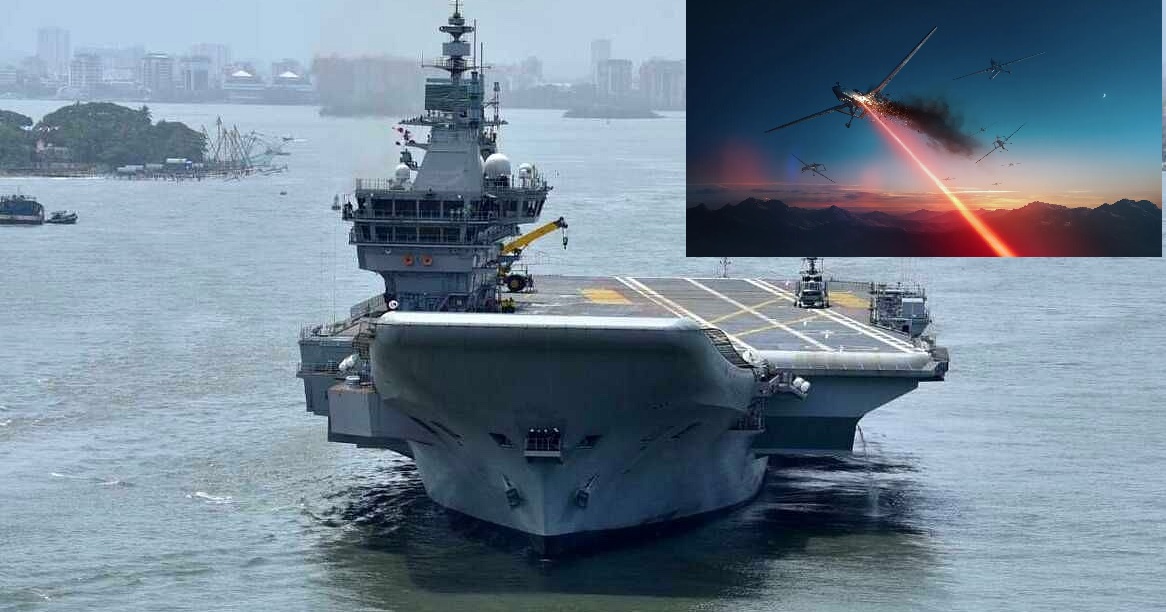
Indian Navy to Deploy Directed Energy Weapons on Aircraft Carriers to Tackle Emerging Aerial Threats
India
In a strategic push to modernize its defense systems, the Indian Navy is gearing up to integrate Directed Energy Weapons (DEWs) onto its aircraft carriers. This advanced technology is poised to counter the rapidly growing threats of loitering munitions and subsonic cruise missiles, which are reshaping the dynamics of naval warfare globally. Loitering munitions, often dubbed "suicide drones," and subsonic cruise missiles have become favored weapons due to their affordability, agility, and ability to saturate traditional defense systems. Their capability to hover over targets before striking makes them challenging to counter using conventional methods. With these threats on the rise, the Indian Navy's adoption of DEWs signals a shift toward cutting-edge, rapid-response technologies. The Power of Directed Energy Weapons Directed Energy Weapons, such as high-energy lasers and microwave systems, offer unprecedented advantages by neutralizing threats at the speed of light. These systems operate by emitting concentrated beams of energy that can disable or destroy incoming projectiles, drones, or missiles. Their rapid response time is especially critical in countering fast-moving threats like cruise missiles, ensuring they are intercepted before reaching their targets. The Indian Navy plans to equip each aircraft carrier with three to four DEWs to ensure full 360-degree protection against aerial threats. This comprehensive coverage will involve the strategic placement of the systems to defend against attacks from all angles and altitudes. Specifications of Indian Navy's DEWs The Defence Research and Development Organisation (DRDO) is at the forefront of developing two distinct DEW systems tailored to meet the Navy's requirements: 30 kW DEW System Designed to counter smaller threats such as drones and loitering munitions. Lower power output for rapid deployment and reduced energy consumption. Currently undergoing trials. 100 kW DEW System Developed to neutralize sophisticated threats like cruise missiles. Higher power output increases the likelihood of disrupting or destroying missile electronics. Offers a broader range of effective engagement. These systems are being designed for integration with the Navy's existing radar and sensor networks, ensuring precise target acquisition and tracking for coordinated defense. Global and Domestic Innovations India’s foray into DEWs aligns with global trends, as countries like the United States have been testing and deploying similar systems. For instance, the US Navy's Laser Weapon System (LaWS) and the Optical Dazzling Interdictor, Navy (ODIN) have demonstrated the potential of laser-based weapons to enhance naval defenses. Domestically, the Indian Navy’s plans are not limited to future carriers but also extend to retrofitting existing ones, such as the INS Vikramaditya, with DEWs. This approach underscores the urgency to modernize naval assets to address present and future threats. Overcoming Challenges A key challenge in deploying multiple high-energy DEWs on aircraft carriers lies in ensuring a reliable power supply. Aircraft carriers already operate under significant space and weight constraints, making energy storage and distribution a critical consideration. The Navy is exploring innovations such as compact nuclear power sources, including Small Modular Reactors (SMRs), to meet these energy demands. Future Prospects As the Indian Navy advances its DEW programs, these systems are expected to become a cornerstone of its defense strategy. The integration of DEWs represents a significant step toward achieving self-reliance in cutting-edge military technology while keeping pace with global defense trends. By adopting DEWs, the Indian Navy aims to establish a robust, future-ready defense mechanism capable of addressing the ever-evolving challenges posed by modern warfare, particularly in the maritime domain. This initiative signals a transformative leap in India’s naval capabilities, ensuring its aircraft carriers remain formidable and well-protected against emerging aerial threats.
Read More → Posted on 2025-01-05 15:22:23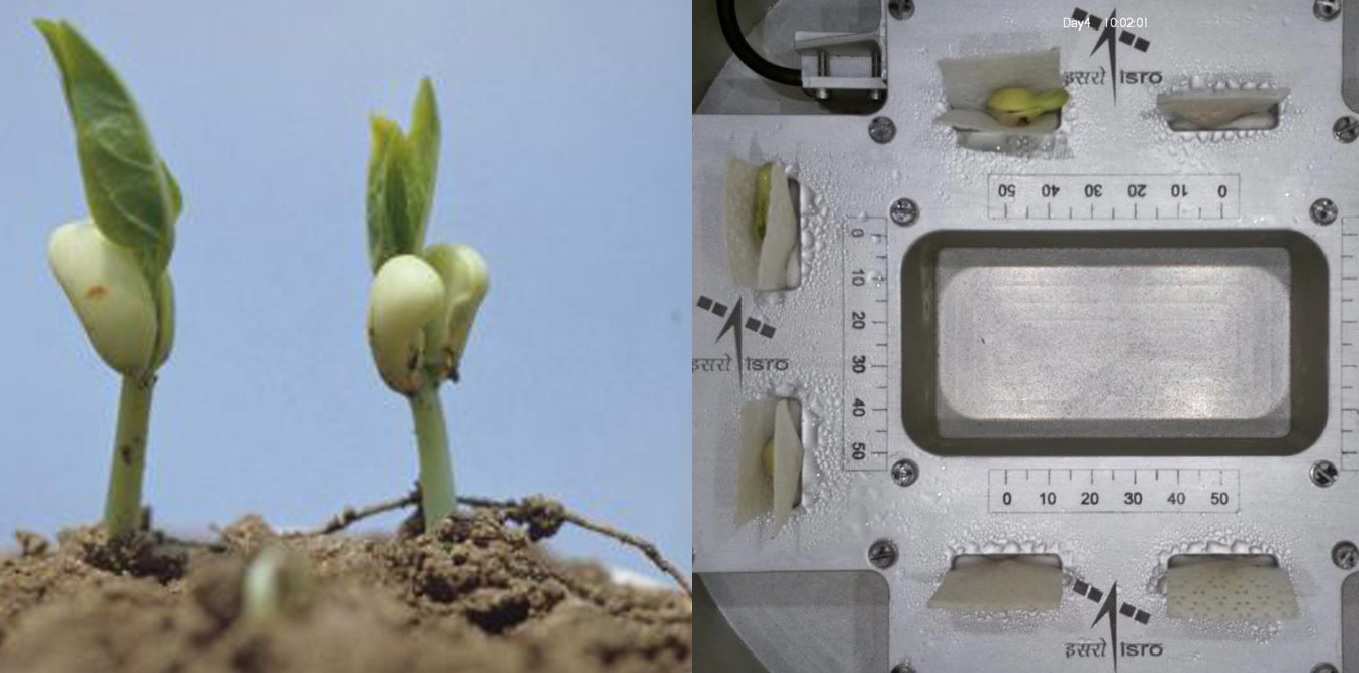
Space & Technology
The Indian Space Research Organisation (ISRO) has made a groundbreaking advancement in space farming by successfully germinating cowpea seeds in microgravity. This experiment, conducted as part of the Compact Research Module for Orbital Plant Studies (CROPS) aboard the PSLV-C60 mission, represents a crucial step in understanding plant growth in space environments. Key Details of the Experiment Launched on December 30, 2024, the experiment saw eight cowpea seeds sprout within just four days of being exposed to the carefully regulated conditions aboard the spacecraft. This rapid germination offers significant insights into the potential for cultivating crops during long-duration space missions. The seeds were part of a compact and innovative system designed by the Vikram Sarabhai Space Centre (VSSC). Known as a closed-box environment, this system replicated Earth-like conditions to create an optimal growth setting. The module included the following features: Active Thermal Control: Maintains a stable temperature essential for plant development. Environmental Monitoring: Sensors tracked critical factors like oxygen and carbon dioxide levels, temperature, relative humidity, and soil moisture. These parameters are vital for understanding plant health and growth dynamics. Microgravity Adaptation Study: The module was specifically tailored to assess how microgravity influences the seed's germination process and overall growth. The CROPS experiment is set to last five to seven days. The objective is to observe the plants not just germinating but growing until they reach the two-leaf stage. The leaves are expected to appear shortly after germination, showcasing a successful progression of plant growth in space. Why This Matters This milestone is a major step toward sustainable space farming, which is critical for supporting human life on long-term space missions to destinations like Mars. Understanding how plants adapt to microgravity and controlled environments will help address food supply challenges during interplanetary travel. By unlocking the potential to grow crops in space, ISRO aims to pave the way for self-sustaining ecosystems that could reduce dependency on Earth-based supplies during extended missions. Other Highlights: Space Docking Experiment In addition to the CROPS experiment, ISRO is also advancing its capabilities with a space docking experiment. A chaser satellite is orbiting Earth at an altitude of 470 km and is set to dock with a target satellite. If successful, this achievement would place India alongside global space leaders—Russia, the US, and China—in mastering this complex technology. The Bigger Picture The successful germination of cowpea seeds and the space docking experiment underscore ISRO’s innovative approach to advancing space exploration. With these strides, ISRO is not only demonstrating India's growing prowess in space technology but also contributing significantly to humanity's future in interplanetary exploration. These achievements mark a pivotal moment for ISRO and solidify its position as a global leader in cutting-edge space research and technology development.
Read More → Posted on 2025-01-05 15:19:05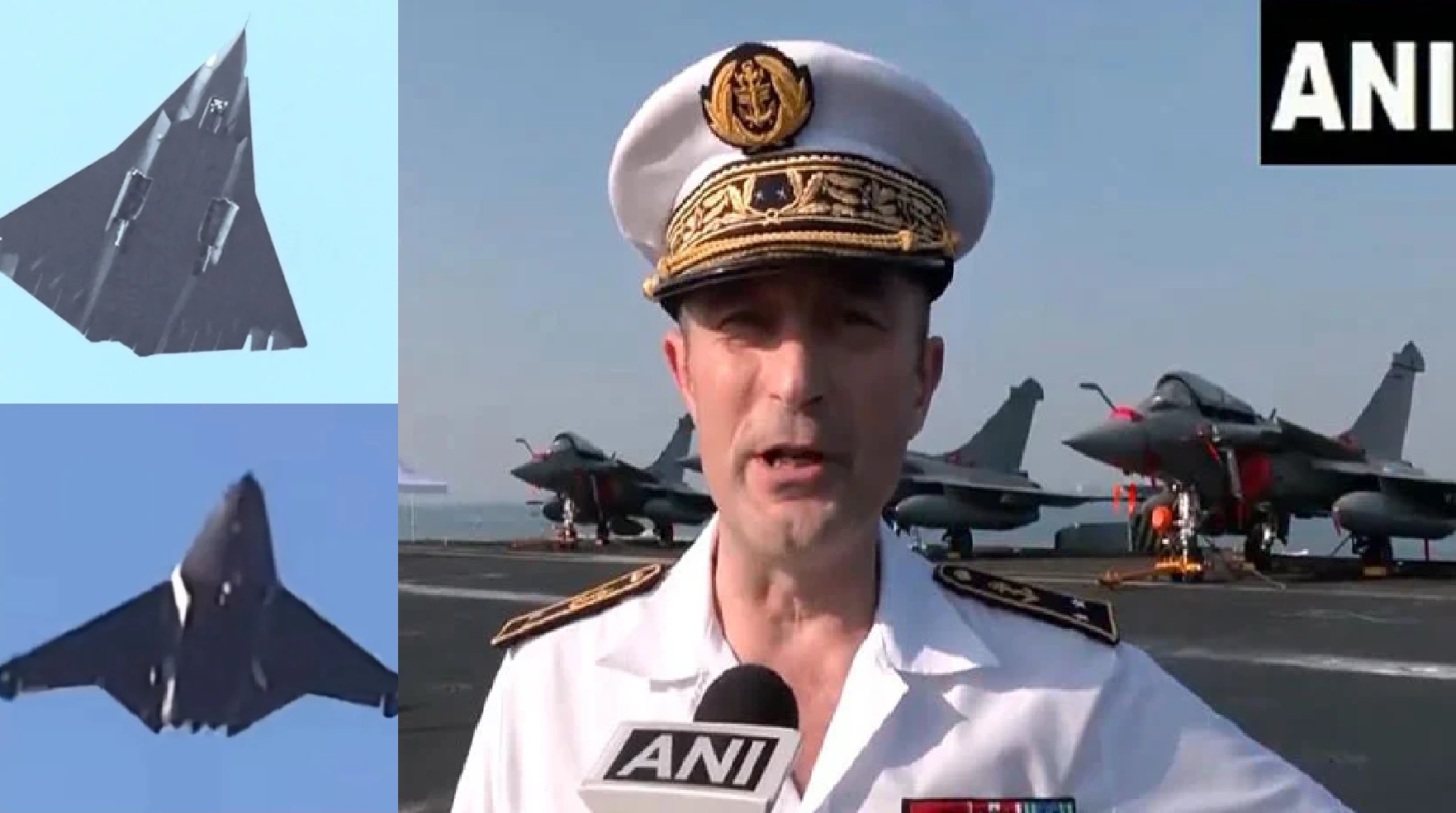
World
The world of military aviation is abuzz with discussions about sixth-generation fighter jets, particularly following recent reports and social media leaks suggesting China's progress in developing such aircraft. However, a French naval officer has poured cold water on the hype, describing the concept as more of a distant dream than a present reality. French Navy Carrier Air Wing Commander Guillaume Denis, who is currently in India with the Charles De Gaulle aircraft carrier strike group, offered a candid perspective on the matter, emphasizing the practical capabilities of the Dassault Rafale over the theoretical promises of sixth-generation fighters. Commander Denis, speaking to ANI, noted that while sixth-generation aircraft may dominate discussions, their actual deployment is a long way off. "6th (generation aircraft) is a bit of a dream right now. Right now, it is only on paper," he said, adding that the Rafale, though not technically classified as stealthy, is built to execute multiple missions simultaneously—one of the hallmark features of fifth-generation aircraft. The Rafale’s modular design ensures it can be upgraded every two years, allowing it to remain highly competitive. The Rafale’s Edge: Proven and Battle-Ready The Dassault Rafale, often considered one of the most versatile and combat-proven aircraft, has carved out a significant niche in global military aviation. While it does not boast stealth capabilities like the F-35, its adaptability and superior weaponry, such as the Meteor air-to-air missile, make it a formidable platform. Commander Denis highlighted the Meteor as “probably one of the best missiles you can find in the world,” capable of outmatching most air-to-air threats with its beyond-visual-range (BVR) engagement capabilities. Designed as an omnirole fighter, the Rafale can perform air dominance, ground attack, reconnaissance, and nuclear deterrence missions with seamless efficiency. Its twin-engine configuration provides exceptional reliability and power, while its advanced avionics, radar systems, and electronic warfare suite ensure survivability in high-threat environments. Rafale Specifications at a Glance: Engines: 2 x Snecma M88-2 turbofan engines Maximum Speed: Mach 1.8 (1,912 km/h) Combat Range: Approximately 1,850 km Armament: Air-to-Air Missiles: Meteor, MICA IR/EM Air-to-Ground Missiles: SCALP-EG, AASM Hammer Anti-Ship Missiles: AM39 Exocet Payload: 9,500 kg Radar: Thales RBE2 AESA radar Stealth Features: Limited radar cross-section due to composite materials and aerodynamic design These specifications underscore why the Rafale has been a popular choice for air forces worldwide, including India, Qatar, and Egypt. Its operational reliability and adaptability to diverse mission requirements make it a proven workhorse compared to the speculative nature of sixth-generation concepts. The Chinese Sixth-Generation Fighter: A Speculative Future The buzz surrounding China's sixth-generation fighter largely stems from leaked visuals and speculative reports. While details remain scarce, such aircraft are expected to incorporate cutting-edge technologies like advanced stealth, artificial intelligence, hypersonic capabilities, and collaborative manned-unmanned operations. However, Commander Denis pointed out that transitioning from concepts on paper to operational aircraft is a lengthy and uncertain process. The development of a mature ecosystem, including engines, avionics, and weapon systems, remains a significant challenge for even the most advanced nations. The French officer’s remarks are particularly relevant in the context of India’s defense landscape, where comparisons between the Rafale, domestic programs like the AMCA (Advanced Medium Combat Aircraft), and international competitors like the F-35 often dominate discourse. India’s Rafale Marine Deal on the Horizon India has already inducted 36 Rafales into its air force, and the Rafale Marine is now poised to join the Indian Navy. The country is expected to finalize a contract soon for 16 Rafale Marine fighters to operate from its indigenously built aircraft carrier, INS Vikrant. This decision underscores India's confidence in the Rafale’s capabilities, particularly in challenging maritime environments. The Rafale Marine variant, specifically tailored for carrier-based operations, features reinforced landing gear, an arrestor hook, and other modifications to suit naval missions. It is likely to be a game-changer for the Indian Navy, which has long sought a reliable fighter for its carrier fleet. A Battle of Present Versus Future While sixth-generation fighter jets promise to revolutionize air combat, they remain largely theoretical. The Rafale, on the other hand, continues to demonstrate its mettle in real-world operations, bridging the gap between fifth-generation features and practical reliability. Commander Guillaume Denis’ remarks highlight the importance of proven capabilities over speculative advancements, reinforcing the notion that the Rafale is not just a contender but a champion in the current global fighter landscape.
Read More → Posted on 2025-01-05 15:13:51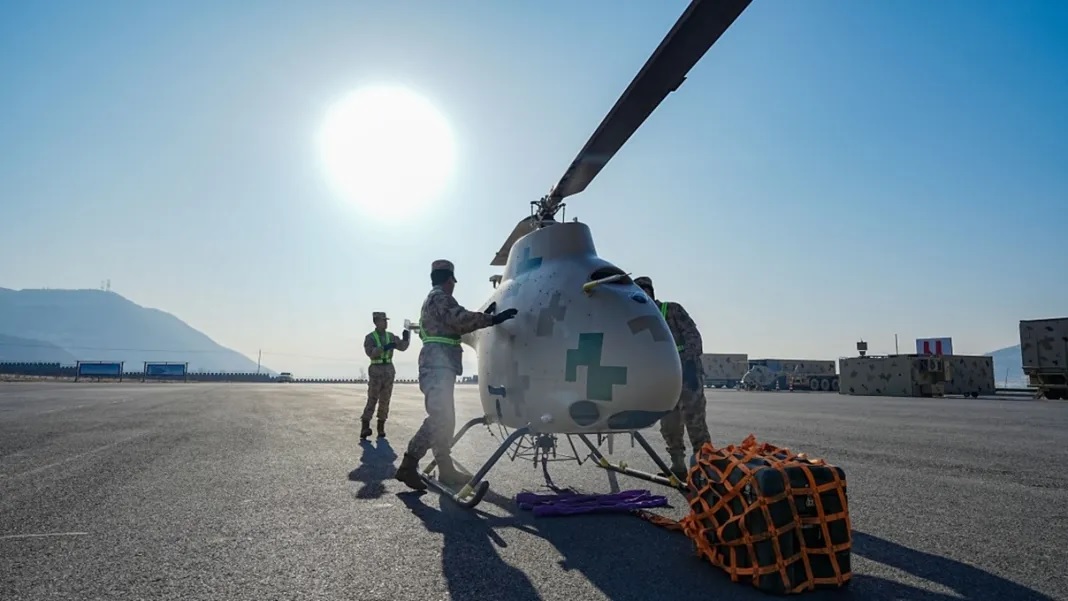
World
On January 2, the Xining Joint Logistic Support Center of the Chinese military demonstrated a new helicopter-style cargo drone during a specialized operational training session. This advanced unmanned aerial vehicle (UAV) has been designed to tackle logistical challenges, particularly in rugged terrains and remote areas where traditional delivery methods are less effective. Advanced Features of the Cargo Drone The showcased drone is a vertical takeoff and landing (VTOL) UAV resembling a helicopter, equipped with state-of-the-art features for optimal performance: Payload Capacity: Capable of carrying loads of up to 500 kilograms, it is ideal for delivering essential supplies, including medical kits, ammunition, and humanitarian aid. Operational Range: With a range exceeding 300 kilometers, the drone can navigate across large distances, ensuring critical supplies reach remote outposts or disaster-stricken regions. Autonomous Navigation: The UAV integrates advanced AI-based navigation systems, enabling precise route planning, obstacle avoidance, and autonomous flight in adverse weather conditions. Durability: Built with robust materials, it can withstand extreme temperatures and operate effectively in high-altitude environments or harsh climates. Stealth Features: Designed to minimize radar detection, the UAV can conduct operations discreetly, adding a tactical advantage in military scenarios. Military and Civil Applications The cargo drone has been developed as part of China’s broader efforts to modernize its military logistics and operational capabilities. Beyond military use, its applications extend to civil domains: Emergency Relief: Rapidly delivering food, medical aid, and other essentials to disaster-hit areas. Infrastructure Support: Transporting tools and supplies to remote construction or maintenance sites. Medical Evacuations: Acting as a fast-response vehicle for critical medical emergencies in inaccessible regions. Implications for Modern Warfare and Logistics The integration of UAVs like this cargo drone reflects a global shift toward unmanned systems in logistics and warfare. By reducing reliance on human personnel in risky or hard-to-reach areas, such technologies enhance operational efficiency while minimizing casualties. China’s focus on UAV innovation underscores its strategic intent to maintain a competitive edge in modern military and logistical capabilities. The ability to deploy such drones rapidly in diverse scenarios—from natural disasters to armed conflicts—aligns with its aim to build a versatile and technologically advanced military force. Broader Context This development is part of China’s ongoing efforts to integrate artificial intelligence, robotics, and advanced engineering into its defense sector. Recent reports suggest that the Chinese military has been testing various UAVs for reconnaissance, combat, and logistical roles, cementing its position as a leader in unmanned aerial technology. As training with these drones continues, China is likely to refine their operational frameworks, ensuring seamless integration with existing systems. This focus on innovation demonstrates China’s strategic emphasis on self-reliance and preparedness in an increasingly competitive global landscape. By addressing logistical challenges through advanced UAVs, China reinforces its capability to respond swiftly and effectively to crises, whether on the battlefield or in humanitarian missions.
Read More → Posted on 2025-01-04 15:49:24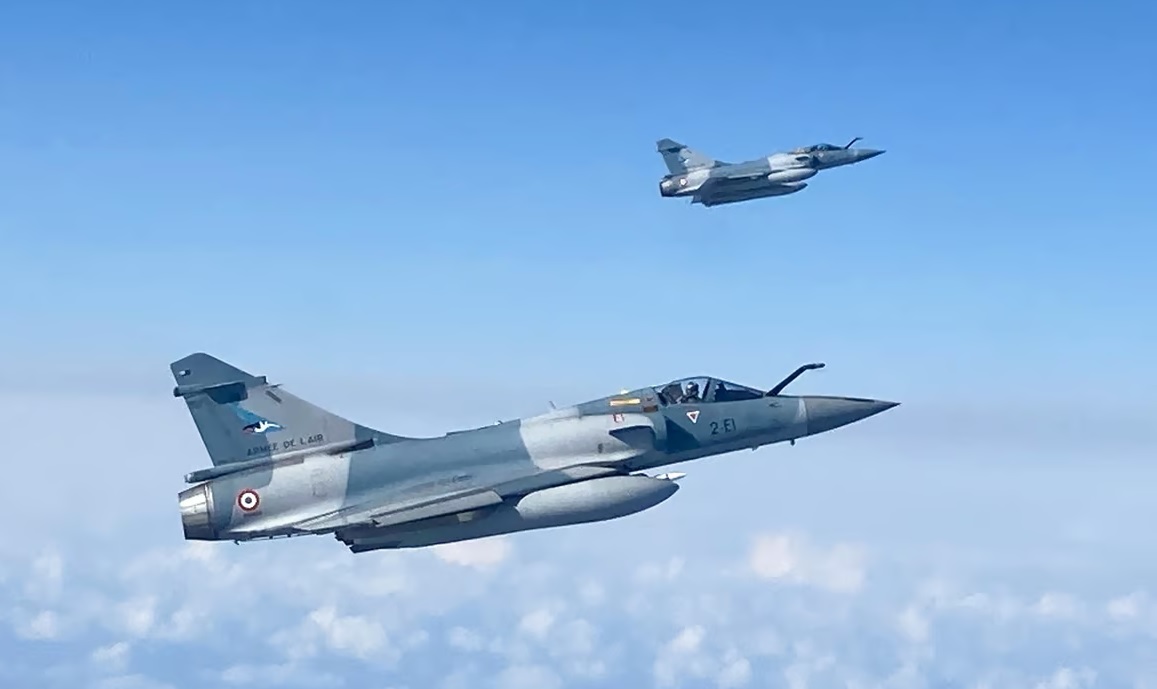
World
In a significant development for Ukraine’s defense capabilities, France is set to deliver the first batch of Mirage 2000-5 fighter jets by January 20, 2025. Reports suggest that the initial shipment will include three to six aircraft, marking a critical addition to Ukraine’s air force amid the ongoing conflict with Russia. These jets, originally part of the French Air and Space Force, have undergone substantial upgrades to enhance their operational capabilities. Advanced Specifications of Mirage 2000-5 The Mirage 2000-5 is a fourth-generation multirole fighter jet designed and manufactured by Dassault Aviation. Known for its agility and combat effectiveness, this aircraft offers the following key specifications: Engine: Powered by a single Snecma M53-P2 turbofan engine, generating 64 kN (kilonewtons) of thrust dry and 95.1 kN with afterburners. Speed: Capable of reaching a maximum speed of Mach 2.2 (approximately 2,336 km/h or 1,452 mph). Range: Offers a combat radius of approximately 1,500 kilometers, extendable with external fuel tanks. Armament: Equipped with two DEFA 554 30mm cannons and can carry up to 6.3 tons of payload, including air-to-air missiles (like the MICA), air-to-ground weapons, and long-range SCALP-EG or Storm Shadow cruise missiles. Avionics: Features advanced radar systems, including the RDY-2 multi-target radar, and a state-of-the-art glass cockpit for superior situational awareness. These upgrades have been implemented by France’s Directorate General of Armaments (DGA), ensuring the aircraft’s compatibility with modern warfare requirements. Strategic Implications of the Delivery The Mirage 2000-5 jets are expected to replace Ukraine’s aging Soviet-era Su-24 bombers, significantly enhancing its air force’s operational effectiveness. Smaller and lighter than the MiG-29 or Su-27, the Mirage jets offer superior maneuverability and precision-strike capabilities, making them ideal for the dynamic demands of modern aerial combat. The delivery also highlights the deepening defense partnership between France and Ukraine. Negotiated through sustained diplomatic efforts by French President Emmanuel Macron and Ukrainian President Volodymyr Zelensky, the deal underscores France’s commitment to supporting Ukraine's sovereignty and territorial integrity. Operational Readiness Reports indicate that Ukrainian pilots have already commenced training flights with the Mirage 2000-5 jets, and the first operational sorties are expected soon after their formal delivery. These aircraft, coupled with long-range cruise missiles already in Ukraine’s arsenal, such as the SCALP-EG, provide an extended operational reach. This capability allows Ukraine to launch precision strikes on critical targets deep within Russian-held territory, enhancing its offensive and defensive strategies. A Milestone for European Defense Contributions This delivery marks the first instance of European-designed and manufactured fighter jets being supplied to Ukraine, complementing earlier transfers of American-made F-16s. The inclusion of the Mirage 2000-5F diversifies Ukraine’s air force, integrating advanced Western technologies and bridging gaps in its aerial combat capabilities. The Mirage jets, like the previously supplied Caesar howitzers and AMX-10RC armored vehicles, reflect France’s steadfast support for Ukraine amid its fight against Russian aggression. As Ukraine continues to modernize its military assets with international support, the arrival of these jets represents a critical step in strengthening its air power and deterring adversarial threats. This development not only reinforces Ukraine’s defense posture but also showcases the broader international effort to uphold the principles of sovereignty and territorial integrity in the face of aggression.
Read More → Posted on 2025-01-04 15:46:07
World
China’s aviation industry has captured global attention once again, as leaked footage from Chinese social media platform Weibo showcases a stealthy, futuristic fighter jet believed to be the next-generation J-50. This development marks a significant leap in China’s pursuit of cutting-edge air combat technologies and reaffirms its ambitions to compete with other major powers in the global aerospace arena. Design and Aerodynamics The J-50, reportedly developed by Shenyang Aircraft Corporation (SAC), is designed with an advanced “lambda” wing profile, characterized by sharply swept wings and triangular trailing-edge extensions. This design not only enhances aerodynamics but also emphasizes stealth and agility, making the aircraft adept at maneuvering in complex combat scenarios. The jet’s dual-engine layout is complemented by stealth-optimized exhausts, reducing its infrared signature. This allows the J-50 to evade advanced detection systems, giving it an edge in modern air combat. The aircraft also incorporates cutting-edge materials, likely composites, to further reduce radar cross-section (RCS) while maintaining structural integrity. Key Features and Specifications Stealth Capabilities: The J-50 includes an internal weapons bay, a hallmark of stealth aircraft, minimizing its radar signature while carrying advanced munitions. This feature aligns it with existing stealth platforms such as the U.S. F-22 Raptor and China’s J-20. Enhanced Sensors and Avionics: While specific details remain unconfirmed, sixth-generation fighters like the J-50 are expected to feature advanced sensor fusion, artificial intelligence (AI)-powered systems, and data-sharing capabilities, enabling seamless coordination with unmanned drones and other networked assets. Manned-Unmanned Teaming: The aircraft’s design philosophy reportedly emphasizes manned-unmanned teaming, allowing it to coordinate with autonomous drones to extend its situational awareness and combat reach. Advanced Propulsion: Speculation suggests that the J-50 may utilize advanced turbofan engines capable of supercruise (sustained supersonic flight without afterburners) and thrust vectoring for superior agility and speed. Weapon Systems: The aircraft is expected to carry a mix of air-to-air missiles, precision-guided bombs, and possibly hypersonic weapons, further enhancing its versatility in both offensive and defensive roles. Development Timeline and Context According to unconfirmed reports, the J-50 prototype successfully completed its maiden flight on December 20, signaling rapid progress in China’s aviation development. This timeline aligns with China’s broader ambitions to field a sixth-generation fighter by the early 2030s, keeping pace with similar efforts by the United States, Europe, and Japan. Globally, sixth-generation fighters are expected to revolutionize air combat with features such as networked operations, enhanced stealth, and multi-role adaptability. The J-50 seems poised to compete in this league, showcasing China’s intent to not only maintain but expand its strategic air dominance. Strategic Implications The emergence of the J-50 highlights China’s growing emphasis on quality over quantity in its air fleet. While the country already boasts a sizable fleet of fifth-generation fighters like the J-20, the J-50 represents a significant qualitative leap, integrating futuristic technologies to challenge adversaries in contested airspaces. Analysts predict the J-50 will play a pivotal role in bolstering China’s power projection capabilities, particularly in regions such as the South China Sea and the Taiwan Strait. Its long-range stealth capabilities could enable precision strikes and deep-penetration missions, complicating the defensive strategies of rival forces. Conclusion While the full scope of the J-50’s capabilities remains under wraps, the leaked video offers a tantalizing glimpse into China’s aviation future. As testing continues, the J-50 stands as a testament to China’s determination to lead in next-generation air combat technologies, signaling a shift in the balance of global airpower. With its cutting-edge design and anticipated features, the J-50 is set to redefine the battlefield dynamics of the 21st century, establishing China as a formidable force in the ever-evolving realm of military aviation.
Read More → Posted on 2025-01-04 15:44:02
India
The Combat Vehicles Research and Development Establishment (CVRDE), a key laboratory under India’s Defence Research and Development Organisation (DRDO), has introduced plans for a new 700HP engine specifically designed for the Zorawar Light Tank. This development signifies a crucial step toward bolstering India's defense capabilities through indigenous innovation, ensuring operational reliability, and reducing dependence on foreign imports. Why a New Engine for the Zorawar Light Tank? The Zorawar Light Tank, a high-mobility combat vehicle tailored for mountainous terrains like Ladakh, is currently powered by an imported Cummins 750HP engine. This engine will equip the first batch of 59 tanks, meeting initial requirements. However, with plans to manufacture an additional 240 tanks, reliance on foreign-made engines raises strategic concerns, including supply chain vulnerabilities and long-term costs. CVRDE's proposal for an indigenous 700HP engine addresses these challenges, providing an optimized solution that ensures sustained performance while fitting seamlessly into the existing engine bay of the Zorawar. This locally developed powerplant aims to enhance operational independence and align with India's broader vision of self-reliance in defense manufacturing. Specifications of the 700HP Engine The new 700HP engine from CVRDE offers cutting-edge engineering to meet the unique requirements of the Zorawar Light Tank. Key specifications include: Configuration: 8-cylinder V90 engine with a cross-plane crankshaft for better balance and reduced vibrations, reinforced with tungsten inserts for enhanced durability. Dimensions: Bore x Stroke of 114 mm x 112 mm, ensuring compactness without compromising power. Performance: Maximum speed: 3600 rpm. Advanced features: Overhead Valve (OHV) system, a waste-gated turbocharger, and a charge cooler for optimal power delivery and thermal efficiency. Fuel System: Common Rail Direct Injection (CRDI), which ensures precise fuel delivery for better efficiency and lower emissions. Lubrication: Dry-sump lubrication system to maintain consistent oil flow during steep inclines and rugged maneuvers. Operational Efficiency: Mean piston speed: Approximately 13.4 m/s. Brake Mean Effective Pressure (BMEP): 23 bar, delivering reliable power output even under challenging conditions. Strategic Benefits of the New Engine The indigenous engine is not only a technical upgrade but also a strategic necessity. Scaling up production with the Cummins 750HP engine could create logistical hurdles, including dependency on imports, potential delays, and higher costs. Additionally, CVRDE's engine provides a custom solution tailored to India’s unique requirements, including: Seamless Integration: The engine’s compact design ensures compatibility with the existing engine bay, eliminating the need for significant structural changes. High-Altitude Efficiency: Designed to perform optimally in thin air and extreme cold, it enhances mobility in mountainous regions like Ladakh, where traditional tanks face limitations. Reduced Downgrading Risks: Alternative options, such as downsizing a 1000HP engine to fit the Zorawar, would have required extensive modifications, potentially impacting other critical systems within the tank. The Road Ahead As India moves toward self-reliance in defense manufacturing, the development of the 700HP engine for the Zorawar Light Tank represents a significant milestone. While the imported Cummins engine has proven effective for initial production, the indigenous engine aligns with long-term goals of strategic autonomy, cost efficiency, and adaptability to India’s unique operational environments. The proposed engine is expected to undergo rigorous testing to meet the Indian Army's stringent requirements, ensuring its reliability and durability in the field. Once validated, this indigenous powerplant could set a benchmark for future armored vehicle projects, reinforcing India's position as a global leader in defense innovation. By combining advanced engineering with strategic foresight, CVRDE’s initiative underscores the importance of homegrown solutions in safeguarding national security and operational readiness.
Read More → Posted on 2025-01-04 15:36:32Search
Top Trending in 24 Hours
-
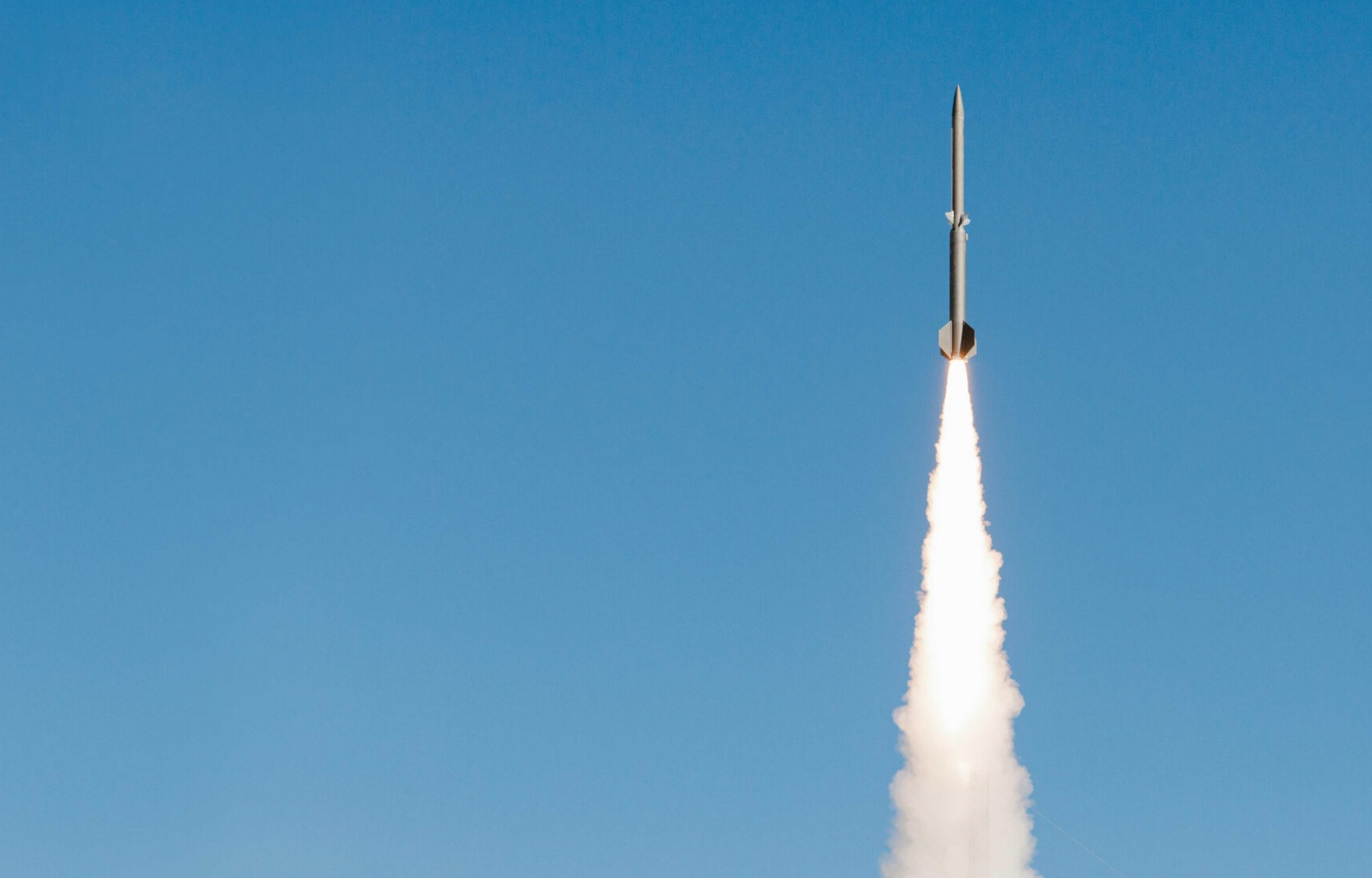 U.S Navy Orders 50 Blackbeard Hypersonic Missiles in New $23.4 Million Contract
-
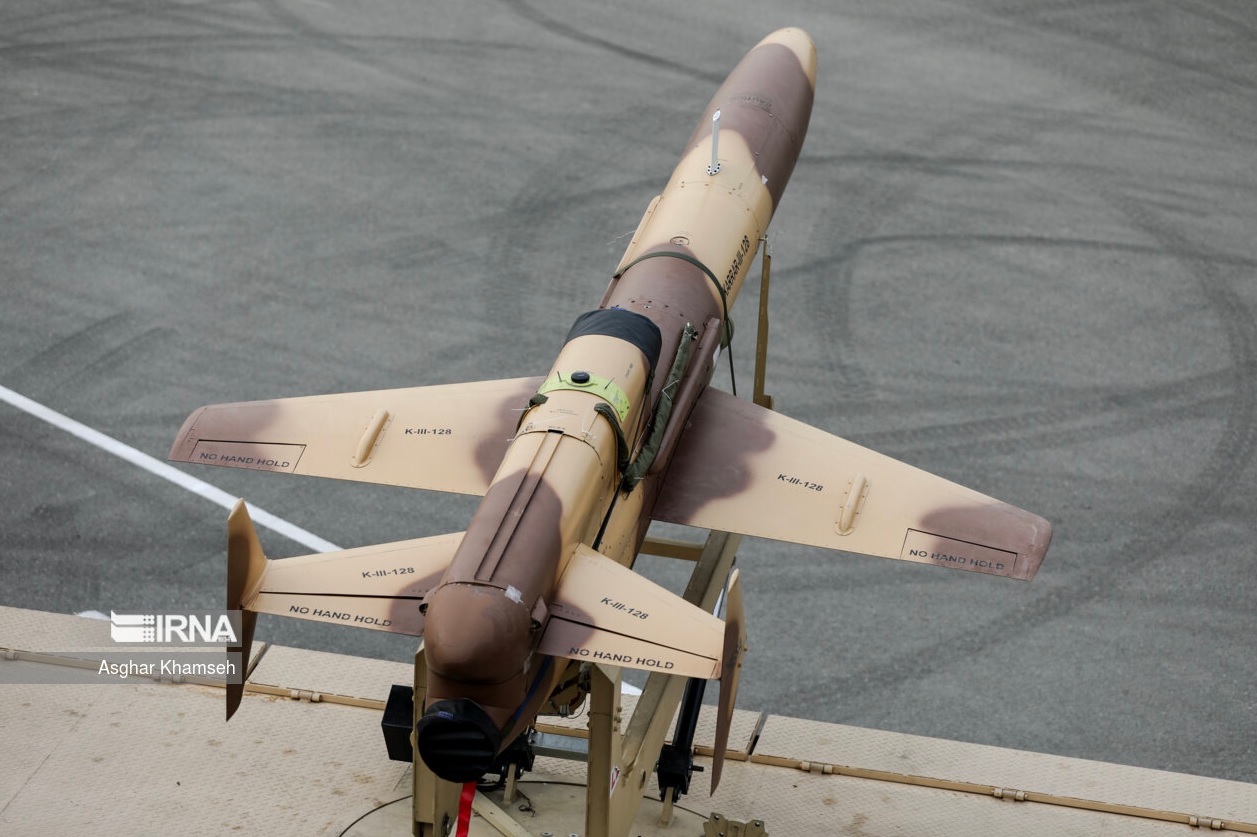 Russia Launches 1,400 Jet-Powered Drones in 2026 as Strike Tactics Evolve to Challenge Ukraine's Air Defenses
-
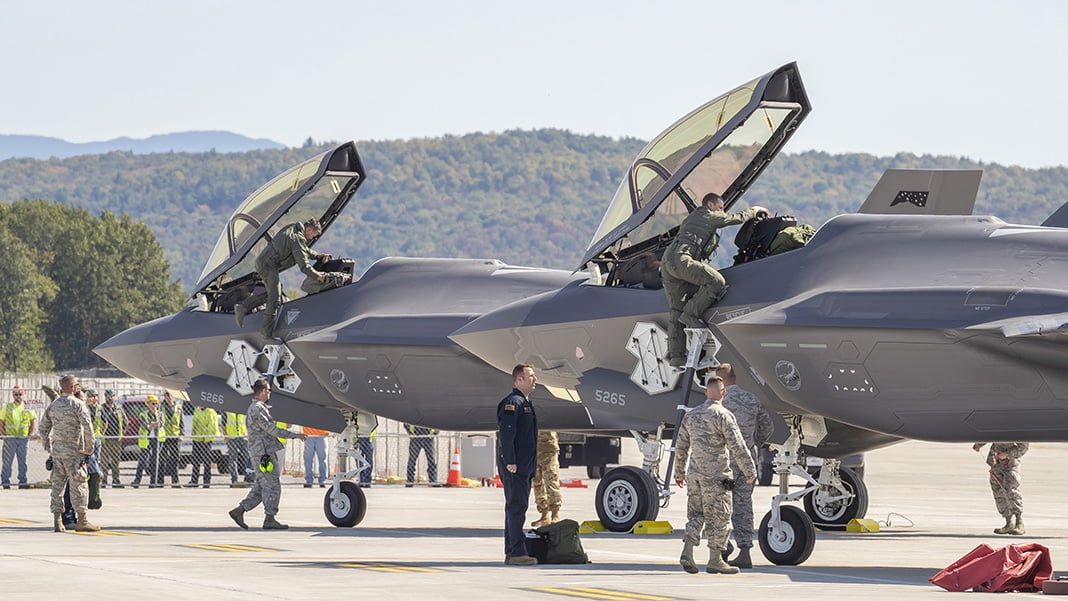 F-35 Fleet Readiness Falls to 25% Amid Parts Shortages and Software Delays: GAO Report
-
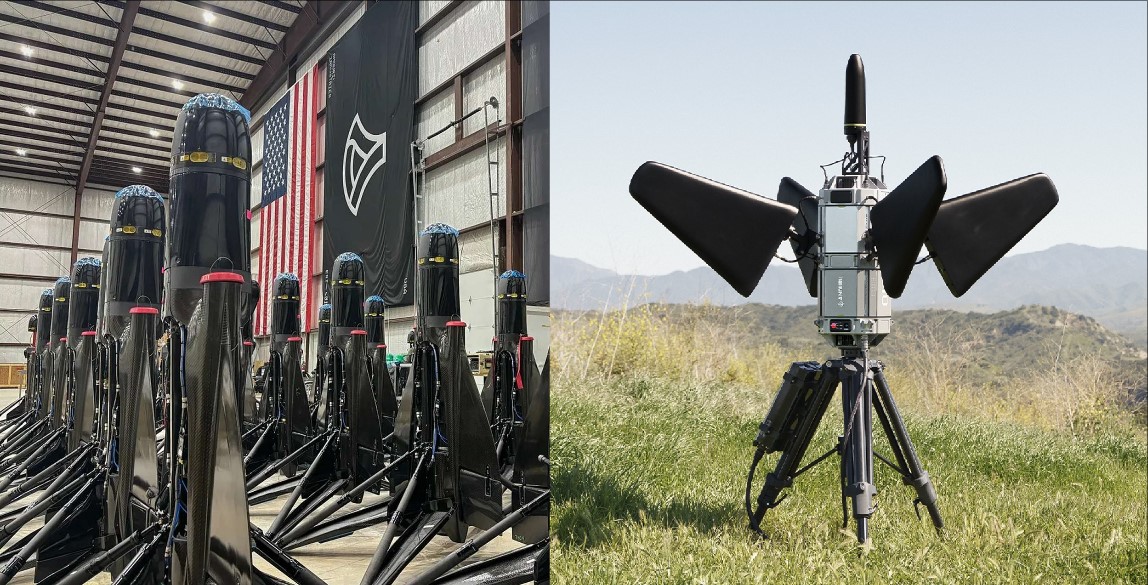 U.S. Approves $1.98 Billion Sale of Anduril AI-Powered Counter-Drone Systems to Kuwait
-
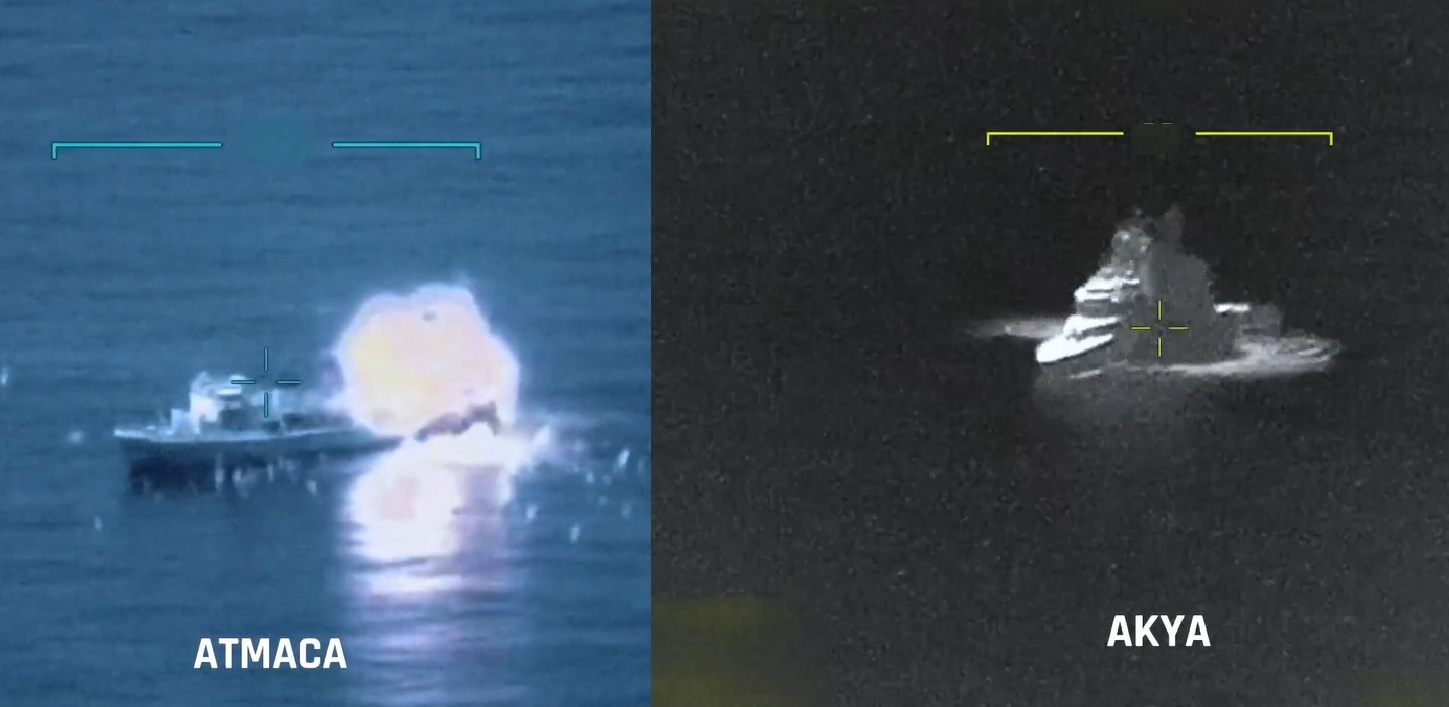 Turkey Navy Successfully Tests AKYA Torpedo and ATMACA Missile During Major Denizkurdu-II Naval Exercise
-
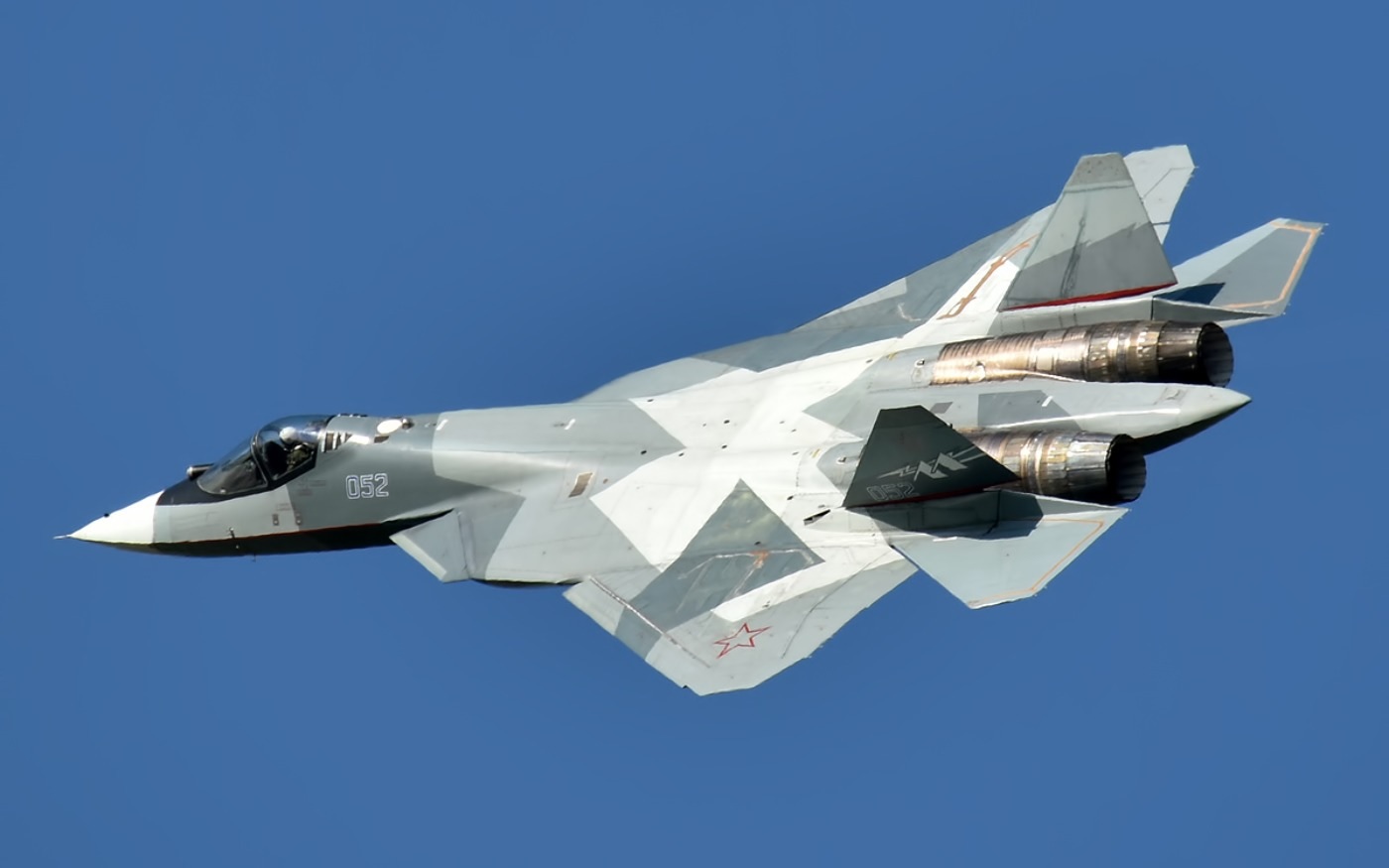 Russian Analysts Debate Su-57 Capabilities After Putin Calls Fighter Superior to F-35
-
 UAE Denies Reports of Releasing Up to $20 Billion in Funds to Iran Amid Regional De-Escalation Efforts
-
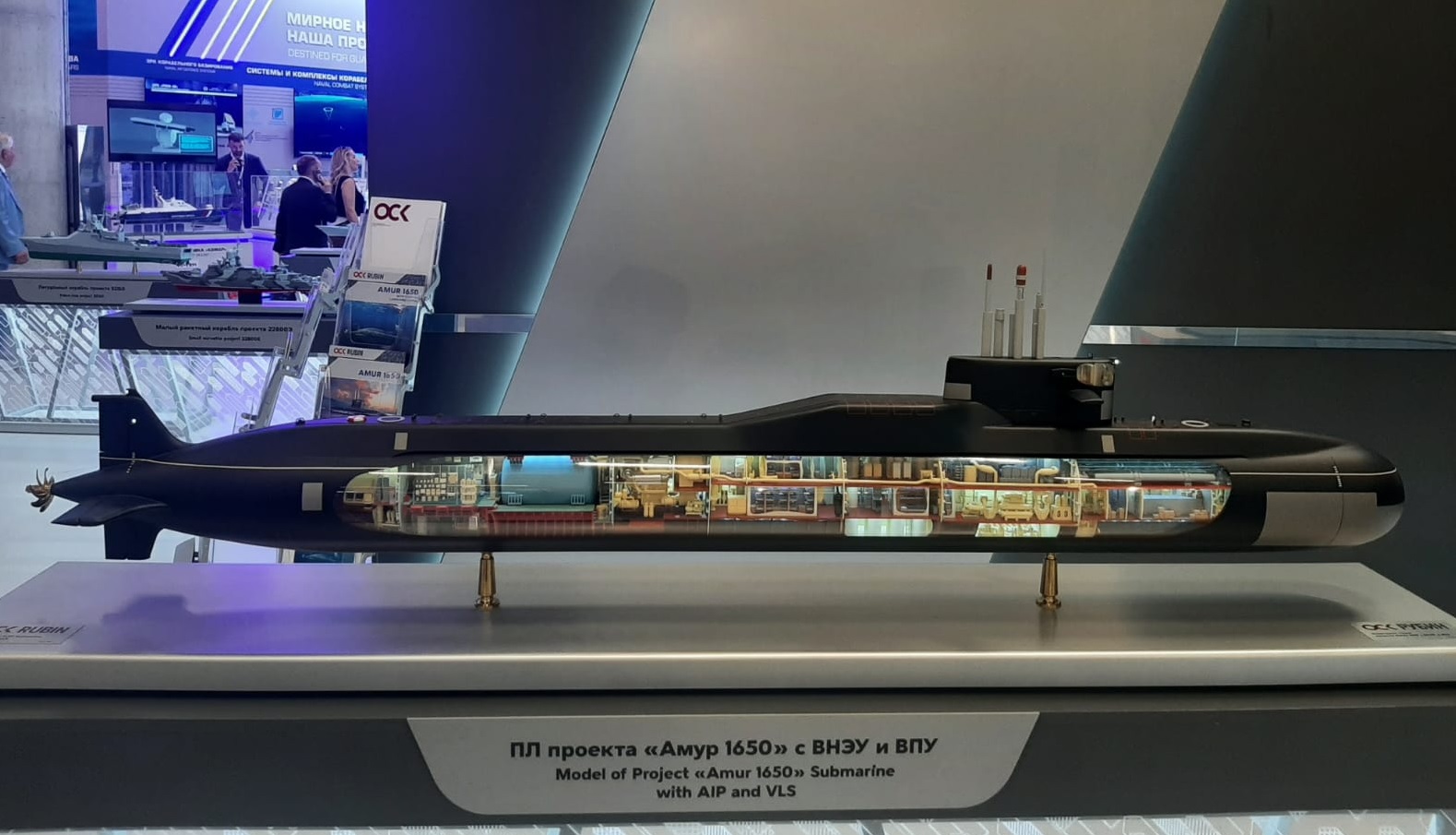 Russia Unveils Amur-1650 AIP Submarine Equipped with BrahMos Vertical Launch System at Fleet-2026
Top Trending in 4 Days
-
 Iranian Media Leaks 14-Point U.S.-Iran Peace Framework Amid Ongoing Negotiations
-
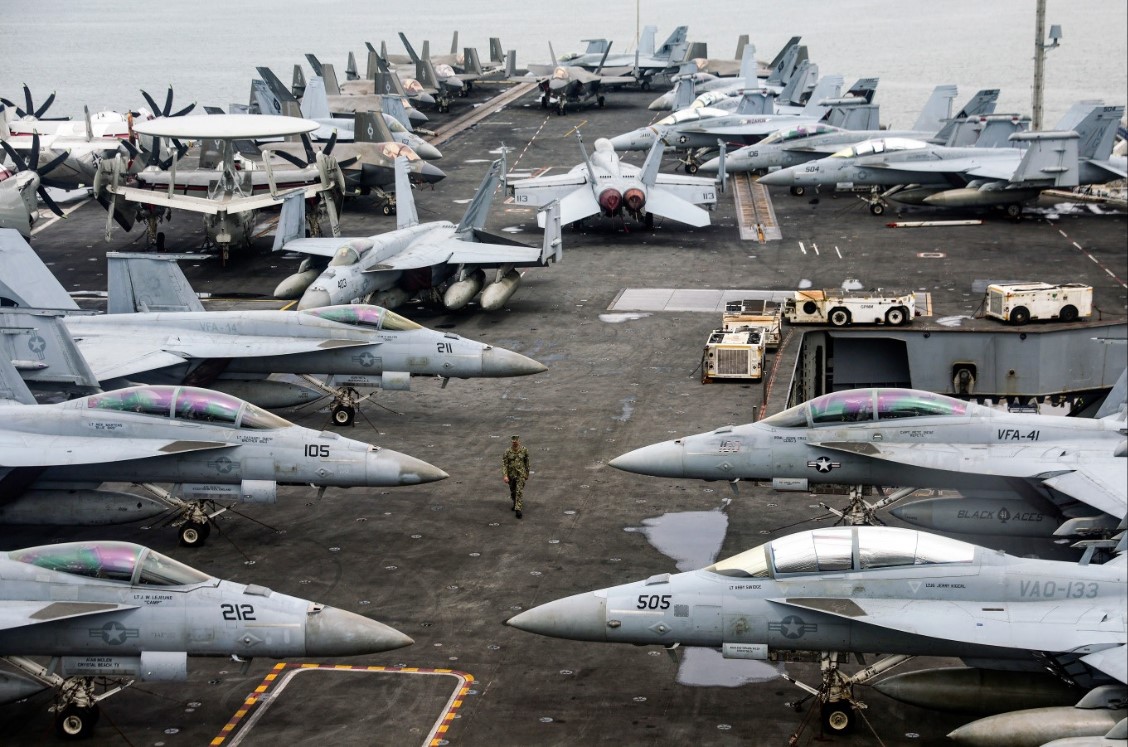 US Plans Significant Reduction of Fighter Jets and Warships for NATO Operations in Europe
-
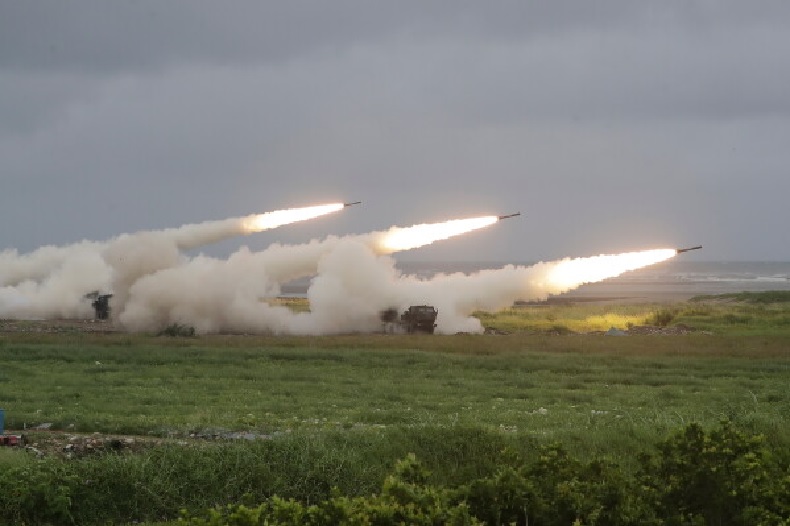 Taiwan Conducts First Live-Fire of HIMARS Rockets From West Coast During Invasion Defense Drill
-
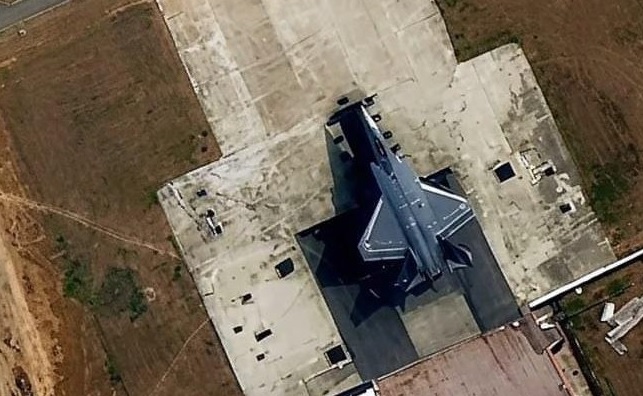 AMCA Airframe Spotted at DRDO’s ORANGE Facility for Radar Cross-Section Testing
-
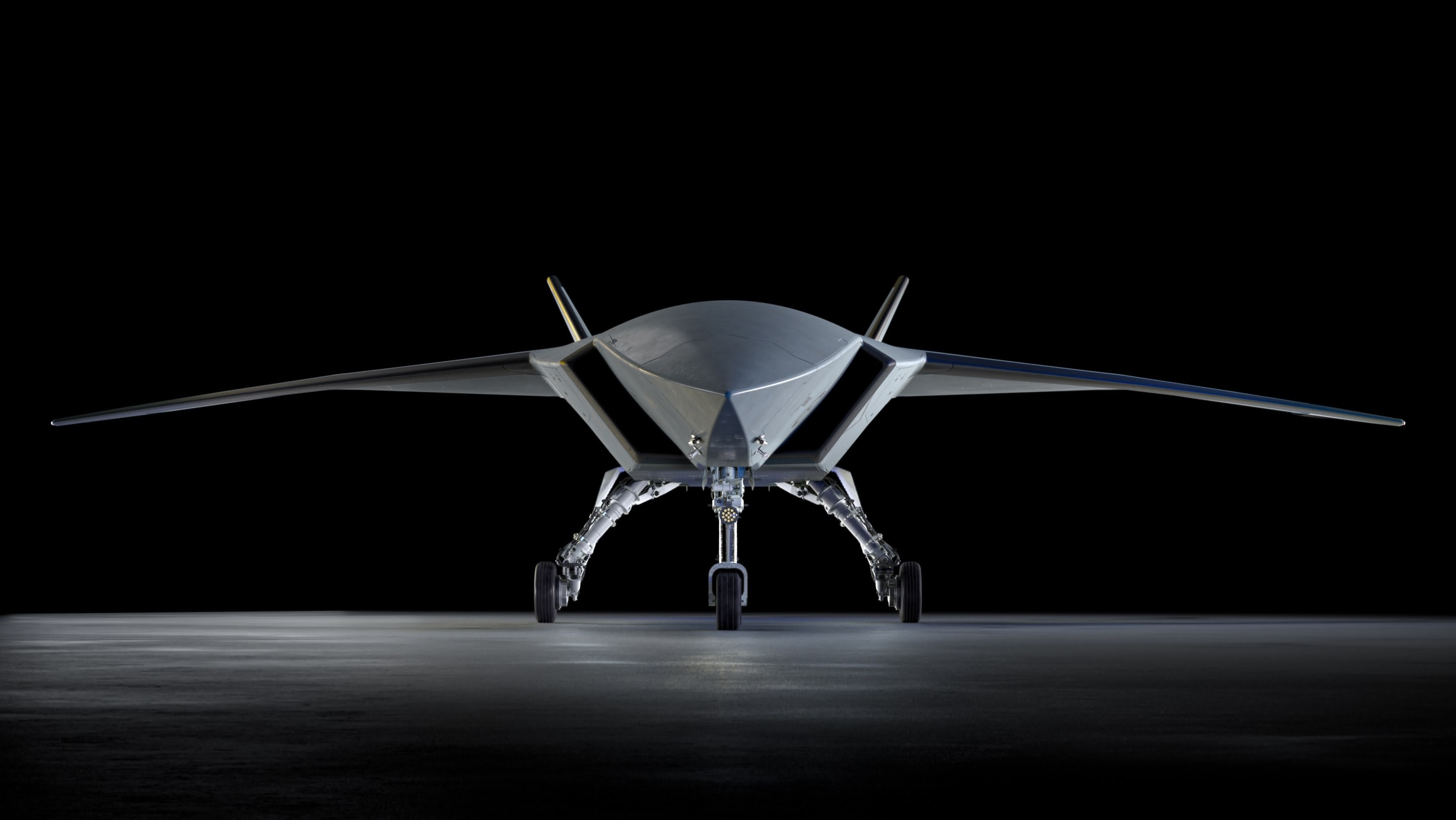 Boeing Introduces New MQ-28 Ghost Bat Upgrades with Increased Range, Payload and Weapons Capacity at ILA Berlin 2026
-
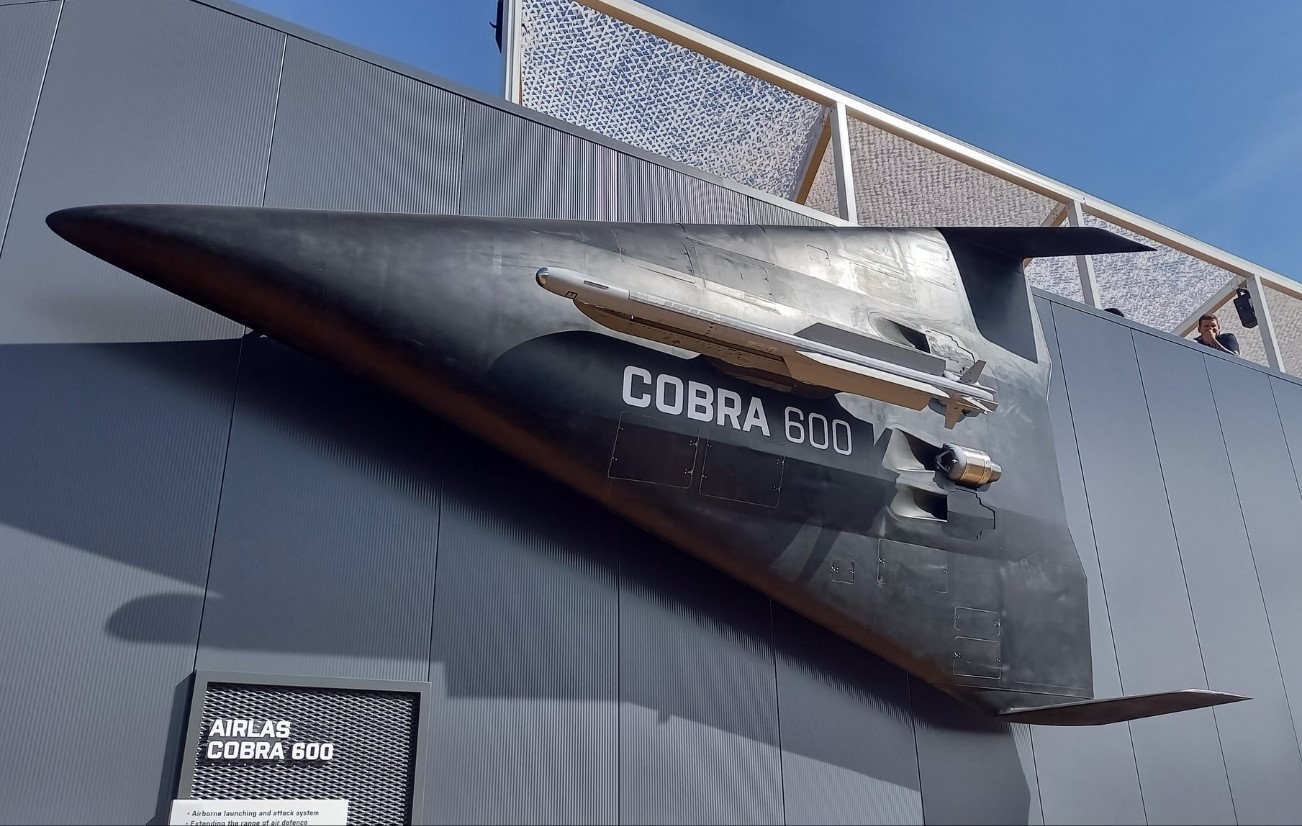 Diehl Defence Unveils IRIS-T Armed Cobra 600 Air Defense Drone at ILA Berlin 2026
-
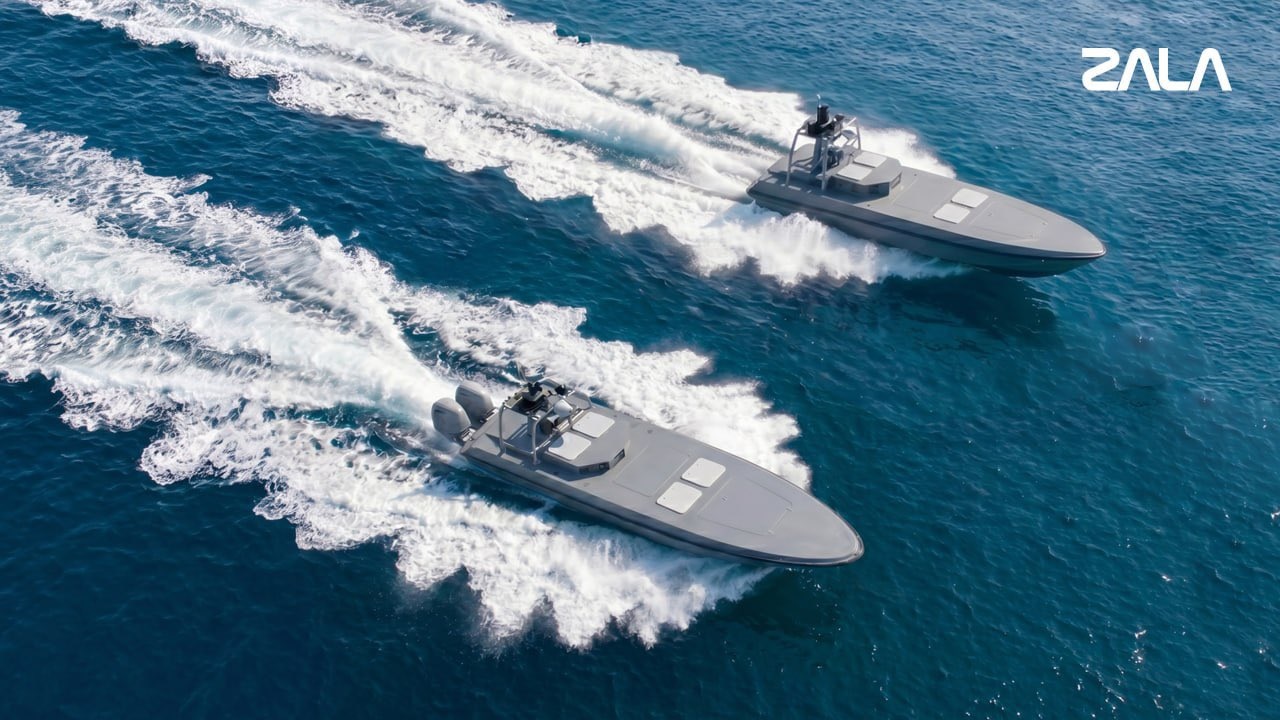 Russian Defense Firm ZALA Unveils KAMA Unmanned Surface Vessel Family at FLOT-2026 Naval Exhibition
-
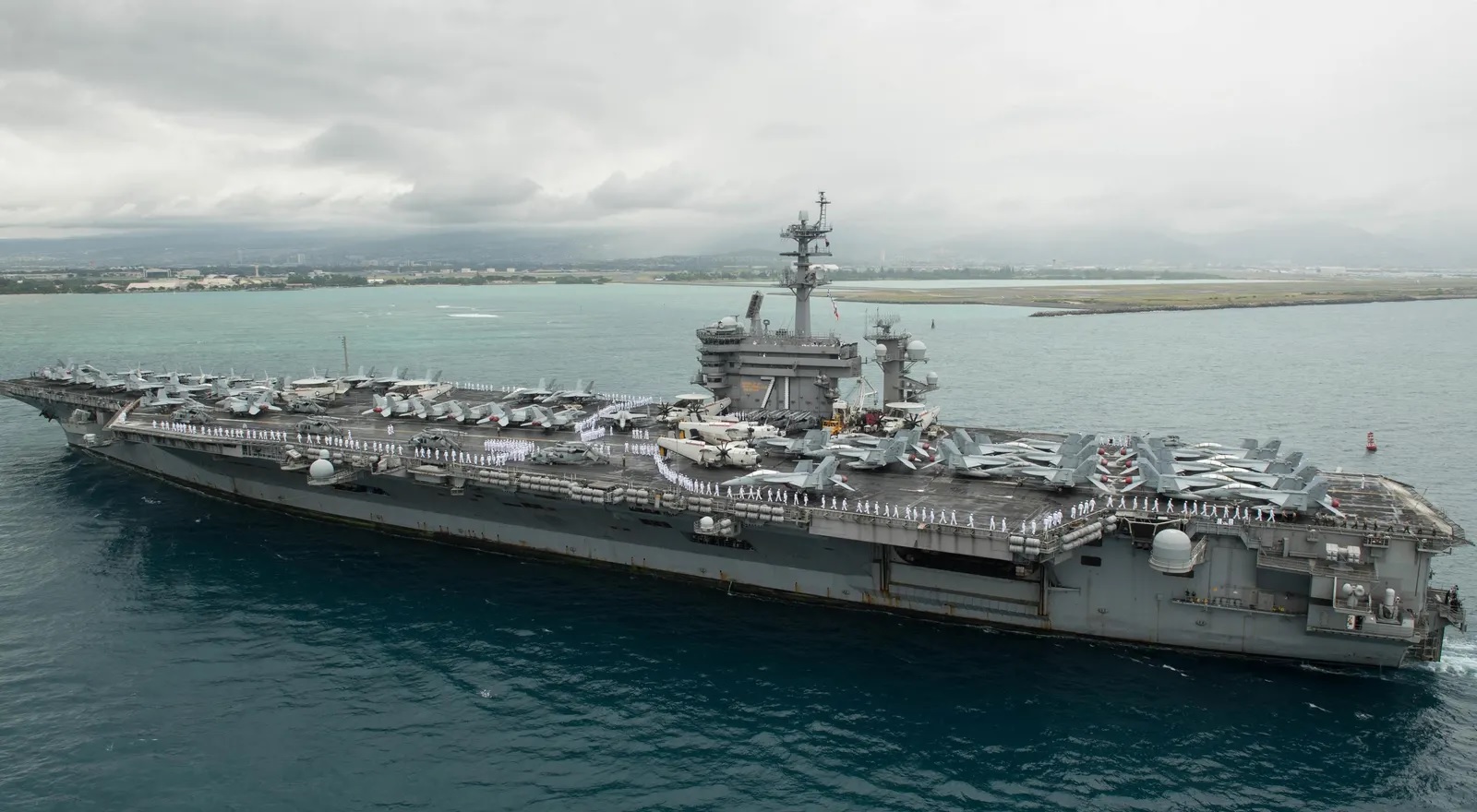 U.S Aircraft Carrier USS Theodore Roosevelt Departs San Diego for Major RIMPAC 2026 Naval Exercise
