World
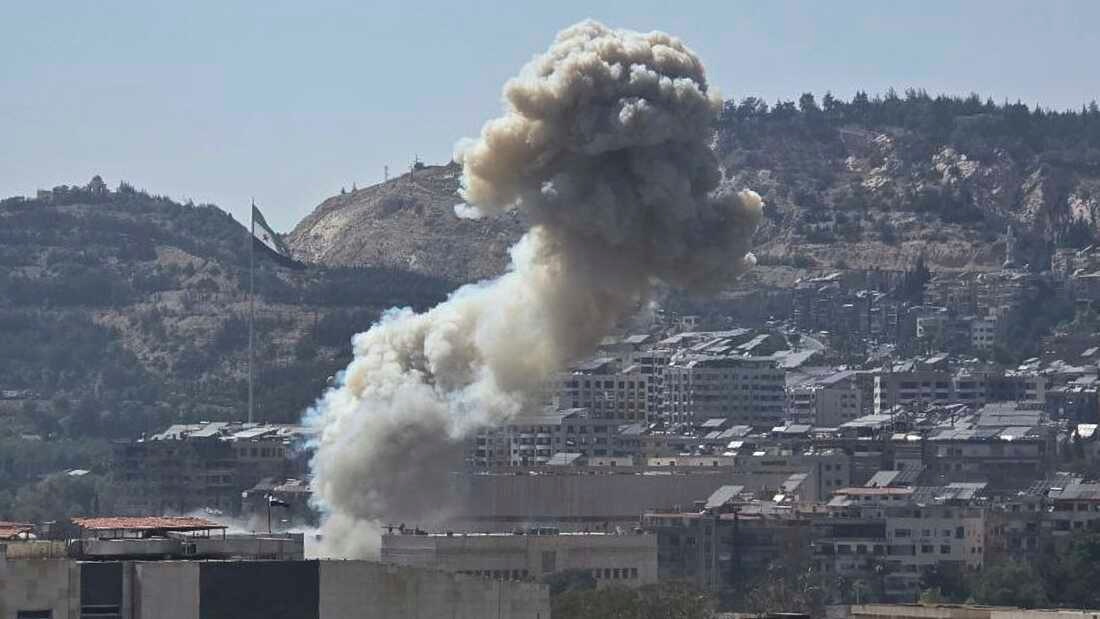
Israel bombed Syria’s military headquarters in Damascus after issuing a stern warning to the Syrian government to stop attacking the Druze minority in Sweida province. This move comes as part of what Israel called an effort to protect the Druze population, which has come under attack during violent clashes with Bedouin tribes in southern Syria. What Triggered the Airstrike? The violence started when Syrian government forces entered the majority-Druze city of Sweida under the claim of enforcing a ceasefire between Druze and local Bedouin groups. However, multiple witnesses and human rights monitors said that instead of keeping peace, government troops joined Bedouin fighters in launching brutal attacks against Druze fighters and civilians. This confrontation turned into one of Syria’s deadliest sectarian conflicts in recent months, with the Syrian Observatory for Human Rights confirming nearly 250 deaths since the weekend. Among the dead are: 92 Druze fighters and civilians, including 28 civilians and 21 reportedly executed by Syrian government forces. 138 Syrian security personnel 18 allied Bedouin fighters Heavy shelling, mortars, and artillery fire were reported in the city, and journalists on the ground witnessed bodies of combatants in civilian and military clothes, as well as columns of smoke rising from neighborhoods. Israel's Response: “We Will Not Abandon the Druze” Following the reports of attacks on the Druze community, Israeli Defence Minister Israel Katz issued a public statement urging Damascus to immediately stop its involvement in the violence. He stated: “Israel will not abandon the Druze in Syria and will enforce our demilitarization policy. If Syria does not get the message, we will escalate our military response.” Shortly after his warning, Israeli fighter jets struck the entrance of the Syrian army’s central military headquarters in Damascus. Syrian state media confirmed the attack and reported two injuries but did not reveal more details. Israel Deploys Troops Near Golan Heights As part of its strategic stance, Israel also sent more troops to the armistice line near the occupied Golan Heights, reinforcing its military presence on the Syrian border. Israel’s leadership has frequently warned that southern Syria must remain demilitarized, fearing spillover threats from armed Syrian groups or Iranian-backed militias. Druze Community Fears “Existential Threat” In Israel, Sheikh Mowafaq Tarif, the top Druze religious leader, described the situation as an “existential battle for the Druze community.” The Druze, a small but influential religious minority, have often been caught in the crossfire of Syria’s civil war and face threats from both government forces and extremist groups. What Sparked the Clashes? According to reports, the recent round of violence was triggered when a Druze vegetable merchant was kidnapped, which led to retaliatory kidnappings between Druze and Bedouin tribes. While Druze groups accuse the Syrian government of siding with the Bedouin, Syria’s defense ministry claims its forces were attacked by “outlaw groups” and are merely responding to fire. The situation remains tense in Sweida, with sporadic gunfire still echoing through the city. Israel’s strike on Damascus is a clear message to Syria’s new Islamist-led government that it will act militarily if minorities like the Druze are targeted. While Israel insists its intervention is humanitarian, some regional analysts believe it is also driven by strategic motives — to push hostile forces farther from its borders. As of now, the death toll is rising, and unless international diplomacy intervenes quickly, Sweida risks becoming a new front in the Syrian conflict — with potential regional implications.
Read More → Posted on 2025-07-16 17:00:15
India
Bharat Forge has emerged as the lowest (L1) bidder in a large-scale carbine procurement tender floated by the Ministry of Defence, securing a contract to manufacture 2,55,128 Close Quarter Battle (CQB) carbines. These weapons were developed by DRDO’s Armament Research and Development Establishment (ARDE) and are intended to modernize India’s infantry with more reliable, compact, and indigenous solutions for close-combat operations. The total requirement for the Indian armed forces is 4,25,213 carbines, and with Bharat Forge securing the L1 status, the remaining 1,70,085 carbines—about 40% of the total order—are likely to be awarded to the second-lowest (L2) bidder, PLR Systems, under India’s procurement policy that allows for parallel contracting in large-volume orders. Aatmanirbhar Weapon for Close Combat The CQB carbine is chambered in 5.56×45 mm, compatible with both NATO standard and INSAS ammunition, and is optimized for close-quarters urban combat, especially for infantry, mechanized forces, and special operations units. Key specifications of the carbine include: Caliber: 5.56×45 mm Weight: Approx. 3–3.5 kg Effective Range: ≥200 meters Magazine: 30-round detachable box Firing Mode: Semi-automatic & automatic The carbine is lighter than a kitchen pressure cooker, as highlighted in recent reports, and was designed for fast deployment, high mobility, and effective lethality in tight environments like bunkers, buildings, and trenches. It successfully passed summer and winter trials across diverse Indian terrains, earning qualification under Naval Staff Qualitative Requirements (NSQR). Contract Value and Distribution According to information shared during a recent interaction with India TV, Bharat Forge’s bid for the 60% share is valued at approximately ₹1,700 crore, while PLR Systems is estimated to receive the remaining 40% share, worth around ₹1,100 crore. Company Units Allocated Estimated Value Bharat Forge (L1) 2,55,128 ₹1,700 crore PLR Systems (L2) 1,70,085 ₹1,100 crore (est.) Total 4,25,213 ₹2,800 crore (est.) This deal marks one of the largest infantry weapon contracts in recent Indian defence history. Indigenous Defence Ecosystem in Motion Bharat Forge, a key player in India's defence manufacturing sector, partnered with DRDO to refine and produce this weapon through advanced forging, precision machining, and metal injection molding (MIM) processes. Its manufacturing strength and experience in artillery systems gave it an edge during technical evaluations and pricing. The carbine’s development falls under the "Buy (Indian Designed, Developed and Manufactured)" [Buy (IDDM)] category, which mandates high levels of indigenous content—further boosting the Aatmanirbhar Bharat initiative. PLR Systems: Trusted Partner for the Remaining 40% The L2 contender, PLR Systems, is a joint venture between Adani Group and Israel Weapon Industries (IWI). PLR has already been manufacturing the Tavor, Galil ACE, and X95 rifles in India and is expected to absorb 40% of the carbine order under the multi-vendor procurement clause. PLR Systems’ experience in local assembly and supply chain management, backed by Israeli firearm expertise, makes it a strong choice to complement Bharat Forge in this dual-sourcing strategy. Strategic Importance for Indian Armed Forces This large-scale procurement comes after years of stalled tenders and shifting strategies to replace aging 9mm Sterling submachine guns, which have been in service for decades. With this new order: Frontline troops will finally get a modern, compact, high-performance carbine for CQB roles. Two domestic companies will lead high-volume defence manufacturing, reducing reliance on foreign imports. DRDO’s R&D capabilities are validated through successful deployment of a combat-ready weapon designed in-house. With contract finalization expected soon, production is likely to begin later this year, with initial deliveries projected by mid-2026. This deal also opens the door for future exports to friendly nations, once domestic deliveries are fulfilled. The Indian Army’s carbine requirement is finally being met—not by imports, but through homegrown innovation and industrial capacity. With Bharat Forge taking the lead and PLR Systems likely to follow, India is demonstrating its ability to build, test, and scale modern infantry weapons entirely on its own soil. This not only strengthens the military but also marks a victory for India’s growing defence manufacturing ecosystem.
Read More → Posted on 2025-07-16 16:53:32
World
Denmark has signed an agreement with leading Danish defense company Terma for the delivery of 32 advanced coastal surveillance radars. The agreement was signed with the Danish Defence Acquisition and Logistics Organisation (DALO) and marks a major step in modernizing Denmark’s coastal monitoring capabilities. The new radar systems will replace aging infrastructure and are designed to provide round-the-clock monitoring of Denmark’s maritime territory, improving the country’s ability to detect and respond to any activity near its coastline. These systems will support maritime domain awareness, environmental protection, and safe navigation. According to the agreement, deliveries will begin in 2025 and continue through 2026. Most of the new radars will be installed on existing towers to minimize disruption. The installation will be carried out in phases, ensuring that Denmark maintains uninterrupted operational capacity throughout the transition. The entire system is expected to be fully operational by the end of 2026. The radars will play a crucial role in supporting the Vessel Traffic Service (VTS), which manages and ensures safe navigation through key waterways, such as the Danish straits. These areas are among the busiest maritime routes in Europe, and maintaining security and efficiency here is vital to both national and international shipping. “This agreement reflects Terma’s strong commitment to supporting Denmark’s sovereignty and security,” said Henriette Hallberg Thygesen, CEO of Terma. “As a Danish company with decades of experience in advanced coastal surveillance, we are proud to deliver solutions that enhance national resilience and protect our maritime domain.” She also highlighted that the deal is another important milestone in Terma’s close partnership with the Danish Armed Forces, adding that the new systems will help Denmark meet future challenges with confidence and preparedness. The package includes more than just radar systems. It also provides: Two additional radars for Greenland under Denmark’s Arctic defense commitments Artificial Intelligence (AI)-enabled data fusion platforms to combine and analyze inputs from multiple radar sites Spare parts, technical documentation, and training for operators and maintenance personnel The AI-supported integration platform will significantly boost Denmark’s real-time situational awareness, enabling faster and more accurate decision-making. This capability is especially important in supporting multi-domain operations, where rapid information sharing is essential. In addition to enhancing coastal surveillance and national defense, the new radar network will contribute to protecting critical marine infrastructure, including ports, bridges, pipelines, and offshore facilities. This agreement also highlights Denmark’s commitment to self-reliance in defense technology by investing in domestically developed solutions that align with global standards and future threats. In simple terms, Denmark is giving its coastal defense a powerful upgrade—using homegrown technology, backed by AI, to keep its waters safe, secure, and ready for the future.
Read More → Posted on 2025-07-16 16:42:34
World
Taiwan has officially deployed its latest HF-3ER (Hsiung Feng III Extended Range) supersonic anti-ship missiles. The deployment was publicly confirmed during the Han Kuang 41 military exercises, held from July 9 to 18, 2025—Taiwan’s largest and most comprehensive defense drill to date. The extended-range HF-3ER, developed by the National Chung-Shan Institute of Science and Technology (NCSIST), marks a substantial upgrade over the earlier HF-3 model. Capable of engaging hostile naval forces at a distance of up to 400 kilometers, the missile gives Taiwan the ability to strike well beyond its coastline, potentially targeting Chinese warships before they get close to Taiwanese waters. First Public Deployment and Presidential Inspection On July 15, 2025, during the ongoing Han Kuang exercises, President Lai Ching-te visited a deployment site in the Bali District of New Taipei, where at least four HF-3ER mobile launchers were stationed. These were supported by naval coastal defense units, light tactical Army vehicles, and a Navy communications relay truck—all positioned near Taipei Port under tight security. This was the first time the HF-3ER system was shown publicly, signaling Taiwan’s intent to deter Chinese aggression through advanced missile deterrence. What Makes the HF-3ER Unique? The HF-3ER is an advanced evolution of the HF-3, which was first tested in 1997 and entered service in 2011. Key enhancements include: Extended Range: From 150 km (standard HF-3) to 400 km, allowing reach into China’s Zhejiang and Guangdong naval bases. High Speed: Travels at Mach 2.3 to Mach 3.5, making interception highly difficult. Heavy Warhead: Equipped with a 225-kg semi-armor-piercing and fragmentation warhead. Advanced Guidance: Combines inertial navigation with terminal radar homing for pinpoint accuracy. Multi-platform Capability: Can be launched from mobile ground units, ships, and potentially aircraft. To support the new propulsion system, its launch canisters were redesigned with 21 reinforcement ribs, up from 18 on the earlier model. Integration with Taiwan’s Defense Network The HF-3ER isn’t just a missile—it’s part of a broader five-layer coastal defense strategy. This strategy includes: Long-range missiles (HF-3ER, Yun Feng) Mobile artillery and HIMARS Attack helicopters (like the AH-64E Apache) Inland missile batteries Armored ground forces During Han Kuang 41, the 269th Mechanized Infantry Brigade built a layered urban blockade near Taipei Port, supported by M1A2T Abrams tanks, Patriot systems, Stingers, and Clouded Leopard armored vehicles. These exercises also included Taipei’s metro tunnels, which were used to move troops and weapons, reflecting the island’s shift toward urban warfare and asymmetric defense tactics. Production and Future Deployment The Ministry of National Defense has allocated NT$44.1 billion (US$1.5 billion) for HF-3 and HF-3ER production under the Sea-Air Power Enhancement Special Budget (2022–2026). Initial output began at 20 units annually but has since risen to nearly 70 missiles per year. The HF-3ER is intended to equip mobile land units, warships like the Keelung-class destroyers, and possibly even aircraft such as the F-CK-1 Indigenous Defense Fighter and Brave Eagle trainers. A test flight with air-launched versions was reportedly conducted in early 2025. Strategic Implications The deployment of the HF-3ER gives Taiwan a critical stand-off strike capability, enabling it to target Chinese naval assets far before they reach Taiwanese shores. This changes the strategic equation in the Taiwan Strait, introducing a system capable of saturation attacks, mobile launches, and survivability through dispersion. However, such a move is not without geopolitical risk. The extended-range and public deployment of the missile are likely to be seen by Beijing as a provocation, potentially escalating tensions further. But from a Taiwanese defense perspective, the HF-3ER is a key pillar in its asymmetric defense doctrine, aimed at ensuring the island's survival in the face of overwhelming odds. With the introduction of the HF-3ER, Taiwan has signaled that it will not passively wait in the event of a conflict. By extending its anti-ship missile reach, reinforcing urban and coastal defenses, and integrating homegrown technology into its military strategy, Taiwan is positioning itself to resist any potential blockade or invasion scenario. The HF-3ER is more than just a missile—it is a message of resilience and readiness.
Read More → Posted on 2025-07-16 16:20:02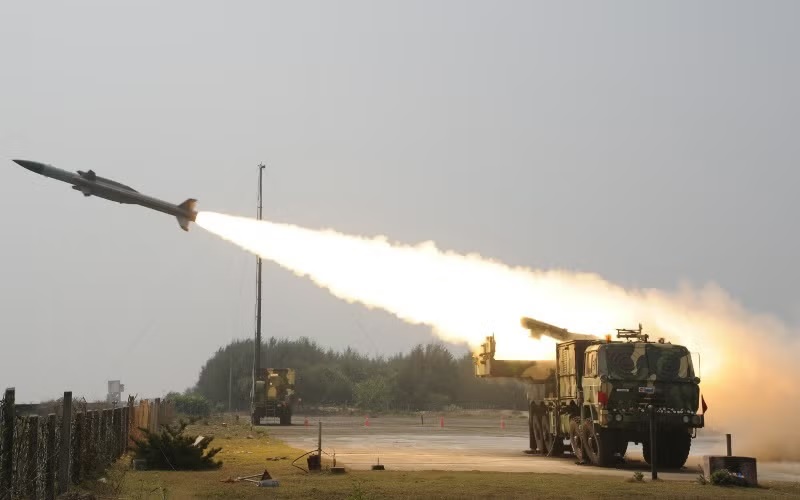
India
The Indian Army has successfully conducted high-altitude trials of the Akash Prime surface-to-air missile system in the Ladakh sector. The test was carried out at a height of over 15,000 feet, showcasing the missile's effectiveness in challenging terrain and thin air conditions. According to defence officials, the test was conducted by the Army Air Defence Corps along with senior scientists from the Defence Research and Development Organisation (DRDO). During the trial, the Akash Prime missile scored two direct hits on fast and manoeuvring aerial targets, proving its precision and agility in a high-altitude environment. Officials stated that “The Akash Prime system demonstrated its operational readiness by scoring two direct hits against fast, manoeuvring target aircraft under difficult high-altitude conditions.” What is Akash Prime? Akash Prime is an upgraded version of the original Akash missile system. It is designed to better detect and destroy aerial threats like fighter jets, drones, and helicopters, even under extreme weather or terrain conditions. The missile comes with an improved seeker, allowing it to lock onto targets with greater accuracy, especially in difficult environments like high-altitude zones or deserts. It uses command guidance and a phased array radar system to track and guide the missile until it hits the target. The system can work independently or as part of a group, making it flexible for different combat situations. Proven in Combat: Operation Sindoor The Akash Prime system has already been tested under real battlefield conditions. During Operation Sindoor, which took place on the night of May 8–9, the Indian Army used it to successfully counter a wave of drone attacks and ceasefire violations by Pakistan along the Western border and the Line of Control (LoC) in Jammu and Kashmir. According to Army sources, more than 50 Pakistani drones were shot down during this large-scale operation. These included Chinese-origin aircraft and Turkish-made drones used by Pakistani forces. The Indian Armed Forces also managed to repel coordinated attacks on multiple military installations across northern and western India during the same period. In retaliation, Indian forces neutralised an Air Defence system in Lahore, showcasing the strategic effectiveness of India's air defence assets. Part of a Bigger Plan The success of Akash Prime in Ladakh is part of a larger plan by the Indian Army to strengthen its layered air defence network. Officials confirmed that the third and fourth regiments of the Akash system are likely to be formed using the Akash Prime variant. This development also aligns with India’s commitment to Aatmanirbhar Bharat (self-reliant India) in defence production. The Akash Prime, developed entirely within India, is a key symbol of how Indian technology is now capable of meeting modern battlefield needs. Why It Matters High-altitude success: Testing at 15,000 feet proves the system can operate in Himalayan battle zones. Combat-ready: Already deployed in real conflict situations. Indigenous tech: Fully developed in India by DRDO, supporting domestic defence manufacturing. Flexible operations: Can be used independently or in networked mode, day or night. With this successful test, India has taken another confident step in securing its skies and building a robust air defence shield, especially in sensitive border regions like Ladakh.
Read More → Posted on 2025-07-16 16:11:30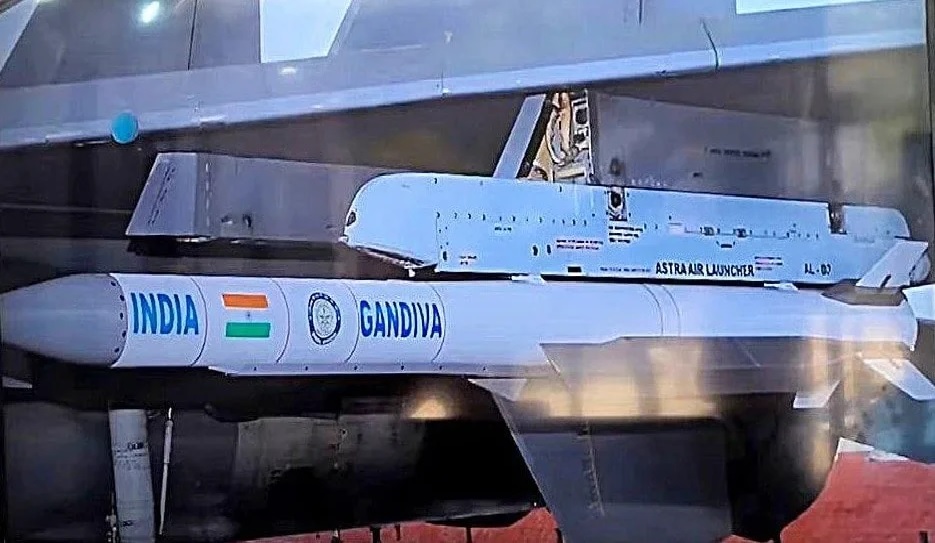
India
India is steadily moving closer to fielding one of its most advanced air-to-air weapons yet—the Astra Mk-3 missile, officially named ‘Gandiva’, after the legendary bow wielded by Arjuna in the Mahabharata. Developed by the Defence Research and Development Organisation (DRDO), Gandiva is designed to be a next-generation Beyond Visual Range Air-to-Air Missile (BVRAAM) that could transform the Indian Air Force’s ability to strike distant and stealthy aerial threats. What makes Gandiva so advanced is its Solid Fuel Ducted Ramjet (SFDR) engine, a cutting-edge propulsion system that offers greater speed, range, and fuel efficiency compared to traditional rocket-powered missiles. Instead of carrying both fuel and oxidizer like a rocket, the SFDR system uses atmospheric air for combustion, making the missile lighter and faster. This allows Gandiva to reach speeds of up to Mach 4.5 (more than four times the speed of sound) and achieve a strike range of over 300 kilometers. This long range makes it one of the most powerful air-to-air missiles in the world, capable of hitting targets far beyond visual distance. Importantly, the SFDR engine also has throttle control, which means the missile can adjust its speed mid-flight. This expands its “no-escape zone”, allowing it to chase and destroy even highly maneuverable enemy jets. Another key highlight of Gandiva is its advanced seeker system, which guides the missile toward its target. In the current phase, the missile is equipped with an Active Electronically Scanned Array (AESA) seeker based on Gallium Arsenide (GaAs) technology. This seeker provides accurate tracking, even at long distances, and maintains a strong data link with the launching aircraft. But DRDO has bigger plans. For the final version of Gandiva, it is developing an AESA seeker based on Gallium Nitride (GaN)—a newer, more efficient material. GaN seekers are known for their high power output, resistance to heat, and superior performance against electronic jamming. This makes Gandiva more reliable and effective in modern warfare where enemies often use stealth technology and electronic warfare to avoid detection. The use of GaN will be a big advantage against stealth aircraft, like China’s J-20, which rely on low radar visibility. The enhanced seeker can better detect and lock onto low-signature targets, giving India’s jets the ability to neutralize stealth threats before they can strike. Development and testing of Gandiva are progressing through several important phases: Ground tests have already confirmed that the SFDR engine meets expected performance. Captive carriage trials—where the missile is carried by fighter jets like the Sukhoi Su-30MKI—are currently ongoing, ensuring it works well with aircraft systems. Live-fire trials are expected next, where Gandiva will be launched at real targets to test its range, speed, and precision, even in difficult flight scenarios. Once ready, Gandiva will be deployed on various Indian fighter jets including the Su-30MKI, HAL Tejas, and potentially even Rafale and MiG-29. This will give the Indian Air Force a common, long-range missile platform across multiple types of aircraft. Strategically, the Gandiva missile is expected to counter threats like China’s PL-15 missile and strengthen India’s response to stealth fighters and airborne early-warning systems. If DRDO achieves its goal of mass production by 2030–31, Gandiva will represent a major leap in India’s missile self-reliance under the Aatmanirbhar Bharat vision. In summary, Astra Mk-3 'Gandiva' combines long range, speed, smart guidance, and stealth-hunting ability—making it a future-ready weapon that will keep Indian skies safer in the years to come.
Read More → Posted on 2025-07-16 16:04:35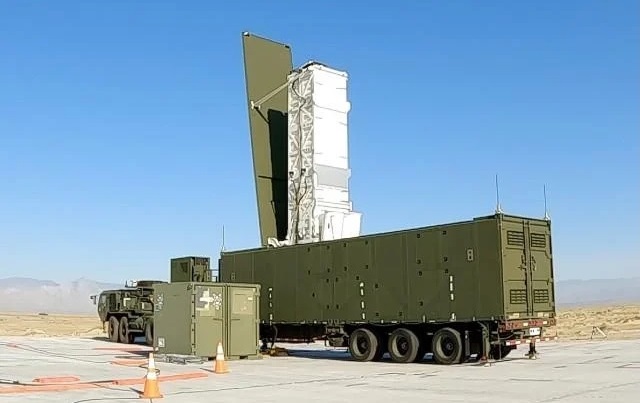
World
Germany has announced plans to acquire the U.S.-developed Typhon missile system, capable of striking targets up to 2,000 kilometres away. This decision comes amid rising tensions in Europe and renewed focus on long-range precision strike capability across NATO. German Defence Minister Boris Pistorius made the announcement following high-level talks with U.S. Defence Secretary Pete Hegseth in Washington. Pistorius called the planned acquisition a “significant increase in Germany’s defence and deterrence capabilities,” adding that it would also enhance the broader security architecture of Europe. The Typhon system, officially known as the Mid-Range Capability (MRC) program, is a relatively new addition to the U.S. Army’s arsenal. First operational in 2023, it is designed to fill the gap between short-range rocket artillery and long-range strategic missiles. The system is mounted on a mobile ground platform and integrates two powerful missile types: Tomahawk cruise missiles, known for their long-range precision strike ability, with ranges exceeding 1,600 to 2,000 km. SM-6 (Standard Missile-6) interceptors, which can be used for air defense, ballistic missile defense, and even offensive strikes. With the Typhon system, Germany would be able to conduct deep-strike missions well beyond its borders, reaching as far as Eastern Europe or parts of western Russia, depending on deployment location. This would mark a strategic leap in German defense capabilities, especially considering the system's ability to strike from mobile launchers on land—a capability previously restricted under the now-defunct Intermediate-Range Nuclear Forces (INF) Treaty. If finalized, this would be the first time a foreign nation has procured the Typhon system, highlighting Germany’s increasing role in NATO’s high-end military planning and rapid modernization drive. It also aligns with Germany’s broader commitment to increase defense spending and modernize its forces following Russia’s invasion of Ukraine. The move comes as Germany continues to support Ukraine militarily. Pistorius confirmed ongoing discussions regarding the delivery of additional Patriot air defense systems to Ukraine. He stated that around €2 billion is earmarked for this effort, though technical, financial, and logistical details still need resolution before final commitments are made. Beyond its immediate military value, the Typhon system signals a stronger U.S.-Germany defense partnership and a shift in NATO doctrine toward greater strike flexibility and deterrence in the face of modern threats. The final acquisition will depend on further negotiations and technical assessments, but Germany’s intent is clear: it wants to be better prepared, better armed, and more strategically capable in the evolving European security landscape.
Read More → Posted on 2025-07-16 15:57:32
India
India's next-generation unmanned combat aerial vehicle (UCAV) program — the CATS Warrior — is rapidly accelerating toward its first flight in 2026, and Tata Elxsi has emerged as a crucial player in the project's early success. In a remarkable achievement, Tata Elxsi partnered with Hindustan Aeronautics Limited (HAL) to deliver the full-scale demonstrator of the CATS Warrior within just 14 weeks, a record-setting pace that highlights India’s growing aerospace innovation capabilities. The CATS Warrior (Combat Air Teaming System) is an autonomous, stealthy unmanned combat aircraft designed to function as a "loyal wingman" to frontline fighter jets. Once deployed, it will undertake strike missions, electronic warfare, surveillance, and reconnaissance, operating in high-risk environments while being controlled by or flying in coordination with manned aircraft such as the LCA Tejas or Su-30MKI. Tata Elxsi played a lead role in the design and development of key components of the CATS Warrior: The airframe, ensuring low radar signature and aerodynamic efficiency. The fuel system, designed for optimal balance and endurance. The landing gear, tailored for autonomous operations. Complete system integration and validation, ensuring each subsystem works flawlessly within the larger UCAV architecture. The recently delivered demonstrator has already cleared its engine ground runs and taxi trials, hitting all planned performance benchmarks. It reflects both structural integrity and functional alignment, laying the foundation for building and testing the flying prototype. Currently, Tata Elxsi is developing fuselage assembly jigs—large, precision-engineered tools that hold the UAV’s structure in place during manufacturing. These are critical to achieving the dimensional accuracy and alignment needed for flight-worthy prototypes. Meanwhile, HAL is converting a Kiran jet trainer into a manned-unmanned teaming (MUM-T) testbed. The instructor’s cockpit of the twin-seater will be modified to host avionics and control systems that replicate UCAV command architecture. In early 2026, this aircraft will take to the skies first under a human pilot, later transitioning to “pilot-in-the-loop” remote operation, simulating real-time battlefield scenarios. This dual-phase test strategy will allow India to validate not only autonomous flying but also the intricate data-linking required for cooperative combat missions involving manned and unmanned aircraft. On the propulsion front, HAL successfully conducted ground testing of a low-powered engine for the Warrior in January this year. Though not the final powerplant, this test marked a crucial milestone. HAL is now in talks with international OEMs to co-develop a compact, high-thrust jet engine specifically tailored for the UCAV. Rolls-Royce has shown strong interest in collaborating, opening the door for advanced propulsion technologies to be built in India. The CATS Warrior’s roadmap includes extensive testing phases, covering: Flight autonomy and mission adaptability Sensor and communication integration Electronic warfare resilience Swarm coordination with other unmanned systems Designed for low observability, long-range operation, and modular payload capacity, the Warrior is expected to play a transformative role in next-generation air warfare, enhancing the Indian Air Force’s ability to penetrate defended airspace and neutralize high-value targets without risking pilot lives. As part of India’s Atmanirbhar Bharat push for self-reliance in defense manufacturing, the CATS Warrior is not just a technological project — it's a symbol of strategic autonomy, blending indigenous design, accelerated development, and cutting-edge innovation. With its maiden flight just around the corner, the Warrior is poised to change the face of aerial combat for India in the coming decade.
Read More → Posted on 2025-07-16 15:13:55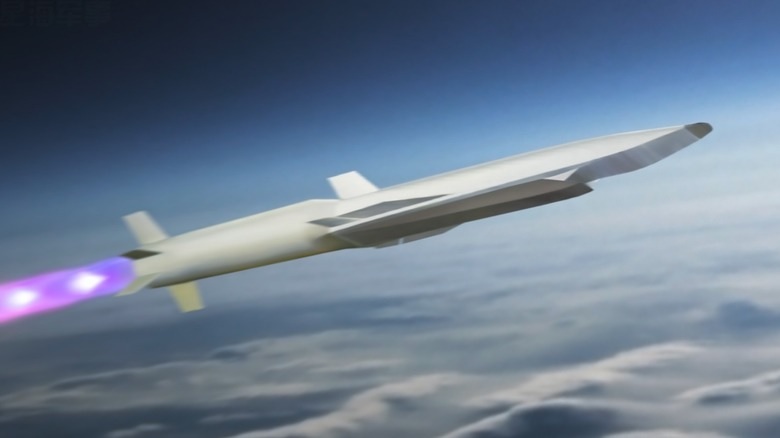
India
In a quiet but powerful step forward, India has successfully test-fired its first long-range hypersonic cruise missile, marking a major breakthrough in missile technology. Developed under a top-secret project codenamed Project Vishnu, the missile—known as the Extended Trajectory Long Duration Hypersonic Cruise Missile (ET-LDHCM)—reached speeds of Mach 8, or roughly 11,000 km/h, and is capable of striking targets as far as 1,500 km away. This feat places India on the brink of joining an exclusive club. So far, only Russia has been able to successfully develop and operationalize a hypersonic cruise missile—specifically the 3M22 Zircon, which has already been inducted into service with the Russian Navy. While the United States, China, France, and others are still in the development race, India’s successful test puts it in a strong position to become the second country in the world to field such a weapon. What Makes This Missile Special? At the heart of the ET-LDHCM is a scramjet engine—an air-breathing propulsion system that uses oxygen from the atmosphere instead of carrying its own oxidiser. This keeps the missile lighter, faster, and more efficient, allowing it to sustain extreme speeds for longer durations. In November 2024, DRDO conducted a 1,000-second ground test of this scramjet engine. It confirmed the system could withstand extreme conditions, including temperatures exceeding 2,000°C caused by atmospheric friction at hypersonic speeds. Designed for Flexibility, Built for the Future The ET-LDHCM is designed to be launched from multiple platforms—including land-based launchers, naval vessels, and aircraft—making it versatile for deployment across all three branches of India’s military. It can carry both conventional and nuclear warheads, with payloads up to 2,000 kg. A standout feature is its in-flight manoeuvrability, which allows the missile to change direction mid-flight. This capability makes it extremely difficult for modern air defense systems to detect, track, and intercept. Project Vishnu: India’s Hypersonic Ambition The ET-LDHCM is the flagship of Project Vishnu, an ambitious and mostly classified programme by DRDO aimed at developing at least 12 different hypersonic weapons systems, including offensive strike missiles and interceptors. According to a senior DRDO scientist involved in the project: “The first scramjet test in November 2024 ran for 1,000 seconds. That showed the engine could do what we needed.” Looking ahead, India plans to induct hypersonic glide vehicles into military service by 2027–2028, with the ET-LDHCM expected to become fully operational by 2030. A defining feature of this missile is its completely indigenous design. Developed with significant contributions from Indian startups, SMEs, and private contractors, the project is a major milestone in India's push for Atmanirbhar Bharat (self-reliance in defence). Advanced heat-resistant and anti-oxidation coatings, co-developed with the Department of Science and Technology, ensure the missile remains structurally stable during high-speed flight and can operate in naval environments as well. India’s hypersonic missile success sends a strong signal—both regionally and globally. As nations compete to dominate the next frontier of missile technology, India has quietly surged ahead. While others still work through development and testing stages, India now stands shoulder to shoulder with Russia in this advanced arena. This isn't just about power projection—it's about reducing dependence on foreign weapon systems, shaping regional deterrence, and ensuring that India remains a technologically capable and self-reliant defence force for the decades to come.
Read More → Posted on 2025-07-16 15:03:13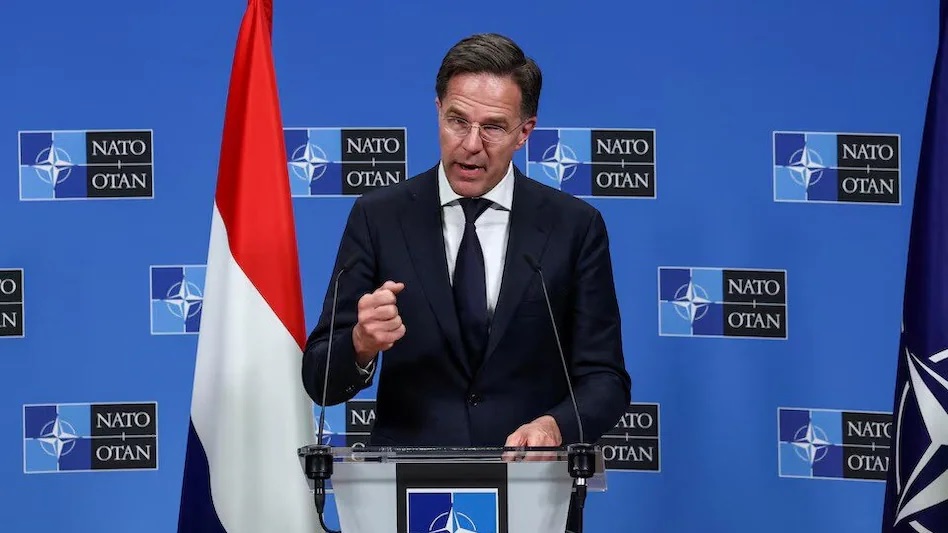
India
In a strong warning with potentially far-reaching global consequences, NATO Secretary General Mark Rutte has cautioned major economies like India, China, and Brazil that they could face severe secondary sanctions—including 100% tariffs—if they continue their economic ties with Russia. The message came as NATO aligned with a new U.S. initiative spearheaded by former President Donald Trump, who is pressuring for a peace deal in Ukraine within 50 days or else introducing punitive trade penalties on nations dealing with Russia. Speaking to U.S. lawmakers on Capitol Hill on Wednesday, Rutte made it clear that while NATO doesn’t directly enforce sanctions, it supports collective pressure to isolate Moscow. "If you live now in Beijing, or in Delhi, or you are the president of Brazil, you might want to take a look into this, because this might hit you very hard," he said bluntly. The secondary sanctions being discussed would involve 100% tariffs on goods imported from countries doing business with sanctioned Russian entities. Such measures, if enacted, could seriously impact the export-driven economies of China and India, especially in sectors like energy, defense, fertilizers, and manufacturing components—all of which maintain active trade ties with Russia. Rutte urged these countries to take diplomatic steps, even suggesting they "make the phone call to Vladimir Putin" to push for peace. The former Dutch Prime Minister said NATO is aligned with the U.S. on ensuring maximum pressure on Russia, while also massively stepping up military support to Ukraine, including weapons systems, ammunition, and air defense capabilities. Do All NATO Leaders Agree? While Rutte made his remarks in Washington alongside U.S. leaders, the consensus among major NATO powers like the UK, France, and Germany appears broad but nuanced. The United Kingdom, under the Conservative government, has been one of the most vocal and steadfast supporters of Ukraine. London would likely support stronger sanctions, including secondary ones, especially if coordinated with Washington and Brussels. However, UK officials have yet to publicly endorse the 100% tariff measure. France has shown strong support for Ukraine militarily and diplomatically but traditionally favors multilateralism and diplomatic off-ramps. French President Emmanuel Macron may be more cautious about secondary sanctions that could strain ties with India and Brazil—two important global players in Paris’s foreign policy outreach. Germany, Europe’s largest economy, remains a key pillar of NATO and Ukraine support. Berlin has significantly increased its military aid but often walks a pragmatic line, balancing support with concerns about energy security and global economic fallout. While German leaders are unlikely to oppose sanctions outright, they may seek a more calibrated approach to avoid antagonizing non-NATO partners like India. Technical Impact on India and China India, in particular, has deep strategic and economic ties with Russia: It continues to import Russian crude oil at discounted rates, a move that has helped stabilize domestic fuel prices but has drawn scrutiny from Western capitals. India is also a major defense partner of Russia, with a significant portion of its military hardware and spare parts still dependent on Russian supply chains. Furthermore, Indian companies operate in fertilizer, energy, and heavy engineering sectors where Russian partnerships are active. China, meanwhile, remains Russia’s largest trading partner, especially in energy, raw materials, and technology components. Beijing has already been under U.S. scrutiny for alleged support to Russia’s wartime economy and could be the primary target of any sweeping secondary sanctions regime. Blowback Risk: Sanctioning India, China, and Brazil Could Hurt NATO Economies Too Imposing such harsh penalties on India, China, and Brazil—three of the world’s largest and most dynamic economies—could have unintended negative consequences for the very NATO countries pushing for these sanctions. Here's how: India is a major pharmaceutical, software, and manufacturing partner for countries like the UK, France, and Germany. Sanctioning India could disrupt supply chains, defense cooperation (like jet engines, semiconductors), and trade in critical goods including generic medicines and tech services. China, despite being seen as a strategic competitor, remains deeply embedded in global supply chains. Germany, for instance, is heavily reliant on Chinese components and raw materials for its automotive and manufacturing industries. UK and French businesses also have major investments in China. Sanctions could boomerang, causing economic contraction or inflation in Europe. Brazil is a top exporter of agricultural commodities like soybeans and meat to European countries. Disrupting trade with Brazil could increase food prices and create political tensions in Latin America, where NATO already has limited influence. On top of this, all three countries are members of the BRICS economic bloc, which has already been actively working on alternate trade systems, including de-dollarization, reducing reliance on Western financial networks. A Ticking Clock The urgency is compounded by the 50-day countdown announced by Trump, who warned of “biting” measures unless a peace agreement is reached. While some lawmakers praised the plan for increasing pressure on Russia and its global enablers, others expressed concern that the delay might give Putin time to capture more ground or consolidate power before negotiations. Republican Senator Thom Tillis said he feared the window could be used by Moscow to "murder and potentially collect more ground", rendering peace talks skewed in Russia's favor. Rutte responded by assuring NATO's commitment to fully equipping Ukraine to enter any negotiations from a position of strength. “We are talking not just defensive weapons, but offensive capabilities too,” Rutte said. While long-range missiles are reportedly on the table, the final package is still being worked out by the Pentagon, NATO's Supreme Allied Commander in Europe, and the Ukrainian leadership. This escalating situation presents a complex dilemma for India and other neutral nations: whether to continue their strategic balancing act or reconsider trade ties with Russia to avoid falling afoul of looming Western sanctions. The next 50 days could prove pivotal—not just for Ukraine, but for the future of global trade and geopolitics.
Read More → Posted on 2025-07-16 14:47:13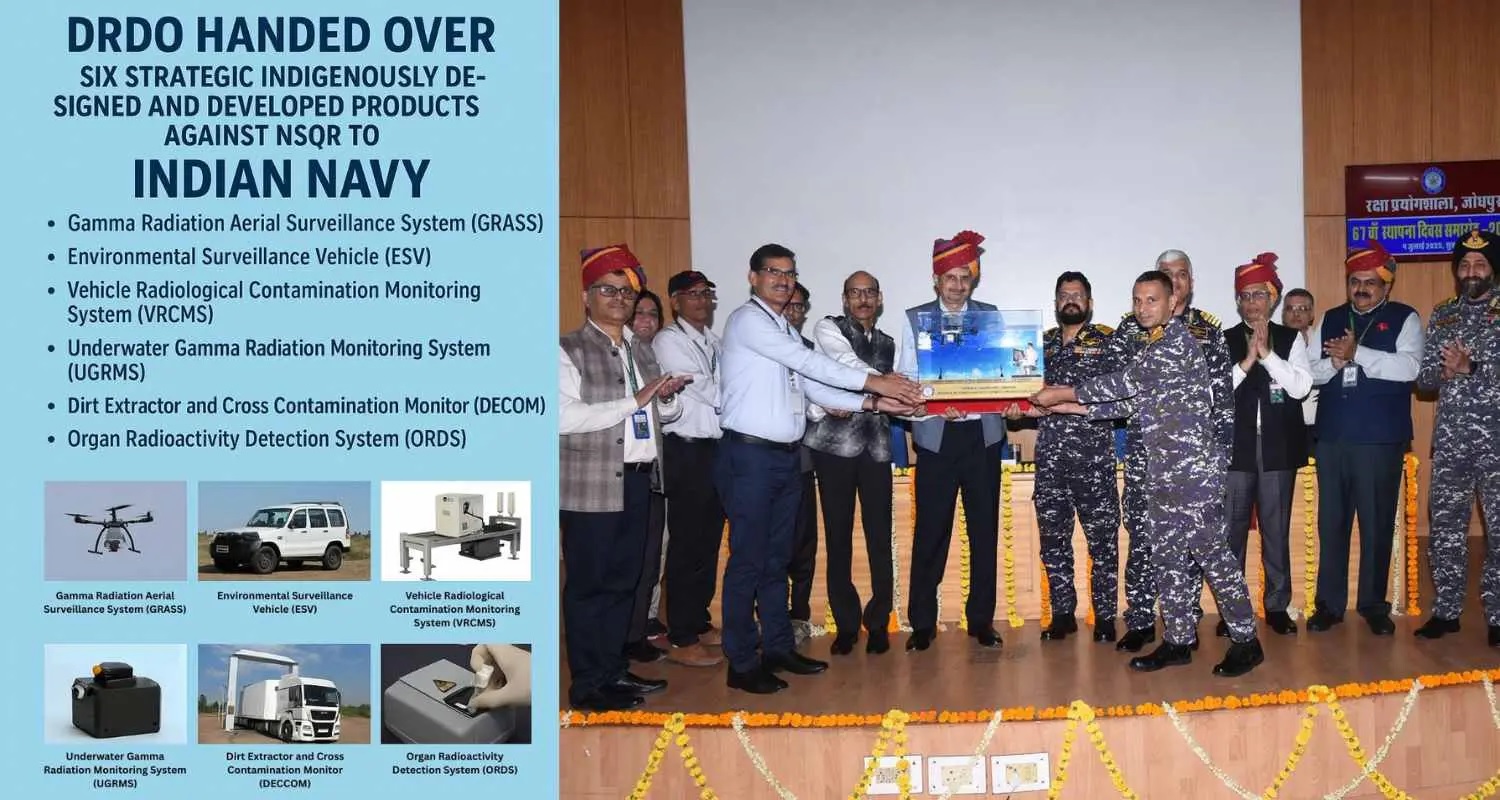
India
In a major step toward enhancing India's naval preparedness against nuclear, biological, and chemical (NBC) threats, the Defence Research and Development Organisation (DRDO) has formally handed over six indigenously developed radiation surveillance systems to the Indian Navy. This significant transfer of technology reflects India’s growing self-reliance in critical defence domains and strengthens the Navy’s operational safety in sensitive environments. The handover ceremony took place at the Defence Laboratory in Jodhpur, a key DRDO establishment, and was attended by senior defence officials, including Dr. Samir V. Kamat, Chairman of DRDO and Secretary, Department of Defence R&D, and Rear Admiral Sriram Amur, Assistant Chief of Naval Staff (Submarines and Strategic Projects). A Comprehensive Radiation Detection Suite The six systems handed over to the Navy are designed to detect, monitor, and mitigate radiological threats in a variety of operational settings—on land, at sea, underwater, and even in the air. All six products meet the Naval Staff Qualitative Requirements (NSQR) and were developed through indigenous research and engineering, underlining DRDO’s capability to deliver sensitive systems tailored to the specific needs of the armed forces. 1. Gamma Radiation Airborne Surveillance System (GRAS) A cutting-edge airborne platform designed to detect gamma radiation over large areas, GRAS can be deployed rapidly using aircraft to survey suspected nuclear-contaminated zones. It is especially critical for reconnaissance missions and post-nuclear incident assessment in remote or inaccessible areas. 2. Environmental Surveillance Vehicle (ESV) This mobile ground-based platform allows continuous monitoring of radiation levels in the environment. It’s equipped with real-time sensors that help identify hotspots and guide decontamination operations. The ESV will be particularly valuable for naval bases and facilities dealing with nuclear material. 3. Vehicular Radiological Contamination Monitoring System (VRCMS) Mounted on standard military or logistic vehicles, this system monitors radiological contamination on land surfaces, including roads and equipment. It will assist naval units during NBC drills, disaster response missions, and while handling contaminated cargo or assets. 4. Underwater Gamma Radiation Monitoring System (UGRMS) A specialized unit developed for sub-surface gamma detection, the UGRMS can monitor underwater platforms like submarines, ship hulls, or ports for radioactive contamination. Its deployment will significantly enhance naval capability to manage nuclear safety below the waterline. 5. Dirt Extraction and Cross-contamination Monitoring System (DECCOM) DECCOM is tailored for detecting cross-contamination in soil and other particulates. This is particularly useful in ensuring cleanliness and safety in nuclear-sensitive areas, as well as forensics and decontamination verification. 6. Organ Radioactivity Detection System (ORDS) This human-body monitoring system helps detect internal radioactive contamination in naval personnel. It plays a key role in medical triage and post-exposure assessment, ensuring that affected individuals receive timely diagnosis and treatment. Strategic Impact These systems collectively form a multi-layered radiation surveillance network for the Indian Navy. From real-time aerial monitoring to underwater gamma detection and human exposure assessment, this suite of tools will enable commanders to respond quickly and efficiently to radiological threats—intentional or accidental. Speaking at the event, DRDO Chairman Dr. Samir Kamat highlighted the importance of such technologies for modern naval forces: "These systems mark a significant stride in strengthening the Indian Navy’s NBC defence capabilities. The fact that all six are indigenously developed reflects India’s growing technological maturity and our commitment to Aatmanirbharta." Rear Admiral Sriram Amur commended DRDO’s achievement, noting that these systems will provide the Navy with a critical edge in radiation detection and management, especially during high-risk missions and strategic operations involving nuclear-powered platforms. Aligned with Aatmanirbhar Bharat The handover of these strategic tools comes at a time when India is pushing aggressively toward self-reliance in defence manufacturing. Each of these systems not only substitutes foreign imports but also reflects the technological capabilities of Indian scientists and engineers working within the DRDO ecosystem. In the broader context, this initiative supports the Indian government’s Aatmanirbhar Bharat Abhiyan and the Navy’s objective to modernize with home-grown, customized technologies that meet operational requirements and reduce dependency on external suppliers. With the induction of these six advanced systems—GRAS, ESV, VRCMS, UGRMS, DECCOM, and ORDS—the Indian Navy has significantly enhanced its NBC defence readiness. Developed through indigenous R&D, these systems showcase the capability of Indian defence science and mark another milestone in India’s journey toward strategic autonomy in critical defence technologies. These tools will now become part of naval operations, exercises, and readiness drills—quietly, but crucially, safeguarding the nation's maritime forces in an increasingly unpredictable security environment.
Read More → Posted on 2025-07-15 16:15:31
India
In a landmark achievement for India’s space journey, Group Captain Subhanshu Shukla and three international astronauts have safely returned to Earth after completing an 18-day mission aboard the International Space Station (ISS). Their SpaceX Crew Dragon capsule “Grace” made a smooth splashdown in the Pacific Ocean off the coast of Southern California at 3:01 PM IST on July 15, 2025, marking the successful end of the Axiom-4 mission. A Triumphant Return to Earth Moments after the splashdown, rescue teams reached the capsule by sea and air. Subhanshu Shukla, emerging from the spacecraft at approximately 3:35 PM IST, smiled and waved at the cameras, visibly healthy and proud. Medical teams conducted routine checks to ensure the wellbeing of all four astronauts, who were then ferried to the recovery vessel. India’s Defence Minister Rajnath Singh congratulated the IAF officer, stating: “A proud moment for India… He lifted the nation’s aspirations to new heights.” Mission Timeline: From Launch to Splashdown June 25, 2025: The Dragon spacecraft launched from Kennedy Space Center in Florida with four astronauts on board. June 26: Docked with the ISS, beginning an 18-day stay focused on scientific experiments and international collaboration. July 14, 4:45 PM IST: The spacecraft undocked from the ISS, initiating its return to Earth. July 15, 2:07 PM IST: Performed a de-orbit burn to begin controlled re-entry. July 15, 3:01 PM IST: Safely splashed down in the Pacific Ocean, near San Diego. The International Crew of Axiom-4 Peggy Whitson (USA) – Mission Commander, a record-setting NASA astronaut. Subhanshu Shukla (India) – Indian Air Force test pilot, second Indian ever in space. Slawosz Uznanski-Wiśniewski (Poland) – Mission Specialist. Tibor Kapu (Hungary) – Mission Specialist. All astronauts were part of the privately organized Axiom-4 mission, which carried out more than 60 scientific experiments aboard the ISS. These included studies on human physiology in microgravity, materials science, and biological systems, in addition to educational outreach activities. A New Chapter in India’s Space Journey Subhanshu Shukla’s journey marks a pivotal milestone, as he became the first Indian astronaut to visit the ISS and the second Indian in space, after Rakesh Sharma’s mission in 1984. His participation comes ahead of India’s upcoming Gaganyaan crewed spaceflight mission, for which he is widely expected to be a leading candidate. Prime Minister Narendra Modi, in a congratulatory message, said: “Subhanshu has inspired a billion dreams. This mission strengthens India’s commitment to human spaceflight and international collaboration.” Post-Mission Plans and Recovery Following the successful splashdown, the crew was flown to Houston, Texas, for medical monitoring and rehabilitation. Shukla will remain under observation for about a week before returning to India around August 17, where a formal debrief with ISRO and IAF officials is expected. In Houston, Shukla will also hand over over 580 pounds of experiment samples and data, collected during the mission, for further analysis and global scientific research. Subhanshu Shukla’s return from space marks more than just the end of a mission—it is the beginning of India’s deeper role in global human spaceflight. From the pride on his face during splashdown to the outpouring of national admiration, this moment symbolizes India’s rising stature in space exploration. With Gaganyaan on the horizon and Shukla as a national symbol of aspiration, India is no longer just watching from Earth—it’s now a part of the stars.
Read More → Posted on 2025-07-15 16:05:18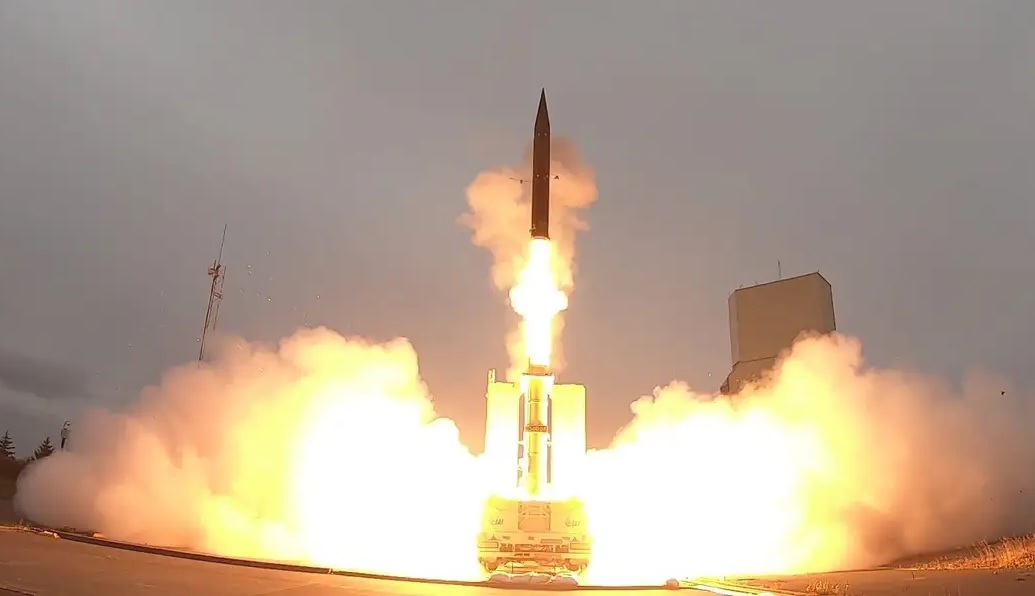
World
Israel is on the brink of deploying its next-generation Arrow 4 missile defence system, a powerful advancement in its multi-layered air defense shield. Boaz Levy, CEO of Israel Aerospace Industries (IAI), confirmed the system's imminent operational deployment, stating that development is progressing swiftly and a new level of interception capability is being introduced to counter emerging threats. The Arrow 4 has been developed jointly by IAI and the U.S. Missile Defense Agency, with the program officially launched in February 2021. It is designed as a direct successor to Arrow 3, and will complement Israel's existing Arrow 2 and Arrow 3 systems, both of which have been vital components in Israel’s anti-ballistic missile defence architecture for over two decades. Unlike its predecessors, Arrow 4 is optimized to counter shorter- to medium-range ballistic threats, including newer, faster, and more maneuverable missiles such as hypersonic glide vehicles (HGVs) and high-precision tactical projectiles. It incorporates advanced manoeuvrability, a next-gen seeker, and a new precision-optimized warhead. These features are engineered to intercept threats in the lower exo-atmosphere, where traditional long-range interceptors like Arrow 3 may not be as effective. One of the key operational innovations of Arrow 4 is its "shoot-look-shoot" doctrine—a tactical approach allowing the system to perform mid-course corrections and launch additional interceptors if the first attempt misses. This increases kill probability and provides greater flexibility in real-time combat situations. The system integrates seamlessly into the broader Arrow Weapon System (AWS), which also includes the ELM-2080 "Green Pine" Radar, capable of detecting and tracking ballistic missiles at speeds exceeding 3 km/s. This radar feeds data to the Battle Management Center, which assesses threats and initiates interception sequences using Arrow 2, Arrow 3, or now Arrow 4, depending on the trajectory and type of incoming missile. The Arrow 4’s deployment comes amid growing regional threats, especially from adversaries developing more sophisticated ballistic arsenals. Levy emphasized that “a new line of missile defense is essential for the protection of Israeli citizens,” adding that the next phase, Arrow 5, is already in the works to eventually replace Arrow 3 and extend interception capabilities even further. Beyond domestic defense, global interest in the Arrow 4 is rising. Germany, which recently acquired Arrow 3 under NATO’s European Sky Shield Initiative, is reportedly considering Arrow 4 as part of its future missile defense strategy. The system’s modularity, international compatibility, and interoperability with allied frameworks make it a strong candidate for multinational deployments. The Arrow 4 is expected to enter operational trials within the next two years, but IAI officials suggest deployment could be expedited if strategic threats intensify. Once fielded, it will mark a significant leap in missile interception capability, reinforcing Israel's position as a global leader in multi-layered missile defense technologies. With Arrow 4 nearing deployment, Israel not only enhances its national security but also sets the stage for expanded international cooperation in advanced missile defence.
Read More → Posted on 2025-07-15 15:54:27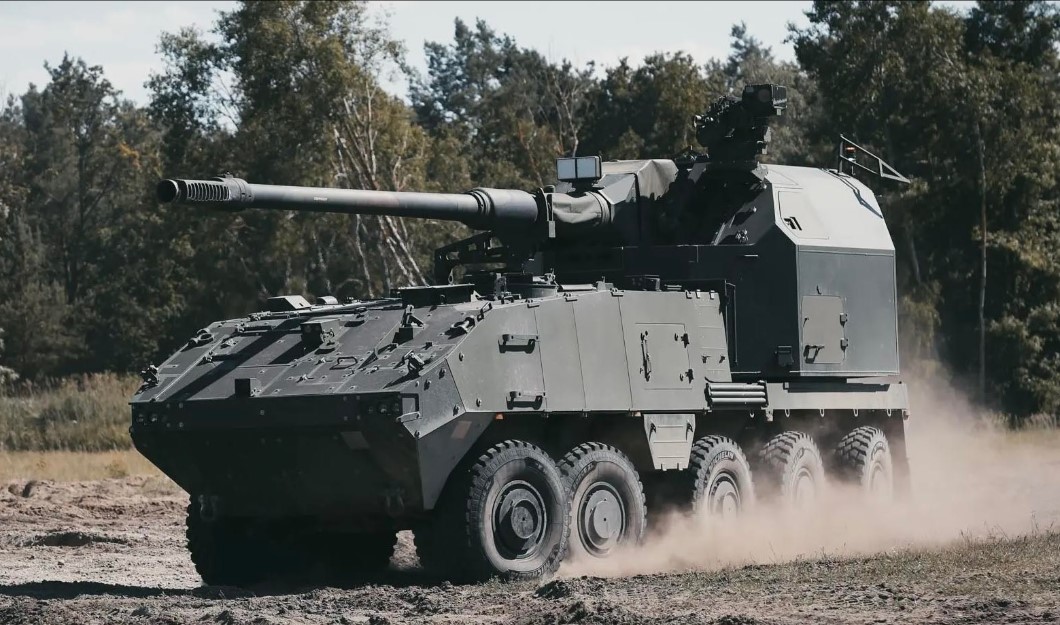
World
In a major move to upgrade its artillery capabilities, Spain has announced plans to procure more than 200 self-propelled howitzers to replace its aging fleet of M109 systems. The acquisition, spread across two major subprograms, is expected to cost over €3 billion ($3.51 billion) and will dramatically boost the Spanish Army and Marine Infantry’s firepower and mobility. Two-Pronged Procurement Strategy Spain’s modernization plan includes both tracked and wheeled self-propelled howitzers, along with an extensive support vehicle network. The purchase is split into two subprograms: Subprogram 1: Procurement of 128 tracked howitzers at a cost of €1.82 billion ($2.12 billion). These will be distributed between the Spanish Army and the Spanish Marine Infantry. The package also includes: 128 tracked ammunition vehicles 21 recovery vehicles 48 command vehicles for the Army 11 command vehicles for the Marine Infantry 7 optional maintenance vehicles Subprogram 2: Acquisition of 86 wheeled self-propelled howitzers for the Army at an estimated €1.18 billion ($1.38 billion). This subprogram also comprises: 86 wheeled ammunition vehicles 14 recovery vehicles 7 optional maintenance vehicles The wheeled howitzers are expected to be configured in 8×8 or 10×10 platforms, which will enhance their mobility in different terrains. Advanced Technical Specifications According to Spain's Ministry of Industry and Tourism, the new systems must feature: High mobility and the ability to deploy rapidly Automated operations with minimal crew requirements A gun barrel between 47 and 52 calibers A firing range of over 40 kilometers (25 miles) using base-bleed ammunition Advanced fire control systems and digital communication capabilities These improvements are designed to offer the Spanish military faster response times, greater precision, and better survivability in modern combat scenarios. Current Fleet and Need for Replacement The current Spanish artillery fleet is based on legacy platforms: Spanish Army: 96 M-109A5E self-propelled howitzers 158 M-548 tracked ammunition vehicles 18 wheeled M-548s Spanish Marine Infantry: 6 M-109A5E howitzers 6 M-992 FAASV ammunition vehicles The M-109A5E, a variant of the American M109 Paladin series, was inducted into Spanish service in the late 1990s and early 2000s. While it has served reliably, its age and limitations in automation and range have made it increasingly obsolete against modern threats. Strategic Impact This large-scale procurement not only revitalizes Spain’s artillery capabilities but also aligns with NATO standards and strengthens the country's role in multinational defense operations. With the inclusion of both tracked and wheeled platforms, Spain ensures its forces are equipped to respond effectively in a wide range of scenarios— from conventional warfare to rapid deployments in diverse terrains. This move marks one of the most comprehensive artillery modernization efforts in Spain’s recent defense history and underlines its commitment to bolstering national and regional security.
Read More → Posted on 2025-07-15 15:49:52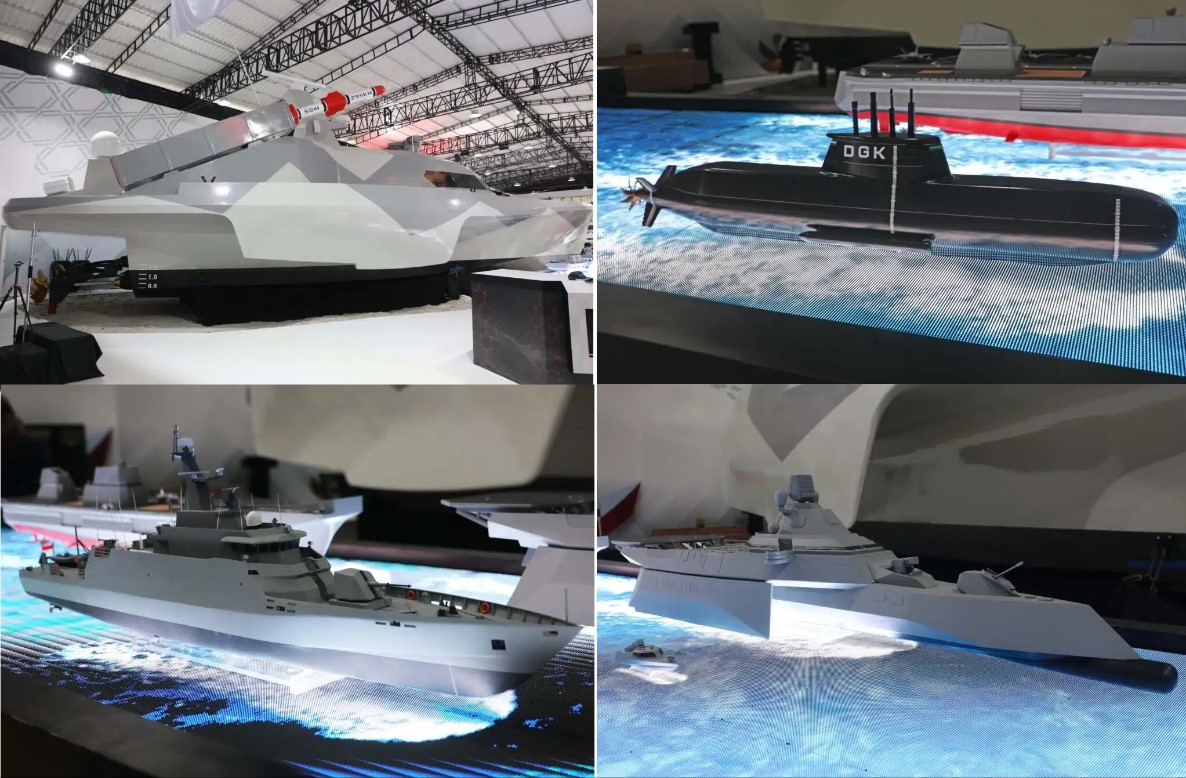
World
Indonesia’s defense industry is making waves with a bold push into high-tech naval warfare, as Republikorp, the defense holding company behind Republik Palindo, unveiled a full-scale mock-up of its new Stealth Missile Boat at the Indo Defence 2025 exhibition in Jakarta. This marks a major milestone for the Southeast Asian nation’s ambition to locally develop advanced maritime combat platforms for littoral defense. The 20-meter-long vessel, designed and built entirely by Republik Palindo, is aimed at countering threats in coastal waters, especially around Indonesia’s strategic straits and chokepoints. While the initial concept was based on earlier studies, actual design work only began in early 2025, showcasing the company’s rapid prototyping and design capabilities. According to Enrico Aryyaguna, Director of Engineering and Planning at Republikorp, the project reflects Indonesia’s vision to “increase the sovereignty of defence technology in Indonesian hands.” He added that the stealth missile boat is tailored to the Navy’s operational needs—particularly its focus on interdiction missions and anti-ship missile strikes. Key Features of the Stealth Missile Boat Low Radar Signature Trimaran Hull: Made from carbon fibre composites, the vessel’s trimaran design not only reduces radar cross-section but also improves stability and speed. High Speed: Powered by two diesel engines (1,618 kW each), plus auxiliary units and surface drives, the craft can reach a top speed of 53 knots, cruising comfortably at 45 knots. Shallow Water Operations: With a draught of just 1.2 meters, the boat can navigate tight coastal areas, ideal for Indonesia’s archipelagic geography. Armament Options: One remote weapon station—possibly the Aselsan STAMP-2L with a 12.7mm machine gun. Two Roketsan Atmaca anti-ship missiles or four Çakir cruise missiles with a 100 km range. Manned and Unmanned Versions: A five-crew manned version and an autonomous variant being co-developed with Milanion (UAE) are in the pipeline. Network-Centric Capability: The vessel is designed to operate in coordinated swarms, connected to other naval sensors and systems for precision targeting in real-time. Aryyaguna confirmed that series production will begin once a contract is secured from the Indonesian Ministry of Defence, with testing and evaluation expected to follow quickly. Expanded Naval Ambitions: Fast Missile Boats, Corvettes, Submarines, and More Alongside the stealth boat, Republik Palindo also presented scale models of an upgraded KCR-60M Fast Missile Boat, the conceptual Future Corvette, and a compact coastal submarine, highlighting Indonesia’s commitment to modernizing its naval forces. Improved KCR-60M Fast Missile Boat Larger hull (67.8m) and better performance. Armed with a 76mm naval gun, dual-canister anti-ship missiles, and 20mm cannons. Equipped with S-band and X-band radars. 35kt top speed, 2,400 nautical mile range. Future Corvette Concept A 6,000-tonne trimaran with stealth features. Features include: 64 VLS cells (8x8 layout). 32 anti-ship missiles in 8 quadruple launchers. Anti-submarine sonar, air defense systems, and a flight deck for helicopters or drones (no hangar). Intended for multi-role missions including air defense, surface warfare, and escort roles. DGK Coastal Submarine Developed in partnership with Italian firm Drass, this 219-tonne mini-sub is designed for special operations and coastal defense: 34m length, 200m dive depth, crew of 9. Two torpedo tubes with optional external mounts. Range: 2,000nm surfaced, 100+nm submerged. Can deploy swimmer delivery vehicles like the DS8 and special forces through a lock-in/lock-out trunk. A framework agreement was signed in February 2025, with a main contract expected mid-2025. Strategic Implications Republikorp’s surge in naval development reflects a strong shift toward indigenous defense production, reducing dependency on foreign suppliers while enhancing the country’s maritime deterrence in an increasingly contested Indo-Pacific region. The stealth missile craft, combined with fast attack boats, multi-role corvettes, and compact submarines, positions Indonesia to secure its vast maritime borders more effectively than ever before. With international collaboration, especially in unmanned systems and submarine technology, and a robust local shipbuilding base, Indonesia is clearly charting a course toward naval self-reliance—a vision that’s no longer just conceptual but visibly taking shape.
Read More → Posted on 2025-07-15 15:39:58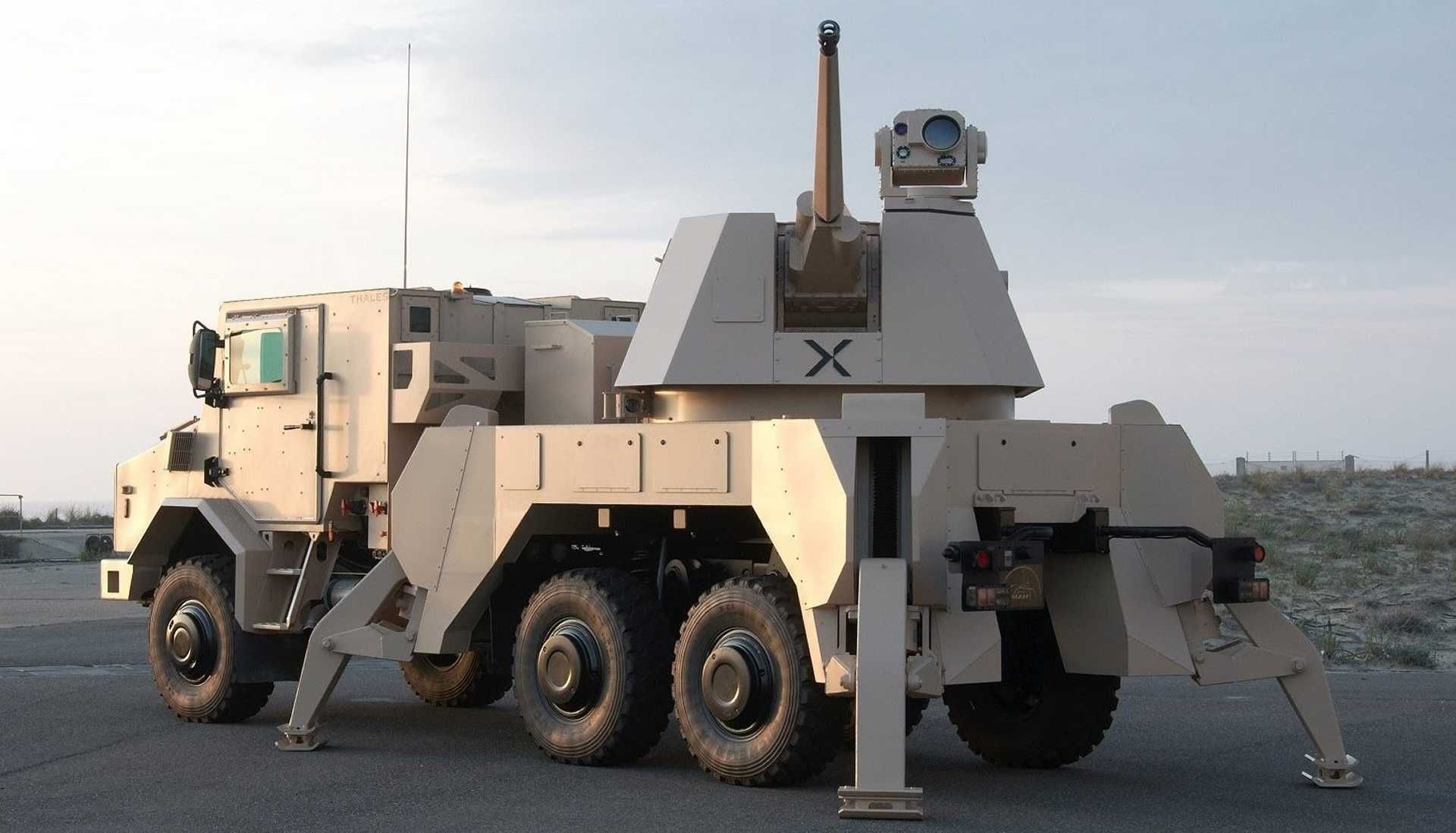
World
The French Armed Forces are stepping up efforts to protect military bases and critical infrastructure by expanding the use of 30mm and 40mm kinetic air defense systems, especially to counter the growing threat from drones. This shift represents a major doctrinal change that focuses on cost-effective, mobile, and layered air defense, moving beyond traditional missile-based systems. The announcement was reaffirmed during a parliamentary hearing on July 9, 2025, where General Jérôme Bellanger, Chief of Staff of the Air and Space Force, emphasized the need for low-cost artillery solutions for base protection. He pointed out that kinetic weapons using 30mm or 40mm calibers offer a more affordable alternative to missile systems like Mistral. General Thierry Burkhard, Chief of the Defence Staff, echoed these views, calling for urgent upgrades in ground-based air defense, particularly against unmanned aerial systems (UAS). 30mm Systems: Mobile Shield Against Drone Swarms The French Army is integrating 30mm cannons into the new Serval C-UAV variant—an agile light armored vehicle built specifically for counter-drone operations. The vehicle mounts the ARX 30 turret, which is armed with the 30M781 cannon, derived from the GIAT 30 on the Tigre attack helicopter. It features programmable airburst munitions, designed to detonate mid-air and create a fragmentation cloud capable of neutralizing micro and mini drones within a 2 km effective range. The Serval C-UAV is equipped with 3D radar and RF detectors for autonomous drone detection and targeting, making it highly responsive for convoy protection and forward deployments. France has initially ordered 24 vehicles, with the option to increase to 48 under the Military Programming Law, and deployment is scheduled for 2028. 40mm Systems: Powerful Layered Defense with RapidFire On a parallel track, France is fielding the 40mm RapidFire system, jointly developed by KNDS France and Thales. It is based on the CT40 cannon, which uses cased telescoped (CT) ammunition, offering greater firepower, compact design, and ammunition efficiency. The naval version of RapidFire has been operational since 2023, mounted on ships like the BRF Jacques Chevallier, while the land-based version—introduced in 2025—is intended to guard air bases, command posts, and logistical hubs. Land variants are available in 6×6, 8×8 mobile, and semi-fixed container formats, and the French Armed Forces have ordered at least 14 units, with a possible expansion to 48 systems by 2027. The system is capable of firing up to 200 rounds per minute, and uses A3B programmable airburst rounds to destroy drones at ranges up to 4 kilometers. The common cannon architecture across both land and naval systems ensures logistical simplicity and training efficiency. Ammunition Supply Secured and Scaled All 40mm CT ammunition is produced by CTA International, a KNDS France–BAE Systems joint venture, with production spread across Haute-Savoie, Cher, and Manche. To ensure independence and supply chain resilience, the French Ministry of Armed Forces has secured a contract for 25,000 rounds, worth €150 million, with annual production set to scale to 30,000 rounds from 2027. The family of 40mm CT ammunition includes general-purpose (GPR), armor-piercing (APFSDS), and A3B airburst types, supporting diverse tactical needs. A Complementary Defense Layer to Missile Systems Both 30mm and 40mm systems serve distinct but complementary roles. The 30mm Serval C-UAV is highly mobile and optimized for close-range swarm threats, while the 40mm RapidFire provides extended range, broader lethality, and programmable targeting for fixed-site defense. Together, they offer a cost-effective kinetic layer beneath missile-based systems like Mistral and VL MICA, enhancing the French SHORAD (Short Range Air Defense) architecture. Adapting to a Global Drone Threat The shift toward kinetic defenses comes amid a global rise in drone incursions over military bases. In 2024, over 350 unauthorized drone flights were reported over 100+ US military sites, including air bases and naval facilities. Europe, too, has witnessed similar events, from RAF Lakenheath to Ramstein Air Base, underscoring the need for dedicated anti-drone defenses. In warzones like Ukraine and Syria, drones have evolved into tools for reconnaissance, loitering attacks, and psychological warfare, sometimes dropping munitions or acting as decoys to trigger air defense responses. These trends have exposed weaknesses in traditional defenses, leading to a global push for dedicated counter-UAS capabilities. Future-Proofing French Air Defense France’s renewed focus on affordable, layered air defense aligns with the 2024–2030 Military Programming Law, which allocated €500 million for air defense in 2025 alone. This includes investments in directed energy weapons, munitions, and joint-force integration. Large-scale exercises like Orion 2026 will validate these capabilities, testing sensor-to-shooter coordination and multi-domain interoperability across services. The path forward is clear: in an era of rapidly advancing drone warfare, France is laying the foundation for a resilient, scalable, and cost-effective air defense ecosystem—rooted in 30mm and 40mm kinetic systems that promise to shield both mobile forces and strategic bases in a changing threat landscape.
Read More → Posted on 2025-07-15 15:26:34
India
In a bold move to elevate India’s maritime manufacturing capabilities, Mazagon Dock Shipbuilders Limited (MDL) has launched a multi-phase expansion plan to increase its shipbuilding capacity from the current 40,000 Deadweight Tons (DWT) to 200,000 DWT in the coming years. This strategic leap, backed by substantial infrastructure investment and land acquisition, aims to place MDL among Asia’s top shipyards. Massive Land Acquisition and Reclamation Efforts As part of the first phase, MDL has leased 15 acres of land from the Mumbai Port Authority for ₹354 crore. This will decongest current operations and allow for new facilities to be built within the main yard. In addition, 10 more acres are being reclaimed adjacent to the shipyard, which will increase the capacity to 80,000 DWT at the Mumbai location. In a parallel development, MDL has acquired 37 acres at Nhava Sheva Port, with an estimated investment of around ₹3,000 crore. This site will serve as a satellite facility and host India’s largest floating dry dock. Investment in State-of-the-Art Infrastructure The total investment for the expansion is expected to range between ₹4,000–5,000 crore, and includes new dry docks, wet basins, and outfitting areas. At its Mumbai location, two new basins are planned, complementing the existing Kanhoji Angre wet basin, which already supports two frigates and two submarines simultaneously. At Nhava, MDL will build India’s largest floating dry dock, measuring 180 meters long, 44 meters wide, and 19.5 meters high. Once complete, it will be capable of docking eight vessels simultaneously, each weighing up to 12,800 tons. This dry dock is expected to be operational by late 2025. Phased Expansion to 200,000 DWT Phase 1 (Mumbai Expansion): Boosts MDL’s capacity from 40,000 DWT to 80,000 DWT through land lease, reclamation, and new basins. Phase 2 (Nhava Sheva Facility): Scales up to the final 200,000 DWT target by leveraging new land, floating dry dock, and larger construction infrastructure. This phased growth model ensures that MDL can maintain ongoing naval production while scaling up operations steadily and sustainably. Boosting Strategic and Commercial Shipbuilding MDL’s expanded infrastructure will support the simultaneous construction of 11 submarines and 10 warships, significantly enhancing India’s defence production capabilities. Beyond military projects, the new capacity will enable MDL to take on larger commercial ships and ship-repair contracts, making it a more versatile and globally competitive player. The Nhava facility, with its high-throughput capacity, is expected to reduce bottlenecks and attract international commercial orders—an area where Indian yards have lagged behind regional competitors like China and South Korea. International Ambitions: Colombo Dockyard Stake In addition to domestic expansion, MDL is set to acquire a 51% stake in Sri Lanka’s Colombo Dockyard PLC, enabling it to handle vessels up to 125,000 DWT and expand its footprint in South Asia. This move marks MDL’s entry into the international shipbuilding arena, supporting India’s broader maritime and strategic interests in the Indian Ocean Region. Phase Location Land Area Target Capacity Key Features Phase 1 Mumbai 15 acres leased + 10 acres reclaimed 80,000 DWT 2 new basins, expanded outfitting Phase 2 Nhava Sheva Port 37 acres acquired 200,000 DWT Floating dry dock (180x44x19.5m), graving dock Overseas Expansion Colombo (Sri Lanka) Strategic 51% stake 125,000 DWT International ship repair & construction capacity Mazagon Dock’s ambitious expansion from 40,000 to 200,000 DWT is more than just an infrastructure upgrade—it represents a significant stride in India’s journey toward self-reliance in naval construction and global competitiveness in commercial shipbuilding. With strategic land acquisitions, modern shipyard technologies, and an eye on international collaboration, MDL is positioning itself as a true maritime powerhouse in the Indo-Pacific.
Read More → Posted on 2025-07-15 15:19:09
World
In a sharp turn of strategy, former President Donald Trump has agreed to supply advanced U.S. weapons to Ukraine, but with a major twist — NATO allies will foot the bill. Speaking from the Oval Office alongside NATO Secretary General Mark Rutte, Trump also issued a 50-day ultimatum to Russia: reach a ceasefire or face serious economic consequences, including new U.S. sanctions. This shift comes after repeated failed efforts to persuade Russian President Vladimir Putin to halt the war in Ukraine. Trump, visibly frustrated, described Putin as someone who “talks nice during the day and bombs at night,” hinting that previous presidents, like himself, had hoped for better outcomes from diplomatic engagement with the Kremlin. Under this new plan, U.S. weapons will be sent to NATO, which will then transfer them to Ukraine. But importantly, NATO member countries — not the U.S. — will be the ones paying for the shipments. “We’re not paying anything for it. But we will send it, and it’ll be good news for us,” Trump emphasized, adding that Ukraine “desperately needs” Patriot missiles and other air defense systems. The initial shipments will include Patriot missile systems, long-range air defense technology that Ukraine has been requesting to counter Russian airstrikes. Trump assured that some of these will arrive within a matter of days, as certain countries plan to swap their own Patriot systems and replace them later. NATO Secretary General Rutte confirmed that this would just be the beginning, with more aid to follow. “This is only the first wave,” he said, naming countries like Germany, Sweden, Denmark, Finland, Norway, the Netherlands, and Canada as part of the coalition backing the supply effort. This announcement comes shortly after the Pentagon had paused some arms deliveries to Ukraine due to concerns over America's own munitions stockpiles — including Patriot interceptors and artillery rounds. That decision has since been reversed, allowing for renewed support under this NATO-led framework. Meanwhile, Trump issued a strong warning to Moscow: if a ceasefire isn’t achieved within 50 days, the U.S. will respond with “100% tariffs on Russia” and secondary sanctions targeting countries that continue buying Russian oil. “If I were Putin today… I would reconsider whether I should not take negotiations more seriously,” said Rutte, backing Trump’s stern message. This decision represents a clear shift in Trump’s foreign policy tone. While he previously sought to broker peace directly with Putin, he’s now leaning on military aid and economic pressure to push Moscow toward the negotiation table. “Putin had really surprised a lot of people,” Trump said. “He talks nice, and then he bombs everybody in the evening. It’s a little bit of a problem there — I don’t like it.” In essence, the U.S. will provide the firepower, NATO will handle the costs, and Russia now faces a deadline. The coming weeks will reveal whether this pressure leads to talks — or to an even sharper escalation in the ongoing war.
Read More → Posted on 2025-07-15 15:09:35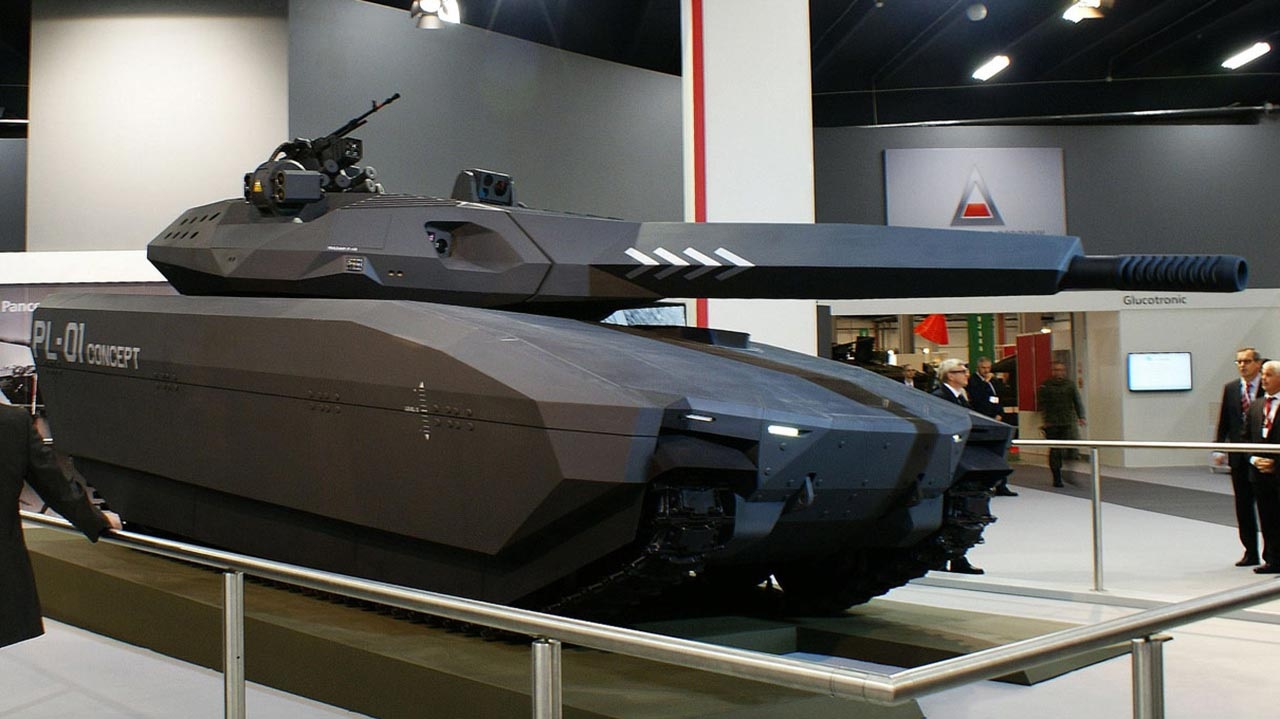
World
In a bold leap toward futuristic armored warfare, South Korea has begun development of the hydrogen-powered K3 main battle tank, a next-generation platform set to eventually replace the highly regarded K2 Black Panther. Spearheaded by Hyundai Rotem, the K3 will be one of the first main battle tanks in the world to integrate hydrogen fuel cell technology, offering a quieter, more efficient, and stealthier alternative to traditional diesel engines. A Tank That Breathes Hydrogen At the heart of the K3 is a hybrid hydrogen-diesel propulsion system, a transitional setup with the long-term goal of achieving a fully hydrogen-powered tank. The hydrogen fuel cells are expected to significantly reduce the tank’s heat and acoustic signatures, which would make it harder for enemies to detect. It also promises greater fuel efficiency and reduced maintenance costs, making it ideal for long, sustained operations in diverse terrain. This shift from conventional combustion to hydrogen is no small feat. Fuel cell tanks demand entirely new architecture, including advanced cooling systems, robust storage for compressed hydrogen, and infrastructure for refueling in field conditions—an ongoing challenge for militaries worldwide. However, South Korea’s investment in the hydrogen economy, both civilian and military, provides a supportive ecosystem for this bold innovation. Armed with Intelligence and Firepower The K3 will be armed with a 130mm smoothbore gun mounted on an unmanned turret, giving it significantly more firepower than the current K2's 120mm gun. The main gun will be complemented by AI-powered fire control systems, allowing it to identify and hit targets up to 5 kilometers (3.1 miles) away with precision. To tackle both near and distant threats, the K3 will also deploy anti-tank guided missiles with ranges of up to 8 kilometers (5 miles), and a remote weapon station capable of mounting weapons ranging from 12.7mm to 30mm. Crew Protection Redefined Hyundai Rotem is prioritizing crew survivability by seating the three-person crew (driver, commander, and gunner) inside an armored capsule at the front of the hull, separated from the turret and ammunition storage. This design approach is not just safer—it also reflects a growing trend toward human-machine teaming in armored platforms. The K3’s active defense suite includes: Hard-kill active protection systems for intercepting incoming rounds Directional infrared countermeasures to deflect heat-seeking missiles Drone-jamming systems to neutralize small aerial threats For enhanced visibility and decision-making, the tank will feature a 360-degree virtual reality system, large digital displays, autonomous driving capability, and even a drone-launch system mounted on the turret for reconnaissance and overwatch. Challenges While the vision for the K3 is ambitious, there are real technical and logistical hurdles. Hydrogen storage and distribution remain major concerns. Storing compressed hydrogen safely on a battlefield, protecting it from enemy fire, and establishing mobile or secure refueling infrastructure in combat zones are critical technical barriers that must be overcome. Furthermore, integrating high-energy systems, like advanced sensors and AI algorithms, into a compact, survivable tank platform demands both power and cooling efficiency—an area where Hyundai Rotem will need to innovate aggressively. Powered by Experience Hyundai Rotem isn't new to cutting-edge tank manufacturing. Its K2 Black Panther is already in service in South Korea and is now being exported to Poland. In fact, Hyundai signed a $6.5 billion contract with Poland for local production of the K2, including technology transfer and infrastructure development. As of mid-2025, 133 out of 180 K2s from the initial Polish contract have already been delivered. This operational success provides Hyundai with both the financial and technical momentum to take on the more complex K3 project. A Vision for Future Warfare Hyundai Rotem has positioned the K3 as a symbol of future warfare—a platform that not only fights smarter and cleaner but also ensures the safety of those operating it. As battlefield conditions evolve rapidly with drones, sensors, and AI shaping the frontlines, the K3 is a bold answer to the question: What should tomorrow's tank look like? By merging AI, clean energy, and advanced firepower, South Korea's K3 project could redefine armored combat—not just for Korea, but for the world.
Read More → Posted on 2025-07-15 15:03:58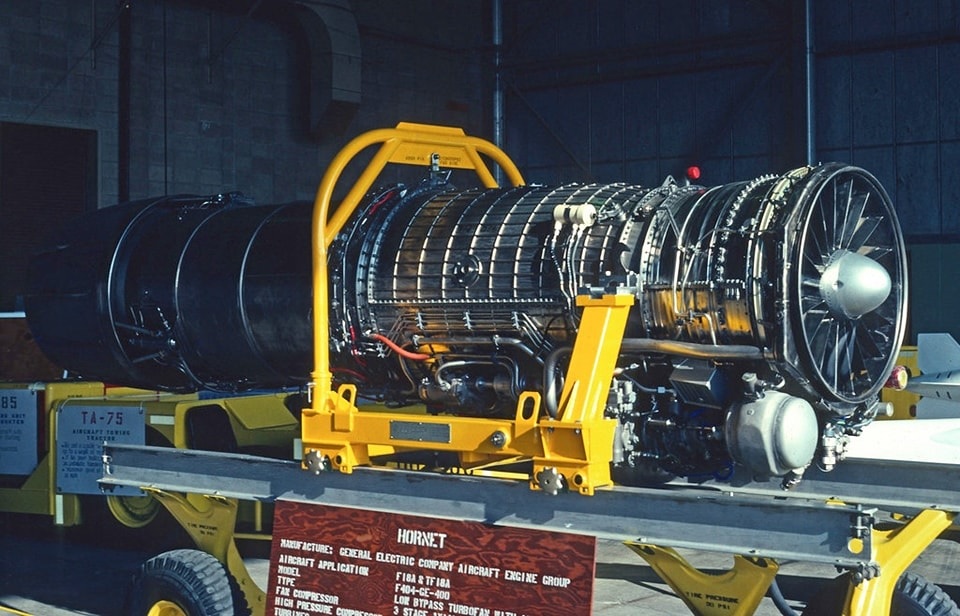
India
India’s ambitious fighter jet programme marked a key milestone this week with Hindustan Aeronautics Limited (HAL) receiving the second GE-404 engine from the United States for its Tejas Mk1A production line. The third engine is expected to be delivered by the end of July, indicating a steady ramp-up in deliveries that are essential to meet the Indian Air Force's growing needs. These GE-404 engines, manufactured by GE Aerospace, are critical components of the Tejas Mk1A, India’s indigenous Light Combat Aircraft (LCA). A total of 12 engines are scheduled to be delivered by March 2026, enabling HAL to maintain its production targets. The engine is known globally for its high thrust-to-weight ratio, proven reliability, and performance in combat aircraft. The Indian Air Force has already placed a firm order for 83 Tejas Mk1A jets, a contract worth nearly ₹48,000 crore signed in 2021. This version of the Tejas marks a significant upgrade over the initial variants, positioning it as a frontline fighter in India's air defense network. The Ministry of Defence has also cleared a proposal for 97 additional Mk1A units, which is currently in the final stages of approval. If cleared, this would take the total Mk1A fleet strength to 180 aircraft, making it the largest indigenous fighter fleet in the country’s history. The Tejas Mk1A brings with it several technological enhancements, including an AESA radar for superior target acquisition, an advanced electronic warfare suite, improved maintenance and logistics systems, and the ability to deploy a wider variety of air-to-air and air-to-ground weapons. All of these improvements aim to make the Mk1A not just a replacement for older platforms like the MiG-21, but a credible multirole combat aircraft. The consistent delivery of engines by GE Aerospace is pivotal for HAL to meet its production timelines, with the first batch of Mk1A jets expected to roll out for squadron service in 2024–25. HAL has already completed ground integration trials and initial flight testing, and with engines arriving on schedule, assembly can now move ahead at full speed. This progress also reflects India’s growing emphasis on self-reliant defence manufacturing, supported by foreign technology partnerships and robust domestic production. The Tejas Mk1A, being a symbol of that vision, is set to be the backbone of the IAF’s combat fleet for decades to come.
Read More → Posted on 2025-07-15 14:59:25Search
Top Trending in 24 Hours
-
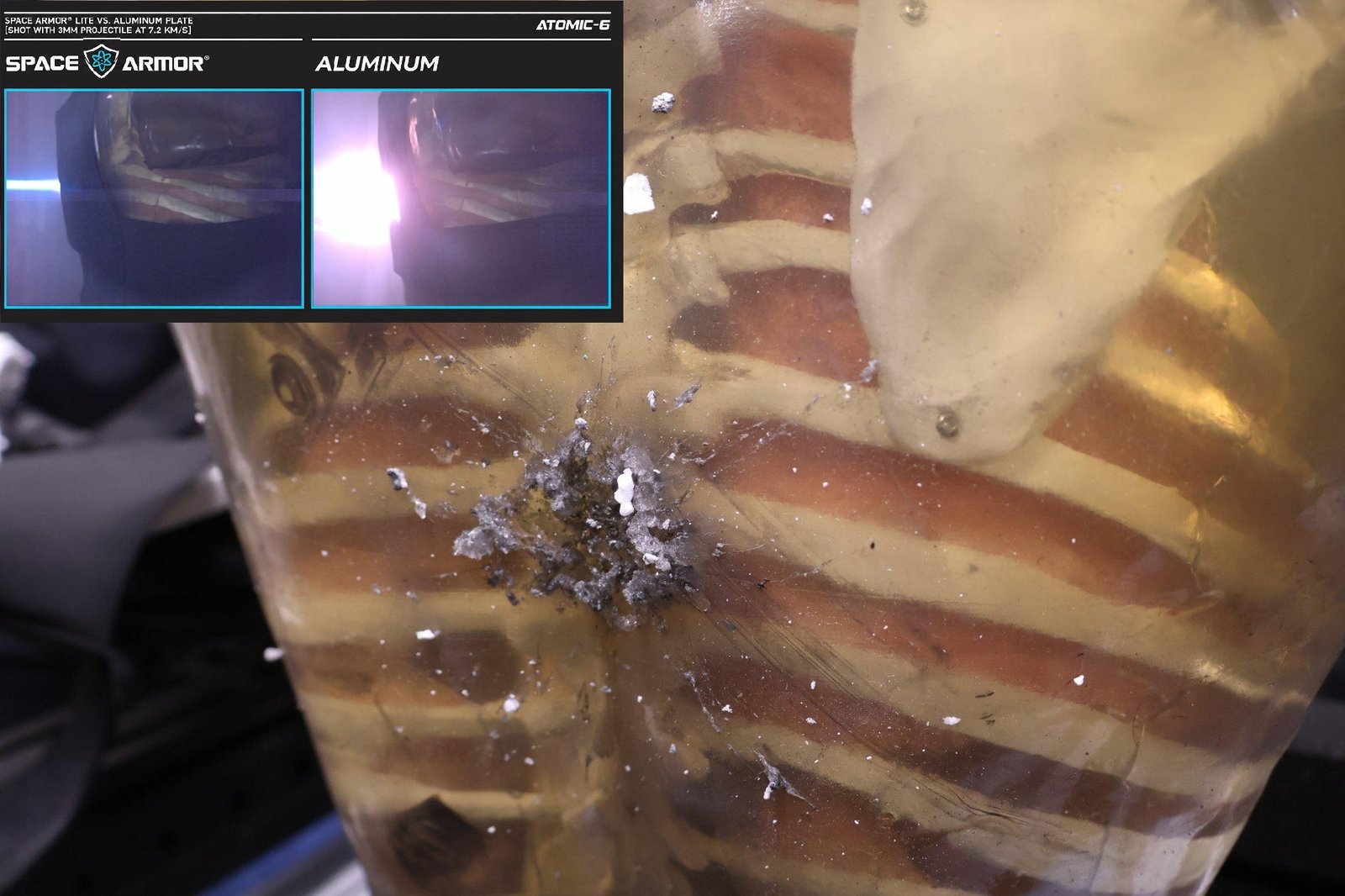 Atomic-6 Tests Composite Armor Against 16,100 MPH Space Debris for Astronaut Protection
-
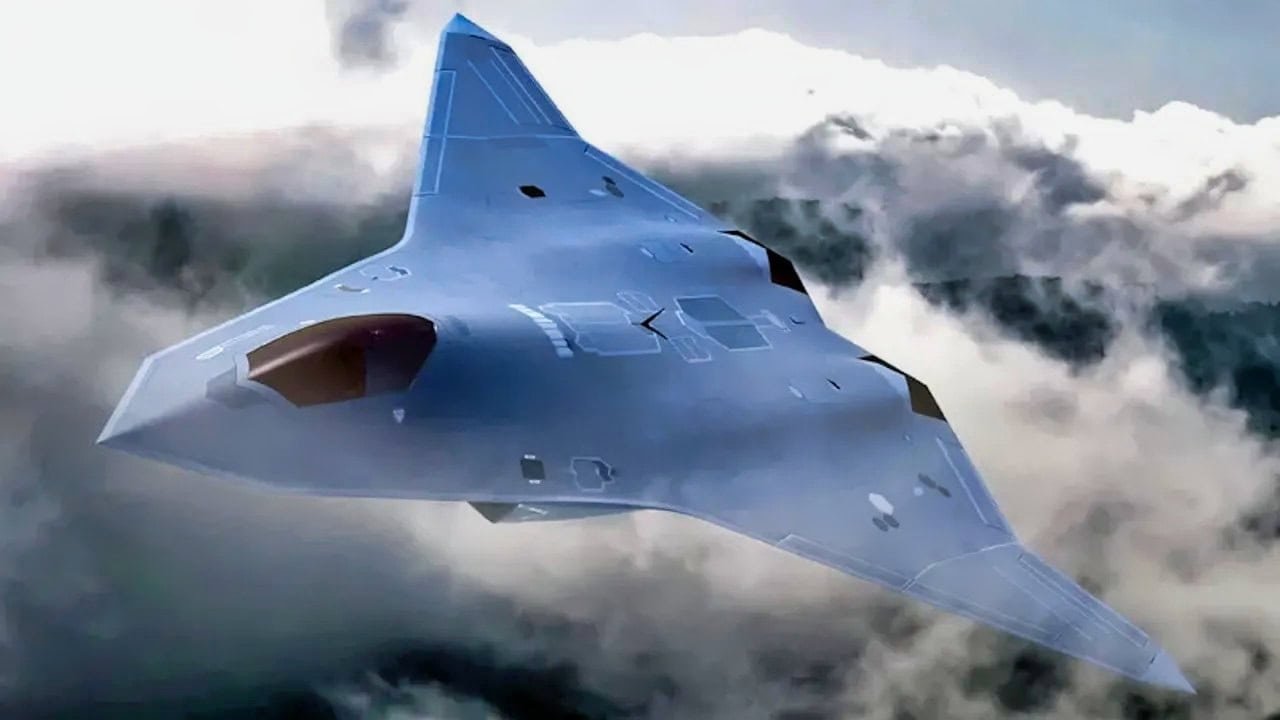 Northrop Grumman Will Not Challenge Boeing’s $20 Billion U.S. Navy F/A-XX Contract
-
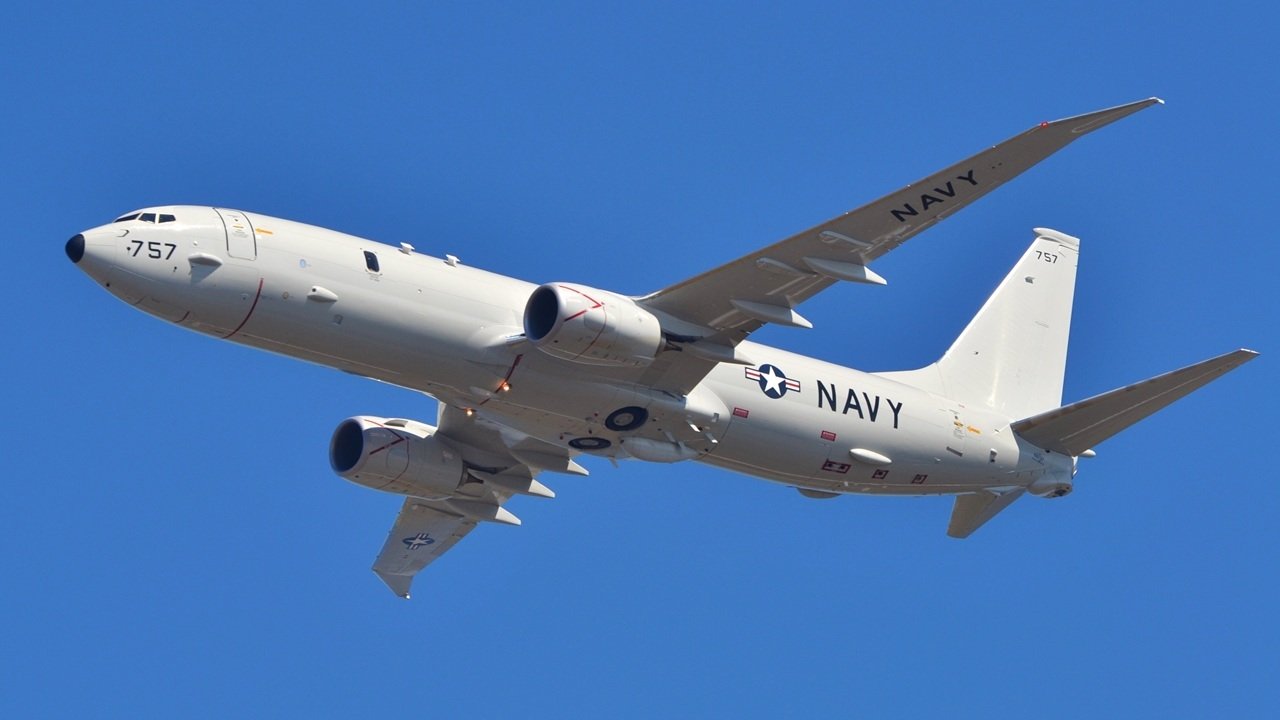 BAE Systems Receives $104.7 Million Navy Contract Modification for Advanced Survivability Pod on P-8A Poseidon
-
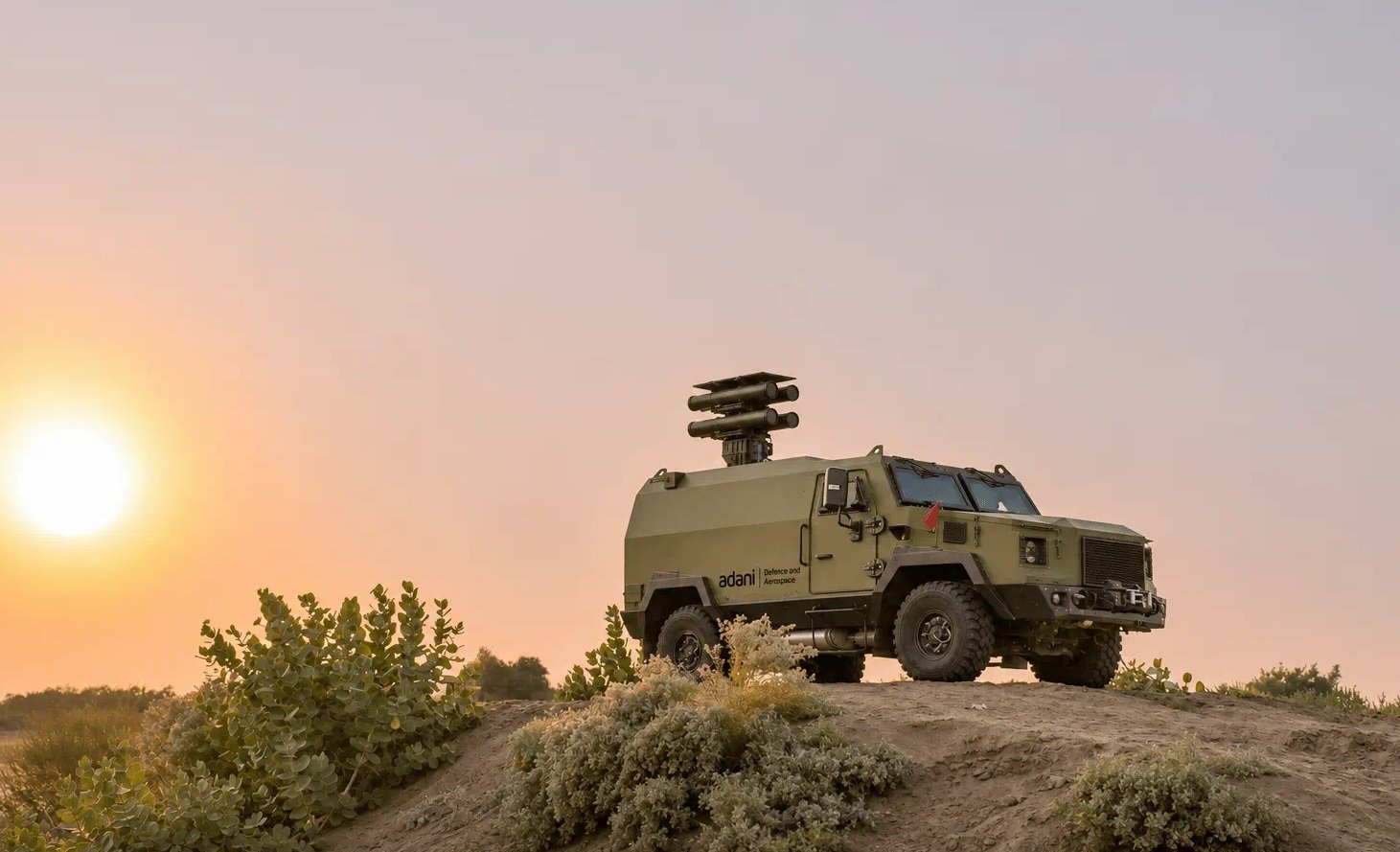 Adani Defence Demonstrates Bagheera AT1 Vehicle-Mounted Anti-Tank Missile System at Pokhran
-
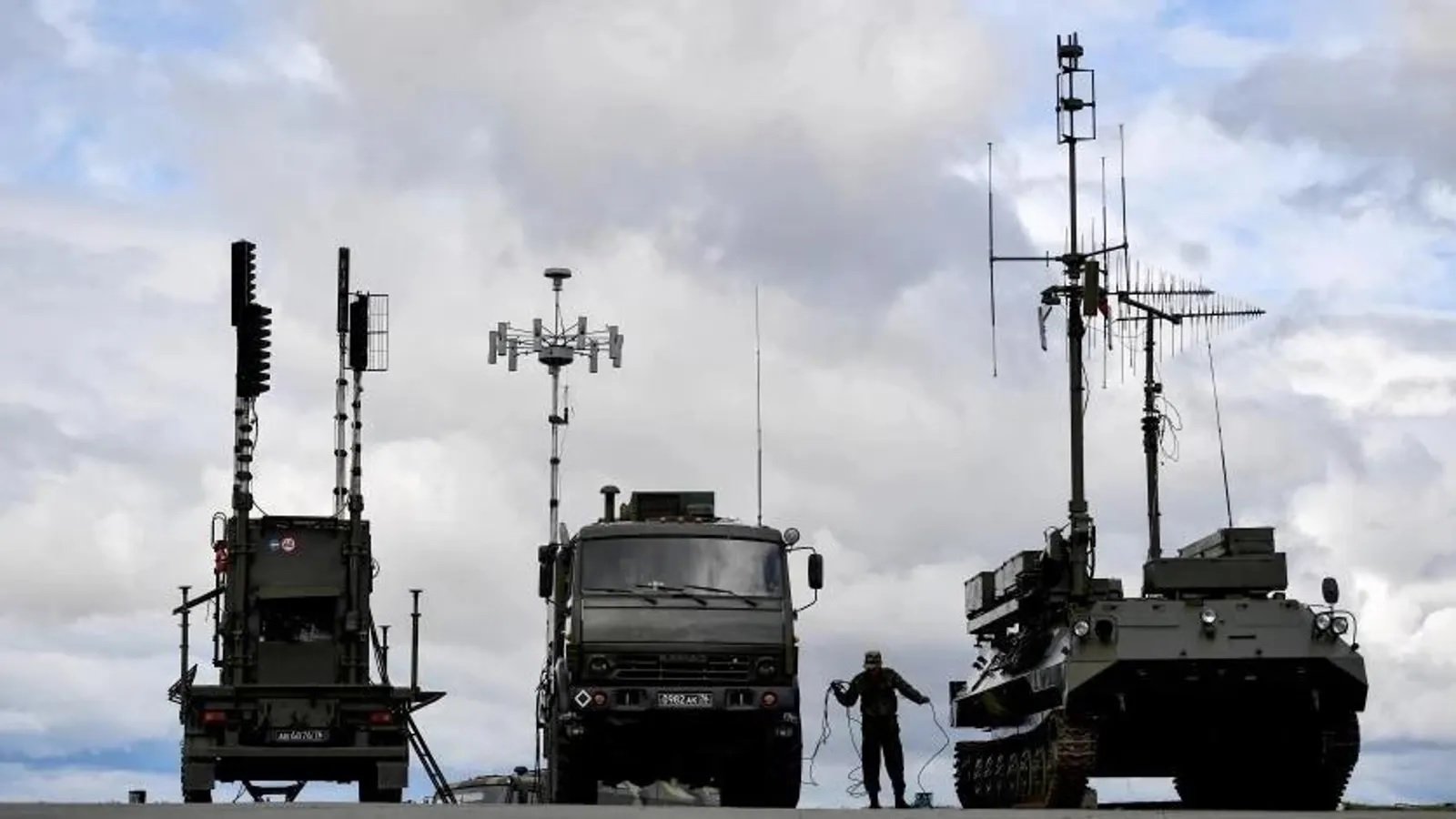 Russia Develops Foros Adaptive Electronic Warfare System to Counter FPV Drones
-
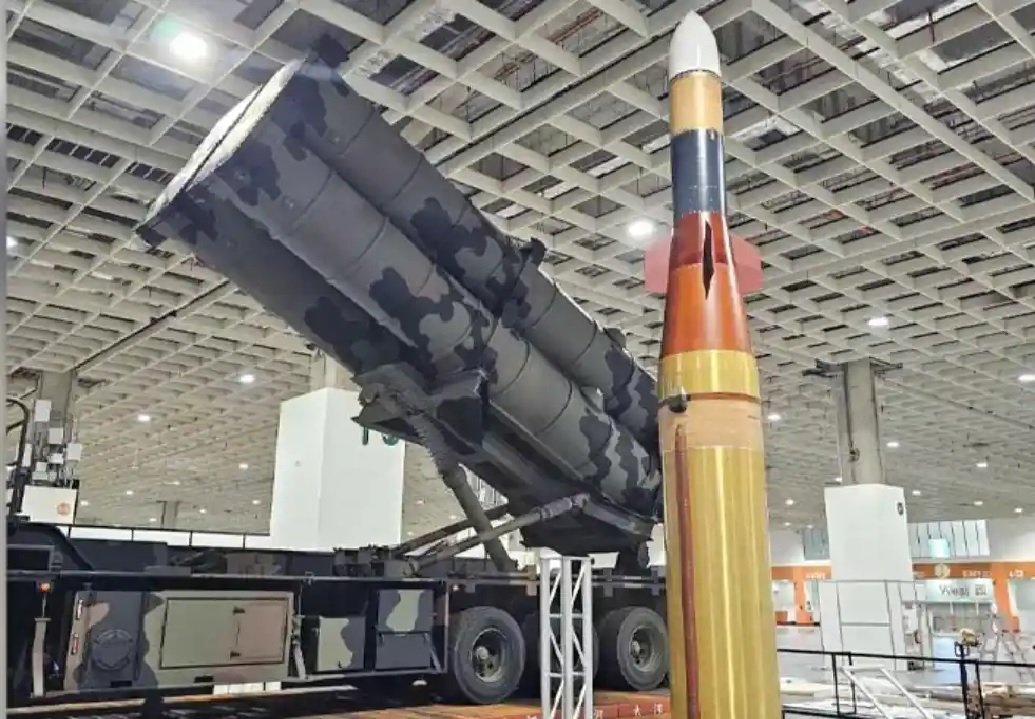 Taiwan Approves NT$145.7 Billion Defence Budget, Clearing TK-4 Anti-Ballistic Missile for Mass Production
-
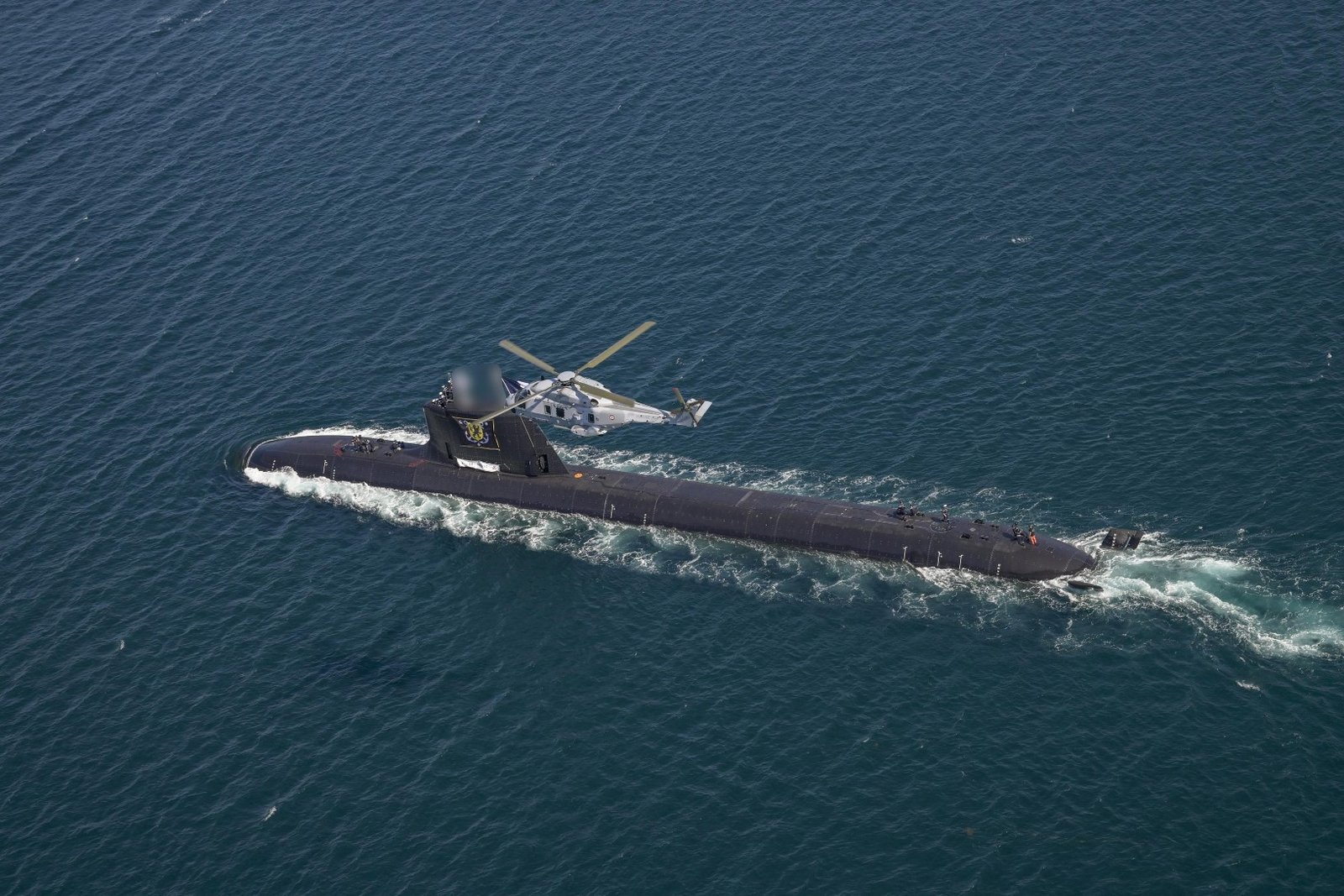 French Navy’s Fourth Suffren-Class Submarine De Grasse Enters Active Service
-
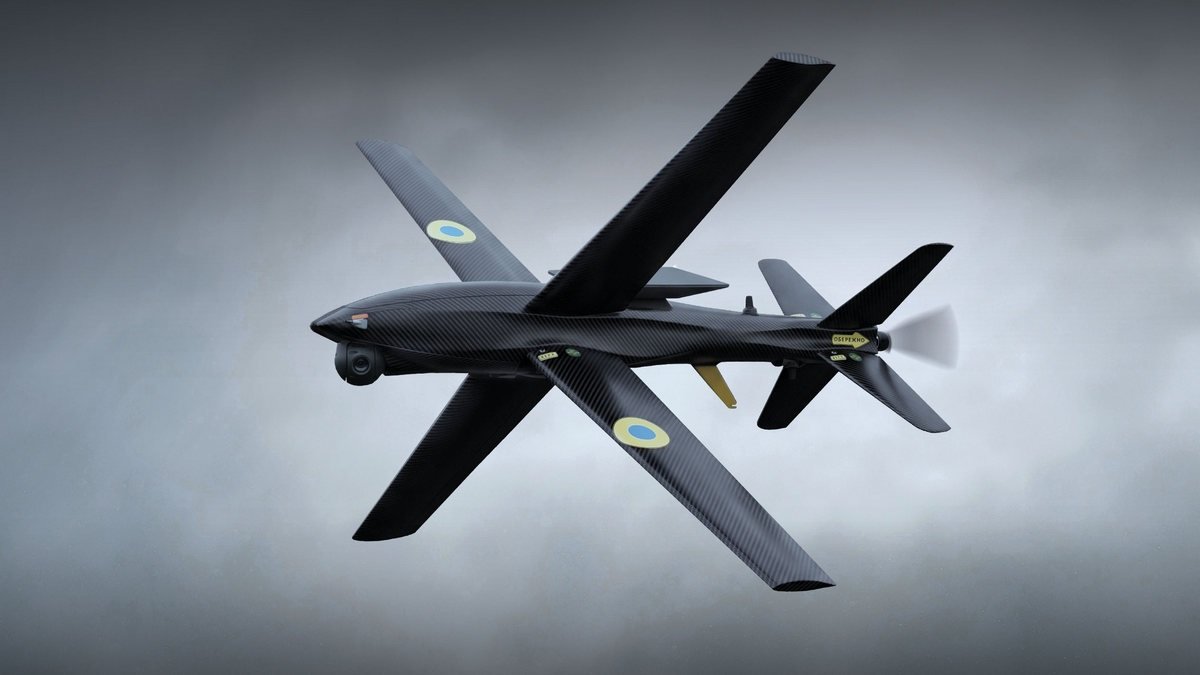 Ukrainian Ukrspecsystems Unveils Black Betty Strike Drone for Regular Frontline Missions
Top Trending in 4 Days
-
 NSA’s Classified NSANet Network Hit by Outage After PHP Security Patching Amid Wave of U.S. Technology Failures
-
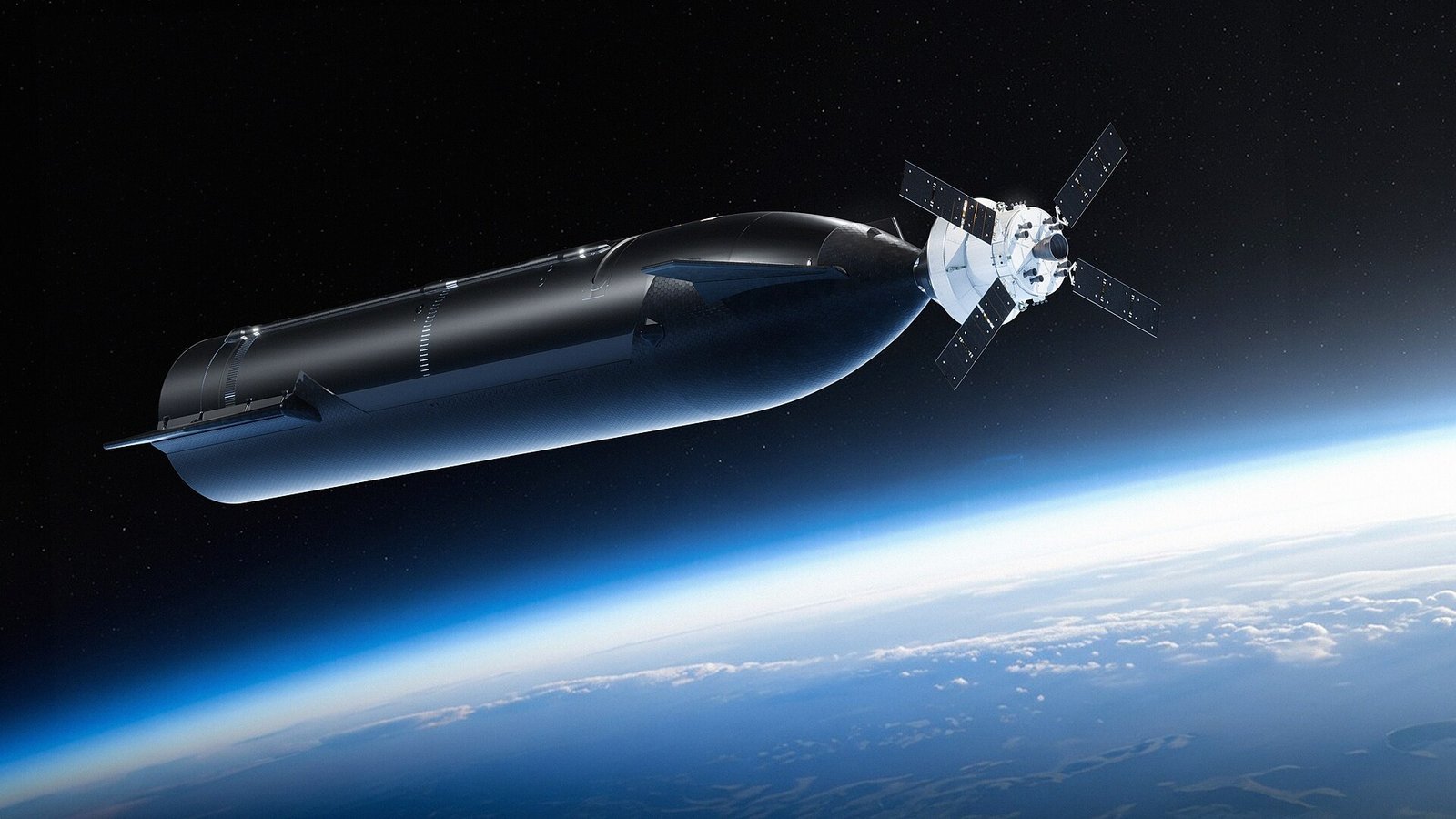 NASA's Orion Spacecraft Needs Major Modifications to Fly Backward with SpaceX Starship
-
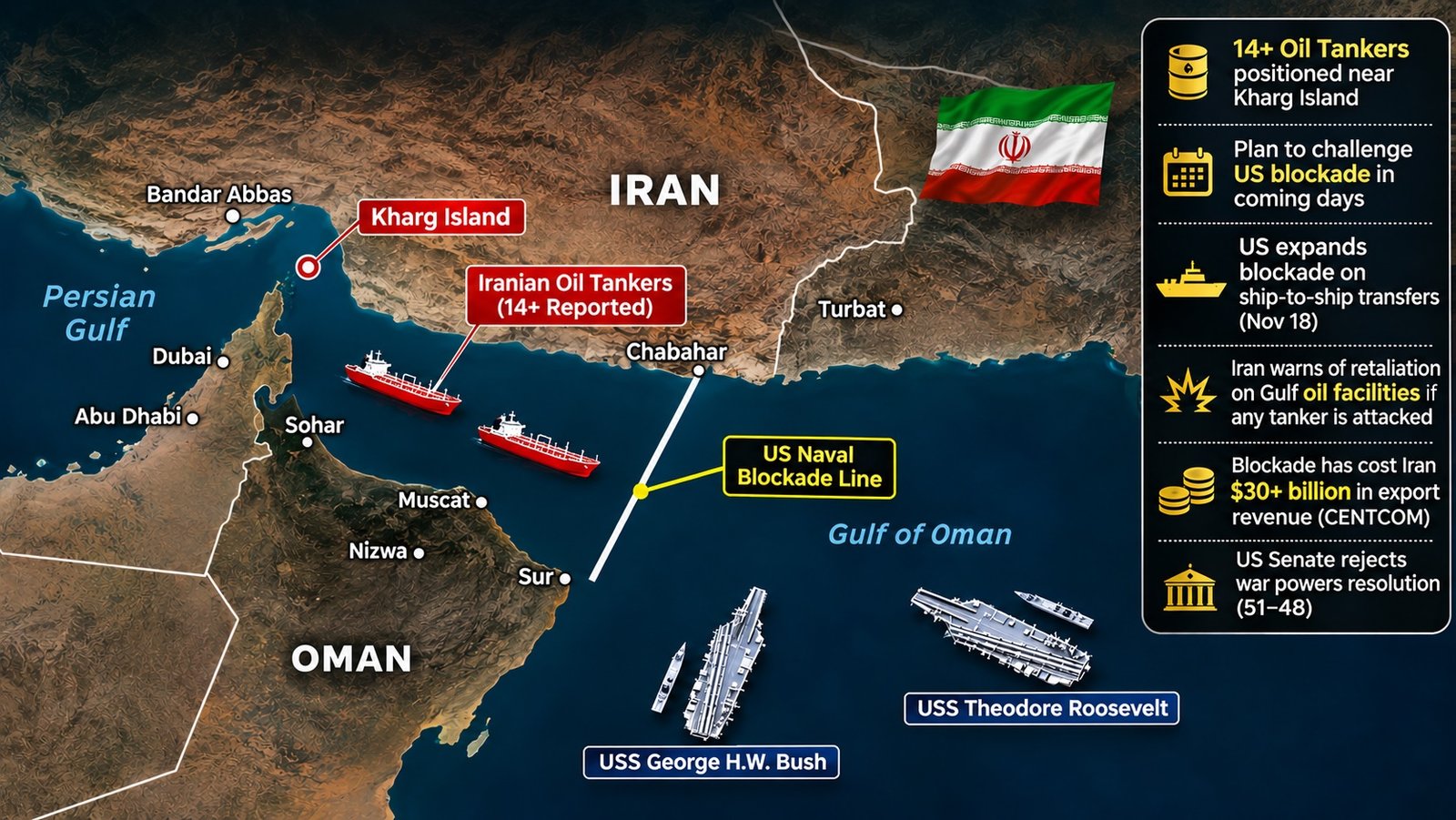 Iran Positions Oil Tankers at Kharg Island Amid Plans to Challenge US Naval Blockade
-
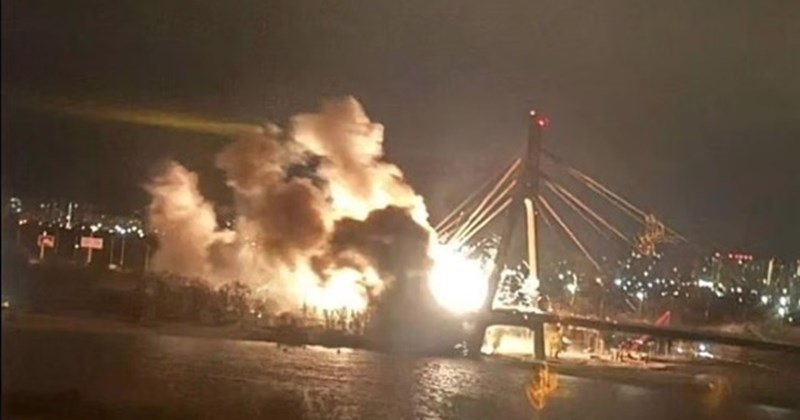 Kerch Bridge Partially Destroyed After Two Nights of Ukrainian Drone and Missile Strikes
-
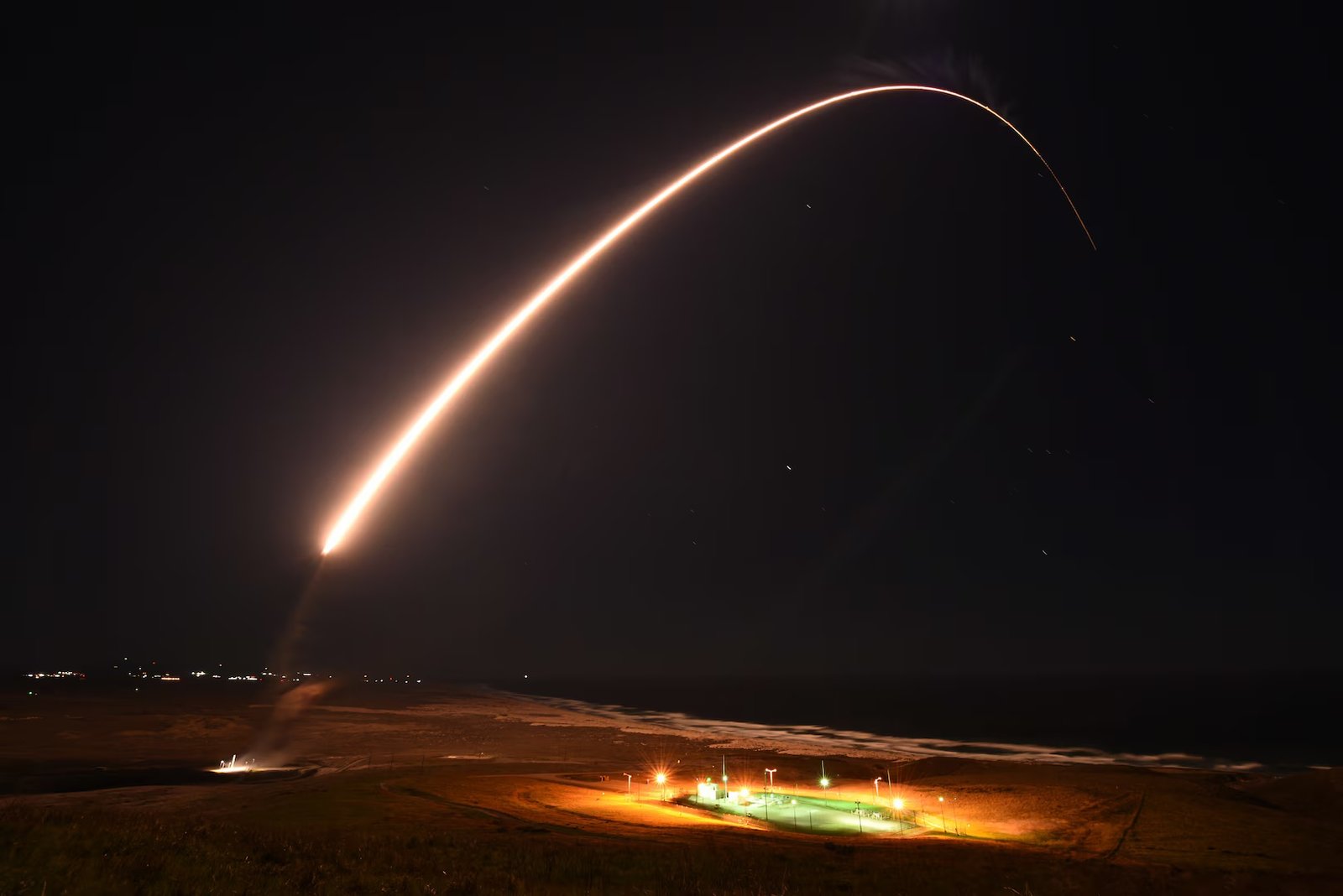 U.S. Air Force Conducts Routine Minuteman III ICBM Test Launch from California
-
 Palmer Luckey Reveals SLAB, a Floating Industrial Platform Designed to Last 1,000 Years
-
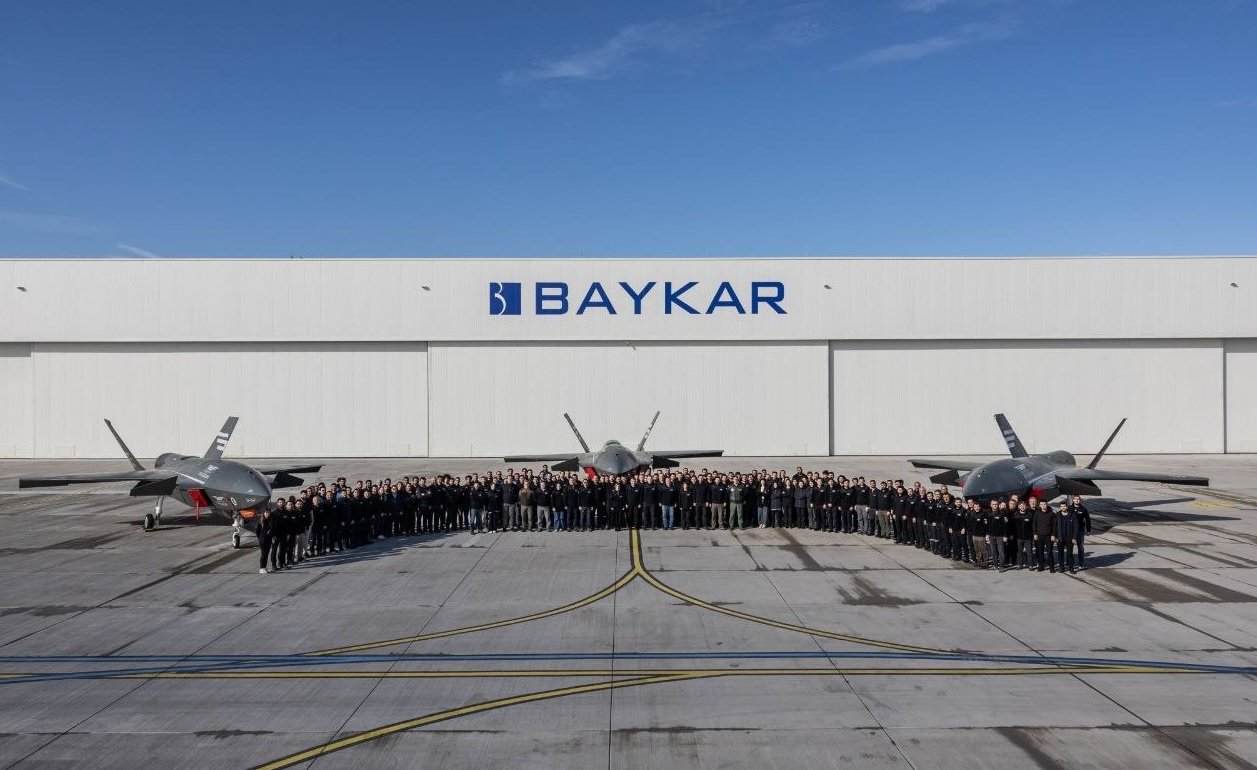 Baykar Delivers First Three Kizilelma Unmanned Fighter Jets to Turkish Forces
-
 Denmark's Parliament Unanimously Approves US-Greenland Defence Deal with 109–0 Vote, Restricting Russian and Chinese Military Presence
