India
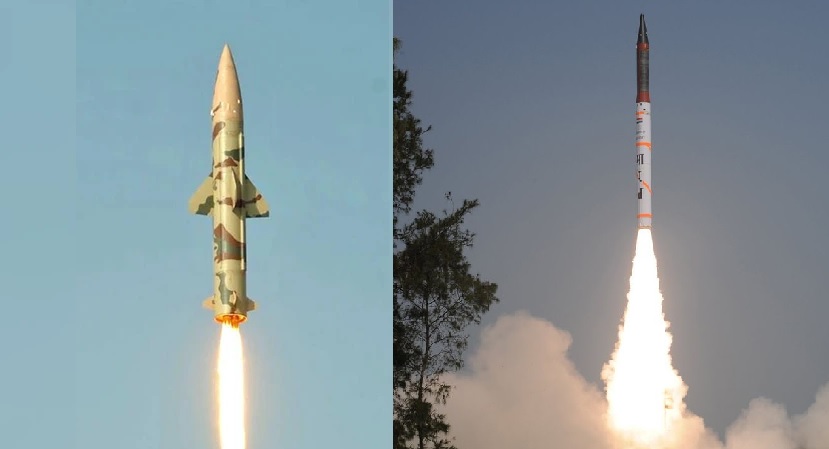
India on July 17, 2025, successfully test-fired two nuclear-capable ballistic missiles — the Prithvi-II and Agni-I — from the Integrated Test Range (ITR) in Odisha, as part of routine user trials by the Strategic Forces Command (SFC). According to the Ministry of Defence, both missiles achieved their objectives flawlessly, validating all key operational and technical parameters. These tests are seen as an important signal of India's credible minimum deterrence and commitment to maintaining a strong and ready strategic arsenal. The Prithvi-II missile, which has been in service since 2003, is a short-range ballistic missile (SRBM) developed by the Defence Research and Development Organisation (DRDO). It has a range of around 350 km and can carry a 500 kg payload, including both nuclear and conventional warheads. The missile is known for its liquid propulsion system, high accuracy, and quick launch capability, making it a key tactical weapon in India's arsenal. Alongside it, India also tested the Agni-I missile, a medium-range ballistic missile (MRBM) that can strike targets 700 to 900 km away. With a payload capacity of up to 1,000 kg, the Agni-I serves as an essential component of India’s strategic force, especially suited for regional deterrence. It bridges the gap between the Prithvi series and longer-range Agni missiles. Both tests were conducted under the supervision of the Strategic Forces Command, which is responsible for the deployment and management of India’s nuclear weapons. The successful launches confirm the missiles’ combat readiness and operational reliability, reinforcing India's defence posture amid a complex regional security environment. These tests come just over two months after the military tensions seen between India and Pakistan in early May, underlining India's continued focus on strategic preparedness and maintaining peace through strength. Experts believe that such periodic tests ensure that India’s deterrent forces are well-maintained, technologically sound, and ready for any scenario. They also reflect India’s firm commitment to a “No First Use” nuclear policy, while keeping its deterrent forces in a state of constant readiness. With this successful test, India has once again sent a strong message of technological self-reliance, military preparedness, and strategic stability, keeping pace with its security challenges in the region.
Read More → Posted on 2025-07-18 14:20:02
World
Kuwait has officially launched its newly acquired Bayraktar TB2 combat drones from Turkey, marking a major milestone in the country’s efforts to modernize its defense capabilities. A ceremonial launch was held at Ali Al Salem Air Base, where the first fleet of these Turkish-made unmanned aerial systems (UAS) was unveiled and operationally showcased. The deal, worth $367 million, includes not only the delivery of the Bayraktar TB2 tactical drones, but also a full logistics and sustainment package to support long-term operations. These drones will be used for strike missions, reconnaissance, maritime patrols, border monitoring, and even search and rescue operations. During the launch event, officials received a technical briefing and attended a live demonstration of the drones’ capabilities. Kuwaiti drone operators also met with military leadership to showcase their readiness. The drone units were tested earlier this year in Kisah, where the Kuwaiti Air Force completed initial flight and performance trials. With this induction, Kuwait becomes the 29th country to operate the Bayraktar TB2, a drone that has gained global attention for its role in conflicts across Ukraine, Syria, Libya, and Azerbaijan. However, despite its international reputation, the Bayraktar TB2 suffered a major operational failure against India. During the recent India-Pakistan standoff, where Pakistan reportedly employed Bayraktar TB2 drones during Operation Sindoor, Indian forces—backed by advanced air defense systems and a well-coordinated military command—successfully neutralized the threat. This incident has become a notable blemish on the drone’s otherwise celebrated combat history. The Bayraktar TB2 is a medium-altitude, long-endurance UAV, with a wingspan of 12 meters and powered by a 100-horsepower internal combustion engine. It can fly for up to 27 hours, reaching speeds of 120 knots and altitudes of over 27,000 feet. Its systems include electro-optical and infrared cameras, GPS navigation, and laser targeting capabilities, making it highly effective in asymmetric warfare environments. While its performance in various battlefields has proven effective against weaker adversaries, the Bayraktar’s limitations against technologically superior militaries—like India—highlight the growing importance of integrated air defense systems and electronic warfare capabilities in modern conflicts. Kuwait’s investment in the Bayraktar TB2 signals a shift toward more autonomous and responsive military tools, though the drone’s future effectiveness may depend on the type of adversary it faces.
Read More → Posted on 2025-07-18 14:06:09
World
Lockheed Martin has successfully conducted flight tests of two new missile types—the CMMT-D and CMMT-X—designed under its next-generation Common Multi-Mission Truck (CMMT) program. These low-cost, modular cruise missiles are being developed to offer flexible, high-volume strike options for future missions. The flight tests took place in May and June 2025, marking a fast-paced development timeline for both variants. The CMMT-D, a glide missile, was dropped from a Rapid Dragon pallet at high altitude and successfully deployed its wings to simulate a real deployment without using engine power. A month later, the powered CMMT-X was launched from an aircraft pylon and initiated autonomous flight after unfolding its wings—making it the first powered missile in the CMMT family to take flight. What Are CMMT Missiles? The CMMT family, pronounced “comet,” includes: CMMT-D: An unpowered glide missile intended for high-volume strikes. It can be launched from cargo aircraft, such as the C-130 or C-17, using Rapid Dragon pallets—turning transport planes into temporary missile platforms. CMMT-X: A powered cruise missile launched from standard pylons under fighter or bomber jets. It offers greater range and is more flexible in mission planning. These new systems are being developed under Lockheed Martin's Project Carrera, which uses digital engineering and modular design to reduce development time and cost. Both CMMT missiles were designed and flown in less than a year—a remarkable achievement in missile development. Designed for Mass Deployment The focus of CMMT is on affordability, scalability, and speed. While traditional long-range missiles like the JASSM or Tomahawk cost over $1.5 million each, CMMT units are expected to cost under $150,000. That makes them suitable for mass production and saturation attacks against enemy air defenses or medium-value targets. A single C-130 cargo aircraft can carry up to 100 CMMT-D missiles via four Rapid Dragon pallets. The CMMT-D has a range of about 800 km, and the CMMT-X can travel up to 650 km, both flying at subsonic speeds. Though not stealthy, these missiles are small and numerous, which makes it harder for enemy systems to intercept all of them. Lockheed Martin estimates a production capacity of up to 2,500 missiles per year, supporting the U.S. Air Force’s Family of Affordable Mass Missiles (FAMM) concept, even though the CMMT isn’t yet a formal part of that program. Built for Modern Warfare The missiles are designed with Weapon Open System Architecture (WOSA) standards, meaning they can easily be fitted with different sensors, warheads, and propulsion systems based on mission needs. Their design allows for final assembly near deployment zones, including overseas, offering logistical flexibility. They can also be deployed not just from aircraft, but from rotary-wing platforms and even ground-based systems like HIMARS. Origins and Future Role The CMMT-X builds on Lockheed’s earlier Speed Racer drone program, and the CMMT-D is the first missile of its size proven compatible with Rapid Dragon pallets—a launch method previously used only for larger weapons. Both missiles were presented to the public at the Air and Space Force Association Warfare Symposium in early 2025 as part of the Air Force’s Franklin initiative, which seeks to add affordable strike options to the inventory. While not yet officially selected by the U.S. Department of Defense for widespread deployment, the CMMT systems are seen as promising solutions for high-volume, low-cost air power in future conflicts, especially in areas like the Indo-Pacific, where long distances and large-scale strikes would be essential. A Smarter, Faster Path to Production CMMT’s rapid progress is made possible by Lockheed Martin’s 1LMX digital engineering platform, which cuts design timelines in half and allows faster upgrades. Components from other missile systems are reused, and the modular architecture lets Lockheed update CMMT without needing a complete redesign. As traditional cruise missile inventories face growing pressure—highlighted during conflicts like Russia-Ukraine—programs like CMMT offer a sustainable and cost-effective way to maintain credible airpower and deterrence. In short, Lockheed Martin’s successful tests of CMMT-D and CMMT-X mark a major advancement in how the U.S. Air Force might strike faster, cheaper, and in larger numbers in the battles of tomorrow.
Read More → Posted on 2025-07-18 13:57:40
India
India has strongly rejected NATO Secretary-General Mark Rutte’s warning of “100% secondary sanctions” on countries continuing to buy Russian oil, asserting that energy security is its sovereign priority and cautioning against “double standards.” During remarks from Washington this week, Rutte cautioned that nations like India, China, and Brazil could be hit “very hard” by secondary sanctions or steep tariffs if they continue their oil trade with Russia . The warning echoed similar threats from former US President Donald Trump, who indicated that buyers of Russian exports might face 100% tariffs unless Russia negotiates peace in Ukraine within 50 days . India’s Steadfast Reply India’s External Affairs Ministry, through spokesperson Randhir Jaiswal, stated: “Securing the energy needs of our people is understandably an overriding priority. We would particularly caution against any double standards on the matter.” The statement reaffirmed India’s commitment to market-based sourcing in alignment with global circumstances, without succumbing to external pressure . Energy Minister Downplays Tariffs Speaking separately, Oil Minister Hardeep Singh Puri indicated India is well-prepared to mitigate any impacts from sanctions or tariffs, thanks to diversified sourcing: India now imports from approximately 40 countries, compared to 27 previously . Top Russian oil suppliers, such as Reliance Industries and Nayara Energy, contributed significantly during the first half of the year . Should Russian supplies be affected, India stands ready to pivot to alternatives like Guyana, Brazil, Canada, and ramp up domestic production and global sourcing . Puri emphasized: “I’m not worried at all. If something happens, we’ll deal with it.” Context and Strategic Outlook India relies on 85% imported oil, with Russia accounting for around 35% of its crude intake . Russian oil’s discounted rates have been instrumental in easing India’s forex import costs . Analysts warn that steep tariffs could force import shifts to pricier grades like West Texas Intermediate (WTI) or Brazilian pre-salt, impacting the country’s import bill and inflation . Still, India maintains it has strategic buffers, including 21–25 days of oil reserves, and the ability to handle supply disruptions like a Strait of Hormuz shutdown . No Compromise on Sovereignty India made it clear: “We don’t need your speeches” when it comes to national energy choices. The government's firm rebuke underscores its resolve to act independently, balancing diplomatic engagement with economic necessity. By resisting external pressure and maintaining diversified energy ties, India continues to chart a sovereign and pragmatic path aimed at stabilizing domestic markets and preserving autonomy in global affairs. India’s firm stance signals a clear message: energy security and national interests rank above external coercion, and any attempt to impose economic penalties will be met with strategic adaptability and resilience.
Read More → Posted on 2025-07-17 16:30:09
India
Defence Research and Development Organisation (DRDO) has successfully completed low- and high-speed taxi trials of its next-generation drone, Archer-NG. The trials pave the way for the drone’s first flight, which is now scheduled for the first week of August 2025. Developed by the Aeronautical Development Establishment (ADE), a DRDO laboratory, the Archer-NG (Next Generation) is a Medium Altitude Long Endurance (MALE) class Remotely Piloted Aircraft (RPA), designed for a mix of surveillance and precision-strike missions. "The Archer-NG is a key step toward strengthening India's self-reliance in high-end drone warfare systems," a senior DRDO official confirmed following the successful trials. Advanced Capabilities with Indigenous Power At the heart of Archer-NG is a 177 HP indigenous turbocharged engine, allowing it to reach a maximum altitude of 30,000 feet, and operate for up to 29 hours. The platform boasts: Maximum Takeoff Weight (MTOW): 1,800 kg Wingspan: 18.6 meters Maximum Speed: 225 km/h Weapon Payload: 300 kg across four hard points Range: 250 km (Line of Sight), 1,000 km (Beyond Line of Sight via SATCOM) The use of an indigenous engine and subsystems marks a major leap in India's domestic aerospace ecosystem. The aircraft is intended to fulfill critical Intelligence, Surveillance, Target Acquisition, and Reconnaissance (ISTAR) roles in both peace and conflict scenarios. Equipped for Modern Battlefield Requirements The Archer-NG UAV is fitted with a broad range of electronic payloads and sensors, making it ideal for multi-domain operations. Key onboard payloads include: Electro-Optical/Infrared Systems: MREO, LREO Radar Systems: SAR (Synthetic Aperture Radar), MPAR (Maritime Patrol Radar) Electronic Warfare (EW): ELINT and COMINT Situational Awareness: IFF, TCAS, Unified Communications Radio (UCR) Armaments: Precision-guided munitions and ISR sensors This rich payload mix will enable persistent surveillance, high-resolution imaging, and real-time targeting, while also being capable of delivering pinpoint strikes in hostile zones. Strategic Significance and Future Plans The Archer-NG is expected to complement the larger TAPAS-BH-201 UAV and will play a frontline role in border monitoring, counter-terrorism, and tactical strike missions. Given its indigenous design, the platform could become a cost-effective alternative to imported systems. According to officials, once flight trials are successfully completed, DRDO may initiate user evaluations with the Indian Army and Indian Air Force, with a possible eye on naval variant development in the future. Additionally, the drone is being seen as a strong candidate for defence exports, especially to friendly nations in Asia, Africa, and Latin America seeking reliable and affordable MALE-class drones. Archer-NG is part of the Indian government’s broader push under ‘Aatmanirbhar Bharat’ (Self-Reliant India), which aims to reduce dependency on foreign-origin platforms. With the successful development of this drone, India is set to join a select group of nations capable of designing, developing, and manufacturing long-endurance armed UAVs. As the maiden flight approaches, DRDO and ADE are optimistic that Archer-NG will redefine India’s unmanned air warfare doctrine, offering unmatched endurance, precision, and battlefield adaptability—entirely powered by Indian innovation.
Read More → Posted on 2025-07-17 15:50:04
India
Defence Research and Development Organisation (DRDO) has successfully completed field testing of the Integrated Drone Detection and Interdiction System (IDD&IS) Mk-IIA, equipped with a powerful 30kW laser weapon. The system is now ready for Limited Access Technology Transfer (LA-ToT) to private Indian firms for mass production, marking a critical step in indigenising India’s directed-energy weapon systems. According to the information displayed in the image, DRDO has also already transferred the technology for the IDD&IS Mk-II variant, featuring a 10kW laser, to the private sector, while the most advanced version, IDD&IS Mk-III—armed with a 50kW high-energy laser—is currently under development. Key Features and Capability The IDD&IS (Integrated Drone Detection and Interdiction System) is designed as a multi-layered, mobile counter-drone solution to detect, track, and neutralize hostile UAVs using both kinetic and non-kinetic methods. As seen in the image above, the system is mounted on a military-grade mobile truck platform, enabling quick deployment in the field. Here’s how the three main versions of IDD&IS compare: System Mk-II (10kW Laser) Mk-IIA (30kW Laser) Mk-III (50kW Laser) Detection/Tracking Radar (LRDE) 5 km 6 km 20 km EO/IR Tracking (IRDE) 3 km 5 km 10 km Soft Kill (Jamming - DLRL) 3 km 5 km 5 km Hard Kill (Laser - CHESS) 1 km 2 km 5 km Laser Power 10 kW 30 kW 50 kW Status LA-ToT Signed Field Testing Completed Under Development This layered approach makes it a versatile defence tool, capable of jamming (soft kill) or destroying drones with lasers (hard kill), depending on the threat level. The system is expected to be deployed to protect critical infrastructure, military bases, airports, and VIP events where UAV threats are becoming increasingly common. Strategic Impact The development and successful field trials of the Mk-IIA come at a time when drone incursions across India’s western borders and high-profile attacks using UAVs have grown. In such a security landscape, directed-energy weapons like high-power lasers provide a cost-effective, instant-response solution to take down multiple targets without collateral damage. DRDO's effort to transfer this technology to the Indian private defence industry is a major push toward the ‘Aatmanirbhar Bharat’ vision. It not only ensures self-reliance in next-gen defence tech, but also encourages the growth of indigenous production ecosystems, creating jobs and building local capabilities. 50kW Laser Variant in Development While the Mk-II and Mk-IIA systems are already battle-ready or nearing production, the Mk-III version, with a formidable 50kW laser and enhanced detection and tracking range, promises to bring India’s anti-drone strategy to the global forefront. Once operational, it will match or exceed capabilities of international counterparts like the US's HEL-MD or Israel's Iron Beam system. The IDD&IS program is rapidly maturing into a flagship indigenous solution for countering drone threats. By combining radar, jammers, EO/IR sensors, and high-energy lasers into one integrated system, DRDO has placed India at the cutting edge of drone defence. As production begins in the private sector, we may soon see widespread deployment of these systems across India’s borders, urban hubs, and high-security zones. The era of laser warfare in India has officially begun.
Read More → Posted on 2025-07-17 15:38:06
India
Defence Research and Development Organisation (DRDO) has successfully tested a High-Power Microwave (HPM) system that was able to disable a swarm of four drones at a distance of 1 kilometer. This marks a significant leap in India’s counter-drone and electronic warfare capabilities. The test, recently conducted as part of DRDO's ongoing trials of advanced defence systems, demonstrated how HPM radiation can be used as a non-kinetic method to neutralize hostile drones, especially those flying in coordinated swarms. The drones used in the demonstration were DJI Tello, a common small quadcopter, and all four were simultaneously disabled by a single pulse of high-powered microwave energy. What the System Includes A close analysis of the image from the test site and technical documentation on display reveals several key details about the system: A large 3-meter diameter directional microwave antenna is mounted on a military-grade mobile platform, allowing deployment in operational environments. The HPM container houses the core energy generation and control systems, while an auxiliary vehicle likely supports power management and system control. The S-band frequency is used, which is effective for targeting electronic components in drones. Peak output power reaches into the hundreds of megawatts, enough to burn out drone circuitry instantly. Pulse width: 20 nanoseconds Burst interval: 2 seconds ON, 5 minutes OFF Pulse Repetition Frequency (PRF): Adjustable from single shot up to 500 Hz These characteristics enable the HPM system to deliver intense bursts of microwave energy in short, focused intervals, ideal for surgical strikes against small UAVs and electronic systems. Strategic Significance The ability to disable multiple drones simultaneously at such a range is particularly important in today’s battlefield scenarios where low-cost drone swarms are increasingly used by both state and non-state actors. These drones can carry explosives, conduct reconnaissance, or jam communication systems. Traditional kinetic weapons (like guns or missiles) are often expensive or inefficient against swarms. But an HPM system offers a cost-effective, reusable, and rapid-response alternative. This successful test also reinforces India’s push for indigenous defence technologies. The HPM system appears to have been developed entirely by DRDO and associated Indian defence labs, in line with the 'Aatmanirbhar Bharat' (self-reliant India) initiative. While similar technologies are being developed by countries like the US, China, and Russia, DRDO’s achievement demonstrates that India is now entering this elite league of directed-energy weapons developers. Potential Deployments Such systems could be deployed to: Protect vital installations like military bases, airfields, or power stations. Secure high-profile events or convoys from drone-based threats. Provide frontline protection during active military operations, especially in anti-infiltration scenarios near borders. In addition to drones, HPM systems can also target communication equipment, vehicle electronics, and radar systems, making them highly versatile. This successful HPM test showcases the future of warfare, where non-lethal, energy-based weapons will play a larger role in defending against increasingly sophisticated threats. With this, DRDO has taken another significant step in ensuring India’s technological edge in modern and asymmetric warfare scenarios.
Read More → Posted on 2025-07-17 15:16:03
World
BAE Systems has revealed the design of the Combat Air Flying Demonstrator, marking a major step forward in the United Kingdom’s efforts to build its next-generation fighter jet. This cutting-edge aircraft is the first crewed combat plane developed in the UK in more than four decades and is being created as part of the UK-Italy-Japan Global Combat Air Programme (GCAP). The new design was made public on July 17, 2025, showing the futuristic shape of what will eventually help lead the UK’s air combat capabilities into the future. The aircraft is now in advanced stages of production, with two-thirds of its structural weight already under manufacturing. It’s being built at BAE Systems' high-tech facilities in Lancashire, where the main fuselage, wings, and tail fins are coming together. This demonstrator is more than just a prototype. It is a test platform for developing and validating key technologies that will be used in the full sixth-generation fighter under GCAP. Using digital tools like 3D printing, digital twins, cobotics, and model-based engineering, engineers are building the jet with modern efficiency and precision. These advanced methods are expected to reduce development time and improve performance. So far, over 300 hours of virtual flight testing have been carried out by pilots from the Royal Air Force (RAF), BAE Systems, and Rolls-Royce, using the aircraft’s digital twin. This technology allows real-time data collection on how the aircraft performs during simulated missions, including high-speed and high-intensity maneuvers. The program is about much more than just building a jet. It is helping revive the UK’s combat air sector, creating high-skill jobs, training future talent, and preparing British industry for the demands of tomorrow’s defense needs. The demonstrator plays a central role in shaping the future sixth-generation fighter, which will include features like: Stealth capability (low observability) Advanced sensors and radar systems Artificial intelligence for mission management New, more efficient engines, being developed by Rolls-Royce, using adaptive cycle and hybrid-electric technologies Weapons integration, with support from MBDA UK, focusing on future missiles and system-of-systems combat strategies The Combat Air Flying Demonstrator also tests how future jets will work in teams with uncrewed drones, a concept at the heart of modern air combat. For the UK, this demonstrator is not just about military technology—it is a strategic move. It ensures the country remains a leader in air defense innovation, protects sovereign industrial capability, and helps secure export deals through GCAP, especially with close allies Italy and Japan. As the aircraft nears its first real-world flight, it stands as a symbol of progress. It shows how strong partnerships between government, industry, and allies can lead to breakthrough technologies that not only protect the skies but also drive economic growth and global influence. The UK’s vision is clear: lead the future of air combat—not just with powerful aircraft, but with smarter ways to build, test, and fly them.
Read More → Posted on 2025-07-17 15:11:19
India
Lucknow-based startup Kalam Labs has announced its plans to develop a supersonic Unmanned Aerial Vehicle (UAV) as part of an advanced R&D pipeline targeting high-speed aerial and maritime surveillance systems. The project was revealed in a presentation that highlighted some of the most ambitious specs seen in Indian UAV development to date. According to visuals shared during the presentation, the supersonic UAV—tentatively designated "MD-19"—will cruise at an altitude of 18–20 kilometers at Mach 2, significantly higher and faster than current operational drones. One of the standout features is its ramjet propulsion system, which will be deployed after launch at an altitude of 118,300 feet to ensure high-speed cruise and sustained thrust in thinner air. Key Specifications: Cruise Altitude: 18–20 km Speed: Mach 2 (~2,470 km/h) Deployment Altitude: 118,300 feet for ramjet activation Range: Over 800 kilometers The ambitious project places Kalam Labs at the forefront of India’s efforts to develop indigenous high-speed UAVs for strategic surveillance and possible strike capabilities. Experts suggest that such a UAV could be a game-changer for missions requiring rapid ingress and egress, especially across hostile or contested borders. According to defence analysts familiar with India's drone roadmap, the ramjet integration is particularly notable. Most current UAVs rely on turbofan or propeller engines, which are not suitable for sustained supersonic speeds. Ramjet propulsion, though technically demanding, offers a pathway to build high-speed, high-endurance drones that can outrun and outmaneuver conventional air defenses. Broader Context This development aligns with India’s growing focus on hypersonic and supersonic platforms, both in crewed and unmanned categories. Organizations like DRDO have also been working on scramjet and hypersonic systems under various programs like HSTDV and SWiFT. Kalam Labs, while a private entity, is reportedly collaborating with various academic and defense institutions to access advanced testing and material science infrastructure. The planned UAV's range of 800+ km suggests use-cases such as deep reconnaissance, maritime patrol, and potentially even long-range precision strike roles. The project also complements India's broader interest in developing multi-day maritime systems capable of persistent surveillance in the Indian Ocean Region. Air-Defence Challenges at These Heights There are very few systems worldwide capable of targeting threats cruising at 18‑20 km—this includes high-end systems such as S‑400, Aster‑30, NASDAQ and THAAD, but those mostly belong to a select few nations What Experts Are Saying Speaking to Defense Today, aerospace analyst Rajat Misra said: “This is India’s closest step yet toward developing a true supersonic drone with possible strike capability. The focus on ramjet propulsion and deployment altitude suggests serious thought has gone into making it both survivable and lethal.” If successful, Kalam Labs’ UAV could join a small club of countries experimenting with high-speed drones, including the United States’ XQ-58A Valkyrie, Russia’s Okhotnik, and China’s WZ-8. While still in the research and development phase, the UAV project signals a significant shift in India’s drone ambitions. With technologies like ramjet propulsion, high-altitude deployment, and Mach 2 cruising speeds, Kalam Labs is aiming for a future where Indian drones are not just eyes in the sky—but supersonic ones.
Read More → Posted on 2025-07-17 14:37:26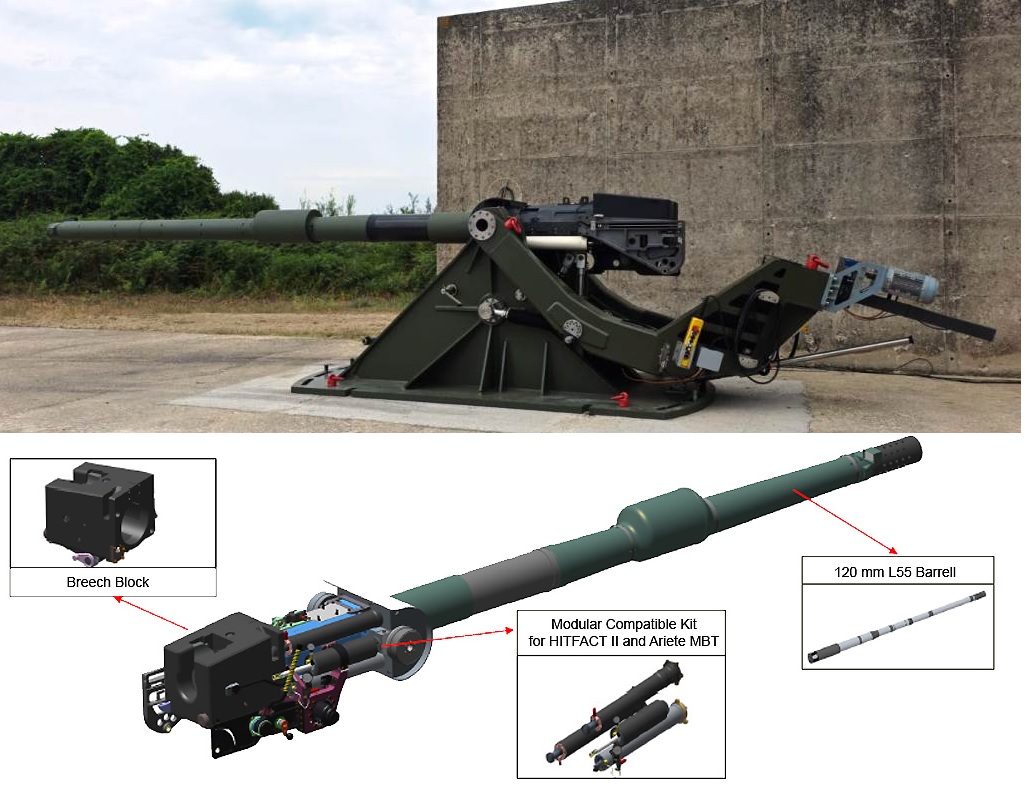
World
Leonardo has officially unveiled its new 120 mm L55 tank gun, designed for future-generation main battle tanks (MBTs). The event took place at the Cottrau test range near La Spezia, Italy, showcasing the gun in a live six-round firing session—just weeks after its first successful test on June 24, 2025. This cutting-edge weapon system represents a complete in-house development by Leonardo, funded entirely by the company. The L55 is intended exclusively for tracked platforms and cannot be installed on wheeled vehicles due to its high recoil. It is expected to be one of the key weapons for the upcoming i-MBT, a joint Italian-German battle tank being developed under Leonardo and Rheinmetall’s joint venture, LRMV. Built on Legacy, Designed for the Future The L55 draws from Leonardo’s deep experience with previous tank guns like the 120 mm L44 on the Ariete MBT and the L45 on the Centauro II. However, the L55 takes firepower and design to a whole new level. Its longer barrel increases muzzle velocity by about 5% compared to the L45, providing greater penetration and accuracy—especially when firing modern APFSDS rounds, such as Rheinmetall’s KE2020Neo. The gun was developed in just 18 months from design to first firing—an impressively short timeline enabled by advanced computer simulations and in-house production capability. During development, Leonardo made extensive use of finite element modeling, thermal simulations, and dynamic testing software to reduce time and costs without compromising quality. Heavy-Duty Engineering and High Performance Several core components of the L55 have been completely redesigned to handle higher stress and pressure. This includes: A stronger breech block Reinforced recoil brake system with two hydraulic cylinders A new oil-gas accumulator to manage pressure variation A barrel made with improved steel alloys and optimized autofrettaging process for longer life The barrel is also equipped with a four-part thermal sleeve, combining composite materials and aluminum to resist heat and corrosion, especially during sustained firing. Despite being about 500 kg heavier than its predecessor, the gun maintains a similar 550 mm recoil stroke, ensuring it can be retrofitted on older platforms like the Ariete C-2 with some turret modifications. Production Scaling Up To meet growing demand, Leonardo has made major investments at its La Spezia facility, aiming for an annual production of 800 barrels—split evenly between medium and heavy calibres. The facility recently added two autofrettaging machines and hired 300 new employees, most in the mechanical and production departments. In 2024, the factory produced 170 barrels, with a target of 260 in 2025, demonstrating a significant scale-up as Europe prepares for over 1,000 tracked platforms over the next decade. Flexible and NATO-Compatible The L55 gun is fully compatible with all NATO-standard 120 mm ammunition, including airburst rounds, provided the tank system includes a compatible programming system. Leonardo has ensured modular design, allowing this gun to be fitted on existing turrets and future platforms alike, boosting flexibility and export potential. Ready for the Battlefield by 2026 Currently at Technology Readiness Level (TRL) 6, the L55 is expected to complete full qualification by Q3 of 2026. Five additional guns are already in production—five will go through rigorous testing, while the sixth is likely to be installed on a working platform for trials. Leonardo’s goal is to offer not just a new gun, but a superior firepower system that raises the bar for European tank lethality. With rising demand for modern MBTs in Europe and beyond, the L55 could become a core component of NATO-aligned armored forces in the years to come. This bold unveiling places Leonardo at the forefront of modern tank gun innovation, just as many armies are looking to upgrade their aging armored fleets with more powerful, precise, and modular weapons.
Read More → Posted on 2025-07-17 14:21:44
India
Government unveils ₹5 lakh crore plan to reroute Western rivers, impact Pakistan’s supply by 25% The Government of India has revealed a master plan to construct six major canals between 2025 and 2035, aiming to divert a substantial portion of Indus river waters currently flowing into Pakistan. The move is expected to cut Pakistan’s water supply by up to 25% and reshape the water-sharing dynamics between the two nuclear-armed neighbors. According to a high-level strategic proposal accessed by InfoData and circulated across multiple government departments, the project envisions a 3,500-kilometer-long canal network, originating in Jammu and Kashmir and extending deep into the arid and water-deficient regions of Rajasthan, Gujarat, Haryana, Delhi, and Uttar Pradesh. The cost of the project is pegged at ₹5 lakh crore over the next ten years and could directly benefit over 50 crore Indians across six states. The plan is expected to be a key part of India's evolving water security doctrine, particularly amid ongoing tensions with Pakistan and climate-induced water stress in both countries. The Six-Canal Strategy: A Game-Changer for India's Water Grid The proposed canal network is designed to carry 28 to 36 Million Acre-Feet (MAF) of water—comparable to China’s South-North Water Transfer Project (36 MAF over 2,900 km). The Indian project, if completed, will match this scale and serve domestic needs far more efficiently. The six canals, as outlined in the official proposal, include: Canal 1: Akhnoor to Bikaner – 590 km Canal 2: Jammu to Bhuj – 1,400 km Canal 3: Akhnoor to Agra – 490 km Canal 4: Jammu to Meerut – 420 km Canal 5: Akhnoor to Sri Ganganagar – 310 km Canal 6: Jammu to Churu – 610 km These six high-capacity arteries will create a parallel water grid, capable of drawing from Chenab, Jhelum, and other Indus tributaries, redirecting flows internally instead of allowing them to cross into Pakistan. Treaty Revisited: India Asserts Rights Under the Indus Waters Treaty The move follows India’s formal notification to Pakistan in January 2023 to modify the Indus Waters Treaty (IWT)—a 1960 agreement brokered by the World Bank that allocates control of the eastern rivers (Ravi, Beas, Sutlej) to India and western rivers (Indus, Jhelum, Chenab) to Pakistan. While India is permitted to use the western rivers for non-consumptive purposes like hydroelectricity, navigation, and limited irrigation, experts argue that India has underutilized its treaty rights for decades. Former Central Water Commission Chairman S.K. Haldar, speaking on the sidelines of a water governance summit in Delhi, noted: “There is no violation of the treaty. India is well within its rights to use the western rivers more assertively. This canal system is an overdue measure of national resilience.” Implications for Pakistan: Water, Power, and Policy The plan is expected to hit Pakistan’s water availability hard, especially in regions dependent on Mangla and Tarbela dams, which rely on Jhelum and Indus flows. Water experts warn that a 25% reduction in supply could severely impact Pakistan’s irrigation network, agriculture, and hydropower generation, particularly in Punjab and Sindh provinces. With Pakistan already facing water stress and ranking among the top 10 water-scarce countries globally, this move from India could serve as both a strategic pressure point and a policy signal. Water for India’s Drylands: A National Priority Beyond geopolitics, the Six-Canal Plan is being framed as a lifeline for India’s water-deficient regions. States like Rajasthan, Gujarat, and parts of Haryana and Uttar Pradesh experience frequent droughts and aquifer depletion. This project promises to stabilize irrigation, drinking water supply, and industrial use across large parts of India’s heartland. According to officials from the Ministry of Jal Shakti, the canals will be built in phased modules, prioritizing regions with the greatest water stress and available infrastructure readiness. Land acquisition and inter-state water coordination will be managed under a special Central Water Grid Authority, currently under formation. Environmental, Engineering, and Political Hurdles Ahead Despite the bold vision, experts caution that building a canal network of this magnitude will involve huge logistical, environmental, and political challenges. It will require: Extensive land acquisition across six states Alignment with existing river linking projects Environmental Impact Assessments (EIA) Coordination between state and central governments Possible international objections A senior official with the National Water Development Agency (NWDA), speaking on condition of anonymity, said: “This is more than just canals. It’s about national water security. We’re creating a buffer against water wars.” A Watershed Moment in India-Pakistan Relations The Six-Canal Plan may well become a watershed moment—both literally and diplomatically. While it offers immense benefits to India’s domestic water grid, it also serves as a clear message to Pakistan: India will no longer underutilize its rights over shared rivers. If executed effectively, this plan has the potential to alter the trajectory of Indus water diplomacy, while safeguarding India’s future against climate volatility, population pressure, and water scarcity.
Read More → Posted on 2025-07-17 13:59:57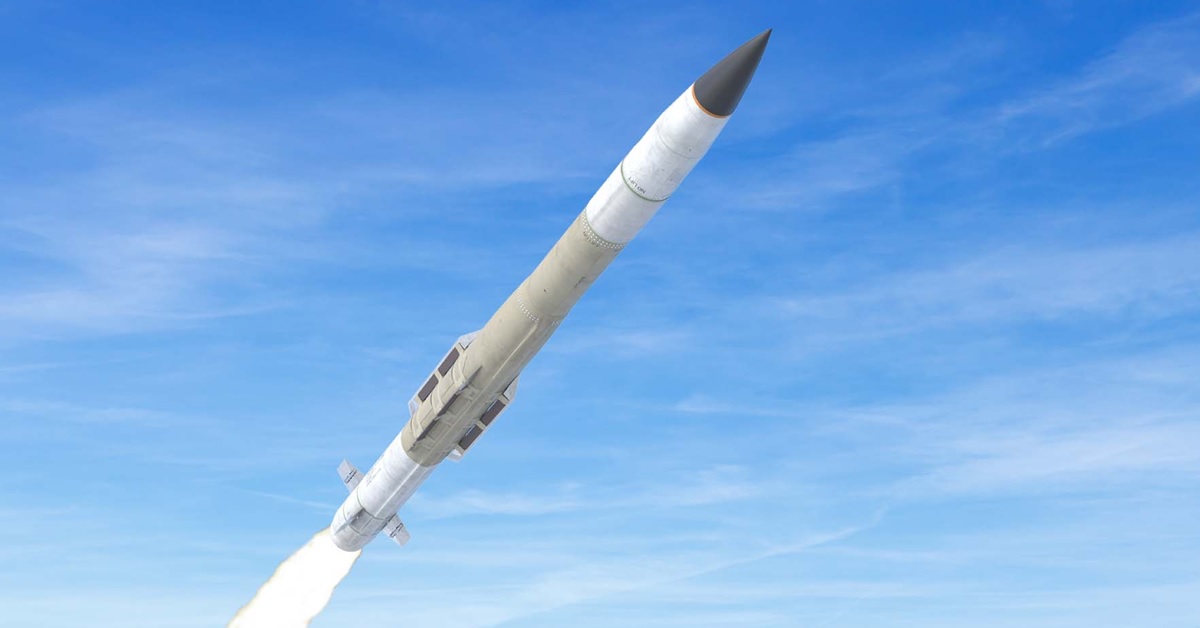
World
Lockheed Martin, the U.S. defense giant, is significantly increasing the production of its advanced PAC-3 MSE surface-to-air missiles, aiming to roll out 750 units annually by 2027. This is a major jump from current production levels and surpasses the U.S. government’s existing contract for 650 missiles. The PAC-3 MSE missiles are a crucial part of the Patriot air defense system, known for their ability to intercept incoming threats like enemy missiles and aircraft with precision. They are used not only by the U.S. military but also by several allies, especially in Europe, where demand has surged due to rising security concerns. To meet this growing demand, Lockheed Martin is expanding its manufacturing capacity. The company is exploring partnerships in Europe, with plans to establish parts of the missile production process in countries like Poland, Denmark, and Spain. For example, Poland may produce launch containers, while Spain’s Sener group could provide actuators, components already used in other missile systems like IRIS-T and GEM-T. Although these international expansions are being planned, creating a full second production line outside the United States still depends on the approval of the U.S. government. Lockheed executives have confirmed that talks are ongoing, particularly with Germany’s Diehl and other European suppliers. Beyond PAC-3 missiles, Lockheed Martin is also increasing output across its entire missile portfolio. The company has doubled production of HIMARS launchers from 48 to 96 units per year and now produces 14,000 guided rocket projectiles annually. Other systems seeing growth include ATACMS, PrSM, GMLRS, and Javelin missiles, all of which are essential for tactical ground operations. In May, Lockheed Martin strengthened its European footprint by signing an agreement with Germany’s Rheinmetall. The two companies plan to create a European Centre of Excellence for missile production and distribution, mainly operating in Germany and other European nations. This initiative is designed to improve Europe’s defense readiness and reduce dependency on non-European suppliers. The decision to scale up PAC-3 production and expand operations in Europe reflects a global trend: increased investment in air and missile defense due to rising geopolitical tensions. With these steps, Lockheed Martin is positioning itself to meet urgent defense needs while also supporting its allies with timely and locally supported solutions.
Read More → Posted on 2025-07-17 13:47:38
World
Lockheed Martin and Raytheon have announced a major expansion in the production of the Javelin anti-tank missile, aiming to boost output by 65% by late 2026. The two defense giants, working together under the Javelin Joint Venture (JJV), currently manufacture around 2,400 missiles per year, but that number will rise to 3,960 annually in response to increasing global demand and continued use in modern battlefields like Ukraine. The Javelin, also known as FGM-148, is a man-portable, fire-and-forget missile system designed for frontline soldiers. First introduced in the mid-1990s, it replaced older systems like the M47 Dragon. The missile uses thermal imaging, has top-attack and direct attack capabilities, and can destroy heavily armored tanks and bunkers at distances of over 4,000 meters. It is known for its "fire and forget" system, which allows soldiers to shoot and immediately take cover or relocate. This weapon gained global fame during the Russia-Ukraine conflict, where it was widely used by Ukrainian forces to stop advancing Russian armored vehicles. The Javelin's high accuracy, ease of use, and ability to hit targets from concealed positions made it one of the most effective anti-tank tools in the war. Videos and battlefield reports showed Javelins taking out tanks, APCs, and bunkers with single shots, even in challenging environments. It was also found to be resilient against Russian active protection systems, adding to its reputation. To meet the soaring demand, Lockheed Martin is modernizing its production lines across several U.S. locations — including Troy and Huntsville in Alabama, and Ocala in Florida. New automated test stations are being installed, including one that can test four Javelin guidance seekers at once, quadrupling the current speed. These upgrades are designed to be cyber-secure and efficient, ensuring that quality stays high even as production increases. A big part of the upgrade involves the use of SystemLink, a digital platform that improves real-time data analysis and quality control on the factory floor. Software across facilities is being unified to make technician training easier and reduce repair times. By the end of 2026, Lockheed will have deployed 24 new cyber-compliant test stations: 14 in Troy, 8 in Ocala, and 2 in Huntsville. These stations will not only help validate missile performance and durability but also ensure production is fast and reliable. Lockheed is also working closely with its suppliers to scale up their capabilities. The new modular production system is designed so that allied nations could one day co-produce Javelins under strict export and cybersecurity rules, allowing for stronger global defense partnerships. In simple terms, the U.S. is getting ready to make almost twice as many Javelin missiles to meet the needs of its own forces and allies. These upgrades are about more than just numbers — they’re about keeping one of the world’s most trusted anti-tank weapons relevant, efficient, and available wherever it's needed.
Read More → Posted on 2025-07-17 13:43:19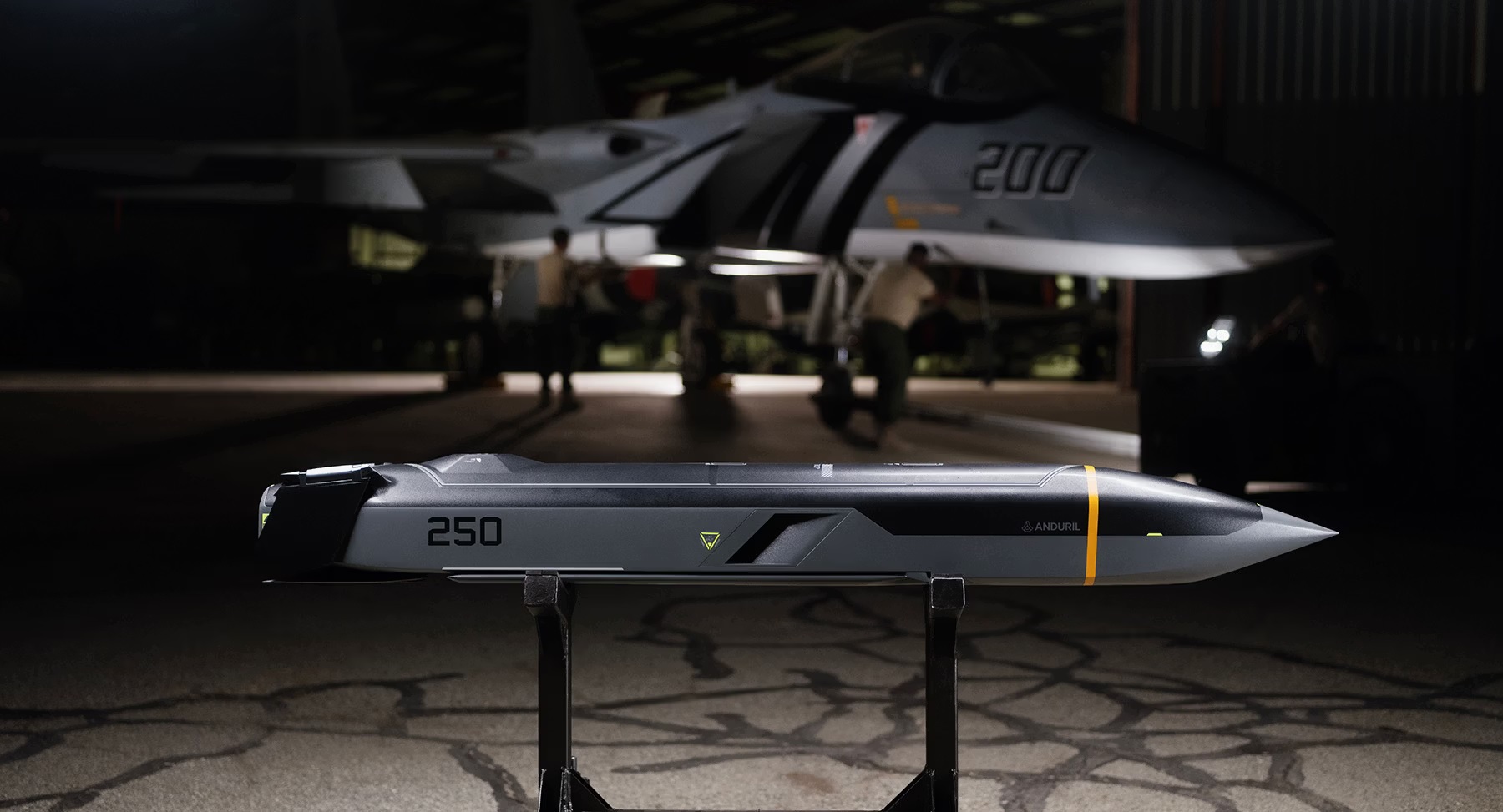
World
Anduril Industries has successfully completed major flight tests of its Barracuda-100M drone, marking a big step forward in the U.S. Army’s High-Speed Maneuverable Missile (HSMM) program. The flight trials, carried out in May 2025, confirmed the drone’s ability to fly fast, think for itself, and accurately strike targets — all at a lower cost compared to traditional missiles. The Barracuda-100M is an autonomous air vehicle, built to be modular, affordable, and extremely fast. It’s designed as a testbed for new technology like the Precision Target Acquisition Seeker (PTAS) — a high-tech targeting system that can track objects using a special Long Wave Infrared (LWIR) camera. This allows it to follow targets passively and without being detected, even in complex environments. These flight tests were done with the help of the U.S. Army’s DEVCOM Aviation & Missile Center (AvMC). The goal was to see how well the drone performs under real conditions and how easily it can adapt to different missions using Anduril’s Lattice for Mission Autonomy, a smart software system that makes the drone think and fly on its own. Anduril and the Army began working together on this in 2023. Over the next year, they moved quickly through a packed test schedule that included wind tunnel tests, glide flights, engine trials, and finally, full-powered missions. The Barracuda-100M performed extremely well — reaching speeds over 500 knots, pulling off sharp high-G maneuvers, and hitting multiple targets accurately. To make the drone even better, engineers added new features like a low-cost navigation system, a separate mission computer, and easier-to-build hardware. These upgrades make the drone more practical for mass production. The next step will be ground-launched tests later in 2025, to show that the drone can also be launched by mobile Army units in the field. The full program is expected to wrap up with a live-fire demonstration in 2026 at a military test site. What makes the Barracuda-100M truly exciting is its potential on the battlefield. According to Anduril, it delivers ten times the range of a Hellfire missile — one of the U.S. military’s most used weapons — but at a similar price. That means more firepower, for less cost. Thanks to its modular design, the drone can carry different sensors or weapons, and can be launched from either ground vehicles or aircraft. This makes it highly flexible for future operations, especially in high-threat environments where speed, precision, and autonomy matter most. With the success of these tests, the Barracuda-100M is now one step closer to becoming a game-changing tool in the U.S. Army’s high-speed missile arsenal — smart, fast, and ready for tomorrow’s wars.
Read More → Posted on 2025-07-17 13:33:30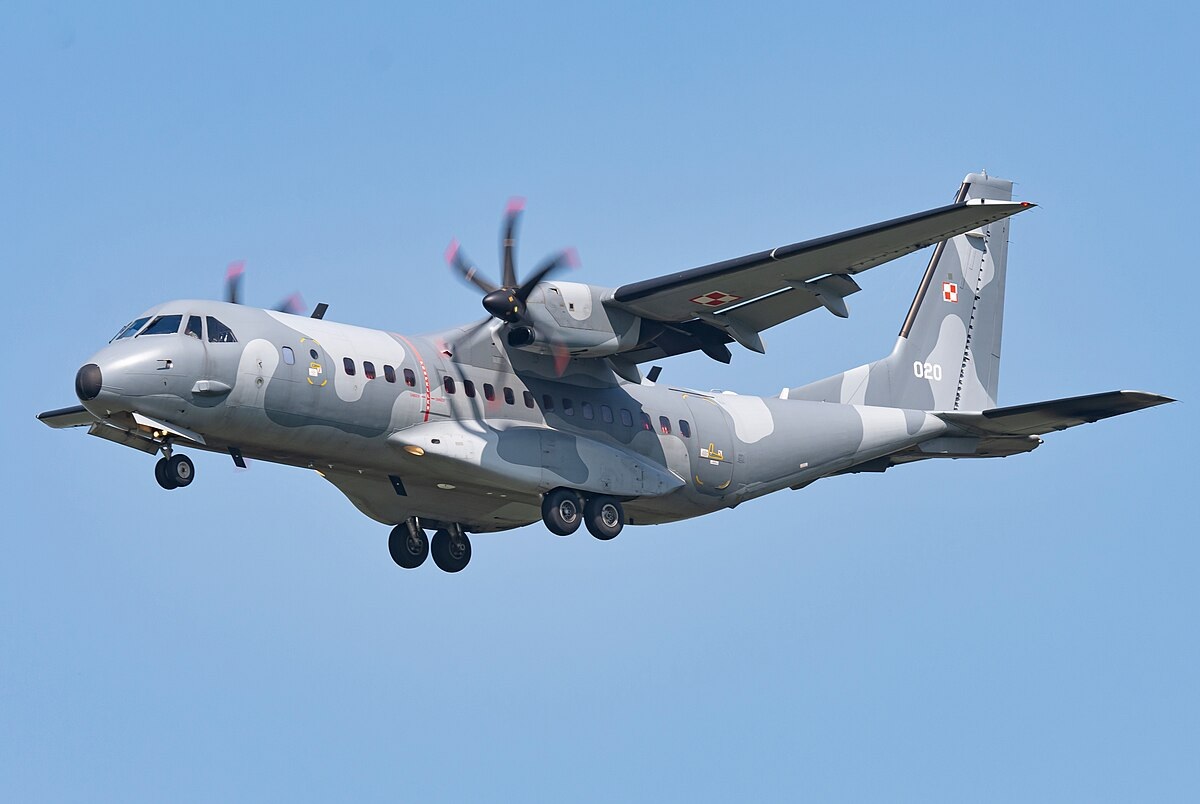
India
The Ministry of Defence (MoD) has officially issued a Request for Proposal (RFP) to the Tata-Airbus joint venture for the supply of 15 C-295 maritime patrol aircraft, specifically for the Indian Navy and the Indian Coast Guard. This landmark proposal marks another step forward under the "Make in India" initiative and comes after receiving prior clearance from the Defence Acquisition Council (DAC) earlier this year. These aircraft will be modified versions of the C-295 military transport plane, tailored for maritime surveillance, anti-submarine warfare, anti-surface warfare, and ISR (intelligence, surveillance, and reconnaissance) missions. As per the procurement plan, the Indian Navy will receive 9 aircraft in the Medium-Range Maritime Reconnaissance (MRMR) configuration, while the Coast Guard will get 6 aircraft in the Multi-Mission Maritime Aircraft (MMMA) role. These aircraft will carry cutting-edge Indian-developed systems, such as Active Electronically Scanned Array (AESA) radar, electro-optic/infrared (EO/IR) sensors, IFF (Identification Friend or Foe) systems, sonobuoys, and lightweight torpedoes. Notably, they will also be armed with the DRDO-developed Naval Anti-Ship Missile – Short Range (NASM-SR). The C-295 fleet will play a key role in filling the capability gap between the long-range P-8I Poseidon aircraft and the smaller Dornier DO-228, creating a multi-layered aerial maritime surveillance network to guard India’s 7,516-kilometre coastline and vast Exclusive Economic Zone (EEZ). Crucially, 12 out of the 15 aircraft will be assembled in India at the Tata-Airbus Final Assembly Line (FAL) in Vadodara, Gujarat, inaugurated in October 2024. This is India’s first private-sector military aircraft production facility, and the C-295 project will feature up to 78% indigenous content, with parts manufacturing, final assembly, testing, and future maintenance all happening within India. The move is a significant step towards building a self-reliant aerospace ecosystem, expected to generate over 600 direct high-skill jobs and more than 6,000 indirect employment opportunities. It also solidifies the strategic collaboration between Tata and Airbus, aligned with the MoD's Strategic Partnership (SP) model, which promotes technology transfer and joint production. This RFP follows the larger ongoing deal of 56 C-295 aircraft for the Indian Air Force (IAF), some of which have already been delivered from Spain. The remaining are now being assembled domestically. The Navy and Coast Guard versions will leverage the same platform but with maritime mission enhancements developed with inputs from DRDO’s Centre for Airborne Systems (CABS). Captain D.K. Sharma (Retd.), former Indian Navy spokesperson, emphasized the aircraft’s strategic impact, noting that it will “dramatically improve India’s maritime domain awareness” and allow for better deployment of larger assets like the P-8I. The aircraft’s flexibility will also support search and rescue, anti-piracy, anti-smuggling, and maritime law enforcement operations. There are already indications that this could be the beginning of a larger acquisition program, with a potential need for up to 75 additional C-295 aircraft across various wings of India’s armed and internal security forces. With this RFP, India not only strengthens its coastal security but also reinforces its commitment to defence indigenisation, setting a strong foundation for a more self-reliant and strategically prepared future.
Read More → Posted on 2025-07-17 13:19:47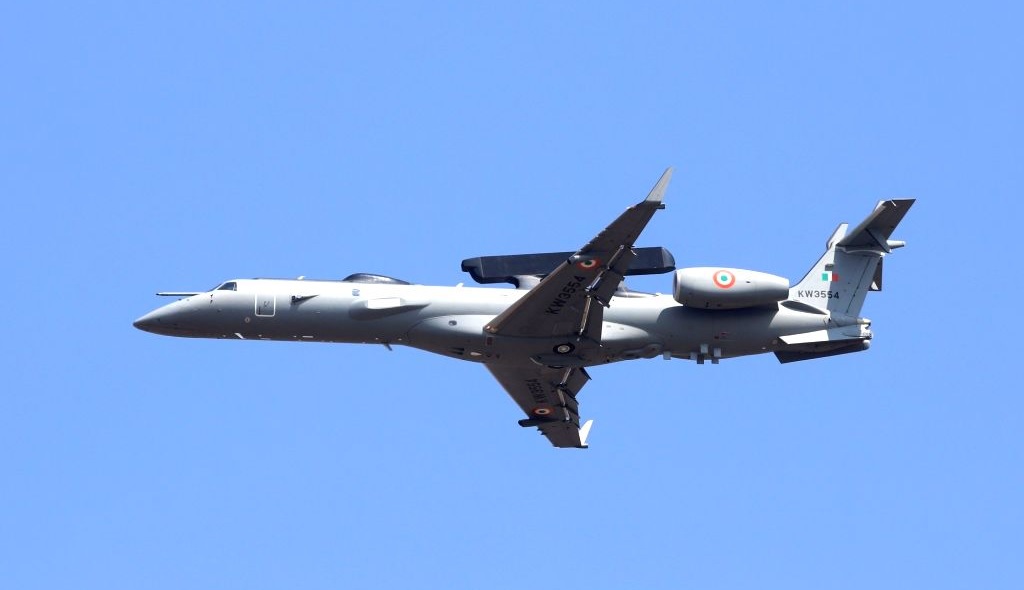
India
In a major push for self-reliance in defence, the Indian government has approved a ₹20,000 crore project to develop indigenous Airborne Warning and Control Systems (AWACS) for the Indian Air Force. The program, known as Netra MK-2, will be developed by the Defence Research and Development Organisation (DRDO), marking one of India’s most ambitious aerospace projects to date. This homegrown AWACS system is designed to act as the “eyes in the sky”, giving the Indian Air Force the ability to detect enemy aircraft, track missile launches, and control air operations far beyond the visual range. Once completed, this will significantly enhance India’s surveillance and combat readiness along its borders and beyond. Six Airbus A321 Jets to Become Flying Radar Stations As part of this program, six Airbus A321 aircraft, earlier taken from Air India, will be structurally modified to house a powerful radar dome on their fuselage. These aircraft will be equipped with state-of-the-art AESA (Active Electronically Scanned Array) radars, enabling 360-degree radar coverage and long-range detection of threats in the air and on the ground. In a significant development, Adani Defence & Aerospace will be a lead partner in the project, helping to manufacture and integrate key mission systems. The mission control suite, radar electronics, and software will be developed entirely in India, underlining the project’s alignment with the Atmanirbhar Bharat initiative. What Makes Netra MK-2 Special? The Netra MK-2 will provide several major improvements over current systems: Full 360° coverage using a large radar dome and additional forward-mounted sensors Ability to monitor enemy aircraft and ground threats at long ranges Advanced ELINT and COMINT functions to intercept enemy communications and electronic signals Real-time command and control for air operations Increased endurance and altitude, making it ideal for long missions over vast areas This project builds on the earlier Netra MK-1, a smaller system mounted on the Embraer EMB-145 aircraft. While effective, it has limited range and capacity. India also operates three imported IL-76-based Phalcon AWACS from Israel, which have proven useful but are aging and have limited availability due to maintenance challenges. Why This Is a Big Deal For the first time, an Airbus platform will be adapted for such a complex military role in India—a space traditionally dominated by American Boeing aircraft. Once operational, the Netra MK-2 will be a powerful force multiplier for the Indian military, improving airspace surveillance, response coordination, and battlefield management. The first aircraft is expected to be ready by 2026–27, with DRDO aiming for a three-year development window. Once delivered, these aircraft will fill a crucial gap in India’s air defence network. Beyond the IAF, the project is also expected to build valuable expertise within Indian defence firms, opening the door for future exports of AWACS systems to friendly countries. The indigenous AWACS program is not just a technology upgrade—it is a strategic leap forward for India’s air power and defence industry. With its emphasis on Indian innovation, industry partnerships, and high-end aerospace engineering, the project represents a shining example of what self-reliant defence capability looks like in action.
Read More → Posted on 2025-07-17 13:06:43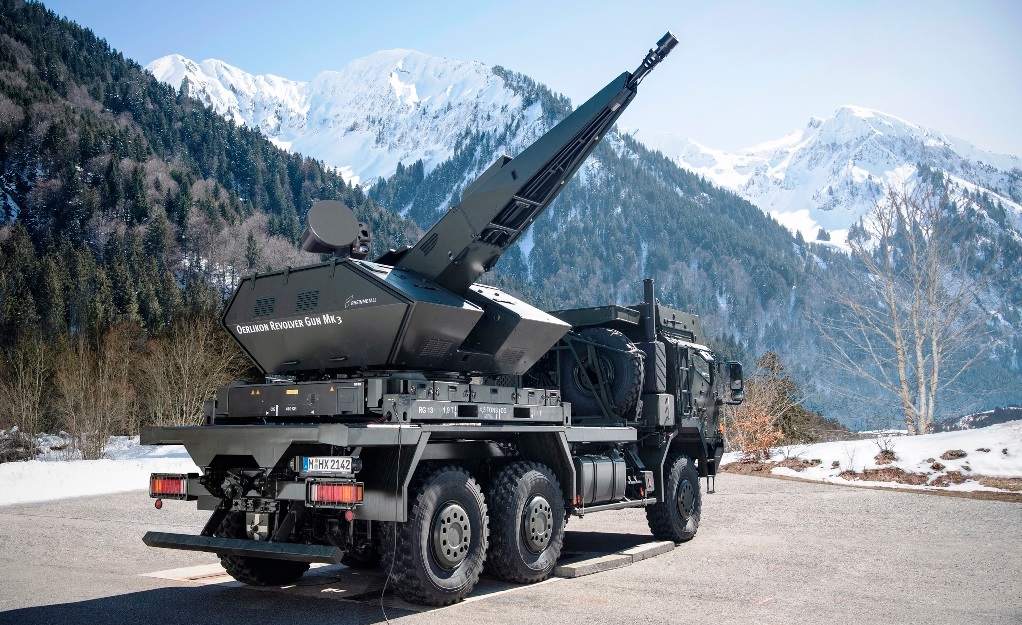
India
German defence giant Rheinmetall has offered its cutting-edge Skynex air defence system to the Indian Army. The move comes at a crucial time, as India seeks to replace its outdated L-70 and Zu-23mm anti-aircraft guns, which have been in service for decades. India's push to modernize its Short-Range Air Defence (SHORAD) systems has taken on new urgency following the May 2025 border clashes with Pakistan. During these confrontations, swarm drones—multiple unmanned aerial vehicles flying in coordination—were reportedly deployed along the Line of Control (LoC), raising alarm about the country's preparedness against such threats. This threat is further amplified by Pakistan’s growing drone ties with China and Turkey. What is Skynex and Why is It Important? The Skynex system, developed by Rheinmetall, is based on the Oerlikon 35mm Revolver Gun Mk3, a powerful automatic cannon that fires up to 1,000 rounds per minute with high precision at targets up to 5 km away. Its standout feature is the use of AHEAD (Advanced Hit Efficiency and Destruction) ammunition, which detonates in front of the target, releasing a cloud of tungsten sub-projectiles. This mechanism creates a deadly curtain that can destroy drones, low-flying aircraft, and cruise missiles—even in swarm formations. Another key advantage is its modular, open architecture, which allows the system to be easily integrated with a range of sensors and radars. It typically works with the Oerlikon X-TAR3D radar, capable of detecting threats up to 50 km away. Moreover, the Skynex system is already battle-proven. It has been used successfully in Ukraine to shoot down Iranian-made Shahed-136 drones launched by Russian forces—technology that resembles the threats India now faces. Why Is India Considering Skynex? India’s current systems—the L-70 (a 40mm Swedish-origin gun) and Zu-23mm (a Soviet-era twin-barrel gun)—have been upgraded with modern sights and targeting systems, but they remain mechanically outdated and struggle to counter modern drone tactics, especially swarms and precision-guided threats. Given the changing nature of air warfare, especially the rise of UAVs and loitering munitions, there is an urgent need to induct automated, high-precision systems with advanced munitions like AHEAD. Technical Comparison Chart Feature Skynex (Rheinmetall) L-70 (Swedish Origin) Zu-23mm (Soviet Origin) Caliber 35mm 40mm 23mm Rate of Fire 1,000 rounds/min 240 rounds/min 2×400 rounds/min Effective Range 5 km (air targets) 3–4 km ~2.5 km Ammunition AHEAD programmable Standard HE/Tracer HEI/APIT Target Types Drones, Cruise Missiles, Aircraft Aircraft, Helicopters Aircraft, Light Vehicles Automation Fully automated + radar & C2 Manual with upgraded EO sights Manual with limited automation Modularity/Network Capability Highly modular + radar + C2 network Low Very limited Battlefield Proven (Drones) Yes (Ukraine conflict) No No Challenges Ahead While the Skynex system offers exceptional capability, it doesn’t come cheap. It is one of the most expensive SHORAD solutions available globally. India’s defence budget is already stretched, with ongoing investments in major projects like the AMCA (Advanced Medium Combat Aircraft) and MRFA (Multi-Role Fighter Aircraft) programs. Another challenge is India's “Aatmanirbhar Bharat” policy, which prioritizes local manufacturing and technology absorption. Any purchase would require technology transfer agreements, local assembly, or even joint production, which can make negotiations more complex. The Skynex offer comes at a time when India’s aerial threat landscape is rapidly evolving. With swarm drones, low-cost UAVs, and precision-guided munitions becoming the new norm, legacy systems like the L-70 and Zu-23mm are no longer enough. Rheinmetall’s Skynex, though costly, provides a battle-tested, modular, and future-ready solution that could give Indian forces the edge they need on the modern battlefield—if New Delhi can navigate the budgetary and policy hurdles in the way.
Read More → Posted on 2025-07-17 12:58:39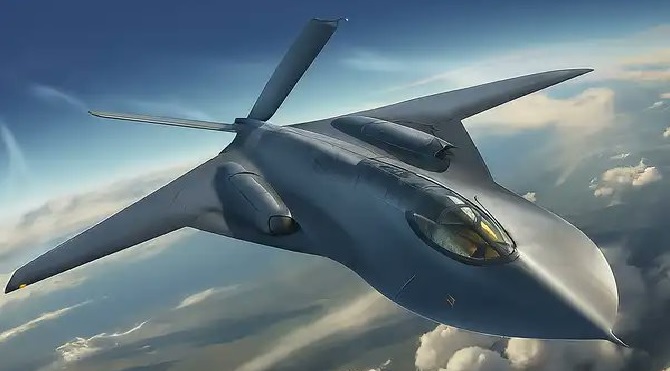
India
India is reportedly preparing to enter an elite class of nations by developing a next-generation strategic bomber capable of striking targets over 12,000 kilometers away. Internally referred to as the Ultra Long-Range Strike Aircraft (ULRA), this ambitious project—if realized—could mark a pivotal shift in India’s military posture from regional defense to intercontinental deterrence and global power projection. However, it's important to note that this development has not been officially confirmed by the Indian government or the Ministry of Defence. The information comes from a recent article by The Economic Times, which cites unnamed defense officials and project insiders. As such, the ULRA currently remains a conceptual or speculative project, not a sanctioned or publicized defense program. A Game-Changer in Airpower – On Paper According to the report, the ULRA is envisioned as a stealth-capable, long-endurance strategic bomber that can carry both conventional and nuclear payloads. The aircraft is expected to feature variable-geometry wings, similar to the Russian Tupolev Tu-160 'Blackjack', allowing it to optimize speed, maneuverability, and fuel efficiency mid-flight. The projected range of 12,000 km would place the ULRA in the same strategic category as the Tu-160 and even surpass the United States’ upcoming B-21 Raider, whose range is estimated around 9,300 km. Such reach would allow India to conduct strategic strikes across Europe, North America, and the Indo-Pacific without refueling, significantly boosting its nuclear second-strike capability and power projection footprint. The bomber is also expected to incorporate stealth technologies, radar-absorbing materials, electronic warfare suites, and carry weapons like BrahMos-NG supersonic missiles, Agni-1P short-range ballistic missiles, precision-guided munitions, and anti-radiation weapons—making it a versatile asset for both conventional and nuclear operations. Foreign Collaboration and Engine Challenges The ULRA is reported to be a collaborative effort between DRDO, HAL, and the Aeronautical Development Agency (ADA). However, India may still depend on foreign partners for critical technologies such as high-bypass turbofan engines, advanced avionics, and stealth composites. Russia and France are believed to be the leading contenders for collaboration, especially in the areas of engine design and stealth coatings. One of the most complex components of the project is the engine. A platform like ULRA would require a high-thrust, long-endurance engine with a low infrared signature. Speculations suggest India is evaluating possibilities such as Russia’s NK-32 engine (used in the Tu-160) or a scaled-up variant of the GE F414 engine currently being indigenously produced for the Tejas Mk2 fighter. Reality Check: Is India Ready for a Strategic Bomber? While the idea of a strategic bomber fits neatly into India's evolving defense narrative, many experts believe the country is not currently pursuing a full-fledged bomber project—at least not one as complex and resource-intensive as the ULRA. India is still developing the Ghatak UCAV (Unmanned Combat Aerial Vehicle), a project that has faced technological and funding hurdles over the past decade. Experts argue that any future manned bomber platform would likely evolve only after the successful deployment of Ghatak, by scaling up its airframe, enhancing endurance, and incorporating powerful engines and advanced stealth systems. Aerospace analysts also point out that India’s focus has traditionally been on ballistic missile capabilities and nuclear submarines to maintain its strategic deterrence. Developing and maintaining a strategic bomber fleet would require a significant doctrinal shift, as well as massive investment in infrastructure, global basing options, mid-air refueling, and maintenance logistics. Strategic Timing or Media Overreach? The timing of such a speculative report coincides with rising regional tensions, especially with China’s H-20 stealth bomber reportedly nearing operational status. The United States is also actively modernizing its bomber fleet, and Russia continues to field the Tu-160 and Tu-95 platforms. In this context, some Indian defense thinkers may see the ULRA as an aspirational platform to balance power dynamics in the Indo-Pacific. However, others view this as media overreach or premature speculation. With India still working to fully operationalize projects like Tejas Mk2, AMCA, and Ghatak UCAV, a complex platform like ULRA could be decades away, if pursued at all. A Strategic Vision or a Future Dream? While the concept of the ULRA is undoubtedly bold and futuristic—one that could redefine India’s role as a true aerospace power—it is crucial to recognize that no official confirmation or budgetary allocation exists for such a bomber program yet. The report from The Economic Times offers an exciting glimpse into what India might pursue in the next decade, but for now, it remains an unverified proposal. In all likelihood, India’s focus will remain on developing unmanned combat platforms, fifth-generation fighters, and hypersonic weapons in the near term. If the Ghatak UCAV and AMCA projects succeed, they could pave the way for a future bomber like ULRA. Until then, the idea of an Indian 12,000-km-range stealth bomber remains more ambition than reality—a concept to watch, but not yet a part of India’s strategic arsenal.
Read More → Posted on 2025-07-16 17:38:55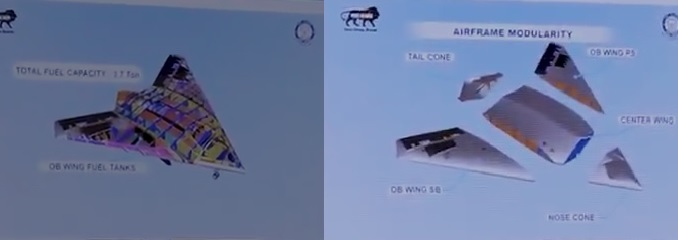
India
India’s long-anticipated Remotely Piloted Strike Aircraft (RPSA), known by its popular name Ghatak UCAV, has officially entered the production phase, marking a decisive step toward bolstering the country’s future combat airpower. Developed by the Aeronautical Development Establishment (ADE) under DRDO, this stealthy flying-wing unmanned combat aerial vehicle is poised to become one of India’s most significant indigenous defence assets. A major highlight of this program is the confirmation that Larsen & Toubro (L&T) has been selected as the Design and Core Production Partner (DcPP), a critical role that places the private sector at the heart of advanced defence aerospace manufacturing in India. What sets Ghatak apart from other drone systems is its impressive internal fuel capacity of 3.7 tons, which is 1.2 tons more than the indigenous Tejas fighter jet. This massive fuel load gives Ghatak a substantially larger combat radius, enabling it to conduct deep-strike missions, loitering surveillance, and precision targeting well beyond frontline areas. The drone’s design is tailored for long-range autonomous missions without refueling or pilot risk, making it a potent strategic platform for the Indian Armed Forces. As of mid-2025, the detailed design review has been successfully completed, and the manufacturing of the first prototype airframe has officially begun. The design is based on a modular approach, as shown in recent official visuals from DRDO and ADE. The airframe components include a center wing, outer wing sections, nose cone, and tail cone, all of which are being produced with stealth shaping and radar-absorbing features. This modularity not only aids in rapid assembly but also simplifies testing, maintenance, and future upgrades. Powering this advanced UCAV will be the Kaveri Dry Engine (KDE), a modified version of DRDO’s indigenous Kaveri turbofan, optimized for unmanned applications. The KDE has already completed major altitude and performance tests in Russia aboard an IL-76 testbed aircraft, and is now nearing final certification. Producing approximately 52 kN of thrust, the Kaveri Dry engine is expected to give Ghatak a powerful yet efficient propulsion system while drastically reducing dependence on imported engines. At a recent workshop held at the Manekshaw Centre in Delhi, DRDO presented detailed updates on Ghatak’s progress. The presentation highlighted that the project has completed the Preliminary Design Review (PDR) and 16 subsystems PDRs, while the Critical Design Review (CDR) has cleared wind tunnel testing, computational fluid dynamics simulations, and structural layout assessments. In addition, integrated flight control computers, quad-channel software systems, landing gear, and structural test rigs are now in advanced stages of development. Also highlighted were the extensive mission studies conducted using the CLAW simulation environment, validation of radar cross-section data, and early payload integration concepts. The project has completed feasibility analysis, cost and time estimation, and has received AON (Acceptance of Necessity) from the Indian Air Force (IAF), with the Cabinet Committee on Security (CCS) proposal currently under review. The Ghatak UCAV is designed to be a stealthy, weaponized, and fully autonomous combat drone, capable of carrying precision-guided munitions and penetrating heavily defended enemy airspace. Once operational, it will be India’s answer to cutting-edge UCAVs like the U.S. X-47B or Russia’s S-70 Okhotnik, offering a mix of intelligence, surveillance, and lethal capability in a single platform. The decision to bring in L&T as the core production partner demonstrates a mature shift in India’s defence production strategy, ensuring that world-class manufacturing standards and rapid scalability can be achieved. L&T's involvement also reinforces the government's ‘Aatmanirbhar Bharat’ push, aimed at achieving full self-reliance in critical military technologies. With airframe production now underway and the engine entering final certification, India’s Ghatak UCAV is well on track to achieve its first flight in the next 18 to 24 months. Once airborne, it will mark the beginning of a new era in Indian aerospace—one defined by stealth, autonomy, and home-grown innovation.
Read More → Posted on 2025-07-16 17:28:08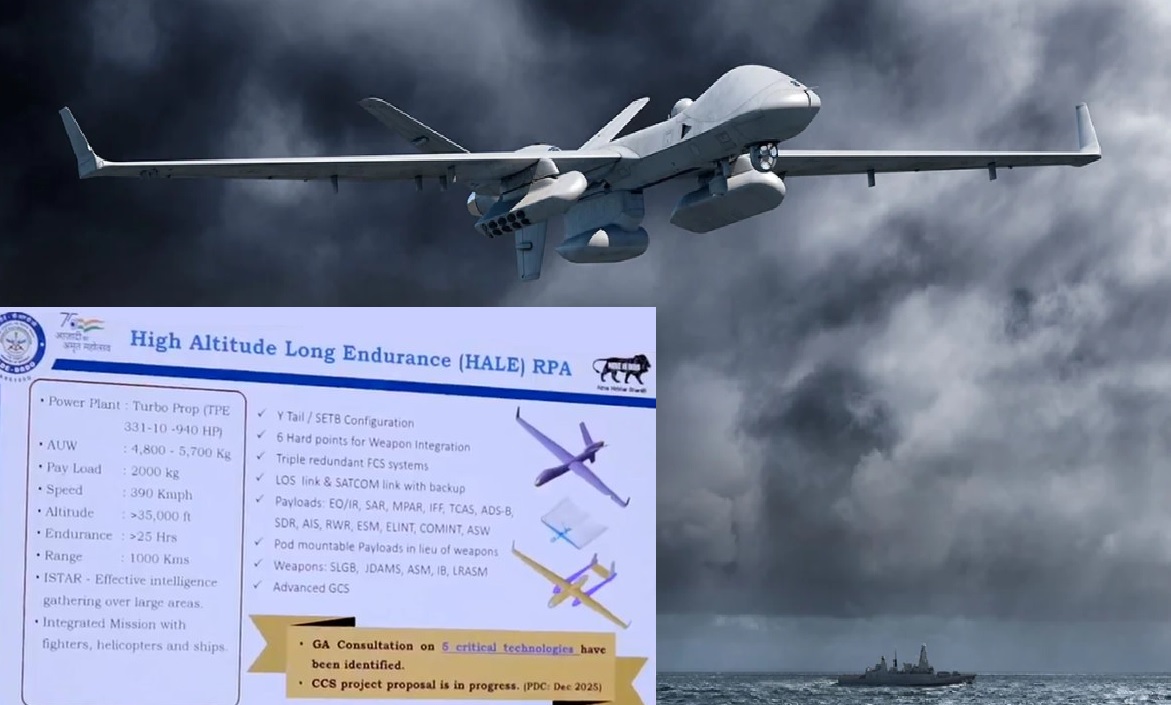
India
India is steadily advancing its unmanned aerial warfare capabilities with the development of a state-of-the-art High Altitude Long Endurance (HALE) drone, designed by the Aeronautical Development Establishment (ADE) under the Defence Research and Development Organisation (DRDO). The platform is expected to serve both surveillance and strike roles, and a recent presentation has confirmed that it will be powered by the Honeywell TPE-331-10 turboprop engine—a globally proven propulsion system used in several high-end UAVs including the MQ-9 Reaper. This marks a critical step in India's roadmap for autonomous aerial platforms, enhancing capabilities in border surveillance, maritime patrol, and deep-strike operations. Powerplant and Payload Capacity The HALE drone will be equipped with the TPE-331-10 engine, capable of delivering between 940 horsepower, enabling long-endurance missions at high altitudes. This engine family is known for its fuel efficiency, compact design, and digital control features, which allow for better performance and easier integration with modern UAV systems. All-Up Weight (AUW): 4,800 to 5,700 kg Maximum Payload: 2,000 kg The drone’s heavy-lift capacity allows it to carry a mix of sensors, communication systems, and precision-guided munitions on a single sortie. Key Performance Features Designed for long-range strategic missions, the HALE drone offers: Cruising Speed: 390 km/h Service Ceiling: Over 35,000 feet Endurance: More than 25 hours of continuous flight Range: 1,000 km operational radius Such specifications place it in the league of advanced HALE platforms globally, capable of providing 24x7 surveillance over India's vast land and maritime borders. Surveillance and Strike Capabilities The drone is equipped with a comprehensive range of ISR (Intelligence, Surveillance, Reconnaissance) and combat sensors: EO/IR (Electro-Optical/Infrared) Cameras Synthetic Aperture Radar (SAR) Maritime Patrol Radar (MPAR) ELINT/COMINT Modules IFF, RWR, AIS, SDR, ADS-B, TCAS This makes it ideal for multi-domain operations, including coastal surveillance, battlefield observation, electronic warfare, and target tracking. For strike missions, the drone features six hardpoints for mounting advanced Indian and imported weaponry such as: Smart Laser-Guided Bombs (SLGBs) Joint Direct Attack Munitions (JDAMs) Air-to-Surface Missiles (ASMs) Long Range Anti-Ship Missiles (LRASMs) This dual capability allows the HALE drone to play both defensive and offensive roles in a single mission—detecting, tracking, and destroying targets with precision. Network-Centric Operations The platform will support: Line-of-Sight (LOS) Data Links Satellite Communication (SATCOM) with Backup Advanced Command Ground Stations (GCS) Triple-Redundant Flight Control Systems (FCS) These features enable seamless integration with fighter aircraft, naval warships, and ground forces, forming the backbone of network-centric warfare. Development Timeline and Strategic Goals According to official sources, the Cabinet Committee on Security (CCS) is currently reviewing the project proposal. The Planned Date of Completion (PDC) is December 2025, Five critical technologies have already been identified and are under consultation with key stakeholders. The HALE drone is being developed under India’s Aatmanirbhar Bharat initiative and will be manufactured using largely indigenous components, supported by a domestic supply chain and future export potential. India’s upcoming HALE drone, powered by the TPE-331-10 engine, represents a significant leap in the country’s quest for autonomous strategic platforms. With combat-ready payloads, deep surveillance capabilities, and interoperability with other military assets, this drone will be a critical force multiplier in India’s defence arsenal. As the December 2025 deadline approaches, the world will be watching closely as India prepares to field one of its most advanced unmanned platforms yet—entirely designed, developed, and deployed on Indian soil.
Read More → Posted on 2025-07-16 17:06:35Search
Top Trending in 24 Hours
-
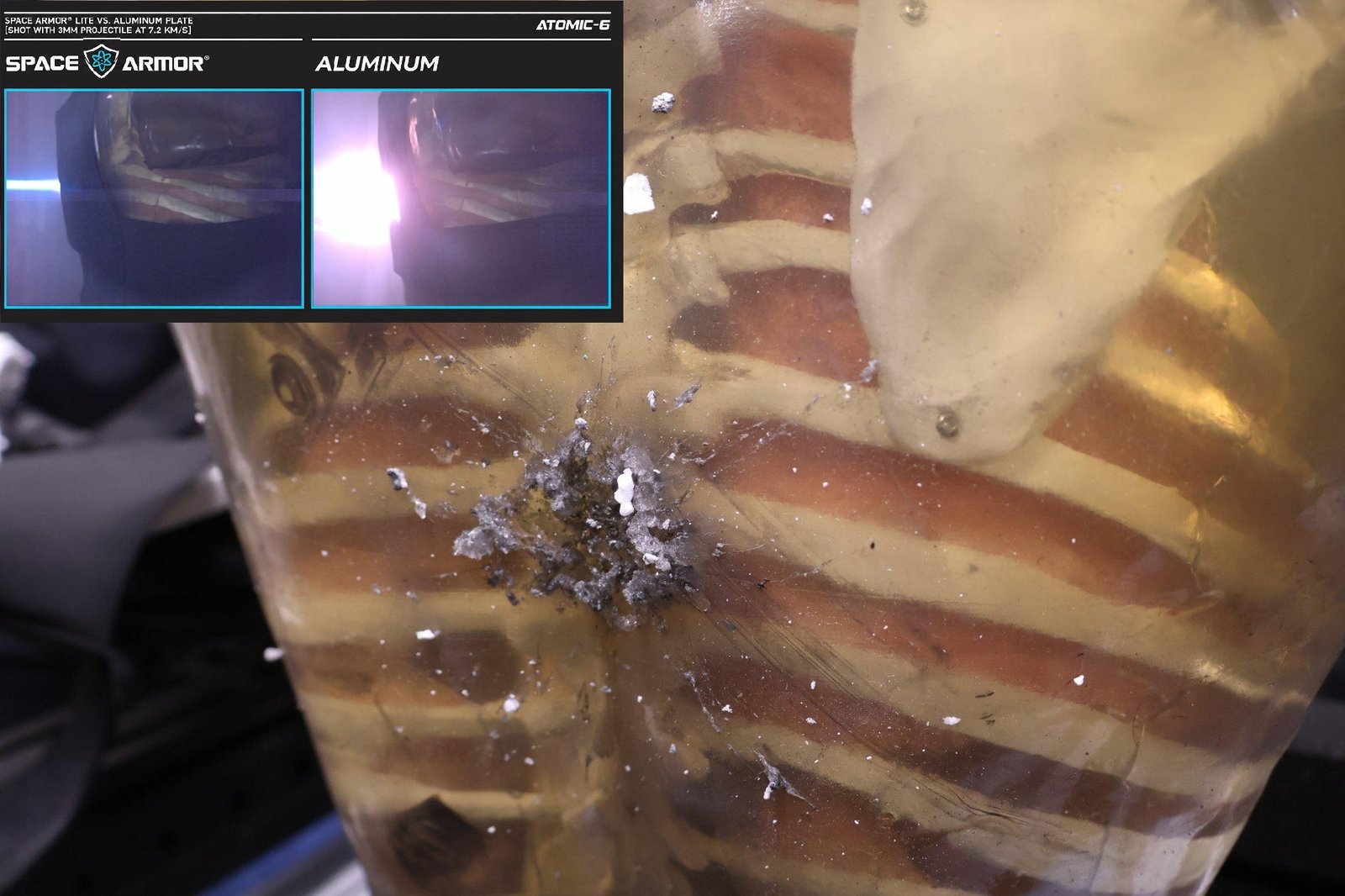 Atomic-6 Tests Composite Armor Against 16,100 MPH Space Debris for Astronaut Protection
-
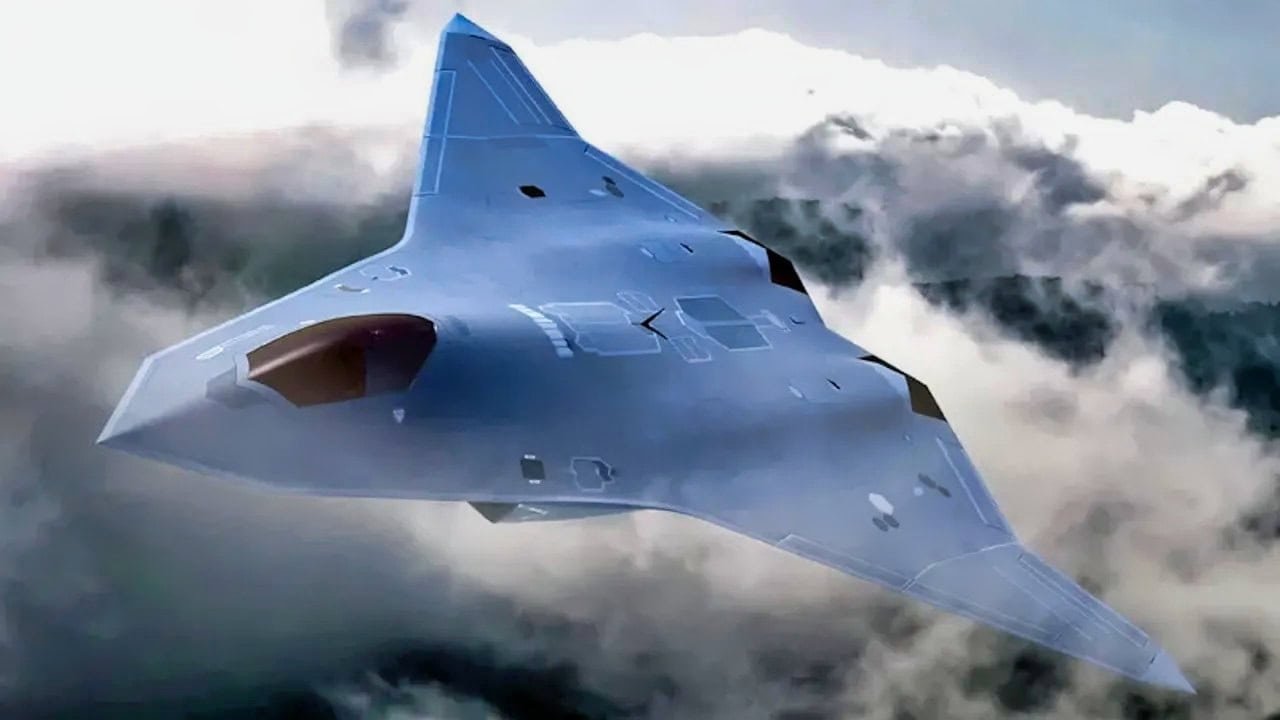 Northrop Grumman Will Not Challenge Boeing’s $20 Billion U.S. Navy F/A-XX Contract
-
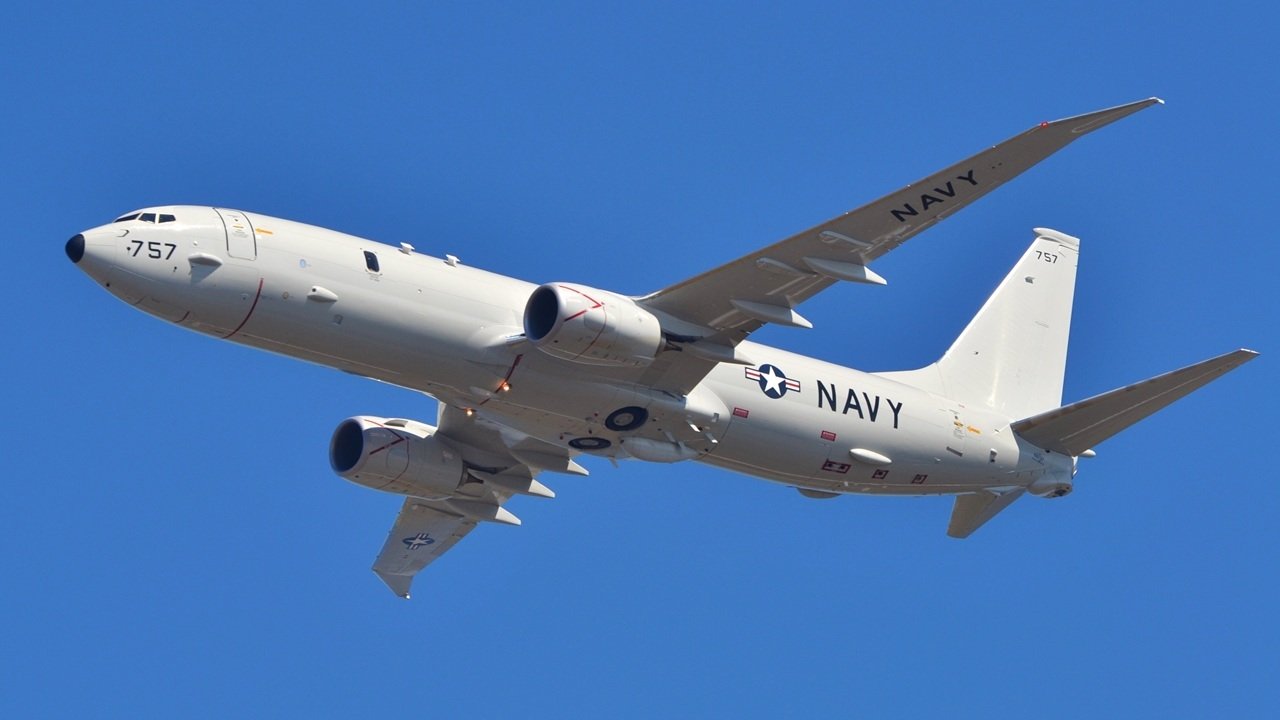 BAE Systems Receives $104.7 Million Navy Contract Modification for Advanced Survivability Pod on P-8A Poseidon
-
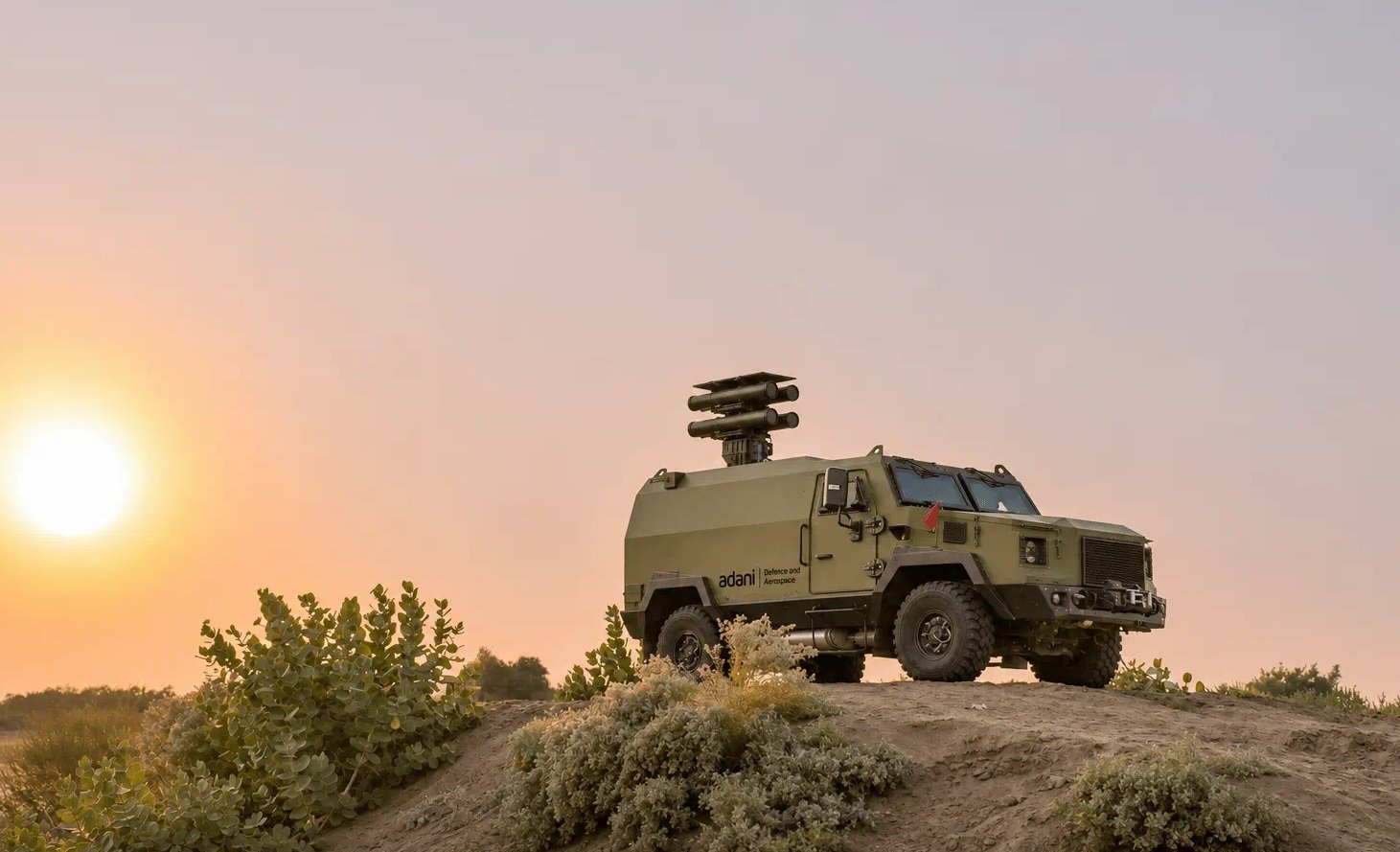 Adani Defence Demonstrates Bagheera AT1 Vehicle-Mounted Anti-Tank Missile System at Pokhran
-
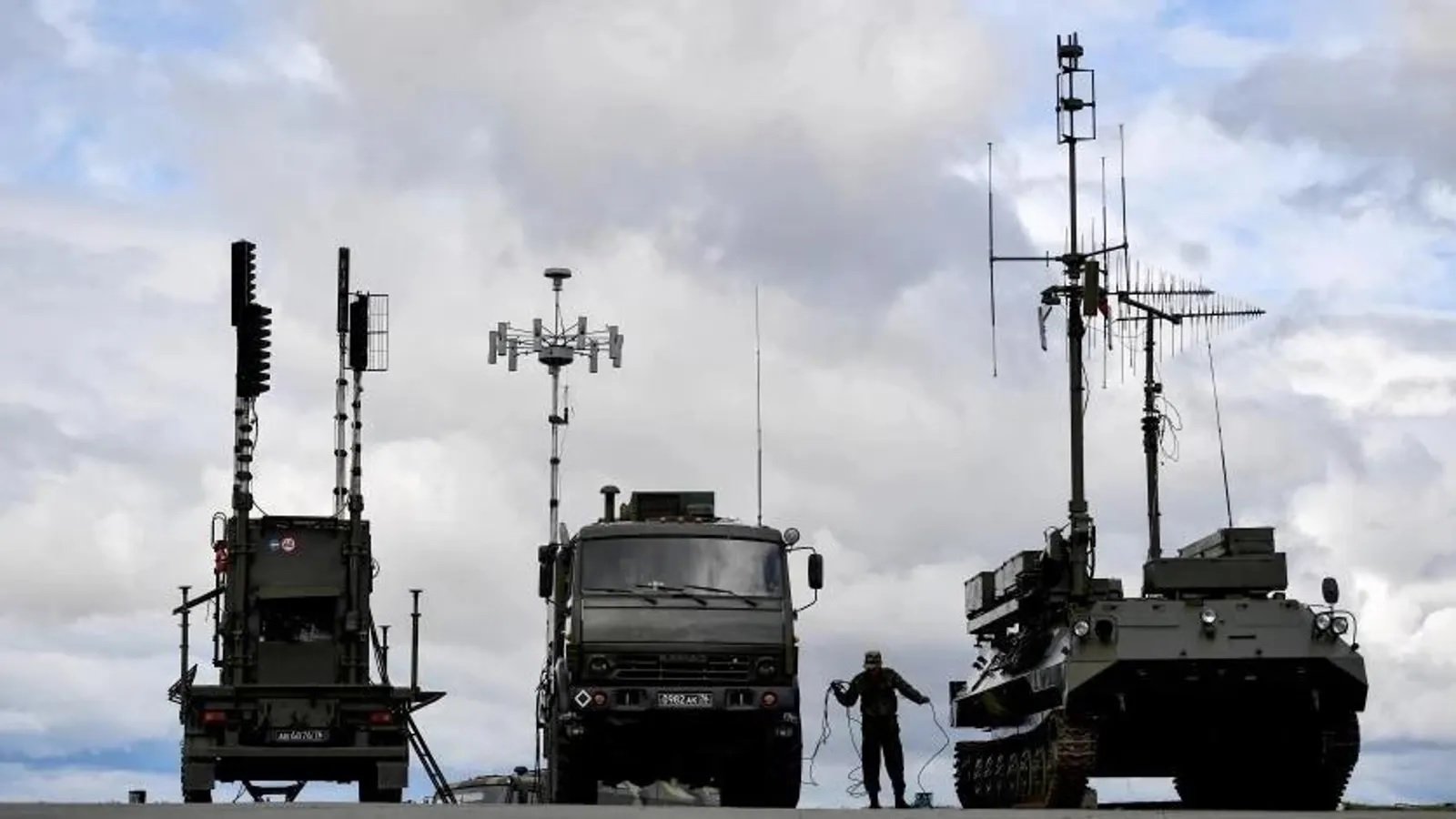 Russia Develops Foros Adaptive Electronic Warfare System to Counter FPV Drones
-
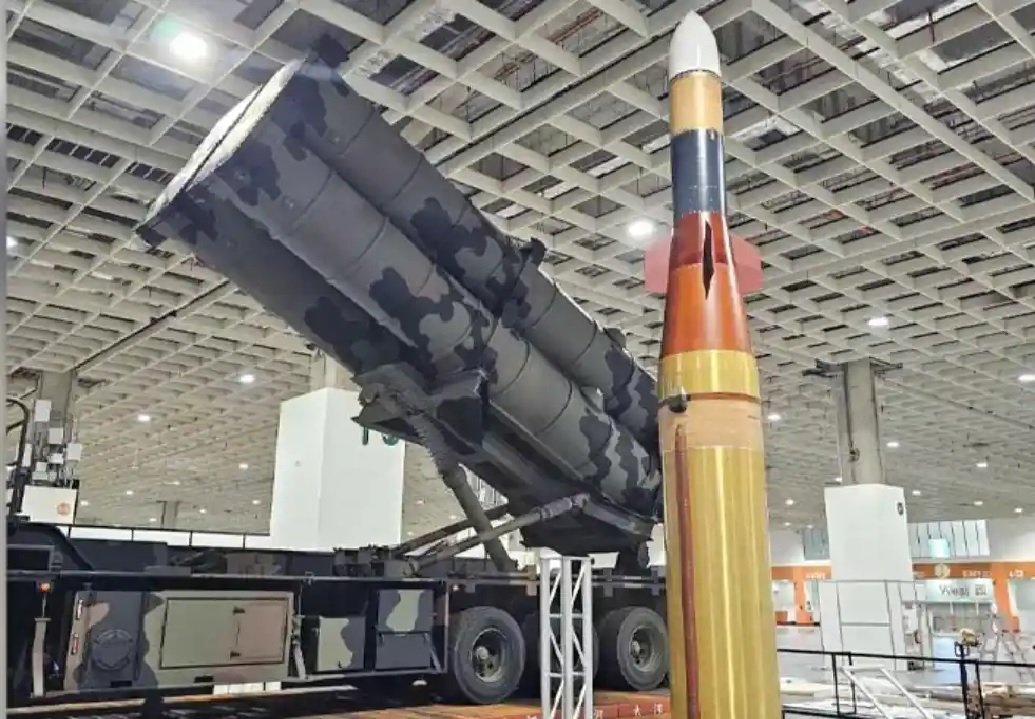 Taiwan Approves NT$145.7 Billion Defence Budget, Clearing TK-4 Anti-Ballistic Missile for Mass Production
-
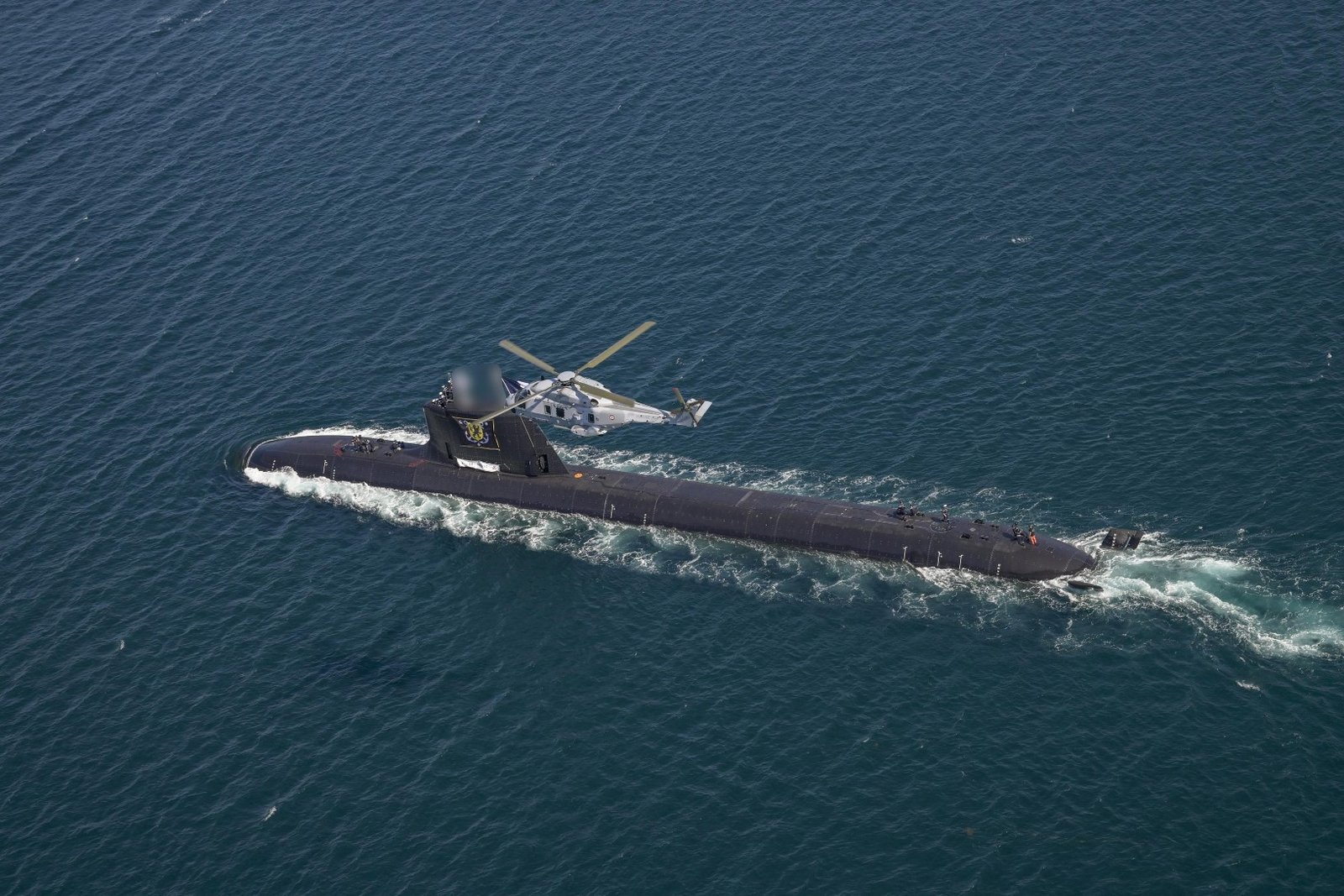 French Navy’s Fourth Suffren-Class Submarine De Grasse Enters Active Service
-
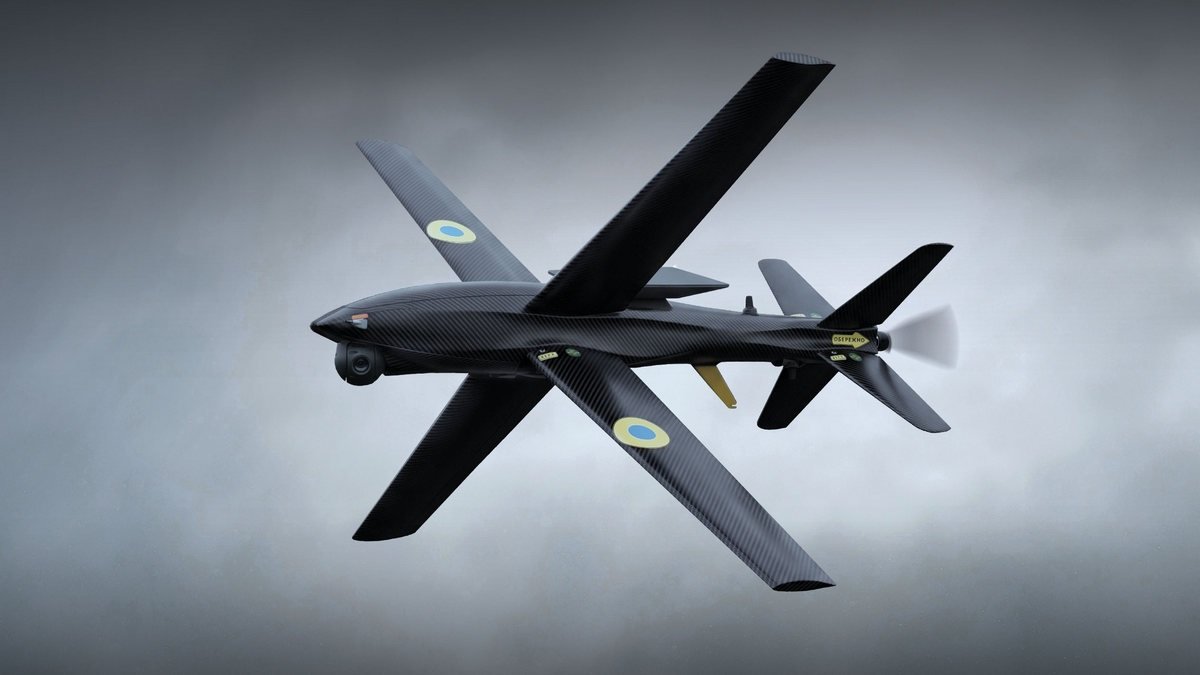 Ukrainian Ukrspecsystems Unveils Black Betty Strike Drone for Regular Frontline Missions
Top Trending in 4 Days
-
 NSA’s Classified NSANet Network Hit by Outage After PHP Security Patching Amid Wave of U.S. Technology Failures
-
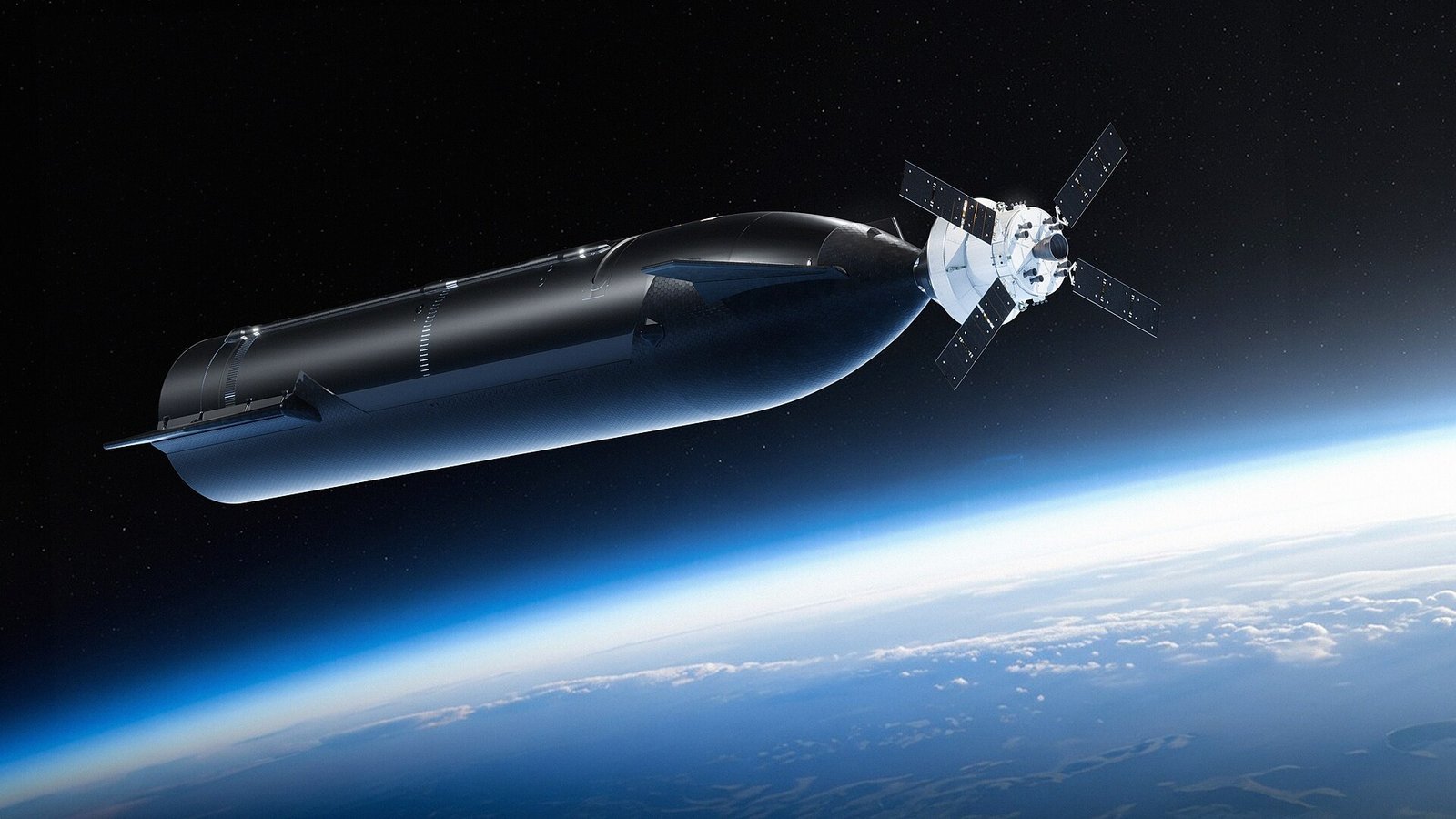 NASA's Orion Spacecraft Needs Major Modifications to Fly Backward with SpaceX Starship
-
 Iran Positions Oil Tankers at Kharg Island Amid Plans to Challenge US Naval Blockade
-
 Kerch Bridge Partially Destroyed After Two Nights of Ukrainian Drone and Missile Strikes
-
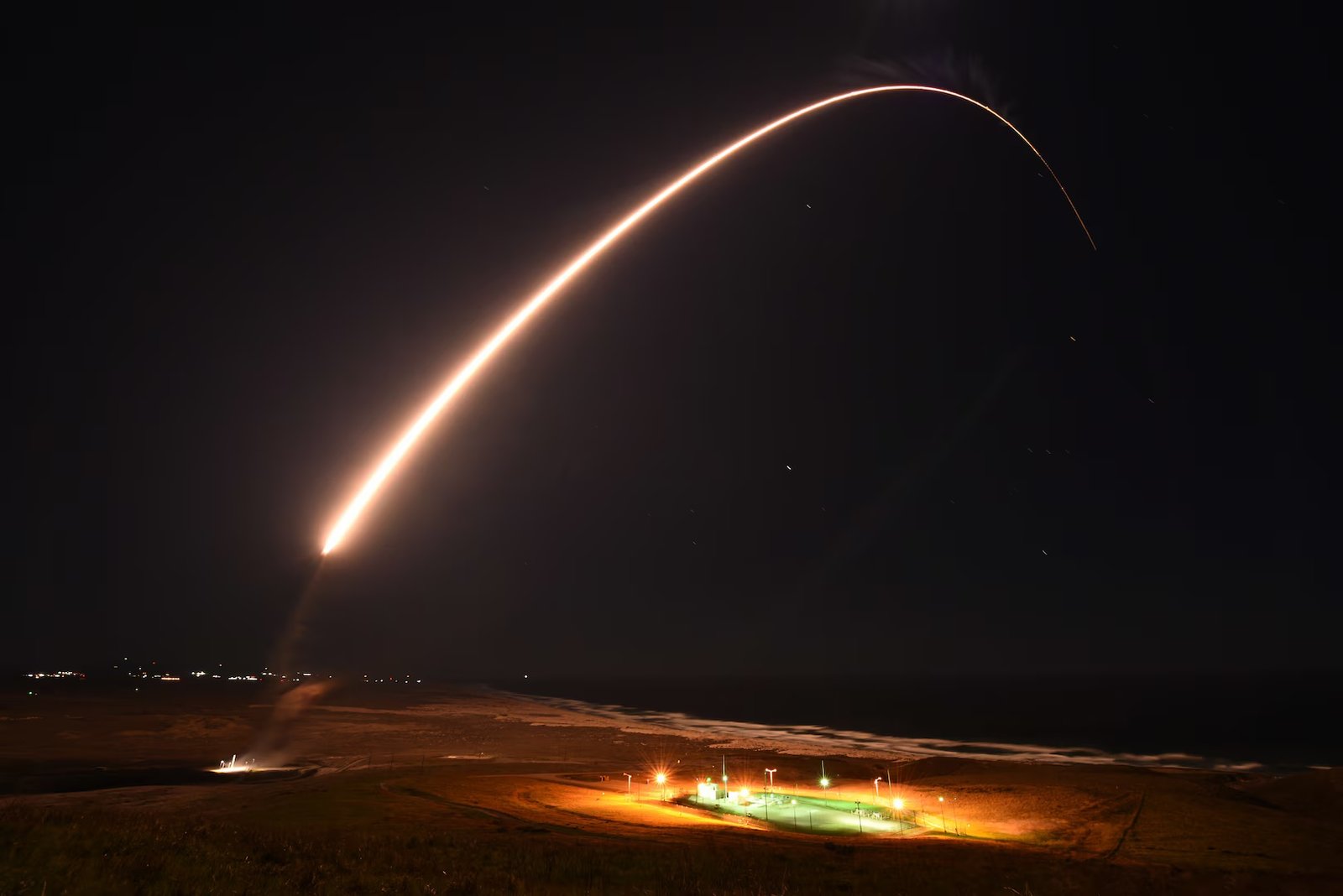 U.S. Air Force Conducts Routine Minuteman III ICBM Test Launch from California
-
 Palmer Luckey Reveals SLAB, a Floating Industrial Platform Designed to Last 1,000 Years
-
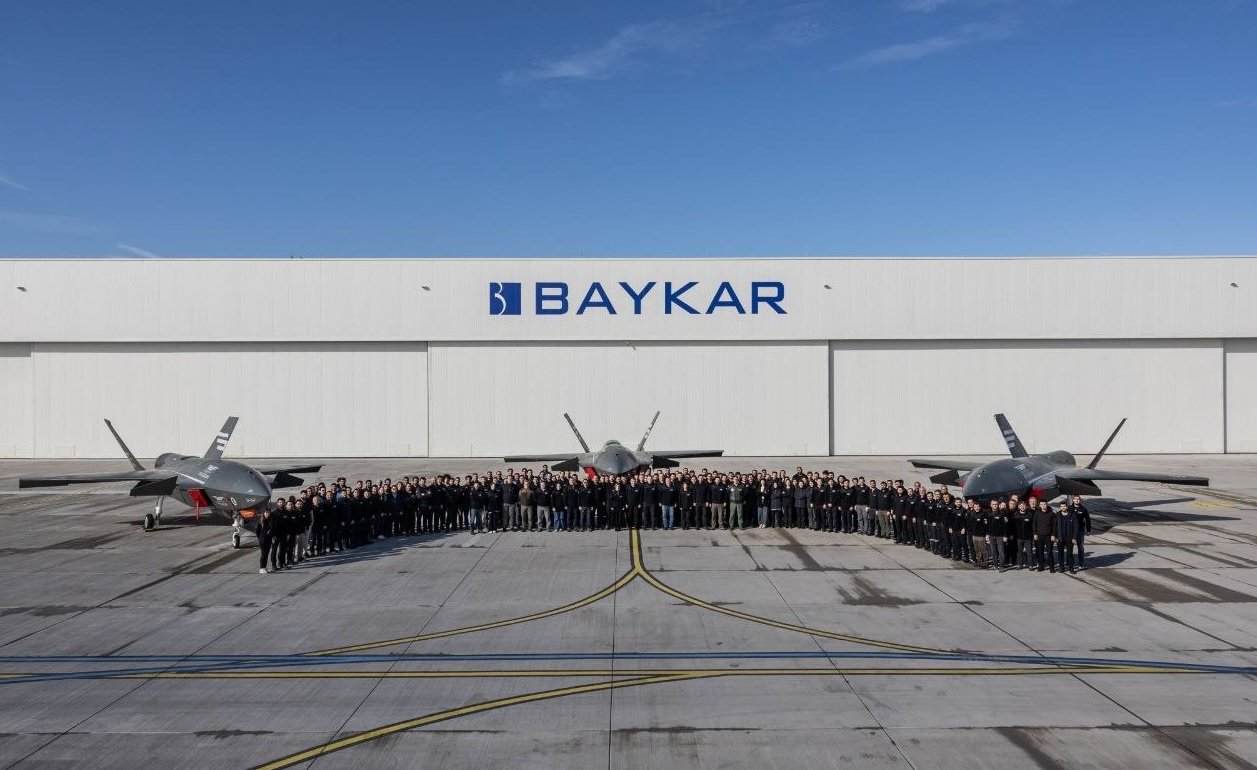 Baykar Delivers First Three Kizilelma Unmanned Fighter Jets to Turkish Forces
-
 Denmark's Parliament Unanimously Approves US-Greenland Defence Deal with 109–0 Vote, Restricting Russian and Chinese Military Presence
