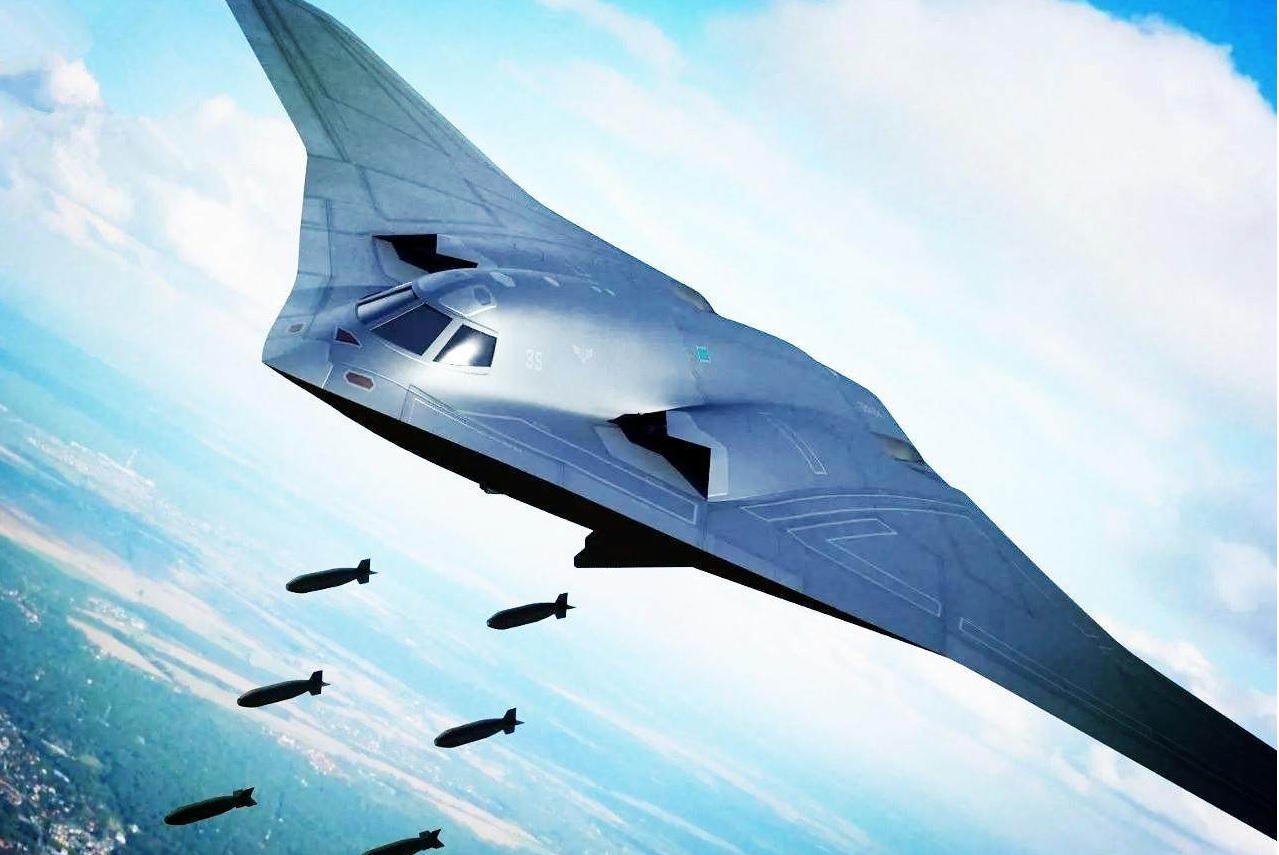
India's burgeoning aerospace ambitions have been on display in recent years with landmark achievements like the Tejas fighter, the AMCA stealth program, and the robust development of UAVs. Among these, the Ghatak Unmanned Combat Aerial Vehicle (UCAV) stands out as a promising stealth platform. While Ghatak is currently conceived as a tactical UCAV, there is a compelling case for scaling it up into a strategic stealth bomber weighing 50 tons or more, akin to leading global designs such as the American B-21 Raider, Russian PAK-DA, and Chinese H-20.
Such a leap would not only address India's growing strategic requirements but could also position the nation directly within the realm of sixth-generation aerial warfare capabilities.
The Case for a 50-Ton Stealth Bomber
1. Strategic Reach in a Challenging Geopolitical Environment
India's security challenges span diverse theaters, from the Himalayas to the Indian Ocean. A 50-ton stealth bomber would provide the Indian Air Force (IAF) with the capability to conduct long-range, precision strikes deep into adversarial territories, while maintaining minimal radar visibility.
This capability becomes essential given the advanced air defense networks being fielded by China and Pakistan, such as the S-400 system. A stealth bomber could penetrate these defenses to deliver precision-guided munitions, cruise missiles, or even nuclear payloads, bolstering India's deterrence posture.
2. Bridging the Capability Gap
While India has developed formidable tactical aircraft, it currently lacks strategic bombers, a domain dominated by global powers like the U.S., China, and Russia. With advancements in stealth technology, radar-absorbing materials, and long-range weaponry, India has the opportunity to bridge this gap by directly adopting cutting-edge designs. Scaling up the Ghatak UCAV would provide a faster pathway to such capabilities, leveraging the existing expertise and infrastructure established during its development.
Learning from Global Trends
United States: B-21 Raider
The U.S. Air Force's B-21 Raider embodies the principles of low observability, long-range capability, and flexible payload delivery. Its modular design allows for integration with future technologies, making it a benchmark for sixth-generation stealth bombers.
China: H-20 Stealth Bomber
China's H-20 aims to complement its existing ballistic missile capabilities with a stealthy, long-range strategic bomber, reflecting Beijing's commitment to becoming a peer competitor to the U.S. in airpower.
Russia: PAK-DA
Russia's PAK-DA bomber, still under development, emphasizes hypersonic weapon delivery and the ability to evade cutting-edge missile defenses, highlighting the evolving nature of strategic aerial warfare.
India can draw valuable lessons from these programs, especially in materials science, sensor fusion, and autonomous operations.
Opportunities for Sixth-Generation Features
1. Artificial Intelligence and Autonomous Operations
Incorporating advanced AI systems would enable India's stealth bomber to operate in both manned and unmanned configurations. Autonomous capabilities would enhance mission flexibility, allowing the platform to penetrate hostile environments without risking pilot lives.
2. Sensor Fusion and Data Sharing
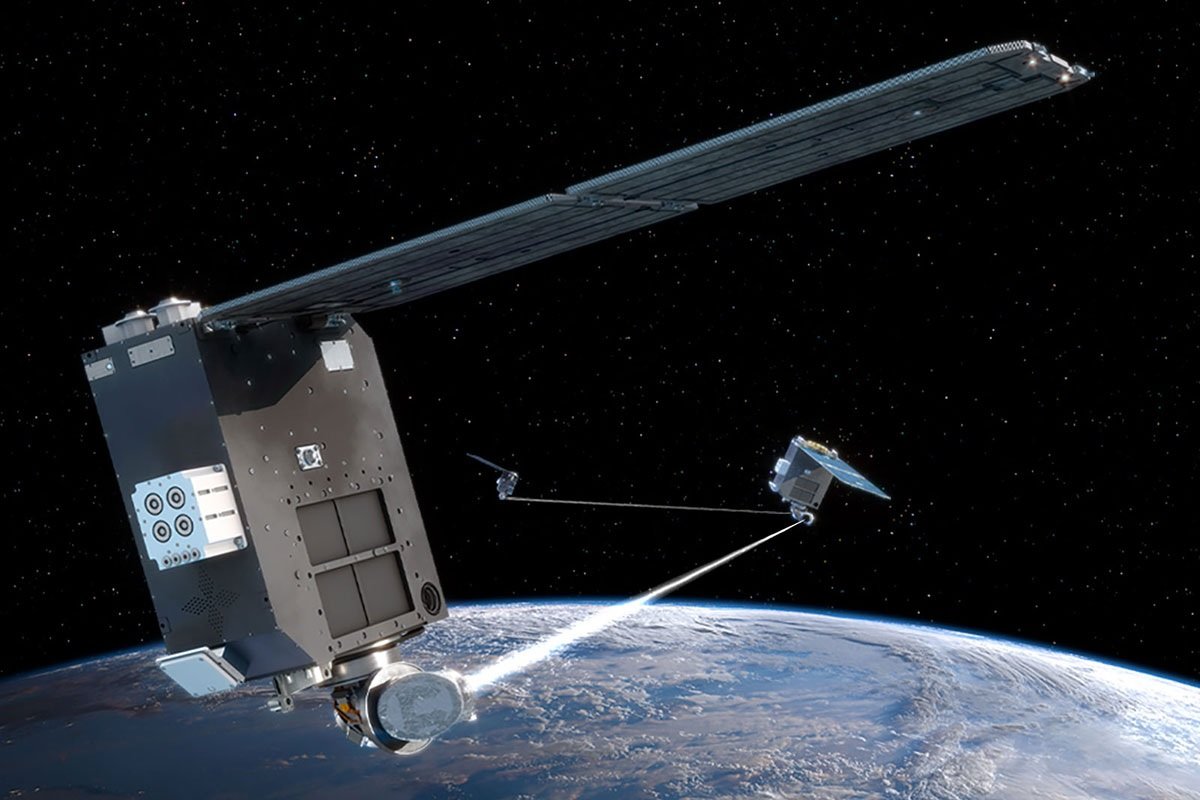
A sixth-generation stealth bomber must act as a node in a broader combat network. Integrating advanced sensor fusion technologies would allow seamless communication with satellites, AWACS, and naval assets, enabling coordinated strikes and real-time battlefield awareness.
3. Hypersonic Compatibility
The ability to carry hypersonic weapons, such as the BrahMos-II and Other Hypersonic Cruise Missile, would significantly amplify the bomber's strike potential. Hypersonic missiles can evade modern air defenses, ensuring that India stays ahead of adversaries in terms of strategic capability.
Challenges and the Way Forward
While scaling up Ghatak is an ambitious proposition, it comes with its share of challenges:
- R&D and Infrastructure: Developing a 50-ton bomber demands substantial investment in materials, propulsion systems, and stealth technology.
- Global Collaboration: To accelerate development, India could consider partnerships with allies like France, which has advanced aerospace capabilities.
- Budgetary Constraints: Strategic bombers are capital-intensive projects, necessitating a careful balance between funding this initiative and other defense priorities.
India can leverage its growing domestic defense ecosystem, particularly private players like Tata Aerospace and HAL, to overcome these challenges. The DRDO's experience with Ghatak and AMCA also provides a strong foundation for developing the requisite technologies.
Conclusion
As India's geopolitical and security landscape evolves, the need for a strategic stealth bomber becomes increasingly apparent. Scaling up the Ghatak program to develop a 50-ton stealth platform would be a transformative step, enhancing India's long-range strike capabilities while propelling it into the league of sixth-generation airpower leaders.
By making bold investments now, India can not only safeguard its strategic interests but also emerge as a global aerospace leader, showcasing indigenous prowess on the world stage.
——— End of Article ———