MOSCOW : Russia is preparing to enter a new phase of its nuclear modernization drive, with plans to begin testing a next-generation intercontinental ballistic missile (ICBM) in 2026, a move that underscores Moscow’s determination to overhaul its strategic forces amid a rapidly deteriorating global arms-control environment.
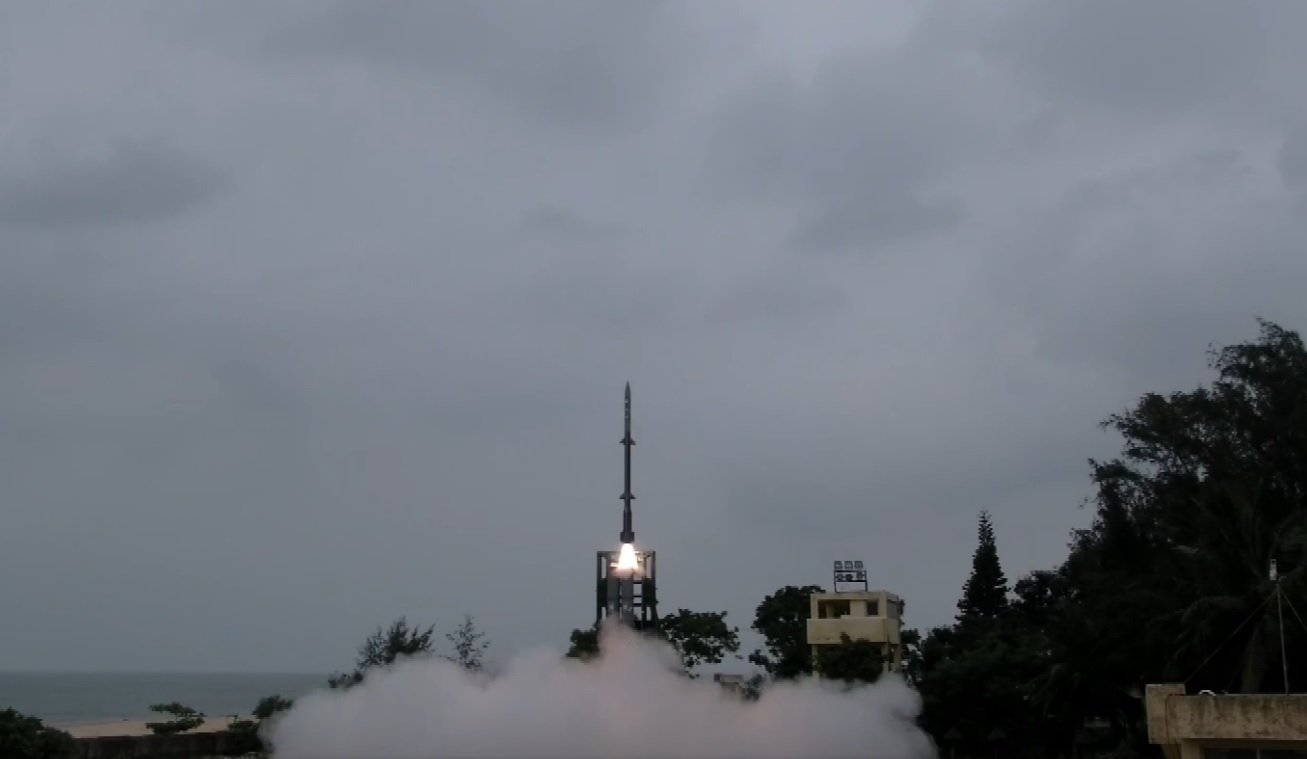
According to defense industry sources cited by the Russian newspaper Izvestia, the upcoming tests will focus on a new solid-fuel ICBM intended to replace the aging Topol-M missile, which has formed the backbone of Russia’s land-based nuclear deterrent since the early 2000s. The testing program is expected to include both silo-based and road-mobile variants, signaling a comprehensive renewal of Russia’s Strategic Rocket Forces rather than a limited upgrade.
Although the Russian Ministry of Defense has not publicly confirmed the missile’s official designation, military analysts widely believe the program is linked to the long-rumored “Kedr” (Cedar) project, a system first mentioned in open sources in 2021.
A Successor to the Post-Soviet Workhorse
The Topol-M occupies a unique place in Russia’s strategic history. Entering service in December 2000, it was the first intercontinental ballistic missile developed entirely by the Russian Federation after the collapse of the Soviet Union. With an estimated range of approximately 11,000 kilometers and a fast boost phase intended to complicate interception, the missile was conceived during an era when Moscow was deeply concerned about emerging U.S. missile defense concepts.
Over the past two decades, Topol-M systems have been deployed in both hardened silos and on mobile transporter-erector-launchers (TELs), giving Russia a survivable and flexible deterrent. However, after roughly 25 years of service, the missile’s propulsion systems, electronics, and countermeasures are approaching the limits of their operational lifespan, making replacement increasingly urgent.
The planned successor is expected to inherit the Topol-M’s emphasis on survivability while incorporating modern guidance systems, improved solid-fuel motors, and enhanced resistance to interception.
The Kedr Program and Its Design Philosophy
The Kedr missile is reportedly being developed by the Moscow Institute of Thermal Technology (MITT), the same design bureau responsible for the Topol, Topol-M, and RS-24 Yars missile families. Unlike Russia’s heavy liquid-fueled RS-28 Sarmat, often described as a “super-heavy” ICBM, the new system is believed to prioritize mobility, rapid launch readiness, and concealment.
Sources indicate that the 2026 test phase will evaluate both silo-deployed versions, intended for constant high-alert status, and road-mobile variants capable of dispersing across Russia’s vast territory. Such mobile systems are widely viewed as among the most difficult nuclear assets to detect and neutralize, particularly during a crisis.
Hypersonic Warheads and Evolving Payloads
One of the most closely watched aspects of the new missile program is its reported payload configuration. According to Izvestia, the missiles may be equipped with new guided hypersonic warheads, representing a further step in Russia’s effort to integrate maneuverable reentry vehicles across its strategic arsenal.
Unlike traditional ballistic warheads, which follow largely predictable trajectories, hypersonic glide vehicles (HGVs) are designed to maneuver at speeds exceeding Mach 5, altering their flight path during the terminal phase. This capability is intended to reduce the effectiveness of existing U.S. missile defense systems by compressing reaction times and complicating interception.
If confirmed, the deployment of such payloads on a standard ICBM would suggest that Russia is moving beyond experimental systems like the Avangard, toward broader operational deployment within its land-based nuclear forces.
Strategic Timing and Global Implications
The planned 2026 testing timeline carries significant strategic weight. It coincides with the expected expiration of the New START Treaty, the last remaining bilateral nuclear arms-control agreement between the United States and Russia. With no successor treaty currently in place and formal arms-control dialogue largely frozen, the introduction of a new generation of mobile, hypersonic-capable ICBMs could further strain global strategic stability.
Western analysts note that mobile missile systems equipped with advanced countermeasures complicate verification and transparency, increasing uncertainty during periods of heightened tension. Russian officials, however, argue that modernization is a necessary response to U.S. missile defense developments and the aging of Soviet-era systems.
“This is not simply a routine replacement,” said a Moscow-based defense analyst quoted in Russian media. “It is a signal that Russia intends to preserve a credible, modern nuclear deterrent for decades to come, regardless of sanctions, political pressure, or the collapse of arms-control frameworks.”
Looking Beyond the Topol Era
If testing proceeds as planned in 2026 and is followed by serial production later in the decade, the new missile system is expected to gradually replace remaining Topol-M units and operate alongside newer RS-24 Yars missiles. Together, these systems would form the core of Russia’s land-based nuclear forces well into the 2040s.
For now, many technical details remain classified, and official confirmation from the Kremlin or the Ministry of Defense has yet to be issued. Nevertheless, the reported plans point clearly toward a post-Topol era, defined by greater mobility, advanced warheads, and intensifying strategic competition.
——— End of Article ———