
World
WASHINGTON, — May 18, 2026 : U.S. President Donald Trump has urged global semiconductor manufacturers, particularly companies based in Taiwan, to relocate more production capacity to the United States, citing growing concerns over Taiwan’s security and the risks posed to global supply chains if tensions with China escalate. In an interview with Fox News, Trump said the United States must reduce its reliance on Taiwan for advanced semiconductor production and expand domestic manufacturing capacity as quickly as possible. “I’d like to see everybody making chips over in Taiwan come into America,” Trump said, adding that relocating production to the U.S. would be “the greatest thing you can do” under current geopolitical conditions. Trump stated that the administration wants the United States to account for 40% to 50% of the global semiconductor industry by the end of his term. He noted that some Taiwanese companies have already begun shifting part of their manufacturing operations to the United States and said further expansion should continue. The comments come amid increasing concerns within Washington over the possibility that China could move against Taiwan within the coming years. Advisers close to the administration have reportedly warned that Chinese President Xi Jinping may attempt actions involving Taiwan within the next five years, raising fears of major disruptions to the global semiconductor industry. Taiwan currently produces around 90% of the world’s most advanced semiconductors, including high-end chips used in artificial intelligence systems, consumer electronics, cloud computing infrastructure, and military technologies. Much of that production is controlled by Taiwan Semiconductor Manufacturing Company (TSMC), the world’s largest contract chipmaker. U.S. officials and industry groups have warned that any blockade or disruption affecting Taiwan’s chip exports could trigger severe shortages across the global technology sector. Analysts have also cautioned that a prolonged interruption in semiconductor supplies would significantly affect manufacturing output, financial markets, and economic growth in the United States and other major economies before domestic production could fully compensate for lost supply. Trump linked the push for domestic chip production directly to national security concerns. During the interview, he suggested the United States may not be able to guarantee Taiwan’s protection indefinitely if tensions escalate in the future. “We’re not going to be able to protect it if something happens,” Trump said, referring to possible developments after his presidency. The president’s remarks followed his recent summit with Xi in Beijing, where trade, tariffs, and regional security issues were discussed. Trump also addressed a potential U.S. arms package for Taiwan, describing it as “a very good negotiating chip” in broader discussions with Beijing. He indicated that future decisions regarding the package would depend partly on China’s actions and wider U.S.-China negotiations. Trump also reiterated support for maintaining the current status quo across the Taiwan Strait and cautioned against formal Taiwanese independence, stating he was “not looking to have somebody go independent.” The administration has continued using trade policy, tariff pressure, and industrial incentives to encourage companies to move advanced manufacturing operations into the United States. Semiconductor production has become a central element of U.S. economic and national security policy as Washington seeks to strengthen domestic supply chains for critical technologies. Taiwanese semiconductor firms have already announced major investments in the United States. TSMC has committed more than $100 billion to semiconductor manufacturing projects in Arizona, where multiple fabrication facilities are currently under construction or planned. However, industry experts and officials in Taipei have noted that relocating the broader semiconductor ecosystem remains difficult due to Taiwan’s established infrastructure, specialized workforce, and tightly integrated supplier network. Analysts have also pointed to significantly higher manufacturing and operational costs in the United States compared to Taiwan. In response to recent U.S.-China discussions, Taiwan President Lai Ching-te said Taiwan’s sovereignty and security would not be compromised in geopolitical negotiations. He reaffirmed the island’s commitment to maintaining its defense capabilities and emphasized the importance of continued U.S. security support. As tensions surrounding the Taiwan Strait remain a key focus in international relations, the United States continues expanding domestic semiconductor production capacity in an effort to reduce long-term dependence on overseas manufacturing and strengthen supply chain resilience for critical techn
Read More → Posted on 2026-05-18 14:56:36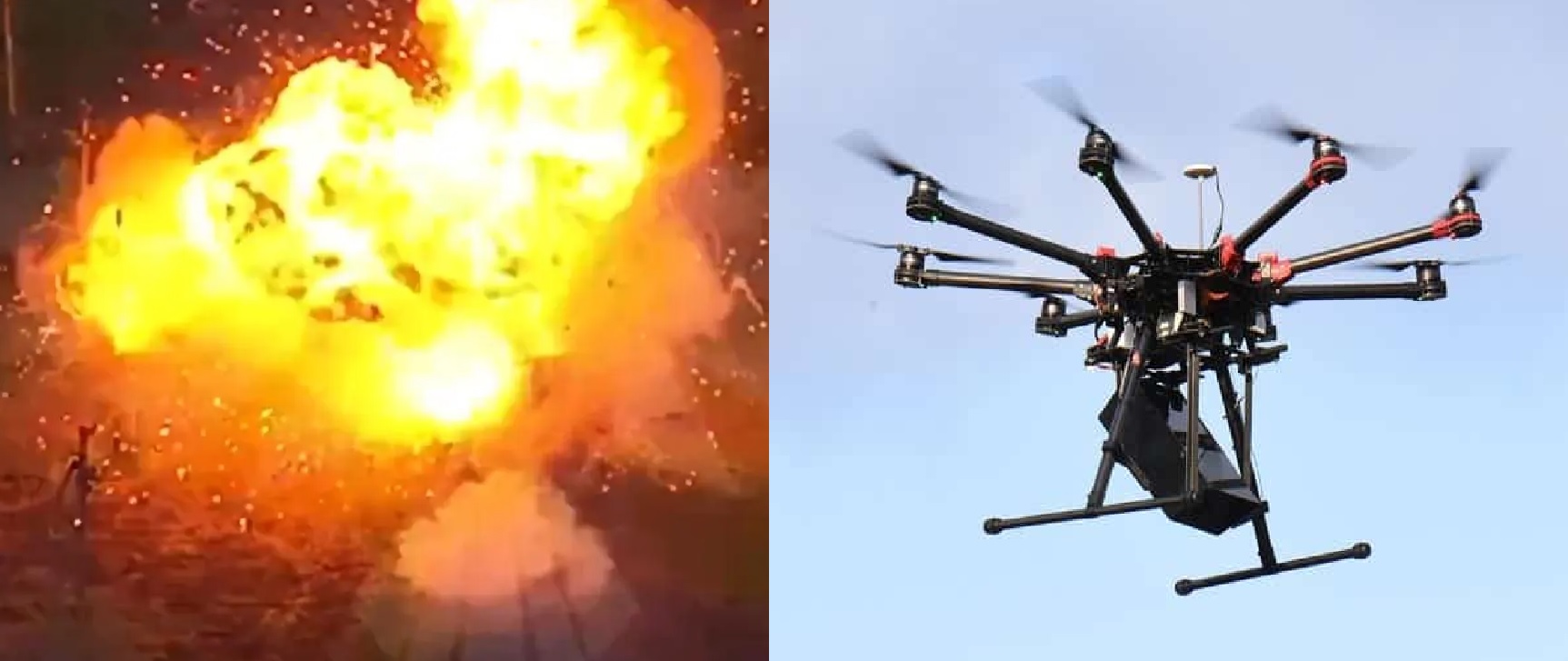
World
WASHINGTON, — May 18, 2026 : Northrop Grumman has been selected as one of five preferred payload providers for the Department of War’s (DoW) Drone Dominance Program through the Lethality Prize Challenge, positioning the company to support the large-scale deployment of small unmanned systems planned by the United States through 2027. The Drone Dominance Program is part of a broader DoW initiative valued at approximately $1.1 billion aimed at rapidly fielding low-cost, consumable unmanned systems and associated mission architectures. The department plans to deploy more than 200,000 drones by 2027 as part of a strategy focused on distributed battlefield operations, scalable strike capabilities, and expansion of the domestic defense industrial base. The initiative is also intended to reduce reliance on foreign supply chains while testing whether the American defense industry can manufacture large quantities of low-cost systems within accelerated procurement timelines. Common UAS Payload Selected for Program Under the program, Northrop Grumman will provide its Common UAS Payload, a standardized fuze and effects module designed for rapid integration across multiple unmanned platforms. The payload is engineered as an off-the-shelf system intended for use on unmanned aerial, maritime, and ground-based systems without requiring extensive redesign or platform-specific modification. According to the company, the payload uses mature energetics and ruggedized electronics designed to operate in demanding combat environments while delivering 360-degree lethality. The system is built to support rapid deployment and scalable production requirements associated with the Drone Dominance Program. The Common UAS Payload is aligned with the Department of War’s Modular Open Systems Approach (MOSA), utilizing standardized interfaces intended to eliminate proprietary integration barriers and simplify compatibility across different mission systems and platforms. Northrop Grumman stated that the payload also supports the U.S. Army’s Purpose-Built Attritable Systems (PBAS) requirements, an initiative focused on developing flexible, interoperable, and expendable unmanned systems with reduced lifecycle and sustainment costs. “The Drone Dominance Program demands payloads ready to integrate and deploy immediately – no delays, no redesigns,” said Tanya Santers, director for fuze and warheads at Northrop Grumman. “Our Common UAS Payload meets this need with speed, safety and interoperability in mind, enabling military dominance now and into the future,” she added. Lethality Prize Challenge and Selected Companies The Lethality Prize Challenge was established to identify modular lethal payload solutions for Group 1 small unmanned aircraft systems operating under the Drone Dominance Program. Alongside Northrop Grumman, the other selected companies include Bravo Ordnance, Kela Defense US Inc., Kraken Kinetics Inc., and Mountain Horse LLC. Each company received a $10,000 cash prize and placement on the program’s preferred munitions solutions list, qualifying them for participation in the Gauntlet II demonstration event scheduled for August 2026. Focus on Industrial Expansion and Production Capacity A central objective of the Drone Dominance Program is to evaluate whether the U.S. defense industry can rapidly scale production of low-cost unmanned systems and payloads to meet rising operational demand. Northrop Grumman stated that it has invested more than $2 billion in recent years in solid rocket motor technology, smart munitions development, and facility modernization efforts aimed at expanding manufacturing capacity and accelerating production timelines. According to the company, these investments have enabled it to double its tactical solid rocket motor production capacity, with additional expansion projects expected to be completed by 2027. Northrop Grumman currently operates with nearly 100,000 employees and more than 30 million square feet of manufacturing space across the United States. The company stated that its production infrastructure, research and development capabilities, workforce, and supply chain investments are intended to support current and future national security requirements under the Drone Dominance Program. Program Timeline The initial phases of the Drone Dominance Program are expected to focus on payload scaling, systems integration, and operational demonstrations. Later phases are anticipated to transition toward high-volume procurement and delivery as the Department of War moves closer to its target of fielding more than 200,000 drones by 2027.
Read More → Posted on 2026-05-18 14:47:42
World
PARIS — May 18, 2026 : Saab and Scania France have signed a contract with France’s Direction Générale de l’Armement (DGA) for the supply of Giraffe 1X radar systems integrated onto Scania tactical vehicles for the French Armed Forces, marking a new step in the modernization of France’s short-range and very short-range air defense capabilities. The agreement covers the procurement of 17 Giraffe 1X radar systems. Under the contract, 16 radar units will be operationally deployed on Scania V3P tactical vehicle chassis, while one additional radar will be delivered for testing and technical evaluation by the French military. The contract also includes spare parts, operational support, maintenance assistance, and training services for military personnel. Deliveries of the radar systems and integrated vehicles are scheduled between 2026 and 2027. To fulfill the program requirements, Saab and Scania France have established a joint consortium that will remain active throughout the duration of the contract. Vehicle integration activities will be carried out in France by Scania Public and Defense (SPAD), the defense division of Scania France located in Angers. Modernization of French Air Defense The acquisition is intended to strengthen the French Armed Forces’ ability to counter modern aerial threats, particularly low, slow, and small (LSS) targets such as tactical unmanned aerial vehicles (UAVs) and First-Person View (FPV) drones. The program forms part of France’s broader effort to modernize its ground-based short-range and very short-range air defense network by replacing older radar vehicles that have reportedly remained in service for nearly 30 years. Within French military service, the integrated systems are designated as VARDA, short for Véhicule d’Acquisition Radar de Défense Aérienne. Carl-Johan Bergholm, head of Saab’s business area Surveillance, stated that the partnership with Scania France is aimed at modernizing French short and very short-range air defense capabilities through mobile radar integration. Giraffe 1X Radar Capabilities The Giraffe 1X is a compact Active Electronically Scanned Array (AESA) 3D radar operating in the X-band frequency range. The radar is designed for both mobile and fixed-site deployment and provides continuous 360-degree surveillance with a complete search volume update every second. According to Saab, the radar has an instrumented detection range of up to approximately 75 kilometers for air targets. The system is capable of simultaneously tracking more than 100 airborne targets and over 200 surface targets. The radar is specifically optimized to detect low-signature aerial threats, including small unmanned systems. Saab states that the system can identify a UAV as small as a milk carton at ranges of up to 4 kilometers. In addition to conventional air surveillance missions, the Giraffe 1X supports multiple operational roles, including: Ground-based air defense Counter-Unmanned Aerial Systems (C-UAS) Counter-Artillery, Rocket, and Mortar (C-RAM) sense-and-warn operations Protection of military bases, buildings, and critical infrastructure The system uses a software-based architecture that allows remote upgrades and continuous capability improvements to address evolving operational threats without major hardware modifications. Lightweight Design for Mobile Operations Saab stated that the complete Giraffe 1X system weighs less than 300 kilograms, while the radar topside itself weighs under 150 kilograms. The lightweight design allows integration onto compact tactical vehicles while maintaining operational mobility. For the French Armed Forces, the radar will be mounted on the Scania V3P tactical chassis, a military vehicle platform developed specifically for defense applications. The engineering and final integration work will be performed by SPAD in Angers, ensuring the systems meet French Army mobility, deployment, and operational requirements across different terrains and mission environments. Broader France–Sweden Defense Cooperation The radar contract also reflects expanding defense cooperation between France and Sweden. The agreement follows a separate defense procurement signed in December 2025 between the DGA and Saab for the acquisition of two GlobalEye airborne early warning and control aircraft for the French Armed Forces. The Giraffe 1X radar is currently in service or under contract with multiple international operators, including the Swedish Armed Forces and the U.S. Army. Saab states that the radar can be deployed on both land and maritime platforms depending on operational requirements.
Read More → Posted on 2026-05-18 14:39:10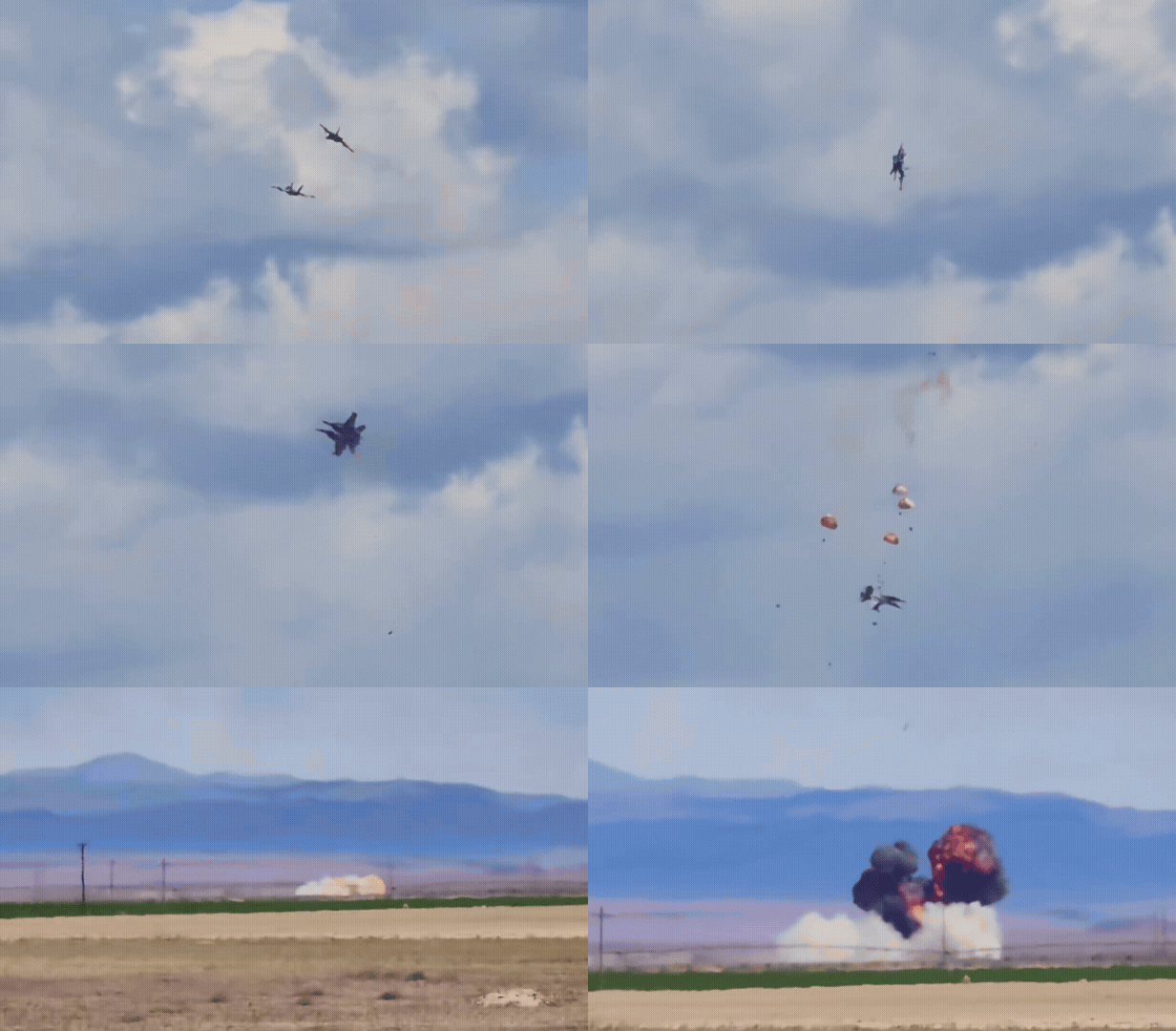
World
MOUNTAIN HOME AIR FORCE BASE, Idaho — May 18, 2026 : Two U.S. Navy EA-18G Growler electronic warfare aircraft collided mid-air during an aerial demonstration at the Gunfighter Skies Air Show on Sunday, May 17, 2026, resulting in the destruction of both aircraft. All four crew members safely ejected and survived the incident, according to U.S. Navy officials. The accident occurred at approximately 12:10 p.m. local time during the second and final day of the air show. The collision took place about two miles northwest of Mountain Home Air Force Base while the aircraft were performing as part of the U.S. Navy Growler Demonstration Team. Officials confirmed that no spectators, military personnel on the ground, or civilians were injured. Collision During Demonstration Flight Video footage recorded by photographer Shane Ogden captured the sequence of events during the low-altitude aerial demonstration. The footage showed the two EA-18G Growlers maneuvering in close proximity at relatively slow speed before the aircraft appeared to make physical contact. According to the visual evidence, one aircraft appeared to begin a turn as the two jets converged, after which both aircraft abruptly pitched upward and departed controlled flight. The aircraft then rapidly descended while appearing briefly entangled. Moments before impact, all four crew members initiated their ejection procedures. Parachutes deployed successfully before the aircraft crashed and were destroyed on impact. Former military pilot and instructor Dave Berke stated that the successful low-altitude ejections left very little margin for error due to the limited time available for crew escape following the collision. Crew Members Safely Recovered The aircraft each carried two crew members in tandem-seat cockpits, consisting of a pilot and an electronic warfare officer. Emergency response teams from Mountain Home Air Force Base, local law enforcement, county agencies, and state emergency services responded immediately after the crash. Naval Air Forces officials confirmed that all four aviators survived the incident and were transported to medical facilities for evaluation. Initial reports indicated the crew members remained in stable condition. Cmdr. Amelia Umayam, spokesperson for Naval Air Forces, U.S. Pacific Fleet, confirmed that the aircraft involved belonged to the U.S. Navy Growler Demonstration Team and collided during the aerial performance. Aircraft and Squadron Information The aircraft involved in the collision were identified as: EA-18G Growler BuNo 168895 (“NJ-502”) EA-18G Growler BuNo 168252 (“NJ-540”) Both aircraft were assigned to Electronic Attack Squadron 129 (VAQ-129), known as the “Vikings,” based at Naval Air Station Whidbey Island in Washington state. VAQ-129 serves as the Fleet Replacement Squadron responsible for training U.S. Navy aviators and electronic warfare personnel assigned to the EA-18G Growler platform. The U.S. Navy established the Growler Demonstration Team in 2020 at NAS Whidbey Island to conduct public flight demonstrations showcasing the aircraft’s operational capabilities and maneuverability. Air Show Cancelled After Crash Following the incident, officials immediately halted the Gunfighter Skies Air Show and cancelled the remainder of the event. Mountain Home Air Force Base was temporarily placed under lockdown as emergency personnel secured the crash area and initiated response operations. The Idaho Transportation Department also closed portions of State Highway 167 between Simco Road and Highway 67 to support emergency access and investigative activity near the crash site. Col. David R. Gunter, commander of the 366th Fighter Wing at Mountain Home Air Force Base, thanked emergency response teams for their rapid actions and expressed relief that all four aircrew members survived the accident. Silver Wings of Idaho, one of the organizations involved in planning the air show, also confirmed that all crew members were safe and acknowledged the coordinated response from military and civilian agencies. Investigation Underway The EA-18G Growler is the U.S. Navy’s primary carrier-based electronic warfare aircraft and is derived from the F/A-18F Super Hornet. The platform is designed to conduct electronic attack missions, including radar jamming, suppression of enemy air defenses, and electronic surveillance operations. Each EA-18G Growler has an estimated unit cost of approximately $67 million, excluding specialized electronic warfare systems. Military authorities have launched a formal investigation into the cause of the mid-air collision. Investigators are expected to examine flight procedures, aircraft operations, maintenance records, witness statements, and video evidence as part of the inquiry. Recovery and site security operations remained ongoing as officials worked to preserve evidence and determine the circumstances that led to the accident.
Read More → Posted on 2026-05-18 14:24:06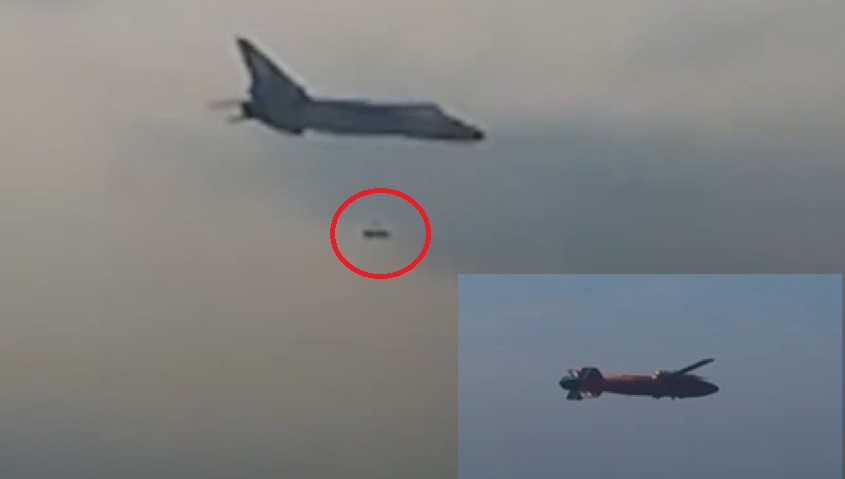
World
KYIV, — May 18, 2026 : Ukraine has officially approved its first domestically developed guided aerial bomb (KAB) for combat deployment after the weapon successfully completed all required testing phases, marking a significant step in the country’s expanding domestic precision-strike weapons program. The Ukrainian Ministry of Defence confirmed that an experimental batch of the munition has already been procured for operational use by the Ukrainian Air Force. Ukrainian pilots are currently conducting combat scenario training and integrating the new weapon into frontline operational procedures ahead of its expected combat debut. The guided aerial bomb was developed by DG Industry, a participant in Ukraine’s Brave1 defence technology initiative, with early-stage research and development supported through a Brave1 grant program. According to Ukrainian officials, the project was completed in 17 months. Officials stated that the weapon is a fully indigenous design rather than a modified version of existing Western or Soviet-era guided bombs. The Ministry of Defence said the system was engineered specifically for the operational realities of the current battlefield and incorporates combat-related requirements identified during the war. Indigenous Precision-Strike Capability The new weapon is equipped with aerodynamic control surfaces and a navigation and guidance module designed to maintain operational effectiveness in electronic warfare environments. The system uses universal guidance and correction modules that allow the bomb to glide toward targets with improved accuracy after release from an aircraft. The bomb carries a 250-kilogram warhead intended for strikes against fortified positions, command posts, logistics facilities, and other military infrastructure located behind frontline positions. According to Ukrainian officials, the system currently has an operational strike range of up to 60 kilometers. Defence analysts noted that the maximum range could potentially increase to between 80 and 100 kilometers under optimal launch conditions, including release from altitudes of around 10 kilometers. Recent testing involved deployment from a Sukhoi Su-24 frontline bomber during level flight. Footage released by Ukrainian authorities showed the munition separating from the aircraft before entering guided flight. Standoff Strike Advantage The primary operational advantage of the new bomb is its standoff capability. Unlike conventional unguided aerial bombs, the system allows aircraft to release the weapon dozens of kilometers away from intended targets, enabling pilots to operate outside the effective range of many frontline enemy air defence systems. This capability is intended to improve aircraft survivability while expanding Ukraine’s ability to conduct precision strikes against rear-area military targets. The Ministry of Defence stated that the bomb is expected to strengthen Ukraine’s ability to target enemy logistics nodes, defensive fortifications, ammunition storage areas, and command infrastructure with greater precision and reduced operational risk to aircraft crews. Operational Integration Underway Following the completion of testing, the Ministry of Defence procured the first experimental batch for operational evaluation and deployment preparation. Ukrainian Air Force personnel are now conducting training exercises and adapting combat tactics for the weapon’s integration into active service. Officials indicated that the first operational combat use of the bomb is expected in the near future. Ukraine’s Minister of Digital Transformation, Mykhailo Fedorov, who oversees the Brave1 defence technology initiative, described the project as part of a broader shift in Ukraine’s defence production strategy. “Ukraine is shifting from importing individual solutions to building indigenous high-tech weapons that systematically enhance the capabilities of the Defence Forces and provide technological superiority on the battlefield,” Fedorov said. He added that production scaling efforts are already underway as Ukraine seeks to expand domestic manufacturing of precision-guided weapons. “We are scaling solutions that extend strike range, enhance precision, and change the rules of modern warfare,” he stated. Expansion of Domestic Defence Production The introduction of the guided aerial bomb forms part of Ukraine’s wider effort to expand domestic defence manufacturing capabilities during the war. In recent years, Ukraine has accelerated local production of drones, electronic warfare systems, missile technologies, and precision-guided munitions aimed at reducing dependence on foreign military supplies. Brave1 officials stated that the new bomb was developed using operational feedback from frontline conditions and was designed in coordination with military personnel responsible for future deployment and tactical integration. The Ministry of Defence described the system as an important domestic high-technology capability intended to support long-range precision strike operations against Russian military infrastructure and logistical networks. Further procurement, production expansion, and operational integration are expected as the weapon enters active service with the Ukrainian Air Force.
Read More → Posted on 2026-05-18 14:16:59
World
BAGHDAD, — May 17, 2026 : Israel secretly operated at least two covert military bases in Iraq’s western desert to support operations against Iran, according to reports published by The New York Times and previously by The Wall Street Journal, citing senior Iraqi and regional security officials. According to Iraqi officials, one of the bases was established in western Iraq at the end of 2024 to prepare for possible future strikes on Iran and was later used extensively during the June 2025 Israel-Iran conflict, referred to in some reports as Operation Rising Lion. Officials stated that the installation proved “very useful” during the fighting by reducing flight distances for Israeli aircraft conducting missions against targets inside Iran. The bases reportedly functioned as logistical and operational hubs for the Israeli Air Force, providing refueling support, medical treatment facilities, staging areas for special forces, and search-and-rescue capabilities for downed aircrews. Iraqi security officials said the facilities enabled Israeli aircraft to operate more efficiently by shortening transit routes between Israel and Iranian targets. Regional security sources said the first installation was located near Al-Nukhaib in Iraq’s western desert region, while a second base was also confirmed by Iraqi officials. Open-source satellite imagery dated March 8 reportedly showed a 1.6-kilometre airstrip carved into a dry lakebed in the Anbar-Najaf desert, approximately 180 kilometres southwest of Najaf and Karbala. Iraqi officials stated that preparations for at least one of the sites began in late 2024, before the June 2025 conflict. The second base reportedly predated the later regional escalation involving the United States, Israel and Iran in early 2026 and remained operational during subsequent hostilities. According to Iraqi security officials, the United States was aware of at least one of the installations by the summer of 2025. Officials further alleged that Washington instructed Iraq to switch off national radar systems during both the June 2025 war and the later conflict in February 2026. Iraqi officials said the United States explained the measure as necessary to protect American aircraft operating in the region. The reported radar shutdowns effectively limited Iraq’s ability to independently monitor its airspace during the conflicts. Iraqi military and intelligence officials said they had long suspected the existence of covert Israeli activity inside Iraqi territory and had repeatedly requested clarification from the United States regarding unusual operations in remote desert areas, but received no response. The reports have renewed debate in Baghdad over Iraqi sovereignty and the implementation of the 2008 U.S.-Iraq Strategic Framework Agreement, which prohibits Iraqi territory from being used as a launch point for attacks against other countries. The secrecy surrounding one of the bases reportedly began to unravel on March 3, 2026, when a 29-year-old Bedouin shepherd identified as Awad Al-Shammari discovered the installation while travelling through the desert near Al-Nukhaib. According to Iraqi officials, Al-Shammari observed helicopters, tents, military personnel and an airstrip before contacting Iraqi military authorities to report the location. Officials stated that shortly after making the report, Al-Shammari’s vehicle was pursued and fired upon by a helicopter. His burned vehicle and remains were later found by relatives two days after the incident. Following the report, Iraqi military authorities dispatched a reconnaissance convoy toward the area. Iraqi officials said the unit came under aerial fire while approaching the site, resulting in the death of one Iraqi soldier, injuries to two others, and the destruction of two military vehicles before the force withdrew. The revelations have triggered political criticism inside Iraq, with lawmakers demanding investigations into the security breach and the presence of unauthorized foreign military infrastructure on Iraqi territory. Iraqi Member of Parliament Raed Al-Maliki accused the United States of facilitating the operations through the radar shutdown directives and described the incident as a serious violation of national sovereignty. The issue also presents an early challenge for newly appointed Iraqi Prime Minister Ali Al-Zaidi, who took office in mid-May and pledged to enforce the Strategic Framework Agreement and prevent Iraq from being used as a platform for regional military conflicts. Iraq’s parliamentary Security and Defense Committee has since summoned senior military and intelligence officials for questioning regarding the foreign military activity in the western desert. The Israeli military has not publicly commented on the reports. Iraqi authorities have previously condemned unauthorized foreign military operations conducted within Iraqi territory.
Read More → Posted on 2026-05-17 17:00:01
World
TAIPEI, — May 17, 2026 : Taiwan’s Ministry of National Defense (MND) has released newly declassified footage showing the operational deployment of a remotely operated T75 20mm autocannon system with the Republic of China Army (ROCA) Dongyin Area Command, marking the first public view of the weapon in active service on Taiwan’s northernmost outlying islands. The footage was featured in the Military News Agency’s (MNA) latest episode of the National Defense Online programme and highlighted the system’s role in coastal security and force protection operations on Dongyin Island, part of the strategically important Matsu archipelago located approximately 50 kilometers from China’s Fujian Province. Remote Weapon System The remotely operated weapon station is built around Taiwan’s domestically produced T75 20mm revolver cannon and forms part of the military’s short-range automated defense network designed for coastal and near-shore operations. Developed by the National Chung-Shan Institute of Science and Technology (NCSIST), the system is available in two primary configurations: the XTR-101 single-barrel variant and the XTR-102 twin-barrel version. Shore-based installations are generally designated as XTR-102A1, while naval versions are identified as XTR-102A2. The system integrates electro-optical (EO) sensors, imagery identification systems, and automated target-tracking functions, enabling operators to monitor and engage threats remotely from protected positions. A single operator can control multiple cannons simultaneously, reducing troop exposure during combat and surveillance missions. Technical Capabilities According to defense information released by Taiwan, the system has an effective engagement range of approximately 2,000 meters and is designed to counter low-altitude and short-range threats in coastal environments. The weapon station provides 360-degree continuous traverse capability and elevation angles ranging from -15 degrees to +85 degrees, allowing engagement of both aerial and surface targets. Depending on configuration, the autocannon can achieve firing rates between 400 and 1,200 rounds per minute per barrel. The T75 autocannon itself is manufactured by the MND’s 205th Arsenal and is derived from the American M39 rotary cannon design. Chambered in 20×102mm ammunition, the weapon has been adapted for remote operation to improve survivability and operational efficiency in exposed island defense positions. Deployment on Dongyin Island Taiwan’s military procured six sets of the short-range automated defense systems in the early 2020s under a program valued at approximately NT$725 million (US$23.9 million). The systems were designed for flexible deployment across land-based sites, military vehicles, and naval vessels. Deployment of the systems on Dongyin Island was completed by the end of 2022 as part of broader efforts to strengthen defenses across Taiwan’s offshore territories. Dongyin is regarded as one of Taiwan’s most strategically significant forward positions due to its proximity to mainland China and its location near key maritime approaches in the Taiwan Strait. The newly released footage showed fixed shore-based installations integrated into the Dongyin Area Command’s defensive infrastructure and routine force protection operations. Role in Taiwan’s Coastal Defense Taiwanese defense officials said the automated systems are intended to counter asymmetric and low-altitude threats, including unmanned aerial vehicles (UAVs), fast attack boats, small surface craft, and low-flying aircraft operating near coastal areas. The deployment also supports Taiwan’s broader layered defense strategy for the Matsu Islands, complementing existing defensive assets and future deployments of longer-range systems such as the High Mobility Artillery Rocket System (HIMARS). The release of the footage reflects Taiwan’s continuing emphasis on indigenous defense production and the integration of automated weapon systems into frontline units tasked with protecting the country’s outlying territories.
Read More → Posted on 2026-05-17 16:19:36
World
ATHENS, Greece — May 17, 2026 : The Greek government is reassessing its €55 million acquisition of four Safran Patroller unmanned aerial vehicles (UAVs) following France’s decision to terminate the Patroller program, a move that has raised concerns in Athens over the long-term operational and industrial viability of the platform. The contract, signed in June 2023 through the NATO Support and Procurement Agency (NSPA), was intended to modernize the Hellenic Army’s tactical UAV fleet by replacing the aging Sperwer drones, which have been in service since the early 2000s. The Patroller systems were expected to expand Greece’s intelligence, surveillance and reconnaissance (ISR) capabilities over the Aegean Sea and the Thrace region. France formally cancelled the Patroller program in April 2026 as part of a revised military programming law that also ended the multinational Eurodrone project. French defense officials concluded that traditional Medium-Altitude Long-Endurance (MALE) UAVs have become increasingly vulnerable in modern combat environments shaped by advanced air defense systems, electronic warfare and the growing use of low-cost tactical drones in conflicts such as Ukraine and the Middle East. According to French military assessments, the Patroller platform was considered too slow, too large and too easily detectable for future operational requirements. The cancellation effectively removed the system’s primary domestic customer, creating uncertainty regarding long-term support, maintenance and production continuity. The French Patroller program was originally awarded to Safran Electronics & Defense in 2016 under a contract valued at approximately €330 million. France initially planned to procure 28 aircraft before reducing the requirement to 14 systems prior to the complete termination of the program. The first aircraft was delivered to the French Army’s 61st Artillery Regiment in May 2024 after several years of delays, including a 2019 crash linked to a faulty U.S.-made flight control computer. Greek defense officials are now evaluating whether continuing with the procurement would expose the Hellenic Armed Forces to unacceptable operational and logistical risks. Concerns have reportedly focused on future spare parts availability, software support, maintenance infrastructure and the overall sustainability of a platform no longer backed by its home country. The procurement has also faced technical complications related to interoperability requirements. Greek military authorities had requested the integration of the NATO-standard Link-16 tactical data link to ensure compatibility with allied command-and-control systems. However, defense sources reported repeated delays in integrating the capability into the Patroller platform. By the end of 2025, only one prototype aircraft associated with the Greek order had reportedly completed flight testing. The Safran Patroller is a medium-altitude tactical UAV derived from a motor-glider airframe. The aircraft has an 18-meter wingspan, a length of approximately 8.5 meters and a maximum takeoff weight ranging between 1,050 and 1,500 kilograms depending on configuration. It is designed to carry payloads of up to 210–250 kilograms, including electro-optical and infrared sensors, synthetic aperture radar, communications intelligence and signal intelligence systems. Equipped with Safran’s Euroflir 410 sensor suite, the drone was designed for long-duration ISR operations with an endurance ranging from 15 to 30 hours depending on payload configuration. The aircraft can operate at altitudes of up to 16,000 feet and cruise at relatively low speeds compared to newer tactical UAV designs now entering service internationally. Additional political concerns have emerged in Athens following Safran Electronics & Defense’s recent strategic partnership with Turkish drone manufacturer Baykar. Under the agreement, Safran will provide navigation systems and Euroflir optronic technologies for Turkish unmanned platforms. The cooperation has attracted attention within Greek defense circles given the broader geopolitical tensions between Greece and Turkey in the Eastern Mediterranean. Although the Greek procurement has not been formally cancelled, defense sources indicate that the likelihood of proceeding with the acquisition has narrowed considerably since France withdrew from the program. The Greek Ministry of National Defence and the Hellenic Army General Staff are now reviewing alternative UAV platforms available on the international market that can meet Greece’s ISR requirements while ensuring long-term logistical support, NATO interoperability and stable industrial backing. The Greek government has not yet announced a final decision regarding the future of the Patroller acquisition program.
Read More → Posted on 2026-05-17 16:09:39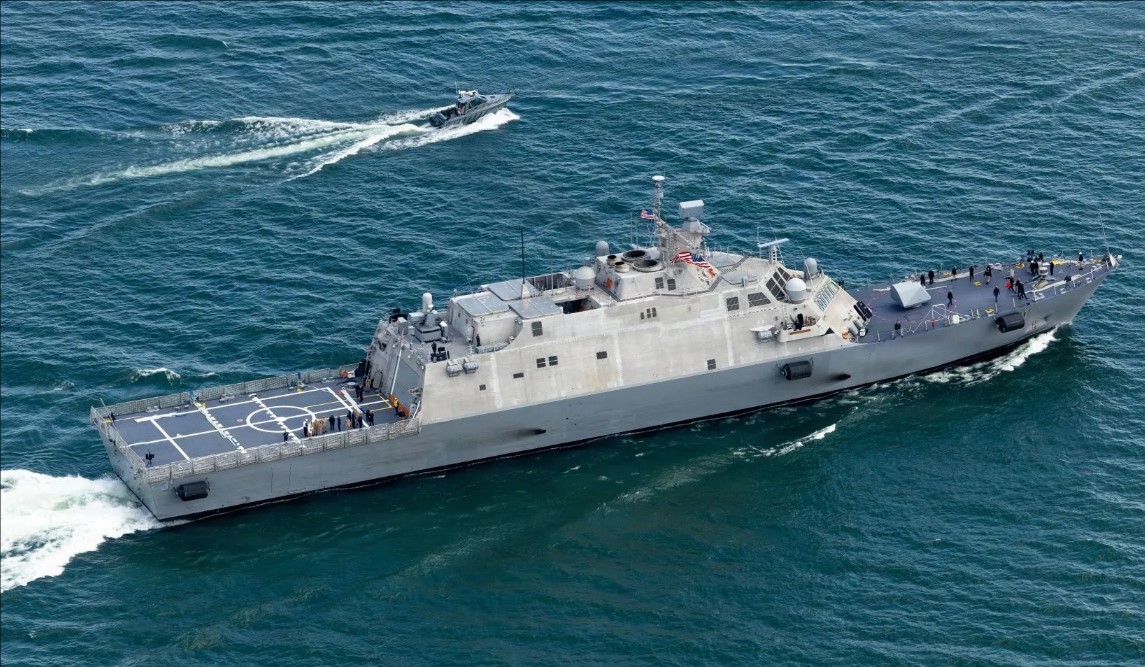
World
CLEVELAND, Ohio — May 17, 2026 : The U.S. Navy officially commissioned USS Cleveland (LCS 31), the 16th and final Freedom-variant littoral combat ship, during a ceremony held May 16 at the North Coast Yard in Cleveland, Ohio, marking the completion of the Freedom-class Littoral Combat Ship production program. The event also marked the first time in the U.S. Navy’s 250-year history that a warship has been commissioned within the state of Ohio. Acting Secretary of the Navy Hung Cao delivered the principal address and formally placed the ship into active service by hoisting the commissioning pennant and national colors. During the ceremony, Cao emphasized the role of the crew in bringing the vessel into operational service. “Today we celebrate the sailors who breathe life into this ship. To the officers and crew of USS Cleveland, today is your day,” Cao said. The ship’s sponsor, Robyn Modly, a Cleveland native and wife of former Acting Secretary of the Navy Thomas Modly, delivered the traditional order to the crew to “man our ship and bring her to life,” prompting sailors to ceremonially board the vessel. In the week leading up to the commissioning, the crew participated in public tours, community engagements, and local events alongside the sponsor to strengthen ties with the ship’s namesake city. USS Cleveland arrived in the city on May 9 ahead of the ceremony. Built by Lockheed Martin in partnership with Fincantieri Marinette Marine at the Marinette, Wisconsin, shipyard, USS Cleveland was launched on April 15, 2023, and delivered to the Navy on Nov. 26, 2025. Following commissioning, the ship will transit to its assigned homeport at Naval Station Mayport, Florida. USS Cleveland is the fourth U.S. Navy vessel named after Ohio’s second-largest city. Previous ships carrying the name include the protected cruiser USS Cleveland (C-19), commissioned in 1903 and later serving during World War I; the Cleveland-class light cruiser USS Cleveland (CL-55), which earned 13 battle stars during World War II; and the Austin-class amphibious transport dock USS Cleveland (LPD 7), which served from 1967 to 2011 and participated in operations including the Vietnam War, Operation Desert Storm, and humanitarian missions. The Freedom-variant Littoral Combat Ship was designed as a fast, mission-focused surface combatant optimized for operations in near-shore and contested maritime environments. The class features a steel monohull design and can operate independently or alongside larger multi-mission surface combatants such as cruisers and destroyers. USS Cleveland measures approximately 388 feet (118 meters) in length with a beam of 58 feet (18 meters) and a full-load displacement of around 3,500 metric tons. Powered by a combined diesel and gas turbine propulsion system driving four waterjets, the ship can exceed 40 knots and reportedly reach a top speed of approximately 47 knots. The vessel has an operational range of approximately 3,500 nautical miles at 18 knots and an endurance of up to 21 days. Its core crew consists of about 50 sailors, including nine officers and 41 enlisted personnel, with accommodations available for nearly 100 personnel depending on mission requirements. USS Cleveland is equipped with a flight deck and hangar capable of supporting two MH-60 helicopters or one MH-60 Seahawk helicopter alongside one MQ-8 Fire Scout unmanned aerial vehicle. Armament includes the BAE Systems Mk 110 57 mm naval gun, a Rolling Airframe Missile launcher for close-range air defense, and .50-caliber machine guns. Like other Littoral Combat Ships, USS Cleveland can be configured with interchangeable mission packages tailored for surface warfare, mine countermeasures, or anti-submarine warfare operations. The commissioning of USS Cleveland marks the conclusion of the Freedom-variant construction program as the Navy continues efforts to modernize its surface fleet and sustain forward-deployed naval operations. Commander, Naval Surface Force, U.S. Pacific Fleet remains responsible for manning, training, and equipping the Surface Force to provide fleet commanders with operational naval capabilities worldwide. The commissioning ceremony was livestreamed through the Defense Visual Information Distribution Service and included remarks from Cleveland Mayor Justin Bibb and the ship’s commanding officer, Cmdr. Bruce.
Read More → Posted on 2026-05-17 15:48:58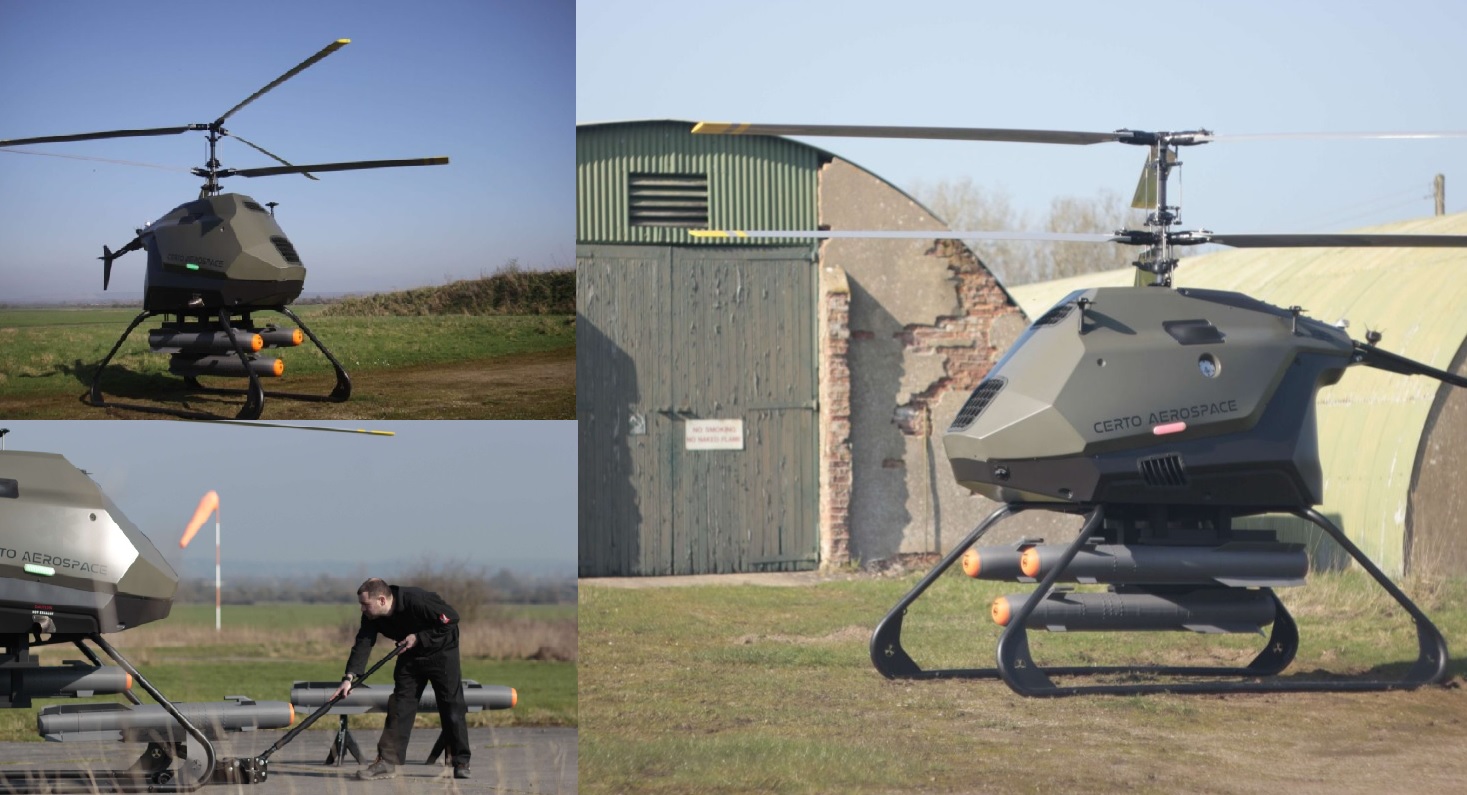
World
LONDON, — May 17, 2026 : Certo Aerospace has completed ground integration trials of its CAPSTONE unmanned air system using air-to-surface missile simulators, advancing the platform’s development as a potential autonomous support aircraft for the British Army’s AH-64E Apache fleet under Project NYX. The trials were confirmed by Certo Aerospace Managing Director and Chief Executive Officer Justin Tooth, who stated that the company recently conducted tests involving simulated air-to-surface weapons mounted on the CAPSTONE platform. Images released alongside the announcement showed mock-up versions of the AGM-114 Hellfire missile attached to the aircraft. According to the company, the evaluations focused on validating the aircraft’s mechanical mounting systems, electrical interfaces, and mission data connections with the simulated weapons prior to any future live-fire testing. The trials also assessed integration compatibility between onboard avionics and external stores systems. Project NYX and BAE Systems Partnership The testing comes as Certo Aerospace continues its partnership with BAE Systems under the British Army’s Project NYX programme, which aims to develop autonomous “loyal wingman” aircraft capable of operating alongside Apache AH-64E attack helicopters. The UK Ministry of Defence formally announced the programme in May 2026, selecting four industry teams to proceed into the next stage of the competition. The remaining participants are Anduril Industries UK, BAE Systems Operations Ltd partnered with Certo Aerospace, Tekever Ltd, and Thales UK Ltd. The selected companies will share an initial £10 million funding package for concept development and demonstration activities. Under the BAE Systems-Certo Aerospace arrangement, BAE Systems serves as the prime contractor and systems integrator, while Certo Aerospace provides the CAPSTONE aircraft platform and associated unmanned aviation technologies. The Ministry of Defence plans to reduce the competition to a maximum of two finalists by autumn 2026, with an operational capability expected to enter service by 2030. Project NYX is intended to introduce advanced manned-unmanned teaming (MUM-T) capabilities to the British Army’s Apache force. The programme seeks to enable autonomous drones to conduct forward reconnaissance, target acquisition, electronic warfare, logistics support, and precision strike missions while remaining under the supervision of Apache crews. British defence planners are also evaluating “command rather than control” concepts that would allow helicopter crews to direct autonomous systems through simplified control methods, including voice-command interfaces, without significantly increasing pilot workload. CAPSTONE Platform Capabilities CAPSTONE is a 600-kilogram-class rotary-wing unmanned air system designed around a co-axial contra-rotating rotor configuration that eliminates the need for a tail rotor. Originally developed for logistics operations, the aircraft has gradually expanded into multi-role applications including surveillance, casualty evacuation, maritime support, and combat support missions. The aircraft has an approximate dry weight of 300 kilograms and can carry up to 300 kilograms of combined payload and fuel depending on mission requirements. Certo Aerospace has previously demonstrated cargo and casualty evacuation configurations capable of transporting payloads of up to 216 kilograms using modular external carriage systems. The platform was developed using a Modular Open Systems Approach (MOSA), allowing rapid reconfiguration for different payloads and operational roles. CAPSTONE can be equipped with logistics pods, CASEVAC stretchers, surveillance systems, acoustic processing equipment, and other mission-specific payloads through standardized mounting interfaces. The aircraft is also designed with a command-and-control agnostic architecture, enabling integration with existing military communication networks through IP mesh-enabled radios, cellular communication systems, and satellite communication links. Performance specifications released by the company indicate a maximum operational range of approximately 300 miles, or 480 kilometres, with endurance of up to 10 hours depending on payload configuration. The co-axial rotor arrangement is intended to improve lift efficiency, manoeuvrability, hover stability, and acoustic performance compared with conventional helicopter designs. Expanding Apache Operational Reach The integration of Hellfire missile simulators represents a significant expansion of CAPSTONE’s operational profile beyond logistics and surveillance missions. The AGM-114 Hellfire is the standard laser-guided air-to-surface missile used by the AH-64E Apache and carries a warhead weighing approximately nine kilograms with a range of around eight kilometres. The recent ground trials serve as an initial technical step toward future armed capability demonstrations by validating weapon mounting hardware, electrical systems, and aircraft-to-weapon data interfaces. By integrating autonomous support aircraft into Apache operations, the British Army aims to extend sensor coverage and strike range while reducing the exposure of manned helicopters to battlefield threats such as man-portable air-defence systems and hostile ground fire. Ongoing Flight Testing CAPSTONE flight testing has been conducted at Keevil Airfield in Wiltshire under authorization from the UK Civil Aviation Authority and is currently in its third year of flight trials. Earlier in 2026, the platform also participated in Royal Navy anti-submarine warfare demonstrations involving sonobuoy deployment operations, highlighting the aircraft’s expanding role across multiple British military applications. Certo Aerospace, founded by former British Armed Forces personnel, continues to position CAPSTONE as a domestically developed unmanned rotorcraft platform capable of bridging the operational gap between smaller drones and conventional manned helicopters for logistics, surveillance, and combat support missions.
Read More → Posted on 2026-05-17 15:38:58
World
WASHINGTON, — May 17, 2026 : Cuba has acquired more than 300 military drones from Russia and Iran since 2023 and has recently discussed the potential use of those systems against the U.S. naval base at Guantanamo Bay, U.S. military vessels operating in the region, and Key West, Florida, according to classified U.S. intelligence shared with Axios. The intelligence assessment states that Cuba has received attack drones of varying capabilities over the past three years. U.S. officials said the systems have been distributed and stored at multiple strategic locations across the island as Havana expands cooperation with Moscow and Tehran in the field of unmanned warfare. According to a senior Trump administration official familiar with the assessment, intelligence intercepts collected within the past month indicate that Cuban officials formally requested additional drones and military equipment from Russia. The same intercepts reportedly showed Cuban intelligence personnel studying Iranian methods of resisting U.S. economic pressure and military operations. U.S. officials also stated that Iranian military advisers are currently present in Havana, where they are believed to be assisting Cuban authorities in developing drone-related capabilities and broader security coordination. The intelligence has raised concerns within the U.S. government regarding the growing presence of Russian and Iranian military technology near the American coastline. A senior U.S. official told Axios that Washington is particularly concerned about advanced drone systems operating close to U.S. territory and the involvement of adversarial states, including Russia and Iran. The official stated that the intelligence reflects the Trump administration’s assessment that Cuba is becoming a more significant regional security concern due to developments in drone warfare and foreign military cooperation. The report comes amid an increase in U.S. intelligence-gathering activity around Cuba. Since early February 2026, the U.S. Navy and U.S. Air Force have conducted at least 25 reconnaissance missions near Cuban airspace and coastal areas. The operations involved P-8A Poseidon maritime patrol aircraft, RC-135V Rivet Joint signals intelligence aircraft, and MQ-4C Triton high-altitude surveillance drones. U.S. officials additionally noted that Russia and China continue to maintain advanced signals intelligence facilities on the island, which have long been monitored by American defense agencies. CIA Director John Ratcliffe traveled to Havana earlier this week to deliver direct warnings to Cuban officials. According to a CIA official, Ratcliffe warned Cuban leadership against engaging in hostile actions and stated that Cuba could no longer serve as a platform for adversaries seeking to advance hostile agendas in the Western Hemisphere. During a congressional hearing earlier this week, U.S. Defense Secretary Pete Hegseth addressed concerns over foreign military activity near the United States. Responding to questions from Representative Mario Diaz-Balart, Hegseth stated that the use of locations so close to U.S. shores by foreign adversaries presents a serious security concern. U.S. officials said the intelligence does not indicate that an attack is imminent. However, one senior administration official stated that the assessment could potentially be used as justification for future U.S. military action if tensions escalate further. Reuters reported that it could not independently verify the intelligence claims published by Axios. The developments coincide with additional legal and economic measures being prepared by Washington against Havana. The U.S. Department of Justice is expected to unseal an indictment against former Cuban leader Raúl Castro, accusing him of ordering the 1996 shootdown of two civilian aircraft operated by the Miami-based humanitarian organization Brothers to the Rescue. The Trump administration is also expected to announce additional economic sanctions targeting Cuba later this week as relations between Washington and Havana continue to deteriorate.
Read More → Posted on 2026-05-17 15:30:33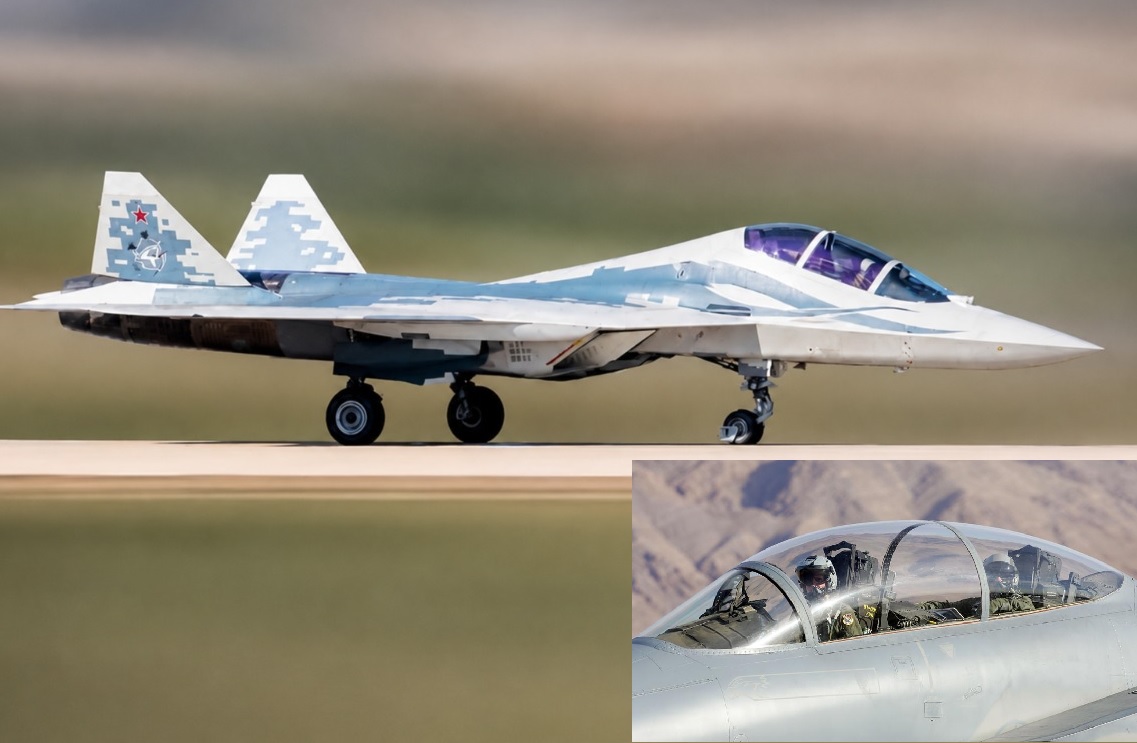
World
MOSCOW, — May 17, 2026 : Russia has begun preliminary ground taxi trials of a two-seat variant of the Su-57 fifth-generation stealth fighter, marking a new phase in the development of the country’s flagship combat aircraft as Moscow seeks to expand export sales and enhance operational flexibility. The existence of the modified aircraft was confirmed on May 16 by Russian military aviation blogger Ilya Tumanov, who operates the Fighterbomber Telegram channel. Photographs published in Russian defense media showed an Su-57 airframe with an elongated forward fuselage section designed to accommodate a tandem second cockpit, a configuration commonly used in Russian combat trainer aircraft. According to Tumanov, the aircraft’s final designation has not yet been determined, with possible names including Su-57D, Su-57UB, or Su-57ED. The aircraft is currently undergoing ground rolling and taxi tests to evaluate systems integration, braking performance, and handling characteristics ahead of flight trials expected later in 2026. The redesign introduces additional engineering requirements to preserve the fighter’s low-observable characteristics. Russian defense sources also indicate that the modified configuration could provide improved range and mission endurance compared to the standard single-seat model. Developed by Sukhoi and produced at the Komsomolsk-on-Amur aircraft plant, the Su-57 entered limited service with the Russian Aerospace Forces in 2020. The twin-engine multirole fighter features internal weapons bays, thrust-vectoring engines, and advanced avionics, and is positioned by Russia as its primary fifth-generation combat aircraft. Russian military commentators stated that the two-seat version is intended primarily for export customers rather than domestic service. A dedicated trainer variant is considered important for foreign operators that lack Russia’s extensive pilot training infrastructure and simulator systems. The development follows Russia’s renewed efforts to market the Su-57E export variant internationally. During the DSA-2026 defense exhibition in Kuala Lumpur in April, Russia’s state arms exporter Rosoboronexport announced new foreign contracts for the aircraft, although customer identities and order quantities were not disclosed. Algeria has emerged as the first confirmed foreign operator of the Su-57. In recent months, photographs and videos have shown Su-57 fighters carrying Algerian Air Force markings, while Algerian pilots have reportedly conducted familiarization and conversion flights. Defense observers have linked Algeria to a long-discussed order for approximately 14 aircraft. The export variant reportedly includes modifications such as English-language cockpit labeling, revised identification systems, and compatibility with selected non-Russian weapons. Russian defense analysts have also suggested that the two-seat Su-57 could support additional missions, including acting as a control platform for unmanned combat aerial vehicles such as the S-70 Okhotnik drone. At the same time, the Su-57 program continues to face operational security challenges. According to open-source tracking and Ukrainian military reporting, Russia has lost at least four Su-57 aircraft since the beginning of the full-scale war in Ukraine. All confirmed losses reportedly occurred on the ground during Ukrainian long-range drone strikes against Russian airbases rather than during aerial combat. Recent attacks targeting airfields deep inside Russian territory have highlighted continuing vulnerabilities in the protection of high-value military aviation assets, even as Russia works to increase production and export activity for its most advanced fighter aircraft.
Read More → Posted on 2026-05-17 15:01:33
World
TAMPA, Fla. — May 17, 2026 : Picket Defense Systems will unveil its new Inferno RTC counter-drone platform during SOF Week 2026, taking place from May 18 to 21 at the Tampa Convention Center, as the company seeks to address emerging threats posed by drone swarms and fiber-optic guided unmanned systems. The Inferno RTC is a close-range kinetic counter-unmanned aerial system (C-UAS) built around a continuously rotating turret architecture designed to remove the aiming delay associated with conventional single-barrel counter-drone weapons. The system mounts multiple munition barrels at fixed elevation angles on a spherical rotating frame that continuously sweeps a complete 360-degree hemisphere. According to company specifications, once onboard sensors detect and classify a target, the system automatically selects the optimal barrel and fires immediately without requiring additional slew-to-target movement. Picket states the platform creates a 40-meter assured-kill zone in every direction with effectively zero aiming latency. Rotating Architecture Designed for Swarm Defense The company says the Inferno RTC was developed to solve engagement sequencing problems commonly encountered by traditional gun-based counter-drone systems. Conventional systems must mechanically rotate and elevate a single barrel toward each incoming target before engagement, creating delays when multiple drones approach simultaneously from different directions. The Inferno’s continuously rotating architecture is intended to bypass this limitation by ensuring that a barrel is always positioned toward any potential threat vector. The design is particularly aimed at defending against fast-moving drone swarms and pop-up close-range attacks where reaction time is limited. Picket describes the platform as a final-layer defensive system capable of operating independently or integrating with external sensor networks and mobile platforms. Two Variants for Dismounted and Fixed Operations The Inferno RTC will be offered in two configurations. The smaller variant weighs approximately 45 pounds, measures 18 inches in diameter, and carries 36 barrels capable of firing 5.56mm, .410, or 20-gauge munitions. The system is designed to be manpack-portable, allowing dismounted teams to rapidly deploy the platform in austere environments without vehicle support. The larger variant weighs approximately 90 pounds and measures 24 by 30 inches. It carries 54 barrels and supports munitions ranging from 12-gauge ammunition up to 40mm low-velocity rounds. Both variants provide full hemispherical coverage and are constructed using 3D-printed resin materials rather than traditional machined aluminum or steel components. Picket states the manufacturing method reduces production costs and shortens fabrication timelines while supporting rapid replacement in high-attrition operational environments. Passive Detection and Onboard AI Processing The Inferno RTC uses a passive, non-emitting sensor architecture that combines a 3D acoustic microphone array with integrated camera systems. According to the company, the platform can detect drone threats at ranges between 90 and 120 meters without emitting radar or radio-frequency signals. The system’s onboard artificial intelligence processes threat data locally using TinyML classifiers to identify, classify, and prioritize targets in real time. Because processing occurs internally, the platform does not require continuous communication with external networks during operation. Picket states this architecture eliminates radar signatures and electronic emissions that adversaries could otherwise detect, jam, intercept, or target with anti-radiation systems. The acoustic detection capability is designed to identify drones through distinct sound signatures generated by rotor configurations, propulsion systems, flight profiles, and airframe sizes. Multi-Domain Effector Suite In addition to kinetic interceptors, the Inferno RTC incorporates several non-kinetic and less-lethal effectors integrated directly into the rotating turret assembly. These include: Nets Dazzlers Obscurants The company says the multi-domain configuration provides operators with engagement flexibility in environments where kinetic engagement may be restricted due to legal, operational, or collateral damage concerns. Picket identifies potential applications including civilian infrastructure protection, border security missions, force protection operations, and security environments requiring controlled escalation options. Designed to Counter Fiber-Optic Guided Drones The company also states the Inferno RTC is intended to engage fiber-optic guided drones, which have become increasingly difficult to defeat through conventional electronic warfare methods. Unlike radio-frequency-controlled drones, fiber-optic systems receive guidance commands through physical cables and cannot be disrupted through jamming. As a result, kinetic interception remains one of the primary available countermeasures. Picket argues that the Inferno’s continuously rotating architecture and immediate-fire capability provide a potential defense mechanism against these systems, though the company has not yet released detailed public test data regarding fiber-optic drone engagements. SOF Week 2026 Focus on Counter-Drone Technologies Counter-UAS systems remain a major focus at SOF Week 2026 as military and special operations forces continue to encounter drones across operational environments including the Sahel, the Middle East, Eastern Europe, and the Indo-Pacific. The annual event is co-sponsored by United States Special Operations Command (USSOCOM) and the Global SOF Foundation and is expected to attract more than 19,000 attendees, including operators, acquisition officials, allied delegations, and defense industry representatives. This year’s conference places strong emphasis on rapid acquisition, affordable mass, attritable systems, and scalable counter-drone defenses. The Inferno RTC will be part of a broader industry presence featuring layered defense architectures, passive detection technologies, modular kinetic interceptors, and cyber-over-radio-frequency counter-UAS solutions. Keynote presentations are scheduled from USSOCOM Commander Adm. Frank M. Bradley and Acquisition Executive Melissa A. Johnson, with discussions expected to focus heavily on lessons from current conflicts and the growing operational impact of low-cost autonomous aerial systems.
Read More → Posted on 2026-05-17 14:51:08
World
ABU DHABI, United Arab Emirates — May 16, 2026 : A drone strike targeted the Barakah Nuclear Power Plant in Abu Dhabi’s Al Dhafra region on Sunday, causing a fire at an external electrical generator located outside the facility’s inner perimeter, according to UAE authorities. The Abu Dhabi Media Office confirmed that emergency teams quickly contained the fire and that no injuries or casualties were reported. The UAE’s Federal Authority for Nuclear Regulation (FANR) stated that the incident did not affect reactor operations, nuclear safety systems, or radiation levels. The International Atomic Energy Agency (IAEA) also confirmed there was no radiological release from the facility. The agency said one reactor was temporarily supported by emergency diesel generators after the external equipment was damaged. IAEA Director-General Rafael Mariano Grossi expressed concern over military activity near nuclear infrastructure. The strike marked the first direct targeting of the Barakah facility since the start of the regional conflict involving the United States, Israel, and Iran. UAE authorities have not identified the source of the drone, and no group has claimed responsibility. The incident comes amid rising tensions in the Gulf following the collapse of negotiations between Washington and Tehran and continued disruption in the Strait of Hormuz. Three weeks before the attack, Iranian military officials warned that any military activity launched from UAE territory would face retaliation. The Barakah Nuclear Power Plant, located about 225 kilometers west of Abu Dhabi, is the first and only operational commercial nuclear power facility in the Arab world. Developed by the Emirates Nuclear Energy Corporation (ENEC) with South Korean support from Korea Electric Power Corporation (KEPCO), the four-reactor plant began operations in 2020 and is designed to provide up to 25 percent of the UAE’s electricity needs. The facility operates under a civil nuclear agreement with the United States that prohibits uranium enrichment and spent fuel reprocessing inside the UAE. The Al Dhafra region also hosts the Al Dhafra Air Base, where United States military forces are stationed. The strike occurred as the UAE continues expanding alternative energy export routes to bypass the Strait of Hormuz. Abu Dhabi has accelerated construction of a new oil pipeline linking inland facilities to the port of Fujairah on the Gulf of Oman, aiming to strengthen export security amid ongoing regional instability. UAE authorities said national air defence systems remain on high readiness and urged the public to rely only on official information regarding the incident.
Read More → Posted on 2026-05-17 14:44:18
World
LONDON — May 17, 2026 : The United Kingdom Ministry of Defence (MoD) has deployed the Advanced Precision Kill Weapon System (APKWS) on Royal Air Force (RAF) Typhoon fighter jets operating in the Middle East, introducing a lower-cost precision capability designed to counter the increasing threat posed by hostile drones and one-way attack munitions in the region. The laser-guided rocket system is now operational on Typhoon aircraft flown by 9 Squadron RAF from RAF Akrotiri in Cyprus. The deployment is intended to strengthen the UK’s regional air defence posture while reducing the cost of intercepting low-value aerial threats that have become increasingly common in Middle Eastern operations. Low-Cost Counter-Drone Capability The APKWS converts standard unguided 70 mm rockets into precision-guided weapons through the addition of a semi-active laser guidance kit. The system allows RAF aircraft to engage drones and short-range aerial threats at significantly lower cost than conventional air-to-air missiles. RAF Typhoons have traditionally relied on weapons such as the MBDA Meteor beyond-visual-range missile and the AIM-132 ASRAAM short-range missile for aerial interceptions. While those missiles are designed for high-value aircraft and complex air combat scenarios, they are considerably more expensive than the APKWS. According to defence officials, the APKWS provides a more sustainable and cost-effective option for counter-drone operations, particularly against inexpensive one-way attack drones and unmanned aerial vehicles increasingly used across the region. The system also increases the number of available engagements per sortie. Traditional air-to-air missile configurations typically allow one missile per pylon, while APKWS launch pods can carry seven rockets each. Typhoon aircraft can operate with multiple rocket pods alongside standard Meteor and ASRAAM missile loadouts. Recent images released by the Ministry of Defence showed RAF Typhoons carrying mixed combat configurations combining Meteor and ASRAAM missiles with APKWS rocket pods, allowing aircraft to engage both conventional airborne threats and smaller unmanned systems during the same mission. Rapid Integration and Testing Program The APKWS capability was integrated onto the Typhoon platform through a rapid procurement and testing effort involving the Ministry of Defence, BAE Systems and QinetiQ. The programme progressed from initial testing to operational deployment in less than two months. Testing milestones included a successful strike against a ground-based target in March 2026. In April, pilots from the RAF’s 41 Test and Evaluation Squadron conducted successful air-to-air firing trials at the MOD Aberporth range in Wales. QinetiQ supported the programme through aircraft integration work and by providing realistic aerial target systems during testing. The company used its Banshee Whirlwind high-speed uncrewed aerial targets to simulate modern drone threats and one-way attack platforms. The accelerated deployment was carried out under updated UK defence procurement rules designed to speed up the delivery of military equipment. Under the revised framework, contractors meeting delivery schedules and budget targets may receive incentive payments ranging from two to ten percent of project costs, while companies missing targets may face reduced profit margins. Ongoing RAF Operations in the Middle East UK aircraft continue to maintain a sustained operational presence across the Middle East in support of British interests, regional security and allied operations. The Ministry of Defence stated that RAF pilots and aircrew have accumulated more than 2,500 flying hours on defensive missions since the start of the current regional conflict, equivalent to more than three months of continuous flying operations. The deployment of the APKWS is intended to improve operational efficiency during these missions by allowing RAF aircraft to engage a larger number of drone threats without relying exclusively on high-cost air defence missiles. Statements From Government and Industry Officials Luke Pollard, the UK Minister for Defence Readiness and Industry, described the programme as an example of rapid cooperation between government and industry. “This has been a superb effort working with industry to test and deploy this system in a matter of months, which will help the RAF shoot down many more drones at a much lower cost,” Pollard said. He added that the Typhoon fleet remains central to both UK and NATO air defence operations, including missions protecting NATO’s eastern flank from Russian drone activity and supporting partners in the Middle East. Simon Barnes, Group Managing Director of BAE Systems’ Air Sector, said the integration highlighted the adaptability of the Typhoon platform against evolving threats. “Our priority is to ensure the Royal Air Force and its allies have the advanced technologies they need today and into the future, to keep them ahead of evolving threats,” Barnes stated. “This capability demonstrates Typhoon’s exceptional versatility and underlines its continued role as the backbone of combat air across Europe and the Middle East.” Steve Wadey, Group Chief Executive Officer of QinetiQ, said the company provided engineering expertise, live testing support and aerial target systems to accelerate deployment of the capability. “From engineering expertise to live trials, our teams are providing the fundamental support needed by our armed forces, to deliver the urgent capabilities that ensure the UK and its allies remain safe and warfighting ready,” Wadey said. Air Commodore Donal McGurk, Air 11 Group Deputy Director Operations, stated that the new weapon system would strengthen the RAF’s existing regional air defence package. “We welcome the speed of development and meticulous testing behind the deployment of these missile systems for use on our Typhoons,” McGurk said. “They are a valuable addition to the air defence package we are already employing with agility across the Middle East.” Broader UK Air Defence Upgrades The APKWS deployment forms part of a wider UK effort to strengthen regional air defence capabilities and improve protection against drones and loitering munitions. Several UK ground-based and helicopter-based air defence systems remain deployed at high readiness across the Gulf region, including the Sky Sabre system in Saudi Arabia, the Lightweight Multirole Missile (LMM) in Bahrain, and the Rapid Sentry and ORCUS systems operating in Kuwait. The deployment also follows a recent multi-million-pound Ministry of Defence contract for Skyhammer interceptor missiles designed specifically to counter Shahed-type attack drones and similar unmanned threats. In January 2026, the Ministry of Defence additionally committed more than £650 million to upgrade the RAF Typhoon fleet. The investment is intended to support the aircraft’s operational effectiveness until at least the 2040s while securing more than 1,500 jobs across the United Kingdom defence industry. The UK government has also stated that it plans to deliver the largest sustained increase in defence spending since the end of the Cold War, targeting defence expenditure of 2.6 percent of GDP from 2027. Shift Toward Sustainable Counter-Drone Operations The operational deployment of APKWS-equipped Typhoons reflects a broader shift among Western air forces toward lower-cost counter-drone solutions as unmanned aerial threats continue to expand in modern conflicts. Prior to the APKWS integration, RAF Typhoons conducting Middle East air defence missions primarily relied on ASRAAM and Meteor missiles to intercept hostile drones. Defence officials view the APKWS as a more sustainable option for prolonged operations against large numbers of inexpensive unmanned systems.
Read More → Posted on 2026-05-17 14:32:53Search
Top Trending in 24 Hours
-
 U.S. Space Force Awards Impulse Space $28 Million Contract for 2029 Orbital Surveillance Mission
-
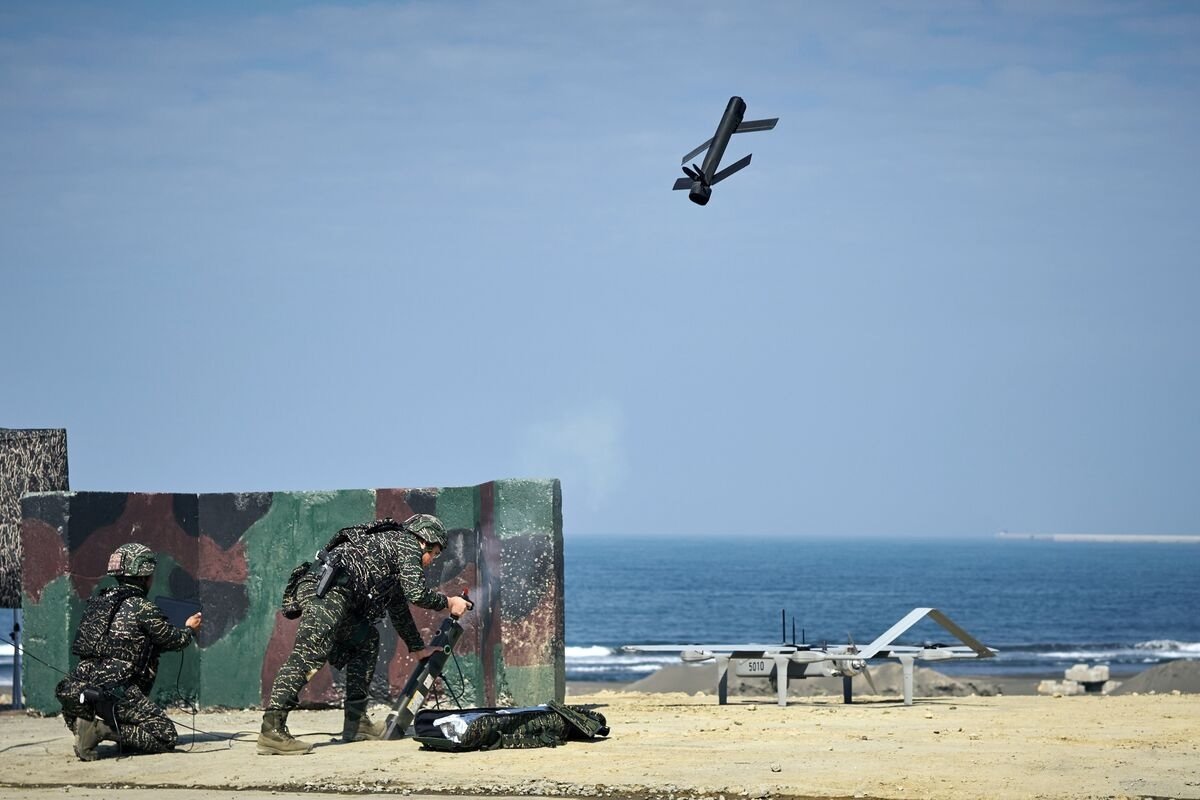 Taiwan Integrates Attack Drones Into Three-Service Live-Fire Exercise at Jiupeng for First Time
-
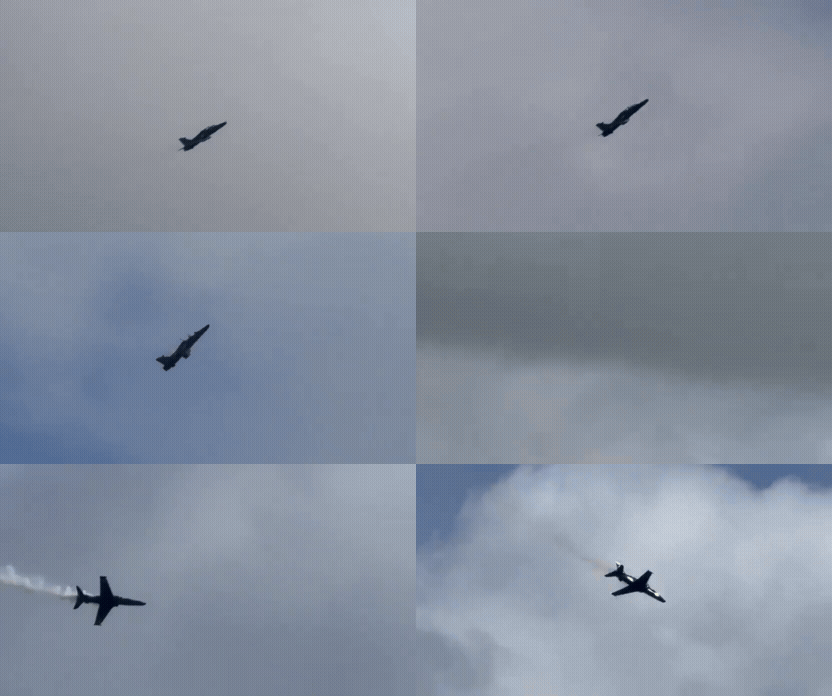 UK Air Force Hawk T2 Trainer Aircraft Crashes Near Valley After Takeoff, Both Pilots Eject Safely
-
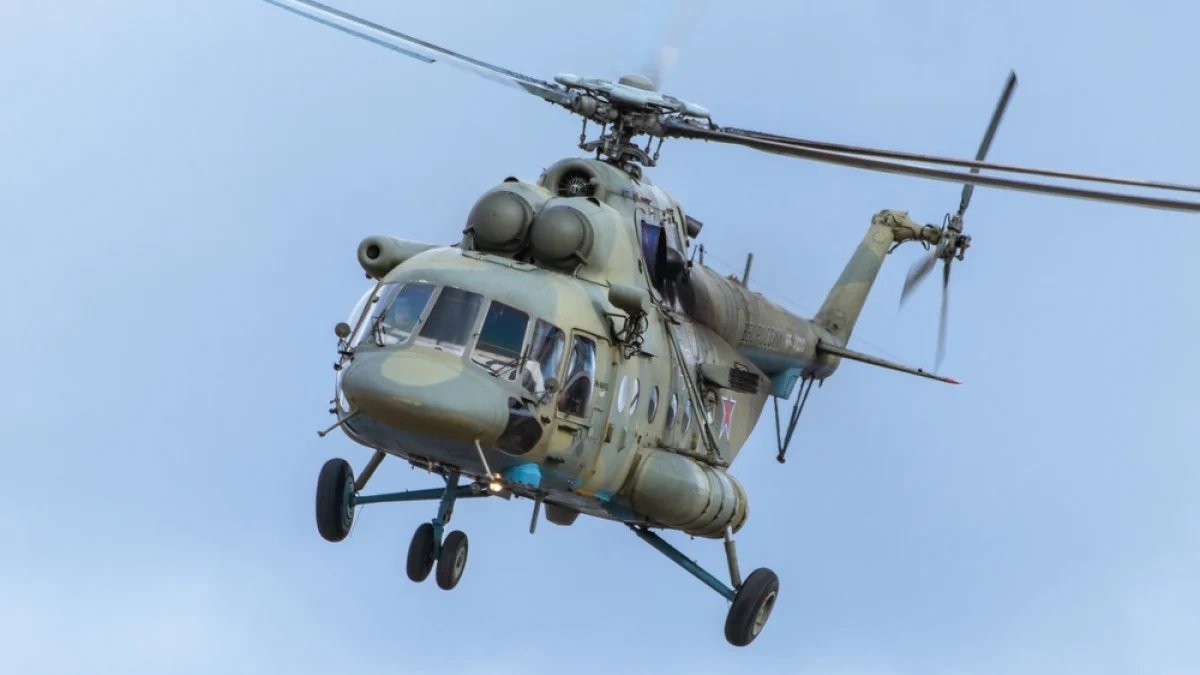 Russian Mi-8 Military Helicopter Crosses Into Polish Airspace for 42 Seconds Near Braniewo
-
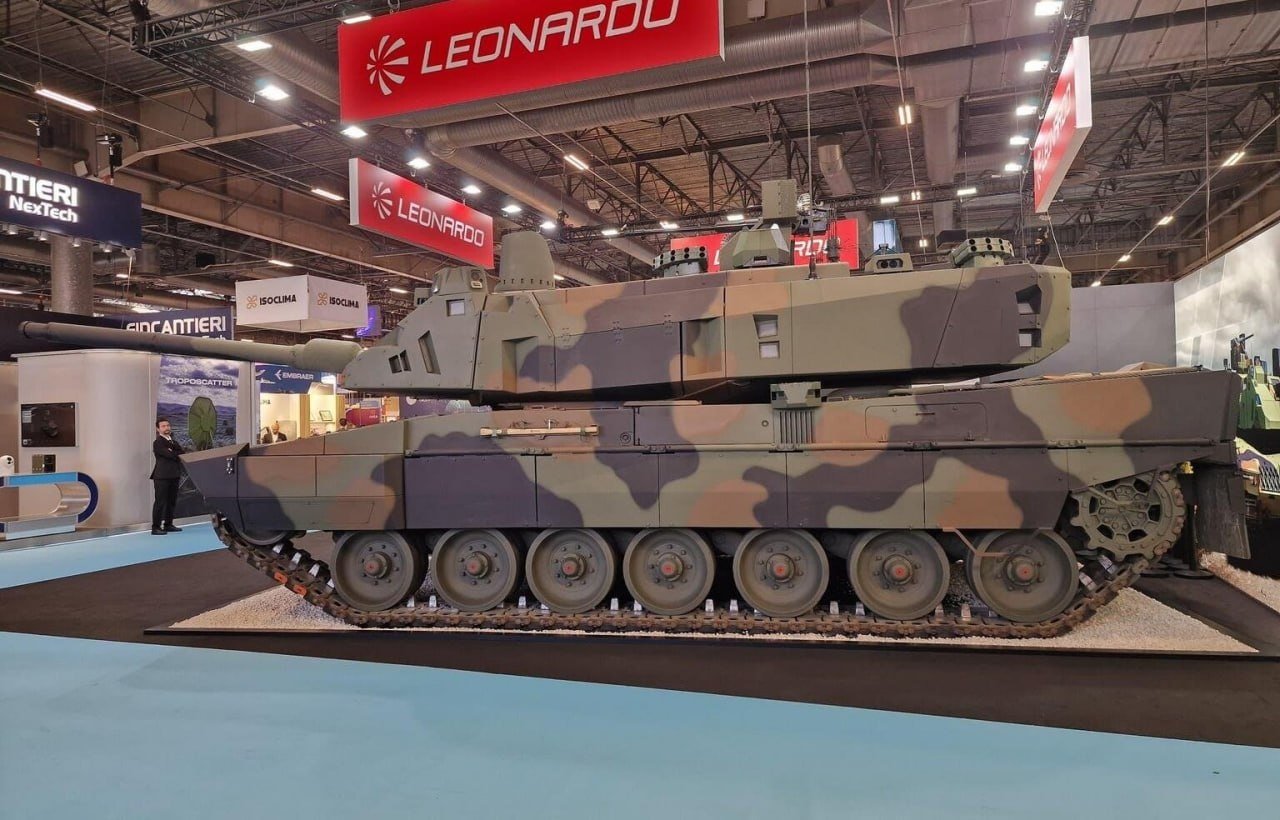 Italy Allocates Up to €5.14 Billion for Procurement of 132 New Main Battle Tanks
-
 Roketsan KARAOK Anti-Tank Missile Successfully Hits Aerial Target for First Time
-
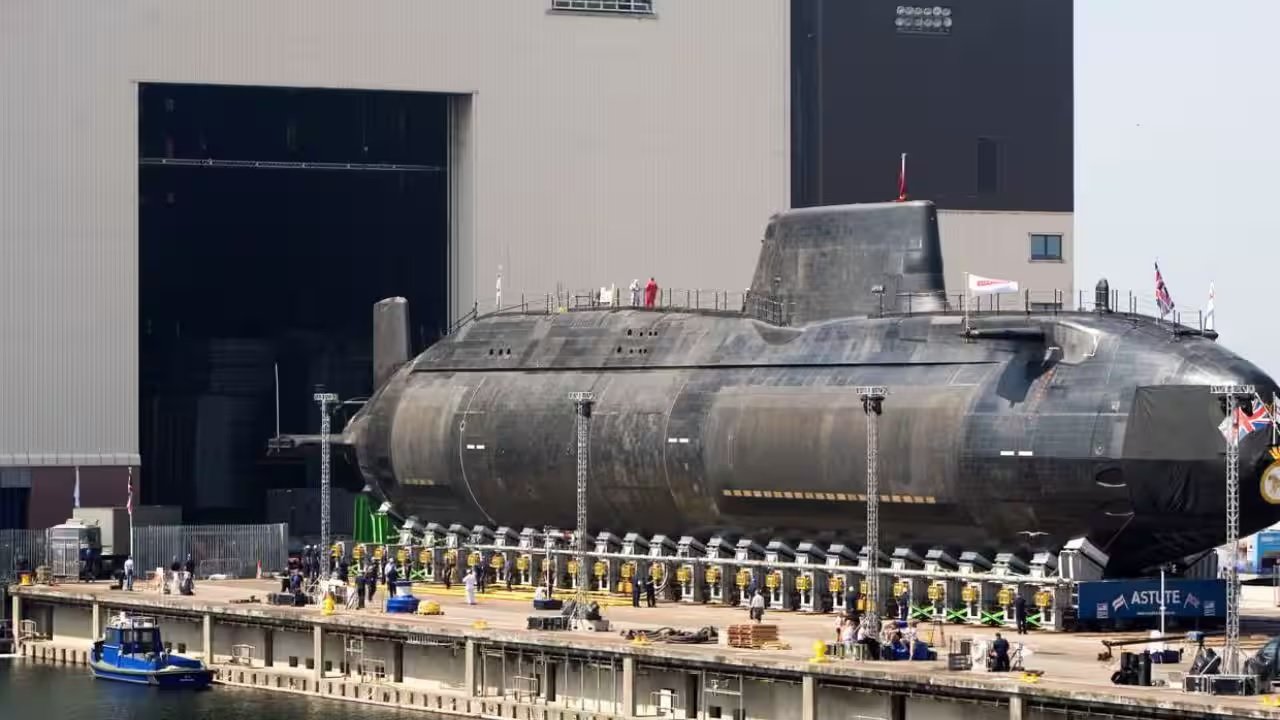 UK Announces £6 Billion Investment to Double Nuclear Submarine Production Rate
-
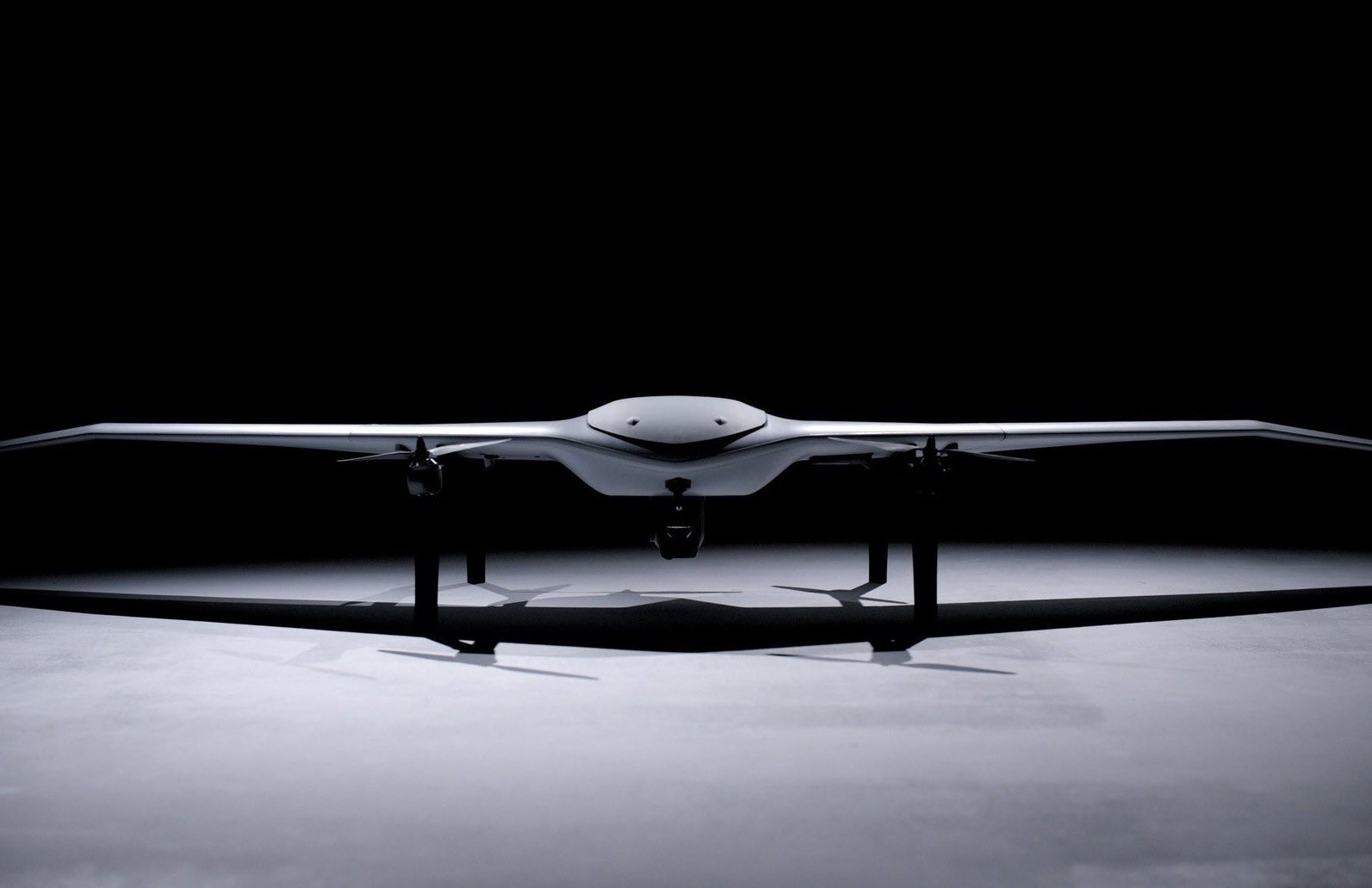 Dutch Firm DeltaQuad Launches Evo-LE VTOL UAV With Up to Eight-Hour Endurance
Top Trending in 4 Days
-
 U.S. Army Awards $10.64 Million Contract to Ukrainian Drone Maker Skyeton for Raybird Systems
-
 India’s xTerra Robotics Launches Indigenous DHAV-Hy Wheeled-Legged Quadruped for Industrial Inspection
-
 U.S. Space Force Seeks Rapid-Response Satellites for Close-Range Orbital Inspections
-
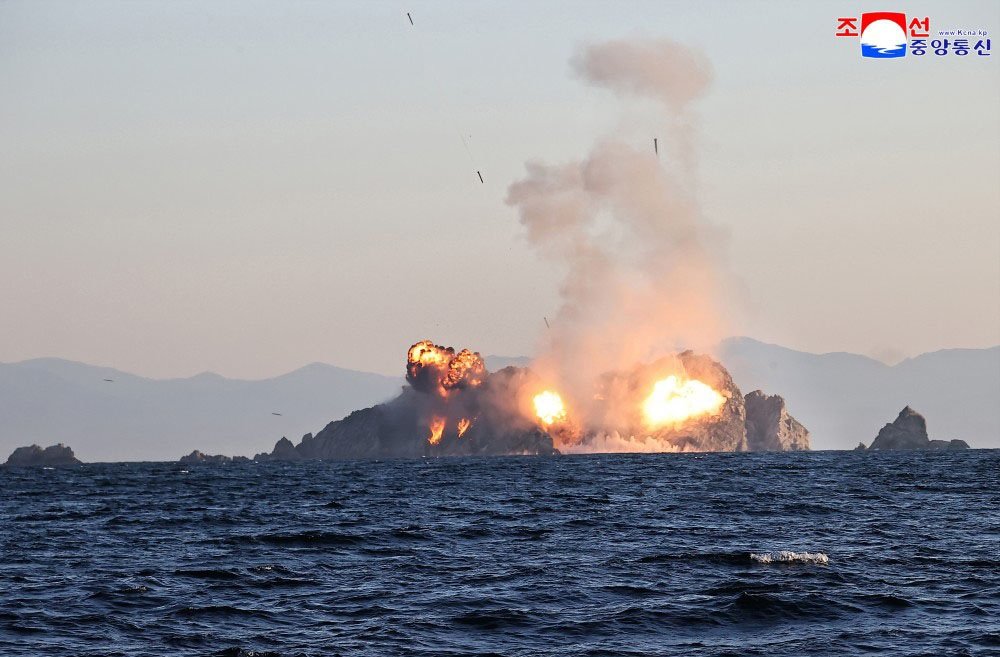 North Korea Fires Short-Range Ballistic Missile Toward Sea of Japan After Freedom Edge 26
-
 U.S. Government Seizes Almasirah.net, Houthi-Linked News Website
-
 Ukraine Reports First Use of Fire Point’s FP-7 Tactical Ballistic Missile inMoscow-Region Strikes on Oil Refinery
-
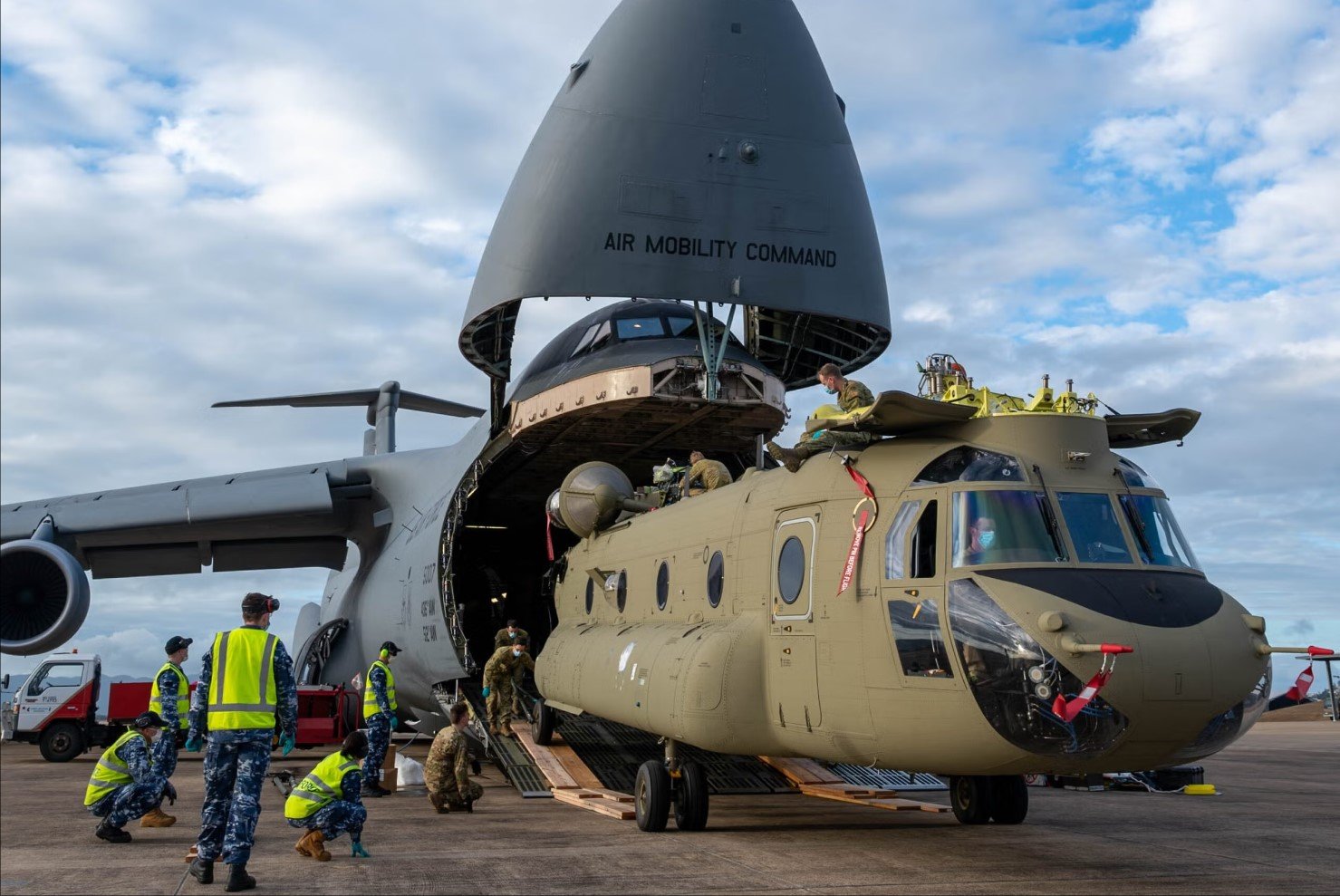 U.S. Delivers First CH-47F Chinook to Egypt Under 12-Helicopter Deal
-
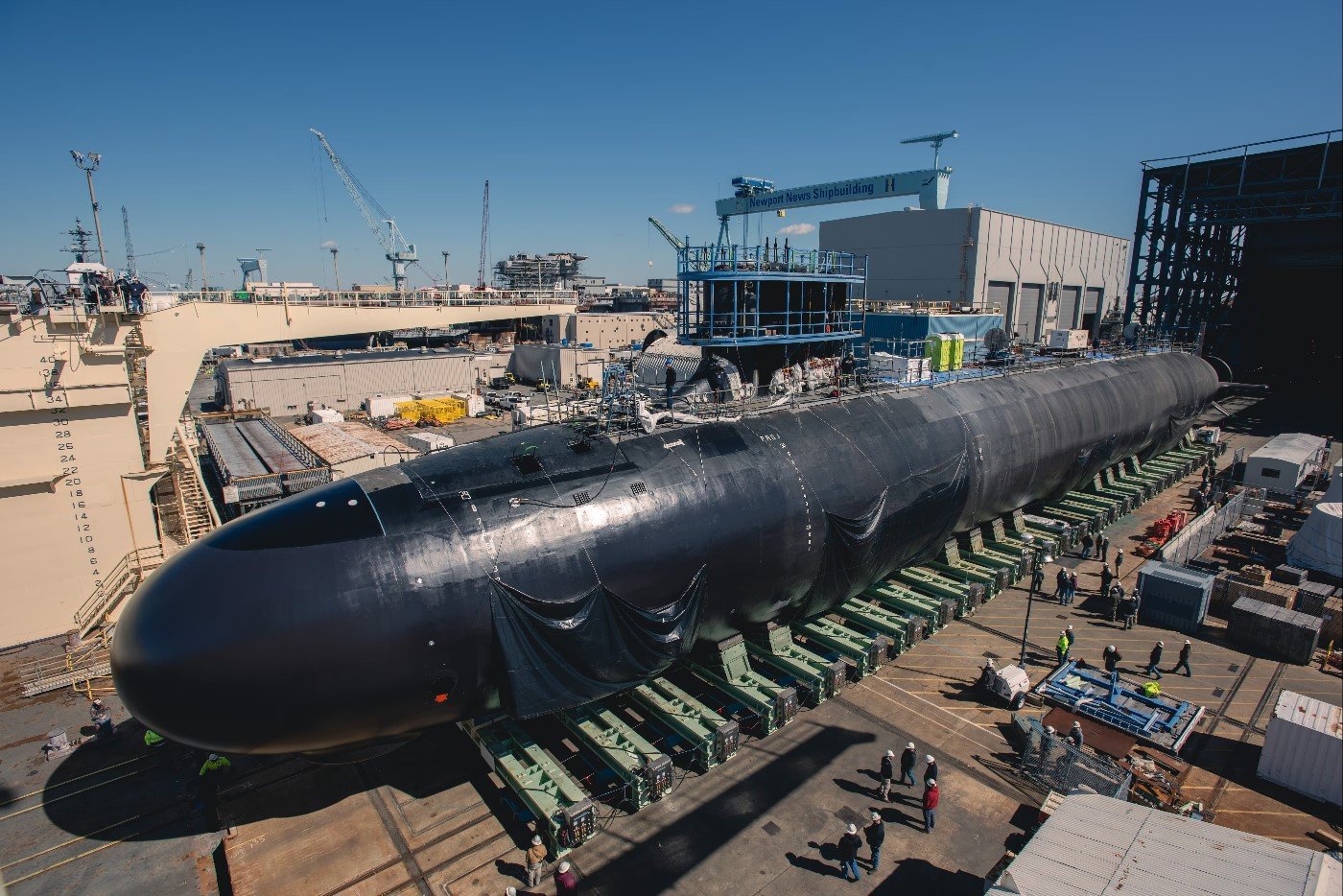 US Navy Submarine Director Outlines Four-Pillar Plan to Raise Build Rates