World
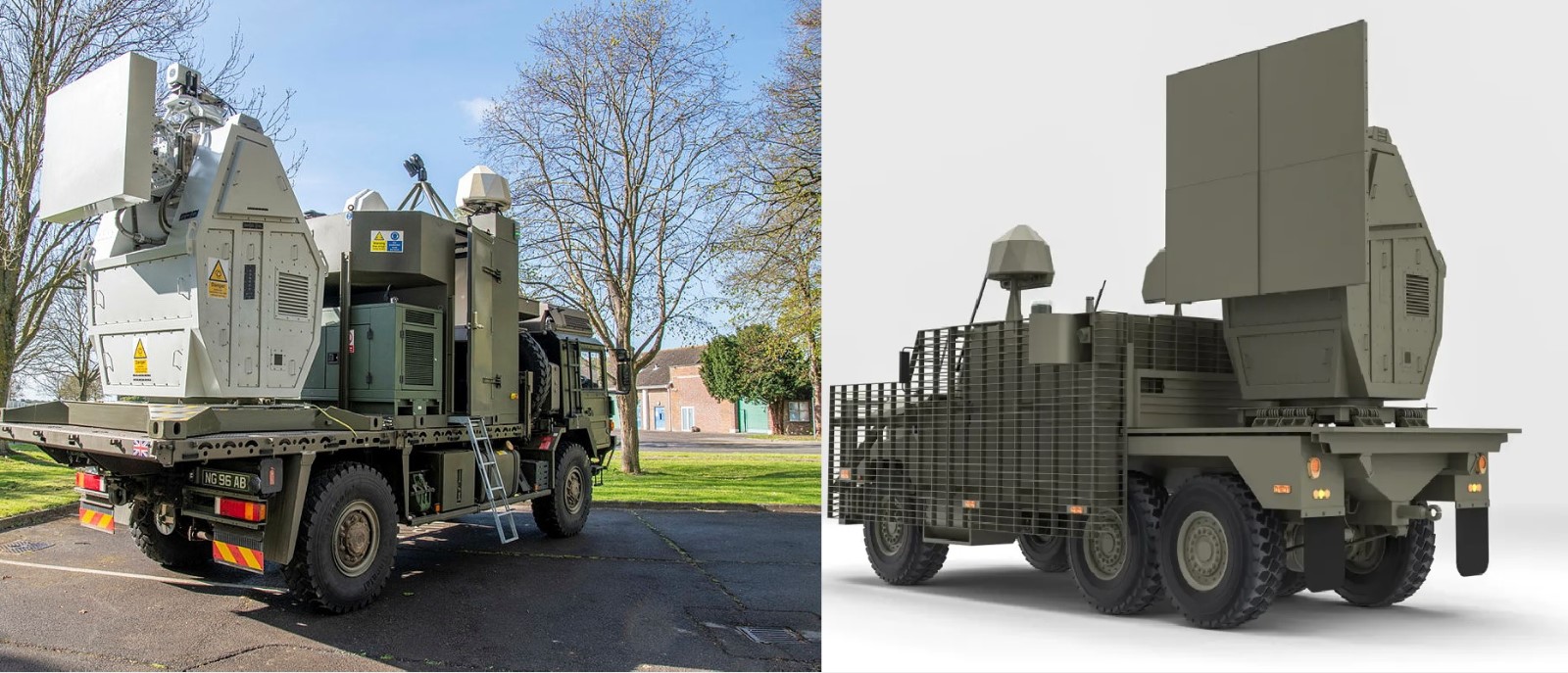
PERSHORE, Gloucestershire — June 04, 2026 : On June 02, 2026 : Thales UK has successfully completed advanced field trials of its RapidDestroyer Radio Frequency Directed Energy Weapon (RFDEW), demonstrating the system’s ability to neutralise 80 drones during a series of engagement scenarios conducted in April at a test facility in Pershore, Gloucestershire. The trials were conducted in partnership with Teledyne e2v and represent a significant development in the United Kingdom’s efforts to field advanced counter-drone and directed energy weapon capabilities. The testing focused on validating upgrades designed to improve the weapon’s effectiveness against increasingly sophisticated drone threats and swarm attacks. Upgraded 4-Panel Effector Enhances Performance A key objective of the latest trials was the evaluation of an upgraded 4-panel effector, a component responsible for directing high-intensity radio frequency energy toward targets. According to Thales UK and Teledyne e2v, the new configuration enables the system to focus electromagnetic energy more precisely, increasing the amount of power delivered to the target. This improvement enhances engagement effectiveness while also extending the weapon’s operational range compared to earlier versions. During the Pershore trials, the system engaged drones across multiple individual scenarios. Each engagement was recorded and later subjected to detailed forensic analysis. The assessment confirmed that every targeted drone was consistently defeated almost immediately after engagement. Hard-Kill Capability Against Drones Unlike traditional electronic warfare systems that disrupt communications or GPS signals, RapidDestroyer delivers a "hard kill" effect by physically damaging or overloading critical electronic components inside the drone. This approach permanently disables the target, preventing it from recovering, rebooting, or returning to operation. The forensic review conducted after the trials confirmed that none of the drones were able to re-engage following exposure to the weapon’s radio frequency energy. The capability provides an advantage over conventional jamming systems, particularly against autonomous drones or platforms that can continue operating without active communication links. AI-Assisted Command and Control System RapidDestroyer operates as part of a highly automated defence network and is fully integrated with Thales’ Command and Control (C2) and weapon-control software. The system incorporates artificial intelligence (AI) to improve threat prioritisation, optimise response times and assist in managing multiple fast-moving targets simultaneously. The AI supports operators by identifying threats and recommending engagement actions, while maintaining human oversight throughout the process. Despite the high degree of automation, a human operator remains responsible for authorising and monitoring engagements in accordance with military operational procedures. Developed Under Project EALING The technology behind RapidDestroyer was originally developed through Project EALING, a programme led by the UK Ministry of Defence through the Defence Science and Technology Laboratory (Dstl) and Defence Equipment & Support (DE&S), in collaboration with an industry consortium known as Team Hersa. The project was established to explore the military potential of Radio Frequency Directed Energy Weapons, which use high-power radio waves to disable electronic systems rather than relying on kinetic interceptors or traditional electronic warfare techniques. Thales UK leads the industrial team, while Teledyne e2v contributes expertise in microwave power technologies and high-frequency electronics. Low-Cost Alternative to Missile Defence One of RapidDestroyer’s most notable advantages is its low operating cost. Unlike missile-based air defence systems that require expensive interceptors, the RFDEW operates entirely on electrical power and does not require conventional ammunition. According to Thales, the energy cost of each engagement is estimated at less than 10 pence (approximately $0.13) per shot. This makes the system particularly attractive for countering low-cost commercial drones and large-scale swarm attacks, where the cost of using traditional missile interceptors can significantly exceed the value of the targets being engaged. The system also reduces logistical requirements by eliminating the need to transport, store and replenish ammunition stockpiles. Detection, Tracking and Engagement RapidDestroyer combines wide-area surveillance radar with optical sensors to detect, track and identify aerial threats. Once a target is identified, the system can direct focused radio frequency energy against individual drones or broaden its effect to engage multiple threats within the same area. The weapon can fire rapid successive engagements and is designed to address the challenges posed by coordinated drone swarm attacks. The high level of automation allows the complete system to be operated by a single operator, reducing manpower requirements while maintaining operational effectiveness. Building on Earlier Military Successes The latest Pershore trials build upon previous testing conducted under Project EALING. Earlier live-fire exercises at the Manorbier Range in West Wales saw the demonstrator system successfully neutralise more than 100 drones, including two simultaneous drone swarms. Those exercises involved personnel from the Royal Artillery’s 106 Regiment and 7 Air Defence Group and were among the largest counter-drone swarm trials conducted by the British Army. The recent Pershore testing focused on validating the upgraded 4-panel effector and confirming improvements in range, energy concentration and engagement effectiveness. Mobile System for Battlefield Protection RapidDestroyer has been designed as a mobile and deployable capability that can be integrated onto multiple military platforms. The system can be mounted on vehicles such as the RMMV HX-60 4×4 military truck, enabling protection for military convoys, forward operating bases, critical infrastructure and other high-value assets. Its mobility allows commanders to deploy the system rapidly in response to evolving threats while maintaining protection across a wide range of operational environments. Path Toward Operational Deployment The successful completion of the Pershore trials marks another step toward the deployment of operational Radio Frequency Directed Energy Weapon capabilities within the UK Armed Forces. By validating the upgraded 4-panel effector and demonstrating the consistent defeat of 80 drones, the trials confirmed improvements in both engagement range and target energy delivery. The results also reinforce the potential of directed energy systems to provide a cost-effective and sustainable layer within future air defence networks. As drone threats continue to evolve, RapidDestroyer is being positioned as a complementary capability alongside conventional missile and gun-based air defence systems, offering a low-cost, electrically powered solution for defeating individual drones and large-scale swarm attacks.
Read More → Posted on 2026-06-04 16:06:47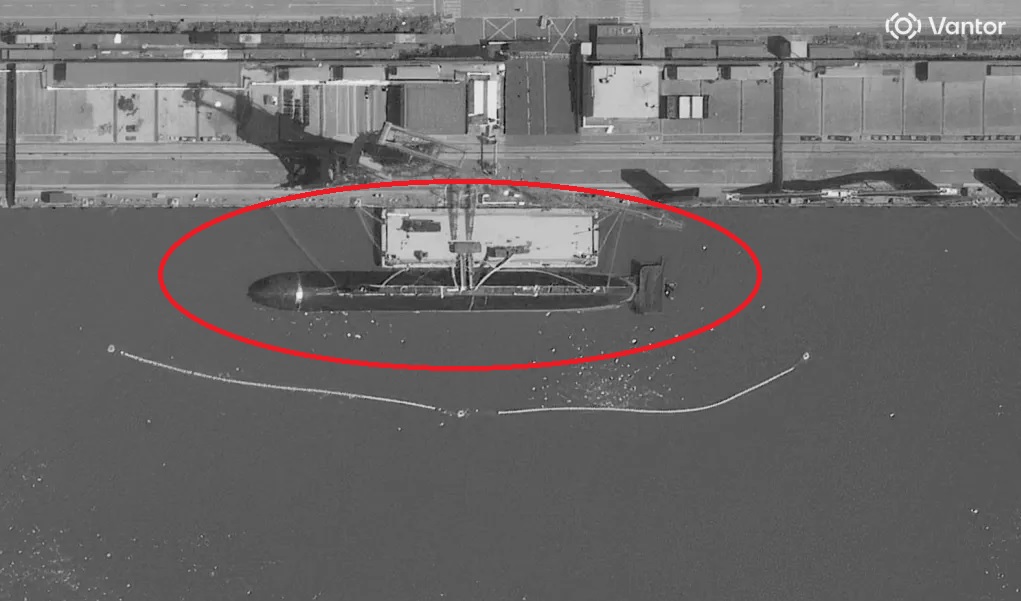
World
SHANGHAI, China — June 04, 2026 : Satellite imagery has revealed a previously undisclosed nuclear-powered submarine at Shanghai's Jiangnan Shipyard, unveiling what appears to be an entirely new class of Chinese submarine featuring a highly unconventional sail-less design. The discovery has attracted significant attention among defense analysts, who view the vessel as another indication of China's accelerating efforts to modernize and expand its underwater combat fleet. Images captured on May 31 and June 1, 2026, show the submarine moored at a fitting-out basin alongside a jetty barge at the shipyard. Chinese authorities have not publicly announced the vessel, and no official designation or class name has been disclosed. Historic First for Jiangnan Shipyard The appearance of the submarine at Jiangnan Shipyard marks a major development for China's naval shipbuilding industry. While the Shanghai-based facility is best known for producing large surface combatants, it has not previously been associated with the construction of nuclear-powered submarines. Until now, China's nuclear submarine production had been concentrated at Bohai Shipyard in Huludao. The successful launch of a nuclear-powered submarine from Shanghai indicates that China now possesses three operational facilities capable of building nuclear submarines, significantly expanding its industrial capacity for undersea warfare programs. The same shipyard launched a smaller experimental sail-less submarine technology demonstrator approximately eight years ago. Analysts believe the newly spotted vessel may represent the full-scale operational evolution of concepts first tested through that earlier project. A Radical Sail-Less Design The submarine's most distinctive feature is its apparent absence of a conventional sail, the tower-like structure found on virtually all modern submarines. Traditionally, the sail houses periscopes, communication masts, navigation systems, and sensor equipment, while also providing a platform for surface operations and, in some navies, enabling submarines to break through Arctic ice. By minimizing or eliminating this structure, Chinese naval engineers appear to have prioritized hydrodynamic efficiency, stealth, and underwater performance. Defense analysts suggest that removing the sail could reduce hydrodynamic drag by as much as one-third, allowing the submarine to travel faster underwater while generating less noise. A cleaner hull design also reduces the vessel's acoustic signature, making it more difficult for enemy sonar systems to detect and track. Analysts believe essential sensors and communication systems may be integrated directly into the hull through retractable or flush-mounted structures. While the design may limit operations beneath thick Arctic ice due to the absence of a reinforced sail, analysts note that China's submarine force currently maintains only a limited presence in Arctic waters, reducing the operational impact of such a limitation. Larger Than Previous Chinese Attack Submarines According to assessments by undersea warfare analyst H.I. Sutton, the submarine measures approximately 120 meters (394 feet) in length and between 10 and 11 meters in width. These dimensions make it significantly larger than previous Chinese nuclear-powered attack submarines, including the Type 093B, which generally measure around 110 meters in length. For comparison, the U.S. Navy's Virginia-class nuclear-powered attack submarines are approximately 115 meters long, making the newly discovered Chinese vessel one of the largest attack-oriented submarine designs publicly observed in the country to date. Comparison of Major Submarine Classes Class / Type Length Rudder Type Primary Builder New Sail-Less Submarine ~120 meters X-Shaped Jiangnan Shipyard (Shanghai) Type 095 (Type 09V) ~110–115 meters X-Shaped Bohai Shipyard (Huludao) Type 093B ~110 meters Cruciform Bohai Shipyard (Huludao) Virginia-Class (U.S.) 115 meters Cruciform General Dynamics / HII Advanced X-Shaped Rudder Configuration Another notable feature is the submarine's X-shaped rudder system, replacing the traditional cruciform tail arrangement used on many older submarine classes. The X-form configuration has increasingly appeared on advanced submarine designs worldwide due to its ability to provide greater maneuverability, improved control at depth, enhanced efficiency, and lower acoustic signatures. The design allows the submarine to operate more quietly while maintaining agility during high-speed underwater maneuvers. Expected to Incorporate Advanced Quieting Technologies Although the vessel's propulsion system remains unconfirmed, analysts believe it is most likely powered by a nuclear reactor due to its size and operational requirements. The submarine is expected to incorporate many of the same technologies associated with China's next-generation underwater fleet, including magnetic drive systems and pump-jet propulsion technologies, also known as Rim Driven Propellers. These systems are designed to reduce cavitation, a major source of submarine noise caused by bubbles forming around propeller blades. By minimizing cavitation, the submarine becomes significantly harder to detect using passive sonar systems. The first Type 095 submarine is also believed to incorporate similar technologies, with some analysts suggesting it could become one of the world's quietest nuclear-powered attack submarines. Second New Nuclear Submarine Class Revealed in 2026 The Jiangnan submarine represents the second entirely new class of Chinese nuclear-powered submarine to emerge in 2026. Earlier this year, satellite imagery captured at Bohai Shipyard revealed what is believed to be the first example of the Type 095 (Type 09V) nuclear-powered attack submarine undergoing fitting-out. The Type 095 is expected to replace and significantly outperform the older Type 093 class, which currently forms the backbone of China's nuclear-powered attack submarine force. The emergence of two separate nuclear submarine designs within a single year has led analysts to suggest that China may be pursuing a dual-platform strategy for future undersea operations. Potential Mission Roles Remain Unclear The exact mission of the new sail-less submarine remains unknown, but analysts believe it may serve a specialized role alongside the Type 095. While the Type 095 is expected to function as a heavily armed hunter-killer submarine, fleet escort, and carrier protection platform, the larger sail-less vessel could potentially serve as a dedicated long-range strike submarine. Its larger hull may provide sufficient internal space for Vertical Launch Systems (VLS) capable of carrying land-attack cruise missiles, long-range precision weapons, or potentially future hypersonic missile systems. Analysts also suggest the submarine could support intelligence gathering, surveillance missions, and forward operations beyond the First Island Chain, helping protect Chinese carrier strike groups operating deeper into the Pacific Ocean. China's Submarine Production Continues to Accelerate Beyond the submarine itself, analysts view its construction as evidence of China's rapidly expanding submarine production capabilities. China has launched an estimated 15 to 20 submarines over the past five years, including several entirely new classes. Recent assessments indicate that the People's Liberation Army Navy (PLAN) now operates the world's second-largest nuclear-powered submarine fleet, behind only the United States and ahead of Russia in total numbers. Meanwhile, the U.S. Navy continues to face challenges maintaining fleet size as older Los Angeles-class submarines retire faster than new Virginia-class submarines are delivered. Western defense officials and naval researchers have repeatedly noted that recent Chinese submarine programs have demonstrated substantial improvements in acoustic suppression, survivability, and stealth performance, making them increasingly difficult to detect and track. No Official Designation Yet China has not released any official information regarding the submarine's name, designation, capabilities, or intended operational role. However, the satellite imagery confirms that the vessel is already in the water and undergoing post-launch fitting-out activities. Its unprecedented sail-less configuration, larger dimensions, advanced control surfaces, and appearance at a new nuclear submarine production facility underscore the continuing evolution of China's undersea warfare programs. The emergence of the vessel, alongside the recently unveiled Type 095, highlights the growing pace of Chinese naval modernization and the increasing importance Beijing is placing on expanding its underwater combat capabilities.
Read More → Posted on 2026-06-04 15:58:58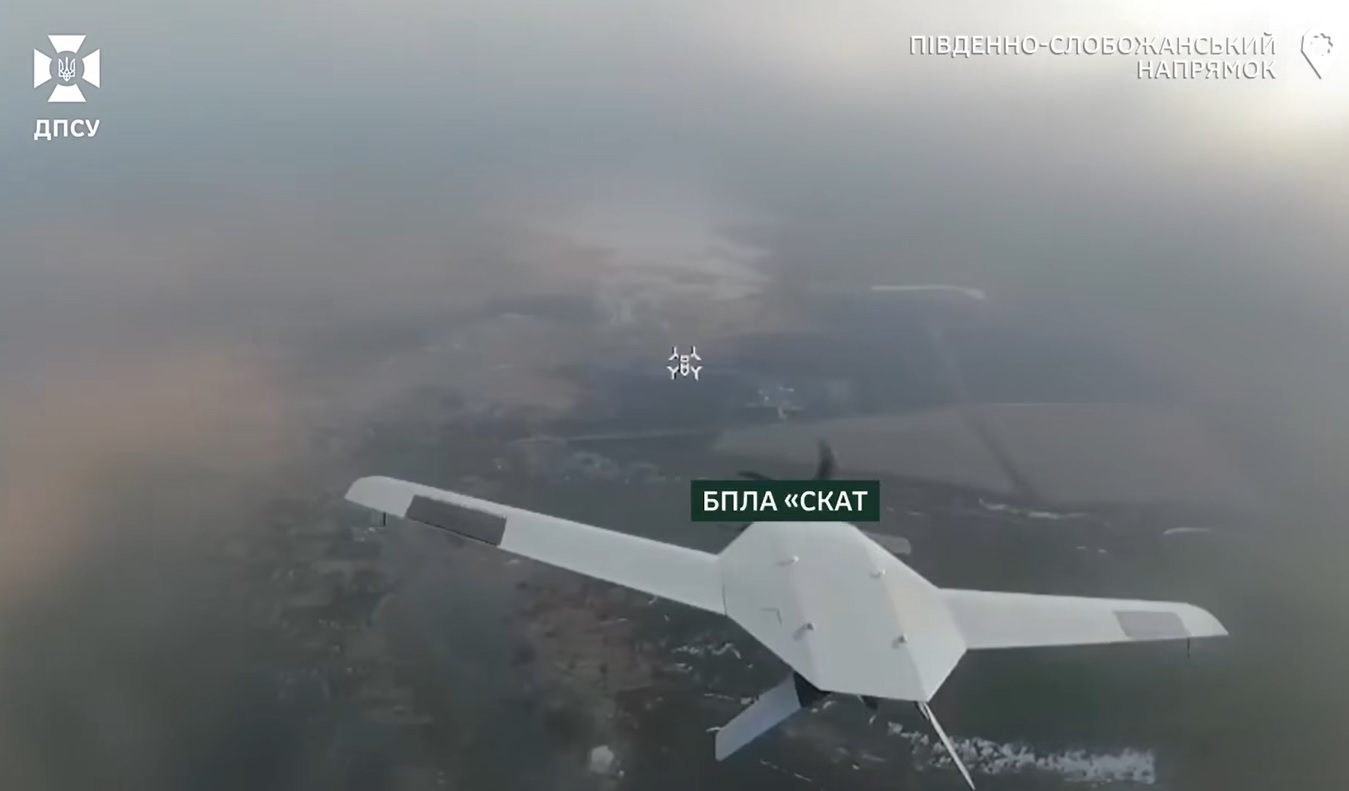
World
KYIV, — June 4, 2026 : Ukrainian border guards from the Strix unit have successfully destroyed a rare Russian Skat-450M deep-reconnaissance drone operating on the Southern Slobozhanshchyna axis, according to Ukraine’s State Border Guard Service. The interception, reported on June 4, marks a significant loss for Russia’s aerial surveillance and targeting network, as the drone is used to identify high-value targets and support long-range precision strikes. High-Value Reconnaissance Asset Shot Down The Skat-450M is a specialized unmanned aerial vehicle (UAV) designed for deep reconnaissance missions behind the front line. Equipped with advanced optical cameras and thermal imaging systems, the drone is tasked with locating military positions, tracking troop movements, adjusting artillery fire, and providing targeting data for precision attacks. One of its most important roles is supporting strikes by Russia’s Iskander operational-tactical missile systems. By transmitting real-time intelligence and target coordinates, the drone helps improve the accuracy of long-range missile and artillery operations. With an estimated value of approximately $400,000 per unit, the Skat-450M is considerably more expensive and technologically advanced than the smaller commercial and FPV drones commonly seen on the battlefield. Rare Interception by Ukrainian Forces According to Ukrainian officials, this is the second Skat-450M destroyed by the Strix unit. Since the beginning of the full-scale conflict, Ukrainian forces have reportedly managed to shoot down fewer than 20 drones of this type, highlighting both their limited deployment and the difficulty of intercepting them. The loss of such a platform extends beyond its financial value. The drone serves as a critical reconnaissance tool that enables Russian forces to conduct deep surveillance and coordinate precision strikes. Its destruction reduces Russia’s ability to gather real-time battlefield intelligence and support missile and artillery operations against targets located far behind the front line. Limited Public Information on the Skat-450M Despite its growing use in the conflict, publicly available information on the Skat-450M remains scarce, making it one of the least documented reconnaissance systems in Russia’s arsenal. The drone is believed to be an advanced development of the Supercam UAV family and incorporates several features intended to improve survivability and operational effectiveness. Known Characteristics of the Skat-450M Low Observability: The drone uses an unconventional flying-wing airframe designed to reduce its radar signature while maintaining aerodynamic efficiency. Durable Structure: Its design minimizes exposed external components, helping reduce the risk of damage during parachute-assisted recovery and landing. Extreme Weather Capability: The platform is reportedly capable of operating in temperatures ranging from minus 45°C to plus 45°C, allowing deployment in a wide range of environmental conditions. Advanced Sensors: Equipped with electro-optical and thermal imaging systems, enabling surveillance during both day and night operations. Russian industry representatives have previously claimed that Skat-series drones have played a significant role in identifying military targets throughout the conflict, supporting strikes against armored vehicles, artillery systems, and other high-value assets. Growing Role of Ukrainian Interceptor Drones The successful interception reflects Ukraine’s increasing focus on counter-drone warfare. Ukrainian forces have been deploying specialized interceptor drones to engage and destroy expensive reconnaissance UAVs operating over the battlefield. Among these systems is the Sting interceptor drone, developed by the Ukrainian engineering group Wild Hornets. Operated through VR goggles and capable of reaching speeds of more than 315 km/h, the Sting provides a relatively inexpensive method of neutralizing high-value aerial targets. Costing around $2,500, the interceptor offers a highly cost-effective solution compared with the significantly more expensive reconnaissance drones it is designed to destroy. Ukraine Expands Indigenous Counter-Drone Capabilities Alongside current interceptor systems, Ukraine is continuing to develop new technologies aimed at countering advanced enemy UAVs. Recent details released by Ukrainian developers highlighted the Litavr interceptor drone, produced by F-DRONES. The system is specifically designed to detect, pursue, and destroy hostile drones at distances exceeding 40 kilometers. According to its developers, the Litavr can achieve speeds of approximately 350 km/h and features automatic target acquisition and tracking systems, as well as both daytime and thermal imaging cameras. The drone has reportedly demonstrated successful interception missions at significantly extended ranges. Ongoing Battle Between Reconnaissance and Counter-Drone Systems The destruction of the Skat-450M illustrates the continuing technological competition between increasingly sophisticated reconnaissance platforms and rapidly evolving counter-drone systems. As Russia continues to rely on specialized surveillance drones to locate targets and support long-range missile strikes, Ukraine is expanding its network of interceptor UAVs designed to deny aerial reconnaissance and reduce the effectiveness of enemy precision-strike operations. The latest interception by the Strix unit represents another example of Ukraine’s efforts to target high-value Russian reconnaissance assets and limit their ability to support operations on the battlefield.
Read More → Posted on 2026-06-04 15:47:45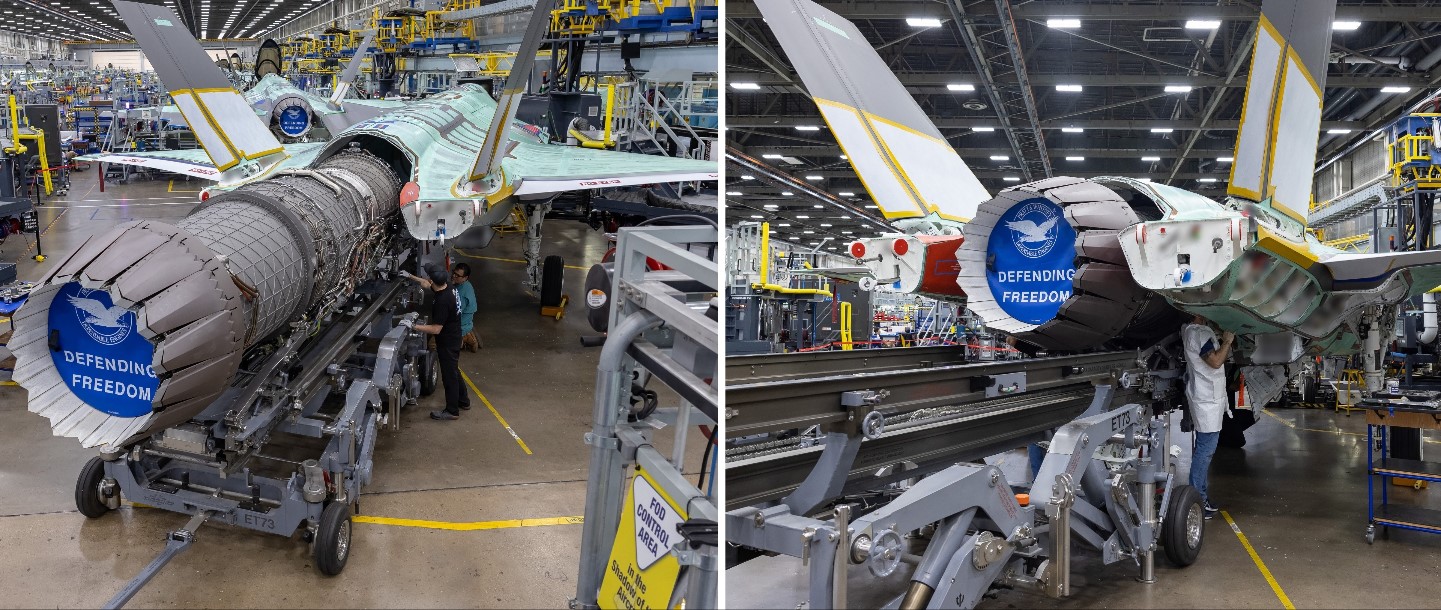
World
FORT WORTH, TEXAS — June 04, 2026 : Lockheed Martin has completed the installation of the Pratt & Whitney F135 engine on Germany’s first F-35A Lightning II, marking a major production milestone as the aircraft moves closer to delivery to the German Air Force (Luftwaffe). The aircraft, designated MG-01, recently underwent engine installation at Lockheed Martin’s production facility in Fort Worth, Texas, after successfully progressing through key stages of structural assembly. The development represents an important step in Germany’s effort to modernize its air force and replace part of its aging Panavia Tornado fleet. Engine Installation Marks Transition to Final Assembly Before the engine was installed, the aircraft’s major structural sections—including the forward, center, and aft fuselage components, as well as the wings—were joined using advanced laser-guided alignment systems. Following the installation of the landing gear and completion of structural assembly, the aircraft became capable of supporting its own weight, allowing technicians to begin final integration work. Assembly teams are now focused on installing the remaining systems, including the cockpit canopy, control surfaces, avionics, sensors, and other onboard equipment required before testing can begin. Once systems integration is completed, the aircraft will enter the finishing phase, where it will receive its exterior paint scheme and the specialized radar-absorbing stealth coating that forms a critical part of the F-35A’s low-observable design. Germany’s F-35 Acquisition Program Germany officially joined the F-35 program in December 2022, placing an order for 35 F-35A conventional takeoff and landing aircraft. The procurement package, valued at approximately €10 billion, includes the aircraft, engines, mission systems, spare parts, logistics support, training, and armament. The acquisition is intended primarily to replace a portion of the Luftwaffe’s aging Tornado fleet, particularly aircraft assigned to NATO’s nuclear-sharing mission involving U.S.-owned B61-12 tactical nuclear bombs. A key reason behind Germany’s selection of the F-35A was its ability to perform the nuclear-sharing role currently carried out by the Tornado. In addition, the aircraft offers a range of fifth-generation capabilities, including stealth technology, sensor fusion, advanced situational awareness, and secure data-sharing capabilities that enhance interoperability with allied forces. Eight Aircraft Currently in Production Production of Germany’s F-35 fleet began with major assembly activities at Lockheed Martin’s facility in Marietta, Georgia, in December 2024. The first aircraft, MG-01, entered final assembly in Fort Worth in March 2026. According to Lockheed Martin, eight German F-35As are currently in various stages of production, reflecting continued progress across the broader acquisition program. Testing and Delivery Timeline Following completion of final assembly, MG-01 will undergo a series of critical activities, including systems verification, avionics and sensor evaluations, ground testing, and pre-delivery flight testing. The aircraft is also expected to participate in an official rollout ceremony later in 2026. Deliveries of the first German F-35As are scheduled to begin in 2026. However, the initial batch of eight aircraft will not immediately deploy to Europe. Instead, they will be delivered to Ebbing Air National Guard Base in Fort Smith, Arkansas, where German pilots and maintenance personnel will undergo extensive training as the Luftwaffe prepares to transition to the new fighter platform. Path to Operational Service The aircraft are expected to begin arriving in Germany from 2027, with permanent basing planned primarily at Büchel Air Base. The Luftwaffe is targeting initial operational capability in 2028, while deliveries of all 35 aircraft are expected to continue through the latter part of the decade. The introduction of the F-35A will significantly enhance Germany’s ability to operate alongside NATO allies already flying the aircraft, including the Netherlands, Norway, Belgium, Finland, and Poland. In parallel, German defense company Rheinmetall is expanding its role in the program through a new fuselage production facility in Weeze, Germany, which is expected to support future F-35 manufacturing for Germany and other international customers. Program Remains on Schedule The successful installation of the Pratt & Whitney F135 engine on MG-01 represents one of the final major assembly milestones before testing and delivery. With eight aircraft already progressing through production, the achievement keeps Germany’s F-35 modernization program on track as the Luftwaffe prepares to introduce its first fifth-generation fighter aircraft into operational service.
Read More → Posted on 2026-06-04 15:32:35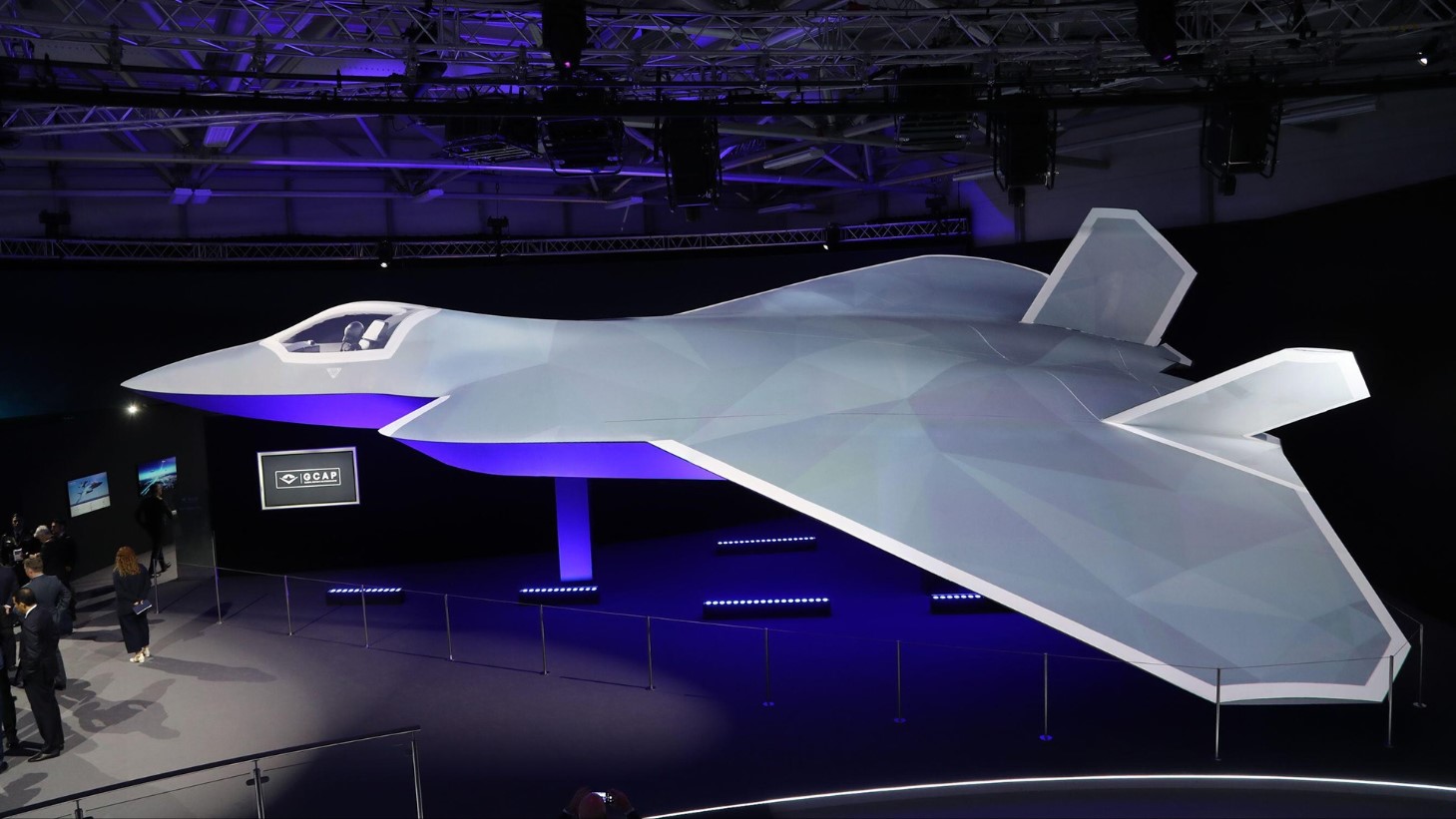
World
LONDON — June 04, 2026 : The UK Treasury is preparing to assume direct oversight of spending for the Global Combat Air Programme (GCAP), also known as Tempest, the trilateral sixth-generation fighter jet initiative involving the United Kingdom, Italy, and Japan. The move comes amid growing concerns over potential cost overruns as the British government finalizes a broader £15 billion defence funding package ahead of a critical funding deadline at the end of June. £15 Billion Defence Settlement and GCAP Funding The Treasury's intervention is expected to be included in the government's forthcoming Defence Investment Plan (DIP), which will outline Britain's long-term defence spending priorities through 2030. Under the proposed settlement, Prime Minister Keir Starmer is expected to announce approximately £15 billion in additional defence funding, with around £6 billion in new funding allocated to GCAP. The investment is intended to support the programme's next development phase and enable the partner nations to move forward with a longer-term contract. According to reports, the Treasury believes tighter financial oversight is necessary due to the scale and complexity of the multinational programme, as well as concerns regarding the Ministry of Defence's (MoD) history of cost overruns and budget management challenges on major procurement projects. Chancellor Rachel Reeves has reportedly expressed concerns that, without stronger controls, the programme could face significant cost growth and delays, prompting the Treasury to take a more direct role in monitoring expenditure. June 30 Funding Deadline Creates Urgency The funding decision has become increasingly urgent as a £686 million bridge funding agreement, signed in April 2026, is scheduled to expire on June 30, 2026. The temporary contract currently supports ongoing design, engineering, and development activities across the three partner nations while negotiations continue on a permanent funding arrangement. Industry representatives have warned that failure to secure a long-term contract before the deadline could have immediate consequences for the UK's defence industry. More than 4,000 engineers and specialists working for major defence companies, including BAE Systems, Rolls-Royce, and Leonardo, are currently assigned to the programme. Without continued funding, companies may be forced to implement cost-containment measures and redeploy personnel to other active projects. Risk to Programme Schedule and 2035 Service Target Defence industry executives have cautioned that the redeployment of highly skilled workers would result in a significant loss of programme momentum. A disruption in engineering and development activities could slow or temporarily halt critical work streams, making future recovery more expensive and time-consuming. Such delays could ultimately affect the programme's planned 2035 in-service date, with some industry assessments warning that the timeline could potentially slip into the late 2030s if funding uncertainty continues. The programme currently supports approximately 9,000 jobs across the United Kingdom, Italy, and Japan, highlighting its importance to the defence industrial base of all three partner nations. International Concerns Growing Over UK Funding Delays The financial uncertainty has also raised concerns among Britain's international partners. GCAP operates on the basis of equal commitments from the United Kingdom, Italy, and Japan, with the programme managed through the joint industrial venture Edgewing, which brings together BAE Systems, Leonardo, and Japanese industry partners responsible for key design and engineering activities. Delays in confirming Britain's long-term funding commitment have reportedly caused concern in Tokyo, where officials fear that cash-flow uncertainties could affect programme progress. The issue is considered significant enough that Japanese Prime Minister Sanae Takaichi is expected to make GCAP funding assurances a key topic during her upcoming visit to Britain next week. Italy and Japan have previously expressed frustration over delays and uncertainty surrounding UK funding decisions. While all three nations remain committed to achieving the programme's objectives, prolonged uncertainty could place additional strain on the trilateral partnership. GCAP's Role in Future Air Combat Capability The Global Combat Air Programme was created through the merger of the UK's Tempest initiative and Japan's F-X fighter programme. The aircraft is being developed as a sixth-generation stealth combat platform equipped with advanced sensors, integrated weapons systems, enhanced networking capabilities, and the ability to operate alongside autonomous drone wingmen. Once operational, the aircraft is expected to replace the Eurofighter Typhoon fleets currently operated by the United Kingdom and Italy, while also succeeding Japan's Mitsubishi F-2 fighter aircraft. Funding Decision Expected Within Weeks The Treasury's planned takeover of spending oversight is intended to strengthen financial discipline, provide greater budget certainty, and maintain confidence among industrial and international partners. With the June 30 funding deadline rapidly approaching, government decisions in the coming weeks will determine whether GCAP can continue progressing on schedule toward its planned 2035 entry into service while preserving momentum across one of the world's most significant next-generation combat aircraft programmes.
Read More → Posted on 2026-06-04 15:22:39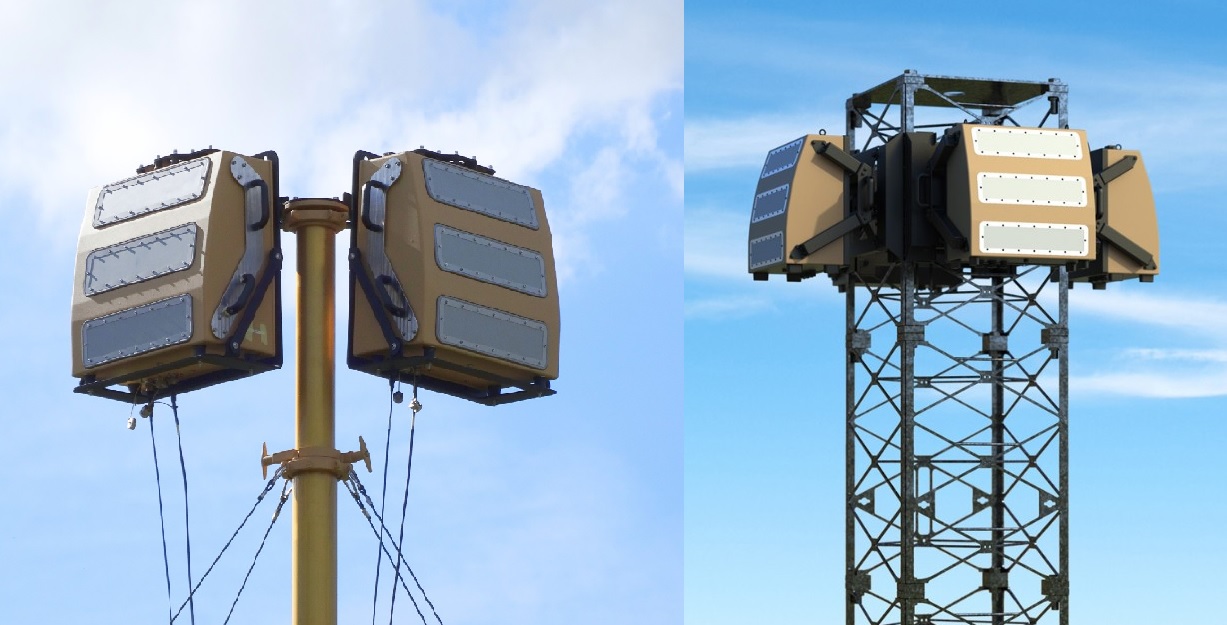
World
CAMBRIDGE, United Kingdom — June 04, 2026 : UK-based radar manufacturer Blighter Surveillance Systems has secured a follow-on contract from an undisclosed Eastern European army for the supply of its A800 Mk2 4D multi-mode radars, further strengthening the military's border surveillance and counter-drone capabilities. The agreement covers the deployment of the A800 Mk2 radar systems at fixed border locations as well as their integration onto army reconnaissance vehicles. The latest order follows an earlier contract with the same customer and reflects continued efforts to enhance protection against ground incursions and increasingly sophisticated unmanned aerial threats. Addressing the Challenge of Low-Altitude Drone Threats The procurement comes amid growing concerns over the use of small, low-flying drones in modern conflicts. Such systems often operate close to terrain, possess a low radar cross-section (RCS), and can evade detection by conventional air surveillance radars. According to the company, the Eastern European military selected the A800 Mk2 because of its ability to detect, classify, and track a wide range of aerial and ground threats simultaneously. The radar is specifically designed to counter targets that are difficult to identify using traditional surveillance systems, including first-person-view (FPV) drones, fibre-optic-guided drones, and Shahed-type one-way attack drones. The radar utilizes an electronic-scanning array (ESA) design with no moving parts, combining Ku-Band sensing technology, micro-Doppler signature analysis, and AI-assisted target classification. These technologies allow the system to distinguish genuine threats from birds, wildlife, and environmental clutter while maintaining reliable detection performance. Advanced Detection and Tracking Capabilities The A800 Mk2 is capable of simultaneously detecting, classifying, and tracking ground, sea, and air targets at distances of up to 20 kilometers. The radar can also monitor fast-moving objects travelling at speeds of up to Mach 1, making it suitable for a wide range of operational scenarios. Key technical features of the system include: 4D target measurement, providing range, azimuth, elevation, and Doppler velocity data. Fully electronic scanning in azimuth with multi-beam monopulse elevation measurement. Instrumented ranges of 3.5 km, 10 km, or 20 km. Fast scan rates, with a minimum scan time of 0.25 seconds in spotlight mode. Automatic rain mitigation for all-weather operations. Low Size, Weight and Power (SWaP) design suitable for both fixed and mobile deployments. Gigabit Ethernet connectivity supporting secure and encrypted data transfer. The radar is also capable of detecting nano-quadcopter drones at ranges of up to 3 km, Class 2 winged drones at distances of up to 7 km, and walking personnel at ranges reaching 5 km. In addition, the system supports simultaneous multi-mode operation for air, ground, and coastline surveillance and can process more than 500 targets per scan, enabling effective monitoring of complex operational environments. BlighterNexus Software to Enhance Command and Control Beyond the radar hardware, the contract includes the delivery of BlighterNexus, the company's integrated software platform designed to connect radar systems directly into military command-and-control (C2) networks. The software links the radars with operator interfaces and third-party sensors, creating a unified Common Operating Picture (COP) across multiple border regions. This allows military personnel to receive consolidated situational awareness data from various surveillance assets through a single operational framework. BlighterNexus also serves as a multi-sensor connectivity and processing platform, incorporating AI-assisted capabilities to improve target identification and information management. Company Highlights Operational Advantages Commenting on the contract award, James Long, Chief Executive Officer of Blighter, said the company was pleased to receive the follow-on order from the military customer. He stated that the radars would provide 24/7 all-weather protection against both ground incursions and the increasing threat posed by low-altitude drones, which have become a significant feature of recent conflicts. Long noted that the company's ground-based radar technology is particularly effective in detecting low-and-fast targets, including FPV drones, fibre-optic-guided drones, and fixed-wing unmanned aircraft. He added that the A800 Mk2 is among a limited number of radar systems available at a price below US$1 million that can detect targets travelling at speeds of up to Mach 1. Global Deployment and Operational Experience Blighter's radar systems have established a broad operational footprint in both military and civilian applications. The company's technology is currently deployed for counter-unmanned aerial system (C-UAS) missions, border security, and critical infrastructure protection worldwide. According to the company, its radars are used for drone detection at international airports, by the United States Air Force, at multinational forward-operating bases in the Middle East, and across various government national security projects. More than 800 Blighter radar units have been fielded globally for applications including border surveillance, critical infrastructure protection, counter-drone operations, and military reconnaissance missions. The A800 Mk2 builds upon the company's earlier A400 and A800 series radar platforms, which have also been supplied to NATO customers for tactical surveillance and border security roles. Growing Demand for Counter-Drone Surveillance Systems The latest contract underscores the increasing demand for cost-effective, high-performance ground-based radar systems capable of addressing modern threats from small unmanned aircraft and ground-based incursions. As military forces continue to strengthen border security and counter-drone defenses, advanced surveillance solutions such as the A800 Mk2 are expected to play an increasingly important role in protecting critical operational areas. The company did not disclose the value of the contract, the number of radar systems ordered, or the delivery schedule.
Read More → Posted on 2026-06-04 15:00:05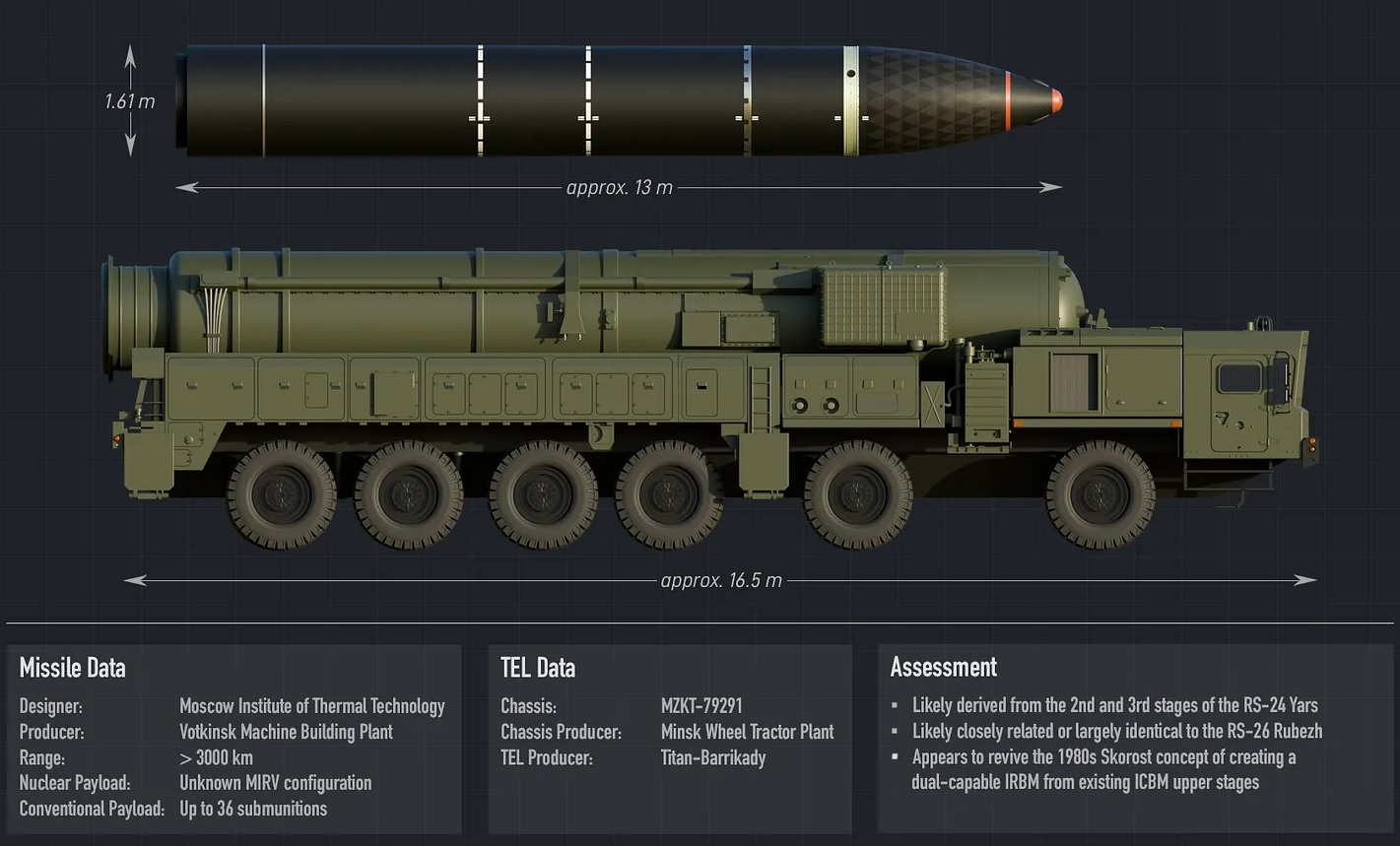
World
KYIV — June 04, 2026 : A new open-source intelligence assessment has provided the clearest picture yet of Russia’s Oreshnik medium-range ballistic missile, concluding that the weapon was likely developed using key stages of the RS-24 Yars intercontinental ballistic missile (ICBM). The findings, published by the LUFTLAGE project following a detailed examination of missile debris recovered in Ukraine, shed new light on a system that has remained largely undocumented since its first combat use in late 2024. Since its debut during a strike on the Ukrainian city of Dnipro in November 2024, the Oreshnik has been one of Russia’s most closely guarded missile programs. Russian authorities have not publicly displayed the missile or its launcher, leaving analysts to rely on recovered wreckage, official statements, and open-source intelligence to understand the system’s design and capabilities. Debris Analysis Points to Yars-Derived Design According to the LUFTLAGE project, comparative analysis of recovered missile components indicates that the Oreshnik was developed using the second and third stages of the RS-24 Yars ICBM. The conclusion reinforces earlier assessments linking the missile to Russia’s existing strategic missile programs. Shortly after the Oreshnik’s first operational use in 2024, the Pentagon described it as an experimental intermediate-range ballistic missile derived from the RS-26 Rubezh. The Rubezh itself had previously been linked to the Yars program. Russian Strategic Missile Forces officials stated in 2013 that the RS-26 was developed on the basis of the RS-24 Yars while incorporating a lower launch mass and modified characteristics. Additional evidence supporting this connection emerged in 2026 when footage from a forward deployment area in Belarus showed combat support vehicles accompanying Oreshnik units. Analysts noted that these vehicles were identical to those used by RS-24 Yars missile formations, further strengthening the assessment that the three missile programs share a common technological foundation. The latest findings suggest that Russia adapted existing strategic missile technology to create a medium-range system capable of employing hypersonic reentry vehicles while reducing development costs and timelines through the reuse of proven components. Recovered Components Reveal Internal Architecture The examination of missile debris recovered from multiple strike locations across Ukraine has provided significant insight into the Oreshnik’s internal structure. Among the recovered fragments were components associated with the missile’s booster-stage control system. Analysts believe the missile employs a continuous-operation solid-fuel gas generator that supplies gas to valve-controlled steering engines responsible for maintaining stability and flight control during powered flight. Researchers also identified a pressurized instrument compartment designed to house navigation, guidance, and flight-control equipment. This sealed section protects sensitive electronics during high-speed flight and enables the missile to maintain its trajectory while traveling at hypersonic velocities before deploying its payload. The Oreshnik is assessed to be a road-mobile, solid-fueled ballistic missile with an estimated range of between 3,500 and 5,500 kilometers. Such a range would allow the system to engage targets across much of Europe. Analysts also estimate that the missile can achieve speeds exceeding Mach 10 during the terminal phase of flight. Evidence Suggests MIRV Payload Configuration While researchers have gained a clearer understanding of the missile’s propulsion and guidance systems, the warhead section remains one of the least documented aspects of the Oreshnik. New evidence emerged following the missile strike on Bila Tserkva on May 24, 2026. Video footage from the attack showed 36 luminous objects descending toward the target area in six distinct groups. Based on the observed flight pattern, analysts assess that the missile employs a Multiple Independently Targetable Reentry Vehicle (MIRV) configuration consisting of six warhead blocks. Each warhead block is believed to release six submunitions during atmospheric reentry, resulting in a total of 36 individual striking elements. Researchers attempting to reconstruct the missile’s payload section noted significant internal space limitations. As a result, they estimate that each submunition measures no more than 10 to 13 centimeters in diameter. Ukrainian defense specialists further estimate that each projectile weighs approximately 50 kilograms. According to a Ukrainian Ministry of Defense expert, the submunitions are not conventional explosive warheads. Instead, they appear to consist of solid cast-iron striking elements, described as simple metal ingots designed to inflict damage through kinetic energy generated by extremely high impact speeds. Analysts also note that neither the warhead blocks nor the individual submunitions appear to possess independent terminal guidance systems. After separation, the projectiles are believed to follow pre-programmed trajectories toward their designated target area. Operational Use Highlights Current Limitations The Oreshnik has reportedly been employed at least three times during the conflict in Ukraine. The first known strike occurred against Dnipro in November 2024, followed by another launch in January 2026 and the most recent documented use against Bila Tserkva in May 2026. Observations from these attacks have provided important clues regarding the missile’s effectiveness in its current conventional configuration. Despite the extreme speeds involved—estimated to exceed Mach 10 during terminal descent—the strikes have produced relatively limited physical destruction compared with conventional ballistic missile warheads carrying high-explosive payloads. During the Bila Tserkva strike, several storage facilities were reportedly damaged or destroyed. However, analysts noted the absence of significant blast effects or large impact craters typically associated with conventional explosive warheads. The damage pattern was instead consistent with impacts generated primarily through kinetic energy. Military observers therefore assess that the current version of the Oreshnik relies heavily on high-speed impact effects rather than explosive force. Some analysts argue that without a dedicated conventional explosive warhead, the missile’s destructive capability remains restricted despite its advanced delivery system and hypersonic performance. Production Expansion and Future Development The Oreshnik is believed to be nuclear-capable and is launched from road-mobile platforms similar to those used by other Russian strategic missile systems. The weapon is also understood to have been developed within the design tradition of the Moscow Institute of Thermal Technology, the organization responsible for several of Russia’s strategic missile programs, including the Yars. Russian officials have indicated plans to expand serial production of the missile and continue modernization efforts. Potential upgrades could include improvements to the warhead section and other performance enhancements intended to increase the system’s operational effectiveness. Reports indicate that more than 50 enterprises are currently involved in the missile’s production and supply chain, reflecting the scale of Russia’s effort to field and further develop the system. New Findings Offer Clearer Picture of Oreshnik Program The LUFTLAGE project’s latest assessment provides the most detailed public examination of the Oreshnik missile to date. By linking the system directly to the RS-24 Yars and RS-26 Rubezh programs, the analysis offers new insight into the missile’s origins, architecture, guidance systems, and payload configuration. While several aspects of the weapon remain unclear, particularly regarding its warhead technology and future upgrades, the recovered debris has allowed researchers to build a more comprehensive understanding of a missile system that continues to play a role in Russia’s ongoing military operations. Further deployments and additional recovered components are expected to provide greater clarity regarding the Oreshnik’s capabilities and future development path.
Read More → Posted on 2026-06-04 14:52:34
World
KUWAIT CITY — June 4, 2026 : CCTV footage released by Kuwait's Directorate General of Civil Aviation (DGCA) appears to confirm that an Iranian Shahed-136 loitering munition directly struck Terminal 1 (T1) of Kuwait International Airport, contradicting claims by Iran's Islamic Revolutionary Guard Corps (IRGC) that the damage was caused by a failed U.S. Patriot interceptor. The surveillance footage, recorded from multiple angles, shows a delta-wing unmanned aerial vehicle (UAV) approaching the airport from the east before impacting the terminal building. The drone's shape, flight profile, and terminal dive closely match the characteristics of the Shahed-136 loitering munition. The impact was followed by a large explosion, fire, and extensive structural damage to the terminal. Investigators examining the site also recovered an MD550 piston engine from the debris inside Terminal 1. The engine is a known component of the Shahed-136 drone and has been repeatedly identified in previous investigations involving the Iranian-designed loitering munition. The strike killed one Indian national and injured at least 63 people, including airport employees and passengers. Terminal 1 sustained significant damage, forcing the temporary suspension of flight operations and the diversion of several incoming aircraft. Kuwaiti authorities later resumed limited operations after conducting safety assessments. Following the attack, the IRGC denied targeting Kuwait International Airport. Iranian officials stated that the destruction of the terminal was caused by a malfunctioning U.S.-made Patriot air defense interceptor that allegedly failed during an interception attempt and struck the airport. However, Kuwaiti and U.S. officials rejected the explanation, pointing to the CCTV footage showing an inbound drone impacting the terminal and the recovery of Shahed-136 components from the scene. U.S. Central Command (CENTCOM) described the incident as a deliberate attack on civilian infrastructure and dismissed the IRGC's account of a Patriot missile malfunction. The attack occurred amid renewed regional tensions involving Iran, the United States, and Gulf states. Kuwait has formally protested to Tehran and expelled two Iranian diplomats in response to the strike, while authorities continue repair work and investigations at the airport. The release of the CCTV footage has become a key piece of evidence in the investigation, with the video and recovered MD550 engine strengthening Kuwait's position that Terminal 1 was struck directly by a Shahed-136 loitering munition rather than by a malfunctioning Patriot interceptor.
Read More → Posted on 2026-06-04 14:34:42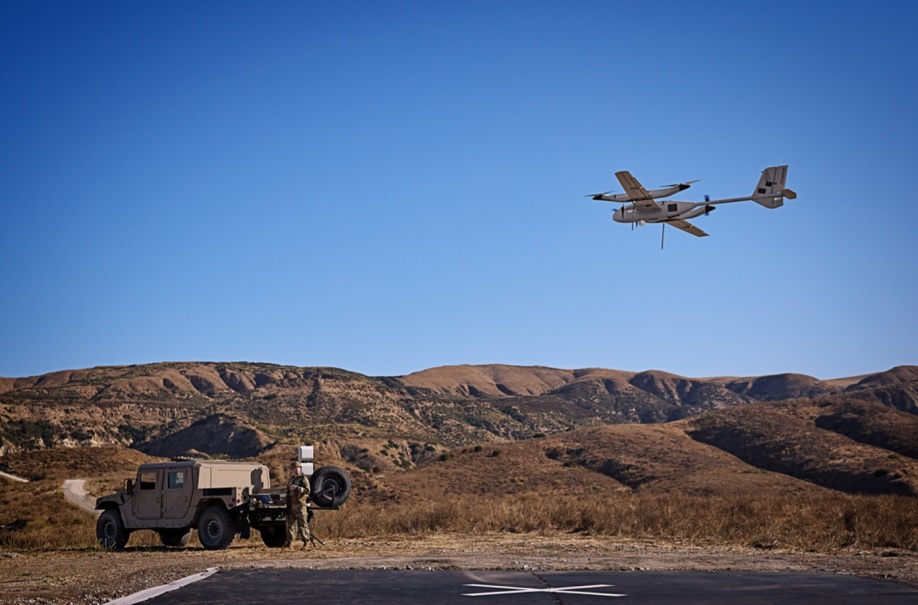
World
EDSTONE ARSENAL, AL — June 04, 2026 : The U.S. Army has awarded defense contractor AeroVironment a $117.3 million firm-fixed-price contract for the procurement of 82 P550 long-range reconnaissance drones. Announced on June 3, 2026, the deal represents a significant step in the Army’s effort to push advanced intelligence, surveillance, and target acquisition (RSTA) capabilities directly down to the battalion level. By placing persistent airborne reconnaissance under the direct control of battalion commanders, the Army is actively reducing its reliance on higher-echelon brigade aviation assets. The accelerated procurement—which mandates a completion date of July 23, 2026—highlights a broader military shift toward distributed, adaptable, and drone-centric operations shaped by recent lessons from modern battlefields. Bridging the Capability Gap The P550 occupies the upper end of the Pentagon's Group 2 unmanned aircraft category. With a maximum take-off weight of 24.9 kg (55 lbs)—just below the 25 kg threshold for Group 3 drones—it fills a long-standing capability gap between short-range platoon quadcopters and scarcer, brigade-level fixed-wing assets. AeroVironment unveiled the P550 in October 2024 as a purpose-built, all-electric vertical takeoff and landing (eVTOL) system. It combines multiple operational advantages into a single airframe: Endurance & Payload: The drone can remain airborne for over five hours on battery power alone while carrying up to 6.8 kg (15 lbs) of multi-sensor payloads. Rapid Deployment: The system requires no runways or catapults. It breaks down into a compact transport package (1.8m × 0.6m × 0.6m) that fits inside standard tactical vehicles like HMMWVs and JLTVs. Soldiers can unpack, assemble, and launch the drone tool-free in under ten minutes. Operational Range: Standard communications reach up to 40 km, extending to 60 km with advanced digital datalink architectures. It cruises at speeds of 30 to 52 knots. Modularity and Autonomous Edge Computing A core feature driving the Army's interest is the P550’s Modular Open Systems Approach (MOSA). Instead of locking into proprietary tech or dedicating specific airframes to single missions, operators can hot-swap the drone's front payload module and batteries in less than five minutes without tools. This allows the exact same aircraft to transition seamlessly between diverse mission profiles: Baseline Intelligence, Surveillance, and Reconnaissance (ISR) Communications relay Electronic warfare (such as integrating CACI's Pit Viper module) Strike missions (employing precision-guided munitions like the L3Harris/Corvid Shryke) To reduce the cognitive load on operators, the P550 integrates AeroVironment's Avacore computing architecture and SPOTR-Edge software. This onboard artificial intelligence autonomously detects and classifies personnel, vehicles, and maritime targets in real time. Furthermore, a Visual Navigation System utilizing lidar, infrared, and electro-optical sensors allows the drone to operate effectively in environments where GPS signals are jammed or spoofed. The Long-Range Reconnaissance (LRR) Strategy This contract marks the first major production purchase of the P550, working out to a notional value of roughly $1.43 million per system. It follows initial deliveries for evaluation in August 2025 and earlier funding agreements that integrated the platform into the Army's wider unmanned systems architecture. The acquisition is a direct output of the Long-Range Reconnaissance (LRR) program and the "Transformation in Contact" initiatives. Rather than selecting a single winner, the Army opted to simultaneously field the P550 alongside Edge Autonomy's Stalker Block 35X. This multi-vendor approach preserves industrial base competition and allows operational units to evaluate different designs under identical combat conditions. Crucially, the Army designed the LRR program to be Military Occupational Specialty (MOS) agnostic. Instead of requiring highly specialized drone pilots, soldiers from diverse occupational backgrounds can operate the platforms via the Vigilant Spirit ground control architecture. Speed of Relevance The rapid timeline—less than two months from the June award to the July contract completion—reflects the urgency of the July 2025 "Unleashing U.S. Military Drone Dominance" initiative. By utilizing accelerated acquisition frameworks, the Army has condensed traditional procurement timelines from years to merely days. As AeroVironment scales its production capacity to anticipate demand in the thousands of units annually, the P550 represents the first wave of a persistent, adaptable reconnaissance network designed to ensure tactical superiority in future contested environments.
Read More → Posted on 2026-06-04 13:55:02
World
MUNICH — June 03, 2026 : German defense technology company ARX Robotics announced on June 3 a major expansion strategy across Europe, including plans to open a new headquarters and manufacturing facility in Munich later this year as it scales operations to support rising demand for autonomous military systems. According to a company announcement released on June 3, ARX Robotics is expanding operations across Europe, including in Ukraine and the United Kingdom, as part of a broader strategy to strengthen manufacturing capacity and support growing deployment of unmanned military systems. The company said the expansion aims to increase its production capacity in Germany fivefold by the end of 2026 while strengthening its position as a supplier of unmanned ground systems (UGVs) for European defense forces. The move comes as European governments continue investing in robotics, artificial intelligence (AI), and autonomous defense technologies as part of military modernization programs. The planned Munich facility will serve as both the company’s headquarters and its primary production center for robotic systems. ARX Robotics said the site will function as the central manufacturing hub for its GEREON unmanned ground vehicles, supporting increased production volumes over the coming years. To support the expansion, the company plans to double its workforce by the end of 2026, with investments focused on engineering, research and development (R&D), software development, manufacturing, and autonomous systems capabilities. Berlin Office to Support Government and Defense Cooperation Alongside the Munich expansion, ARX Robotics confirmed the opening of a new office in Berlin focused on engagement with government institutions, defense organizations, and European security stakeholders. The Berlin office will not handle manufacturing operations and will instead focus on coordination with policymakers, military institutions, and defense-sector partners involved in procurement and defense planning. The expansion also coincides with the unveiling of a new corporate identity, which ARX Robotics said reflects its transition from a startup founded in 2022 into an established European defense technology manufacturer. “Europe is entering a new era of defense—an era of speed, autonomy, and sovereignty. This idea has been at the core of ARX Robotics since the beginning,” said Marc Wietfeld, Chief Executive Officer and co-founder of ARX Robotics. Wietfeld said the company has evolved from a startup into a defense technology manufacturer focused on developing battlefield-proven autonomous systems while maintaining its long-term mission of supporting future military capabilities. Focus on Autonomous Ground Systems and AI Integration ARX Robotics specializes in software-defined unmanned ground systems and autonomous military technologies designed for operational support missions. Its hardware portfolio centers on the GEREON unmanned ground vehicle series, developed for frontline logistics, casualty evacuation, surveillance, and battlefield support operations. According to the company, the platform is capable of carrying payloads of up to 500 kilograms, enabling transportation of equipment, supplies, and operational materials in frontline environments. The systems are supported by Mithra OS, an AI-powered operating system designed to integrate autonomous capabilities and fleet-wide connectivity into both newly built and existing military vehicles. ARX Robotics said the software enables coordination between multiple robotic systems, operational planning, and improved communication across fleets. The company stated that its systems are already in service with several European armed forces and that it has launched localized manufacturing in the United Kingdom to fulfill early orders for the British Army, expanding its production footprint beyond Germany. Expanded Operations and Contracts in Ukraine ARX Robotics said it is currently the largest Western supplier of unmanned ground vehicles operating in Ukraine. On May 11, the company announced a contract with the Ukrainian Defense Forces to deliver several hundred additional GEREON systems, expanding an existing fleet already operating in the country or ordered for delivery. To support faster deliveries and strengthen supply chain resilience, ARX Robotics said it is localizing parts of production in Ukraine and working with local supply partners to improve delivery timelines. The company added that integration of Mithra OS across deployed systems is intended to allow multiple robotic platforms to operate together during coordinated frontline missions, supporting logistics, surveillance, and battlefield support operations. Rising European Demand for Autonomous Defense Technologies ARX Robotics’ expansion reflects broader growth in Europe’s investment in autonomous defense technologies, including robotics, AI systems, and unmanned military platforms, as governments continue military modernization efforts and expand procurement of advanced defense systems. With a new Munich headquarters, expanded production capacity, workforce growth, and operations across multiple European countries, ARX Robotics is positioning itself to meet increasing demand for autonomous military systems in the coming years.
Read More → Posted on 2026-06-03 18:36:13
World
BRUSSELS/WASHINGTON — June 03, 2026 : The United States is holding confidential discussions with NATO allies over a possible eastward expansion of the alliance’s nuclear-sharing arrangement, a move that could bring part of NATO’s nuclear deterrence infrastructure closer to Russia’s borders for the first time since the Cold War. According to a June 2, 2026 report by the Financial Times, U.S. officials have indicated openness to allowing additional NATO members on the alliance’s eastern flank to host dual-capable aircraft (DCA) and potentially support elements of the nuclear-sharing mission currently concentrated in Western Europe. If approved, the move would represent the first deployment of U.S. nuclear deterrence infrastructure into former Warsaw Pact countries and the most significant geographic adjustment to NATO’s nuclear posture since the Soviet Union’s collapse. NATO Reviews Deterrence Strategy Amid Force Restructuring The discussions come as Washington reassesses its military posture in Europe following Russia’s 2022 invasion of Ukraine and broader changes to U.S. force deployments on the continent. The Pentagon is reviewing reductions in conventional troop presence, including the announced withdrawal of around 5,000 personnel from Germany under the administration of President Donald Trump. Against this backdrop, U.S. officials are examining nuclear-sharing arrangements as a way to maintain deterrence credibility and reassure allies of continued American security commitments. Officials involved in planning indicate that the proposal would not increase the total number of U.S. nuclear weapons stationed in Europe. Instead, the focus is on redistributing existing capabilities, increasing operational flexibility, and strengthening NATO’s deterrence posture along its eastern flank. Current NATO Nuclear-Sharing Structure NATO’s nuclear-sharing framework has remained a central component of alliance deterrence since the Cold War. Under the arrangement, approximately 100 U.S.-owned B61-series gravity bombs are believed to be stored under American custody at six military bases across Europe: Kleine Brogel in Belgium, Büchel in Germany, Aviano and Ghedi in Italy, Volkel in the Netherlands, and Incirlik Air Base in Türkiye. Although hosted by allied countries, the weapons remain under full U.S. ownership, maintenance, and release authority. Participating nations contribute aircraft and trained crews capable of carrying nuclear weapons if authorized during wartime. Oversight of the mission is conducted through NATO’s Nuclear Planning Group, established in 1966 to coordinate alliance nuclear policy and consultation. Operational readiness is maintained through the annual Exercise Steadfast Noon, NATO’s principal nuclear preparedness exercise involving around 2,000 personnel and 60 to 70 aircraft operating without live nuclear weapons. Poland Seen as the Most Likely Candidate Among NATO’s eastern members, Poland is viewed as the strongest candidate for a future expansion of the mission due to its strategic position, military modernization, and expanding defense infrastructure. Poland currently allocates more than 4 percent of GDP to defense, the highest proportion within NATO, while undertaking one of Europe’s largest military procurement programs. Warsaw has ordered 32 F-35A Lightning II fighters, 250 M1A2 Abrams tanks, 96 AH-64E Apache helicopters, Patriot air-defense batteries, and hundreds of HIMARS launchers from the United States. The country also hosts the forward headquarters of the U.S. Army V Corps and functions as a key logistics hub for military support entering Ukraine. Former Polish President Andrzej Duda previously called for the deployment of U.S. nuclear weapons on Polish territory, arguing that NATO’s deterrence posture should reflect the alliance’s eastward security shift after Russia’s invasion of Ukraine. Poland has also reportedly discussed aspects of France’s forward deterrence initiative, including the temporary deployment of nuclear-capable Rafale aircraft during periods of heightened tension. Baltic States Express Interest Estonia, Latvia, and Lithuania have also shown interest in closer participation in NATO’s nuclear-sharing framework as security concerns along the alliance’s eastern frontier increase. However, analysts note that the Baltic states currently lack the scale of military infrastructure, logistics capacity, and U.S. military presence available in Poland, making Warsaw the more practical option should NATO move forward with an eastward expansion. Infrastructure and Certification Requirements Expanding the nuclear-sharing mission would require extensive investment and long-term preparation. Potential host nations would need hardened aircraft shelters equipped with underground Weapons Storage and Security System (WS3) vaults, highly secured storage areas, specialized maintenance facilities, encrypted communications networks, and integration into U.S. nuclear command-and-control systems. Security requirements for such facilities exceed those of conventional ammunition depots and involve permanent surveillance, multiple layers of protection, dedicated emergency response forces, and recurring certification inspections. Military officials indicate that establishing nuclear-certified infrastructure could require years of preparation and substantial financial investment. F-35 Fleet Expansion Shapes Future Planning NATO’s transition toward the F-35A Lightning II is expected to play a major role in future nuclear-sharing decisions. For decades, the mission relied on legacy F-16 variants and Panavia Tornado aircraft. As those fleets age, NATO members are shifting toward the F-35A, which is certified to carry the upgraded B61-12 nuclear gravity bomb. The aircraft’s internal weapons carriage allows it to retain low-observable characteristics during operations, while the B61-12’s guided tail-kit system improves accuracy and mission flexibility. Poland, Belgium, the Netherlands, Italy, Germany, Norway, Denmark, and Finland are all introducing F-35 aircraft into service, creating a larger pool of NATO members capable of supporting future nuclear-sharing responsibilities. By the early 2030s, European NATO countries are projected to collectively operate more than 600 F-35 aircraft. Strategic Implications No formal agreement is believed to be imminent, and any change to NATO’s nuclear posture would require political consensus among alliance members as well as major infrastructure investments. However, positioning nuclear-certified aircraft closer to NATO’s eastern flank could improve response flexibility, shorten operational flight distances, and further integrate eastern member states into NATO’s deterrence framework as the alliance continues adapting to Europe’s changing security environment.
Read More → Posted on 2026-06-03 18:20:01
World
TAIPEI — June 03, 2026 : Taiwan’s National Chung-Shan Institute of Science and Technology (NCSIST) has publicly unveiled three military robotic dog variants designed for reconnaissance, patrol, surveillance, and combat-support missions, as part of the island’s broader effort to expand autonomous defense capabilities amid growing regional security concerns. The systems, unveiled on June 2, 2026, are intended to operate in high-risk environments while reducing the exposure of military personnel to frontline threats. Developed using the Vision 60 quadruped platform manufactured by US-based Ghost Robotics, the robotic dogs have been modified by NCSIST with domestically developed reconnaissance sensors, surveillance systems, and weapon integration technologies tailored to Taiwan’s operational requirements. According to NCSIST, the decision to build the systems on an established US-developed platform is intended to accelerate deployment and maintain a reliable non-Chinese supply chain for autonomous military technologies. Platform Specifications and Operational Design The robotic dogs are based on the Vision 60 quadruped system, which is engineered to operate in austere and physically demanding environments. The platform includes self-righting capabilities and three degrees of freedom in each leg, allowing it to move across uneven terrain, stairways, steep slopes, muddy areas, and wet conditions, including heavy rain. The platform weighs 52.4 kilograms and can carry payloads of up to 10 kilograms. It is capable of reaching speeds of 2.5 meters per second, or approximately 9 kilometers per hour, and can operate continuously for between eight and ten hours on a single charge. NCSIST stated that the system is designed to function in extreme environmental conditions, with an operational temperature range between minus 40 degrees Celsius and 55 degrees Celsius. Three Military Variants Developed by NCSIST To support different mission requirements, NCSIST has integrated proprietary Taiwanese-developed systems into the base platform to produce three operational variants for military use. Autonomous Patrol and Security Variant The first configuration is designed for autonomous patrol, facility security, and surveillance missions. Equipped with a 32-line three-dimensional LiDAR system and thermal imaging sensors, the robotic dog is capable of autonomous navigation, obstacle avoidance, heat-source detection, and real-time environmental mapping. Officials stated that the system is intended to support base security operations and nighttime monitoring of sensitive military facilities and critical infrastructure. The LiDAR system enables the platform to generate detailed three-dimensional spatial maps while moving independently through complex environments. Intelligence, Surveillance, and Reconnaissance (ISR) Variant The second configuration focuses on intelligence gathering and battlefield reconnaissance. Equipped with an in-house electro-optical reconnaissance payload, the ISR variant is designed to search for, identify, and track targets while transmitting real-time information to military operators and command centers. The robotic platform can zoom in on suspected targets and relay operational data to a smart command-and-control system, allowing commanders to maintain battlefield awareness without deploying personnel into potentially dangerous operational zones. Taiwanese defense planners view such systems as useful tools for reducing risks during surveillance and reconnaissance missions. Armed Combat and Fire Support Variant The third variant combines reconnaissance capabilities with offensive functions and represents the most combat-oriented version of the robotic dog platform. The system incorporates a domestically developed remote-controlled weapon station mounted on its back and was demonstrated carrying a riot gun intended for crowd-dispersal and defensive operations. The platform uses artificial intelligence-enabled multi-target recognition technology capable of identifying, tracking, and locking onto moving threats. According to NCSIST, the combat version is intended to support military fire-support missions, urban defense operations, and the protection of critical facilities where unmanned systems can supplement frontline personnel. Focus on Remote Offshore Defense A major operational driver behind the robotic dog program is Taiwan’s requirement to strengthen monitoring and security capabilities across remote offshore territories in the South China Sea. Jen Kuo-kuang, deputy director of NCSIST’s Missile and Rocket Systems Research Division, stated that Taiwan’s Coast Guard and Marine Corps have identified a requirement to monitor coastlines on the Pratas (Dongsha) Islands and Spratly (Nansha) Islands, including the strategically significant outpost of Itu Aba. Taiwanese authorities have observed increasing Chinese coast guard patrols and drone activity near these sensitive outposts. Officials believe robotic systems could provide persistent surveillance and monitoring while reducing the need for personnel to remain stationed in exposed coastal positions for extended periods. The robotic dogs could also support deterrence and security operations in sparsely populated areas where maintaining permanent human patrols is operationally challenging. Future Integration into Multi-Domain Networks NCSIST stated that the robotic systems are designed to communicate with one another and exchange targeting and operational data in real time. Future development efforts will focus on integrating the robotic dogs with uncrewed aerial vehicles (UAVs) and unmanned surface vessels (USVs) to establish a coordinated multi-domain combat network. The institute said the objective is to create a three-dimensional operational system capable of sharing intelligence and battlefield information across land, maritime, and aerial domains to improve situational awareness and operational coordination. Although the robotic dog systems remain in the demonstration and prototyping phase, the unveiling marks an important step in Taiwan’s effort to expand unmanned military capabilities and strengthen defense resilience through automation and advanced battlefield technologies. Taiwan has increasingly invested in unmanned systems, including drones, autonomous maritime platforms, and artificial intelligence-enabled technologies, as part of its wider defense modernization strategy. Defense analysts note that quadruped robotic systems are increasingly being tested globally for reconnaissance, security patrols, logistics support, and combat-assistance missions in complex operational environments.
Read More → Posted on 2026-06-03 17:59:52
World
KUWAIT CITY — June 03, 2026 : Kuwait came under a series of Iranian drone and ballistic missile attacks early Wednesday, resulting in significant damage to Kuwait International Airport, casualties among civilians, and renewed tensions between Iran and the United States despite ongoing ceasefire efforts in the region. Kuwaiti authorities confirmed that Terminal 1 (T1) at Kuwait International Airport sustained major damage after being struck during the overnight attacks. The incident forced aviation authorities to suspend airport operations and divert incoming commercial flights to alternative airports in neighboring countries, including Dammam in Saudi Arabia. The passenger terminal had resumed full operations only on Monday after remaining partially inactive during a 55-day wartime disruption linked to regional hostilities. According to Kuwaiti officials, one person was killed and 63 others were injured in the attack. The deceased was identified as an Indian national. Kuwait’s Health Ministry deployed 25 ambulances to the airport following the strike, while emergency medical teams transferred injured individuals to seven hospitals across the country. Health authorities stated that the injured suffered blast-related wounds, head trauma, fractures, and other serious injuries, with several patients requiring immediate surgical treatment. The Embassy of India in Kuwait confirmed the death of an Indian citizen in a statement issued on the social media platform X, expressing condolences to the bereaved family. The embassy stated that it was coordinating with Kuwaiti authorities to provide assistance to the family of the deceased and support injured Indian nationals. Kuwait’s Ministry of Defence said its armed forces detected and intercepted 13 ballistic missiles and 17 drones launched from Iran since dawn. Officials stated that debris and fragments from intercepted projectiles fell in several residential areas, prompting security and emergency responses. Military authorities reported that air defense systems remained active throughout the incident, while at least six ballistic missiles were believed to be part of the wider attack wave directed toward Kuwait and surrounding military sites. Iranian strikes reportedly targeted military facilities hosting United States and allied forces, including Camp Arifjan and Ali Al-Salem Air Base in Kuwait. The Ali Al-Salem base is known for hosting helicopter operations and supporting coalition military activities. The Islamic Revolutionary Guard Corps (IRGC) claimed responsibility for the attacks, stating that Iranian forces targeted U.S. military infrastructure in Kuwait as well as the headquarters of the U.S. Navy’s Fifth Fleet in neighboring Bahrain. According to the IRGC, the operation was carried out in response to a recent U.S. military strike on an Iranian ground control station located on Qeshm Island in the Strait of Hormuz. Iranian officials described Wednesday’s attacks as retaliatory measures. The United States military confirmed that multiple drones and missiles had been launched toward American and allied military positions in Kuwait and Bahrain. U.S. Central Command stated that joint air defense systems operated by the United States, Kuwait, and Bahrain intercepted most threats, while several incoming missiles reportedly disintegrated before reaching intended targets. U.S. officials stated that no confirmed impacts occurred on American military facilities in Kuwait or Bahrain. Bahraini and U.S. naval defense systems also intercepted incoming projectiles aimed toward Bahrain, where the U.S. Navy’s Fifth Fleet is based. The attacks have placed additional strain on a ceasefire reached on April 8, which had largely paused more than a month of active military exchanges between Tehran and Washington. Both Iran and the United States have described their recent military actions as defensive and retaliatory responses to earlier attacks. In the diplomatic aftermath of the strikes, Kuwait moved to formally protest Iran’s actions. The Kuwaiti Foreign Ministry summoned Iran’s chargé d’affaires and issued an official protest note condemning the attacks. Kuwaiti authorities also announced measures to reduce the size of Iran’s diplomatic mission in the country and declared two Iranian diplomats persona non grata, ordering them to leave Kuwait within 24 hours. Regional governments have also reacted to the escalation. Officials from the United Arab Emirates called for a coordinated Gulf response to attacks targeting civilian facilities and critical infrastructure, amid concerns over regional security and uninterrupted transportation and trade routes.
Read More → Posted on 2026-06-03 17:13:28
World
PARIS — June 03, 2026 : French aerospace manufacturer Aura Aero will unveil the definitive version of its ENBATA Medium Altitude Long Endurance (MALE) drone at the Eurosatory 2026 defense and security exhibition in Paris, scheduled from June 15 to June 19. The presentation marks a step in France’s sovereign defense capabilities and strengthens Europe’s independent unmanned aerial systems sector. Developed by Aura Aero’s defense division, Aura M, the ENBATA is designed as a fully sovereign and ITAR-free platform, meaning it is built without components subject to United States export restrictions. The approach is intended to provide greater operational independence and export flexibility for European and allied operators. Aura Aero positions ENBATA as a European alternative in the MALE drone segment, where many countries continue to rely on imported systems such as the MQ-9 Reaper. The aircraft is designed for both military and civilian use with an open architecture system to support future upgrades and evolving operational requirements. Assembly of the prototype has already begun at Aura Aero’s Toulouse-Francazal Airport facility in France, with the aircraft expected to be displayed at Eurosatory ahead of its planned maiden flight later in 2026. According to confirmed specifications, ENBATA will have a maximum takeoff weight of approximately 2,000 kilograms, payload capacity approaching one metric ton, and endurance of up to 55 hours. The drone will also support up to 340 kilograms of payload under each wing and use a hybrid-electric propulsion system. The aircraft is being developed as a dual civil-military platform and is expected to pursue European Union Aviation Safety Agency (EASA) certification. Mission roles include intelligence, surveillance and reconnaissance (ISR), maritime and land surveillance, communications relay, electronic warfare, and anti-drone operations. Civilian applications may include search-and-rescue missions, forest fire monitoring, and aerial surveillance. Aura Aero said ENBATA could also support collaborative mission testing linked to future Collaborative Combat Aircraft (CCA) concepts beginning in 2027, allowing operations alongside piloted aircraft or coordination with multiple unmanned systems. The program is being developed with support from France’s Ministry of Armed Forces and the Directorate General of Armaments (DGA), alongside industrial partners Thales, Safran, and Aresia. Aura Aero Chief Executive Officer Jérémy Caussade said the program was created to address a capability gap in Europe by providing a sovereign MALE drone developed outside large multinational frameworks. The defense effort is overseen by Aura M Chief Defense Officer General Stéphane Mille, former Chief of Staff of the French Air and Space Force. To support future production, Aura Aero recently completed a €50 million Series B funding round and secured permits for a new 538,000-square-foot manufacturing and assembly facility at Toulouse-Francazal Airport. The site will support serial production of ENBATA as the platform moves toward operational service following its planned first flight later this year.
Read More → Posted on 2026-06-03 16:33:29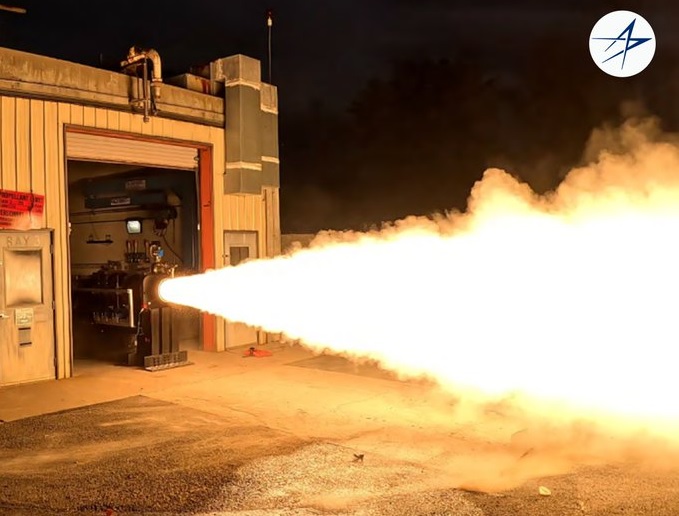
World
ORANGE COUNTY, VIRGINIA — June 03, 2026 : Lockheed Martin and L3Harris Technologies have completed a major propulsion milestone for the U.S. Army’s Precision Strike Missile (PrSM) Increment 4 program, successfully validating a key technology designed to extend the Army’s long-range precision strike capability beyond current operational limits. The achievement follows a successful Direct Connect Transition Test conducted at L3Harris’ specialized high-speed air-breathing propulsion facility in Orange County, Virginia, with representatives from the U.S. Army Aviation and Missile Center present during the demonstration. The test marks an important step in the development of the Army’s next-generation long-range strike missile and clears the primary technical hurdle before flight testing begins. During the trial, the developmental missile successfully demonstrated a clean transition from its solid rocket motor to ramjet-powered sustained flight. This propulsion phase, often described as a “booster-to-ramjet handoff,” allows the missile to shift from initial launch acceleration to sustained cruise propulsion during flight. According to program officials, the successful test validates a critical risk-reduction activity and confirms the operational viability of the missile’s combined-cycle propulsion system. With the ground-based milestone completed, the program is now moving beyond laboratory and propulsion validation activities toward airborne testing, scheduled to begin later this year. The Precision Strike Missile Increment 4 is being developed to significantly expand the Army’s long-range strike reach while maintaining compatibility with launch systems already in service. Unlike conventional missile propulsion systems, the weapon incorporates ramjet technology—an air-breathing engine that uses forward motion to compress incoming air and generate thrust, enabling longer-range and more efficient sustained flight. The missile combines a solid rocket booster with a ramjet propulsion system in a dual-mode configuration. The solid rocket motor provides the initial acceleration required after launch, while the ramjet engine sustains high-speed flight over extended distances. The baseline Precision Strike Missile has already replaced the Army’s legacy Army Tactical Missile System (ATACMS), but Increment 4 introduces a substantial range increase. While the Army’s latest operational requirement seeks a strike range of approximately 800 kilometers, Lockheed Martin’s design objective targets ranges exceeding 1,000 kilometers, or more than 620 miles—roughly doubling the operational reach of current PrSM variants. The extended range is intended to improve standoff strike capability in contested operational environments, allowing forces to engage targets from safer distances. The missile is designed to target relocatable land-based objectives as well as moving maritime threats, including ships. In addition to increased range, the system combines high-control authority with high terminal velocity, characteristics intended to complicate interception by enemy air defense systems and improve strike effectiveness during terminal engagement. Despite the significant increase in capability, the program has been designed to avoid major infrastructure changes for the Army. PrSM Increment 4 maintains the same form factor and transport container used by earlier missile variants, allowing it to remain fully compatible with the Army’s existing High Mobility Artillery Rocket System (HIMARS) and M270 Multiple Launch Rocket System (MLRS). The missile can also be transported using existing logistics infrastructure, including standard C-130 cargo aircraft, reducing the need for additional transportation systems or supply chain modifications. By retaining compatibility with current launchers and transport systems, the Army can integrate the upgraded missile without requiring extensive retraining or new platform procurement. “The Direct Connect Transition Test shows the missile’s core propulsion is not a future concept but a validated capability that can be loaded onto current HIMARS and M270 launchers quickly, dramatically shortening the time to warfighter delivery,” said Randy Crites, vice president of Lockheed Martin Advanced Programs. To support future manufacturing demands, Lockheed Martin and L3Harris have jointly invested more than $300 million in additive manufacturing and automation technologies. The investment is intended to establish a scalable production pipeline capable of accelerating manufacturing while supporting operational fielding requirements. “Advancing our next-generation propulsion system quickly through ground testing so we are ready now for flight testing confirms our ability to deliver on the Army’s mission requirements,” said Scott Alexander, president of Missile Propulsion at L3Harris. “L3Harris’ propulsion system strikes a balance between capability and affordability by meeting the Army’s requirements for speed, range, and lethality.” With propulsion risk-reduction activities now completed, the program remains on schedule for operational fielding. Initial flight testing is expected to begin in the fall of 2026 and will focus on validating near-tactical range performance and confirming propulsion maturity under operational conditions. Additional testing is expected to continue through 2027 as the missile advances toward full operational capability. PrSM Increment 4 forms part of the U.S. Army’s broader modernization effort to expand deep-strike precision fire capabilities against land and maritime targets while leveraging existing launch and logistics systems to accelerate deployment and reduce implementation costs.
Read More → Posted on 2026-06-03 16:16:42Search
Top Trending in 24 Hours
-
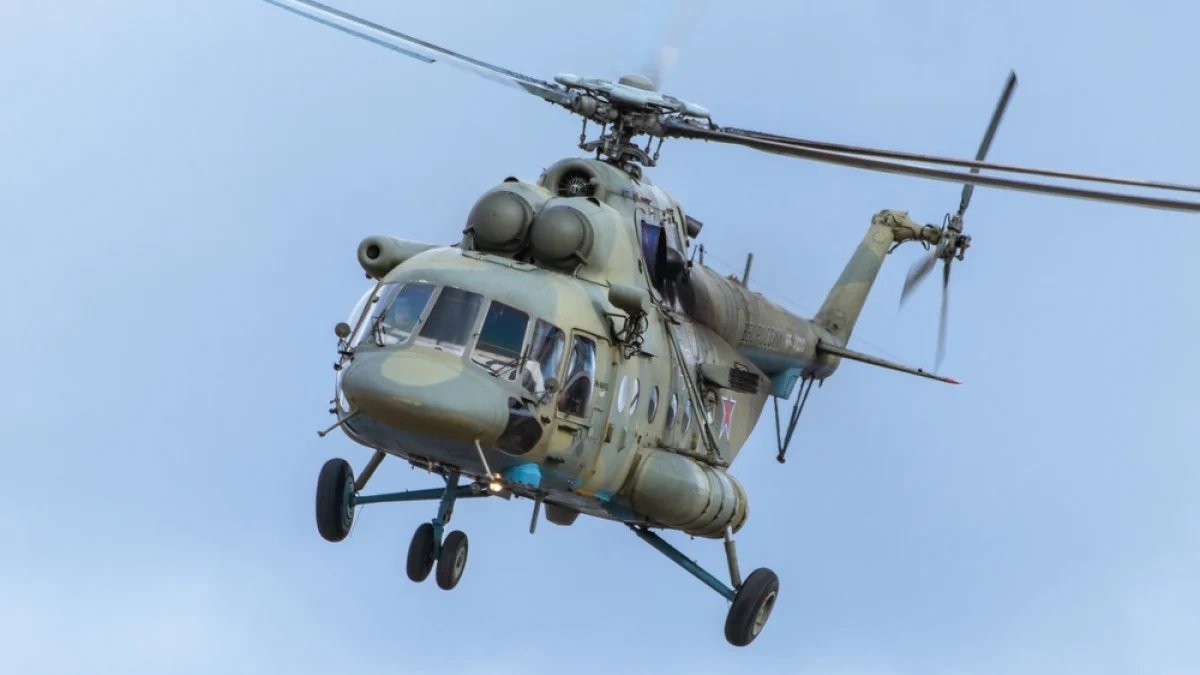 Russian Mi-8 Military Helicopter Crosses Into Polish Airspace for 42 Seconds Near Braniewo
-
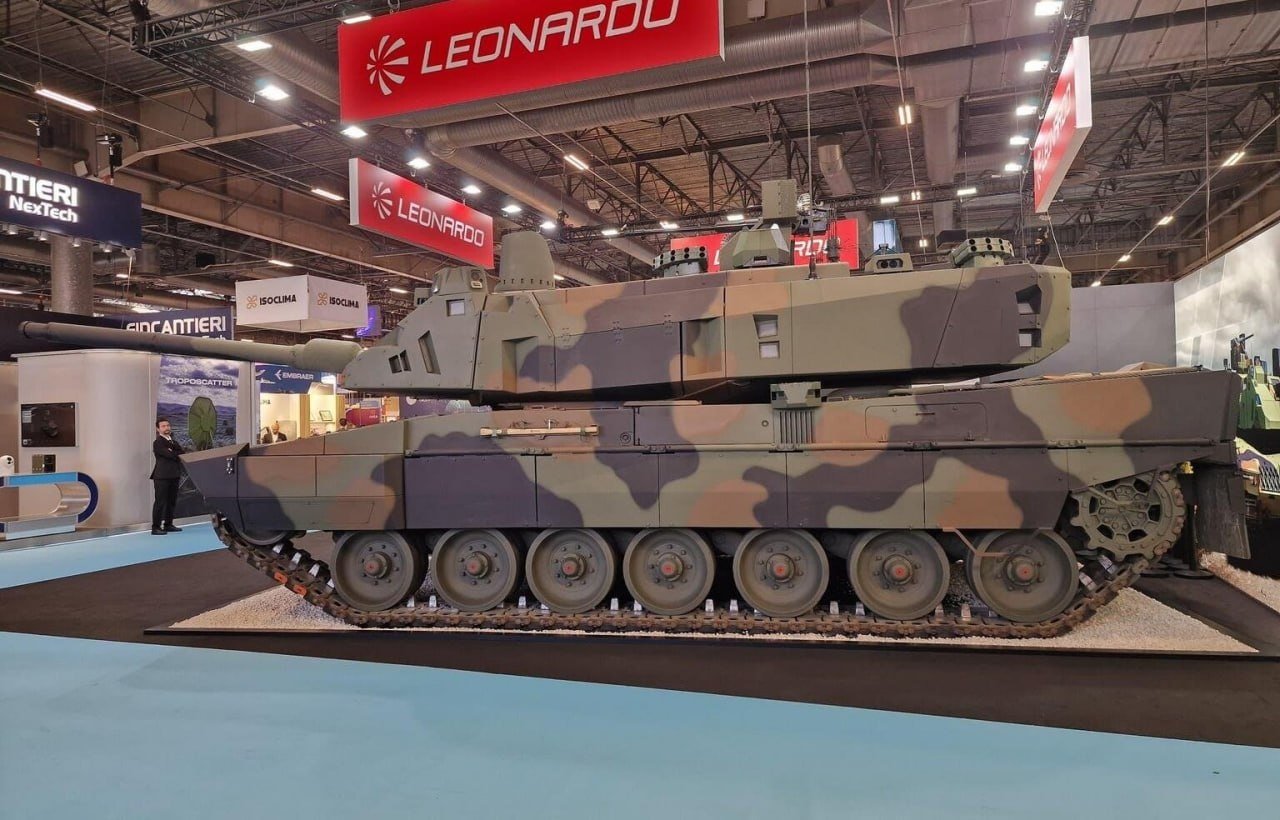 Italy Allocates Up to €5.14 Billion for Procurement of 132 New Main Battle Tanks
-
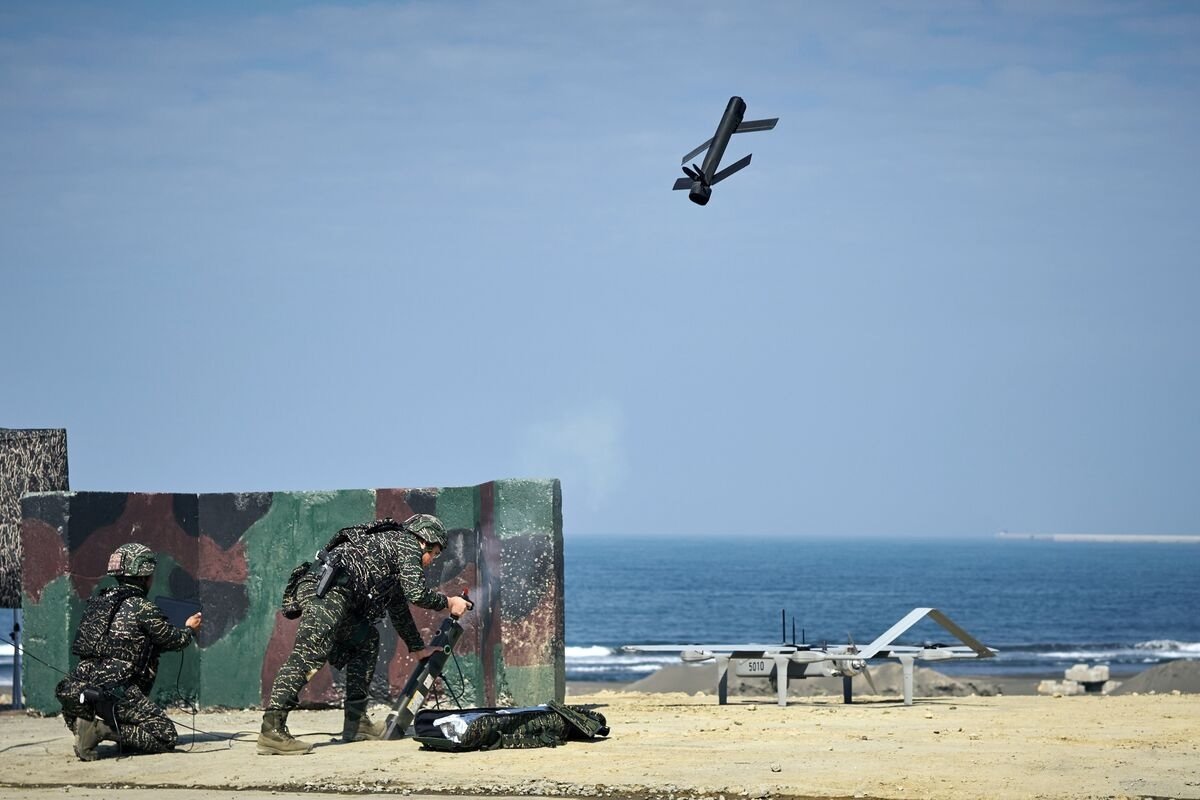 Taiwan Integrates Attack Drones Into Three-Service Live-Fire Exercise at Jiupeng for First Time
-
 Roketsan KARAOK Anti-Tank Missile Successfully Hits Aerial Target for First Time
-
 UK Air Force Hawk T2 Trainer Aircraft Crashes Near Valley After Takeoff, Both Pilots Eject Safely
-
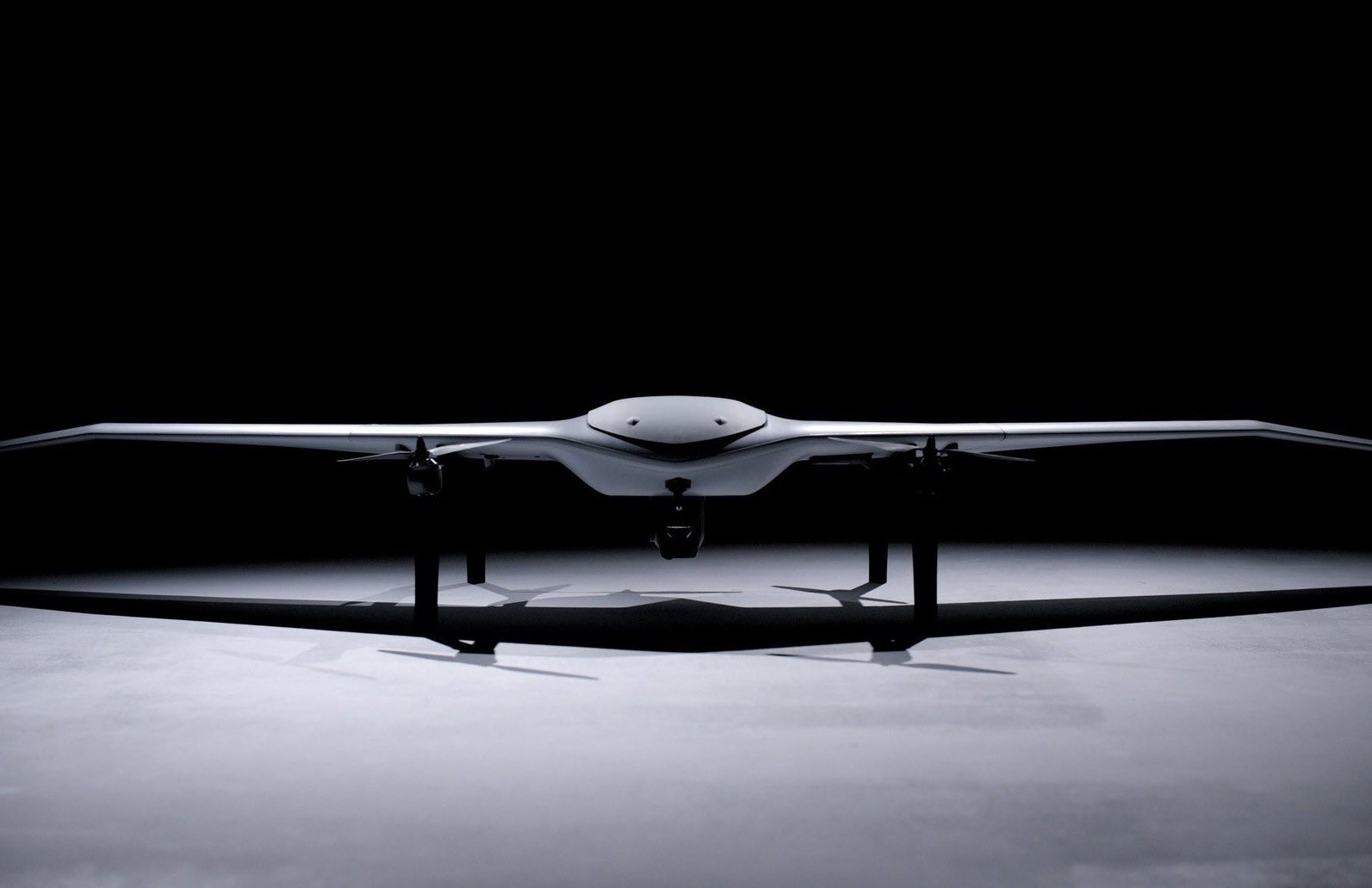 Dutch Firm DeltaQuad Launches Evo-LE VTOL UAV With Up to Eight-Hour Endurance
-
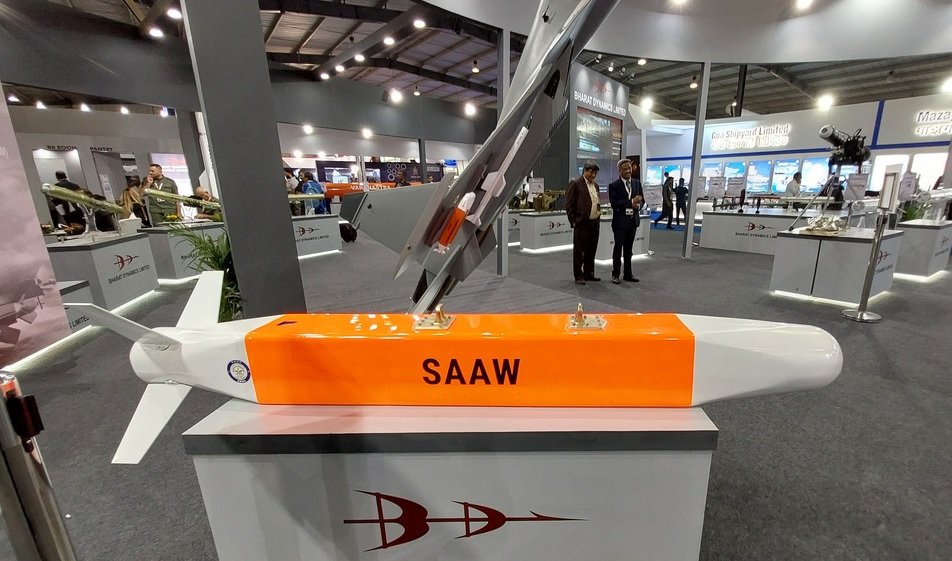 India Signs ₹810.79 Crore Deal with BDL for 160 SAT-SAAW Weapons for IAF
-
 BAE Systems Delivers Two Self-Funded AMPV 30 Prototypes to U.S. Army for Evaluation
Top Trending in 4 Days
-
 U.S. Army Awards $10.64 Million Contract to Ukrainian Drone Maker Skyeton for Raybird Systems
-
 India’s xTerra Robotics Launches Indigenous DHAV-Hy Wheeled-Legged Quadruped for Industrial Inspection
-
 U.S. Space Force Seeks Rapid-Response Satellites for Close-Range Orbital Inspections
-
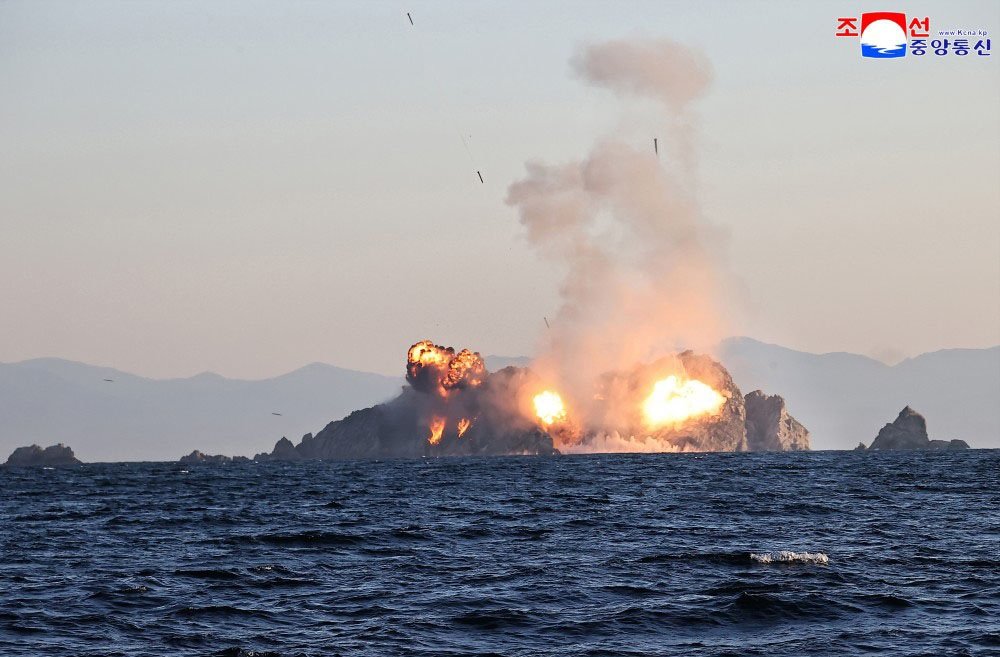 North Korea Fires Short-Range Ballistic Missile Toward Sea of Japan After Freedom Edge 26
-
 U.S. Government Seizes Almasirah.net, Houthi-Linked News Website
-
 U.S. Delivers First CH-47F Chinook to Egypt Under 12-Helicopter Deal
-
 Ukraine Reports First Use of Fire Point’s FP-7 Tactical Ballistic Missile inMoscow-Region Strikes on Oil Refinery
-
 US Navy Submarine Director Outlines Four-Pillar Plan to Raise Build Rates