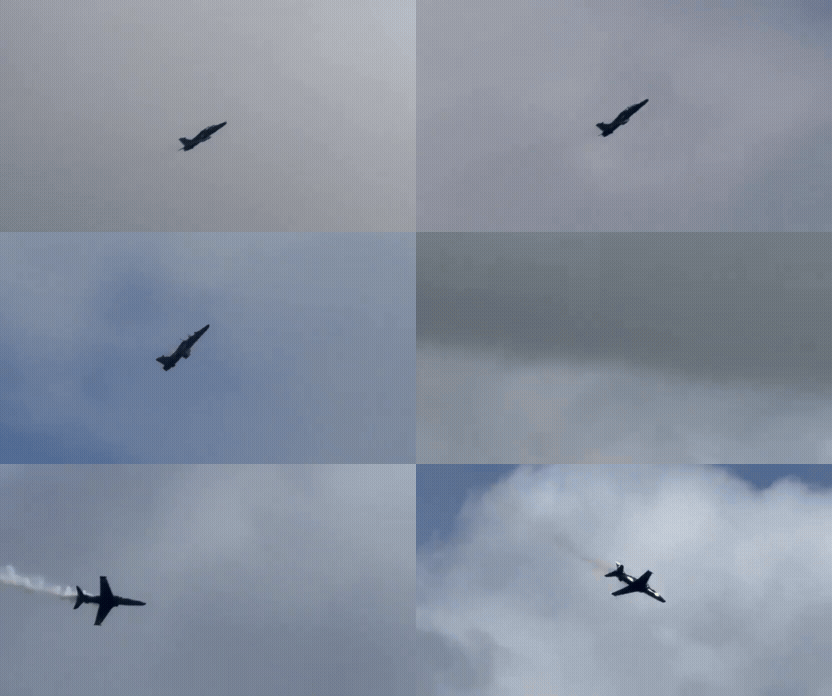
BRUSSELS — May 3, 2026 : The Belgian Air Force has conducted a series of trials integrating precision-guided 70 mm rockets onto its F-16 Fighting Falcon fleet, as part of a broader effort to develop a cost-effective response to the growing threat posed by unmanned aerial systems (UAS). The tests, carried out in cooperation with multiple defense components and industry partners, focus on evaluating the operational viability of laser-guided rockets against medium-sized drones.
Test Campaign and Operational Setup
On April 30, the Belgian Ministry of Defence released cockpit and infrared targeting footage from the trials conducted at the Lombardsijde firing range, located along the southern North Sea coast in northwestern Belgium. The test program was executed jointly with the Belgian Land Component, the Navy, and Thales Belgium, which produces the FZ275 rocket system.
The footage shows F-16 aircraft engaging aerial drone targets using 70 mm FZ275 laser-guided rockets. For safety and evaluation purposes, the rockets deployed during these tests were fitted with inert warheads, meaning they contained no explosive payload. Infrared targeting imagery confirmed successful engagements against designated drone targets.
The aircraft were equipped with LAU-131A/A seven-shot rocket pods mounted on the port wing. Video sequences indicate that rockets were loaded into different tubes across multiple sorties, suggesting a structured and repeated testing campaign rather than a single demonstration event.
Weapon System and Technical Characteristics
The FZ275 is a semi-active laser-guided version of the standard 70 mm rocket originally developed by Forges de Zeebrugge, now part of Thales Group. The system is designed to convert conventional unguided rocket systems into precision-guided munitions.
Key specifications include a length of approximately 1.8 meters, a total weight of 12.7 kilograms, and compatibility with a 4.1-kilogram warhead configuration. The rocket has an operational range between 1.5 and 7 kilometers and achieves a circular error probable of less than one meter at 6 kilometers.
Earlier integration testing was reported on March 11, 2026, by Belgium’s Directorate General of Material Resources (DGMR). Ground and flight checks were conducted at Kleine Brogel Air Base, where an F-16AM was configured with six LAU-131A/A rocket pods mounted on triple ejector racks, enabling a maximum loadout of 42 rockets per aircraft.
In parallel with the domestic FZ275 system, the Belgian Air Force is also evaluating the AGR-20F FALCO rocket developed by BAE Systems for the same counter-UAS mission profile.
Strategic Context and Fleet Modernization
The counter-drone rocket integration effort coincides with Belgium’s broader transition from legacy fourth-generation aircraft to fifth-generation platforms. The Belgian Air Force currently operates between 43 and 44 F-16AM/BM Fighting Falcon aircraft.
At the same time, Belgium is inducting the F-35A Lightning II into service. Of the 34 aircraft initially ordered, 11 have been delivered, with eight currently stationed at Luke Air Force Base for pilot training. The Ministry of Defence has also outlined plans to procure an additional 11 F-35A aircraft to complete fleet modernization objectives.
Cost Considerations and Air Defense Adaptation
The adoption of laser-guided rockets for counter-UAS operations reflects a broader shift toward addressing cost asymmetry in modern air defense. Conventional air-to-air missiles used by fighter aircraft can exceed $1 million per unit, while many one-way attack drones are estimated to cost between $5,000 and $50,000.
By contrast, systems such as the FZ275 offer a lower-cost interception method, allowing more sustainable engagement of high-volume drone threats. Thales Belgium has also been involved in international supply efforts, including agreements to support rocket production for Ukrainian forces.
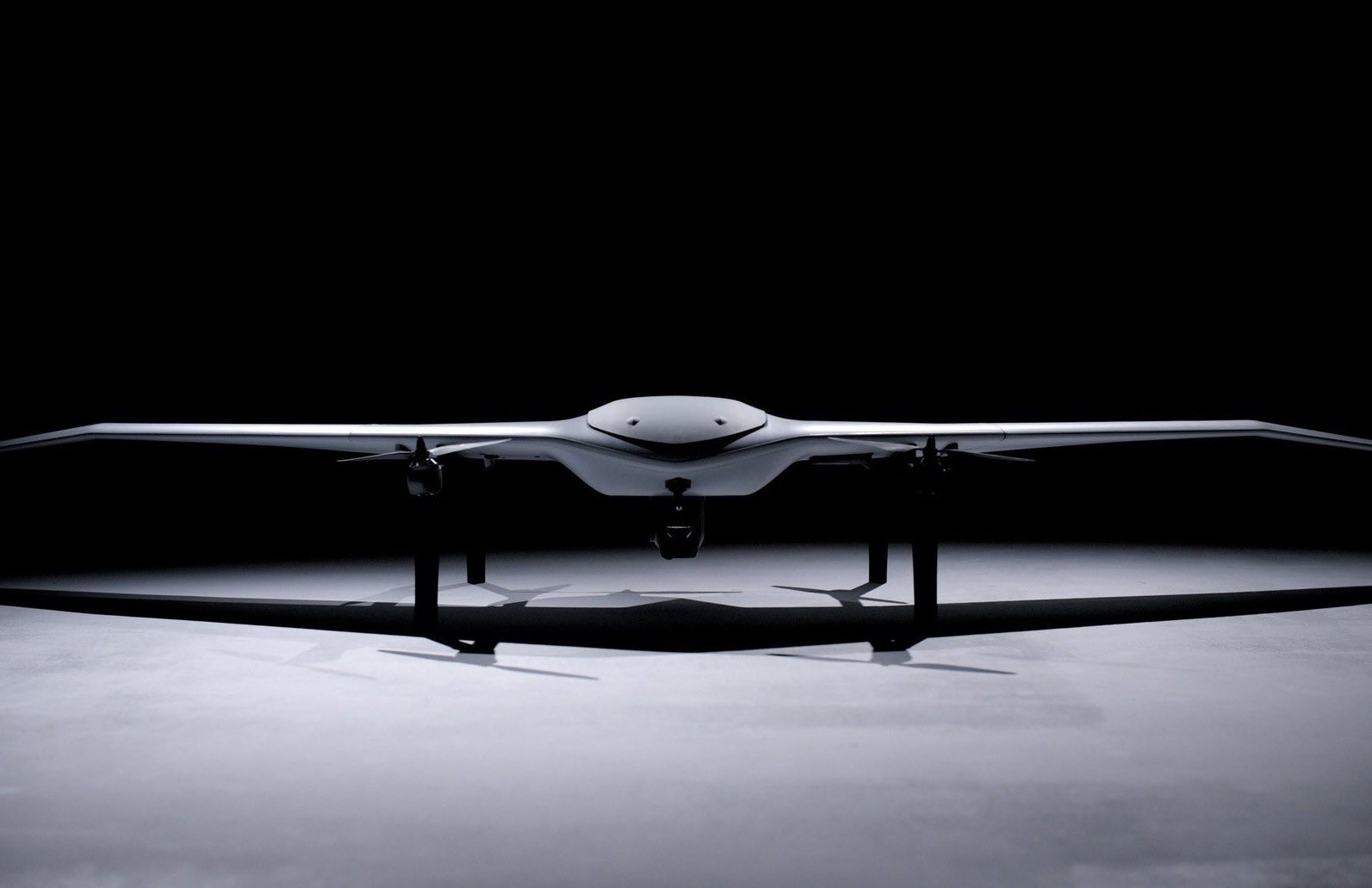
European defense firms are simultaneously exploring alternative approaches. One such concept is Airbus’ “Bird of Prey” interceptor drone, designed to deploy low-cost air-to-air munitions aligned with the economic scale of the target threat.
Operational Lessons from the Ukraine War
The emphasis on affordable counter-drone solutions is informed by operational data from the ongoing Russia-Ukraine war. Both sides have employed a wide range of cost-effective technologies to counter aerial threats.
In February 2026, footage confirmed that Ukrainian F-16 aircraft successfully intercepted Shahed/Geran-type long-range drones using APKWS II laser-guided rockets. French-supplied Dassault Mirage 2000 jets have also been used for drone and cruise missile interception.
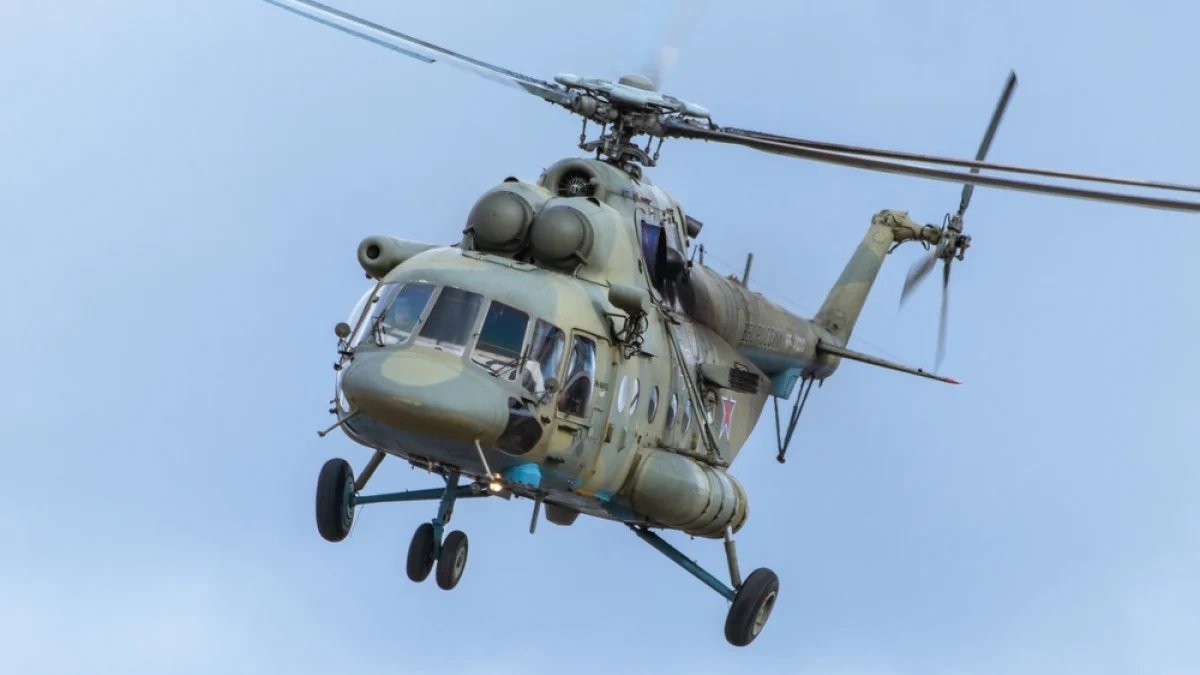
At the same time, Ukrainian forces have demonstrated the reverse dynamic by using low-cost First-Person View (FPV) drones to target high-value assets. On March 20, 2026, an FPV drone was documented striking a Kamov Ka-52 Alligator helicopter in flight. Additional strikes in late April reportedly destroyed a Mil Mi-17 and a Mil Mi-28 Havoc at a base in Voronezh, approximately 150 kilometers from the frontline.
Other countermeasures include airborne interception platforms such as the P1-Sun interceptor drone mounted on Antonov An-28 aircraft for nighttime operations, and smaller systems like the Sting interceptor drone capable of targeting advanced drone variants, including those equipped with air-to-air missiles.
Program Outlook
The Belgian trials represent an ongoing effort to integrate precision-guided rocket systems into existing fighter platforms for counter-UAS missions. The program combines domestic industrial capability with operational lessons drawn from contemporary conflicts.
The Belgian Ministry of Defence has indicated that the tests are part of a joint-service initiative involving air, land, and naval components, with continued evaluation of multiple rocket systems to determine the most effective and sustainable solution for future deployment.
——— End of Article ———