World
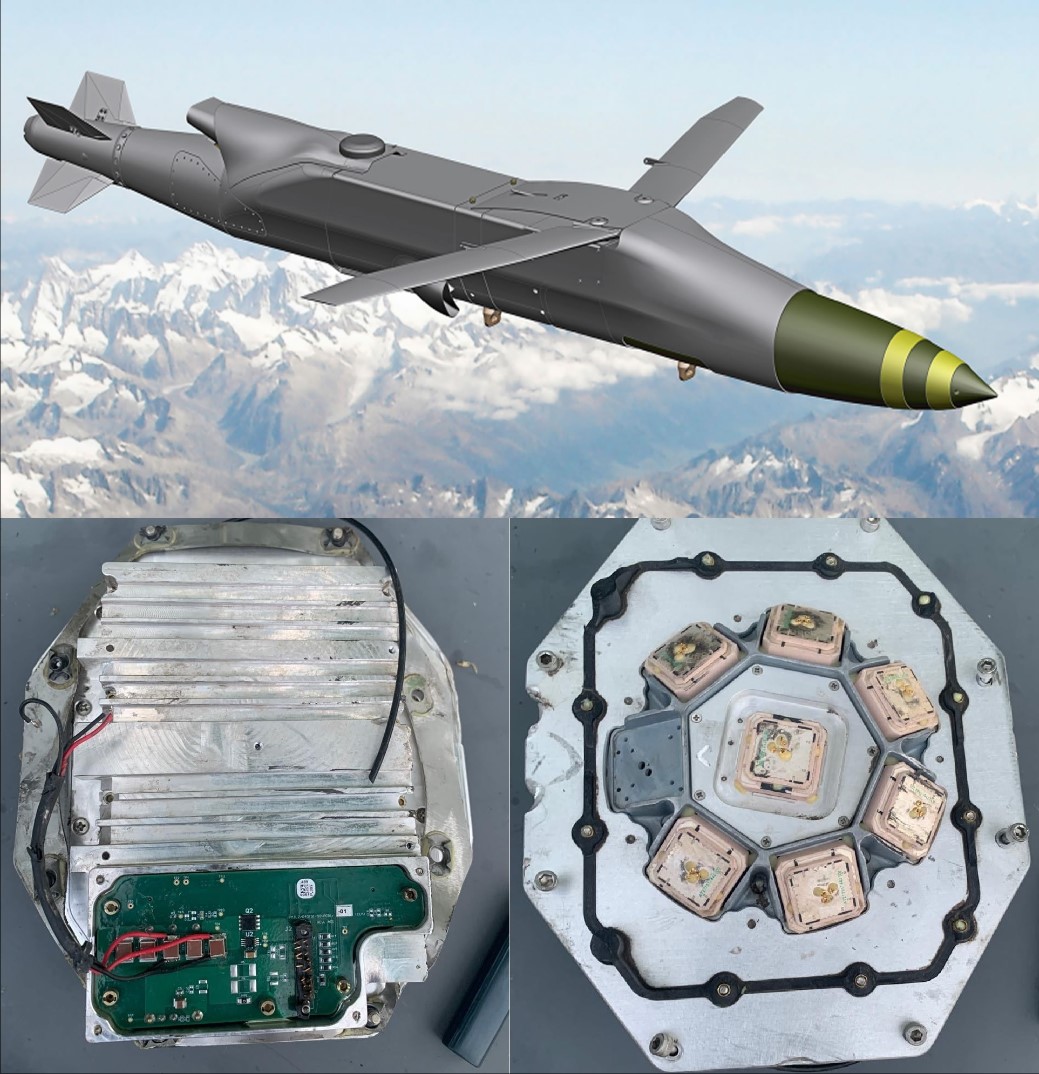
KYIV, Ukraine — June 07, 2026 : Missile debris recovered by Russian forces in Ukraine appears to indicate the first battlefield deployment of the U.S.-developed Extended Range Attack Munition (ERAM), a new low-cost air-launched cruise missile designed for mass production and long-range precision strikes. According to reports, recovered components include a distinctive GPS antenna that matches features associated with the AGM-188A "Rusty Dagger" missile. The discovery is being viewed as the earliest field indication that initial examples of the ERAM system may have entered operational service with the Ukrainian Armed Forces. Neither the United States nor Ukraine has officially confirmed the delivery or combat use of the missile, a position consistent with operational security practices surrounding newly introduced weapon systems. AGM-188A "Rusty Dagger" Developed Under ERAM Program The AGM-188A "Rusty Dagger" was developed by Zone 5 Technologies as part of the U.S. Air Force's Extended Range Attack Munition (ERAM) program. The initiative was launched in August 2024 to rapidly develop a highly manufacturable and affordable precision-guided cruise missile capable of being produced in large numbers. The program aims to provide a lower-cost alternative to traditional cruise missiles while maintaining the ability to conduct long-range precision strikes against military targets. The U.S. Air Force intends to produce tens of thousands of ERAM missiles at an estimated unit cost of approximately $250,000, significantly reducing procurement costs compared to existing standoff weapons. Testing and Integration with Fighter Aircraft Earlier in 2026, the U.S. Air Force conducted extensive testing of the AGM-188A at Eglin Air Force Base, Florida. During the evaluation program, an F-16D fighter successfully launched the missile, demonstrating its flight performance and live-warhead detonation capability. The successful integration of the weapon with the F-16 platform is particularly important for Ukraine, which has recently incorporated F-16 fighter aircraft into its air force. Reports also indicate that the missile is compatible with MiG-29 fighter aircraft, expanding the range of platforms capable of employing the weapon. Missile Specifications The AGM-188A is designed as a precision-guided standoff weapon capable of striking targets from significant distances beyond front-line air defense coverage. The missile is powered by a turbojet engine that enables sustained high-subsonic flight. It has an operational range exceeding 400 kilometers, although some reports suggest greater distances may be achievable depending on launch altitude and flight profile. The weapon carries a warhead weighing approximately 250 kilograms, placing it within the 500-pound-class category. Its guidance package combines GPS and inertial navigation systems and is designed to maintain accuracy in environments affected by electronic warfare, including GPS jamming attempts. Large-Scale Deliveries Planned for Ukraine The introduction of ERAM missiles is expected to expand Ukraine's long-range strike capacity by providing a relatively low-cost weapon that can be employed in large numbers. Ukraine is expected to receive more than 3,000 ERAM cruise missiles beginning this year. In late 2025, the U.S. State Department approved a potential package of up to 3,350 missiles valued at approximately $825 million. According to available information, the first major batch of around 840 missiles is scheduled for delivery in October 2026. The acquisition is being financed through a combination of U.S. Foreign Military Financing and support from European partner nations, including Denmark, the Netherlands, and Norway. Expanding Long-Range Strike Capability The ERAM program was originally established to support Ukraine's defense requirements while also meeting U.S. Air Force objectives for an affordable, mass-producible standoff strike weapon. By combining relatively low production costs with long-range precision capabilities, the missile is intended to provide a scalable option for sustained military operations. If the recovered debris is confirmed to belong to the AGM-188A, it would represent the first known operational use of the ERAM system. The missile would enable Ukrainian aircraft to conduct high-volume strikes against fixed military infrastructure and other high-value targets from distances beyond the reach of many front-line air defense systems while preserving more expensive precision-guided munitions for specialized missions. As production increases, additional deliveries are expected throughout 2026 and beyond, further strengthening Ukraine's long-range precision strike capabilities.
Read More → Posted on 2026-06-07 18:51:20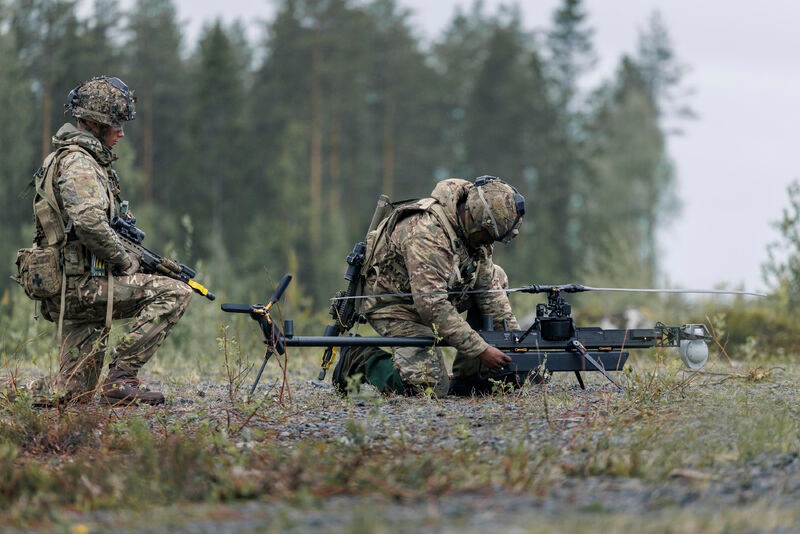
World
KAINUU, Finland — June 07, 2026 : British infantry forces have conducted training with autonomous drone systems near Finland's border with Russia as part of a major NATO exercise focused on improving battlefield reconnaissance, target acquisition, and precision strike capabilities in challenging northern environments. The activities were carried out during Exercise Northern Star 26, a multinational military exercise held from May 18 to May 30, 2026, in eastern Finland. The exercise brought together approximately 4,500 to 5,000 troops from seven NATO member states, including the United Kingdom, Finland, the United States, France, Italy, Poland, and Hungary. Conducted around 70 kilometers (43 miles) from the Russian border, the exercise focused on integrating autonomous and uncrewed systems into frontline infantry operations while improving interoperability among allied forces operating on NATO’s northeastern flank. The training centered on cooperation between the British Army’s 3rd Battalion, The Rifles (3 Rifles) and Finland’s Kainuu Brigade, building on previous joint training activities, including the winter exercise Northern Axe. The exercise reflected the growing emphasis on incorporating autonomous technologies and digital battlefield networks into modern ground combat operations. Near Surface Infantry Battalion Concept The British Army's 3 Rifles, part of the 11th Brigade, has recently been redesignated as a Near Surface Infantry Battalion, a structure that integrates drones, sensors, loitering munitions, and digital command systems directly into infantry operations. The concept places autonomous capabilities at platoon level, allowing infantry units to employ reconnaissance and strike systems as part of routine battlefield activities rather than relying on specialist attachments. The battalion's participation in Northern Star 26 served as an opportunity to test and refine these capabilities in Finland’s demanding operating environment. Ghost and Bolt Autonomous Systems Two autonomous systems developed by defense technology company Anduril formed a key part of the training. The systems were selected under the British Army’s Project NYX, which focuses on the development of autonomous collaborative platforms. The Ghost autonomous drone is a medium-range reconnaissance system designed to conduct surveillance, identify targets, relay communications, and provide real-time intelligence to command posts positioned behind frontline forces. The Bolt and Bolt-M loitering munitions are designed to engage identified targets. Weighing approximately 12 pounds, the system can carry payloads of up to 3 pounds, operate for around 40 minutes, and strike targets at distances of up to 20 kilometers (12.4 miles). The drones operate through Anduril’s Lattice AI network. During training scenarios, Ghost drones detected and tracked targets before transmitting information to command elements. Bolt loitering munitions were then used to engage those targets, enabling infantry units to conduct reconnaissance and strike missions without moving into direct fire range. ATAK Digital Battlefield Network The autonomous systems were connected through the Android Tactical Assault Kit (ATAK), a digital command-and-control platform originally developed by the U.S. Air Force Research Laboratory. The system combines GPS positioning, digital maps, drone video feeds, and threat information into a shared operational picture available to soldiers through chest-mounted devices. ATAK allows units to exchange real-time battlefield information, monitor drone feeds, track friendly forces, and receive threat alerts. The networked system improves situational awareness and coordination between infantry units and autonomous platforms operating in the field. Operations in Finland’s Forest Environment Exercise Northern Star took place in the Kainuu region of eastern Finland, an area characterized by dense boreal forests, extensive lake systems, restricted visibility, and terrain that limits vehicle movement. The Finnish Kainuu Brigade, responsible for defending the region, regularly trains in cold-weather and forest warfare conditions. Such terrain increases the importance of reconnaissance, communication, and long-range target detection capabilities. The exercise included coordinated air and ground operations involving participating NATO countries, providing opportunities to test joint procedures and improve operational cooperation in complex environments. NATO’s Northern Defense Posture Finland joined NATO in April 2023, ending decades of military non-alignment and adding approximately 1,340 kilometers (832 miles) of land border between NATO and Russia. The expansion significantly increased the strategic importance of northern Europe within NATO’s defense planning and placed allied forces closer to key Russian military infrastructure on the Kola Peninsula. In addition to military exercises, defense cooperation between the United Kingdom, Finland, and the Netherlands has continued to expand. In March 2026, the three countries proposed a joint defense financing initiative aimed at increasing procurement cooperation, expanding industrial capacity, and accelerating defense acquisition programs. Exercise Northern Star 26 represented one of the largest multinational military exercises conducted in this region since Finland joined NATO, focusing on forest warfare, autonomous systems integration, and allied interoperability in support of NATO’s northern defense requirements.
Read More → Posted on 2026-06-07 18:17:05
World
WASHINGTON, — June 07, 2026 : The Trump administration is examining the possibility of purchasing the Chagos Islands directly from Mauritius as part of an effort to secure permanent U.S. control over the strategically important Diego Garcia military base in the Indian Ocean, according to a report by The Telegraph. The proposal is being considered as an alternative to the sovereignty transfer agreement negotiated between the United Kingdom and Mauritius, under which Britain would transfer sovereignty of the Chagos Archipelago to Mauritius while retaining access to Diego Garcia through a 99-year lease arrangement. According to reports, the White House is evaluating whether direct ownership of the islands would provide greater long-term security and operational certainty for U.S. military activities in the region. The option remains under review and has not been adopted as official U.S. policy. Concerns Over Existing UK-Mauritius Agreement The initiative follows growing concerns within Washington regarding the UK-Mauritius agreement reached in 2025. Under that arrangement, Mauritius would assume sovereignty over the archipelago while the United Kingdom and the United States would continue operating the military facility on Diego Garcia under a long-term lease. President Donald Trump has publicly criticized the agreement, describing the decision to transfer sovereignty as an act of “great stupidity” and a sign of weakness. He has urged British Prime Minister Keir Starmer not to proceed with what he views as the relinquishment of a strategically valuable territory. Following U.S. objections, the United Kingdom reportedly paused ratification of the agreement while seeking broader support and consultation with Washington. Strategic Importance of Diego Garcia Diego Garcia, the largest island in the Chagos Archipelago, hosts a joint UK-U.S. military facility and is regarded as one of the most important American military installations outside the continental United States. Located in the central Indian Ocean, the base serves as a key logistical hub for long-range bomber operations, naval deployments, intelligence missions, and regional military support activities. The facility currently hosts approximately 2,500 U.S. military personnel and support staff. The base has played a significant role in military operations across West Asia, Africa, and the Indo-Pacific region. It has supported B-2 bomber deployments, operations against Houthi targets in Yemen, and humanitarian missions, including aid-related activities connected to Gaza. Recent reports also noted that Diego Garcia was used as a staging location for long-range bomber missions targeting Iranian-linked threats, reinforcing its importance to U.S. military planning. Security and Geopolitical Considerations A major factor behind the proposed purchase is concern among U.S. officials regarding Mauritius's expanding diplomatic and economic relationships with China and Iran. Washington fears that allowing a country perceived as maintaining close ties with Beijing to hold sovereignty over the archipelago could create future security challenges, including potential surveillance risks and restrictions affecting military operations. The concerns come amid increasing Chinese naval activity in the Indian Ocean and growing cooperation between China and Iran in regional security and maritime affairs. Supporters of direct ownership argue that purchasing the islands would eliminate uncertainty associated with lease agreements and prevent any future disputes over sovereignty from affecting access to the base. Direct Purchase Under Consideration An internal policy paper reportedly outlines the option of negotiating directly with Mauritius for the acquisition of the Chagos Islands. Such a move would effectively bypass the UK-Mauritius sovereignty arrangement and provide the United States with full ownership of the territory. No details regarding a possible purchase price, negotiation framework, or timeline have been publicly disclosed. Neither the U.S., UK, nor Mauritian governments have officially confirmed discussions on a direct sale. The proposal reflects a broader emphasis by the Trump administration on securing long-term control over critical strategic assets. Observers have noted parallels between the Chagos Islands discussion and Trump's renewed interest in acquiring Greenland, which he has also described as important for U.S. national security. Long-Running Sovereignty Dispute The dispute over the Chagos Archipelago has continued for decades. Mauritius has maintained that the islands were unlawfully separated from its territory by Britain in 1965 before the country gained independence. International legal bodies, including the United Nations and the International Court of Justice, have supported Mauritius's claim that the archipelago should be returned to Mauritian sovereignty. The UK-Mauritius agreement was intended to resolve these longstanding legal and diplomatic issues while preserving the operation of the Diego Garcia base. With the future of that agreement now uncertain, the Trump administration's review of a direct purchase option highlights the continued strategic value of Diego Garcia and the importance Washington places on maintaining uninterrupted military access in the Indian Ocean.
Read More → Posted on 2026-06-07 17:56:01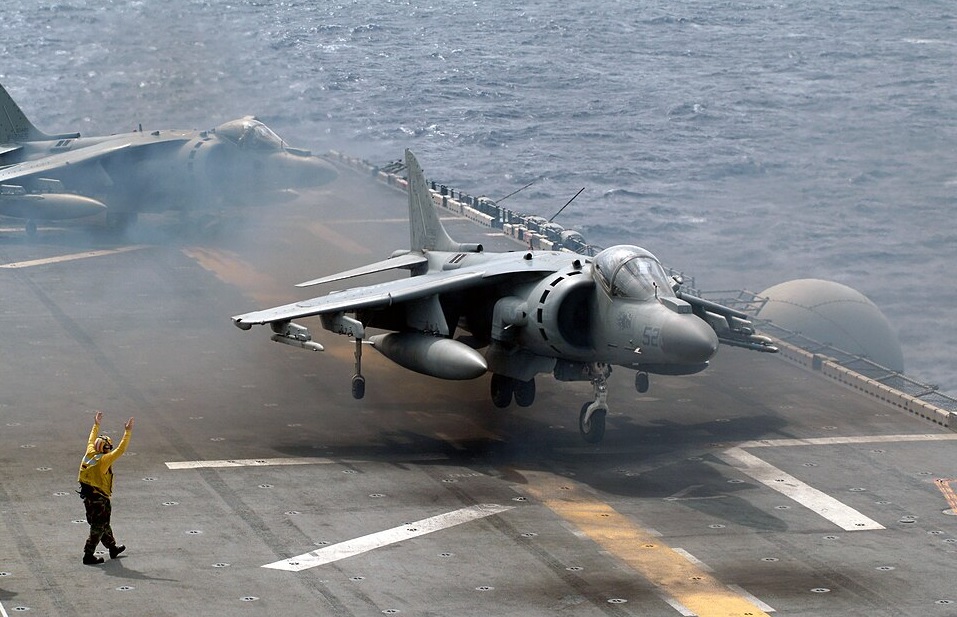
World
CHERRY POINT, North Carolina — June 07, 2026: The U.S. Marine Corps has officially retired the AV-8B Harrier II, bringing to a close more than five decades of Harrier operations during a formal sundown ceremony held on June 3, 2026, at Marine Corps Air Station (MCAS) Cherry Point. The event marked the end of one of the most distinctive aircraft programs in Marine Corps aviation history and completed the service’s transition to a fifth-generation tactical aircraft fleet centered on the F-35B Lightning II. Final Operational Flight by VMA-223 The ceremony coincided with the return of a Harrier detachment from Marine Attack Squadron 223 (VMA-223), known as the “Bulldogs,” following a forward deployment with the 22nd Marine Expeditionary Unit (MEU) aboard the amphibious assault ship USS Iwo Jima. During the deployment, the aircraft supported missions in the Caribbean and the U.S. Southern Command area of responsibility. As part of the retirement event, five AV-8B Harrier II aircraft conducted a final formation flyover before returning to Cherry Point. After landing, the aircraft shut down their engines for the last time in Marine Corps service, officially ending operational Harrier flights within the force. With the retirement of the aircraft, VMA-223 is entering a period of deactivation and transition. The squadron is scheduled to be redesignated as Marine Fighter Attack Squadron (VMFA)-223 and is expected to return to active service in fiscal year 2028 equipped with the Lockheed Martin F-35B Lightning II. More Than Five Decades of STOVL Operations The Marine Corps first introduced the AV-8A Harrier in 1971, establishing a unique Short Takeoff and Vertical Landing (STOVL) capability that allowed fixed-wing combat aircraft to operate from expeditionary airfields, austere locations, and amphibious assault ships without the need for conventional runways. The first-generation AV-8A remained in service until the 1980s before being replaced by the more capable AV-8B Harrier II, which entered operational service in 1985. The second-generation aircraft introduced significant improvements in payload capacity, range, survivability, and avionics. Over the following decades, the platform underwent continuous modernization, including the introduction of the Night Attack Harrier and the radar-equipped AV-8B Harrier II Plus, enhancing its effectiveness in both day and night operations. Combat Service Across Multiple Theaters Throughout its operational career, the AV-8B Harrier II participated in numerous military campaigns and contingency operations worldwide. The aircraft saw combat service during the Gulf War (Operation Desert Storm) and later supported operations in the Balkans, Afghanistan, Iraq, and Libya. It also conducted a variety of missions across the Middle East and Caribbean regions. The aircraft became a key element of Marine Corps expeditionary warfare due to its ability to operate close to frontline forces from temporary bases and amphibious ships, providing responsive air support in environments where traditional fighter aircraft could face operational limitations. Transition to the F-35B Fleet The retirement of the AV-8B Harrier II is part of the Marine Corps’ broader Tactical Aircraft Transition Plan, which consolidates tactical aviation capabilities around the F-35B Lightning II. Like the Harrier, the F-35B retains STOVL capabilities, allowing operations from amphibious assault ships and expeditionary locations. However, it also introduces stealth technology, advanced sensor fusion, networked targeting systems, and significantly enhanced situational awareness. Most Marine Corps Harrier squadrons had already converted to the F-35B in previous years, making VMA-223 the final operational unit to complete the transition. With the Harrier’s retirement, the Marine Corps now operates an all-fifth-generation tactical aircraft fleet. Retirement Events at Cherry Point Activities surrounding the Harrier’s retirement were conducted from June 1 to June 4, 2026, and included an open house, static aircraft displays, simulator tours, and commemorative events attended by active-duty personnel, veterans, former Harrier pilots, and family members. The June 3 ceremony served as both a farewell to the aircraft and a recognition of the generations of pilots, maintainers, and support personnel who operated the platform throughout its service life. Harrier Continues Service Overseas Following its withdrawal from U.S. Marine Corps service, the AV-8B Harrier II remains operational only with the naval aviation forces of Italy and Spain. Italy is currently replacing its Harrier fleet with the F-35B Lightning II as part of its carrier aviation modernization program. Spain has not yet announced a final replacement decision for its carrier-based Harrier force, although defense analysts widely expect Madrid to select the F-35B to maintain its fixed-wing naval aviation capability. End of an Era in Marine Aviation The retirement of the AV-8B Harrier II concludes a significant chapter in U.S. Marine Corps aviation history. For more than 50 years, Harrier aircraft provided expeditionary air support from locations where conventional fighter aircraft could not operate, establishing a unique operational capability that will now continue through the F-35B Lightning II as the Marine Corps advances its next generation of tactical aviation.
Read More → Posted on 2026-06-07 17:38:41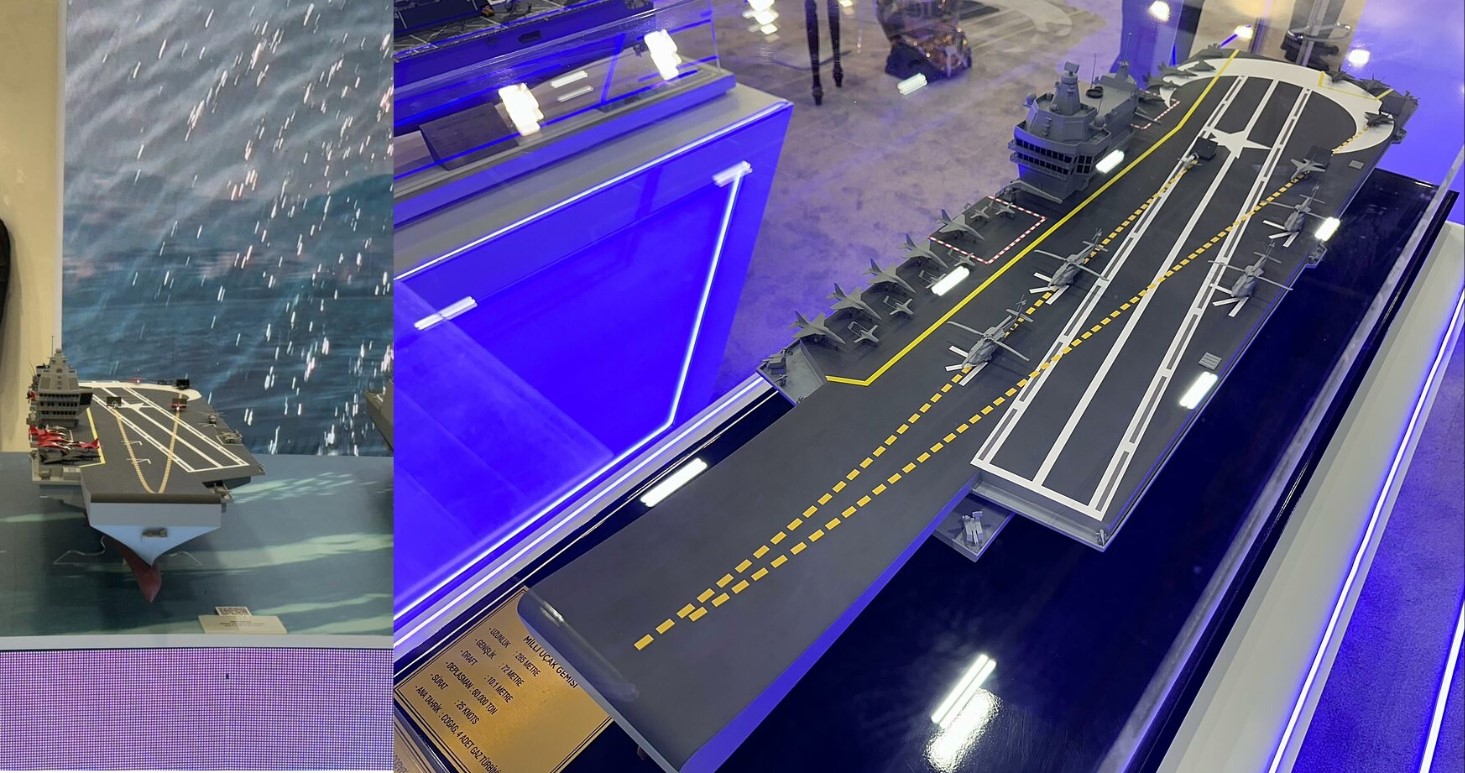
World
FARNBOROUGH, United Kingdom — June 07, 2026 : The Turkish Navy is targeting 2032 for the delivery of its first domestically built aircraft carrier, MUGEM (Milli Uçak Gemisi/National Aircraft Carrier), a next-generation platform designed to operate a predominantly unmanned air wing and support multi-domain naval operations. Details of the program were presented by Hakan Uçar, Commander of the Turkish Navy’s Naval Technical Command, during the Combined Naval Event 2026. The presentation provided updated information on the carrier’s development timeline, specifications, aviation capabilities, and planned operational role within the Turkish fleet. Development of MUGEM began in 2023 through cooperation between the Turkish defense industry and Navantia, the Spanish shipbuilding company that previously collaborated with Turkey on major naval programs. Construction of the carrier officially commenced on January 2, 2025, at the Istanbul Naval Shipyard. The latest schedule confirms that the vessel is expected to enter service in 2032, providing greater clarity on the program's timeline. Earlier comments from Erdinç Yetkin, commander of the Istanbul Naval Shipyard, had suggested a launch between 2027 and 2028 with delivery occurring sometime after 2030. Finalized Design and Performance Specifications The presentation confirmed the carrier’s final dimensions, maintaining the original design despite reports in 2025 suggesting the vessel could be enlarged to 300 meters in length. MUGEM will measure 285 meters in length, with a maximum beam of 72 meters, a draft of 10.1 meters, and a full-load displacement of 60,000 tons. The ship will be capable of speeds exceeding 26 knots, while maintaining a cruising speed of 14 knots. At cruising speed, it will have an operational range of approximately 10,000 nautical miles. The carrier will be powered by a Combined Gas Turbine and Gas Turbine (COGAG) propulsion system utilizing four LM2500 Gas Turbine engines. Accommodation capacity has been set at 2,500 personnel, significantly higher than earlier reports that referenced a crew of around 800 sailors. Turkish naval officials clarified that the updated figure includes not only the ship’s crew but also aviation personnel, command staff, maintenance teams, and other embarked forces. Drone-Centric Air Wing A key feature of MUGEM is its air wing, which will be centered on indigenous unmanned aircraft. The carrier is designed to operate 52 aircraft, slightly higher than previous estimates of 50. The planned air wing will consist of: Bayraktar TB3 unmanned aerial vehicles Kızılelma unmanned combat aircraft Anka-3 attack drones A navalized version of the Hürjet combat training aircraft The flight deck will feature a Short Take-Off But Arrested Recovery (STOBAR) configuration with a 12-degree ski-jump ramp, three takeoff runways, and one landing runway. The design has been optimized for operation of indigenous aircraft, while Turkish engineers are also continuing development of a domestic catapult launch system for potential future integration. As of June 2026, the Bayraktar TB3 remains the only aircraft in the planned air wing that is fully prepared for carrier operations. The Kızılelma and Anka-3 programs are still in the prototype and development phases, while carrier-capable variants continue to be refined. Development of the naval version of the Hürjet was formally announced in May 2026 and remains at an early stage. Multi-Domain Operations Capability Beyond conventional carrier aviation missions, MUGEM is being developed under a Multi-Domain Carrier concept that expands its operational role beyond manned and unmanned aircraft. The ship will be capable of supporting the launch, recovery, and control of both unmanned surface vehicles (USVs) and unmanned underwater vehicles (UUVs), allowing it to conduct surveillance, strike, reconnaissance, and maritime security missions across multiple operational environments. This approach reflects the Turkish Navy’s increasing emphasis on integrating autonomous systems into future naval operations and network-centric warfare concepts. Combat Systems and Self-Defense MUGEM will incorporate the domestically developed ADVENT Combat Management System, which serves as the central command and control architecture for Turkish naval platforms. For self-defense, the carrier will be equipped with: Two 16-cell MİDLAS vertical launch system modules Three close-in weapon systems (CIWS) Four remote-controlled weapon stations Two point-defense missile systems These systems are intended to provide layered protection against aircraft, missiles, drones, and other threats while operating independently or as part of a larger naval task force. Expanding Turkey’s Naval Aviation Capability The MUGEM program represents a major step in Turkey’s effort to establish an indigenous aircraft carrier capability and expand the role of domestically developed aviation systems at sea. Building on experience gained through the operation of TCG Anadolu, the new carrier is expected to significantly enhance the Turkish Navy’s ability to conduct long-range air operations, support joint military missions, and deploy unmanned systems across multiple domains. With construction underway and key aviation programs continuing development, MUGEM is expected to become the centerpiece of Turkey’s future naval aviation force when it enters service in 2032.
Read More → Posted on 2026-06-07 15:47:23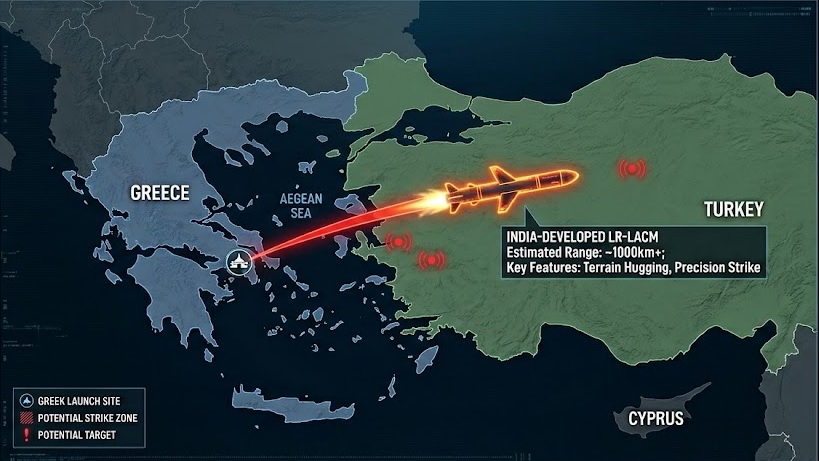
World
ISTANBUL/ATHENS, — June 07, 2026 : Turkish media outlets and defense commentators have expressed concern over reports suggesting that Greece is exploring the possible acquisition of India’s Long-Range Land Attack Cruise Missile (LR-LACM), a development that analysts in Ankara believe could affect the strategic balance in the Aegean and Eastern Mediterranean. While neither India nor Greece has officially confirmed any negotiations, reports published by Turkish media, including TR Haber, claim that discussions and defense contacts between Athens and New Delhi have intensified over the past year. According to these reports, Greece is examining options to strengthen its long-range strike capabilities as part of its ongoing military modernization efforts. The prospect of India becoming a supplier of advanced missile systems to Greece has generated significant attention in Turkish defense circles, where commentators view the reported interest as a potential challenge to Turkey’s growing military capabilities and expanding domestic defense industry. Concerns Over Strategic Reach A key focus of Turkish commentary has been the LR-LACM’s operational range of between 1,000 and 1,500 kilometers. Defense analysts cited by Turkish media argue that such a capability would enable Greece to hold a large portion of Turkey’s strategic infrastructure at risk, including air bases, radar sites, command centers, logistics facilities, and other military installations located well beyond the immediate Aegean region. According to these assessments, the deployment of a long-range precision-strike missile would significantly expand Greece’s ability to conduct deep-strike operations and project military power beyond its traditional area of operations. Turkish commentators have also linked the reported Greek interest to efforts aimed at balancing Turkey’s rapidly advancing missile programs and indigenous defense production capabilities, which have expanded considerably in recent years. Growing India-Greece Defense Partnership The reports come amid steadily strengthening defense and strategic relations between India and Greece. Military cooperation between the two countries has increased through high-level visits, defense dialogues, military exchanges, and maritime security discussions. Both nations have also emphasized cooperation in areas related to regional stability and the security of international sea lanes. Last month, Indian Air Force Chief Air Chief Marshal A.P. Singh visited Athens and held talks with his Greek counterpart, Lieutenant General Dimosthenis Grigoriadis. The visit was viewed as another step in expanding defense engagement between the two countries. India also presented the LR-LACM to international audiences during the DEFEA-25 defense exhibition in Athens. Turkish media reports noted that the missile attracted attention from Greek military officials attending the event, further fueling speculation regarding possible future defense cooperation. Turkish analysts have additionally pointed to Prime Minister Narendra Modi’s visits to Greece in 2023 and Cyprus in 2025 as evidence of India’s growing strategic interest in the Mediterranean region. Some commentators have suggested that closer India-Greece relations have also been influenced by Turkey’s longstanding political and defense ties with Pakistan, although no official connection has been made by either government. What is the LR-LACM? The Long-Range Land Attack Cruise Missile (LR-LACM) is an advanced indigenous cruise missile being developed by India’s Defence Research and Development Organisation (DRDO). Derived from technologies developed under India’s Nirbhay and Indigenous Technology Cruise Missile (ITCM) programs, the LR-LACM represents a major advancement in the country’s long-range precision-strike capabilities. According to publicly available information, the missile incorporates several advanced features designed to improve survivability, accuracy, and operational flexibility. Key Features Extended Range: The missile is designed to engage targets at distances ranging from 1,000 to 1,500 kilometers. Indigenous Propulsion: It is powered by the domestically developed Manik turbofan engine, reducing dependence on foreign propulsion systems. Terrain-Hugging Flight Profile: The missile can fly at very low altitudes, helping it avoid radar detection and penetrate enemy air-defense networks. Precision Navigation: Advanced guidance systems enable accurate engagement of strategic and high-value targets. Dual-Warhead Capability: The system is capable of carrying both conventional and unconventional payloads depending on operational requirements. The LR-LACM forms part of India’s broader effort to expand indigenous defense production and establish itself as a major exporter of advanced military technologies. No Official Confirmation Despite the growing speculation, neither the Greek Ministry of National Defence nor India’s Ministry of Defence has announced any negotiations or agreements related to the sale of the LR-LACM. At present, reports regarding a possible acquisition remain based on media assessments and defense-sector speculation rather than official government statements. Nevertheless, expanding defense cooperation between India and Greece continues to attract attention across the region. Joint naval activities, military exchanges, diplomatic engagement, and maritime security discussions have contributed to closer strategic ties between the two countries. For Turkey, the reaction in defense circles highlights the close scrutiny being given to Greece’s modernization efforts and to India’s increasing presence in the global defense market. While no missile deal has been confirmed, the discussion surrounding the LR-LACM reflects broader regional concerns about long-range strike capabilities and the evolving security environment in the Eastern Mediterranean.
Read More → Posted on 2026-06-07 15:37:28
World
TAIPEI, Taiwan — June 07, 2026 : Taiwan has stated that it has not received any formal notification from the United States regarding reports that Washington has paused a proposed $14 billion arms package, despite comments from a senior U.S. official indicating that certain foreign military sales have been temporarily delayed. The issue emerged after Acting U.S. Navy Secretary Hung Cao told lawmakers during a hearing of the Senate Appropriations Defense Subcommittee that some foreign military sales were being paused to ensure the United States maintains sufficient munitions stockpiles for ongoing operations related to the conflict with Iran, known as "Operation Epic Fury." According to Cao, the temporary pause is intended to preserve weapons inventories needed by the U.S. military. He added that decisions regarding future foreign military sales, including the proposed package for Taiwan, would ultimately be made by Defense Secretary Pete Hegseth and Secretary of State Marco Rubio. Despite widespread media reports about the potential freeze, Taiwanese officials said they had not been informed of any change in the status of the proposed defense package. Karen Kuo, spokesperson for Taiwan's Presidential Office, said the government was aware of the reports but had received "no official communication from Washington" regarding adjustments to the planned arms sale. The proposed package, valued at approximately $14 billion, is expected to include a range of defense systems intended to strengthen Taiwan's military capabilities as the island continues to face growing security challenges in the region. Taiwanese Premier Cho Jung-tai reiterated that the government remains committed to pursuing planned defense acquisitions and will continue efforts to strengthen national defense and security. Taiwan's representative to the United States, Alexander Yui, emphasized the importance of maintaining Taiwan's defensive capabilities, arguing that a strong defense posture is essential for preserving stability and deterring potential conflict. "If we want to prevent a war from happening, I think it's best that Taiwan is strong, able to defend itself, and therefore we should be able to acquire the arms that we need," Yui said. The reports have attracted attention across the Indo-Pacific because the proposed arms package forms part of broader U.S.-Taiwan security cooperation. Taiwan has increased defense spending in recent years, approved special military budgets, and accelerated military modernization programs aimed at improving readiness and deterrence capabilities. The situation has also raised questions about how the United States balances defense commitments across multiple regions while managing military resources and munitions stockpiles. Washington currently faces security demands in the Middle East, Europe, and the Indo-Pacific, increasing pressure on defense production and inventory management. Adding a diplomatic dimension to the issue, reports of the potential pause surfaced shortly after a meeting between U.S. President Donald Trump and Chinese President Xi Jinping in Beijing. Following the talks, Trump suggested that the Taiwan arms package could serve as a possible "negotiating chip" in discussions with China, stating that he "may or may not" approve the deal in the near future. Even though Taiwan has not received formal confirmation of any freeze, the reports have generated discussion among regional security observers, particularly as China continues military activities around Taiwan and conducts regular operations across the Taiwan Strait. For now, Taiwanese authorities maintain that no official notification has been received and that discussions with the United States continue through established channels. The government has also reaffirmed its intention to proceed with planned defense acquisitions as part of its broader strategy to strengthen the island's security.
Read More → Posted on 2026-06-07 15:22:26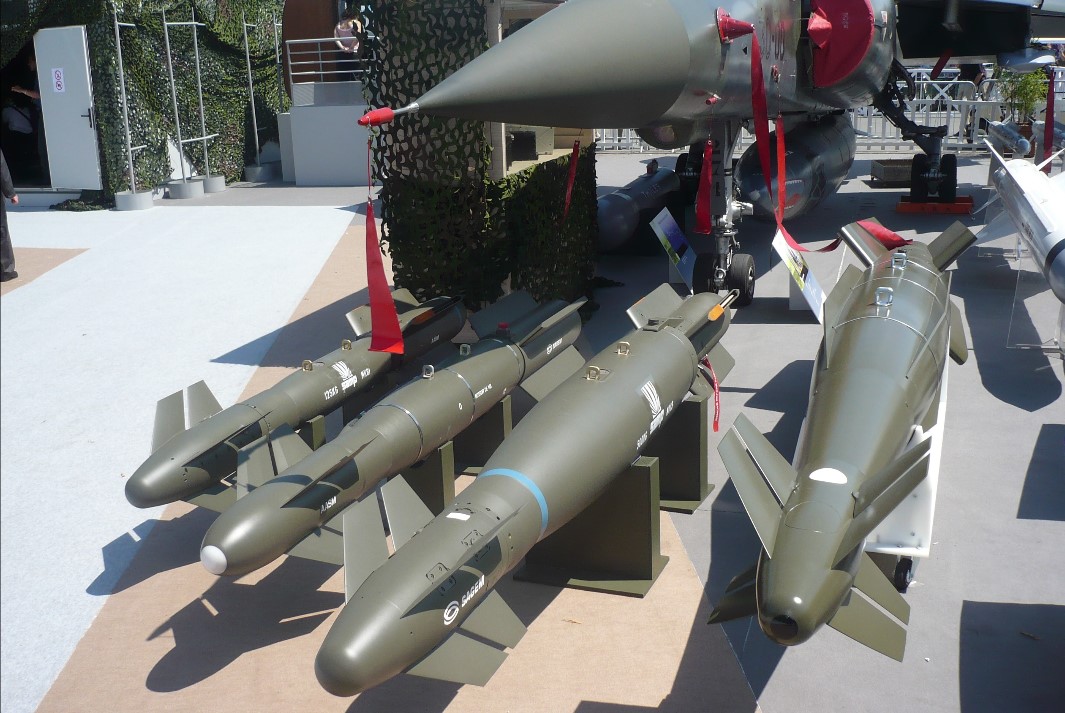
World
PARIS, France — June 07, 2026 : French aerospace and defense company Safran plans to manufacture 1,400 AASM Hammer precision-guided bombs in 2026, marking a significant increase in production as demand for precision-guided munitions continues to grow in France and international markets. The production target was confirmed by Olivier Andriès, Chief Executive Officer of Safran, during an interview with La Tribune. The expansion is part of the company's broader strategy to strengthen defense manufacturing capacity and support increasing orders from allied nations. €120 Million Investment in Montluçon Facility To support the production increase, Safran will invest €120 million in its manufacturing facility in Montluçon, located in central France. The project is expected to create more than 150 new jobs and expand the site's production capabilities. The investment is part of a wider €1.4 billion global industrial expansion program approved by Safran in 2025 to increase manufacturing capacity across its international operations. The Montluçon facility plays a key role in Safran's defense business, producing critical components for the AASM (Armement Air-Sol Modulaire) Hammer system. These include the weapon's guidance kits, rocket propulsion modules, and advanced navigation equipment. Expansion of Precision Gyroscope Production A major portion of the investment will be directed toward increasing production of Hemispherical Resonator Gyroscopes (HRGs), highly accurate inertial navigation sensors used in military aircraft, naval vessels, ground vehicles, and precision-guided weapons. These sensors allow platforms to navigate and maintain targeting accuracy without relying solely on satellite navigation systems such as GPS, making them particularly valuable in environments affected by electronic warfare and signal jamming. Safran plans to triple annual HRG production, increasing output from approximately 10,000 units per year today to 30,000 units annually by 2032. Rapid Increase in AASM Hammer Output The planned production of 1,400 AASM Hammer kits in 2026 reflects a sharp rise in manufacturing over the past several years. In 2022, Safran produced approximately 200 AASM kits annually. Production expanded significantly as demand increased. By the end of 2024, the company had delivered 830 kits, exceeding its original target of 600 units by nearly 40 percent. Production continued to grow in 2025, rising by around 30 percent to between 1,080 and 1,200 units. The expansion received additional support from the French Ministry of Defense, which announced a €128 million investment package in July 2025 to accelerate manufacturing capacity following the weapon's demonstrated operational effectiveness in Ukraine. Hammer XLR Extends Strike Range Safran has also introduced an upgraded version of the weapon known as the Hammer XLR. Unveiled in June 2025, the new variant replaces the standard solid-fuel rocket booster with a turbojet engine, significantly increasing operational range. While the standard AASM Hammer can strike targets at distances of up to 70 kilometers, the Hammer XLR can reach targets between 150 and 200 kilometers when released from high altitude. The weapon remains fully modular and is currently available for several bomb classes, including the 227-kilogram Hammer-250 and 908-kilogram Hammer-1000 variants. Precision-Guided Weapon System The AASM Hammer is a modular precision-guided munition designed to convert conventional free-fall bombs into stand-off precision weapons. The system combines GPS and inertial navigation guidance, anti-jamming capabilities, and optional terminal guidance systems to improve strike accuracy in contested environments. The weapon has been integrated on multiple combat aircraft, including the Dassault Rafale, Mirage 2000, and F-16 Fighting Falcon. Growing International Partnerships Beyond France, Safran is expanding the global footprint of the AASM Hammer program through international partnerships and localized production initiatives. According to Andriès, the company is prepared to establish local assembly and production lines in European countries that place substantial orders for the weapon system. Recent international activity includes a Norwegian order for several hundred AASM bombs intended to support Ukraine. Safran has also strengthened its presence in India through a 50/50 joint venture with Bharat Electronics Limited (BEL), signed in New Delhi in November 2025. The partnership aims to manufacture and adapt the AASM Hammer for the Indian Armed Forces while achieving a localization rate of up to 60 percent. Production Expansion Continues With production expected to reach 1,400 AASM Hammer guided bombs in 2026, along with expanded manufacturing of advanced navigation systems, Safran is continuing to increase its defense-industrial capacity to meet growing domestic and international demand for precision-guided munitions.
Read More → Posted on 2026-06-07 15:03:14
World
HAVANA, Cuba — June 07, 2026 : Cuban authorities have reportedly begun distributing weapons to civilians and urging citizens to prepare for a potential foreign invasion as tensions surrounding the island continue to increase. According to the Venezuelan newspaper Versión Final, the measures come amid concerns in Havana over a growing U.S. military presence in the Caribbean and broader tensions between Cuba and the United States. The latest defense preparations follow recent remarks by the U.S. Secretary of State during a hearing on Capitol Hill. During the session, the Secretary did not provide a definitive answer regarding future U.S. strategic actions in the region and did not explicitly rule out the possibility of military measures in the Caribbean. Cuban officials reportedly responded by increasing national defense readiness and mobilization efforts. Reports indicate that the Cuban government has activated elements of its civil defense system, including the arming of civilian volunteers as part of preparations for potential conflict scenarios. The measures are consistent with Cuba’s long-standing defense doctrine, which relies on public participation, territorial militias, and reserve forces in national defense. CNN Havana Bureau Chief Patrick Oppmann reported that the preparations are already affecting daily operations in the capital. Government institutions and state organizations have been holding meetings to discuss contingency plans, emergency procedures, and logistical requirements in the event of a military conflict or national emergency. Oppmann also noted that wartime planning has reached practical administrative levels. Officials responsible for the government building housing CNN’s Havana bureau reportedly asked staff whether they would continue using their office space in the event of an invasion, reflecting the extent of current preparedness efforts. Cuban authorities have also circulated guidance materials outlining safety procedures and responsibilities for civilians during potential emergencies. While details regarding the scale of the reported weapons distribution and the types of weapons involved remain limited, the move represents a significant expansion of public defense preparedness. The developments mark a notable shift from official warnings to concrete mobilization measures involving the civilian population, as Cuban authorities strengthen readiness amid ongoing regional security concerns.
Read More → Posted on 2026-06-07 14:56:06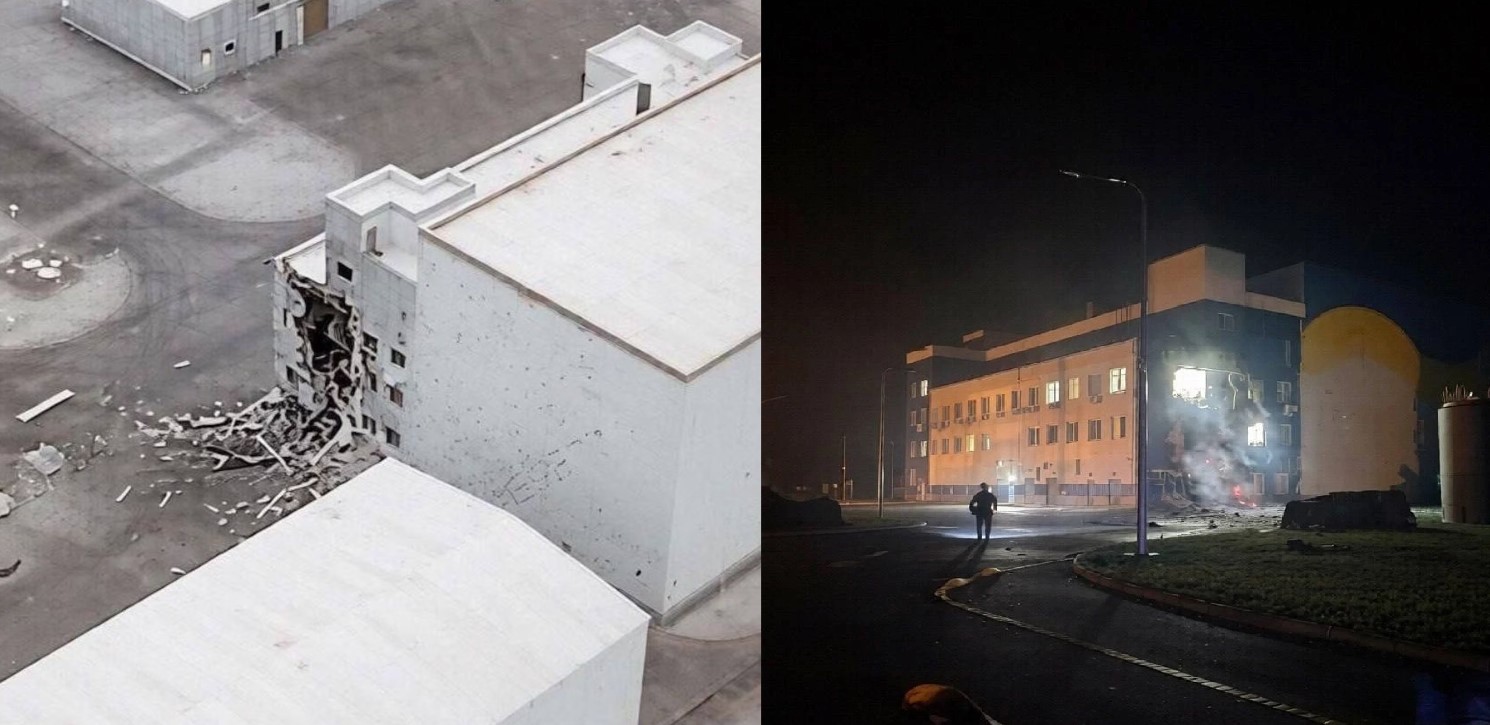
Russian Drone Strike Damages Chornobyl Nuclear Fuel Storage Facility; Radiation Levels Remain Normal
World
KYIV REGION, Ukraine — June 07, 2026 : A Russian Shahed-type attack drone struck the Centralized Spent Nuclear Fuel Storage Facility (CSFSF) in the Chornobyl Exclusion Zone early Sunday, damaging a building used for receiving and processing storage containers. Ukrainian officials confirmed that no spent nuclear fuel was affected and radiation levels remain within normal limits. According to Ukraine’s General Staff and state nuclear operator Energoatom, the strike occurred at approximately 2:10 a.m. local time near the village of Buriakivka. The drone partially destroyed a reception building where no spent nuclear fuel was stored at the time of the attack. The impact sparked a fire covering around 40 square meters. Emergency response teams and a mobile operations unit contained and extinguished the blaze within an hour. No injuries were reported among facility personnel. Investigators recovered debris identified as belonging to a Russian Geran-2 (Shahed-type) attack drone. Energoatom stated that the facility’s spent fuel storage systems were not damaged and that continuous monitoring showed no increase in radiation levels. Ukrainian President Volodymyr Zelenskyy condemned the attack, describing the targeting of nuclear-related infrastructure as an irresponsible act. Energoatom accused Russia of endangering nuclear safety and violating international norms governing the protection of civilian nuclear facilities. The International Atomic Energy Agency (IAEA) also expressed concern over the incident. IAEA Director General Rafael Grossi said attacks on nuclear sites violate fundamental nuclear safety principles. An IAEA team already stationed at Chornobyl is preparing an assessment of the damage. The CSFSF, located about 15 kilometers from the former Chornobyl Nuclear Power Plant, was commissioned in January 2024 and serves Ukraine’s Rivne, Khmelnytskyi, and South Ukraine nuclear power plants. The facility uses dry storage technology to safely store spent nuclear fuel and ended Ukraine’s previous dependence on Russia for spent fuel management. The latest strike follows a February 2025 drone attack on the New Safe Confinement structure covering Chornobyl’s destroyed Reactor No. 4. That incident caused significant damage to the containment system, and repair costs have been estimated at approximately €500 million. Ukrainian authorities said specialists continue to monitor radiation conditions at the site and confirmed that the facility remains operational despite the damage to the reception building.
Read More → Posted on 2026-06-07 14:08:34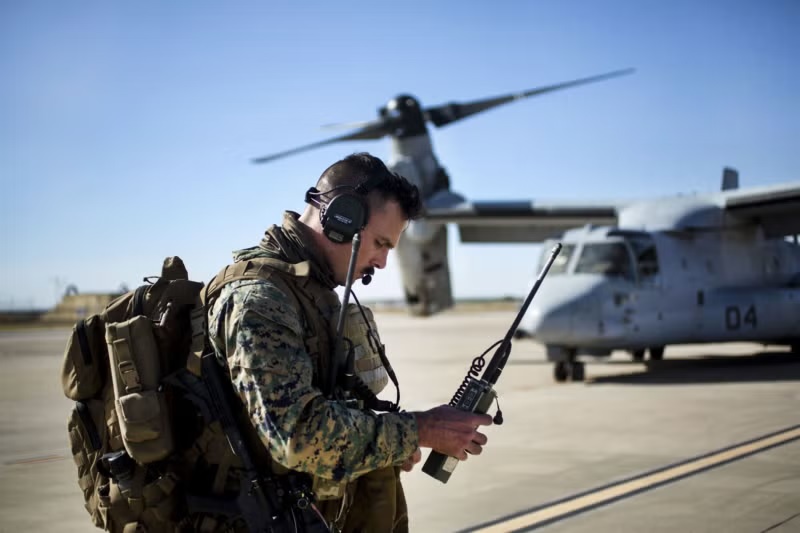
World
ARLINGTON, VIRGINIA — June 07, 2026 : The U.S. Defense Advanced Research Projects Agency (DARPA) has launched the Lightweight Universal Codec (LUC) program, a new initiative aimed at developing a single encoder-decoder system capable of operating across different military radios, satellite links, and data networks. The program was announced through Special Notice DARPA-SN-26-86, published on June 5, 2026. Managed by DARPA’s Information Processing Techniques Office (IPTO) and led by Program Manager Allyson O’Brien, the initiative seeks to solve interoperability challenges caused by the use of multiple communication standards across military systems. Universal Decoder Based on GRAND Technology A key component of the program is Guessing Random Additive Noise Decoding (GRAND), a technology developed through research involving the Massachusetts Institute of Technology (MIT), Boston University, and Northeastern University. Unlike conventional decoders that are designed for specific error-correction standards, GRAND uses a code-agnostic approach. It analyzes and removes communication noise to recover transmitted data, allowing a single decoder to process multiple error-correction codes without prior knowledge of the coding method used. DARPA aims to translate this technology into a practical military codec capable of supporting both existing and future communication standards. Adaptive Encoder for Real-Time Optimization The LUC program also seeks to develop an adaptive encoder capable of selecting the most suitable error-correction code in real time based on: Channel conditions Available power Data throughput requirements Mission needs The encoder will work alongside the GRAND-based decoder, using feedback from the communication link to optimize performance and reliability. Focus on Low-Power Communications A major objective of the program is reducing power consumption for military communication systems. DARPA noted that previous GRAND-based technologies, including ORBGRAND, demonstrated energy efficiency below 0.8 picojoules per bit and power consumption as low as 4.9 milliwatts. The agency aims to build on these advances to support battery-powered radios, dismounted soldiers, and small unmanned systems. Lower power requirements could help extend battery life, reduce equipment size, and lower thermal signatures in operational environments. Open Participation and Commercial Applications The program will operate at the unclassified level, allowing participation from universities, commercial telecommunications companies, and non-traditional defense contractors. DARPA expects the open approach to encourage collaboration and leverage existing advances in 5G and satellite communications technologies. Participants will be able to select their own communication systems for testing and integration. Interested organizations have until June 19, 2026, to respond to the special notice. Potential Operational Impact If successful, the Lightweight Universal Codec could enable military radios and networks using different communication standards to exchange information directly without relying on additional gateways or relay systems. DARPA believes the technology could improve interoperability, reduce communication complexity, and enhance information sharing across soldiers, aircraft, ships, satellites, and command centers operating in contested environments.
Read More → Posted on 2026-06-07 13:59:48
World
WASHINGTON, — June 07, 2026 : The United States is evaluating a proposal to use frozen Iranian assets to help finance the reconstruction of infrastructure in Gulf countries damaged during recent regional hostilities, according to officials familiar with the matter. The initiative has prompted strong objections from Tehran and is expected to face reluctance from Gulf states concerned about potential security implications. Treasury Department Conducts Damage Assessment US Treasury Secretary Scott Bessent has directed Treasury Department officials to conduct a comprehensive review of economic and security conditions among Gulf partners and gather detailed estimates of infrastructure damage linked to recent Iranian attacks. The assessment is examining whether existing legal and financial authorities could be used to release specific frozen Iranian assets to compensate affected countries for past damages and potentially support repairs resulting from any future attacks. The review follows a renewed period of military activity in the region, including Iranian ballistic missile and drone attacks that were intercepted over Kuwait and Bahrain. While regional air defense systems prevented larger losses, the incidents reportedly caused material damage to infrastructure and increased concerns about regional stability. Billions in Iranian Assets Remain Frozen The proposal centers on Iranian state assets that have remained inaccessible due to decades of US sanctions and international banking restrictions. Estimates indicate that between $100 billion and $120 billion in Iranian assets remain frozen worldwide. Of that total, the United States directly controls approximately $2 billion, while additional funds are held in foreign financial institutions. US authorities have also seized roughly $1 billion worth of Iranian cryptocurrency assets in recent actions. Many of these assets originate from Iranian oil and gas revenues deposited in overseas banks. Treasury officials are reportedly reviewing various categories of frozen property, financial holdings, and other seized assets to determine whether they could legally be used for compensation and reconstruction purposes. The issue remains a major point of disagreement in US-Iran relations. Iranian officials recently demanded the release of $24 billion in frozen funds as a precondition for any preliminary peace arrangement with Washington. The US review represents a potential shift from using frozen assets primarily as diplomatic leverage toward deploying them for compensation and recovery efforts. Iran Issues Warning Over Proposal Iranian officials have reacted strongly to reports that Washington is considering redirecting frozen Iranian assets for reconstruction projects in Arab states. An Iranian official stated that any infrastructure rebuilt by the United States in Arab countries using Iranian assets would be targeted again. The warning reflects broader statements by Iranian military advisers, who have indicated that diverting Iranian national assets could lead to an expansion of military operations beyond the Persian Gulf region. Tehran maintains that the frozen funds are sovereign assets and has consistently called for their release through diplomatic negotiations. Gulf States Expected to Reject Funding Despite Washington's efforts to reduce the financial burden on Gulf partners, regional observers believe affected countries are unlikely to accept reconstruction assistance derived from Iranian assets. Analysts note that accepting such funds could be interpreted by Tehran as participation in a US-led economic campaign against Iran. Gulf governments are currently focused on repairing damage, protecting critical infrastructure, securing shipping routes, and strengthening air defense capabilities while managing the broader consequences of regional instability. Officials and observers suggest that using Iranian assets for reconstruction could increase the risk of newly repaired facilities being viewed by Tehran as legitimate targets in future confrontations. Proposal Remains Under Review The Treasury Department has not announced a final decision regarding the use of frozen Iranian assets. Officials are continuing to collect damage assessments from affected countries and evaluate legal mechanisms that could support compensation and reconstruction programs. The review comes amid ongoing discussions surrounding regional de-escalation efforts and potential ceasefire arrangements between the United States and Iran. As Washington examines options for supporting Gulf allies, the question of how frozen Iranian assets should be handled remains a significant point of contention in broader diplomatic negotiations. Details regarding the scale, timeline, and specific assets that could be involved in any future reconstruction initiative remain under consideration as the Treasury Department completes its assessment.
Read More → Posted on 2026-06-07 13:42:10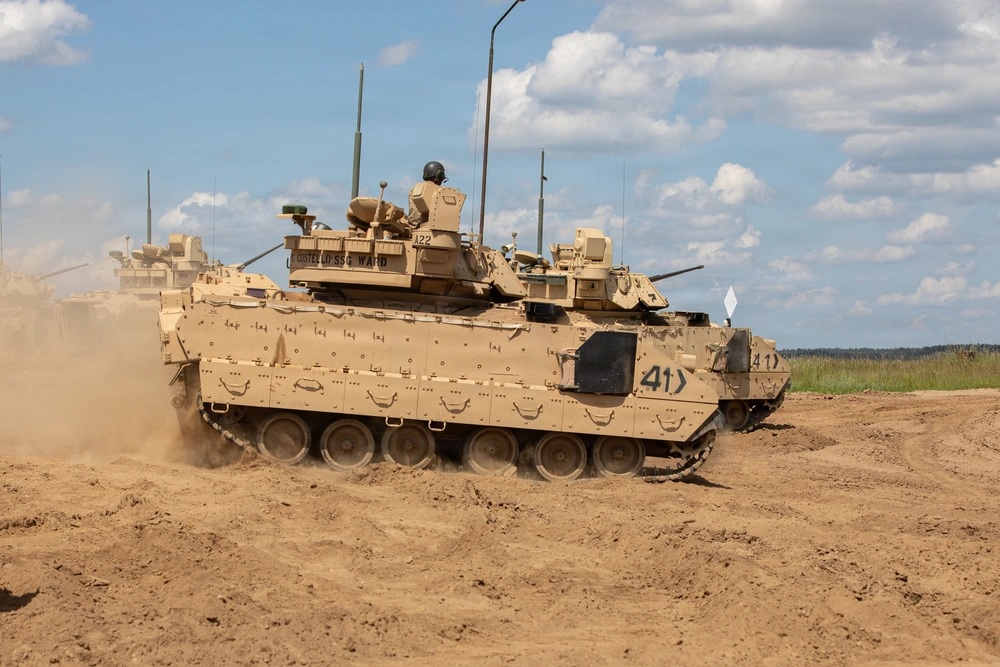
World
DRAWSKO POMORSKIE, Poland — June 07, 2026 : Soldiers assigned to the 6th Squadron, 1st Cavalry Regiment, 1st Armored Division completed M2A3 and M3A3 Bradley infantry fighting vehicle gunnery qualifications at the Drawsko Combined Training Center in Poland on June 1-2, 2026. The two-day live-fire exercise was conducted as part of the 1st Armored Division’s ongoing operations along NATO’s eastern flank, supporting allied readiness and collective defense efforts in the region. The training focused on maintaining combat readiness, improving technical proficiency, and strengthening teamwork among Bradley crews. During the qualification, soldiers conducted weapon zeroing, engaged multiple targets, and completed standard qualification tables using the Bradley infantry fighting vehicles. The exercise also provided crews with an opportunity to identify and address equipment issues, helping maintain vehicle and weapon system readiness. “This gunnery helps us build proficiency with our weapon systems and helps the team build cohesion,” said Cpl. Roddy F. Rodriguez, a Bradley gunner with the 6th Squadron, 1st Cavalry Regiment. “If anything were to happen, we can work together under stress without stepping on each other’s toes.” Rodriguez said the training also helps crews detect and correct potential equipment problems before they affect operations. “The benefit of being out here on this range is improving readiness and finding issues with the weapon system or the vehicle itself,” he said. “It helps us identify problems and fix them so there isn’t a future situation.” As the platoon sergeant’s gunner, Rodriguez is responsible for maintaining the Bradley’s weapon systems, assisting with vehicle maintenance, and supporting crew communications. Noncommissioned officers overseeing the exercise highlighted the importance of the training for leadership development and mentoring junior soldiers. Staff Sgt. Mickeal Smith, a cavalry scout and Bradley commander, said his experience allows him to help younger soldiers overcome challenges and improve their performance. “Everything you go through in your career can help someone else,” Smith said. “My experiences also allow me to mentor younger Soldiers and help them overcome challenges that I’ve already faced.” Smith added that ensuring crews understand their responsibilities and mission objectives is a key part of his role as a vehicle commander. “My job is to make sure my crew understands what they need to do and that they have clear guidance on the mission and the desired end state,” he said. “That way, we can accomplish the mission effectively.” The Drawsko Combined Training Center provides the maneuver space and realistic conditions required for armored units to conduct complex live-fire exercises. Training in Poland also allows U.S. soldiers to operate in unfamiliar environments while improving interoperability with NATO allies and partner forces. The 1st Armored Division’s continued training activities in the region support V Corps’ mission of maintaining readiness, strengthening deterrence, and contributing to NATO’s collective defense along the alliance’s eastern flank.
Read More → Posted on 2026-06-07 13:31:17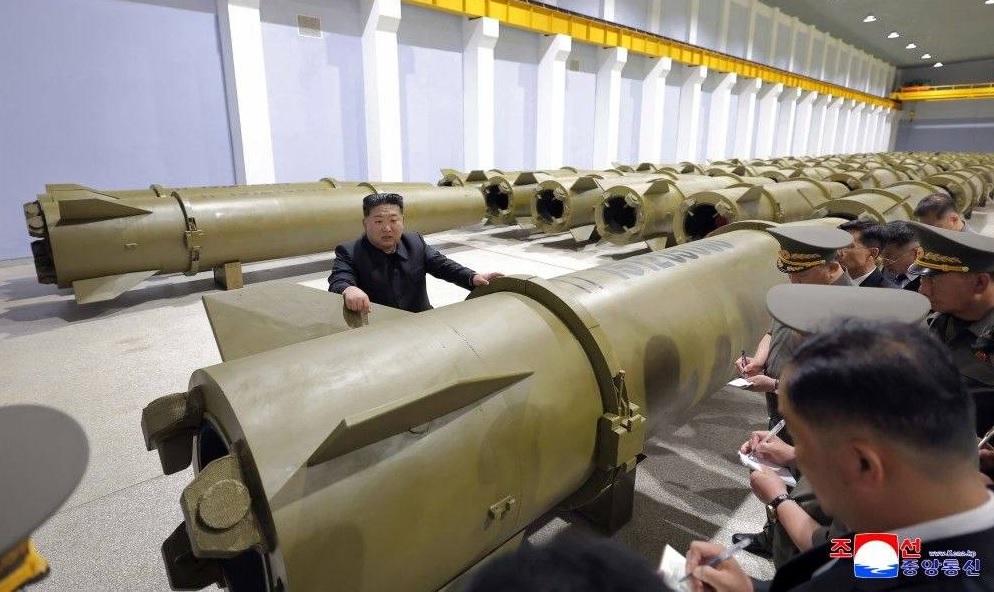
World
PYONGYANG, — June 07, 2026 : North Korean leader Kim Jong-un has ordered the country's defense industry to increase ballistic and cruise missile production capacity by 2.5 times over the next five years, according to reports from state media outlets KCNA and Rodong Sinmun. The directive was issued during Kim's inspection of a major missile production facility operated by North Korea's Missile Administration. During the visit, he reviewed first-half production results and assessed the manufacturing status of key missile systems. According to state media, Kim stated that missile output must grow annually under a structured five-year plan to meet the increasing requirements of the Korean People's Army. "It is necessary to increase the existing production capacity by 2.5 times over a five-year period with annual growth in order to supply a sufficient number of missiles, the demand for which will increase in accordance with changes in the operational structure and combat organization of our armed forces," Kim said. State media reported that the facility achieved its primary production targets for the first half of the year ahead of schedule. Kim also instructed officials to finalize the expansion plan for approval at an upcoming meeting of the Workers' Party of Korea's Ninth Central Committee. Missile Expansion and Stockpile Replenishment Defense analysts believe the production increase is partly aimed at replenishing domestic missile inventories. North Korea has reportedly continued supplying Hwasong-11 (KN-23) short-range ballistic missiles to Russia, creating additional demand for new missile production. Focus on New Missile Systems North Korea is also expanding production of its newer missile platforms, including the Hwasal-2 land-attack cruise missile, which state media describes as a key component of the country's strike capabilities. The country is additionally producing the Pulhwasal-3-31, a naval cruise missile variant based on the Hwasal-2 design. The missile is designed for launch from both surface ships and submarines, strengthening North Korea's maritime strike capability. Earlier Order for Bulsae-4 Missile Production The latest directive follows a similar order issued on January 3, 2026, when Kim visited a separate munitions facility and instructed officials to increase production capacity of the Bulsae-4 anti-tank guided missile by 2.5 times. During that visit, Kim also ordered a review of plans to modernize and expand ammunition production facilities to ensure the defense industry can meet equipment requirements set by the country's military leadership. The new five-year missile production plan highlights North Korea's continued focus on expanding missile inventories, increasing manufacturing capacity, and modernizing its defense industry to support future military requirements.
Read More → Posted on 2026-06-07 13:22:56
World
NORFOLK, Virginia — June 06, 2026 : The U.S. Navy's Wasp-class amphibious assault ship USS Iwo Jima (LHD 7) returned to Naval Station Norfolk on June 6, concluding a 296-day deployment in the Caribbean region. The ship served as the flagship of the Iwo Jima Amphibious Ready Group (ARG) and returned with approximately 4,500 Sailors and Marines assigned to the ARG and the embarked 22nd Marine Expeditionary Unit (MEU) – Special Operations Capable (SOC). USS Iwo Jima departed Norfolk in August 2025 alongside USS San Antonio (LPD 17) and USS Fort Lauderdale (LPD 28). Although originally scheduled to operate in the U.S. 5th and 6th Fleet areas, the group was redirected to the Caribbean following a request from U.S. Southern Command to support regional security operations. The deployment primarily supported Operation Southern Spear, focusing on maritime interdiction and counter-narcotics operations. During the nearly ten-month deployment, the group conducted several key missions across the region. In late October and early November 2025, the ARG shifted to humanitarian assistance and disaster relief operations following Hurricane Melissa in Jamaica. Working with Joint Task Force Bravo and local defense forces, personnel delivered more than 780,000 pounds of essential supplies to affected communities. The deployment also included embassy reinforcement missions, with Marines providing additional security support to U.S. embassies in Port-au-Prince, Haiti, and Caracas, Venezuela during periods of regional instability. Additionally, the ARG participated in Operation Absolute Resolve, conducting joint activities with special operations forces and carrying out casualty evacuation rehearsals and other readiness exercises. According to the Navy, the group completed approximately 6,200 sorties, accumulated 1,850 flight hours, and traveled a combined 130,573 nautical miles during the deployment. The deployment was also marked by the loss of Marine Lance Cpl. Chukwuemeka Oforah, who went overboard from USS Iwo Jima in February 2026. Following a multi-day search by U.S. Navy and Coast Guard assets, he was later presumed deceased. During routine operations, the ship conducted port visits to St. Croix, St. Thomas, and Ponce, Puerto Rico, where Sailors and Marines participated in community service activities, including beach cleanups and local outreach programs. Family members gathered at Naval Station Norfolk on Saturday to welcome the crew home, marking the end of one of the ship's most extensive recent deployments in support of U.S. Southern Command operations.
Read More → Posted on 2026-06-06 17:34:47Search
Top Trending in 24 Hours
-
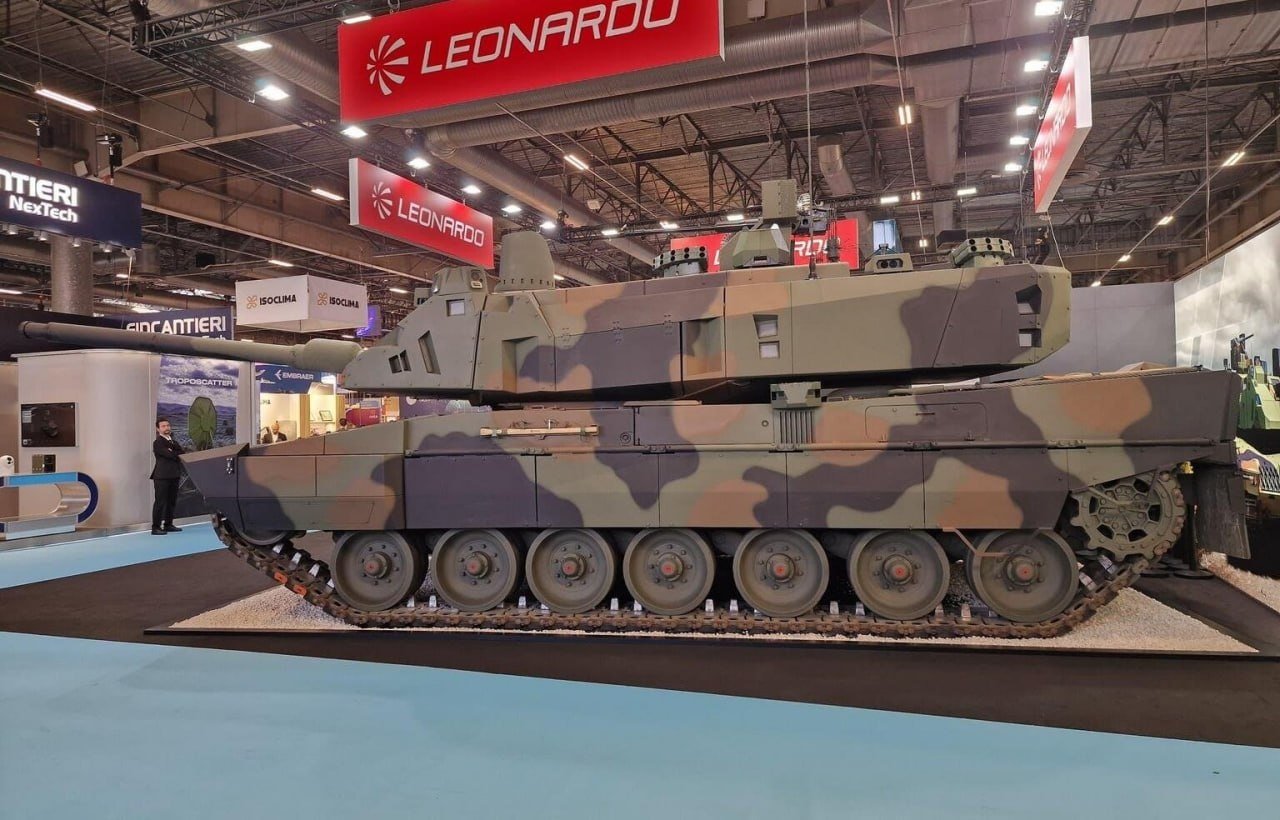 Italy Allocates Up to €5.14 Billion for Procurement of 132 New Main Battle Tanks
-
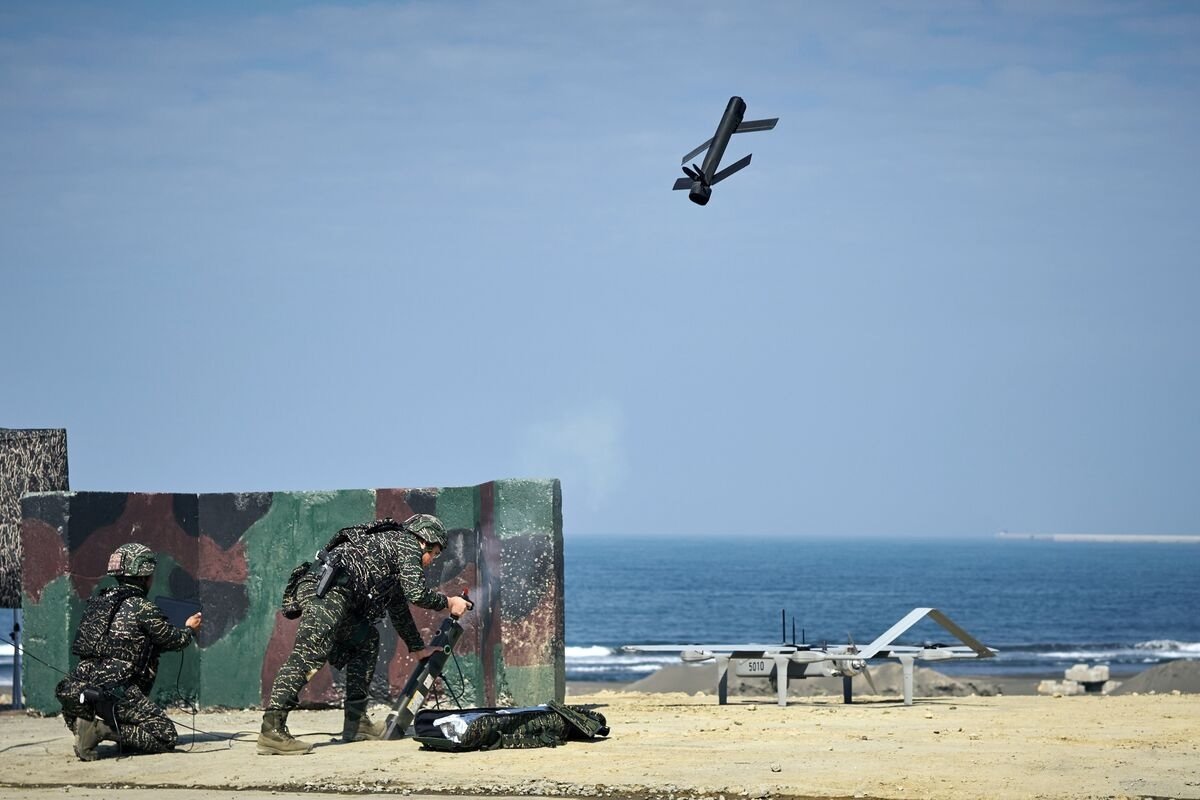 Taiwan Integrates Attack Drones Into Three-Service Live-Fire Exercise at Jiupeng for First Time
-
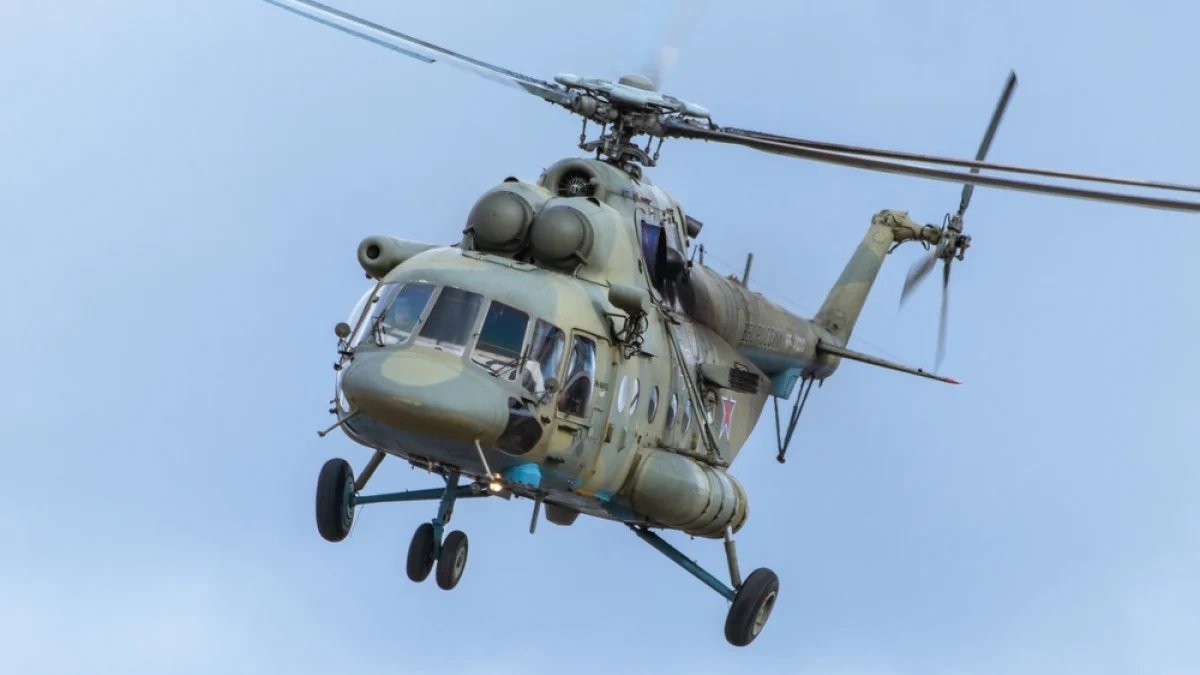 Russian Mi-8 Military Helicopter Crosses Into Polish Airspace for 42 Seconds Near Braniewo
-
 Roketsan KARAOK Anti-Tank Missile Successfully Hits Aerial Target for First Time
-
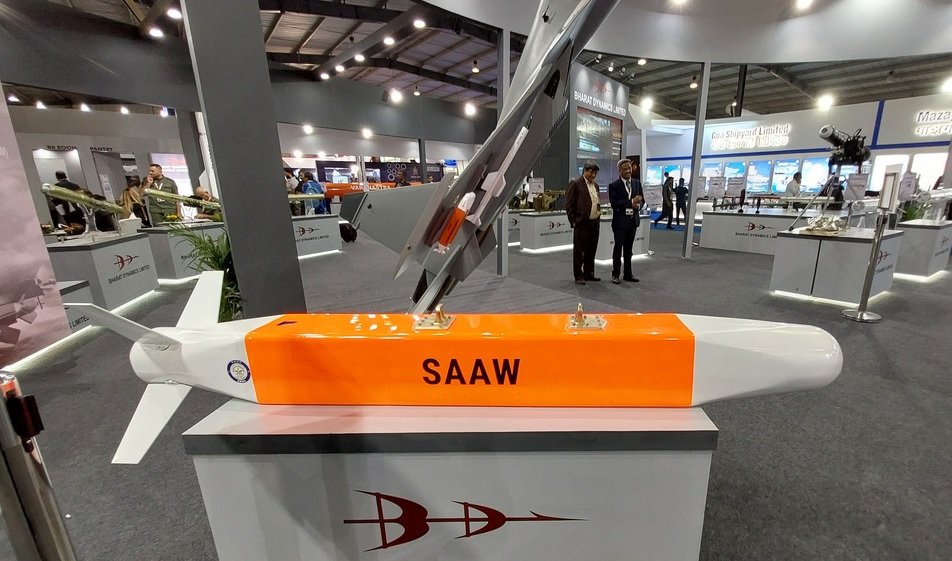 India Signs ₹810.79 Crore Deal with BDL for 160 SAT-SAAW Weapons for IAF
-
 UK Air Force Hawk T2 Trainer Aircraft Crashes Near Valley After Takeoff, Both Pilots Eject Safely
-
 Dutch Firm DeltaQuad Launches Evo-LE VTOL UAV With Up to Eight-Hour Endurance
-
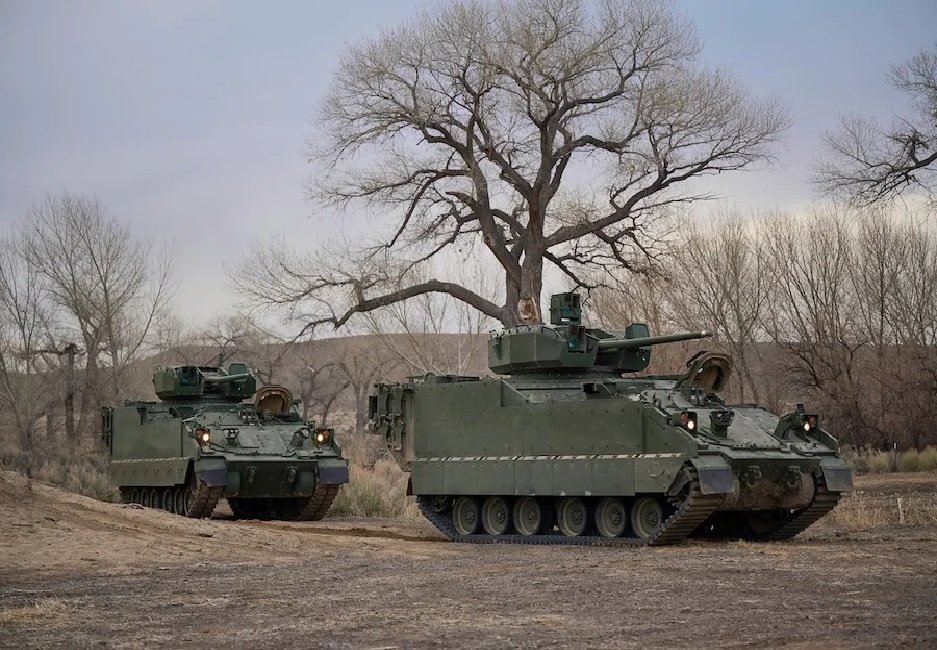 BAE Systems Delivers Two Self-Funded AMPV 30 Prototypes to U.S. Army for Evaluation
Top Trending in 4 Days
-
 U.S. Army Awards $10.64 Million Contract to Ukrainian Drone Maker Skyeton for Raybird Systems
-
 India’s xTerra Robotics Launches Indigenous DHAV-Hy Wheeled-Legged Quadruped for Industrial Inspection
-
 U.S. Space Force Seeks Rapid-Response Satellites for Close-Range Orbital Inspections
-
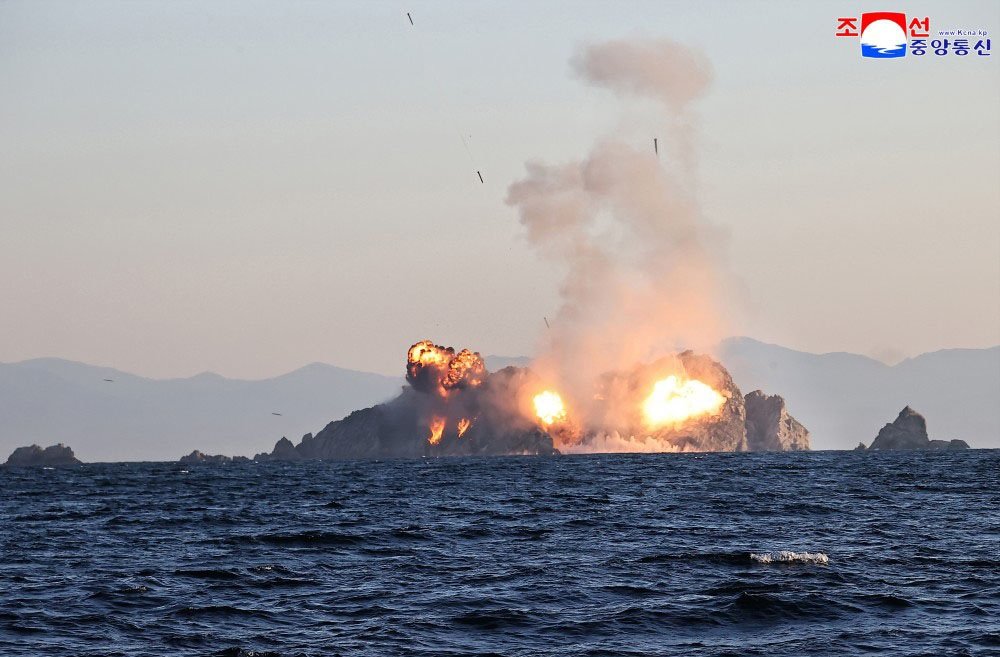 North Korea Fires Short-Range Ballistic Missile Toward Sea of Japan After Freedom Edge 26
-
 U.S. Government Seizes Almasirah.net, Houthi-Linked News Website
-
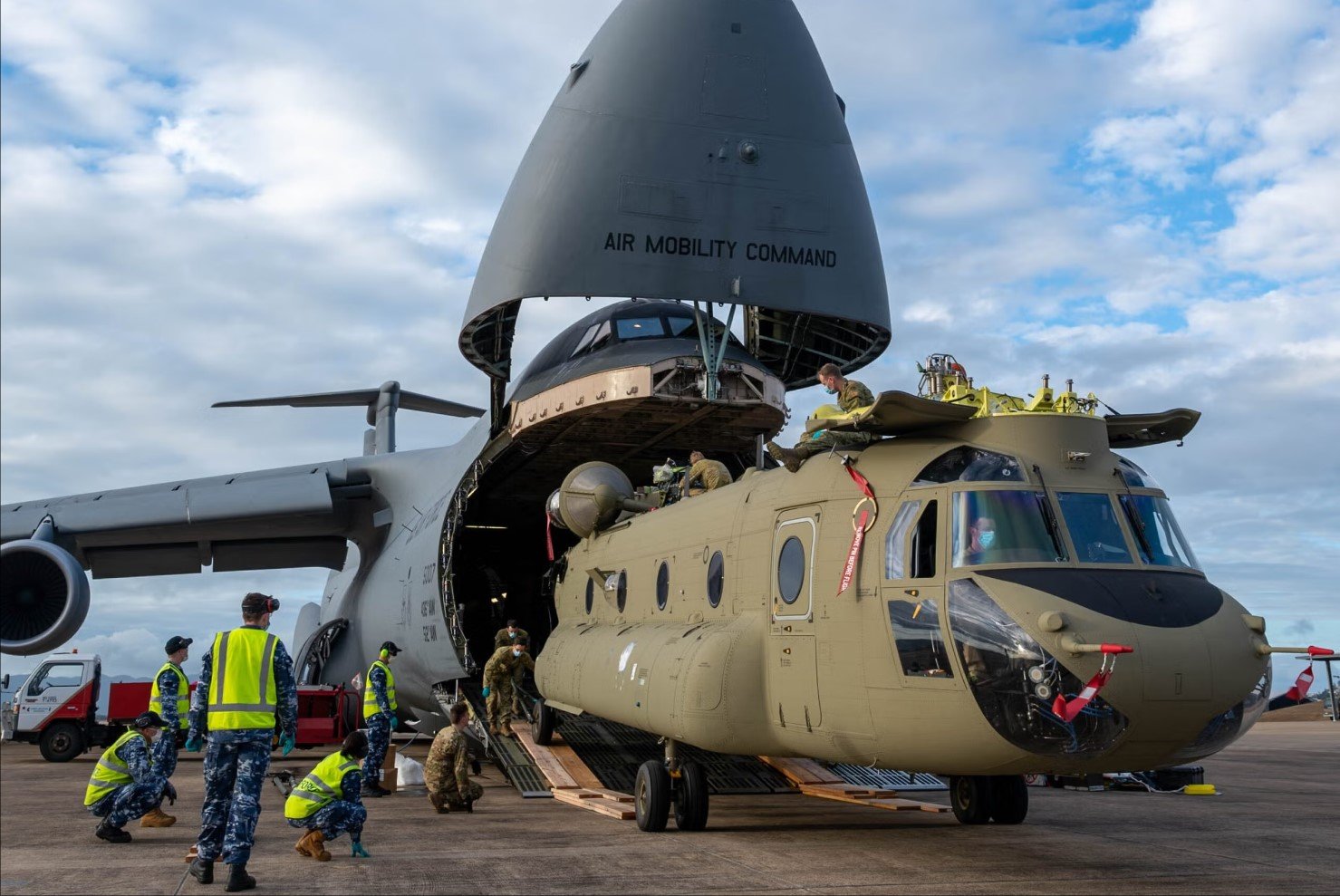 U.S. Delivers First CH-47F Chinook to Egypt Under 12-Helicopter Deal
-
 Ukraine Reports First Use of Fire Point’s FP-7 Tactical Ballistic Missile inMoscow-Region Strikes on Oil Refinery
-
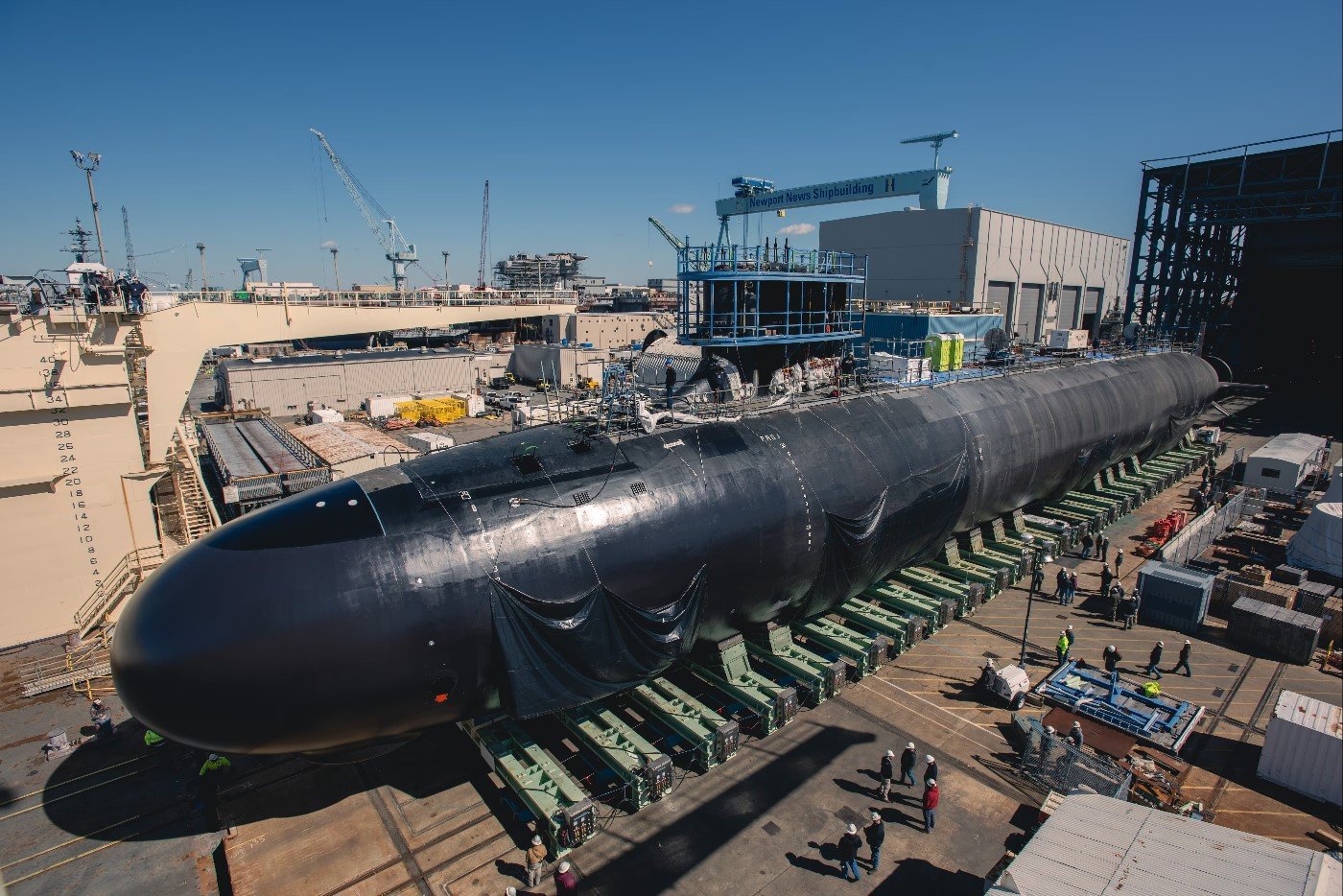 US Navy Submarine Director Outlines Four-Pillar Plan to Raise Build Rates