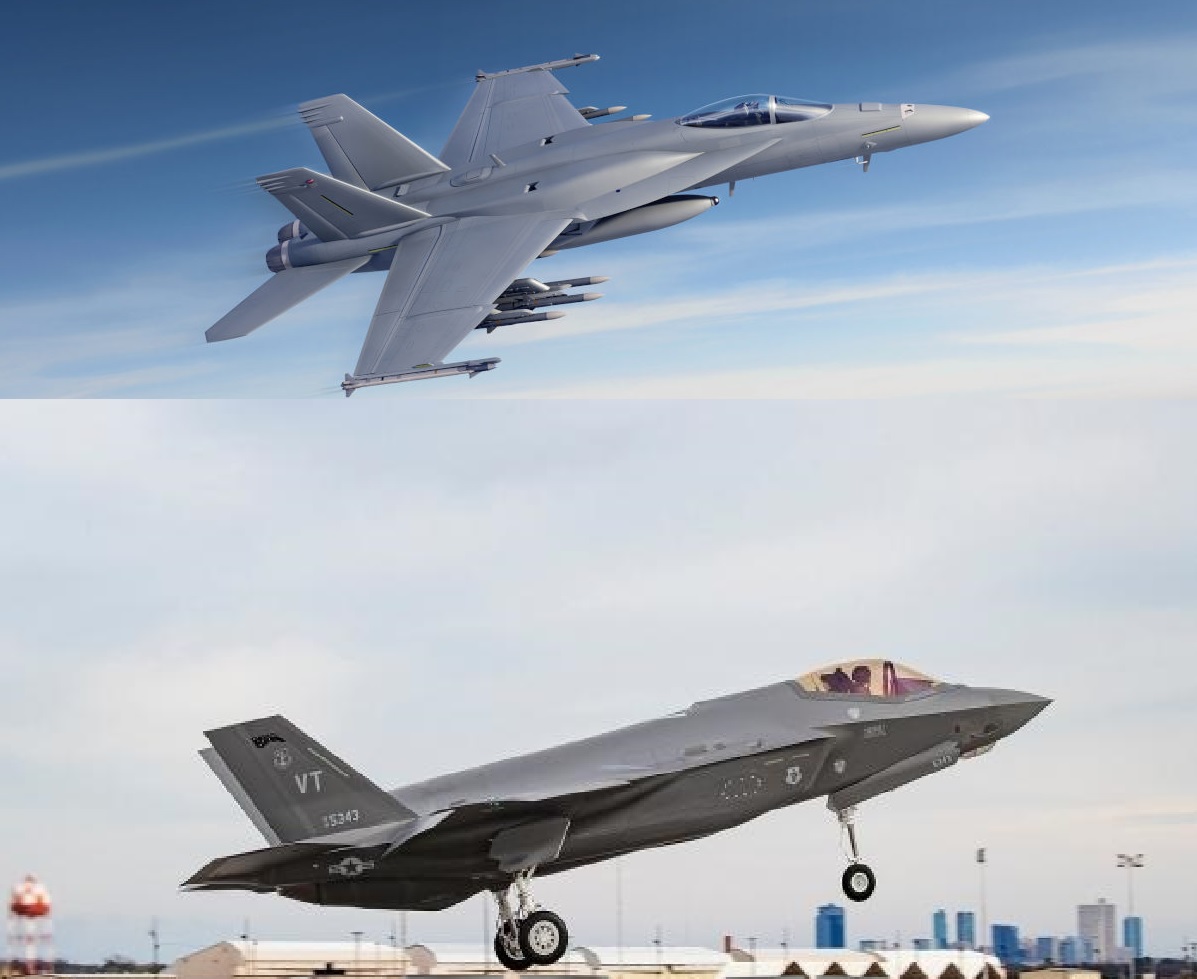
WASHINGTON — May 11, 2026 : The U.S. Marine Corps has formally established 2030 as the deadline for retiring its remaining McDonnell Douglas F/A-18 Hornet fleet, completing a long-term transition toward the F-35 Lightning II as the service’s primary tactical aviation platform.
The transition, outlined in the Marine Aviation Plan 2026 and reinforced through a May 2026 Marine Administrative Message (MARADMIN 207/26), represents a major restructuring of Marine Corps aviation operations, personnel management, and expeditionary combat doctrine. The modernization effort is intended to align Marine aviation with fifth-generation warfare requirements, including stealth operations, sensor fusion, networked targeting, and dispersed basing in contested environments.
F/A-18 Maintenance Roles to Be Eliminated
As part of the transition, the Marine Corps will phase out maintenance occupations directly tied to the F/A-18 Hornet community. The affected specialties include fixed-wing aircraft mechanics, power plant technicians, airframe mechanics, electrical systems technicians, communications and radar systems specialists, and aviation safety equipment personnel assigned to Hornet squadrons.
Under the administrative guidance, Marines serving in these occupational fields will be provided three primary options:
- Retraining into F-35 maintenance and sustainment roles
- Transfer into other military occupational specialties
- Separation from service at the completion of existing enlistment contracts
The message also states that promotion and retention opportunities within the F/A-18 maintenance community will end as Hornet units are progressively deactivated. Marines not approved for retraining or lateral transfers will be reassigned according to broader Marine Corps manpower requirements.
Phased Withdrawal Schedule
The retirement of remaining Hornet operations will occur in phases across three major Marine aviation installations:
- Marine Corps Air Station Beaufort, South Carolina — by August 1, 2028
- Marine Corps Air Station Miramar, California — by August 1, 2029
- Naval Air Station Joint Reserve Base Fort Worth, Texas — by August 1, 2030
The Marine Corps currently operates approximately 125 F/A-18 aircraft across two active squadrons and one reserve squadron. The aircraft entered Marine Corps service in 1983 and has served in strike, interdiction, escort, and close-air-support missions for more than four decades.
Expansion of the F-35 Fleet
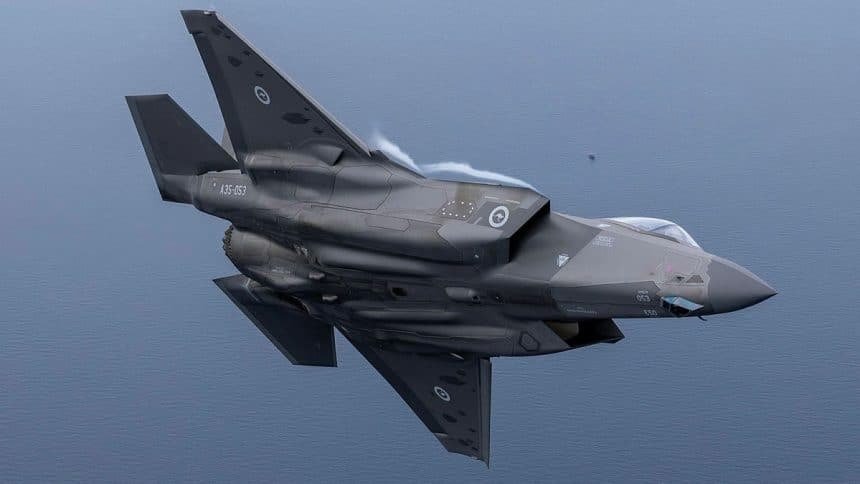
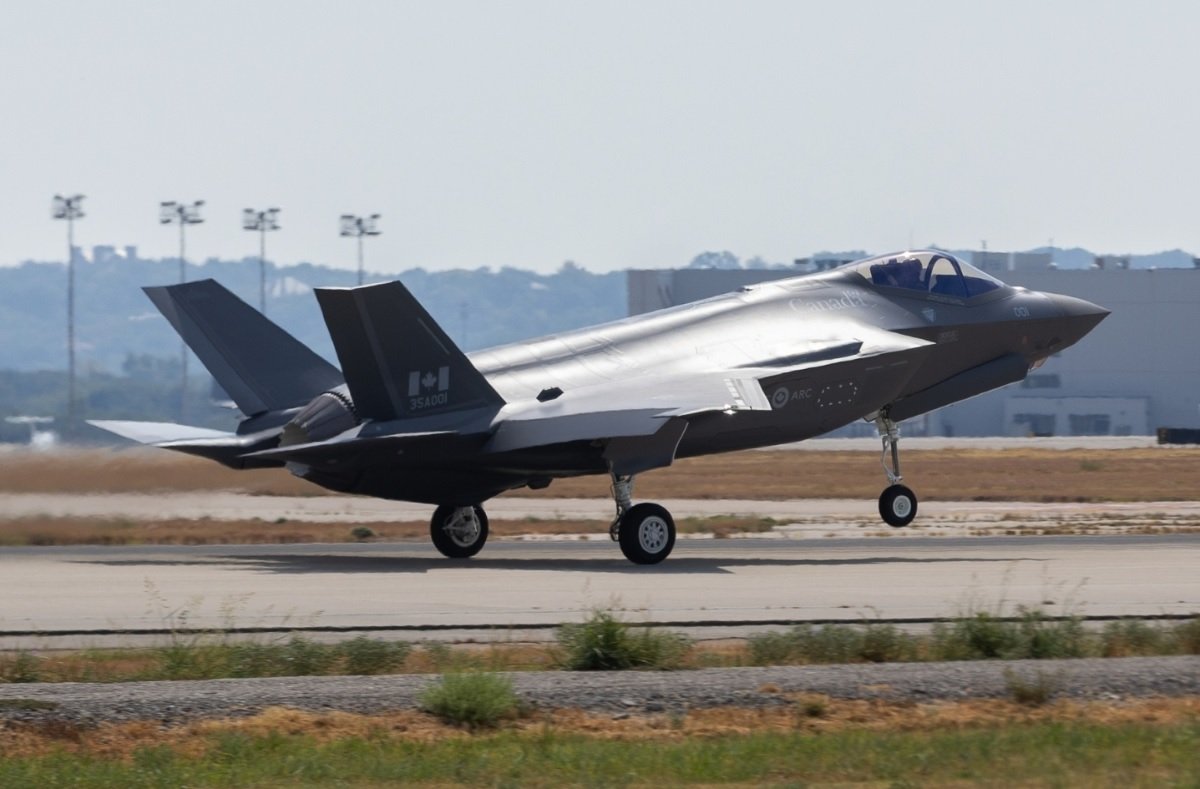
According to the Marine Aviation Plan 2026, the service plans to field approximately 420 F-35 aircraft, including 280 F-35B Short Takeoff and Vertical Landing (STOVL) variants and 140 carrier-capable F-35C variants.
By the end of 2026, the Marine Corps expects to have received 205 F-35Bs and 56 F-35Cs supporting operational squadrons, fleet replacement squadrons, and test units. Squadron aircraft inventories are also planned to increase from 10 to 12 primary aircraft authorized by fiscal year 2035.
The F-35B variant is powered by the Pratt & Whitney F135 engine generating approximately 43,000 pounds of thrust. The aircraft incorporates a shaft-driven lift fan system enabling short takeoffs and vertical landings from expeditionary airstrips and amphibious assault ships while retaining supersonic flight capability.
The F-35C variant is optimized for carrier operations and includes larger wings, reinforced landing gear, and increased fuel capacity to support catapult launches and arrested recoveries aboard Navy aircraft carriers.
Advanced Sensors and Networked Warfare Capabilities
Both F-35 variants incorporate low-observable stealth technology and internal weapon bays capable of carrying AIM-120 Advanced Medium Range Air-to-Air Missiles and Joint Direct Attack Munition precision-guided bombs while preserving reduced radar visibility.
The aircraft integrates the AN/APG-81 Active Electronically Scanned Array radar, Electro-Optical Targeting System, and Distributed Aperture System to provide enhanced situational awareness and targeting capability.
Using Multifunction Advanced Data Link and Link 16 connectivity, the F-35 can transmit targeting and sensor information in near real time to naval vessels, artillery units, airborne warning aircraft, and other joint-force assets. Marine Corps planners view the aircraft not only as a strike platform but also as an airborne sensor and command node within a wider multi-domain combat network.
Support for Expeditionary Operations
Marine aviation officials stated that the transition directly supports Expeditionary Advanced Base Operations and Distributed Aviation Operations concepts, which emphasize dispersed deployments across temporary forward bases, austere airstrips, island chains, and amphibious platforms in contested maritime regions.
The operational concepts are particularly focused on the Indo-Pacific theater, where U.S. forces are preparing for environments dominated by advanced anti-access and area-denial networks, long-range missile systems, integrated air defenses, and electronic warfare capabilities.
The F-35’s reduced radar signature, sensor fusion systems, and networking capabilities are intended to complicate enemy targeting cycles while supporting distributed Marine units operating inside contested areas.
Sustainment and Readiness Challenges
While the consolidation of tactical aviation around a single aircraft family is expected to simplify logistics, training, software integration, and interoperability, defense officials continue to monitor sustainment challenges associated with the F-35 program.
Pentagon assessments have repeatedly identified concerns involving maintenance complexity, spare-parts availability, and operational readiness rates across the F-35 fleet. Unlike previous Marine aviation structures that distributed operational roles across aircraft such as the Harrier and Hornet, the new force structure places greater operational reliance on a single platform family.
The retirement of the F/A-18 Hornet and expansion of the F-35 fleet reflects a broader U.S. military modernization strategy centered on fifth-generation aircraft, integrated sensor-sharing, and multi-domain operations against technologically advanced adversaries.
——— End of Article ———