World
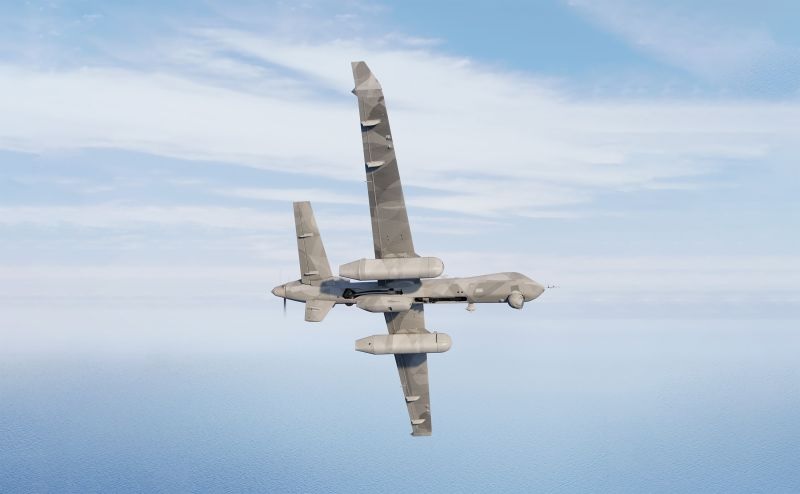
TOKYO, — June 09, 2026 : Japan is considering equipping its MQ-9B SeaGuardian unmanned aerial vehicles (UAVs) with airborne early warning (AEW) radar systems to strengthen surveillance coverage over the Pacific Ocean and address gaps in its maritime defense network. The initiative, first reported by the Yomiuri Shimbun on May 18, 2026, is linked to the Japanese government's planned revision of the country's three key security documents later this year, including the National Security Strategy and Defense Buildup Program. Growing Focus on Pacific Monitoring Japan's Ministry of Defense has increased its focus on surveillance in the Pacific amid growing regional military activity. Since 2017, Chinese bombers have regularly operated through the Bashi Channel between Taiwan and the Philippines and into the Pacific Ocean. Concerns have also grown following extended deployments by two Chinese aircraft carriers in the Western Pacific during 2025. Japanese defense planners have traditionally viewed the Pacific side of the country as a relative surveillance gap compared with the East China Sea, prompting efforts to improve monitoring capabilities across the region. To strengthen coverage, Japan is also planning to deploy mobile air-defense radar systems on remote islands, including Iwo Jima (Iwoto) and Chichijima in the Ogasawara Islands. MQ-9B Selected for Expanded Role The MQ-9B SeaGuardian, developed by General Atomics Aeronautical Systems Inc. (GA-ASI), is the primary platform being considered for the new AEW mission. The Japan Maritime Self-Defense Force (JMSDF) selected the MQ-9B in late 2024 to support and partially replace peacetime surveillance missions currently performed by the Kawasaki P-1 maritime patrol aircraft. Under current plans, two MQ-9B drones will be deployed to Kanoya Air Base in Kagoshima Prefecture in fiscal year 2027 and initially operated by a civilian contractor. Two additional aircraft will be stationed at Hachinohe Air Base in Aomori Prefecture from fiscal year 2028, with direct JMSDF operation. Japan plans to acquire a total of 23 MQ-9B aircraft in the long term. The drone is equipped with electro-optical sensors, signals intelligence systems, maritime surveillance radar, and satellite communications, allowing it to remain airborne for more than 24 hours during surveillance missions. LoyalEye Radar Under Evaluation The AEW system under consideration is believed to be the LoyalEye radar developed jointly by Saab and GA-ASI. The system consists of two underwing Active Electronically Scanned Array (AESA) radar pods that provide near-360-degree coverage. The radar can detect aircraft, missiles, and drones at ranges exceeding 300 kilometers. Information collected by the radar can be transmitted in real time to command centers and military assets through satellite communications and the Link 16 tactical datalink network. On May 19, 2026, an MQ-9B equipped with the LoyalEye radar completed its first validation flight in Southern California, marking a key step in the development of the capability. Potential Benefits and Future Missions Japanese defense officials view AEW-equipped MQ-9Bs as a cost-effective way to expand early warning coverage compared with traditional manned AEW aircraft. However, carrying radar pods could reduce endurance or limit the drone's ability to carry other surveillance equipment, which may influence future procurement plans. The MQ-9B is also being considered for anti-submarine warfare (ASW) missions. GA-ASI has developed a Sonobuoy Dispensing System that allows the drone to deploy sonobuoys and transmit acoustic data for submarine tracking. With lower manpower requirements than manned patrol aircraft and the ability to remain airborne for extended periods, the MQ-9B is expected to play an increasingly important role in Japan's future surveillance and maritime security operations. Part of Broader Defense Modernization The proposed integration of AEW radar systems reflects Japan's broader effort to strengthen monitoring capabilities across the Pacific and adapt to evolving regional security challenges. As Tokyo updates its key security policies later this year, unmanned systems such as the MQ-9B SeaGuardian are expected to become a more prominent part of the country's defense strategy.
Read More → Posted on 2026-06-09 13:30:20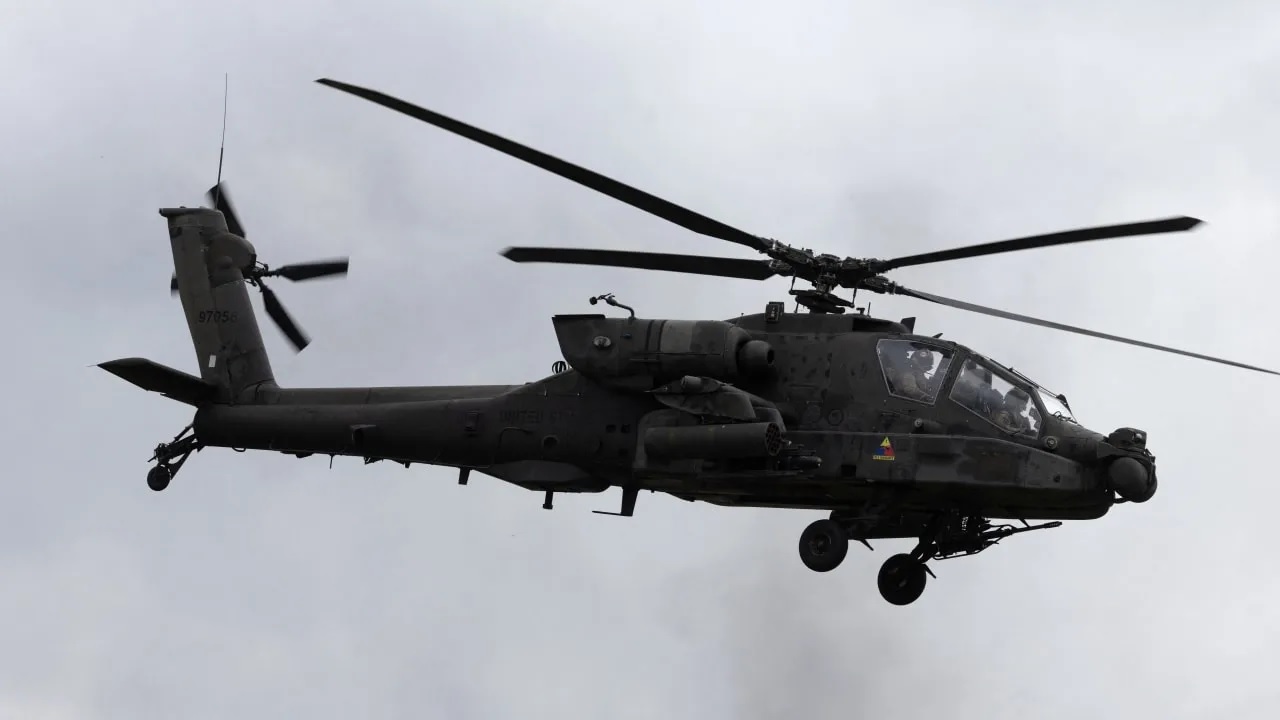
World
WASHINGTON, — June 09, 2026 : A U.S. Army AH-64 Apache attack helicopter crashed near the Strait of Hormuz during military operations in the region, with both crew members rescued safely, according to U.S. officials. (Latest Update) President Donald Trump confirmed the safety of the service members while speaking to reporters on June 9, stating that both pilots were unharmed. He did not provide further details and said an official military report would be released shortly. “The pilots are fine. Nobody injured,” Trump said. According to sources familiar with the incident, an investigation has already been launched. The cause of the crash remains unknown, and officials are examining several possibilities, including mechanical failure, hostile fire, or other operational factors. The incident occurred as the United States continues military operations in the Strait of Hormuz, where AH-64 Apache helicopters are being used to patrol shipping lanes, intercept hostile drones, and deter attacks by small fast boats. The helicopters, equipped with Hellfire missiles, have become a key component of U.S. operations in the area. The patrols are part of a broader U.S. effort to enforce a naval blockade on Iranian ports that was imposed on April 13, 2026, following the collapse of diplomatic ceasefire talks in Islamabad. The blockade was introduced in response to Iran's actions to restrict and control commercial maritime traffic through the Strait of Hormuz. Under the blockade, commercial vessels are prohibited from entering or leaving Iranian ports. Since the operation began, U.S. forces have turned back 134 vessels, while seven additional ships that ignored warnings were disabled. Military officials have not indicated whether the helicopter crash will affect ongoing patrol and blockade operations in the strategic waterway. Further details are expected following the completion of the investigation.
Read More → Posted on 2026-06-09 13:05:56
World
NICOSIA, Cyprus — June 08, 2026 : Cyprus and Greece have accused Turkey of interfering with aircraft carrying European defense ministers as they arrived in Cyprus for an informal European Union defense ministers’ meeting hosted under the Cypriot EU Council Presidency. According to Cypriot authorities, aircraft transporting Greek Defense Minister Nikos Dendias, French Armed Forces Minister Catherine Vautrin, and members of the Dutch defense delegation experienced radio interference while approaching Cyprus on June 7. Officials said the interference originated from the control tower at Ercan (Tymbou) Airport in the Turkish-controlled northern part of the island, affecting communications with air traffic control in Larnaca. Cypriot authorities also reported that two Turkish F-16 fighter jets were scrambled from northern Cyprus and shadowed the aircraft carrying Dendias from a distance before all delegations landed safely at Larnaca International Airport. Cyprus and Greece Condemn Incident The Republic of Cyprus condemned the reported actions, with Presidential Press Office Director Victor Papadopoulos stating that the defense ministries of Greece, France, and the Netherlands had reported the interference. He said Cyprus considers the actions illegal and intends to raise the matter through international channels. Cypriot President Nikos Christodoulides described the incident as unacceptable and said there was no justification for such actions. Defense Minister Vasilis Palmas is expected to brief EU High Representative for Foreign Affairs and Security Policy Kaja Kallas and other European counterparts during the meeting. In Greece, government spokesperson Pavlos Marinakis also condemned the incident, stating that any behavior inconsistent with international law could not be tolerated. Turkey Rejects Allegations Turkey denied the accusations, describing reports of harassment and airspace violations as false. In a statement, Türkiye’s Directorate of Communications said six aircraft were operating on routes between Greece and the Greek Cypriot administration on June 7 and claimed that four of them violated the airspace of the Turkish Republic of Northern Cyprus (TRNC). According to Ankara, two Turkish F-16s stationed in northern Cyprus were scrambled as a precautionary measure. Turkish authorities stated that the jets remained within TRNC airspace, did not enter the airspace of the Republic of Cyprus, and did not harass any aircraft carrying European officials. Turkish Cypriot air traffic controllers also rejected the allegations, saying the fighter jets took off in response to an emergency and did not violate any airspace boundaries. Incident Occurs Ahead of Key EU Defense Meeting The incident took place ahead of the informal EU Foreign Affairs Council (Defense) meeting in Nicosia, where ministers are discussing European defense readiness, support for Ukraine, crisis response coordination, and maritime security. The diplomatic dispute comes amid longstanding tensions between Cyprus and Turkey over the island’s division and competing interests in the Eastern Mediterranean. It also coincides with Cyprus preparing to sign a Status of Forces Agreement (SOFA) with France, a defense cooperation pact expected to strengthen military ties between the two countries. Cypriot authorities said they will submit formal complaints to relevant international bodies, while EU officials are expected to review the matter during the summit discussions.
Read More → Posted on 2026-06-08 17:36:31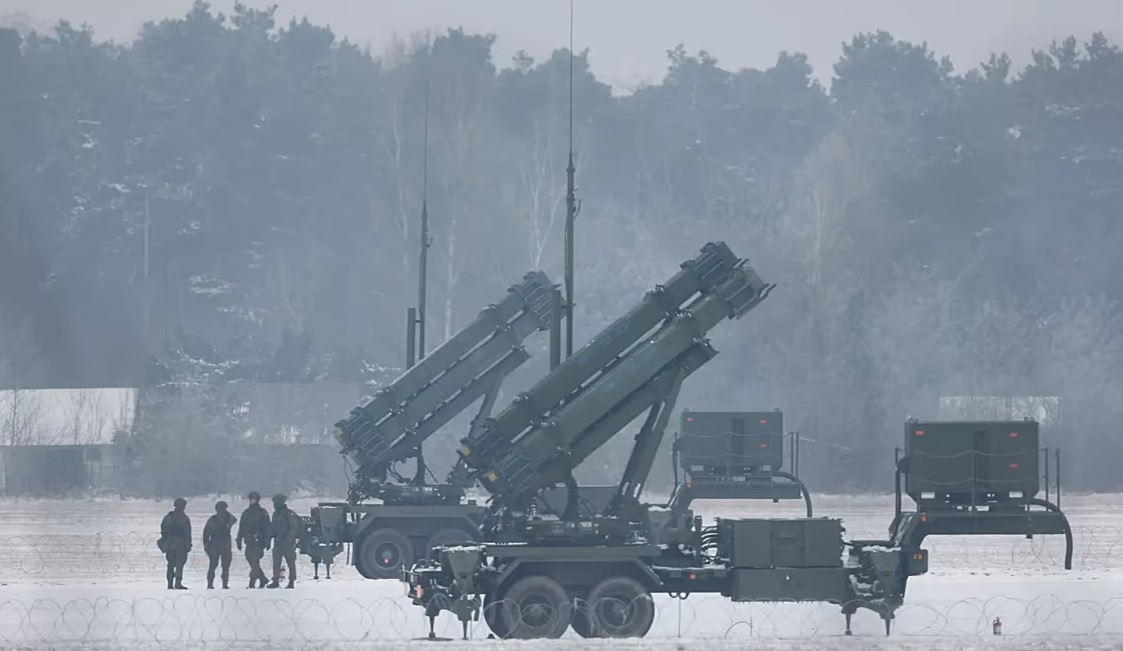
World
BERN, Switzerland — June 08, 2026 : Switzerland is formally evaluating the Franco-Italian SAMP/T air defense system as a potential alternative or supplement to its existing order for U.S.-made Patriot missile defense systems, following significant delivery delays and rising costs linked to the American program. The review is part of Switzerland’s broader Air2030 defense modernization program, which aims to strengthen the country's air and missile defense capabilities while modernizing its armed forces. Patriot Deliveries Delayed Until 2030–2034 In 2022, Switzerland signed a contract worth approximately 2 billion Swiss francs for five Patriot surface-to-air missile batteries from the United States. Under the original agreement, deliveries were expected between 2026 and 2028. However, the U.S. Department of Defense has reprioritized production to support Ukraine and meet growing global demand for air defense systems. As a result, Swiss Patriot deliveries have been pushed back significantly, with current estimates placing deliveries between 2030 and 2034. The revised schedule represents a delay of up to seven years, raising concerns within Bern about potential gaps in the country's future air defense capabilities. Rising Costs Add Pressure to Procurement Review Beyond delivery delays, Switzerland is also facing substantial cost increases. Officials estimate that the final cost of the Patriot program could rise by 50 percent or more, potentially increasing from the original CHF 2 billion contract value to as much as CHF 4 billion. Switzerland has already paid approximately CHF 700 million as an advance payment for the Patriot systems. Despite this financial commitment, the Federal Council and Defense Minister Martin Pfister are reviewing procurement options to ensure the country receives the required capability within an acceptable timeframe. Swiss authorities have reportedly paused additional payments while seeking greater clarity regarding future delivery schedules. SAMP/T NG Emerges as Leading European Alternative As part of the review, Switzerland is examining the SAMP/T Next Generation (NG) system developed by Eurosam, a joint venture between European defense companies MBDA and Thales. Eurosam has informed Swiss officials that it could potentially deliver the system by 2029, several years earlier than the revised Patriot timeline. The company has promoted the SAMP/T NG as a European, independent and sovereign air defense solution, offering an alternative to reliance on non-European suppliers. Capabilities of the SAMP/T NG System The SAMP/T, known as "Mamba" in French military service, is a mobile long-range air defense system capable of engaging a wide range of threats, including: Combat aircraft Cruise missiles Unmanned aerial vehicles (drones) Tactical ballistic missiles The system uses the Aster 30 missile family and is currently operated by France and Italy. The latest SAMP/T NG variant incorporates upgraded sensors, improved command-and-control systems, and enhanced missile engagement capabilities. It provides 360-degree radar coverage and is designed to operate within integrated air and missile defense networks. In addition, the system requires fewer personnel to operate. A typical SAMP/T battery requires around 20 personnel, compared with approximately 90 personnel for a Patriot battery. Switzerland Seeks Greater European Interoperability Swiss officials have emphasized the importance of maintaining interoperability with neighboring European countries. Speaking about the ongoing evaluation, State Secretary for Security Markus Mäder highlighted the need for compatibility with regional defense networks and stressed that Switzerland is examining additional options rather than immediately replacing the Patriot program. The growing focus on European defense cooperation has increased interest in systems such as the SAMP/T NG, particularly as European nations continue expanding their integrated air defense capabilities. Other Air Defense Systems Also Under Review In addition to the SAMP/T NG, Switzerland has reportedly requested information from several other defense manufacturers. Systems under consideration include: Germany’s IRIS-T SLM Israel’s Arrow-3 missile defense system South Korea’s Cheongung II (M-SAM) Swiss officials have indicated that European solutions are receiving particular attention during the evaluation process, although no final decision has been made. Potential Risks of Leaving the Patriot Program While the SAMP/T NG offers an earlier delivery timeline, abandoning or reducing the Patriot order could create financial and political challenges. Swiss lawmakers have warned that withdrawing from the U.S. contract could result in financial penalties and potentially affect broader defense cooperation with Washington. Such concerns are particularly relevant as Switzerland continues with its planned acquisition of F-35 fighter jets from the United States. Any procurement decision will therefore need to balance operational requirements, delivery schedules, costs, and long-term strategic partnerships. Decision Expected After Further Evaluations As of June 2026, the Swiss government has not made a final decision regarding the future of its long-range air defense program. Officials are continuing discussions with suppliers and evaluating operational, financial, and strategic factors before determining whether to proceed solely with the delayed Patriot systems or acquire additional capabilities such as the SAMP/T NG. The outcome of the review will play a key role in shaping Switzerland’s future air and missile defense network, as the country seeks to modernize its defenses while ensuring timely delivery of critical military capabilities.
Read More → Posted on 2026-06-08 17:21:15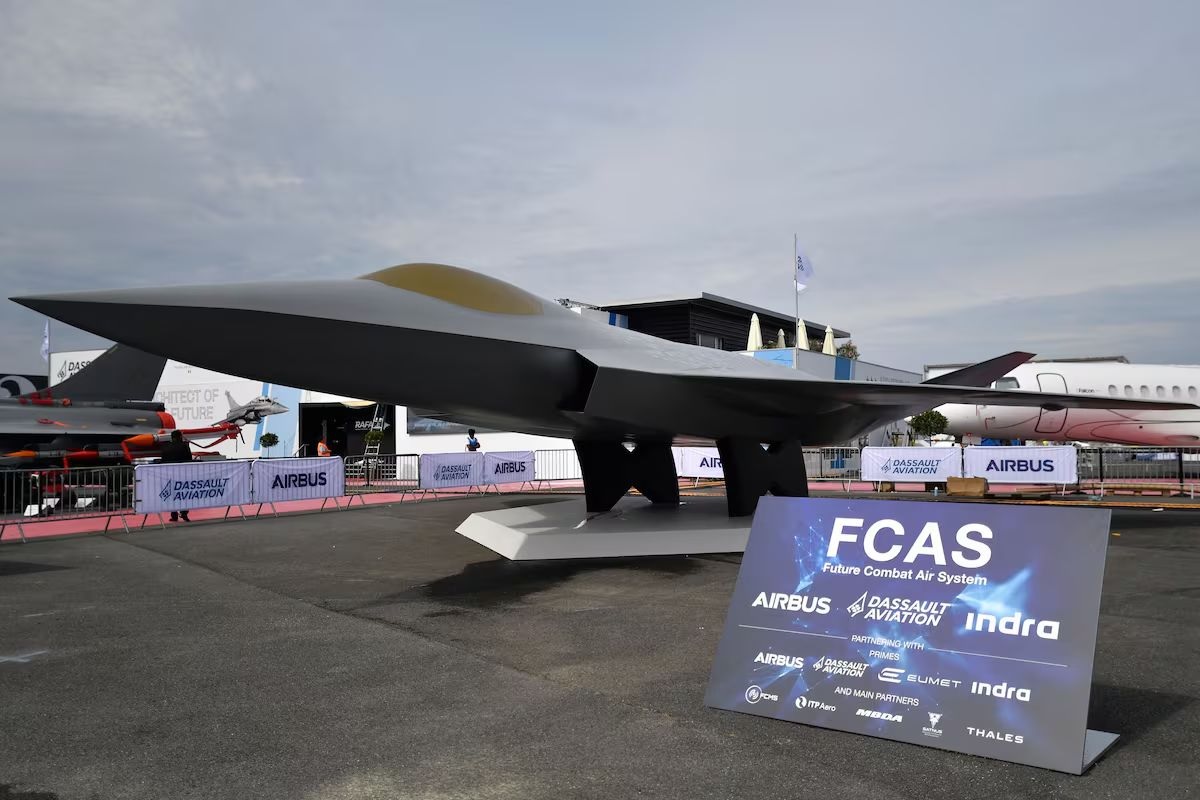
World
BERLIN, — June 08, 2026 : Germany and France have decided to discontinue the joint development of the New Generation Fighter (NGF), the central manned aircraft component of the Future Combat Air System (FCAS) program, following years of industrial disagreements between Dassault Aviation and Airbus Defence and Space over leadership, workshare, and intellectual property rights. The decision marks a major restructuring of one of Europe’s largest defense programs, valued at more than €100 billion, and effectively ends the NGF project in its current form involving France, Germany, and Spain. According to government sources, German Chancellor Friedrich Merz is expected to formally address the decision during the ILA Berlin Air Show this week. Reports indicate that Merz advised French President Emmanuel Macron that the joint fighter aircraft project should not continue after repeated efforts to resolve disputes between the industrial partners failed to produce an agreement. The move significantly alters the original vision of FCAS, which was launched in 2017 by Macron and former German Chancellor Angela Merkel as a flagship European defense cooperation initiative aimed at developing a sixth-generation air combat system. Industrial Disputes Bring NGF Project to a Halt The collapse of the NGF program follows years of disagreements between Dassault Aviation, the lead contractor for the fighter aircraft, and Airbus Defence and Space, which represented German and Spanish industrial interests. A key source of tension was the issue of workshare and industrial leadership. Dassault advocated a "best-athlete" model, arguing that its experience as a combat aircraft manufacturer justified a dominant role in the fighter's development. Reports suggested the company sought a significantly larger share of the project, with discussions involving as much as 80 percent of the NGF workshare. Airbus, backed by Germany and Spain, supported a more balanced industrial structure that would allow all participating countries to maintain and develop their aerospace capabilities. Despite multiple rounds of negotiations and mediation, the parties were unable to reach a compromise. Another major obstacle involved intellectual property rights. As the program moved toward advanced development phases, disagreements intensified over technology sharing, access to proprietary data, and protection of commercially sensitive information. These disputes repeatedly delayed progress and prevented the project from advancing to the next stage. Different Military Requirements Deepened Divisions Beyond industrial disagreements, France and Germany also held different operational requirements for a future combat aircraft. France sought an aircraft capable of carrier operations and supporting the country's airborne nuclear deterrence mission, requirements linked to the future replacement of the Rafale fighter. Germany, however, does not operate aircraft carriers and has different defense priorities. Berlin has already selected the F-35 fighter aircraft to fulfill its NATO nuclear-sharing obligations, reducing the need for some of the specialized capabilities sought by France. These differing strategic priorities made it increasingly difficult to define a common aircraft design acceptable to all participating nations. FCAS to Continue Through Drones and Combat Cloud Development While the joint fighter aircraft has been canceled, Paris and Berlin have agreed to continue cooperation on other elements of the broader FCAS architecture. The revised program will retain the FCAS name and focus on developing a "system of systems" approach centered on advanced networking and unmanned capabilities. Key areas of continued cooperation include: Remote Carriers — autonomous and collaborative drone platforms designed to operate alongside manned aircraft during combat missions. Combat Cloud — a secure digital network intended to connect aircraft, drones, sensors, command centers, naval assets, and ground forces into a unified operational system. The continuation of these components allows the project to survive in a reduced form while preserving a significant part of the European defense cooperation framework originally established in 2017. Airbus Defence and Space Chief Executive Michael Schoellhorn recently stated that although the fighter aircraft project faced substantial challenges, development of the Combat Cloud and Collaborative Combat Aircraft programs would continue. Germany has also proposed maintaining trilateral cooperation with Spain on these remaining FCAS elements. Additional details are expected to be discussed during a ministerial meeting scheduled for July 2026. Setback for European Strategic Autonomy The cancellation of the New Generation Fighter represents a significant setback for Europe's ambitions to strengthen strategic autonomy and reduce reliance on non-European military technologies. FCAS had been designed as a next-generation air combat system intended to replace France’s Rafale, Germany’s Eurofighter Typhoon, and Spain’s current fighter fleet between 2040 and 2045. The program was widely viewed as a cornerstone of future European defense-industrial cooperation. The project had already experienced years of delays. A planned technology demonstrator flight, originally targeted for 2027, failed to advance due to unresolved disputes between the industrial partners. Political mediation efforts launched by Macron and Merz earlier in 2026 ultimately did not produce an agreement. Future of European Combat Aviation With the NGF project discontinued, Europe’s future combat aviation landscape remains divided between multiple initiatives. Alongside FCAS, the Global Combat Air Programme (GCAP)—led by the United Kingdom, Italy, and Japan—continues development of its own sixth-generation fighter aircraft. Recent reports have suggested that Germany may be interested in exploring potential participation in the GCAP framework. Meanwhile, the German and French defense ministries have been tasked with preparing a new joint roadmap focused on practical defense cooperation projects, including unmanned systems, advanced networking technologies, and future battlefield integration capabilities. The ILA Berlin Air Show is expected to provide further clarity on the future direction of FCAS and broader European air combat modernization efforts as governments and industry partners reassess their long-term requirements for next-generation military aviation.
Read More → Posted on 2026-06-08 16:34:28
World
KYIV, Ukraine — June 08, 2026 : Ukrainian defense technology company MaXon Systems has successfully deployed an autonomous air defense system designed to intercept Russian Shahed drones, marking a significant advancement in Ukraine’s efforts to counter the growing number of unmanned aerial attacks. Developed with support from Ukraine’s Brave1 defense innovation cluster, the system has already completed successful combat testing and entered operational use. According to information released by Brave1 on May 22, the new system is directly integrated with Ukraine’s national radar network, enabling real-time detection and tracking of aerial threats. The technology automates approximately 95 percent of the interception process, reducing the workload on operators while maintaining human oversight during engagements. Autonomous Interception Process The MaXon platform utilizes high-speed interceptor drones that can be launched from either ground-based platforms or aerostats. During an engagement, an operator identifies an incoming target through a specialized interface and authorizes the interception. Once the command is issued, the system autonomously guides the interceptor drone toward the target area without requiring manual piloting. As the interceptor approaches the threat, its onboard artificial intelligence (AI) automatically detects, identifies, and locks onto the hostile Shahed drone. Despite the high level of automation, the platform incorporates a critical human-in-the-loop safeguard, allowing operators to cancel an attack at any point before impact, ensuring that final engagement decisions remain under human control. Ukrainian-Made Technology and Performance Founded in early 2025 by Oleksii Solntsev, MaXon Systems developed the interception platform using approximately 90 percent Ukrainian-made components. The interceptor drones have an operational range of up to 30 kilometers and can reach speeds of 300 km/h, enabling them to effectively pursue current Shahed variants, which typically cruise at speeds between 200 and 250 km/h. The company is also developing new propulsion technologies intended to enable the system to intercept future jet-powered Shahed variants and other faster aerial threats. Low-Cost Alternative to Traditional Air Defense A major advantage of the MaXon system is its cost efficiency. Each interceptor drone costs approximately $3,500, making it significantly less expensive than using traditional surface-to-air missiles against low-cost enemy drones. Ukrainian defense officials view specialized interceptor drones as a sustainable and scalable solution for countering large numbers of unmanned aerial vehicles while preserving expensive missile inventories for more complex threats. Developers estimate that between 20 and 25 interceptor units could provide comprehensive air defense coverage for Kyiv, helping defend the capital against large-scale drone attacks. Successful Combat Testing in Kharkiv Region The autonomous interception technology has already undergone successful combat trials in the Kharkiv region. Live operational testing was conducted by the 12th Separate Special Purpose Centre (12th SSPC), validating the system’s performance under battlefield conditions. According to Brave1, MaXon Systems progressed from an initial prototype to battlefield deployment in less than a year, highlighting the rapid pace of innovation within Ukraine’s defense technology sector. Investment and Production Expansion To support development and scale production, MaXon Systems secured investment from Freedom Fund and Defender Ventures during its initial funding rounds in 2025. The company later received additional financial backing from U.S.-based venture capital firm Green Flag Ventures in February 2026, enabling further research, development, and manufacturing expansion. Part of Ukraine’s Broader Air Defense Strategy The deployment of the MaXon platform forms part of Ukraine’s wider strategy to expand its “small” air defense network, which relies on specialized interceptor drones and other cost-effective technologies to counter increasing Russian drone attacks. Ukrainian Defense Minister Mykhailo Fedorov has stated that the number of Shahed drones launched by Russia is increasing by approximately 35 percent every month, creating additional pressure on Ukraine’s multi-layered air defense system. In response, Ukraine has accelerated the production and deployment of specialized interceptor drones and autonomous defense technologies. According to Fedorov, the percentage of Russian Shahed drones destroyed by specialized interceptor systems has doubled over the past four months. Supplies of interceptor drones have also increased by 2.6 times during the same period, reflecting efforts to expand national air defense capabilities. Ukraine has set a goal of achieving a stable 95 percent interception rate against aerial threats, with autonomous systems expected to play an increasingly important role in meeting that objective. Growing Role of Autonomous Air Defense Brave1 stated that the MaXon breakthrough is part of a broader effort to develop autonomous air defense solutions capable of responding more efficiently to mass drone attacks. By combining artificial intelligence, real-time radar integration, and low-cost interceptor drones, the MaXon system provides a scalable alternative to traditional missile-based air defense. The technology is intended to complement existing air defense assets while improving Ukraine’s ability to counter the growing number of Shahed-type drones being deployed against the country. As Ukraine continues adapting its defenses to evolving aerial threats, systems such as MaXon’s autonomous interceptor platform are expected to become an increasingly important component of the country’s multi-layered air defense network.
Read More → Posted on 2026-06-08 16:24:49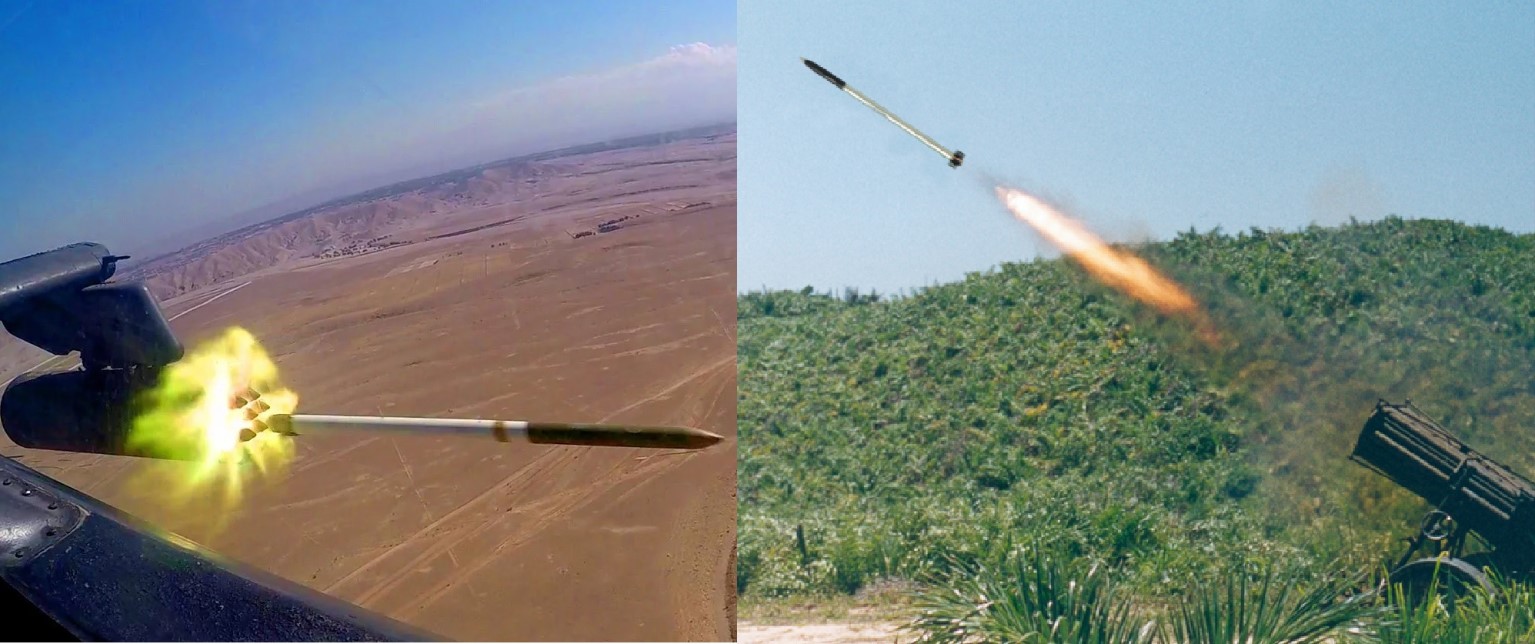
World
WASHINGTON, — June 08, 2026 : The U.S. Army has awarded Innovative Rocket Technologies Inc. (iRocket) a contract valued between $30 million and $150 million to produce guided rocket components that will convert standard Hydra-70 rockets into low-cost precision interceptors for countering unmanned aerial threats. The contract, announced by the Army’s Program Executive Office (PEO) Fires, is aimed at expanding the military’s ability to defend against the growing number of low-cost drones and loitering munitions appearing on modern battlefields. By adding laser-guidance technology to existing 70mm rockets, the Army hopes to create a scalable and more economical air defense option that can be fielded rapidly using existing military infrastructure. Addressing the Cost Challenge of Drone Warfare The award comes as U.S. forces continue to face increasing numbers of drone attacks during military operations. Current air defense missions often rely on advanced weapons such as the AGM-114 HELLFIRE missile, which costs between $150,000 and $200,000 per missile. In contrast, many hostile drones and loitering munitions can be produced for only a few thousand dollars. This cost imbalance has become a growing concern for military planners, as expensive interceptors are frequently used to defeat significantly cheaper aerial threats. Defense officials have also warned that sustained operations can place pressure on missile inventories, while traditional production lines may struggle to replenish advanced munitions at the pace required by modern conflicts. As a result, the Pentagon has increasingly sought lower-cost, high-volume interceptor solutions capable of engaging large numbers of unmanned systems. Hydra-70 Rockets to Gain Precision-Guided Capability To address this requirement, the Army is turning to the Hydra-70, a 2.75-inch (70mm) fin-stabilized rocket that has been in U.S. military service since the late 1940s. Over the decades, hundreds of thousands of Hydra-70 rockets have been manufactured and deployed across multiple platforms, including the AH-64 Apache, UH-60 Black Hawk, and various fixed-wing aircraft. Originally designed for area suppression missions, the rocket has become one of the most widely used aerial munitions in the U.S. arsenal. Under the new contract, iRocket will produce laser-guided components that enable the rocket to home in on a laser-designated target during the final stage of flight. This upgrade will provide the accuracy needed to engage small, fast-moving, and maneuverable drones while maintaining a significantly lower cost than traditional air-defense missiles. Successful iRX-100 Demonstration Validated the Concept The contract follows a successful flight demonstration of the company’s iRX-100 interceptor, a 70mm guided missile variant developed for counter-drone missions. During testing earlier this year, the interceptor achieved speeds of approximately Mach 2 and traveled about six kilometers while being launched from an existing Arnold Defense launcher. The demonstration confirmed that the new interceptor can be integrated into currently fielded launcher systems without requiring structural modifications, allowing military units to adopt the capability quickly while minimizing additional procurement and integration costs. The ability to use existing launchers and logistics networks is considered a major advantage, reducing both deployment timelines and operational expenses. Factory ONE Designed for High-Volume Production To meet future demand, iRocket plans to manufacture the guided rocket components through its automated production system known as “Factory ONE of the Future.” The facility combines advanced robotics, automation technologies, and digitally integrated manufacturing systems to increase production efficiency and support large-scale output. According to the company, key production goals include: One propellant unit produced every five minutes Annual production capacity of up to 97,000 guided rocket units Surge manufacturing capability to rapidly increase output during periods of heightened operational demand The production model is intended to provide the Department of Defense with a reliable source of affordable interceptors while improving supply-chain resilience. Company Leadership Highlights Need for Affordable Defenses Commenting on the award, Asad Malik, Chief Executive Officer and founder of iRocket, said the contract reflects changing battlefield requirements and the growing importance of cost-effective defensive systems. “This award reflects a vital shift in how modern conflicts are being fought and won,” Malik said. “Our forces are facing increasingly asymmetric threats, where low-cost drones are being deployed at scale, and the traditional response model is no longer sustainable. At iRocket, we are focused on changing that equation, delivering precision-guided rocket capabilities that are not only effective, but affordable and produced at the speed and volume today’s operational environment demands.” Part of a Broader U.S. Military Procurement Trend The iRocket contract is part of a broader effort across the U.S. Armed Forces to develop affordable layered air-defense systems capable of countering large-scale drone attacks. Multiple military branches are currently evaluating lower-cost interceptor solutions that can be integrated into widely deployed launch platforms while leveraging existing logistics and support networks. By combining the established Hydra-70 rocket infrastructure with high-throughput automated manufacturing, the Army aims to strengthen interceptor production capacity, improve stockpile sustainability, and ensure that U.S. forces can maintain sufficient defensive capabilities against the growing number of mass-produced aerial threats appearing in modern warfare.
Read More → Posted on 2026-06-08 16:16:17
World
PARIS, — June 08, 2026 : European allies of the United States are preparing to seek President Donald Trump’s approval for a multinational demining mission in the Strait of Hormuz during the upcoming Group of Seven (G7) Summit in France. The proposed operation aims to restore commercial shipping through the strategic waterway, which has remained largely closed since the outbreak of the 2026 Iran conflict. UK and France Lead Mission Planning The initiative is being led by the United Kingdom and France, with military planners confirming that the operation is already operationally ready. According to officials involved in the planning process, naval assets could be deployed within days of a U.S.-Iran peace agreement or a sustainable ceasefire. More than 15 countries have contributed military planners to coordinate the mission. Germany, Italy, and the United Kingdom have prepared naval resources, including mine-sweepers, autonomous mine-hunting systems, and supporting maritime assets for possible deployment. The proposal forms part of a broader multinational framework that could eventually involve contributions from up to 40 nations. The operation would focus on mine clearance, protection of commercial vessels, and the safe reopening of one of the world's most important maritime trade routes. Importance of the Strait of Hormuz The Strait of Hormuz is one of the most critical energy corridors in the world, handling approximately one-fifth of global oil and liquefied natural gas (LNG) shipments under normal conditions. European leaders view the mission as a practical way to support international maritime security while enabling the rapid resumption of global energy exports. Officials have emphasized that the mission would operate in a strictly defensive capacity and in accordance with international law, with the primary objective of ensuring safe navigation for commercial shipping. Closure of the Waterway and Economic Impact The strait has remained largely blocked since February 28, 2026, following the outbreak of the Iran war. During the conflict, the Iranian Revolutionary Guard Corps (IRGC) laid sea mines and carried out attacks against merchant vessels operating in the region. The disruption caused significant instability in global energy markets, contributing to a surge in oil prices. Brent crude oil climbed to approximately $126 per barrel in March 2026, while shipping companies faced delays, rerouting costs, and increased insurance expenses. The prolonged closure has placed additional pressure on energy-importing countries and disrupted international trade flows, making the reopening of the waterway a priority for G7 nations and other major economies. Allied Support and U.S. Capability Gap The proposed European-led mission comes as the United States faces a shortage of dedicated mine-clearing assets in the region following the withdrawal of several older anti-mine vessels from service. As a result, allied naval capabilities are expected to play a crucial role in any future effort to restore safe passage through the strait. The United Kingdom has already strengthened its regional presence with assets including autonomous mine-hunting equipment, counter-drone systems, Eurofighter Typhoon fighter jets, and the Type 45 destroyer HMS Dragon. Other allied nations have offered mine-clearance vessels, maritime surveillance platforms, and logistical support. Planning for the operation has been coordinated through a series of international conferences, military consultations, and virtual meetings involving partner nations. Trump’s Decision Remains Uncertain Despite extensive preparations, it remains unclear whether President Trump will formally endorse the proposal. Trump has previously urged NATO allies and Asian partners to contribute naval forces to efforts aimed at reopening the Strait of Hormuz and has recently launched a separate U.S.-led mission to guide commercial vessels through the region. European leaders are expected to present the coordinated plan during the G7 Summit in Évian-les-Bains, France, from June 15–17, with the goal of securing political backing from Washington. G7 Discussions Could Shape Next Steps The planned demining mission is expected to be a major topic during the summit’s discussions on Middle East security, global energy stability, and freedom of navigation. Any deployment would only proceed following a sustainable ceasefire and appropriate diplomatic arrangements with relevant parties. The outcome of talks between G7 leaders and President Trump could determine the pace and scope of efforts to reopen the Strait of Hormuz, restore commercial shipping, and stabilize global energy markets after months of disruption.
Read More → Posted on 2026-06-08 15:59:44
World
MISGAV, Israel — June 08, 2026 : Semi Conductor Devices (SCD) has expanded its infrared (IR) detector portfolio with new and upgraded solutions designed for loitering munitions, guided weapons, missile seekers, and autonomous systems. The company said the expanded product range is aimed at meeting growing demand for sensors capable of operating in high-dynamic environments while supporting rapid target acquisition and simplified integration into a variety of defense platforms. The detectors are intended to help defense integrators improve situational awareness, reduce sensor activation times, and lower development risks for both new and existing systems. SWIFT-EI Upgraded for Low-Visibility Operations SCD has upgraded its SWIFT-EI short-wave infrared (SWIR) module for operations in environments affected by smoke, dust, and low-light conditions. The company said SWIFT-EI is the first SWIR detector to incorporate an advanced read-out integrated circuit (ROIC) with an independent neuromorphic imaging stream for event detection. The detector supports frame rates of up to 1,600 frames per second and is designed to reduce processing requirements while enabling asynchronous laser pulse detection (ALPD), hostile fire indication (HFI), and platform stabilization. Pelican and Blackbird 640 for High-Speed Seeker Applications For missile seekers and guided munitions operating in demanding flight conditions, SCD is offering its Joule-Thomson (JT) cooled mid-wave infrared (MWIR) detectors from the Pelican and Blackbird 640 families. According to the company, these detectors are optimized for rapid target lock and long-range imaging while simplifying integration into both legacy and next-generation seeker systems. Sparrow HD Supports Long-Range Targeting SCD also highlighted its Sparrow and Sparrow HD MWIR detectors, which are designed for standoff targeting and long-range identification missions. The Sparrow HD is a 5-micron MWIR detector module developed to meet low size, weight, and power (SWaP) requirements. The system is intended for use in loitering munitions, remote weapon stations, airborne payloads, and perimeter defense networks. The company noted that thousands of Sparrow-family detectors are deployed worldwide each year, providing a scalable and field-proven solution for defense programs. Robin LWIR Designed for Agile Platforms The newly introduced Robin family of 12-micron uncooled long-wave infrared (LWIR) detectors is intended for next-generation loitering munitions and effectors operating without mechanical stabilization. Built on vanadium oxide (VOx) microbolometer technology, the Robin series features a thermal time constant of less than seven milliseconds. SCD said this enables stable, blur-free thermal imagery during rapid maneuvers while reducing reliance on gimbals and complex stabilization hardware. The expanded portfolio covers SWIR, MWIR, and LWIR spectral bands, supporting applications ranging from autonomous drones and missile seekers to long-range intelligence, surveillance, and reconnaissance (ISR) systems. According to SCD, the portfolio is designed to address key challenges including motion-induced blur, integration complexity, rapid target acquisition, and scalable production requirements for modern defense systems.
Read More → Posted on 2026-06-08 15:49:57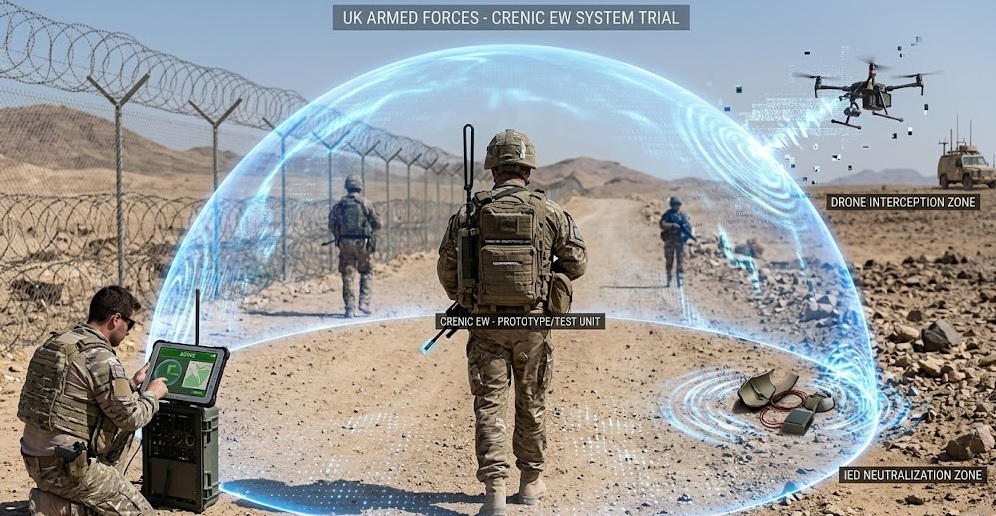
World
LONDON — Jujne 08, 2026 : The United Kingdom Ministry of Defence (MoD) is moving forward with Project CRENIC, a next-generation electronic countermeasure (ECM) programme designed to protect troops, military vehicles, and operational bases from radio-controlled improvised explosive devices (IEDs) and other signal-based threats. According to a written parliamentary response published on 5 June 2026, the programme is scheduled to begin prototype testing in the first quarter of 2027, marking a major milestone in its development. Prototype Testing Planned for 2027 The update was provided by Minister of State for Defence Luke Pollard in response to a parliamentary question from Conservative MP Ben Obese-Jecty. Pollard confirmed that Project CRENIC successfully completed its Critical Design Review (CDR) during the summer of 2025, demonstrating that the system's design had reached the maturity required to proceed into manufacturing, integration, and testing. The revised timeline follows earlier Ministry of Defence plans announced in 2022, which anticipated initial deliveries of soldier-carried and vehicle-mounted equipment in 2026. The availability of prototypes in Q1 2027 will provide the MoD and Parliament with a clear benchmark to evaluate system performance before decisions are taken on wider deployment. Following prototype delivery, the programme will enter a phase of operational trials, user evaluations, software refinement, and capability improvements before a final decision is made regarding broader fielding across the armed forces. £45 Million Contract Awarded to Team Protect Project CRENIC is being delivered through a five-year, £45 million systems integration contract awarded in October 2022 by Defence Equipment & Support (DE&S) and Strategic Command. The programme is managed by Team Protect, a consortium led by PA Consulting and supported by Leonardo UK, Leidos Innovations UK, and Marshall Land Systems. Unlike traditional defence procurement programmes that rely on a single prime contractor, Team Protect has established a network of approximately 110 UK businesses. According to PA Consulting, around 45 percent of participating companies are classified as small or micro enterprises, while more than half operate in innovation-focused sectors. The approach is intended to provide rapid access to specialist technologies in artificial intelligence, software development, signal processing, electronic warfare, and advanced antenna systems. However, managing such a broad supplier base also requires strict oversight of security accreditation, cybersecurity standards, configuration control, export regulations, and electromagnetic safety requirements. Software-Defined Electronic Warfare System At the centre of Project CRENIC is a fully software-defined electronic warfare architecture capable of detecting, analysing, and disrupting hostile radio-frequency communications. The system combines receivers, signal processors, electronic attack transmitters, power amplifiers, antennas, and mission software to identify threat signals and apply targeted jamming against them. Its primary mission is to reduce the effectiveness of roadside bombs triggered through radio-frequency links while also providing protection against selected drone-control signals. Unlike legacy electronic countermeasure systems that often require hardware modifications to address emerging threats, CRENIC's software-defined design allows new capabilities to be introduced through software updates and waveform modifications. This enables the system to adapt more rapidly when adversaries change communication protocols, command links, or detonator frequencies. Designed for Modern Communication Threats According to Leonardo UK, CRENIC is being developed to counter threats operating across increasingly complex communication networks, including 4G, 5G, and Internet of Things (IoT) technologies. The system must continuously monitor a crowded electromagnetic environment and identify potentially hostile emitters among large volumes of civilian and military communications activity. Advanced spectrum analysis and signal-characterisation capabilities are therefore central to the programme. A key requirement is preventing electronic fratricide, ensuring that hostile signals can be disrupted without causing unacceptable interference to friendly military radios, battlefield data links, navigation systems, or allied drone networks. Open Architecture and Future Upgrades Project CRENIC is among the first UK defence programmes to fully adopt the Standards for Integrated C5ISR/EW Systems (STICS) framework, previously known as the Land CEMA Architecture before November 2024. The framework incorporates open standards including MORA, OpenVPX, and the Generic Vehicle Architecture (GVA). These standards are intended to improve interoperability, simplify future upgrades, and reduce the system's size, weight, and power (SWaP) requirements. The open-architecture approach also enables new processors, sensors, and hardware components to be integrated throughout the system's operational life without requiring major redesigns. Capability Tailored for Troops, Vehicles, and Bases The Ministry of Defence plans to deploy Project CRENIC across a variety of operational environments. For dismounted troops, including infantry patrols, combat engineers, search teams, and medical personnel, the focus is on compact equipment with low weight and extended battery life. These systems are intended to create a localised electronic protection zone while allowing soldiers to continue using their own communications equipment. Vehicle-mounted variants will be installed on protected mobility vehicles, command platforms, and logistics trucks. These versions can accommodate larger antennas and more powerful transmitters, providing wider-area protection for convoys, temporary checkpoints, and route-clearance operations. For fixed and semi-permanent military installations, including airheads, forward operating bases, and ammunition storage sites, CRENIC will employ permanent antenna networks and dedicated monitoring systems. These configurations will allow commanders to continuously observe the electromagnetic environment and identify suspicious signal activity that may indicate preparations for an attack. Part of a Broader Counter-Drone Defence Strategy Project CRENIC also includes capabilities designed to counter certain categories of unmanned aerial systems (UAS). The system can disrupt drones that rely on radio-frequency command links, video transmissions, cellular networks, or satellite navigation signals. However, defence analysts note that the capability is not intended to independently defeat every drone threat. The system is unlikely to neutralise fibre-optic FPV drones, fully autonomous unmanned aircraft, or platforms capable of continuing their mission after losing contact with operators. As a result, military planners view CRENIC as one component of a layered defence architecture that also includes radar systems, acoustic sensors, camouflage measures, and kinetic interceptors. British Armed Forces Expected to Be Primary Users The British Army, Royal Marines, and Royal Air Force land forces are expected to become the primary users of the system once it enters service. With prototype testing scheduled for early 2027, the next phase of the programme will focus on validating operational performance, gathering user feedback, and refining software capabilities. The Ministry of Defence expects these activities to help ensure that the system remains effective against rapidly evolving electronic warfare, IED, and drone threats. Through Project CRENIC, the UK is seeking to develop a flexible and upgradeable force-protection capability that can adapt to emerging threats across the electromagnetic spectrum while supporting military operations in a wide range of operational environments.
Read More → Posted on 2026-06-08 15:38:29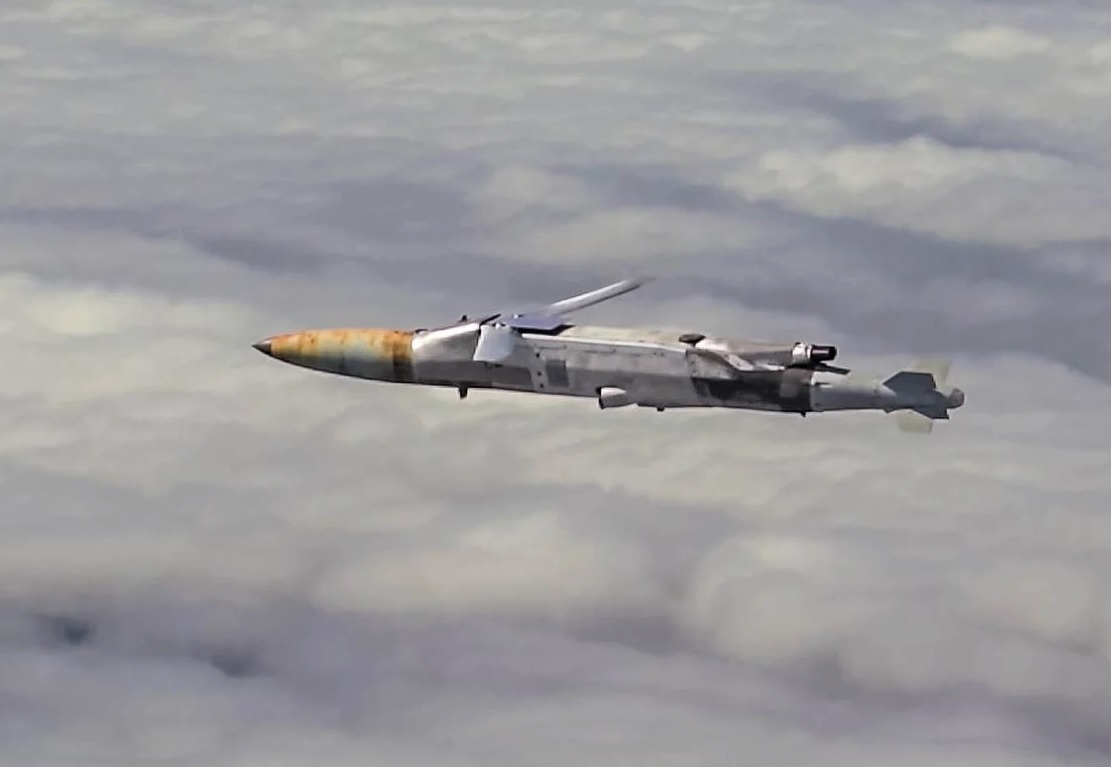
World
WASHINGTON, — June 08, 2026 : The United States Department of State has approved a potential Foreign Military Sale (FMS) to the Republic of Korea for Joint Direct Attack Munition (JDAM) guidance kits and related support equipment, with an estimated value of $106 million. The approval, announced on June 5, is intended to strengthen South Korea’s precision-strike capabilities and support its ongoing defense modernization efforts. The proposed sale follows a formal request from the South Korean government for JDAM components that convert conventional unguided bombs into precision-guided weapons. By integrating GPS-aided inertial navigation systems, JDAM kits enable aircraft to engage targets with greater accuracy in various weather and operational conditions. According to the approved package, South Korea will receive 708 KMU-557 JDAM tail kits and 58 KMU-572 JDAM guidance sets. The package also includes weapons support equipment, logistics and program support elements, engineering assistance, technical services, and contractor-provided sustainment support necessary for operational integration and long-term maintenance. The U.S. Defense Security Cooperation Agency (DSCA) stated that the proposed sale supports U.S. foreign policy and national security objectives by enhancing the defense capabilities of a key ally in the Indo-Pacific region. South Korea remains one of Washington’s closest security partners and plays a significant role in maintaining regional stability and supporting economic development across the region. U.S. officials noted that the acquisition will improve South Korea’s ability to respond to current and emerging security challenges by expanding its precision air-to-ground strike capability. The additional JDAM kits are expected to strengthen the Republic of Korea Air Force (ROKAF) capability to conduct accurate strikes against a range of targets while reducing the need for larger quantities of munitions during operations. The State Department further emphasized that the proposed transfer will improve interoperability between South Korean and U.S. military forces. Interoperability remains a central component of the long-standing alliance between the two countries, enabling coordinated operations, joint exercises, and integrated defense planning. Officials assessed that South Korea will be able to incorporate the equipment into its existing military infrastructure without difficulty. The country already operates JDAM-equipped aircraft, including advanced fighter platforms such as the F-15K and F-35A, making integration of the additional kits relatively straightforward. The principal contractor for the sale is Boeing, headquartered in Arlington, Virginia. Boeing developed the JDAM system, which has become one of the most widely used precision-guided munition technologies among U.S. allies and partner nations. The system can be fitted to several types of conventional bombs, including Mk-82, Mk-83, Mk-84, and BLU-series weapons, significantly improving their accuracy through satellite-guided navigation. U.S. authorities also stated that the proposed transaction will not adversely affect the readiness of U.S. armed forces. In addition, officials concluded that the introduction of the JDAM kits is not expected to alter the military balance in the region. The approval represents another step in ongoing defense cooperation between Washington and Seoul. In recent years, the two countries have expanded collaboration on advanced military technologies, missile defense systems, precision-guided weapons, and joint operational capabilities as part of broader efforts to strengthen deterrence and regional security. As with all Foreign Military Sales, the proposed deal remains subject to congressional notification and review before moving forward to a formal Letter of Offer and Acceptance (LOA). Once completed, implementation will include the delivery of equipment, technical assistance, logistics support, and training-related services to ensure effective integration into South Korea’s armed forces. The proposed JDAM package reflects continued U.S. support for South Korea’s defense modernization program and reinforces the strategic partnership between the two allies amid evolving security challenges in the Indo-Pacific region.
Read More → Posted on 2026-06-08 14:32:59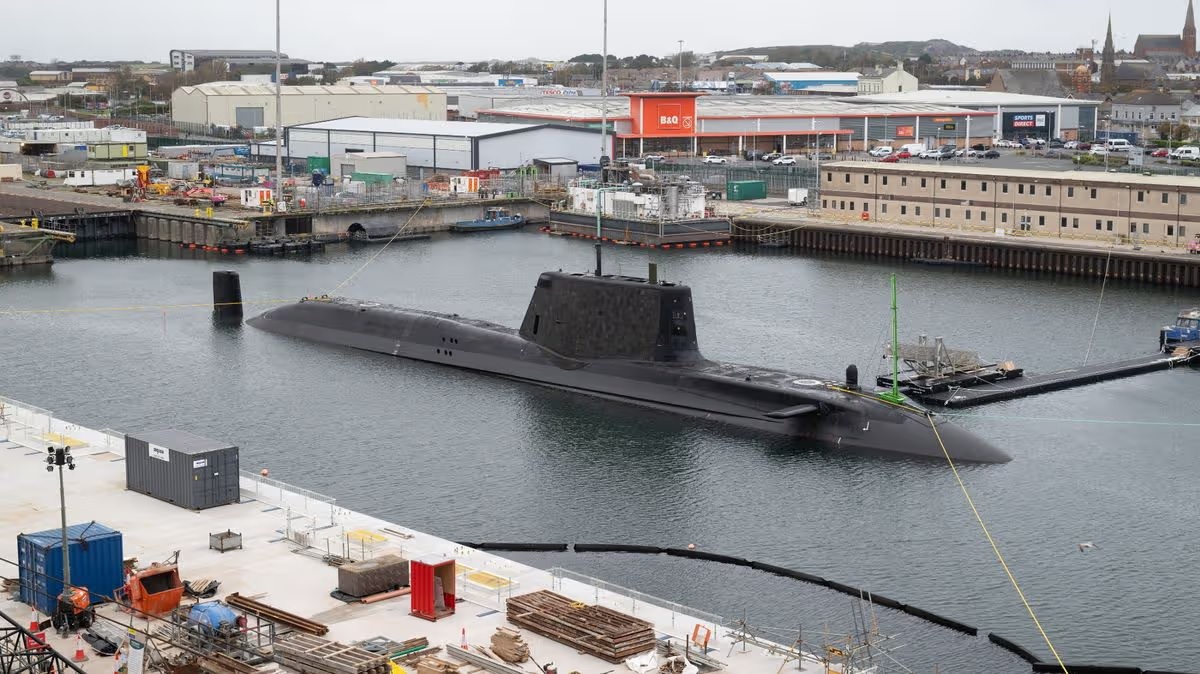
World
LONDON, — June 08, 2026 : The Royal Navy is currently facing a significant challenge in submarine readiness, with all five operational Astute-class nuclear-powered attack submarines undergoing maintenance, repairs, or dockyard work, leaving the United Kingdom without an active deployable attack submarine force for the time being. The situation has raised concerns among defence analysts and former naval commanders, who have highlighted the importance of attack submarines in safeguarding British security interests and monitoring increasing underwater activity in the North Atlantic and waters surrounding the UK. All Operational Astute-Class Submarines in Port The Royal Navy's active Astute-class fleet consists of HMS Astute, HMS Ambush, HMS Artful, HMS Audacious, and HMS Anson. According to reports, all five vessels are currently unavailable for operations while undergoing scheduled maintenance, repairs, or engineering work. As a result, the fleet's operational availability has temporarily fallen to zero percent, an unprecedented situation for Britain's attack submarine force. A sixth submarine, HMS Agamemnon, was commissioned into the fleet last autumn but remains in the sea-trials and testing phase and is not yet ready for operational deployment. Meanwhile, the seventh and final Astute-class submarine, HMS Achilles, remains under construction at BAE Systems' Barrow-in-Furness shipyard and is expected to enter service later in 2026. Critical Role in National Security The Astute class represents the Royal Navy's most advanced attack submarine capability. Powered by nuclear reactors, the submarines are designed to conduct anti-submarine warfare, intelligence gathering, surveillance missions, land-attack operations, and maritime security tasks. Each vessel measures approximately 97 metres in length, displaces around 7,400 tonnes submerged, and is equipped with advanced sonar systems, Spearfish heavyweight torpedoes, and Tomahawk land-attack cruise missiles. Beyond combat missions, the submarines play a vital role in protecting the UK's strategic nuclear deterrent. Astute-class boats routinely support and escort the Vanguard-class ballistic missile submarines, which carry the nation's Trident nuclear missiles and maintain Britain's continuous at-sea nuclear deterrent. Defence experts note that the absence of available attack submarines could leave these strategic assets more vulnerable and reduce the Royal Navy's ability to respond quickly to underwater threats. Concerns Over Increased Russian Naval Activity Former senior naval officers have warned that the current situation could affect Britain's ability to monitor and track Russian submarine operations in the North Atlantic. Reports indicate that Russian naval activity around British waters has increased by roughly one-third over the past year, placing greater importance on underwater surveillance and deterrence missions carried out by attack submarines. Several former commanders have argued that the lack of available hunter-killer submarines weakens Britain's ability to detect, shadow, and deter potential adversaries operating near UK waters and critical maritime routes. Risks to Undersea Infrastructure Military analysts have also highlighted the importance of attack submarines in protecting critical undersea infrastructure, including communications cables, internet networks, and energy systems. The United Kingdom relies heavily on a vast network of subsea internet cables and energy connections, much of which lies on the seabed and remains vulnerable to interference, sabotage, or surveillance activities by hostile actors and deep-sea vehicles. Attack submarines play an important role in monitoring these areas and contributing to broader maritime security efforts alongside surface warships and maritime patrol aircraft. Infrastructure and Maintenance Challenges The current maintenance backlog is not linked to a single technical issue but rather reflects broader industrial and infrastructure constraints that have developed over several years. The Royal Navy and its industrial partners continue to face a shortage of skilled nuclear engineering personnel, while limited dockyard capacity has slowed maintenance schedules across the submarine fleet. At His Majesty's Naval Base Clyde (HMNB Clyde) in Faslane, Scotland, a specialised submarine ship-lift system used to remove boats from the water for maintenance has reportedly been unavailable for more than a year. At the same time, key facilities at HMNB Devonport, Britain's primary submarine maintenance centre, are undergoing major infrastructure upgrades, reducing the number of submarines that can be processed simultaneously for repairs and servicing. Royal Navy Launches Recovery Plan Recognising the seriousness of the maintenance bottleneck, First Sea Lord General Sir Gwyn Jenkins has launched the Submarine Maintenance Recovery Plan, an initiative aimed at improving fleet readiness and accelerating maintenance activities. The programme seeks to streamline repair schedules, improve workforce availability, increase industrial efficiency, and return submarines to operational service as quickly as possible. The Ministry of Defence (MoD) has declined to discuss the operational status of individual submarines, citing longstanding security policies regarding submarine deployments. However, officials maintain that British waters remain protected through a combination of surface warships, maritime patrol aircraft, surveillance systems, and NATO cooperation. Broader Strategic Implications The Royal Navy currently operates nine nuclear-powered submarines, including four Vanguard-class ballistic missile submarines and five active Astute-class attack submarines. The situation comes as the United Kingdom continues its commitments under the AUKUS security partnership with Australia and the United States, which includes cooperation on future nuclear-powered submarine programmes. While the Astute-class fleet remains one of the most capable submarine forces in Europe, the current availability gap highlights the challenges of sustaining a relatively small but highly sophisticated submarine fleet amid increasing operational demands and growing strategic competition. Defence officials are now focused on restoring submarine availability and ensuring that maintenance reforms deliver long-term improvements to fleet readiness as HMS Agamemnon and HMS Achilles move closer to full operational service.
Read More → Posted on 2026-06-08 14:17:18
World
JERUSALEM/TEHRAN, — June 08, 2026 : The Israel Defense Forces (IDF) announced on Monday that dozens of Israeli fighter jets conducted a large-scale operation against air defense systems across western and central Iran, including targets in and around Tehran. According to the IDF, the strikes targeted air defense infrastructure that Iran had recently deployed to restore capabilities damaged during the earlier stages of the ongoing conflict. Israeli officials said the operation focused on early-warning radars, surface-to-air missile systems, and related military facilities. The IDF stated that the strikes improved the Israeli Air Force's operational freedom over parts of western and central Iran by degrading key air defense networks. Israeli officials also confirmed that a petrochemical facility in southwestern Iran, which Israel alleges is involved in ballistic missile production, was among the targets. The Israeli military released footage showing precision strikes on military sites linked to the Islamic Revolutionary Guard Corps (IRGC) in southern Tehran. The videos showed multiple explosions and secondary detonations, indicating the presence of military equipment and munitions. Iranian state media reported that air defense systems were activated in western Tehran and Kermanshah following a new wave of explosions in the area. Chinese-Made HQ-9 Systems Reportedly Hit Defense analysts and regional reports indicated that some of the targeted systems included the Chinese-made HQ-9 and HQ-9B long-range surface-to-air missile systems. The HQ-9B, with a reported range of up to 260 kilometers, is designed to intercept aircraft, cruise missiles, and other aerial threats. According to multiple reports, several HQ-9 batteries were destroyed or rendered inoperable during the strikes. Analysts said Israeli aircraft employed a combination of electronic warfare, suppression of enemy air defenses, and precision-guided munitions to neutralize the systems. The reported destruction of recently acquired HQ-9 systems has drawn attention to the performance of Chinese military equipment in high-intensity combat environments. Iran Increasingly Relies on Chinese Equipment Iran operates a mix of domestic, Russian, and Chinese air defense systems. With Russia focusing on the war in Ukraine and facing constraints on defense exports, Tehran has reportedly increased reliance on Chinese military technology to strengthen its air defense network. Reports indicate that HQ-9 variants were introduced to help reinforce Iranian defenses after previous conflicts degraded parts of the country's air defense infrastructure. Strikes Follow Iranian Missile Attacks The Israeli operation came after Iran launched at least 20 ballistic missiles toward Israel late Sunday and early Monday, according to the IDF. Israeli officials stated that the missiles were either intercepted or landed in unpopulated areas. At the same time, the Iran-backed Houthi movement in Yemen launched additional attacks targeting Israel. The latest exchange comes despite a temporary ceasefire reached in April 2026, highlighting continued tensions between the two sides. Regional Security Concerns The ongoing conflict has disrupted regional air traffic, with Iranian authorities suspending flights at several airports following the latest attacks. Military analysts say the recent strikes will likely be closely examined as a real-world test of modern air defense systems, particularly the reported performance of the Chinese-made HQ-9, against advanced aircraft, precision weapons, and electronic warfare capabilities. The IDF stated that the operation targeted military objectives linked to Iran's missile and drone programs and was aimed at countering security threats posed by those capabilities.
Read More → Posted on 2026-06-08 14:06:51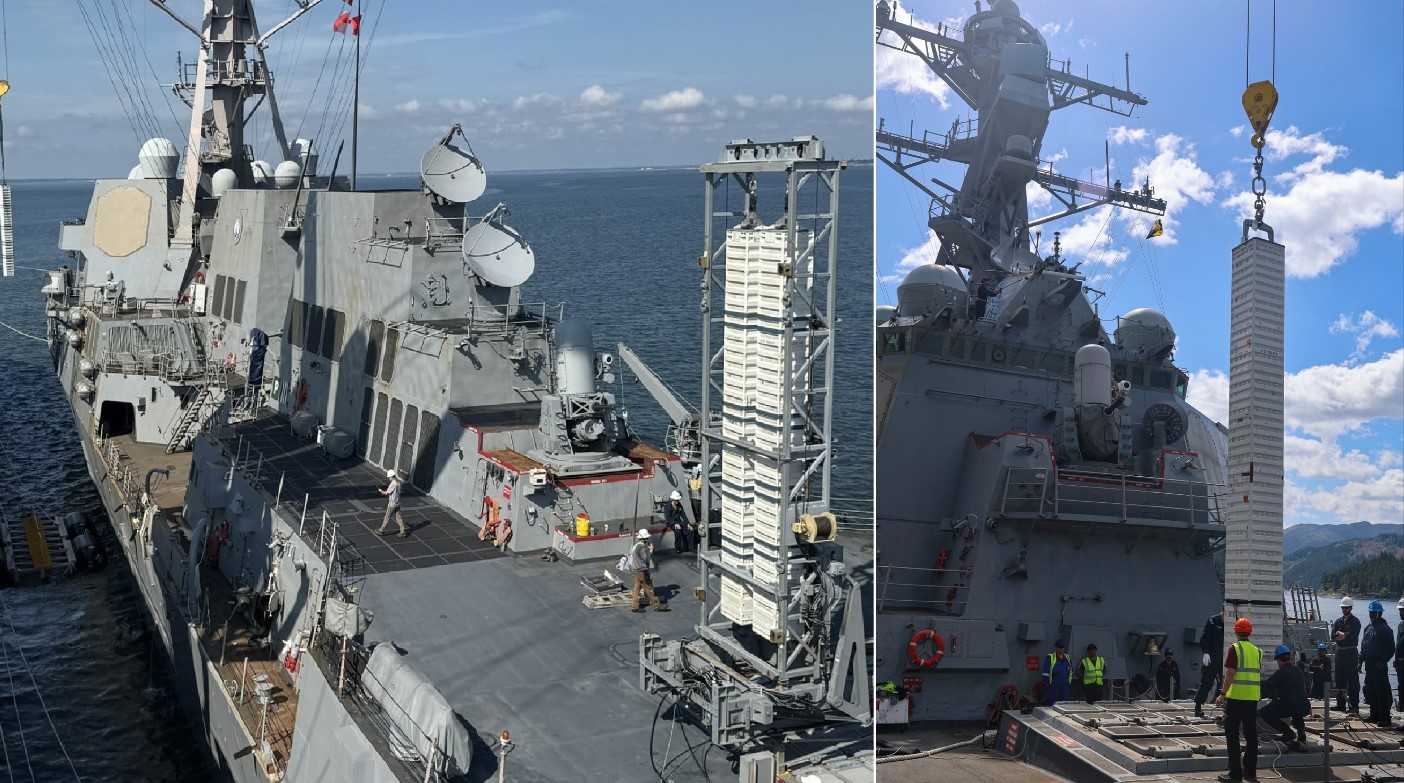
World
WASHINGTON — June 08, 2026 : The U.S. House Armed Services Committee has included a provision in the Fiscal Year 2027 National Defense Authorization Act (NDAA) requiring the U.S. Navy to provide a detailed briefing on its efforts to develop at-sea reloading capabilities for Vertical Launching System (VLS) cells aboard warships. The move reflects growing congressional interest in improving the Navy’s ability to sustain combat operations during prolonged deployments, particularly in the Indo-Pacific region where access to major naval facilities could be limited during a conflict. Congress Seeks Details on Navy Rearming Plans In its markup of the FY2027 NDAA, the House Armed Services Committee emphasized the importance of developing expeditionary rearming solutions that would allow surface combatants to replenish missile inventories without returning to port. According to the draft legislation, lawmakers noted that uncertainty regarding future at-sea rearming capabilities highlights the need to identify and advance practical near-term solutions that can be implemented using existing platforms and infrastructure. The committee has requested a comprehensive briefing covering: Operational requirements for at-sea missile reloading. Technical and logistical challenges. Near-term technology options and associated risks. Investments needed to accelerate deployment of the capability. The briefing is intended to help Congress evaluate the Navy’s progress and determine what additional resources may be required to advance the program. Operational Need for At-Sea Rearming The initiative addresses a long-standing challenge for U.S. Navy surface combatants. Guided-missile destroyers and cruisers equipped with the MK 41 Vertical Launching System typically carry between 96 and 112 missile cells. Once those missiles are expended, the ships must return to specialized port facilities for reloading. In a potential conflict in the Western Pacific, where U.S. naval bases and logistics hubs are widely dispersed, the time required to travel to and from port could significantly reduce fleet availability and combat effectiveness. An operational at-sea rearming capability would allow warships to replenish missile inventories closer to the operational area, enabling them to remain on station longer and continue missions with fewer interruptions. Renewed Focus on a Cold War-Era Concept Although the concept of reloading VLS cells at sea was originally explored during the final years of the Cold War, interest in the capability has increased in recent years as the Navy seeks to improve logistics and sustainment in contested environments. Former Secretary of the Navy Carlos Del Toro identified at-sea VLS reloading as one of the service’s key modernization priorities, leading to renewed testing and development efforts. At the same time, the Johns Hopkins Applied Physics Laboratory has worked with Naval Sea Systems Command to modernize and redesign earlier concepts developed during the 1990s, adapting them for current operational requirements. TRAM Demonstration Achieved Major Milestone in 2024 A significant step forward occurred in July 2024 when the Naval Surface Warfare Center, Port Hueneme Division, successfully conducted a land-based demonstration of the Transferrable Reload At-sea Method (TRAM). The system was later tested at sea on October 11, 2024, off the coast of San Diego. During the demonstration, the Ticonderoga-class cruiser USS Chosin (CG 65) was fitted with the TRAM system, while the dry cargo and ammunition ship USNS Washington Chambers (T-AKE 11) transferred a missile canister to the cruiser using cables stretched between the vessels. Sailors aboard USS Chosin then used the hydraulically powered TRAM mechanism to raise the canister into a vertical position and lower it into an empty MK 41 VLS cell. The successful demonstration marked one of the Navy’s most important achievements in advancing practical at-sea missile reloading. Large Scale Exercise 2025 Expanded Testing The Navy continued testing the concept during Large Scale Exercise 2025, its annual global exercise focused on evaluating command-and-control systems, logistics operations, and emerging capabilities. During the exercise, a crane-equipped support vessel successfully conducted the simultaneous reloading of both forward and aft VLS magazines on an Arleigh Burke-class destroyer while the ships were moored at sea. The event demonstrated the potential for expeditionary logistics teams to rapidly replenish missile inventories outside traditional port facilities and provided valuable operational data for future development. Future Testing Planned for Additional Weapon Systems Recent budget documents released in May 2026 indicate that the Navy intends to expand testing beyond VLS-equipped surface combatants. Future trials are expected to examine at-sea reloading methods for attack submarine torpedoes, anti-ship missiles, and other munitions using expeditionary support docks and related logistics infrastructure. These efforts are part of a broader initiative aimed at improving the Navy’s ability to sustain combat operations in contested maritime environments where access to fixed facilities may be restricted. Timeline of Key VLS Rearming Developments Year Milestone Description July 2024 Land-Based TRAM Demonstration Successful testing of the TRAM prototype at Naval Surface Warfare Center, Port Hueneme Division. October 2024 At-Sea TRAM Demonstration USS Chosin and USNS Washington Chambers successfully demonstrated the transfer and loading of a VLS missile canister at sea. 2025 Large Scale Exercise 2025 Simultaneous reloading of both VLS magazines on a destroyer from a crane-equipped vessel while moored. May 2026 Budgetary Commitments Navy outlined plans to test expeditionary support docks for reloading VLS cells, torpedoes, and other munitions. FY2027 NDAA House Markup House Armed Services Committee directed the Navy to provide a detailed briefing on progress, challenges, and investment requirements. Congressional Oversight Continues The House Armed Services Committee approved its FY2027 NDAA markup in early June 2026, advancing the legislation for further consideration. By requiring a detailed briefing on at-sea VLS rearming efforts, lawmakers aim to assess the Navy’s progress in developing a capability that could significantly enhance fleet endurance and operational flexibility during future maritime conflicts. The briefing will also help Congress evaluate funding requirements and determine the next steps needed to transition the capability from testing to operational use.
Read More → Posted on 2026-06-08 13:39:24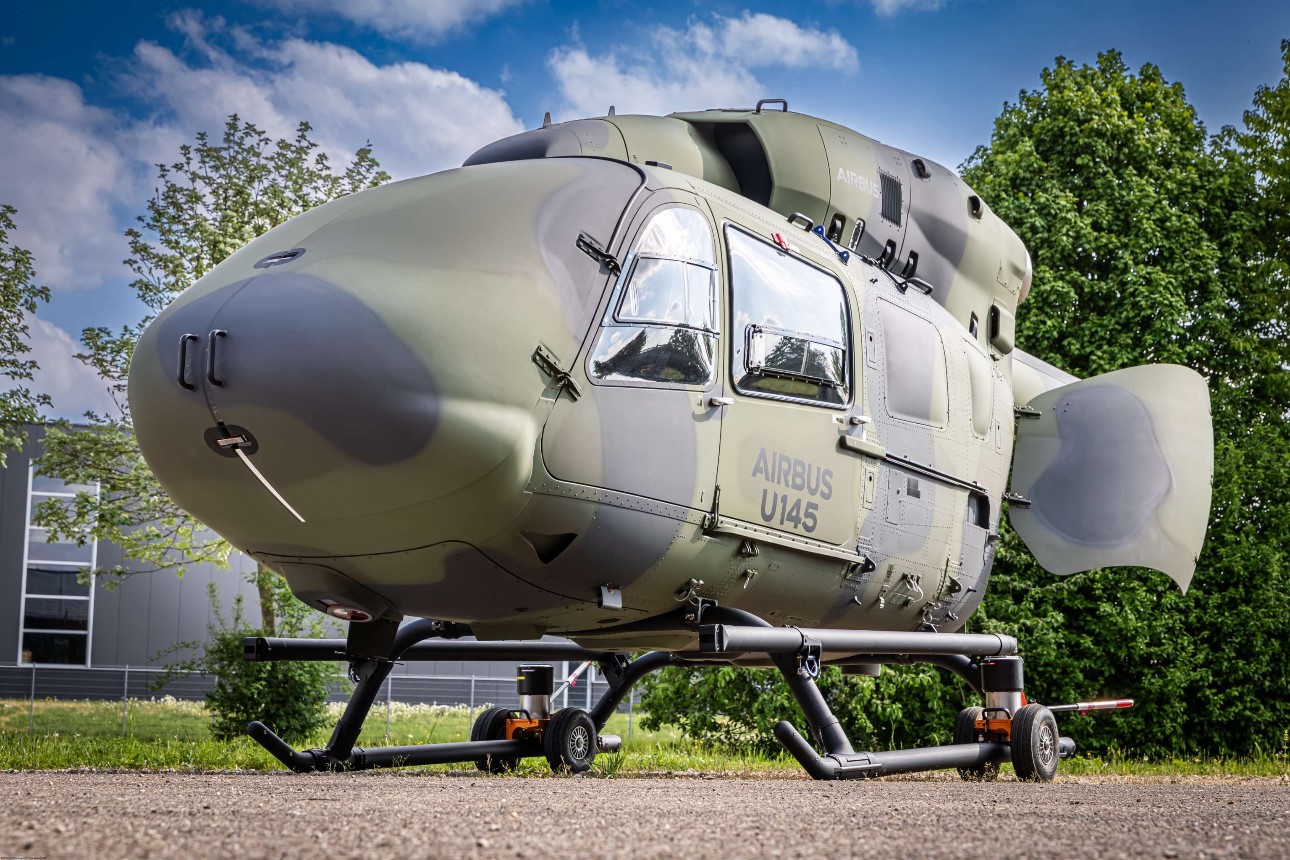
World
BERLIN, — June 08, 2026 : Airbus Helicopters has officially unveiled the U145, an autonomous and uncrewed version of its widely used H145 twin-engine helicopter, at the ILA Berlin Air Show, marking a significant expansion of the company’s activities in the uncrewed aerial systems (UAS) sector. Displayed as a full-scale mock-up at the exhibition, the U145 combines the proven performance of the H145 platform with advanced autonomy technologies, offering a new option for military and civilian operators seeking uncrewed logistics and multi-mission capabilities. First Flight Planned for 2026 Airbus said the U145 is designed to bridge the gap between traditional crewed helicopter operations and future autonomous missions. The company plans to conduct the aircraft’s maiden flight with a safety pilot on board by the end of 2026, while operational service entry is targeted for the early 2030s. According to Airbus Helicopters Chief Executive Officer Matthieu Louvot, the new platform combines the proven airframe, power and payload capacity of the H145 with the autonomy capabilities of a modern UAS. Louvot also stated that Airbus intends to collaborate with leading autonomous mission partners to further develop the European uncrewed aviation ecosystem and expand the aircraft’s future operational capabilities. Major Design Changes for Autonomous Operations To convert the crewed H145 into the U145, Airbus removed the traditional cockpit and integrated a specialized sensor suite alongside an artificial intelligence-based flight control system capable of supporting fully autonomous operations. The redesign also introduced several modifications aimed at improving cargo-handling efficiency. These include: An integrated nose cargo door for front-loading operations. A foldable loading table. A reinforced and dedicated cargo floor. The U145 has a maximum take-off weight of 3,800 kilograms and has been optimized primarily for high-volume logistics and resupply missions. Built on the Proven H145 Platform The U145 benefits from the operational experience of the H145 family, one of Airbus’ most successful helicopter programs. More than 1,800 H145-family helicopters are currently in service worldwide across civil, parapublic, emergency medical, law enforcement and military sectors. The global fleet has accumulated over 8.5 million flight hours. The H145 is powered by two Safran Arriel 2E engines equipped with Full Authority Digital Engine Control (FADEC) systems. Airbus states that the platform offers one of the lowest acoustic footprints and lowest CO₂ emission levels in its helicopter category. The U145 also represents the second Airbus helicopter adapted for uncrewed operations, following the VSR700, which was developed from the Cabri G2 light helicopter. Designed for Multiple Mission Types Although logistics and cargo transport are expected to be the aircraft’s primary roles, Airbus emphasized that the U145 has been designed as a modular platform capable of supporting a wide range of future missions. Potential applications include: Disaster management and emergency response Firefighting support operations Surveillance and reconnaissance missions Armed scouting operations Crewed-uncrewed teaming missions Autonomous cargo resupply operations The company said the aircraft’s flexible architecture will allow operators to adapt it for different operational requirements as autonomous technologies continue to evolve. Airbus and MBDA Exploring Drone Mothership Role Airbus is also studying the use of the U145 as a “drone mothership” capable of deploying air-launched effects (ALE) during military operations. To support this capability, Airbus is working with European missile manufacturer MBDA to develop systems that would enable the helicopter to launch and manage small uncrewed assets in support of networked battlefield operations. The concept reflects growing interest among military forces in integrating crewed and uncrewed systems to extend surveillance coverage, improve situational awareness and enhance operational flexibility. Parallel Development Underway in the United States At the same time, Airbus U.S. Space & Defense is advancing a separate autonomous helicopter program for the U.S. Marine Corps. Known as the MQ-72C Lakota Connector, the aircraft is based on the UH-72B Lakota, which is itself derived from the H145 family. The platform is being developed under the Marine Corps’ Aerial Logistics Connector program. Airbus has partnered with several technology companies for the project: Shield AI, which provides the Hivemind autonomy software. L3Harris Technologies, responsible for digital communications systems. Parry Labs, supplying edge-computing and autonomy software infrastructure. The development team recently completed its fourth autonomous flight-test campaign in Texas. During the trials, the aircraft successfully demonstrated autonomous landing-zone assessments, obstacle detection, route planning and dynamic rerouting to alternate landing sites without direct pilot input. Expanding Airbus’ Autonomous Aviation Portfolio The introduction of the U145 at the ILA Berlin Air Show highlights Airbus’ broader strategy of integrating autonomous technologies into proven helicopter platforms. By combining the reliability and global support network of the H145 family with advanced artificial intelligence and autonomous flight systems, Airbus aims to provide operators with a flexible platform capable of supporting logistics, emergency response, surveillance and future multi-domain military operations. As development and testing continue through the remainder of the decade, the U145 is expected to become a key element of Airbus’ expanding portfolio of autonomous aviation systems for both defense and civilian markets.
Read More → Posted on 2026-06-08 13:25:45Search
Top Trending in 24 Hours
-
 Italy Allocates Up to €5.14 Billion for Procurement of 132 New Main Battle Tanks
-
 Taiwan Integrates Attack Drones Into Three-Service Live-Fire Exercise at Jiupeng for First Time
-
 Russian Mi-8 Military Helicopter Crosses Into Polish Airspace for 42 Seconds Near Braniewo
-
 Roketsan KARAOK Anti-Tank Missile Successfully Hits Aerial Target for First Time
-
 India Signs ₹810.79 Crore Deal with BDL for 160 SAT-SAAW Weapons for IAF
-
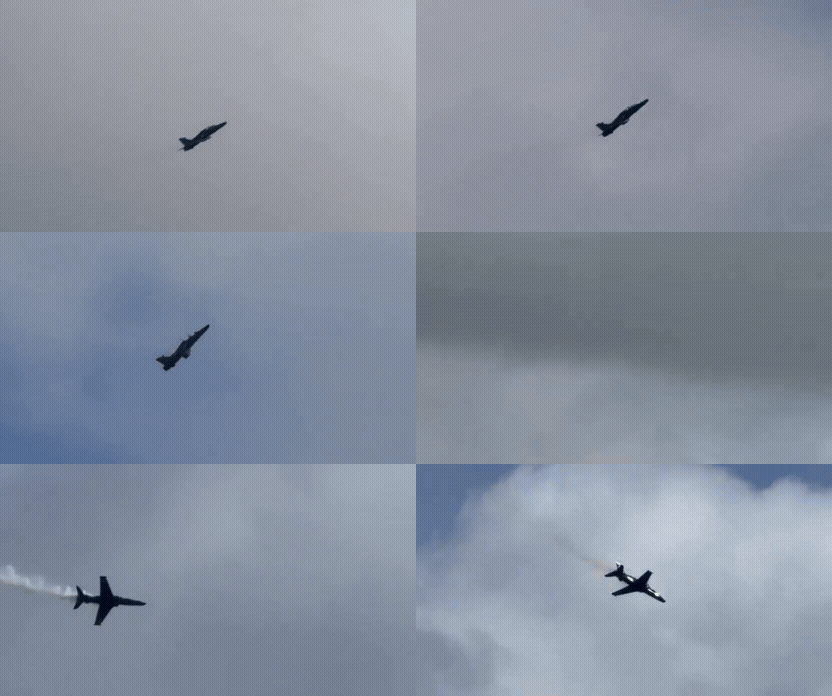 UK Air Force Hawk T2 Trainer Aircraft Crashes Near Valley After Takeoff, Both Pilots Eject Safely
-
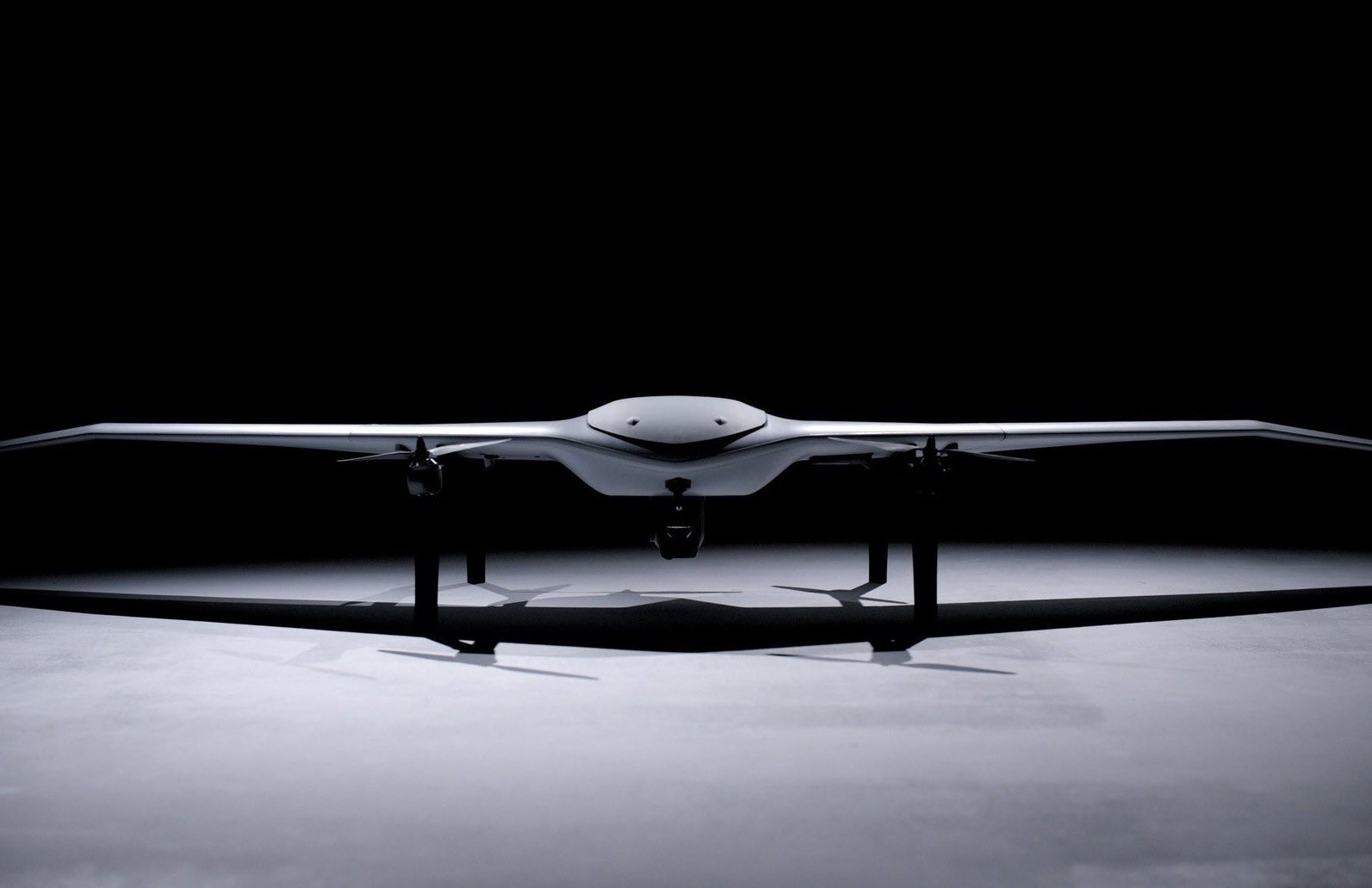 Dutch Firm DeltaQuad Launches Evo-LE VTOL UAV With Up to Eight-Hour Endurance
-
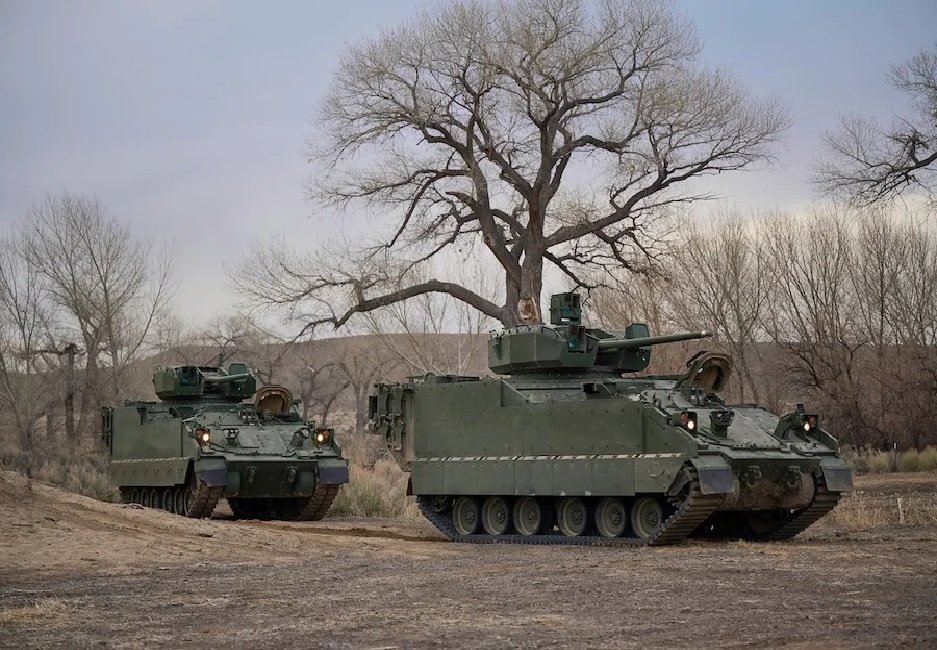 BAE Systems Delivers Two Self-Funded AMPV 30 Prototypes to U.S. Army for Evaluation
Top Trending in 4 Days
-
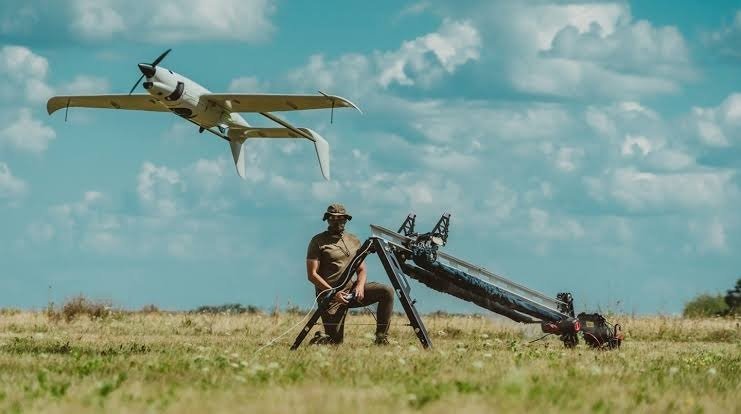 U.S. Army Awards $10.64 Million Contract to Ukrainian Drone Maker Skyeton for Raybird Systems
-
 India’s xTerra Robotics Launches Indigenous DHAV-Hy Wheeled-Legged Quadruped for Industrial Inspection
-
 U.S. Space Force Seeks Rapid-Response Satellites for Close-Range Orbital Inspections
-
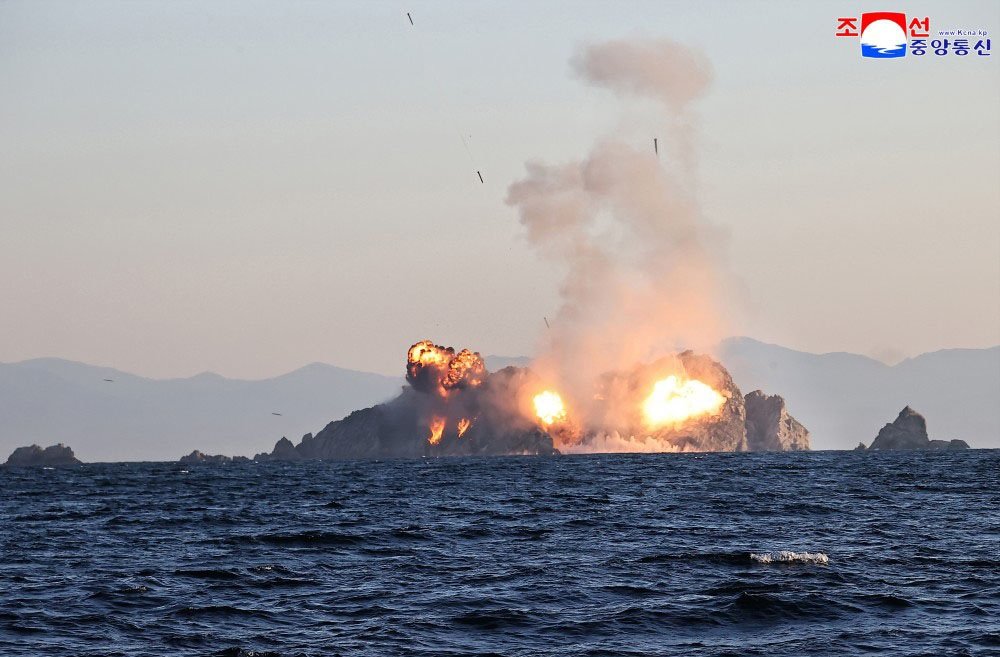 North Korea Fires Short-Range Ballistic Missile Toward Sea of Japan After Freedom Edge 26
-
 U.S. Government Seizes Almasirah.net, Houthi-Linked News Website
-
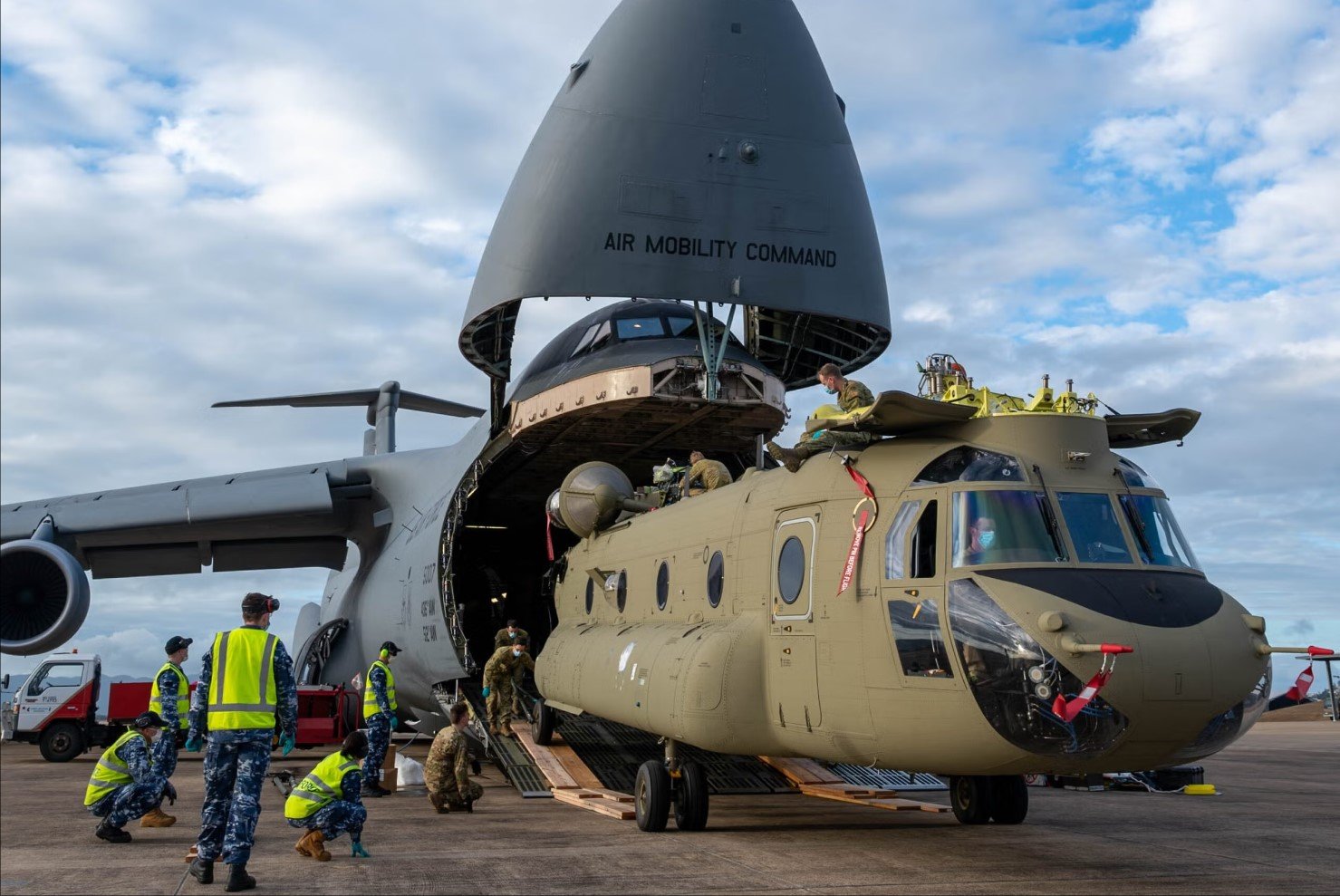 U.S. Delivers First CH-47F Chinook to Egypt Under 12-Helicopter Deal
-
 Ukraine Reports First Use of Fire Point’s FP-7 Tactical Ballistic Missile inMoscow-Region Strikes on Oil Refinery
-
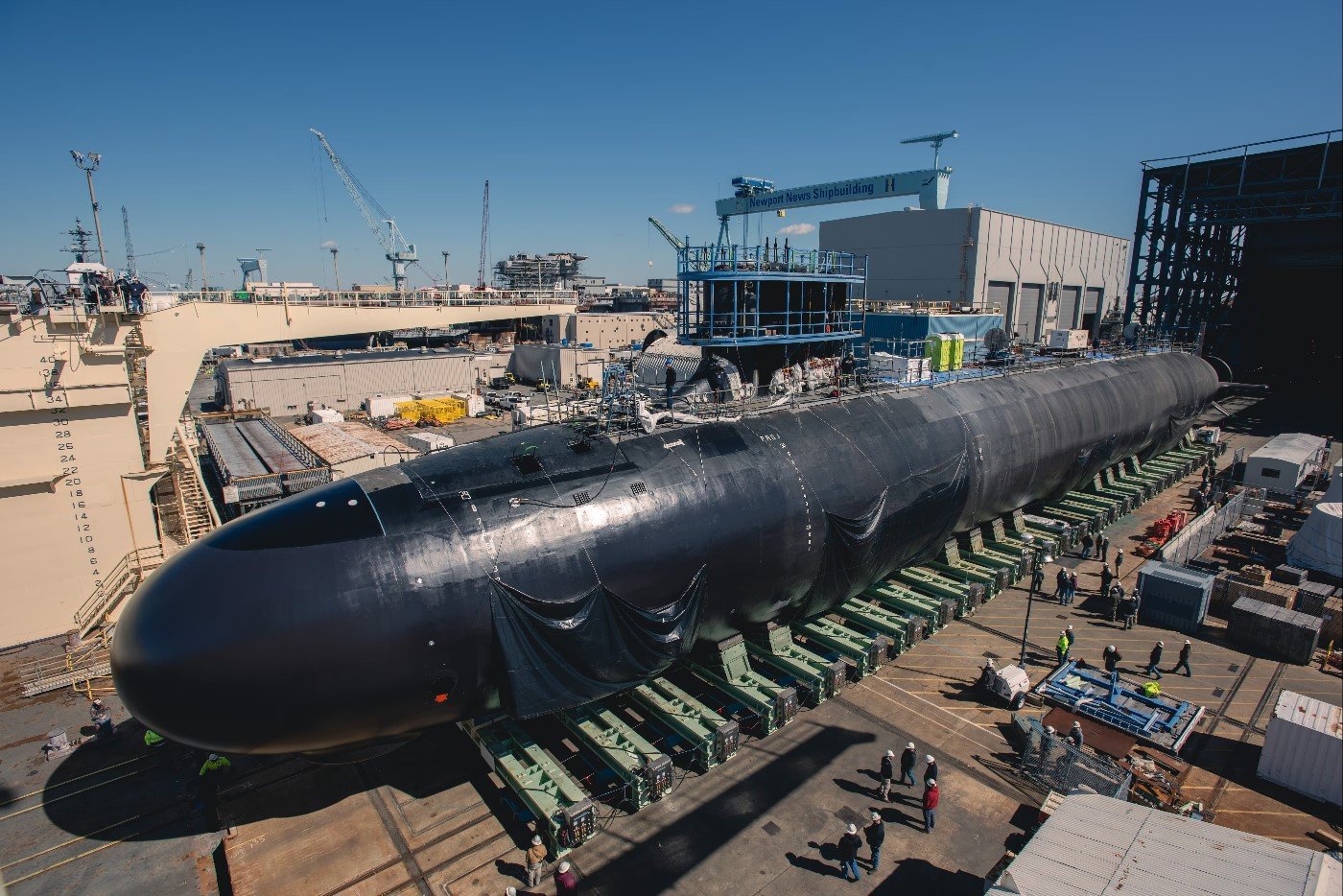 US Navy Submarine Director Outlines Four-Pillar Plan to Raise Build Rates