FALLS CHURCH, Va. — May 10, 2026 : Northrop Grumman has announced that the B-21 Raider program successfully completed a planned 180-day U.S. Air Force developmental flight testing cycle in only 73 days, significantly accelerating the evaluation timeline for the next-generation stealth bomber.
According to the company, the compressed schedule enabled the program to complete nearly half of the originally planned missions for the testing phase while supporting approximately $11.8 billion in contract value. The achievement represents a notable development for a major military aviation program, where flight testing and technical validation processes often extend over long periods due to system complexity and operational requirements.
Integrated Test Operations at Edwards Air Force Base
The flight testing campaign is being conducted at Edwards Air Force Base by the B-21 Raider Combined Test Force (CTF), an integrated organization composed of personnel from Northrop Grumman and the U.S. Air Force’s 412th Test Wing.
The Combined Test Force structure was established to streamline developmental testing by integrating contractor and government teams into a unified operational framework. The approach reduces duplication of effort, accelerates mission analysis, and improves the speed of engineering assessments and flight data evaluation.
Northrop Grumman stated that multiple B-21 aircraft are currently participating in the active flight testing campaign. Most sorties conducted during the program have reportedly achieved “code one” status, meaning the aircraft returned from flight operations without maintenance issues and remained immediately available for follow-on missions.
Program officials also stated that ground testing has consistently met or exceeded predictions generated through digital modeling and simulation across several demanding operational conditions.
Aerial Refueling Tests Expand Operational Validation
The accelerated testing milestone follows another major evaluation event confirmed by the Department of the Air Force on April 14, 2026, when the B-21 Raider successfully completed in-flight aerial refueling operations with a Boeing KC-135 Stratotanker.
The refueling tests were also conducted at Edwards Air Force Base and formed part of the aircraft’s ongoing operational certification process. Test pilots reported stable handling characteristics and high levels of aircraft control during the refueling procedures, factors expected to reduce pilot workload and simplify operational training requirements.
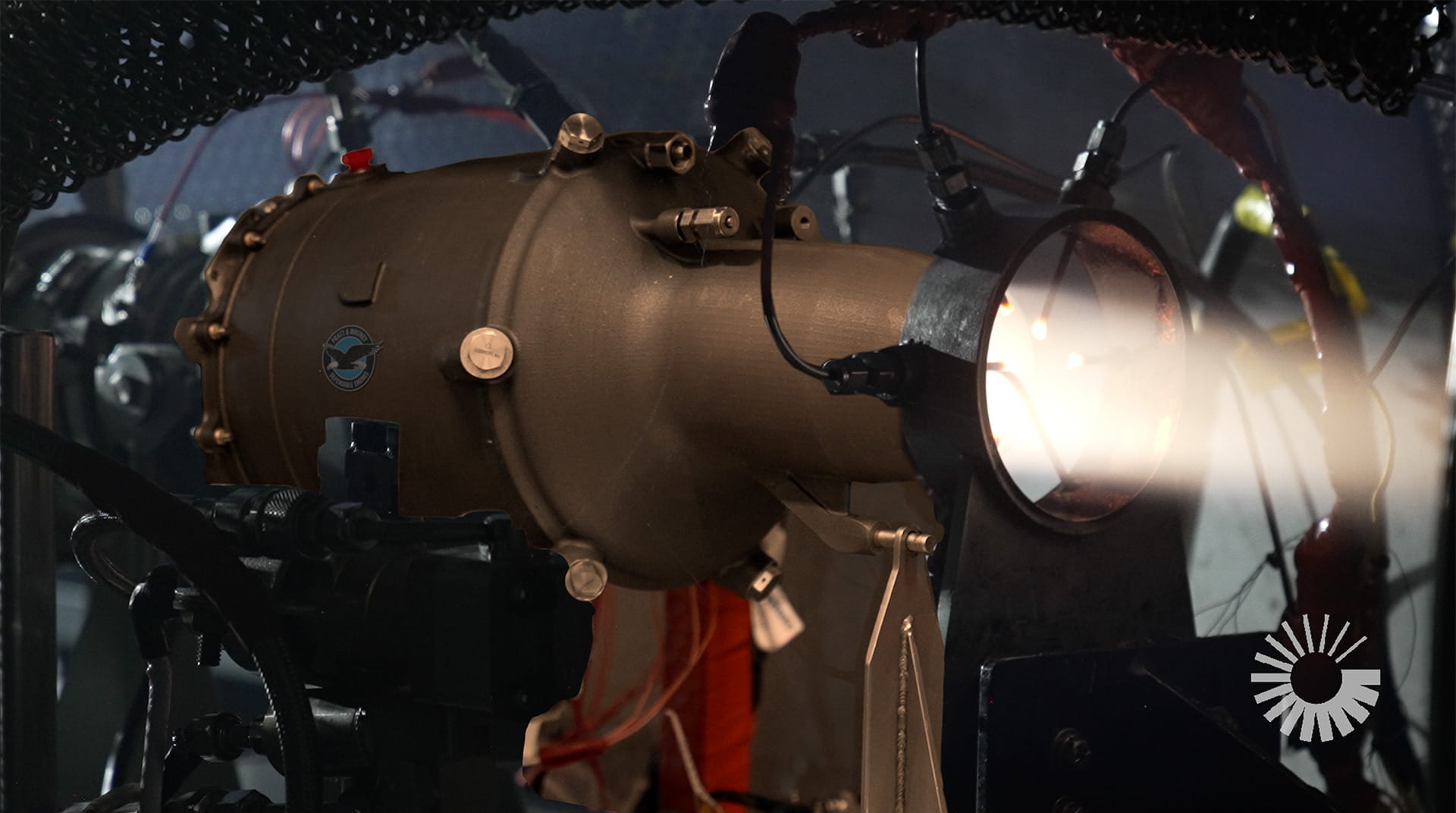
The B-21 incorporates advanced fuel-efficient engines integrated into its stealth airframe design. According to program officials, the propulsion system reduces baseline fuel consumption compared with legacy bomber aircraft, lowering overall dependence on tanker logistics during long-range missions.
Gen. S.L. Davis, commander of Air Force Global Strike Command, stated that the successful aerial refueling tests validated the bomber’s intended endurance and global strike capability. The capability enables the aircraft to conduct intercontinental operations, remain on station for extended periods, and return to base without intermediate landings.
Digital Engineering and Production Expansion
The Department of the Air Force awarded Northrop Grumman the B-21 engineering and manufacturing development contract in October 2015. Since then, the company has invested more than $5 billion into digital engineering systems and manufacturing infrastructure intended to accelerate production and support future fleet expansion.
Northrop Grumman stated that the adoption of digital engineering tools has reduced software certification timelines by approximately 50 percent. The company added that the digital manufacturing environment is also supporting faster integration of upgrades and production adjustments as the program expands.
Earlier in 2026, the Department of the Air Force and Northrop Grumman finalized an agreement utilizing $4.5 billion in funding to increase annual B-21 production capacity by 25 percent.
The program is managed by the Department of the Air Force Rapid Capabilities Office and currently supports more than 8,000 Air Force and company personnel. More than 400 suppliers across 40 U.S. states are involved in the industrial supply chain supporting the bomber program.
Major industrial partners include Pratt & Whitney, Collins Aerospace, BAE Systems, Spirit AeroSystems, GKN Aerospace, and Janicki Industries.
Sixth-Generation Bomber Capabilities
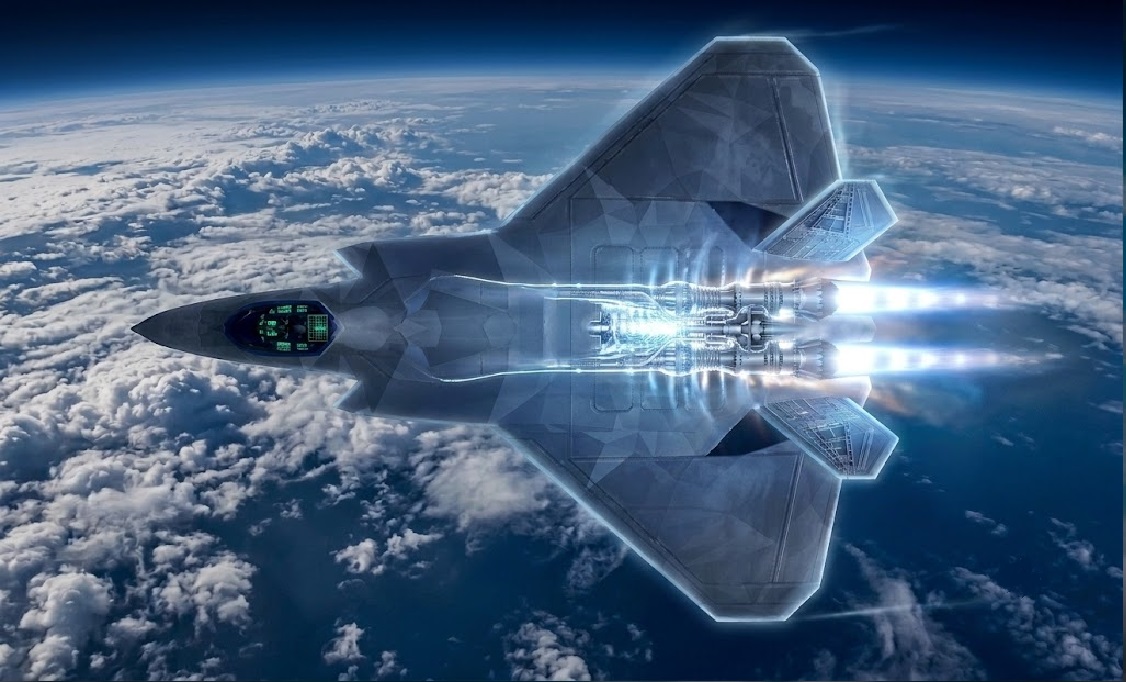
The B-21 Raider is designed as the world’s first sixth-generation aircraft to enter flight testing and is intended to serve as the future backbone of the U.S. Air Force bomber fleet.
The aircraft is engineered to penetrate heavily defended airspace while carrying both conventional and nuclear payloads. In addition to long-range strike missions, the bomber is designed to support intelligence, surveillance, reconnaissance (ISR), electronic attack, and communications operations.
The platform incorporates advanced low-observable technologies intended to improve survivability against modern air defense systems while reducing maintenance demands compared with earlier stealth aircraft.
Built with an open systems architecture, the B-21 is designed for rapid modernization, allowing future integration of new weapons, mission systems, software updates, and operational technologies as mission requirements evolve. The platform is also being developed to support both manned and unmanned operational configurations.
Future Deployment Plans
The U.S. Air Force plans to acquire a minimum of 100 B-21 Raider aircraft. The average procurement unit cost is estimated at approximately $692 million in 2022 dollars, including aircraft production, support equipment, training, and engineering costs.
The first operational B-21 aircraft are scheduled to arrive at Ellsworth Air Force Base in 2027.
Additional primary operating bases selected for the fleet include Whiteman Air Force Base and Dyess Air Force Base. Tinker Air Force Base will function as the central hub for depot-level sustainment and long-term maintenance operations.
The B-21 Raider is named in honor of the Doolittle Raiders, the U.S. Army Air Forces personnel who conducted the April 1942 air raid against Japan during the Second World War. Once operational, the aircraft is expected to operate alongside modernized B-52 Stratofortress bombers as a central component of the future U.S. strategic bomber force.
——— End of Article ———