WASHINGTON — May 11, 2026 : The United States Navy is experiencing continued delays in the construction of its next-generation Gerald R. Ford-class aircraft carriers as supply chain disruptions, labor shortages, and shipyard capacity limitations increasingly affect the country’s naval modernization efforts.
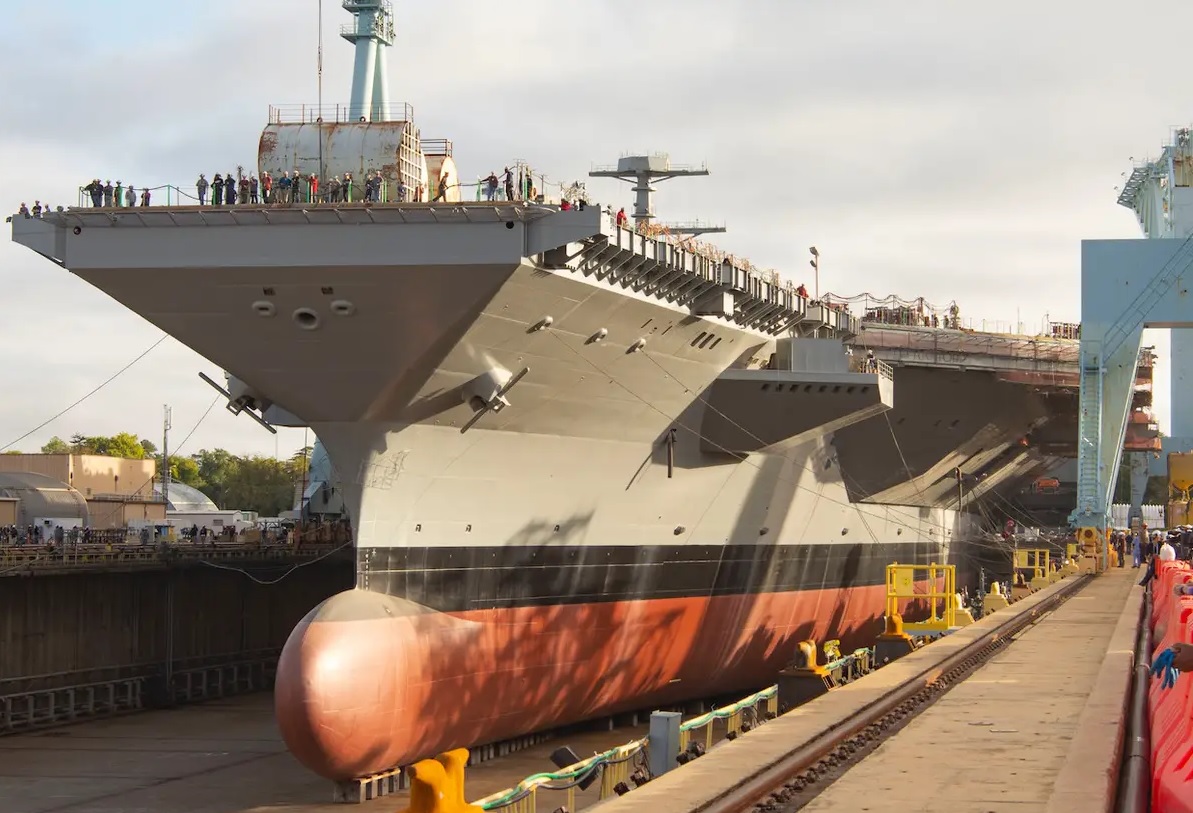
According to the U.S. Navy’s Fiscal Year 2027 shipbuilding budget documents, the fourth Ford-class aircraft carrier, USS Doris Miller (CVN-81), has been delayed by at least two years and is now scheduled for delivery in February 2034 instead of the previously projected February 2032 timeline. The revised schedule extends the ship’s overall construction period to approximately 15 years.
The carrier is being constructed by Huntington Ingalls Industries at the Newport News Shipbuilding yard in Virginia. The Navy stated that the delay resulted from “shipbuilder construction footprint constraints limiting their ability to build CVN-81 ship modules.”
Construction Delays Expand Across the Ford-Class Program
Shipyard officials said the delays affecting USS Doris Miller are directly linked to ongoing construction setbacks involving USS Enterprise (CVN-80), which is being built simultaneously at the same facility.
Todd Corillo, spokesperson for Newport News Shipbuilding, stated that the CVN-81 schedule had been affected by “the cascading impact of CVN-80 delays on shipyard footprint capacity.” He explained that the delayed arrival of large sequence-critical equipment disrupted early structural assembly operations in the dry dock and reduced available construction space for subsequent vessels.
Although the delayed materials have since arrived, the accumulated disruptions continue to affect the overall construction timeline. The keel-laying ceremony for USS Doris Miller is expected later in 2026.
The second carrier in the class, USS John F. Kennedy (CVN-79), has also experienced major delays. Construction on the vessel began in 2011, but the ship is now scheduled for delivery in March 2027, extending its total construction timeline to 16 years. The carrier is currently estimated to cost approximately $12.9 billion.
Officials previously attributed delays affecting CVN-79 to the late delivery of large critical equipment required during the initial phases of structural construction. USS Doris Miller is estimated to cost approximately $14 billion.
Shipbuilding Industry Faces Structural Crisis
The delays affecting the Ford-class program reflect broader structural problems within the American shipbuilding industry.
Shipyards across the United States continue to face severe shortages of skilled labor as experienced workers retire and recruitment efforts struggle to attract younger personnel. Industry officials cite the demanding nature of shipyard work, declining interest in industrial trades, and competition from the technology sector as key factors behind the workforce shortage.
Supply chain vulnerabilities have also become increasingly significant. Following decades of post-Cold War consolidation, many specialized components used in aircraft carriers and submarines are now produced by a limited number of suppliers. Delays at a single manufacturing facility can halt progress across an entire shipbuilding program.
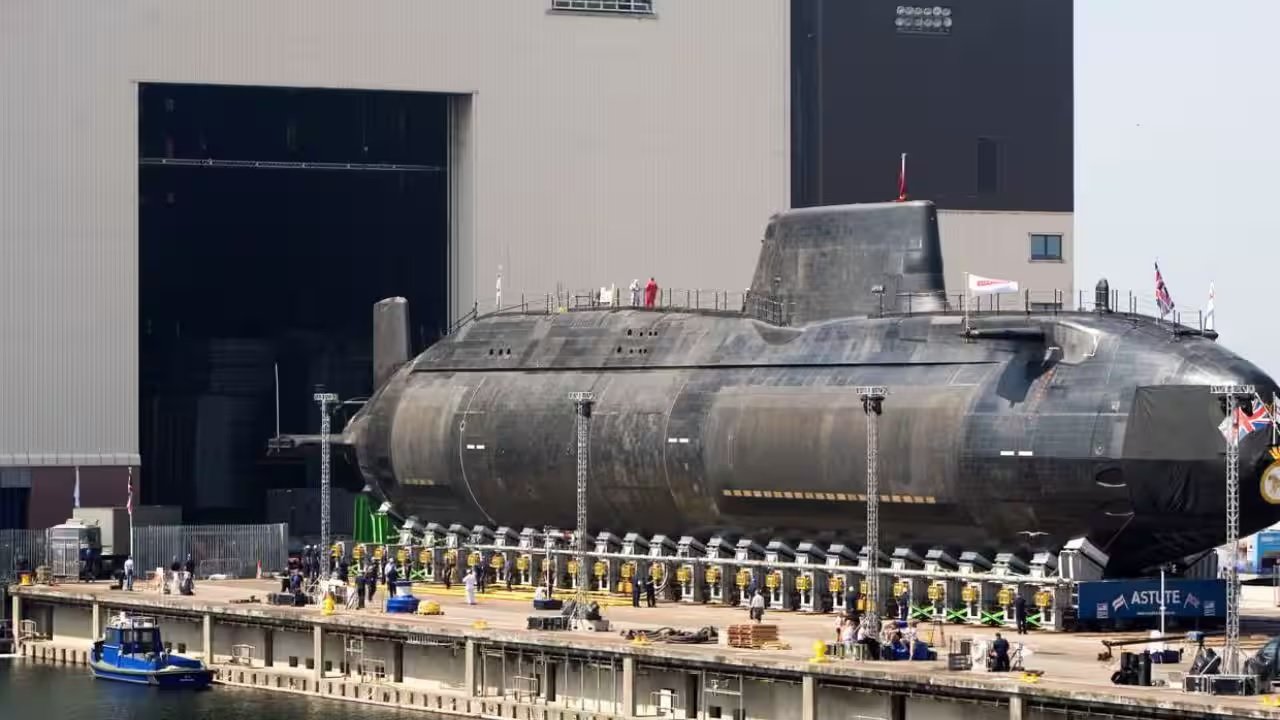
In addition, much of the infrastructure used by public and private shipyards was built decades ago and is not optimized for the size and complexity of modern naval platforms such as Ford-class carriers and Columbia-class ballistic missile submarines.
Defense analysts have also identified frequent Pentagon design changes during active construction phases as a major contributor to rising costs and schedule overruns. Mid-construction modifications often require engineers to redesign completed sections of ships already under assembly.
USS Gerald R. Ford Program Continues to Face Operational Challenges
The U.S. Navy originally intended later Ford-class carriers to avoid the technical and operational problems encountered during construction of the lead ship, USS Gerald R. Ford (CVN-78).
The carrier entered service in June 2017 after years of delays and a total program cost exceeding $17.5 billion, making it the most expensive warship ever built. However, the vessel did not begin its first operational deployment until October 2022 due to unresolved issues involving electromagnetic aircraft launch systems, weapons elevators, radar systems, and other key technologies.
Several of the ship’s original systems required redesigns before being integrated into later carriers in the class.
Operational problems have continued in recent years. During the carrier’s 2025 deployment, the ship reportedly experienced repeated failures involving its onboard waste management system. Maintenance crews responded to sewage-related incidents on a near-daily basis, while many onboard toilets became temporarily unusable during portions of the deployment.
Strategic Concerns Grow Amid Expanding Chinese Naval Production
The delays affecting the Ford-class program are occurring as global naval competition intensifies, particularly in the Indo-Pacific region.
Concerns regarding U.S. fleet modernization have increased following China commissioning its first supercarrier, the Fujian, in November 2025. The carrier is equipped to operate advanced aircraft including J-15B fighters, J-15D electronic attack aircraft, and J-35 fifth-generation fighters.
Naval analysts state that Chinese shipyards are continuing large-scale production of both nuclear-powered and conventionally powered aircraft carriers while the United States faces ongoing industrial bottlenecks affecting its own fleet expansion plans.
Reports have also indicated that the U.S. Navy may increasingly rely on foreign industrial partnerships to help address future shipbuilding requirements and maintain long-term fleet readiness objectives.
——— End of Article ———