WASHINGTON — May 11, 2026 : President Donald Trump has formally rejected Iran’s response to the latest United States proposal aimed at ending the ongoing conflict, after Tehran delivered a detailed multipage counterproposal through Pakistani mediators following nearly 10 days of diplomatic exchanges.
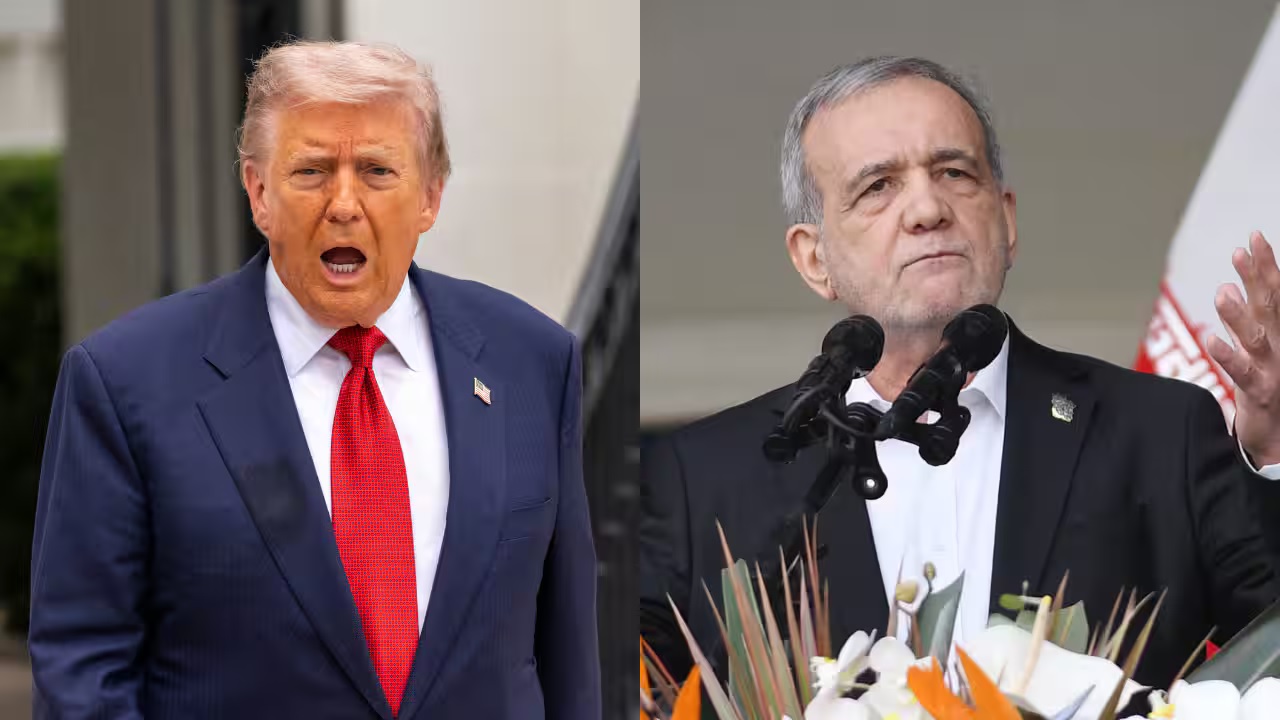
Speaking in a telephone interview with Axios, Trump criticized Tehran’s communication and expressed distrust toward the Iranian leadership. “I don't like their letter. It is inappropriate. I don't like their response,” Trump said, adding that Iran “has been deceiving many countries for 47 years.”
Trump later repeated his criticism publicly on Truth Social, describing Iran’s response as “TOTALLY UNACCEPTABLE!” and accusing Tehran of failing to engage seriously with the proposed framework.
Iran’s Counterproposal
According to regional and diplomatic reports, Iran’s response was delivered on May 10 through Pakistani mediators and addressed several key disputes, including the Iranian nuclear program, maritime security in the Persian Gulf, and the reopening of the Strait of Hormuz.
Tehran reportedly proposed an immediate cessation of fighting across all fronts, including Lebanon, alongside a gradual reopening of the Strait of Hormuz in exchange for the United States lifting its naval blockade on Iranian ports and commercial shipping.
Iran’s proposal places nuclear-related discussions into a separate negotiation process to be conducted over the next 30 days. Iranian officials reportedly indicated willingness to temporarily suspend uranium enrichment activities, though for a significantly shorter period than the 20-year moratorium sought by Washington. Tehran also rejected any requirement to dismantle its nuclear infrastructure.
On the issue of Iran’s highly enriched uranium stockpile, the proposal reportedly suggests that part of the material would be diluted while the remainder would be transferred to a third country under guarantees ensuring its return if negotiations collapse or if the United States withdraws from a future agreement.
Iran’s Foreign Ministry spokesperson Esmaeil Baghaei stated that Tehran’s response prioritizes ending the war and restoring maritime security in the Persian Gulf and Strait of Hormuz. The proposal also calls for the removal of U.S. sanctions, the release of frozen Iranian financial assets, and an end to what Iran describes as illegal U.S. actions against commercial shipping.
Iranian officials characterized their position as based on “legitimate rights” rather than concessions.
Details of the U.S. Proposal
The latest U.S. proposal reportedly consisted of a one-page memorandum of understanding intended to establish an initial ceasefire framework. The proposal sought to reopen the Strait of Hormuz and launch a 30-day negotiation period focused on nuclear restrictions, sanctions relief, maritime security arrangements, and broader regional stability issues.
While the United States prioritized rapid agreement on nuclear limitations and maritime access, Iran’s response placed greater emphasis on the immediate cessation of hostilities and the removal of economic and naval pressure measures before entering detailed nuclear negotiations.
Diplomatic sources familiar with the talks said major disagreements remain over the sequencing of concessions, the duration of enrichment restrictions, and future control of nuclear material.
Trump Reaffirms U.S. Position
Amid the stalled negotiations, Trump confirmed that he held discussions with Israeli Prime Minister Benjamin Netanyahu on Sunday. Trump described the exchange as “a very pleasant call” and reiterated that relations between the United States and Israel remain close during the ongoing regional crisis.
At the same time, Trump emphasized that the negotiations would remain under direct U.S. control.
“The negotiations with Iran are my business, not anyone else’s,” Trump stated, signaling that his administration intends to independently manage the diplomatic process despite ongoing consultations with allies.
Administration officials indicated that the United States will continue applying economic and diplomatic pressure on Iran while negotiations remain unresolved.
Regional Tensions Continue
As of May 11, no immediate resumption of full-scale hostilities has been announced, though the fragile ceasefire remains under pressure amid continued Iranian shipping restrictions in the Strait of Hormuz and the sustained U.S. naval presence in the region.
Global energy markets continue to monitor developments closely due to the strategic importance of the waterway for international oil shipments.
Officials involved in the mediation process said further diplomatic exchanges remain possible through Pakistani intermediaries, although significant differences continue to separate both sides on the scope and timing of potential concessions.
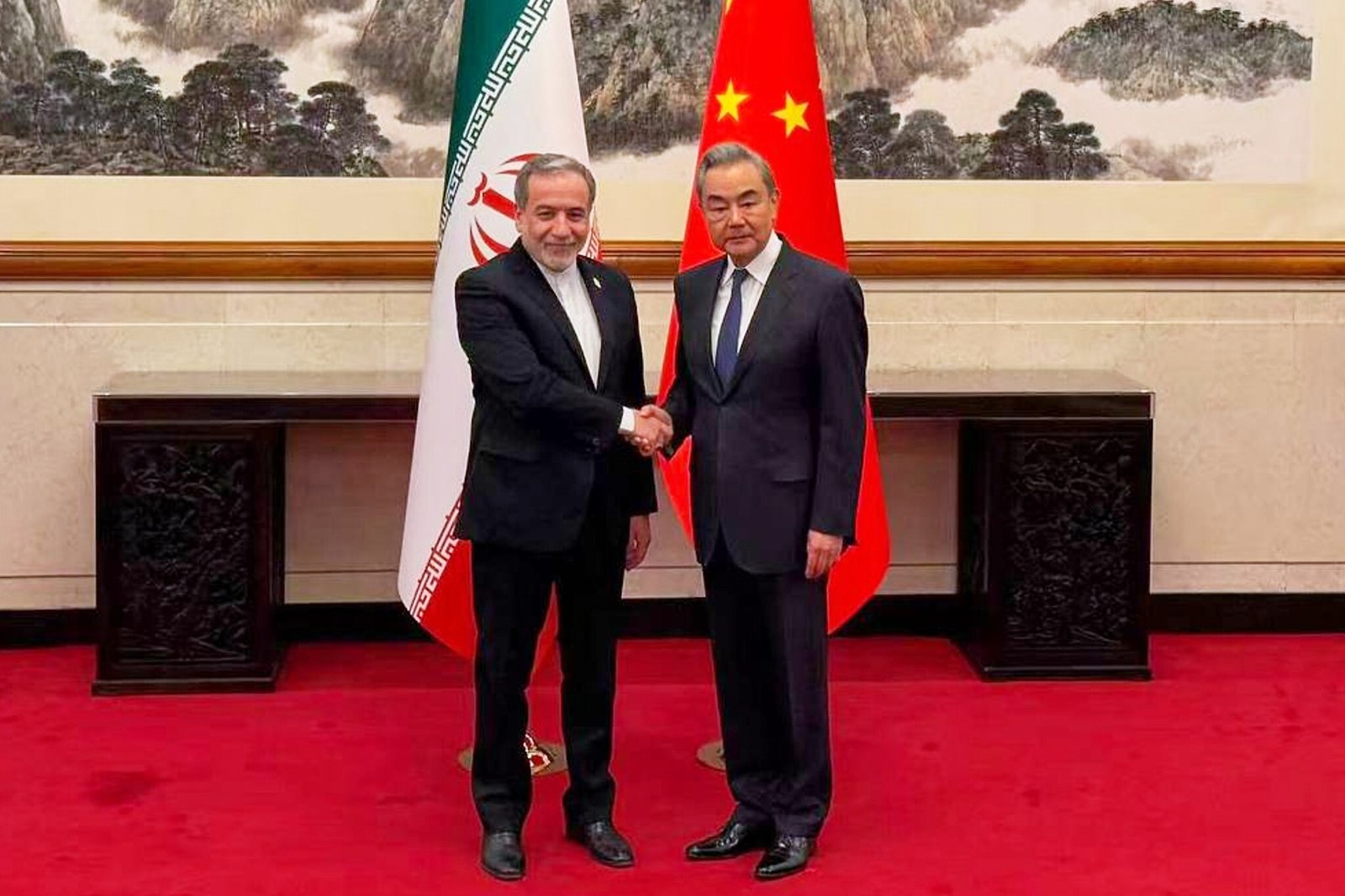
The developments come ahead of Trump’s scheduled three-day state visit to China beginning May 13 at the invitation of Chinese President Xi Jinping. Discussions during the visit are expected to include trade relations, artificial intelligence, Taiwan, regional security issues, and China’s economic relationship with Iran, including Beijing’s continued purchases of Iranian oil and exports of dual-use goods that Washington believes could support Iran’s strategic capabilities.
——— End of Article ———