World
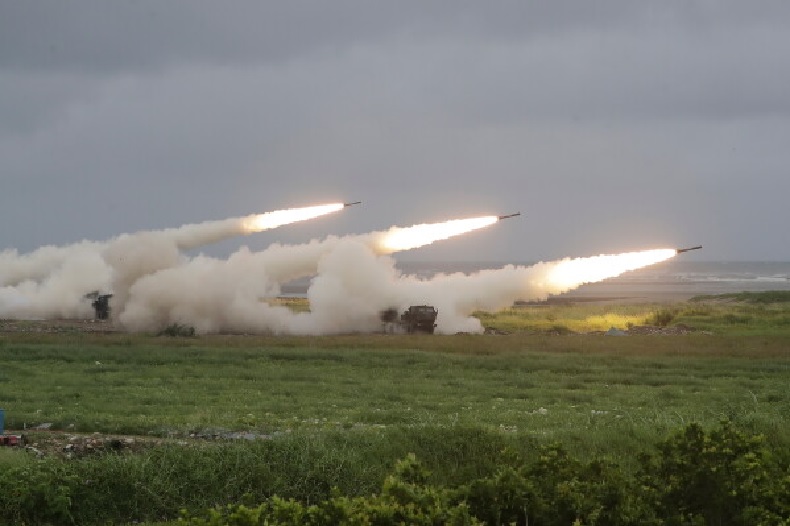
TAICHUNG, Taiwan — June 10, 2026 : Taiwan’s military conducted its first-ever live-fire exercise using U.S.-supplied High Mobility Artillery Rocket Systems (HIMARS) on the island’s western coast on Wednesday, marking a significant step in the integration of the advanced rocket system into Taiwan’s defense strategy. The exercise simulated a response to a potential cross-strait invasion and focused on rapid deployment, precision strikes, and battlefield survivability. The drill took place near the mouth of the Dajia River in Taichung and marked the first time HIMARS rockets were fired into the Taiwan Strait from Taiwan’s western coastline directly facing mainland China. Previous live-fire tests involving the system had been limited to training areas on Taiwan’s eastern coast. The exercise was carried out by the Army’s 10th Corps as part of a multi-day heavy artillery training program designed to test cross-regional fire support capabilities and the rapid deployment of long-range precision strike systems. The military’s 58th Artillery Command deployed six HIMARS launchers, with three positioned on each side of the Dajia River. According to military officials, the launchers were scheduled to fire a total of 36 M28 reduced-range practice rockets in three separate firing waves. Each launcher was configured to launch two rockets per wave. During the exercise, 32 rockets were successfully fired, while four rockets failed to ignite due to technical malfunctions. Colonel Weng Yi-ming, chief of staff of the 58th Artillery Command, confirmed that two misfires occurred on the north bank of the river and two on the south bank. The military stated that an investigation is underway to determine the cause of the failures. Officials said the primary objective of the exercise was to demonstrate the HIMARS system’s mobility and its ability to survive in a contested battlefield environment. During the drill, launchers employed “shoot-and-scoot” tactics, a method that allows artillery units to quickly move into firing positions, launch rockets within minutes, and immediately relocate before enemy forces can detect and target them. Military personnel involved in the training emphasized the importance of maintaining readiness under evolving security conditions. Army Sergeant Wang Ming-hui stated that HIMARS training would continue as part of efforts to strengthen Taiwan’s defensive capabilities and protect the island against potential threats. The western coast of Taiwan has long been regarded by defense planners as the most likely area for any potential amphibious landing operation due to its beaches, coastal plains, and accessible terrain. As a result, the region remains a major focus of Taiwan’s coastal defense planning and military exercises. The deployment of HIMARS on the western coast reflects Taiwan’s broader shift toward an asymmetric warfare strategy, often referred to as a “porcupine defense.” The concept emphasizes the use of highly mobile, precise, and difficult-to-target weapon systems capable of imposing significant costs on a larger adversary rather than matching its military strength directly. Taiwan has acquired 29 HIMARS launchers from the United States as part of its ongoing military modernization program. Manufactured by Lockheed Martin, the system is capable of firing a variety of guided rockets and missiles. When equipped with long-range munitions such as the Army Tactical Missile System (ATACMS), HIMARS can engage targets at distances of up to 300 kilometers. Military analysts note that HIMARS units positioned along Taiwan’s western coast could potentially cover key staging areas and military facilities across the Taiwan Strait in China’s Fujian Province, enhancing Taiwan’s long-range precision strike capabilities. Wednesday’s exercise followed the opening day of the artillery drills on Tuesday, during which Taiwan’s military employed domestically developed Thunderbolt-2000 multiple rocket launchers alongside 155 mm howitzers and M109A2 self-propelled artillery systems to simulate coastal defense operations and coordinated artillery support missions. The live-fire exercise forms part of Taiwan’s annual readiness training program aimed at improving operational coordination, rapid response capabilities, and the integration of newly acquired weapon systems. Military officials said the drill successfully validated the deployment procedures and operational effectiveness of HIMARS in a realistic combat scenario on Taiwan’s strategically important western coastline. Taiwan continues to expand the role of advanced precision-guided weapons within its armed forces as it strengthens deterrence capabilities and enhances preparedness for potential cross-strait contingencies. The latest exercise represents another milestone in the island’s efforts to develop a more mobile, resilient, and distributed defense posture.
Read More → Posted on 2026-06-10 12:20:50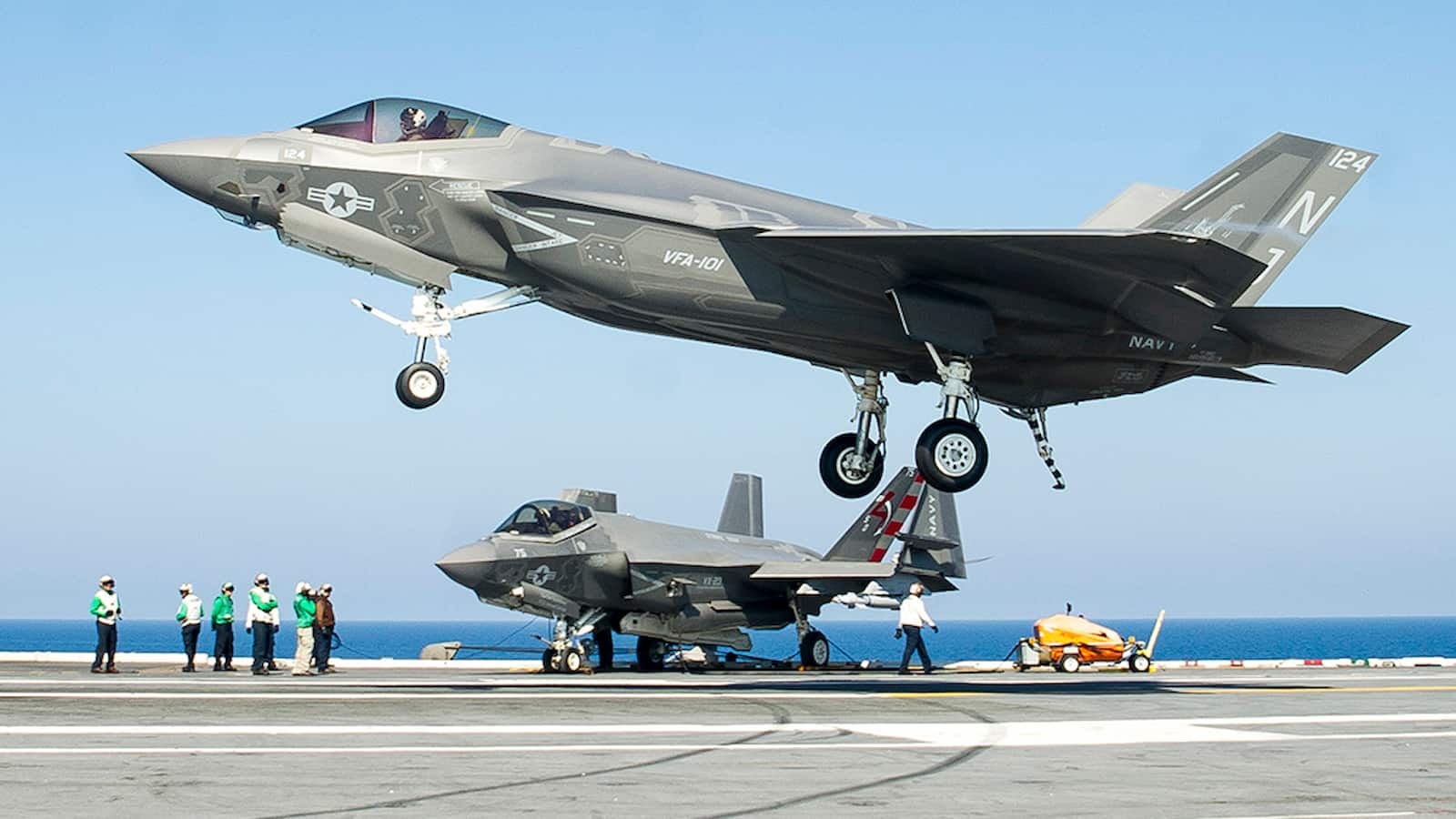
World
FORT WORTH, Texas, — June 10, 2026 : The U.S. Navy has awarded Lockheed Martin a $153.9 million contract modification to begin procuring long-lead materials, parts, and components for 11 F-35 Lightning II stealth fighter aircraft intended for a foreign government under the U.S. Foreign Military Sales (FMS) program. The Pentagon has not publicly identified the customer, but the contract adds another international order to the F-35 program, which continues to attract demand from allied and partner nations seeking advanced fifth-generation combat aircraft capabilities. The fixed-price incentive contract modification was awarded to Lockheed Martin Aeronautics and will fund the early procurement of critical components required before full-scale aircraft production begins. According to the U.S. Navy’s Naval Air Systems Command (NAVAIR), work under the contract is expected to be completed by December 2030. Long-Lead Procurement Supports Production Schedule Long-lead procurement is a standard practice in major defense acquisition programs, particularly for complex platforms such as the F-35. Certain components—including advanced avionics, radar systems, engine parts, electronic warfare equipment, and specialized composite structures—require extended manufacturing timelines and must be ordered years before final assembly. By securing these materials in advance, manufacturers can reduce production bottlenecks, maintain assembly schedules, and support timely aircraft deliveries. The latest contract modification ensures that critical components will be available when production of the 11 aircraft enters later manufacturing stages. Although the completion date applies to component procurement and production activities, final aircraft deliveries generally occur after these phases are completed. Aircraft Being Acquired Through Foreign Military Sales Program The procurement is being conducted through the U.S. government's Foreign Military Sales (FMS) framework, under which the U.S. government acts as an intermediary between foreign customers and American defense contractors. Under this arrangement, the Naval Air Systems Command, headquartered at Patuxent River, Maryland, manages the acquisition process, contractual oversight, export compliance requirements, and security procedures associated with the transfer of advanced military technology. The Navy stated that the entire $153.9 million obligation is funded by the purchasing government through FMS funds and does not involve U.S. defense budget appropriations. As is standard for the F-35 program, the contract was not competitively awarded. Lockheed Martin remains the sole manufacturer of the F-35 airframe and the prime contractor responsible for final aircraft production and integration. Global Supply Chain Supports F-35 Production The contract highlights the multinational industrial structure that underpins F-35 production. Manufacturing responsibilities are distributed among several partner nations and major aerospace suppliers, supporting both production capacity and long-term international participation in the program. The work distribution for this contract includes: 59% – Fort Worth, Texas: Lockheed Martin’s primary final assembly and checkout facility. 14% – El Segundo, California: Manufacturing activities associated with Northrop Grumman’s center fuselage production. 9% – Warton, United Kingdom: BAE Systems’ facility responsible for aft fuselage structures and other major airframe sections. 4% – Cameri, Italy: Leonardo’s production and assembly facility supporting European F-35 operators. 14% – Other locations: Including Orlando, Florida; Nashua, New Hampshire; Baltimore, Maryland; San Diego, California; and several international supplier facilities. The distributed production model has become a defining feature of the F-35 program, involving hundreds of suppliers across multiple countries. F-35 Variants and Capabilities The F-35 Lightning II is produced in three variants designed to meet different operational requirements while sharing a common suite of sensors, mission systems, and stealth technologies. The F-35A is the conventional takeoff and landing version operated primarily by air forces. The F-35B features short takeoff and vertical landing (STOVL) capability through its Rolls-Royce LiftSystem powered by the Pratt & Whitney F135 engine, enabling operations from amphibious assault ships and austere airfields. The F-35C is the carrier-based variant developed for aircraft carrier operations, featuring larger wings, strengthened landing gear, and enhanced range. All variants are equipped with advanced systems including the AN/APG-81 Active Electronically Scanned Array (AESA) radar, AN/AAQ-40 Electro-Optical Targeting System (EOTS), and AN/ASQ-239 electronic warfare suite. These systems provide sensor fusion capabilities that allow pilots to detect, track, and engage threats across air, land, and maritime domains. International Demand Remains Strong The F-35 remains one of the most widely adopted fifth-generation fighter programs globally. More than 1,300 aircraft have been delivered to operators worldwide, and the program is expected to exceed 3,400 aircraft across current and future customers. The aircraft's appeal extends beyond its low-observable design. Operators gain access to advanced networking capabilities through Link 16 and the Multifunction Advanced Data Link (MADL), enabling secure real-time information sharing between F-35s and other compatible military platforms. These capabilities allow pilots to receive and distribute targeting and situational awareness data across a broader network of aircraft, ships, ground forces, and command centers while maintaining a reduced electronic signature. The latest contract modification represents another step in sustaining the F-35 production pipeline as international customers continue to expand their fighter modernization programs. Additional details regarding the identity of the purchasing nation and the specific aircraft variant involved are expected to emerge as the acquisition progresses through future production phases.
Read More → Posted on 2026-06-10 12:06:32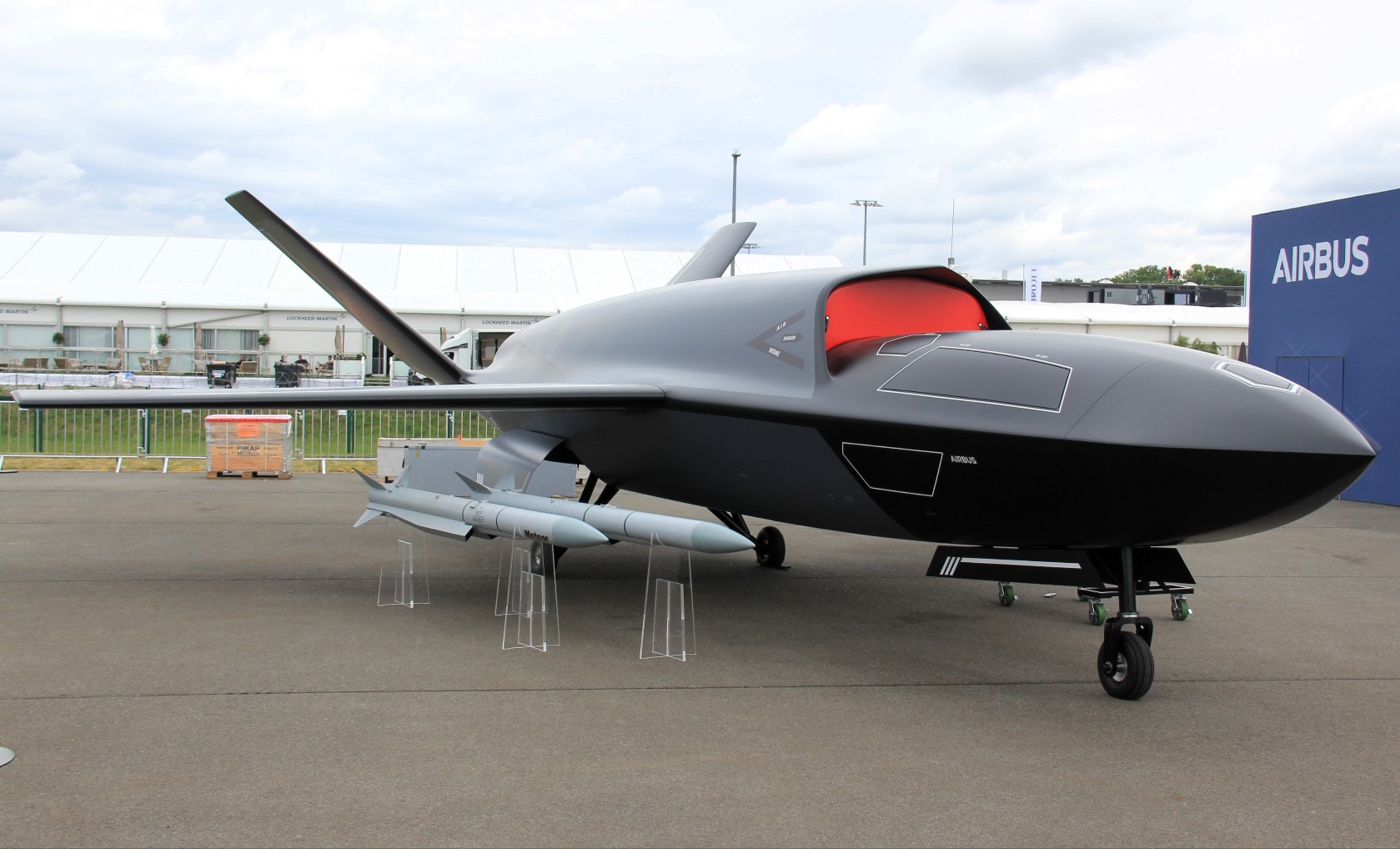
World
BERLIN, — June 09, 2026 : Airbus Defence and Space has unveiled the U760 Ravenstorm, a new Uncrewed Collaborative Combat Aircraft (UCCA) designed to operate alongside crewed fighter aircraft during future combat missions. The aircraft was presented at the ILA Berlin 2026 air show as the flagship platform in Airbus’ expanding portfolio of autonomous defense systems. The unveiling also marked the introduction of Airbus’ new naming convention for uncrewed systems. Under the new structure, all unmanned platforms will carry the “U” prefix, aligning with the company’s “A” designation for commercial aircraft and “H” designation for helicopters. New Family of Uncrewed Systems At ILA Berlin, Airbus presented a consolidated portfolio of defense and security drones designed with open architectures for integration into the wider European defense ecosystem. The portfolio includes: U760 Ravenstorm – Heavy-combat loyal wingman aircraft. U740 Valkyrie – Europeanized variant of a stealth tactical drone. U145 – Autonomous version of the H145 helicopter. Additional systems including drone interceptors, tactical drones and the Eurodrone platform. Airbus Defence and Space CEO Mike Schoellhorn said the company aims to provide a complete range of uncrewed capabilities to support sovereign air power requirements. Designed for Crewed-Uncrewed Teaming The U760 Ravenstorm is being developed as a loyal wingman aircraft capable of operating alongside crewed fighter jets such as the Eurofighter Typhoon. The platform is intended to act as a force multiplier, supporting pilots during high-threat and multi-domain missions. While the human pilot retains command authority and final decision-making responsibility, the drone will use advanced mission systems and artificial intelligence to perform routine flight operations and process sensor data, allowing pilots to focus on tactical objectives. Specifications and Capabilities A full-scale model displayed at the air show revealed the aircraft’s key characteristics. The U760 Ravenstorm measures 13 meters in length with a 10-meter wingspan. It has a maximum takeoff weight of approximately six tonnes and can carry a payload exceeding 500 kilograms. The aircraft is designed to fly at high-subsonic speeds and features a top-mounted air intake, indicating the presence of internal weapon bays that help maintain a low radar signature while carrying weapons. The drone is being developed for multiple mission types, including: Air-to-air combat Air-to-ground strike missions Electronic warfare operations Intelligence and reconnaissance support Airbus states that the aircraft will be capable of autonomous and semi-autonomous operations while remaining integrated into future digital combat networks. Planned Entry Into Service The U760 Ravenstorm is expected to support future European air combat programs, including next-generation networked combat architectures that combine crewed and uncrewed aircraft. Airbus is targeting operational readiness by 2032, with the aircraft expected to begin supporting fighter pilots across a range of missions in the early 2030s.
Read More → Posted on 2026-06-09 18:29:19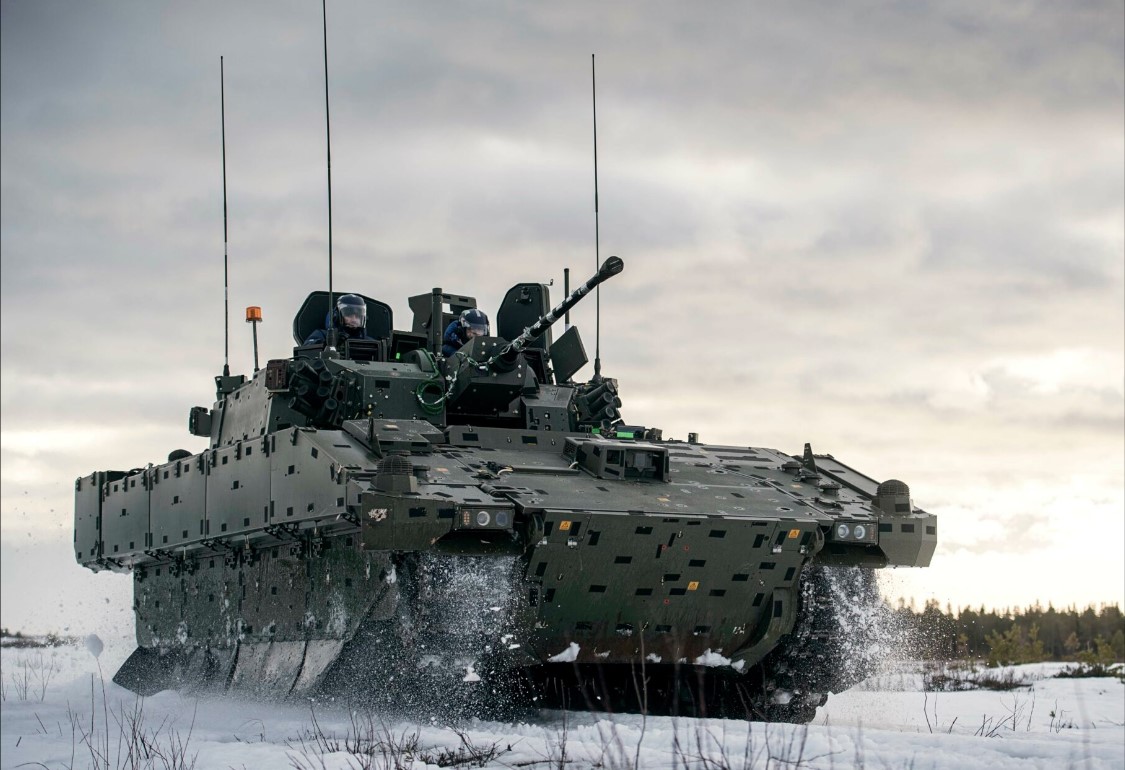
World
LONDON — June 09, 2026 : The UK Ministry of Defence (MoD) has announced a two-phase plan to restart trials of the British Army’s Ajax armoured reconnaissance vehicle, aiming to address remaining technical issues and move the long-delayed programme closer to full operational service. The plan was outlined by Minister for Defence Readiness and Industry Luke Pollard in a written parliamentary response to Conservative MP Ben Obese-Jecty. The approach follows safety reviews conducted after problems emerged during military exercises in late 2025. Two-Phase Trial Strategy Under Phase One, the MoD will resume Ajax trials using a limited number of vehicles operating under closely monitored conditions and enhanced maintenance procedures. Phase Two will introduce hardware upgrades expected to be delivered within months. The improvements will focus on air filtration systems, crew-compartment heating and electrical power generation, areas identified during Exercise Titan Storm, a major British Army exercise held in late 2025. According to the MoD, these upgrades are intended to improve crew endurance, operating conditions and the vehicle’s ability to support advanced sensors and communications equipment. Safety Concerns Led to Pause The new plan follows setbacks that occurred shortly after the Ajax programme achieved Initial Operating Capability (IOC) on 6 November 2025, eight years later than originally planned. During Exercise Titan Storm, more than 30 soldiers reported illness and symptoms linked to excessive noise and vibration while operating the vehicles. The incidents prompted the MoD to suspend Ajax training and operational activities pending investigations by the Army Safety Investigation Team (ASIT) and an independent review panel. The investigations found no single cause for the reported illnesses. Instead, they concluded that a combination of technical, environmental and human factors contributed to the issues, including factors such as track tension and loose engine bolts. While 23 vehicles involved in the exercise remain quarantined, the MoD has approved the controlled restart of wider fleet trials. Programme Background The Ajax programme was awarded to General Dynamics UK in 2014 and is valued at approximately £6.2 billion. It is intended to deliver 589 tracked armoured vehicles across six variants for the British Army. The 42-tonne vehicle was designed to replace aging reconnaissance platforms, particularly the Scimitar, while providing improved protection, mobility, surveillance capabilities and digital connectivity. However, the programme has faced years of delays and scrutiny due to persistent noise and vibration issues. Earlier trials were suspended in the early 2020s after crews reported hearing problems and physical injuries, leading to reviews by the National Audit Office and parliamentary committees. Looking Ahead The MoD has not disclosed how many vehicles will participate in the renewed trials or provided an updated programme cost. General Dynamics UK has also not publicly commented on the latest trial conditions. Minister Pollard said Parliament will continue to receive updates as testing progresses. The data collected during the two-phase trial programme will help determine whether Ajax can achieve Full Operating Capability, currently projected between 2028 and 2029. The programme remains a key element of the British Army’s modernization plans and is expected to play a central role in future reconnaissance and battlefield intelligence operations.
Read More → Posted on 2026-06-09 18:08:54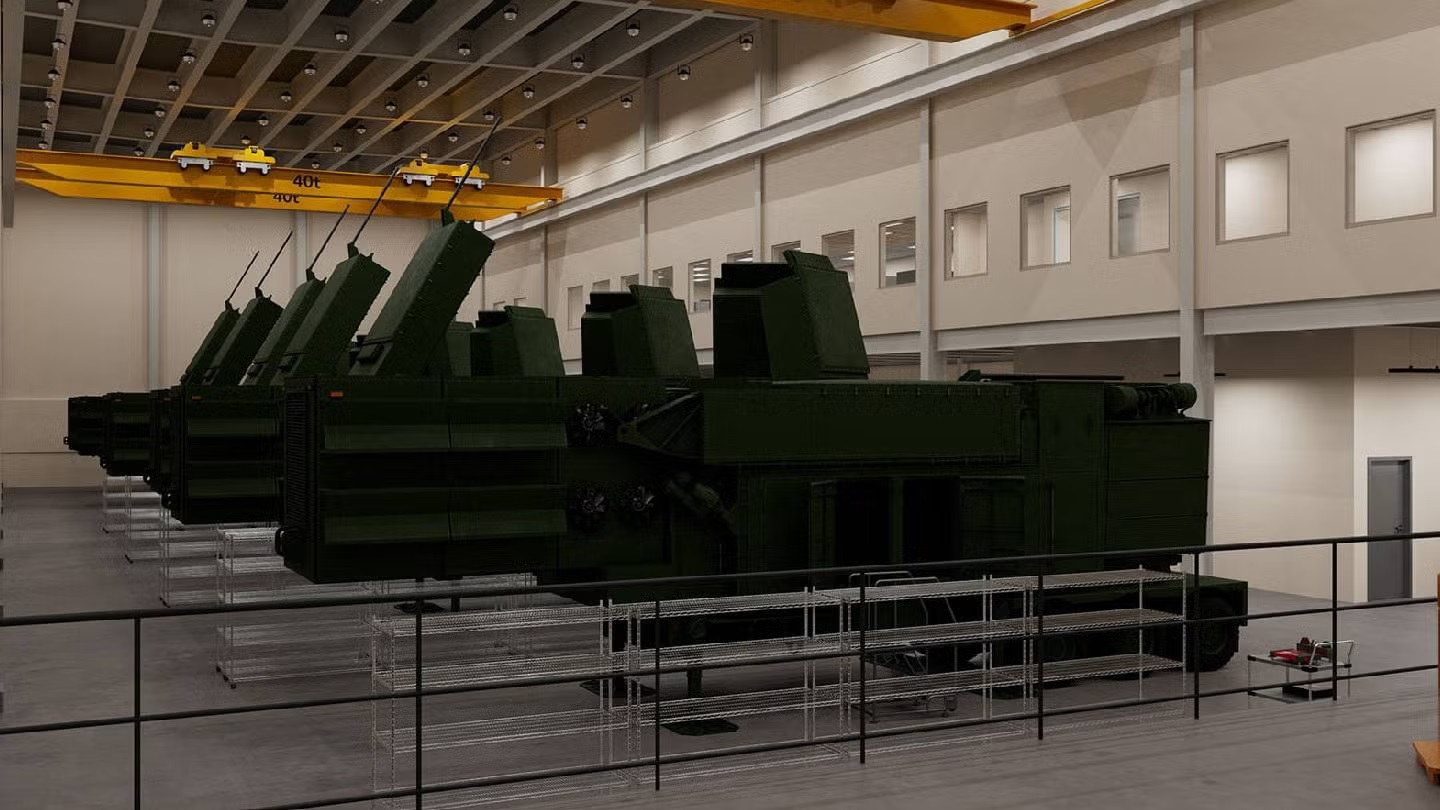
Raytheon to Invest $100 Million in Rhode Island Facility Expansion for LTAMDS and Patriot Production
World
PORTSMOUTH, R.I. — June 09, 2026 : Raytheon, a business of RTX, has announced a $100 million investment to expand its manufacturing and testing facility in Portsmouth, Rhode Island, to increase production capacity for the Lower Tier Air and Missile Defense Sensor (LTAMDS) radar and Patriot GEM-T missile components. The expansion will include the recommissioning of an existing manufacturing building and the construction of a new radar test range. The project is expected to create approximately 150 high-tech jobs in the region. Expansion to Support LTAMDS Program A major part of the investment will be used to increase testing capacity for LTAMDS, the U.S. Army’s next-generation air and missile defense radar. The system is designed to provide 360-degree coverage and detect, track, and support the interception of advanced threats, including ballistic missiles, cruise missiles, drones, aircraft, and hypersonic weapons. Raytheon currently holds contracts to supply LTAMDS radars to the U.S. Army and Poland. The radar recently completed its ninth successful flight test, during which it tracked and supported the interception of a surrogate target. Increasing testing capacity is expected to accelerate system qualification and support faster deliveries to customers. Patriot GEM-T Production to Increase The Portsmouth facility will also expand production of subcomponents for the Patriot Advanced Capability-2 Guidance Enhanced Missile-Tactical (GEM-T) interceptor. The GEM-T missile serves as a primary interceptor within the Patriot air and missile defense system and is designed to defeat tactical ballistic missiles, cruise missiles, and aircraft. Demand for Patriot systems and interceptors has increased in recent years as countries continue to strengthen air and missile defense capabilities. The expansion is intended to help meet growing production requirements and support both new system deliveries and existing Patriot operators. Part of Broader Manufacturing Growth The Rhode Island project is part of RTX’s broader effort to expand its defense manufacturing infrastructure. The announcement follows a $53 million expansion of Raytheon’s radar production facility in Andover, Massachusetts, announced in 2025. It also comes after the U.S. Department of Defense awarded Raytheon a $904.6 million contract modification in April 2026 for LTAMDS low-rate initial production. Longstanding Presence in Rhode Island RTX has operated in Rhode Island for more than 60 years and currently employs more than 850 people in the state. The Portsmouth facility supports advanced radar development, combat systems, and undersea technology programs. The new investment will further expand the site's role in supporting U.S. and allied air and missile defense programs while increasing production capacity for some of Raytheon’s key defense systems.
Read More → Posted on 2026-06-09 17:53:20
World
WASHINGTON, — June 09, 2026 : President Donald Trump announced that Iranian forces shot down a U.S. Army AH-64 Apache attack helicopter while it was conducting a patrol mission over the Strait of Hormuz, stating that the United States is obligated to respond to the incident. In a statement posted on Truth Social on Tuesday, Trump said the helicopter was brought down during operations in the strategic waterway. He confirmed that the two pilots aboard survived the incident and were not injured. The Apache helicopter crashed at approximately 7:30 p.m. Eastern Time on Monday near the coast of Oman and the Strait of Hormuz. Following the incident, the two Army aviators were rescued in a maritime recovery operation involving an unmanned surface vessel operated by the U.S. Navy's Task Force 59. According to military officials, the 24-foot “Corsair” drone vessel, developed by Saronic Technologies, transported the pilots across the water before they were transferred to a helicopter and taken for medical evaluation. U.S. Central Command (CENTCOM) later confirmed that both service members were safely recovered and remain in stable condition. While President Trump directly attributed the loss of the aircraft to Iranian fire, CENTCOM stated that the exact cause of the crash remains under investigation. The incident occurred amid ongoing hostilities linked to Operation Epic Fury, a conflict involving the United States, Israel, and Iran that has continued since February 2026. The Strait of Hormuz, a key route for global energy shipments, has remained a focal point of military activity following U.S. efforts to enforce a blockade on Iranian ports. Despite warning that the United States would respond to the attack, Trump said diplomatic efforts to secure a ceasefire are continuing. He told reporters that negotiators are working toward an agreement that could reopen the Strait of Hormuz and reduce tensions in the region. According to a recent congressional report, more than 40 U.S. aircraft and drones have been damaged or destroyed since the conflict began, highlighting the continued risks facing military operations in the region.
Read More → Posted on 2026-06-09 17:40:25
World
KYIV, — June 09, 2026 : Commander-in-Chief of the Armed Forces of Ukraine, Oleksandr Syrskyi, has approved the Concept for the Development of the Missile Forces and Artillery through 2030, outlining a long-term plan to modernize Ukraine’s artillery and missile forces, expand domestic weapons production, and strengthen long-range strike capabilities. Syrskyi said the strategy combines lessons learned from ongoing combat operations with future military requirements. "While fighting a difficult war today, we must simultaneously build the military of the future," he stated. Focus on Domestic Missile Production A key objective of the new strategy is to reduce dependence on foreign military supplies by accelerating the development and mass production of Ukrainian-made ballistic and cruise missiles. According to the concept, these missile systems will be integrated with advanced unmanned aerial systems (UAS) to create a unified long-range strike network capable of engaging targets at distances of up to 2,000 kilometers. Ukrainian officials believe the expansion of domestic missile production will strengthen the country’s long-term strategic independence and strike capabilities. Modernization of Artillery Forces The plan calls for domestically produced artillery systems to become the backbone of Ukraine’s artillery units. Older Soviet-era systems that can no longer be repaired or upgraded will be gradually retired from service. At the same time, modern Western artillery systems currently in use will remain in service to support operational requirements. Ukrainian forces currently operate a diverse mix of artillery platforms, creating logistical and maintenance challenges. The new strategy aims to simplify support and improve sustainability through greater standardization. Expansion of the Bohdana Program The 155 mm Bohdana self-propelled howitzer remains a central part of Ukraine’s artillery modernization effort. Production of the domestically developed system has increased in recent years, and the new concept is expected to support further expansion of indigenous artillery manufacturing capabilities. Strengthening Reconnaissance Capabilities The strategy identifies artillery reconnaissance as a major priority area. Ukraine plans to develop an integrated reconnaissance network combining reconnaissance drones, counter-battery radars, electronic intelligence assets, and digital command systems to improve target detection and reduce response times. Military officials say modern artillery effectiveness depends heavily on accurate intelligence and the rapid transfer of targeting data to firing units. Addressing Key Challenges The Ukrainian military identified several issues currently affecting artillery effectiveness, including: Dependence on foreign weapons and ammunition supplies Logistical challenges caused by multiple artillery platforms Range limitations of older systems Shortages of reconnaissance assets The new concept seeks to address these challenges through increased domestic production, modernization, and standardization. Artillery Remains a Core Battlefield Asset Despite the growing role of drones and precision-guided weapons, Syrskyi emphasized that artillery remains one of the most important battlefield tools. Ukrainian artillery units continue to conduct thousands of combat missions daily, supporting frontline operations and counter-battery missions. The 2030 development strategy aims to strengthen Ukraine’s missile forces, artillery units, and reconnaissance capabilities while expanding the country’s domestic defense-industrial base and long-range strike capacity.
Read More → Posted on 2026-06-09 17:33:22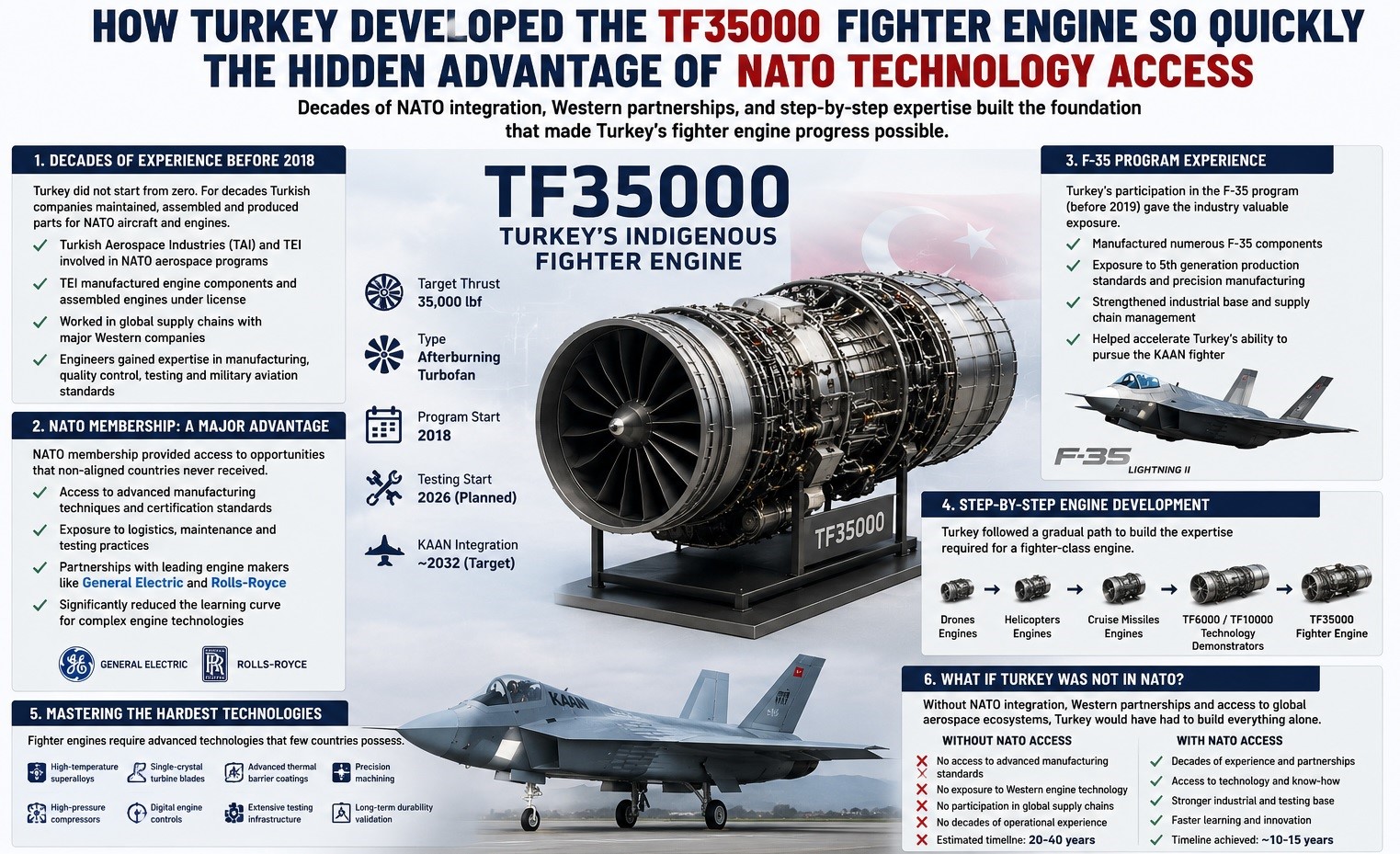
World
Turkey's progress toward developing an indigenous fighter jet engine has surprised many observers. The country formally launched development of a domestic engine for its KAAN fifth-generation fighter program in 2018, unveiled the TF35000 engine concept in 2025, and aims to begin testing in 2026 before eventual integration into the fighter around 2032. On the surface, this timeline appears remarkably short for one of the most difficult technologies in aerospace. Fighter jet engines are widely considered more challenging to develop than airframes, avionics, or even radar systems. Yet Turkey's apparent speed is not the result of starting from scratch in 2018. Instead, it reflects decades of accumulated industrial experience, much of it gained through NATO integration, Western aerospace partnerships, and participation in international defense programs. The Myth of a Sudden Breakthrough A common misconception is that Turkey suddenly decided to build a fighter engine and rapidly mastered the technology within a few years. In reality, Turkey's aerospace industry spent decades maintaining, assembling, manufacturing, and supporting Western military aircraft and engines before launching the KAAN engine effort. Turkish companies such as Turkish Aerospace Industries (TAI) and TEI have long been involved in NATO aerospace programs. TEI manufactured engine components, assembled engines under license, and worked within global supply chains linked to major Western aerospace companies. As a result, Turkish engineers did not begin with zero experience. They already understood many aspects of aerospace manufacturing, quality control, testing procedures, and military aviation standards before the indigenous engine program officially began. NATO Membership Provided a Major Advantage Turkey's membership in NATO gave its aerospace sector access to opportunities that many non-aligned countries never received. For decades, Turkish firms participated in the maintenance and production ecosystem surrounding NATO aircraft. Turkish engineers gained exposure to advanced manufacturing techniques, aerospace certification standards, logistics systems, and engine maintenance practices. Turkish companies also worked alongside major Western engine manufacturers, including General Electric and Rolls-Royce. These partnerships provided valuable industrial knowledge in areas such as turbine manufacturing, materials engineering, engine assembly, and testing infrastructure. While this did not provide Turkey with complete fighter engine technology, it significantly reduced the learning curve compared with countries attempting to build an aerospace industry in isolation. Without decades of integration into NATO supply chains and aerospace programs, Turkey would likely have required far more time to develop the industrial foundation necessary for a modern fighter engine. The F-35 Program Experience Another often overlooked factor is Turkey's participation in the F-35 program before its removal from the project in 2019. Turkish industry manufactured numerous components for the F-35 and became part of one of the world's most advanced aerospace production networks. Although participation did not provide access to sensitive engine designs or stealth technologies, it exposed Turkish companies to advanced manufacturing standards, precision production methods, supply-chain management practices, and quality requirements associated with fifth-generation aircraft programs. This experience helped strengthen Turkey's industrial base and provided valuable knowledge relevant to future projects such as the KAAN fighter. Similarly, experience gained through NATO aircraft support and F-35 industrial participation contributed to Turkey's ability to pursue a fifth-generation fighter program more rapidly than countries lacking comparable exposure. Building Expertise Step by Step Turkey's engine development strategy has followed a gradual path rather than an immediate leap toward a high-performance fighter engine. Before attempting the TF35000, Turkish industry worked on engines for drones, helicopters, and cruise missiles. Programs such as the TF6000 and TF10000 served as technology demonstrators that allowed engineers to develop expertise in compressor design, combustion systems, turbine technology, and engine integration. This incremental approach reduced risk and allowed Turkey to solve smaller engineering challenges before tackling a fighter-class turbofan. The strategy mirrors the development paths followed by other aerospace powers, where smaller engine programs often precede advanced fighter engines. The Technologies That Make Fighter Engines Difficult Designing a modern fighter engine requires mastery of technologies that few countries possess. These include: High-temperature superalloys Single-crystal turbine blade manufacturing Advanced thermal barrier coatings Precision machining High-pressure compressors Digital engine controls Extensive testing infrastructure Long-term durability validation Creating an engine is not simply about generating thrust. The engine must operate reliably for thousands of hours under extreme temperatures and stresses while maintaining performance and safety. This is why only a small number of countries can produce advanced fighter turbofans at scale. China Shows How Difficult the Challenge Remains China provides an important example of the difficulty involved in fighter engine development. Despite massive state investment, access to foreign technology, and decades of research, China spent roughly three decades progressing from early indigenous engine efforts to fielding mature fighter engines. Even today, Chinese engine development remains one of the most technically demanding areas of the country's aerospace industry. China's WS-10 and newer WS-15 programs represent significant achievements, but the country invested enormous financial and industrial resources over many years to improve durability, reliability, manufacturing quality, and service life. For much of that period, Chinese fighter aircraft relied heavily on imported Russian engines while domestic designs matured. The Chinese experience demonstrates that developing a powerful engine is only part of the challenge. Achieving Western-level reliability, maintenance intervals, operational lifespan, and production consistency can require decades of continuous refinement. Turkey Has Not Yet Achieved an Indigenous Fifth-Generation Fighter Engine Despite recent progress, Turkey has not yet fielded a fully indigenous fighter engine comparable to those powering the F-35, F-22, or the most advanced Western combat aircraft. The KAAN prototype currently flies using imported General Electric F110 engines. The indigenous TF35000 remains under development and has not yet completed the testing and qualification process required for operational service. The most difficult phase still lies ahead: proving reliability, durability, performance, maintainability, and production readiness. History shows that many engine programs encounter delays during this stage, even in countries with advanced aerospace industries. What If Turkey Had Not Been Part of NATO? While no one can know the exact timeline, it is reasonable to conclude that Turkey's progress would have been significantly slower without NATO integration. Without access to Western aerospace ecosystems, industrial partnerships, supply chains, and decades of operational experience, Turkey would have needed to independently develop expertise in metallurgy, turbine manufacturing, testing infrastructure, precision machining, and military aviation standards. A timeline closer to 20–40 years would likely have been more realistic for achieving a comparable level of capability from a largely isolated starting point. Turkey's current achievements therefore reflect not only recent investments but also decades of accumulated knowledge gained through participation in NATO programs, international aerospace partnerships, licensed production activities, and global defense supply chains. Final Assessment Turkey's fighter engine program did not emerge overnight. The country's rapid progress toward the TF35000 engine and the KAAN fighter is the result of decades of aerospace development, extensive government investment, international industrial cooperation, and experience gained through NATO integration. The program represents a significant milestone for Turkey's defense industry. However, the ultimate measure of success will not be the unveiling of an engine prototype but the ability to field a mature, reliable, high-performance indigenous fighter engine capable of matching the durability, service life, and operational performance achieved by the world's leading aerospace powers.
Read More → Posted on 2026-06-09 16:52:49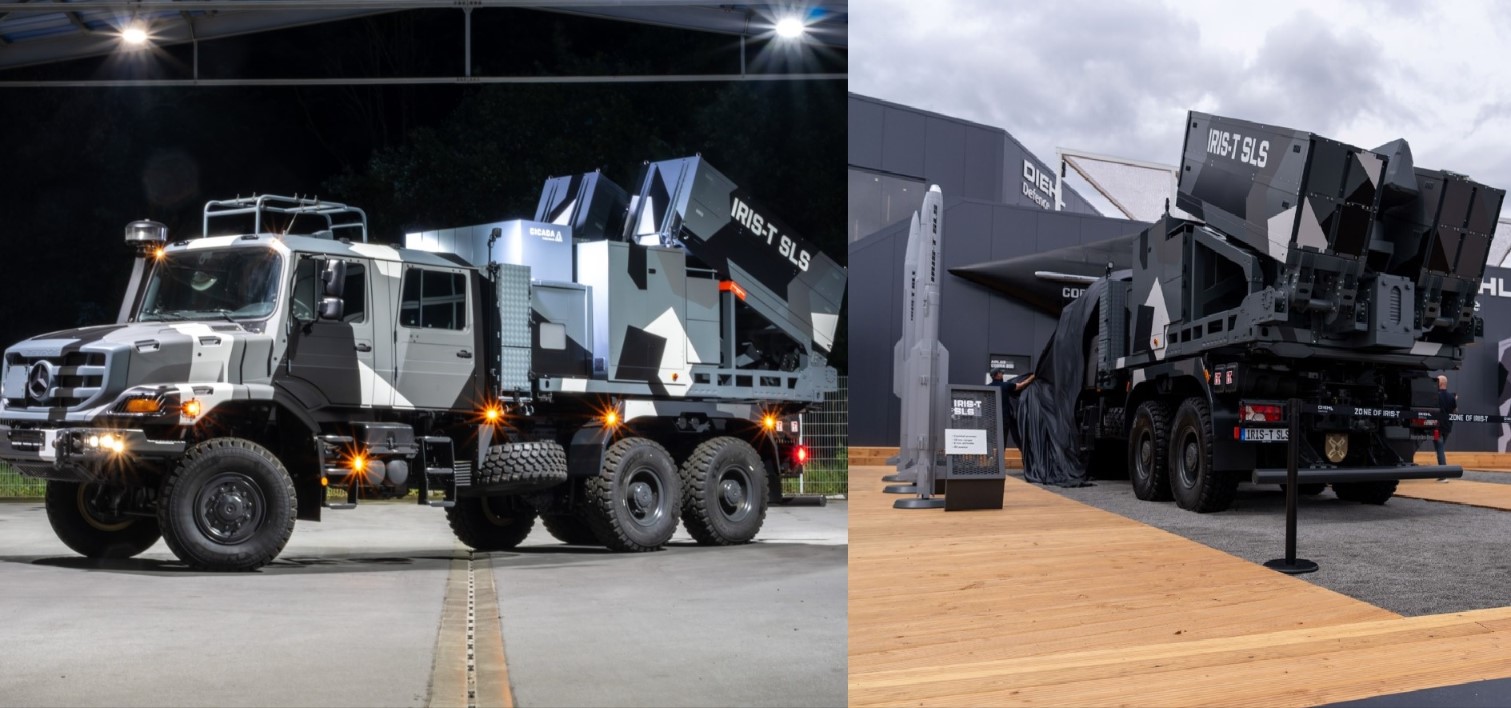
World
BERLIN — June 09, 2026: German defense company Diehl Defence has unveiled the IRIS-T SLS MK 4, the latest generation of its short-range land-based air defence (SHORAD) system, ahead of the ILA Berlin Air Show 2026. The new variant introduces an expanded engagement envelope, increased missile capacity, and a fully integrated single-vehicle architecture designed to improve battlefield mobility and survivability. The IRIS-T SLS MK 4 is the newest member of the IRIS-T ground-based air defence family, which also includes the IRIS-T SLM medium-range system and the future IRIS-T SLX long-range platform. Extended Range and Increased Firepower According to Diehl Defence, the IRIS-T SLS MK 4 can engage aerial targets at ranges of up to 12 kilometers and altitudes of up to 6 kilometers. A major upgrade is its increased missile load. The system carries up to eight ready-to-fire IRIS-T interceptors on a single vehicle, significantly increasing its ability to counter multiple threats before reloading is required. The higher missile capacity is intended to improve protection against drones, helicopters, aircraft, cruise missiles, loitering munitions, and saturation attacks. Unlike the larger IRIS-T SLM, which is primarily designed for area defence, the SLS MK 4 is optimized to accompany maneuvering forces and provide close-range protection for troops on the move. Integrated All-in-One Air Defence Vehicle A key feature of the IRIS-T SLS MK 4 is its all-in-one design, combining all major air-defence functions on a single tactical vehicle. The platform integrates: Surveillance radar Fire control and command system Eight-cell missile launcher This allows a single vehicle to independently detect, track, classify, and engage aerial threats without requiring separate radar or command vehicles. According to the company, the integrated architecture reduces deployment time, lowers logistical requirements, and enables rapid relocation after engagement, improving survivability against modern precision-guided weapons. Combat-Proven IRIS-T Missile The system uses the IRIS-T missile, originally developed for fighter aircraft such as the Eurofighter Typhoon and Panavia Tornado. Equipped with an imaging infrared seeker and thrust-vector control technology, the missile offers high maneuverability against agile targets, including modern unmanned aerial vehicles (UAVs). Diehl confirmed that the missile's hardware remains unchanged in the MK 4 configuration, ensuring compatibility with existing production and support infrastructure. Future Fire-on-the-Move Capability Diehl Defence is developing software upgrades that will enable a future fire-on-the-move capability. The upgrade will allow the system to launch interceptor missiles while the vehicle is moving, eliminating the need to stop before engaging targets and increasing operational flexibility in dynamic combat environments. Counter-Drone Capabilities The IRIS-T SLS MK 4 is designed with an open architecture that supports additional effectors beyond the standard IRIS-T missile. The system is compatible with CICADA eMissile, Diehl's dedicated counter-UAV interceptor, providing a lower-cost option for engaging small drones. This allows operators to use IRIS-T missiles against higher-value threats while employing CICADA against commercial and tactical UAVs. The vehicle can also be fitted with an optional remote weapon station for close-range defence. Modular Design for International Customers The IRIS-T SLS MK 4 features a vehicle-independent modular architecture, allowing the radar, command system, and launcher package to be integrated onto various wheeled or tracked chassis. This approach enables military operators to adopt the system without introducing entirely new vehicle fleets, reducing maintenance and logistical burdens. Part of a Layered Air Defence Network Diehl Defence positions the IRIS-T SLS MK 4 as the short-range layer of a broader multi-layered air defence network. The system is designed to operate alongside the IRIS-T SLM and future IRIS-T SLX, creating overlapping protection against a wide range of aerial threats. With its 12-kilometer engagement range, eight-missile payload, integrated single-vehicle design, and counter-drone capabilities, the IRIS-T SLS MK 4 represents the latest evolution of Diehl Defence's mobile air-defence portfolio for modern battlefield operations.
Read More → Posted on 2026-06-09 16:29:15
World
ADELPHI, Maryland — June 09, 2026 : The U.S. Army has successfully demonstrated a new quantum sensor capable of measuring the full three-dimensional direction of radio-frequency (RF) signals, a development that could enhance battlefield awareness, electronic warfare, and signal detection capabilities. Developed by scientists at the U.S. Army Combat Capabilities Development Command (DEVCOM) Army Research Laboratory (ARL), the system is the first quantum sensor capable of determining not only the strength of an electromagnetic signal but also its complete 3D orientation and direction of travel. The achievement was detailed in a paper published in Physical Review Applied. Designed for Complex Electromagnetic Environments Modern military operations rely heavily on radio-frequency signals generated by drones, communication networks, radar systems, electronic warfare equipment, and autonomous platforms. At the same time, military forces face increasing challenges from electronic jamming, spectrum congestion, and GPS disruption. According to Army researchers, the new sensor can determine the direction of incoming radio signals with an accuracy of approximately two degrees, allowing military forces to more precisely locate signal sources. The capability could help troops identify hostile drone operators, enemy communication nodes, and electronic warfare systems operating on the battlefield. How the Quantum Sensor Works The sensor uses a small glass vapor cell containing rubidium atoms. Researchers use laser beams to excite the atoms into highly sensitive Rydberg states, making them extremely responsive to electric fields. When a radio-frequency signal passes through the cell, it interacts with the atoms. By analyzing the atoms' response, researchers can determine not only the presence and strength of the signal but also its precise three-dimensional direction and movement. Compact Design with Wide Frequency Coverage Unlike conventional antennas that are often designed for specific frequency ranges, the Army's quantum sensor is only a few centimeters in size and can operate across an extremely broad spectrum. Researchers say the system can detect frequencies ranging from direct current (DC) to terahertz bands using a single sensing package, reducing the need for multiple antennas and receivers. “Our work in quantum science is about giving our Soldiers new ways to sense and understand the world around them,” said David Meyer, a research physicist at ARL. “This research opens the door to detecting and pinpointing signals over a broad frequency range in a single sensing package, even in the most challenging environments.” Potential for GPS-Denied Operations One of the key advantages of the technology is its ability to function in GPS-denied environments. Because the sensor operates independently of satellite navigation systems, it could strengthen Position, Navigation and Timing (PNT) capabilities during operations where GPS signals are jammed or unavailable. The technology could provide commanders with additional situational awareness in contested electromagnetic environments. Future Military Applications Army researchers believe the sensor could support a range of missions, including electronic warfare, intelligence gathering, communications monitoring, drone detection, and spectrum management. “The modern battlefield is an extremely complicated radio frequency environment,” Meyer said. “With the proliferation of autonomous systems, there can be hundreds of distinct signal sources. Having a single sensor platform that covers the entire radio-frequency spectrum and can measure the 3D direction of those fields represents a potentially transformative capability.” The Army Research Laboratory, which has invested in quantum science since the early 1990s and became one of the Army's Quantum Information Science Research Centers in 2023, will now focus on transitioning the technology from laboratory testing to field-deployable military systems. The successful demonstration marks an important step in the Army's efforts to develop advanced quantum sensing technologies for future battlefield operations.
Read More → Posted on 2026-06-09 15:34:56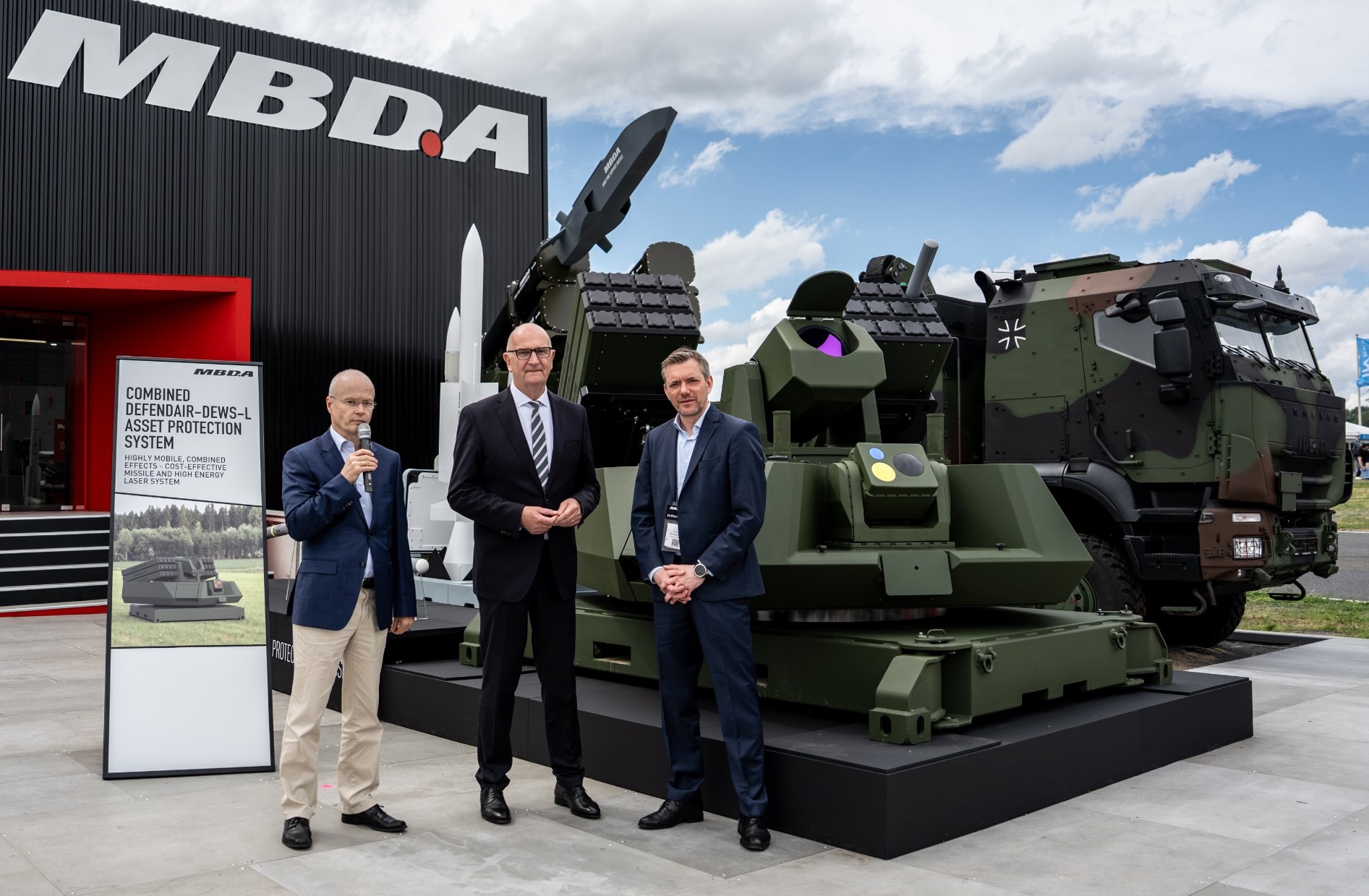
World
BERLIN — June 09, 2026 : MBDA Germany has unveiled a new hybrid counter-drone air defense concept at the International Aerospace Exhibition (ILA) 2026, introducing the Combined DefendAir–DEWS-L Asset Protection System, a Ground-Based Air Defence (GBAD) solution designed to counter the growing threat posed by unmanned aerial systems (UAS), including drone swarms, loitering munitions, and other low-cost aerial threats. The newly revealed system combines DefendAir short-range counter-UAS interceptor missiles with a high-energy laser weapon on a single palletized turret, creating a layered defense capability that can engage threats across multiple ranges and attack profiles. The platform is intended to provide protection for military bases, critical infrastructure, logistics hubs, command centers, forward operating bases, and deployed forces. Hybrid Missile and Laser Configuration At the center of the system is a highly mobile palletized turret equipped with 24 LFK DefendAir missiles alongside the Directed Energy Weapon System-Laser (DEWS-L). The integrated design allows operators to select the most suitable engagement method depending on the type, range, and complexity of the threat. The DefendAir missile serves as the system’s kinetic or hard-kill component. Developed specifically for counter-drone missions, it is optimized to engage small and medium-sized unmanned aerial vehicles at ranges exceeding 5 kilometers. The missile is capable of intercepting highly maneuverable and fast-moving aerial targets and can engage multiple threats simultaneously in all directions. DefendAir is derived from technologies used in MBDA’s Enforcer missile family, allowing the company to leverage an existing technology base to accelerate development and production. The missile's 24-cell launcher configuration provides substantial magazine depth, enabling the system to respond effectively to large-scale drone attacks and swarm scenarios. Complementing the missile layer is the DEWS-L high-energy laser weapon, which provides a low-cost engagement option against drones operating at shorter ranges. Unlike conventional interceptors, the laser uses electrical power rather than physical ammunition, allowing repeated engagements without depleting missile stocks. This significantly reduces the cost per engagement when confronting inexpensive commercial drones and other low-tier aerial threats. The laser also offers speed-of-light engagement and precise target tracking, making it suitable for neutralizing nearby drones while preserving missile inventory for more complex or distant threats. Designed Around Protection, Deterrence and Scalability According to MBDA Germany, the Combined DefendAir–DEWS-L system has been developed around three key operational principles: protection, deterrence, and scalability. Under the protection concept, the system is designed to provide continuous 360-degree defense of critical assets against reconnaissance drones, attack drones, and coordinated aerial incursions. Its combination of missiles and laser technology creates multiple engagement layers intended to improve survivability for protected forces and infrastructure. The deterrence aspect focuses on creating a robust defensive environment that complicates adversary planning. By combining a large missile inventory with a continuously available laser weapon, the system is designed to counter both individual drones and coordinated swarm attacks. Scalability forms the third pillar of the program. MBDA stated that the system follows a design-to-cost philosophy intended to support large-scale production and fielding. The company is currently increasing production of DefendAir missiles at its facilities in Schrobenhausen, Germany, following a major procurement agreement signed with the German Armed Forces. Supporting Germany’s Air Defense Modernization The development of DefendAir is part of Germany’s broader effort to strengthen short-range air defense and counter-drone capabilities. In November 2025, Germany’s Federal Office of Bundeswehr Equipment, Information Technology and In-Service Support (BAAINBw) awarded MBDA a contract covering the development and procurement of the DefendAir missile. The missile is also planned for integration with the Skyranger 30 air-defense system, further expanding its role within Germany’s evolving air-defense architecture. The unveiling of the Combined DefendAir–DEWS-L system comes amid growing international interest in layered counter-drone defenses. Military forces worldwide are increasingly seeking solutions that combine kinetic interceptors with directed-energy weapons to address the expanding use of low-cost unmanned systems on modern battlefields. Laser Technology Development The new system also reflects MBDA’s long-term investment in directed-energy weapon technologies. In January 2026, MBDA Germany and Rheinmetall announced the creation of a joint venture dedicated to the development of operational laser weapon systems. The partnership builds upon several years of testing and technology demonstrations, including successful trials involving a naval laser demonstrator aboard a German Navy frigate. These programs have demonstrated the potential of laser weapons to defeat drones, loitering munitions, and other short-range aerial threats. By combining mature missile technologies with advancing directed-energy capabilities, MBDA aims to reduce developmental risks while accelerating the introduction of operational hybrid air-defense systems. Future Deployment Plans MBDA stated that the Combined DefendAir–DEWS-L Asset Protection System is intended to achieve initial operational deployment before the end of the decade. Although detailed technical specifications for the DEWS-L laser component and full production schedules have not yet been disclosed, the company views the system as a significant contribution to Europe's expanding air-defense network. The platform is also expected to support objectives under the European Sky Shield Initiative (ESSI), a multinational effort aimed at strengthening European air and missile defense capabilities through greater cooperation and integrated defense solutions. As drone threats continue to increase in scale, complexity, and operational importance, the Combined DefendAir–DEWS-L system represents MBDA’s latest effort to provide armed forces with a flexible, layered, and scalable solution capable of defending against a broad spectrum of unmanned aerial threats.
Read More → Posted on 2026-06-09 15:25:48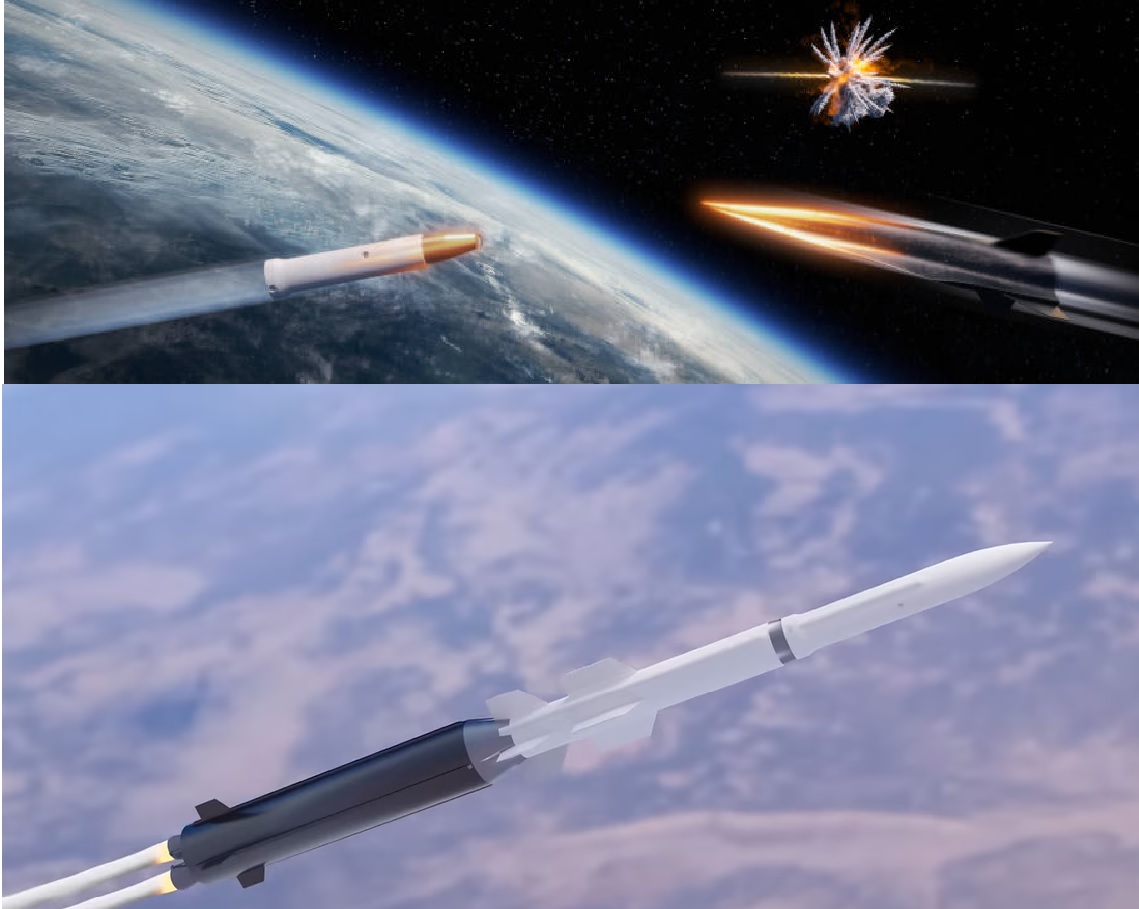
World
PARIS — June 09, 2026 : European missile manufacturer MBDA is advancing the development of AQUILA, a next-generation interceptor missile designed to counter hypersonic weapons and highly maneuverable ballistic missile threats. The missile is being developed under the Hypersonic Defence Interceptor System (HYDIS) program, a major European initiative aimed at strengthening future air and missile defense capabilities against emerging hypersonic threats. Supported by the European Defence Fund (EDF), the HYDIS program is coordinated by MBDA and includes 19 industry partners and more than 30 subcontractors from 14 European countries, including France, Germany, Italy, and Netherlands. The project is managed by Organisation for Joint Armament Cooperation. Designed for Hypersonic Interception AQUILA is MBDA's first interceptor specifically designed to engage hypersonic glide vehicles, hypersonic cruise missiles, and maneuvering ballistic missiles. Unlike conventional ballistic missiles that follow more predictable flight paths, hypersonic weapons travel at speeds above Mach 5 while performing rapid maneuvers, making them difficult to intercept with existing air-defense systems. The interceptor is designed to operate entirely within the atmosphere and is intended to provide long-range interception capability against high-speed and maneuvering threats. Three-Stage Missile Architecture According to MBDA, AQUILA features a three-stage architecture consisting of a booster accelerator, a cruise stage, and a kill vehicle. The booster accelerator provides the initial thrust required to rapidly reach operational speed and altitude. The cruise stage uses thrust-modulation technology, allowing the missile to adjust its flight path in response to changes in a target's trajectory. During the terminal phase, a highly agile kill vehicle equipped with advanced guidance systems is designed to intercept and destroy the target. MBDA stated that AQUILA is being designed with very high flight velocity to enable rapid response against hypersonic threats. Due to its multi-stage design, the interceptor is expected to be larger than the current Aster 30 missile and will require a larger launch container. Integration With SAMP/T Systems The interceptor is being developed for integration with existing and future European air-defense networks. MBDA has confirmed that AQUILA is intended for both land-based and naval deployment and will be compatible with multiple launcher systems. The missile is expected to integrate with the current SAMP/T air-defense system and the future SAMP/T NG (New Generation). Within the broader missile-defense architecture, AQUILA is intended to serve as an upper-tier defensive layer alongside Aster 30 Block 1 and future Block 1NT interceptors. HYDIS Program Progress The HYDIS program entered its three-year concept phase in 2024 with approximately €80 million in funding from the European Defence Fund. Current work is focused on developing key technologies required for hypersonic interception, including predictive artificial intelligence algorithms, advanced guidance systems, and sensors capable of operating in the extreme conditions associated with hypersonic flight. Initial studies evaluated 11 interceptor concepts before narrowing the field to six candidates and later to two leading designs. A final interceptor concept is expected to be selected during the next stage of the program. Future European Missile Defense Capability Participating nations are currently finalizing common operational requirements while the HYDIS consortium prepares for the final concept selection. The chosen design will form the basis of Europe's future counter-hypersonic missile defense capability. If development proceeds as planned, AQUILA will complement the Aster missile family and provide European armed forces with a dedicated capability to counter next-generation hypersonic and maneuvering missile threats.
Read More → Posted on 2026-06-09 14:40:11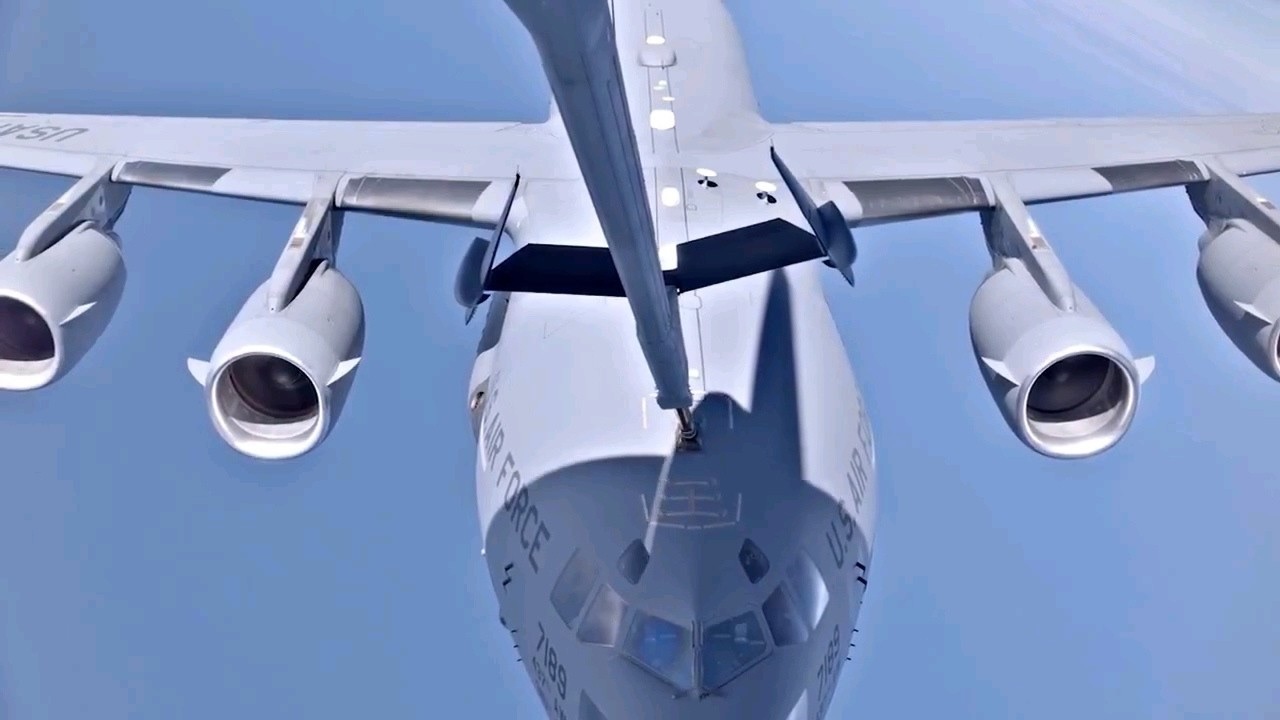
World
SEATTLE, — June 09, 2026 : Boeing announced on June 3, 2026, that it has completed the first phase of flight testing for the upgraded Remote Vision System (RVS) 2.0 on the KC-46A Pegasus aerial refueling tanker, marking a major step toward resolving one of the aircraft’s most significant technical deficiencies ahead of a planned fleet-wide retrofit beginning in 2027. The upgrade is designed to address long-standing issues with the original Remote Vision System, which allows boom operators to conduct aerial refueling using cameras and displays instead of a direct-view observation window. The U.S. Air Force classified the original system as a Category 1 deficiency due to problems involving depth perception, image distortion, and sensitivity to changing lighting conditions. In some situations, including direct sunlight and low-light operations, the system could experience image washout, increasing the risk of boom contact with receiver aircraft. To overcome these issues, Boeing developed RVS 2.0, a completely redesigned hardware and software system. The new configuration includes six cameras, consisting of visible-spectrum and long-wave infrared sensors, along with additional high-definition cameras to improve depth perception. The system feeds data to a redesigned operator station equipped with a 4K Ultra High-Definition 3D display, providing a clearer and more realistic view during refueling operations. According to Boeing, the completed testing phase validated the performance of the upgraded cameras, image-processing hardware, and control systems. Flight-test footage released by the company showed the modified KC-46A successfully conducting boom contacts with multiple aircraft, including another KC-46A, an RC-135 Rivet Joint, and a C-17 Globemaster III. Simulated refueling operations with a T-38 Talon were also carried out. The flight-testing campaign follows earlier evaluations conducted in January 2026, when the U.S. Air Force’s 418th Flight Test Squadron supported testing at the Mugu Sea Test Range to assess sensor performance under rapidly changing lighting conditions. With the first phase now complete, Boeing, the U.S. Air Force, and the KC-46 Joint Program Office will move forward with formal certification activities before beginning fleet-wide installation of RVS 2.0 in 2027. The progress comes as Boeing and the Air Force continue broader efforts to improve the KC-46A program. In May 2026, both organizations launched a coordinated initiative focused on accelerating RVS 2.0 certification, improving fleet readiness, and increasing aircraft availability. Engineers are also working to resolve other Category 1 deficiencies, including issues related to the refueling boom and nozzle disconnect mechanisms. As of February 2026, Boeing had delivered 103 KC-46A Pegasus aircraft to the U.S. Air Force. Despite years of technical challenges and significant cost overruns, the KC-46A remains central to the Air Force’s long-term tanker modernization plan and is expected to gradually replace approximately 370 KC-135 Stratotankers currently in service. The successful completion of the first phase of RVS 2.0 flight testing represents an important milestone toward improving the operational capability and reliability of the KC-46A fleet before retrofit work begins in 2027.
Read More → Posted on 2026-06-09 14:24:14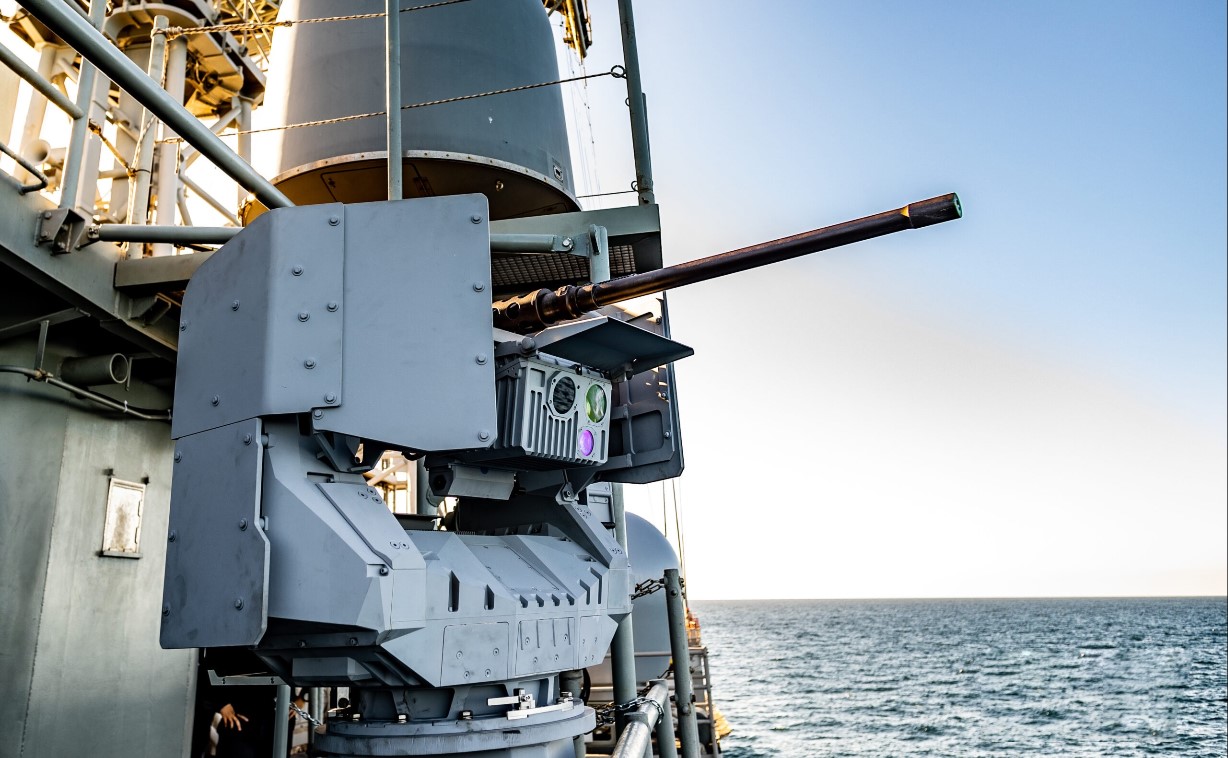
World
MADRID, — June 09, 2026 : Spanish defense technology company EM&E Group has secured a contract to supply the Portuguese Navy with 47 SENTINEL remote-controlled naval weapon stations (RCWS) through the NATO Support and Procurement Agency (NSPA). The agreement marks the company's first large-scale contract managed directly by the NATO agency. The procurement is part of Portugal’s efforts to enhance the fleet’s close-range and medium-range defense capabilities while improving interoperability with NATO allies through standardized equipment and support frameworks. The contract will be executed in two phases and includes the delivery of EM&E Group’s SENTINEL 2.0 and SENTINEL 30 weapon stations. While the exact number of each variant has not been disclosed, the systems will be supplied in 12.7 mm and 30 mm calibers respectively. The SENTINEL 2.0 is a lightweight remote weapon station designed for short- and medium-range defense. It can be equipped with 12.7 mm heavy machine guns and is intended to counter fast attack craft, asymmetric maritime threats, and low-altitude aerial targets. The SENTINEL 30 is a stabilized turret system armed with a 30 mm automatic cannon, compatible with the MK 44 Bushmaster II chain gun. The system provides greater range and firepower against larger surface threats and can also support programmable air-burst munitions. Both systems are equipped with day and infrared cameras, laser rangefinders, automatic target tracking, and integrated fire-control software. These features allow operators to detect, track, and engage targets remotely from protected positions inside a vessel while maintaining accuracy in various operational conditions. The procurement through NSPA is expected to simplify logistics, maintenance support, and ammunition compatibility across NATO member states. EM&E Group said the contract reflects the systems’ compliance with NATO operational and technical requirements. The SENTINEL family has been in service with the Spanish Navy for several years, providing an established operational record that supported its selection by Portugal. The systems have also been supplied to international customers, including the Royal Thai Navy. The deployment of the SENTINEL 2.0 and SENTINEL 30 on Portuguese naval vessels is expected to strengthen the country's maritime defense capabilities while creating greater technical and logistical commonality with the Spanish Navy. Delivery of the 47 weapon stations will take place in phases, although specific timelines have not been announced.
Read More → Posted on 2026-06-09 14:12:45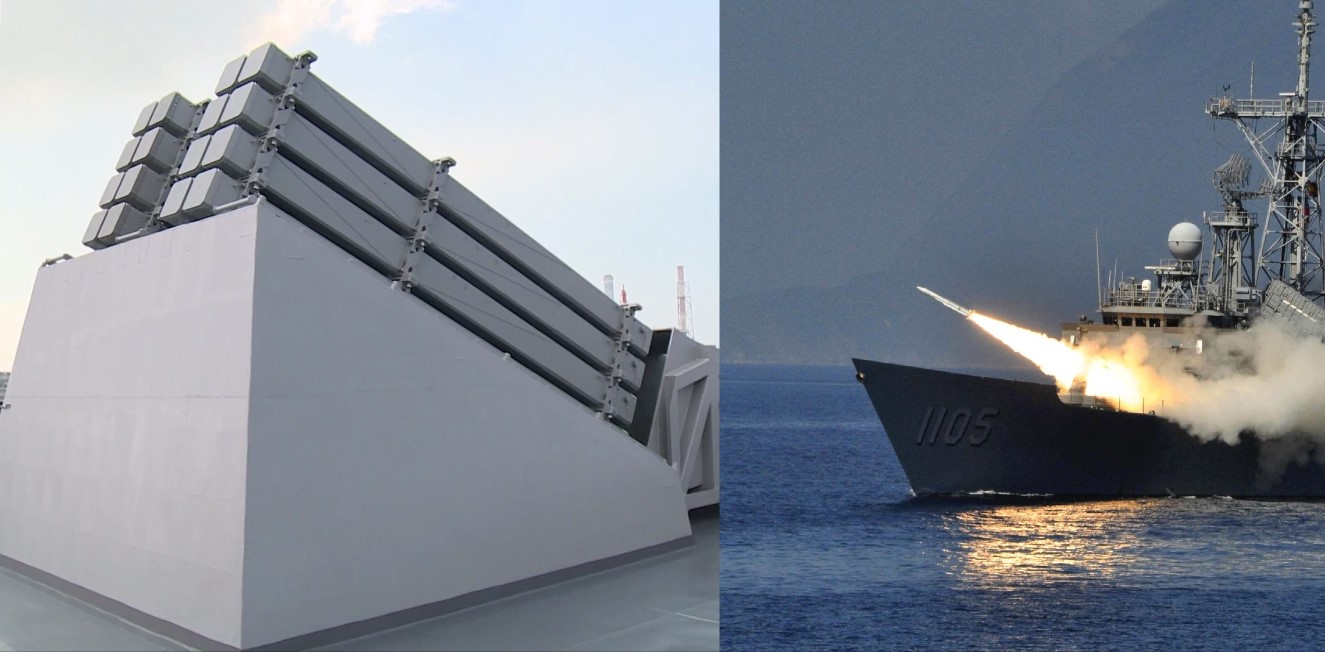
World
TAIPEI, — June 09, 2026 : Taiwan is moving forward with plans to manufacture between 1,200 and 1,376 Hai Chien II (Sea Sword II) naval air defense missiles as part of a major effort to modernize the Republic of China Navy’s surface fleet and improve protection against evolving aerial threats. The Hai Chien II, also known as the TC-2N, is expected to become the standard air defense missile across Taiwan’s principal surface combatants. The production program follows a successful live-fire test conducted last week in waters near the National Chung-Shan Institute of Science and Technology (NCSIST)’s Jiupeng facility in Pingtung County. According to military sources cited by local media, the missile procurement plan forms part of a broader naval modernization effort focused on replacing aging air defense systems and increasing the fleet’s ability to counter aircraft, helicopters, drones, and anti-ship missiles. Fleet-Wide Deployment Plan Taiwanese naval planners estimate that at least 688 missiles are required to fully equip the magazines of vessels currently in service or under construction. However, military doctrine requires additional missile inventories for training, operational reserves, and wartime replenishment. As a result, total production is expected to reach between 1,200 and 1,376 missiles. The baseline allocation of 688 missiles is planned across several classes of naval vessels: Kang Ding-class frigates: 192 missiles for six ships, with up to 32 missiles per vessel. Next-generation light frigates: 288 missiles for future anti-air warfare and anti-submarine warfare variants. Tuo Chiang-class corvettes: 176 missiles for 12 vessels, with 16 missiles carried by each ship. Yushan-class landing platform dock (LPD): 32 missiles for self-defense operations. The estimate does not include Taiwan’s future next-generation principal surface combatant, which remains under development and could further increase missile requirements. Military planners reportedly favor the upper production target to ensure sufficient stockpiles for sustained combat operations and to counter potential large-scale saturation attacks. Replacing Legacy Air Defense Systems The Sea Sword II program is intended to replace older naval air defense systems currently deployed across parts of Taiwan’s fleet, including the M48 Chaparral surface-to-air missile system carried by the Kang Ding-class frigates. Defense officials have assessed that some legacy systems no longer provide the range and engagement capabilities necessary to counter modern aircraft and missile threats. The integration of the TC-2N is expected to significantly improve the fleet’s layered air defense network. The Kang Ding-class frigates, derived from the French La Fayette-class design, are being upgraded with the domestically developed Hua Yang Vertical Launch System (VLS). Each Hua Yang launcher module contains eight cells, and each cell can accommodate four Sea Sword II missiles, allowing ships to carry larger missile loads while providing 360-degree defensive coverage. The Yushan-class landing platform dock is equipped with four eight-cell launchers capable of carrying up to 32 TC-2N missiles. Meanwhile, second-batch Tuo Chiang-class corvettes are being delivered with the missile integrated into their standard air defense configuration. Missile Development and Capabilities The Hai Chien II is the naval variant of Taiwan’s Tien Chien II (Sky Sword II) beyond-visual-range air-to-air missile, developed by NCSIST as part of the island’s indigenous defense technology programs. Development work began during the 1990s, while integration with a vertical launch system was completed around 2006. The first ship-based launch took place in 2014, followed by a series of operational evaluations and live-fire tests. The missile completed major operational testing by 2021, including launches from the Tuo Chiang-class corvette Ta Chiang. The missile is designed to provide medium-range air defense with a reported engagement range of approximately 30 kilometers in its naval configuration. Key features include: Active radar homing guidance during the terminal phase. Inertial navigation and data-link guidance during mid-course flight. Electronic counter-countermeasure (ECCM) capabilities to resist jamming. Thrust-vectoring booster technology that improves maneuverability and engagement performance. All-weather operational capability against multiple types of aerial threats. The system is designed to intercept fixed-wing aircraft, helicopters, unmanned aerial vehicles, and sea-skimming anti-ship missiles, filling the gap between close-in weapon systems such as the Phalanx CIWS and longer-range air defense missiles. Supporting Taiwan’s Naval Modernization Strategy The decision to standardize the Sea Sword II across multiple classes of warships is expected to simplify logistics, maintenance, training, and ammunition management throughout the fleet. The missile will play an important role in Taiwan’s ongoing naval modernization efforts, which include the construction of new light frigates and the expansion of the Tuo Chiang-class corvette program. The corvettes are designed to operate using a dispersed “wolf pack” concept, combining high speed, reduced radar signature, and a mix of offensive and defensive weapons. Production of the Sea Sword II will be supported by NCSIST’s expanded manufacturing capacity and reflects Taiwan’s broader emphasis on indigenous defense systems. Once fully deployed, the missile is expected to become a central component of the Republic of China Navy’s air defense architecture and future fleet operations.
Read More → Posted on 2026-06-09 13:56:02Search
Top Trending in 24 Hours
-
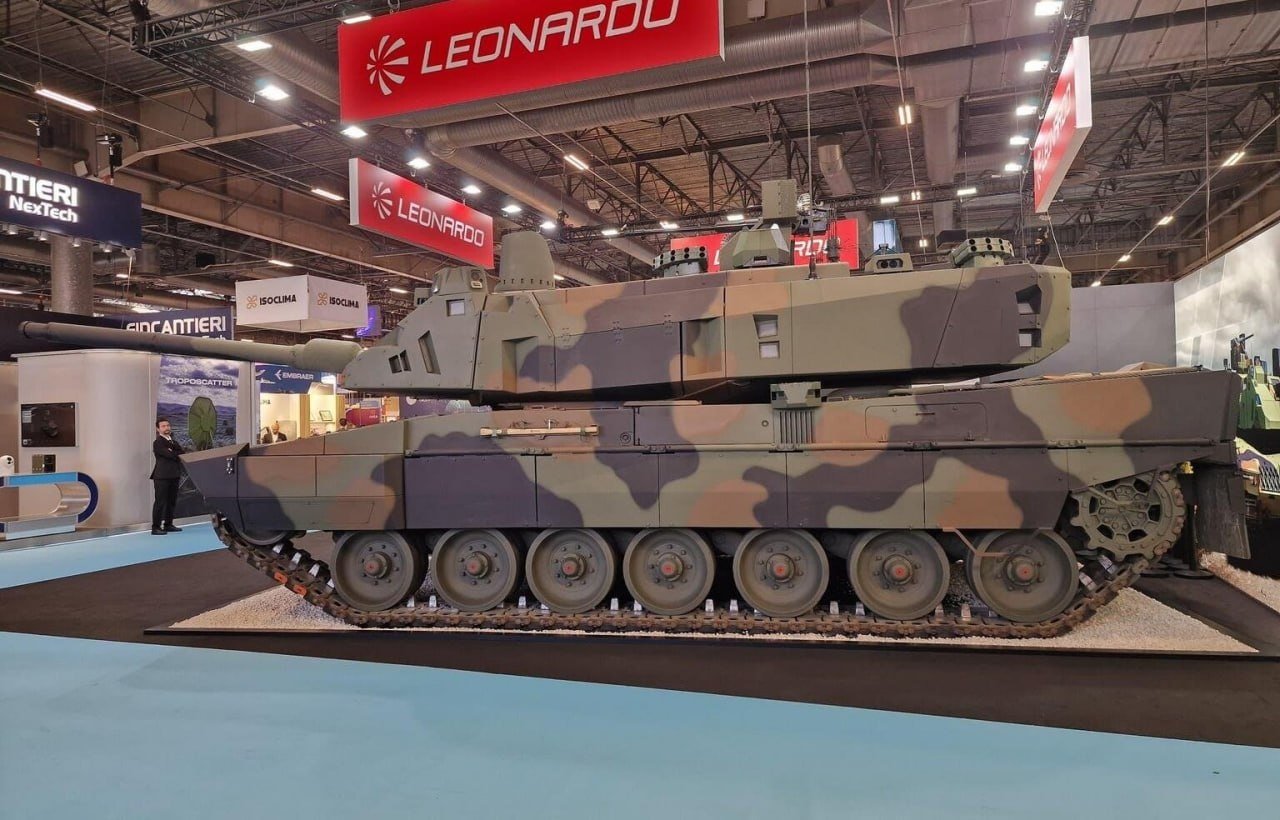 Italy Allocates Up to €5.14 Billion for Procurement of 132 New Main Battle Tanks
-
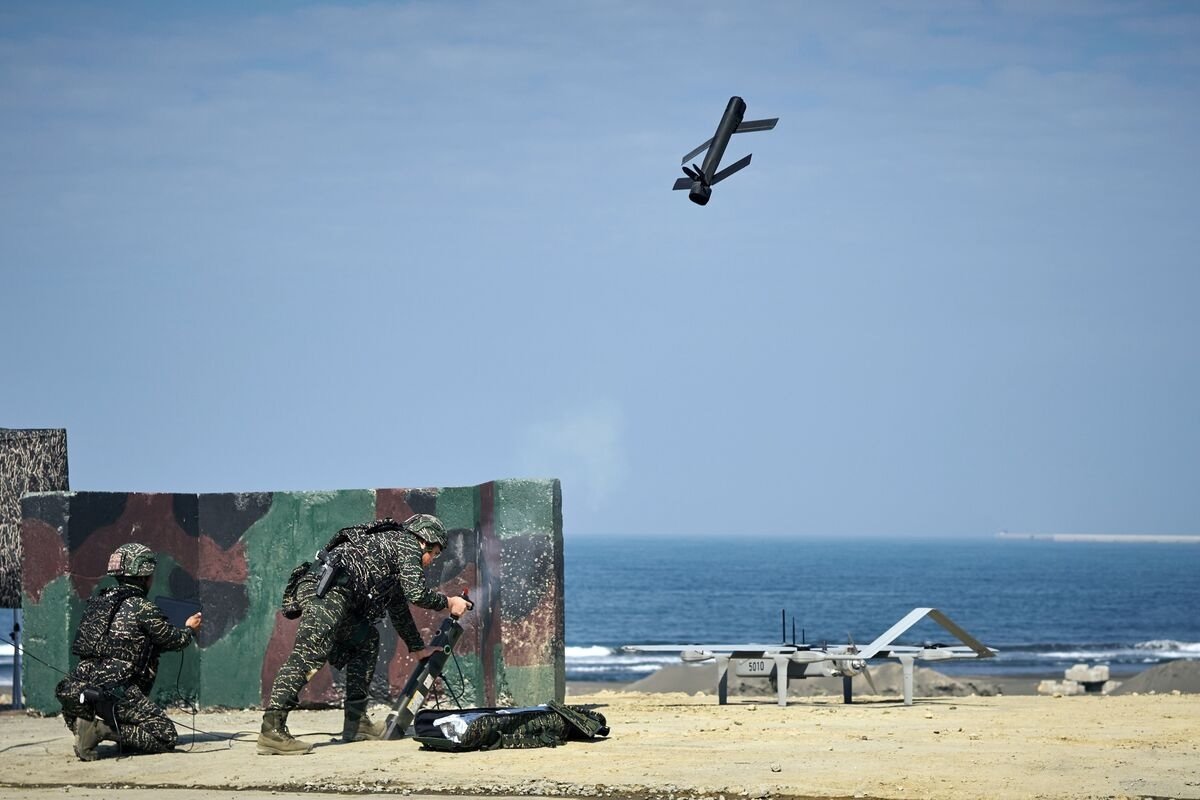 Taiwan Integrates Attack Drones Into Three-Service Live-Fire Exercise at Jiupeng for First Time
-
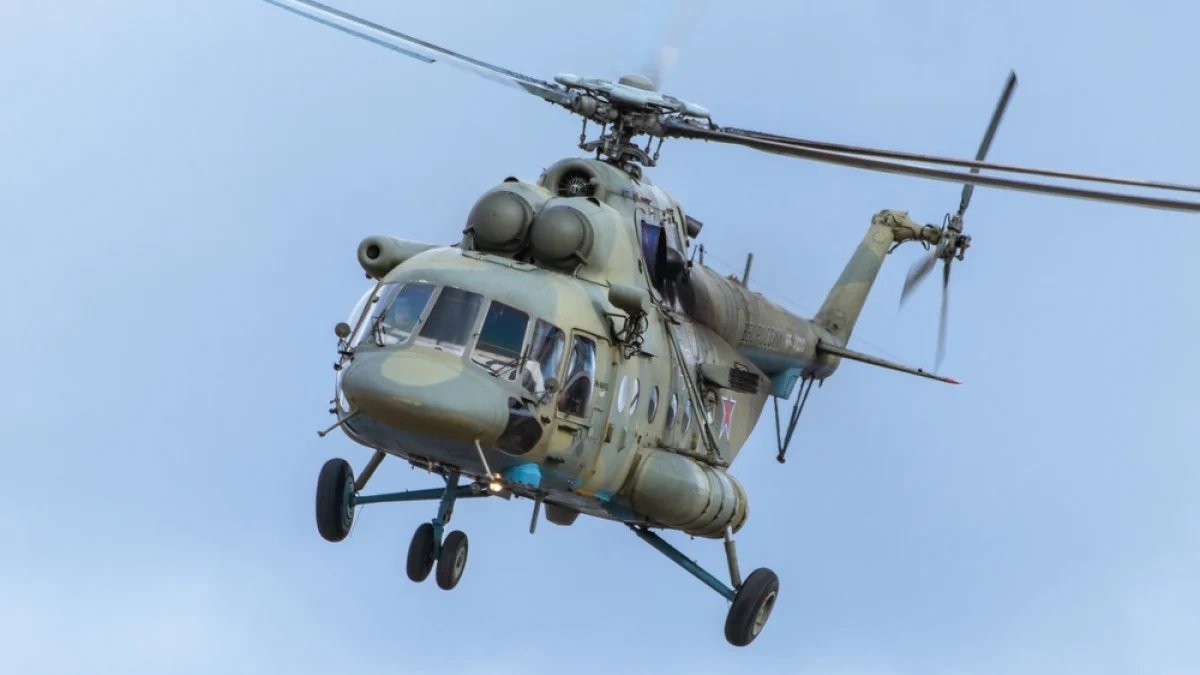 Russian Mi-8 Military Helicopter Crosses Into Polish Airspace for 42 Seconds Near Braniewo
-
 Roketsan KARAOK Anti-Tank Missile Successfully Hits Aerial Target for First Time
-
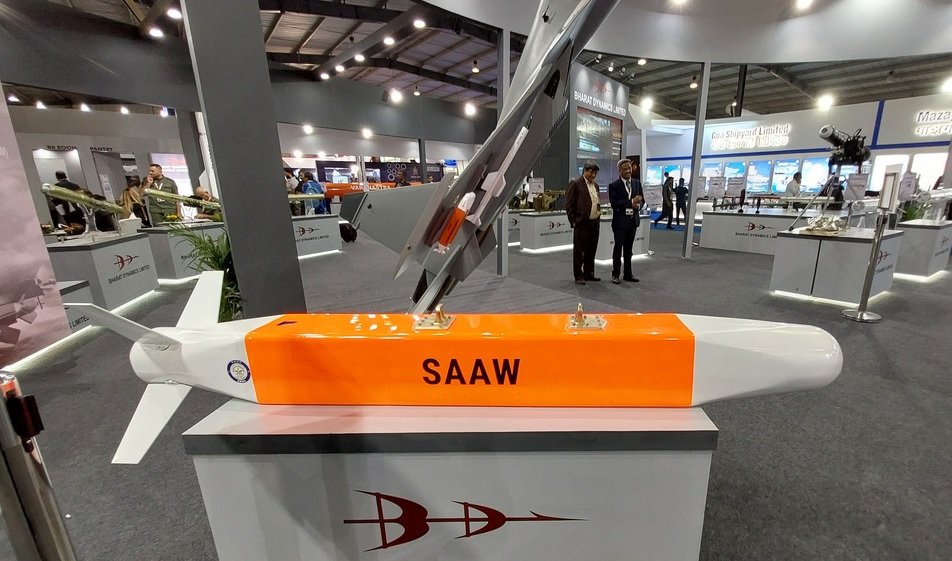 India Signs ₹810.79 Crore Deal with BDL for 160 SAT-SAAW Weapons for IAF
-
 UK Air Force Hawk T2 Trainer Aircraft Crashes Near Valley After Takeoff, Both Pilots Eject Safely
-
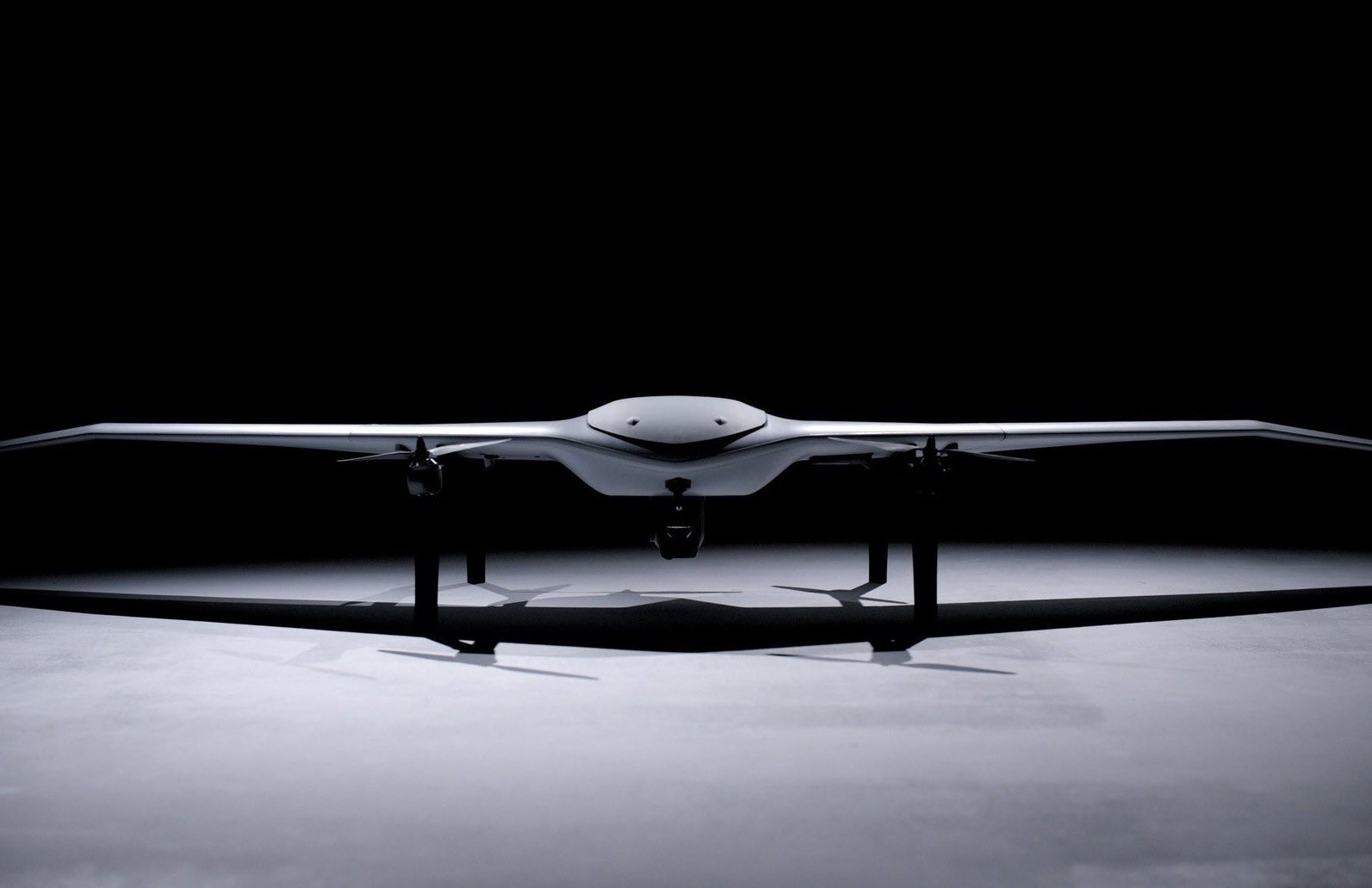 Dutch Firm DeltaQuad Launches Evo-LE VTOL UAV With Up to Eight-Hour Endurance
-
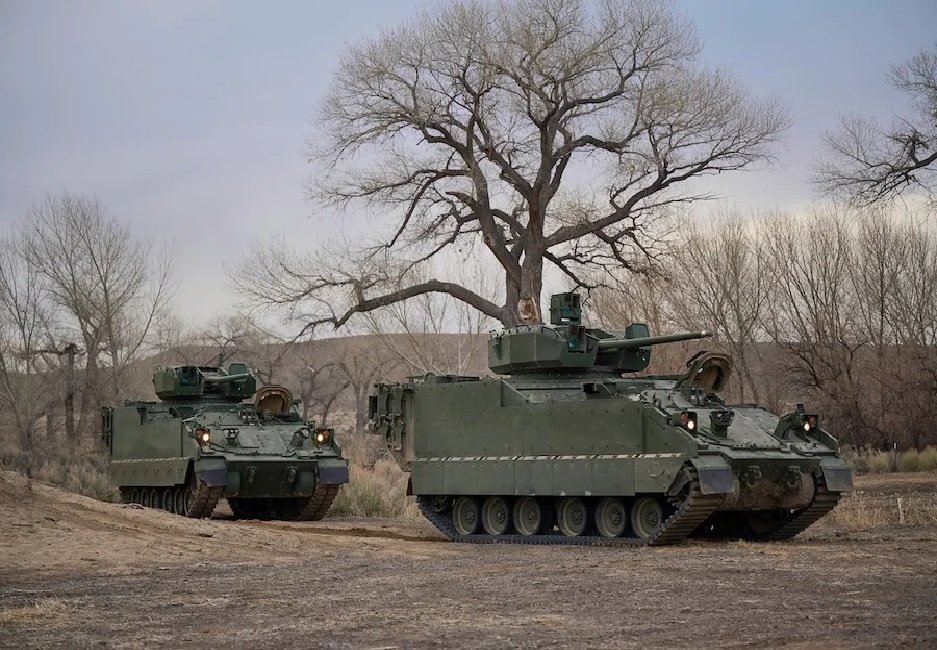 BAE Systems Delivers Two Self-Funded AMPV 30 Prototypes to U.S. Army for Evaluation
Top Trending in 4 Days
-
 U.S. Army Awards $10.64 Million Contract to Ukrainian Drone Maker Skyeton for Raybird Systems
-
 India’s xTerra Robotics Launches Indigenous DHAV-Hy Wheeled-Legged Quadruped for Industrial Inspection
-
 U.S. Space Force Seeks Rapid-Response Satellites for Close-Range Orbital Inspections
-
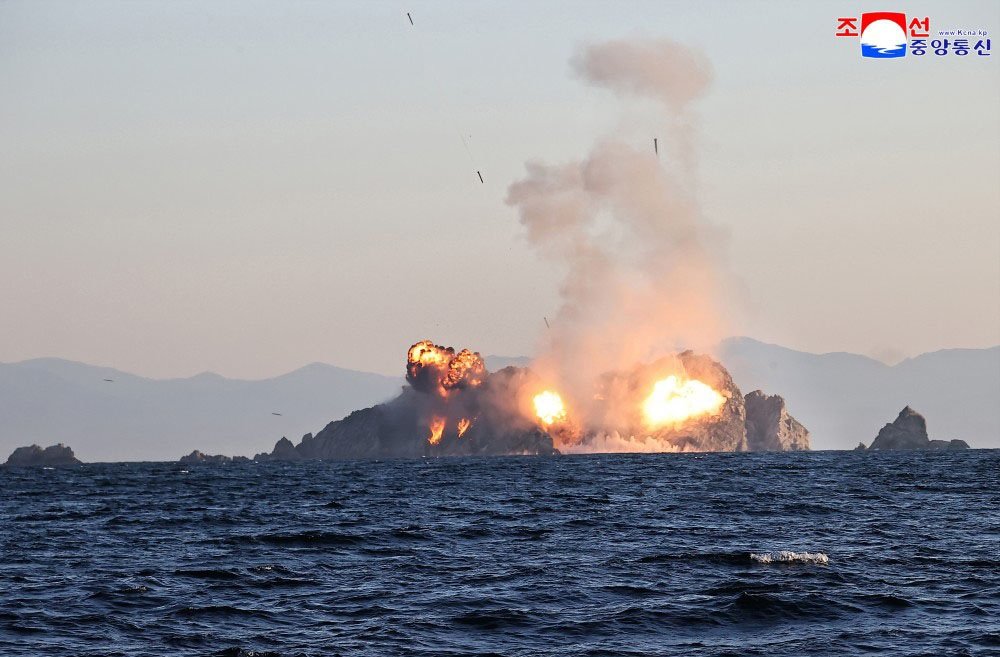 North Korea Fires Short-Range Ballistic Missile Toward Sea of Japan After Freedom Edge 26
-
 U.S. Government Seizes Almasirah.net, Houthi-Linked News Website
-
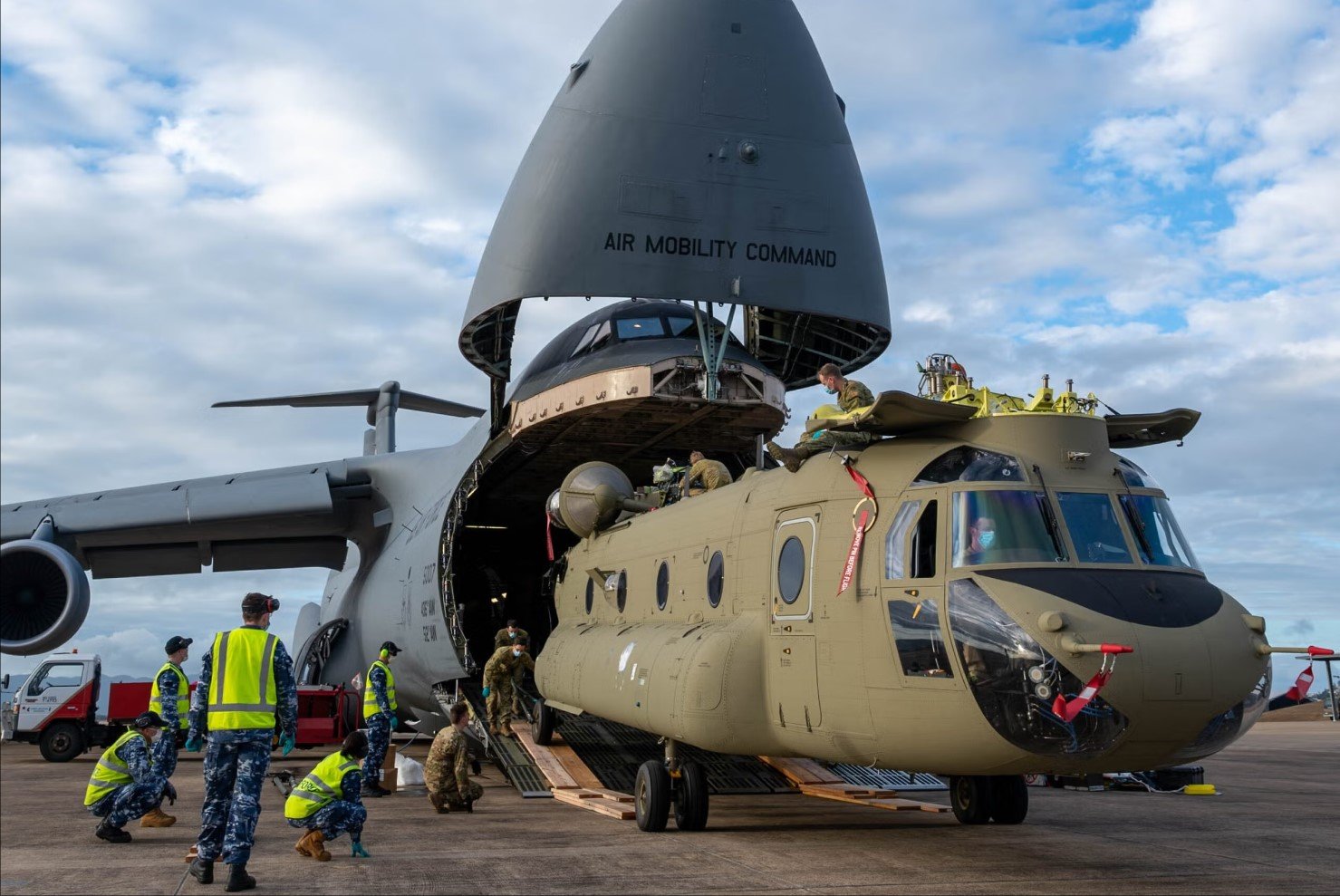 U.S. Delivers First CH-47F Chinook to Egypt Under 12-Helicopter Deal
-
 Ukraine Reports First Use of Fire Point’s FP-7 Tactical Ballistic Missile inMoscow-Region Strikes on Oil Refinery
-
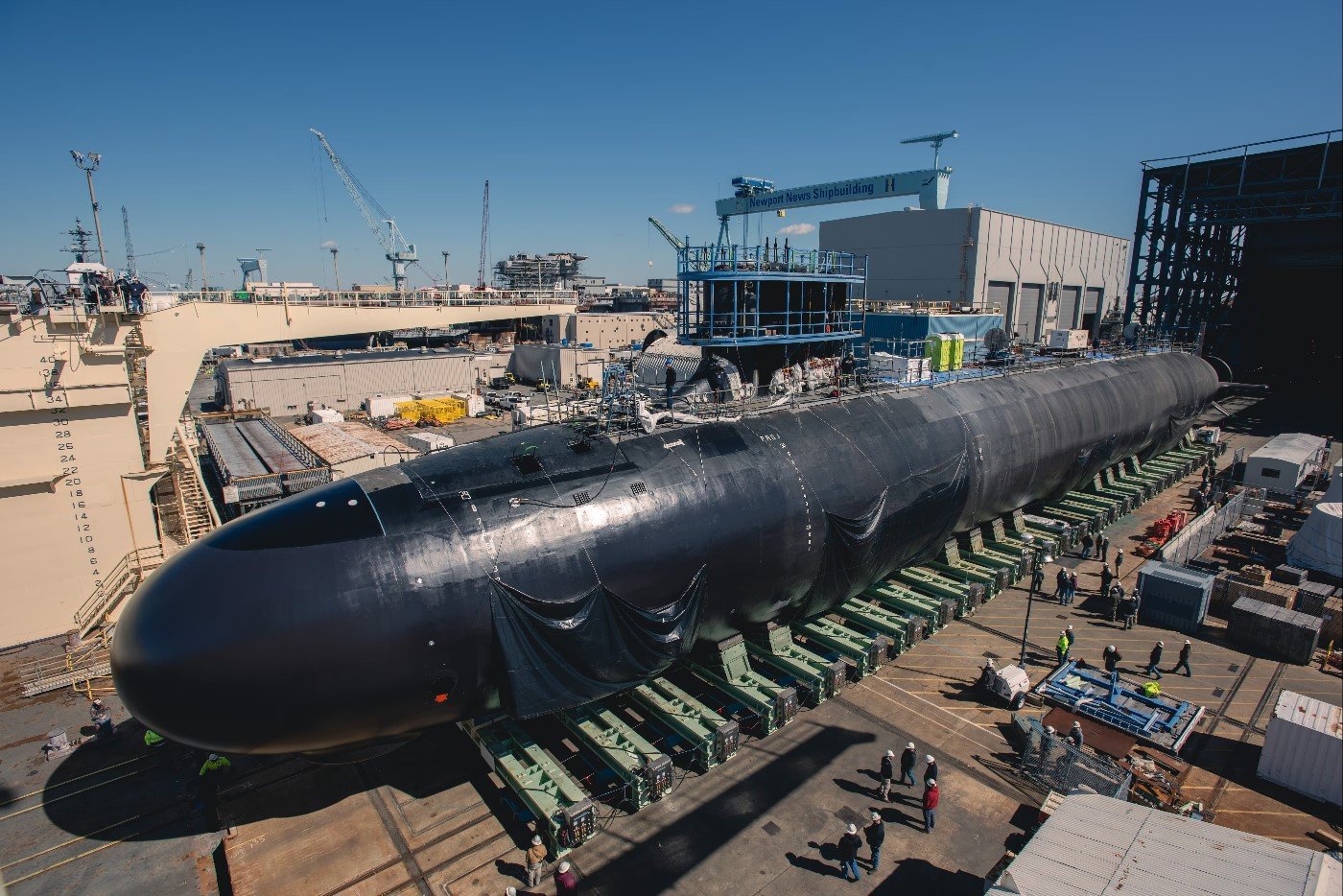 US Navy Submarine Director Outlines Four-Pillar Plan to Raise Build Rates