BEIRUT / JERUSALEM — May 11, 2026 : Hezbollah has released combat footage showing FPV (First-Person View) attack drones striking Israeli Iron Dome launchers at the Jal al-Alam military site near the Lebanon–Israel border, in what analysts describe as a significant example of the growing use of low-cost tactical drones against advanced air defense systems.
The strikes were carried out on May 7 and May 8 against forward-deployed Iron Dome batteries positioned in northern Israel. Footage published by Hezbollah shows maintenance personnel attempting to flee moments before impact as the drones approached the launchers with minimal warning. Analysts reviewing the video stated that the drones appeared to evade detection until less than five seconds before striking the site.
According to defense analysts, the drones were likely equipped with PG-7VL or PG-7AT high-explosive anti-tank (HEAT) warheads designed to penetrate armored and fortified targets. Some assessments also indicated that fibre-optic guidance systems may have been used to reduce vulnerability to Israeli electronic warfare and signal-jamming measures.
The Israeli Defense Forces confirmed that an Iron Dome battery had been hit and launched an investigation into the incident. No casualties were visible in the footage released by Hezbollah. The targeted systems had been deployed near the border to intercept rockets, mortars, drones, and other short-range threats originating from southern Lebanon.
Increasing Use of FPV Drone Warfare
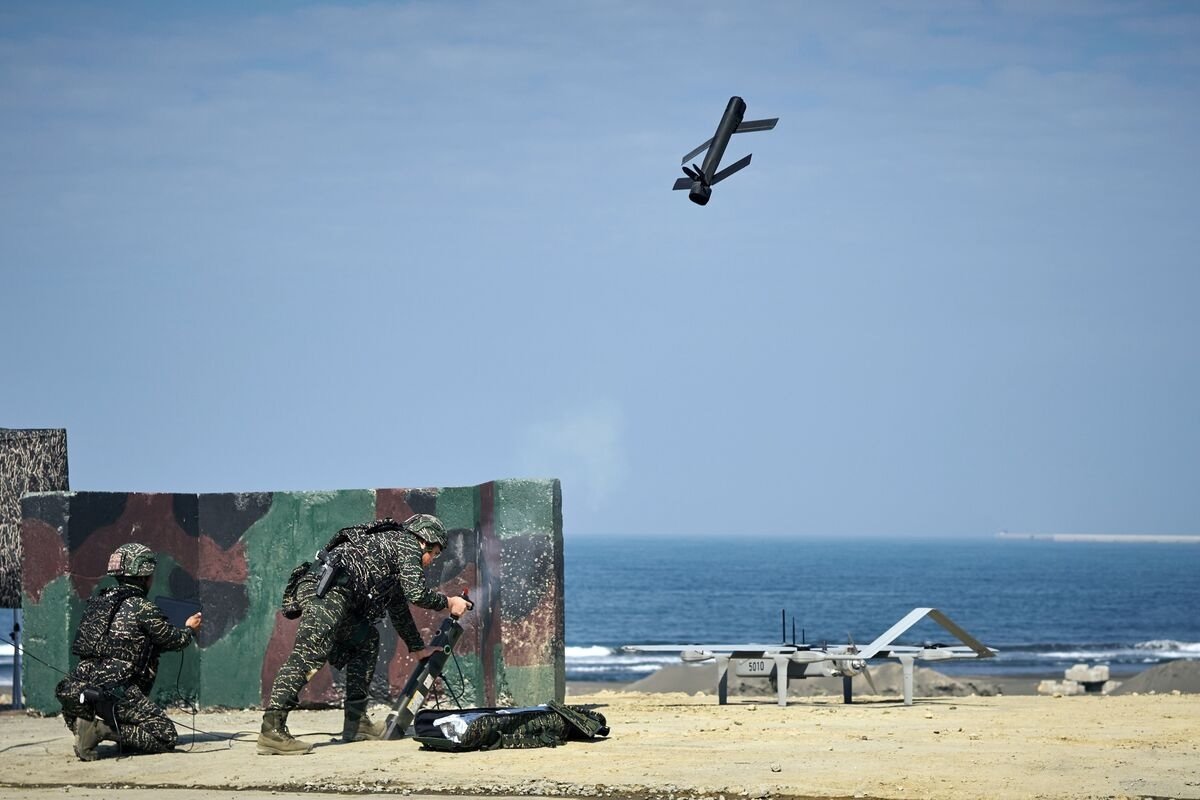
Military analysts stated that the attack reflects Hezbollah’s increasing reliance on FPV drones during the current conflict. The tactics observed in the footage closely resemble operational methods widely used in the Russian-Ukrainian war, particularly the use of manually guided drones against armored vehicles, radar systems, and fixed military infrastructure.
Recent data from the Alma Research and Education Center indicated that unmanned aerial vehicles now account for approximately 24 percent of Hezbollah’s attacks. The group has employed multiple drone platforms during the conflict, including the Ababil T, Sayyad 107, and Shahed 101 systems.
The Iron Dome system was originally optimized to intercept short-range rockets, artillery projectiles, and low-altitude aerial threats. However, the operational burden on Israel’s air defense network increased significantly after Hezbollah launched ballistic missiles into Israeli territory for the first time in combat during March 2026.
Israel traditionally relies on higher-tier systems such as David’s Sling and the Arrow missile defense systems to counter ballistic missile threats. Hezbollah’s introduction of ballistic missile attacks has required simultaneous deployment of all major layers of Israel’s air defense architecture.
Pressure on Israeli Air Defense Infrastructure
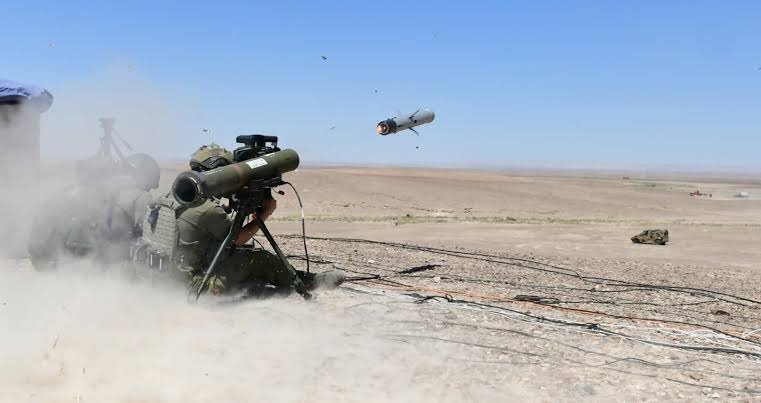
The latest incident follows earlier attacks carried out by Hezbollah against Israeli air defense assets during 2024. At that time, the group reportedly used non-line-of-sight anti-tank guided missiles to target radar installations and launcher components associated with Iron Dome batteries.
Sustained military operations against threats from Gaza and southern Lebanon throughout 2024 reportedly contributed to shortages of Iron Dome interceptors and replacement components. In response, the Israeli Ministry of Defense finalized plans in November 2025 to expand serial production of Iron Dome systems and interceptors.
The expansion program is supported by an $8.7 billion military aid package provided by the United States, with more than $5 billion allocated specifically for air defense systems and related infrastructure.
Wider Regional Escalation
The current escalation along the Lebanon–Israel border began on March 1, 2026, one day after coordinated U.S. and Israeli strikes against Iranian targets on February 28. Since then, hostilities between Hezbollah and Israeli forces have intensified significantly across southern Lebanon and northern Israel.
Hezbollah has conducted ambush operations against Israeli ground forces in southern Lebanon, reportedly damaging or destroying several Merkava main battle tanks and other armored assets. At the same time, Israeli airstrikes and artillery operations south of the Litani River have caused extensive destruction across multiple Lebanese population centers.
Lebanese Prime Minister Nawaf Salam recently stated that Israeli forces currently control 68 villages in southern Lebanon. He said Lebanon had been “dragged into the confrontation” and reiterated that most of the Lebanese public favors a diplomatic resolution to the conflict.
Military observers noted that the increasing use of inexpensive FPV drones against high-value air defense systems continues to alter battlefield dynamics, particularly in conflicts involving prolonged attrition and large-scale use of precision-guided tactical systems.
——— End of Article ———