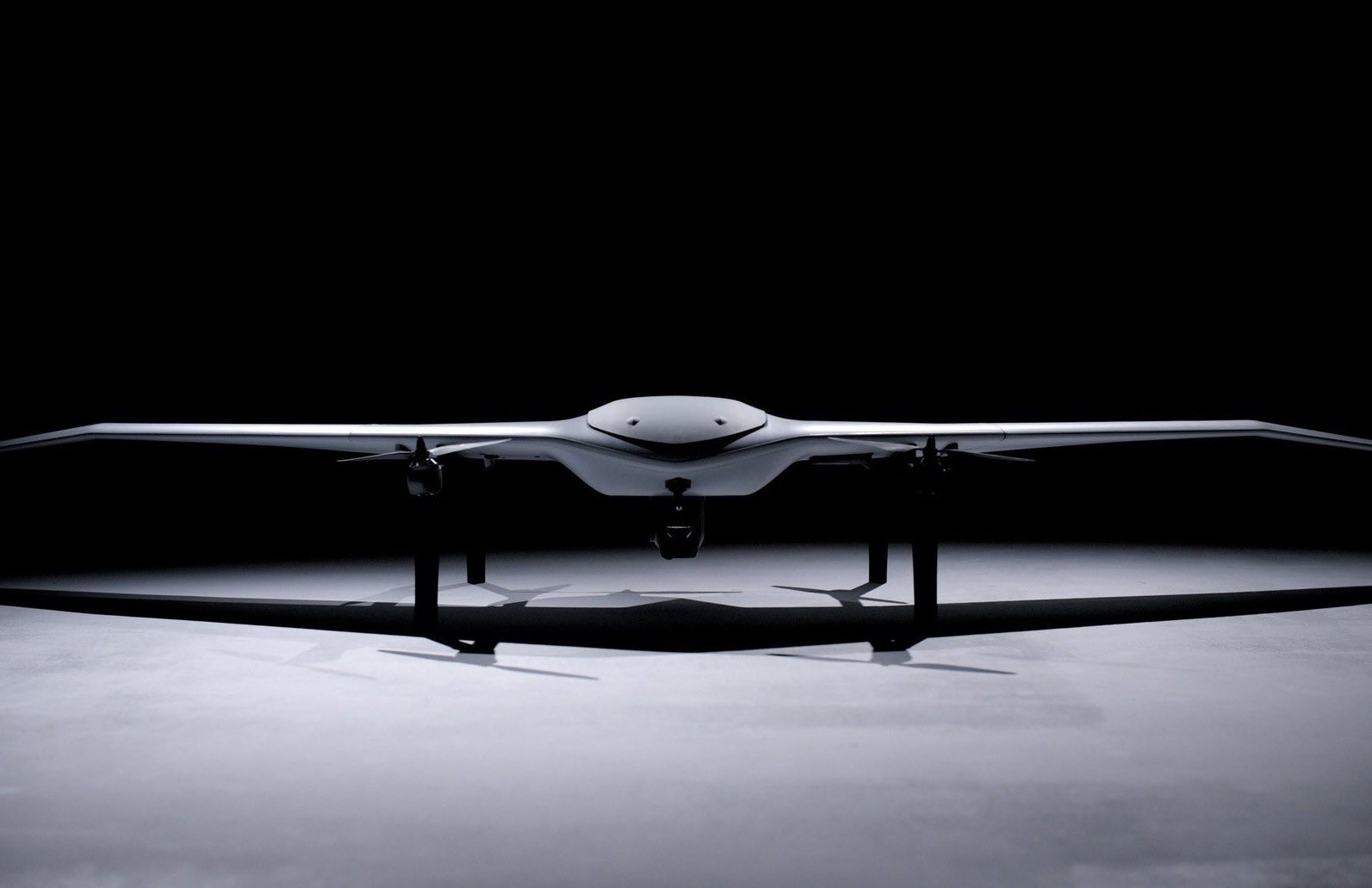
KYIV — May 11, 2026 : Ukraine and Germany have officially launched a joint program for the development and production of advanced unmanned aerial systems, including deep-strike drones capable of reaching targets at distances of up to 1,500 kilometers. The initiative was announced by German Defence Minister Boris Pistorius during a visit to Kyiv on May 11, reflecting a major expansion in defense-industrial cooperation between the two countries.
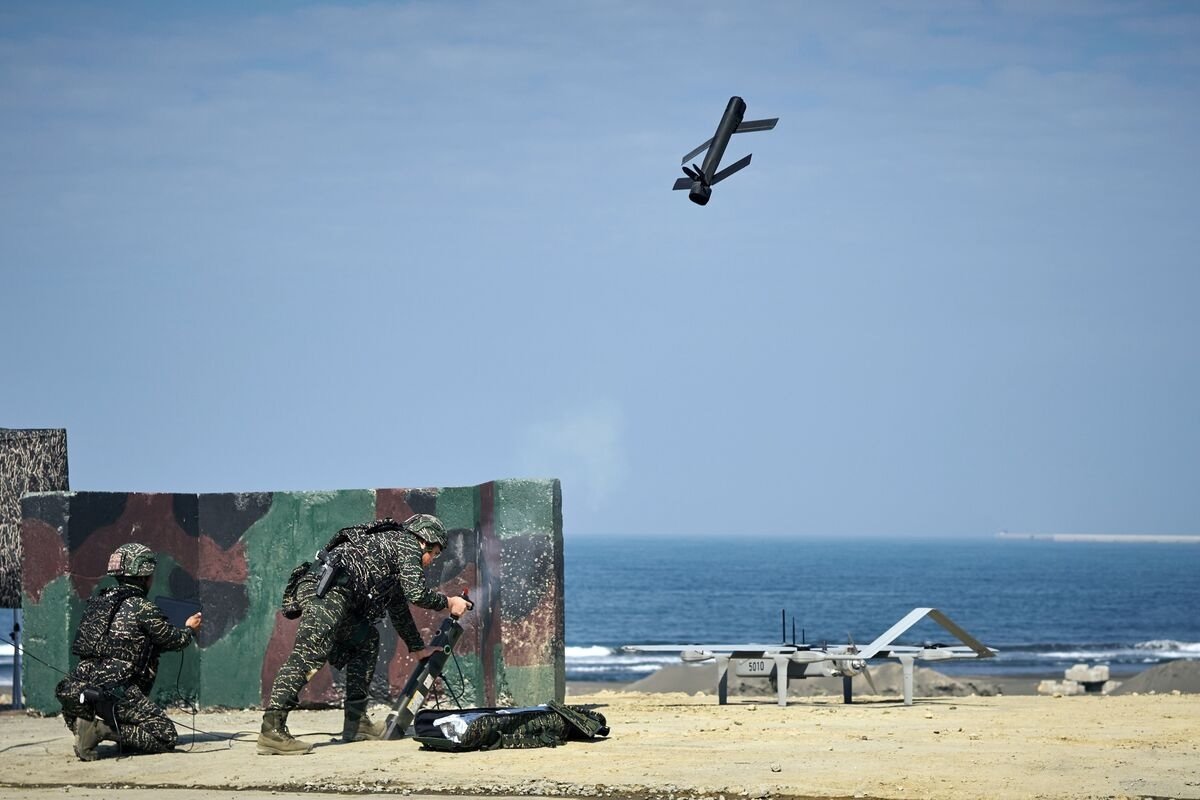
German and Ukrainian defense companies are already cooperating on several joint ventures focused on the production of unmanned systems across multiple operational ranges. The program includes tactical drones designed for reconnaissance and combat missions at distances below 100 kilometers, alongside long-range strike platforms intended for strategic operations deep behind enemy lines.
According to Pistorius, the development and large-scale deployment of deep-strike drones is considered critical for strengthening Ukraine’s ability to deter continued Russian attacks on military and civilian infrastructure. He stated that long-range unmanned systems can also play an important role in suppressing and neutralizing enemy air defense networks during military operations.
The cooperation marks a broader shift in Germany’s support strategy toward long-term industrial partnerships and co-production with Ukraine’s defense sector rather than relying solely on direct equipment transfers. German industrial engineering and Ukrainian battlefield experience are expected to form the basis of the joint manufacturing effort.
Integration with Ukraine’s Defense Technology Sector
During the visit, Pistorius and Ukrainian Deputy Prime Minister and Minister of Digital Transformation Mykhailo Fedorov signed a letter of intent establishing the “Brave Germany” initiative. The program is connected to Ukraine’s Brave1 defense innovation platform, which supports military technology developers and enables rapid testing of new systems under real combat conditions.
Through the partnership, Germany plans to increase cooperation with Ukrainian defense technology companies and innovative startups while providing additional support for the accelerated deployment of battlefield-tested systems. German officials are also studying Ukraine’s combat management infrastructure, including the DELTA battlefield network, to assess operational lessons learned during the war.
Germany additionally designated Ukraine as a strategic defense partner, further expanding bilateral cooperation in military technology, production, and defense innovation.
Expansion of Unmanned Ground Systems
The aerial drone initiative is being developed alongside the expansion of unmanned ground vehicle operations in Ukraine. German defense technology company ARX Robotics announced a major increase in deliveries of its GEREON robotic systems after securing contracts for several hundred additional units.
The GEREON platforms are currently used for frontline logistics, casualty evacuation, resupply operations, and missions in high-risk combat areas. To support the growing fleet, ARX Robotics is establishing local maintenance and technology infrastructure inside Ukraine to provide continuous technical support and faster adaptation of systems based on battlefield feedback.
Ukraine is simultaneously pursuing broader expansion of unmanned ground operations, with plans to procure up to 25,000 unmanned ground vehicles by mid-2026 as part of efforts to transition frontline logistics toward unmanned systems.
Long-Term German Financial Commitments
The expanding defense partnership is supported by substantial long-term funding commitments from Berlin. Germany’s approved targets for the 2027 draft federal budget include €11.6 billion allocated for support to Ukraine.
The funding package forms part of wider medium-term commitments that provide approximately €8.5 billion annually between 2028 and 2030. German defense spending is expected to rise to €144.9 billion in 2027, representing approximately 3.1% of the country’s GDP.
The sustained funding is intended to support continued military assistance, joint industrial programs, defense manufacturing projects, and long-term technological cooperation between Germany and Ukraine.
Pistorius’ visit to Kyiv was not publicly announced in advance due to security considerations.
——— End of Article ———