HAVANA / WASHINGTON — May 11, 2026 : The United States has significantly increased reconnaissance operations near Cuba since early February, conducting at least 25 known surveillance missions along the island’s coastline as Washington simultaneously expands economic sanctions and sharpens political rhetoric toward Havana.
According to publicly available aviation tracking data, including information reviewed from ADS-B Exchange and CNN, U.S. Navy and U.S. Air Force aircraft have carried out repeated intelligence-gathering flights near Cuba’s northern and eastern regions, particularly around Havana and Santiago de Cuba. Several aircraft were tracked operating within approximately 64 kilometers (40 miles) of the Cuban coastline.
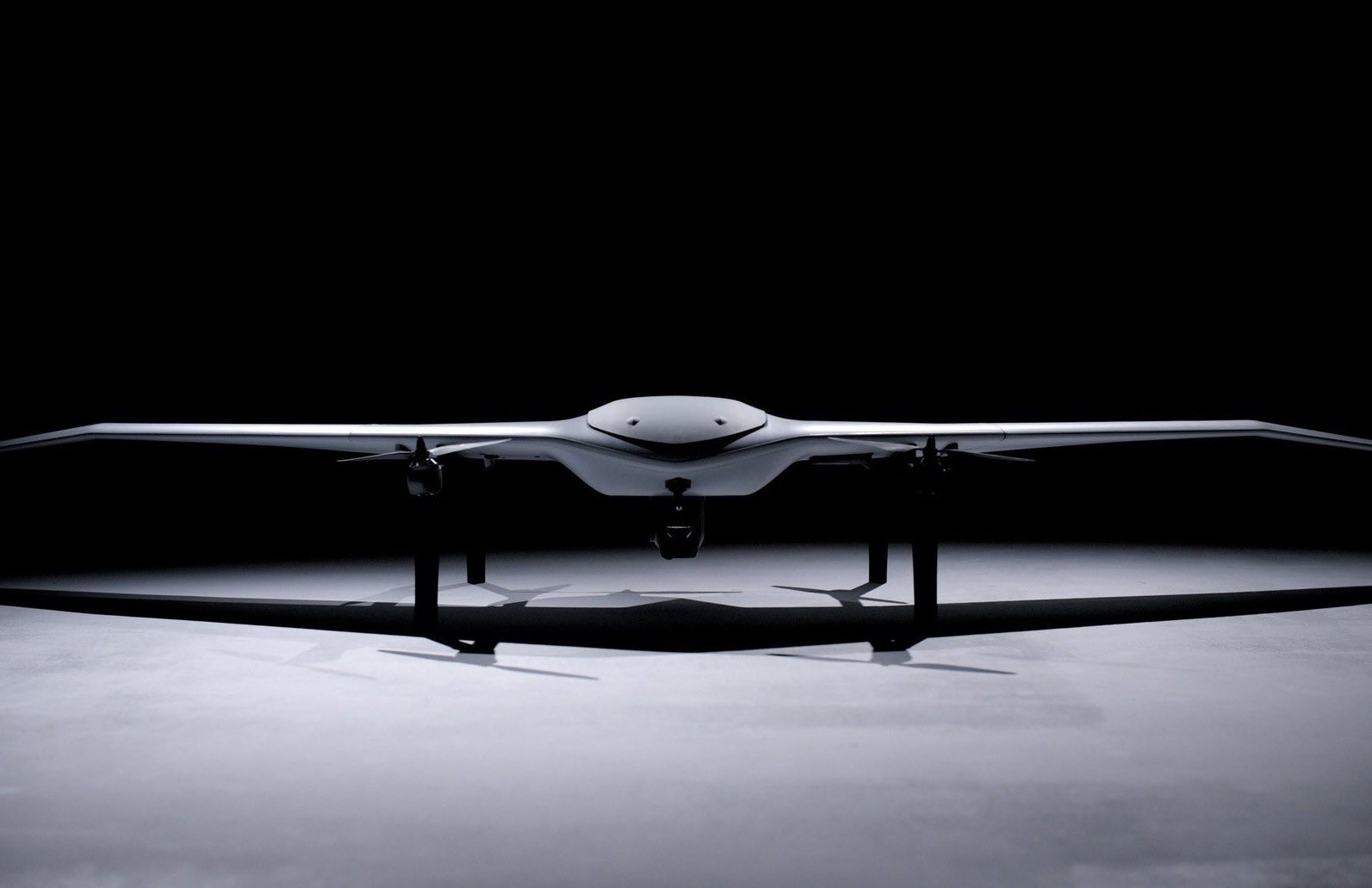
The surveillance operations involved multiple specialized intelligence platforms, including the P-8A Poseidon maritime patrol aircraft, RC-135V Rivet Joint electronic intelligence aircraft, and MQ-4C Triton high-altitude reconnaissance drones. Defense analysts say the missions were likely intended to monitor Cuban military movements, radar activity, communications systems, and coastal defense infrastructure.
Increase in Surveillance Activity
Public flight tracking records indicate that portions of several missions were conducted with limited transponder visibility, suggesting some aircraft operated under restricted tracking conditions during sensitive phases of the flights.
On March 12, a P-8A Poseidon and an MQ-4C Triton briefly activated their transponders near Cuba before disappearing again from public tracking systems, drawing attention from aviation observers monitoring the region. Analysts noted that the aircraft’s takeoff points and full operational routes remained largely concealed.
Additional operations continued through April and May. On April 30, an E-2D Advanced Hawkeye airborne early warning and control aircraft carried out an extended mission near Cuban airspace. Defense observers believe the aircraft may have been coordinating regional air operations or conducting long-range radar surveillance of Cuban air defense systems.
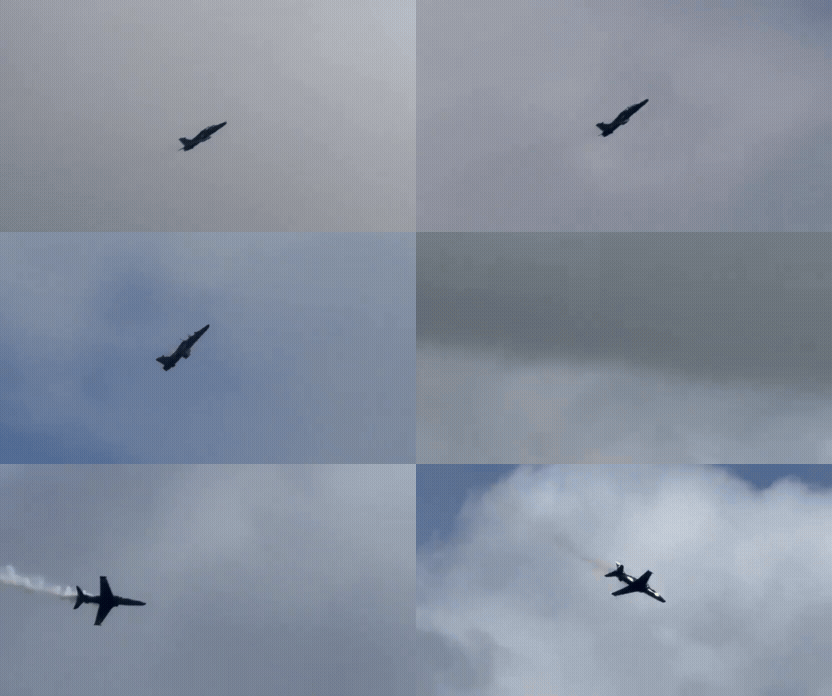
One day later, on May 1, three U.S. Navy F-5 aggressor aircraft operating from Naval Air Station Key West conducted maneuvers near the island during combat simulation and training activities. Naval Air Station Key West routinely hosts aggressor squadrons that simulate adversary aircraft during military exercises, though analysts noted that the broader increase in intelligence flights marks a significant shift in operational tempo compared to previous years.
Economic Pressure Campaign
The rise in military surveillance activity has coincided with an expanded U.S. economic pressure campaign targeting Cuba.
Earlier this year, President Donald Trump introduced additional sanctions against Cuban state-linked sectors, including energy, defense, and mining industries, while also implementing measures widely described as an oil blockade designed to restrict foreign fuel deliveries to the island.
The restrictions, combined with secondary sanctions and tariff pressure, have reportedly disrupted long-standing fuel supply routes from Venezuela and Mexico. Cuban fuel imports have declined sharply in recent months, contributing to widespread electricity blackouts, fuel shortages, and operational disruptions affecting transportation and public services across the country.
U.S. officials have defended the measures as necessary responses to national security concerns and regional stability issues.
Escalation in Political Rhetoric
The increased reconnaissance activity has also occurred alongside a noticeable escalation in political rhetoric from Washington.
During remarks delivered at a private gathering at the Forum Club of Palm Beach, President Trump stated that the United States would shift greater strategic focus toward Cuba following ongoing U.S. operations involving Iran. Trump described Cuba as a “bankrupt country” and a “failed experiment where people live very poorly.”
He also referenced the possibility of deploying the Nimitz-class aircraft carrier USS Abraham Lincoln to waters near Cuba. According to Trump, he instructed military officials to study options for positioning the carrier close to the island’s coastline as part of what he described as a potential “new dawn for Cuba.”
Trump additionally referred to Cuba as “the next target after Iran,” comments that drew significant attention among regional observers and defense analysts.
Regional and Strategic Implications
Defense analysts note that the current pattern of intensified reconnaissance flights resembles intelligence-gathering activity observed prior to earlier U.S. operations involving Venezuela and Iran. The geographic proximity of major American military facilities in Florida, particularly Naval Air Station Key West, allows U.S. forces to maintain frequent aerial surveillance coverage of Cuba and surrounding maritime areas.
Analysts say the sustained monitoring operations provide the Pentagon with near real-time awareness of Cuban military infrastructure, radar systems, and coastal activity as diplomatic and economic tensions continue to increase.
Cuban officials have rejected U.S. allegations that Havana poses a threat to American national security. The Cuban government has stated that it remains open to negotiations while warning that any military action against the island would face prolonged resistance and guerrilla-style warfare.
Although U.S. military exercises in the Caribbean remain routine, defense observers say the scale, frequency, and timing of the recent reconnaissance operations represent one of the most sustained periods of U.S. aerial surveillance activity near Cuba in recent years.
——— End of Article ———