TOKYO — May 27, 2026 : The Japan Ground Self-Defense Force (JGSDF) has reached an initial agreement to procure the HX-2 loitering munition system from Helsing, marking an early step in Japan’s effort to expand advanced unmanned strike capabilities and integrate autonomous systems into its military structure. The agreement, facilitated through a local intermediary partner, comes as Japan accelerates investment in artificial intelligence-enabled defense technologies and unmanned warfare capabilities.
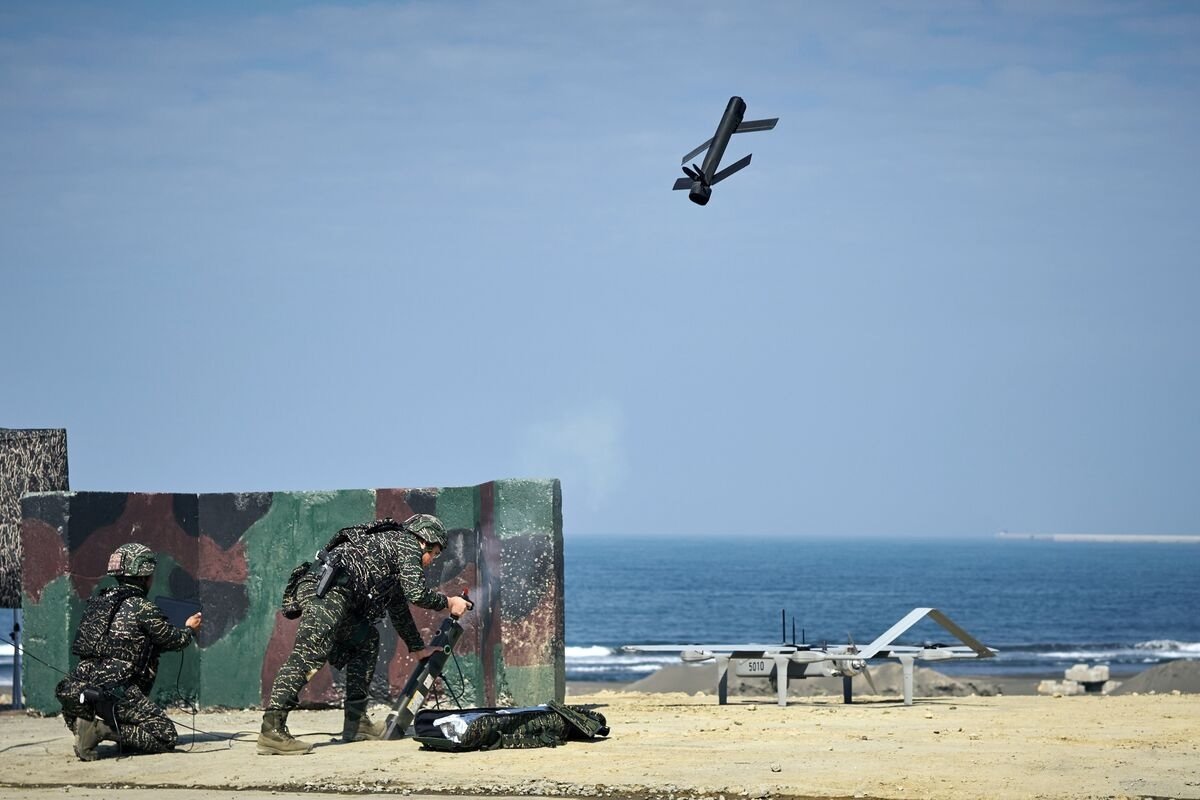
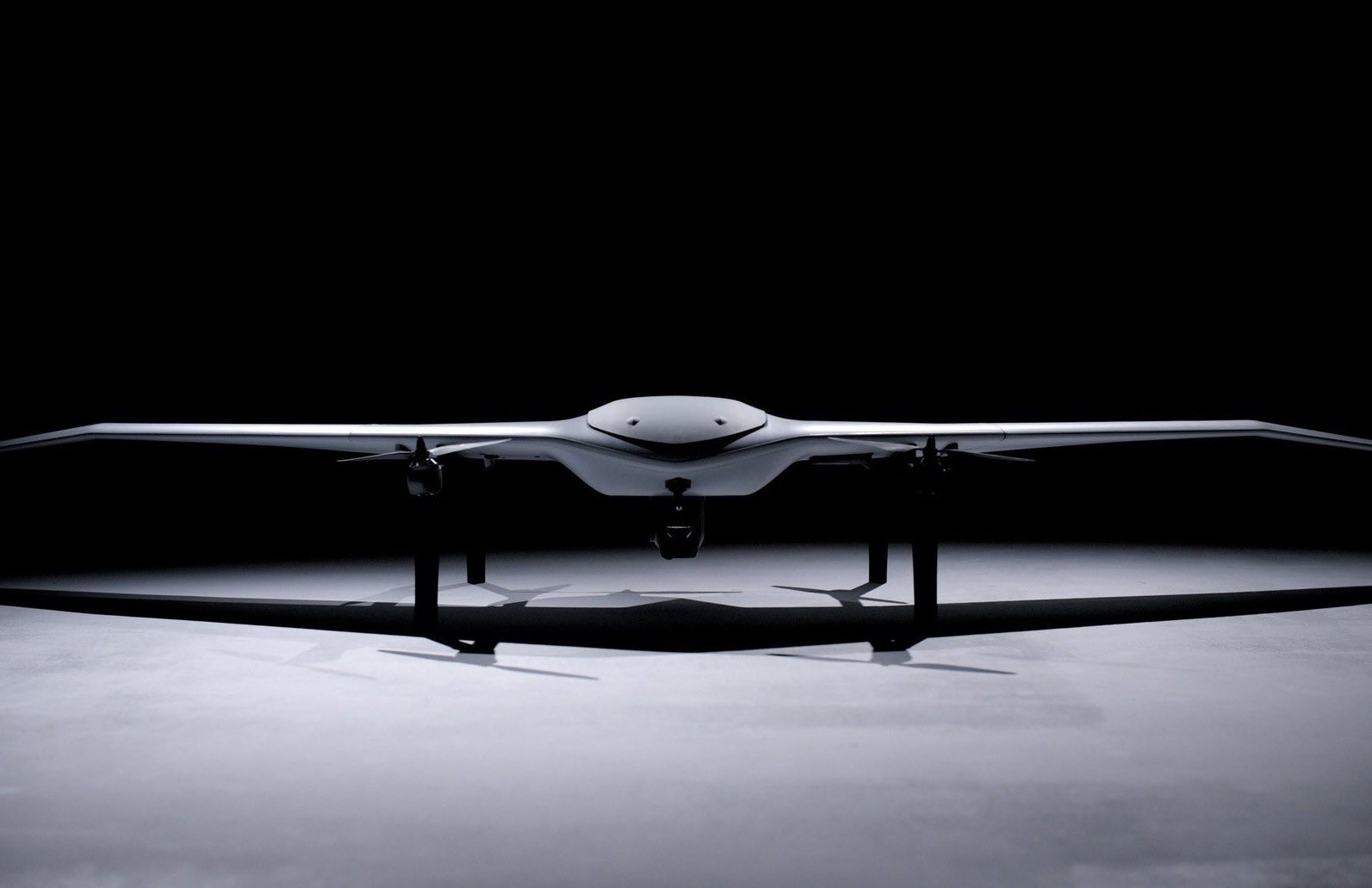
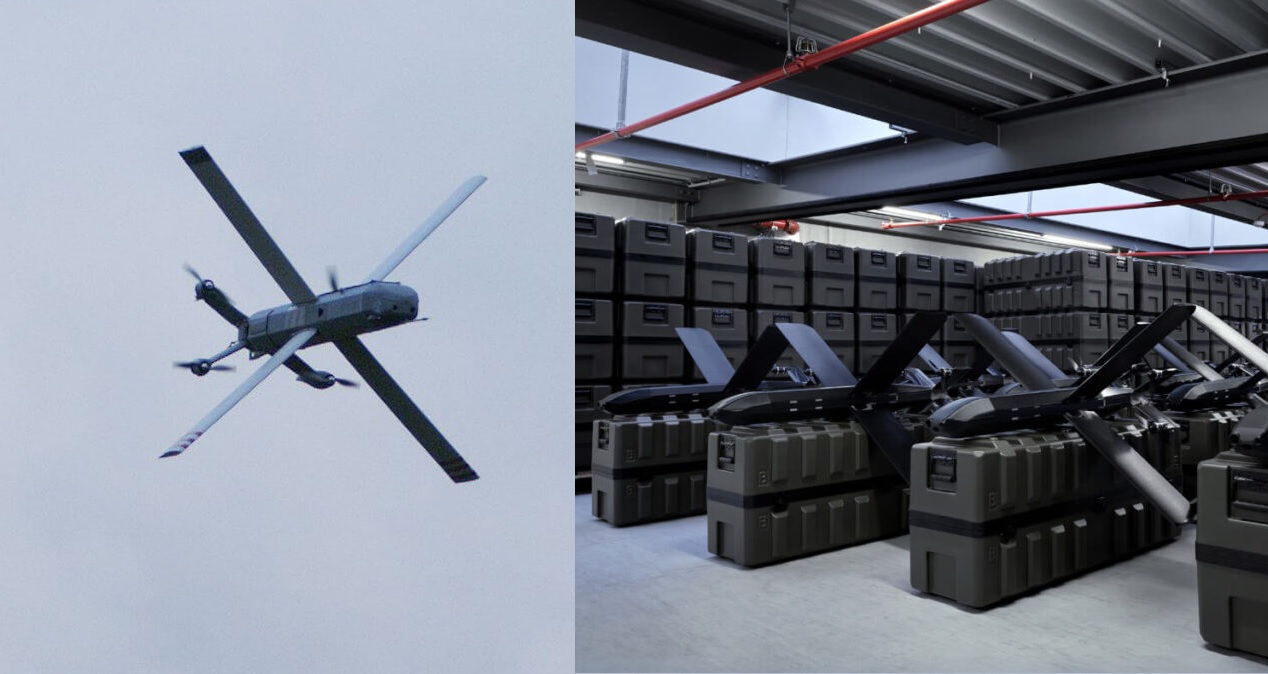
The HX-2 is a software-defined, electrically propelled X-wing loitering munition designed for beyond-line-of-sight precision strikes against artillery systems, armored vehicles, defensive positions, and other military targets. Unveiled in December 2024, the system combines reconnaissance and strike capabilities in a single platform, enabling operators to monitor an area before conducting a precision attack.
According to available technical specifications, the HX-2 weighs approximately 12 kilograms, can reach speeds of up to 220 kilometers per hour, and has an operational range of up to 100 kilometers. The system supports multiple payload configurations, including anti-tank and anti-structure munitions, and can carry warheads of up to five kilograms depending on mission requirements.
A key feature of the HX-2 is its artificial intelligence-assisted operating system, which enables target recognition, tracking, and navigation in contested environments. The munition employs machine vision and stored mapping data to navigate in GPS-denied conditions and is designed to continue operating even when communications are disrupted by electronic warfare. While the system incorporates autonomous functions, Helsing states that it remains under human-on-the-loop oversight for engagement decisions.
The HX-2 is integrated into Helsing’s Altra reconnaissance-strike software platform, allowing coordinated operations with other unmanned and manned systems. The platform is intended to support synchronized targeting, reconnaissance, and swarm-style operations involving multiple loitering munitions and battlefield assets.
Japan Expands Unmanned Warfare Capabilities
Japan’s procurement effort forms part of a broader military modernization strategy focused on unmanned systems and artificial intelligence. In April 2026, the JGSDF established two specialized offices within the Ground Staff Office — the Unmanned Defense Capability Promotion Office and the Unmanned Systems Office — to oversee the development and operational integration of autonomous capabilities.
These organizations are tasked with developing doctrine for the deployment of loitering munitions alongside manned tanks, coastal artillery systems, and wider land-based defense operations. Japanese defense planners increasingly view autonomous systems as force multipliers capable of improving battlefield effectiveness while addressing manpower limitations.
Japanese Defense Minister Shinjiro Koizumi has also launched a national public-private roadmap aimed at strengthening Japan’s domestic loitering munition and small unmanned aerial vehicle industry. The initiative seeks to support Japanese technology startups in developing low-cost, AI-enabled, mass-producible systems while reducing long-term dependence on foreign suppliers.
At the same time, Japan plans to procure mature foreign systems to address immediate operational requirements until domestic production capabilities are sufficiently developed. The agreement with Helsing therefore represents both a near-term acquisition effort and part of a wider industrial transition strategy.
The move also reflects personnel pressures within the JGSDF. The force has reported a personnel sufficiency rate of 89.1 percent, increasing interest in technologies that can supplement manpower requirements. Japan’s defense budget is expected to significantly expand spending on unmanned capabilities, including coastal defense systems such as the Shield architecture, which incorporates loitering munitions and other uncrewed platforms.
Germany Expands HX-2 and Loitering Munition Procurement
Japan’s agreement comes amid a broader expansion of loitering munition procurement across Europe. In March and April 2026, Germany placed orders for a five-digit number of loitering munitions from Helsing, Stark Defence, and Rheinmetall, with deliveries scheduled for the following year.
The associated framework agreements permit expansion to a six-digit total in subsequent years, contingent upon contractor performance and production benchmarks. Germany’s initial procurement tranche for the HX-2, signed in February 2026, was valued at approximately €300 million under a larger framework agreement potentially worth up to €1 billion.
Similar contracts valued between approximately €268 million and €300 million were also awarded to Stark Defence for its Virtus loitering munition system as part of Germany’s broader effort to diversify procurement and expand precision-strike drone inventories.
The Bundeswehr has already begun integrating loitering munitions into operational formations. Field exercises conducted by the Loitering Ammunition Battery of Artillery Battalion 455 reportedly included tests against moving armored targets, including Leopard 2 tanks, as part of wider military evaluations.
Combat Use in Ukraine
The HX-2 is currently the only German-developed loitering munition system deployed on a large scale in Ukraine. Thousands of systems have reportedly been delivered to Ukrainian forces, where multiple frontline units are operating the munition in combat conditions.
Ukrainian officials have publicly cited positive operational feedback regarding the system. Serhii Beskrestnov, an adviser involved in Ukraine’s digital transformation and defense technology initiatives, has shared footage showing successful strike missions using the HX-2.
Russian military reporting has also referenced the system’s operational accuracy in battlefield assessments. According to Helsing, military testing conducted in Germany, the United Kingdom, and Kenya demonstrated hit rates approaching or reaching 100 percent under controlled testing conditions.
The company continues to supply several hundred HX-2 systems per month to Ukraine while expanding manufacturing through resilience-focused production facilities in Europe designed to maintain supply continuity.
Growing International Interest
Japan’s agreement with Helsing adds to growing international interest in the HX-2, which has undergone testing and evaluation in Germany, France, Sweden, and the United Kingdom. Loitering munition systems are increasingly viewed as cost-effective precision-strike platforms capable of operating in contested environments while complementing traditional artillery and conventional airpower.
No details regarding procurement quantities, delivery schedules, or the total financial value of Japan’s agreement with Helsing have been disclosed.
——— End of Article ———