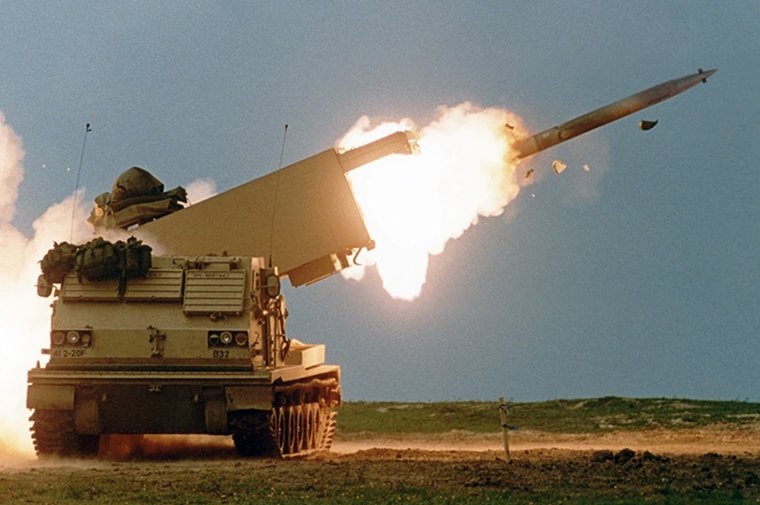
GRAND PRAIRIE, Texas — May 27, 2026 : The U.S. Army has awarded Lockheed Martin a $14.3 million contract modification to provide engineering support for the Multiple Launch Rocket System (MLRS) across all production variants, reinforcing long-term sustainment and modernization of one of the Army’s primary long-range artillery capabilities.
The award was issued by the Army Contracting Command at Redstone Arsenal, Alabama, under contract W31P4Q-24-C-0007, increasing the cumulative value of the underlying agreement to approximately $230 million. The modification covers engineering services focused on system performance, safety, reliability, maintainability, and product improvement, ensuring the continued operational effectiveness of the MLRS ecosystem.
Work will be carried out at Lockheed Martin’s Missiles and Fire Control facility in Grand Prairie, Texas, with completion scheduled for May 27, 2027. Funding for the effort is sourced from fiscal year 2025 U.S. Army research, development, test, and evaluation appropriations.
Sustaining a Long-Range Precision Fires Capability
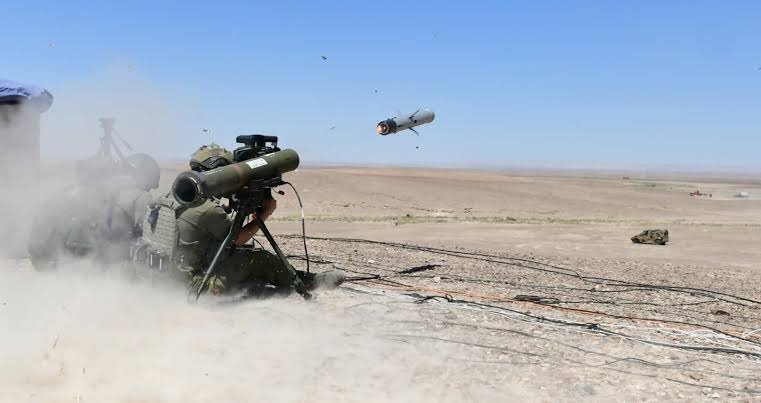
The engineering support effort covers the full MLRS architecture, including the tracked M270 Multiple Launch Rocket System and the wheeled M142 High Mobility Artillery Rocket System (HIMARS). Both launchers are designed to deliver salvos of unguided rockets and precision-guided munitions, providing ground forces with long-range strike capabilities beyond conventional tube artillery.
The MLRS family supports a broad range of munitions, including the Army Tactical Missile System (ATACMS) and the next-generation Precision Strike Missile (PrSM), which is intended to provide extended-range precision strike capability at distances exceeding 499 kilometers. Ongoing engineering work also supports compatibility with newer extended-range Guided Multiple Launch Rocket System (GMLRS) munitions and evolving battlefield requirements.
First introduced in the early 1980s, the MLRS has remained a core component of U.S. Army and allied artillery operations for more than four decades. Maintaining a mature weapons system across multiple configurations requires continuous engineering oversight to sustain readiness, improve reliability, maintain safety standards, and integrate upgrades without requiring complete platform redesigns.
Engineering Support and System Sustainment
Under the modification, Lockheed Martin will provide engineering services intended to sustain launcher performance while addressing reliability and maintainability requirements across operational fleets. Such efforts are critical for preventing hardware failures, validating incremental improvements, and ensuring systems continue to operate effectively under changing operational demands.
The work also supports long-term product improvement initiatives that allow the Army to modernize existing launchers rather than replace entire fleets, helping maintain interoperability between older and newer configurations across U.S. and allied inventories.
Lockheed Martin’s Grand Prairie facility serves as the central hub for the company’s missiles and fire control operations and has supported MLRS and HIMARS production, sustainment, and modernization for decades. The site houses engineering expertise, technical infrastructure, and manufacturing support capabilities necessary to address both routine maintenance requirements and urgent operational needs identified by users in the field.
Rising Global Demand for MLRS Systems
The contract modification reflects a broader trend of sustained U.S. Army investment in the MLRS family, which has intensified since 2022 as demand for long-range precision fires systems increased globally.
The operational use of HIMARS and ATACMS in Ukraine demonstrated the effectiveness of precision strikes against logistics hubs, command positions, and ammunition depots, contributing to renewed international interest in rocket artillery systems capable of deep battlefield engagements.
In response, several allied countries have accelerated procurement efforts through Foreign Military Sales agreements. Nations including Poland, Romania, Estonia, Lithuania, and Latvia have ordered HIMARS launchers and associated munitions or expanded modernization efforts tied to MLRS-family systems.
As the number of operators grows, engineering sustainment requirements also increase. Each additional user expands the need for system upgrades, software integration, maintenance support, and long-term fleet management supported through contracts such as the current Lockheed Martin agreement.
Broader Modernization Efforts
Separate from this engineering services modification, the U.S. Army has awarded Lockheed Martin additional contracts in recent years for Guided Multiple Launch Rocket System production and launcher modernization efforts, including upgrades of legacy M270A1 launchers to the M270A2 configuration.
The M270A2 modernization program incorporates the Common Fire Control System, enabling compatibility with Precision Strike Missile integration and future long-range guided munitions while extending the operational relevance of existing launcher fleets.
The $14.3 million contract modification reflects the Army’s continued emphasis on sustaining platform readiness, supporting incremental modernization, and maintaining long-term operational effectiveness across the MLRS family for both U.S. and allied forces.
——— End of Article ———