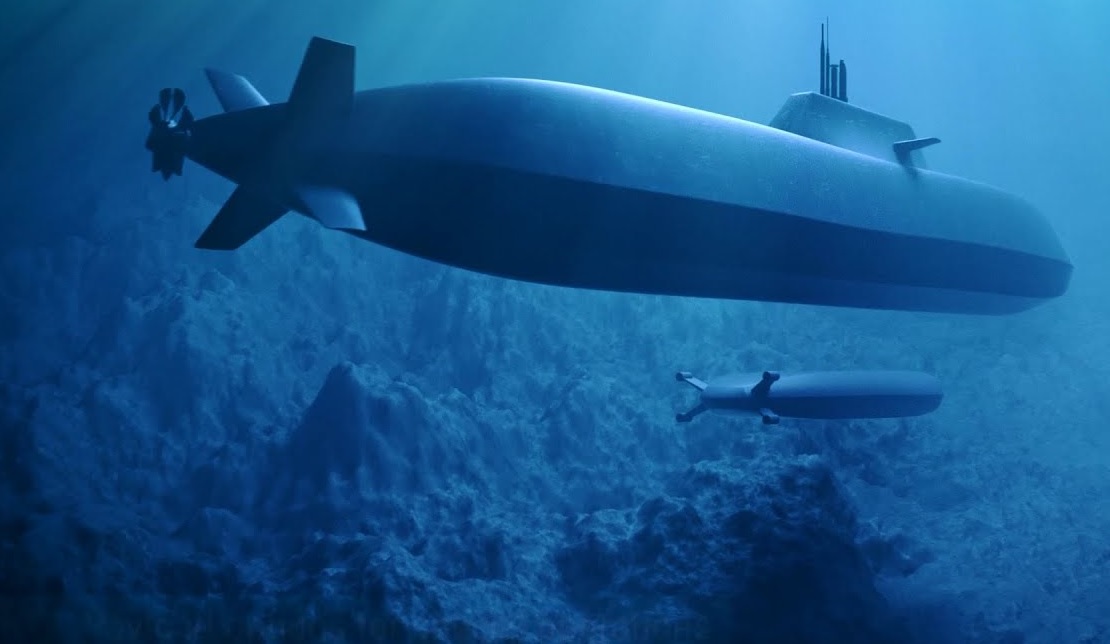
OTTAWA, CANADA — May 29, 2026 : Germany has proposed an accelerated delivery arrangement for four Type 212CD submarines to Canada, offering a pathway for the Royal Canadian Navy to receive new submarines before the planned retirement of its aging Victoria-class fleet in the mid-2030s.
The proposal, disclosed by German Defence Minister Boris Pistorius to CBC News during the CANSEC defence exhibition in Ottawa, is part of Germany’s bid for Canada’s C$60 billion Canadian Patrol Submarine Project (CPSP). The offer directly competes with South Korea’s Hanwha Ocean and its KSS-III Batch II submarine proposal as Ottawa approaches a final procurement decision.
Under the German-Norwegian arrangement, Berlin and Oslo are prepared to temporarily reallocate submarines from their own procurement programmes, allowing Canada to enter an active production line rather than waiting for newly assigned construction slots. German officials argue the approach would reduce the risk of an undersea capability gap as Canada begins retiring its Victoria-class submarines.
Canadian Patrol Submarine Project
Canada plans to acquire up to 12 conventionally powered, under-ice capable submarines under the CPSP to replace the Victoria-class fleet, which was originally built in the 1980s and later acquired by Canada in the 1990s. The programme requires delivery of the first submarine, alongside supporting training systems and maintenance infrastructure, by 2035.
In August 2025, the Canadian government narrowed the competition to two qualified suppliers: Germany’s ThyssenKrupp Marine Systems (TKMS), offering the Type 212CD submarine, and South Korea’s Hanwha Ocean, proposing the KSS-III Batch II submarine. A final decision is expected before the end of June 2026.
German-Norwegian Delivery Proposal
Germany and Norway currently maintain a combined procurement plan for 12 Type 212CD submarines. Germany is scheduled to receive six submarines, while Norway expanded its order from four to six vessels in January 2026.
Under the proposal presented to Canada, Germany and Norway would each reallocate one submarine from their production sequence to support earlier Canadian deliveries. Replacement hulls would be delivered later in the programme as production capacity increases to an estimated three or four submarines annually.
The €5.5 billion Type 212CD programme was launched under a contract signed in July 2021, with construction of the lead submarine beginning in September 2023. Norway’s first submarine is scheduled for delivery in 2029. The programme completed its critical design review in August 2024 and is currently in full-rate production.
Type 212CD Capabilities
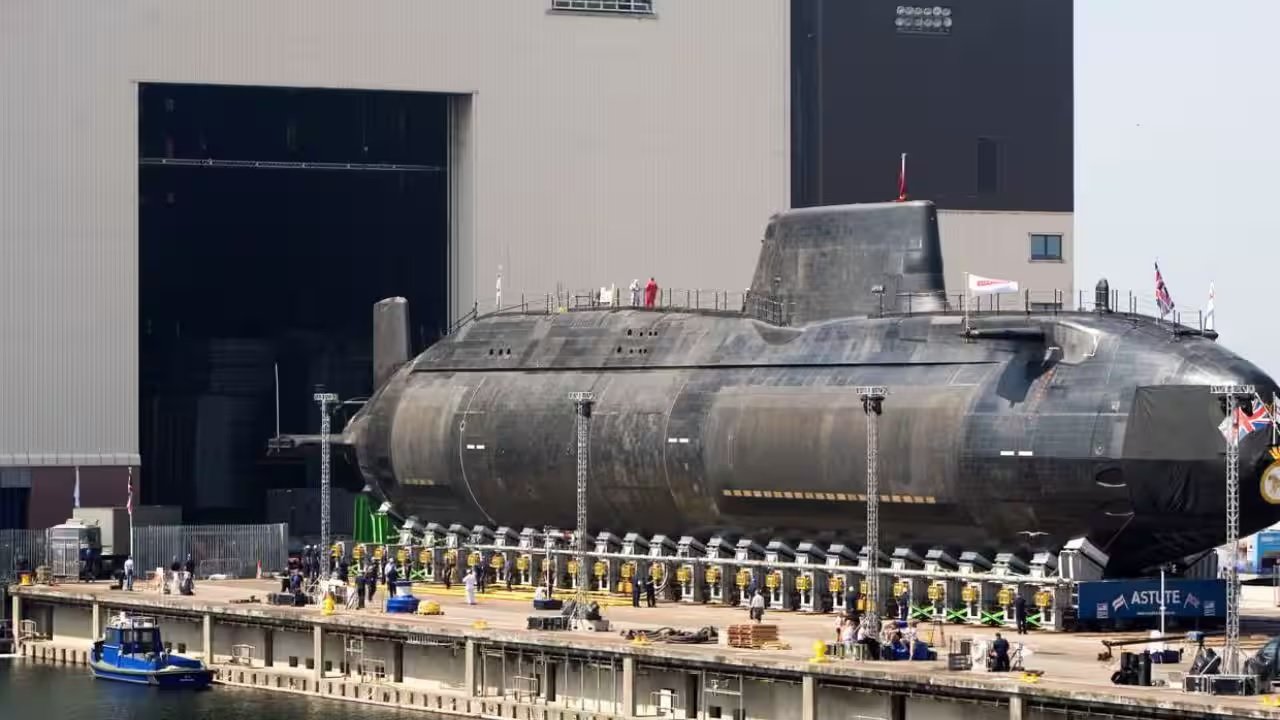
Developed for operations in northern European waters, the North Atlantic, and Arctic environments, the Type 212CD is an advanced diesel-electric submarine optimized for low observability and long-duration underwater operations.
The submarine displaces approximately 2,500 tonnes surfaced and 2,800 tonnes submerged, measures 73 metres in length with a 10-metre beam, and uses two MTU 4000-series diesel generators, lithium-ion batteries, and fourth-generation proton exchange membrane (PEM) fuel-cell air-independent propulsion (AIP). The system enables underwater endurance of up to 41 days without frequent snorkeling.
The platform is equipped with six 533 mm torpedo tubes capable of launching heavyweight torpedoes and supporting future missile systems, anti-torpedo interceptors, and unmanned underwater vehicles. Combat operations are managed through the ORCCA combat management system, while the submarine’s hull design reduces acoustic, magnetic, and sonar signatures for stealth operations in contested maritime environments.
NATO Integration and Industrial Benefits
German officials have emphasized that a Type 212CD selection would integrate Canada into a multinational submarine framework shared with Germany and Norway, creating common logistics, sustainment, training, and modernization pathways across NATO’s northern operating region. If Canada proceeds with a 12-submarine purchase, the combined fleet could expand to 24 submarines operating shared systems and maintenance standards.
Germany’s proposal also includes an industrial package estimated to generate C$86 billion in cumulative GDP impact and 654,695 job-years over the programme’s lifecycle. Planned investments include maintenance facilities on both Canadian coasts, domestic production of heavyweight torpedoes and anti-torpedo systems, expanded training cooperation with CAE, and industrial partnerships involving Seaspan and other Canadian firms.
Additional investment commitments include expansion of the Port of Churchill in Manitoba, carbon-capture projects in Alberta, rare-earth processing, battery manufacturing, artificial intelligence, and advanced industrial production.
Competing South Korean Offer
Germany’s proposal competes directly with Hanwha Ocean’s KSS-III Batch II offer, which promises delivery of four submarines by 2035, with the first potentially arriving as early as 2032 if a contract is signed in 2026. Hanwha has also emphasized domestic industrial participation and sovereign sustainment capabilities for Canada.
A final Canadian decision on the CPSP is expected before the end of June 2026 and will determine whether Ottawa joins a European-Nordic submarine enterprise focused on NATO interoperability in the Arctic and North Atlantic or selects South Korea’s KSS-III programme.
——— End of Article ———