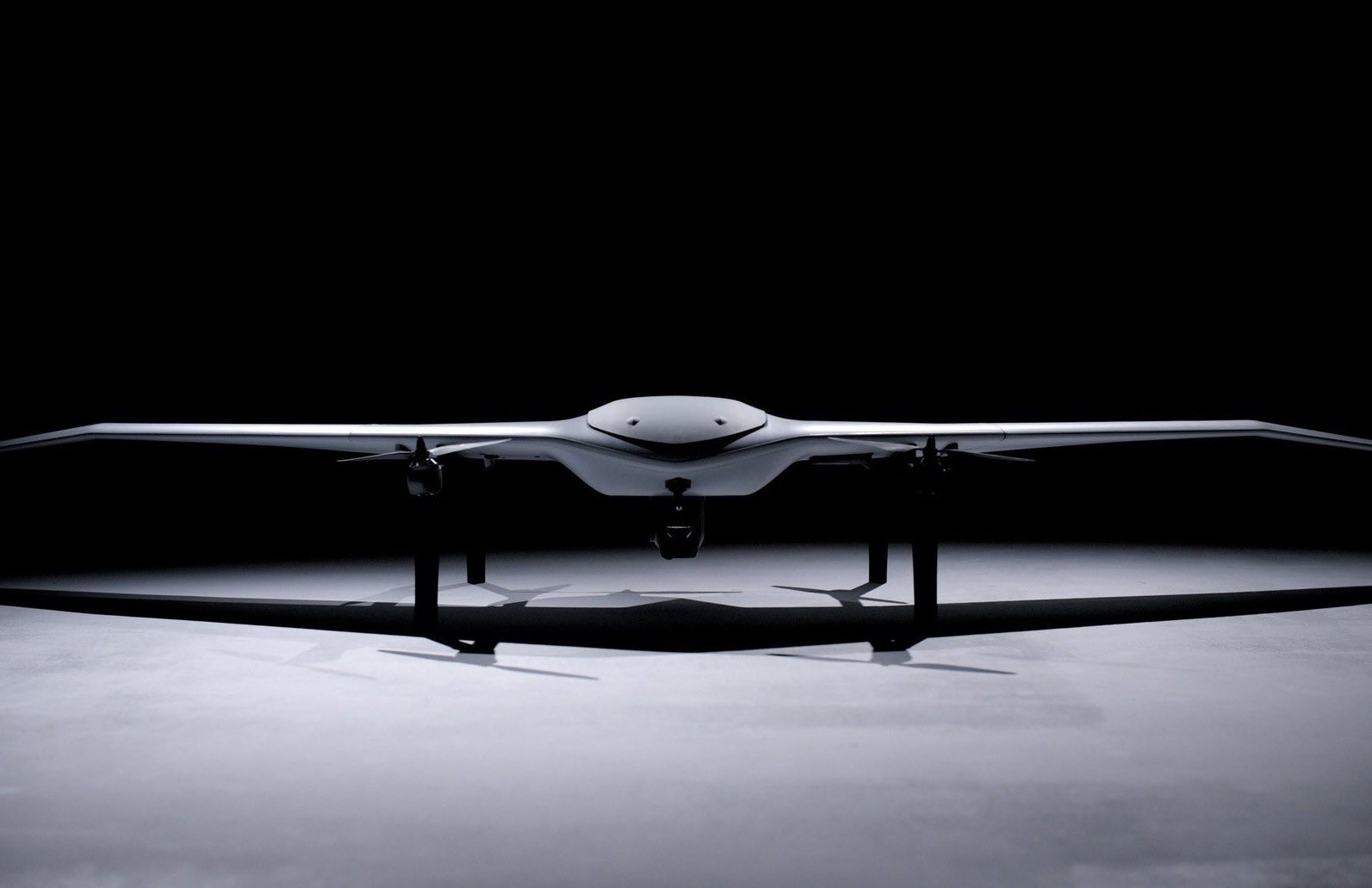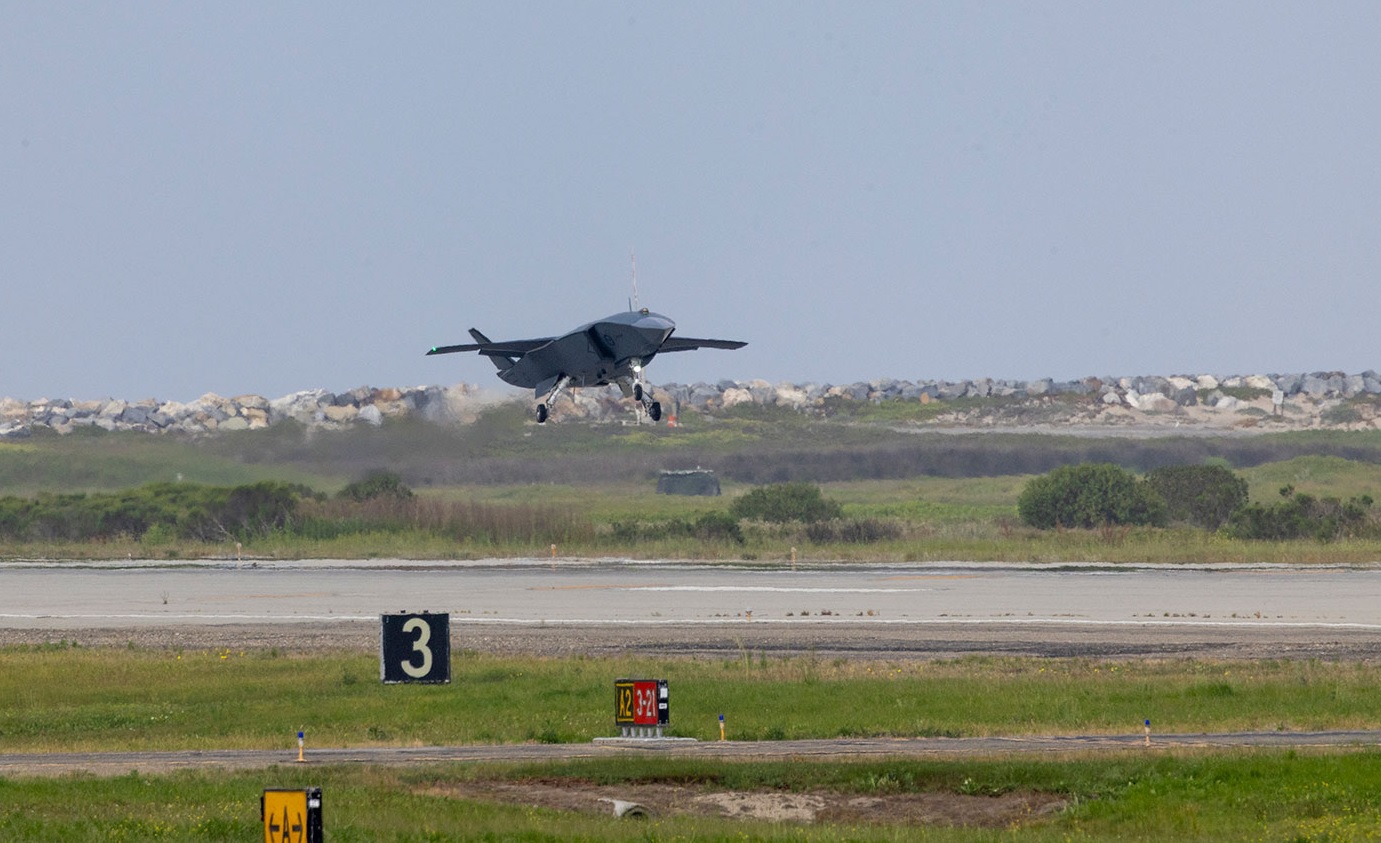
POINT MUGU, California — May 28, 2026 : Boeing’s MQ-28 Ghost Bat autonomous combat drone has successfully completed three operational flight tests over the Pacific Ocean at the Point Mugu Sea Range, located at U.S. Naval Base Ventura County in California, marking the aircraft’s first international deployment and its inaugural operations in allied airspace outside Australia.
The flight campaign was conducted to validate the MQ-28’s autonomous systems and demonstrate its ability to support rapid deployment and sustained operations from allied military facilities. Boeing stated that the MQ-28 completed three sorties over the Pacific Ocean during the testing activity.
According to the company, the flight test team coordinated with local authorities, employed certified range assets, and operated under required airspace, range safety, and regulatory approvals to reduce operational risks during the deployment.
Developed As A Collaborative Combat Aircraft
The MQ-28 Ghost Bat is being developed by Boeing Defence Australia in partnership with the Royal Australian Air Force (RAAF) as a Collaborative Combat Aircraft (CCA), designed to function as a “loyal wingman” alongside crewed combat and surveillance aircraft.
The platform is intended to operate with aircraft including the F-35, F/A-18F Super Hornet, and E-7 Wedgetail, providing additional combat mass, mission persistence, survivability, and operational flexibility in contested environments while reducing exposure risks for human pilots.
“The activity at Point Mugu is part of Boeing's ongoing flight test program to mature the MQ-28 and demonstrate operations from allied locations,” said Glen Ferguson, Boeing’s MQ-28 global program director. “MQ-28 is using this location to further prove the maturity of the program and inform future exportability.”
Aircraft Capabilities And Autonomous Operations
The MQ-28 Ghost Bat measures approximately 38 feet in length and has a flight range exceeding 2,000 nautical miles. The aircraft incorporates a modular mission package system integrated into its nose section, allowing rapid reconfiguration of payloads for different mission profiles.
The platform can support intelligence, surveillance, reconnaissance (ISR), tactical early warning, and electronic support missions. Using artificial intelligence-enabled autonomy, the aircraft can independently execute portions of assigned missions, reducing pilot workload for accompanying crewed aircraft.
Expanding U.S.-Australia Defense Cooperation
The successful testing in U.S. airspace represents a further step in U.S.-Australian defense cooperation on autonomous combat aviation programs. A bilateral arrangement established in 2023 supports collaborative development of Collaborative Combat Aircraft technologies between the two countries.
Boeing stated that demonstrating the MQ-28’s ability to operate from allied military installations supports efforts to validate the aircraft’s maturity and future exportability for allied defense customers seeking modular and cost-effective force-multiplier capabilities.
Program Progress And Future Plans
The MQ-28 Ghost Bat first flew at the RAAF Woomera Test Range Complex in February 2021 and became the first military aircraft designed, manufactured, and flown in Australia in more than 50 years.
By March 2025, MQ-28 prototype aircraft had completed more than 100 test flights, including demonstrations involving multi-ship operations and integration with crewed aircraft. In December 2025, the platform also completed a live air-to-air missile engagement involving an AIM-120 AMRAAM during testing at Woomera.
Australia is expected to receive its first three operational Block 2 MQ-28A aircraft by the end of 2026, with the planned fleet projected to expand to ten aircraft by 2030 as Boeing and the RAAF continue evaluating autonomous performance, interoperability, and operational readiness.
——— End of Article ———