World
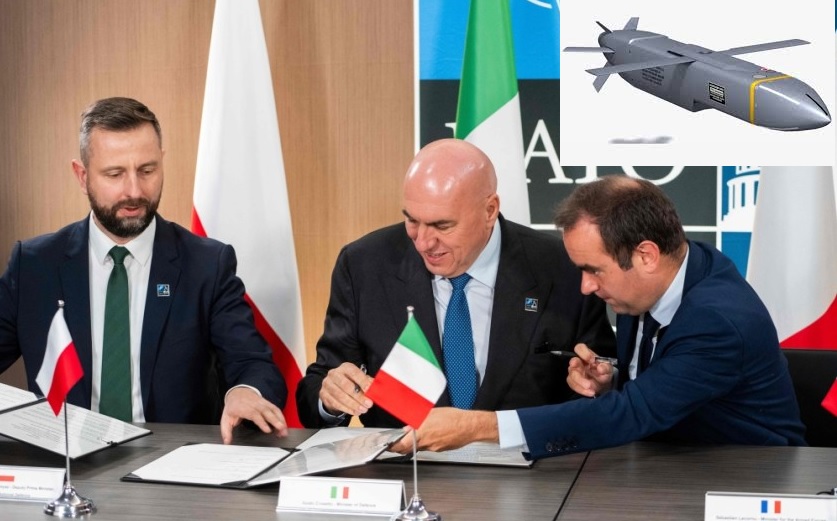
In a significant move to bolster European defense capabilities, France, Germany, Italy, and Poland have committed to jointly developing ground-launched cruise missiles with a range exceeding 500 km (310 miles). This initiative, formalized through a letter of intent signed on Thursday, addresses a critical gap in European arsenals highlighted by the ongoing conflict in Ukraine.The announcement was made during the NATO summit in Washington, where French Defence Minister Sebastien Lecornu emphasized the deterrent purpose of the new missile. "The idea is to open it up as widely as possible," Lecornu stated, hinting that the UK's new Labour government might also join the project. He noted the financial advantages of shared development, as it would help distribute the costs among the participating nations.The ambitious timeline for the project includes drafting initial designs by the end of the year, with detailed specifications to be developed subsequently. This project follows closely on the heels of an agreement between Washington and Berlin to deploy U.S. long-range missiles in Germany by 2026, a move that Moscow has condemned as a significant threat to its national security.Cruise missiles have seen a resurgence in importance since Russia's invasion of Ukraine in 2022. Both sides have utilized these weapons for cross-border strikes, with Ukraine successfully targeting sites within Russian territory. Europe's current cruise missile inventory includes air-launched variants such as Britain's Storm Shadow, France's Scalp, and Germany's Taurus, all with a range of around 500 km.Unlike ballistic missiles, cruise missiles are designed to fly at low altitudes, making them more challenging to detect by radar systems. According to a military source, the new ground-launched missile aims to achieve a range of 1,000 to 2,000 km, aligning with NATO's requirements for such a capability.France has proposed basing the new missile on a modified version of its existing naval cruise missile, the MdCN (Missile de Croisiere Naval). This missile, produced by the European defense company MBDA, could potentially be adapted for launch from truck-mounted rocket launchers. MBDA, a consortium involving Franco-German Airbus, British BAE Systems, and Italian Leonardo, is at the forefront of this development.The introduction of a missile with a range exceeding 500 km marks the re-entry of a category of weapons previously banned under the Intermediate-Range Nuclear Forces (INF) Treaty. Signed in 1987, the INF Treaty prohibited nuclear and conventional ground-launched missiles with ranges between 500 and 5,500 km, leading to the destruction of such weapons by several European nations.However, the U.S. withdrew from the INF Treaty in 2019, accusing Russia of violating the agreement by developing the 9M729 ground-launched cruise missile (NATO designation: SSC-8). In response, Russia imposed a moratorium on its own development of similar missiles. Yet, last month, Russian President Vladimir Putin indicated that Moscow might resume production of intermediate and shorter-range nuclear-capable missiles in reaction to the deployment of comparable U.S. missiles in Europe and Asia.This collaborative missile development effort underscores the evolving security landscape in Europe. As nations seek to enhance their defense capabilities, the project highlights the strategic importance of cooperative defense initiatives in addressing contemporary threats.
Read More → Posted on 2024-07-12 15:43:26
World
U.S. intelligence has recently uncovered a chilling plot by Russia to assassinate Armin Papperger, the CEO of Rheinmetall, a leading German arms manufacturer. This revelation, reported by CNN and The New York Times, highlights a broader strategy by the Russian government to target defense industry executives across Europe who are supporting Ukraine in its ongoing conflict with Russia.Rheinmetall has been a critical supplier of military equipment to Ukraine, ramping up its production of artillery shells and military vehicles in response to Russia’s 2022 invasion of Ukraine. The company’s increasing support for Ukraine has apparently made it a target for Russian retaliation. Earlier this year, U.S. officials informed Germany of the assassination plot, prompting German security services to step in and ensure Papperger’s safety.German Chancellor Olaf Scholz, speaking at the NATO summit in Washington, refrained from commenting directly on the plot but emphasized the government's awareness of the numerous threats it faces. Rheinmetall, in its statement, assured that it regularly consults with security authorities to take necessary measures for protection.The plot against Papperger is part of a series of threats and hostile acts from Russia against NATO allies. NATO Secretary-General Jens Stoltenberg remarked on the increasing number of hostile actions from Russia, which have only strengthened the resolve of NATO members to support Ukraine.Rheinmetall has been significantly involved in aiding Ukraine's defense efforts. In May 2023, the company announced a joint venture with Ukrainian state-owned conglomerate Ukroboronprom to build and repair tanks in Ukraine. Additionally, Rheinmetall plans to open an ammunition factory in Ukraine, further solidifying its support for the Ukrainian military.Russia's aggressive stance has not been limited to just military engagements. The plot against Papperger coincides with other acts of intimidation and sabotage. For instance, Papperger's garden house was set on fire by what was reported as far-left activists, reflecting the volatile environment surrounding defense industry leaders in Europe.German Foreign Minister Annalena Baerbock described Russia's tactics as part of a hybrid war that includes cyberattacks and sabotage of infrastructure. She stressed the need for Europe to remain vigilant and not be naive about the threats posed by Russia.Despite the threats, Germany remains steadfast. A spokesperson for Germany's Interior Ministry affirmed that the federal government takes the threats from Moscow very seriously and continues to work closely with international partners to mitigate these risks. The federal government is committed to not being intimidated by Russian threats and will continue to protect its citizens and interests.Rheinmetall’s collaboration with other defense companies, like Italy’s Leonardo, remains strong despite the threats. Leonardo recently formed a joint venture with Rheinmetall to produce tanks, and the company has no immediate plans to increase security measures for its executives.The broader implications of this assassination plot reflect the heightened tensions and ongoing conflict between Russia and the West. As NATO and its allies continue to support Ukraine, they must also brace for further hostile actions from Russia, ensuring robust security measures are in place to protect key figures and infrastructure.In summary, the uncovering of the assassination plot against Rheinmetall’s CEO underscores the dangerous landscape in which European defense executives operate. It also highlights the unwavering support for Ukraine from its allies and the ongoing need for vigilance and preparedness in the face of Russian aggression.
Read More → Posted on 2024-07-12 15:30:33
World
In a significant development for drone technology, Quantum Systems, the Munich-based manufacturer known for its cutting-edge reconnaissance drones, has confirmed the deployment of its latest AI sensor upgrade, “Receptor AI,” in Ukraine. This marks the first time this previously unreleased technology has been used in the field.The "Receptor AI" upgrade is designed for the Vector reconnaissance drone, utilizing a Jetson Orin Nvidia chip coupled with multiple sensors. This new technology enhances the drone's capabilities in several critical areas. It enables optical navigation both day and night, even in poor visibility conditions, and introduces automated AI-supported object recognition and identification. These advancements are crucial in the challenging environment of electronic warfare, where traditional navigation systems can be easily disrupted.One of the standout features of "Receptor AI" is its ability to operate independently of external signals, addressing the biggest challenge in drone navigation under electronic warfare conditions. This upgrade allows for signal-independent positioning, which is essential when Global Navigation Satellite System (GNSS) signals are denied or jammed. The technology not only improves the operational efficiency of reconnaissance drones but also significantly enhances their reliability and effectiveness in the field.The deployment in Ukraine is part of an ongoing test and development phase conducted at Quantum Systems' newly established development site in the region. This site provides a unique environment to refine and enhance the capabilities of "Receptor AI," ensuring it meets the demands of real-world operations."Receptor AI" enables autonomous flight at night and in adverse weather conditions, thanks to infrared-supported visual navigation. The upgrade also includes significant improvements in object sensor technology, allowing for better detection, classification, identification, and tracking of objects. Importantly, these enhancements have been made without any changes to the drone's weight or range, maintaining the existing platform architecture while boosting performance.Daniel Kneifel, Director of Software Engineering at Quantum Systems, emphasized the importance of these upgrades. "We are implementing the upgrade without any weight changes and with the same range," he stated. "We are designing these adaptations without fundamental changes to the existing platform architecture."The deployment of "Receptor AI" in Ukraine highlights the ongoing innovation in drone technology and the critical role of advanced AI in enhancing the capabilities of reconnaissance operations. As Quantum Systems continues to develop and refine this technology, it promises to set new standards in the field of drone navigation and object recognition.
Read More → Posted on 2024-07-12 15:17:03
World
This week, China commenced joint military exercises with Belarus, staging maneuvers on NATO’s eastern frontier in a clear sign of escalating tensions between Beijing and the US-led defense alliance. These "antiterrorist" exercises, conducted on Russian ally Belarus' soil near the Polish border, coincide with NATO leaders gathering for a summit in Washington, where the ongoing war in Ukraine is a major agenda item.The joint drills began on July 8 in Brest, a city positioned right on the border with Poland. According to a statement from the Chinese defense ministry, the exercises are set to continue until mid-July. While the exact number of Chinese soldiers involved remains undisclosed, the statement emphasized that the maneuvers aim to enhance combat techniques and deepen cooperation between the two armies. Chinese diplomatic officials have asserted that the exercises are not directed at any specific country.However, the Polish defense ministry has criticized the timing of these drills, warning that the operations could be exploited for disinformation and propaganda purposes to align with the NATO summit. Despite their limited scale, the presence of Chinese troops on NATO’s doorstep and in a country used by Russia as a launchpad for its invasion of Ukraine has drawn significant attention.Analysts believe that the choice of date and location for the exercises was deliberate, intended to send a clear message to NATO. Kelly Grieco of the Stimson Center, a foreign policy and defense think tank, noted that multilateral exercises often serve political purposes. She pointed out that while China had previously conducted anti-terrorism exercises in Belarus between 2011 and 2018, this is the first occurrence since Russia's invasion of Ukraine in February 2022.The strategic timing of these drills reflects China's approach to signaling its opposition to NATO's activities. Alice Ekman, a senior analyst for Asia at the European Union Institute for Security Studies, highlighted that China has a history of organizing joint exercises to coincide with significant international developments. For instance, China held exercises with Russia in the East China Sea close to Japanese islands in April 2023, coinciding with a trilateral summit involving the US, Japan, and South Korea. Similarly, China conducted military maneuvers in the South China Sea in May 2024, during a meeting between the US, Japan, the Philippines, and Australia.China's growing hostility towards NATO is rooted in a belief that the alliance is working to contain China at Washington’s behest. Beijing is particularly concerned about NATO's expanding role in the Asia-Pacific region. This animosity is compounded by historical grievances, such as the bombing of the Chinese embassy in Belgrade by a NATO plane in 1999, and perceptions of NATO overstepping its geographical boundaries in conflicts like those in Iraq, Libya, and Afghanistan.As NATO integrates the perceived threat from China into its strategic planning, Beijing's actions near NATO's border are likely intended to reinforce its stance and challenge the alliance's influence. The ongoing exercises with Belarus are a potent reminder of the complex geopolitical dynamics at play and the increasing militarization of international diplomacy.
Read More → Posted on 2024-07-12 15:05:10
World
China's technological advancements have once again made headlines, this time with a significant breakthrough in deep-sea mining. The Kaituo 2, a prototype developed by Shanghai Jiao Tong University, has successfully completed sea trials, bringing China closer to extracting valuable minerals from the ocean floor. This achievement is not just a technological milestone but also a potential game-changer for the resource-rich South China Sea. Kaituo 2: A Technological MarvelThe Kaituo 2, resembling a tank with its four tracks and front-mounted drill, has been designed to operate autonomously on the ocean floor. It is equipped with a collection system and ore storage, connected to the surface by an umbilical cable. Measuring 6 meters in length, 3 meters in width, and standing 2.5 meters high, this 14-tonne behemoth is built to withstand the challenging conditions of the deep sea.During its trials, Kaituo 2 demonstrated impressive capabilities. It reached a depth of 4,102.8 meters in the western Pacific, setting a national record for China. The vehicle navigated steep underwater mountains and rugged terrain, cutting and collecting various types of seabed minerals. It successfully gathered over 200 kilograms of minerals rich in copper, cobalt, nickel, and manganese, essential for technology, defense, and medicine.Overcoming Technical ChallengesThe development of Kaituo 2 involved addressing three major technical challenges that have long plagued international deep-sea mining: navigating complex seabed terrain, efficiently extracting diverse mineral forms, and safely managing heavy equipment in rough sea conditions. Yang Jianmin, the project leader and a professor at SJTU’s School of Ocean and Civil Engineering, highlighted these challenges in a report on the university’s website.To overcome these obstacles, the vehicle is equipped with advanced technologies such as intelligent path planning, tracking, obstacle avoidance, and an environmental monitoring system. These innovations ensure that Kaituo 2 can operate efficiently and safely in the harsh conditions of the deep sea.A Step Closer to Commercial Deep-Sea MiningWhile deep-sea mining is not yet happening on a commercial scale, global activities are intensifying as nations recognize the potential of these underwater resources. Japan, Belgium, India, Canada, and Norway are all conducting deep-sea mineral exploration and testing mining vehicles at significant depths. China's progress with Kaituo 2 places it at the forefront of this international race.Environmental Concerns and Global ImplicationsDespite the technological advancements, deep-sea mining remains controversial due to its potential environmental impact. Greenpeace has outlined several concerns, including chemical pollution, noise, vibrations, and light disturbances, all of which could be detrimental to the delicate ecosystems of the deep sea. The mining activities create floating debris that can cloud the water, suffocating marine life, and disturbing the behaviors and communication of marine mammals.As nations like China push forward with deep-sea mining technology, balancing the benefits of resource extraction with the need to protect marine environments will be crucial. The success of Kaituo 2's trials is a significant step, but it also underscores the importance of addressing environmental concerns to ensure sustainable development.The successful sea trials of China's Kaituo 2 deep-sea mining vehicle mark a significant milestone in the quest to extract valuable minerals from the ocean floor. With its advanced technology and impressive capabilities, Kaituo 2 brings the entire South China Sea's ocean floor within reach, setting the stage for potential commercial deep-sea mining. However, as the race for underwater resources intensifies, the environmental impact of these activities must be carefully managed to protect the fragile ecosystems of the deep sea.
Read More → Posted on 2024-07-11 16:59:18
World
Canada is taking a significant step to bolster its maritime security by introducing a program to develop 12 conventionally-powered submarines designed for Arctic operations. This new fleet aims to replace the aging Victoria-class submarines, which have been in service since the early 1990s. The initiative, known as the Canadian Patrol Submarine Project (CPSP), underscores the country's commitment to protecting its sovereignty in the face of emerging global threats.The announcement of the CPSP highlights Canada's strategic focus on the Arctic region. With the impacts of global warming opening new navigation routes and exposing the Arctic to increased activity, the need for enhanced security capabilities has become paramount. The CPSP submarines will be equipped with advanced "under-ice" capabilities to operate effectively in the harsh conditions of the Arctic Ocean and other surrounding waters.One of the key features of these new submarines will be their extended range and endurance. This will enable the Royal Canadian Navy to maintain robust detection and neutralization capabilities across Canada’s extensive maritime territory and in support of its allies. While specific technical details remain classified, the emphasis on these capabilities indicates a significant upgrade from the existing Victoria-class submarines.Ottawa is currently in negotiations with various manufacturers and potential partners to bring this ambitious project to fruition. This preliminary phase will be followed by a request for information (RFI) in the fall, aimed at streamlining details regarding the construction, procurement, delivery, and operational capabilities of potential bidders. The RFI will also explore the possibility of establishing a domestic submarine sustainment center to support the upcoming fleet, ensuring long-term operational readiness and maintenance.The CPSP is aligned with Canada's latest defense policy, which recognizes the evolving geopolitical landscape and the increasing military ambitions of other nations, particularly in the Arctic region. The Canadian government has identified the need to monitor critical areas such as the Northwest Passage and other maritime locations where there is a growing presence of international activity.In his announcement, Canadian Defence Minister Bill Blair emphasized the strategic importance of the new submarine fleet. "As the country with the longest coastline in the world, Canada needs a new fleet of submarines – and today, we’ve announced that we will move forward with this acquisition," Blair stated. "This new fleet will enable Canada to protect its sovereignty in a changing world and make valuable, high-end contributions to the security of our partners and NATO Allies. We look forward to delivering this new fleet to the Royal Canadian Navy."The introduction of the CPSP comes as a response to the expanding underwater capabilities of other nations, such as China and Russia. By enhancing its submarine fleet, Canada aims to ensure it can effectively safeguard its maritime interests and contribute to regional and global security efforts.In summary, Canada's decision to build 12 Arctic-capable submarines under the CPSP marks a significant investment in its national defense and a proactive measure to address the evolving challenges in the Arctic and beyond. With advanced capabilities and extended endurance, these new submarines will play a crucial role in maintaining Canada's maritime sovereignty and supporting its international security commitments.
Read More → Posted on 2024-07-11 16:38:28
World
The United States and Germany have recently unveiled plans to deploy advanced long-range fires capabilities in Germany, a move set to significantly enhance NATO's defensive posture. This development was announced in a joint statement following high-level discussions ahead of the upcoming NATO Summit.Beginning in 2026, the United States will initiate episodic deployments of its Multi-Domain Task Force’s long-range fires capabilities in Germany. This initiative is a key element of a broader strategy aimed at the enduring stationing of these advanced military assets in Europe. The planned deployments will feature cutting-edge weaponry, including the SM-6 and Tomahawk missiles, along with developmental hypersonic weapons. These systems offer a substantial upgrade over the current land-based fires available in Europe, providing much longer ranges and enhanced targeting capabilities.This deployment underscores the United States' commitment to NATO and is a critical contribution to integrated European deterrence. By exercising these advanced systems, the U.S. aims to demonstrate its steadfast support for the collective defense of NATO member states. This strategic move is expected to bolster the alliance’s deterrence capabilities against potential threats and help maintain regional stability.The episodic nature of the initial deployments will facilitate thorough planning and integration of these advanced systems into the European theater. As these capabilities are fully developed and integrated, the U.S. and Germany will continue to collaborate closely. This cooperation ensures that the deployment aligns with NATO’s strategic needs and enhances the overall security architecture of Europe.This announcement highlights the deep strategic partnership between the United States and Germany and their shared commitment to peace and security in Europe. The deployment of long-range fires capabilities in Germany marks a significant milestone in strengthening NATO’s deterrence posture. As preparations for the NATO Summit continue, this announcement underscores ongoing efforts to reinforce transatlantic ties and enhance collective defense mechanisms. The inclusion of sophisticated weaponry like the SM-6 and Tomahawk missiles, as well as developmental hypersonic weapons, showcases a clear intent to stay ahead in the technological race and ensure that NATO's defense capabilities are both robust and cutting-edge. This initiative is not only a show of military strength but also a strategic maneuver to ensure that NATO remains a formidable force capable of deterring any adversary.In summary, the deployment of advanced long-range fires capabilities in Germany by the United States is a pivotal step in bolstering NATO’s defensive and deterrent capabilities. This move highlights the enduring commitment of the U.S. and Germany to NATO’s mission of maintaining peace and security in Europe, reinforcing the alliance’s readiness to face future challenges.
Read More → Posted on 2024-07-11 16:23:10
World
In the shadow of a looming threat from China, Taiwan's President Lai Ching-te has delivered a message of resilience and innovation to his country's armed forces. During an address to air force officers, Lai, clad in camouflaged military fatigues, drew inspiration from history, emphasizing that smaller militaries have often triumphed over larger adversaries. His comments come as Taiwan prepares for its annual Han Kuang military exercises, scheduled to begin on July 22, which aim to simulate real combat conditions in response to the increasing threat from China.For the past four years, China has been conducting regular military exercises around Taiwan, attempting to pressure the democratically governed island to accept Beijing's claims of sovereignty. Despite being vastly outnumbered by China's military might, Taiwan is not deterred. Instead, it has been modernizing its armed forces with new equipment such as submarines and adopting "asymmetric warfare" strategies. These strategies include the use of vehicle-mounted missiles and drones, designed to make Taiwan's military more mobile and difficult to target.Lai's remarks were made at an air base in central Taiwan, where he stood in front of a Taiwan-made Ching-kuo Indigenous Defence Fighter. He stressed that military strength is not merely a matter of numbers. "The amount of equipment admittedly is important, but it cannot represent the military power of a country," he said. "In history, there are many cases where the few win out over the many, and there are countless ways to win over old-fashioned enemies with new thinking."The upcoming Han Kuang exercises, alongside the Wan An civil defense drills, will involve cities briefly shutting down to simulate air raids, reflecting the seriousness of the threat perceived from China. A senior Taiwan official noted that this year's drills would closely mimic actual combat scenarios, moving away from merely symbolic displays of strength.China's reaction to Taiwan's military preparations has been predictably aggressive. Shortly after Lai took office in May, China conducted two days of war games around Taiwan, which it described as "punishment" for Lai's inauguration speech, criticizing it for containing separatist sentiments. Despite Beijing's hostility, Lai has repeatedly offered talks, asserting that only Taiwan's people can determine their future."The peace we want is a peace with a solid foundation, a true peace that must be established by our own strength," Lai declared at the Taichung air base. He rebuffed any notions that Taiwan was gearing up for war, emphasizing that the island nation is committed to peace but must be prepared to defend itself. "Some people may have such misgivings but everyone knows we are a peace-loving country," he said. "But the peace we want is a 'true peace' that has a solid foundation and is established by our own strength."China has consistently dismissed Taiwan's defense efforts, labeling them as futile in the face of what it sees as inevitable reunification. However, Lai's stance is clear: Taiwan will continue to resist Chinese aggression with new thinking and innovative strategies, demonstrating that being outnumbered does not equate to being outgunned.As the Han Kuang exercises approach, Taiwan's military and civilian population remain resolute, drawing strength from their leadership's commitment to maintaining their sovereignty and peace through preparedness and modernized defense tactics.
Read More → Posted on 2024-07-11 16:20:02
World
At the NATO summit in Washington, Norway's Prime Minister Jonas Gahr Støre announced a significant contribution to Ukraine's defense efforts. Norway is set to donate 1 billion crowns, equivalent to $92.69 million, to enhance Ukraine's air defense systems. This substantial support aims to fortify Ukraine's ability to protect its population from relentless Russian aerial attacks.The announcement of this financial aid follows a previous commitment made just a day earlier, where Norway pledged to deliver six F-16 fighter jets to Ukraine. These contributions are part of a broader effort by NATO allies to support Ukraine amidst ongoing conflict with Russia. Støre emphasized the urgency and necessity of bolstering Ukraine's air defense capabilities, stating, "The Ukrainians need more air defense to protect their population from Russian bombs and missiles."Ukraine's air defense has been a critical area of focus as the country faces continued threats from Russian forces. The support from Norway is expected to significantly enhance Ukraine's ability to intercept and neutralize aerial threats, thus providing a safer environment for its citizens.This donation is part of Norway's broader strategy to support Ukraine not just militarily but also in terms of humanitarian aid and reconstruction efforts. The international community has been closely monitoring the situation in Ukraine, and Norway's contribution underscores the solidarity and commitment of NATO allies in supporting Ukraine's sovereignty and territorial integrity.Norway's pledge is also a response to the increased demand for advanced military equipment and technology to counter sophisticated threats. The F-16 fighter jets, known for their versatility and combat effectiveness, will provide Ukraine with enhanced aerial capabilities. These jets, combined with the financial aid for air defense systems, will play a crucial role in strengthening Ukraine's defense infrastructure.The decision to provide such extensive support reflects Norway's recognition of the broader geopolitical implications of the conflict in Ukraine. By supporting Ukraine, Norway and other NATO allies aim to send a clear message of deterrence to Russia, emphasizing that aggression against sovereign nations will not be tolerated.As the conflict in Ukraine continues, the need for robust defense mechanisms becomes even more critical. The international community's support, including significant contributions like those from Norway, is essential in ensuring that Ukraine can defend itself and protect its population from ongoing threats.In summary, Norway's commitment of nearly $93 million for Ukraine's air defense, along with the provision of F-16 fighter jets, represents a significant step in bolstering Ukraine's defense capabilities. This support not only enhances Ukraine's immediate defense needs but also reinforces the collective resolve of NATO allies in standing against aggression and supporting sovereign nations in their fight for freedom and security.
Read More → Posted on 2024-07-11 16:12:34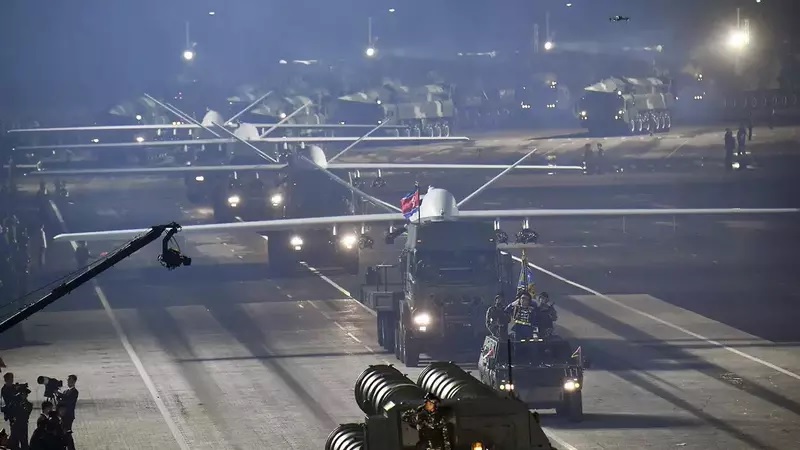
World
South Korea is making a significant leap in its defense strategy by announcing plans to deploy advanced laser weapons to neutralize North Korean drones. This bold move is set to enhance the country's air defense capabilities and address recent provocations from Pyongyang.The Defense Acquisition Program Administration (DAPA) of South Korea has developed the "StarWars" directed energy system, a state-of-the-art laser weapon designed to emit powerful beams for up to 20 seconds. This system can effectively incapacitate hostile drones by burning down their engines or other crucial electronic components. One of the standout features of this technology is its cost efficiency, with each shot costing approximately 2,000 Korean won, or $1.45. In addition to being economically viable, the laser weapon operates quietly and invisibly, making it a discreet and powerful tool for defense.DAPA's announcement marks a historic milestone, as South Korea will become the first country in the world to officially deploy and operate laser weapons. This deployment aims to significantly bolster the nation's response capabilities against North Korean drone provocations.The decision to deploy these laser weapons follows a troubling incident in December 2022, when five North Korean drones breached South Korean airspace. The breach prompted a rapid response from Seoul, with fighter jets and attack helicopters scrambling to intercept the intruding drones. Despite a five-hour pursuit, the South Korean military failed to shoot down the drones, leading to widespread concerns about the country's air defense readiness. The incident highlighted vulnerabilities in South Korea's defense system and underscored the need for improved countermeasures against drone threats.In response to this failure, the South Korean military issued an apology and committed to enhancing its detection and interception capabilities. The military's strategy includes deploying advanced detection devices to spot drones at an early stage and aggressively employing strike assets to neutralize threats. The introduction of the "StarWars" laser system is a crucial part of this strategy, aimed at addressing gaps in South Korea's air defense network.Adding to the urgency of these measures, a leaked U.S. document reported by The Washington Post revealed that South Korea could remain vulnerable to North Korean drones for years. The document indicated that South Korea had primarily focused on defenses against incoming missiles, potentially at the expense of other critical air defense needs. This revelation has further propelled the development and deployment of innovative solutions like the laser weapon system.The deployment of laser weapons represents a proactive and forward-thinking approach by South Korea to safeguard its airspace. By integrating cutting-edge technology into its defense arsenal, Seoul is taking significant steps to counter the evolving threats posed by North Korea. As these laser weapons become operational, South Korea will not only enhance its national security but also set a new standard in modern warfare technology.
Read More → Posted on 2024-07-11 16:08:53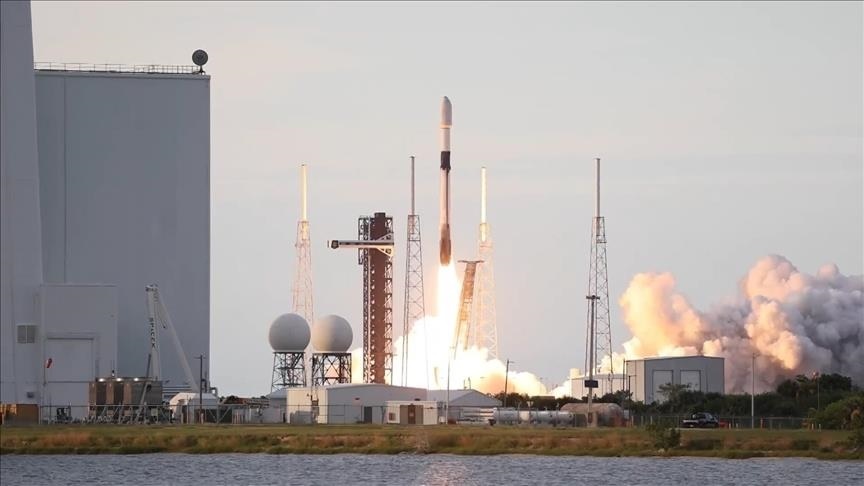
World
In a historic moment for Türkiye, the country's first indigenously developed communication satellite, TURKSAT-6A, was successfully launched on July 9, 2024. This landmark event took place at Cape Canaveral Space Force Station in Florida, USA, where a SpaceX Falcon 9 rocket carried the satellite into orbit. This achievement not only marks a significant milestone for Türkiye but also places it among an elite group of ten countries capable of manufacturing their own communication satellites.The TURKSAT-6A satellite is equipped with advanced Ku-Band and X-Band communication payloads, developed by ASELSAN, Türkiye’s leading defense company. ASELSAN, known for its contributions to defense and space technologies, began its journey into space tech in 2000 and has since been at the forefront of satellite payload development.Ahmet Akyol, CEO and President of ASELSAN, expressed immense pride in the team’s accomplishments. He highlighted the extensive expertise and know-how acquired through the TURKSAT-6A project, emphasizing ASELSAN's commitment to advancing Türkiye’s presence in space technologies with future projects. The Ku-Band payload on TURKSAT-6A is set to provide communication services across Türkiye, Europe, and South Asia. This expansion significantly enhances the service area of Turkish satellites, ushering in a new era in the country’s space capabilities. The satellite’s communication payloads, consuming 5 kW of power and weighing a total of 300 kilograms, are designed to serve in orbit for 15 years. ASELSAN’s involvement in the TURKSAT-6A project has been extensive, with over 100 personnel contributing to the design, assembly, integration, and testing of the payloads. The company developed and qualified its own processes for space applications, ensuring the highest standards of quality and reliability. The successful shipment of the satellite to the USA on June 4th was followed by rigorous inspections and testing activities at the launch site, conducted by ASELSAN engineers and other project partners. These efforts culminated in the flawless launch of TURKSAT-6A, marking a significant achievement in Türkiye's space endeavors.With the satellite now in orbit, ASELSAN engineers will carry out the initial payload testing. By 2024, TURKSAT-6A is expected to begin serving the nation’s satellite communication needs, providing robust and reliable communication services to a broad geographical area. ASELSAN, headquartered in Ankara, Turkey, is a prominent defense corporation specializing in the research, development, and manufacture of advanced military products for air, land, and maritime forces. Ranked as the 48th largest defense company globally by Defense News, ASELSAN continues to be a major contractor for the Turkish Armed Forces. This latest achievement with TURKSAT-6A underscores ASELSAN’s pivotal role in advancing Türkiye’s technological capabilities on the global stage.This milestone not only showcases Türkiye’s growing prowess in space technology but also demonstrates the nation’s ability to independently develop and launch sophisticated communication satellites. As TURKSAT-6A begins its mission, it signifies a new chapter in Türkiye’s ambitious journey into space.
Read More → Posted on 2024-07-10 15:45:38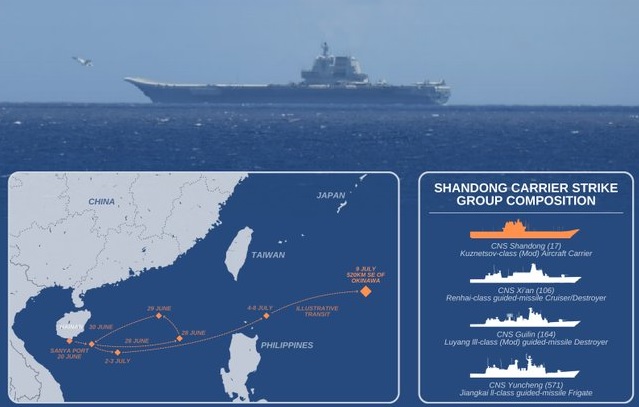
World
On July 9, Japan’s Defense Ministry confirmed a significant military movement: China has deployed its Shandong aircraft carrier strike group into the Western Pacific. This marks a noteworthy shift in the region's naval dynamics, highlighting China's growing maritime ambitions and its strategic military maneuvers.The Shandong, accompanied by some of China’s most advanced warships, was located approximately 500 kilometers southeast of Okinawa, Japan. This deployment is particularly significant as it is the first time in 2024 that the Shandong strike group has transited east of Taiwan. The group includes the cruiser CNS Yan’an (106), destroyer CNS Guilin (164), and frigate CNS Yuncheng (571), showcasing a formidable array of naval power.According to the U.S. Naval Institute, the Shandong’s last deployment to the Philippine Sea occurred in October and November of the previous year. This current mission coincides with a joint patrol by the People’s Liberation Army Navy (PLAN) and the Russian Navy, which is actively operating in the Philippine Sea. Additionally, Russia has dispatched two corvettes as part of an Indo-Pacific deployment, indicating a coordinated naval presence in the region.Japan’s Joint Staff Office (JSO) reported sighting the Shandong and confirmed that it was conducting flight operations with its fighter aircraft and helicopters. This sighting occurred 323 miles southeast of Miyako Island, a critical location given its proximity to key maritime routes and strategic points in the Pacific. The Japan Maritime Self-Defense Force (JMSDF) destroyer JS Akebono (DD-108) was monitoring the Shandong’s movements. In response to the carrier’s fighter launches, Japan Air Self-Defense Force (JASDF) fighter aircraft were scrambled, underscoring the heightened alert and strategic importance of this deployment.The Shandong’s presence in the Western Pacific is not an isolated event. In late June, the carrier was spotted within 230 miles of Luzon before returning to waters near Hainan Island. There, it conducted drills with other PLAN ships in the South China Sea, demonstrating China's commitment to maintaining a robust naval presence and its capability to project power across significant distances.This move by China comes amid rising tensions and strategic posturing in the Indo-Pacific region. The deployment of the Shandong carrier strike group signals China’s intent to assert its influence and challenge the existing maritime order. It also reflects broader geopolitical shifts, where regional powers are increasingly flexing their military muscles to secure their interests and deter potential adversaries.The Shandong's voyage into the Western Pacific is a clear message of China’s expanding naval capabilities and its readiness to operate further afield from its traditional areas of influence. This development will likely prompt responses from neighboring countries and the broader international community, as they reassess their security strategies and naval deployments in the face of China's growing maritime assertiveness.As the situation evolves, it will be crucial to monitor the movements of the Shandong and its accompanying vessels, as well as the responses from other regional powers. This deployment is not just a demonstration of military might but also a complex signal in the intricate dance of international relations and strategic balancing in the Indo-Pacific.
Read More → Posted on 2024-07-10 15:41:40
World
In a recent statement to parliament, Israel's Defense Minister Yoav Gallant declared that 60 percent of Hamas fighters had been either killed or wounded since the militant group’s attacks on October 7. Gallant's assertion comes amid ongoing intense military operations in Gaza and highlights Israel's determination to meet its war objectives: the eradication of Hamas and the return of all hostages from Gaza.Speaking before parliament, Gallant praised the Israeli soldiers for their dedication, sacrifice, and success, noting that the achievements in the conflict were significant. “We have eliminated or wounded 60 percent of the Hamas terrorists,” Gallant stated, adding that the majority of the Palestinian group's 24 battalions had been dismantled. However, he did not provide specific casualty figures, and the Israeli military did not have immediate statistics to support the claim.The conflict, which began with Hamas's coordinated attacks on southern Israel, resulted in the deaths of 1,195 people, mostly civilians, and the abduction of 251 hostages. As of Gallant's latest update, 116 hostages remain in Gaza, with 42 reported dead according to military sources.In response to the October 7 attacks, Israel has launched significant offensives in Gaza City to the north and around Rafah and Khan Yunis to the south. These operations have led to the deaths of at least 38,295 people in Gaza, according to the Hamas-run territory’s health ministry, with a large proportion of the casualties being civilians.Despite widespread international criticism of Israel's military campaign in Gaza, many countries have expressed solidarity with Israel following the October 7 attacks. Gallant emphasized Israel's resolve to continue its military efforts until its objectives are met. “We have returned half of the hostages and we are determined to return the rest,” he said. “The security establishment, and myself heading it, are determined to achieve the goals of the war and complete them.”Israel is also engaging with international mediators to negotiate conditions for a truce with Hamas. While the path to peace remains fraught with challenges, the Israeli government maintains its stance on ensuring the security of its citizens and the complete dismantling of Hamas's operational capabilities.
Read More → Posted on 2024-07-10 15:09:43
World
The Pakistan government has formally authorized the Inter-Services Intelligence (ISI), the country’s premier spy agency, to intercept and trace citizens' calls as part of a national security measure. This decision was communicated through a notification issued by the Ministry of Information Technology and Telecommunication, grounded in the Pakistan Telecommunication (Re-organisation) Act, 1996. The notification, invoking Section 54 of the Act, allows the federal government, in the interest of national security and in the anticipation of any offense, to authorize ISI officers, specifically those of grade 18 and above, to intercept and trace communications. This authority enables the ISI to monitor calls and messages through any telecommunication system, ensuring that national security and defense interests are prioritized over any licensee within the telecommunications system.This move by the government, led by Prime Minister Shehbaz Sharif, appears to be part of a broader strategy to control and monitor information flow, especially through social media platforms. The opposition party, Pakistan Tehreek-e-Insaf (PTI), has been effectively utilizing social media to reach its supporters despite restrictions on traditional media. In response, the government has been implementing stricter regulations to curb this influence.Earlier in May, PM Shehbaz Sharif approved a draft amendment to the Prevention of Electronic Crimes Act (PECA) 2016, proposing the establishment of a Digital Rights Protection Authority. Additionally, the government is working on installing a national firewall across various internet service providers (ISPs) to filter and block unwanted content. This step is part of a larger initiative to tighten control over online information and social media activities.One notable example of the government's increasing control is the blocking of the social media platform X (formerly Twitter), which has been inaccessible since February. The government defended this action in a recent hearing at the Sindh High Court, highlighting its stance on regulating digital content for national security purposes.The decision to empower the ISI with these surveillance capabilities has sparked criticism and concern among opposition leaders. PTI leader Omar Ayub Khan warned that such measures could backfire, implying that future governments might use the same tactics against the current administration's allies. He emphasized that those implementing these measures now might find themselves subjected to similar scrutiny once they are out of power.This latest development underscores the government's intent to exert more control over communication channels in Pakistan, balancing national security interests with the potential risks of infringing on citizens' privacy and freedom of expression. As the situation evolves, the implications of these measures on Pakistan's political landscape and civil liberties will be closely watched.
Read More → Posted on 2024-07-10 15:06:50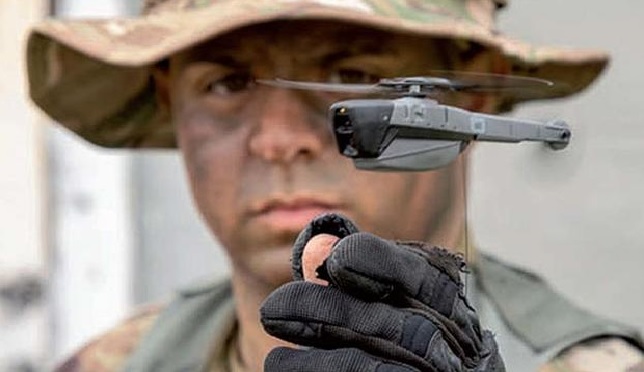
World
The US Army is pushing the boundaries of modern warfare technology by testing the Black Hornet 3 nano drones for covert surveillance and reconnaissance. This cutting-edge initiative is designed to enhance battlefield awareness and mission success with a device small enough to fit in the palm of a hand.Soldiers from the New York Army National Guard are at the forefront of this technological advancement, gaining firsthand experience with these tiny unmanned aerial systems (UAS). Produced by Teledyne FLIR, the Black Hornet 3 drones boast a flight endurance of around 25 minutes. Despite their diminutive size, these drones are equipped with the capability to transmit live video and high-definition still images directly to their operators, providing critical real-time data and situational awareness.One of the key advantages of the Black Hornet 3 is its stealth. The drone's low acoustic signature makes it incredibly difficult to detect, allowing soldiers to conduct surveillance operations without alerting the enemy. This feature is particularly valuable in hostile environments where direct observation by soldiers would be too dangerous.The complete Black Hornet 3 system is designed for ease of use and portability. Alongside the drone, a standard combat load includes a controller and extra batteries, all of which can be easily carried by a single soldier. This compact design ensures that the drone can be deployed quickly and efficiently, providing immediate tactical advantages on the battlefield.Although the Black Hornet 3 has been previously deployed by special forces in Afghanistan, its introduction to the National Guard marks a significant expansion in its use. The goal is to integrate these nano drones into regular army squads, enhancing their reconnaissance capabilities and overall mission effectiveness.The drone's ability to map the surrounding area without putting soldiers at risk is a game-changer. By providing a bird's-eye view of the battlefield, the Black Hornet 3 allows troops to plan and execute missions with greater precision and safety. This capability is especially beneficial for cavalry scouts, who rely on accurate and timely information to perform their roles as the eyes and ears of the army.Looking ahead, the US Army plans to expand training on the Black Hornet 3 across its ranks. The ultimate aim is to make these drones a standard piece of equipment for all soldiers. If the current tests prove successful, the army envisions equipping each of its 7,000 squads with this advanced reconnaissance tool.The ongoing tests of the Black Hornet 3 reflect the US Army's commitment to leveraging technology to enhance its operational capabilities. By integrating pocket-sized drones into its arsenal, the army is setting a new standard for covert reconnaissance and battlefield intelligence, ensuring that soldiers have the tools they need to succeed in the most challenging environments.
Read More → Posted on 2024-07-10 15:03:33Search
Top Trending in 24 Hours
-
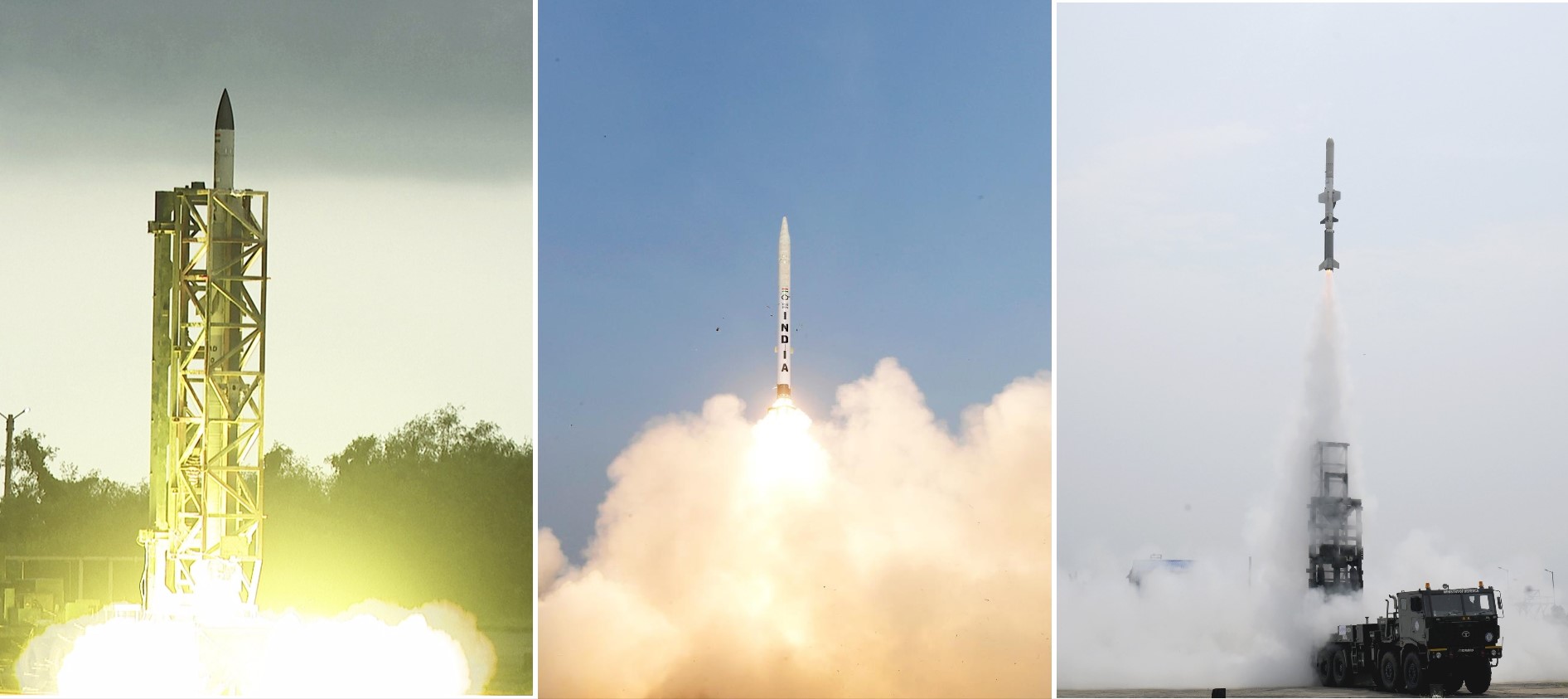 India Successfully Conducts AD-1, AD-2 Interceptor Tests and Maiden NASM-MR Flight Trial
-
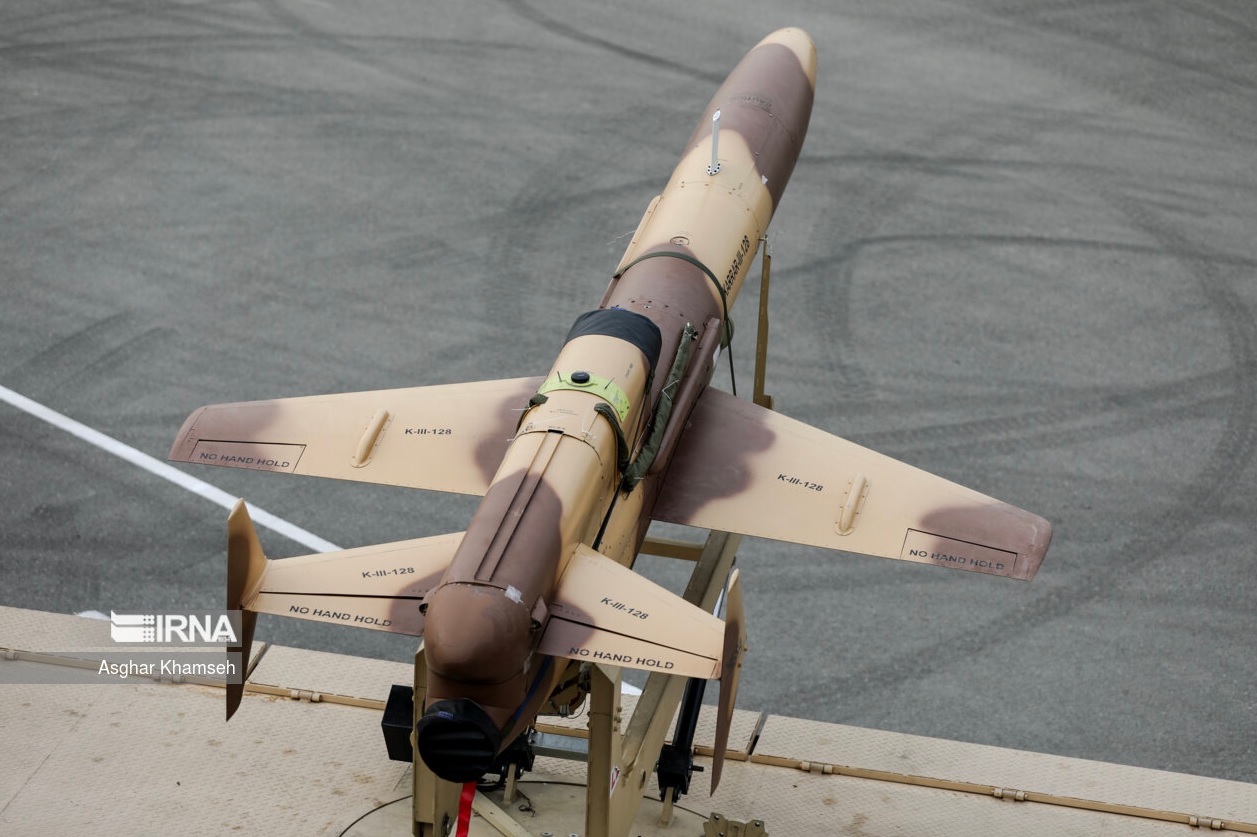 Russia Launches 1,400 Jet-Powered Drones in 2026 as Strike Tactics Evolve to Challenge Ukraine's Air Defenses
-
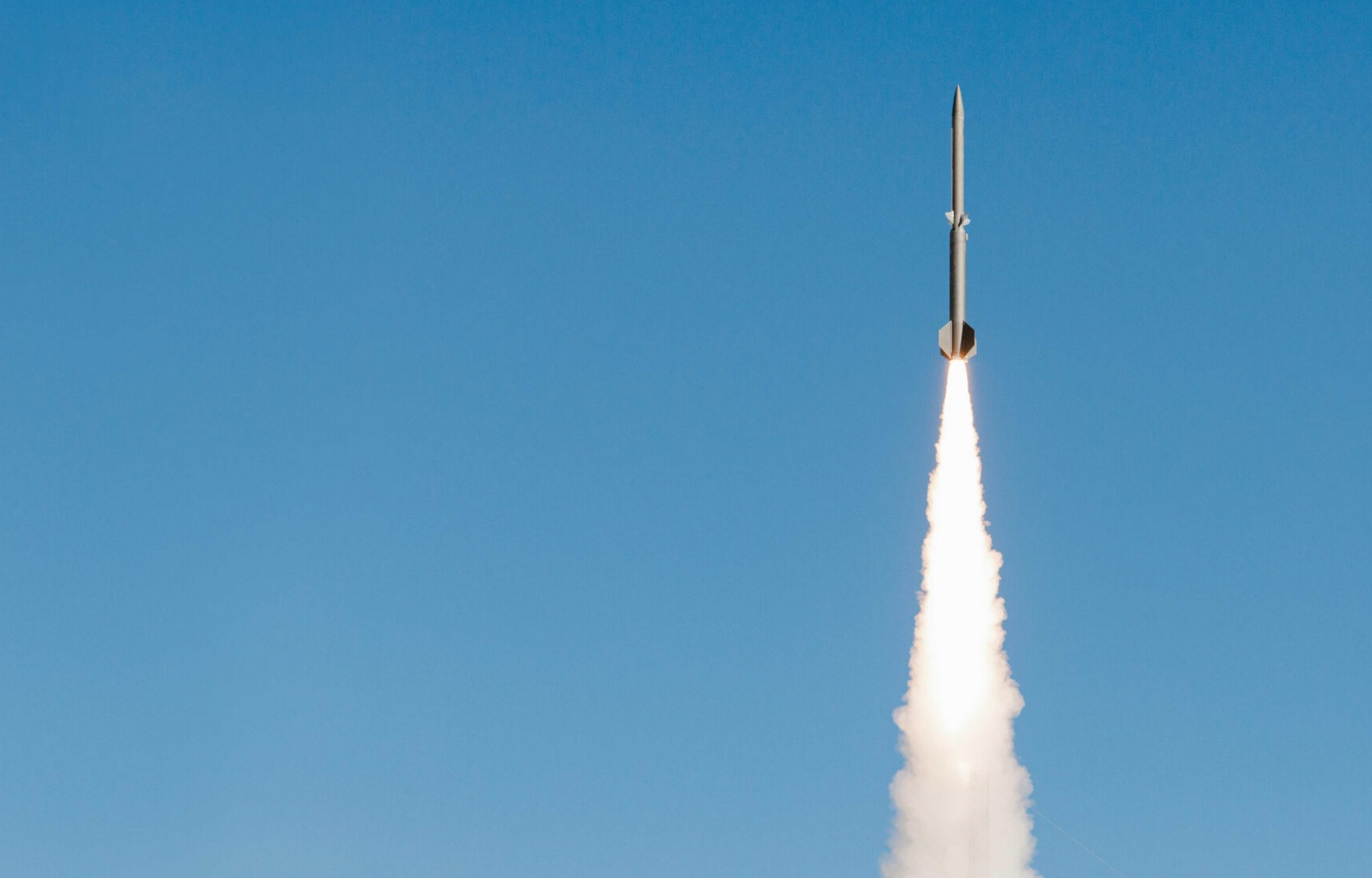 U.S Navy Orders 50 Blackbeard Hypersonic Missiles in New $23.4 Million Contract
-
 UAE Denies Reports of Releasing Up to $20 Billion in Funds to Iran Amid Regional De-Escalation Efforts
-
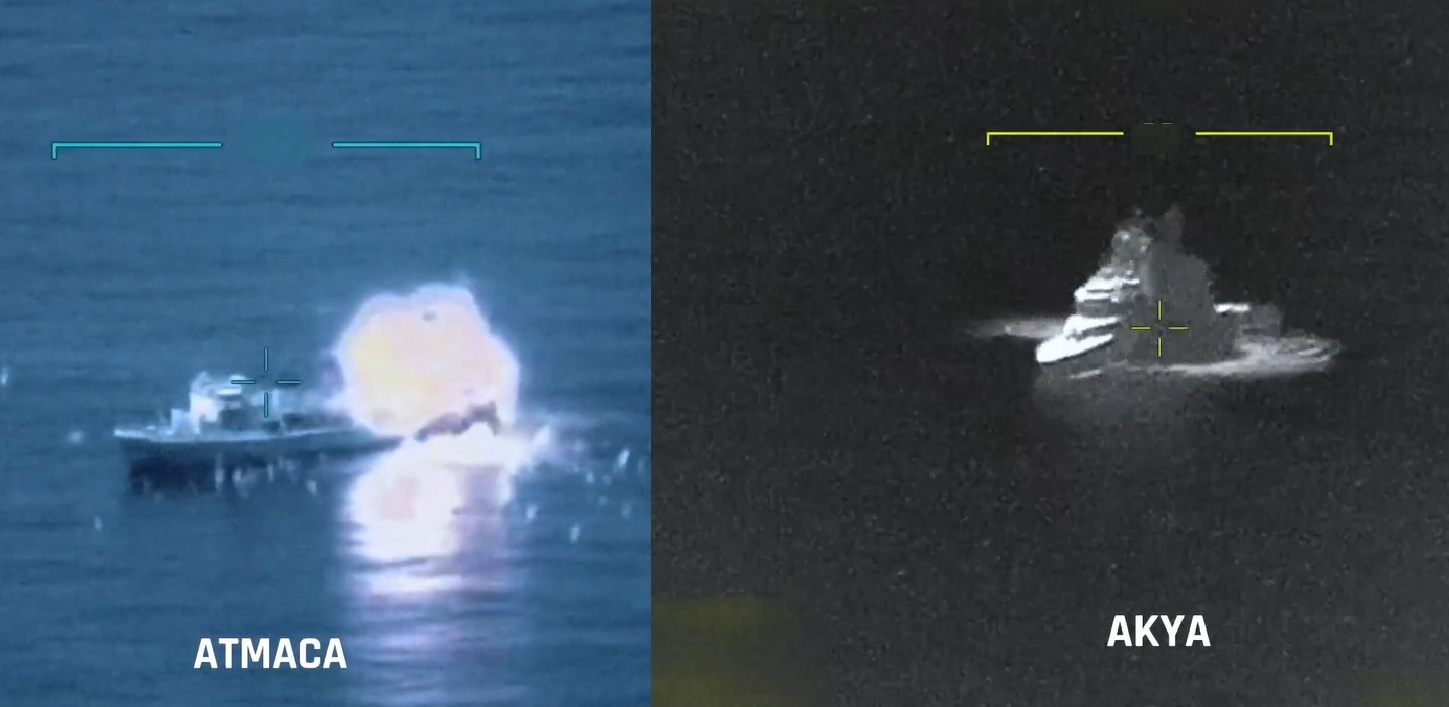 Turkey Navy Successfully Tests AKYA Torpedo and ATMACA Missile During Major Denizkurdu-II Naval Exercise
-
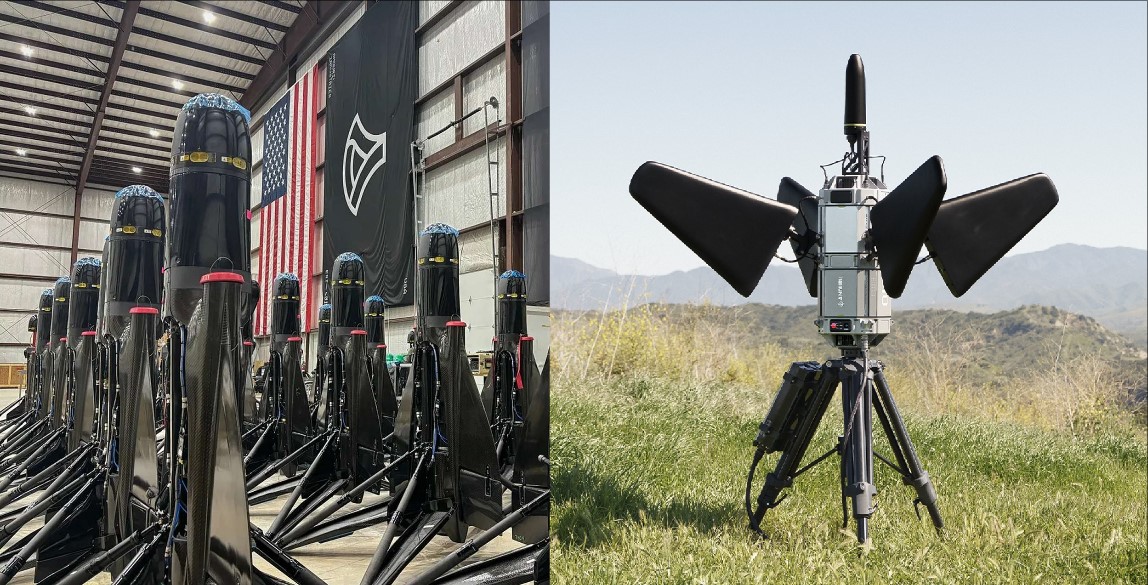 U.S. Approves $1.98 Billion Sale of Anduril AI-Powered Counter-Drone Systems to Kuwait
-
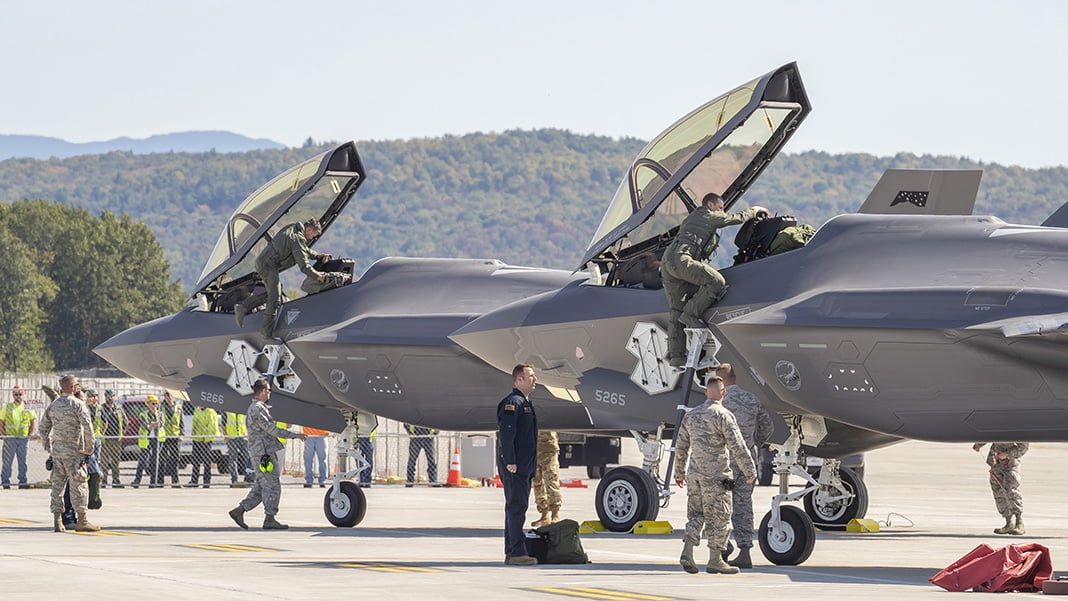 F-35 Fleet Readiness Falls to 25% Amid Parts Shortages and Software Delays: GAO Report
-
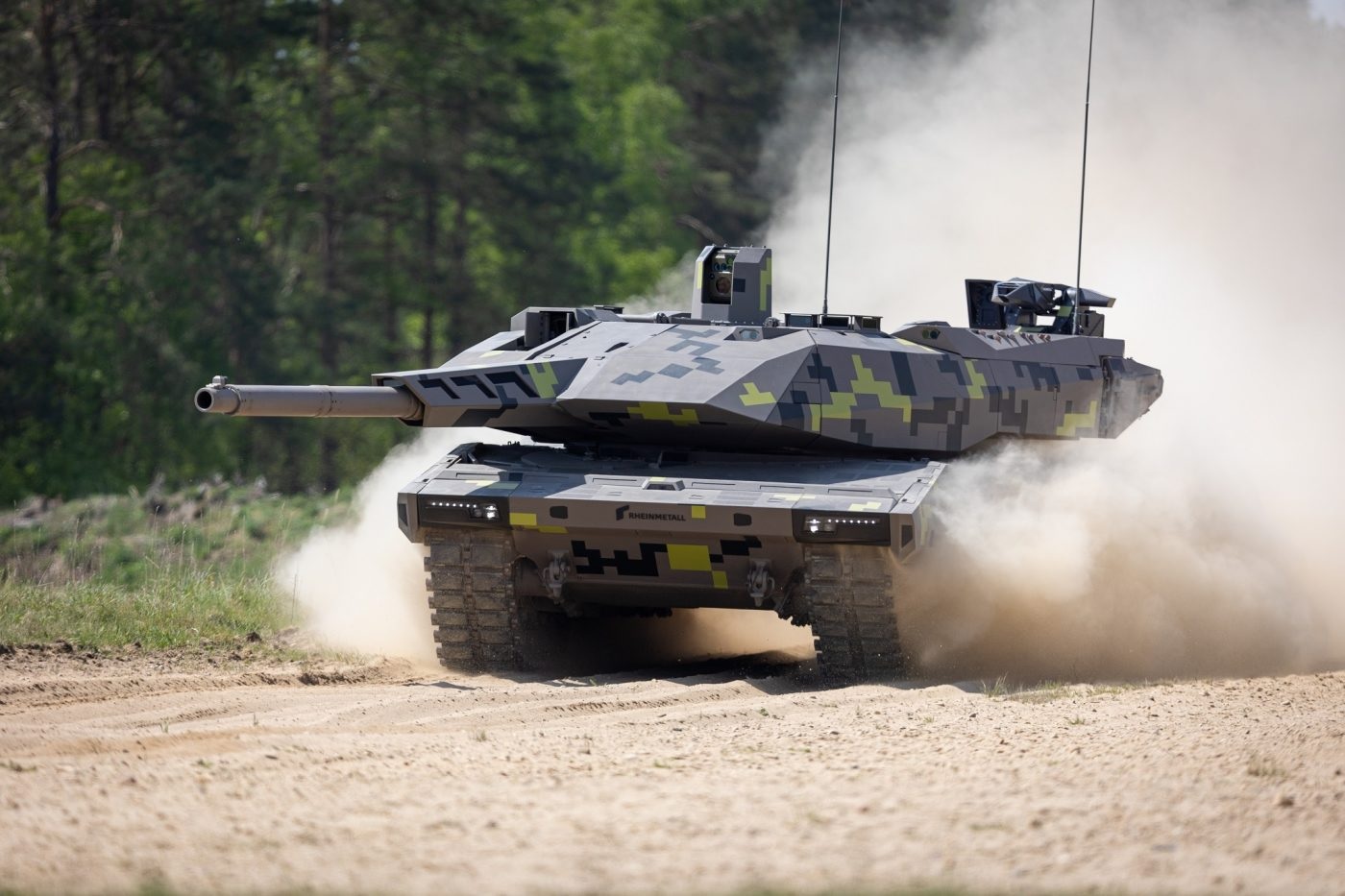 France Considers Reduced Role or Exit from Franco-German MGCS Tank Project
Top Trending in 4 Days
-
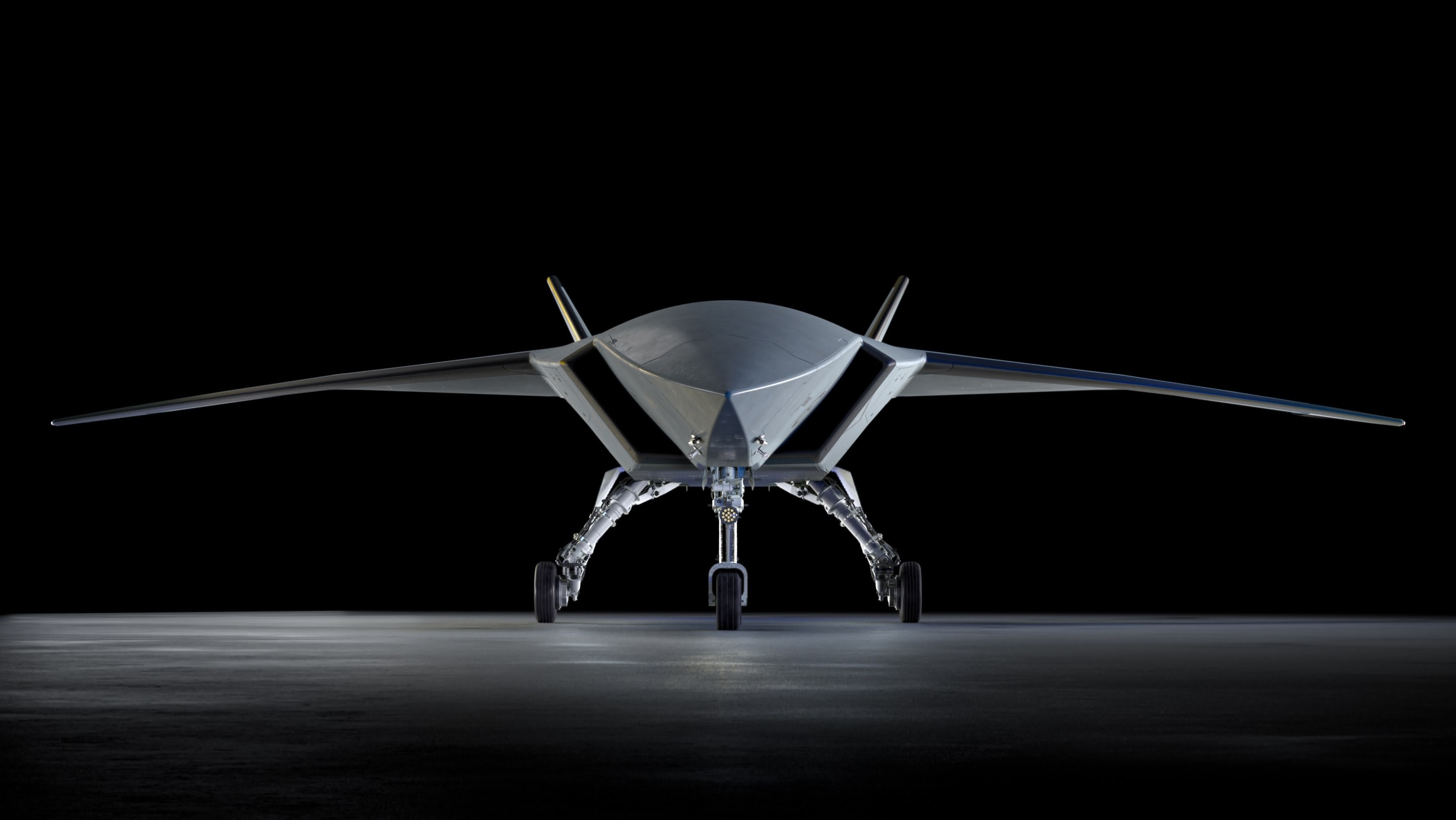 Boeing Introduces New MQ-28 Ghost Bat Upgrades with Increased Range, Payload and Weapons Capacity at ILA Berlin 2026
-
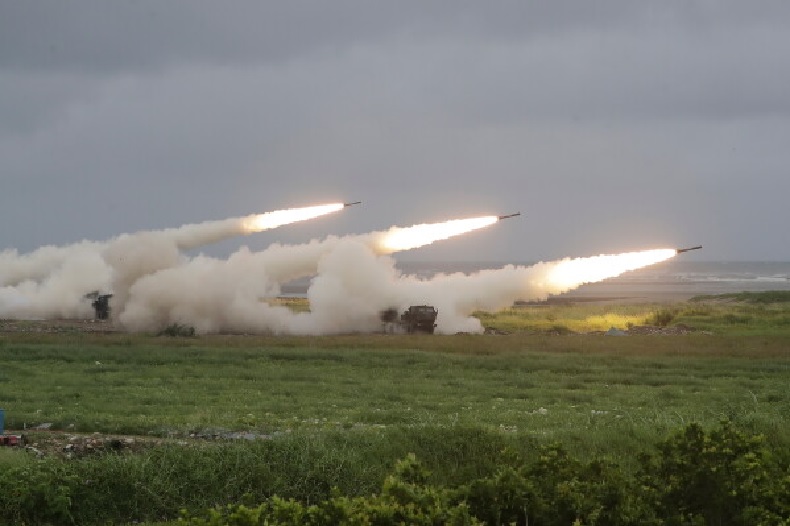 Taiwan Conducts First Live-Fire of HIMARS Rockets From West Coast During Invasion Defense Drill
-
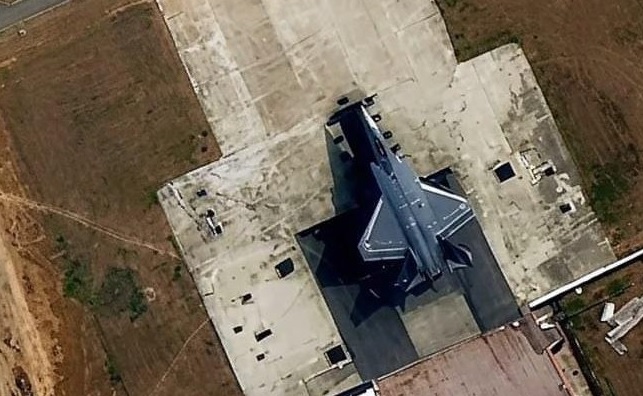 AMCA Airframe Spotted at DRDO’s ORANGE Facility for Radar Cross-Section Testing
-
 Iranian Media Leaks 14-Point U.S.-Iran Peace Framework Amid Ongoing Negotiations
-
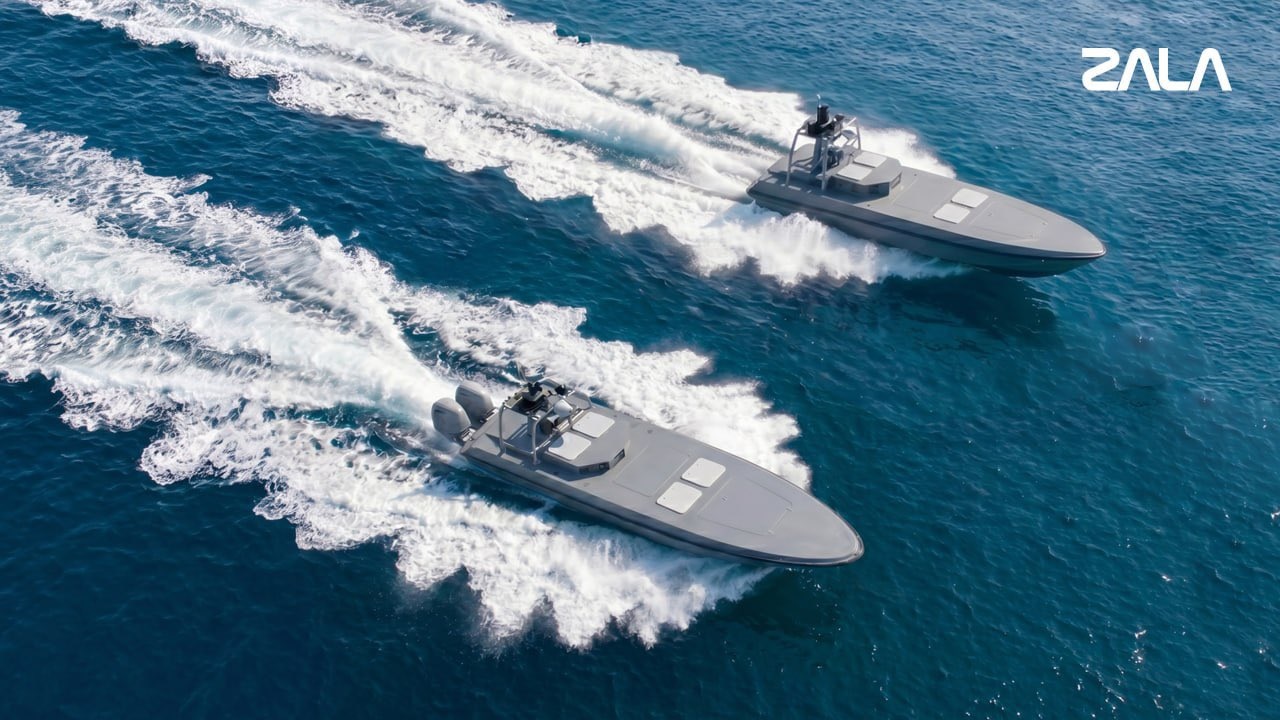 Russian Defense Firm ZALA Unveils KAMA Unmanned Surface Vessel Family at FLOT-2026 Naval Exhibition
-
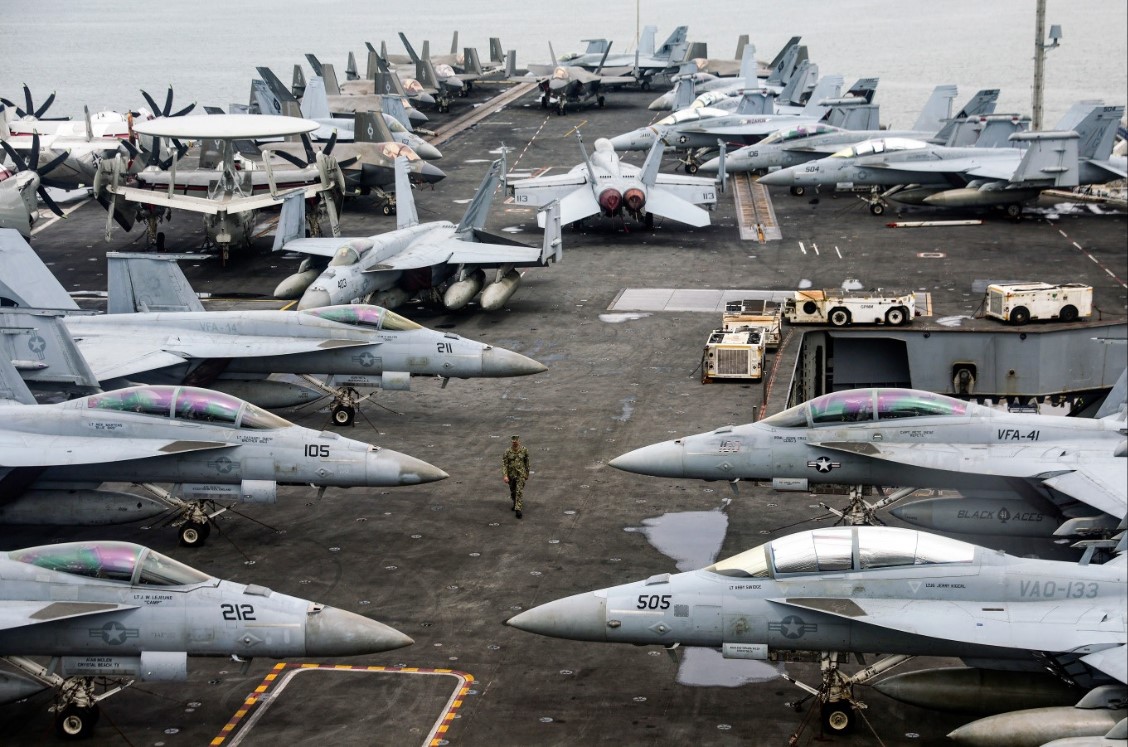 US Plans Significant Reduction of Fighter Jets and Warships for NATO Operations in Europe
-
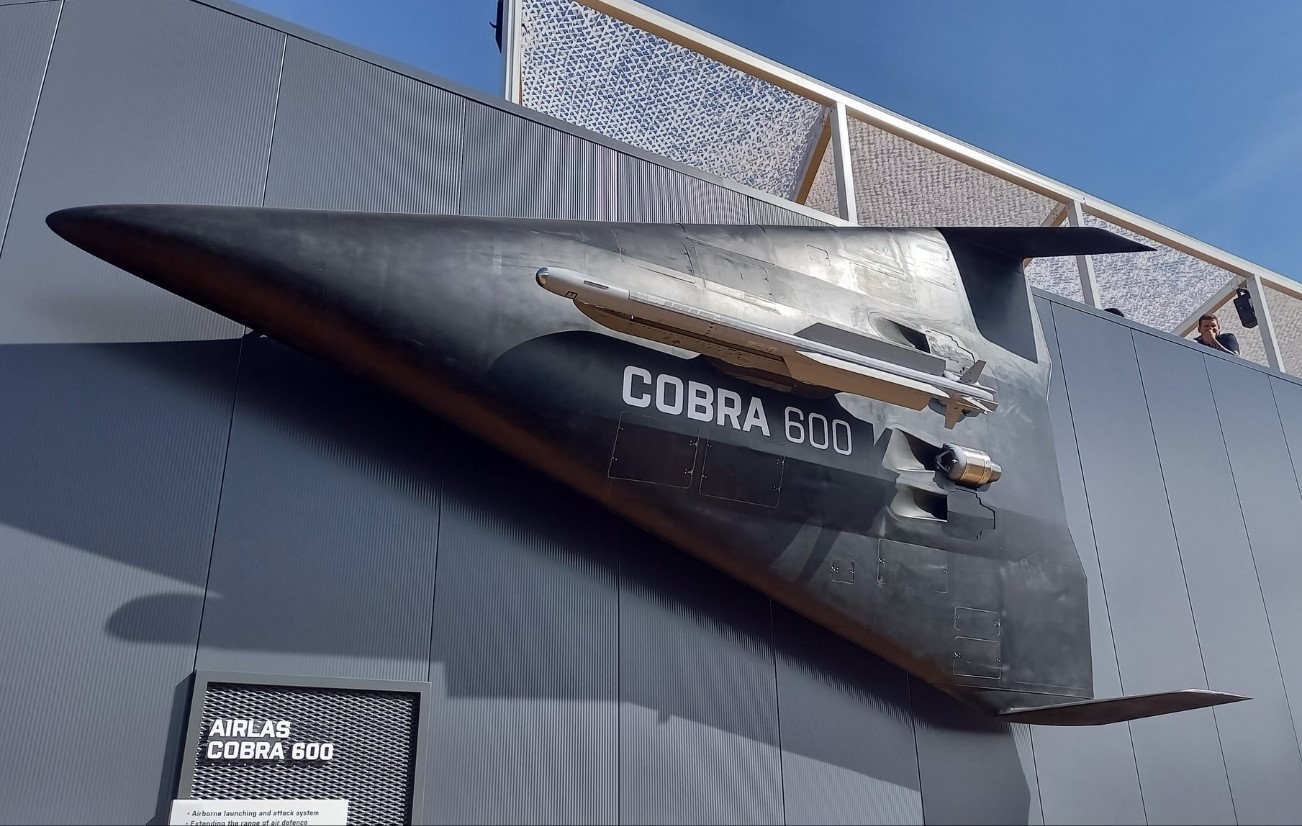 Diehl Defence Unveils IRIS-T Armed Cobra 600 Air Defense Drone at ILA Berlin 2026
-
 U.S Aircraft Carrier USS Theodore Roosevelt Departs San Diego for Major RIMPAC 2026 Naval Exercise