
World
In a bold move that has drawn international attention, a citizens’ tribunal known as the Court of the Citizens of the World has issued a symbolic arrest warrant for Chinese President Xi Jinping. This nonbinding verdict was announced on July 12, following four days of hearings in The Hague, Netherlands, where the court is based. The tribunal found Xi Jinping guilty of crimes of aggression against Taiwan, crimes against humanity in Tibet, and genocide against Uyghurs in Xinjiang.The Court of the Citizens of the World is a "people’s court" dedicated to upholding universal human rights. Its panel included notable figures such as Stephen Rapp, former U.S. ambassador-at-large for war crimes issues; Zak Yacoob, a retired judge from South Africa’s Constitutional Court; and Bhavani Fonseka, a constitutional lawyer and human rights activist from Sri Lanka. The hearings featured testimonies from expert witnesses and victims, who provided harrowing accounts of widespread human rights abuses.In Tibet and Xinjiang, witnesses described a grim reality of intrusive surveillance, repression, torture, and severe restrictions on free expression and movement. They detailed efforts by the Chinese government to obliterate the distinct cultural and religious identities of the Uyghur and Tibetan people. Survivors of mass detention camps in Xinjiang spoke of torture and the forced sterilization of Uyghur women.One of the survivors, Gulbahar Haitiwaji, now living in France, testified about her experiences in the internment camps. She recounted being chained to beds and tortured, and expressed her relief at finally having the opportunity to testify. "Back then, while in the camp, I often wondered if there was any justice in the world capable of punishing those responsible for our people's suffering," she told Radio Free Asia.Despite being an unofficial body with no legal authority, the tribunal's proceedings have highlighted the severe plight of the Uyghurs, Tibetans, and Taiwanese under Chinese rule. The court claimed it had "sufficient legal grounds" to issue an arrest warrant for Xi Jinping and called on the international community to support its decision. The verdict was reported by JURIST, a nonprofit news organization focusing on rule-of-law issues worldwide, which underscored the significance of the tribunal's findings.The Chinese government has yet to respond to the tribunal's verdict. However, it has been noted that Chinese authorities tried to dissuade Uyghur witnesses from testifying in The Hague. Abdurehim Gheni, a Uyghur activist based in the Netherlands, recounted how Chinese police contacted him through a banned communication app, urging him not to attend the hearing.Former Tibetan political prisoners also gave testimonies, including Dhondup Wangchen and Tenpa Dhargye, who described the torture they endured in Chinese jails. Tibetan filmmaker and human rights activist Jigme Gyatso, also known as Golog Jigme, highlighted the systematic torture and persecution of political prisoners in Tibet. He emphasized Xi Jinping's efforts to eradicate Tibetan language and culture.Abduweli Ayup, a Uyghur rights activist and researcher based in Norway, hailed the tribunal's verdict as a significant step in stopping the Uyghur genocide. He emphasized that the court's judgment implicated Xi Jinping directly and called for his arrest and punishment.This is not the first time a citizens’ tribunal has issued such a verdict. In December 2021, an independent Uyghur Tribunal in London also found China guilty of genocide against Uyghurs, attributing primary responsibility to Xi Jinping. While these panels lack state backing or the power to enforce sanctions, their conclusions add to the mounting evidence of Beijing’s human rights violations.The Court of the Citizens of the World has previously issued an indictment against Russian President Vladimir Putin for crimes of aggression in Ukraine. This case, along with the recent verdict against Xi Jinping, exemplifies the tribunal's commitment to addressing global human rights abuses, despite its limited legal authority.As the international community digests the tribunal's findings, the symbolic arrest warrant for Xi Jinping stands as a powerful statement against the ongoing human rights violations in China. Whether this will prompt any tangible action from world governments remains to be seen, but the tribunal has undeniably brought significant attention to the plight of the Uyghurs, Tibetans, and Taiwanese.
Read More → Posted on 2024-07-22 16:21:42
World
In a groundbreaking move, Indra, a leading Spanish defense and technology company, has partnered with the innovative Spanish startup Idbotic to enhance the security of Europe’s Future Combat Air System (FCAS). This collaboration aims to develop cutting-edge hardware encryption solutions that will safeguard the integrity and security of the FCAS’s sensors and systems.The FCAS represents Europe’s vision for next-generation aerial warfare, featuring a sixth-generation fighter aircraft that will operate in tandem with remotely piloted aerial platforms. At the heart of this system lies the concept of a “combat cloud,” a sophisticated network that ensures seamless real-time data exchange between air, ground, and sea platforms. Indra, serving as the coordinator of the program in Spain, is at the forefront of this ambitious project.One of the most exciting aspects of this collaboration is the creation of a “non-clonable” identity for the FCAS sensors and systems. This unique identity will enable secure, real-time data exchange, ensuring that the information shared within the combat cloud remains unbreachable. This security measure is crucial for maintaining the operational integrity and effectiveness of the FCAS in high-stakes combat scenarios.The agreement between Indra and Idbotic includes three parallel projects aimed at providing robust security at multiple levels:1. Non-Clonable Physical Function: This project focuses on enhancing hardware security, ensuring that the physical components of the FCAS are protected against cloning and unauthorized replication.2. Distributed Registration Technology: This initiative aims to facilitate the rapid and secure distribution of private keys, which are essential for encrypted communications within the combat cloud.3. Fully Homomorphic Encryption: This advanced encryption technique integrates encryption and decryption processes that are resistant to post-quantum attacks, ensuring long-term security in the face of evolving technological threats.Cesar Goyache, President of Idbotic, expressed his enthusiasm for the collaboration, stating, “Our joining the NGWS (Next Generation Weapons System)/FCAS program allows us to make strides in our development of a dual technology that will find an enormous range of applications. We are proud to be collaborating with a great Spanish technology company such as Indra, which has opened its doors and facilitated our entry into what is undoubtedly one of the most exciting technology programs underway in Europe today.”The FCAS program is a testament to Europe’s commitment to maintaining technological superiority in aerial combat. By integrating advanced encryption technologies, the FCAS will not only enhance its situational awareness but also ensure that all platforms within the combat cloud can coordinate their actions as a unified force. This level of integration and security is unprecedented, setting a new standard for future combat systems.Indra and Idbotic’s collaboration marks a significant step forward in the development of the FCAS, showcasing Europe’s capability to innovate and lead in the realm of defense technology. As the program progresses, it promises to deliver a combat system that is not only highly effective but also exceptionally secure, ready to meet the challenges of modern warfare.
Read More → Posted on 2024-07-22 16:03:09
World
In a significant diplomatic breakthrough, the Philippines and China have reached an agreement to prevent confrontations at the Second Thomas Shoal, a highly disputed area in the South China Sea. This deal, announced by two Philippine officials on Sunday, aims to reduce tensions that have escalated in recent months and mitigate the risk of a larger conflict potentially involving the United States.The agreement comes after a series of intense, closed-door negotiations between Philippine and Chinese diplomats in Manila. These discussions, complemented by an exchange of diplomatic notes, focused on creating a mutually acceptable framework to manage activities at the Second Thomas Shoal. This area, occupied by the Philippines but claimed by China, has been a flashpoint in the broader territorial disputes in the South China Sea.The significance of this agreement is underscored by recent incidents where Chinese coast guard vessels employed powerful water cannons and aggressive maneuvers to block supply ships from reaching the Filipino outpost at the shoal. These actions have not only strained bilateral relations but also raised alarms within the international community, particularly in the United States, which has mutual defense treaties with the Philippines.While the specifics of the agreement have not been publicly disclosed, the Philippine officials confirmed that the pact is designed to establish clear protocols and communication channels to avoid misunderstandings and unintended clashes at sea. The officials, speaking on the condition of anonymity, emphasized that the deal would soon be formally announced to the public.This development marks a critical step towards easing tensions in the region. The South China Sea is a strategic maritime area through which a significant portion of the world's trade passes. The contested waters are claimed by multiple countries, including China, the Philippines, Vietnam, Malaysia, Brunei, and Taiwan, leading to a complex web of territorial disputes.The Philippines has consistently sought to balance its relations with both China and the United States. While China is a major economic partner, the Philippines also relies on the security umbrella provided by its alliance with the U.S. The agreement with China reflects Manila's ongoing efforts to manage its maritime disputes through diplomatic channels, despite the challenges posed by China's assertive posture in the region.International observers have welcomed the news of the deal, viewing it as a positive step towards stability in the South China Sea. However, the situation remains delicate, and the implementation of the agreement will be closely monitored. Ensuring compliance and maintaining open lines of communication will be crucial to the success of this accord.As the Philippines and China prepare to announce the details of their agreement, the international community remains hopeful that this will pave the way for more constructive engagement and peaceful resolution of disputes in one of the world's most contested maritime regions.
Read More → Posted on 2024-07-21 15:11:34
World
In a fervent stance against Israeli actions in Gaza, Pakistan has labeled Israeli Prime Minister Benjamin Netanyahu a "terrorist" and announced intentions to ban products from companies backing Israel. The declaration came as part of an agreement with the religious political party Tehreek-e-Labbaik Pakistan (TLP) to end their sit-in near Islamabad, where thousands of Pakistanis rallied in solidarity with the Palestinian cause.Rana Sanaullah, adviser to Prime Minister Shehbaz Sharif on political and public affairs, emphatically condemned Netanyahu, stating, "Netanyahu is a terrorist and a perpetrator of war crimes." This strong rhetoric reflects the widespread anger and frustration in Pakistan over the ongoing conflict in Gaza. Sanaullah also revealed the formation of a committee tasked with identifying companies and products in Pakistan that may be indirectly or directly supporting Israel or the forces committing atrocities against Palestinians.The sit-in in Islamabad, which culminated on Friday, saw demonstrators demanding an immediate ceasefire in Gaza and the official designation of Netanyahu as a terrorist by the Pakistani government. The protestors' calls for action resonated deeply within the government, leading to the pledge of further aid to Palestinians and a broader boycott of Israeli-related products.Although Pakistan and Israel do not share direct trade ties, the boycott extends to Western brands perceived as supportive of Israel. "We will not only boycott Israel but all products related to it and companies that are directly or indirectly involved in this cruelty or are helping those forces," Sanaullah announced. This move aims to economically pressure companies associated with Israeli actions.The Pakistani government's response includes the commitment to send over 1,000 tons of relief supplies to Palestinians by the end of the month, as part of their support for the besieged population in Gaza. This humanitarian gesture has been praised by Hamas, which sees it as a significant step in the international effort to aid Palestinians.The protest, held at a critical interchange connecting Islamabad to Rawalpindi, significantly disrupted commuter traffic, highlighting the urgency and intensity of the demonstrators' demands. The agreement to end the sit-in included not only the condemnation of Netanyahu but also practical steps to support Palestinian education. Earlier this month, Pakistan announced scholarships for Palestinian medical students from Gaza to continue their education in Pakistan, further solidifying their commitment to the Palestinian cause.As tensions continue to rise in Gaza, Pakistan's stance and actions mark a notable instance of international political and economic protest against Israeli policies, reflecting the broader regional and global sentiments towards the conflict.
Read More → Posted on 2024-07-21 14:49:05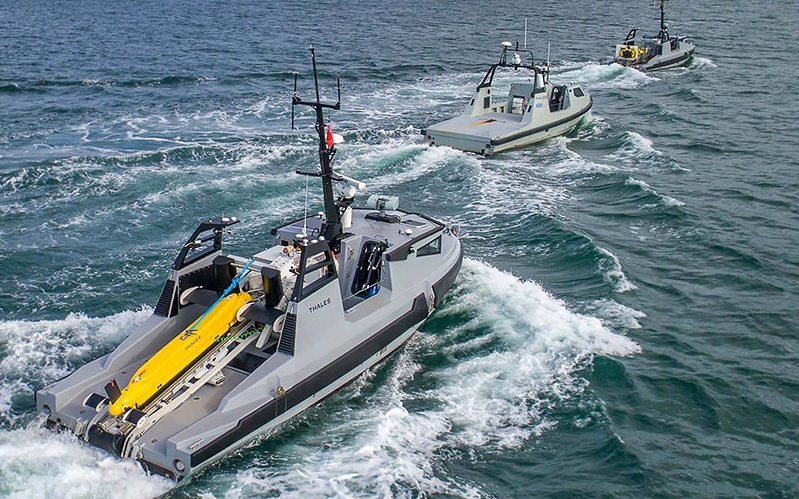
World
The French Navy is on the cusp of a technological revolution in mine warfare with the introduction of the Système de Lutte Anti-Mines Futur (SLAMF). This cutting-edge unmanned mine warfare system is set to replace the aging fleet of Tripartite-class mine hunters, sonar towing vessels, and diver support vessels, ushering in a new era of naval defense capabilities.A Strategic EvolutionThe SLAMF program isn't just about modernization; it's a strategic initiative aimed at securing the deployment of the French Navy’s most critical units, including nuclear-powered ballistic missile submarines and the aircraft carrier. Additionally, it will protect access to French ports, support the deployment of naval action forces, and ensure safe evacuations by sea during crises. This versatile system can also operate effectively in contested environments, highlighting its importance in contemporary naval strategy.Franco-British CollaborationThe inception of SLAMF is a testament to international cooperation. This first phase of the program, also known as MMCM (Maritime Mine Counter Measures) in the UK, stems from the Lancaster House military agreement signed in 2010. In March 2015, a contract was finalized between Thales, OCCAR (Organisation for Joint Armament Cooperation), and the two nations for the design, development, and production of prototypes—one for each country. This collaboration underscores the commitment of both nations to enhancing their mine warfare capabilities.Cutting-Edge TechnologyEach SLAMF system comprises two unmanned surface vehicles (USVs) and two unmanned aerial vehicles (UAVs). One USV is equipped with a towed sonar, while the other carries a remotely operated vehicle (ROV). These components work in tandem to detect, classify, and locate mines. The ROV, specifically the Multi-Shot Mine Neutralization System (MUMMS) by Saab, identifies and neutralizes mines. Thales, in collaboration with its subcontractor Exail, produces the unmanned underwater vehicles (UUVs) equipped with advanced sonars.The E-POC AdvantageIn addition to SLAMF, Thales has developed the e-POC (Expeditionary MCM Solution) demonstrator, a highly transportable system designed for rapid deployment. This system will enable the French Navy to deploy underwater drones for mine countermeasures missions in diverse operational theaters. With its compact form—comparable to a large laptop with three screens—e-POC provides flexible mission management capabilities from outside the operational zone, ensuring the safety of naval personnel. The French Navy plans to utilize e-POC from rigid-hulled inflatable boats (RHIBs), enhancing its operational flexibility.Future OutlookBy 2030, the French Navy is set to receive eight SLAMF modules and six MCM motherships, known as “bâtiments de guerre des mines” (BGDM), along with five EOD divers support vessels, referred to as “bâtiments base plongeurs démineurs nouvelle generation” (BBPD NG). This fleet expansion will significantly bolster the Navy’s mine warfare capabilities, ensuring it remains at the forefront of naval defense technology.The SLAMF program represents a significant leap forward in naval mine warfare technology. Through international collaboration, advanced unmanned systems, and flexible deployment solutions like e-POC, the French Navy is enhancing its strategic capabilities and ensuring the safety and security of its maritime operations. As these systems come online, they will play a crucial role in protecting national interests and maintaining maritime superiority.The introduction of SLAMF and its associated technologies marks a new chapter in naval defense, promising enhanced efficiency, safety, and operational effectiveness in mine warfare.
Read More → Posted on 2024-07-21 14:43:12
World
The U.S. Navy recently marked a significant milestone with the successful ground-based test of a groundbreaking mechanism designed to reload the Vertical Launching System (VLS) cells while ships are underway at sea. This test, conducted at the Naval Surface Warfare Center Port Hueneme Division, showcases a pivotal advancement in naval warfare technology aimed at enhancing the fleet's operational flexibility and resilience.Back in 2023, during the American Society of Naval Engineers Combat Systems Symposium, Secretary of the Navy Carlos Del Toro underscored the critical importance of reloading VLS cells at sea, labeling it a top priority. He introduced the Transferrable Rearming Mechanism (TRAM), a concept developed over two decades, as the most viable solution to this challenge. Traditional reloading methods required ships to return to port and utilize cranes—a process fraught with dangers and impracticalities due to the relative motion of the vessels.TRAM is set to revolutionize this aspect of naval operations. Rich Hadley, Director of the NSWC Port Hueneme Underway Replenishment Division, highlighted in a press release the significance of overcoming key relative motion challenges with TRAM. This new capability promises to enable reloading operations even in significant sea states, thereby greatly enhancing the fleet's logistical flexibility and the volume and tempo of long-range fires.Historically, the Navy relied on pier-side reloading for its VLS cells, necessitating extended port visits. The increasing geopolitical tensions in regions like the Indo-Pacific and lessons learned from operational experiences in the Red Sea have amplified the need for an at-sea reloading capability. This urgency spurred rapid development, culminating in the establishment of the NSWC Port Hueneme testing facility in December 2023.Steve Brock, Senior Advisor to the Secretary of the Navy, lauded the successful demonstration of TRAM, stating, "This revolution in surface warfare will make our existing fleet even more formidable, both in sustained forward presence and lethality—and will create a powerful new near-term deterrent that will disrupt the strategic calculus of our adversaries."During the test, sailors from the Naval Expeditionary Logistics Support Group and USS Chosin (CG 65) played a crucial role in guiding a missile canister using the TRAM system, demonstrating the ability to reload a VLS cell. The system's specifics remain under wraps, but available information and images suggest that TRAM involves transferring missiles from a supply vessel to the warship, with missile canisters securely fastened to the crane throughout the process.Guided by the Naval Sea Systems Command, sailors from USS Chosin and the Expeditionary Reload Company participated in this critical test, which incorporated real-time analytics and in situ monitoring through advanced instrumentation. While the at-sea test is scheduled for the fall, the data gleaned from this ground-based trial will be invaluable in refining the system for its ultimate deployment.The TRAM system promises to usher in a new era for the U.S. Navy, enabling ships to reload missiles much like they refuel—via connected underway replenishment, maintaining speed and maneuverability in open ocean conditions. This advancement not only boosts the fleet's operational readiness but also enhances its strategic deterrent capabilities, marking a significant leap forward in naval warfare technology.
Read More → Posted on 2024-07-20 16:26:37
World
In early May, a routine check at the Kattupalli port in Tamil Nadu turned up a troubling find. Customs authorities, acting on intelligence inputs, intercepted a shipment of Ortho-Chloro Benzylidene Malononitrile (CS gas) from Chengdu Shichen Trading Company Ltd in China to Rohail Enterprises in Pakistan. The cargo, carried by the Hyundai Shanghai, was en route from Shanghai to Karachi. While CS gas is commonly used for riot control, its potential as a chemical weapon makes it a tightly regulated substance under international agreements like the Chemical Weapons Convention.This incident has raised alarms about China's role in global proliferation networks. Historically, China has a track record of producing dual-use technologies—items that can serve both civilian and military purposes. Despite international regulations, Beijing has often been accused of sidestepping export controls. The seizure of CS gas is especially concerning given its potential use by Pakistani law enforcement against Baloch rebels, who have been a persistent thorn in the side of both Pakistan and China's joint economic ventures in the region.The China-Pakistan Economic Corridor (CPEC), a flagship project under China's Belt and Road Initiative, has faced significant opposition in Balochistan. Local nationalist groups, resisting what they see as exploitation of their resources, have carried out numerous attacks against CPEC infrastructure. The possibility that China is supplying Pakistan with CS gas to suppress these rebels suggests a deeper, more troubling level of involvement in Balochistan's internal conflict.This situation is part of a larger pattern of China's behavior in global trade, especially concerning dual-use goods. For years, China has been adept at bypassing international sanctions, supplying banned items to countries like Pakistan, North Korea, and Iran. This was highlighted in Germany's 2023 report from the Federal Office for the Protection of the Constitution, which noted that China plays a pivotal role in circumventing sanctions for these countries. Similarly, Austria's Directorate of State Security and Intelligence underscored China's central position in sourcing dual-use goods for Pakistan.One high-profile case involved Ilya Kahn, a tri-national resident of the United States, who was arrested for exporting semiconductors to sanctioned Russian military-linked businesses through a network of companies in China. This underscores the extent to which China is embedded in global proliferation networks, acting both as a supplier and a conduit for banned technologies.In April 2023, the U.S. imposed sanctions on three Chinese and Belarusian companies for allegedly supplying missile technology to Pakistan. China remains Pakistan's primary supplier of weapons and defense equipment, a relationship that has only deepened as both countries navigate international scrutiny and sanctions.The global community is increasingly wary of China's activities. European and U.S. agencies are closely monitoring the trade in dual-use technologies, recognizing the potential for these goods to be diverted for military use. Reports from various intelligence agencies highlight a disturbing trend: China is not only supplying these goods but also creating complex networks to obscure the true end-users, making enforcement of international regulations exceedingly difficult.The recent seizure at Kattupalli port is a stark reminder of the lengths to which China and Pakistan will go to pursue their strategic objectives. The covert supply of CS gas to Pakistan, intended for use against Baloch rebels, not only violates international norms but also exemplifies the dangerous intersection of economic ambitions and military strategies. As the global community continues to grapple with these challenges, the need for stringent enforcement of international regulations and greater transparency in global trade has never been more critical.
Read More → Posted on 2024-07-20 16:19:20
World
In the heart of Paris, a significant gathering took place under the auspices of OCCAR (Organisation Conjointe de Coopération en matière d'Armement), as Subject Matter Experts (SMEs) from the HYDIS (European Hypersonic Defence Interceptor System) contributing nations and consortium representatives convened for the second User Requirements Workshop. This event was pivotal in advancing the discussions on the operational scenarios that the future European Hypersonic Missile Interceptor might encounter during its deployment.This workshop, the second in a series of four dedicated technical meetings, aimed to achieve a major milestone for the HYDIS programme: the "Solution Space Review" (SSR). These meetings are critical for aligning national perspectives on key evaluation criteria, which will guide the selection of the most promising interception concept developed during the HYDIS Concept Phase.The HYDIS programme, launched under the TWISTER (Timely Warning and Interception with Space-based Theatre Surveillance) PESCO initiative, represents an unprecedented collaborative effort. The programme is supported by 19 partners and more than 30 subcontractors from 14 European countries, including France, Germany, Italy, and the Netherlands, which collectively contribute around EUR 60 million. The EU Defence Fund (EDF) further supports the initiative with an additional EUR 80 million in co-financing.The recent workshop focused on enhancing cooperation between industry and participating nations to refine the enabling capabilities of the interception architecture. This includes advanced space-based early warning and tracking capabilities, ground sensors, platform integration, and considerations of sustainability and affordability. Such cooperation is crucial for developing a robust and effective defence system against hypersonic threats.During the 3-year Concept Phase, the HYDIS programme aims to achieve three primary objectives: 1. Selecting the most suitable counter-hypersonic interceptor concept, potentially with various variants, along with the associated weapon systems architecture.2. Maturing the necessary technologies for implementing the chosen counter-hypersonic concept in subsequent assessment and development phases.3. Establishing an industrial network to develop future counter-hypersonic missile systems.The HYDIS programme is not only a technological venture but also a strategic one. It enhances European resilience and technological sovereignty in missile defence, fostering greater cooperation and interoperability between EU countries and the defence industry. This collaboration is crucial for maintaining a competitive edge in the rapidly evolving field of hypersonic threats, ensuring that Europe remains secure and well-prepared for future challenges.The second HYDIS User Requirements Workshop in Paris marked another step forward in this ambitious programme, reinforcing the commitment of European nations to work together in developing cutting-edge defence solutions. As the programme progresses, the insights and agreements reached in these workshops will be instrumental in shaping the future of European hypersonic missile defence.
Read More → Posted on 2024-07-20 15:54:26
World
In a striking incident that shook the political landscape, former US President Donald Trump faced an assassination attempt during a campaign rally in Butler, Pennsylvania, on July 13. The event unfolded dramatically as gunshots rang out, and Secret Service agents swiftly surrounded Trump, escorting him off the stage with visible blood on his face. The attack resulted in the death of one rally attendee and critical injuries to two others, while the gunman, identified as Thomas Matthew Crooks, was killed by Secret Service agents.Reacting to the attack, the Ministry of External Affairs (MEA) of India expressed its solidarity with the United States. MEA spokesperson Randhir Jaiswal highlighted Prime Minister Narendra Modi's swift response, emphasizing his deep concern and condemnation of the incident. "We have seen reports of the attack on former US President Donald Trump. Within hours of the news, our PM expressed deep concerns on the attack and strongly condemned the incident," Jaiswal stated during the weekly press briefing. "He had also pointed out that violence has no place in politics and democracies. He wished the former President a speedy recovery and expressed solidarity with the family of the deceased, those injured, and the American people. The US is a fellow democracy, and we wish them well."The assassination attempt not only sent shockwaves across the United States but also drew global attention. The Federal Bureau of Investigation (FBI) launched an investigation into the shooting, aiming to uncover the motives behind the attack and any potential connections to larger threats.In the aftermath of the attempt on his life, Trump addressed the Republican National Convention, where he formally accepted the party's call to run for the White House in 2024. Speaking with evident emotion, he recounted the harrowing experience, stating, "The assassin’s bullet came within a quarter of an inch of taking my life. I felt something very strong, I knew it was a bullet and that we were under attack. I felt safe because I had God by my side." Trump expressed his gratitude to the American people for their support and vowed to continue his mission undeterred. "We will not bend, we will not break, and we will never retreat. I pledge my soul to this nation," he declared, his words resonating with determination and resilience.The incident has underscored the volatile nature of contemporary politics and the pressing need for ensuring the safety of public figures. As investigations continue, the solidarity expressed by international allies like India highlights the global community's commitment to upholding democratic values and condemning violence in all its forms.
Read More → Posted on 2024-07-20 15:43:54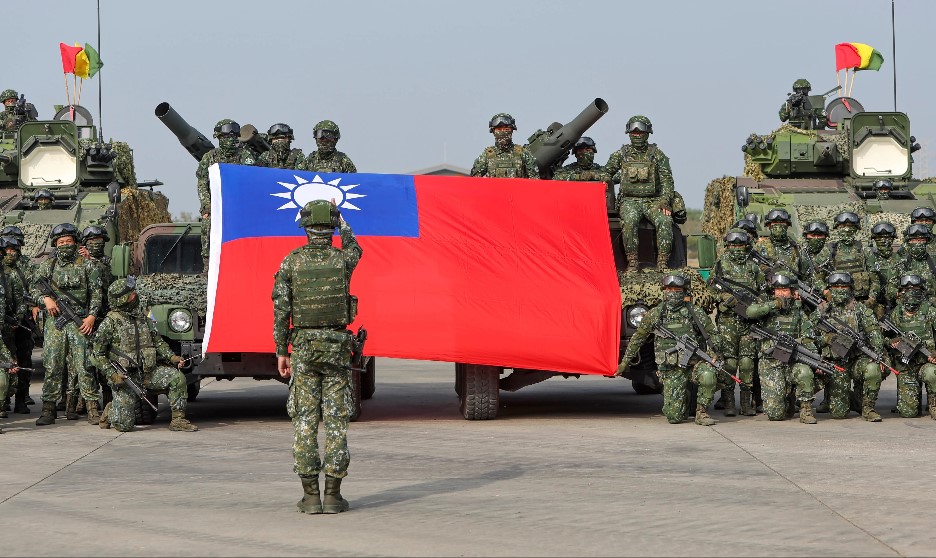
Taiwan Vows to Boost Military Spending in Response to China Threat, Rebukes Trump's 'Payment' Demand
World
Taiwan is set on fortifying its defenses and increasing its military spending amidst the looming threat from China. This determination was underscored by Foreign Minister Lin Chia-lung's recent remarks, following critical comments from former U.S. President Donald Trump. Trump, in an interview, had suggested that Taiwan should financially compensate the U.S. for its defense support, claiming the island nation had benefited from American semiconductor business.Foreign Minister Lin responded to Trump’s comments by emphasizing Taiwan’s need for self-reliance in defense. "We pay great attention to these remarks," Lin stated during a press conference in Taipei, highlighting the bipartisan support Taiwan enjoys in the United States. He noted that while Taiwan appreciates its relationship with the U.S., the primary responsibility for its defense lies with itself, especially given the persistent threat posed by China.Taiwan's military spending has seen a significant rise over the past eight years, now accounting for 2.5% of its GDP. Lin projected that this trend will continue as Taiwan faces increasing pressure from China, whose defense budget also continues to grow. Efforts to modernize Taiwan's military are in full swing, with initiatives such as extending conscription from four months to a year and developing indigenous defense technologies, including advanced submarines.Despite the absence of a formal defense pact with the United States, unlike Japan and South Korea, Taiwan remains a crucial strategic partner for Washington. The U.S. is legally bound to supply Taiwan with the means for its defense, although formal diplomatic ties were severed in 1979 in favor of recognizing Beijing. This unique relationship was further complicated in 2022 when President Joe Biden stated that U.S. forces would defend Taiwan in the event of a Chinese invasion, deviating from the long-held policy of "strategic ambiguity."Taiwan's strategy, often described as the "porcupine" approach, focuses on developing a defense posture that makes it difficult for China to successfully invade. This involves acquiring and deploying mobile, cost-effective, and resilient asymmetric weapons capable of withstanding an initial assault by China’s significantly larger military. This strategy has been promoted by successive U.S. administrations and embraced by Taiwan’s Democratic Progressive Party since it took office in 2016.China, which has never renounced the use of force to annex Taiwan, continues to reject offers of dialogue from Taiwan's President Lai Ching-te, labeling him a "separatist." Lin emphasized the importance of not being constrained by China’s centennial goals, which include building a world-class military by 2049, the 100th anniversary of the People’s Republic of China."We must be prepared to face a possible Chinese invasion, but we must be united," Lin stated. "We hope that every day when Xi Jinping wakes up, despite his future plans, he decides 'not today'" regarding any potential attack on Taiwan.Taiwan's steadfast resolve to enhance its military capabilities and readiness underscores its commitment to safeguarding its sovereignty and security amidst an increasingly complex geopolitical landscape.
Read More → Posted on 2024-07-20 15:27:39
World
The Pakistani Army is reportedly planning to set up internment centers in Balochistan, mirroring the infamous Guantanamo Bay prison complex and similar "black sites" previously established in Khyber Pakhtunkhwa (KP). According to a report by the Balochistan Post, these centers will likely be controlled by non-civilian personnel and could deny detainees access to their families and legal aid, raising significant human rights concerns.Critics argue that these centers could formalize the practice of enforced disappearances in Balochistan. Former senator Farhatullah Babar expressed his concerns on social media, likening the proposed centers to Guantanamo Bay prisons. He warned that the establishment of such centers would legitimize arbitrary detentions and enforced disappearances, a practice already rampant in the region.In Khyber Pakhtunkhwa, similar internment centers were set up under the Actions (in Aid of Civil Power) Regulation. Enacted in 2011 but applied retrospectively from 2008, these regulations granted security forces extensive powers to arrest and detain individuals indefinitely. The Peshawar High Court ruled in 2019 that these centers were unconstitutional, stating that indefinite detention without trial violated fundamental human rights and due process. Despite this ruling, reports indicate that such facilities continue to operate in KP and might now expand into Balochistan.The Balochistan Post report also highlights that internment or "torture" centers have proliferated within military cantonments in Balochistan in recent years. Rights groups, including the Voice for Baloch Missing Persons (VBMP), claim that over 45,000 Baloch men, women, and children have disappeared, allegedly detained in these centers. The United Nations Working Group on Enforced or Involuntary Disappearances (WGEID) has also raised concerns about the high number of enforced disappearances in Balochistan.Despite mounting evidence and international concern, Pakistani authorities either remain silent or outright deny these allegations. The formal establishment of internment centers in Balochistan is perceived as an attempt to legalize enforced disappearances under the pretext of national security and counter-terrorism. This move has alarmed human rights advocates, who fear that these centers could institutionalize severe human rights violations and further destabilize the region.Guantanamo Bay, established by the United States in 2002, is notorious for its systematic use of torture and inhumane treatment of detainees. The potential replication of such practices in Balochistan has intensified calls for transparency and accountability from the Pakistani government and military.The situation remains tense, with human rights organizations and activists continuing to push for international intervention to prevent the establishment of these internment centers and to address the ongoing issue of enforced disappearances in Balochistan.
Read More → Posted on 2024-07-19 16:01:12
World
Spain has taken a significant step in bolstering its national defense by signing a procurement agreement with the United States for the latest version of the Patriot missile system. This $2.8 billion deal, approved by the US State Department in October last year, includes 51 Patriot Advanced Capability-3 (PAC-3) Missile Segment Enhancement (MSE) missiles, 24 M903 launch stations, and four AN/MPQ-65 radars. By joining the ranks of 15 other partner nations, Spain is now equipped with one of the world’s most advanced air defense systems.The PAC-3 MSE missiles represent a significant upgrade over previous versions, featuring a larger two-pulse solid rocket motor and tail fins, making them faster and more maneuverable. Unlike conventional blast fragmentation warheads, these missiles use hit-to-kill technology, delivering greater kinetic energy to their targets. This allows the PAC-3 MSE to intercept threats up to 75 miles away at altitudes of up to 118,000 feet. These capabilities are crucial for defending against evolving aerial threats such as tactical ballistic missiles, cruise missiles, and hypersonics.Lockheed Martin, the manufacturer of the Patriot missile system, is enthusiastic about the partnership. Brian Kubik, Vice President of PAC-3 Programs, emphasized the importance of staying ahead of new, highly contested threats. "At Lockheed Martin, we’re devoted to helping our customers stay ahead of new, highly contested threats," he said. "As the world’s most advanced air defense missile, PAC-3 will enhance Spain’s national defense capabilities and effectiveness in the 21st Century Security battlespace."In addition to the missile system itself, Lockheed Martin has also entered into an agreement with Spain’s Grupo Oesia to produce components for the PAC-3 MSE missiles. Announced in April, this collaboration will see the Madrid-based firm manufacture the electronic cables and harnesses for the global supply chain. Brenda Davidson of Lockheed Martin highlighted the strategic importance of this partnership, saying, "Our collaboration with Grupo Oesía will bring critical industrial competencies to Spain, boosting its Integrated Air and Missile Defense capabilities against growing threats. We look forward to collaborating with the Spanish industrial base and strengthening our existing relationships."This acquisition marks a significant milestone for Spain, enhancing its defense posture and ensuring it remains prepared for the complex security challenges of the modern era. By integrating the latest Patriot missile technology, Spain is not only improving its national defense capabilities but also contributing to the broader security architecture of its allies.
Read More → Posted on 2024-07-19 15:36:33
World
In a historic address to the U.K. Cabinet, Ukrainian President Volodymyr Zelenskyy called on Britain to aid Ukraine in launching deeper strikes inside Russia. This urgent plea comes as Russia intensifies its missile and drone assaults on Ukrainian cities, targeting vital infrastructure and causing widespread devastation.A Rare AppealZelenskyy’s address marked a significant moment, as he became the first foreign leader since U.S. President Bill Clinton in 1997 to speak directly to the U.K. Cabinet. Entering to a standing ovation from Prime Minister Keir Starmer’s government, Zelenskyy wasted no time highlighting the critical need for "long-range capability" to neutralize Russian weapon sites."I ask you to show your leadership," Zelenskyy urged, stressing the necessity of lifting restrictions on Ukraine’s use of Western weapons. He emphasized that targeting the origins of the devastating missile strikes is crucial for Ukraine’s defense.The Storm Shadow Missile DebateOne of the key points of discussion is the use of the British-supplied Storm Shadow missiles. These air-launched cruise missiles, with a range of over 250 kilometers (155 miles), could significantly enhance Ukraine’s ability to strike deeper into Russian territory. Zelenskyy sought clarification on whether Ukraine could employ these missiles against targets within Russia. In response, U.K. Defense Secretary John Healey acknowledged that Ukraine has permission to use these missiles against Russia, but emphasized the complexity and legal constraints of such operations. "We're providing weapons to Ukraine for their defense of their sovereign country," Healey stated, noting that any action must comply with international humanitarian law.Shifting International StancesThis plea from Zelenskyy comes at a time when international stances on Ukraine’s use of Western weapons are evolving. The United States, previously cautious about allowing Ukraine to strike inside Russia, has recently softened its stance. The Pentagon announced that Ukraine could use U.S.-provided long-range missiles for self-defense purposes against Russian targets.Despite this shift, some allies remain wary of the potential for escalation. Concerns persist that deeper Ukrainian strikes could draw the West into a direct conflict with Russia, a scenario both Europe and the U.S. are keen to avoid.Ongoing Conflict and Humanitarian CrisisThe urgency of Zelenskyy’s appeal is underscored by the ongoing humanitarian crisis in Ukraine. Russian offensives have devastated eastern Ukrainian villages, forcing Ukrainian troops to retreat in several areas. Missile and drone strikes have killed dozens, including an attack on a children’s hospital in Kyiv.The conflict is particularly intense in the eastern Donetsk region. Ukrainian forces have faced a relentless Russian onslaught, with heavy fighting reported in the towns of Toretsk and Pokrovsk. According to Ukraine's General Staff, Ukrainian troops repelled 47 attacks in these areas within a 24-hour period.Continued British SupportPrime Minister Starmer reaffirmed Britain’s unwavering support for Ukraine. His recently elected center-left Labour Party government is keen to continue the robust support established by previous administrations. This includes a treaty aimed at boosting military production in both countries and granting Ukraine access to £3.5 billion ($4.5 billion) in export financing for weapon purchases."Ukraine is, and always will be, at the heart of this government's agenda," Starmer declared, pledging to "double down" on support for Ukraine.A United European FrontDuring his visit to Britain, Zelenskyy also attended a summit of the European Political Community, where he reiterated his call for more ammunition, weapons, and stringent sanctions on Russia. European leaders agreed to crack down on a "shadow fleet" of ships allegedly used by Russia to evade sanctions and transport oil.This collective international support, Zelenskyy argued, is crucial in countering Russia's advances and ensuring Ukraine's sovereignty.As the conflict between Ukraine and Russia rages on, Zelenskyy’s appeal to Britain for deeper strikes into Russia highlights the ongoing challenges and shifting dynamics of international support. With the backing of allies like the U.K., Ukraine continues to resist Russian aggression while navigating the complex legal and diplomatic landscape of modern warfare.
Read More → Posted on 2024-07-19 15:34:10
World
The US Army has marked a significant milestone with the debut of its Long-Range Hypersonic Weapon (LRHW) battery at Exercise Resolute Hunter. This much-anticipated debut showcases the Army's advancement in hypersonic technology and its ability to integrate this cutting-edge weaponry into joint military operations.Integrating with Joint EchelonsDuring Resolute Hunter, the LRHW battery demonstrated its capability to seamlessly integrate with higher joint echelons, sustaining operations over extended periods. This integration is crucial for modern military operations, where real-time situational awareness and a digital kill chain can make a significant difference in combat effectiveness. The exercises allowed the Army to test and refine these capabilities, ensuring that the LRHW can provide accurate and timely information to joint command posts.Col. Charles Kean, commander of the 1st Multi-Domain Task Force, emphasized the importance of these drills. He noted that the insights gained from Resolute Hunter reinforce the Army's commitment to deploying its multi-domain capabilities effectively. While the LRHW had been demonstrated in other exercises, this was its first integration into the bi-annual Resolute Hunter drills, marking a new phase in its operational deployment.The Power of the LRHWThe LRHW is a revolutionary weapon designed to introduce a new class of ultrafast, maneuverable long-range missiles that can be launched from ground mobile platforms. It fires the common hypersonic All Up Round, developed through the US Navy’s Conventional Prompt Strike program. Each unit consists of transporter erector launchers, a canister, and a battery operations center, forming a comprehensive and mobile hypersonic strike system.One of the most impressive aspects of the LRHW is its speed and range. Capable of traveling well over 3,800 miles (6,115 kilometers) per hour, the missile can reach the top of the Earth’s atmosphere. This altitude allows it to evade enemy air and missile defense systems, making it an invaluable asset for engaging high-value and time-sensitive targets.Strategic ImplicationsThe debut of the LRHW at Resolute Hunter is not just a technological achievement but also a strategic one. Earlier this year, the US Army awarded Lockheed Martin a $756-million contract to deliver additional LRHW batteries. This investment underscores the Army’s commitment to maintaining a technological edge over potential adversaries.The LRHW’s ability to provide real-time situational awareness and its integration into the digital kill chain are critical for modern warfare. As the Army continues to develop and deploy these advanced systems, it enhances its capability to respond swiftly and effectively to emerging threats.The successful debut of the LRHW at Resolute Hunter sets the stage for its future deployments and continued integration into joint military operations. The insights gained from these exercises will inform the Army's strategies and tactics, ensuring that the LRHW remains a formidable component of the US military’s arsenal.In conclusion, the LRHW’s debut at Exercise Resolute Hunter highlights the US Army’s progress in hypersonic technology and its commitment to maintaining a technological and strategic advantage. As the Army continues to refine and deploy these systems, it will undoubtedly enhance its operational capabilities and readiness for future conflicts.
Read More → Posted on 2024-07-19 15:11:45
World
The US Air Force has embarked on an exciting new phase in drone technology by beginning the operational test of an unmanned aircraft systems traffic management (UTM) solution at MacDill Air Force Base in Florida. This initiative is part of the Air Force’s broader strategy to expand the use of drones for various operational tasks, including security, airfield management, and civil engineering.The roots of this ambitious project trace back to 2016 when the Air Force Research Laboratory (AFRL) Information Directorate initiated the Collaborative Low-Altitude Unmanned Aircraft System Integration Effort, or CLUE program. The goal was clear: to create a modern UTM that ensures the safe integration of drones into the airspace while enhancing overall situational awareness.After years of development and refinement, the AFRL delivered the CLUE UTM platform to MacDill in 2022 for an initial demonstration with the base’s drone teams. This demonstration laid the groundwork for the current operational feasibility test, which aims to validate the UTM’s interoperability with MacDill’s existing Air Traffic Control Tower, Base Defense Operations Center, and Airfield Management processes.The ongoing assessments include a range of critical activities such as obtaining flight approvals through the CLUE UTM, tracking drone movements, and issuing warnings when a drone exceeds its approved flight parameters. This rigorous testing ensures that the system can handle the complexities of modern airspace management and maintain high standards of safety and efficiency.The CLUE UTM is designed with an agnostic architecture, meaning it can integrate with a variety of sensors and counter-drone systems. This flexibility enhances the detection and tracking of unmanned aerial systems across the evolving airspace. Moreover, the system offers a three-dimensional view of the area, providing air traffic controllers with better situational awareness and enabling automatic flight permissions for drone pilots. This 3D operational viewing capability is crucial for reducing the need for lengthy, manual planning procedures and achieving real-time flight planning and mission execution.James Layton, Chief of Plans and Programs at MacDill AFB, highlighted the importance of this technology, stating that equipping airspace managers and drone operators with these advanced features will be critical for future operations. The system’s ability to provide real-time data and streamline flight approvals is a significant leap forward in drone traffic management.The formal operational feasibility test at MacDill is a significant milestone for the Air Mobility Command, AFRL, and the CLUE program. It represents the first time these UTM capabilities are being assessed operationally within the Air Force. Phil Zaleski, AFRL CLUE Program Manager, emphasized the importance of this achievement, noting that the integration of the UTM with existing air traffic control and base defense operations is a crucial step in enhancing the Air Force’s operational capabilities.As drones become increasingly integral to military operations, the development and testing of advanced UTM systems like CLUE are essential. These systems not only ensure the safe and efficient use of airspace but also enhance the overall effectiveness of both manned and unmanned operations. The successful implementation of the CLUE UTM at MacDill AFB could pave the way for broader adoption across other active bases, further boosting the Air Force’s operational efficiency and personnel security.
Read More → Posted on 2024-07-17 14:59:34Search
Top Trending in 24 Hours
-
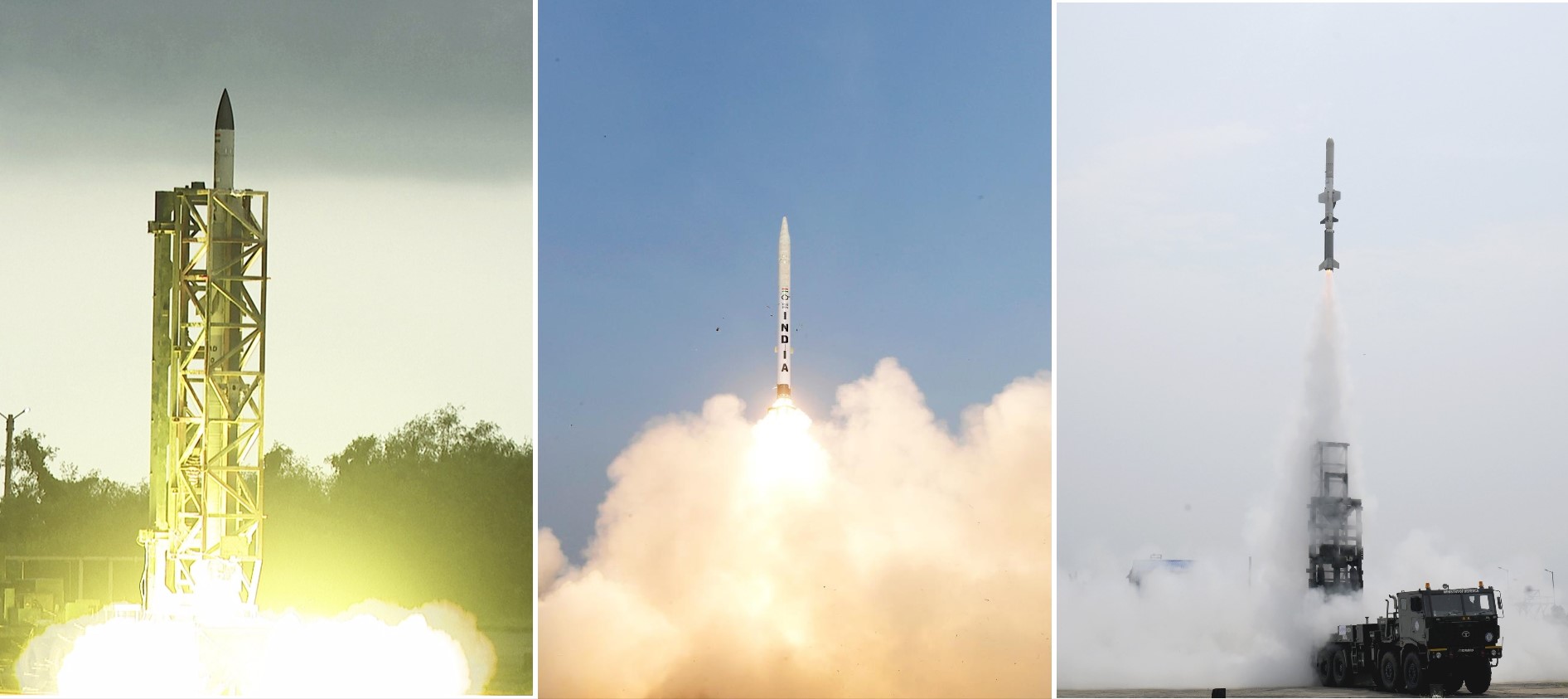 India Successfully Conducts AD-1, AD-2 Interceptor Tests and Maiden NASM-MR Flight Trial
-
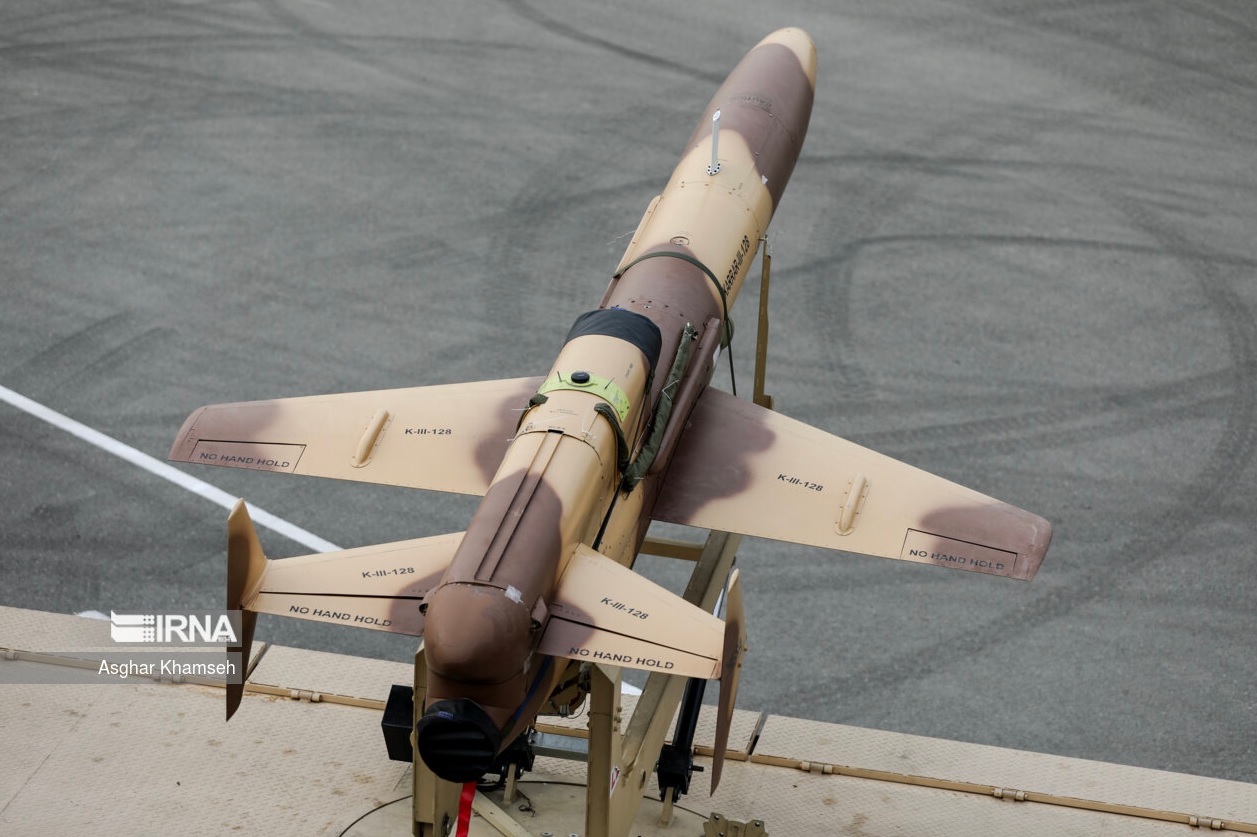 Russia Launches 1,400 Jet-Powered Drones in 2026 as Strike Tactics Evolve to Challenge Ukraine's Air Defenses
-
 U.S Navy Orders 50 Blackbeard Hypersonic Missiles in New $23.4 Million Contract
-
 UAE Denies Reports of Releasing Up to $20 Billion in Funds to Iran Amid Regional De-Escalation Efforts
-
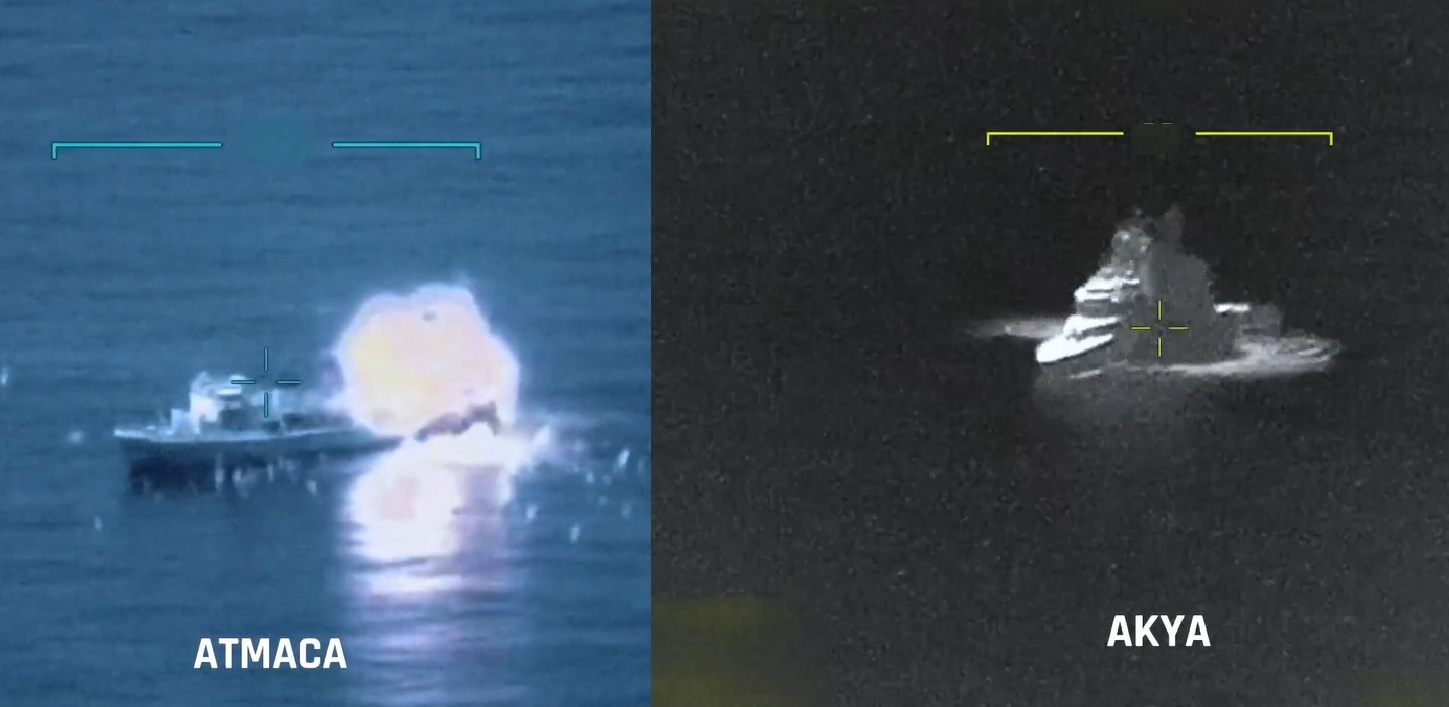 Turkey Navy Successfully Tests AKYA Torpedo and ATMACA Missile During Major Denizkurdu-II Naval Exercise
-
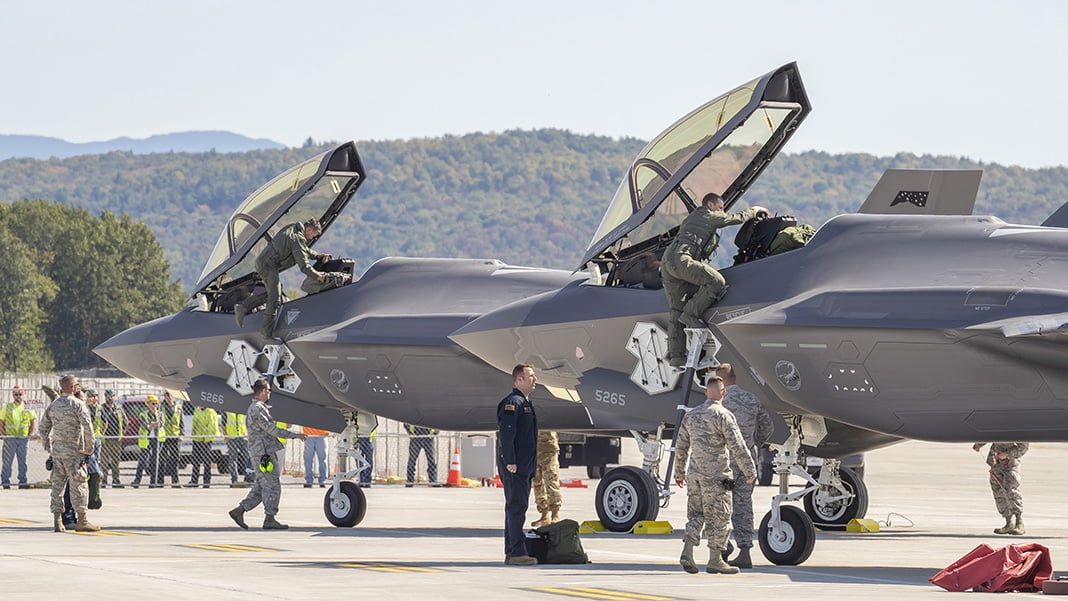 F-35 Fleet Readiness Falls to 25% Amid Parts Shortages and Software Delays: GAO Report
-
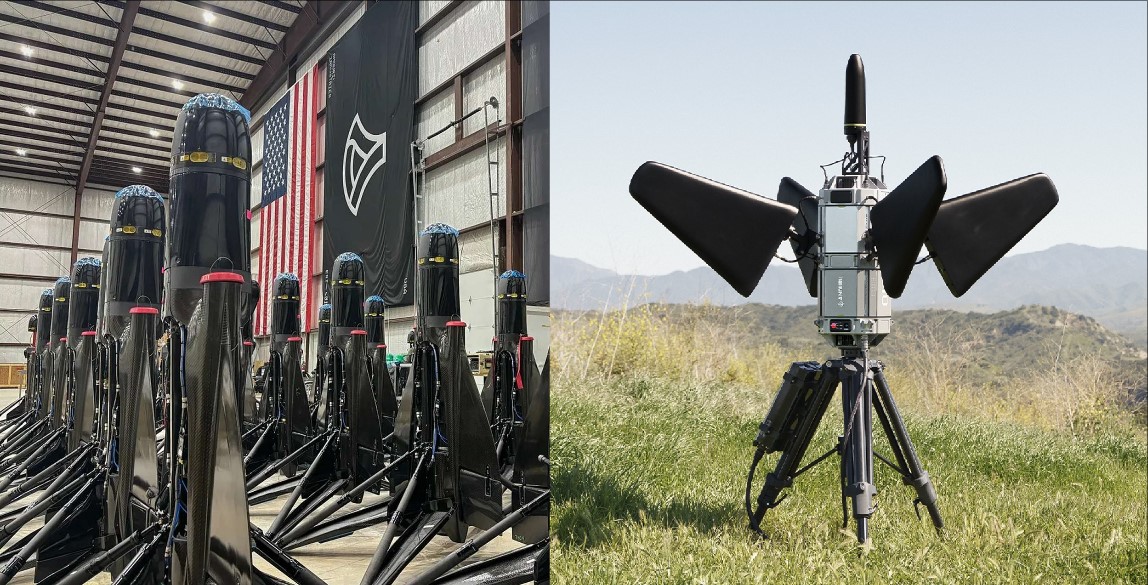 U.S. Approves $1.98 Billion Sale of Anduril AI-Powered Counter-Drone Systems to Kuwait
-
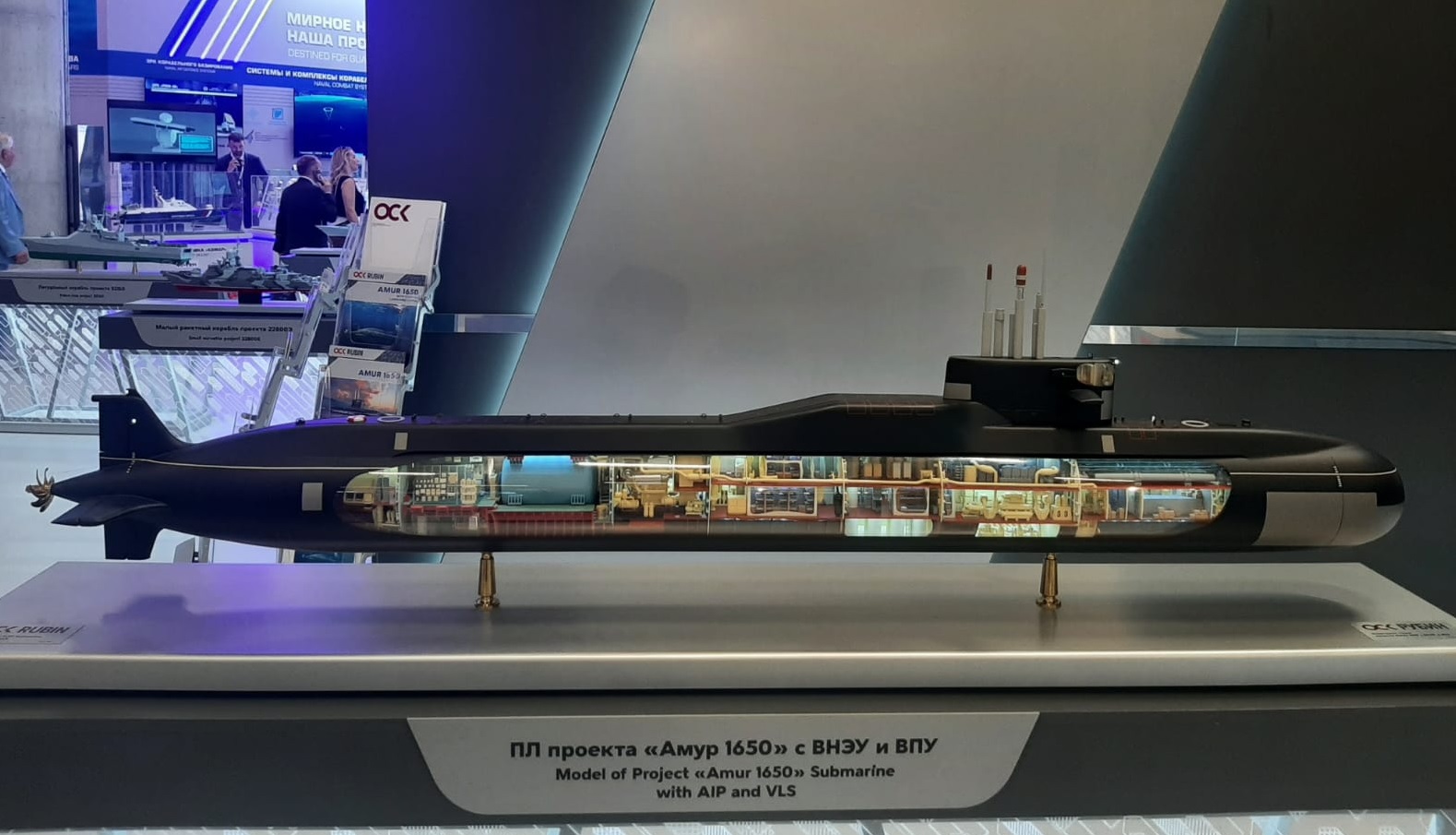 Russia Unveils Amur-1650 AIP Submarine Equipped with BrahMos Vertical Launch System at Fleet-2026
Top Trending in 4 Days
-
 Boeing Introduces New MQ-28 Ghost Bat Upgrades with Increased Range, Payload and Weapons Capacity at ILA Berlin 2026
-
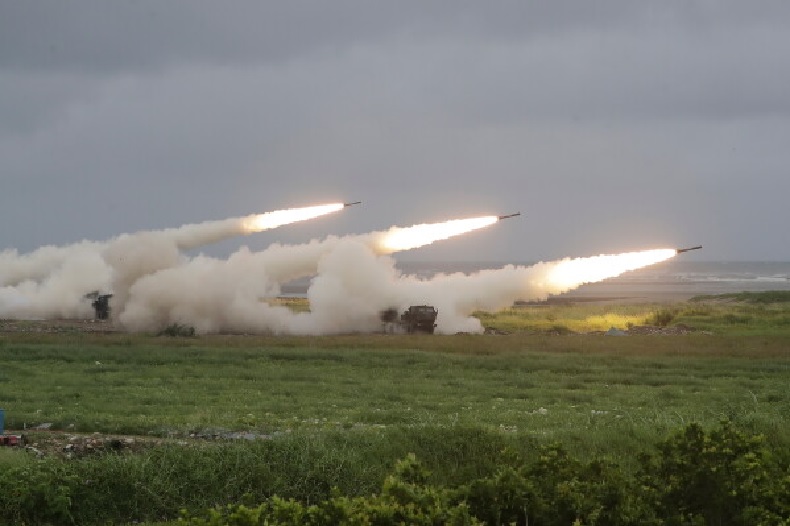 Taiwan Conducts First Live-Fire of HIMARS Rockets From West Coast During Invasion Defense Drill
-
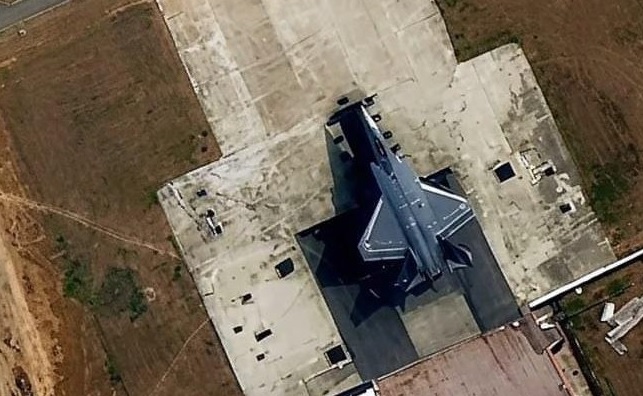 AMCA Airframe Spotted at DRDO’s ORANGE Facility for Radar Cross-Section Testing
-
 US Plans Significant Reduction of Fighter Jets and Warships for NATO Operations in Europe
-
 Iranian Media Leaks 14-Point U.S.-Iran Peace Framework Amid Ongoing Negotiations
-
 Diehl Defence Unveils IRIS-T Armed Cobra 600 Air Defense Drone at ILA Berlin 2026
-
 Russian Defense Firm ZALA Unveils KAMA Unmanned Surface Vessel Family at FLOT-2026 Naval Exhibition
-
 U.S Aircraft Carrier USS Theodore Roosevelt Departs San Diego for Major RIMPAC 2026 Naval Exercise