
World
As the 2024 US presidential election looms, former President Donald Trump has made a surprising yet strategic choice for his Vice President, selecting JD Vance, a former critic turned ally, as his running mate. Trump announced his decision on Truth Social, lauding Vance's qualifications and commitment to the American people.Trump's endorsement of Vance marks a significant turn in their relationship. Once a vocal critic of Trump, Vance has since embraced the former president's populist ideology, earning his endorsement in the contentious Republican primary. This support propelled Vance, a venture capitalist and author of the best-selling memoir "Hillbilly Elegy," to a seat in the US Senate in 2022.Trump's post emphasized Vance's impressive background, highlighting his military service in the Marine Corps, his academic achievements at Ohio State University and Yale Law School, and his successful business career. Vance's memoir, "Hillbilly Elegy," which became a major bestseller and was adapted into a movie, further solidified his reputation as a champion of the working class."J.D. has had a very successful business career in Technology and Finance, and now, during the Campaign, will be strongly focused on the people he fought so brilliantly for, the American Workers and Farmers in Pennsylvania, Michigan, Wisconsin, Ohio, Minnesota, and far beyond," Trump wrote. "As Vice President, J.D. will continue to fight for our Constitution, stand with our Troops, and will do everything he can to help me MAKE AMERICA GREAT AGAIN."Vance's selection as Trump's running mate came as a surprise to many, as other prominent figures like Senator Marco Rubio of Florida and Governor Doug Burgum of North Dakota were considered frontrunners. Vance's consistent support for Trump in the Senate, including his opposition to increased aid for Ukraine, demonstrated his alignment with Trump's policies and priorities.Vance's personal story adds a compelling dimension to his political profile. Born James David Bowman in Middletown, Ohio, he was raised by his grandparents after his father left and his mother struggled with addiction. His journey from a troubled childhood to a successful career and political office is a testament to his resilience and determination.Vance's wife, Usha Chilukuri Vance, also boasts an impressive background. An attorney and Yale Law School graduate, she has made a name for herself in the legal field. Born to Indian immigrant parents in California, Usha's upbringing emphasized education and hard work, values she carried into her professional life.The announcement of Vance as Trump's running mate follows a dramatic and troubling event for the former president. At a campaign rally in Butler, Pennsylvania, Trump narrowly escaped an assassination attempt. Shots were fired, leading to the death of a rally attendee and injuries to two others. The gunman, identified as Thomas Matthew Crooks, was killed by Secret Service agents. Trump, who was injured in the attack, has since called for unity and resilience in the face of such violence.In another significant development, a judge dismissed the classified documents case against Trump, ruling that the appointment of special counsel Jack Smith violated the Constitution. This legal victory comes as Trump prepares for a potential rematch against President Biden in the upcoming election.With JD Vance by his side, Trump aims to galvanize his base and appeal to a broader electorate. Vance's transformation from critic to confidant underscores the dynamic nature of political alliances and the ever-evolving landscape of American politics. As the campaign unfolds, the Trump-Vance ticket will undoubtedly be a focal point of national and international attention.
Read More → Posted on 2024-07-16 14:41:09
World
The Japan Coast Guard (JCG) is set to enhance its operational capabilities with the acquisition of two additional Subaru-Bell 412 EPX helicopters. This latest order brings the total number of 412 EPX helicopters in the JCG’s fleet to six, building on an initial contract from 2022.The Subaru-Bell 412 EPX, co-produced by Bell Textron and Subaru, represents a significant upgrade over its predecessor, the Bell 412. This next-generation aircraft has been specifically tailored for the Japanese market, offering enhanced features that cater to the diverse needs of the JCG.Versatility in MissionsThe 412 EPX is a versatile platform designed for a range of critical missions. It will be employed in maritime security operations, search and rescue missions, disaster response efforts, and logistical support. These roles demand a helicopter that can perform reliably in various conditions, and the 412 EPX is well-equipped to meet these challenges.Enhanced CapabilitiesThe Subaru-Bell 412 EPX boasts several advanced features that make it an exceptional choice for the JCG. It has an extended hover ceiling and increased payload capacity, allowing it to carry heavier loads and perform more demanding missions. The helicopter's robust main rotor gearbox and dry run capability ensure superior operational performance and efficiency, enhancing its reliability in critical situations.The 412 EPX is powered by a Pratt & Whitney PT6T-9 engine, which allows it to achieve speeds of up to 140 knots (259.2 kilometers/161.1 miles per hour). It has a range of 361 nautical miles (669 kilometers) and can stay airborne for up to 3.8 hours, providing extended reach and endurance for long-duration missions.Advanced AvionicsOne of the standout features of the 412 EPX is its state-of-the-art integrated avionics system. The helicopter is equipped with Bell’s proprietary BasiX-Pro glass system, which includes four large-screen high-definition displays. These displays, along with the Garmin GTN Xi touchscreen flight monitors, significantly reduce the pilot’s workload by providing clear and intuitive access to flight data, navigation information, and digital maps.Seamless TransitionThe transition to the Subaru-Bell 412 EPX was a logical step for the JCG, given the shared design commonalities with the existing Bell 412 and its older version, the 212. This shared lineage ensures that the JCG can integrate the new helicopters seamlessly into its existing operations, minimizing the need for extensive retraining and infrastructure modifications.Currently, the JCG operates over 40 helicopters from the 412 series, including its older version, the 212. This extensive experience with the Bell 412 platform means that the JCG is well-prepared to maximize the benefits of the new EPX models.Delivery TimelineSubaru has committed to delivering the new helicopters to the JCG by 2025. This timeline ensures that the JCG can quickly enhance its capabilities and continue to provide vital services across Japan’s extensive maritime territory.The addition of the Subaru-Bell 412 EPX helicopters to the Japan Coast Guard’s fleet marks a significant step forward in enhancing the service’s operational capabilities. With its advanced features, increased payload capacity, and state-of-the-art avionics, the 412 EPX is poised to become a cornerstone of the JCG’s aviation fleet, supporting a wide range of critical missions and ensuring the safety and security of Japan’s maritime domain.
Read More → Posted on 2024-07-16 14:38:35
World
Japan has taken a significant step forward in its defense technology with the unveiling of the improved Type 12 Surface-to-Ship Missile (SSM) prototype. This new development, highlighted in the 2024 Defense White Paper released by the Ministry of Defense on July 12, underscores the nation's commitment to strengthening its standoff defense capabilities.The latest iteration of the Type 12 SSM, developed by Mitsubishi Heavy Industries, features several advancements over its predecessor. A side-by-side comparison with the 2022 version reveals subtle yet critical changes. While the overall shape and the placement of the air intake on the underside remain the same, the new model boasts more pronounced rearward-angled main wings and distinct X-shaped tail fins. These design tweaks likely enhance the missile's aerodynamic performance and stability, critical factors for effective engagement with enemy vessels.The urgency behind these enhancements is evident in the Defense White Paper's emphasis on bolstering Japan's ability to counter threats from invading vessels and landing forces, particularly in the strategically vital island regions. The document states, “We are fundamentally strengthening our standoff defense capabilities against invading vessels and landing forces, including in the island regions, by deploying the enhanced Type 12 Surface-to-Ship Missile (ground-launched version) and acquiring U.S.-made Tomahawk missiles, one year ahead of schedule, starting in fiscal year 2025.”This accelerated deployment highlights the strategic importance of the Type 12 SSM in Japan's defense strategy. By enabling the Japanese Self-Defense Forces to engage enemy targets from outside the range of adversarial anti-aircraft systems, the missile ensures a robust defense posture against potential threats. The decision to bring forward the deployment schedule underscores the missile's critical role in maintaining regional security amid rising tensions and military expansions in the Asia-Pacific.China's continued military expansion has been a significant factor driving Japan's efforts to enhance its defense capabilities. The new Type 12 SSM is designed to be a key component of Japan’s coastal defense, ensuring that the nation can effectively deter and respond to potential threats in its maritime regions. The swift action by the Defense Ministry to enhance and deploy this advanced missile system reflects Japan's proactive stance in safeguarding its territorial integrity and national security.In conclusion, the unveiling of the enhanced Type 12 Surface-to-Ship Missile marks a pivotal moment in Japan's defense strategy. With improved design features and an accelerated deployment timeline, this missile system is set to play a crucial role in maintaining peace and stability in the region. The Japanese government's commitment to strengthening its defense capabilities demonstrates a clear response to the evolving security challenges in the Asia-Pacific, ensuring that Japan remains well-prepared to defend its sovereignty against any potential threats.
Read More → Posted on 2024-07-14 15:45:52
World
Morocco has entered into a significant agreement with Israeli Aerospace Industries (IAI) to acquire advanced electro optical satellites, marking a pivotal advancement in its space capabilities. This USD 1 billion contract, recently announced by IAI, is set to bolster Morocco's intelligence gathering and homeland security efforts.IAI's OPTSAT 3000 series satellites, which Morocco is set to procure, represent cutting-edge technology in optical observation. These satellites will replace older models previously acquired from European consortiums, offering superior resolution capabilities crucial for both defense and civilian applications.The OPTSAT 3000 boasts a 70 cm aperture telescope and highly sensitive sensors, enabling it to capture high-resolution imagery with exceptional clarity and accuracy, down to less than 50 cm. This capability is vital for precise data acquisition in critical operational environments, enhancing strategic decision-making and operational effectiveness.Collaborating with Elbit Systems for advanced space cameras and Rafael Advanced Defense Systems for satellite propulsion systems, IAI ensures the OPTSAT 3000 remains at the forefront of satellite technology. Its lightweight design and agility allow rapid target acquisition and maneuverability, making it adaptable for diverse mission requirements.Moreover, the satellite's compatibility with various launch service providers allows for cost-effective deployment, further optimizing operational efficiency. With a proven track record spanning over four decades and numerous successful missions worldwide, the OPTSAT 3000 stands as a testament to IAI's commitment to excellence in space technology.Morocco's investment in these advanced satellites underscores its strategic vision to strengthen national security and intelligence capabilities. This acquisition not only enhances Morocco's ability to monitor and respond to threats but also positions the nation as a key player in the global space arena.
Read More → Posted on 2024-07-14 15:37:35
World
In a massive and deadly strike, Israel targeted Hamas' elusive military commander, Mohammed Deif, in the crowded southern Gaza Strip, resulting in the deaths of at least 90 people, including children, as reported by local health officials. The strike, carried out on Saturday, has sparked significant controversy and further complicated cease-fire efforts in the region.Israeli Prime Minister Benjamin Netanyahu announced the operation, indicating that there is still uncertainty about the deaths of Deif and another Hamas commander, Rafa Salama. Netanyahu emphasized the strategic importance of the operation, stating that Israel will not cease its military actions until Hamas' capabilities are fully dismantled. "All Hamas leaders are marked for death and we will reach them all," he declared, underscoring the resolve of the Israeli government.However, Hamas quickly denied that Deif was present in the targeted area, labeling Israel's claims as a cover-up for what they described as a "horrific massacre." This strike occurred in a zone designated by Israel's military as safe for Palestinians, exacerbating the humanitarian crisis as more than 80% of Gaza's 2.3 million residents have been displaced, many now living in tents with scarce resources.The attack on the Muwasi area, a supposed safe zone, resulted in widespread devastation. The Gaza Health Ministry reported 90 fatalities and over 300 injuries, with scenes of chaos and destruction at the nearby Nasser Hospital, which was overwhelmed by the influx of casualties. Witnesses described multiple strikes that led to a scene of utter destruction, with bodies strewn across the rubble-strewn streets and makeshift hospitals struggling to cope with the sheer number of wounded.Footage from the aftermath of the attack revealed a vast crater, burned-out vehicles, and charred remains of tents. The blast's impact was so severe that a two-year-old child was thrown into the air, with the mother still missing. Among the victims were children, including an eight-year-old boy, whose mother tearfully recounted how they were told the area would be safe.International reactions to the strike have been swift and critical. Egypt, a key mediator in the ongoing cease-fire negotiations, condemned the attack, stating that such actions only complicate efforts to achieve calm. The Egyptian Foreign Ministry also criticized the international community for its perceived inaction.The strike comes at a crucial juncture in cease-fire discussions mediated by Egypt, Qatar, and the United States. The proposed cease-fire plan includes a phased approach, beginning with an initial halt to hostilities and a limited hostage release, followed by a complete withdrawal of Israeli forces and a broader agreement aimed at a permanent cease-fire.Despite the international mediation efforts, Netanyahu remains firm on several conditions, including Israel's right to continue military operations until its objectives are met, the return of as many hostages as possible, and the prevention of arms smuggling into Gaza.This latest escalation follows Hamas' attack on October 7, which killed approximately 1,200 people in southern Israel and led to the current conflict. Since then, Israeli offensives have resulted in over 38,400 deaths and 88,000 injuries in Gaza, according to the territory's Health Ministry.As the war continues, the humanitarian crisis in Gaza deepens, with hospitals running out of essential supplies and civilians bearing the brunt of the violence. The international community remains divided, struggling to find a path to peace amid the ongoing devastation.
Read More → Posted on 2024-07-14 15:16:21
World
In a dramatic turn of events at a campaign rally in Butler, Pennsylvania, former President Donald Trump narrowly escaped a potentially fatal shooting incident. The Federal Bureau of Investigation (FBI) has now taken the lead in investigating this shocking occurrence, which has left the nation in a state of heightened concern and reflection.The rally, held on a typically vibrant Saturday afternoon, turned chaotic as gunshots rang out while Trump was addressing his supporters. The Secret Service agents, always vigilant, swiftly surrounded Trump and whisked him off the stage. Amidst the chaos, Trump was seen with blood on his face, raising his fist in a defiant gesture as he was escorted away.The FBI's Pittsburgh Field Office responded immediately, deploying special agents, crisis response team members, and evidence response technicians to the scene. In a statement released on social media platform X, the FBI affirmed their commitment to the investigation, pledging to utilize all available resources. The agency also called on the public to provide any information that might aid in their probe, emphasizing the collective effort needed to uncover the details behind the incident.Tragically, the shooting resulted in the death of one spectator and left another critically injured. The shooter, armed with an AR-style rifle, was neutralized by the Secret Service. Reports from CBS News indicate that the gunman was positioned on top of a shed, outside the security perimeter, and fired from a distance of 200-300 feet. This level of preparation and distance underscores the severity and potential premeditation of the attack.Donald Trump, in a post on his platform Truth Social, recounted his harrowing experience, expressing his gratitude to the Secret Service and law enforcement for their swift action. He detailed how the bullet pierced the upper part of his right ear, causing significant bleeding. Trump's message also included condolences to the families of the victims, highlighting the tragic impact of the incident on those who attended the rally.Senior advisers Chris LaCivita and Susie Wiles assured the public that Trump is recovering well and remains committed to his campaign. Despite the trauma, Trump plans to attend the upcoming Republican convention in Milwaukee, where he is set to formally accept his party's nomination.The response to the attack has been one of bipartisan condemnation. President Joe Biden, speaking from Delaware, decried the violence, calling the attack "sick" and emphasizing the need for unity to prevent such incidents. Biden's call for solidarity reflects a broader sentiment that violence has no place in American political discourse.As the FBI continues its investigation, the nation watches closely, eager for answers and reassurances of safety in the political arena. This incident has sparked renewed discussions about security at political events and the pervasive issue of gun violence in the United States. The rally shooting in Butler, Pennsylvania, serves as a stark reminder of the volatility that can erupt in public spaces and the critical role of law enforcement in maintaining order and justice.
Read More → Posted on 2024-07-14 15:13:53
World
When it comes to tactical gear, Lindnerhof-Taktik has always been a name synonymous with innovation and reliability. This time, they've outdone themselves with a new line of compact and lightweight tactical gear designed to meet the needs of modern operators. The latest offerings include Micro Rig sets, slim Magazine Pouches, and a compact Dump Pouch, all crafted with precision and a focus on functionality.The new gear features the renowned MX material known for its durability and lightweight properties. This material, combined with standard laser-cut MOLLE slots, slim webbing, and lightweight plastic parts, ensures that the gear is not only tough but also easy to carry. This is crucial for those who need to move quickly and efficiently in the field.What's particularly exciting about this launch is the availability of the Modular MX231 and Multicaliber MX234 front panels as complete sets. This means that the Modular Micro Rig MX887 and the Multicaliber Micro Rig MX886 are ready-to-use systems perfect for training and rapid deployment. These rigs can be used without ballistic protection, making them ideal for quick repositioning while still maintaining the functionality of a front panel that can be utilized whenever needed.The new low profile magazine pouches are another highlight. Designed to hold two double stack pistol magazines (MX023-2) or one AR15/G95 or similar sized 5.56mm rifle magazine (MX003), these pouches are compact and ultra-lightweight. The front, made entirely of elasticated material, ensures a secure hold, guaranteeing the safe storage and transport of magazines. This attention to detail reflects Lindnerhof's commitment to providing gear that operators can rely on in critical moments.Then there's the second generation of the ultra-lightweight PA056-S/II Dump Pouch. This small yet mighty pouch folds down to a surprisingly compact size but unfolds quickly with a tug on the strap, creating a generous 5.5-liter capacity. It's perfect for storing empty magazines, medical waste, and other essentials that need to be quickly stashed away during operations.To sum up, here are the new models available from Lindnerhof-Taktik:Modular Micro Rig MX887Multi Caliber Micro Rig MX886Pistol Magazine Pouch Double MX023-2Rifle Magazine Pouch Low Profile Single MX003Dump Pouch Small PA056-S/IILindnerhof-Taktik's legacy is deeply rooted in real battlefield experience, founded by a German Special Forces soldier dedicated to developing top-tier tactical gear. Their goal remains to cultivate close relationships with elite units, ensuring that their products are not only high quality but also tailored to the needs of special forces, military personnel, and law enforcement. Their gear is designed for rapid access, extensive customization, and to help operators stay organized and efficient.In a world where every second counts, Lindnerhof-Taktik's new line of tactical gear stands out, offering the compactness and lightness that modern operators need without compromising on functionality or reliability. Whether for training, rapid deployment, or daily missions, this new gear is set to become an essential part of any operator's kit.
Read More → Posted on 2024-07-13 15:15:09
World
GE Aerospace has announced a significant milestone in aviation technology with the successful development and testing of a new hypersonic dual-mode ramjet. This cutting-edge propulsion system promises to revolutionize high-speed flight, enabling longer ranges for various multi-mission aircraft. The achievement is a testament to GE Aerospace’s commitment to innovation and its expanding portfolio of hypersonic programs.The dual-mode ramjet began its rigorous testing phase in March this year at GE Aerospace’s high-speed propulsion testing facility in Evendale, Ohio. Remarkably, this testing commenced just 11 months after the initial design efforts began. The results were impressive, with the ramjet exceeding performance expectations and demonstrating robust operation. Notably, the new technology achieved a threefold increase in airflow compared to previous hypersonic technology demonstrators.Amy Gowder, president and CEO of Defence & Systems at GE Aerospace, emphasized the significance of this rapid progression from design to testing. “The rapid progression from design to testing underscores our commitment to driving innovation in hypersonic technologies,” Gowder stated. “This milestone not only shows the exceptional talent and dedication of our team but also reaffirms our position as a leader in the pursuit of hypersonic flight.”The successful development of the dual-mode ramjet was made possible through the collaborative efforts of GE Aerospace’s engineers, Innoveering (a company specializing in hypersonic propulsion and acquired by GE Aerospace in 2022), and the GE Aerospace Research Center. This synergy allowed for an expedited development timeline and robust testing results.Mark Rettig, vice president & general manager of Edison Works Business & Technology Development at GE Aerospace, highlighted the future implications of this breakthrough. “The technology’s robust performance paves the way for the next phase of development, which will focus on continued testing and technology demonstration in alignment with our roadmap for integrated high-speed propulsion solutions,” Rettig explained.This achievement in hypersonic technology not only marks a significant advancement for GE Aerospace but also has broader implications for the aviation industry. Hypersonic flight, which refers to speeds greater than five times the speed of sound (Mach 5), presents numerous challenges, particularly in propulsion and thermal management. The dual-mode ramjet, capable of operating efficiently at both subsonic and supersonic speeds, addresses some of these challenges, offering a versatile and powerful solution for future aircraft.The development of hypersonic technology is not just a race for speed but also a crucial aspect of national defense and global security. With nations around the world investing heavily in hypersonic research, GE Aerospace’s successful demonstration places the company at the forefront of this competitive field. The implications of this technology extend beyond military applications, potentially influencing commercial aviation and space exploration.GE Aerospace’s achievement is a significant step towards realizing the potential of hypersonic flight. As testing and development continue, the possibilities for faster, more efficient, and longer-range aircraft become increasingly attainable. This breakthrough exemplifies the relentless pursuit of innovation and excellence that defines GE Aerospace’s approach to advanced aviation technology.In conclusion, the successful testing of the new hypersonic dual-mode ramjet by GE Aerospace marks a pivotal moment in the evolution of high-speed flight. This milestone not only showcases the capabilities of GE Aerospace but also sets the stage for future advancements in hypersonic technology, promising exciting developments in the years to come.
Read More → Posted on 2024-07-13 15:06:13
World
The Tourville (S637), the third Suffren-class nuclear attack submarine (SSN) in the Barracuda program, has embarked on its maiden sea trials, known as “Alpha Trials.” This significant milestone took place off the coast of Cherbourg in Normandy on July 12, 2024. The trials mark a critical phase in the submarine's journey towards operational readiness.The Suffren-class SSNs, developed by the French defense contractor Naval Group, represent the cutting-edge of submarine technology. These submarines are designed to enhance the French Navy's capabilities in underwater warfare, offering advanced stealth, endurance, and firepower. The Tourville's sea trials follow the successful commissioning of its nuclear reactor in April 2024 and extensive dock tests conducted since its transfer to launching gear in July 2023.The Alpha Trials involve a series of rigorous tests to evaluate the submarine's performance in various conditions. These include submerged maneuvers, speed trials, and the testing of onboard systems and equipment. The successful completion of these trials will pave the way for the Tourville’s formal induction into the French Navy.The Barracuda program is a cornerstone of France’s naval modernization efforts, with a total of six Suffren-class submarines planned. The first in the series, the Suffren, was delivered in November 2020 and achieved active duty status in June 2022. The second submarine, the Duguay-Trouin, was delivered in August 2023 and commissioned in April 2024. The remaining submarines—de Grasse, Rubis, and Casabianca—are at various stages of construction, with deliveries scheduled at intervals until 2029.Each Suffren-class submarine is a marvel of modern engineering. They boast a surface displacement of 4,700 tons, a diving displacement of 5,100 tons, and a length of 99 meters. These submarines can reach depths exceeding 350 meters and achieve speeds over 25 knots. They are equipped with an array of advanced weaponry, including naval cruise missiles, F21 heavyweight wire-guided torpedoes, Exocet SM39 anti-ship missiles, and FG-29 mines.One of the standout features of the Suffren-class is its hybrid propulsion system, which includes a pressurized water reactor derived from the reactors used on the Triomphant-class SSBNs and the Charles de Gaulle aircraft carrier. This advanced propulsion system, coupled with sophisticated sonar and combat systems, ensures that these submarines can operate undetected in hostile environments for extended periods.In addition to their combat capabilities, the Suffren-class submarines are equipped with state-of-the-art sensors for superior intelligence, surveillance, and reconnaissance (ISR) operations. They feature non-penetrating optronic masts that provide high-quality (4K) imagery accessible to all sailors in the combat information center. These submarines are also designed to support special operations, with a Dry Deck Shelter that facilitates the deployment of the PSM3G swimmer delivery vehicle and a dozen combat swimmers.The Barracuda program is set to revolutionize France's submarine forces, committing them to excellence in naval warfare well into the mid-21st century. Once the Tourville is commissioned, the French Navy will operate more Suffren-type submarines than the older Rubis-class, underscoring a significant shift towards more advanced and capable underwater assets.As the Tourville navigates through its Alpha Trials, it signifies not just a test of technology but a testament to the skill and dedication of those involved in bringing this submarine to life. The successful integration of such a sophisticated vessel into the French Navy will undoubtedly enhance France’s strategic capabilities and reinforce its position as a formidable naval power.
Read More → Posted on 2024-07-13 14:57:05
World
Poland's commitment to national defense is reaching new heights, as the country plans to allocate an unprecedented 5% of its GDP to defense spending in 2025. This announcement was made by Foreign Minister Radoslaw Sikorski during an interview with Bloomberg Television. Poland's move to significantly boost its defense budget underscores the growing geopolitical tensions in Eastern Europe, particularly in the wake of Russia's invasion of Ukraine.Currently, Poland's defense spending stands at over 4% of its GDP, marking one of the highest allocations among NATO members. This surge in military expenditure reflects Poland's determination to fortify its defense capabilities in response to the increasingly volatile security landscape. "Poland spends 4 percent of GDP on defense, and we are going to spend 5 next year," Sikorski stated, highlighting Poland's leading position within NATO regarding defense spending relative to its economic output. He emphasized that this increase is crucial as the region faces the reality of no longer being in a post-Cold War peace era.Deputy Defense Minister Cezary Tomczyk also echoed this sentiment, revealing to TVN24 that Poland's defense budget would see a further 10% increase in 2025, reaching a record high. This additional funding is intended to bolster the country's military readiness and capabilities. Army Chief of Staff General Wieslaw Kukula reinforced the necessity of this budgetary expansion, stressing the importance of preparing Polish soldiers for potential large-scale conflicts.Poland's aggressive defense strategy is a direct response to the heightened threat perception from its eastern neighbor, Russia. The invasion of Ukraine has significantly altered the security dynamics in the region, prompting Poland to take proactive measures to ensure its national security. By ramping up its defense spending, Poland aims to deter any potential aggression and safeguard its sovereignty.This substantial investment in defense also signals Poland's commitment to its NATO allies. By allocating a higher percentage of its GDP to defense, Poland sets a benchmark for other NATO countries, emphasizing the importance of collective security and readiness in the face of growing threats. This move is likely to resonate within the alliance, potentially encouraging other member states to reassess their defense budgets.Moreover, Poland's defense spending plans are aligned with its broader strategic objectives. The country aims to modernize its armed forces, enhance its military infrastructure, and acquire advanced weaponry and technology. These efforts are crucial for maintaining a robust defense posture and ensuring that Poland can effectively respond to any security challenges.As the geopolitical landscape in Eastern Europe continues to evolve, Poland's decision to allocate 5% of its GDP to defense in 2025 reflects its unwavering commitment to national security and regional stability. This proactive approach not only strengthens Poland's defense capabilities but also reinforces its position as a key player within NATO, dedicated to upholding the alliance's collective defense principles.
Read More → Posted on 2024-07-13 14:48:58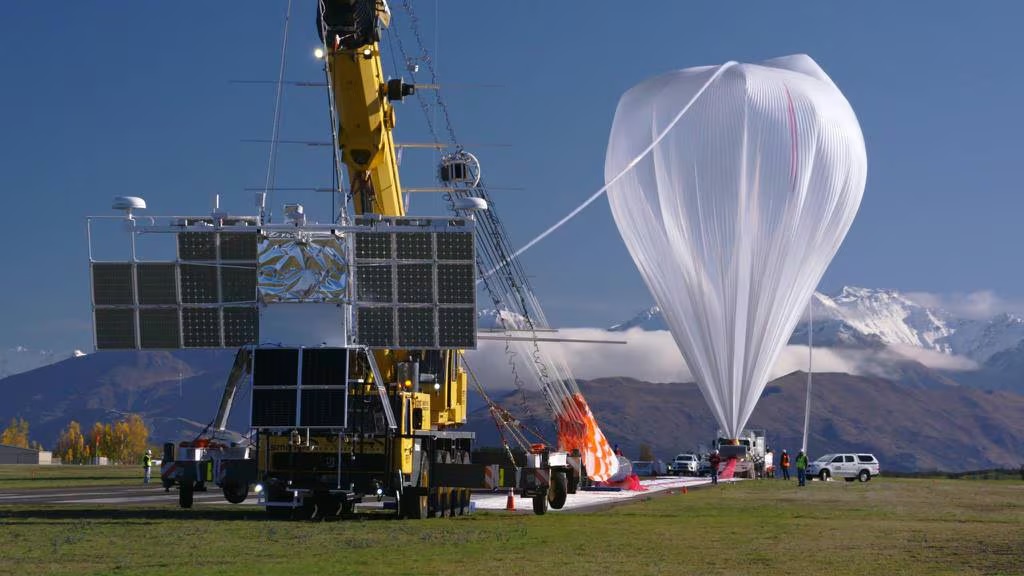
World
The US Army is on the lookout for innovative industry partners to develop a lightweight radar system designed for high-altitude surveillance balloons. This move aims to enhance the Army's surveillance capabilities and maintain a technological edge over potential adversaries like China.A recent request for information (RFI) issued by the US Army outlines the need for an airborne sensor that meets specific requirements. The radar payload must weigh less than 15 pounds (6.8 kilograms) and be compatible with the existing power and communication systems on the spy balloons. The goal is to address critical gaps in indicators and warnings, long-range precision targeting, and situational understanding. Furthermore, the radar must be capable of withstanding the pressures and environmental challenges at altitudes of 60,000 feet (11.7 miles) or higher.The push for advanced surveillance technology follows a significant incident in February 2023, when a Chinese spy balloon illegally entered US airspace, passing over several military sites. Although initial reports suggested the balloon gathered intelligence, the final investigation concluded that it failed to acquire any useful data before being shot down. This event underscored the need for improved high-altitude intelligence, surveillance, and reconnaissance (ISR) platforms to ensure robust national security.The US Army's new radar system is expected to support large-scale ground combat operations, providing enhanced situational awareness and targeting capabilities. Interested companies have until July 22 to submit their proposals, detailing the capabilities, cost, and performance of their potential solutions.This initiative is part of a broader effort by the US military to bolster its high-altitude surveillance and reconnaissance capabilities. The development of sophisticated sensors that can cover wider areas and improve reaction times to potential threats is crucial in maintaining a strategic advantage.In a related development, Helsing, a leading defense company in Europe, announced the successful deployment of advanced AI capabilities on YAM-6, a satellite node part of Loft Orbital's space infrastructure. These extended tests focus on real-time onboard radio frequency signal detection and characterization, paving the way for military-grade signal intelligence and cognitive anti-jamming applications. This highlights the increasing importance of AI and space infrastructure in modern defense strategies.Space has indeed become the new frontier in security and defense. Western governments and armed forces face frequent jamming attacks and interferences against their satellites. AI is emerging as a key capability to protect European space assets against these threats. Helsing aims to deliver advanced capabilities for upcoming constellations like the EU’s IRIS². Marc Fontaine, CEO of Helsing France, emphasized the rapid and safe deployment of AI on in-orbit satellites, providing immediate and significant capability gains.The collaboration between Helsing and Loft Orbital demonstrates the potential for AI applications and space infrastructure to create unbounded capabilities and opportunities. Pierre-Damien Vaujour, CEO of Loft Orbital, noted the excitement around operational use cases deployed on their space infrastructure, indicating a significant inflection point for the future of defense technology.The convergence of AI and space infrastructure with high-altitude surveillance technologies signifies a transformative shift in defense strategies, promising enhanced capabilities for monitoring and responding to potential threats. As the US Army seeks to implement lightweight radar systems on high-altitude spy balloons, the integration of cutting-edge technology will play a pivotal role in securing national interests and maintaining a strategic edge.
Read More → Posted on 2024-07-13 14:34:25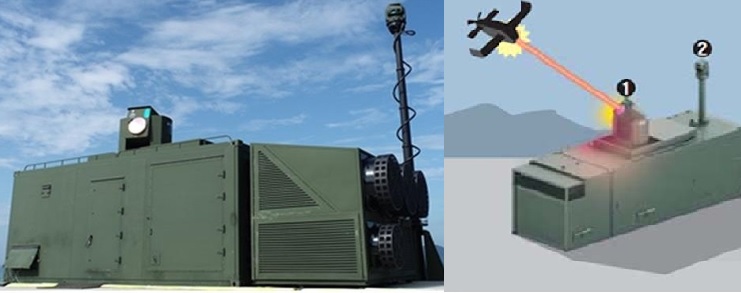
World
South Korea is making significant strides in its defense capabilities with the launch of a new laser-based anti-aircraft weapon system. Hanwha Aerospace, a prominent South Korean defense firm, has started the production of this advanced system, following a contract signed in late June with the Defence Acquisition Program Administration (DAPA).This KRW100 billion (approximately USD72.5 million) contract signifies a monumental leap in military technology. The 'Laser Based Anti-Aircraft Weapon Block-I' systems are set to be delivered to the Republic of Korea (RoK) Armed Forces later this year. The development of this system began in 2019, backed by an investment of KRW87.1 billion (around USD63 million). This substantial investment highlights South Korea's dedication to bolstering its defense mechanisms, particularly in response to the evolving threats from North Korea.DAPA has described the Block-I system as a "new-concept future weapon system" that employs a light-source laser generated from an optical fiber to neutralize aerial targets. Specifically designed to strike small unmanned aerial vehicles (UAVs) and multicopters at close range, this technology stands out for its precision. The silent, ammunition-free operation relies solely on electricity, making it an exceptionally cost-effective defense solution. Each firing costs a mere KRW2,000, emphasizing the system's economic efficiency."The laser anti-aircraft weapon (Block-I) represents a significant advancement in our defense capabilities," DAPA stated. "If the output is improved in the future, it could become a game-changing asset on the battlefield, capable of responding to aircraft and ballistic missiles." This development, often referred to as the "StarWars Project," is pivotal in South Korea's ongoing efforts to modernize its defense infrastructure amid the rapid advancements in North Korean weaponry.The tactical advantages of this laser weapon are noteworthy. The laser beam is invisible to the human eye and produces no sound, adding a layer of stealth to its operations. Once deployed, South Korea will be the first country to operate such an advanced laser weapon system, marking a significant milestone in global military technology.This strategic development underscores South Korea's commitment to maintaining a robust and modern defense posture in an increasingly complex security environment. The initiation of this production by Hanwha Aerospace not only showcases the country's technological prowess but also sets a new standard in modern warfare, emphasizing the importance of innovation in maintaining national security.As the world watches closely, South Korea's advancement in laser-based defense systems could potentially influence global military strategies, ushering in a new era of high-tech warfare. This move not only strengthens South Korea's defense capabilities but also solidifies its position as a leader in military innovation.
Read More → Posted on 2024-07-12 16:02:03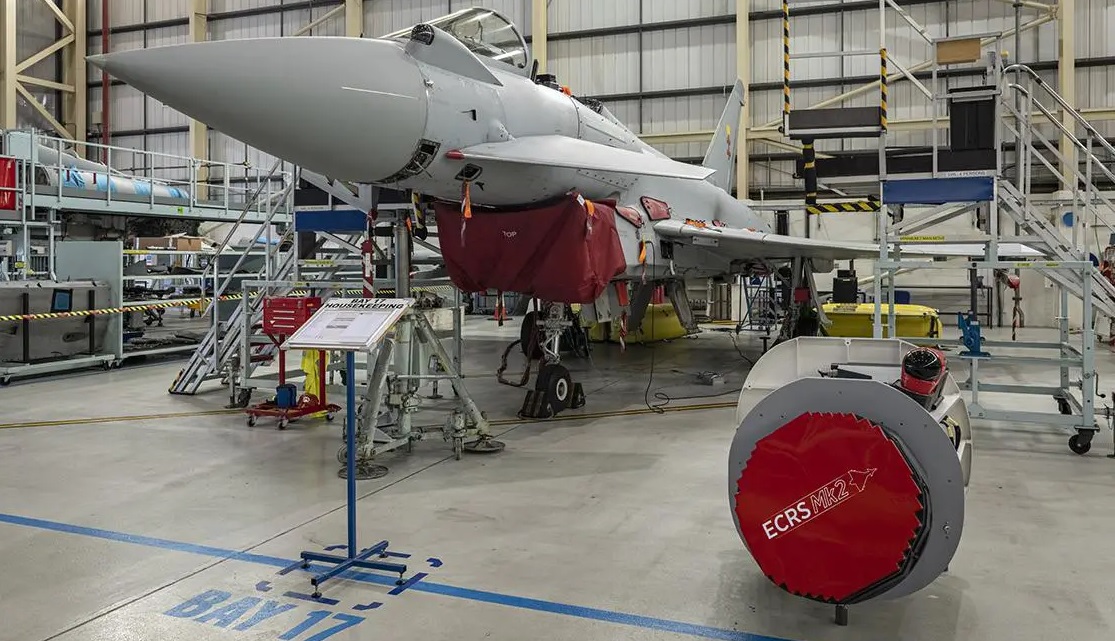
World
In a strategic move to bolster its aerial defense capabilities, the Italian Air Force (Aeronautica Militare, AM) is set to receive 24 new Eurofighter Typhoon fighter jets, designated as F-2000. This acquisition was recently approved by the Italian Defence Ministry, following a submission to the Italian parliament by Defence Minister Guido Crosetto. While specific details regarding delivery timelines and budgets remain undisclosed, this procurement represents a significant upgrade for the Italian Air Force.The new Eurofighter Typhoon jets will be replacing the currently operational Tranche 1 models. These incoming aircraft will adhere to the Next Generation (NG) standard, incorporating a suite of advanced technologies that promise to enhance operational effectiveness. Among the key features of these jets is the ECRS Mk2 radar, a high-performance Active Electronically Scanned Array (AESA) system known for its superior target detection and tracking capabilities.One of the standout features of the new Typhoon jets is the integration of the Euroradar Captor-E Mk2, a next-generation radar developed from the AMSAR (Airborne Multirole Solid State Active Array Radar) project. This radar, known for its versatility and precision, will provide the Italian Air Force with a significant technological edge. Additionally, the aircraft will boast a new Large Area Display (LAD), an updated electronic self-protection system, and advanced mission computer systems. These upgrades ensure that the Typhoon jets are not only formidable in air-to-air combat but also highly effective in air-to-surface missions.The Eurofighter Typhoon, a product of a European multinational consortium comprising Airbus, BAE Systems, and Leonardo, has a storied history. Its development began in 1983 under the Future European Fighter Aircraft program, a collaborative effort among several European nations. Despite initial disagreements that led to France developing the Dassault Rafale independently, the Typhoon has emerged as one of the premier multirole fighters in the world. Its agility and combat effectiveness were first demonstrated during the 2011 military intervention in Libya, where it performed both aerial reconnaissance and ground-strike missions.Italy’s commitment to maintaining a robust and modern air force is evident in its current fleet of 94 operational Eurofighter Typhoons. The addition of 24 new aircraft, ordered on July 8, 2024, for 7.5 billion Euros, will further strengthen Italy’s aerial defense. These new jets will be stationed at several key air bases, including Grosseto Air Base, Gioia del Colle Air Base, Trapani Air Base, Istrana Air Base, and Pratica di Mare Air Base. This strategic distribution will support various fighter squadrons across the country.The Eurofighter Typhoon's evolution from an air-superiority fighter to a versatile multirole aircraft is a testament to its design and engineering excellence. Over time, it has been equipped with an array of advanced armaments and systems, including Storm Shadow, Brimstone, and Marte ER missiles. This versatility makes it an invaluable asset for the Italian Air Force, capable of adapting to a wide range of mission profiles.Looking ahead, the acquisition of these new Eurofighter Typhoon jets is more than just an upgrade. It is a bridge towards the Global Combat Air Programme (GCAP), a '6th Generation' fighter initiative aimed at replacing the current fleet with even more advanced technology in the future. This procurement not only enhances Italy’s current defense capabilities but also ensures that it remains at the forefront of military aviation advancements.The Eurofighter Typhoon remains a cornerstone of Italy's defense strategy, and the addition of these 24 new jets underscores the nation's commitment to maintaining a state-of-the-art air force ready to meet contemporary and future defense challenges.
Read More → Posted on 2024-07-12 15:59:06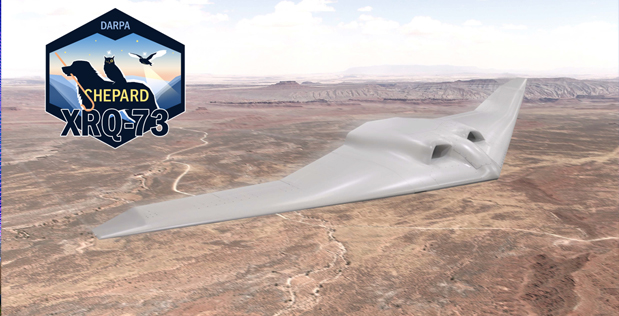
World
Northrop Grumman Corporation has taken a significant leap forward in aviation innovation with the announcement of the XRQ-73, an uncrewed aircraft developed under DARPA's Series Hybrid Electric Propulsion AiRcraft Demonstration (SHEPARD) program. This groundbreaking project, officially designated as an X-plane, represents a collaboration between Northrop Grumman and its subsidiary, Scaled Composites. The XRQ-73, equipped with hybrid electric propulsion, promises to revolutionize military aviation with enhanced capabilities and efficiency.The SHEPARD program, an "X-prime" initiative, focuses on leveraging advanced technologies to mitigate system-level integration risks and rapidly mature a new, mission-focused aircraft design. Steve Komadina, the SHEPARD program manager, emphasizes the program's goal to develop a propulsion architecture and power class that could offer substantial benefits to the Department of Defense.The development of the XRQ-73 builds upon component technologies from previous projects, such as the AFRL/IARPA Great Horned Owl (GHO) project. This innovative approach aims to produce a long-endurance, missionized aircraft that can be quickly deployed in various defense scenarios. The collaboration between DARPA, the Air Force Research Laboratory (AFRL), the Office of Naval Research (ONR), and other key stakeholders ensures that the XRQ-73 is designed to meet the rigorous demands of modern warfare.The prime contractor for the SHEPARD program is Northrop Grumman's Aeronautics Systems sector based in Redondo Beach, California. The project also involves several major suppliers, including Scaled Composites, Cornerstone Research Group, Inc., Brayton Energy, LLC, PC Krause and Associates, and EaglePicher Technologies, LLC. Together, these organizations are working to bring the XRQ-73 to life.Weighing approximately 1,250 pounds, the XRQ-73 is classified as a Group 3 Unmanned Aerial System (UAS). The aircraft's first flight is anticipated by the end of 2024, marking a significant milestone in the advancement of hybrid electric propulsion technology. This next-generation aircraft is expected to demonstrate superior endurance and efficiency, making it a valuable asset for the Department of Defense.The SHEPARD program and the development of the XRQ-73 underscore Northrop Grumman's commitment to pushing the boundaries of aviation technology. By integrating hybrid electric propulsion systems, the XRQ-73 aims to provide the military with a versatile and efficient uncrewed aircraft that can adapt to various missions and operational environments.As the XRQ-73 prepares for its maiden flight, the collaboration between Northrop Grumman, Scaled Composites, and other partners showcases the potential of hybrid electric propulsion in transforming the future of military aviation. This innovative aircraft represents a significant step forward in developing advanced uncrewed systems that can enhance the capabilities and effectiveness of the Department of Defense's operations.
Read More → Posted on 2024-07-12 15:55:21
World
The Japanese Ministry of Defense (MoD) has recently unveiled the latest image of its forthcoming Aegis System Equipped Vessel (ASEV), showcasing significant advancements in the design and capabilities of this cutting-edge warship. Set to replace the now-defunct land-based Aegis Ashore ballistic missile defense system, the ASEV represents a major leap forward in Japan's maritime defense strategy.The image, part of the 2024 defense white paper published on July 12, 2024, reveals the meticulous progress in the ASEV's detailed design. One striking feature is the bridge structure, which closely follows the design of the Maya-class Aegis destroyer but incorporates horizontal windows similar to those found on the Mogami-class frigate. This design choice enhances visibility while reducing the required bridge staff, aligning with efforts to address manpower constraints.The ASEV's armament configuration mirrors that of the Maya-class, featuring a Mk-45 (Mod.4) 5-inch/62-caliber (127mm) main gun. However, speculation remains about whether the ASEV will also be equipped with advanced sensor systems like the OAX-3 electro-optical and infrared (EO/IR) sensor system used on the Mogami-class frigates. Such systems would significantly enhance the vessel's surveillance and vigilance capabilities.A Japanese naval expert, speaking on the condition of anonymity, noted an intriguing concentration of aerials and equipment around the first funnel's outer periphery. The expert raised concerns about potential heat issues from the main engine's exhaust and radio interference but acknowledged the novel outfitting approach. This configuration might allow for future accommodations of additional long-range missiles and other advanced weaponry.The ASEV's weapon and sensor systems are designed to offer unparalleled defensive capabilities. The vessels will be fitted with Lockheed Martin's SPY-7 radar, initially procured for Aegis Ashore, and integrated into the Aegis system's Baseline 9 (BL9). The SPY-7 boasts five times the tracking capability of its predecessor, the SPY-1, enabling it to handle missiles launched on lofted trajectories and multiple simultaneous ballistic missile threats.One of the ASEV's most impressive features is its Vertical Launch System (VLS), comprising 128 cells—significantly more than the Maya-class destroyer's 96 cells. This expanded VLS capacity will enable the ASEV to accommodate future equipment, such as systems designed to counter Hypersonic Glide Vehicles (HGVs) during their gliding phase. Additional weapon systems planned for the ASEV include the SM-6 (RIM-174 Standard Extended Range Active Missile), SM-3 Block IIIA Surface to Air Missiles, and Cooperative Engagement Capability (CEC), which allows the vessel to remotely engage anti-aircraft targets tracked by other ships. Future upgrades might include the upgraded Type 12 Surface-to-Surface Missiles (SSM), Tomahawk missiles for ground force engagement, and high-power lasers to counter drone saturation attacks.Construction of the first ASEV began in fiscal year 2024, with the MoD allocating 373.1 billion yen ($2.3 billion) for acquisition and construction costs. An additional 81.5 billion yen ($504 million) has been secured for related expenses, bringing the total budget for the ASEV program in 2024 to 454.6 billion yen ($2.81 billion). The first ASEV is scheduled to be commissioned by March 2028, with the second following by March 2029.In terms of dimensions, the ASEV will be 190 meters long, 25 meters wide, and have a standard displacement of 12,000 tons—significantly larger than the JMSDF's latest Aegis ship, the Maya-class, and the U.S. Navy's Arleigh Burke Flight III.With these capabilities, the ASEV is poised to become one of the most advanced Aegis ships in the world, reinforcing Japan's maritime defense and providing a robust shield against a wide range of threats.
Read More → Posted on 2024-07-12 15:48:03Search
Top Trending in 24 Hours
-
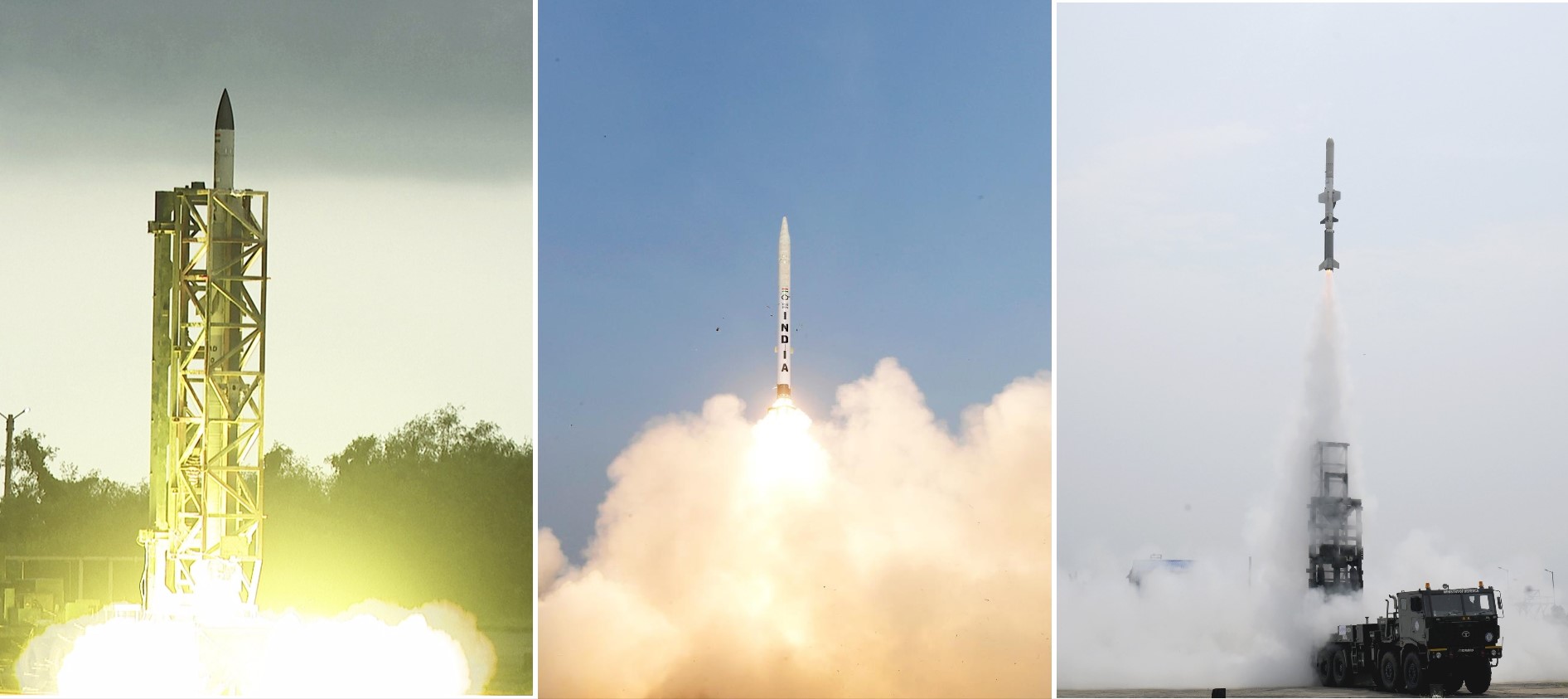 India Successfully Conducts AD-1, AD-2 Interceptor Tests and Maiden NASM-MR Flight Trial
-
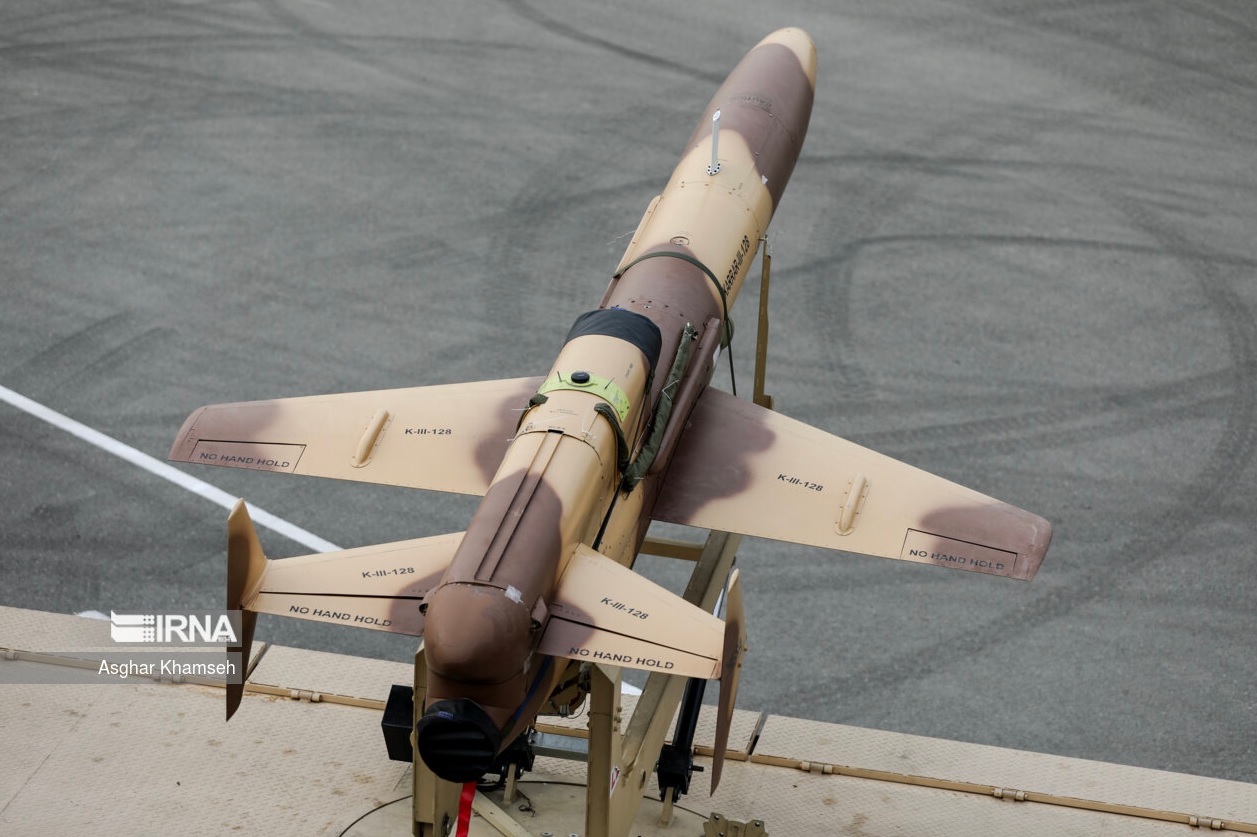 Russia Launches 1,400 Jet-Powered Drones in 2026 as Strike Tactics Evolve to Challenge Ukraine's Air Defenses
-
 U.S Navy Orders 50 Blackbeard Hypersonic Missiles in New $23.4 Million Contract
-
 UAE Denies Reports of Releasing Up to $20 Billion in Funds to Iran Amid Regional De-Escalation Efforts
-
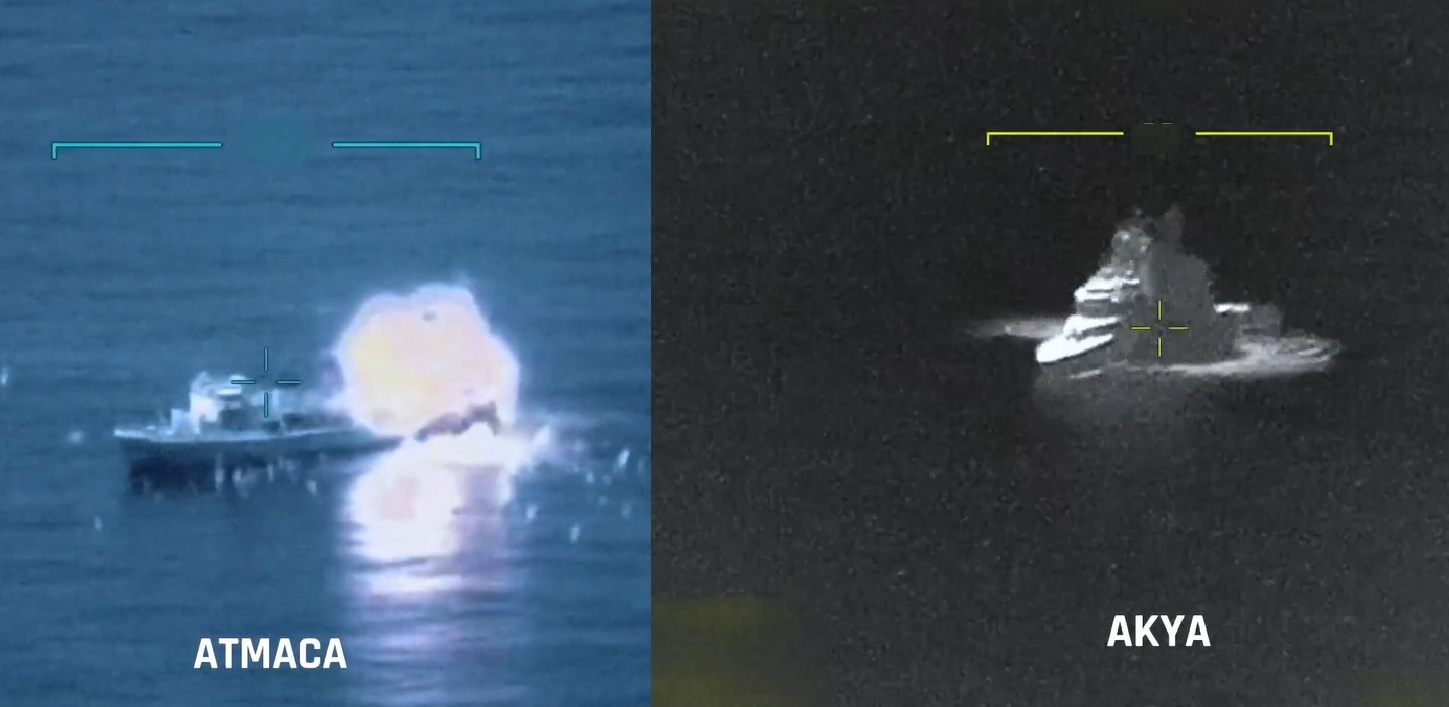 Turkey Navy Successfully Tests AKYA Torpedo and ATMACA Missile During Major Denizkurdu-II Naval Exercise
-
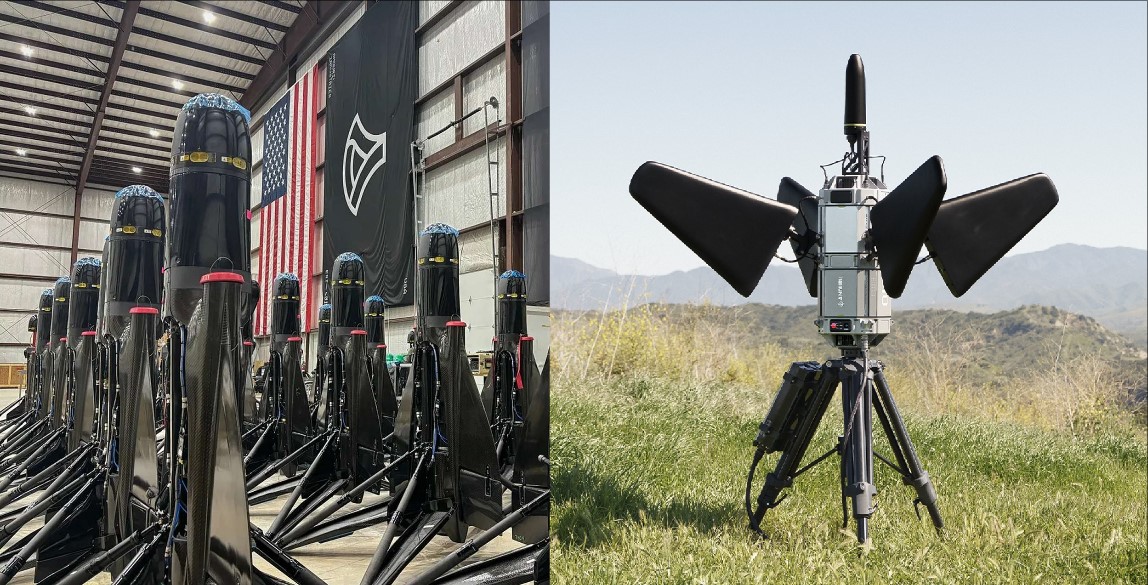 U.S. Approves $1.98 Billion Sale of Anduril AI-Powered Counter-Drone Systems to Kuwait
-
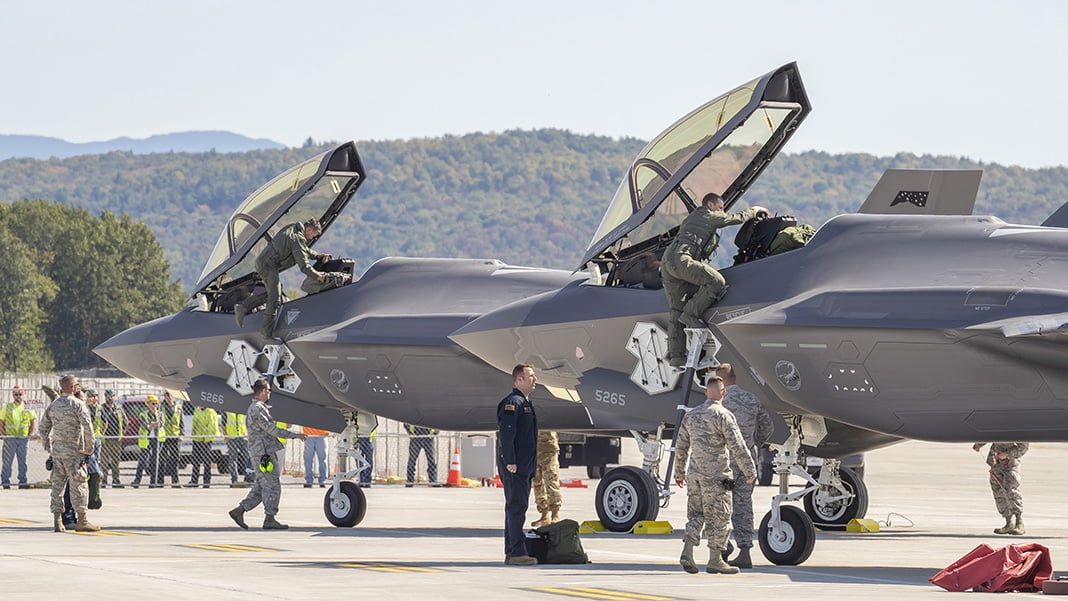 F-35 Fleet Readiness Falls to 25% Amid Parts Shortages and Software Delays: GAO Report
-
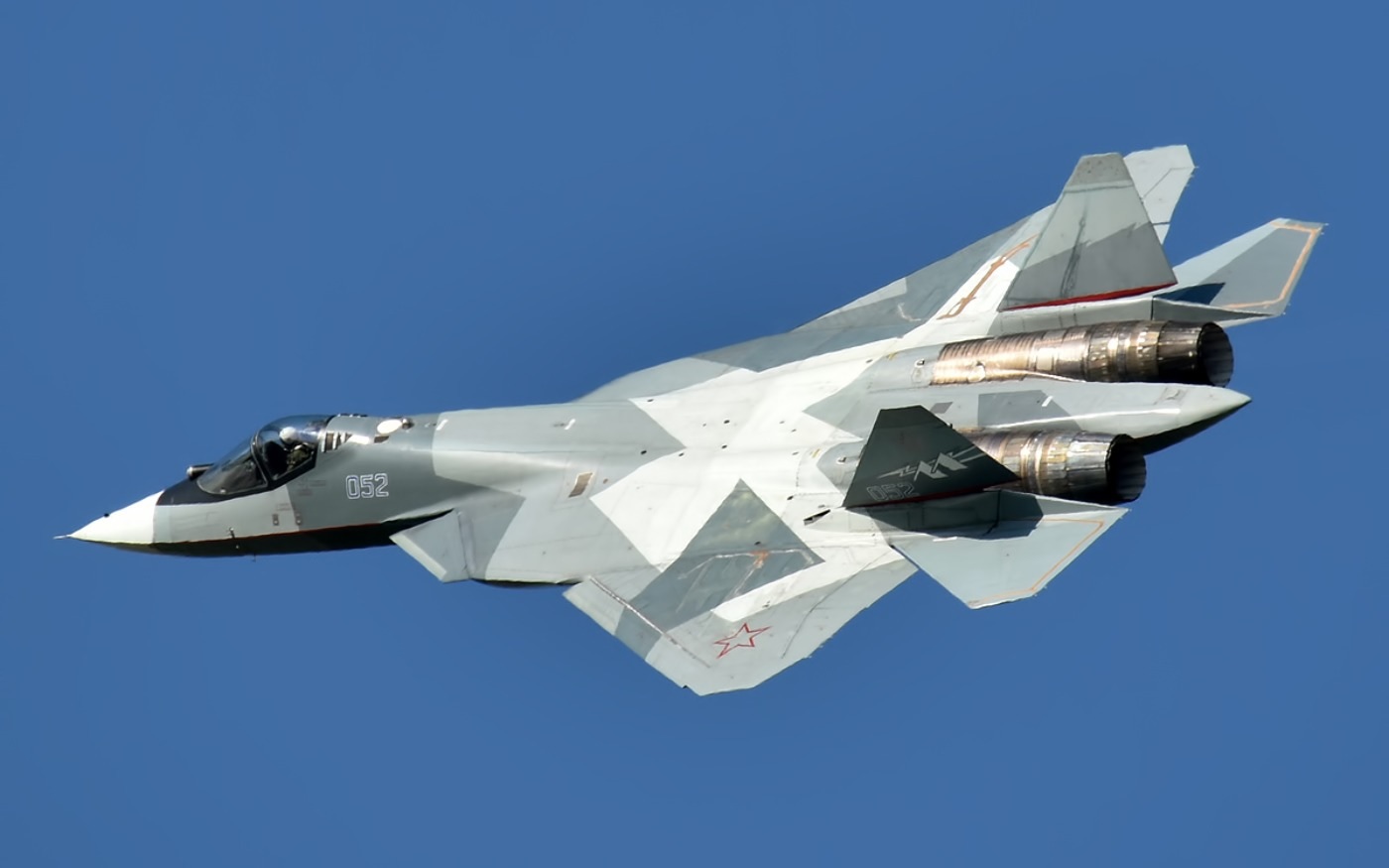 Russian Analysts Debate Su-57 Capabilities After Putin Calls Fighter Superior to F-35
Top Trending in 4 Days
-
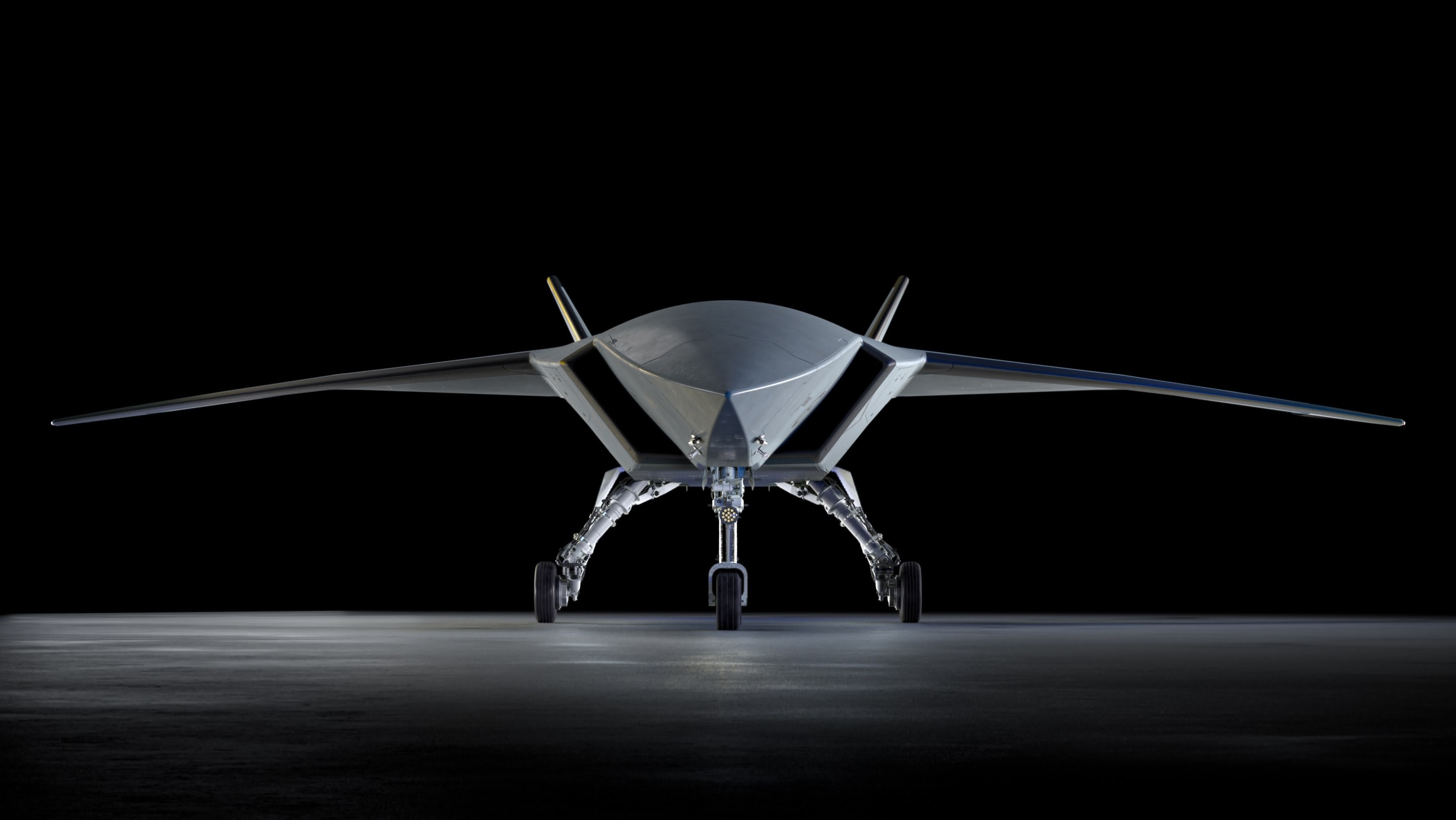 Boeing Introduces New MQ-28 Ghost Bat Upgrades with Increased Range, Payload and Weapons Capacity at ILA Berlin 2026
-
 Taiwan Conducts First Live-Fire of HIMARS Rockets From West Coast During Invasion Defense Drill
-
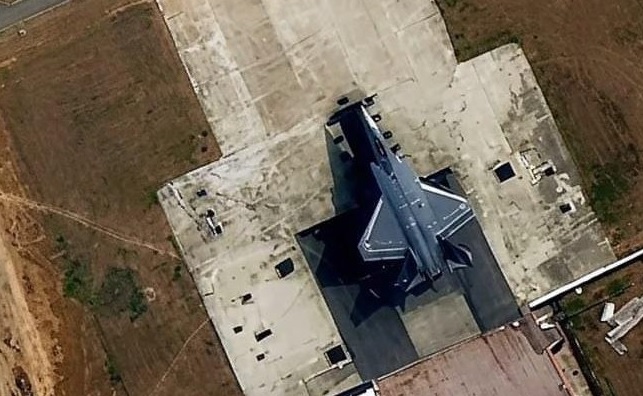 AMCA Airframe Spotted at DRDO’s ORANGE Facility for Radar Cross-Section Testing
-
 US Plans Significant Reduction of Fighter Jets and Warships for NATO Operations in Europe
-
 Iranian Media Leaks 14-Point U.S.-Iran Peace Framework Amid Ongoing Negotiations
-
 Russian Defense Firm ZALA Unveils KAMA Unmanned Surface Vessel Family at FLOT-2026 Naval Exhibition
-
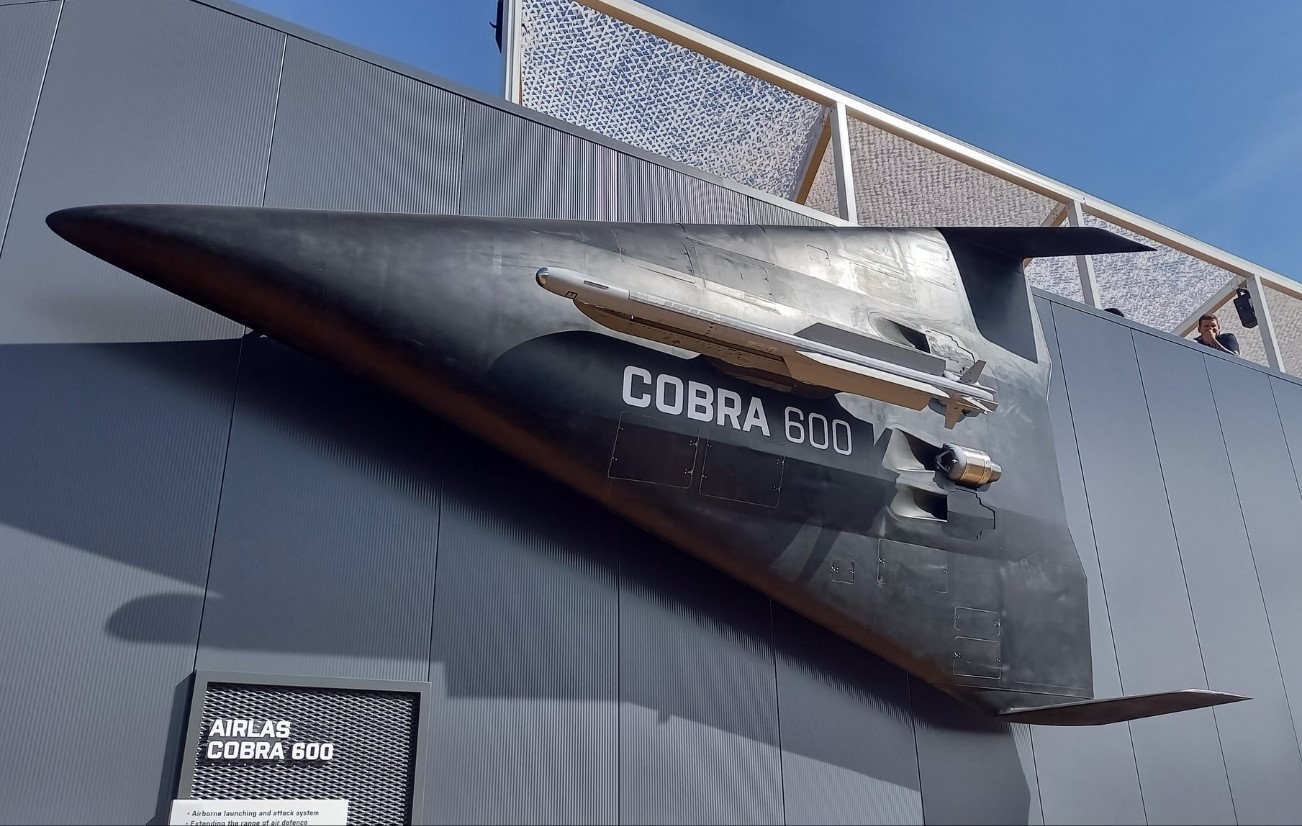 Diehl Defence Unveils IRIS-T Armed Cobra 600 Air Defense Drone at ILA Berlin 2026
-
 U.S Aircraft Carrier USS Theodore Roosevelt Departs San Diego for Major RIMPAC 2026 Naval Exercise