
World
Kratos Defense & Security Solutions recently showcased an innovative advancement in unmanned aerial system technology: the trolley-based launch system for the XQ-58A Valkyrie drone. This new system, known as the Kratos Trolley Launch System (KTLS), allows the Valkyrie to take off from runways or even traditional roads without compromising on payload capacity or fuel requirements, unlike conventional retractable landing gear.Steve Fendley, President of Kratos Unmanned Systems Division, emphasized the importance of developing practical and cost-effective defense solutions in light of global military tensions and budget constraints faced by the U.S. Department of Defense (DoD). "As we watch peer adversaries in both their preparations and active conflicts, and at the same time see the DoD budget impacts in our own nation, we have challenged ourselves at Kratos to solve today’s defense challenges with solutions that are realizable, near term achievable, and affordable,” Fendley stated.The KTLS operates by generating take-off thrust using only the drone's jet engine, a significant departure from systems like Rocket Assist Take Off (RATO) which rely on additional acceleration mechanisms. During takeoff, the trolley system detaches from the aircraft, leaving the XQ-58A to complete its mission and return via parachute recovery. Inflatable bags cushion the drone's landing, ensuring minimal impact and damage.“For KTLS takeoff, which is fully autonomous, the aircraft engine throttles up just like a conventional jet takeoff, and the combined system, Valkyrie and KTLS, accelerates down the runway,” explained a representative from Kratos. “Ultimately, at lift-off speed, the aircraft flies up and away from the KTLS which then deploys drogue chutes and brakes to a stop on the runway while the aircraft proceeds to its flight mission.”The KTLS is the second of three planned launch methods for the Valkyrie, following the RATO system that allows for takeoffs from unprepared locations without the need for runways. Details about the third launch method remain undisclosed.Developed since 2019, the XQ-58A Valkyrie is designed to operate alongside manned aircraft, providing support in various capacities such as electronic warfare, communication relays, and carrying a range of weapons both internally and under its wings. The drone boasts impressive specifications, including a maximum launch weight of 6,000 pounds (2,721 kilograms), a maximum altitude of 45,000 feet (13,716 meters), and a range of up to 3,000 miles (4,828 kilometers).Kratos Defense & Security Solutions continues to push the boundaries of unmanned aerial technology with the KTLS, offering a versatile and cost-effective solution that meets the modern demands of military operations. The trolley-based system not only enhances the Valkyrie’s operational capabilities but also aligns with the broader goal of developing sustainable and efficient defense technologies.
Read More → Posted on 2024-07-05 15:14:21
World
A telling similarity has been noticed between what Germany was doing before it invaded Poland in September 1939 and what China is doing now - stockpiling resources and raw materials. In the eastern Chinese port of Dongying, the start of 2024 has often seen several tankers docked simultaneously discharging Russian crude oil into a new 31.5 million barrel storage facility completed late last year, Reuters had reported in April. Taders said it was all part of a concerted and deliberate Chinese effort to build up strategic stockpiles for a perhaps uncertain future. In a piece for international affairs and conflict blogging site "War on the Rocks" published April 17, Mike Studeman, former commander of the US Office of Naval Intelligence and intelligence and director of the US IndoPacific Command, argued that this was part of a much wider process. "Xi Jinping is preparing his country for a showdown," he wrote, describing the Chinese leader as "militarising Chinese society and steeling his country for a potential high-intensity war." Part of that, he suggested, included building up strategic stockpiles of essential goods and resources, protecting China against the kind of sanctions imposed on Russia after its Ukraine invasion - or, indeed, a militarily enforced blockade as part of a regional or global war. Now more experts think China is stockpiling resources and raw materials to prepare itself for a war, most likely an invasion of Taiwan which can embroil it into a long-drawn war. The unusual stockpiling The US-China Economic and Security Review Commission (USCC), which was created by the United States Congress, conducted a hearing this month during which experts pointed at China's unusual stockpiling activities. The Chinese central government stockpiling minerals is one potential indicator that it may be preparing to invade Taiwan, a report by the USCC said. The National Food and Strategic Reserves Administration oversees China’s stockpile, which reportedly contains large volumes of minerals like aluminum, cobalt, and copper. Three specific indicators that China may be stockpiling for strategic reasons, like an invasion of Taiwan, are (1) stockpiling when domestic mineral producers do not face profitability issues, (2) high apparent mineral consumption relative to real mineral consumption, and (3) spiking mineral imports. Indicators 2 and 3 also assess Germany’s mineral stockpiling activities before it invaded Poland in September 1939. China does not disclose the list and quantity of minerals stockpiled, but its stockpile reportedly includes aluminum, antimony, cadmium, cobalt, copper, gallium, germanium, indium, molybdenum, rare earth elements, tantalum, tin, tungsten, zinc, and zirconium, the report said. Parallels with World War II and the Cold War The USCC report has drawn parallels between China's stockpiling activity and that of Germany and Japan during World War II as well as with Russia's during the Cold War. Germany stockpiled significant copper volumes in 1938 and 1939, and when it invaded Poland in September 1939, Germany had enough copper stocks to cover almost nine months of estimated wartime consumption, the report said. Similarly, Japan began stockpiling minerals like tin after 1936, and when it launched attacks across the Pacific in December 1941, it had accumulated significant mineral stockpiles, including enough bauxite stocks to cover nine months of Japanese demand at 1941 consumption levels. During the Cold War too, mineral stockpiling by the Soviet Union and Warsaw Pact states was an indicator of possible preparation for a military attack. In 1979, the RAND Corporation said that the Soviet Union’s preparation for war could include mineral stockpiling by both the military and industry, as well as spiking mineral imports. The report says that along with monitoring China’s mineral stockpiling, other mineral-related indicators should also be monitored to better inform whether China is preparing to invade Taiwan.
Read More → Posted on 2024-07-04 16:21:46
World
In a field on the outskirts of Kyiv, the founders of Vyriy, a Ukrainian drone company, were recently at work on a weapon of the future. To demonstrate it, Oleksii Babenko, 25, Vyriy's CEO, hopped on his motorcycle and rode down a dirt path. Behind him, a drone followed, as a colleague tracked the movements from a briefcase-size computer. Until recently, a human would have piloted the quadcopter. No longer. Instead, after the drone locked onto its target - Babenko - it flew itself, guided by software that used the machine's camera to track him. The motorcycle's growling engine was no match for the silent drone as it stalked Babenko. If the drone had been armed with explosives, and if his colleagues hadn't disengaged the autonomous tracking, Babenko would have been a goner. Vyriy is just one of many Ukrainian companies working on a major leap forward in the weaponisation of consumer technology, driven by the war with Russia. The pressure to outthink the enemy, along with huge flows of investment, donations and govt contracts, has turned Ukraine into a Silicon Valley for autonomous drones and other weaponry. What the companies are creating is that makes human judgment about targeting and firing increasingly tangential. The widespread availability of off-the-shelf devices, easy-to-design software, powerful automation algorithms and specialised artificial intelligence microchips has pushed a deadly innovation race into uncharted territory, fuelling a potential new era of killer robots. The most advanced versions of the technology that allows drones and other machines to act autonomously have been made possible by deep learning, a form of AI that uses large amounts of data to identify patterns and make decisions. Deep learning has helped generate popular large language models, like OpenAI's GPT-4, but it also helps make models interpret and respond in real time to video and camera footage. That means software that once helped a drone follow a snowboarder down a mountain can now become a deadly tool. In more than a dozen interviews with Ukrainian entrepreneurs, engineers and military units, a picture emerged of a near future when swarms of self-guided drones can coordinate attacks and machine guns with computer vision can automatically shoot down soldiers. More outlandish creations, like a hovering unmanned copter that wields machine guns, are also being developed. For Ukraine, the technologies could provide an edge against Russia, which is also developing autonomous killer gadgets. The systems raise the stakes in an international debate about the ethical and legal ramifications of AI on the battlefield. Human rights groups and UN officials want to limit 18 its use for fear that they may trigger a new global arms race that could spiral out of control. In Ukraine, such concerns are secondary to fighting off an invader. "We need maximum automation," said Mykhailo Fedorov, minister of digital transformation, who has led Ukraine's efforts to use tech startups to expand advanced fighting capabilities. "These technologies are fundamental to our victory."
Read More → Posted on 2024-07-04 16:15:18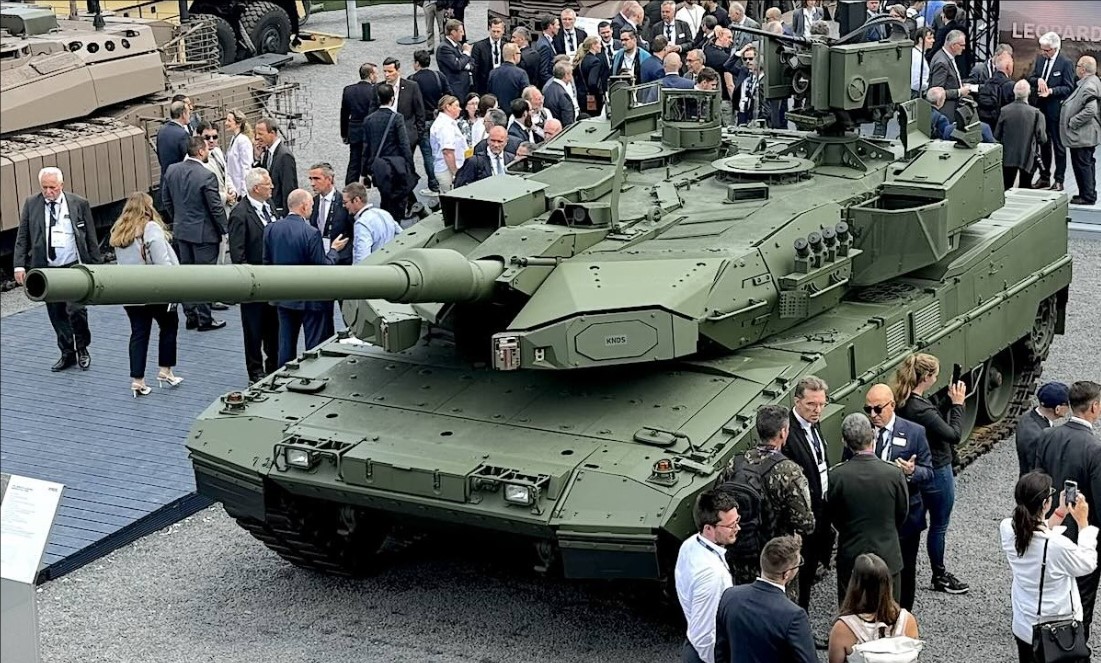
World
In a decisive move to bolster its military capabilities, the German Parliament has approved the acquisition of 105 Leopard 2A8 main battle tanks. This significant purchase marks a crucial enhancement for the Bundeswehr, promising not just an increase in numbers but also a leap in combat effectiveness and self-protection.This decision is rooted in a framework agreement forged in May 2023 with KNDS Deutschland, formerly known as KMW. The agreement initially paved the way for the procurement of up to 123 Leopard 2A8 tanks. Germany had already ordered 18 tanks under this framework, and with the latest parliamentary approval, the remaining 105 tanks will soon follow. This move, however, precludes other nations from tapping into the framework agreement as initially anticipated.The Leopard 2A8 represents an evolution of the Leopard 2 A7V, the current pinnacle of the Bundeswehr’s tank fleet. The upgrades embedded in the Leopard 2A8 are substantial. Among the most notable enhancements is the integration of the Trophy active protection system, a state-of-the-art technology designed to detect and neutralize incoming threats. The tank also boasts improved armor, offering enhanced protection levels against a wide range of attacks. A new, more powerful engine delivering approximately 100 additional horsepower further augments its performance. The inclusion of a 360° radar system and various other refinements complete the package, ensuring that the Leopard 2A8 is a formidable force on the battlefield.Given that the Leopard 2A8 is a modification rather than a completely new development, the first units are expected to be available by 2025. This timeline underscores the urgency of the delivery, driven by internal Bundeswehr assessments. These assessments suggest that Russia could be rearmed and capable of challenging NATO within the next five years, emphasizing the critical need for these tanks to fill existing gaps in the army’s arsenal. The new tanks are also intended to ensure that the German brigade stationed in Lithuania is equipped with robust and effective combat materials, further solidifying NATO's eastern flank.The Leopard 2 series has long been lauded for its battlefield prowess, and the 2A8 model is set to continue this legacy. With advanced defensive systems, superior firepower, and enhanced maneuverability, these tanks will significantly strengthen Germany’s military posture. This procurement underscores Germany’s commitment to maintaining a strong and capable defense force in the face of evolving global threats.In summary, the approval of the 105 Leopard 2A8 tanks represents a strategic and timely investment in Germany's military future, ensuring that the Bundeswehr remains at the forefront of armored warfare technology.
Read More → Posted on 2024-07-04 15:45:06
World
The struggles of the Baloch people in Pakistan have once again been thrust into the spotlight with the abduction of Zaheer Ahmed Baloch. Videos circulating on social media have depicted a distressing scene: Zaheer's family, peacefully protesting in Quetta, being threatened by uniformed members of the Pakistani defence forces. This incident underscores the ongoing plight of the Baloch community, where enforced disappearances have become an alarming norm.Zaheer Ahmed Baloch was reportedly taken by Pakistani forces on June 27, 2024. His family, driven by desperation and a profound sense of injustice, has been organizing protests across Quetta, demanding his immediate and safe return. The situation escalated when armed agents, allegedly from a Pakistani intelligence agency, began threatening the family during their peaceful rally outside the Session Court. PAANK, the human rights wing of the Baloch National Movement, highlighted this on 'X' (formerly Twitter), calling for protection for Zaheer's family and his release.The family's plight has drawn attention from various human rights organizations and activists. Prominent Baloch rights activist Sammi Deen Baloch shared that unidentified gunmen have been harassing Zaheer’s family, attempting to coerce them into halting their protests. Despite the local administration’s responsibility to address and resolve these issues, no substantial action has been taken to safeguard the family or ensure Zaheer’s return.Enforced disappearances have been a persistent issue in Balochistan. The region has long grappled with the abduction of its citizens, often by state forces, leading to prolonged protests and demands for justice. Recently, the Voice for Baloch Missing Persons (VBMP) marked the 5,496th day of its sit-in protest outside the Quetta Press Club. This protest camp symbolizes the enduring resistance and resilience of the Baloch people against enforced disappearances. Top Baloch activists, including Sibghatullah from the Baloch Yakjehti Committee's Makran chapter, have visited the camp to show solidarity with the affected families.The scale of this issue is staggering. In May alone, PAANK reported 90 cases of enforced disappearances in Balochistan, with the regions of Kech, Gwadar, and Dera Bugti witnessing 22, 15, and 29 incidents, respectively. These figures reflect a severe and ongoing human rights crisis that demands urgent attention and action from both national and international communities.Zaheer Ahmed Baloch’s abduction and the subsequent harassment of his family are stark reminders of the broader systemic issues faced by the Baloch people. The threats against Zaheer’s family during their peaceful protests highlight the oppressive tactics used to silence dissent and demands for justice. As the international community becomes increasingly aware of these injustices, there is a growing call for accountability and the protection of human rights in Balochistan.The situation remains tense, and the family of Zaheer Ahmed Baloch continues to fight for his safe return. Their courage in the face of threats and intimidation is a testament to the resilience of the Baloch people. It is crucial for the global community to stand in solidarity with them, demanding justice and an end to the enforced disappearances that plague Balochistan.
Read More → Posted on 2024-07-04 15:27:14
World
In a move to bolster its cybersecurity and intelligence capabilities, Australia has struck a significant deal with Amazon Web Services (AWS) to construct a top-secret cloud infrastructure. This AU$2 billion (approximately $1.3 billion USD) initiative was announced by the Australian government, emphasizing its commitment to modernizing its intelligence and military operations. The collaboration between AWS and the Australian government aims to create a bespoke cloud system tailored to the needs of Australia's military and intelligence agencies. This cloud is expected to enhance the security and efficiency of sensitive data handling, ensuring that top-secret military intelligence is stored and managed with the highest level of protection.A crucial aspect of this deal is the promise of greater interoperability and deeper collaboration with the United States. The US has long been one of Australia’s closest military allies, and this partnership is set to strengthen those ties. By leveraging AWS’s advanced cloud technology, Australia will be better positioned to coordinate with the US on various intelligence and military operations.Rachel Noble, the head of the Australian Signals Directorate (ASD), highlighted that this new cloud infrastructure would support the country’s "Redspice" intelligence program. Redspice is an initiative designed to counter the escalating threat of cyber attacks, which have become increasingly sophisticated and prevalent. Noble emphasized the need for advanced technology to stay ahead of these threats and protect national security.In addition to enhancing cybersecurity, this deal includes the construction of three data centers across Australia. These centers will be integral to the new cloud system, providing the physical infrastructure necessary for secure data storage and processing. The locations of these data centers have not been disclosed, likely due to the sensitive nature of their purpose.This partnership with AWS is part of Australia’s broader strategy to invest in cutting-edge technology and infrastructure. As cyber threats continue to evolve, the need for robust and secure data management systems becomes ever more critical. The Australian government’s decision to work with AWS, a leader in cloud computing, reflects a strategic move to ensure that its military and intelligence capabilities remain at the forefront of technological advancements.The deal also underscores the growing importance of cloud technology in national security. By transitioning to a cloud-based system, Australia can achieve greater flexibility, scalability, and security in managing its intelligence operations. This shift is expected to provide significant advantages in terms of speed and efficiency, allowing Australian intelligence agencies to respond more rapidly to emerging threats.The involvement of AWS in this project is a testament to the company’s expertise in providing secure and reliable cloud services. AWS has a strong track record of working with government agencies around the world, offering solutions that meet the stringent security requirements of national security operations. This collaboration is likely to serve as a model for other countries looking to enhance their cybersecurity and intelligence infrastructure through cloud technology.In conclusion, the AU$2 billion deal between Australia and Amazon Web Services represents a significant step forward in the country’s efforts to modernize its intelligence and military operations. By building a top-secret cloud infrastructure, Australia is not only enhancing its national security but also strengthening its partnership with the United States. This move highlights the critical role of advanced technology in addressing the complex and evolving threats of the modern world.
Read More → Posted on 2024-07-04 15:22:23
World
In a move that has left many scratching their heads, Pakistan's Prime Minister Shehbaz Sharif recently proposed a return to a barter system in trade with Russia. This surprising suggestion came during a meeting with Russian President Vladimir Putin on the sidelines of the Shanghai Cooperation Organisation (SCO) summit.Prime Minister Sharif harked back to the 1950s and 1960s when Pakistan and Russia used to engage in bilateral trade using a barter system. He suggested that reviving this old practice could help overcome current financial and banking issues between the two nations. "I think today is the time we can overcome financial and other banking issues by renewing our trade and expanding our trade under a barter," PM Shehbaz told President Putin. "That will be very beneficial to Pakistan and we will be able to overcome many problems."It seems like a nostalgic trip down memory lane, but in today's world of complex global finance and sophisticated trade mechanisms, suggesting a barter system sounds more like a punchline than a practical proposal. The idea that two major nations could trade goods without involving money or modern banking is, to put it mildly, a bit out of step with reality.Currently, trade between Pakistan and Russia is "touching $1 billion," according to PM Sharif. He highlighted the positive trajectory of bilateral relations and expressed his desire to work closely with Russia to further cement their ties. However, the idea of barter trade raises several questions about feasibility and practicality in the modern era.During the meeting, Putin acknowledged the excellent relations between Pakistan and Russia and talked about enhancing cooperation in the power, agriculture, and food security sectors. But the underlying message seemed clear: modern trade involves complex logistics and financial systems, not just swapping goods.This proposal comes at a time when Pakistan's economy is under significant strain, facing challenges such as high inflation, a devaluing currency, and substantial debt. The suggestion of barter trade could be seen as an indication of these economic troubles, highlighting the desperate measures being considered to keep the economy afloat.The state-run PTV News shared images of the delegation-level talks, showing key figures like Deputy PM and Foreign Minister Ishaq Dar, Defence Minister Khawaja Asif, and Information Minister Attaullah Tarar in attendance. The idea of convening a Pakistan-Russia intergovernmental cooperation meeting in Moscow was also floated.While Prime Minister Sharif extended an invitation to Putin to visit Pakistan, the proposal of a barter system trade with Russia seems more like a comedic interlude than a serious economic strategy. In an interconnected global economy where digital transactions and complex financial instruments are the norm, suggesting a return to bartering reflects a lack of practical solutions to Pakistan's economic woes.In conclusion, Pakistan's offer to Russia for a barter system trade might have been intended to address financial and banking challenges, but it mostly highlights the economic difficulties facing Pakistan today. The world has moved on from barter systems, and so should Pakistan, finding modern solutions to contemporary economic issues.
Read More → Posted on 2024-07-03 16:47:08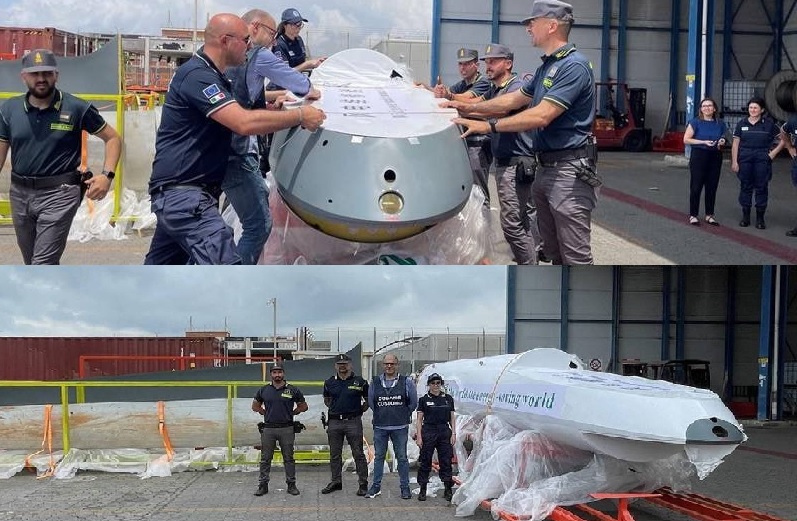
World
Italian customs officials have seized a shipment originating in China containing components for unmanned aerial vehicles (UAVs), commonly known as drones. The parts, reportedly disguised as wind turbine components, raise concerns about a potential violation of international export regulations.Italian authorities became suspicious of the shipment due to inconsistencies in the declared contents and inconsistencies with typical wind turbine parts. Upon closer inspection, officials discovered components clearly identified for drone construction. "The discovery of these drone parts hidden amongst what appeared to be legitimate wind turbine equipment is a serious concern," stated a spokesperson for the Italian Ministry of Finance. "We are currently investigating the intended use of these parts and potential violations of export control regulations."International TensionsThe incident adds another layer to the already complex relationship between Italy and China. While both countries are major players in global trade, tensions have simmered in recent years over issues like intellectual property theft and China's growing influence in Europe.The specific drone parts seized and their potential military or civilian applications remain unclear. However, the attempt to disguise the shipment as wind turbine components suggests a deliberate attempt to circumvent export controls.International lawSeveral international agreements govern the trade in UAV technology. The Wassenaar Arrangement, for example, aims to prevent the proliferation of conventional weapons and dual-use goods that can have both civilian and military applications. Drones are a prime example of such dual-use technology.If the investigation confirms a violation of export control regulations, Italy could take a number of steps, including:Seizing the entire shipment.Imposing fines on the involved parties.Alerting international partners about the attempted violation.Uncertainties RemainThe Italian government has not yet commented on the specific type of drones the parts were intended for, nor the intended recipient. It's also unclear whether China will face any official repercussions.The incident highlights the growing challenges of monitoring and regulating the trade in drone technology. As drone capabilities continue to evolve, so too must international efforts to ensure their responsible use.
Read More → Posted on 2024-07-03 16:35:41
World
Leonardo recently marked a significant achievement in its collaboration with the US Army by delivering its 1,000th infrared sensor, a vital component of BAE Systems’ 2-Color Advanced Warning System (2CAWS). This system plays a crucial role in safeguarding US Army helicopter crews against evolving missile threats.At a ceremony held at a Leonardo DRS facility, attended by officials from both Leonardo and BAE Systems, the milestone was celebrated with pride. Jerry Hathaway, Vice President of Leonardo DRS, emphasized the importance of this technology in enhancing the safety and survivability of aircrews.The 2CAWS infrared sensor is designed to provide advanced 360-degree detection capabilities, crucial for detecting and mitigating shoulder-fired and vehicle-launched surface-to-air missiles. This capability has proven essential in modern warfare scenarios, including the ongoing conflict in Ukraine. Recent reports from the Ukrainian military highlight the devastating impact of missile threats, with significant losses of Russian helicopters and Ukrainian military assets.Leonardo DRS has been dedicated to advancing its infrared sensor technologies, continually improving protection for US armed forces personnel. The integration of these sensors with countermeasure systems represents a critical advancement in defense technology, aimed at ensuring the safety and effectiveness of helicopter operations in challenging environments.This delivery milestone underscores Leonardo's commitment to innovation and partnership in delivering life-saving technologies that contribute to national defense and security efforts.
Read More → Posted on 2024-07-03 15:44:43
World
The deputy leader of the Lebanese militant group Hezbollah said Tuesday the only sure path to a cease-fire on the Lebanon-Israel border is a full cease-fire in Gaza."If there is a cease-fire in Gaza, we will stop without any discussion," Hezbollah's deputy leader, Sheikh Naim Kassem, said in an interview with The Associated Press at the group's political office in Beirut's southern suburbs.Hezbollah's participation in the Israel-Hamas war has been as a "support front" for its ally, Hamas, Kassem said, and "if the war stops, this military support will no longer exist."PlayUnmuteLoaded: 4.86%FullscreenBut, he said, if Israel scales back its military operations without a formal cease-fire agreement and full withdrawal from Gaza, the implications for the Lebanon-Israel border conflict are less clear."If what happens in Gaza is a mix between cease-fire and no cease-fire, war and no war, we can't answer (how we would react) now, because we don't know its shape, its results, its impacts," Kassem said during a 40-minute interview.The war began on Oct. 7 after Hamas militants invaded southern Israel, killing some 1,200 - mostly civilians - and kidnapping roughly 250. Israel responded with an air and ground assault that has caused widespread devastation and killed more than 37,900 people in Gaza, according to the territory's Health Ministry, which does not distinguish between combatants and civilians in its count.Talks of a cease-fire in Gaza have faltered in recent weeks, raising fears of an escalation on the Lebanon-Israel front. Hezbollah has traded near-daily strikes with Israeli forces along their border over the past nine months.The low-level conflict between Israel and Hezbollah has displaced tens of thousands on both sides of the Israel-Lebanon border. In northern Israel, 16 soldiers and 11 civilians have been killed; in Lebanon, more than 450 people - mostly fighters but also dozens of civilians - have been killedHamas has demanded an end to the war in Gaza, and not just a pause in fighting, while Israeli Prime Minister Benjamin Netanyahu has refused to make such a commitment until Israel realizes its goals of destroying Hamas' military and governing capabilities and brings home the roughly 120 hostages still held by Hamas.Last month, the Israeli army said it had "approved and validated" plans for an offensive in Lebanon if no diplomatic solution was reached to the ongoing clashes. Any decision to launch such an operation would have to come from the country's political leadership.Some Israeli officials have said they are seeking a diplomatic solution to the standoff and hope to avoid war. At the same time, they have warned that the scenes of destruction seen in Gaza will be repeated in Lebanon if war breaks out.Hezbollah, meanwhile, is far more powerful than Hamas and believed to have a vast arsenal of rockets and missiles capable of striking anywhere in Israel.Kassem said he doesn't believe that Israel currently has the ability - or has made a decision - to launch a full-blown war with Hezbollah. He warned that even if Israel intends to launch a limited operation in Lebanon that stops short of a full-scale war, it should not expect the fighting to remain limited."Israel can decide what it wants: limited war, total war, partial war," he said. "But it should expect that our response and our resistance will not be within a ceiling and rules of engagement set by Israel... If Israel wages the war, it means it doesn't control its extent or who enters into it."The latter was an apparent reference to Hezbollah's allies in the Iran-backed so-called "axis of resistance" in the region. Armed groups in Iraq, Syria, Yemen and elsewhere - and, potentially, Iran itself - could enter the fray in the event of a full-scale war in Lebanon, which might also pull in Israel's strongest ally, the United States.U,S. and European diplomats have made a circuit between Lebanon and Israel for months in an attempt to ward off a wider conflict.Kassem said he met on Saturday with Germany's deputy chief of intelligence, Ole Dieh, in Beirut. U.S. officials do not meet directly with Hezbollah because Washington has designated it a terrorist group, but they regularly send messages via intermediaries.Kassem said White House envoy Amos Hochstein had recently requested via intermediaries that Hezbollah apply pressure on Hamas to accept a cease-fire and hostage-exchange proposal put forward by U.S. President Joe Biden. He said Hezbollah had rejected the request."Hamas is the one that makes its decisions and whoever wants to ask for something should talk to it directly," he said.Kassem criticized U.S. efforts to find a resolution to the war in Gaza, saying it has backed Israel's plans to end Hamas' presence in Gaza. A constructive deal, he said, would aim to end the war, get Israel to withdraw from Gaza, and ensure the release of hostages.Once a cease-fire is reached, then a political track can determine the arrangements inside Gaza and on the front with Lebanon, he added.
Read More → Posted on 2024-07-03 15:37:04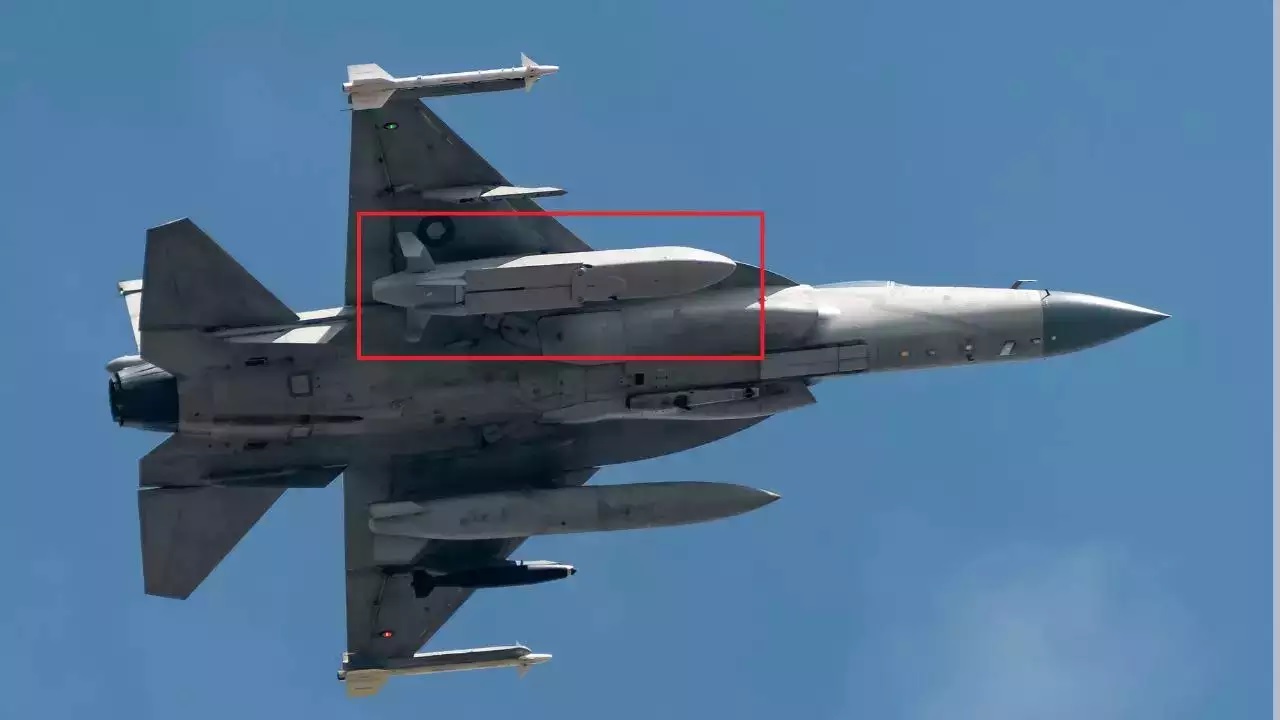
World
In a recent and startling revelation, a photograph has surfaced confirming what many defense analysts have long suspected: Pakistan's JF-17 Thunder fighter jets are now equipped to carry tactical nuclear missiles. This significant development, verified by the Federation of American Scientists (FAS), marks a pivotal shift in the nuclear dynamics of South Asia.The photograph, meticulously analyzed by experts, shows the JF-17 carrying the RA'AD I, Pakistan's sole nuclear-capable Air-Launched Cruise Missile (ALCM). The RA'AD I, first tested in 2007, is a versatile weapon designed for both conventional and nuclear missions. This capability leap comes as Pakistan moves to phase out its aging Mirage III/V aircraft, which previously bore the brunt of its air-based nuclear deterrence. Now, the JF-17 is set to become the cornerstone of Pakistan's air-nuclear defense strategy.The initial signs of this shift were evident during the 2023 Pakistan Day Parade rehearsals, where a nuclear-capable JF-17 was spotted. Further scrutiny and analysis of photographs by the FAS confirmed the presence of the RA'AD missile, cementing its nuclear capabilities. This upgrade not only signifies a modernization effort but also highlights Pakistan's commitment to maintaining a robust nuclear arsenal.Interestingly, discrepancies between older images of the RA'AD missile and those in the new photographs suggest that Pakistan might be working on an upgraded version, the RA'AD-II. Although specific details about the RA'AD-II remain scarce, its existence points to ongoing advancements in missile technology and nuclear delivery systems.The JF-17 Thunder, co-developed by China and Pakistan, is a lightweight, single-engine fighter jet known for its versatility and advanced avionics. Equipped with a KLJ-7 X-band radar and multiple display screens, it boasts enhanced combat effectiveness. The jet can carry a variety of armaments, including air-to-air and air-to-ground missiles, unguided bombs, and a 23mm cannon, making it a formidable addition to Pakistan's military capabilities.This development occurs against the backdrop of an intensifying nuclear arms race between India and Pakistan. India's successful test of multiple re-entry vehicles for its Agni missiles has spurred Pakistan to respond with the development of the Ababeel missile. Both nations are locked in a competition to expand their missile ranges and modernize their nuclear arsenals.India's nuclear strategy also appears to be evolving, with indications of a shift towards storing nuclear warheads and their delivery systems together, even during peacetime. This change, highlighted by the use of canisterized missiles and nuclear submarines, signals a more proactive and potentially aggressive stance.The JF-17's new role as a nuclear-capable fighter jet represents a significant step in Pakistan's military evolution. As regional tensions continue to simmer, the introduction of such advanced capabilities underscores the delicate and volatile nature of nuclear deterrence in South Asia.
Read More → Posted on 2024-07-03 15:25:37
World
The U.S. Court of Appeals for the Ninth Circuit recently heard closing arguments in the high-profile case of Tahawwur Rana, a Pakistani-origin Canadian businessman implicated in the 2008 Mumbai terror attacks. The attacks, which claimed 166 lives and left 239 injured, involved ten terrorists from Pakistan who targeted several locations in Mumbai, including the Taj Mahal Hotel, a major railway station, and a Jewish community center.Assistant U.S. Attorney Bram Alden argued that under the U.S.-India extradition treaty, Rana is extraditable based on the plain provisions of the treaty. Alden emphasized that India has established probable cause to prosecute Rana for his involvement in the attacks. Rana, currently held in a Los Angeles jail, is accused of assisting David Coleman Headley, a Pakistani-American terrorist and one of the main conspirators of the 26/11 attacks.Alden's arguments highlighted the overwhelming evidence supporting probable cause. He detailed Rana's repeated meetings with Headley and his role in facilitating Headley's fraudulent business in India, which was used as a cover to conduct surveillance for the attacks. Alden also pointed to a phone call where Rana praised the successful execution of the attacks, underscoring his complicity.Rana's attorney, John D. Cline, challenged the evidence, arguing that there is no competent evidence supporting probable cause. Cline raised concerns about the double jeopardy provision in the U.S.-India extradition treaty, questioning whether Rana can be extradited to India after being acquitted by an American jury for the same conduct.Despite these arguments, Alden maintained that both India and the U.S. have a shared understanding of the treaty's provisions. He asserted that the treaty's non-bis provision should be interpreted based on the elements of the offense, not the underlying conduct, aligning with long-standing Supreme Court precedent on double jeopardy.The case's complexity is underscored by the significant diplomatic and legal implications. The 2008 Mumbai attacks, often referred to as India's 9/11, were a devastating blow, with the attackers laying siege to multiple sites across the city over a span of 60 hours. The coordinated attacks targeted key locations, including bars, restaurants, and the Chabad House, leaving a trail of destruction and loss.The Ninth Circuit's ruling on Rana's extradition has significant ramifications for U.S.-India relations and international counterterrorism efforts. If extradited, Rana would face prosecution in India, bringing a measure of justice to the victims and their families. The decision also reinforces the collaborative efforts between nations in addressing global terrorism and ensuring accountability for heinous acts.As the legal proceedings continue, the focus remains on whether the extradition treaty's provisions will prevail, potentially setting a precedent for future extradition cases involving complex international crimes. The outcome will be closely watched by legal experts, policymakers, and the global community, highlighting the intricate balance between legal principles and international cooperation in the fight against terrorism.
Read More → Posted on 2024-07-03 14:57:13
World
In a startling development, European officials have revealed that Chinese and Russian companies are collaborating to develop an attack drone modeled after Iran's Shahed, which has been extensively deployed in Ukraine. This venture marks a potential shift in Beijing's stance, inching closer to providing the kind of lethal aid that Western officials have vehemently warned against.In 2023, Chinese and Russian companies initiated discussions about replicating Iran’s Shahed drone. This year, they began developing and testing their version in anticipation of shipping it to Russia. Despite these preparations, the Chinese drones have yet to make an appearance in Ukraine, according to the officials, who spoke on condition of anonymity.The Shahed-like attack drone, if provided to Russia, would signify a substantial escalation of Beijing’s support for Moscow. This move comes despite President Xi Jinping's attempts to maintain a veneer of neutrality in the Ukraine conflict. Western officials, however, assert that China has already been supplying components and support to President Vladimir Putin’s forces. Xi's balancing act becomes increasingly precarious as the US and its allies continue to scrutinize China's actions.While China has refrained from supplying weapons and artillery directly to Russia, US officials believe Beijing is weighing the possibility of sending fully assembled unmanned aerial vehicles. In the interim, China is reportedly supplying kits that can be converted into attack drones. This cautious approach reflects Beijing's awareness of the severe repercussions, such as economic sanctions, that direct military aid could provoke.The international community remains divided on whether China's actions constitute lethal aid. Some nations argue that providing attack drones to Russia would cross a critical line. However, the US assessment remains that China has not yet crossed that threshold, although it acknowledges differing interpretations from other countries.Liu Pengyu, spokesperson for China’s embassy in the US, reiterated China's official stance, denying any provision of weapons to the conflicting parties in Ukraine. He emphasized China's commitment to controlling exports of dual-use articles and criticized nations that he claims are fueling the conflict.Russia’s defense and foreign ministries have remained silent on the matter, neither confirming nor denying the allegations.Throughout the war in Ukraine, Russia has deployed thousands of Shahed drones, even establishing a factory to mass-produce this relatively inexpensive yet effective technology. Despite this, Russia continues to depend on countries like North Korea, Iran, and China for crucial supplies and components. The fear among Western officials is that China’s industrial capacity could enable it to produce a Shahed-like drone at a scale far surpassing Iran or Russia.Although the exact model of the drone under development remains unspecified, Chinese defense websites and media reports suggest it could be the Sunflower 200, a kamikaze attack drone bearing a striking resemblance to the Iranian Shahed 136.In April, Bloomberg News reported that China was supplying Russia with satellite imagery for military use, as well as microelectronics and machine tools essential for tank production and other military technologies. US Ambassador to NATO, Julianne Smith, highlighted China's covert support, stating that the People’s Republic of China (PRC) is no longer a neutral player and is actively providing dual-use components that bolster Russia’s war efforts.UK Defense Secretary Grant Shapps further stirred the pot by suggesting that China was poised to provide lethal aid to Russia, a claim that was met with caution by US National Security Adviser Jake Sullivan. Sullivan maintained that, to date, there was no concrete evidence of China supplying weapons directly to Russia.Ukrainian President Volodymyr Zelenskyy, speaking at the G-7 summit, disclosed that President Xi had assured him that China would not arm Russia. Despite these reassurances, the intricate web of support and collaboration between China and Russia continues to unfold, raising alarms and prompting a reevaluation of Beijing's role in the ongoing conflict.
Read More → Posted on 2024-07-03 14:53:24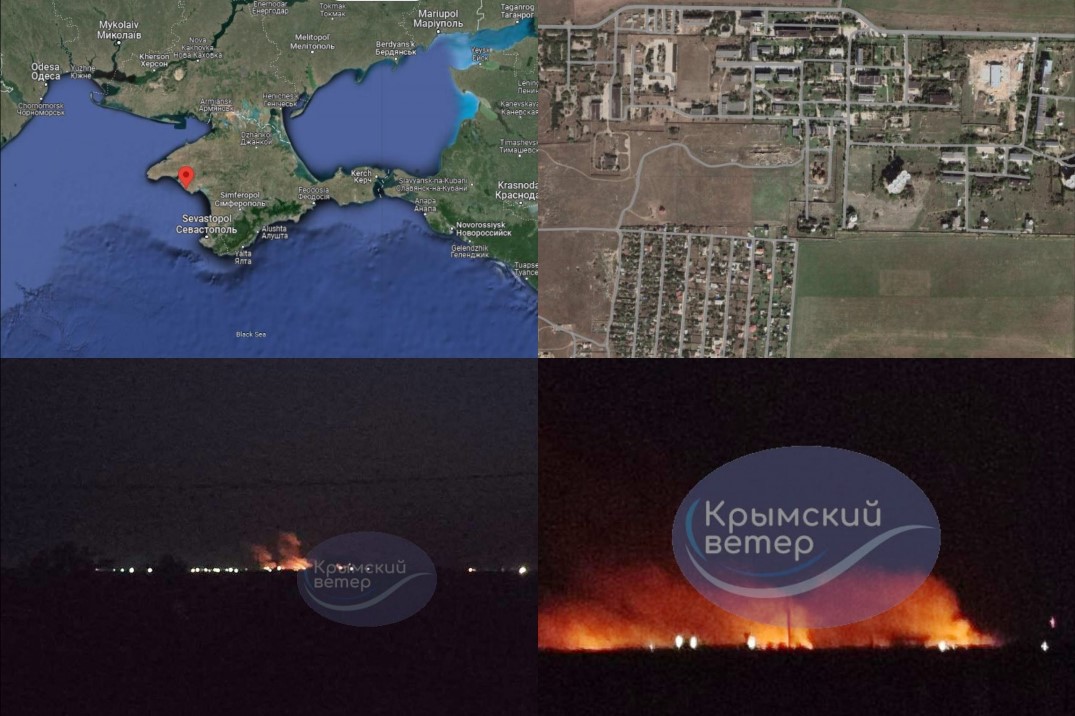
World
In a dramatic escalation of the ongoing conflict, Ukraine's Ministry of Defense announced the destruction of a critical Russian space surveillance and communications center in occupied Crimea. This strategic facility, located in the village of Vityno, played a vital role in Moscow’s satellite communications and navigation systems, making its loss a significant blow to Russian capabilities.The operation, shrouded in secrecy, has left many details unclear, including the exact date of the attack and the weapons used. However, local media reported a series of overnight explosions in several settlements across Crimea on June 23. Eyewitnesses noted a large fire at the Russian military facility in Vityno, further fueling speculation about the nature and extent of the damage inflicted.The targeted site, identified as the 40th Separate Command and Measurement Complex, was an integral part of the Titov Main Test and Space Systems Control Centre of the Russian Aerospace Forces. This facility, seized by Russian forces during the annexation of Crimea in 2014, housed critical electronic warfare systems designed to protect it and nearby command posts. The successful strike by Ukrainian forces indicates a potential weakening of Moscow’s air defense in the occupied territory, raising questions about the effectiveness of Russia’s protective measures.This incident follows another significant Ukrainian attack last month, which saw a missile strike on Russian-occupied territory killing four people and injuring over 100. Russia attributed this attack to the US-supplied ATACMS missile, underscoring the growing role of Western military support in Ukraine’s defense strategy.The destruction of the space communications center not only marks a tactical victory for Ukraine but also symbolizes a shift in the balance of power in the region. By targeting such a crucial component of Russia’s military infrastructure, Ukraine has demonstrated its capability to strike high-value targets deep within occupied territory, potentially altering the dynamics of the conflict.As the war continues to evolve, this bold move by Ukraine could signal a new phase in the conflict, where strategic targets become increasingly vulnerable and the importance of advanced warfare tactics and technology comes to the forefront. The repercussions of this strike are yet to unfold, but it is clear that the destruction of the Russian space communications center in Crimea has sent a powerful message about Ukraine's resilience and determination in the face of aggression.
Read More → Posted on 2024-07-03 14:44:30
World
Ukraine's Defence Intelligence has recently received a significant upgrade with the acquisition of three CB90 combat boats, renowned for their speed and agility. These Swedish-made vessels, equipped with powerful 600kW marine diesel engines and water jets, boast a top speed of 40 knots (74 km/h) and exceptional maneuverability ideal for coastal operations. Their shallow draught enhances their suitability for navigating close to shorelines, making them invaluable assets in reconnaissance, surveillance, and intelligence-gathering missions.The delivery, valued at over US$4.1 million including comprehensive crew training, marks a crucial enhancement in Ukraine's maritime capabilities. Oleksandr Vodoviz, speaking on behalf of Metinvest, emphasized the strategic importance of these boats in bolstering Ukraine's defense posture, particularly in the Black Sea region—a vital front in current geopolitical dynamics.Supported by the Steel Front initiative led by Ukrainian businessman Rinat Akhmetov, this acquisition underscores a broader commitment to bolster Ukraine's defense infrastructure. Beyond combat boats, the initiative has contributed electronic warfare equipment, drones, and essential protective gear, totaling over US$200 million since the onset of conflict.The deployment of CB90 boats represents a proactive step in fortifying Ukraine's maritime defenses, ensuring readiness against external threats and safeguarding coastal territories. This acquisition not only enhances operational capabilities but also symbolizes solidarity in Ukraine's resilience amidst ongoing challenges.
Read More → Posted on 2024-07-02 15:32:17Search
Top Trending in 24 Hours
-
 U.S. Space Force Awards $437.7 Million Contracts for First PTS-G Swarm 1 Anti-Jam Satellites
-
 U.S. Air Force Faces Strategic Airlift Shortfall as C-17 Production Restart Remains Uncertain
-
 India Successfully Conducts AD-1, AD-2 Interceptor Tests and Maiden NASM-MR Flight Trial
-
 Russia Launches 1,400 Jet-Powered Drones in 2026 as Strike Tactics Evolve to Challenge Ukraine's Air Defenses
-
 U.S Navy Orders 50 Blackbeard Hypersonic Missiles in New $23.4 Million Contract
-
 UAE Denies Reports of Releasing Up to $20 Billion in Funds to Iran Amid Regional De-Escalation Efforts
-
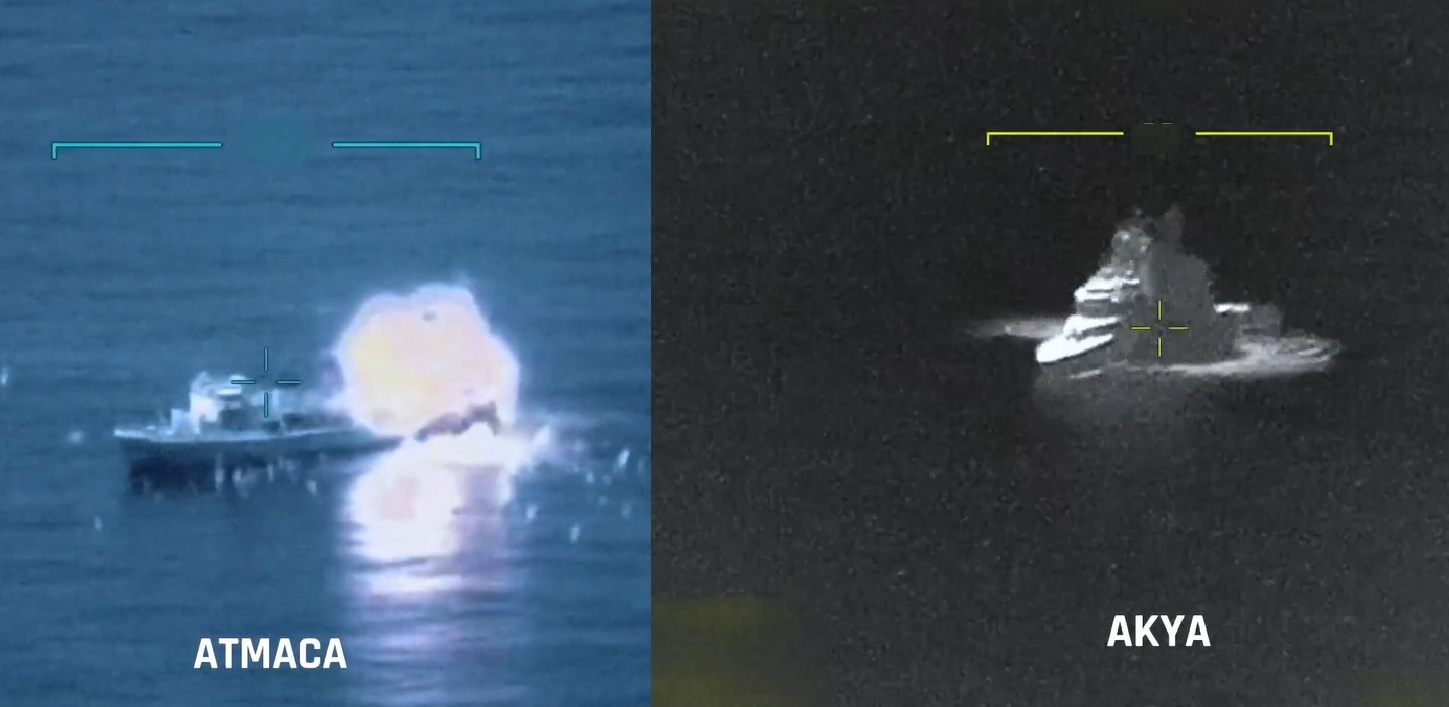 Turkey Navy Successfully Tests AKYA Torpedo and ATMACA Missile During Major Denizkurdu-II Naval Exercise
-
 Anduril Wins $363 Million CBP Contract to Deploy Over 200 Extended Range AI Surveillance Towers
Top Trending in 4 Days
-
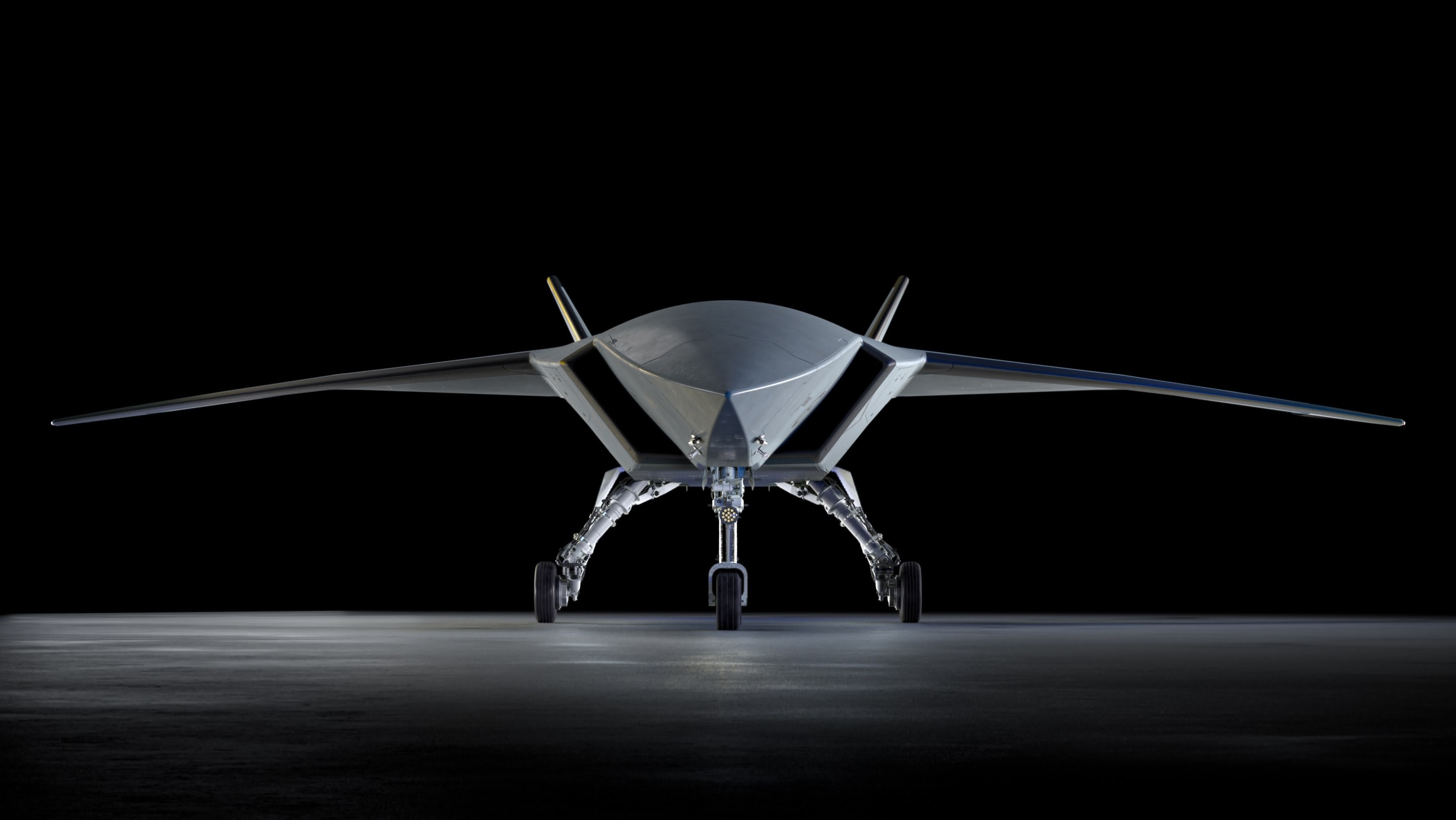 Boeing Introduces New MQ-28 Ghost Bat Upgrades with Increased Range, Payload and Weapons Capacity at ILA Berlin 2026
-
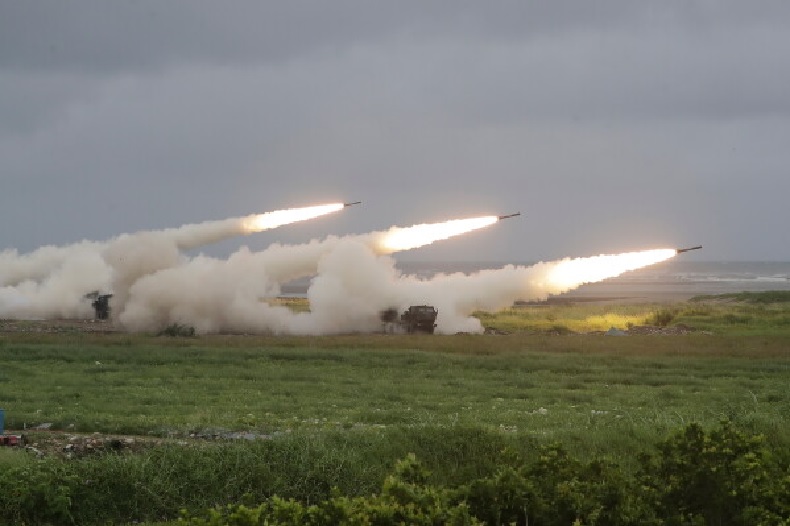 Taiwan Conducts First Live-Fire of HIMARS Rockets From West Coast During Invasion Defense Drill
-
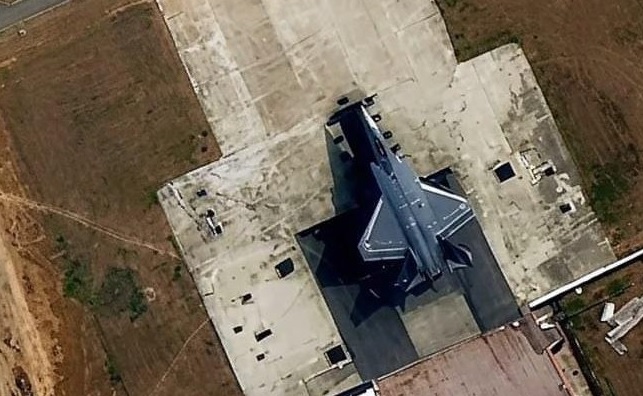 AMCA Airframe Spotted at DRDO’s ORANGE Facility for Radar Cross-Section Testing
-
 Russian Defense Firm ZALA Unveils KAMA Unmanned Surface Vessel Family at FLOT-2026 Naval Exhibition
-
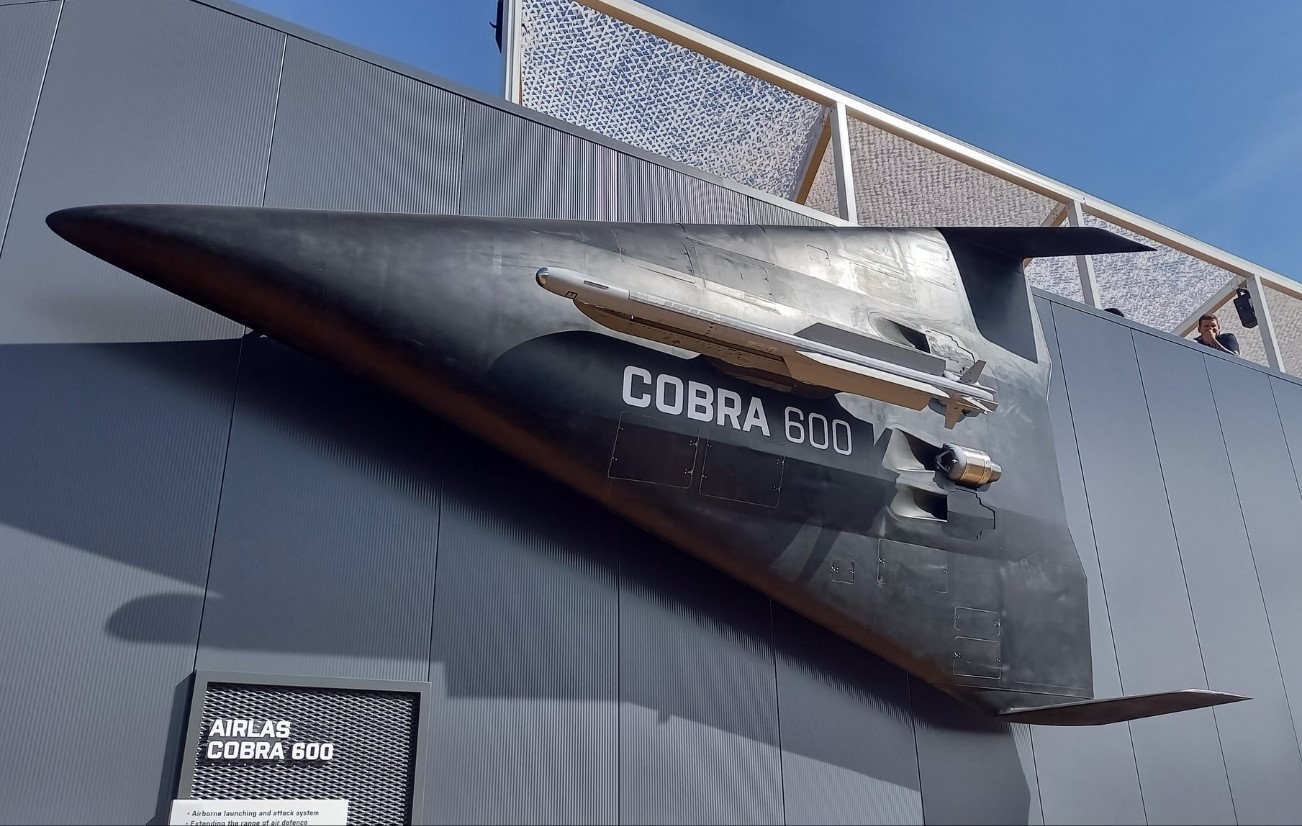 Diehl Defence Unveils IRIS-T Armed Cobra 600 Air Defense Drone at ILA Berlin 2026
-
 Iranian Media Leaks 14-Point U.S.-Iran Peace Framework Amid Ongoing Negotiations
-
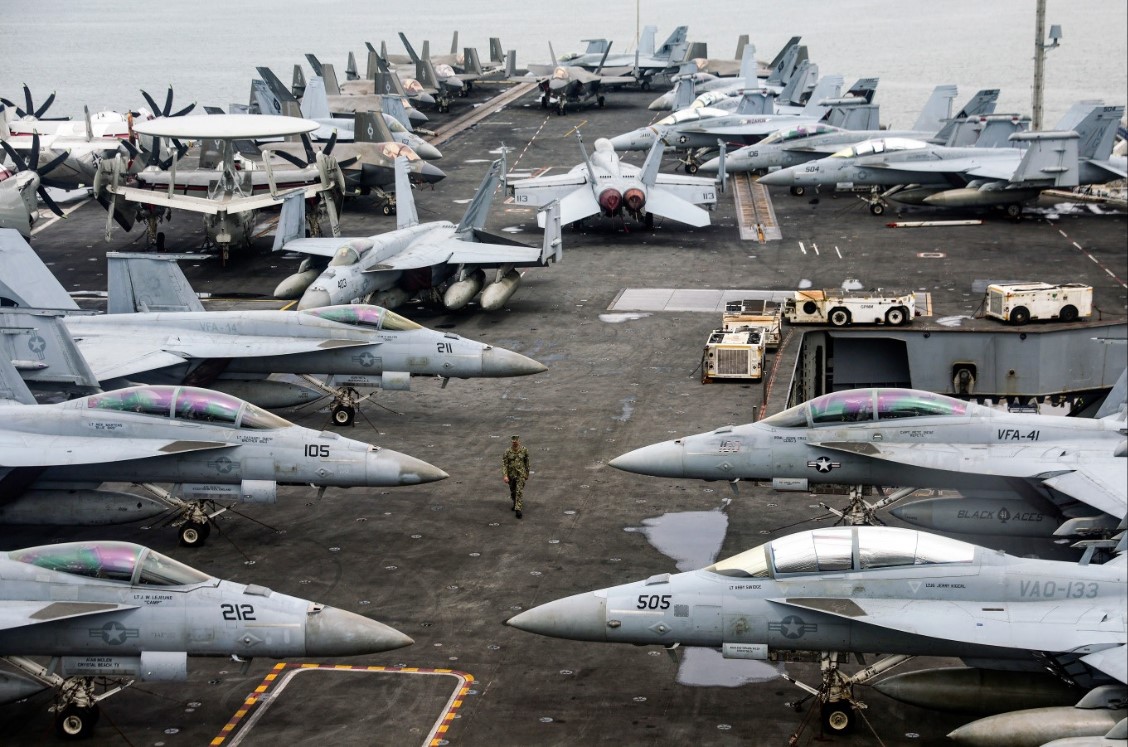 US Plans Significant Reduction of Fighter Jets and Warships for NATO Operations in Europe
-
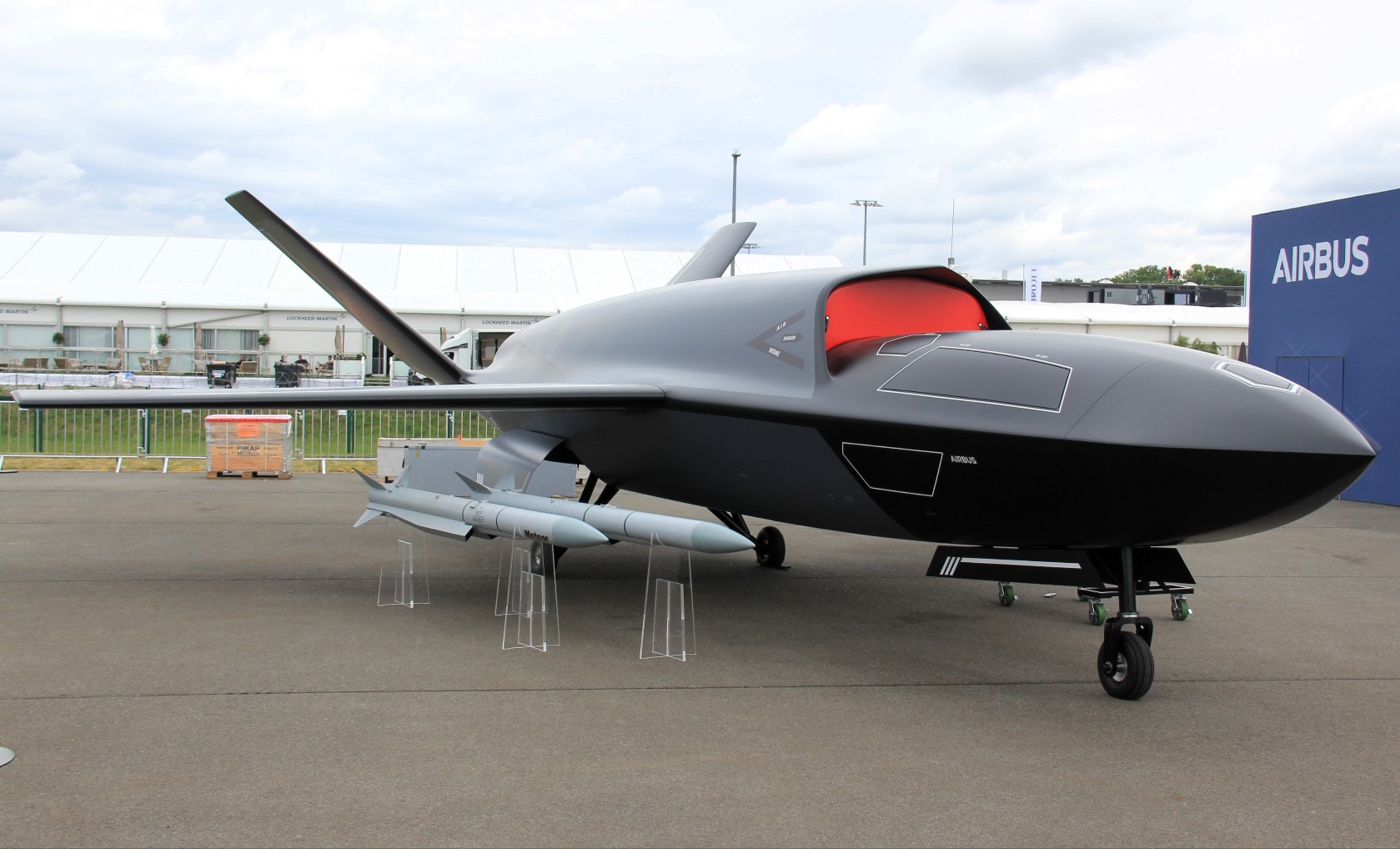 Airbus Unveils U760 Ravenstorm Loyal Wingman Drone at ILA Berlin 2026