World
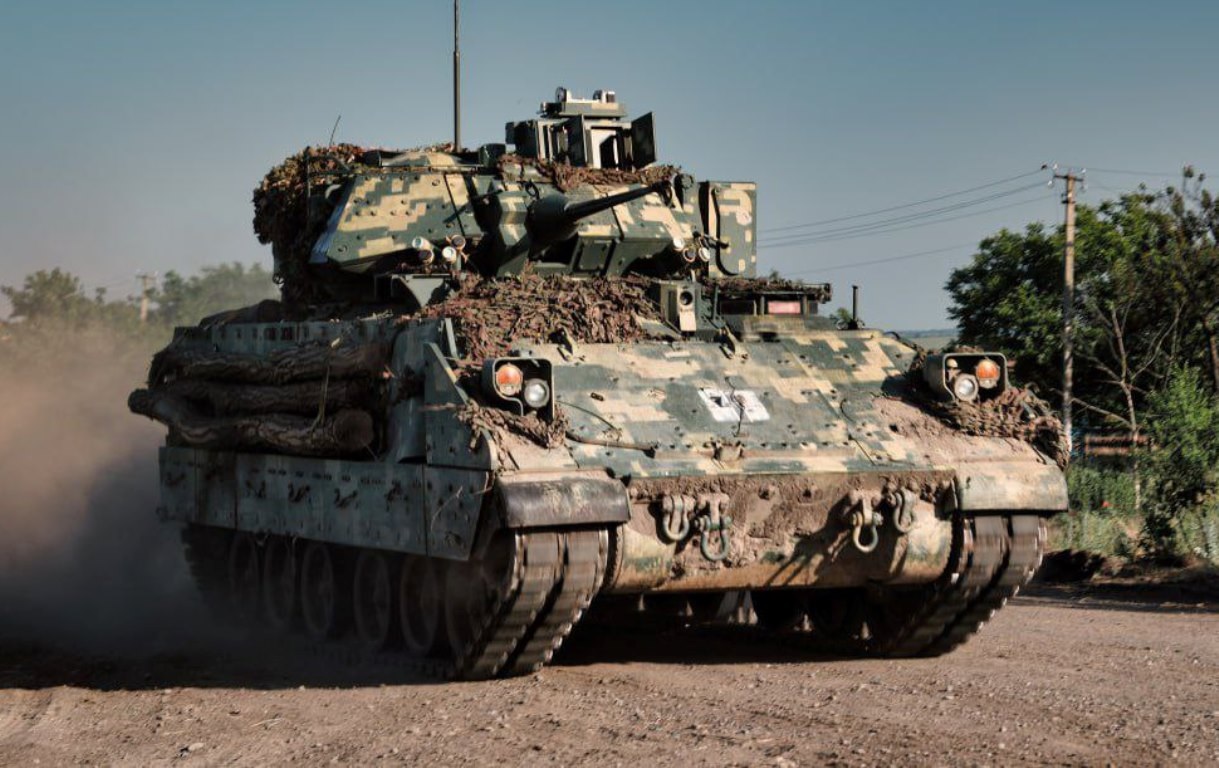
In the ongoing conflict in Ukraine, technological advancements continue to shape the battlefield. One such development is the introduction of a first-person view drone protection kit for Bradley infantry fighting vehicles (IFVs). This initiative, spearheaded by Ukrainian steel firm Metinvest, aims to address the vulnerabilities of these vehicles against modern drone threats.Metinvest's Chief Operating Officer, Oleksandr Myronenk, shared insights into this project during an interview with Priamyi. He revealed that the initial samples of the "protective screen" would be sent for testing within a week. This phase is crucial as it involves gathering feedback from military personnel, which will then guide the scaling up of production. "Once we receive feedback from the military, we will be able to scale up production and equip the Bradleys that are currently operating in Ukraine," Myronenk stated.The need for such a protective kit stems from the realization that the Bradleys, as well as American Abrams tanks, are "insufficiently" protected against modern warfare challenges, particularly those posed by weaponized drones. Ukraine has experienced significant losses, with dozens of Bradleys and at least five of the 31 Abrams sent by the US being taken out partly due to these drone threats. Myronenk explained that the US platforms were previously deployed in regions like Afghanistan and Iraq, where drone attacks were not a significant concern. "For this reason, the Americans did not have experience protecting tanks from such drone attacks," he added. This gap in protection highlights the necessity for additional measures to enhance battlefield survivability.The drone protection kit, specifically designed for Bradleys, is part of a broader effort to adapt to the evolving threats. The US Army's recent announcement in May about the next-generation M2A4E1 Bradley variant included features like the Iron Fist Active Protection System, improved High Definition Forward Looking Infrared Gunner’s Sight, and an Environmental Control Unit to prevent heat stress for dismounts. However, the Iron Fist is primarily effective against anti-tank missiles, necessitating further protection against drone strikes.Metinvest's protective screen, made of steel produced by the company, completely envelops the turret, engine compartment, and openings of the vehicle. The installation process is relatively quick, taking about 12 hours per tank. The effectiveness of this screen is notable, with claims that it increases the battlefield survivability of tanks against drone strikes by 30 to 40 percent. Additionally, it provides enhanced protection for the crew compartment, thereby increasing the chances of crew survival in the event of tank damage. While the kit can withstand drone and anti-tank guided missile strikes with recoverable damage, it is not designed to protect against direct hits by artillery or tank shells.This development underscores the importance of continuous innovation and adaptation in modern warfare. As Ukraine continues to face challenges on the battlefield, initiatives like the drone protection kit for Bradleys highlight the critical role of technological advancements in ensuring the safety and effectiveness of military operations.
Read More → Posted on 2024-07-08 15:13:17
World
In a dramatic overnight operation, Ukrainian drones targeted a Russian munitions depot in the Voronezh region, setting it ablaze and causing a series of powerful explosions. The incident, which occurred in the Podgorensky district approximately 80 kilometers from the Ukrainian border, was confirmed by both Russian and Ukrainian officials on Sunday.According to Alexander Gusev, the governor of the Voronezh region, several drones were detected and intercepted by Russian air defense systems. However, the falling debris from these drones sparked a fire at the depot. Gusev reported on Telegram that the fire led to the detonation of explosives stored at the site. Fortunately, no injuries have been reported, but the incident prompted the evacuation of nearby residents as rescue teams rushed to the scene to contain the blaze.A Ukrainian defense source disclosed to AFP that the drones successfully hit a munitions factory. The site housed a significant stockpile of surface-to-surface and surface-to-air missiles, shells for tanks and artillery, and various ammunition boxes. The attack, described by the Ukrainian source as causing a "powerful" explosion, underscores the increasing use of drone technology by both Russia and Ukraine since the conflict began in February 2022.This event is part of a broader strategy by Ukraine to intensify its attacks on Russian territory. Over recent months, Ukraine has focused on targeting Russian energy infrastructure that supports military operations, as well as towns and villages near the border. These strikes are seen as a means to disrupt the logistical and operational capabilities of the Russian military.The use of drones in this conflict has escalated, with both sides deploying these unmanned aerial vehicles for reconnaissance and offensive operations. Drones equipped with explosive payloads and capable of covering hundreds of kilometers have become a critical component of modern warfare, offering a strategic advantage by allowing forces to strike deep within enemy territory with relative safety.As the war continues, such drone attacks highlight the evolving nature of military tactics and the significant impact of technology on the battlefield. The recent strike on the Voronezh munitions depot is a stark reminder of the ongoing conflict and the lengths to which each side will go to gain an upper hand.The situation remains tense, and further developments are expected as both nations continue to adapt and respond to the challenges posed by this protracted conflict. The international community watches closely, aware that each new incident has the potential to escalate tensions further in an already volatile region.
Read More → Posted on 2024-07-08 15:03:47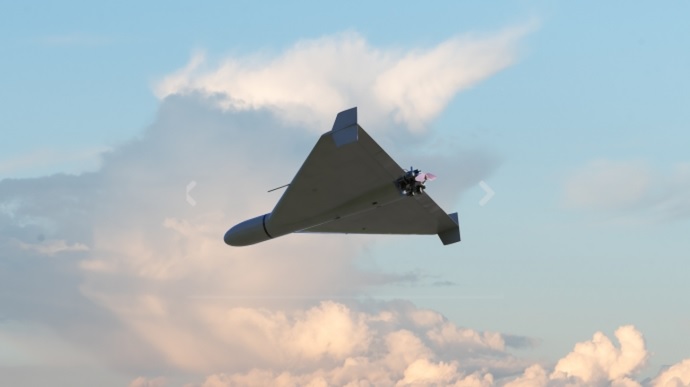
World
Recent reports have surfaced, indicating that Chinese and Russian companies are collaborating on the development of a new attack drone modeled after Iran's Shahed drone. This revelation has sent shockwaves through the international community, as it suggests a potential shift in China's stance on the ongoing war in Ukraine, where it previously claimed neutrality.According to European officials and anonymous sources cited by Bloomberg, the collaboration began in 2023. The project aims to replicate the Iranian Shahed drone, a weapon that Russia has extensively used in its assaults on Ukraine. While Ukraine has reported intercepting drones that resemble the Iranian Shahed, there has been no confirmed presence of Chinese-made drones in the conflict thus far.The Chinese embassy in the United States has strongly denied these allegations, asserting that China does not supply weapons to any party involved in the Ukrainian conflict and adheres to strict controls on the export of dual-use items. Despite these denials, Western officials have voiced concerns about China's indirect support for Russia, pointing to the provision of equipment and various forms of aid.The development of the new drone, reportedly named "Sunflower 200" by Chinese defense sources, has heightened these concerns. Ukrainian President Volodymyr Zelenskyy has acknowledged that components used in drones, including those shipped from China and European countries, have been identified in the conflict. This underscores the complexity and interconnectivity of global supply chains in modern warfare.The collaboration between China and Russia in developing attack drones has significant implications for the ongoing conflict in Ukraine. It raises the specter of an escalation in violence and increased casualties, a prospect that worries many international observers. Western officials have issued stern warnings to China against providing lethal aid to Russia, highlighting the potential repercussions for regional and global stability.As the situation unfolds, the international community is keeping a close watch. The potential involvement of Chinese technology in the conflict could mark a turning point, influencing not only the dynamics of the war but also the geopolitical landscape. The stakes are high, and the consequences of this development could resonate far beyond the borders of Ukraine.
Read More → Posted on 2024-07-07 15:39:47
World
In a startling revelation, Taiwan's government has discovered Chinese-made Huawei routers at one of its Army bases, raising serious questions about national cybersecurity. This finding was reported by Taiwan News on Saturday, following an extensive investigation into the use of Chinese technology within the Taiwanese military.The investigation was propelled by Taiwan People's Party (TPP) Legislator Huang Kuo-chang, who has been relentless in probing the military's procurement processes, particularly concerning optical communication projects. Huang's scrutiny revealed that two Huawei routers and a data reader from another Chinese manufacturer, Advantech Co., were installed at the Army's Hongchaolin Camp. The Ministry of National Defence's Armaments Bureau confirmed these findings and announced plans to penalize the contractors responsible for these acquisitions.Huang's investigation is not an isolated incident. He had previously exposed the use of Chinese-made inverters in the military's communication projects, highlighting a pattern of reliance on Chinese technology that could potentially compromise Taiwan's national security. On Thursday, he further disclosed that industrial computers used in these projects were also sourced from China.This development comes against a backdrop of heightened scrutiny over Chinese technology. In October 2023, Taiwan initiated an investigation into four of its companies suspected of violating U.S. sanctions and Taiwanese regulations by allegedly assisting Huawei in building semiconductor plants. These companies—Topco Scientific, United Integrated Services, L&K Engineering Co., and Cica-Huntek Chemical Technology—have all denied any wrongdoing, stating their work was limited to non-sensitive areas like wastewater management and interior decoration.The discovery of Huawei routers in Taiwan's military installations is particularly alarming given the broader context of Huawei's controversial role in the global tech landscape. The company has been at the epicenter of the technological rivalry between the United States and China. Washington and its allies have imposed significant restrictions on Huawei, citing concerns over potential espionage and the company's ties to the Chinese government. Huawei has consistently denied these allegations, maintaining that its operations are purely commercial.Taiwan's latest findings underscore the pervasive concerns about cybersecurity and the influence of Chinese technology in critical infrastructure. The use of Chinese-made equipment in sensitive military projects poses a significant risk, potentially exposing Taiwan to espionage or cyberattacks. The government's response, including punitive measures against the responsible contractors, reflects the urgency and gravity of these concerns.This incident serves as a stark reminder of the challenges faced by countries like Taiwan in navigating the complex and often contentious technological landscape dominated by global superpowers. As Taiwan continues to bolster its defenses against potential security threats, the ongoing investigation into Chinese-made technology within its military will likely have far-reaching implications for its procurement policies and national security strategy.
Read More → Posted on 2024-07-07 15:27:34
World
A recent promotional video released by Shenyang Aircraft Corporation (SAC) has sparked widespread speculation that China's latest stealth fighter jet, the J-31B Gyrfalcon, is close to being ready for military deployment. The video, shared by state media, showcases a computer-generated model of the J-31B, now bearing its official military designation. This is a significant shift from its previous label, the FC-31 Gyrfalcon, indicating that the aircraft might have passed critical milestones for military readiness.One of the standout features highlighted in the video is the advanced side weapon bays of the J-31B, capable of carrying two missiles each. This armament surpasses the capabilities of the US F-22 Raptor and China's own J-20, both of which can only carry one missile per side bay. This enhancement in firepower could significantly elevate the J-31B's performance in close-range combat, offering a formidable advantage on the battlefield.The video also hints at a potential carrier-based variant of the J-31B, though experts are still debating whether the design suggests a land-based or naval model. Regardless of its configuration, the introduction of the J-31B into service would be a notable achievement for China, positioning it as the second nation after the United States to deploy two distinct types of stealth fighter jets.The implications of the J-31B's potential deployment are profound. If confirmed, this development could trigger an arms race and shift the regional balance of power in the Asia-Pacific region and beyond. The advanced features and possible carrier-based capabilities of the J-31B underscore China's growing military prowess and strategic ambitions.As the global community waits for official confirmation of the J-31B's readiness, the promotional video provides a tantalizing glimpse into the future of military aviation. The J-31B Gyrfalcon symbolizes a new chapter in China's military capabilities, hinting at a future where the nation's air force and naval power are further enhanced by cutting-edge technology.
Read More → Posted on 2024-07-07 15:24:21
World
Estonia has recently fulfilled its commitment to Ukraine by delivering Mistral short-range air defense systems and accompanying missiles, a significant development aimed at enhancing Ukraine's defensive capabilities. The announcement, made via the Estonian Ministry of Defense's official statement, underscores Estonia's staunch support for Ukraine amidst ongoing conflict.The Mistral system, originally developed in France, represents a modern and versatile air defense weapon tailored to counter airborne threats such as helicopters and aircraft. It is adaptable for various deployment scenarios, including portable configurations (MANPADS) and platforms on vehicles, ships, and helicopters. With an effective range extending up to six kilometers, Mistral is specifically designed to safeguard against low-altitude aerial incursions.Estonia's provision of Mistral systems adds to a broader spectrum of military assistance previously extended to Ukraine, including Javelin anti-tank missile systems, artillery, anti-tank mines, grenade launchers, and essential supplies like medical equipment and rations. This comprehensive support package underscores Estonia's commitment, alongside other international allies, to bolster Ukraine's defense capabilities amidst persistent aggression.As the conflict in Ukraine persists, international solidarity and support continue to play a pivotal role in reinforcing the country's resilience against ongoing military challenges.
Read More → Posted on 2024-07-06 15:39:10
World
This week, during the RIMPAC 2024 exercises, the U.S. Navy confirmed a significant advancement in its missile capabilities: the air-launched variant of the Standard Missile 6 (SM-6). This revelation came as F/A-18E/F Super Hornets showcased the adapted missile, making what was once a shadowy development a matter of public record.The air-launched SM-6 was first glimpsed in 2021 on a VX-31 Test and Evaluation F/A-18F, sparking interest in a then-secret U.S. Navy program aimed at integrating this missile onto the Super Hornet. Earlier this year, further tests were conducted by the VX-9 Test and Evaluation squadron, bolstering the effort to arm the U.S. Navy’s F/A-18E/F fleet with the SM-6.A notable sighting this week involved a VX-9 ‘Vampires’ F/A-18 Super Hornet carrying an inert RIM-174 Standard Missile 6 (SM-6), captured by an aviation enthusiast and shared widely on social media. This sighting coincided with an official confirmation from the U.S. Navy about the operational status of the air-launched SM-6, now referred to as the SM-6 Air Launched Configuration (ALC).According to a U.S. Navy spokesperson, “The SM-6 Air Launched Configuration (ALC) was developed as part of the SM-6 family of missiles and is operationally deployed in the Navy today.” This marks the first official acknowledgment of the air-launched variant's existence and deployment status, which had previously been limited to inert and training versions.The SM-6 ALC, also known as AIM-174, is designed for air-to-air purposes, expanding the U.S. Navy’s capabilities in beyond-visual-range air combat. This development places the U.S. Navy alongside other global powers fielding advanced long-range air-to-air missiles, such as Europe’s Meteor, Russia’s R-37M, and China’s PL-15 and PL-21.The operational deployment of the AIM-174 is believed to be in its Initial Operating Capability (IOC) phase, with the CVW-2 Advanced Air Wing’s Super Hornet squadrons attached to the USS Carl Vinson (CVN-70). This deployment is a separate effort from the U.S. Air Force and Navy's procurement of the AIM-260 JATM missile, which remains under tight wraps due to its status as a Special Access Program (SAP).As the USS Carl Vinson sails towards the RIMPAC 2024 exercise, the integration of the SM-6 ALC is poised to enhance the U.S. Navy’s combat readiness. RIMPAC, the world’s largest international maritime exercise, features participation from 29 nations, 40 surface ships, three submarines, 14 national land forces, over 150 aircraft, and 25,000 personnel. This year’s exercise, running from June 27 to August 1, provides a unique opportunity for the U.S. Navy to demonstrate and refine its new missile capabilities in a highly collaborative environment.The U.S. Navy has not commented on the possibility of live-fire demonstrations of the AIM-174B during RIMPAC, but given the public nature of the event, further details and images are likely to emerge. This milestone represents a significant step forward in the U.S. Navy’s missile technology, enhancing its ability to maintain air superiority and secure maritime operations.
Read More → Posted on 2024-07-06 15:36:09
World
In a significant leap towards modernizing military capabilities, the Spanish Army recently tested the Future Soldier System, known as SISCAP, developed by Indra and GMV. This advanced system, demonstrated at the Toledo Infantry Academy, is set to revolutionize soldier communication, information processing, and fire efficiency, embodying the future of warfare technology.Funded by the Ministry of Defence’s R&D program through the Sub-Directorate General for Planning, Technology, and Innovation (SDG PLATIN), SISCAP's progress is meticulously supervised by the Directorate General for Armaments and Material (DGAM). The primary aim of Indra and GMV is to equip soldiers with state-of-the-art technology tailored for digitalized battlefields, seamlessly integrating them into the new Spanish Army combat cloud concept.Central to this innovation is a sophisticated vision system attached to each soldier’s helmet, utilizing augmented reality to display routes, companion positions, and tactical information on threats and targets. This system provides day and night vision capabilities, personal cameras for capturing images, and an advanced radio for satellite positioning and voice and data transmission. These features ensure enhanced situational awareness and coordination without exposing soldiers to unnecessary risks.The system’s modular and scalable nature is a standout feature, allowing for customization based on mission requirements. This adaptability includes adding electronic aids for friend-foe identification, infrared cameras, laser designators, and image magnifiers. For complex missions, soldiers can even deploy palm-sized micro-drones for reconnaissance, significantly reducing operational risks.During recent exercises at the Toledo Infantry Academy, a platoon evaluated SISCAP by simulating reconnaissance and surveillance missions, alongside day and night shooting tests. The final test phase, slated for the coming months, will integrate the 8×8 Dragon armored vehicle, enhancing communication between units and headquarters.Gregorio González, the manager of the UTE at Indra, emphasized the system’s advanced digital capabilities, providing soldiers with enriched situational awareness through comprehensive information sharing. He highlighted the system’s modularity and scalability, ensuring maximum ergonomics and minimal weight, essential for operational efficiency.The initial development phase aims to deliver the first seven functional prototypes in a platoon-leader configuration by the end of this year. Subsequent phases will explore manufacturing a pre-series of 40 to 50 systems for real-operation evaluations, with full-scale production anticipated by 2030.SISCAP's development is bolstered by Indra and GMV’s involvement in European projects like ACHILE and GOSSRA, funded by the European Commission. These projects have created significant synergies, enhancing SISCAP’s capabilities. Additionally, SISCAP is a crucial component of the Army’s Force 35 initiative, placing the soldier at the heart of modernization efforts.As the Spanish Army pioneers this groundbreaking technology, the Future Soldier System promises to redefine modern warfare, enhancing operational efficiency and soldier safety with its innovative approach.
Read More → Posted on 2024-07-06 15:31:16
World
The Pakistan Air Force (PAF) is reportedly in advanced discussions with Shenyang Aircraft Corporation, the Chinese manufacturer of the FC-31 stealth fighter jet. These talks center on the potential acquisition and local production of the FC-31, a move that could significantly enhance PAF's combat capabilities and modernize its fleet.The FC-31 is a fifth-generation, twin-engine fighter jet designed with advanced stealth capabilities. Its introduction into the PAF fleet would represent a major upgrade from existing aircraft, offering improved performance in air superiority and ground attack roles. The stealth technology incorporated into the FC-31 allows it to evade radar detection, making it a formidable asset in modern aerial warfare.One of the key aspects of the discussions is the potential for local production of the FC-31 in Pakistan. This initiative could bolster Pakistan's aerospace industry, providing a significant boost to local manufacturing capabilities and reducing reliance on foreign suppliers. Such a move would align with Pakistan's broader strategic goal of enhancing its defense industrial base and achieving greater self-reliance in military technology.The FC-31's potential acquisition comes at a critical time as the PAF looks towards the future of its fleet composition. The ongoing JF-17 program, a successful joint venture between Pakistan and China, has been a cornerstone of the PAF's fighter fleet. However, with the production line of the JF-17 expected to be phased out by 2030, the FC-31 is being considered as a possible successor. A crucial component of the FC-31's future in Pakistan could be its engine. The Chinese-made WS-13 engine, which had previously been rejected for the JF-17 due to performance issues, is now being reconsidered. If selected, this engine could power both the FC-31 and future variants of the JF-17, offering logistical and maintenance advantages through standardization across multiple aircraft platforms.However, the success of the FC-31 deal and the engine negotiations remains uncertain. Final agreements have not yet been reached, and the outcome of these talks will significantly impact the future direction of the PAF's fighter fleet. A successful acquisition and local production deal for the FC-31 would mark a milestone in Pakistan's defense capabilities, providing the PAF with cutting-edge technology and a stronger industrial base.This development also holds wider regional implications, particularly for India, as it could alter the strategic balance in South Asia. The introduction of the FC-31 into PAF's arsenal would necessitate a reassessment of aerial combat strategies and defense postures in the region.In summary, the PAF's pursuit of the FC-31 stealth fighter from China represents a strategic effort to enhance its capabilities and achieve greater self-reliance in defense technology. The potential local production of the aircraft could provide significant benefits to Pakistan's aerospace industry, though the final outcome of these discussions remains to be seen.
Read More → Posted on 2024-07-06 15:19:56
World
Hamas has agreed to a U.S. proposal to initiate discussions on releasing Israeli hostages, including soldiers and men, 16 days after the first phase of a proposed agreement intended to end the Gaza war, a senior Hamas source disclosed on Saturday. This decision marks a significant development in the long-standing and brutal conflict between Israel and Hamas.The Islamist militant group, Hamas, has notably abandoned its earlier demand that Israel must first agree to a permanent ceasefire before any agreement could be signed. Instead, Hamas is willing to enter negotiations during an initial six-week phase, during which a temporary ceasefire could be maintained. The Hamas source, speaking on the condition of anonymity due to the private nature of the talks, highlighted that this phase would also focus on securing aid delivery and the withdrawal of Israeli troops.This shift in Hamas's stance opens a window for potential progress toward a framework agreement that could end the nine-month-old war between Israel and Hamas in Gaza. A Palestinian official involved in the internationally mediated peace efforts indicated that if Israel embraces the proposal, it could pave the way for a more comprehensive agreement.The conflict, which has devastated the region, erupted on October 7 when Hamas launched a surprise attack on southern Israeli cities, resulting in the deaths of 1,200 people and the capture of approximately 250 hostages. The ensuing violence has claimed the lives of over 38,000 Palestinians, according to Gaza health officials, and has led to severe humanitarian crises in the region.The U.S.-brokered proposal suggests that mediators would guarantee a temporary ceasefire and facilitate aid delivery as long as indirect talks to implement the second phase of the agreement continue. This second phase aims to further solidify peace efforts and potentially bring an end to the devastating war.The international community has been closely monitoring the situation, urging both sides to find a resolution to the ongoing conflict. The potential for a ceasefire and the release of hostages could mark a turning point in the efforts to achieve lasting peace in the region.As the talks progress, the world watches with cautious optimism, hoping that this proposal will lead to a meaningful and lasting resolution to the conflict that has caused immense suffering on both sides.
Read More → Posted on 2024-07-06 15:12:04
World
Italy is on the brink of finalizing a massive defense contract with German arms manufacturer Rheinmetall, valued at approximately €20 billion ($21.6 billion). This landmark deal, expected to be officially signed soon, marks a significant step in bolstering Italy's military capabilities and deepening its defense ties with Germany.The deal, reported by the German newspaper “Handelsblatt,” involves the procurement of 350 Lynx infantry fighting vehicles and over 200 Panther tanks. These state-of-the-art combat vehicles will significantly enhance the operational readiness and technological edge of the Italian Army.A key feature of the contract is its comprehensive scope, spanning 15 years and encompassing not only the acquisition of vehicles but also extensive maintenance and technical support. The agreement also includes auxiliary vehicles for the recovery of damaged tanks, ensuring sustained operational capability.The strategic partnership between Rheinmetall and Italy was further solidified through a Memorandum of Understanding (MoU) signed with Italian defense firm Leonardo. This MoU establishes a 50:50 joint venture aimed at developing and commercializing new Main Battle Tanks (MBTs) and the Lynx Platform for the Armoured Infantry Combat System (AICS) within the Italian Army’s ground systems programs.Armin Papperger, CEO of Rheinmetall AG, expressed enthusiasm about the collaboration, stating, “With Leonardo and Rheinmetall, two leading European suppliers of defense technology are joining forces to realize ambitious projects. Together we want to set new standards and open the door to a new generation of state-of-the-art combat vehicles in and for Europe.”Roberto Cingolani, CEO of Leonardo, echoed this sentiment, highlighting the technological and industrial synergies between the two companies. He described the agreement as a fundamental contribution to creating a European defense space, emphasizing its importance for future developments in European defense capabilities.The joint venture, headquartered in Italy, will serve as the Lead System Integrator, prime contractor, and system integrator for both the Italian MBT and AICS programs. Leonardo will be responsible for developing and producing mission systems, electronics suites, and weapons integration tailored to the Italian client’s requirements. These technologies will also form the foundation for future European Main Ground Combat System (MGCS) developments and international exports.To ensure a substantial Italian contribution, final assembly lines, homologation testing, delivery activities, and logistic support will be based in Italy. This setup guarantees an Italian workshare of 60%, fostering local industry involvement and expertise.The implementation of the MoU is subject to approval by the European Commission and respective national competition authorities. Once finalized, this deal will not only strengthen Italy’s defense capabilities but also reinforce European defense collaboration, setting new standards in military technology and innovation.
Read More → Posted on 2024-07-05 16:17:42
World
The Russian navy's Black Sea Fleet has been forced to rebase nearly all its combat-ready warships from occupied Crimea to other locations, and its main naval hub is becoming ineffectual because of attacks by Kyiv, Ukraine's navy chief said.Vice-Admiral Oleksiy Neizhpapa said Ukrainian missile and naval drone strikes had caused heavy damage to the Sevastopol base, a logistics hub for repairs, maintenance, training and ammunition storage among other important functions for Russia."They were established over many decades, possibly centuries. And clearly they are now losing this hub," Neizhpapa told Reuters in a rare interview in the port city of Odesa ahead of Ukraine Navy Day on Sunday.More than 28 months since Russia's full-scale invasion, Kyiv has dealt a series of stinging blows to Moscow in the Black Sea although Ukrainian ground troops are on the back foot across a sprawling front.Ukraine, which has no major warships at its disposal, has used uncrewed naval boats packed with explosives to target Russian vessels, and pounded the fleet's facilities and other military targets on Crimea with Storm Shadow and ATACM missiles."Almost all the main combat-ready ships have been moved by the enemy from the main base of the Black Sea Fleet, and the ships are kept in Novorossiisk, and some of them are kept in the Sea of Azov," he said.Russia's Novorossiisk naval base on its eastern Black Sea coast lacks the extensive facilities of Crimea's Sevastopol, which served as the storage and loading site for cruise missiles used by its warships to launch air strikes on Ukraine, he said."I understand that they are now trying to solve this problem in Novorossiisk," he said, describing this as a "main issue" for the fleet.Russia's defence ministry did not respond to a Reuters request for comment on Neizhpapa's remarks.President Vladimir Putin told navy chiefs last month that Russia's fleet had been replenished over recent years and that a major modernisation was under way, including steps to "increase the combat stability of the fleet" and strengthen it.Alongside strategic bombers and ground-based launchers, missile-carrying warships and submarines play an important role in Russia's regular long-range missile attacks.Neizhpapa said Ukraine had destroyed or damaged 27 naval vessels, including five that he said were destroyed by sea mines laid by Ukrainian naval drones near the Bay of Sevastopol.Moscow seized and annexed Crimea from Ukraine in 2014. Before February 2022, Russia used its Black Sea Fleet, which consists of dozens of warships, to project power into the Mediterranean and the Middle East.Throughout the Ukraine war, Turkey, which controls the straits in and out of the Black Sea, has not allowed warships to enter or exit.Defensive posture: In a sign of their more defensive posture, some Russian warships that seldom entered the Sea of Azov to the east of Crimea are now stationed there regularly, Neizhpapa said.Monitoring data compiled by the Ukrainian Navy and provided to Reuters showed that as of June 27, 10 Russian warships were stationed in the Sea of Azov compared with none in 2023.The Black Sea Fleet is primarily used now for logistics, a small amount of coastal territorial control and for firing Kalibr cruise missiles at Ukraine, he said.He declined to say what Ukraine's future plans in the Black Sea would involve.Ukraine's operations in the Black Sea have allowed it to establish and secure its own shipping corridor without Russia's blessing after Moscow pulled out of the wartime food export deal brokered by the United Nations last year.The pushback began with Ukrainian coastal defences that allowed it to force naval vessels away. In April 2022, Ukrainian anti-ship missiles sank the Moskva, the flagship of Russia's Black Sea Fleet, in a humiliating blow for the Kremlin.With the addition of naval drone attacks and strikes, Russian warships do not enter the northwestern part of the Black Sea over an area of almost 25,000 square km (9,650 square miles), Neizhpapa said.He said the delivery of U.S.-made F-16 fighter aircraft, expected to happen soon, would be a boost allowing it to challenge what he called Russia's "full dominance" of the skies over the Black Sea."F-16s with the right armaments will be able to push away Russian warplanes. The northwestern part of the Black Sea, particularly the corridor for civilian ships, will be almost 100% secure," he said.He added that Ukraine would like to expand its shipping corridor, which currently only involves maritime traffic from three of the main Odesa ports, to include the ports of Mykolaiv and Kherson, but that it was not possible.He cited Russia's control over the Kinburn Spit, which juts out along that route.Civilian vessels are accompanied by patrol boats in some areas to help with protection against mines, and air defences provided cover both to the ports and the corridors, he said.The volume of cargo through the corridor has stabilised over the last six months, with Ukraine operating two daily convoys of vessels in comparison with one in 2023.
Read More → Posted on 2024-07-05 16:14:29
World
In a significant move towards bolstering naval defense capabilities, Kongsberg Defence & Aerospace has clinched a crucial development contract with the Norwegian Defence Materiel Agency (NDMA). This landmark agreement marks the beginning of the Supersonic Strike Missile (3SM) project, a collaborative effort between Norway and Germany aimed at creating a next-generation anti-ship missile system.The Supersonic Strike Missile (3SM) project represents a strategic alliance between Kongsberg, Diehl Defence, and MBDA Deutschland, supported by Norwegian subcontractors including the Norwegian Defence Research Establishment (FFI) and Nammo. Valued at up to 1.5 billion NOK for the initial phase, this endeavor underscores Norway's commitment to maintaining its leadership in missile technology while fostering international cooperation.Eirik Lie, President of Kongsberg Defence & Aerospace, emphasized the significance of this collaboration: "The 3SM missile project demonstrates how cross-border industrial partnerships strengthen defense capabilities and innovation. It reinforces our position as a world-leading missile manufacturer, contributing to new job creation and technological advancements."Norway, as the lead nation in this joint development, brings decades of expertise in missile systems, exemplified by their successful Naval Strike Missile (NSM) adopted by multiple nations. The Supersonic Strike Missile (3SM) is slated for deployment on future Norwegian and German naval vessels, with potential applications extending to NATO allies and allied nations seeking enhanced maritime defense capabilities.Gro Jære, Director of NDMA, highlighted the strategic importance of the 3SM project: "This collaboration not only enhances our deterrence capabilities but also safeguards sovereignty and territorial integrity. It underscores Norway's commitment to advancing defense technology in partnership with global allies."Scheduled for deployment in the mid-2030s, the Supersonic Strike Missile (3SM) will complement existing naval arsenals, particularly the NSM, further solidifying Kongsberg's reputation as a pioneer in maritime defense solutions.This ambitious undertaking not only promises to fortify Norway and Germany's maritime defense but also positions Kongsberg as a pivotal player in shaping the future of naval warfare technology.
Read More → Posted on 2024-07-05 16:11:26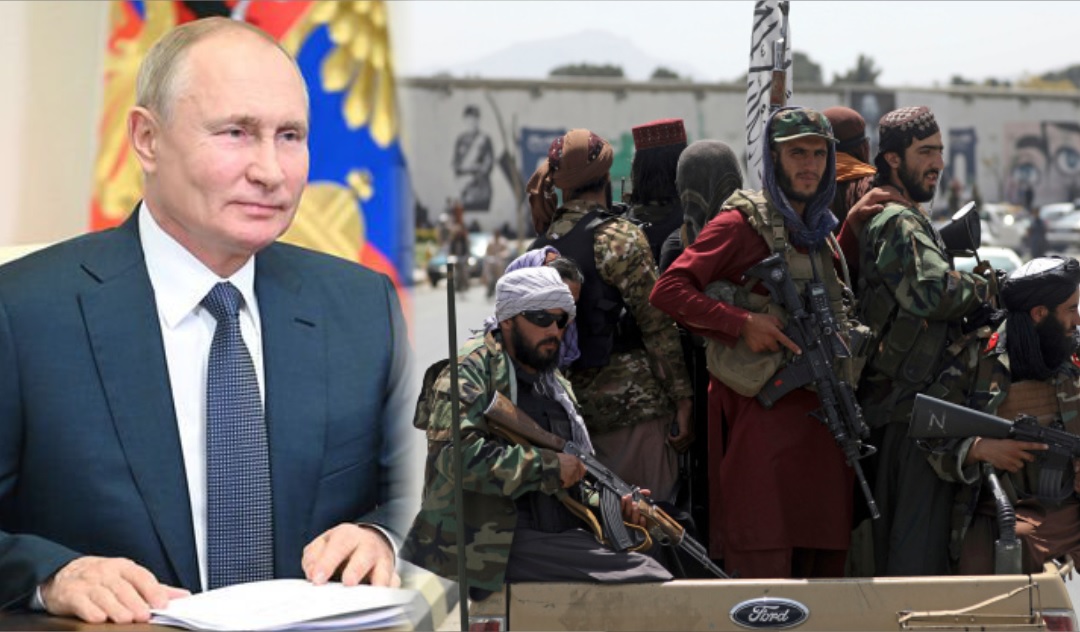
World
In a surprising declaration, Russian President Vladimir Putin referred to the Taliban as "allies" in combating terrorism, despite the group being officially banned in Russia since 2003. Putin's comments, made during a meeting in Astana, underscore the shifting dynamics in Moscow's foreign policy, particularly in relation to Afghanistan, where the Taliban have held power since 2021.For years, Moscow has nurtured an uneasy yet pragmatic relationship with the Taliban. This relationship is driven by a shared interest in stabilizing Afghanistan and countering the threat posed by the Islamic State Khorasan (IS-K), a jihadist group active in the region. Putin emphasized this point, stating, "We must assume that the Taliban control the power in the country. And in this sense, the Taliban are, of course, our allies in the fight against terrorism."The Taliban's efforts against IS-K have been significant. The rivalry between the Taliban and IS-K is well-documented, with both groups vying for control and influence in Afghanistan. In March, IS-K fighters carried out a devastating attack on a Moscow concert hall, killing over 140 people. This assault marked the deadliest terror attack in Russia in nearly two decades, highlighting the persistent threat posed by IS-K.Since seizing control of Afghanistan following the U.S. withdrawal in 2021, the Taliban have implemented a strict interpretation of Islamic law, drastically curtailing women's rights and freedoms. Despite these harsh measures, Putin acknowledged that the Taliban have "taken on some responsibilities" to ensure stability in the region. However, he also noted that there are ongoing issues requiring "constant attention inside the country and from the international community."Moscow's approach to the Taliban is complicated by historical context. The Soviet Union's invasion of Afghanistan in the 1980s left a legacy of conflict and mistrust. Nevertheless, the Russian government has sought to rebuild relations with Afghanistan, particularly after the U.S. exit. While Moscow has yet to formally recognize the Taliban's government, often referred to as the "Islamic Emirate of Afghanistan," it has engaged in dialogue and sought to foster a working relationship.Putin's remarks reflect a strategic calculation. By positioning the Taliban as partners in the fight against terrorism, Russia aims to stabilize its southern borders and mitigate the threat posed by extremist groups. This approach aligns with Russia's broader geopolitical interests in Central Asia, where stability and security are paramount concerns.In summary, Putin's labeling of the Taliban as "allies" in anti-terrorism efforts marks a notable shift in Russia's foreign policy. This development is rooted in a pragmatic assessment of the security landscape in Afghanistan and the shared goal of countering IS-K. While challenges remain, Moscow's evolving relationship with the Taliban underscores the complexities of international diplomacy in a rapidly changing world.
Read More → Posted on 2024-07-05 15:51:24
World
With Keir Starmer poised to take the helm of the UK government, the country is set to witness a transformative approach to foreign policy. The Labour Party, out of power since 2010, has crafted a vision for international relations that balances realism with progressive ideals. The first month of Starmer’s premiership promises a flurry of diplomatic activity, setting the stage for his global strategy.Starmer’s introduction to the international arena will be marked by a series of high-profile meetings. Shortly after assuming office, he will meet with US President Joe Biden and European leaders, followed by his debut at the NATO 75th anniversary summit in Washington. This event, crucial for reaffirming the UK’s commitment to its allies, will be a litmus test for Starmer’s diplomatic skills.Starmer will also host a significant gathering at Blenheim Palace on July 18, welcoming French President Emmanuel Macron and German Chancellor Olaf Scholz for a European Political Community meeting. This summit will underscore the importance of the UK’s role in European affairs, despite the lingering complexities of Brexit.Labour’s foreign policy is anchored in what they term “progressive realism.” This approach, articulated by David Lammy, the anticipated foreign secretary, acknowledges the world’s volatility and aims to navigate it pragmatically. Central to this vision is making Brexit work, including seeking a robust security pact with the European Union. Starmer’s stance is clear: cooperation with Europe is essential, even if it involves engaging with parties across the political spectrum, including France’s far-right National Rally party.On the issue of China, Starmer’s government plans a comprehensive audit of the UK’s relationship with the Asian giant. This review will set the direction for future policy, aiming to reduce dependence on China in areas such as trade and technology while maintaining collaboration on global challenges like climate change. The potential return of Donald Trump to the US presidency could complicate this balance, as increased pressure from Washington might necessitate a tougher stance against Beijing.The Israeli-Palestinian conflict represents another critical area of Labour’s foreign policy. The party is committed to recognizing a Palestinian state as part of a renewed peace process aiming for a two-state solution. Immediate actions would include advocating for a ceasefire, securing the release of hostages, and increasing humanitarian aid to Gaza.Labour’s approach to Europe also involves tackling the ongoing migrant crisis. Starmer has emphasized the importance of both bilateral agreements with France and broader EU cooperation to address this issue. Strengthening existing agreements and enhancing EU measures will be key to combating the smuggling gangs responsible for perilous Channel crossings.Support for Ukraine remains steadfast under a Starmer-led government. The UK has been a staunch ally of Kyiv, providing substantial financial, military, and training support to counter Russia’s invasion. Starmer’s government would continue this unwavering support, with early meetings with Ukrainian President Volodymyr Zelensky to reinforce this commitment. In contrast, Starmer has ruled out engaging with Russian President Vladimir Putin, whom he labels the aggressor in the conflict.Defence spending is another area slated for significant review. Labour plans to conduct a strategic defence review within its first year in power, with a goal to increase defence spending to 2.5 percent of GDP. This review will chart a course for enhancing the UK’s military capabilities in line with its strategic objectives.As Starmer steps onto the world stage, his leadership will be defined by how effectively he navigates these complex international issues. His commitment to “progressive realism” aims to position the UK as a pragmatic yet principled player in global affairs, ready to face the challenges of a rapidly changing world.
Read More → Posted on 2024-07-05 15:47:12Search
Top Trending in 24 Hours
-
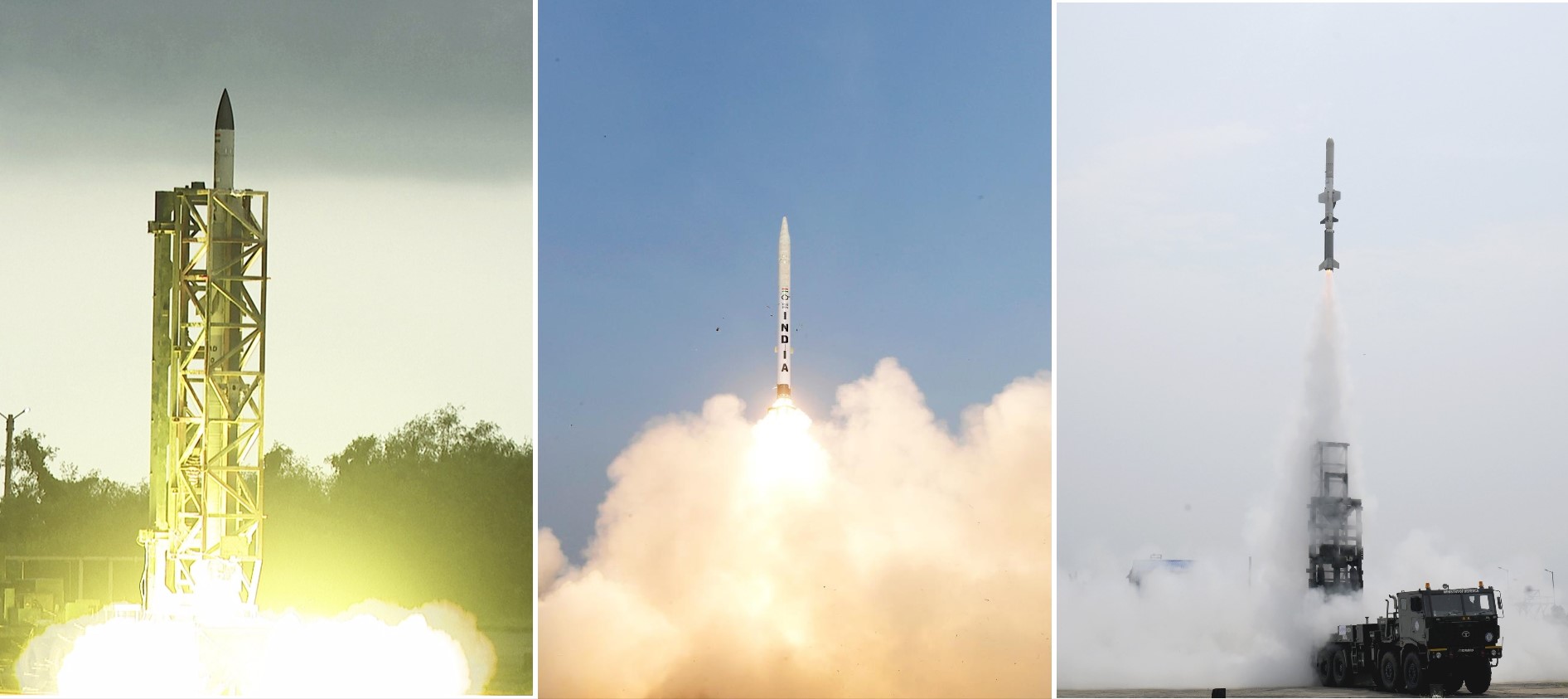 India Successfully Conducts AD-1, AD-2 Interceptor Tests and Maiden NASM-MR Flight Trial
-
 Russia Launches 1,400 Jet-Powered Drones in 2026 as Strike Tactics Evolve to Challenge Ukraine's Air Defenses
-
 U.S Navy Orders 50 Blackbeard Hypersonic Missiles in New $23.4 Million Contract
-
 UAE Denies Reports of Releasing Up to $20 Billion in Funds to Iran Amid Regional De-Escalation Efforts
-
 Turkey Navy Successfully Tests AKYA Torpedo and ATMACA Missile During Major Denizkurdu-II Naval Exercise
-
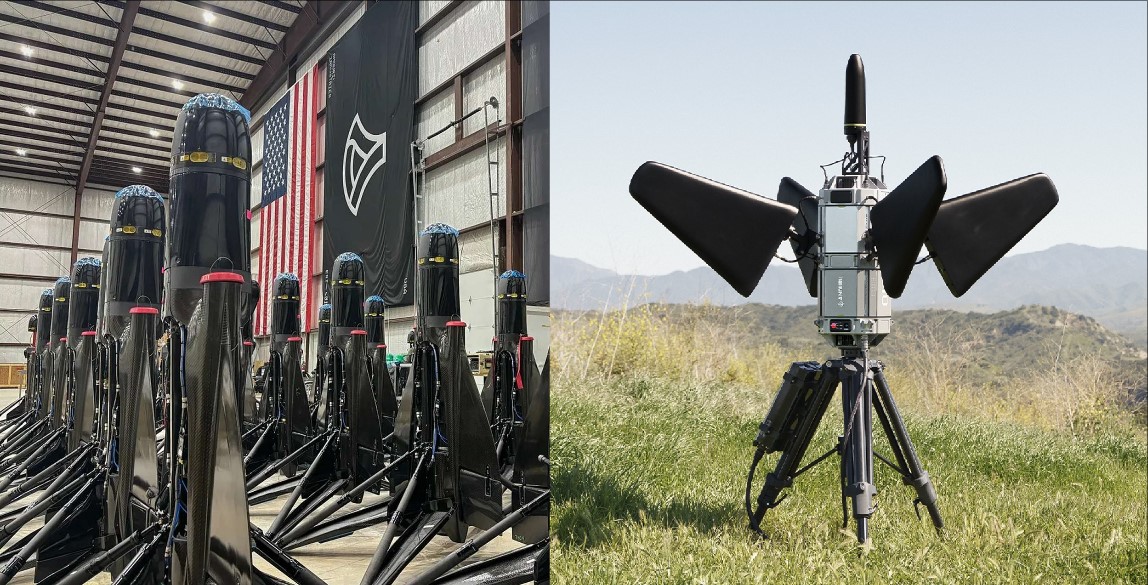 U.S. Approves $1.98 Billion Sale of Anduril AI-Powered Counter-Drone Systems to Kuwait
-
 Anduril Wins $363 Million CBP Contract to Deploy Over 200 Extended Range AI Surveillance Towers
-
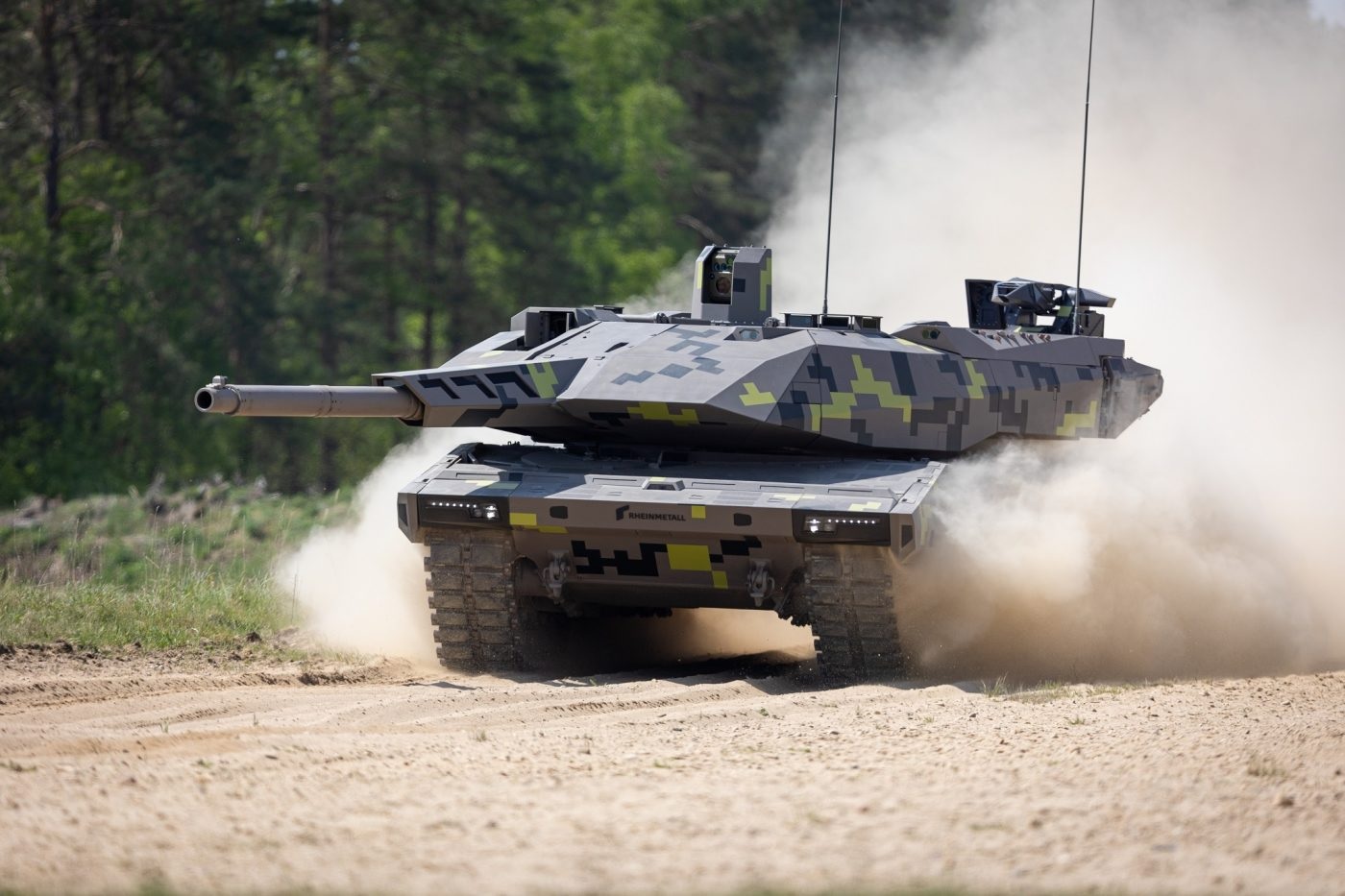 France Considers Reduced Role or Exit from Franco-German MGCS Tank Project
Top Trending in 4 Days
-
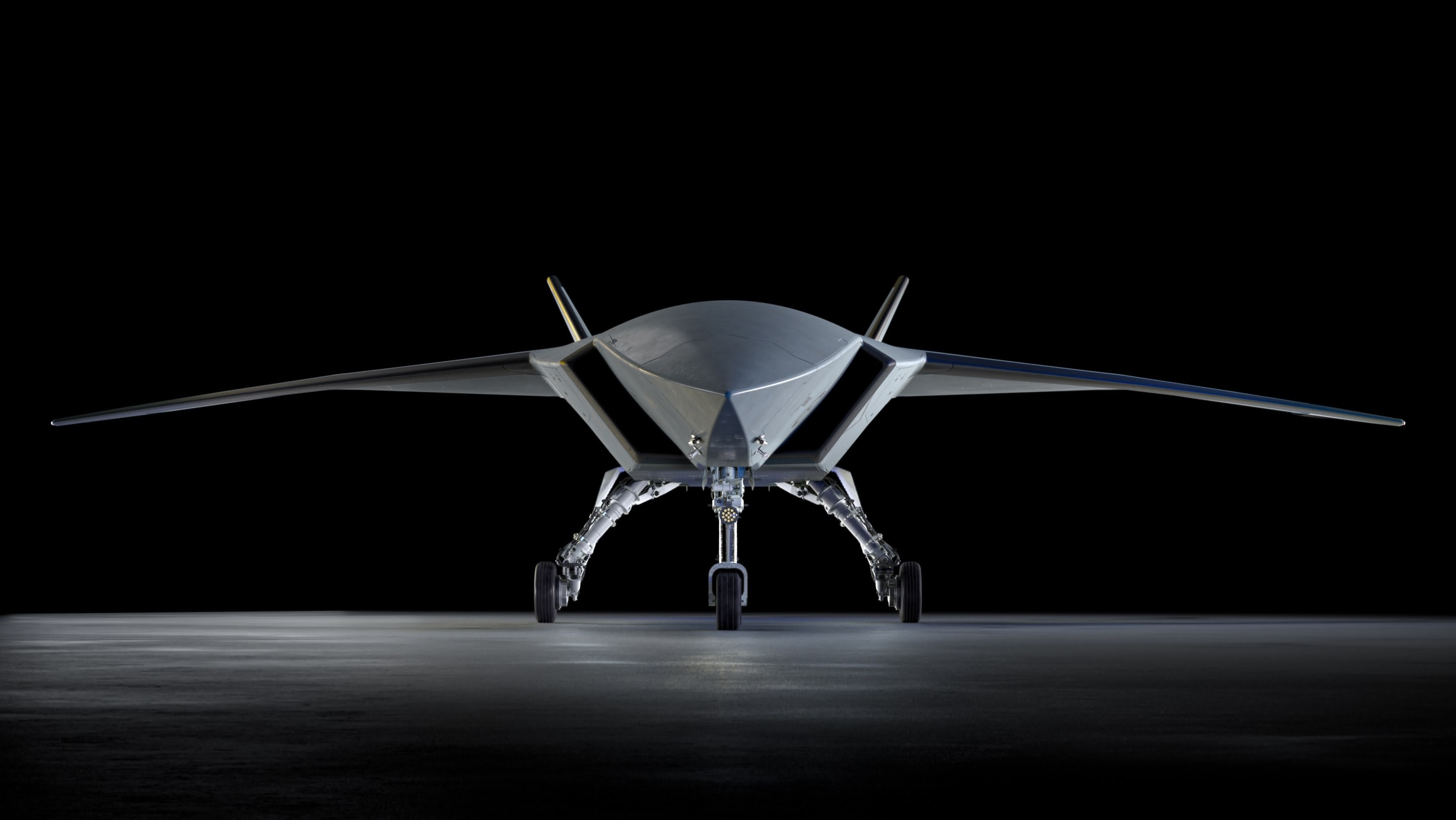 Boeing Introduces New MQ-28 Ghost Bat Upgrades with Increased Range, Payload and Weapons Capacity at ILA Berlin 2026
-
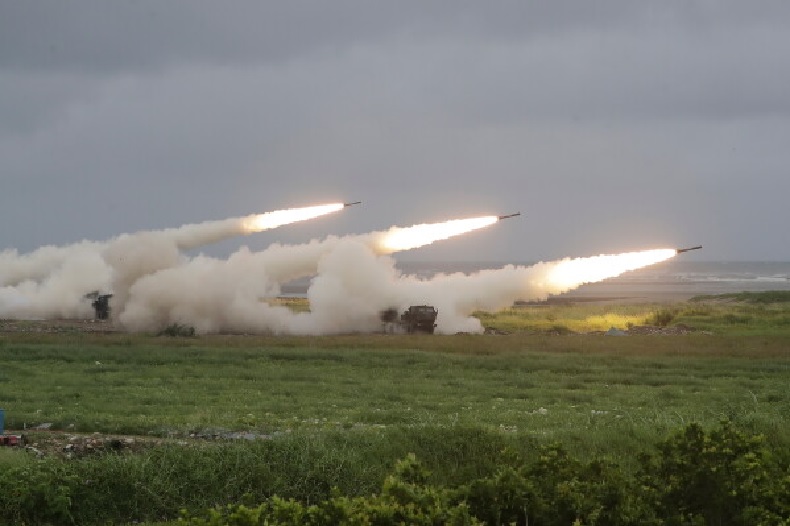 Taiwan Conducts First Live-Fire of HIMARS Rockets From West Coast During Invasion Defense Drill
-
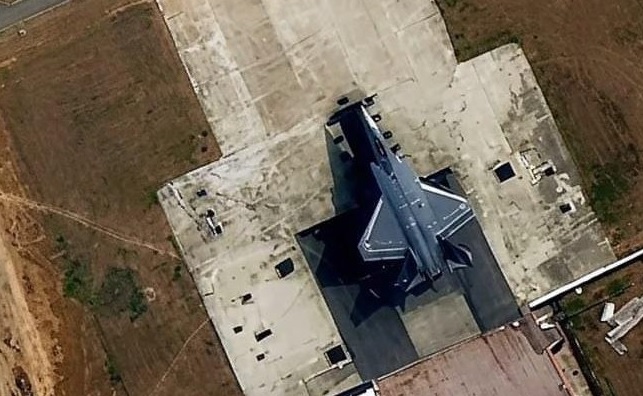 AMCA Airframe Spotted at DRDO’s ORANGE Facility for Radar Cross-Section Testing
-
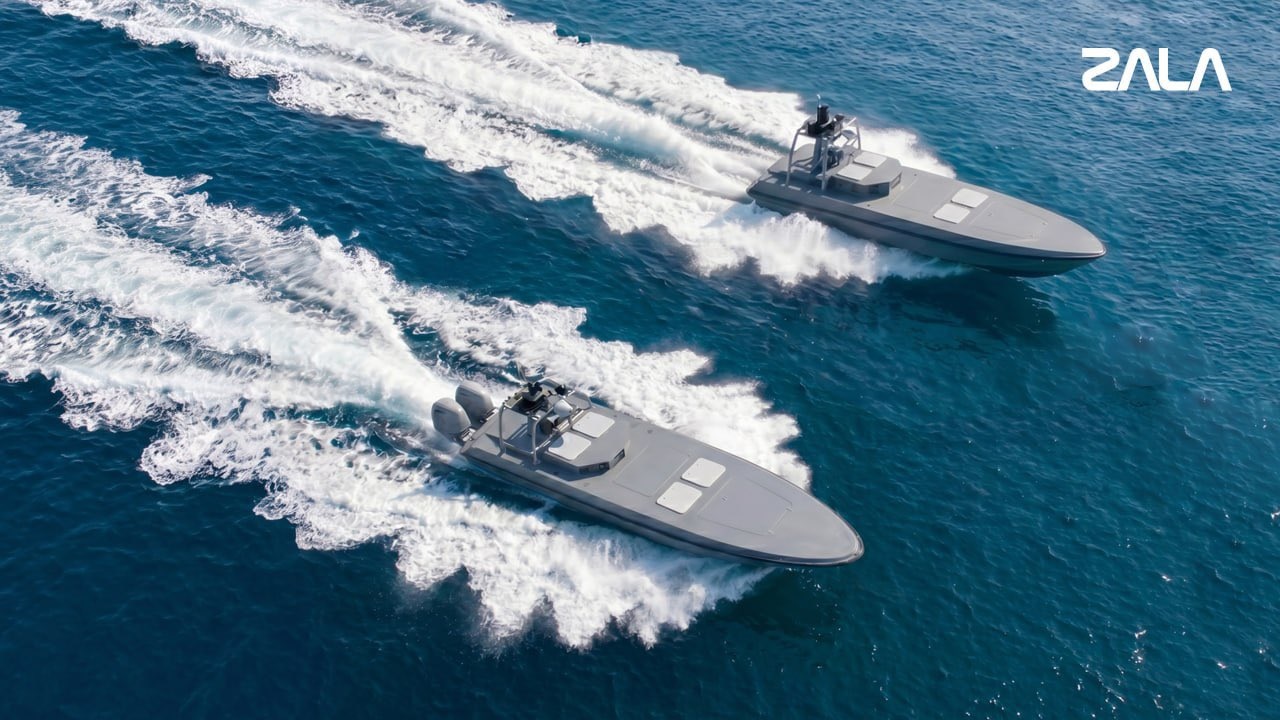 Russian Defense Firm ZALA Unveils KAMA Unmanned Surface Vessel Family at FLOT-2026 Naval Exhibition
-
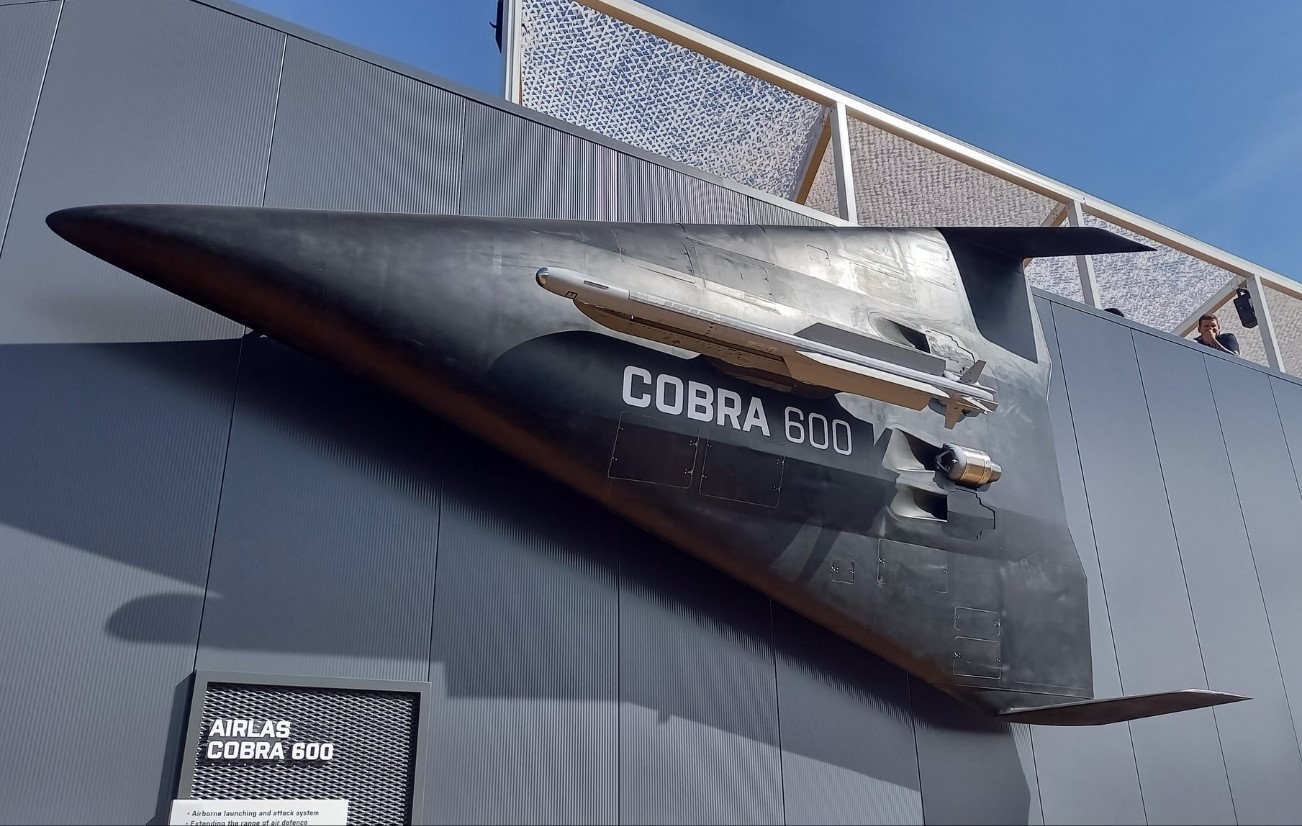 Diehl Defence Unveils IRIS-T Armed Cobra 600 Air Defense Drone at ILA Berlin 2026
-
 Iranian Media Leaks 14-Point U.S.-Iran Peace Framework Amid Ongoing Negotiations
-
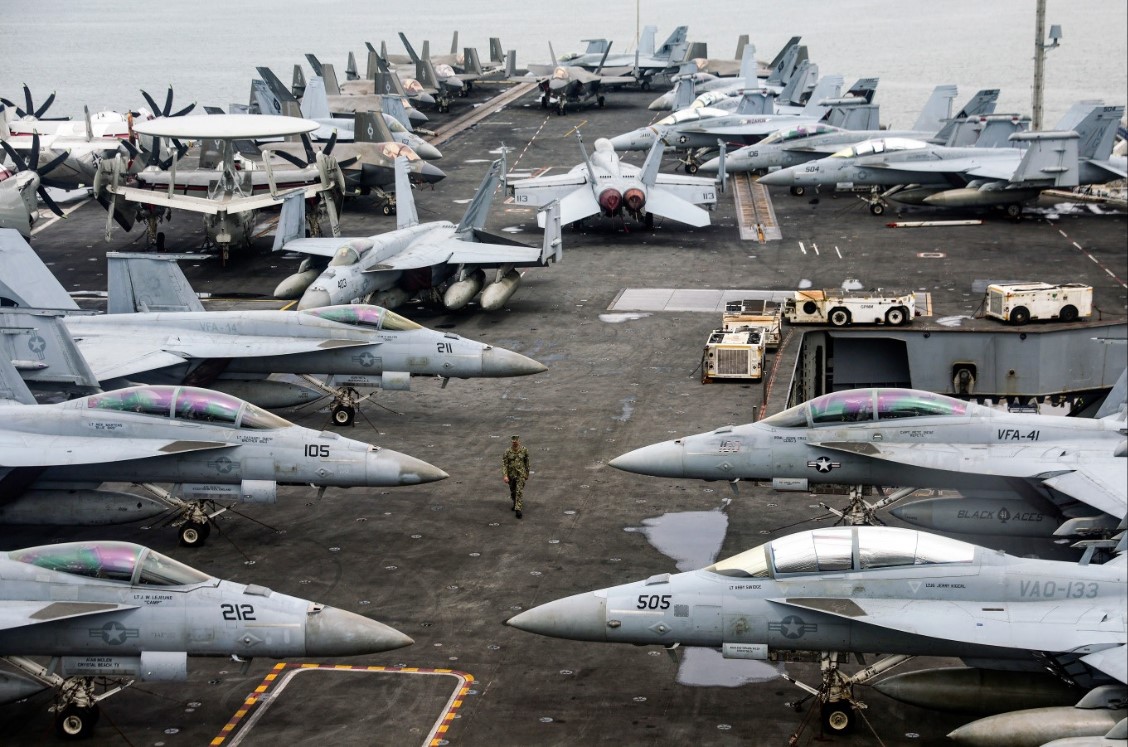 US Plans Significant Reduction of Fighter Jets and Warships for NATO Operations in Europe
-
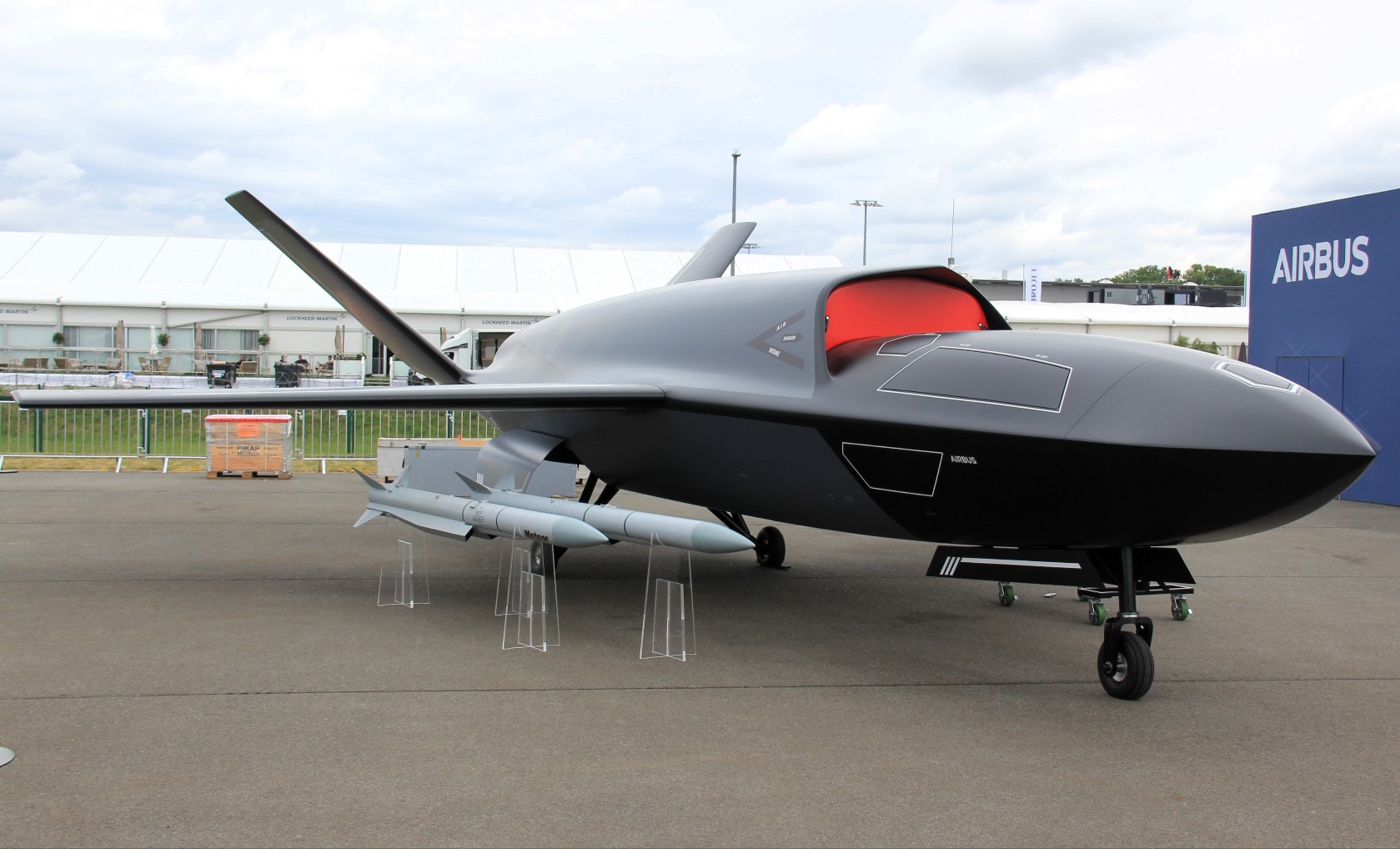 Airbus Unveils U760 Ravenstorm Loyal Wingman Drone at ILA Berlin 2026