
World
In a significant move to bolster its combat training capabilities, the Bundeswehr has placed a substantial order for 70mm practice rockets from Rheinmetall. This framework contract signifies the German Armed Forces' commitment to enhancing the proficiency of their combat helicopter crews, specifically those operating the formidable Tiger attack helicopters.Rheinmetall, a renowned leader in munition development and production, has secured this contract with an initial order valued at a mid-double-digit million euro amount. This initial batch is scheduled for delivery in 2024, marking the beginning of a comprehensive procurement plan. If all options are exercised, the total value of this order could exceed EUR 100 million, reflecting the strategic importance of this acquisition.The practice rockets are designed to closely mimic the performance of live ammunition, providing helicopter crews with realistic training scenarios. These rockets will be used in various training exercises, enabling pilots to refine their targeting and engagement skills against simulated infantry positions, unprotected, and lightly armoured vehicles. The enhanced training will ensure that the Bundeswehr's helicopter crews are well-prepared for real combat situations.Rheinmetall's partnership with the Belgian subsidiary FZ of the Thales Group plays a crucial role in this project. The collaboration leverages FZ's expertise in rocket development, ensuring that the practice rockets meet the highest standards of performance and reliability. This cooperation underscores the synergy between European defense companies in advancing military technology and readiness.The Tiger attack helicopter, armed with these 70mm rockets, remains a critical asset in the Bundeswehr's arsenal. Known for its agility and firepower, the Tiger can effectively engage a variety of targets, from infantry to light vehicles. The practice rockets will enable pilots to practice these engagements, honing their skills to perfection.The delivery of the pilot lot in 2024 will pave the way for serial production, which is slated to run from 2025 to 2029. This long-term production schedule ensures a steady supply of practice rockets, facilitating continuous training and operational readiness.Rheinmetall's latest contract with the Bundeswehr not only strengthens the German Armed Forces but also highlights the company's leading technological position in Europe. With a proven track record of innovation and excellence in munition production, Rheinmetall continues to be a pivotal player in the defense industry.This order is part of a broader trend of modernization and enhancement within the Bundeswehr, reflecting Germany's ongoing commitment to maintaining a robust and capable military force. As geopolitical tensions and security challenges evolve, such investments in training and equipment are vital to ensuring that the German Armed Forces remain prepared and effective.In summary, the Bundeswehr's order of 70mm practice rockets from Rheinmetall marks a significant step in improving the combat readiness of its helicopter crews. With the support of advanced technology and strategic partnerships, the German Armed Forces are poised to enhance their training programs, ensuring that they are ready to face any future challenges with confidence and capability.
Read More → Posted on 2024-07-17 14:06:29
World
The European Defence Agency (EDA) has reached a pivotal milestone in its Maritime Surveillance Network III (MARSUR III) project, marking the deployment phase of the next generation of MARSUR technology. This achievement follows the successful User Acceptance Test (UAT) results approved by the 16 contributing Member States on June 26, 2024. These Member States include Belgium, Bulgaria, Cyprus, Germany, Greece, Spain, Finland, France, Ireland, Italy, Malta, Netherlands, Poland, Portugal, Romania, and Sweden.The MARSUR project, which has its roots in 2005, aims to create a robust maritime network using existing naval and maritime information-sharing systems within the EU. The recent UAT, held on June 4, 2024, at the European Union Satellite Centre (SatCen), was a crucial phase where the network and its software were rigorously tested in real-world scenarios. The test environment consisted of three synchronized nodes running on national servers located in SatCen, Italy, and Cyprus, all connected through the MARSUR network.This significant step in the MARSUR III project demonstrated the robustness and resilience of the network. The UAT's success was a collective achievement witnessed by MARSUR Technical Arrangement Board members and representatives from 21 European Navies, both in person and remotely. All outlined tests in the approved UAT Plan and Use Case Scenarios were executed flawlessly, reinforcing the reliability of the MARSUR network.The journey of the MARSUR project reflects the EDA's long-term commitment to enhancing maritime situational awareness. From the initial MARSUR I and II phases, which tackled technical obsolescence and issues, to the current MARSUR III launched in December 2020, the project has evolved to address contemporary challenges in maritime surveillance. The ongoing MARSUR III project, running until 2026, is set to elevate European maritime situational awareness to new heights.One of the standout features of the MARSUR III project is the development of a "classified layer" at the EU RESTRICTED level, with potential upgrades to EU SECRET based on budget assessments, operational needs, and limitations. This next-generation technology not only enhances capabilities but also improves performance, ensuring a more secure and efficient maritime surveillance network.The successful deployment phase now provides the 16 contributing Member States with an effective system for developing European Maritime Situational Awareness. This milestone instills confidence that the MARSUR network will soon become the preferred tool for maritime commanders across Europe.The MARSUR initiative exemplifies the EDA's framework's impact on capability development for participating Member States. As one of the longest-running projects undertaken by the EDA, MARSUR continues to foster dialogue between European maritime information systems, paving the way for a more secure and coordinated maritime environment.In conclusion, the roll-out of the next generation of MARSUR technology marks a significant advancement in European maritime surveillance. With the deployment phase underway, the MARSUR III network is poised to become an indispensable tool for maritime commanders, enhancing situational awareness and security across Europe's waters.
Read More → Posted on 2024-07-17 13:57:44
World
In a chilling escalation of border defenses, North Korea has recently laid tens of thousands of new landmines along its border, subjecting its soldiers to harsh conditions and significant risk, according to South Korean authorities. This aggressive move by Pyongyang has intensified concerns and highlighted the perilous state of affairs on the Korean Peninsula.The South Korean defense ministry reported on Wednesday that despite the extreme heat and monsoon season, the North Korean military has been actively placing mines and erecting fences along the front-line areas. The newly planted mines are estimated to be in the tens of thousands, further fortifying the already heavily mined demilitarized zone (DMZ).The process has been far from smooth, with at least ten incidents of mine explosions resulting in multiple casualties among the soldiers tasked with this hazardous job. These soldiers have been forced to work under grueling conditions, living in inadequate barracks, and enduring long hours without weekends or changes in duty. They typically work 12 to 13 hours a day, a testament to the severe demands placed upon them.Photographic evidence released by the South Korean defense ministry paints a grim picture of the situation. One photo shows three soldiers carrying wooden boxes identified as landmines, while another depicts a group of soldiers transporting an injured comrade on a stretcher, likely a casualty of one of the mine explosions.The South Korean military is now on high alert, bracing for potential defections by North Korean soldiers who might be driven to flee due to the deplorable working conditions. There is also the looming threat of further breaches into South Korean territory as tensions continue to mount.Relations between the two Koreas have deteriorated significantly, reaching one of their lowest points in years. Earlier this year, North Korean leader Kim Jong Un declared South Korea as his "principal enemy" and dismantled agencies dedicated to reunification, further escalating security measures along the border.In recent months, North Korean troops have inadvertently crossed the border multiple times, incidents that Seoul attributes to the intensified efforts to bolster defenses. Additionally, North Korea has ramped up its weapons testing and grown closer to Russia, raising further alarm. Seoul has accused Pyongyang of supplying arms to Moscow for use in the Ukraine war, adding another layer of complexity to the already volatile situation.The recent developments underscore the precarious nature of the Korean Peninsula's security environment. As North Korea continues to fortify its border with extensive landmine deployments, the international community watches with concern, aware that any miscalculation could have severe consequences.
Read More → Posted on 2024-07-17 13:46:14
World
In a dramatic revelation, national security officials disclosed that the United States had received intelligence about an Iranian plot to assassinate former President Donald Trump weeks before an actual attempt on his life occurred on Saturday. This alarming intelligence prompted heightened security measures for Trump, illustrating the ongoing threats he faces even after his presidency.The plot, sourced from a human intelligence asset, led to an immediate response from the US Secret Service and Trump's campaign team, who were both notified of the potential danger. Consequently, Trump's security detail was significantly reinforced. However, officials clarified that there is no known link between this specific Iranian plot and the recent assassination attempt carried out by a 20-year-old individual.The threats against Trump and his former Secretary of State, Mike Pompeo, trace back to the 2020 drone strike that killed Qassim Soleimani, the leader of Iran's Quds force, in Iraq. This event has fueled ongoing animosity from Tehran, manifesting in various forms of retaliation threats. Anthony Guglielmi, a spokesman for the US Secret Service, emphasized the continuous nature of threat assessments and adjustments, stating, "We cannot comment on any specific threat stream, other than to say that the Secret Service takes threats seriously and responds accordingly."Adrienne Watson, a spokeswoman for the White House National Security Council, reiterated that US security officials have been tracking Iranian threats against former Trump administration officials for years. This vigilance underscores the persistent risk posed by hostile foreign actors.The Iranian mission at the United Nations dismissed the intelligence report as "unsubstantiated and malicious," labeling Trump a "criminal who must be prosecuted and punished in a court of law."In the wake of the assassination attempt, Trump made his first public appearance at the Republican National Convention on Monday. With a white bandage on his right ear, he waved to supporters and received a standing ovation, but refrained from making any remarks. He stood alongside his newly announced running mate, Senator JD Vance, in a show of resilience and defiance.The assassination attempt occurred during a campaign rally on Saturday, where gunshots suddenly erupted, prompting Secret Service agents to storm the stage. The incident resulted in the tragic death of one rally attendee, while two others were critically injured. Trump later revealed that the bullet had grazed the upper part of his right ear.The FBI has identified the shooter as Thomas Matthew Crooks, a 20-year-old from Bethel Park, Pennsylvania. The investigation into Crooks' motives and connections is ongoing, with authorities seeking to determine whether he had any ties to the Iranian plot or acted independently.This incident highlights the ongoing threats faced by former President Trump and underscores the complex security challenges that accompany his high-profile status. As investigations continue, the interplay between foreign plots and domestic actions remains a critical area of focus for national security agencies.
Read More → Posted on 2024-07-17 13:42:39
World
In a recent interview with Bloomberg Businessweek, former US President and current presidential candidate Donald Trump suggested that Taiwan should financially compensate the United States for its defense efforts against China. This statement has raised questions about the future of the strategic relationship between Washington and Taipei if Trump is re-elected.Trump's remarks were part of a wide-ranging discussion that touched on various aspects of US foreign policy. When asked if he would commit to defending Taiwan, which China claims as its territory, Trump replied, "I know the people very well, respect them greatly. They did take about 100 percent of our chip business. I think Taiwan should pay us for defense." He likened the US to an insurance company, implying that Taiwan should contribute financially for the protection it receives from the US.The United States, while not officially recognizing Taiwan as a sovereign state, maintains a strong partnership with the island nation, particularly in terms of military support. Recently, Washington approved a multi-billion-dollar military aid package to bolster Taiwan's defenses amid increasing pressure from Beijing. This aid is crucial as Taiwan is a pivotal player in the semiconductor industry, producing the advanced microchips essential for global technological infrastructure.One of Taiwan's leading companies, Taiwan Semiconductor Manufacturing Company (TSMC), has significantly benefited from the US's Chips and Science Act, enacted in 2022. This legislation was designed to incentivize companies to build semiconductor factories in the US. As a result, TSMC is currently constructing two plants in the US and has plans for a third, with a total investment of $65 billion.Despite this, Trump criticized the arrangement, expressing frustration that the US is investing billions to support Taiwan's chip manufacturing capabilities on American soil, only for Taiwan to dominate the industry. "We're giving them billions of dollars to build new chips in our country, and then they’re going to take that too," he lamented. Trump's analogy of the US acting as an "insurance policy" highlights his view that Taiwan should provide compensation for the defense and support it receives.Trump's comments come at a time when the geopolitical landscape in the Asia-Pacific region is increasingly tense. China's assertive stance towards Taiwan and its broader regional ambitions have led to a strategic pivot by the US towards reinforcing its alliances and defense commitments in the area.If Trump were to return to the White House, his stance on Taiwan could lead to a reevaluation of the current US policy, potentially demanding greater financial contributions from Taiwan for its defense. This shift could impact the dynamics of US-Taiwan relations and the broader international response to China's actions in the region.In summary, Trump's suggestion that Taiwan should "pay" for US defense efforts adds a new dimension to the ongoing dialogue about the strategic partnership between the two nations. As Taiwan continues to play a critical role in the global semiconductor industry and faces mounting pressure from China, the future of US-Taiwan relations remains a crucial topic in international politics.
Read More → Posted on 2024-07-17 13:35:43
World
Pakistan's economy has long been a topic of concern, with its reliance on foreign aid becoming a significant part of the country's political discourse. Prime Minister Shehbaz Sharif acknowledged the issue two years ago, stating, "Today, when we go to any friendly country or make a phone call, they think that we have come to beg for money." This reliance on external financial assistance has led to a poignant irony within the country: while the government seeks aid internationally, begging has become an organized and lucrative industry domestically.In Pakistan, begging is not just a matter of individual destitution but a highly organized and competitive business. Reports estimate that around 38 million beggars operate within the country, generating an astonishing $42 billion annually. This figure represents more than 12% of Pakistan's GDP, highlighting the scale and economic impact of the begging industry.The operations are meticulously organized, with beggars often working under the control of local gangs. These gangs allocate territories and enforce strict rules, leading to frequent turf wars. Karachi, Pakistan's largest city, sees the highest daily collections, with beggars making up to Rs 2,000 a day. The competition for lucrative spots can sometimes turn violent, underscoring the desperation and stakes involved.The situation extends beyond Pakistan's borders. A parliamentary probe revealed that many beggars arrested in foreign countries were of Pakistani origin. These individuals often exploit pilgrim visas to travel to holy sites in countries like Saudi Arabia, Iran, and Iraq, where they then engage in begging. In response, the Pakistani government has taken measures to curb this practice. Recently, authorities decided to block the passports of more than 2,000 beggars for seven years and restrict the activities of agents facilitating this overseas begging business.Efforts to tackle the issue domestically have met with significant challenges. The government has struggled to eradicate beggary, with police actions often facing strong resistance. In 2011, a notable incident in Faisalabad saw hundreds of beggars clashing with police, throwing stones and bricks at the police station. One beggar poignantly remarked, "Since when has begging become a crime in Pakistan? We will stop begging the moment our government stops begging from the IMF and other foreign countries."This statement reflects a broader sentiment of frustration and irony among the Pakistani populace. The country's dependence on foreign aid and the organized nature of domestic begging highlight a deep-seated issue that intertwines economic hardship with societal behaviors.The Pakistani government's recent measures, including the offloading of 44,000 individuals over the past two and a half years and calls for increased screening before issuing passports, indicate a proactive approach. However, the deeply entrenched nature of the begging industry suggests that comprehensive solutions will require sustained effort and significant socio-economic reforms.In conclusion, Pakistan's begging industry, generating $42 billion annually, is a stark reflection of the country's economic challenges and the complex interplay of poverty, organized crime, and governmental dependency on foreign aid. Addressing this issue will necessitate not only cracking down on organized begging but also fostering economic stability and reducing the country's reliance on external financial support.
Read More → Posted on 2024-07-16 15:59:33
World
Exail, a leader in robotics and high-tech industries, has been selected to participate in the European Extended Mine Counter Measures (E=MCM) project. This consortium effort, spearheaded by Naval Group Belgium, aims to bolster Europe’s capabilities in mine warfare, addressing an array of threats posed by modern maritime mines. The project is part of a broader initiative backed by the European Defense Fund to enhance the Mine Counter Measures (MCM) capabilities of European navies.Exail’s inclusion in the E=MCM project marks a significant milestone for the company. Alain Fidani, Director of Partnership and Innovation Funding at Exail, expressed the company’s enthusiasm about contributing to the project. He highlighted Exail's technological expertise and its crucial role in developing advanced solutions to counter current and emerging mine threats. By collaborating with Naval Group and other consortium partners, Exail aims to deliver innovative technologies that will strengthen Europe’s defense.A central objective of the E=MCM project is the development of Toolbox 2.0, an advanced set of tools designed to address various mine threats, including drifting, tethered, and buried mines. This next-generation toolbox will build upon the current MCM capabilities that Exail is already providing for the Belgian and Dutch navies. The enhancements will incorporate scalable unmanned autonomous systems and intelligent platforms, significantly improving operational efficiency and optimizing mine countermeasure operations.Exail, formed through the merger of ECA Group and iXblue in 2022, specializes in a range of high-tech sectors, including robotics, maritime, navigation, aerospace, and photonics. The company’s robust entrepreneurial culture drives its commitment to delivering exceptional performance, reliability, and safety to both civil and defense clients. With a workforce of 1,500 employees and operations in over 80 countries, Exail leverages its global footprint to meet the needs of clients operating in some of the most challenging environments on Earth and beyond.The E=MCM project’s advancements promise to significantly enhance the effectiveness of mine countermeasures across Europe, ensuring that navies are well-equipped to tackle the sophisticated threats posed by modern mines. Exail’s role in this project underscores its position at the forefront of technological innovation in the defense sector, and its contributions are set to make a lasting impact on Europe’s maritime security.By integrating cutting-edge technologies and fostering strong partnerships, Exail and the E=MCM consortium are poised to deliver state-of-the-art solutions that will safeguard European waters and strengthen the continent’s defensive capabilities.
Read More → Posted on 2024-07-16 15:54:43
World
In a landmark event on July 12, the Oregon Air National Guard’s 142nd Wing showcased the future of American air superiority with the formal unveiling of the first two operational U.S. Air Force F-15EX Eagle II fighter jets. This ceremony at the Portland Air National Guard Base marked a historic moment, as it was the first time a new weapons system was introduced to the Air National Guard before being implemented by the active duty Air Force.The atmosphere was electric as dignitaries, elected officials, military members, and aviation enthusiasts gathered to witness the cutting-edge fighter jet that will soon replace the aging F-15C Eagle models. Among those present were Col. Michael Kosderka, the 142nd Wing commander, and Brig. Gen. Alan Gronewold, the adjutant general for the Oregon National Guard, both of whom spoke passionately about the significance of this upgrade.Col. Kosderka expressed his immense pride and excitement for the 142nd Wing, emphasizing the unit's readiness and capability to integrate this advanced aircraft. Brig. Gen. Gronewold highlighted the F-15EX’s role in modernizing the wing, enhancing operational readiness, and improving the training opportunities for airmen, ensuring seamless interoperability with active duty units.Governor Tina Kotek underscored the importance of the F-15EX in strengthening homeland defense, particularly for the Pacific Northwest. She lauded the exceptional contributions of the Oregon National Guard service members, recognizing their critical role in defending the skies from Canada to the California border.Senator Ron Wyden, a staunch advocate for the Oregon National Guard, also addressed the attendees, reminiscing about the community's efforts to prevent the closure of the 142nd Fighter Wing two decades ago. He celebrated the collective determination that secured the unit’s future and now sees it equipped with one of the most advanced fighter jets in the U.S. arsenal.The introduction of the F-15EX Eagle II is a significant milestone for the 142nd Wing, which has a storied history with the F-15 Eagle. The base began operating the F-15 in 1989, replacing the F-4 Phantom II. Over the years, the unit transitioned to the upgraded F-15C and D models, and now, the F-15EX promises to bring unparalleled advancements in radar, sensors, and software.Manufactured by Boeing, the F-15EX is an all-weather multirole strike fighter designed to work alongside the U.S. Air Force's F-22 Raptor and F-35 Lightning II. Its next-generation capabilities ensure it remains a formidable asset against evolving threats. Maj. Gen. Duke Pirak, the acting director of the Air National Guard and former 142nd Wing commander, emphasized the F-15EX’s role as the cornerstone of the nation’s air power, predicting it will maintain American air supremacy for generations.The 142nd Wing is set to receive 18 of these advanced aircraft, part of nearly 100 new operational F-15EX Eagle IIs being added to the Air Force inventory. This modernization effort not only enhances the wing's capabilities but also symbolizes a commitment to maintaining robust defense mechanisms to protect U.S. skies.The unveiling of the F-15EX Eagle II at the Portland Air National Guard Base marks a new era for the 142nd Wing and the broader mission of the Air National Guard. As the unit prepares to operate these state-of-the-art jets, it stands as a testament to the resilience and forward-thinking strategy of the Oregon Air National Guard, ready to defend and secure the nation with unmatched aerial superiority.
Read More → Posted on 2024-07-16 15:50:44
World
Taiwan is set to receive the long-awaited F-16V fighter jets from the United States by 2026, a crucial addition to its defense arsenal amidst rising tensions with China. This development comes after the Taiwanese defense ministry announced that all production and delivery issues for the aircraft had been resolved, bringing a sigh of relief to many.The journey to this point has been far from smooth. Back in 2019, the US State Department approved an $8 billion deal to sell 66 F-16Vs to Taiwan. These aircraft, known for their advanced capabilities, were initially expected to be delivered in 2023. However, several setbacks, including software integration issues with equipment specified by Taiwan, delayed the process. Adding to the delays were the technical and supply chain challenges exacerbated by the US prioritizing arms supplies to Ukraine amidst its ongoing conflict.Taiwan's need for these modern aircraft is pressing. With China viewing Taiwan as a breakaway province that must eventually be reunified with the mainland, Taipei has felt the increasing pressure. Modern fighter jets like the F-16V are vital for Taiwan to bolster its military capabilities and ensure a robust defense strategy against any potential aggression from Beijing.Although Taiwan is expected to receive two F-16V prototypes later this year for flight testing, there are still concerns. Reports indicate that Lockheed Martin, the manufacturer, may face difficulties in delivering all 66 jets by the 2026 deadline. This challenge is compounded by the numerous orders from European countries, particularly as NATO rushes to supply F-16s to Ukraine. Furthermore, Taiwan's arms backlog continues to grow, with other critical defense systems like Harpoon missiles, High Mobility Artillery Rocket Systems (HIMARS), and Patriot air defense missiles still pending delivery.Amidst these challenges, Taiwan retains some leverage. According to Focus Taiwan, the Ministry of National Defense has stated that the island nation could seek compensation from Lockheed Martin for the delayed deliveries. The contract includes provisions for penalties if the contractor fails to meet delivery deadlines without valid force majeure reasons. For Taiwan to claim this compensation, it must first document the damages incurred due to the delays and then formally request redress through bilateral security channels with the US government.As Taiwan navigates these complex defense procurement issues, the focus remains on ensuring that its military is well-equipped to face any threats. The anticipated delivery of the F-16Vs by 2026 is a significant milestone in this effort, promising to enhance Taiwan's defense capabilities significantly. The resolution of the production issues is a crucial step forward, but the road ahead will require continued vigilance and strategic planning to address any further challenges that may arise.
Read More → Posted on 2024-07-16 15:39:46
World
In a chilling and audacious attack on Monday, eight Pakistan Army soldiers lost their lives when a group of ten terrorists launched an assault on the Bannu Cantonment in the Khyber Pakhtunkhwa province. The terrorists, identified as members of the Hafiz Gul Bahadur group, made a desperate attempt to breach the military installation, leading to a fierce confrontation that resulted in the death of all ten attackers.The ordeal began when the terrorists attempted to infiltrate the heavily fortified cantonment. Failing to gain entry, they resorted to a drastic measure—ramming an explosive-laden vehicle into the perimeter wall. The impact caused a section of the wall to collapse, inflicting damage on the nearby infrastructure. However, the security forces' swift and effective response thwarted the terrorists' plan, preventing what could have been a major catastrophe.The Pakistan Army released a statement detailing the incident, emphasizing the heroism and quick action of the soldiers who engaged the terrorists, ultimately neutralizing the threat. "This timely and effective response by the security forces prevented a major catastrophe, saving precious innocent lives," the statement read. It also highlighted the persistent issue of terrorists using Afghan soil to launch attacks on Pakistan, urging the interim Afghan government to take decisive action against such elements.Khyber Pakhtunkhwa Chief Minister Ali Amin Gandapur condemned the attack, praising the sacrifices of the Pakistan Army in the ongoing war against terror. He emphasized that the sacrifices made by the soldiers would not go in vain and lauded the security forces for their timely intervention, which saved the Bannu Cantonment from further devastation.The attack is a stark reminder of the increasing terrorist activities in Pakistan, particularly in the regions of Khyber Pakhtunkhwa and Balochistan. This surge in violence comes in the wake of the cessation of a ceasefire agreement between the Pakistani government and the banned Tehreek-e-Taliban Pakistan (TTP) militant group in November 2022. Since then, there has been a noticeable uptick in attacks, with the militants targeting both civilian and military installations.Just last week, Islamabad reiterated its stance against engaging in peace talks with the TTP, instead calling for the Afghan government to take action against terrorists operating from its territory. The strained relations between Pakistan and Afghanistan over cross-border terrorism continue to be a significant security concern for the region.Despite the recent attack, there have been some positive developments in Pakistan's security landscape. According to the Centre for Research and Security Studies' annual security report, there was a notable decline in violence and casualties in the second quarter of 2024. The report highlighted a 12 percent reduction in overall violence, with 380 fatalities reported compared to 432 in the previous quarter. However, the regions of Khyber Pakhtunkhwa and Balochistan remain the epicenters of violence, accounting for the majority of fatalities and attacks.The situation in Khyber Pakhtunkhwa is a stark reflection of the broader challenges facing Pakistan. The government's efforts to combat terrorism are ongoing, with security forces continuously working to neutralize threats and prevent further attacks. The sacrifices made by the soldiers in the Bannu Cantonment attack underscore the high stakes and the relentless nature of the fight against terror in the region.As Pakistan navigates these turbulent times, the resilience and bravery of its security forces remain a beacon of hope and stability. The recent attack in Bannu serves as a poignant reminder of the sacrifices made in the pursuit of peace and security, and the ongoing efforts to protect the nation from the scourge of terrorism.
Read More → Posted on 2024-07-16 15:37:30
World
Lahore – On a tense Monday in Lahore, an anti-terrorism court charged Shah Mahmood Qureshi, a prominent leader of the Pakistan Tehreek-e-Insaf (PTI) and former foreign minister, in connection with the violent events of May 9 last year. The 68-year-old was brought to Kot Lakhpat jail from Adiala jail in Rawalpindi under heavy security. This indictment is part of a series of cases Qureshi faces related to the May 9 violence, including allegations of arson at the Shadman police station.As Qureshi stood before Anti-Terrorism Court Judge Khalid Arshad, he faced charges of allegedly abetting the torching of the Shadman police station. Denying the accusations, Qureshi declared the case as fabricated, asserting it was a consequence of his loyalty to PTI leader Imran Khan. Despite his plea of not guilty, the court ordered the prosecution to present witnesses at the next hearing scheduled for July 22.The timing of Qureshi's indictment was significant, occurring just hours before the Pakistani government announced its intention to ban PTI, citing the party's involvement in anti-state activities. This move underscores the government's increasing pressure on PTI and its leaders following the widespread unrest that erupted on May 9.The violence of that day, triggered by the arrest of former Prime Minister Imran Khan by the Rangers on alleged corruption charges, saw numerous PTI leaders and activists accused of attacking and setting fire to the Shadman police station. The Lahore police registered multiple cases against PTI members, linking them to various violent incidents across the city.Qureshi, who has been in prison since last year, was also implicated in several other cases related to the May 9 unrest. Earlier this year, he faced indictments in eight additional cases stemming from the same day’s violence. His continued detention is not solely due to these charges; both he and Khan were previously sentenced to ten years in prison for violating the Official Secrets Act by publicizing a diplomatic cable during Khan's tenure as prime minister. Although the Islamabad High Court acquitted them in the Cipher case on June 3, suspending their sentences, they remain incarcerated due to the numerous other charges linked to the May 9 violence.The May 9 riots marked a significant point of upheaval in Pakistan, with protests breaking out nationwide after Khan’s arrest by the National Accountability Bureau (NAB) in a 190-million-pound corruption case. Khan, facing over 200 cases, has been imprisoned since August last year. The riots saw PTI supporters targeting various military installations, including the Jinnah House, ISI building in Faisalabad, and the General Headquarters (GHQ) in Rawalpindi.The Pakistani government’s stringent measures against PTI and its leaders, including the recent indictment of Shah Mahmood Qureshi, reflect the ongoing political turbulence and the high stakes for all involved. As the court proceedings continue, the political landscape in Pakistan remains fraught with tension and uncertainty.
Read More → Posted on 2024-07-16 15:23:37
World
In a continued show of support for Ukraine's ongoing conflict with Russia, the Spanish Ministry of Defence announced on July 15 the delivery of a new batch of military aid, including ten Leopard 2A4 main battle tanks. This latest shipment is part of a broader strategy to enhance the combat capabilities of Ukrainian land forces, who are entrenched in defensive operations against Russian forces in the eastern regions of the country.The Leopard 2A4 tanks, known for their advanced armor and firepower, underwent thorough maintenance and overhauls at the Santa Bárbara Sistemas facility in Alcalá de Guadaira. This facility, a subsidiary of General Dynamics European Land Systems, ensured that the tanks were in optimal condition before their transfer to Ukraine. This meticulous preparation underscores Spain's commitment to providing not just equipment, but reliable and ready-to-deploy assets to aid Ukraine's defense efforts.This shipment marks the second batch of Leopard 2A4 tanks that Spain has sent to Ukraine. The first batch, delivered earlier, also comprised ten tanks, bringing the total number provided by Spain to twenty. The provision of these tanks is a significant boost for the Ukrainian armed forces, which have already received approximately 90 Leopard 2A4 tanks from various Western allies since the conflict escalated in 2022. These tanks are a vital part of Ukraine's strategy to bolster its defensive and offensive capabilities against a well-equipped adversary.In addition to the tanks, the latest shipment from Spain includes a substantial number of anti-tank missiles, further strengthening Ukraine's ability to counter armored threats on the battlefield. The combination of advanced tanks and anti-tank weaponry is expected to significantly impact Ukraine's operational effectiveness in the contested regions.Western support for Ukraine has been robust and multifaceted, involving not only military hardware but also training, intelligence, and financial aid. The delivery of additional Leopard 2A4 tanks aligns with broader international efforts to ensure Ukraine has the necessary resources to defend its sovereignty and territorial integrity. Future deliveries are anticipated, with several dozen more tanks expected to bolster Ukraine's armored units.This continuous flow of military aid highlights the international community's commitment to supporting Ukraine amidst a protracted and challenging conflict. As the situation evolves, the delivery of such advanced military equipment will likely play a crucial role in shaping the outcomes on the ground and providing Ukraine with a strategic advantage against Russian forces.
Read More → Posted on 2024-07-16 15:16:17
World
In a covert yet groundbreaking move, Ukraine has quietly advanced its ambitious project to develop an “army of robots” to gain a tactical edge against Russian forces. This innovative initiative involves approximately 250 local defense startups, each working diligently to produce sophisticated killer machines and unmanned medical evacuation platforms. These developments are taking place in converted abandoned warehouses and secret locations disguised as car repair shops, ensuring secrecy and security.The Ukrainian government announced its intent to build this robotic force in August 2023, inspired by the notable success of its drone army. This move marks a significant step in modern warfare, blending technology with military strategy to minimize human casualties while maximizing efficiency on the battlefield.One standout in this new wave of technological warfare is Odyssey, a startup led by Ukrainian entrepreneur Andrii Denysenko. His company manufactures a car-sized unmanned ground vehicle (UGV) known as the Odyssey. Weighing 800 kilograms (1,750 pounds), the Odyssey resembles a small, turretless tank with wheels on tracks. It boasts impressive capabilities, traveling up to 30 kilometers on a single charge and capable of being equipped with a remotely-operated heavy machine gun to support combat missions. Beyond combat, the UGV also serves as a versatile rescue-and-supply platform.Denysenko's company can produce one Odyssey UGV in just four days at a cost of $35,000, reflecting the rapid and cost-effective nature of this new military technology. “We are fighting a huge country and they don’t have any resource limits. We understand that we cannot spend a lot of human lives,” Denysenko explained. “War is mathematics.”The success of robotic systems in the ongoing conflict between Russia and Ukraine has spurred a proliferation of defense technology startups. Earlier this year, Ukraine’s defense ministry reported a surge in drone production, with over 200 companies participating in the sector in 2023. A similar trend is expected in the UGV sector, as Ukraine accelerates the deployment of military robotic platforms.This surge in robotic innovation underscores a significant shift in military tactics and the growing importance of technology in modern warfare. As Ukraine continues to develop its army of robots, it sets a precedent for the future of combat, where machines play a crucial role in strategic operations, potentially saving countless human lives while maintaining formidable defense capabilities.
Read More → Posted on 2024-07-16 15:11:00
World
Pratt & Whitney, a division of RTX, has achieved a significant milestone with the successful completion of the preliminary design review (PDR) for the F135 Engine Core Upgrade (ECU). This crucial step confirms that the ECU's design is on track and surpassing expectations, setting the stage for enhanced durability and performance of the F-35's engine across all three of its variants globally.The F135 engine is the powerhouse behind the F-35 Lightning II, a fifth-generation stealth fighter jet renowned for its advanced capabilities and versatility. The F135 ECU is pivotal for enabling the next phase of F-35 capabilities, known as Block 4. Block 4 enhancements will introduce new weapons, sensors, and software to maintain the F-35’s edge over evolving threats. The ECU is designed to support these advancements by improving the engine’s performance and extending its service life.During the PDR, Pratt & Whitney and the F-35 Joint Program Office meticulously evaluated the design changes and new propulsion technologies incorporated in the ECU. These innovations are essential not only for restoring the engine's full operational life but also for delivering superior performance. Chris Johnson, vice president of Pratt & Whitney’s F135 program, emphasized the significance of this upgrade: “Pratt & Whitney is upgrading the F135 engine with technology from multiple development programs to deliver increased capability and performance for the warfighter. Upgrading the F-35’s propulsion system to ECU is a critical step toward ensuring the F-35 remains the world’s premier air dominance fighter.”The ECU’s development has been endorsed at the highest levels. Earlier this year, the U.S. Department of Defense selected the F135 ECU as the sole modernization solution for the F-35’s propulsion system. This decision was based on Pratt & Whitney’s unique expertise, proprietary technical documentation, and proven track record. U.S. Navy Capt. Mitchell Grant, F-35 propulsion program manager, noted the success of the PDR: “The PDR was a successful first step toward the capability the ECU will provide in meeting the challenging performance and durability requirements of the F135. The ECU will ensure that the U.S. and our international partners remain well positioned to outpace adversary threats.”Pratt & Whitney’s commitment to the F135 engine program is underscored by its extensive production and operational history. To date, over 1,200 F135 production engines have been delivered, accumulating more than 860,000 engine flight hours. The ECU will be integrated into new F-35s during production or retrofitted at various F135 depot sustainment facilities worldwide.The successful PDR of the F135 ECU represents a significant leap forward in ensuring the F-35 remains at the forefront of air combat technology, providing unmatched capabilities and maintaining the strategic advantage of the United States and its allies.
Read More → Posted on 2024-07-16 14:52:56
World
The landscape of warfare is on the brink of a monumental shift. By 2039, one-third of the US military could be robotic, according to retired US Army General Mark Milley. This bold prediction, made during a recent event focusing on the future of defense technology, highlights the rapid advancements in unmanned systems and artificial intelligence (AI) that are set to transform military operations.Milley, who served as the chairman of the Joint Chiefs of Staff, emphasized the transformative potential of AI-enabled systems. These technologies promise to revolutionize how decisions are made on the battlefield, allowing for faster and more accurate responses. The integration of such systems could significantly alter the nature of war, potentially reducing the need for large troop deployments as cutting-edge robotic systems take on more roles."Ten to fifteen years from now, my guess is a third, maybe 25 percent to a third of the US military, will be robotic," Milley stated. This prediction underscores the significant investments the US military is making in unmanned systems to maintain a tactical edge in future conflicts.The US Army, Air Force, and Navy are at the forefront of this technological revolution. The Army has been actively experimenting with human-machine integration, exploring how soldiers and robots can work together seamlessly on the battlefield. The Air Force is progressing towards deploying collaborative combat aircraft, where drones act as "loyal wingmen" to manned fighter jets, enhancing their capabilities and operational reach. Similarly, the Navy is developing a hybrid fleet comprising unmanned surface vehicles and underwater drones, aiming to bolster its maritime superiority.Milley highlighted that the adoption of robotic systems by the US military would represent a fundamental change, potentially prompting other nations to follow suit. "The country that optimizes those technologies for military use is going to have a very significant — and potentially decisive — advantage in an armed conflict," he remarked. This statement points to a global race in defense technology, with nations striving to harness the power of AI and robotics to gain a strategic edge.China, identified as America's primary competitor in this arena, is making significant strides in defense technology. In 2022, the Chinese Navy announced the development of extra-large unmanned underwater vehicles, poised to play a crucial role in its future naval operations. Additionally, Beijing's demonstration of rifle-toting robot dogs has raised concerns among American legislators, highlighting the rapid pace at which China is advancing its robotic capabilities.The vision of a predominantly robotic military is not without its challenges. Integrating these advanced systems requires substantial investment, rigorous testing, and the development of new operational doctrines. Moreover, the ethical and legal implications of deploying autonomous weapons systems necessitate careful consideration.As the US military continues to push the boundaries of technology, the prospect of a third of its forces being robotic by 2039 represents a significant milestone. This transformation promises to redefine warfare, offering new capabilities and strategic advantages while reshaping the role of human soldiers on the battlefield. The race to optimize and deploy these technologies will undoubtedly shape the future of global military power.
Read More → Posted on 2024-07-16 14:44:31Search
Top Trending in 24 Hours
-
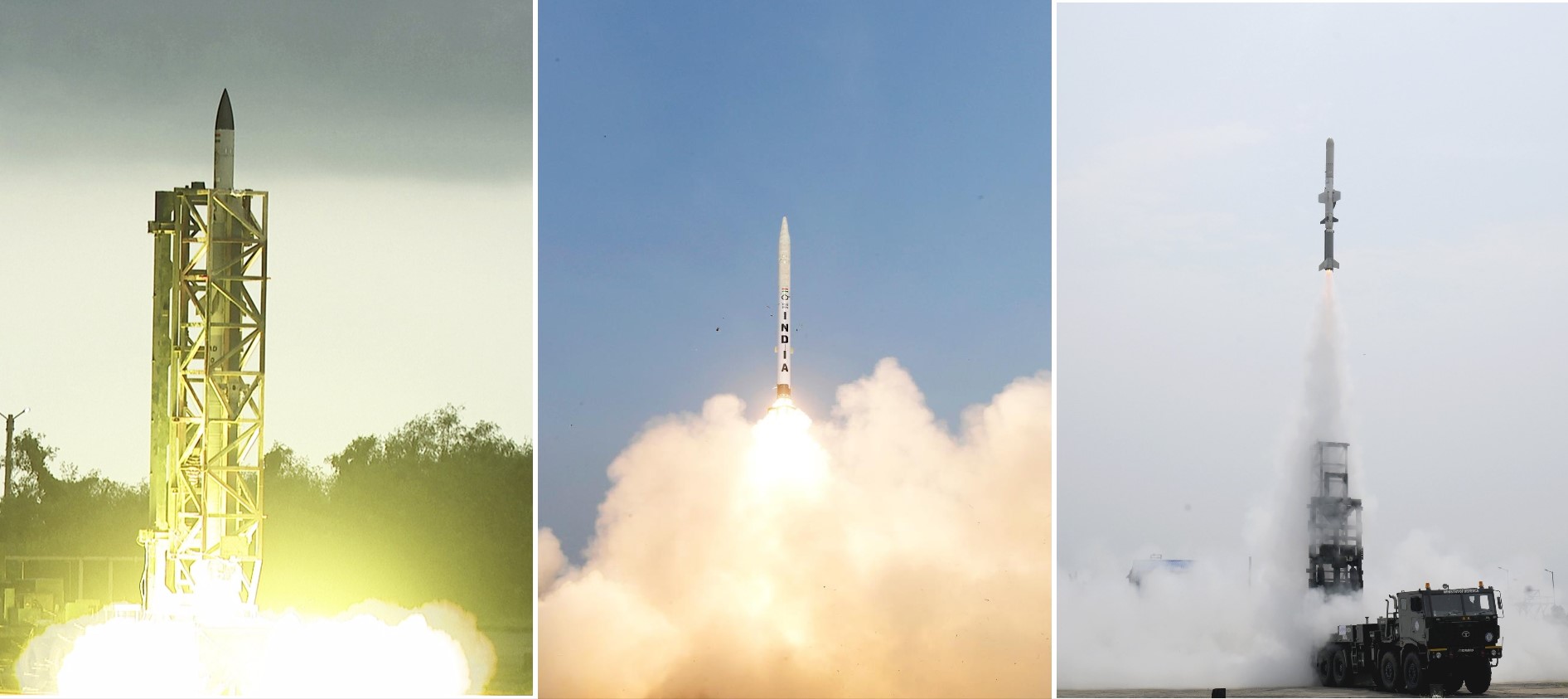 India Successfully Conducts AD-1, AD-2 Interceptor Tests and Maiden NASM-MR Flight Trial
-
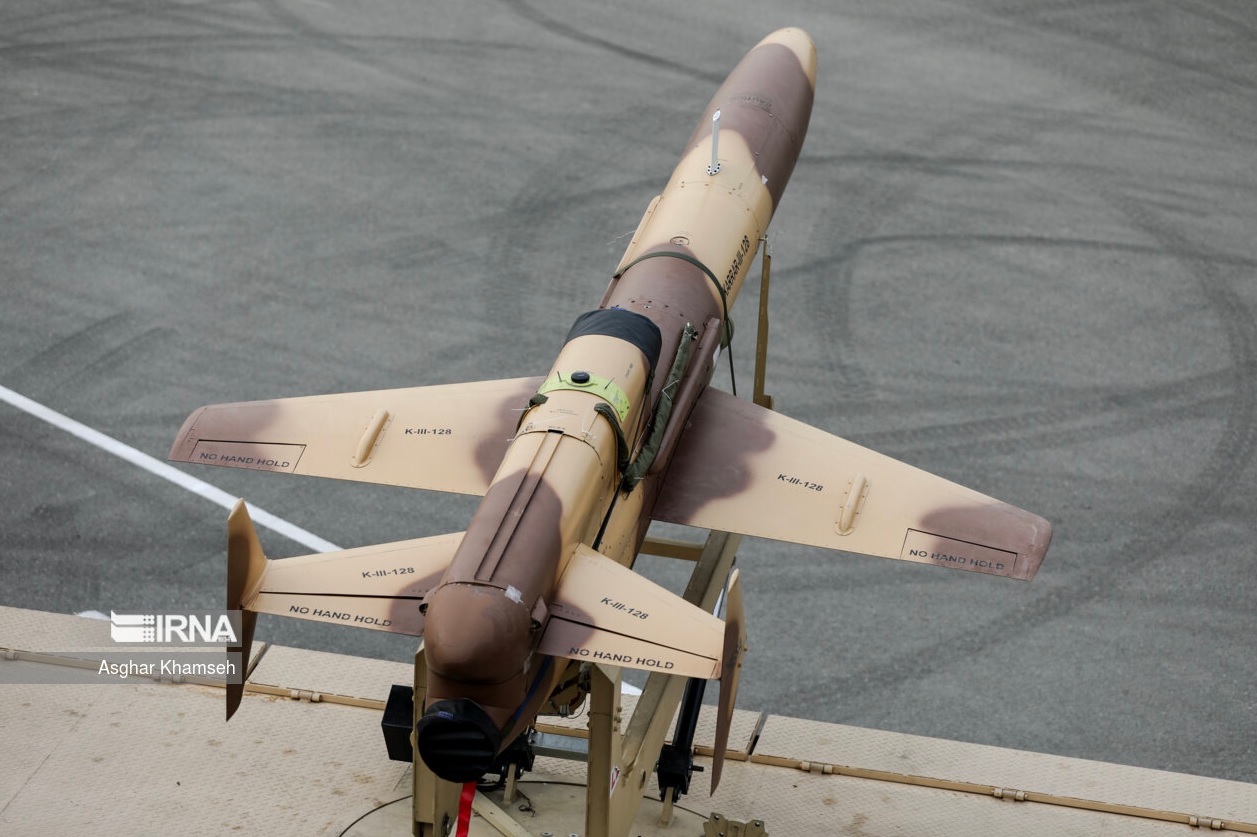 Russia Launches 1,400 Jet-Powered Drones in 2026 as Strike Tactics Evolve to Challenge Ukraine's Air Defenses
-
 U.S Navy Orders 50 Blackbeard Hypersonic Missiles in New $23.4 Million Contract
-
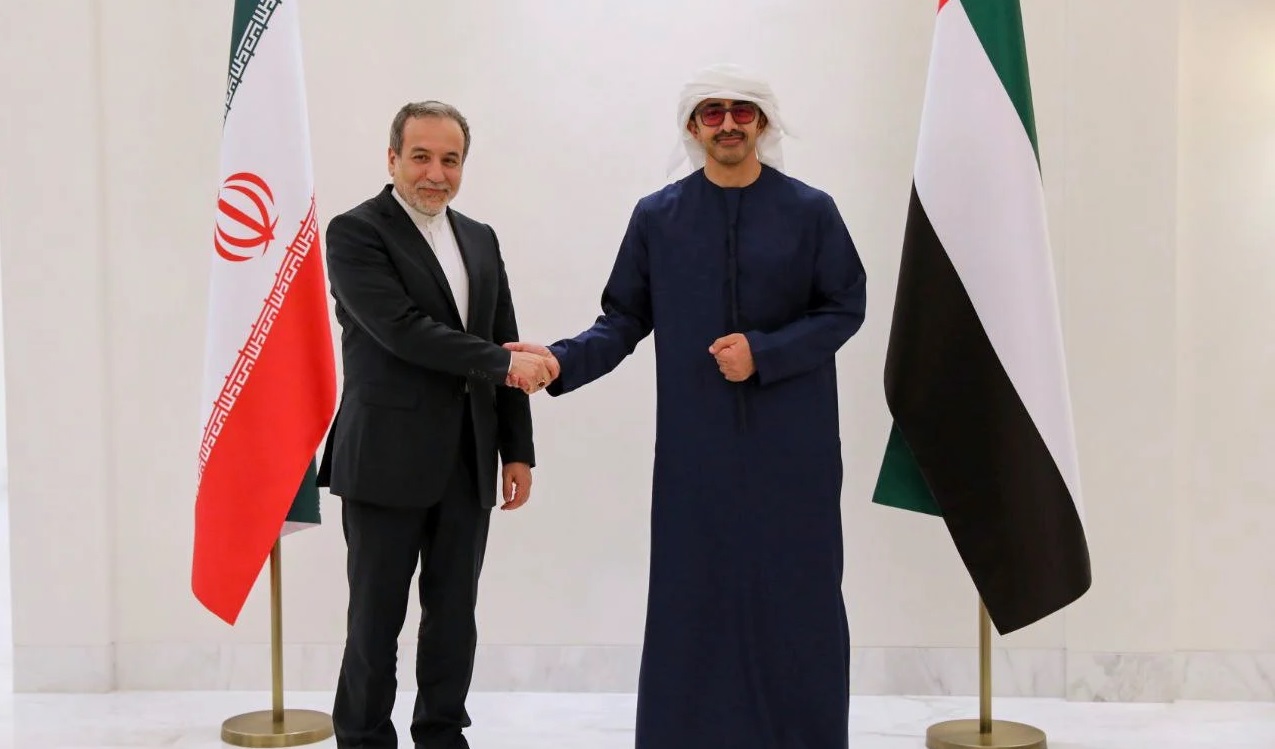 UAE Denies Reports of Releasing Up to $20 Billion in Funds to Iran Amid Regional De-Escalation Efforts
-
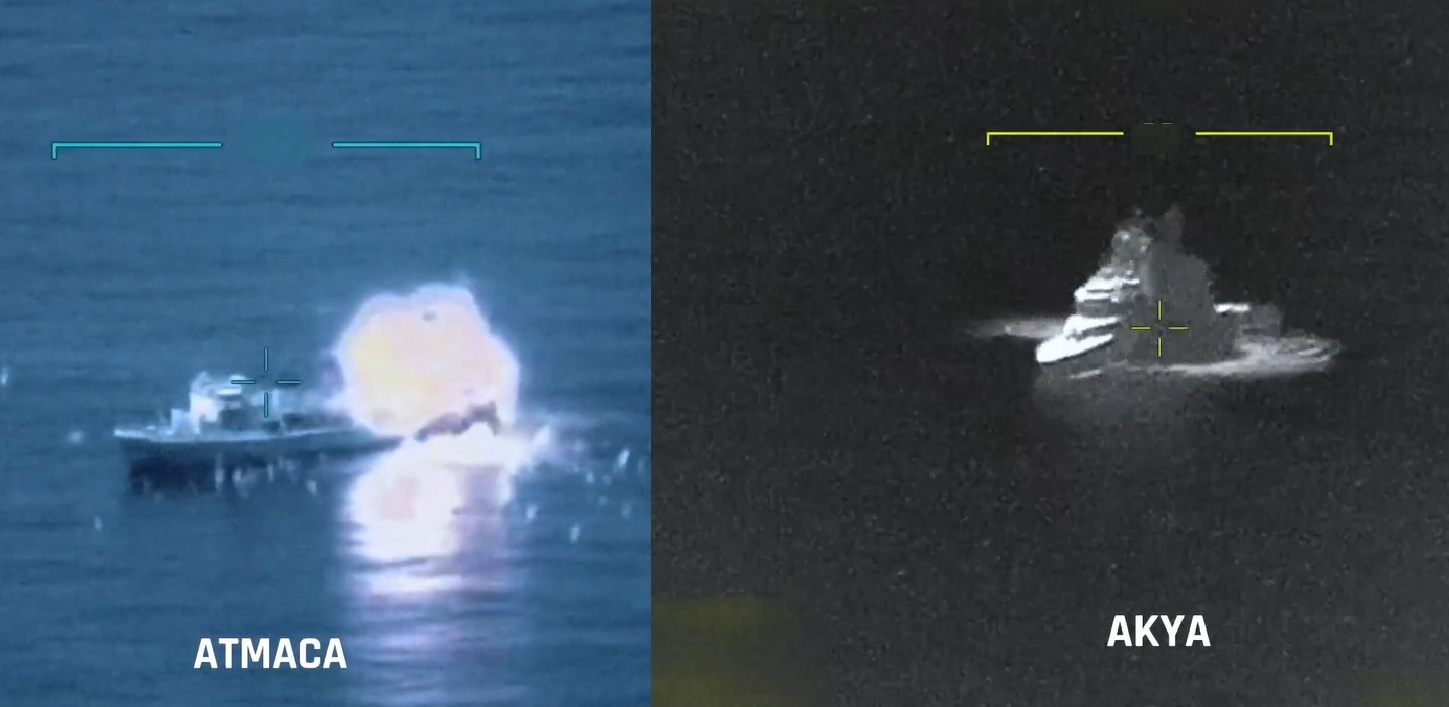 Turkey Navy Successfully Tests AKYA Torpedo and ATMACA Missile During Major Denizkurdu-II Naval Exercise
-
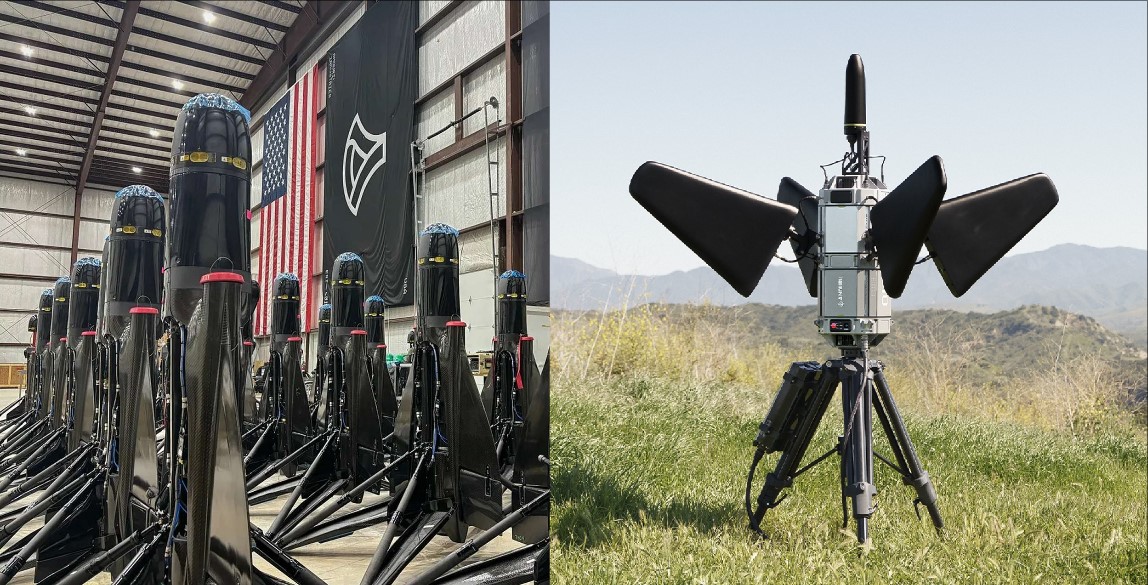 U.S. Approves $1.98 Billion Sale of Anduril AI-Powered Counter-Drone Systems to Kuwait
-
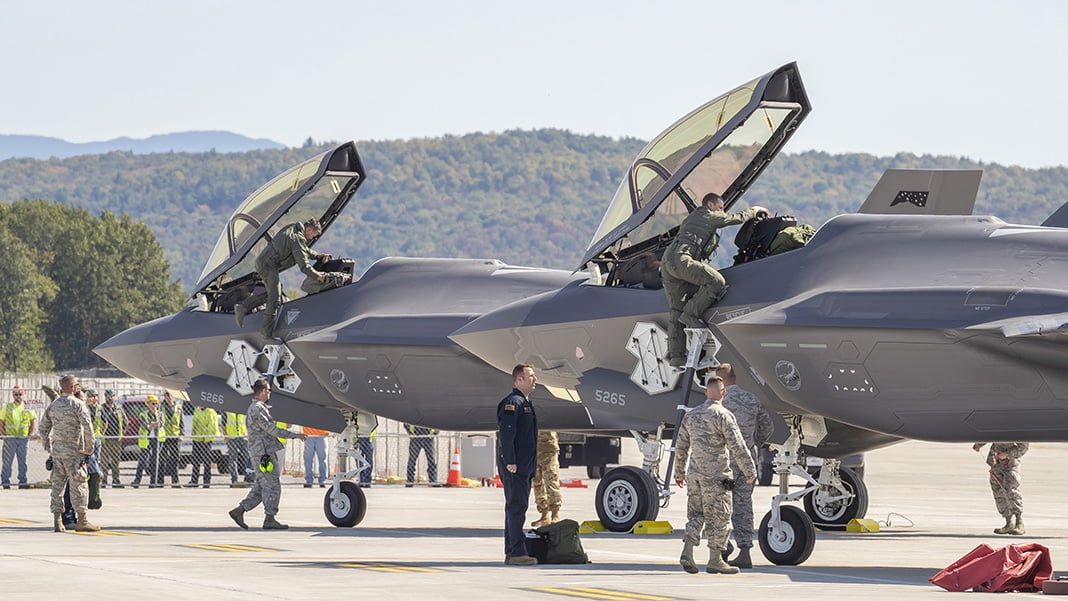 F-35 Fleet Readiness Falls to 25% Amid Parts Shortages and Software Delays: GAO Report
-
 Anduril Wins $363 Million CBP Contract to Deploy Over 200 Extended Range AI Surveillance Towers
Top Trending in 4 Days
-
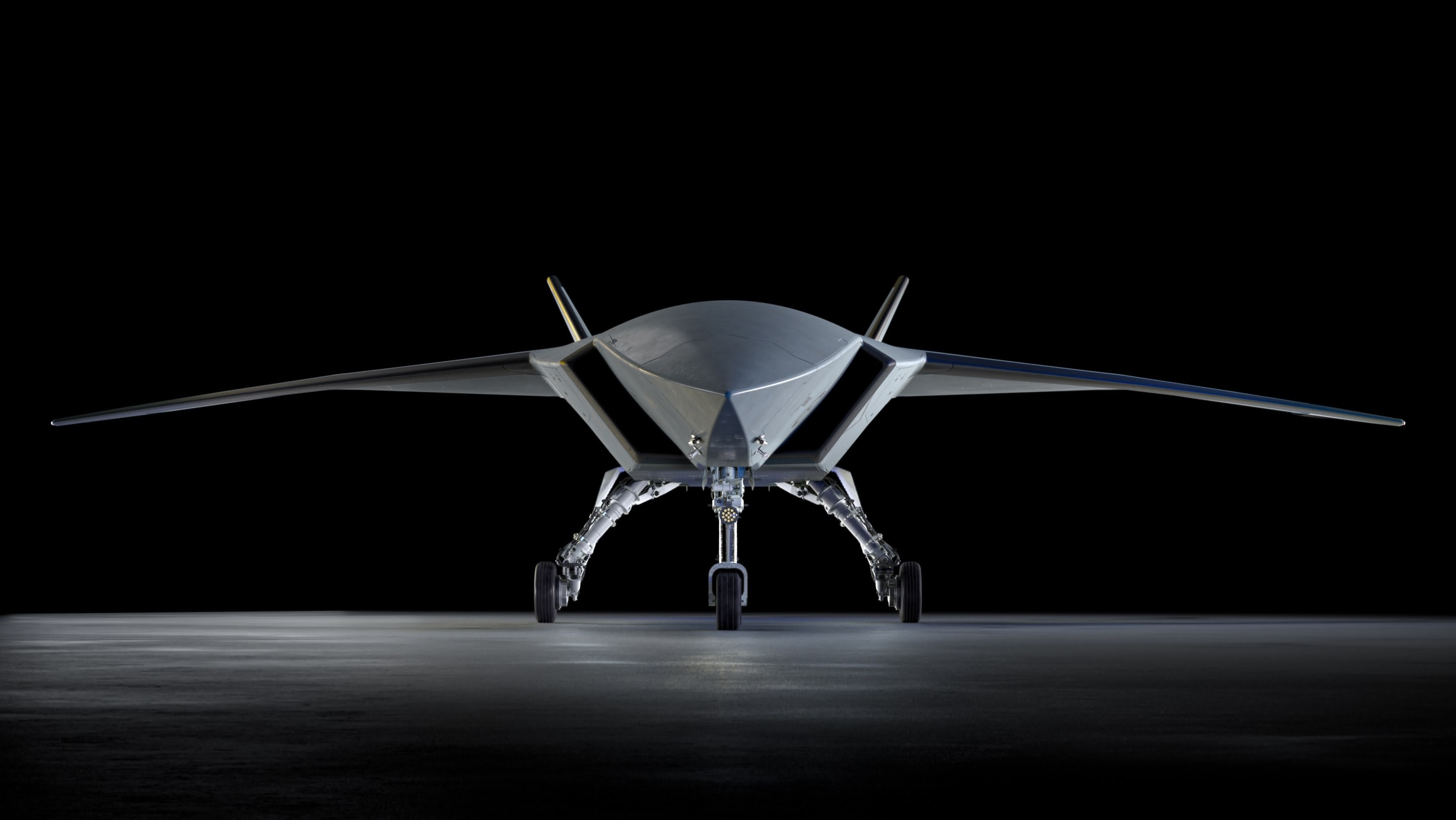 Boeing Introduces New MQ-28 Ghost Bat Upgrades with Increased Range, Payload and Weapons Capacity at ILA Berlin 2026
-
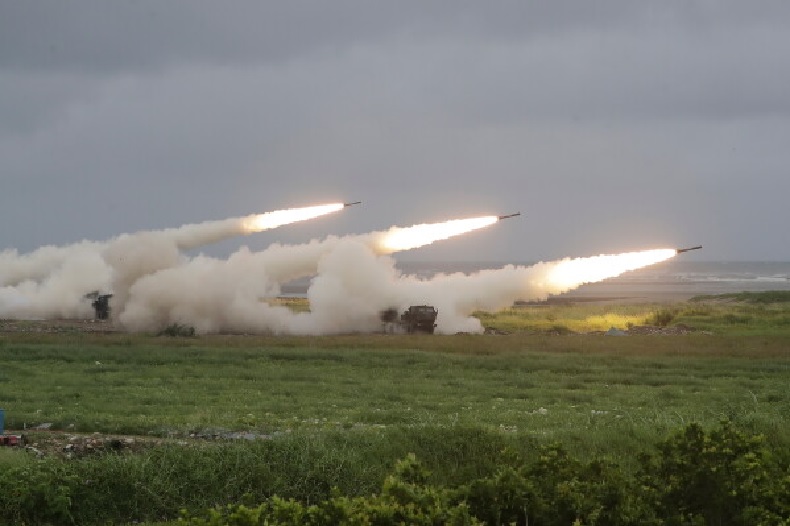 Taiwan Conducts First Live-Fire of HIMARS Rockets From West Coast During Invasion Defense Drill
-
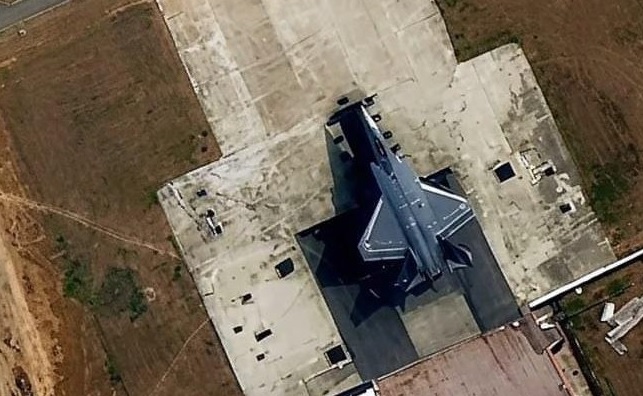 AMCA Airframe Spotted at DRDO’s ORANGE Facility for Radar Cross-Section Testing
-
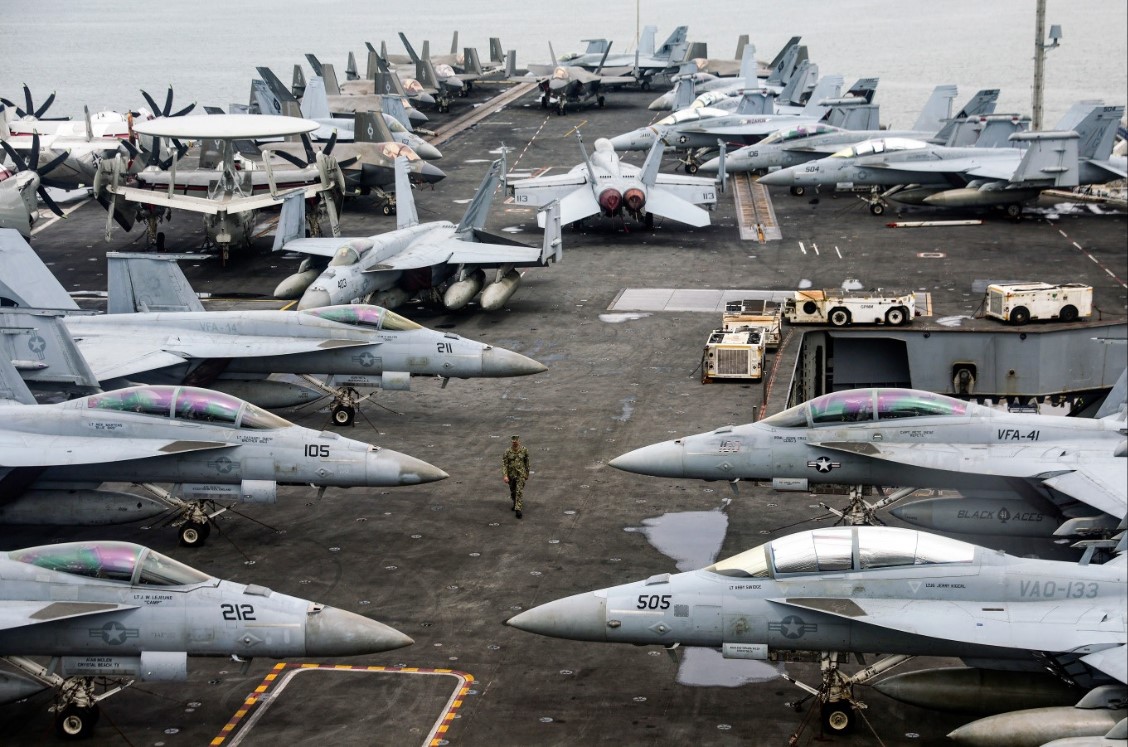 US Plans Significant Reduction of Fighter Jets and Warships for NATO Operations in Europe
-
 Iranian Media Leaks 14-Point U.S.-Iran Peace Framework Amid Ongoing Negotiations
-
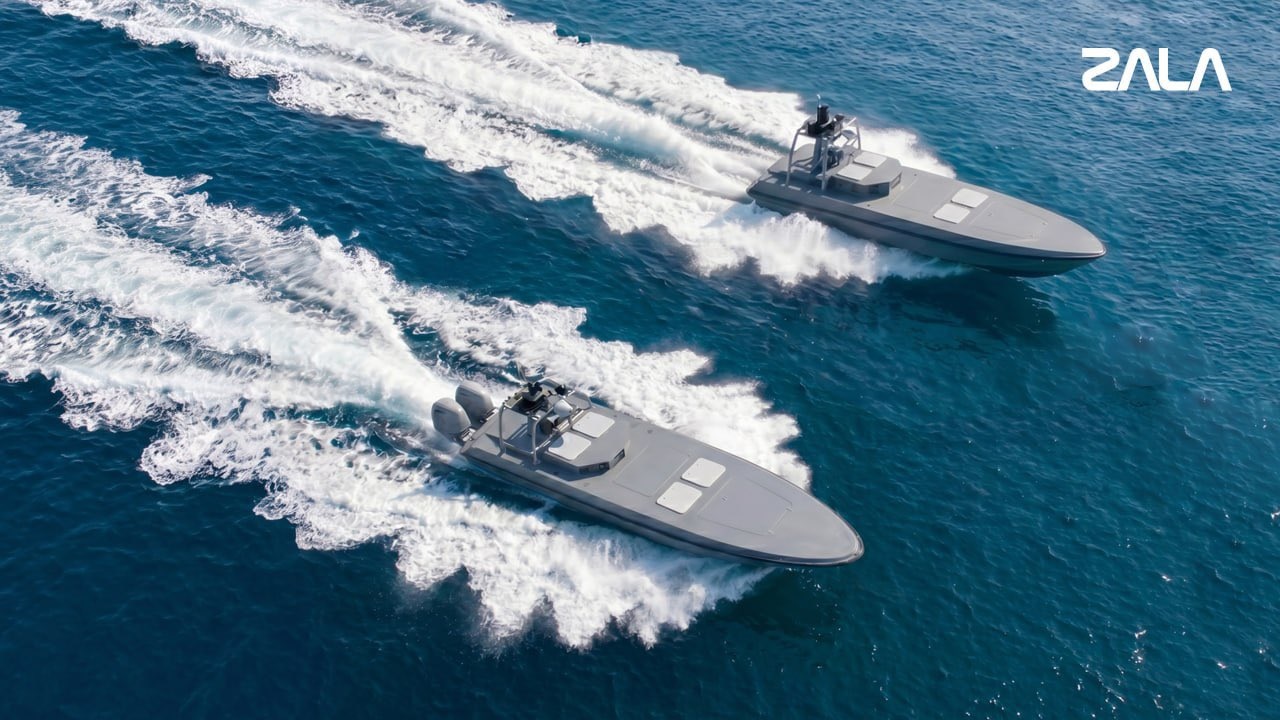 Russian Defense Firm ZALA Unveils KAMA Unmanned Surface Vessel Family at FLOT-2026 Naval Exhibition
-
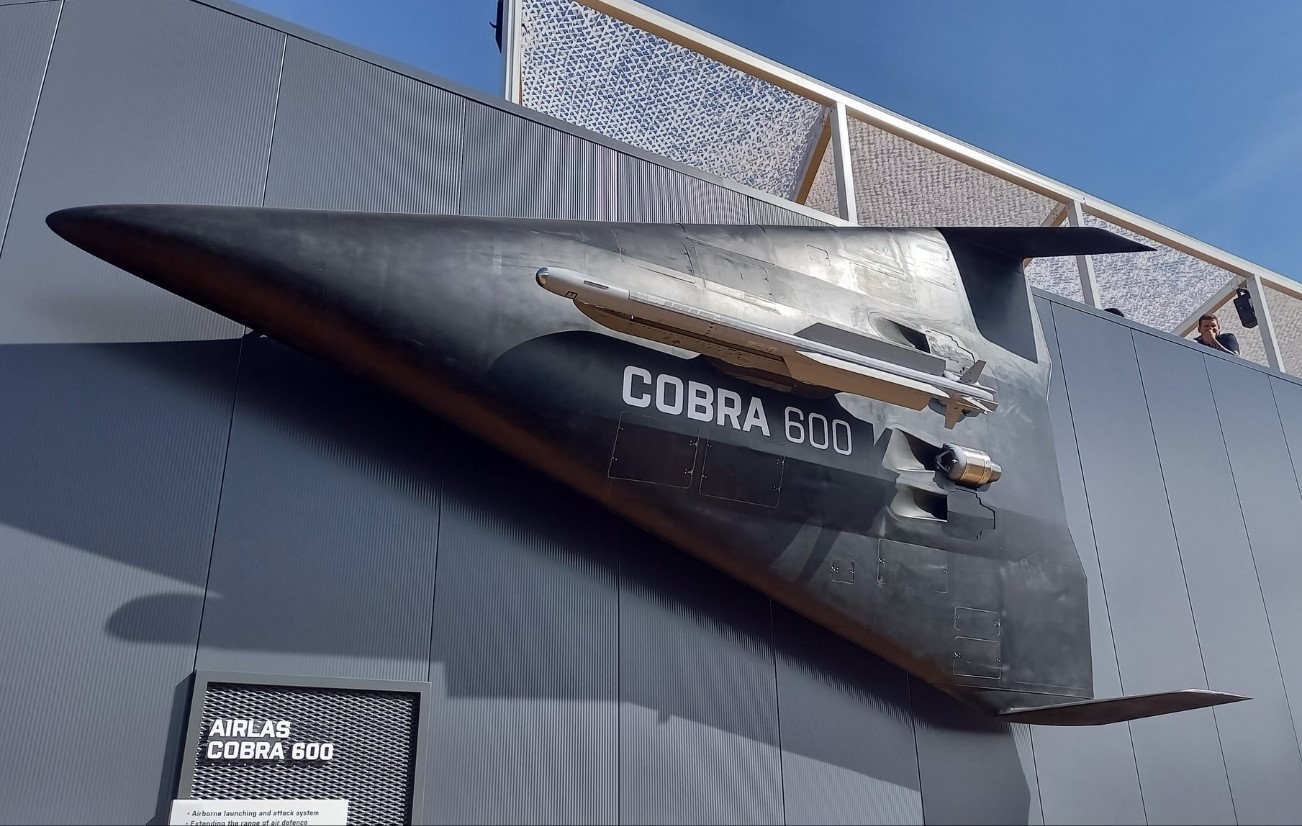 Diehl Defence Unveils IRIS-T Armed Cobra 600 Air Defense Drone at ILA Berlin 2026
-
 U.S Aircraft Carrier USS Theodore Roosevelt Departs San Diego for Major RIMPAC 2026 Naval Exercise