Iran has unveiled its latest naval weapon, the CM-300 anti-ship cruise missile, marking a significant leap in its maritime defense capabilities. This advanced missile, designed to target medium and large warships, is a clear demonstration of Iran’s focus on fortifying its coastal defense and extending its military influence over vital maritime zones such as the Persian Gulf and the Strait of Hormuz. With its long-range capabilities and versatile launch systems, the CM-300 represents a growing challenge to the naval forces of potential adversaries in the region.
The CM-300’s standout feature is its impressive range, reaching up to 300 kilometers. This allows Iran to strike targets far beyond its coastline, giving it an edge in any naval confrontation. Such reach ensures that Iran can effectively control key maritime chokepoints and assert its dominance over strategic waterways. Given the rising tensions in the region, particularly around the Strait of Hormuz—a critical passage for global oil shipments—this missile offers Iran a powerful tool to deter foreign navies.
One of the CM-300’s most important characteristics is its flexibility. It can be launched from a variety of platforms, including both naval warships and land-based trucks. This dual-launch capability gives Iran the tactical advantage of quick deployment in various combat scenarios. Whether defending its waters or launching an offensive strike, Iran can rapidly mobilize these missiles, enhancing its readiness in the face of naval threats. The mobility provided by truck-mounted launchers also ensures that the missile can be positioned strategically along Iran’s coastline, ready to respond to potential incursions.
The technology behind the CM-300 is equally formidable. Equipped with an advanced radar guidance system and inertial navigation, the missile can accurately track and destroy moving targets with minimal risk of interception. This high level of precision, combined with the missile's speed of 0.8 to 0.9 Mach, ensures that large naval targets like destroyers or even aircraft carriers are within its strike range. The CM-300's ability to evade detection and engage such significant targets demonstrates Iran’s growing technological prowess in missile development.
Additionally, the missile carries a powerful 165-kilogram warhead, which is designed to incapacitate or destroy large vessels with a single strike. Its propulsion system, featuring a solid rocket booster for initial launch followed by a turbojet engine for sustained flight, enables it to maintain high-speed, long-range operations. The missile itself is over six meters long and weighs around 770 kilograms, making it a formidable asset in Iran’s naval arsenal.
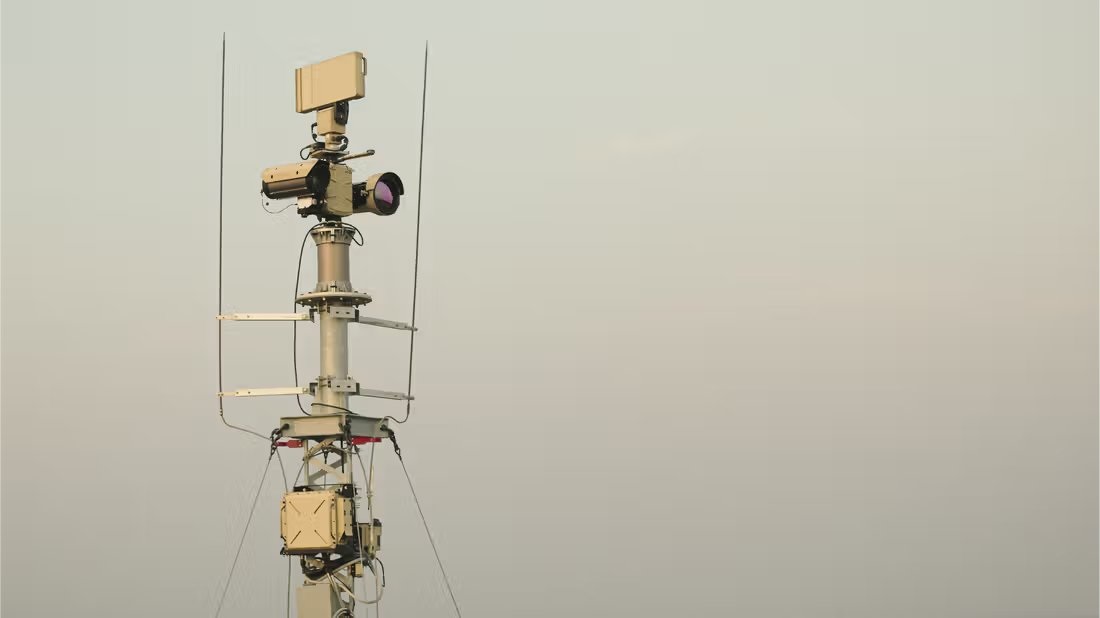
One of the CM-300’s most vital components is its integrated radar and command system. Radar vehicles scan the seas for potential threats and relay this data to the missile's launch platforms, ensuring that the missile is directed precisely at its intended target. The mobile launch trucks, which are used to deploy the missile, offer the Iranian military the flexibility to rapidly position and withdraw these assets in response to changing battlefield conditions. Pre-launch testing equipment further ensures that each missile is combat-ready, reducing the likelihood of malfunctions during critical operations.
This missile’s introduction is part of a broader strategy by Iran to modernize its defense systems, especially its naval capabilities. By developing weapons like the CM-300, Iran is not only bolstering its ability to defend its shores but also projecting its power over key regional waterways. In the broader context of Middle Eastern geopolitics, the CM-300 serves as a deterrent to foreign naval forces, signaling that Iran is prepared to defend its maritime interests with cutting-edge technology.
The CM-300 anti-ship missile marks a significant shift in regional naval power. With the capability to strike at long distances and destroy large enemy ships, it provides Iran with a strategic advantage that could alter the balance of power in the Persian Gulf. As Iran continues to upgrade its military capabilities, the CM-300 stands out as a symbol of its commitment to defending its waters and maintaining control over one of the world's most crucial maritime routes.
——— End of Article ———