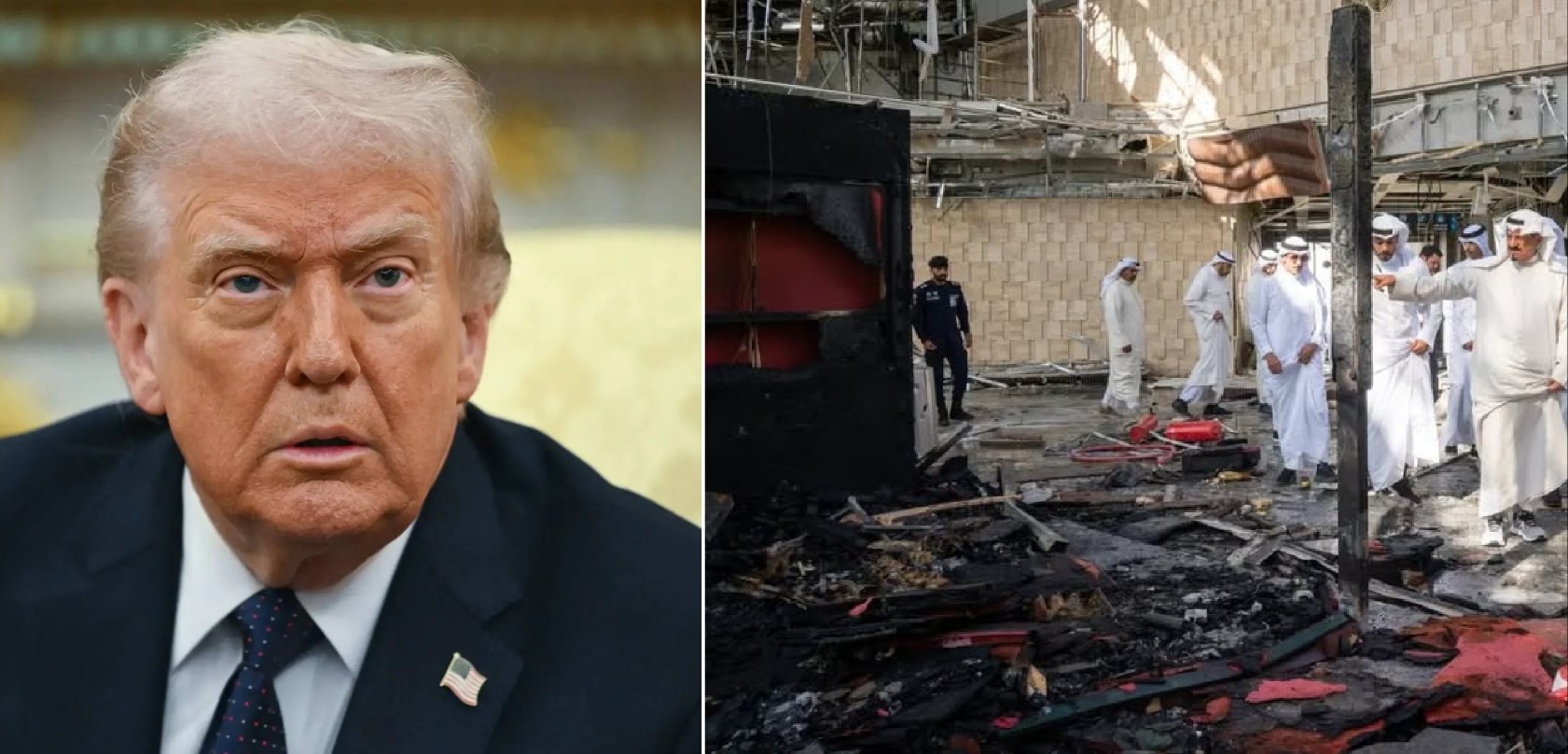
WASHINGTON, — June 07, 2026 : The United States is evaluating a proposal to use frozen Iranian assets to help finance the reconstruction of infrastructure in Gulf countries damaged during recent regional hostilities, according to officials familiar with the matter. The initiative has prompted strong objections from Tehran and is expected to face reluctance from Gulf states concerned about potential security implications.
Treasury Department Conducts Damage Assessment
US Treasury Secretary Scott Bessent has directed Treasury Department officials to conduct a comprehensive review of economic and security conditions among Gulf partners and gather detailed estimates of infrastructure damage linked to recent Iranian attacks.
The assessment is examining whether existing legal and financial authorities could be used to release specific frozen Iranian assets to compensate affected countries for past damages and potentially support repairs resulting from any future attacks.
The review follows a renewed period of military activity in the region, including Iranian ballistic missile and drone attacks that were intercepted over Kuwait and Bahrain. While regional air defense systems prevented larger losses, the incidents reportedly caused material damage to infrastructure and increased concerns about regional stability.
Billions in Iranian Assets Remain Frozen
The proposal centers on Iranian state assets that have remained inaccessible due to decades of US sanctions and international banking restrictions.
Estimates indicate that between $100 billion and $120 billion in Iranian assets remain frozen worldwide. Of that total, the United States directly controls approximately $2 billion, while additional funds are held in foreign financial institutions. US authorities have also seized roughly $1 billion worth of Iranian cryptocurrency assets in recent actions.
Many of these assets originate from Iranian oil and gas revenues deposited in overseas banks. Treasury officials are reportedly reviewing various categories of frozen property, financial holdings, and other seized assets to determine whether they could legally be used for compensation and reconstruction purposes.
The issue remains a major point of disagreement in US-Iran relations. Iranian officials recently demanded the release of $24 billion in frozen funds as a precondition for any preliminary peace arrangement with Washington. The US review represents a potential shift from using frozen assets primarily as diplomatic leverage toward deploying them for compensation and recovery efforts.
Iran Issues Warning Over Proposal
Iranian officials have reacted strongly to reports that Washington is considering redirecting frozen Iranian assets for reconstruction projects in Arab states.
An Iranian official stated that any infrastructure rebuilt by the United States in Arab countries using Iranian assets would be targeted again. The warning reflects broader statements by Iranian military advisers, who have indicated that diverting Iranian national assets could lead to an expansion of military operations beyond the Persian Gulf region.
Tehran maintains that the frozen funds are sovereign assets and has consistently called for their release through diplomatic negotiations.
Gulf States Expected to Reject Funding
Despite Washington's efforts to reduce the financial burden on Gulf partners, regional observers believe affected countries are unlikely to accept reconstruction assistance derived from Iranian assets.
Analysts note that accepting such funds could be interpreted by Tehran as participation in a US-led economic campaign against Iran. Gulf governments are currently focused on repairing damage, protecting critical infrastructure, securing shipping routes, and strengthening air defense capabilities while managing the broader consequences of regional instability.
Officials and observers suggest that using Iranian assets for reconstruction could increase the risk of newly repaired facilities being viewed by Tehran as legitimate targets in future confrontations.
Proposal Remains Under Review
The Treasury Department has not announced a final decision regarding the use of frozen Iranian assets. Officials are continuing to collect damage assessments from affected countries and evaluate legal mechanisms that could support compensation and reconstruction programs.
The review comes amid ongoing discussions surrounding regional de-escalation efforts and potential ceasefire arrangements between the United States and Iran. As Washington examines options for supporting Gulf allies, the question of how frozen Iranian assets should be handled remains a significant point of contention in broader diplomatic negotiations.
Details regarding the scale, timeline, and specific assets that could be involved in any future reconstruction initiative remain under consideration as the Treasury Department completes its assessment.
——— End of Article ———