TAIPEI, Taiwan — June 07, 2026 : Taiwan has stated that it has not received any formal notification from the United States regarding reports that Washington has paused a proposed $14 billion arms package, despite comments from a senior U.S. official indicating that certain foreign military sales have been temporarily delayed.
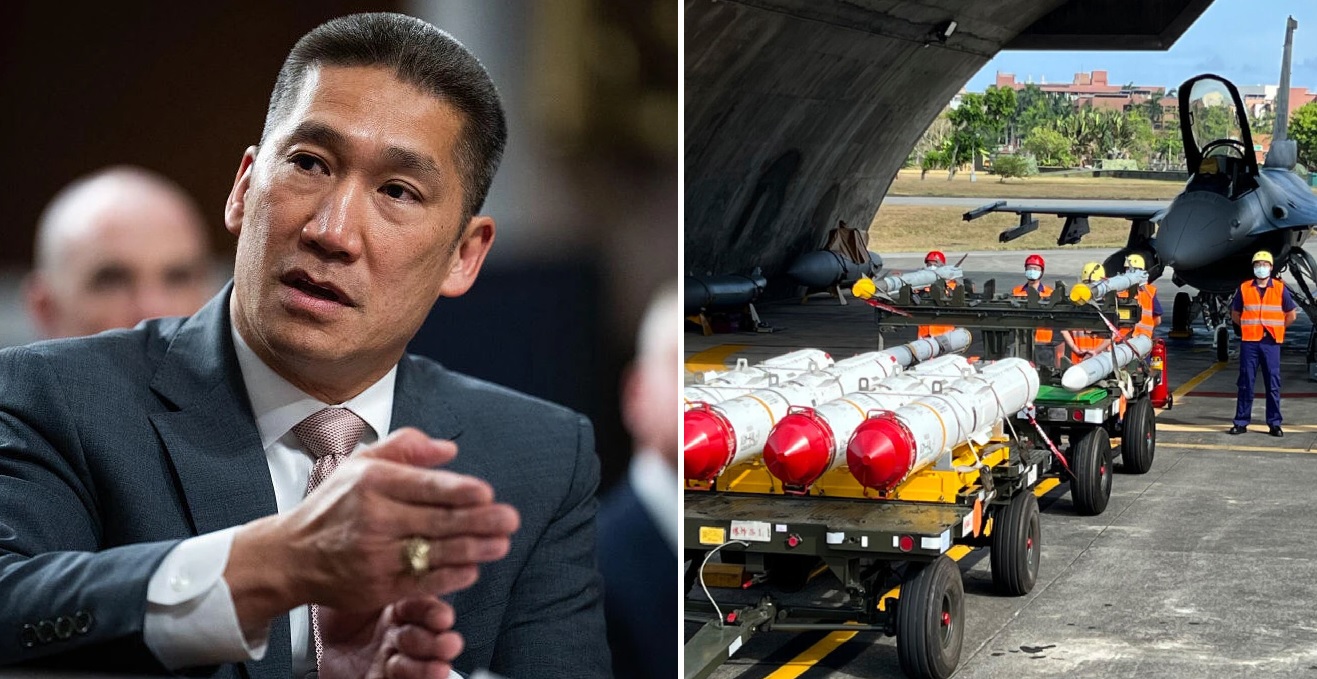
The issue emerged after Acting U.S. Navy Secretary Hung Cao told lawmakers during a hearing of the Senate Appropriations Defense Subcommittee that some foreign military sales were being paused to ensure the United States maintains sufficient munitions stockpiles for ongoing operations related to the conflict with Iran, known as "Operation Epic Fury."
According to Cao, the temporary pause is intended to preserve weapons inventories needed by the U.S. military. He added that decisions regarding future foreign military sales, including the proposed package for Taiwan, would ultimately be made by Defense Secretary Pete Hegseth and Secretary of State Marco Rubio.
Despite widespread media reports about the potential freeze, Taiwanese officials said they had not been informed of any change in the status of the proposed defense package.
Karen Kuo, spokesperson for Taiwan's Presidential Office, said the government was aware of the reports but had received "no official communication from Washington" regarding adjustments to the planned arms sale.
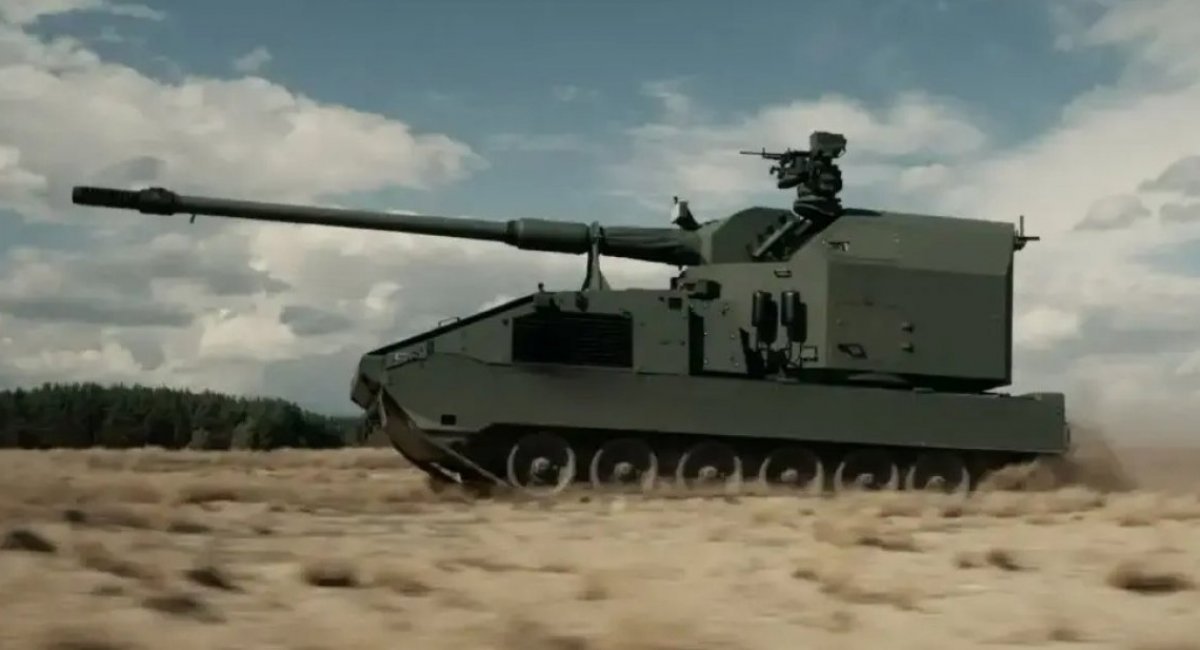
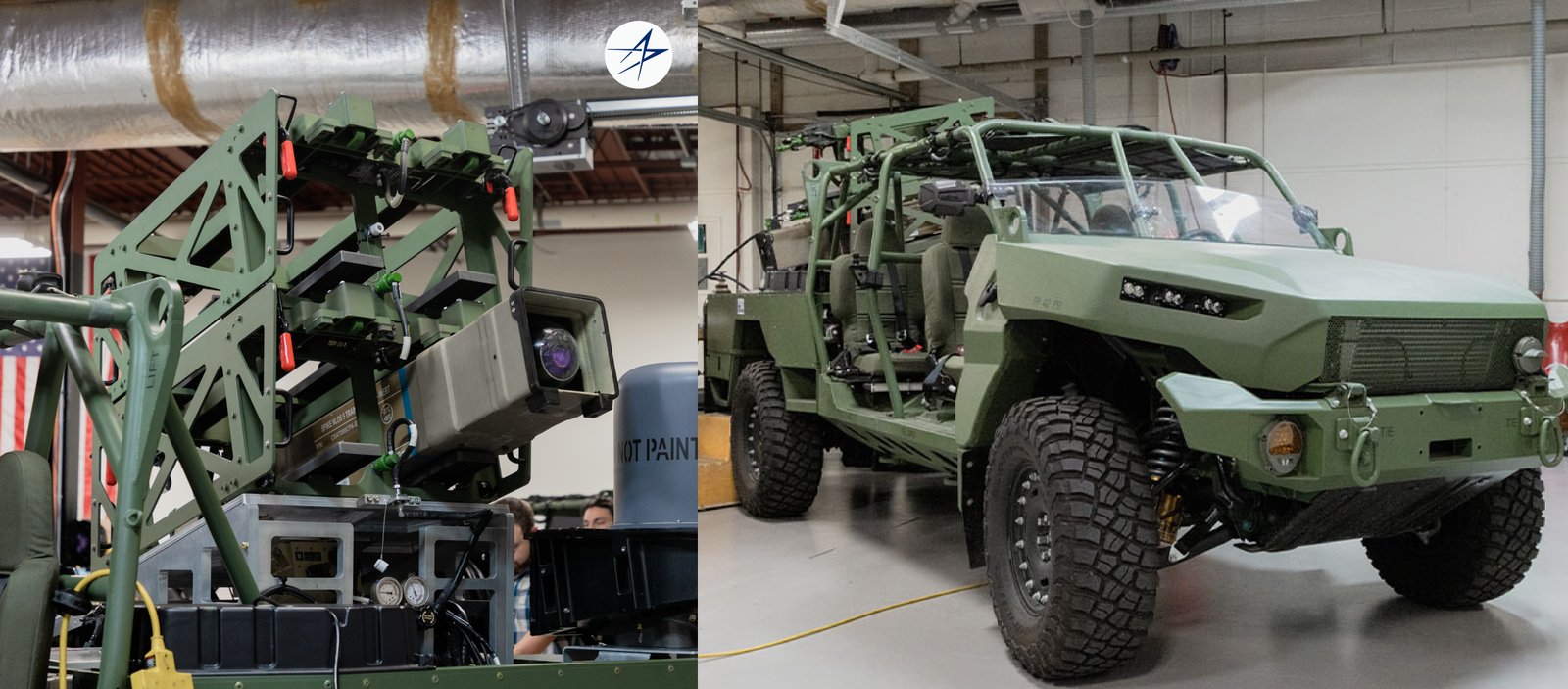
The proposed package, valued at approximately $14 billion, is expected to include a range of defense systems intended to strengthen Taiwan's military capabilities as the island continues to face growing security challenges in the region.
Taiwanese Premier Cho Jung-tai reiterated that the government remains committed to pursuing planned defense acquisitions and will continue efforts to strengthen national defense and security.
Taiwan's representative to the United States, Alexander Yui, emphasized the importance of maintaining Taiwan's defensive capabilities, arguing that a strong defense posture is essential for preserving stability and deterring potential conflict.
"If we want to prevent a war from happening, I think it's best that Taiwan is strong, able to defend itself, and therefore we should be able to acquire the arms that we need," Yui said.
The reports have attracted attention across the Indo-Pacific because the proposed arms package forms part of broader U.S.-Taiwan security cooperation. Taiwan has increased defense spending in recent years, approved special military budgets, and accelerated military modernization programs aimed at improving readiness and deterrence capabilities.
The situation has also raised questions about how the United States balances defense commitments across multiple regions while managing military resources and munitions stockpiles. Washington currently faces security demands in the Middle East, Europe, and the Indo-Pacific, increasing pressure on defense production and inventory management.
Adding a diplomatic dimension to the issue, reports of the potential pause surfaced shortly after a meeting between U.S. President Donald Trump and Chinese President Xi Jinping in Beijing. Following the talks, Trump suggested that the Taiwan arms package could serve as a possible "negotiating chip" in discussions with China, stating that he "may or may not" approve the deal in the near future.
Even though Taiwan has not received formal confirmation of any freeze, the reports have generated discussion among regional security observers, particularly as China continues military activities around Taiwan and conducts regular operations across the Taiwan Strait.
For now, Taiwanese authorities maintain that no official notification has been received and that discussions with the United States continue through established channels. The government has also reaffirmed its intention to proceed with planned defense acquisitions as part of its broader strategy to strengthen the island's security.
——— End of Article ———