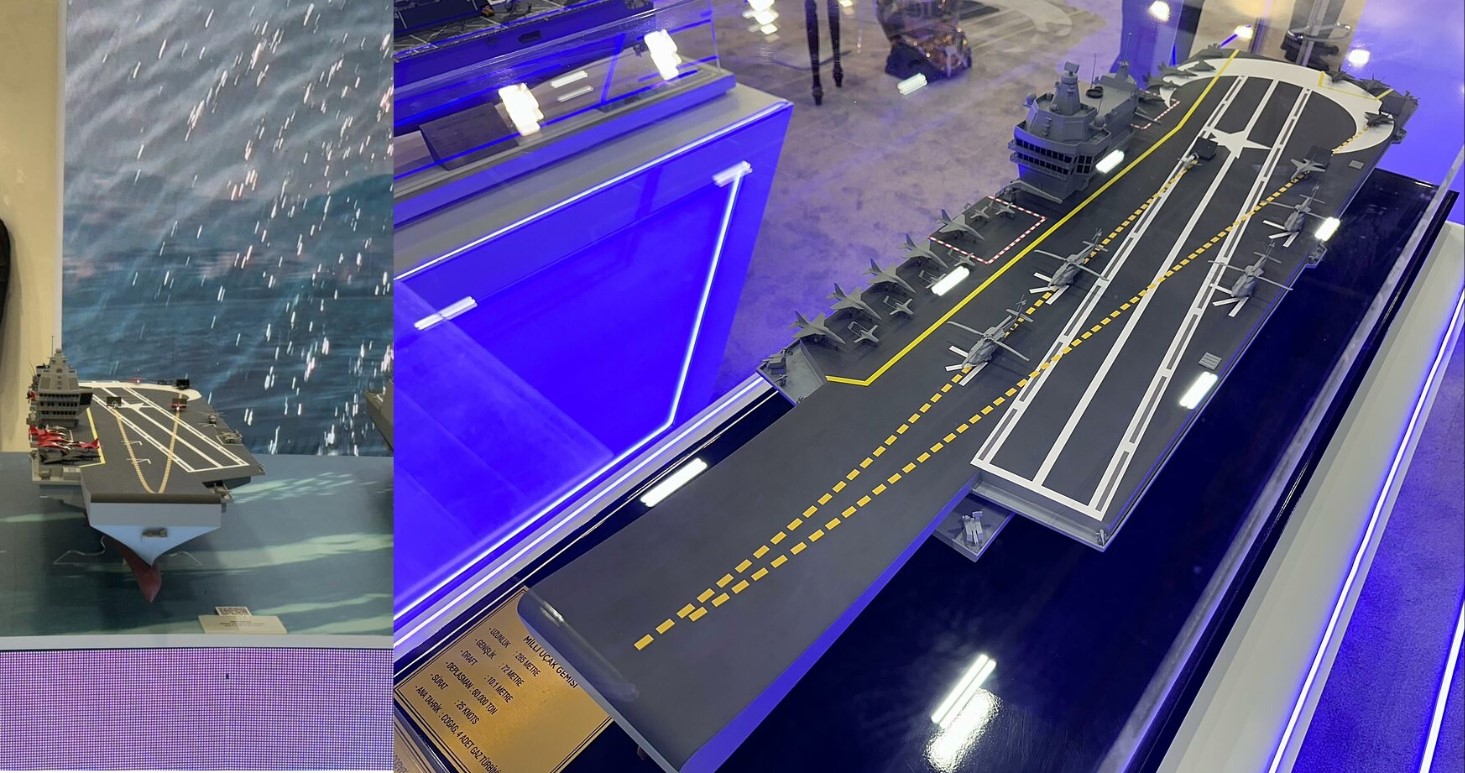
FARNBOROUGH, United Kingdom — June 07, 2026 : The Turkish Navy is targeting 2032 for the delivery of its first domestically built aircraft carrier, MUGEM (Milli Uçak Gemisi/National Aircraft Carrier), a next-generation platform designed to operate a predominantly unmanned air wing and support multi-domain naval operations.
Details of the program were presented by Hakan Uçar, Commander of the Turkish Navy’s Naval Technical Command, during the Combined Naval Event 2026. The presentation provided updated information on the carrier’s development timeline, specifications, aviation capabilities, and planned operational role within the Turkish fleet.
Development of MUGEM began in 2023 through cooperation between the Turkish defense industry and Navantia, the Spanish shipbuilding company that previously collaborated with Turkey on major naval programs. Construction of the carrier officially commenced on January 2, 2025, at the Istanbul Naval Shipyard.
The latest schedule confirms that the vessel is expected to enter service in 2032, providing greater clarity on the program's timeline. Earlier comments from Erdinç Yetkin, commander of the Istanbul Naval Shipyard, had suggested a launch between 2027 and 2028 with delivery occurring sometime after 2030.
Finalized Design and Performance Specifications
The presentation confirmed the carrier’s final dimensions, maintaining the original design despite reports in 2025 suggesting the vessel could be enlarged to 300 meters in length.
MUGEM will measure 285 meters in length, with a maximum beam of 72 meters, a draft of 10.1 meters, and a full-load displacement of 60,000 tons. The ship will be capable of speeds exceeding 26 knots, while maintaining a cruising speed of 14 knots. At cruising speed, it will have an operational range of approximately 10,000 nautical miles.
The carrier will be powered by a Combined Gas Turbine and Gas Turbine (COGAG) propulsion system utilizing four LM2500 Gas Turbine engines.
Accommodation capacity has been set at 2,500 personnel, significantly higher than earlier reports that referenced a crew of around 800 sailors. Turkish naval officials clarified that the updated figure includes not only the ship’s crew but also aviation personnel, command staff, maintenance teams, and other embarked forces.
Drone-Centric Air Wing
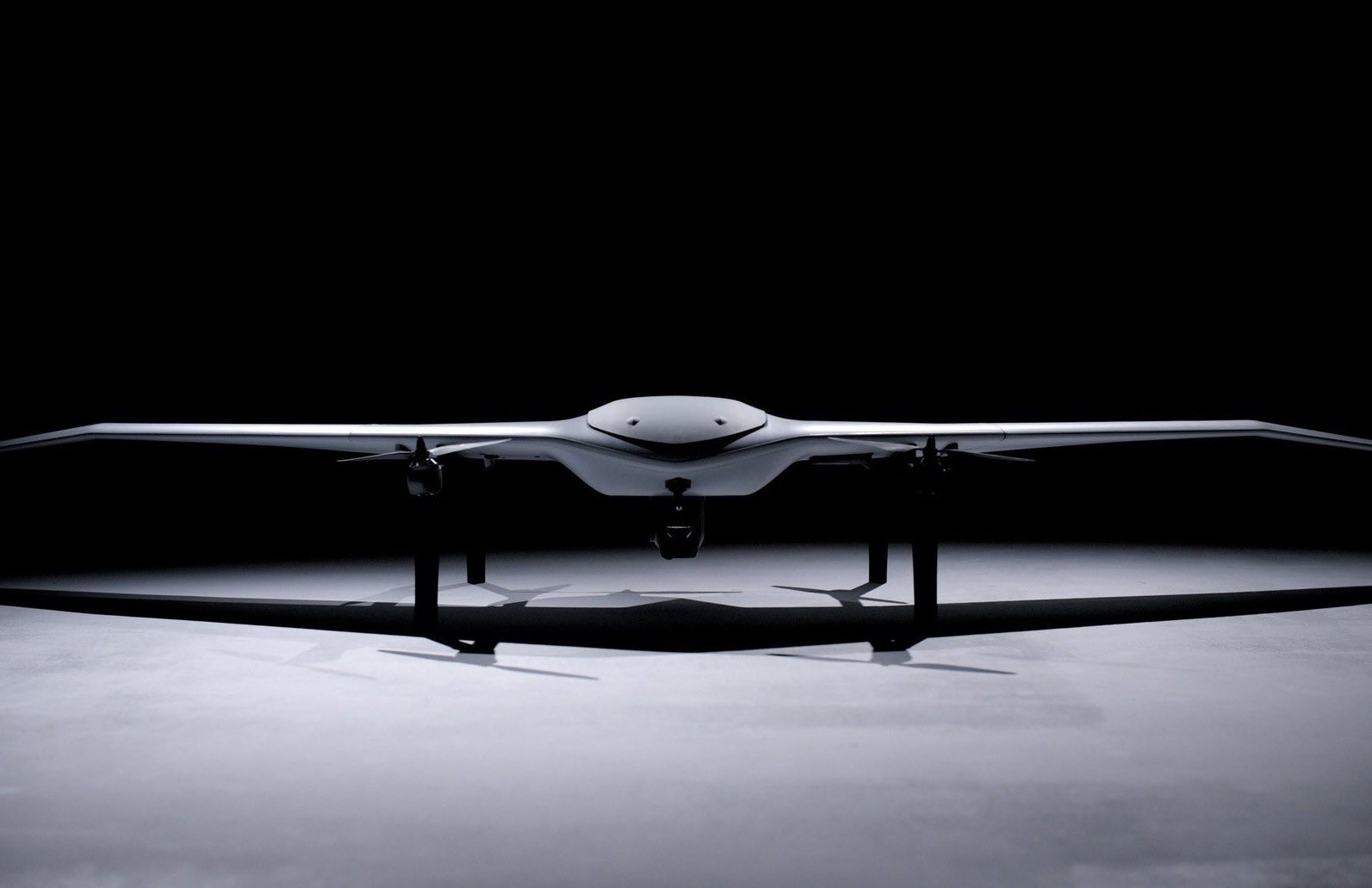
A key feature of MUGEM is its air wing, which will be centered on indigenous unmanned aircraft. The carrier is designed to operate 52 aircraft, slightly higher than previous estimates of 50.
The planned air wing will consist of:
-
Bayraktar TB3 unmanned aerial vehicles
-
Kızılelma unmanned combat aircraft
-
Anka-3 attack drones
-
A navalized version of the Hürjet combat training aircraft
The flight deck will feature a Short Take-Off But Arrested Recovery (STOBAR) configuration with a 12-degree ski-jump ramp, three takeoff runways, and one landing runway. The design has been optimized for operation of indigenous aircraft, while Turkish engineers are also continuing development of a domestic catapult launch system for potential future integration.
As of June 2026, the Bayraktar TB3 remains the only aircraft in the planned air wing that is fully prepared for carrier operations. The Kızılelma and Anka-3 programs are still in the prototype and development phases, while carrier-capable variants continue to be refined. Development of the naval version of the Hürjet was formally announced in May 2026 and remains at an early stage.
Multi-Domain Operations Capability
Beyond conventional carrier aviation missions, MUGEM is being developed under a Multi-Domain Carrier concept that expands its operational role beyond manned and unmanned aircraft.
The ship will be capable of supporting the launch, recovery, and control of both unmanned surface vehicles (USVs) and unmanned underwater vehicles (UUVs), allowing it to conduct surveillance, strike, reconnaissance, and maritime security missions across multiple operational environments.
This approach reflects the Turkish Navy’s increasing emphasis on integrating autonomous systems into future naval operations and network-centric warfare concepts.
Combat Systems and Self-Defense
MUGEM will incorporate the domestically developed ADVENT Combat Management System, which serves as the central command and control architecture for Turkish naval platforms.
For self-defense, the carrier will be equipped with:
-
Two 16-cell MİDLAS vertical launch system modules
-
Three close-in weapon systems (CIWS)
-
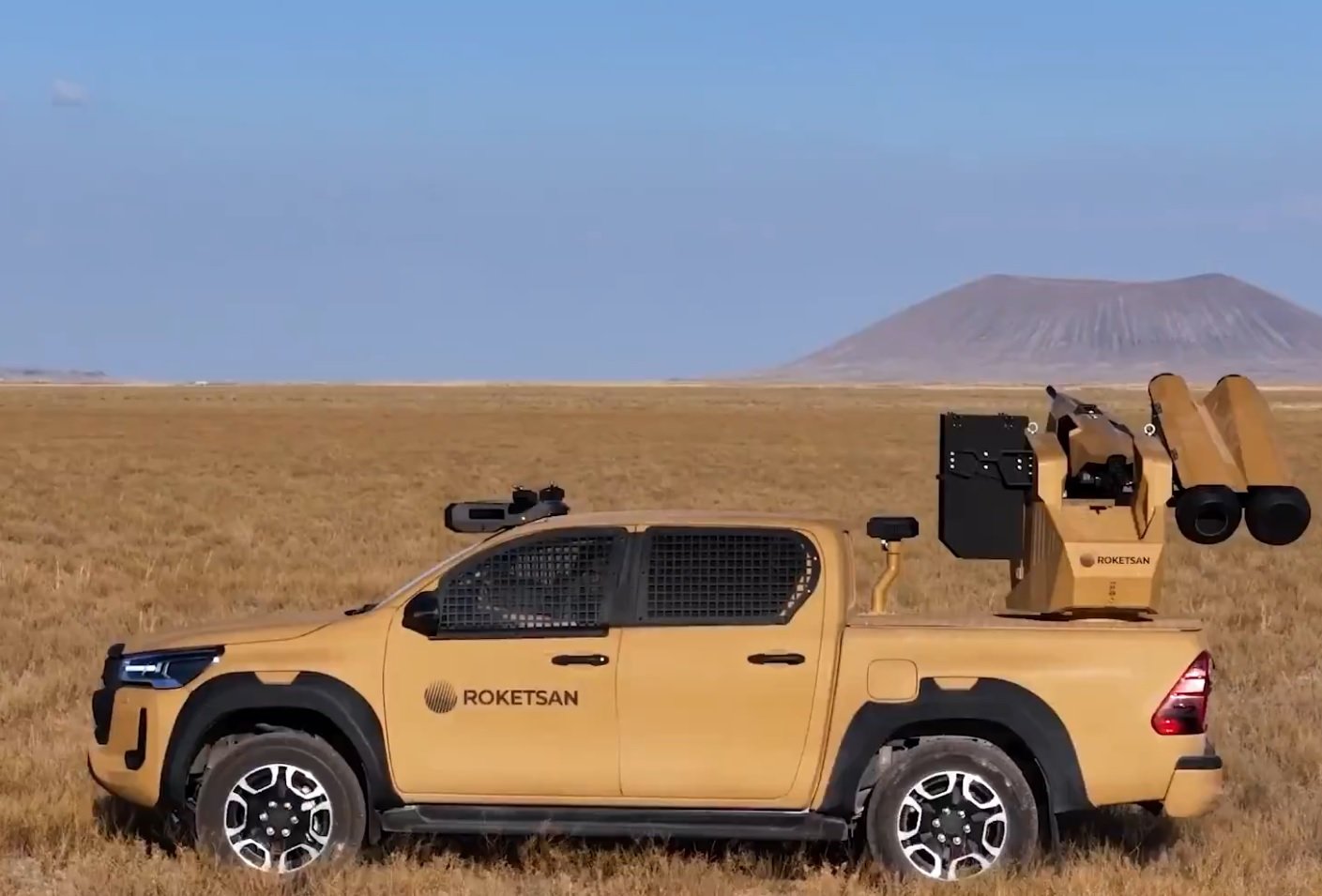
Four remote-controlled weapon stations
-
Two point-defense missile systems
These systems are intended to provide layered protection against aircraft, missiles, drones, and other threats while operating independently or as part of a larger naval task force.
Expanding Turkey’s Naval Aviation Capability
The MUGEM program represents a major step in Turkey’s effort to establish an indigenous aircraft carrier capability and expand the role of domestically developed aviation systems at sea. Building on experience gained through the operation of TCG Anadolu, the new carrier is expected to significantly enhance the Turkish Navy’s ability to conduct long-range air operations, support joint military missions, and deploy unmanned systems across multiple domains.
With construction underway and key aviation programs continuing development, MUGEM is expected to become the centerpiece of Turkey’s future naval aviation force when it enters service in 2032.
——— End of Article ———