
World
Joby Aviation, a leader in electric vertical takeoff and landing (eVTOL) aircraft, recently completed a significant milestone by training members of the US Air Force in maintaining electric air taxis. This collaboration, part of the US Air Force's forward-looking Agility Prime program, marks a step toward integrating cutting-edge electric aviation technology into military operations. The four-week training program was held at Joby’s state-of-the-art facilities in Marina, California. It provided Air Force personnel, including flight test pilots and maintenance teams, with detailed knowledge of the inspection, repair, and upkeep processes for Joby’s eVTOL aircraft. The curriculum, designed around Joby’s Aircraft Maintenance Manual, included classroom instruction, hands-on technical training, and pre-flight inspection exercises, ensuring a thorough understanding of this next-generation aviation technology. This training supports Joby’s broader goal of achieving FAA aircraft-type certification, essential for the eventual commercial deployment of its air taxis. Notably, the eVTOL air taxi developed by Joby for the Air Force features a top speed exceeding 200 mph, capacity for a pilot and four passengers, and a focus on quiet operation and zero emissions—a distinct advantage over conventional helicopters. Under the Agility Prime initiative, Joby has already delivered its first aircraft ahead of schedule to Edwards Air Force Base, and two additional units are slated for MacDill Air Force Base. The program aims to leverage modern technologies like eVTOL to enhance battlefield mobility and base operations. Joby’s participation demonstrates its ability to align advanced electric aircraft capabilities with military requirements, opening doors to potential further collaborations. Joby’s advances in eVTOL technology are underscored by the company’s ongoing work in operational readiness. For example, the firm has developed "ElevateOS," a comprehensive software platform that supports air taxi operations by managing tasks such as flight bookings and fleet maintenance. Joby also achieved FAA certifications for its maintenance and safety programs, a testament to its commitment to rigorous operational standards. By integrating these eVTOL technologies into military operations, the US Air Force gains access to quieter, cleaner, and faster aerial mobility solutions. At the same time, Joby benefits from real-world feedback from Air Force personnel, further refining its aircraft for commercial and defense applications. This partnership highlights the growing synergy between innovative aviation companies and military stakeholders in advancing electric flight technology. For Joby, the collaboration is a stepping stone toward its ambitious vision of launching commercial eVTOL services by 2025, revolutionizing urban transportation and reinforcing its position as a pioneer in the electric aviation industry.
Read More → Posted on 2024-12-06 15:33:35
World
In a calculated escalation of support, Iran is preparing to send advanced military equipment, including missiles and drones, to Syria, along with increasing its military advisory presence. This decision comes as Syrian President Bashar al-Assad faces intensified challenges from anti-Assad rebels who recently made their most significant gains in over a decade of civil war. A senior Iranian official disclosed these plans, emphasizing Tehran's unwavering commitment to safeguarding its ally and maintaining influence in the region. The senior official, speaking anonymously, noted that Iran has already begun enhancing its intelligence and satellite support for Assad's regime. This move underscores the strategic importance of Syria in Iran's broader "Axis of Resistance" — a coalition designed to counterbalance the influence of Israel and the United States in the Middle East. A Critical Alliance Tested by Regional Challenges For Iran, Assad's survival is pivotal. Syria serves as a key link in Tehran’s network of regional influence, enabling access to Hezbollah in Lebanon and bolstering its ability to project power across the Levant. Over the years, Iran, alongside Russia, has provided Assad with both military and economic lifelines. However, recent developments have strained this alliance. Hezbollah, Iran’s most formidable proxy, has sustained heavy losses in its ongoing conflict with Israel, weakening its ability to support Assad on the Syrian front. Despite these setbacks, Tehran remains resolute. “Iran and Syria are united in preventing rebels from advancing toward major cities,” the official explained. While Syria has not yet requested Iranian ground forces, the current strategy focuses on intensified airstrikes by Syrian and Russian forces, supplemented by Iranian military intelligence. Strategic Diplomacy Amid Rising Tensions In response to the rebel advances, Iran is also ramping up its diplomatic efforts. High-level meetings are being convened to address the crisis. The foreign ministers of Iran, Turkey, and Russia are set to meet in Doha to discuss Syria’s future and the implications of the rebel resurgence. Notably, Turkey, a NATO member that supports the opposition to Assad, has been urged by Tehran to avoid aligning with U.S. and Israeli interests. Additionally, Iranian Foreign Minister Abbas Araqchi plans to meet with his Iraqi and Syrian counterparts in Baghdad. These discussions are expected to explore joint defense initiatives involving resistance groups and regular armies, signaling Iran's intent to deepen its military collaboration in the region. Advanced Weaponry and Expanded Presence Iran’s decision to deploy drones and missiles marks a significant escalation in its involvement in Syria. Drones have become a cornerstone of Iran's military strategy, offering both surveillance and strike capabilities. Coupled with precision-guided missiles, these systems could bolster Assad’s ability to counter rebel advances and regain lost ground. The addition of more Iranian military advisers will likely enhance the effectiveness of these efforts, providing tactical guidance and operational expertise. This buildup reflects Tehran's belief that its adversaries — particularly Israel and the United States — are working to weaken its regional allies. By doubling down on its support for Assad, Iran aims to counter this perceived threat and maintain its strategic foothold in Syria. Broader Implications for the Region Iran's actions in Syria are part of a larger strategy to project power and resist external pressures. The involvement of regional players like Turkey and Iraq, along with global powers such as Russia and the United States, underscores the complexity of the Syrian conflict. As Tehran expands its military and diplomatic efforts, the situation in Syria remains a flashpoint with far-reaching implications for the Middle East. With the conflict entering a critical phase, Iran’s commitment to Assad underscores the high stakes involved. The coming weeks will reveal whether Tehran’s increased support can tip the balance in favor of its embattled ally, or if it will further entangle the region in a protracted and costly confrontation.
Read More → Posted on 2024-12-06 15:29:34
World
On December 3, 2024, the Russian Ministry of Defense revealed its latest missile capabilities in an ambitious military exercise conducted over the Mediterranean Sea. The event showcased cutting-edge weaponry, including the much-discussed 3M22 Tsirkon (or Zircon) hypersonic missile, marking a pivotal moment in Russia's demonstration of its advanced military technology. These drills were not only a strategic show of force but also provided the first visual confirmation of the Tsirkon missile in action, quelling speculation about its design and performance. A Multi-Pronged Display of Firepower The exercises involved an impressive array of military assets, including the frigates Admiral Gorshkov and Admiral Golovko from Project 22350, which fired Tsirkon missiles. Meanwhile, the diesel-electric submarine Novorossiysk (Project 06363 Varshavyanka) launched 3M14 Kalibr cruise missiles, and the K-300P Bastion coastal defense system deployed supersonic 3M55 Onyx missiles. This diversified missile barrage targeted a makeshift barge stacked with containers, achieving direct hits. Adding to the grandeur, the drills also featured over 1,000 personnel, 10 warships, and 24 aircraft, including MiG-31K fighter jets armed with Kinzhal hypersonic missiles. The location of these firings, while not explicitly disclosed, is believed to be near Syria’s coast, utilizing Russia’s base infrastructure in the region. A Closer Look at the Tsirkon For the first time, the public got a clear view of the Tsirkon missile, dispelling previous speculative depictions. Unlike earlier artistic renderings, the actual Tsirkon features a conventional design akin to the Onyx missile, with a central circular air intake capped during transport and launch. This simplicity belies the sophistication of its hypersonic technology. Manufactured by NPO Mashinostroyeniya, the Tsirkon is equipped with advanced propulsion systems that enable it to achieve speeds of Mach 5.5 during cruise and up to Mach 7.5 during terminal descent. It flies in the upper atmosphere, reducing air resistance and making it challenging for conventional missile defense systems to intercept. However, research conducted after Ukrainian forces recovered remnants of the missile suggests that its speeds fall slightly short of the claimed Mach 9 threshold. Strategic Implications The Tsirkon’s capabilities signify a new era of naval warfare. Its hypersonic speed, combined with its ability to maneuver at high altitudes, makes it a formidable weapon against high-value targets. The missile is currently compatible with Russia's advanced Project 22350 frigates, Project 08850 nuclear submarines, and land-based Bastion launchers, ensuring its operational versatility. The timing of this demonstration is significant. Russia appears to be repositioning its military assets in the region, potentially as part of a strategic withdrawal from Tartus, Syria, while framing the move as a routine training cycle. By conducting such high-profile exercises, Moscow projects strength even amid geopolitical shifts. The Future of Hypersonic Warfare With the Tsirkon entering serial production and deliveries underway, Russia is solidifying its hypersonic arsenal. This development underscores the growing importance of hypersonic technology in modern military strategy, as nations worldwide scramble to counter these advanced weapons. For now, only top-tier systems, like the MBDA Aster 30 B1NT, are thought capable of intercepting missiles like the Tsirkon, placing immense pressure on global defense development. This Mediterranean showcase, paired with the unveiling of the Tsirkon’s true design, highlights the evolving dynamics of military power in the region and beyond. Whether for deterrence or dominance, Russia’s hypersonic capabilities are shaping the future battlefield.
Read More → Posted on 2024-12-05 16:28:54
World
The Syrian conflict, long characterized by shifting fronts and relentless bloodshed, has taken a dramatic turn with the fall of Hama, the nation’s fourth-largest city. On Thursday, the Syrian army confirmed it had withdrawn from Hama after insurgents breached its defenses. This development, just days after the opposition’s shocking capture of Aleppo, signals a renewed surge in the decade-long war that many had hoped was winding down. Hama's Strategic Importance Hama, located 200 kilometers north of Damascus, serves as a vital juncture connecting Syria’s central, northern, eastern, and western regions. The city’s proximity to the coastal province of Latakia—an Assad stronghold—further amplifies its significance. Historically, Hama is also infamous for the 1982 massacre, when Hafez Assad, Bashar Assad’s father, crushed a Muslim Brotherhood uprising, killing thousands. For decades, this city has remained under tight government control, symbolizing regime stability amidst the chaos of civil war. Its loss, therefore, is not just a territorial setback but a psychological blow to the Assad regime. The Insurgents' Offensive The assault on Hama was spearheaded by Hayat Tahrir al-Sham (HTS), a powerful jihadi faction, and the Syrian National Army, a coalition of Turkish-backed militias. Their advance into the city followed three days of intense fighting on its outskirts, marked by suicide attacks that overwhelmed the government’s defenses. Insurgents reportedly entered Hama’s center early Thursday, claiming the city in a swift but bloody campaign. The insurgents’ success comes on the heels of their surprise offensive that began on November 27, resulting in the capture of Aleppo. The fall of Aleppo—an ancient trade hub and once Syria’s largest city—was a devastating defeat for Assad, reminiscent of the city’s earlier battles that required Russian airpower to reclaim it in 2016. The Syrian Army's Response In its statement, the Syrian military acknowledged the heavy toll of the clashes, with numerous soldiers killed during the defense of Hama. Officials described the retreat as a "redeployment" aimed at minimizing civilian casualties. The army’s focus now shifts to defending the surrounding regions and preparing for possible attacks on nearby Homs, another major urban center and the insurgents’ likely next target. Renewed Uncertainty in Syria's Civil War The insurgents’ gains have reignited a conflict that had seen a fragile stalemate in recent years. Tens of thousands of civilians have been displaced by the renewed fighting, highlighting the humanitarian toll of the escalating violence. The opposition’s victories also underscore the weakening grip of Assad’s forces, as his key allies—Russia, Iran, and Hezbollah—grapple with their own geopolitical distractions and internal conflicts. Hama’s fall has not gone unnoticed by international observers. Rami Abdurrahman, head of the Britain-based Syrian Observatory for Human Rights, described it as a critical moment: "If Hama falls, it means the beginning of the regime's collapse." While this may be an overstatement, the loss of Hama undeniably shifts the balance of power, emboldening the opposition and threatening the regime’s stronghold in Damascus. The Road Ahead The capture of Hama and Aleppo has revitalized opposition forces, but it also sets the stage for a potentially brutal counteroffensive by Assad’s military. The regime, with its dwindling resources, must decide how to respond to the growing momentum of its adversaries. For the Syrian people, the latest flare-up in violence is a grim reminder that peace remains a distant hope in this protracted and devastating war.
Read More → Posted on 2024-12-05 16:25:45
World
The U.S. Army is once again turning its attention to the venerable M1 Abrams tank, this time with a focus on upgraded fire control software designed to enhance the tank’s lethality and survivability. As one of the most iconic and effective main battle tanks in modern military history, the Abrams has continuously evolved since its introduction in the late 1970s. The latest round of testing, conducted at the Yuma Proving Ground (YPG) in Arizona, aims to push the boundaries of the tank's already formidable capabilities. At the heart of these trials is the tank's fire control system, which governs the performance of its primary and secondary armaments. The 120 mm smoothbore cannon, renowned for its destructive power, is being fine-tuned alongside its suite of machine guns—a .50 caliber heavy machine gun and two 7.62 mm machine guns—as well as its onboard grenade launchers. The overarching goal is to achieve faster target acquisition and greater accuracy under the intense demands of real-world combat scenarios, all without sacrificing the platform's hallmark mobility and durability. Precision Meets Complexity Testing involved rigorous simulations of combat conditions, including a 50-mile endurance course that replicated the rugged terrains Abrams crews might face in operational theaters. Jose Jaramillo, the program's test officer, highlighted the importance of these tests in ensuring that the upgraded software surpasses previous iterations. "We verify that the software performs better than the previous version and that the vehicle’s computer can implement the correct parameters for projectile paths, even while maneuvering over rough terrain," Jaramillo said. The software enhancements were put to the test through a series of dynamic scenarios. The tank fired at stationary and moving targets while both stationary and in motion, providing a comprehensive evaluation of its turret stabilization and targeting systems. These evaluations used inert rounds, allowing testers to precisely gauge the accuracy of impacts through visual and acoustic scoring. Resilience in Extreme Conditions YPG's arid environment, with summer temperatures regularly exceeding 100 degrees Fahrenheit, served as an ideal proving ground for stress testing the upgraded systems. These harsh conditions are reflective of the environments where the Abrams is likely to be deployed, ensuring the tank's resilience and performance when operated by soldiers in the field. The Abrams' positioning system also underwent significant evaluation during the trials. Using precisely surveyed waypoints, testers verified the tank's navigation accuracy, which is crucial for maintaining battlefield awareness and coordination during operations. Staying Ahead in Modern Warfare The M1 Abrams has remained a linchpin of U.S. ground forces and a trusted asset for allied nations. Its adaptability has been a cornerstone of its longevity, with regular upgrades ensuring it stays ahead of potential adversaries. The current fire control software upgrades align with this philosophy, aiming to integrate advanced computing power and algorithms into the tank’s systems. These enhancements also dovetail with broader modernization efforts, including improved communication systems, more robust armor solutions, and advancements in situational awareness tools. Such upgrades ensure that the Abrams remains not just relevant but dominant on the 21st-century battlefield. As the Army continues its evaluation process, the M1 Abrams solidifies its position as a testament to engineering ingenuity and military innovation. The current tests represent not just an incremental improvement but a leap toward future-proofing a system that has defined armored warfare for decades.
Read More → Posted on 2024-12-05 16:21:48
World
Chinese President Xi Jinping has intensified his anti-corruption drive within the People's Liberation Army (PLA), urging the military to root out graft and sharpen its readiness for warfare. In remarks delivered to troops from the PLA's Information Support Force, Xi stressed the importance of enforcing strict discipline to ensure the military's loyalty, purity, and reliability, according to state broadcaster CCTV. This directive comes as part of a broader effort by Xi, who has led an anti-corruption campaign since ascending to power over a decade ago. While touted as a bid to enhance governance, critics suggest the campaign doubles as a mechanism for consolidating political power by sidelining rivals. Recent Corruption Purges The PLA has become a key focus of these efforts, with senior officials, including top figure Miao Hua, removed from their posts in recent months. Miao’s fall aligns with a larger pattern: over the past year, numerous high-ranking military officials have faced similar fates as Xi tightens his grip on the armed forces. Xi’s calls to "rigorously enforce discipline" and "combat corruption" are not merely administrative measures—they are strategic steps to mold the PLA into a more cohesive and trustworthy force. Analysts believe this move is essential for reinforcing Xi’s authority within the military, a critical pillar of his governance. The Role of the Information Support Force The Information Support Force, established in April 2024, reflects the PLA's evolution to meet modern military challenges. This new branch consolidates cyber, information, logistics, and space operations, positioning China to better navigate the complexities of 21st-century warfare. Xi emphasized that this unit must prioritize its ability to "fight and win wars," underscoring Beijing’s commitment to technological and strategic advancements in defense. Rising Regional Tensions Xi’s call for a war-ready military coincides with escalating tensions in the Indo-Pacific. Taiwan remains a flashpoint, with China asserting its claim over the self-governed island and refusing to renounce the use of force to achieve reunification. Taiwan President Lai Ching-te’s recent Pacific tour, which included stops in Hawaii and Guam, has drawn Beijing's ire, with China cautioning the United States about the dangers posed by "separatist acts" in Taiwan. Simultaneously, confrontations in the South China Sea have underscored the region’s volatility. On Wednesday, the Philippines accused China’s Coast Guard of firing water cannons and colliding with a Philippine vessel during a patrol in disputed waters. Beijing defended its actions, claiming it was exercising control over the area. Strategic Implications Xi’s dual emphasis on combating corruption and enhancing combat readiness signals a strategic recalibration of China’s military posture. As Beijing navigates complex regional dynamics, maintaining an incorruptible and highly capable military is pivotal to its broader ambitions, including asserting dominance in contested areas like Taiwan and the South China Sea. Xi's directives highlight not only his vision for a disciplined and modernized PLA but also the increasing inseparability of domestic governance and foreign policy in China's rise as a global power. As regional tensions persist, the PLA's transformation will remain central to Beijing’s strategic calculus.
Read More → Posted on 2024-12-05 16:07:38
World
Norway has embarked on an ambitious journey to strengthen its defence production capabilities with the construction of a cutting-edge artillery ammunition factory in Raufoss. The groundbreaking ceremony for the facility, led by Nammo, a leading Nordic defence group, marks a critical milestone in Norway’s bid to address the soaring global demand for artillery shells and rocket motors amid ongoing geopolitical tensions. The significance of this project is reflected in its integration into Norway's broader defence strategy, underpinned by a substantial 1.083 billion NOK agreement between the Norwegian government and Nammo. This initiative aims to ensure enhanced production readiness for the next 15 years, positioning Norway as a reliable defence partner within NATO and a vital contributor to Ukraine's defence needs. Meeting an Urgent Global Demand Hans Christian Kjølseth, State Secretary in the Ministry of Defence, underscored the strategic importance of the new facility during the ceremony. “The establishment of the new Nammo factory is a milestone for Norway’s defence industry. This will boost the production of artillery ammunition and rocket motors, which are crucial for Norway, NATO, and Ukraine,” he stated. The factory's construction comes at a time of heightened demand for artillery ammunition due to the war in Ukraine. According to Kjølseth, existing production capacities across Europe have proven insufficient to meet the unprecedented needs created by the conflict. The new facility is a proactive response, aiming to significantly ramp up production while reinforcing Norway's industrial resilience in the face of global challenges. Strategic Features and Broader Impacts This state-of-the-art factory will be equipped to produce high-quality artillery shells and advanced rocket motors, with an emphasis on efficiency and scalability. The facility is expected to integrate environmentally friendly production technologies, aligning with Norway's commitment to sustainable industrial practices. Beyond its strategic military contributions, the project is also expected to provide a boost to Norway's domestic economy. By creating jobs and fostering technological innovation, the facility will serve as a catalyst for local economic growth. Furthermore, the factory is part of Norway's broader involvement in the European Union's ASAP programme, which co-finances critical defence projects to enhance collective European security capabilities. Strengthening Norway’s Defence Industry The Norwegian government has taken additional measures to solidify the country's position as a defence production leader. Long-term contracts with Nammo and other industry players have been established to ensure consistent production and readiness. Such commitments are aimed at safeguarding Norway’s defence interests while contributing to NATO's collective capabilities. The factory's construction also symbolizes a forward-looking approach to national security, reflecting Norway’s understanding of modern defence needs. By addressing both immediate and long-term production challenges, this initiative reinforces the country’s role as a dependable partner within the international security framework. A Step Towards Strategic Independence As global demand for critical defence materials continues to surge, the new facility at Raufoss represents a significant stride toward enhancing Norway's self-reliance in defence production. This proactive investment in domestic manufacturing capacity ensures that Norway can meet its own security requirements while playing a key role in supporting NATO allies and other partners, including Ukraine. With construction now underway, the Nammo factory is poised to emerge as a cornerstone of Norway’s defence industry, blending cutting-edge technology, strategic foresight, and economic opportunity into a single, transformative project.
Read More → Posted on 2024-12-05 16:01:54
World
The Bangladesh Armed Forces have taken a significant step in modernizing their surveillance and security apparatus by deploying Turkish-made Bayraktar TB2 unmanned aerial vehicles (UAVs) near the West Bengal border. This development has captured regional attention, not only for its strategic implications but also for the cutting-edge technology embodied in these drones, which represent a growing trend in the militarization of border security. Cutting-Edge Capabilities of the Bayraktar TB2 The Bayraktar TB2, manufactured by Turkish defense giant Baykar, is a medium-altitude, long-endurance (MALE) UAV renowned for its versatility and combat-proven performance. It is equipped with advanced avionics, including: Surveillance and Targeting Systems: Electro-optical and infrared cameras for day and night operations, laser designators, and range finders. Communication and Control: A secure data link with an operational range of up to 300 km and satellite communication (SATCOM) options for extended reach. Armament: Capable of carrying precision-guided munitions such as MAM-L and MAM-C missiles, making it suitable for light strike missions. Performance Metrics: The TB2 can stay airborne for up to 27 hours, reach a maximum altitude of 27,000 feet, and operate in various weather conditions. Bangladesh has received six out of an expected fleet of twelve TB2 drones, marking a significant enhancement in its intelligence, surveillance, and reconnaissance (ISR) capabilities. Operated by the 67th Army Brigade, these UAVs aim to strengthen the country's border monitoring efforts and maintain vigilance in sensitive areas. Strategic Deployment Near the West Bengal Border The stationing of these advanced drones near the West Bengal border has raised eyebrows in India, a country that closely observes developments along its eastern front. Bangladesh has maintained that the TB2 UAVs are intended solely for defensive purposes, focusing on ISR operations to enhance border security and counteract smuggling, human trafficking, and other cross-border activities. However, the move inevitably carries strategic undertones. Given the Bayraktar TB2's proven track record in conflicts like those in Libya, Syria, and Nagorno-Karabakh, their presence near a shared border introduces a new dimension to regional security dynamics. India's Countermeasures and Strategic Calculations India, already a significant player in UAV technology, has been investing heavily in its own drone programs to ensure it keeps pace with neighboring advancements. Notable systems include: Heron TP Drones: High-altitude, long-endurance UAVs used extensively for surveillance and reconnaissance. Ghatak Program: An indigenous project to develop stealth combat drones capable of precision strikes. Counter-Drone Measures: India is increasingly focusing on technologies to detect, intercept, and neutralize hostile UAVs, a response shaped by the growing deployment of advanced drones in its vicinity. Bangladesh’s deployment of TB2 drones may act as a catalyst for India to accelerate its UAV acquisitions and refine its border surveillance infrastructure. Broader Regional Implications The growing reliance on UAVs in South Asia reflects a broader shift in military strategy. Drones like the Bayraktar TB2 enable nations to monitor borders more effectively, conduct precision operations, and gather actionable intelligence. Yet, such deployments near contentious or sensitive areas could inadvertently escalate tensions. While Bangladesh has reiterated its peaceful intentions, India's defense community is likely to interpret the move as a signal to remain vigilant. This development underscores the delicate balance between enhancing security and maintaining stability in a region where even technological advancements can trigger ripple effects in bilateral relations. Conclusion The deployment of Bayraktar TB2 drones near the West Bengal border highlights Bangladesh's efforts to leverage cutting-edge technology for national security while inadvertently reshaping regional dynamics. As nations like India and Bangladesh adopt advanced UAVs, the importance of diplomatic engagement and clear communication in preventing misunderstandings or escalations cannot be overstated. By bringing drone technology into their strategic toolkit, countries in South Asia are not only addressing modern security challenges but also navigating a complex web of geopolitical considerations. The Bayraktar TB2's role in this evolving landscape is a testament to the transformative impact of UAVs on contemporary defense strategies.
Read More → Posted on 2024-12-05 15:54:17
World
Mali has taken a significant step in its fight against armed groups by acquiring Turkish-made Bayraktar Akinci drones, a move aimed at bolstering its military's operational efficiency amid ongoing security challenges. The drones were formally handed over to the Malian Armed Forces in a ceremony presided over by transitional President General Assimi Goita in Bamako. Defense Minister General Sadio Camara underscored that the acquisition was entirely funded through Mali's national budget, signaling the government's prioritization of national security. The Akinci drones, developed by Turkey's Baykar, are state-of-the-art unmanned aerial systems (UAS) renowned for their versatility and advanced features. Each drone is powered by dual AI-driven avionics, enabling enhanced situational awareness through real-time data processing. This makes them highly effective for intelligence gathering, surveillance, and combat missions. Additionally, their high payload capacity—capable of carrying a mix of guided bombs and missiles like the MAM-L and MAM-C—provides Mali with the ability to conduct precise air-to-ground attacks even in difficult terrains. Equipped with advanced systems, including dual satellite communication capabilities, synthetic aperture radar, and collision-avoidance technology, the Akinci can operate in both air-to-air and air-to-ground roles. These features allow it to neutralize threats across Mali's diverse and often remote landscapes, addressing the complexities of combating Tuareg separatist groups, jihadist factions, and other insurgents. The deployment of these drones marks a significant shift in Mali’s defense strategy. With Mali facing persistent attacks from extremist groups and an ongoing reliance on Russian mercenaries like the Wagner Group, the introduction of these drones adds a layer of operational independence and technological sophistication. This development also reflects Turkey's growing influence in the Sahel region, where its economic and military partnerships with countries like Mali, Niger, and Burkina Faso have gained traction in recent years. The Akinci drones not only symbolize Mali's effort to modernize its defense forces but also hint at the broader implications of increased drone warfare in Africa. As regional powers enhance their surveillance and strike capabilities, the balance of power and strategies against insurgencies are likely to evolve, potentially reshaping security dynamics across the Sahel【8†source】【9†source】【10†source】.
Read More → Posted on 2024-12-05 15:51:10
World
General Atomics Electromagnetic Systems (GA-EMS) is charting a new course in advanced artillery technology with its latest contract from the U.S. Navy. Facilitated by Advanced Technology International (ATI), the award under the Naval Surface Technology Innovation Consortium’s (NSTIC) Other Transaction Authority (OTA) contract vehicle focuses on refining the Long Range Maneuvering Projectile (LRMP) Common Round. This initiative promises to transform the offensive capabilities of 155 mm artillery systems, elevating their range and precision to unprecedented levels. The LRMP is not just another artillery round—it's a leap forward in modern warfare. The system boasts a sleek, simplified design that eliminates the need for auxiliary propulsion or rocket assist. Instead, its aerodynamically optimized projectile shape enables it to glide over distances exceeding 120 kilometers, a fourfold increase compared to conventional artillery systems. This dramatic range extension provides the Navy with the ability to strike both static and moving targets from far beyond current operational limits, enhancing the strategic depth of missions. Scott Forney, President of GA-EMS, highlights the LRMP’s versatility, describing it as “an innovative design delivering greater range, maneuverability, precision, and payload flexibility.” These features make the projectile ideal for a variety of missions, from high-impact strike operations to intelligence, surveillance, and reconnaissance (ISR). Cutting-Edge Features The LRMP is designed with compatibility in mind, ensuring seamless integration with existing artillery systems. Whether it’s legacy launchers, autoloaders, or handling equipment, the LRMP fits effortlessly into current platforms. This avoids the costly overhauls often associated with adopting new technology. Enhanced maneuverability and accuracy are central to the system’s value. The projectile's ability to adjust its trajectory mid-flight expands engagement zones without requiring launcher repositioning. This feature is particularly advantageous in dynamic combat scenarios, where flexibility and rapid response are critical. In addition to its operational capabilities, the LRMP offers a range of payload options. This flexibility enables the weapon to adapt to mission-specific needs, making it a versatile tool for the modern battlefield. Testing and Development GA-EMS has already made significant strides in proving the LRMP’s capabilities. Successful tests have demonstrated its survivability, aerodynamic performance, and operational effectiveness. According to Mike Rucker, Head of Weapon Programs at GA-EMS, preparations are underway for glide testing at Dugway Proving Grounds in Utah, a critical milestone in the program. The five-year contract covers a comprehensive development roadmap, including the design, manufacturing, assembly, and testing of LRMP rounds. These efforts aim to fine-tune the projectile’s performance while ensuring it meets the Navy’s rigorous standards for reliability and effectiveness. Strategic Implications The LRMP represents more than a technological breakthrough—it’s a game-changer for military strategy. By enabling precision strikes at extended ranges, the system reduces the risk to personnel and equipment while increasing the effectiveness of artillery operations. Its compatibility with existing platforms ensures a cost-effective upgrade path, making it an attractive option for military forces worldwide. As the U.S. Navy continues to emphasize long-range strike capabilities, innovations like the LRMP are set to redefine the battlefield. General Atomics’ commitment to cutting-edge solutions ensures that its technologies will play a pivotal role in shaping the future of defense. This contract solidifies GA-EMS’s position as a leader in advanced weapon systems, paving the way for a new era of precision and versatility in artillery technology.
Read More → Posted on 2024-12-04 15:55:07
World
Raytheon, a business under RTX, has achieved a significant milestone in the development of its Advanced Electronic Warfare (ADVEW) system for the U.S. Navy's F/A-18E/F Super Hornet. By completing the Delta Design Review ahead of schedule, the company solidifies its commitment to equipping the Super Hornet with cutting-edge electronic warfare capabilities that are critical for modern combat operations. The ADVEW prototype is designed to replace legacy systems, offering superior electronic attack and support functionalities. These enhancements are pivotal for ensuring the survivability of the Super Hornet in increasingly complex threat environments. The Delta Design Review focused on weapons replaceable assemblies (WRAs), confirming that the hardware meets stringent performance requirements. This validation marks a leap forward in preparing the system for integration with operational aircraft. A Multi-Functional Approach to Modern Warfare At the heart of ADVEW's innovation lies its multi-function design, which combines electronic support and electronic attack in a single, highly adaptable system. According to Bryan Rosselli, President of Advanced Products & Solutions at Raytheon, “This milestone demonstrates our commitment to delivering advanced solutions capable of countering the most sophisticated threats. ADVEW embodies the future of electronic warfare, enabling our forces to maintain a tactical edge.” The system integrates seamlessly with Open Mission Systems (OMS), ensuring compatibility with a wide range of platforms and easing future upgrades. This adaptability is essential as adversaries deploy increasingly advanced radar, communication, and jamming technologies. Engineering Innovation to Mitigate Risks Raytheon utilized digital and model-based systems engineering tools throughout ADVEW’s development process. These tools ensured rigorous traceability of requirements and facilitated a more streamlined design process. By employing shared materials and advanced manufacturing techniques, the company has minimized supply chain risks while also reducing overall production costs. This approach reflects a broader trend in defense procurement, where digital engineering and modular design enable faster development cycles and improved reliability. By reducing the risk of delays or cost overruns, the Navy can expedite fielding this critical capability. Future Steps for ADVEW Having secured an $80 million contract in December 2022 to prototype ADVEW, Raytheon now transitions to the next program phase. This will involve rigorous laboratory testing in government facilities to validate OMS compliance and demonstrate the system’s operational capabilities. The integration phase will also ensure that ADVEW aligns with the Super Hornet’s existing systems, paving the way for enhanced mission readiness. Advanced Specifications of ADVEW Multi-Mode Capabilities: Combines electronic attack and support functionalities in a unified package. Open Mission Systems (OMS) Compliance: Ensures interoperability and future scalability. Digital Engineering: Employs model-based systems engineering to streamline design and integration. Compact WRAs: Modular design allows for easy maintenance and potential upgrades. Enhanced Survivability: Designed to counter advanced radar and jamming technologies in contested environments. The ADVEW system exemplifies the Navy’s focus on modernizing its fleet to stay ahead of evolving threats. With this technology, the F/A-18E/F Super Hornet is positioned to remain a formidable platform in electronic warfare for years to come. This new milestone underscores the collaborative effort between Raytheon and the U.S. Navy to future-proof critical aircraft systems. As adversaries evolve their electronic warfare capabilities, solutions like ADVEW will play a vital role in maintaining strategic and tactical advantages in contested battlespaces.
Read More → Posted on 2024-12-04 15:50:59
World
In a dramatic turn of events over the increasingly contentious Baltic Sea, a Russian warship reportedly fired warning shots at a German military helicopter engaged in a reconnaissance mission. This incident, confirmed by Germany’s Foreign Minister Annalena Baerbock, has further strained the already precarious relations between NATO and Russia. The Incident: A Clash Over the Baltic The German military helicopter, part of the Luftwaffe’s reconnaissance operations, was flying over the Baltic as part of NATO’s efforts to monitor escalating Russian military activities. According to reports from the German news agency DPA, citing sources in Brussels, the Russian vessel fired signal munitions—non-lethal rounds commonly used as warnings—towards the helicopter as it approached. Although the helicopter was unharmed and returned to its base safely, the act has been denounced by German officials as a deliberate act of aggression. Speaking anonymously to the DPA, one official remarked, “This was clearly an unacceptable act of aggression.” Foreign Minister Baerbock, while attending a NATO meeting in Brussels, acknowledged the situation but refrained from delving into details. “We are aware of the situation and are working closely with our allies to ensure maritime safety and de-escalation,” she stated. A Brewing Storm in the Baltic The Baltic Sea, a strategically significant region bordered by several NATO and EU nations, has become a flashpoint of military tension. Both NATO and Russia have ramped up their naval drills, surveillance operations, and patrols, leading to a series of confrontations. The German helicopter’s reconnaissance mission was part of NATO’s initiative to bolster surveillance in the area, particularly as Russian naval activity intensifies. For NATO, such missions are vital to ensuring collective security and deterring potential threats. For Moscow, however, these actions are often perceived as provocations. Western analysts view the Russian ship’s actions as part of a broader strategy by Moscow to assert dominance and challenge NATO’s presence in contested waters. Incidents like these—though they involve warning shots rather than direct strikes—highlight the precarious balance between deterrence and escalation. Implications and Reactions NATO officials have yet to issue a formal response, but the incident is expected to feature prominently in upcoming military and diplomatic discussions. A NATO representative underscored the importance of maintaining open communication channels to prevent misunderstandings that could escalate into more significant conflicts. The firing of signal munitions by the Russian vessel raises pressing questions about the protocols and communication mechanisms in place to avoid confrontations. With military assets from both sides operating in close proximity, the potential for accidents or unintended escalation looms large. Strategic Stakes in the Baltic Since the Ukraine war began, the Baltic Sea has seen a surge in military activities, transforming it into a hotspot for geopolitical maneuvering. Both NATO and Russia have conducted overlapping exercises, with each side seeking to project strength. For Russia, the Baltic holds critical importance as it provides access to the global maritime trade through the Baltic ports, while NATO views the region as vital for the security of its member states. This latest confrontation is a stark reminder of the high stakes involved. It underscores the need for clear protocols and robust diplomatic efforts to mitigate risks. However, with trust between NATO and Moscow at an all-time low, achieving such measures remains a daunting task. As tensions persist, the Baltic Sea will likely continue to serve as a theater for power plays, with incidents like this highlighting the fragile balance of peace in the region.
Read More → Posted on 2024-12-04 15:23:23
World
Russia has embarked on a cutting-edge project to develop a stratospheric balloon designed to elevate its military intelligence, surveillance, and reconnaissance (ISR) capabilities. Spearheaded by the state-owned Dolgoprudny Design Bureau of Automation (DKBA) in collaboration with Bauman Moscow State Technical University, this initiative represents a strategic push into high-altitude surveillance technology. Pioneering Stratospheric Surveillance The proposed stratospheric balloon will operate at an astonishing altitude of up to 32 miles (50 kilometers) above Earth's surface. This height places the platform in the stratosphere, where it can effectively evade conventional threats and deliver unparalleled observational capabilities. With a massive volume capacity of up to 5,000 cubic meters (176,573 cubic feet), the balloon is engineered to remain airborne for prolonged durations, providing a persistent ISR presence in critical areas. A standout feature of this platform is its automated pneumatic balancing system, designed to regulate internal pressure. This advanced system ensures the balloon maintains stability despite temperature fluctuations, a vital factor in the harsh conditions of the upper atmosphere. This technological innovation could allow the Russian military to gather intelligence and maintain communication networks in challenging operational environments. Strategic Implications and Capabilities Once operational, the stratospheric balloon will likely offer Russia a tactical edge by filling gaps left by traditional ISR platforms like satellites and aircraft. Unlike satellites, which follow fixed orbits, high-altitude balloons can loiter over specific areas for extended periods, enabling continuous monitoring. They are also more cost-effective and deployable than manned or unmanned aircraft, making them a practical solution for wide-area surveillance. In addition to intelligence gathering, the platform could play a crucial role in electronic warfare and communications. By serving as a high-altitude relay station, the balloon could support secure communication channels in remote or contested regions, bolstering Russia's strategic posture. Spy Balloons: A Resurgent Trend Russia’s interest in stratospheric balloons aligns with a broader trend of increasing reliance on high-altitude ISR platforms. The resurgence of spy balloons as a viable military asset has been notably highlighted by China, which has deployed such systems for both domestic and international surveillance. In early 2023, a Chinese balloon reportedly penetrated US airspace, triggering a diplomatic standoff and raising awareness of their strategic utility. Another Chinese balloon was recently detected near Taiwan, underscoring their role in Beijing's ongoing efforts to assert military influence in the region. In response, the United States announced its own plans to develop high-altitude balloon systems, aiming for operational capability by 2025. This arms race underscores the growing significance of stratospheric platforms in modern warfare. Russia’s Vision for the Future By investing in stratospheric balloon technology, Russia seeks to solidify its position in this evolving battlespace. The development of such a platform not only enhances its ISR capabilities but also signals its intent to compete with global powers like China and the United States in emerging military technologies. With the promise of extended operational endurance, advanced pressure regulation systems, and unmatched altitude capabilities, the stratospheric balloon initiative could redefine how nations conduct surveillance in the 21st century. As global tensions rise and battlespace dynamics shift, these platforms will likely become indispensable tools for maintaining strategic superiority.
Read More → Posted on 2024-12-04 14:58:47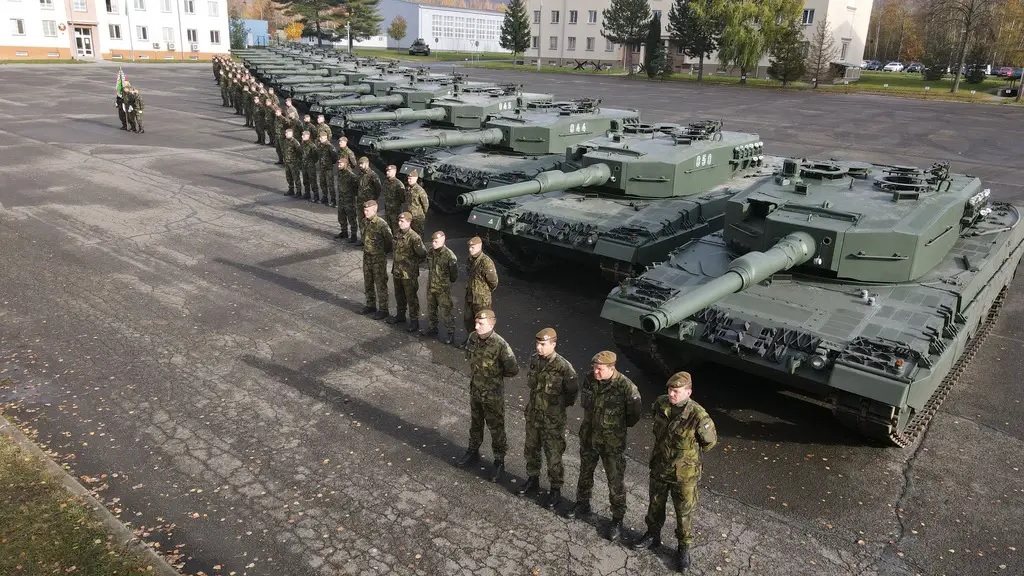
World
The Czech Republic has taken a significant step toward modernizing its armed forces with a new agreement to acquire 14 additional Leopard 2A4 main battle tanks from German defense giant Rheinmetall Landsysteme GmbH. Valued at approximately 3.98 billion CZK (excluding VAT), the deal includes a comprehensive package with advanced communication systems, initial ammunition supplies, and supplementary equipment. Deliveries are expected to conclude by the end of 2026, further enhancing the country’s defensive capabilities. This acquisition comes on the heels of Germany’s donation of 28 Leopard 2A4 tanks to the Czech Republic, a gesture of appreciation for its support of Ukraine during the ongoing conflict. With this new procurement, the Czech Army's fleet will expand to 42 Leopard 2A4 tanks, complemented by two Büffel 3 armored recovery vehicles. This marks a decisive move to phase out Soviet-era equipment, specifically the ageing T-72M4CZ tanks, which are no longer adequate for modern combat needs. Why Leopard 2A4? The Leopard 2A4 is celebrated as one of NATO’s most reliable and widely deployed main battle tanks. It is powered by a 1,500-horsepower MTU MB 873 Ka-501 diesel engine, providing excellent mobility with a top speed of around 68 km/h on roads and 31 km/h off-road. Its Rheinmetall 120mm smoothbore gun delivers superior firepower, and advanced fire control systems ensure exceptional accuracy, even in challenging conditions. The tank’s modular armor system also offers enhanced crew protection against kinetic and chemical threats. For the Czech Army, transitioning to this NATO-standard platform delivers multiple advantages. Standardized 120mm ammunition ensures logistical efficiency within the alliance, while interoperability with allied forces allows seamless integration during joint operations. The acquisition also aligns with NATO’s push for unified and modernized defense systems among member states. Modernizing Czech Defense Capabilities The Leopard 2A4 tanks will replace the Soviet-designed T-72M4CZ, which has long been considered obsolete due to its limited firepower and inadequate crew protection. Defense Minister Jana Černochová emphasized the strategic importance of this modernization effort, stating that it represents a crucial step in strengthening not only the army’s tank forces but also its overall military readiness. The new tanks will be deployed with the Czech Army's 73rd Tank Battalion, completing the transition from Soviet-era equipment to NATO-standard vehicles. This shift is expected to significantly enhance the battalion's operational effectiveness, enabling it to meet the demands of modern combat scenarios. Local Collaboration and Future Prospects In addition to acquiring the tanks, the Czech Republic is focused on building domestic servicing capabilities. Discussions with the local defense industry aim to establish a robust support framework for maintenance and upgrades, ensuring long-term sustainability for the Leopard fleet. This initiative is expected to bolster the Czech defense sector, creating opportunities for technological advancement and economic growth. Strategic Implications The procurement underscores the Czech Republic’s commitment to strengthening its defense infrastructure amid growing regional tensions and evolving security challenges. By adopting the Leopard 2A4, the country not only enhances its military capabilities but also reinforces its role within NATO, contributing to collective defense initiatives and regional stability. This move represents a broader trend among European nations seeking to replace outdated Soviet-era equipment with modern, Western-made systems. As the Czech Republic integrates these state-of-the-art tanks into its arsenal, it positions itself as a key player in NATO’s defense strategy, ready to respond to emerging threats with cutting-edge technology. Conclusion The Leopard 2A4 deal symbolizes a transformative moment for the Czech Army, signaling its shift toward a modernized, NATO-aligned defense force. With advanced tanks, upgraded systems, and a focus on domestic collaboration, the Czech Republic is taking decisive steps to ensure its security and contribute to allied defense efforts in an increasingly uncertain world.
Read More → Posted on 2024-12-04 14:46:19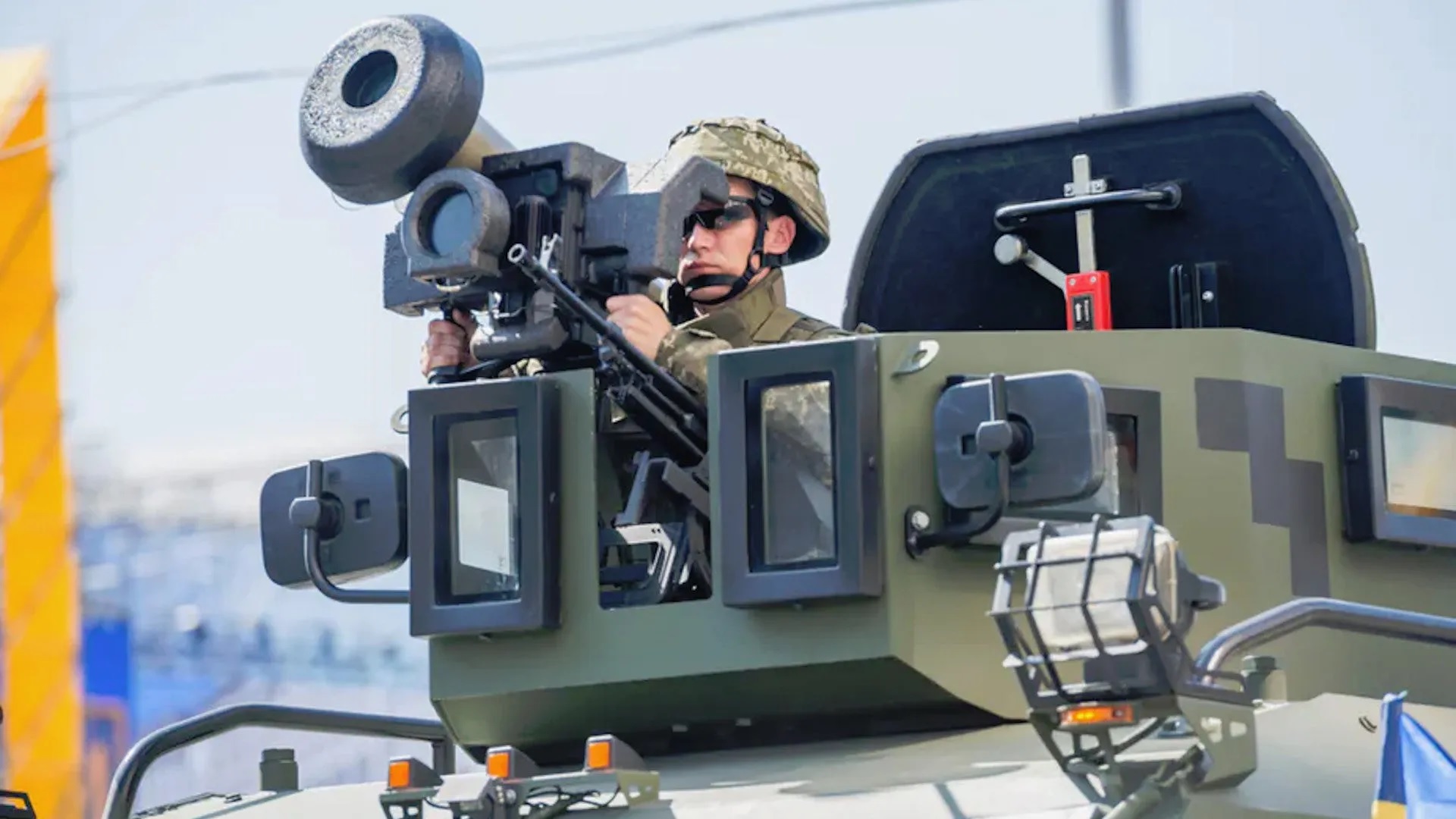
World
In a significant move to bolster Tunisia's military capabilities, the United States has approved a $108-million foreign military sale (FMS) involving FGM-148F Javelin missiles. The deal, authorized by the US State Department and announced by the Defense Security Cooperation Agency (DSCA), includes 184 advanced Javelin missiles and 30 lightweight command launch units. This package is designed to enhance Tunisia's ability to address threats to its sovereignty and to improve its long-term defense capabilities. A Game-Changing Weapon for Tunisia The FGM-148F Javelin, a state-of-the-art man-portable anti-tank missile, has been globally recognized for its effectiveness in neutralizing armored vehicles, including main battle tanks. Known for its "fire-and-forget" technology, the missile allows operators to fire and immediately take cover or reposition. This feature minimizes the risk of counterattacks, making it highly effective in asymmetric warfare scenarios. Another standout characteristic of the Javelin is its top-attack capability, which enables it to strike the weakest points of an armored vehicle. Once launched, the missile climbs above its target before descending to hit with precision. Equipped with a high-explosive warhead, the Javelin can travel at speeds of 140 meters per second (313 miles per hour) and has an operational range of up to 2.5 kilometers (1.5 miles). Comprehensive Package to Meet Tunisia's Needs The approved deal extends beyond just the missiles and launch units. Tunisia will also receive spare parts, training equipment for both indoor and outdoor use, and essential maintenance and logistics support. The package ensures that the Tunisian Army has the resources needed for sustained operational readiness. Lockheed Martin and RTX, global leaders in defense technology, will serve as the primary contractors for the FMS. Their involvement underscores the strategic importance of this sale and ensures high-quality delivery and support for the Tunisian military. Addressing Security Challenges Tunisia faces ongoing terrorist threats that challenge its national security and territorial integrity. The acquisition of Javelin missiles is expected to significantly improve its military's ability to counter such threats. As a major non-NATO ally, Tunisia plays a critical role in regional security and peacekeeping operations across Africa. The US government has emphasized that this sale aligns with its foreign policy objectives, strengthening an important partner in promoting stability in the region. Proven Effectiveness in Global Conflicts The Javelin missile system has been extensively deployed in conflicts worldwide, demonstrating remarkable success. It is currently in service with several countries, including Australia, France, Norway, Taiwan, the United Kingdom, Poland, and Ukraine. In Ukraine, the Javelin has proven particularly effective against Russian armored vehicles, solidifying its reputation as a reliable and versatile weapon system. This sale not only reinforces the strong defense ties between the US and Tunisia but also sends a message about America's commitment to supporting its allies in addressing shared security challenges. As Tunisia integrates the Javelin missile system into its arsenal, it will gain a significant edge in safeguarding its national interests and contributing to regional stability.
Read More → Posted on 2024-12-04 14:34:29Search
Top Trending in 24 Hours
-
 Tulsi Gabbard Releases Declassified Files Detailing U.S.-Backed Network of 120 Biolaboratories Across 30+ Countries
-
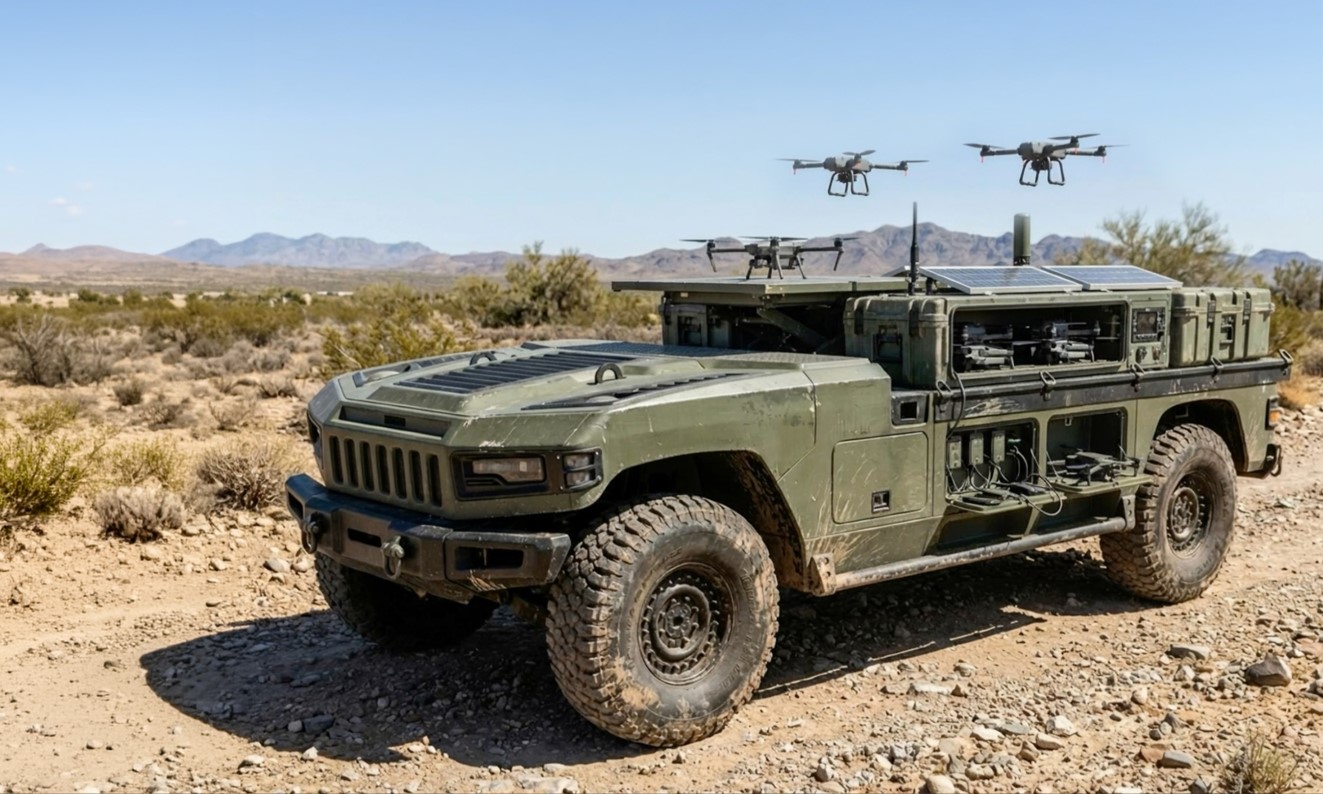 AM General Unveils Next-Generation UGV and JLTV A2 with Counter-Drone Systems at Eurosatory 2026
-
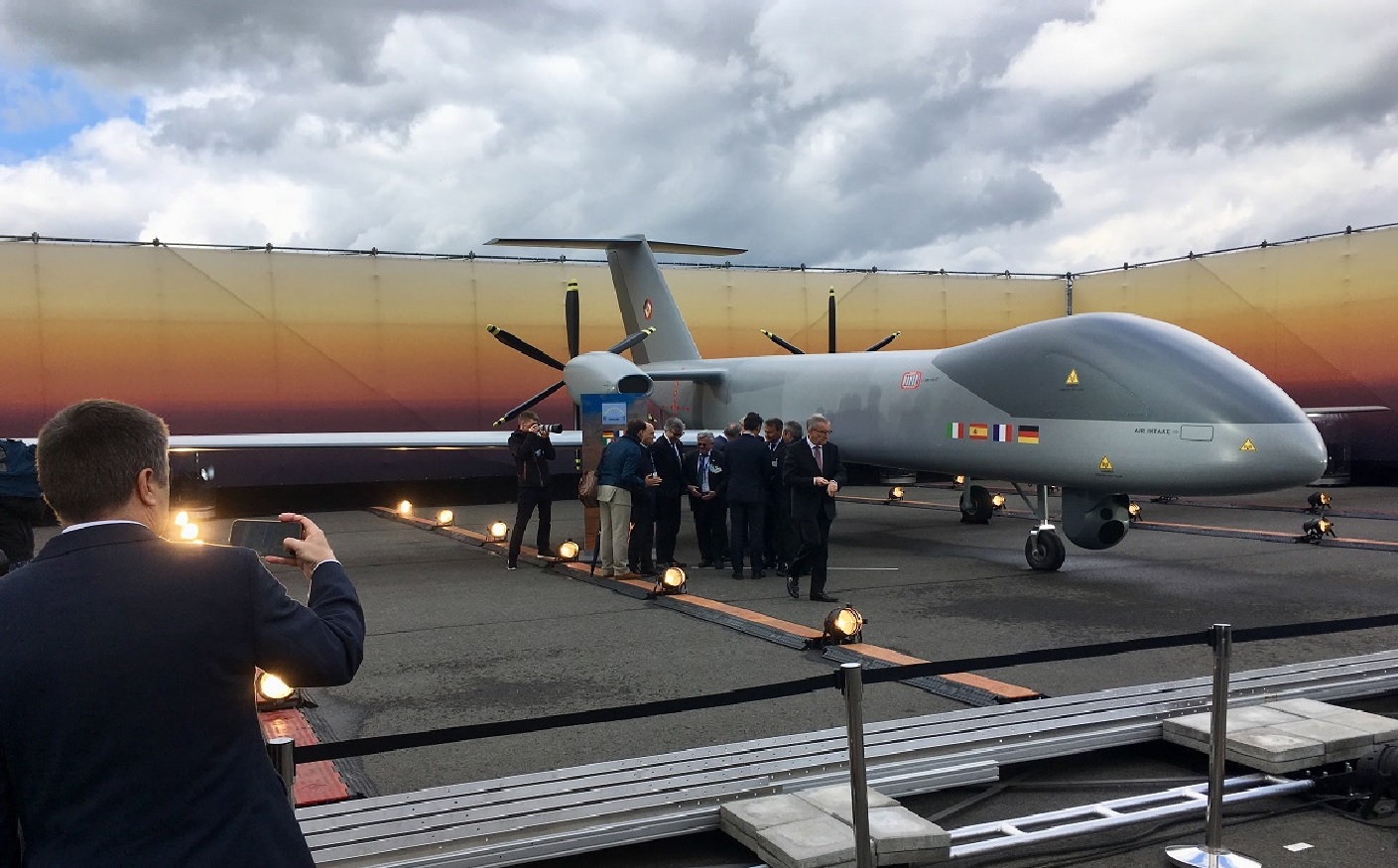 Dassault Seeks Compensation From Airbus as Eurodrone Dispute Erupts After FCAS Collapse
-
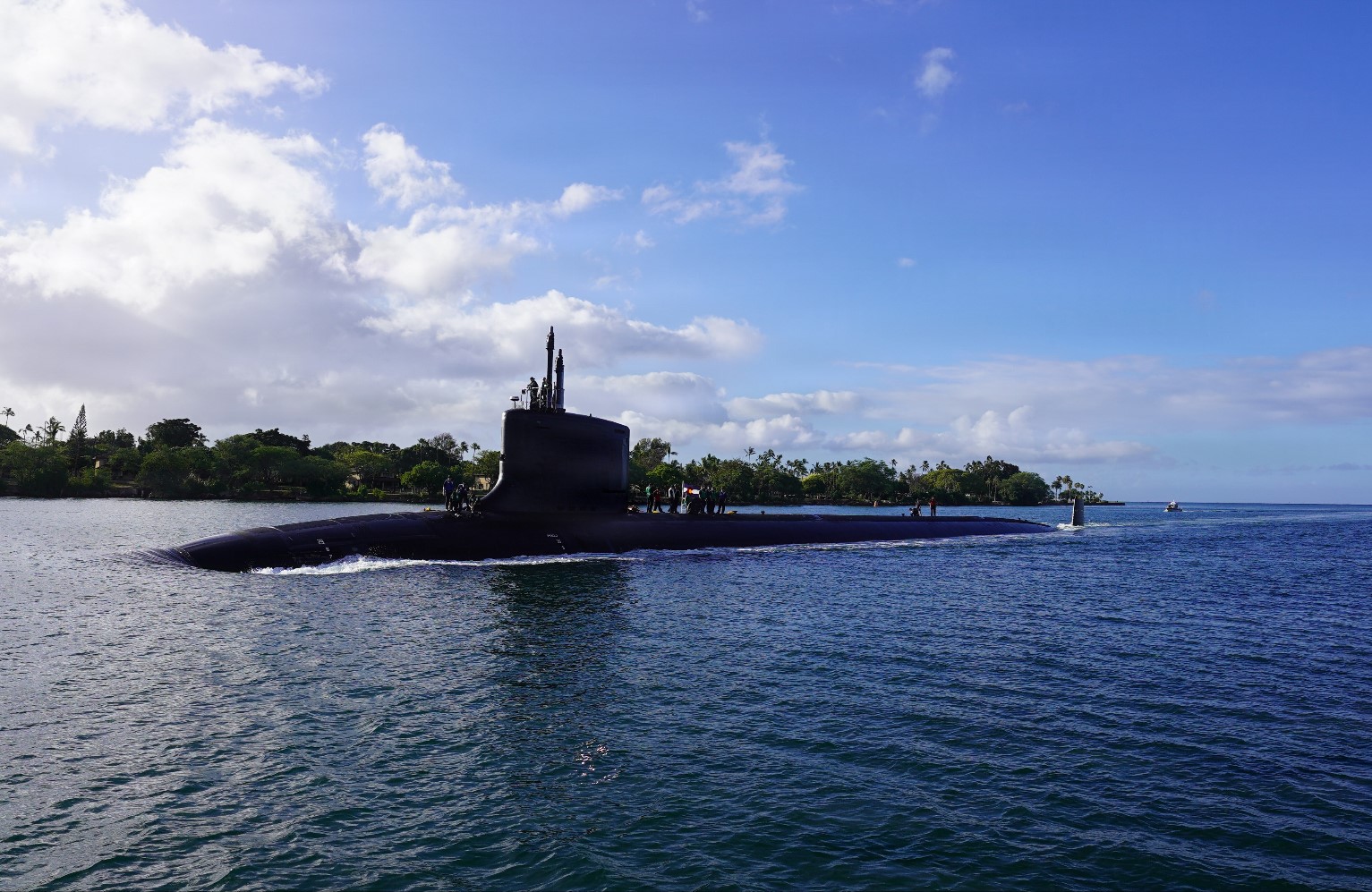 U.S. Navy's USS Colorado Submarine Returns to Pacific Fleet 29 Days Early After Major Pearl Harbor Overhaul
-
 Pakistan Raises Defence Budget from $9 Billion to $10.8 Billion as J-35 Fighter and Hangor Submarine Programs Advance
-
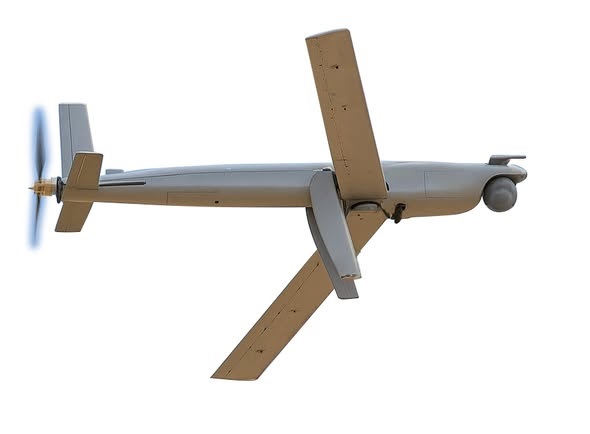 Elbit Systems and Diehl Defence Partner to Offer SkyStriker Loitering Munition to German Armed Forces
-
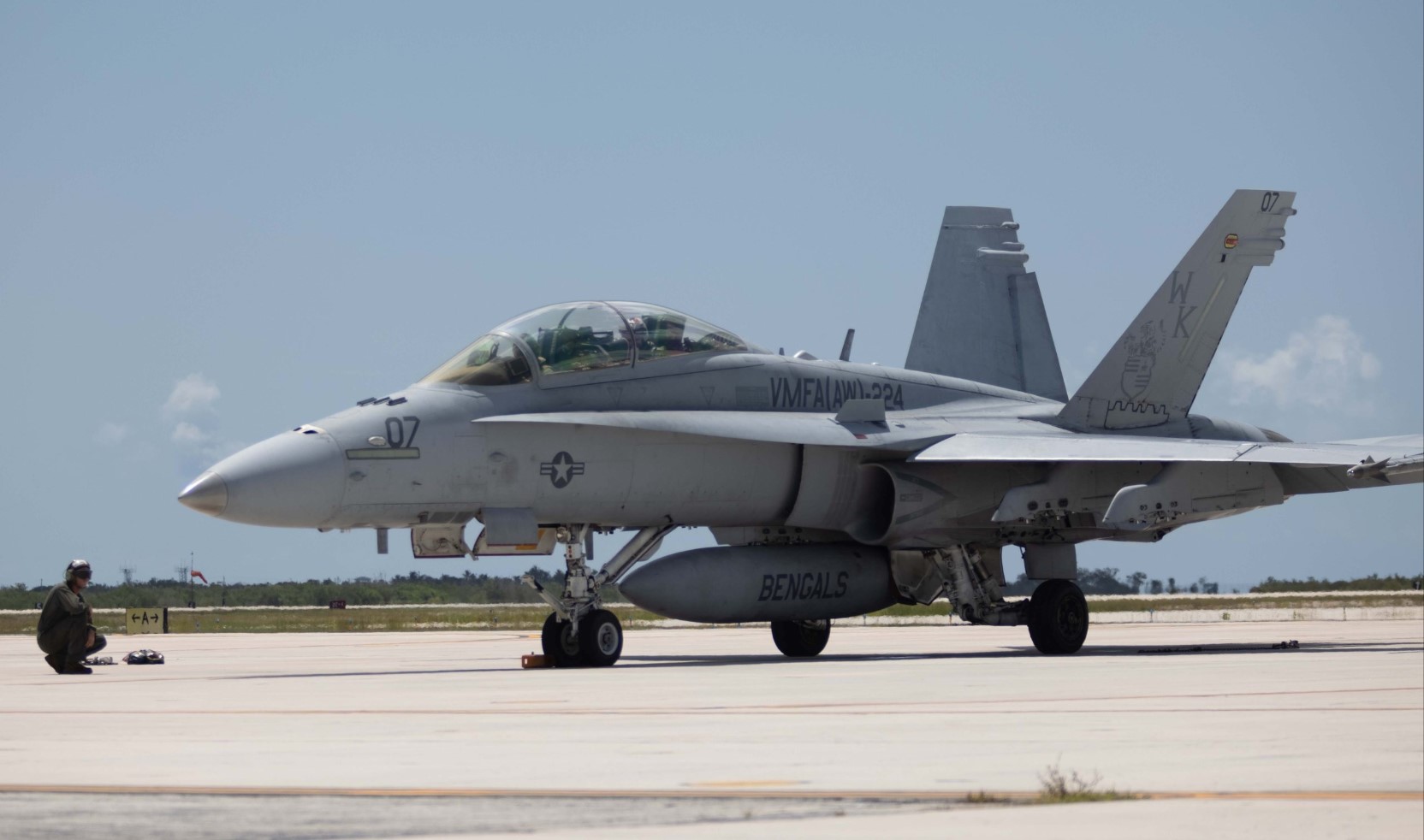 US Marine Corps F/A-18D Hornet Crashes During Training Flight in Washington Mountains; Pilot Ejects Safely
-
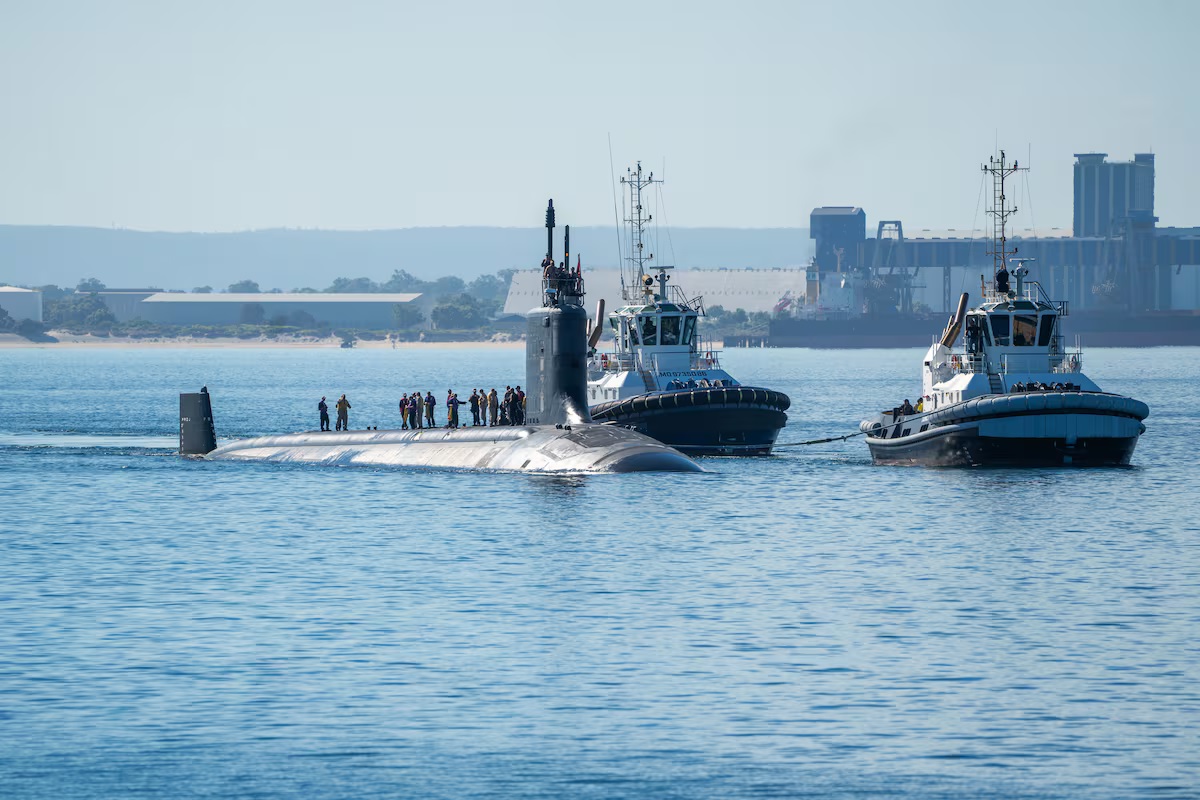 U.S. Navy Reestablishes Submarine Squadron 3 at HMAS Stirling to Support AUKUS Rotational Force
Top Trending in 4 Days
-
 Iranian Media Leaks 14-Point U.S.-Iran Peace Framework Amid Ongoing Negotiations
-
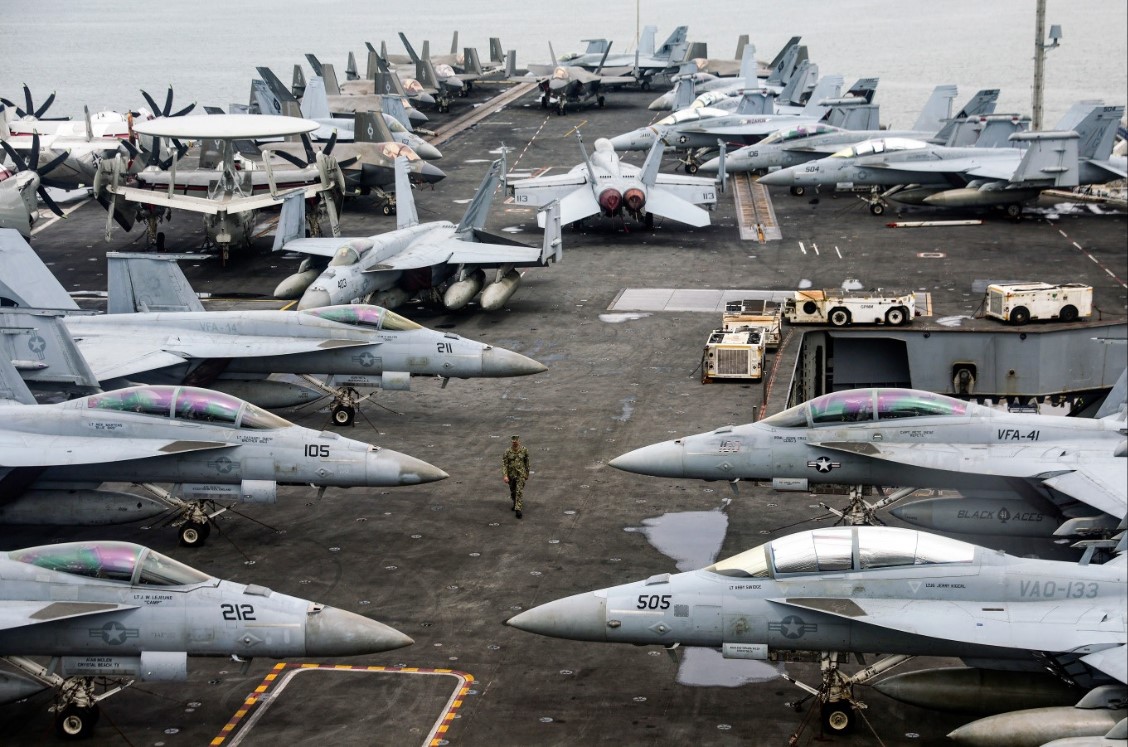 US Plans Significant Reduction of Fighter Jets and Warships for NATO Operations in Europe
-
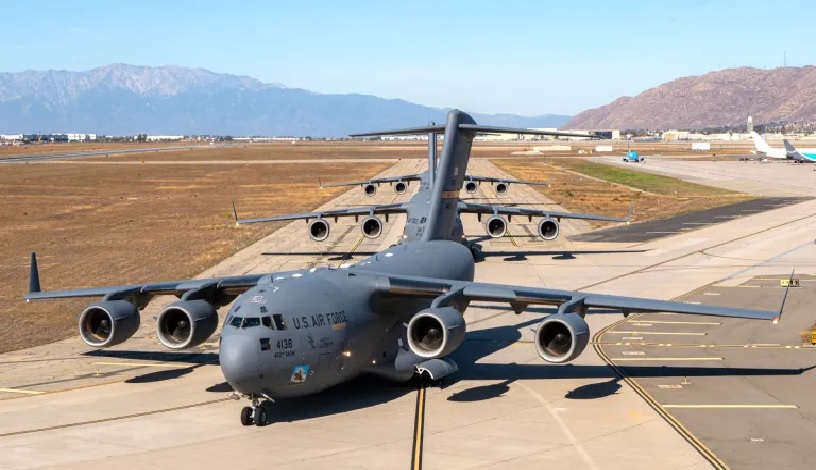 U.S. Air Force Faces Strategic Airlift Shortfall as C-17 Production Restart Remains Uncertain
-
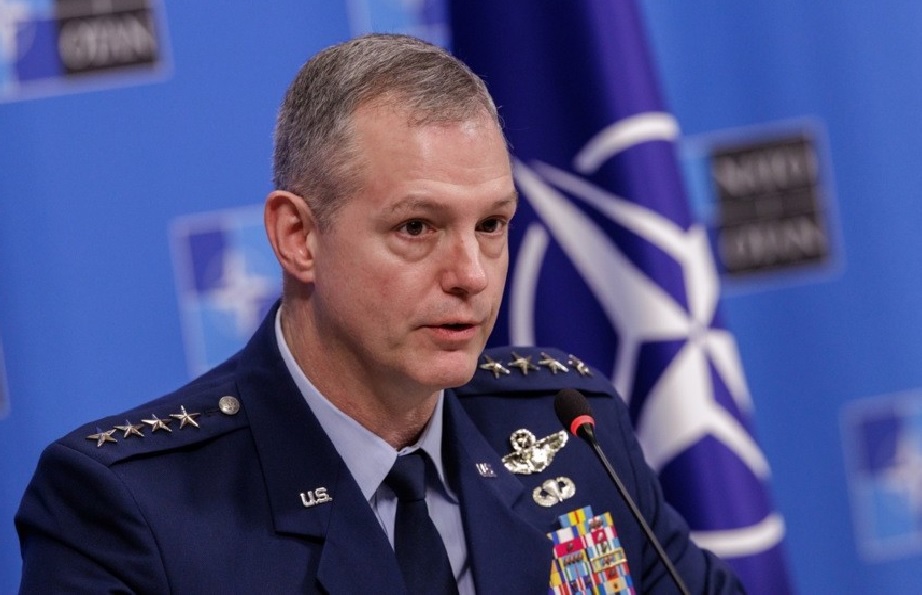 NATO Commander Says Russia Not Seeking Conflict With Alliance Despite U.S. Force Reductions
-
 Russian Defense Firm ZALA Unveils KAMA Unmanned Surface Vessel Family at FLOT-2026 Naval Exhibition
-
 U.S. Space Force Awards $437.7 Million Contracts for First PTS-G Swarm 1 Anti-Jam Satellites
-
 India Successfully Conducts AD-1, AD-2 Interceptor Tests and Maiden NASM-MR Flight Trial
-
 UAE Urgently Airlifts Cheongung-II Missile Defense Battery From South Korea Using Eight C-17 Aircraft