World
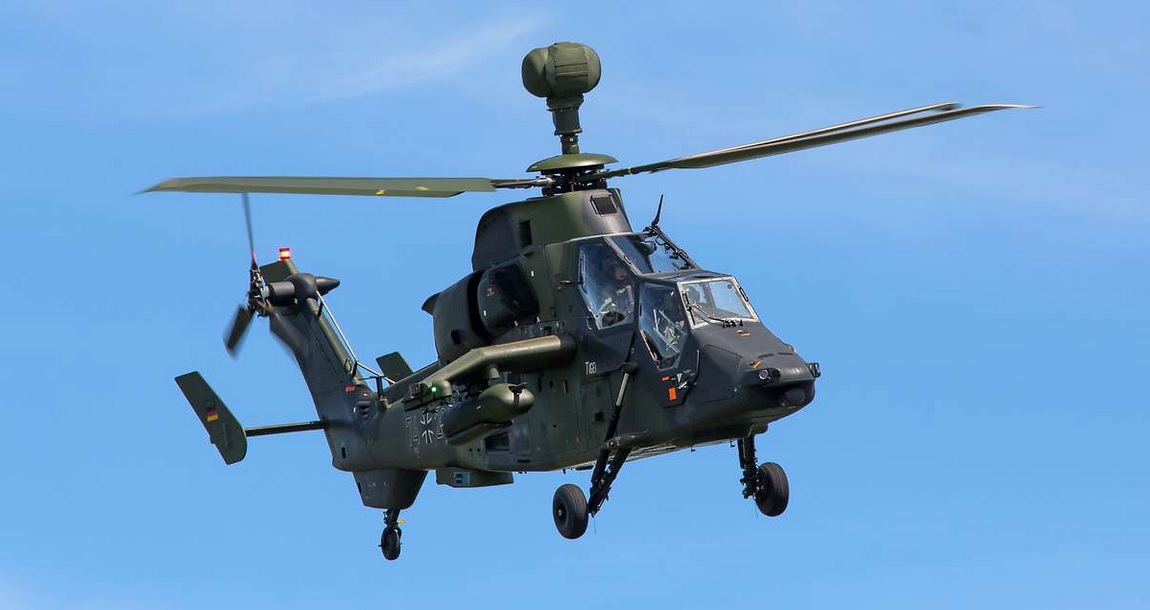
In a landmark move to bolster the operational capability of the Tiger helicopter fleet, OCCAR-EA and Airbus Helicopters have signed the second amendment to the Global Support Contract (GSC). The €430 million agreement, spanning an additional five years, underscores the commitment of France, Germany, and Spain to maintain and modernize their Tiger fleets as they approach the Tiger MkIII Mid-Life Upgrade (MLU). The Global Support Contract has become the backbone of the fleet's sustainment, offering critical services such as spare parts supply, repair, and obsolescence management. Over the past five years, the collaboration has led to refined processes and strategies, setting the stage for the long-term readiness and availability of these advanced combat helicopters. Key Enhancements for the Tiger Fleet The contract’s extension is more than a formality; it introduces critical updates informed by years of operational experience. A key focus has been on improving obsolescence management, a vital aspect given the complexity of maintaining cutting-edge systems in dynamic combat environments. By granting Airbus Helicopters increased autonomy in this domain, the contract ensures streamlined logistics and faster response times, directly impacting the fleet's operational readiness. For the French Tiger fleet, Airbus Helicopters is deploying specialized teams directly to army bases. These teams provide tailored maintenance and technical support, ensuring helicopters are mission-ready with minimal downtime. The "service-by-the-hour" model employed here highlights a shift towards performance-based logistics, where operators pay for the availability of spare parts rather than the inventory itself. This system not only improves cost efficiency but also aligns operational needs with real-time maintenance capabilities. The Role of the Tiger MkIII Upgrade With the Tiger MkIII MLU on the horizon, this extended support framework will play a pivotal role in preparing the fleets for integration of advanced technologies. The MkIII upgrade promises enhanced avionics, weapon systems, and communications capabilities, turning the Tiger into a next-generation platform capable of meeting the demands of modern warfare. This makes the current contract extension critical, as it bridges the gap between the current operational capabilities and future advancements. A Strategic Partnership This collaboration also strengthens the multinational partnership between France, Germany, and Spain. By harmonizing support mechanisms across three nations, the agreement ensures consistency in operational standards and fleet management. OCCAR-EA, acting as the central coordinating body, has been instrumental in aligning the priorities of the participating nations while leveraging Airbus Helicopters’ expertise to deliver superior support. As OCCAR-EA remarked, this extension is not just a contract renewal but a milestone that secures the Tiger helicopter fleet’s operational effectiveness for years to come. The focus on innovation, tailored services, and collaborative planning underpins a strategy that will sustain the Tiger as a critical asset in the defense strategies of the three nations. By extending the GSC, OCCAR-EA and Airbus Helicopters are not just addressing immediate operational needs but also laying the groundwork for the Tiger fleet’s future, ensuring that these helicopters remain a cornerstone of European defense well into the next decade.
Read More → Posted on 2024-12-01 15:18:57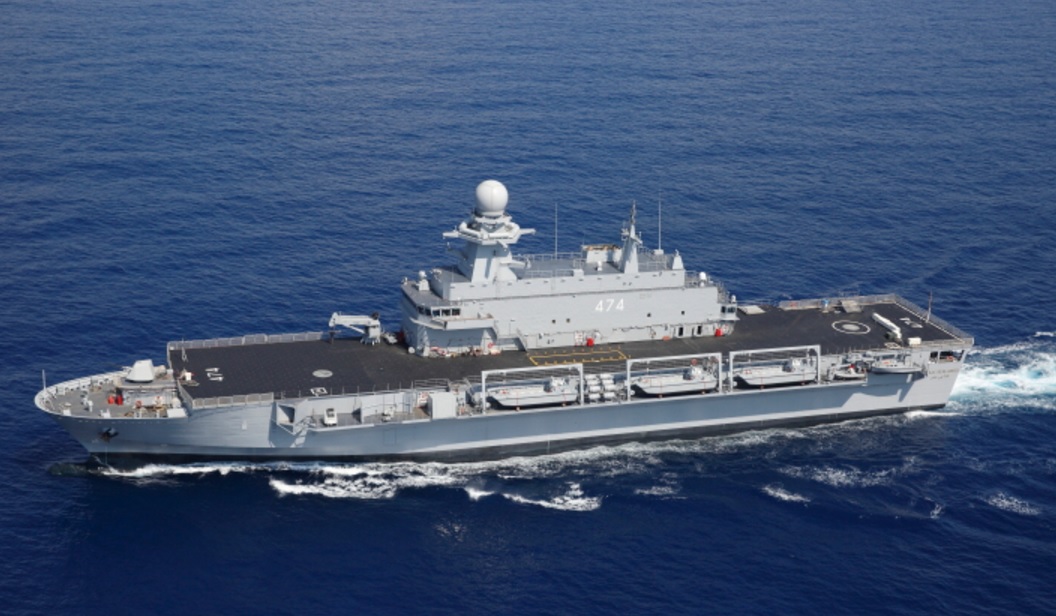
World
Fincantieri, a leading Italian shipbuilding company, has marked a significant achievement with the delivery of the Landing Platform Dock (LPD) Al-Fulk to the Qatar Emiri Naval Forces. The handover ceremony, held at the Muggiano shipyard in La Spezia, Italy, represented the culmination of an ambitious naval program. This program included the delivery of four Al Zubarah-class corvettes, two Musherib-class Offshore Patrol Vessels (OPVs), and the highly advanced Al-Fulk. The event brought together high-ranking officials, including Staff Major General Abdulla Bin Hassan Al Sulaiti of the Qatar Emiri Naval Forces and Vice Admiral Andrea Gueglio of the Italian Navy, alongside key figures from Fincantieri. The collaboration reflects a growing relationship between Italy and Qatar in the realm of advanced naval technology and defense cooperation. A Technologically Advanced Vessel Built at Fincantieri's Palermo and Muggiano facilities, Al-Fulk embodies cutting-edge naval engineering. At approximately 143 meters in length and 21.5 meters in width, the ship boasts a displacement of 9,000 tonnes and is constructed to meet RINAMIL standards, which ensure superior performance in diverse operational scenarios. This includes humanitarian aid, amphibious operations, and air and sea defense missions. The LPD can accommodate up to 550 personnel, offering significant logistical flexibility. Key onboard features include a flight deck designed to host NH90 helicopters, a garage equipped with two ramps for heavy vehicles, and a floodable dock capable of deploying landing craft. These capabilities make Al-Fulk a versatile asset for both peacetime operations and high-intensity conflicts. Advanced Air Defense Capabilities One of Al-Fulk’s standout features is its integration of state-of-the-art air defense systems, tailored to meet Qatar’s specific strategic needs. The ship is equipped with two eight-cell Sylver A50 Vertical Launch Systems (VLS) housing MBDA’s Aster 30 Block 1 missiles. These form part of the SAAM-ESD (Surface-to-Air Anti-Missile Extended Self-Defense) system, offering robust protection against a range of aerial threats, including tactical ballistic missiles. The vessel's radar suite further enhances its defensive capabilities. It features Leonardo’s Kronos multifunction radar, also installed on the Al Zubarah-class corvettes, complemented by the larger Kronos Power Shield L-band radar. This combination provides an extended detection range, creating a shared long-range air picture with other Qatari naval assets. Together, these systems give Al-Fulk an edge comparable to land-based SAMP/T missile defense systems but with added flexibility and mobility at sea. A Global Collaboration in Defense The Al-Fulk project is part of a €5 billion contract signed in 2017 between Qatar and Italy. The deal encompasses a range of vessels, including corvettes, OPVs, and this air defense LPD, showcasing the depth of technological and industrial cooperation between the two nations. The ship’s design is derived from the “BDSL Kalaat Beni Abbes,” delivered by Fincantieri to Algeria in 2015, with significant upgrades tailored to Qatar’s requirements. Fincantieri has also outfitted Al-Fulk with Sylena MK2 decoy launchers from Lacroix, enhancing its survivability against advanced missile threats. These defensive systems ensure that the ship is prepared for complex modern warfare scenarios, making it a cornerstone of Qatar’s maritime strategy. Strengthening Qatar's Naval Forces The delivery of Al-Fulk underscores Qatar's commitment to modernizing its navy and bolstering its maritime security. Working in tandem with the Al Zubarah-class corvettes, the LPD will form a critical part of the country's integrated air defense network. The ship’s ability to share real-time threat data across platforms enhances its role as a force multiplier, providing both offensive and defensive capabilities. As Qatar continues to invest in advanced naval technologies, Al-Fulk represents a significant leap forward, blending innovation, adaptability, and strategic foresight. For Fincantieri, the project highlights its expertise in delivering complex naval platforms that meet the highest operational standards.
Read More → Posted on 2024-12-01 15:16:18
World
China's recent unveiling of the J-35, its second domestically developed fifth-generation stealth fighter, has sparked global attention. Debuting at the 15th China International Aviation and Aerospace Exhibition in Zhuhai, this twin-engine, multirole aircraft is a testament to China's growing ambitions in military aviation. However, comparisons with the U.S.-built F-35 Lightning II—a proven leader in stealth technology—reveal significant gaps in performance, technology, and operational readiness. Aiming for Stealth Superiority The J-35, available in both runway and carrier-capable variants, is designed to complement China's existing J-20 fighters and bolster its ability to project power, particularly in the Indo-Pacific region. With a design echoing the F-35, the J-35 aspires to challenge U.S. dominance in stealth aviation. Yet, the differences between the two aircraft underscore the technological hurdles China still faces. Engine Performance: A Clear Gap The J-35 is currently powered by the WS-13 engine, a design that falls short of the performance metrics required for modern fifth-generation fighters. China's future plans to transition to the more advanced WS-19 engine could enhance its thrust capabilities, but it will likely still lag behind the F-35's Pratt & Whitney F135 engine. The F135 not only delivers higher thrust but also offers greater operational range, with the F-35 capable of covering approximately 2,220 kilometers compared to the J-35's estimated range of 1,200 kilometers. This disparity limits the J-35's effectiveness in extended missions, particularly those requiring deep penetration into contested airspace. Avionics: The Integration Challenge The avionics suite of the J-35 includes a domestically developed Active Electronically Scanned Array (AESA) radar and infrared tracking systems. While these systems are impressive on paper, their real-world performance and integration remain unproven. By contrast, the F-35's AN/APG-81 AESA radar and Distributed Aperture System (DAS) are benchmarks in modern avionics. These technologies provide the F-35 with unparalleled situational awareness, target acquisition, and electronic warfare capabilities, creating a significant edge in contested environments. The F-35's avionics also benefit from decades of refinement, driven by extensive operational feedback. The J-35, as a new entrant, has yet to undergo such rigorous testing, leaving its true effectiveness uncertain. Stealth Technologies: A Work in Progress Stealth is the defining characteristic of fifth-generation fighters, and here, the F-35 sets the gold standard. Both the J-35 and F-35 utilize internal weapon bays and radar-absorbing materials to reduce radar cross-section (RCS). However, the F-35's advanced coatings and materials, developed through decades of research, provide a level of stealth that remains unmatched. China's challenges in replicating this capability lie primarily in material science. The development of Radar Absorbent Materials (RAM) that can effectively scatter or absorb radar waves is a complex and resource-intensive process. Without equivalent materials, the J-35 risks being more detectable to advanced radar systems, undermining its strategic value. Operational Experience: Decades Behind Another critical differentiator is operational experience. The F-35 has been fielded in multiple combat and training scenarios across allied nations for over a decade. This extensive use has allowed for iterative improvements in both hardware and software, ensuring the aircraft remains at the cutting edge. The J-35, by contrast, has yet to prove its mettle in any operational setting. Without real-world testing, its reliability and effectiveness remain speculative. China’s Aspirations and Challenges China's development of the J-35 represents a significant milestone, signaling its intent to close the gap with Western military aviation. However, the deficiencies in engine performance, avionics integration, and stealth technology illustrate the technological and experiential barriers China still faces. Beyond these technical hurdles, China's ability to mass-produce the J-35 while maintaining high quality will be another test of its industrial capacity. The U.S., with its Lockheed Martin production lines, has delivered over 1,000 F-35s to global partners, creating an ecosystem of interoperability and shared knowledge. China will need to replicate this scale and complexity if it hopes to achieve parity. Conclusion While the J-35 showcases China's ambition and progress in stealth aviation, it remains a work in progress compared to the battle-tested F-35. The technological gaps in engine performance, avionics sophistication, and stealth integration highlight the challenges ahead for China's aviation industry. Until these deficiencies are addressed, the F-35 Lightning II will likely maintain its position as the world’s leading fifth-generation stealth fighter, setting a benchmark that remains difficult to surpass.
Read More → Posted on 2024-12-01 15:12:06
World
The long-standing conflict in Syria took a dramatic turn as jihadist-led rebel forces, spearheaded by Hayat Tahrir al-Sham (HTS), seized control of most of Aleppo, Syria’s second-largest city, in a rapid and strategically executed offensive. The operation, which began earlier this week, has resulted in the capture of Aleppo’s airport and dozens of nearby towns. It marks one of the most significant shifts in territorial control since the city was reclaimed by government forces in 2016. A Swift and Devastating Advance The offensive was launched on Wednesday, coinciding with a fragile ceasefire in neighboring Lebanon. Within days, HTS and its Turkish-backed allies overran key strategic locations with minimal resistance, according to the Syrian Observatory for Human Rights. The Britain-based war monitor reported that government forces had retreated from Aleppo’s urban core and surrounding areas, leaving prisons, government offices, and key infrastructure under rebel control. Aleppo, a city of roughly two million and once a hub of Syria's industrial strength, has become a focal point in this renewed wave of violence. In an alarming development, the army reportedly pulled back from Hama, Syria's fourth-largest city, located about 140 kilometers south of Aleppo. However, Syrian state media denied the reports of withdrawal, maintaining that government troops were holding their positions. Moscow and Tehran’s Response The rebel offensive prompted Moscow, a key ally of Syrian President Bashar al-Assad, to conduct its first airstrikes in Aleppo since 2016. Despite these strikes, which targeted rebel-held areas overnight, the overall response from Russia and Iran has been restrained. This muted reaction has led to speculation that Assad’s regime is increasingly isolated, a point highlighted by Rami Abdel Rahman, head of the Observatory, who noted a lack of substantive support from Damascus' allies. Iran expressed "extreme concern" over the developments, with its consulate in Aleppo reportedly coming under attack. Iranian Foreign Minister Abbas Araghchi is set to travel to Damascus and Ankara for consultations. Meanwhile, Russia has emphasized the need for joint efforts with Turkey to stabilize the region, highlighting the delicate balance of alliances at play. Civilian Impact and International Reactions The renewed violence has had a devastating impact on civilians. The Observatory reported that at least 327 people have been killed since the offensive began, including 44 civilians. Airstrikes in Aleppo killed at least 16 civilians and injured 20 others on Saturday alone. Disturbing images from the city showed charred vehicles and lifeless bodies, a grim reminder of the human toll of this conflict. In the city’s center, rebels imposed a curfew, urging civilians to stay indoors for their safety. Many public and private institutions in Aleppo have shuttered operations as fighting continues. Western nations, including the United States and France, have called for the protection of civilians, with Washington suggesting that Assad’s reliance on Moscow and Tehran has contributed to the current crisis. A Decade of Turmoil For many rebel fighters, the capture of Aleppo represents a long-awaited victory. The city, which had been under divided control until government forces reclaimed it in 2016, has remained a symbol of resilience and rebellion. Rebel fighter Mohamed Hammadi expressed optimism, stating, "We’ve been waiting for this for years. We are going to clear all of Syria, God willing." However, the broader implications of this offensive remain uncertain. The Idlib region, the last major rebel stronghold, has been under a tenuous truce brokered by Turkey and Russia since 2020. The current escalation threatens to unravel this fragile agreement, with both Ankara and Moscow seeking ways to navigate the complex dynamics. Looking Ahead The battle for Aleppo underscores the persistent volatility of the Syrian conflict. As rebel forces solidify their hold over newly captured territories, the Assad regime faces mounting challenges to its authority. International actors, including Russia, Iran, and Turkey, continue to play pivotal roles, but their conflicting interests complicate efforts to stabilize the region. With no clear resolution in sight, Aleppo's fate hangs in the balance, a stark reflection of Syria's decade-long descent into chaos. For its residents, the hope for peace remains as elusive as ever, overshadowed by the constant specter of war.
Read More → Posted on 2024-12-01 15:08:23
World
A recent poll by Gallup Korea reveals that 82% of South Koreans oppose supplying weapons to Ukraine, highlighting significant public resistance despite growing fears over North Korea's alleged military collaboration with Russia. While the majority of the South Korean public views the Ukraine conflict as a pressing international issue, their hesitancy stems from concerns over national priorities and geopolitical repercussions.South Korea has thus far refrained from direct arms transfers to Ukraine, focusing instead on non-lethal aid such as medical supplies and humanitarian support. This aligns with findings from earlier surveys, where a majority favored non-military assistance, reflecting a public sentiment that values cautious engagement in global conflicts.The opposition was further underscored during a Ukrainian delegation’s visit to Seoul, which sparked protests near President Yoon Suk Yeol’s office. Demonstrators demanded the government reject any plans to send lethal aid, signaling fears of escalating tensions with Russia. Moscow has explicitly warned South Korea against military involvement, with Deputy Foreign Minister Andrey Rudenko cautioning Seoul to avoid "reckless actions" that could damage bilateral relations.Experts suggest the reluctance is rooted in South Korea's strategic interests. Yang Uk from the Asan Institute for Policy Studies noted that the public is more concerned about the domestic and diplomatic costs of such decisions than the immediate stakes of the Ukraine war. With an ever-present threat from North Korea and the importance of maintaining stable relations with regional powers, South Korea appears to prioritize long-term stability over aligning with Western calls for military aid to Ukraine.The potential involvement of North Korean soldiers and weapons in Ukraine has added another layer of complexity. Reports indicate Pyongyang is supplying Moscow with military equipment, including ballistic missiles and artillery, to bolster Russian forces. However, South Korea’s measured stance reflects its cautious diplomacy, balancing global expectations with national security concerns.Ultimately, the South Korean government seems inclined to continue its policy of limited support for Ukraine, opting for non-lethal aid while navigating the intricate web of geopolitical pressures. As tensions between North Korea and the West escalate, Seoul's decision-making will likely remain cautious, shaped by both public opinion and the broader regional dynamics.
Read More → Posted on 2024-11-30 16:18:57
World
In a significant move reflecting deepening defense ties, the U.S. State Department approved a $385 million arms deal for Taiwan. The package primarily includes spare parts for Taiwan's fleet of F-16 fighter jets and advanced radars, critical for bolstering the island’s defense capabilities. This decision comes as Taiwan faces increased military pressure from China, underscoring its strategic need for advanced military support.The approved sale involves $320 million allocated to spare parts for F-16s, which are vital for maintaining the operational readiness of Taiwan's air force. These fighters, integral to Taiwan's defense, will also receive support for Active Electronically Scanned Array (AESA) radars, enhancing their capabilities in detecting and tracking potential threats. Additionally, the package includes $65 million for upgraded mobile subscriber equipment, which will streamline communications and coordination for Taiwan’s military. General Dynamics, a prominent U.S. defense contractor, will lead this part of the deal.This development is part of a broader U.S. strategy to reinforce Taiwan’s defense as mandated by the Taiwan Relations Act, despite the lack of formal diplomatic relations. The Act obligates the U.S. to supply Taiwan with defensive arms, a commitment that has frequently drawn ire from Beijing. China considers Taiwan a breakaway province and has condemned these sales, viewing them as interference in its internal affairs.The timing of the deal coincides with Taiwanese President Lai Ching-te’s diplomatic trip across the Pacific, which includes stopovers in Hawaii and Guam. Both locations host critical U.S. military bases, highlighting the shared security interests of Washington and Taipei. This trip, covering Pacific island nations like the Marshall Islands, Tuvalu, and Palau, aims to solidify Taiwan’s diplomatic relationships amidst Beijing's sustained efforts to isolate the island on the global stage.China’s recent military exercises, including war games near Taiwan, have heightened regional tensions. Analysts suggest that Beijing may leverage President Lai’s Pacific tour as a pretext for further military maneuvers. The U.S. maintains that these transits are private and routine, urging China to avoid provocations.This arms package follows an earlier $2 billion deal announced in October, which featured advanced air defense systems for Taiwan, including systems battle-tested during the conflict in Ukraine. The escalating series of arms deals underscores the strategic partnership between the U.S. and Taiwan amid a challenging geopolitical landscape.The U.S. remains committed to supporting Taiwan’s self-defense capabilities while navigating the delicate balance of deterring Chinese aggression and avoiding direct confrontation. For Taiwan, these deals represent critical lifelines as it seeks to fortify its defenses against growing external threats.
Read More → Posted on 2024-11-30 16:14:50
World
The USS Zumwalt, the first of three futuristic stealth destroyers in the U.S. Navy's fleet, is poised to revolutionize naval warfare with the integration of hypersonic weapons. At a shipyard in Mississippi, the ship has undergone a significant retrofit, replacing its inactive gun systems with cutting-edge missile tubes. These upgrades are set to turn a once-criticized $7.5 billion vessel into a critical hypersonic platform, showcasing a remarkable turnaround for what was previously considered a costly misstep.Hypersonic Weapons: A Leap in Modern WarfareHypersonic missiles are a game-changer in military technology. Traveling at speeds exceeding Mach 5—five times the speed of sound—they combine speed with advanced maneuverability, making them nearly impossible to intercept. The U.S. Navy and Army are jointly developing the Conventional Prompt Strike (CPS) system, which will be housed aboard the Zumwalt. This innovative weapon system launches like a ballistic missile, releasing a hypersonic glide vehicle that can hit targets thousands of kilometers away at speeds up to Mach 8.Each Zumwalt-class destroyer will carry 12 CPS missiles, stored in four missile tubes. The platform not only extends the Navy’s strike capabilities but ensures the U.S. maintains a technological edge in a global race where adversaries like Russia and China are advancing their hypersonic arsenals.From Misstep to MilestoneThe transformation of the Zumwalt highlights the Navy's ability to adapt. Originally designed for land-attack missions with its Advanced Gun System, the ship was meant to fire rocket-assisted projectiles to support Marine landings. However, the exorbitant cost of these projectiles—up to $1 million per round—led to the system's cancellation.Despite its early challenges, the Zumwalt remains a marvel of naval engineering. Its angular design reduces radar visibility, giving it a stealthy profile, while its electric propulsion system, advanced sensors, and composite deckhouse represent leaps in warship technology. Retrofitting the ship with hypersonic capabilities preserves its relevance and underscores its role as a testbed for future innovations.Strategic Necessity Amid Rising Global PressureThe urgency for hypersonic deployment has been driven by advancements from rivals. Reports, including a leak involving China's DF-27 intermediate-range hypersonic missile, have underscored the need for the U.S. to close the gap. The Pentagon's investment in hypersonics—estimated at $18 billion over two decades for 300 missiles—reflects the strategic importance of maintaining deterrence through cutting-edge technology.Critics have questioned the cost-effectiveness of hypersonic missiles, arguing that their expense often exceeds the value of the targets they destroy. However, proponents, including retired Navy Rear Adm. Ray Spicer, argue that the ability to strike targets from thousands of kilometers away—beyond the range of most enemy defenses—is invaluable. In a conflict, this capability could be decisive, ensuring U.S. forces maintain operational superiority.A Vision for the FutureThe Zumwalt-class destroyers, despite their controversial origins, symbolize the U.S. Navy's commitment to innovation and adaptability. By equipping these advanced ships with hypersonic weapons, the Navy is not only addressing previous shortcomings but positioning itself for the future. Testing of the Zumwalt’s hypersonic system is expected to begin by 2027 or 2028, marking a critical milestone in integrating this transformative technology into the fleet. As the Navy accelerates its efforts, the USS Zumwalt is set to become a cornerstone of a new era in naval warfare, where speed, precision, and innovation define military dominance.
Read More → Posted on 2024-11-30 16:04:12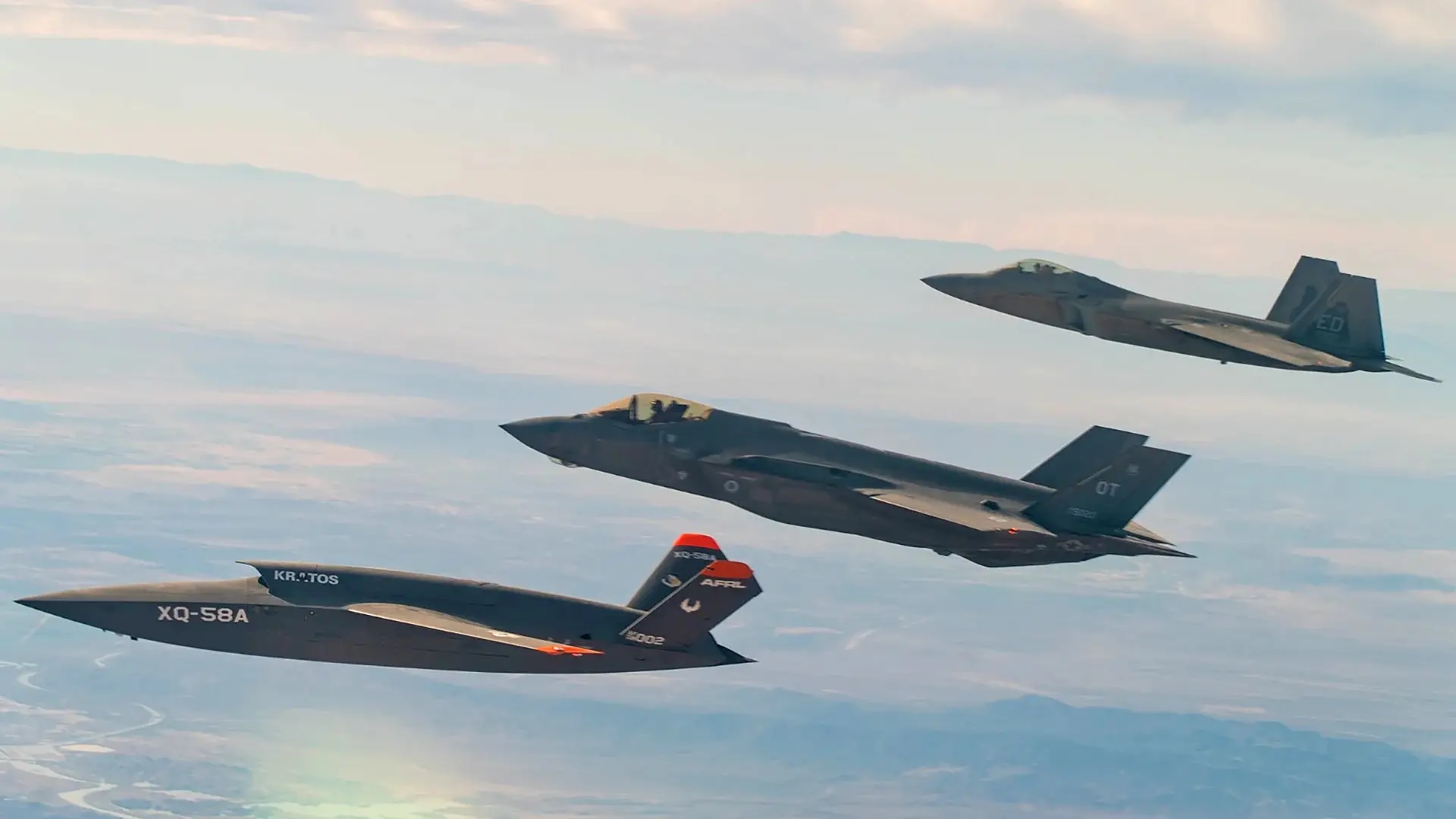
World
The XQ-58A Valkyrie, an advanced unmanned tactical aircraft, has reached another pivotal milestone in the U.S. Marine Corps’ push toward integrating autonomous systems into modern warfare. During the Emerald Flag 2024 exercise held in October, the Valkyrie demonstrated cutting-edge capabilities, emphasizing its role in multi-domain operations and manned-unmanned teaming.Emerald Flag 2024: A Testbed for InnovationEmerald Flag 2024, a premier testing event, brought together the U.S. Marine Corps, Air Force, Navy, and other defense stakeholders to evaluate emerging technologies in realistic combat scenarios. Focused on enhancing multi-domain strategies, the exercise tested the integration of air, space, and cyberspace platforms, aiming to streamline long-range "kill chains" for future conflicts.For the first time, the XQ-58A Valkyrie operated alongside fifth-generation aircraft such as the F-35B Lightning II, proving its ability to function as a forward-deployed sensor. By leveraging a common tactical data link, the Valkyrie seamlessly communicated with a four-ship formation of F-35Bs from the Marine Fighter Attack Squadron 214 (VMFA-214). This connectivity enabled the Valkyrie to relay critical threat-targeting data in real-time, enhancing the situational awareness and lethality of the entire joint force.A Leap Forward in Unmanned Tactical AviationThe XQ-58A’s role as an uncrewed offboard sensing platform underscores its importance in advancing manned-unmanned teaming. The platform, developed by Kratos Defense & Security Solutions, is designed for affordability and adaptability, offering a cost-effective solution for high-risk missions.Key specifications of the XQ-58A include: Length: 29.9 feet (9.1 meters) Wingspan: 22 feet (6.7 meters) Maximum Speed: Mach 0.85 Range: Over 3,000 nautical miles Payload Capacity: Approximately 600 pounds, supporting munitions, sensors, and electronic warfare equipment. Takeoff and Landing: Operates without a runway, launched via a rail system and recovered by parachute. These features make the Valkyrie a versatile tool for missions ranging from reconnaissance to strike operations, all while keeping human operators out of harm’s way.Collaboration and Research Driving SuccessEmerald Flag 2024 was a collaborative effort involving the Marine Corps Warfighting Laboratory, the U.S. Air Force’s 96th Test Wing, and the 53rd Test and Evaluation Group, among others. This collective endeavor aligns with the Marine Corps’ Penetrating Affordable Autonomous Collaborative Killer – Portfolio (PAACK-P) program, aimed at rapidly developing unmanned systems for contested environments.The Valkyrie’s performance during the event capped off the PAACK-P Rapid Defense Experimentation Reserve project, solidifying its role as a game-changing platform. Lieutenant Colonel Bradley Buick, future capabilities officer for the Cunningham Group, highlighted the significance of the test, stating, “This flight proved the tactical utility of uncrewed offboard sensing platforms.”The Road Ahead for Manned-Unmanned IntegrationWith its successful demonstration at Emerald Flag 2024, the XQ-58A Valkyrie continues to redefine the boundaries of unmanned tactical aviation. By bridging the gap between manned and unmanned platforms, the Valkyrie offers a glimpse into the future of warfare, where autonomous systems enhance the effectiveness and survivability of joint forces. As the Marine Corps and its partners push the envelope in unmanned technology, the XQ-58A Valkyrie is poised to play a pivotal role in shaping the next generation of combat capabilities.
Read More → Posted on 2024-11-30 15:57:33
World
A Taiwanese military truck carrying critical equipment for the U.S.-supplied Patriot air defense system was involved in a crash on Thursday in southern Taiwan. The incident occurred in Pingtung County, where the transport vehicle reportedly toppled over while navigating a roadway. At least two individuals were injured in the crash, prompting swift rescue and recovery operations by local authorities to secure the personnel and safeguard the sensitive equipment onboard.Investigations UnderwayOfficials have launched an investigation to determine the cause of the accident. The condition of the Patriot missile-related equipment remains undisclosed, fueling speculation about its potential impact on Taiwan's ongoing air defense drill. This drill, which underscores Taiwan’s strategic preparedness, likely includes the deployment of the Patriot system, a cornerstone of the island's missile defense architecture.The Patriot Missile System: A Technological MarvelThe Patriot missile system, formally known as the Phased Array Tracking Radar to Intercept on Target, represents one of the most advanced air defense technologies globally. Developed collaboratively by Raytheon and Lockheed Martin, this system is designed to counter a range of threats, including ballistic missiles, cruise missiles, and advanced aircraft.Key specifications of the Patriot system include: Operational Range: Over 70 kilometers (43.5 miles). Speed: Exceeds Mach 2, enabling rapid target interception. Guidance Mechanism: Employs a "track-via-missile" approach, ensuring precise targeting and interception. The Patriot system has been an integral part of Taiwan's defense strategy since the island first acquired it in 1997. Amid rising tensions with China, Taiwan has continued to bolster its air defense capabilities, with plans to procure additional Patriot systems.Recent Challenges with Patriot MissilesDespite its reputation as a cutting-edge defense system, the Patriot has faced operational challenges in Taiwan. In August 2023, a live-fire drill revealed a mishap involving an advanced Patriot missile, reportedly exploding prematurely. While early reports suggested it was a PAC-3 model, Lockheed Martin clarified that the malfunctioning missile was not part of the PAC-3 series, reaffirming the reliability of their newer designs.Implications of the CrashThe accident comes at a time when Taiwan's defense capabilities are under intense scrutiny, given escalating geopolitical tensions in the region. While the full extent of the damage to the Patriot equipment is unknown, such incidents highlight the logistical and operational complexities of maintaining advanced defense systems. As investigations unfold, Taiwan remains steadfast in its commitment to safeguarding its airspace. The Patriot system, despite occasional challenges, continues to play a pivotal role in deterring potential threats and ensuring regional stability. The crash underscores the importance of stringent protocols in handling sensitive military equipment, especially during high-stakes defense operations.
Read More → Posted on 2024-11-30 15:42:06
World
South Korea has achieved a landmark in its defense technology with the completion of the Long-range Surface-to-Air Missile (L-SAM) system, a crucial addition to its multi-layered air defense strategy. The official announcement, made by the Ministry of National Defense, highlights the L-SAM as a pivotal development in countering the ever-present missile and nuclear threats from North Korea.Advancing National SecurityThe unveiling ceremony took place at the Agency for Defense Development (ADD) in Daejeon, roughly 140 kilometers from Seoul, and was attended by prominent defense officials, including Defense Minister Kim Yong-hyun. In his address, Kim underscored the strategic value of the L-SAM in ensuring national security, stating, “North Korea cannot penetrate our military’s sturdy defense system without paying an unbearable price.”The L-SAM’s design integrates advanced intercept technology capable of neutralizing threats at altitudes exceeding 40 kilometers, with operational ranges reportedly between 50 and 60 kilometers. This makes it a critical high-altitude layer in South Korea’s Korea Air and Missile Defense (KAMD) network, which already includes the Patriot Advanced Capability-3 (PAC-3) and M-SAM II systems for lower-altitude threats.Specifications and Strategic RoleThe L-SAM is tailored for precision interception, equipped with radar systems designed to detect and track targets at extended ranges. The missile itself is a two-stage design, incorporating a hit-to-kill mechanism for greater accuracy against incoming ballistic threats. The Block-II version, currently in development, is expected to extend the L-SAM’s reach and offer enhanced interception capabilities, solidifying South Korea’s defensive posture against more advanced missile technologies.Set to enter production in 2025, the L-SAM will be operational in the latter half of the decade, serving as a cornerstone of South Korea’s broader three-axis defense strategy. This strategy encompasses: Kill Chain: A preemptive strike platform targeting imminent threats. Korea Massive Punishment and Retaliation (KMPR): A deterrent system promising overwhelming retaliation. KAMD: A defensive framework to shield the nation from missile attacks, with the L-SAM as its high-altitude anchor. Tensions Driving InnovationThe development of the L-SAM comes amidst escalating tensions on the Korean Peninsula. North Korea’s persistent missile tests and nuclear advancements have spurred South Korea to invest heavily in cutting-edge military technology. The L-SAM represents not just a defensive asset but a signal to Pyongyang of Seoul’s readiness to counter any provocation decisively.The introduction of the L-SAM marks a new chapter in South Korea’s pursuit of self-reliant defense capabilities. As the Block-II version advances, the system is poised to become a linchpin in regional security, deterring threats while reinforcing alliances with international partners. With its combination of advanced technology, strategic foresight, and integration into a comprehensive defense framework, the L-SAM is a testament to South Korea’s commitment to safeguarding its sovereignty and maintaining stability in an increasingly volatile region.
Read More → Posted on 2024-11-29 18:32:26
World
As Taiwan’s President Lai Ching-te readied for his Pacific tour with stopovers in Hawaii and Guam, tensions between Taipei and Beijing flared anew. On Friday, Taiwan reported an intensified show of force by the Chinese military, marking a sharp reminder of Beijing’s ongoing pressure campaign against the self-ruled island.The Taiwanese Defense Ministry revealed that in the 24 hours leading up to Friday morning, 33 Chinese military aircraft and eight naval vessels had been detected in proximity to the island. Notably, 19 of these aircraft participated in what China termed a "joint combat readiness patrol" on Thursday evening, representing the highest sortie count in over three weeks. Adding to the tension, a balloon, reportedly the fourth sighted within the week, was observed approximately 172 kilometers west of Taiwan.Beijing’s Escalating Military DrillsChina’s actions are part of a larger strategy to assert its claim over Taiwan, which Beijing views as a breakaway province. In recent years, the People's Liberation Army (PLA) has escalated its operations near Taiwan, conducting near-daily incursions into the island's air defense identification zone. These activities often involve sophisticated military assets, including fighter jets, drones, and naval vessels, underscoring China’s capability and intent to intimidate.Experts suggest that this surge in activity could prelude a larger-scale military exercise aimed at countering Lai’s diplomatic engagements abroad. “It can’t be ruled out that there will be a relatively large-scale military exercise in response to Lai’s visit,” said Su Tzu-yun of Taiwan’s Institute for National Defense and Security Research.Lai’s Pacific Tour: Strengthening Diplomatic TiesPresident Lai’s journey marks his first overseas trip since assuming office in May. Beyond the symbolic significance, the tour holds strategic importance for Taiwan’s international standing. Lai plans to visit the Marshall Islands, Tuvalu, and Palau, three of Taiwan’s remaining diplomatic allies.With only 12 nations, including the Vatican, officially recognizing Taiwan, the trip aims to fortify these relationships amid Beijing's efforts to isolate Taipei diplomatically. China’s financial and political leverage has swayed several nations to switch allegiance in recent years, reducing Taiwan’s roster of allies.During stopovers in Hawaii and Guam, Lai is expected to meet with U.S. officials and Taiwanese expatriates, referring to them as “old friends.” Such interactions, while routine, are a red flag for Beijing. A Chinese defense ministry spokesperson expressed strong opposition, vowing to “resolutely crush” any attempts at Taiwan independence.Diplomatic Symbolism and Global ImplicationsAnalysts see Lai’s tour as more than just a diplomatic routine. Mark Harrison, a senior lecturer in Chinese studies at the University of Tasmania, highlighted the strategic weight of these visits. “Even though they look kind of theatrical and performative, (these trips) actually give Taiwan a voice in the international system. They confer legitimacy and the appearance of sovereignty,” Harrison explained.While China’s response will likely hinge on Lai’s rhetoric during the tour, military expert Lin Ying-yu noted that adverse weather conditions might limit Beijing’s ability to conduct extensive drills. However, the specter of military action remains, reflecting the ever-present volatility of cross-strait relations.Taiwan’s Quest for RecognitionLai’s Pacific visit underscores Taiwan’s determination to assert its sovereignty on the global stage despite relentless pressure from Beijing. As Taipei continues to navigate the treacherous waters of international diplomacy, such trips symbolize both its resilience and the precarious balance of power in the region. For Taiwan, each diplomatic handshake or foreign visit carries profound significance, affirming its right to self-governance in the face of growing regional challenges.
Read More → Posted on 2024-11-29 18:26:07
World
Germany has announced plans to deploy Patriot air defense systems to Poland starting January 2025, aiming to bolster the protection of vital logistics hubs that facilitate military support for Ukraine. The decision underscores Berlin's commitment to securing NATO's eastern flank while assisting Ukraine in its defense against Russia's ongoing aggression.This deployment marks a significant step in Germany's defense cooperation with Poland, a NATO ally and a key conduit for Western military aid to Ukraine. German Defense Minister Boris Pistorius emphasized the importance of this move, stating it would help "secure the supply of vehicles, weapons, and ammunition that Ukraine urgently needs to defend itself against the brutal Russian attacks that violate international law."A Continuation of SupportThe decision follows a previous deployment of three Patriot systems to Poland in 2023. That initiative was launched after a missile strike in a Polish village, which was believed to be caused by a stray Ukrainian air defense missile. The earlier deployment ended in November 2023, leaving a gap in the region's air defense capabilities.This new operation is expected to last up to six months, with support teams ready to begin in January 2025. Germany’s Defense Ministry stated it is currently coordinating deployment details with Poland, other NATO allies, and officials in Brussels to ensure seamless integration into the region’s defense framework.Polish Defense Minister Wladyslaw Kosiniak-Kamysz welcomed the move, expressing gratitude in a social media post and highlighting the strengthened bilateral defense ties between Germany and Poland.Specifications of the Patriot SystemThe Patriot (Phased Array Tracking Radar to Intercept on Target) air defense system, developed by Raytheon, is a high-performance system capable of intercepting missiles and aircraft with precision. Equipped with advanced radar and interceptor missiles, the system is designed to counter various aerial threats, including ballistic and cruise missiles.Each Patriot system typically includes: AN/MPQ-53 or AN/MPQ-65 Radar Set: Provides advanced target detection and tracking. MIM-104 Patriot Missiles: Capable of engaging targets at altitudes up to 24 kilometers and ranges exceeding 160 kilometers. Engagement Control Station: Manages the interception process with real-time threat assessment. Germany originally had 36 Patriot systems during the Cold War, but its arsenal has diminished over the years. Recently, Berlin donated three units to Ukraine to help defend against relentless Russian missile and drone attacks targeting critical infrastructure.Strategic ImplicationsPoland’s role as a logistics hub for Western military aid makes its airspace particularly critical. Securing this corridor ensures uninterrupted support for Ukraine, which continues to face heavy missile barrages and drone strikes. Moreover, this deployment reinforces NATO’s air defense capabilities, protecting member states and projecting solidarity amidst escalating tensions in Eastern Europe. As Russia’s aggression persists, the redeployment of these systems symbolizes Germany's proactive approach to regional stability and NATO's collective defense strategy. By strengthening Poland’s air defense infrastructure, Berlin not only aids Ukraine but also underscores the unity and resilience of the Western alliance in the face of external threats.
Read More → Posted on 2024-11-29 15:04:55
World
In a landmark victory against transnational terrorism, the National Investigation Agency (NIA) has successfully secured the extradition of Salman Rehman Khan, a Lashkar-e-Taiba (LeT) operative, from Rwanda. Salman’s extradition marks a significant chapter in the Bengaluru Prisons terror conspiracy case, underscoring the agency’s resolve to dismantle global terror networks.The Extradition SagaSalman, who had been on the run since the unearthing of a terror module linked to Bengaluru Central Prison, was apprehended in Kigali, Rwanda, on November 27, 2024. His arrest and subsequent extradition were the result of a coordinated operation involving the Rwanda Investigation Bureau (RIB), Interpol, and National Central Bureaus (NCBs). The move follows an Interpol Red Notice based on a Non-Bailable Warrant (NBW) issued by the NIA Special Court in Bengaluru.On arrival in India, Salman was formally taken into NIA custody. The agency, in its official statement, highlighted the collaborative effort that made the extradition possible. This case is yet another testament to the growing international cooperation in tackling terrorism.Origins of the Bengaluru Prisons Terror ConspiracyThe roots of the case date back to October 2023, when the NIA took over the investigation from Bengaluru City Police. Salman had been under scrutiny for his alleged role in the radicalization and recruitment of inmates at Bengaluru Central Prison. Investigations revealed that he was influenced by T Naseer, a convicted terrorist and LeT operative serving a life sentence. Naseer reportedly masterminded a recruitment drive inside the prison, plotting escapes and planning terror activities with radicalized inmates.Salman, who was imprisoned between 2018 and 2022 for a POCSO Act conviction, is believed to have acted as a key conduit for Naseer’s operations. After his release, he allegedly aided the terror network by facilitating the procurement of explosives and resources for planned attacks. When the conspiracy was uncovered, Salman fled India, leading to the issuance of the Red Notice that culminated in his capture in Rwanda.The Role of Global CollaborationThis extradition highlights the critical role of international alliances in combating terrorism. Rwanda’s swift action in arresting and extraditing Salman underscores its commitment to ensuring that its territory does not become a sanctuary for global criminals. In a statement, the Rwanda Investigation Bureau emphasized its resolve to fight cross-border crime, marking this extradition as a milestone in international cooperation.A Broader Context: The NIA’s Global PursuitSalman’s extradition is not an isolated success for the NIA. Since 2020, the agency has orchestrated the extradition or deportation of 17 individuals involved in major terror cases. The list includes notorious operatives like Khalistani extremists Tarsem Singh Sandhu and Bikramjit Singh, deported from the UAE and Austria, respectively.Just last month, Baljeet Singh, a Khalistan Tiger Force operative, was deported from the UAE. These efforts underscore the NIA’s unwavering commitment to pursuing fugitives across borders and ensuring they face justice in India.Implications for CounterterrorismThe successful extradition of Salman Khan demonstrates India’s evolving capability in global counterterrorism operations. It also highlights the importance of leveraging diplomatic and law enforcement partnerships to address complex security challenges. As the NIA continues to tighten the net around terror networks, cases like these serve as a reminder of the persistent threats posed by radicalization and the critical need for vigilance at both national and international levels. By bringing Salman Khan to justice, the NIA has not only struck a blow against Lashkar-e-Taiba’s operations but has also sent a clear message to fugitives worldwide: there is no safe haven for those who threaten peace and security.
Read More → Posted on 2024-11-28 16:17:16
World
Japan is on the brink of a significant leap in military technology as the Ministry of Defense (MOD) prepares to test its first artificial intelligence (AI)-powered unmanned aerial vehicle (UAV). Announced at the Technology Symposium 2024 in Tokyo, the groundbreaking initiative aims to enhance Japan's defense capabilities through advanced AI systems. The flight trials are scheduled to begin in November 2025, following three years of meticulous research and development.A Vision in the Making: From Concept to PrototypeThe AI drone project, initiated in 2022, has been progressing steadily. By the end of 2023, Japan completed system design and preliminary testing phases. Currently, detailed design work is being finalized, paving the way for the creation of a flying test bed (FTB) in early 2025. The MOD's plan emphasizes innovation, with the aim to develop highly versatile drones capable of fulfilling both combat and reconnaissance roles.Colonel Michitaka Ikeda, who oversees aviation equipment development at Japan's Defense Equipment Agency, highlighted the adaptability of the drone's design. With a standardized engine and fuselage, the drone’s wings and payloads can be modularly swapped to suit different missions. At roughly three meters in length, the compact airframe houses advanced generic computing systems, enabling seamless mission customizations.Features Tailored for Modern WarfareThe AI drone's modular design is not just about flexibility; it also underpins cost-efficiency and operational versatility. The reconnaissance variant focuses on gathering critical intelligence, while the combat model is equipped to simulate dynamic air engagements. Both versions will undergo rigorous testing during flight trials, starting with simulated one-on-one combat scenarios before escalating to more complex two-on-two engagements.The AI at the core of these drones is designed to handle high-pressure decision-making, utilizing real-time sensor data and situational analysis. This includes responding to virtual enemy aircraft in simulated environments, providing a glimpse into how such drones could revolutionize air combat strategy.Safety Measures and AI GovernanceGiven the unpredictability inherent in autonomous systems, safety is a cornerstone of the AI drone program. The MOD has developed a robust backup system to mitigate risks, such as mid-air collisions or unsafe ground operations. This redundancy ensures secure drone functionality while allowing the AI to operate with a degree of autonomy.Additionally, the program is incorporating interchangeable AI modules from different developers to evaluate how variations in software impact drone performance. This modular approach aims to create a resilient framework that can adapt to evolving technologies and operational requirements.Broadening Horizons: A Collaborative ApproachThe AI drone initiative is part of Japan's broader effort to enhance automation and autonomy in defense systems. It aligns with other cutting-edge projects, such as combat support AI that autonomously processes battlefield data to make tactical decisions. These developments aim to reduce risks to human personnel while expanding operational capabilities.Hazard detection, including collision avoidance and environmental adaptability, is a key area of research within the program. Collaborative efforts between various research institutions and companies are expected to yield innovative solutions, further bolstering the reliability and efficiency of the drones.The Road AheadFlight trials in 2026 and 2027 will bridge the gap between simulated and real-world conditions, enabling the AI to refine its capabilities. By progressively testing its performance in increasingly complex scenarios, Japan aims to create a robust UAV system that can adapt to diverse operational demands.This ambitious program underscores Japan's commitment to technological innovation in defense. If successful, the AI-powered drones could redefine the role of unmanned systems in modern warfare, paving the way for safer, more efficient, and more versatile combat operations.
Read More → Posted on 2024-11-28 16:11:58
World
In a landmark judgment that underscores the principles of tolerance and inclusivity, the Bangladesh High Court recently rejected a plea that sought to ban the activities of the International Society for Krishna Consciousness (ISKCON) in the country. This decision comes as a beacon of hope for religious minorities in Bangladesh, reaffirming their right to practice and propagate their faith without fear of persecution.ISKCON, a global movement rooted in the teachings of Lord Krishna, has been active in Bangladesh for decades, promoting spiritual and cultural enrichment. The attempt to restrict its operations is seen by many as a direct assault on the religious diversity of the nation. The High Court's ruling, however, sends a strong message that Bangladesh will not be swayed by extremist agendas seeking to undermine its secular constitution.Rising Challenges for Hindus in BangladeshDespite this judicial victory, the broader situation for Hindus and other minorities in Bangladesh remains precarious. Reports of violence, forced conversions, and desecration of temples are disturbingly frequent. Critics have pointed to systemic failures in protecting minority communities, with incidents such as rapes, murders, and arson attacks often going unchecked.Muhammad Yunus: A Controversial Figure in Bangladesh's Political LandscapeNobel laureate Muhammad Yunus, celebrated internationally for his work in microfinance, has been a divisive figure within Bangladesh. While his Grameen Bank model earned him global accolades, questions linger about his role in Bangladesh's internal affairs. Critics accuse him of tacitly supporting an Islamist agenda that sidelines the rights of non-Muslim communities.Yunus's Nobel Peace Prize win in 2006 was met with widespread acclaim, but his critics argue that his actions and statements often contradict the ideals of peace and coexistence. Allegations of radical leanings have raised eyebrows, as has his perceived silence on the persecution of Hindus and other minorities in Bangladesh. For a figure lauded as a champion of justice, these contradictions cast a shadow on his legacy.The Power of New India: A Model for Religious HarmonyAs Bangladesh grapples with its internal challenges, neighboring India under Prime Minister Narendra Modi has emerged as a global advocate for inclusivity and religious harmony. The "New India" narrative is built on the ideals of Vasudhaiva Kutumbakam—the world is one family. India's stance on protecting its own minority communities and supporting persecuted minorities worldwide, including the Citizenship Amendment Act (CAA), demonstrates a robust commitment to these principles.The High Court's ruling rejecting the ban on ISKCON activities is a step in the right direction, but there remains much to be done to safeguard the rights of minorities in Bangladesh. It is a clarion call for the international community to hold Bangladesh accountable for its treatment of Hindus, Buddhists, Christians, and other vulnerable groups.Conclusion: Upholding Secularism in South AsiaBangladesh, as a nation born out of the principles of secularism, must ensure that its diverse religious communities can coexist peacefully. The rejection of the ISKCON ban is a promising development, but it must be followed by concrete actions to address the systemic injustices faced by minorities.For figures like Muhammad Yunus, whose global recognition hinges on ideals of peace, it is imperative to reflect on these values in their actions. Peace is not merely an award but a responsibility—a truth that Bangladesh's leadership must embrace to secure its future as a truly inclusive nation.
Read More → Posted on 2024-11-28 16:09:21Search
Top Trending in 24 Hours
-
 Tulsi Gabbard Releases Declassified Files Detailing U.S.-Backed Network of 120 Biolaboratories Across 30+ Countries
-
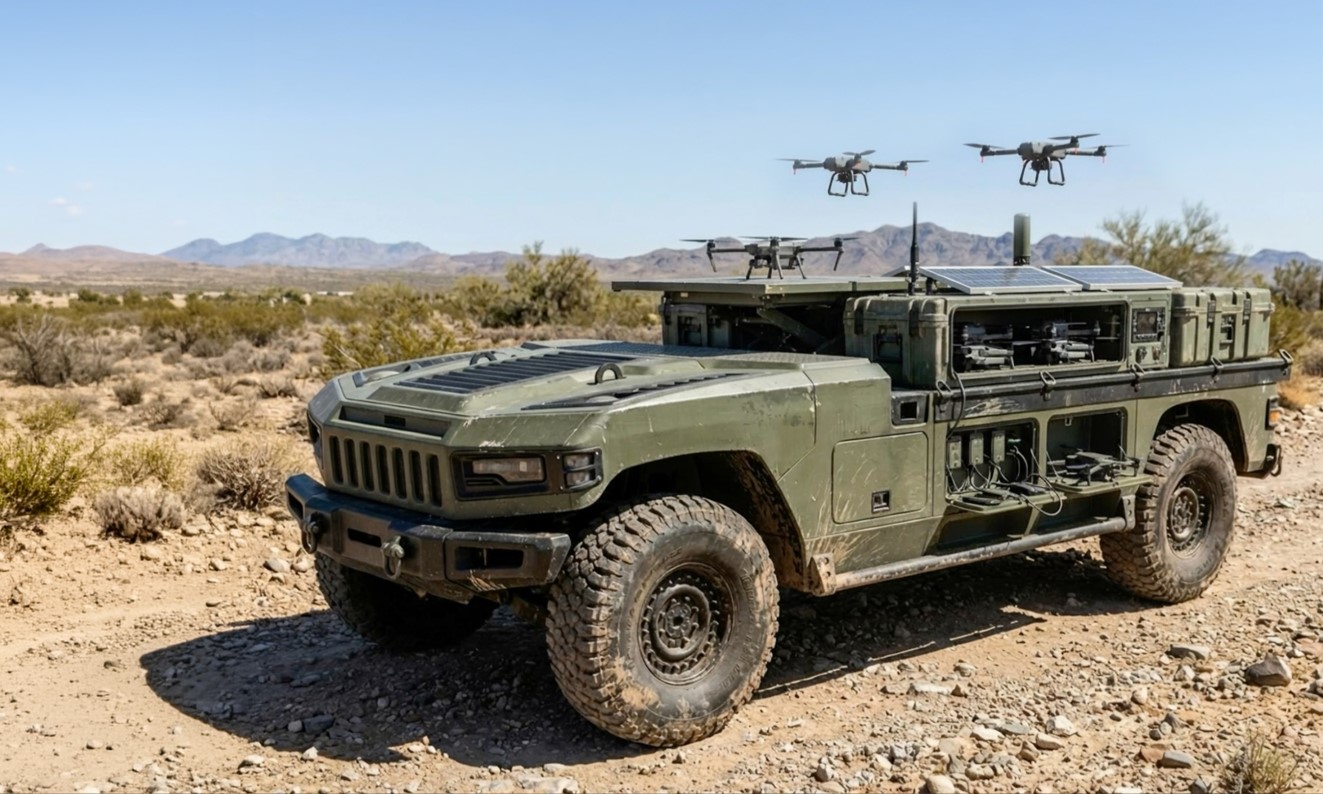 AM General Unveils Next-Generation UGV and JLTV A2 with Counter-Drone Systems at Eurosatory 2026
-
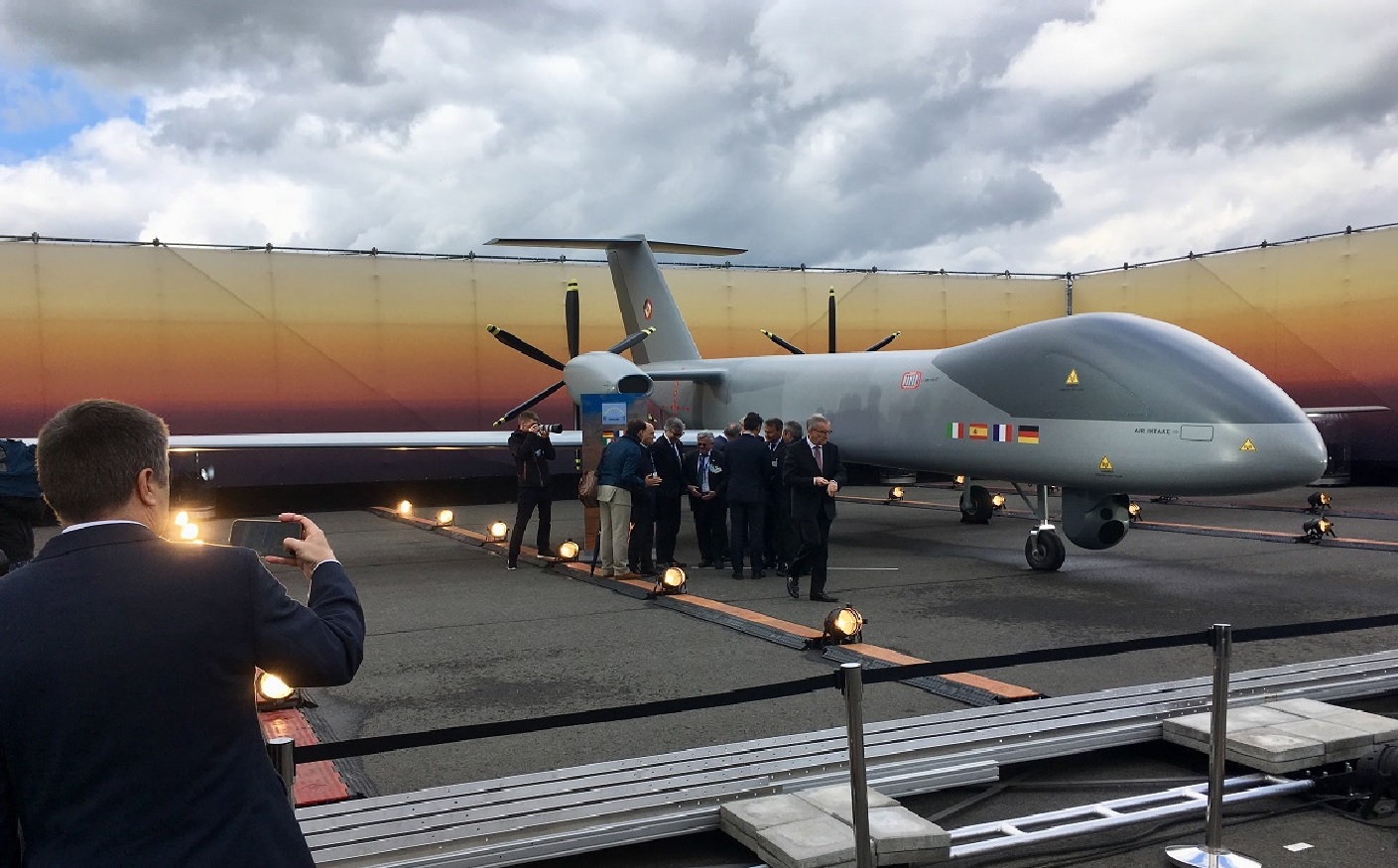 Dassault Seeks Compensation From Airbus as Eurodrone Dispute Erupts After FCAS Collapse
-
 Pakistan Raises Defence Budget from $9 Billion to $10.8 Billion as J-35 Fighter and Hangor Submarine Programs Advance
-
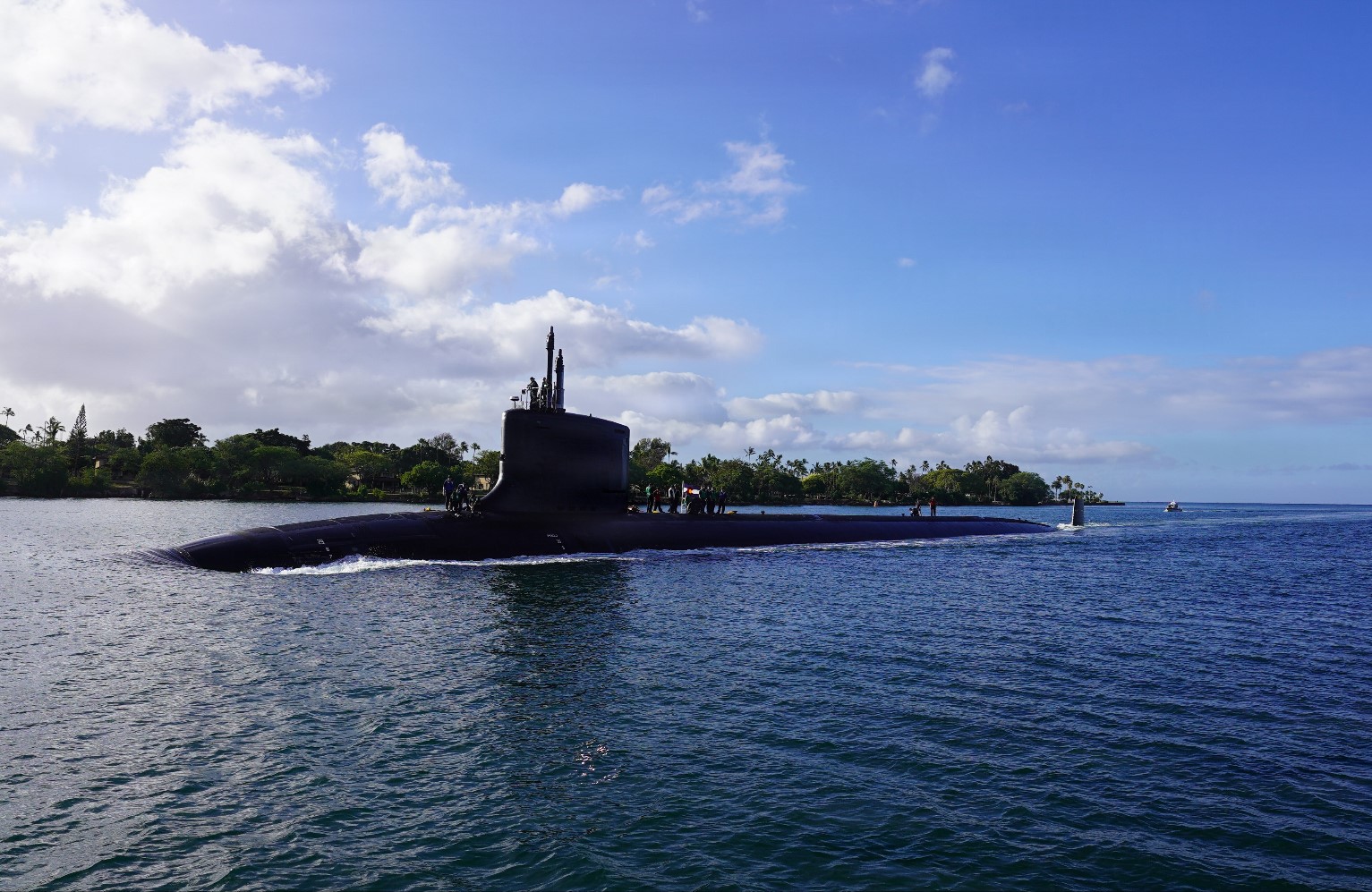 U.S. Navy's USS Colorado Submarine Returns to Pacific Fleet 29 Days Early After Major Pearl Harbor Overhaul
-
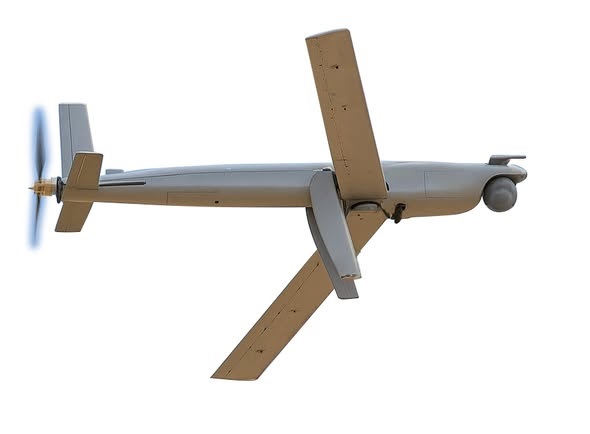 Elbit Systems and Diehl Defence Partner to Offer SkyStriker Loitering Munition to German Armed Forces
-
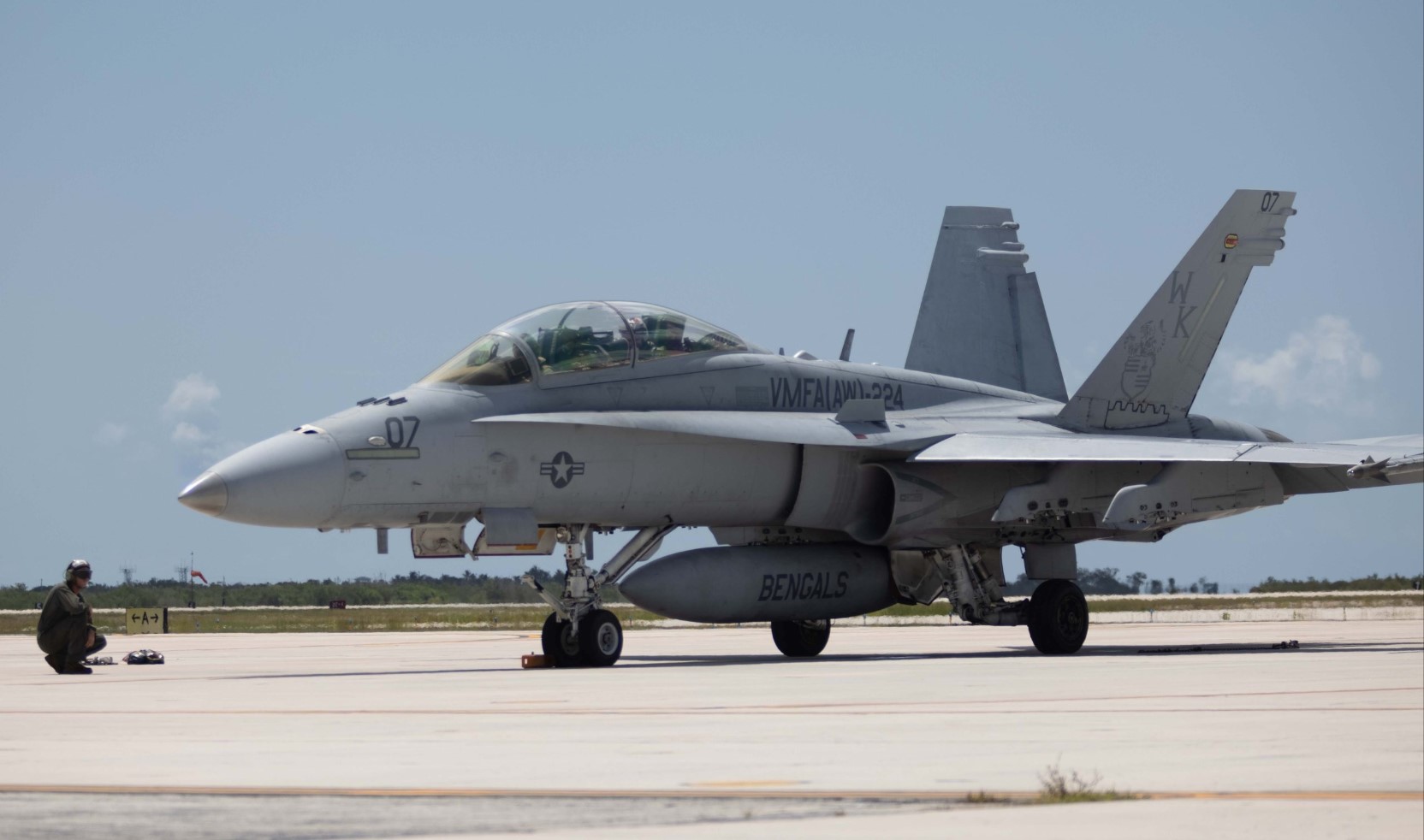 US Marine Corps F/A-18D Hornet Crashes During Training Flight in Washington Mountains; Pilot Ejects Safely
-
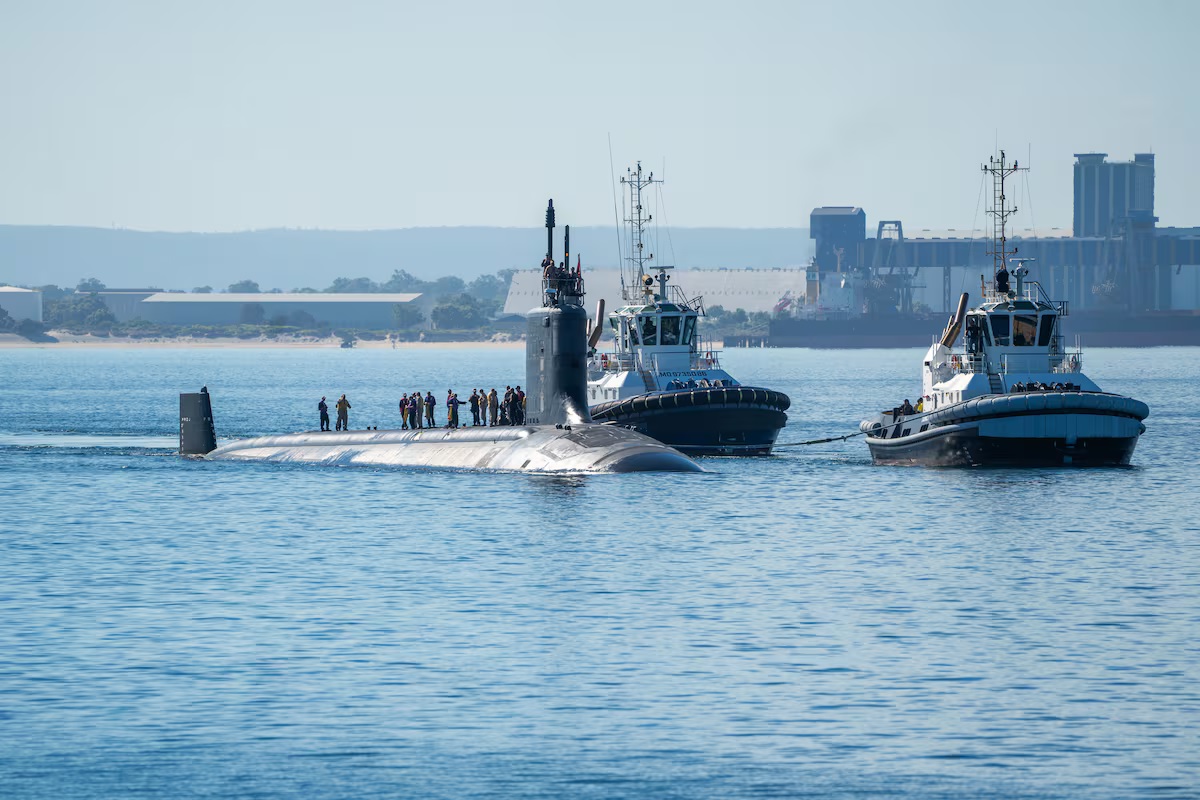 U.S. Navy Reestablishes Submarine Squadron 3 at HMAS Stirling to Support AUKUS Rotational Force
Top Trending in 4 Days
-
 Iranian Media Leaks 14-Point U.S.-Iran Peace Framework Amid Ongoing Negotiations
-
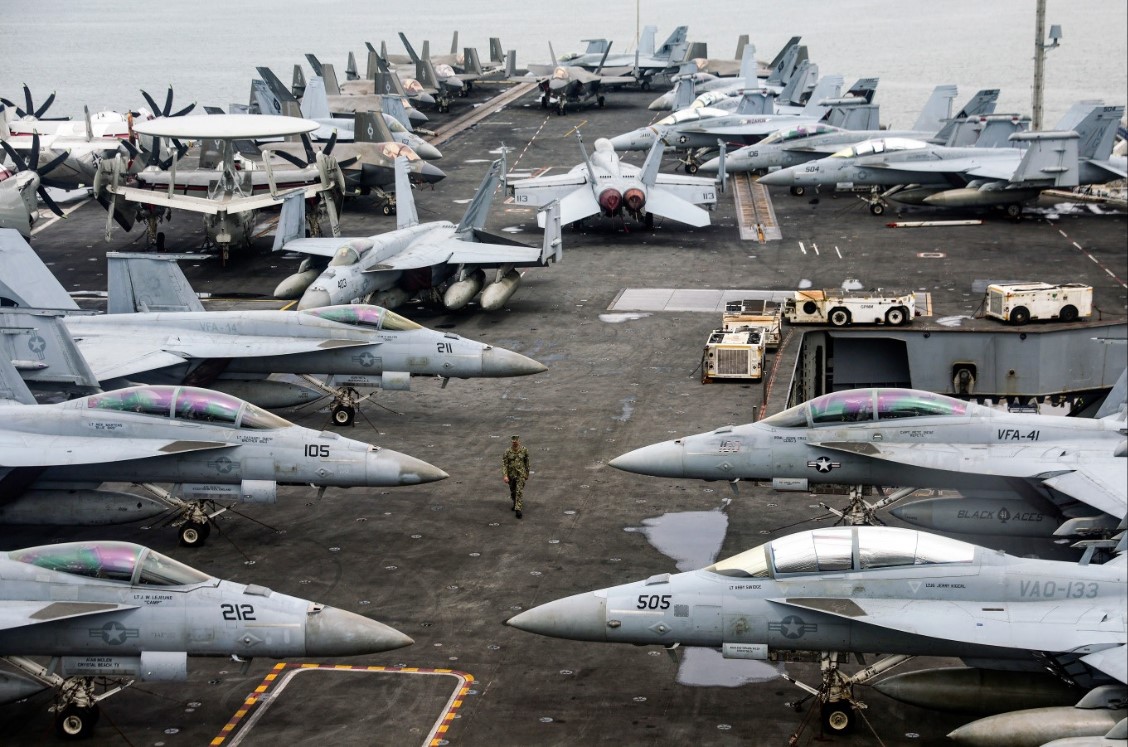 US Plans Significant Reduction of Fighter Jets and Warships for NATO Operations in Europe
-
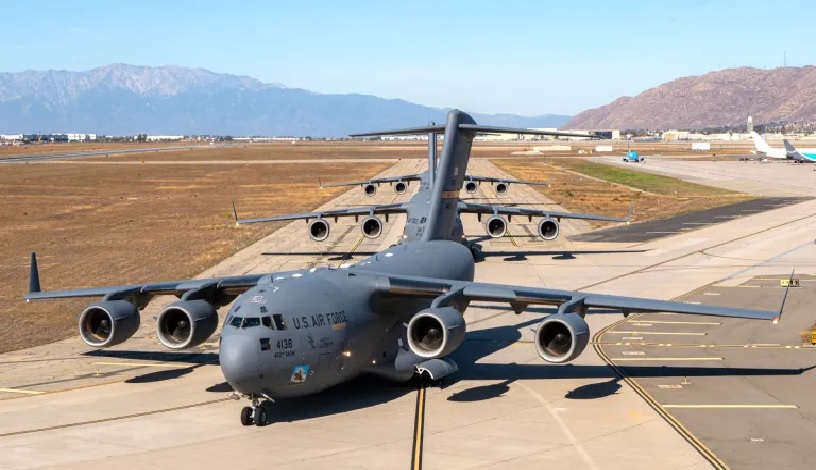 U.S. Air Force Faces Strategic Airlift Shortfall as C-17 Production Restart Remains Uncertain
-
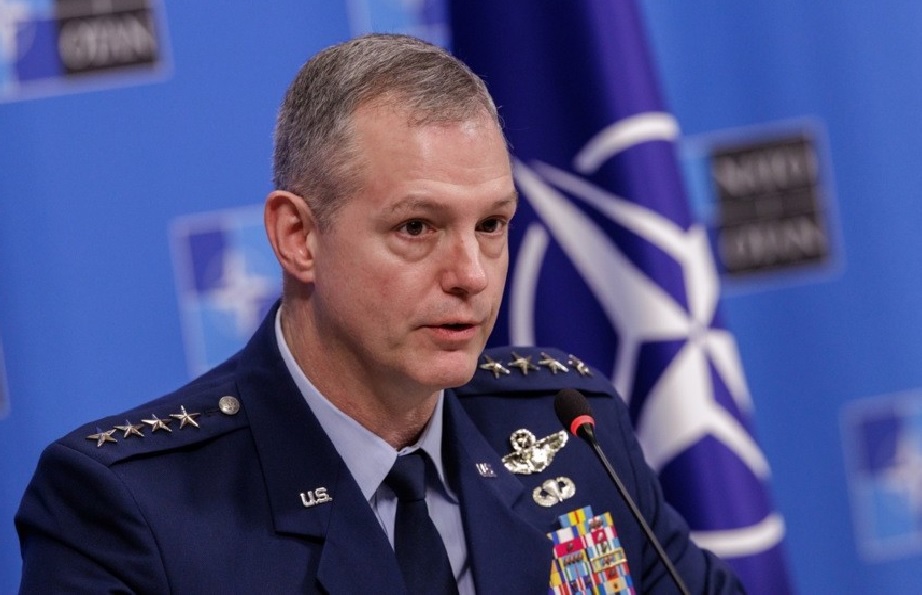 NATO Commander Says Russia Not Seeking Conflict With Alliance Despite U.S. Force Reductions
-
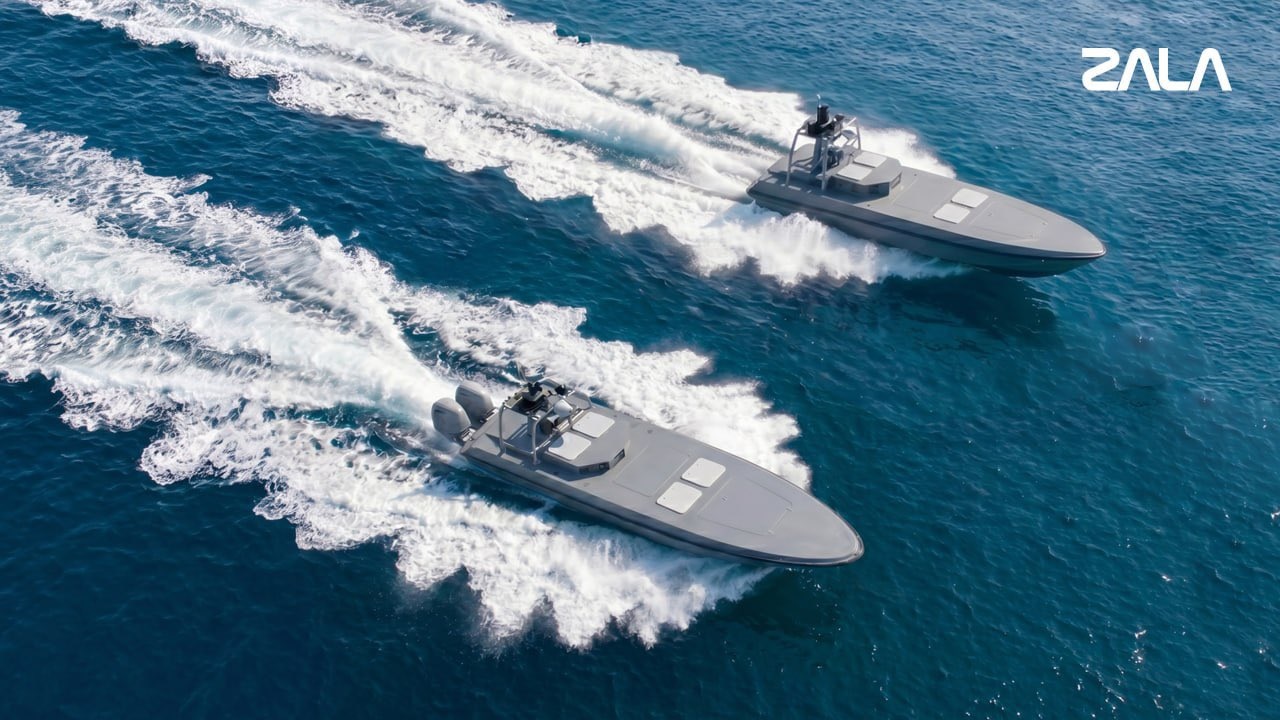 Russian Defense Firm ZALA Unveils KAMA Unmanned Surface Vessel Family at FLOT-2026 Naval Exhibition
-
 U.S. Space Force Awards $437.7 Million Contracts for First PTS-G Swarm 1 Anti-Jam Satellites
-
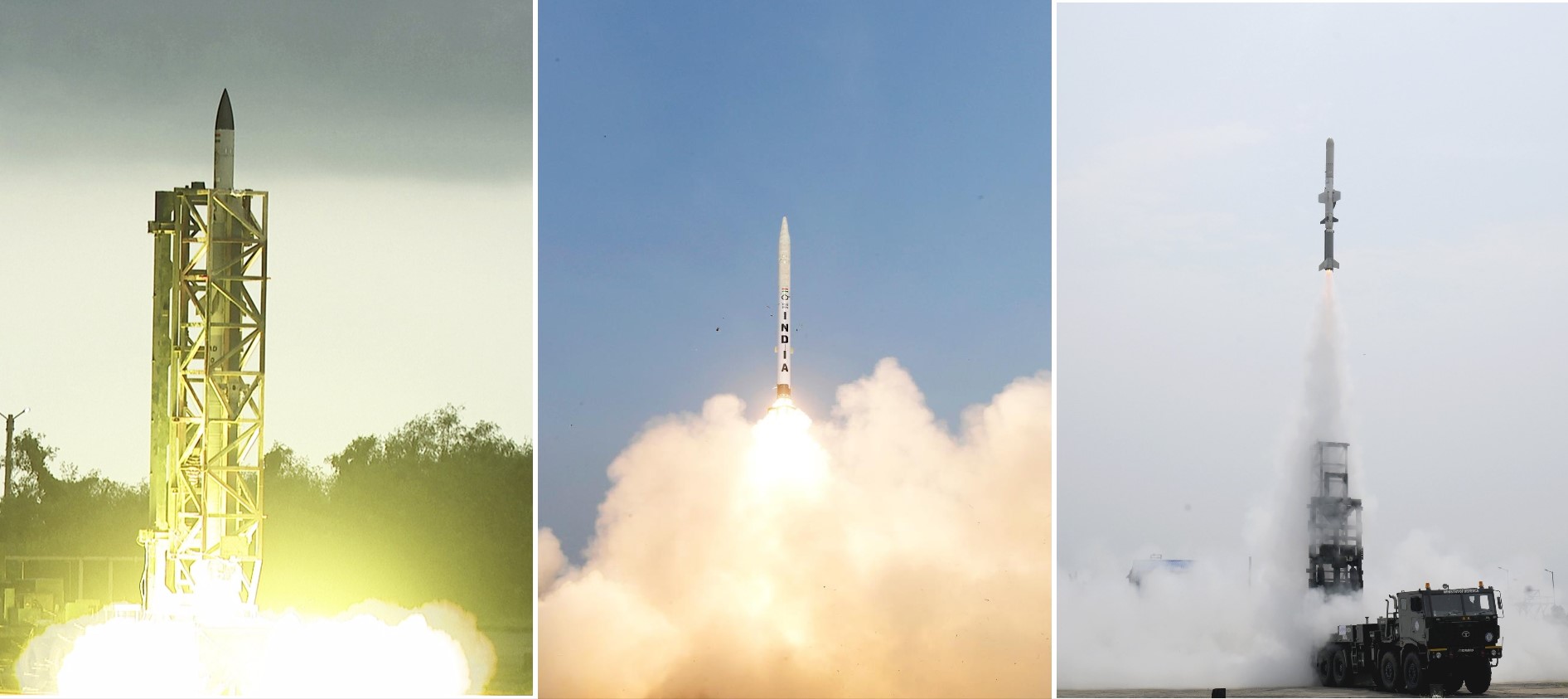 India Successfully Conducts AD-1, AD-2 Interceptor Tests and Maiden NASM-MR Flight Trial
-
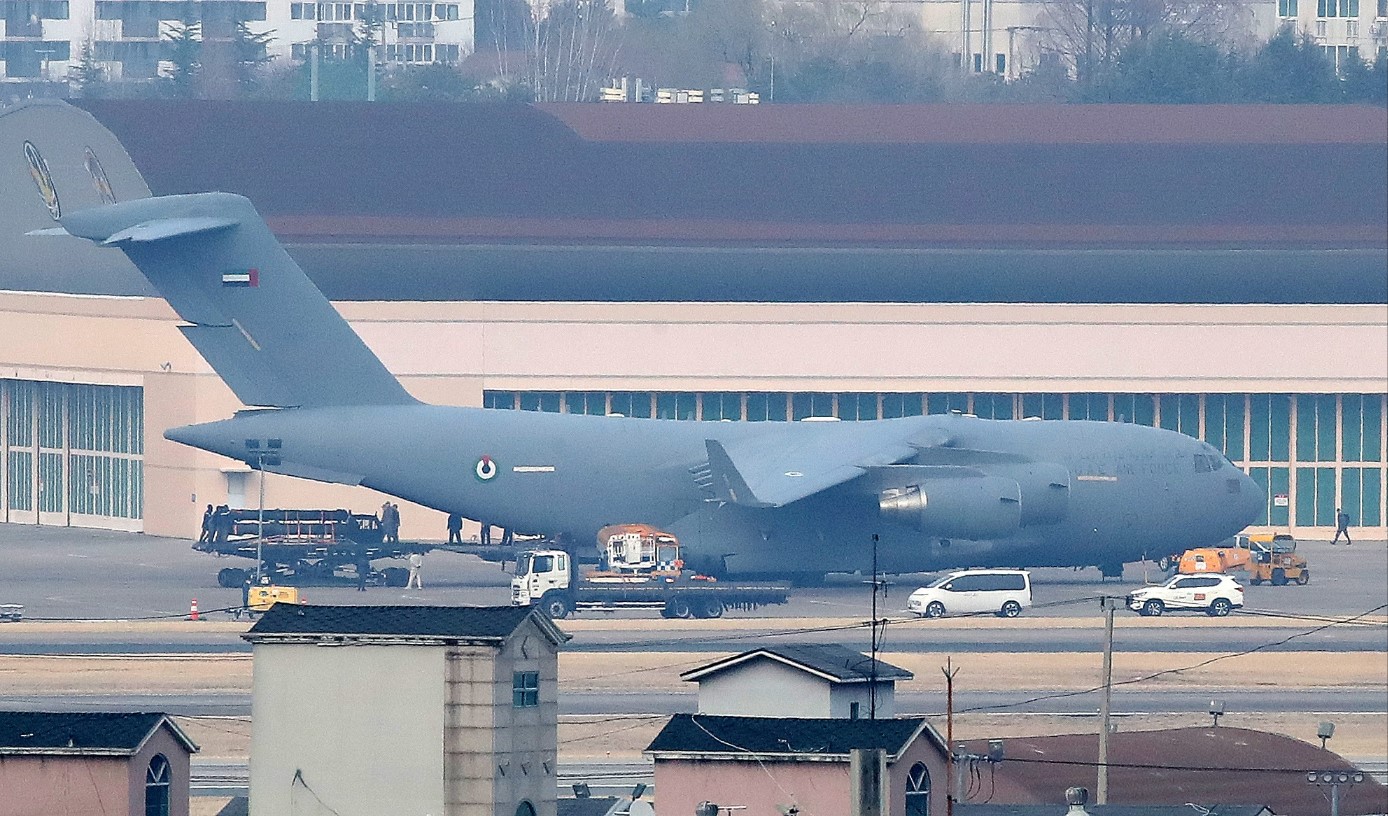 UAE Urgently Airlifts Cheongung-II Missile Defense Battery From South Korea Using Eight C-17 Aircraft