
World
EuroTrophy GmbH has secured a pivotal contract with KNDS Deutschland to enhance the German Army’s Leopard 2A8 main battle tanks (MBTs) with cutting-edge Trophy Active Protection Systems (APS). This agreement includes the supply of 123 Trophy systems, along with spare parts packages and integration services. The addition of these systems marks a significant upgrade in the operational capabilities of the German Army’s armored fleet. Strengthening Tank Defenses with Trophy APS Trophy APS, developed by Israel’s Rafael Advanced Defense Systems, is widely recognized for its combat-proven capabilities. It is designed to detect, intercept, and neutralize incoming threats such as anti-tank guided missiles (ATGMs) and rocket-propelled grenades (RPGs) before they can strike the vehicle. By deploying advanced radar sensors and a rapid-response mechanism, Trophy creates a protective bubble around the tank, enhancing survivability in high-threat environments. The system is already NATO-fielded, underlining its reliability and compatibility with allied defense operations. With its integration into the Leopard 2A8, Trophy has now become a standard feature for this tank model, elevating its defensive capabilities to meet modern battlefield demands. A Strategic Leap for EuroTrophy This contract with KNDS marks EuroTrophy’s second major achievement within a year. Previously, the Norwegian Army opted to equip its Leopard 2A8 fleet with the same APS, demonstrating growing confidence in Trophy’s effectiveness across Europe. Dan Kalfus, Managing Director of EuroTrophy, expressed gratitude for the trust placed in their technology, stating, “This step solidifies Trophy as an integral component of Leopard 2A8’s configuration.” Dr. Thomas Kauffmann, Chairman of the Supervisory Board of EuroTrophy, highlighted the broader implications, noting that the system's success could attract further interest from NATO and European nations seeking robust protection solutions for their armored vehicles. Beyond the System: Comprehensive Support EuroTrophy, headquartered in Frankfurt, is a joint venture involving Rafael, KNDS, and General Dynamics European Land Systems (GDELS). Beyond supplying the Trophy APS, the company offers extensive support services, including vehicle integration, maintenance, and through-life support. These services ensure seamless adoption and sustained performance of the systems in operational scenarios. Leopard 2A8: A Modern Battlefield Asset The Leopard 2A8 is an evolution of Germany’s renowned Leopard 2 series, featuring enhanced armor, improved mobility, and state-of-the-art targeting systems. By incorporating Trophy APS, the Leopard 2A8 addresses the increasing prevalence of advanced anti-tank weaponry on contemporary battlefields. The Trophy system enhances not only survivability but also situational awareness, thanks to its advanced radar system. This capability aligns with the German Army's objective to maintain technological superiority and interoperability within NATO frameworks. A Path Forward for European Defense As EuroTrophy continues to supply world-class technology to European militaries, the Trophy APS is expected to gain broader adoption. Its success with the Leopard 2A8 sets a benchmark for other armored platforms, potentially making it the first choice for active protection among NATO and European nations. The integration of Trophy APS into Germany’s Leopard 2A8 tanks underscores the country's commitment to maintaining a modern, resilient military force. This milestone not only strengthens Germany’s armored capabilities but also solidifies EuroTrophy’s position as a leading provider of advanced defense technologies in Europe.
Read More → Posted on 2024-12-04 14:26:55
World
In a dramatic and unprecedented turn of events, South Korean President Yoon Suk Yeol declared martial law on December 3, 2024, only to withdraw the order within hours after facing intense opposition from the National Assembly and widespread public protests. The decision, which marked South Korea's first imposition of martial law in over four decades, has sent shockwaves through the nation and drawn international attention to the state of its democracy. President Yoon's initial announcement came during a televised address where he cited the need to counter "anti-state forces" and protect South Korea from what he described as a growing threat from North Korea. He accused the opposition of undermining governance and collaborating with Pyongyang, labeling North Korea as a "communist regime" that posed a danger to South Korea’s democratic stability. The martial law order authorized the military to take control of civilian affairs, suspend basic rights, and restrict political activities—measures that evoked memories of South Korea's authoritarian past. The reaction was swift and overwhelming. Within hours of the declaration, lawmakers convened an emergency midnight session in the National Assembly, where they unanimously passed a resolution rejecting the imposition of martial law. Outside parliament, thousands of citizens gathered in defiance, chanting slogans against the government’s authoritarian move and demanding its immediate repeal. The backlash was not limited to domestic quarters; international observers expressed concern about the erosion of democratic principles in a country often seen as a model of post-authoritarian reform. Under mounting pressure, President Yoon announced his decision to honor the Assembly’s resolution and rescind the martial law order through an emergency Cabinet meeting. "I have heard the voices of the people and the Assembly," he said in a follow-up address. "I am committed to preserving our democratic values, even in the face of adversity." This episode comes at a challenging time for Yoon’s administration. His approval ratings have plummeted amid economic difficulties and persistent friction with an opposition-controlled parliament. Critics argue that the martial law declaration was a desperate attempt to consolidate power and silence dissent, a move that ultimately backfired and exposed the vulnerabilities of his leadership. The rapid imposition and retraction of martial law have sparked intense debate about the balance of power between South Korea’s executive and legislative branches. Analysts warn that such drastic measures could undermine public trust in democratic institutions and set a dangerous precedent for future administrations. The incident also underscores the fragile political climate in South Korea, where historical divisions between conservatives and progressives often play out in high-stakes confrontations. As President Yoon navigates the fallout from this crisis, the episode will likely be remembered as a pivotal moment in his presidency—one that tested the resilience of South Korea’s democracy and its commitment to constitutional governance. Internationally, the situation has drawn comparisons to other democracies grappling with authoritarian tendencies, raising broader questions about how nations balance security concerns with democratic integrity. While President Yoon’s decision to reverse the martial law order may have averted a deeper political crisis, it also serves as a stark reminder of the fragile nature of democratic governance in turbulent times.
Read More → Posted on 2024-12-04 14:24:51
World
As the world watches the continuing crisis in Gaza, Donald Trump, President-elect of the United States, has issued a sharp warning to Hamas. In a post on Truth Social, Trump demanded the release of hostages held in Gaza, setting January 20, 2025—his inauguration date—as a critical deadline. He warned that failure to comply would result in "all hell to pay," promising severe and unprecedented consequences for those responsible. Trump’s ultimatum follows the brutal events of October 7, 2023, when Hamas launched a surprise attack on Israel, killing over 1,200 people and taking more than 250 hostages. Since then, the crisis has only deepened, with ongoing violence and stalled negotiations. Currently, around 100 hostages remain in captivity, with some confirmed dead. Hamas has tied potential releases to the cessation of Israeli military operations, creating a diplomatic deadlock. Criticizing the current U.S. administration’s efforts as “all talk and no action,” Trump framed his statement as a decisive move toward resolution. He called for immediate negotiations and underscored his intent to hold perpetrators accountable with unparalleled force. His remarks were met with mixed reactions: Israeli President Isaac Herzog welcomed the strong rhetoric, while critics highlighted the complexities of the conflict and the potential for further escalation. Trump’s ultimatum not only emphasizes his support for Israel but also signals a more aggressive U.S. approach to Middle East policy under his incoming administration. However, achieving the release of hostages amidst the volatile situation remains uncertain. With regional tensions at a boiling point, the coming months will test the limits of diplomatic and military strategies in one of the world’s most intractable conflicts.
Read More → Posted on 2024-12-03 15:58:18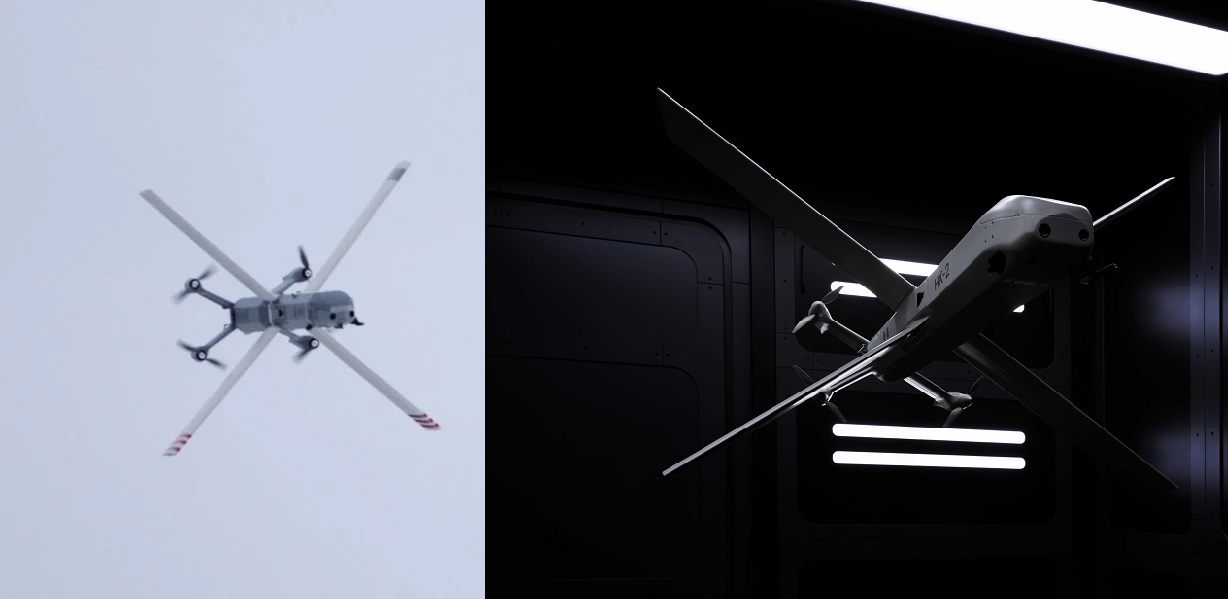
World
In a significant leap for military technology, Helsing, Europe’s leading defense AI company, has introduced the HX-2, an intelligent strike drone designed to transform modern warfare. The HX-2 isn’t just another drone; it’s a revolutionary software-driven platform built to deliver unparalleled autonomy, precision, and mass deployment capability. This innovation signals a decisive step in Helsing’s mission to bolster the security of democratic nations. The Cutting-Edge Design of HX-2 The HX-2 boasts a sleek x-wing configuration and is powered by an electric propulsion system, enabling it to cover ranges of up to 100 km. This makes it a versatile tool for long-range precision strikes. What truly sets the HX-2 apart is its integration of advanced artificial intelligence, which provides: Full autonomy for targeting and navigation. Robust electronic warfare resistance, ensuring operational effectiveness even in heavily contested environments. Swarm Intelligence One of the standout features of the HX-2 is its swarm capability. When paired with Helsing’s Altra reconnaissance and strike software, multiple HX-2 drones can collaborate seamlessly. Controlled by a single human operator, these swarms execute coordinated attacks with surgical precision, neutralizing threats effectively. This makes the HX-2 a game-changer in scenarios demanding rapid, high-volume responses. Cost-Effective Mass Production Unlike traditional systems that often come with steep price tags, the HX-2 has been designed with mass production in mind. By leveraging advanced manufacturing processes and streamlined designs, Helsing has significantly reduced unit costs. This positions the HX-2 as a vital force multiplier, complementing existing artillery systems and expanding operational capabilities for allied forces. Combat-Ready and Proven The HX-2 isn’t a prototype—it’s already in production and has been battle-tested. Key technologies developed for the HX-2 have seen active deployment in Ukraine, where they’ve proven their effectiveness in countering armored threats and electronic warfare systems. These experiences have informed its design, ensuring its reliability in real-world scenarios. Strategic Implications Helsing’s leadership emphasizes the strategic edge the HX-2 offers to NATO and allied forces. Gundbert Scherf, co-founder of Helsing, highlights its importance in safeguarding Europe’s Eastern Flank, a region of growing geopolitical tension. By combining mass production, AI-driven autonomy, and human oversight, the HX-2 restores critical capabilities threatened by modern electronic warfare, allowing operators to maintain control and effectiveness in highly contested zones. Key Specifications Propulsion: Electric Range: Up to 100 km Payload: High-precision munitions for armored targets AI Features: Navigation, targeting, electronic warfare resistance Deployment: Swarm-capable with single-operator control Use Cases: Border defense, counter-invasion operations, long-range precision strikes The Bigger Picture Helsing’s HX-2 represents more than just technological advancement—it’s a strategic asset designed to address modern military challenges. By offering a scalable, cost-effective solution that blends precision with autonomy, it provides a vital tool for democratic nations to defend their sovereignty. As production ramps up in Europe, the HX-2 is poised to become a cornerstone of modern defense strategies, marking the beginning of a new era in drone warfare.
Read More → Posted on 2024-12-03 15:49:41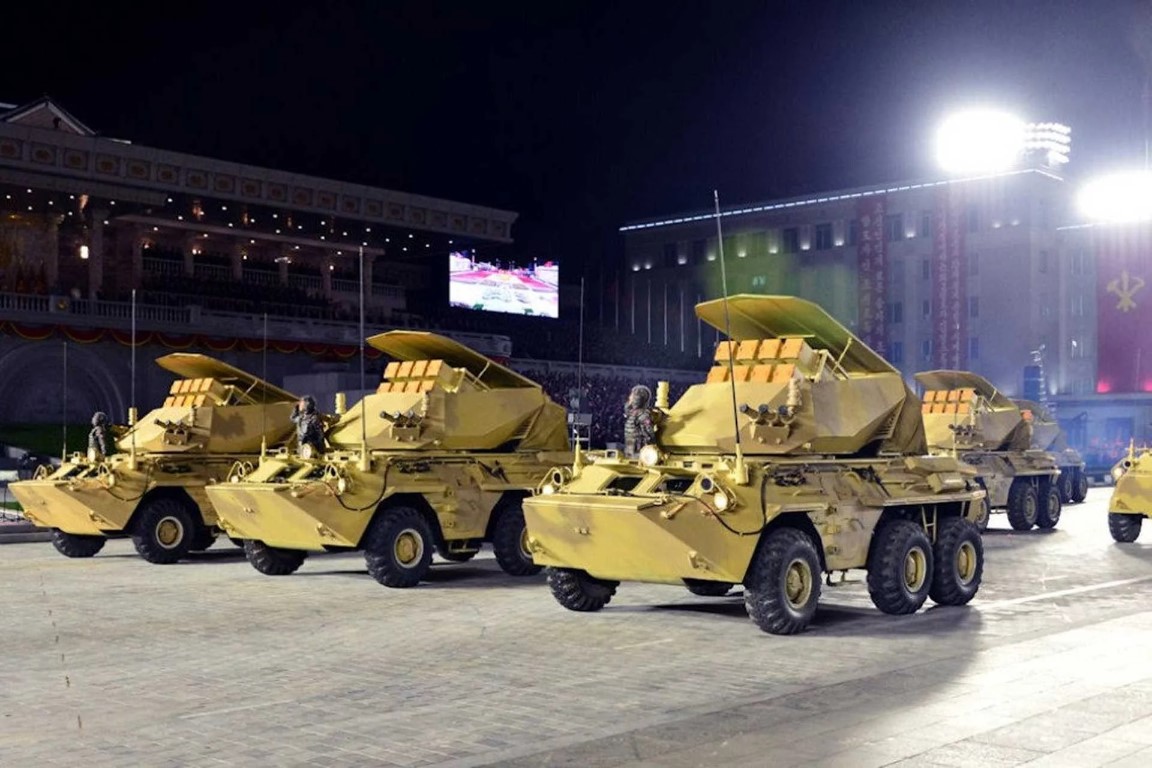
World
In a significant blow to Russian military operations, Ukraine’s Third Assault Brigade successfully targeted and destroyed a North Korean Bulsae-4 missile system in Kharkiv Oblast. The incident, captured on video and shared widely, highlights the growing presence of North Korean military hardware in the ongoing conflict. The Bulsae-4, a long-range anti-tank weapon, is mounted on an M-2010 6×6 wheeled armored vehicle, which enhances its mobility and tactical deployment capabilities. Known for its ability to engage armored targets up to 25 kilometers (15.5 miles) away, the system employs an electro-optical seeker for high-precision strikes. This technology enables effective attacks even against targets beyond the operator’s line of sight, making it a formidable addition to the battlefield. The strike on the Bulsae-4 was executed using a Windbreaker suicide drone, a one-way attack drone that has proven effective in Ukraine’s arsenal. Footage from the operation shows the drone tracking and neutralizing the missile system as it moved along a road in the Kharkiv region. This marks another successful deployment of Ukrainian drone technology, which has also been used to destroy various Russian vehicles in recent months. Evidence of North Korean Involvement The presence of the Bulsae-4 missile system in Russian hands is not an isolated case. Earlier this year, similar North Korean weapons were identified by Ukrainian surveillance in the same region. Additionally, Russia is reported to have launched around 60 North Korean KN-23 missiles during its campaign against Ukraine, adding to concerns about Pyongyang’s direct support for Moscow. Beyond weaponry, Ukraine has alleged that North Korea has provided manpower to assist Russian forces. Ukrainian Defense Minister Rustem Umerov recently claimed that approximately 11,000 North Korean troops have been deployed to bolster Russian frontline units in the Kursk region. This aligns with earlier intelligence reports suggesting broader North Korean involvement in Russia’s military efforts. Broader Implications The destruction of the Bulsae-4 is more than just a tactical victory for Ukraine; it underscores the expanding international dimensions of the Russia-Ukraine conflict. North Korea’s military support for Moscow, including advanced weaponry and personnel, signals a deepening alliance between the two nations. For Kyiv, this complicates the battlefield dynamics, necessitating continued vigilance and innovation to counter such threats. As Ukraine’s forces adapt to these evolving challenges, their successes—like the recent strike on the Bulsae-4—demonstrate their resilience and capability to confront adversaries equipped with diverse and sophisticated military technologies. The international community will undoubtedly watch closely as evidence of North Korea’s role in the conflict continues to emerge.
Read More → Posted on 2024-12-03 15:34:47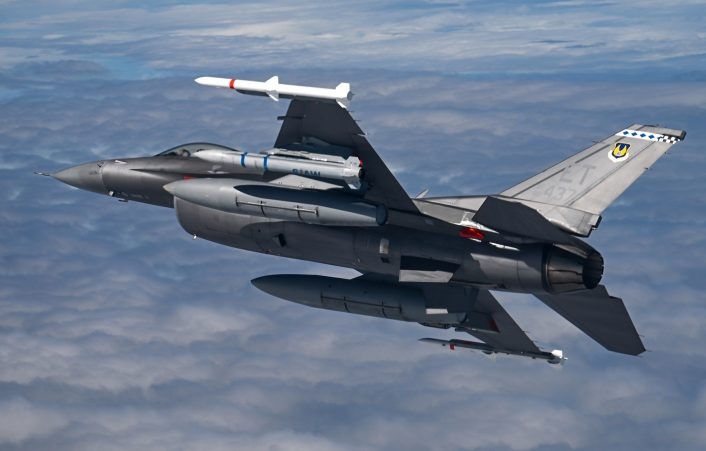
World
The U.S. Air Force recently marked a pivotal achievement in its journey to modernize its tactical strike capabilities. On November 7, it conducted the first test release of the Stand-in Attack Weapon (SiAW) from an F-16 Fighting Falcon over the Gulf of Mexico. This milestone represents a key step in advancing the missile system, designed to neutralize high-value enemy assets in contested environments. The test involved the release of a jettison test vehicle (JTV)—a non-operational prototype of the SiAW missile, stripped of a rocket motor and electronics. This phase was critical for verifying the missile’s safe separation from the aircraft, an essential precursor to live-fire testing. The data collected from this event ensures that future deployments of the missile will occur without compromising aircraft or pilot safety. Precision Strike for Modern Warfare Developed by Northrop Grumman, the SiAW missile is engineered to counter evolving Anti-Access/Area Denial (A2/AD) threats. It targets mobile and relocatable enemy systems such as cruise missile launchers, anti-ship missile platforms, and electronic jamming stations. These capabilities make SiAW a versatile and lethal addition to the U.S. military’s arsenal, capable of delivering precision strikes in hostile airspace. The SiAW leverages advanced technologies from the Navy’s Advanced Anti-Radiation Guided Missile-Extended Range (AARGM-ER) and integrates seamlessly into multiple aircraft, including the F-35. Its modular design, powered by Weapon Open Systems Architecture (WOSA), ensures adaptability for future upgrades. The system's emphasis on digital engineering and agile software development reflects the military's shift toward rapid innovation in response to dynamic threats. Coordinated Effort and Cutting-Edge Testing The first test was a collaborative mission managed by the 96th Test Wing, with the 780th Test Squadron spearheading the operational aspects. From the Eglin Central Control Facility, engineers and pilots worked in unison to oversee the test and analyze results. Aerial footage was meticulously captured to provide insights for post-flight evaluations. Major James Tipton, assistant director of operations for the 780th Test Squadron, praised the flawless execution of the test, highlighting the dedication and teamwork that made it possible. “This achievement underscores the exceptional collaboration between our personnel and our industry partners,” he remarked. A Future-Ready Missile The SiAW project received a significant boost in September 2023 when Northrop Grumman secured a $705 million contract to advance its development and deployment. This funding accelerates the missile’s transition to operational readiness, reinforcing its role as a cornerstone of next-generation airpower. Designed for integration across platforms, the SiAW ensures flexibility in diverse combat scenarios. Its potential to be launched from aircraft like the F-16, F-15, and F-35 enhances its operational reach, allowing commanders to employ it in a variety of mission profiles. As the U.S. Air Force pushes forward with additional testing phases, including live-fire demonstrations, the SiAW is set to redefine the dynamics of air-to-surface warfare. Its ability to strike fast, precise, and adaptive blows against enemy forces positions it as a game-changing asset in maintaining air superiority and mission success in future conflicts.
Read More → Posted on 2024-12-03 15:28:38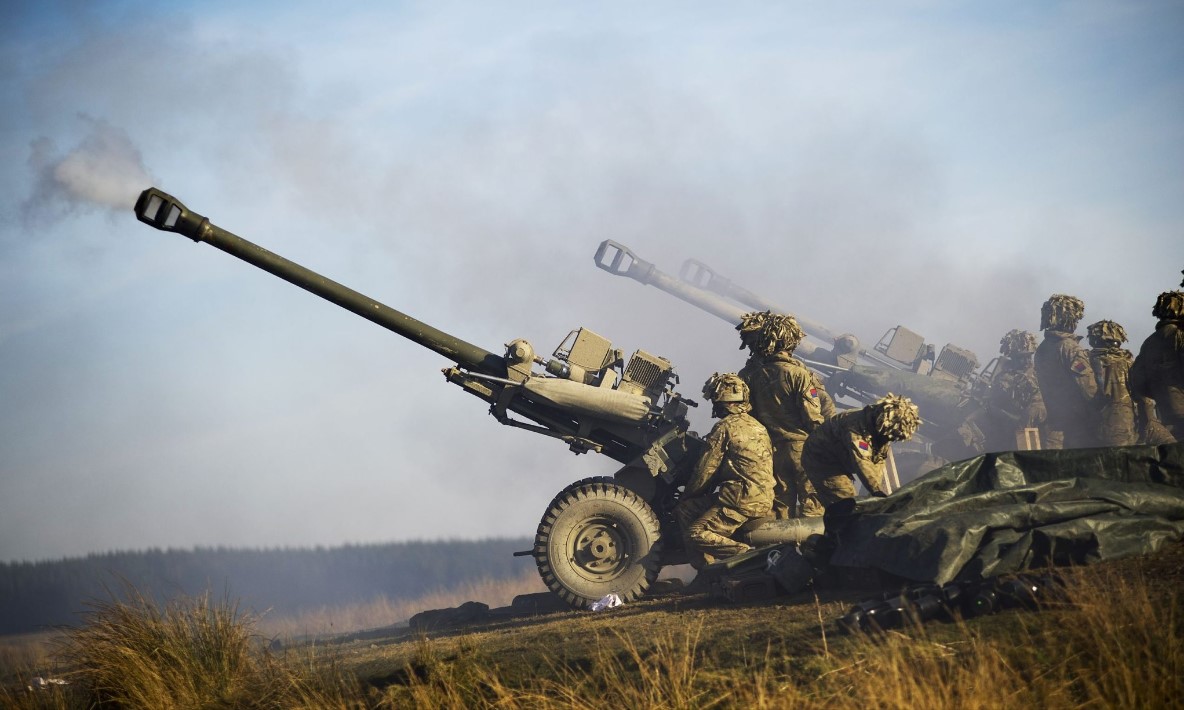
World
The United Kingdom has marked a transformative step in its defense sector by integrating 3D printing into its production of critical naval and artillery components. Renowned engineering firm Babcock International has delivered the first batch of 3D-printed parts, signaling a shift toward innovative manufacturing processes aimed at enhancing the operational readiness of the UK's military assets. Pioneering Components for Advanced Systems Babcock's initial delivery includes key components for various military systems. Among these are: L118 Light Gun: A critical artillery system used extensively by the British Army. 4.5-inch Naval Gun: Mounted on the Royal Navy’s Type 23 frigates, this gun plays a vital role in naval warfare and coastal bombardments. Torpedo Launch Systems: Integral to the UK's Astute- and Dreadnought-class submarines, these components ensure the reliable deployment of advanced underwater weaponry. The integration of these components into existing systems is set to enhance the lifespan and performance of these assets while reducing dependence on conventional manufacturing methods. The Role of Project TAMPA This milestone comes under the umbrella of Project TAMPA, a UK Ministry of Defence initiative designed to harness the potential of additive manufacturing (AM), commonly known as 3D printing. Awarded in April 2023, the project involves a consortium of contractors, including Babcock, NP Aerospace, RBSL, Thales, and AMFG. Through this initiative, the UK aims to: Speed Up Production: Replace obsolete components in days rather than months. Reduce Costs: Cut maintenance and manufacturing expenses across various platforms, such as the Titan and Trojan armored vehicles. Address Obsolescence: Manufacture rare or outdated parts on demand, improving supply chain resilience. Cutting-Edge Manufacturing Processes Babcock employs state-of-the-art techniques like powder bed fusion and wire arc additive manufacturing to produce metallic components. These methods enable precise production tailored to the material and geometric specifications required by the UK’s diverse fleet. For example, parts such as periscope components for armored vehicles—previously unavailable due to limited production runs—can now be fabricated swiftly, ensuring seamless maintenance and operational continuity. Industry Leaders Speak Kate Robinson, Managing Director for Through Life Equipment Support at Babcock, emphasized the significance of this milestone:“This achievement represents a step-change in how we approach material availability for defense. By leveraging additive manufacturing, we are reducing lead times and addressing supply chain vulnerabilities.” Charlotte Robinson, Team Leader for the UK Strategic Command Defence Support Innovation, highlighted the collaborative effort behind this success:“The partnership between Project TAMPA suppliers and the DE&S Delivery Teams underscores how additive manufacturing can play a transformative role in defense logistics and sustainability.” A Glimpse into the Future The adoption of 3D printing in defense is more than a technological evolution—it’s a strategic pivot. By reducing reliance on traditional supply chains, the UK can ensure greater autonomy, especially in critical situations where conventional manufacturing may face delays. Moreover, this initiative positions the UK as a global leader in additive manufacturing for defense, setting the stage for broader adoption across allied nations. As Project TAMPA progresses, the defense sector is poised to witness a revolution in how military components are conceptualized, produced, and integrated—heralding a new era of efficiency and resilience for the UK’s armed forces.
Read More → Posted on 2024-12-03 15:17:27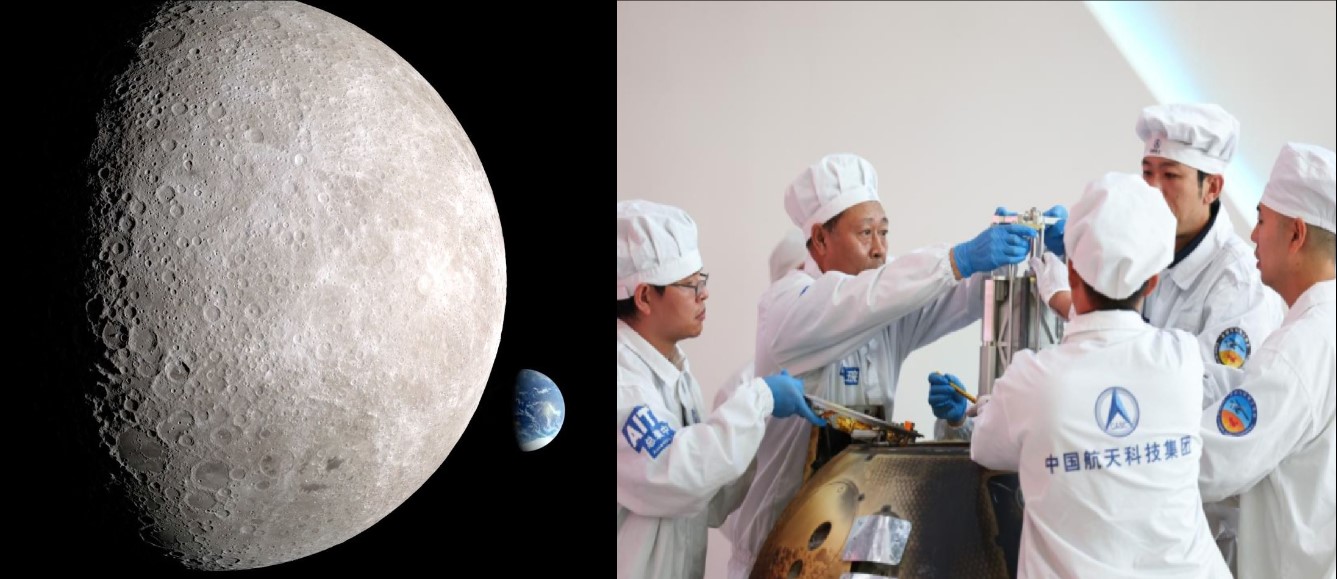
World
In a groundbreaking scientific revelation, China’s Chang’e 6 mission has returned the first-ever rock samples from the far side of the Moon, offering a rare glimpse into its geologic and volcanic history. The analysis of these samples, weighing 1.9 kilograms and collected from the South Pole-Aitken Basin, has reshaped our understanding of lunar evolution. A Volcanic Landscape Frozen in Time The samples revealed that volcanic activity on the Moon’s far side persisted until about 2.8 billion years ago. This finding was surprising, as previous studies suggested that volcanism on the Moon had largely ceased much earlier. Most known volcanic eruptions occurred on the near side, where radioactive elements like potassium and uranium generated internal heat. The far side, less rich in these elements, was thought to have cooled faster, ending its volcanic phase. However, Chang’e 6’s basalt samples—a form of hardened lava—challenge this narrative, showing that significant volcanic activity occurred well into the Moon's later stages. Chemical Mysteries of the Moon's Mantle The basalt samples analyzed by Chinese scientists, led by Zexian Cui from the Chinese Academy of Sciences, were found to be low in potassium, rare earth elements, and phosphorus—key components abundant in the near side’s volcanic regions. This disparity may stem from the massive impact that created the South Pole-Aitken Basin, which could have redistributed these elements and disrupted the mantle's composition beneath the far side. Such differences could explain why vast lava plains (mare basalts) cover 30% of the near side but only 2% of the far side. Technical Insights from Chang’e 6 Chang’e 6 employed advanced drilling and scooping technologies to extract samples, ensuring the preservation of both surface and subsurface material. The samples included not just basalt but also non-mare materials like breccias, which may offer insights into the Moon’s crust and the remnants of ancient impacts. Radiometric dating of isotopes in these samples confirmed their age, while geochemical analysis provided clues about their origin and the Moon's internal structure. Why It Matters This discovery adds depth to our understanding of lunar geology, highlighting the Moon’s diverse evolutionary paths. The findings also underscore the importance of studying the far side, which had remained unexplored until China’s Chang’e missions. Beyond the Moon, these results provide a comparative framework for understanding volcanic processes on terrestrial planets, potentially offering clues about Earth’s early volcanic history. China's efforts have not only filled a critical gap in lunar science but also demonstrated the value of international collaboration in space exploration. These samples open the door to new theories about the Moon's formation, the role of massive impacts in planetary evolution, and the enigmatic differences between its two hemispheres.
Read More → Posted on 2024-12-02 15:20:44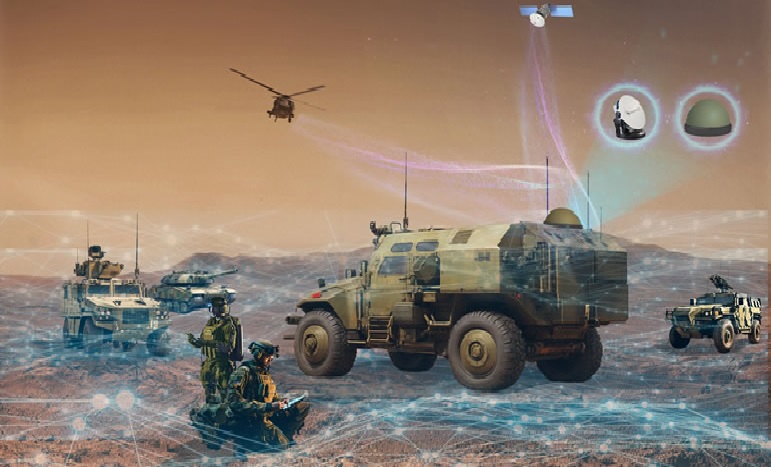
World
Orbit Communication Systems, a leading Israeli developer of advanced satellite communication solutions, has achieved a major milestone by securing its first substantial contract for land-based SATCOM applications. The Israeli Ministry of Defence (MoD) awarded the $9.1 million contract for the deployment of Orbit’s Multi-Purpose Terminals (MPT), specifically the MPT-30 and MPT-46, for both static and mobile land platforms. This marks a significant expansion for the company, which has historically dominated the maritime and airborne SATCOM markets. Scheduled for delivery in 2025, the deal highlights Orbit’s strategic pivot towards providing resilient and adaptable SATCOM solutions for land forces. With over 4,000 systems already operational on naval vessels and aviation platforms, Orbit now sets its sights on enhancing connectivity and communications for ground-based military operations. Bridging the Communication Gap: Why SATCOM is Vital for Land Forces The MPT series offers unique advantages that align with evolving military needs. Line-of-sight (LOS) communication systems, reliant on VHF/UHF radios, are vulnerable to jamming and signal interference, particularly in contested environments. Orbit CEO Daniel Eshchar emphasized that modern combat scenarios, influenced by lessons from the Russia-Ukraine war and Israel's own defense operations, underscore the need for more resilient communication systems. SATCOM systems like the MPT terminals provide a dependable alternative. Their resistance to jamming and ability to switch seamlessly between frequency bands and satellite constellations make them indispensable for critical military functions. From C4I (Command, Control, Communication, Computer, Intelligence) operations to remotely piloted vehicles, SATCOM ensures secure and uninterrupted communication links in complex terrains such as urban environments, mountains, or densely populated battlefields. Eshchar also highlighted the systems’ future readiness, envisioning their use in autonomous land vehicles, where robust beyond-line-of-sight (BLOS) communication will be crucial for both command and operational control. Cutting-Edge Design for Tough Conditions The MPT-30 and MPT-46 are engineered to withstand extreme conditions across air, sea, and land. With compact, lightweight designs—10 kg and 12 kg, respectively, excluding the radome and block upconverter (BUC)—these systems feature robust Ku- and Ka-band capabilities. Key Technical Highlights: Azimuth Range: 360° continuous. Elevation Range: 0° to 90°. Pointing Accuracy: ~0.1° (static and mobile). Signal Tracking Accuracy: Better than 0.15 dB RMS. Effective Isotropic Radiated Power (EIRP): MPT-30: Up to 52.0 dBW (Ka-band). MPT-46: Up to 56.7 dBW (Ka-band). Data Throughput: 126 Mbps download and 29 Mbps upload. The systems are cybersecure, designed to meet MIL-STD and STANAG standards, and tested on in-house simulators replicating the most challenging operational conditions. Adaptations for land use included software modifications to enhance responsiveness over rough terrain, leveraging design insights from their naval and aerial counterparts. Quick Deployment and International Appeal One of Orbit's key innovations is the ease of installation. The MPT terminals are available in a roll-on/roll-off configuration, allowing them to be fitted to any compatible platform in just 20 minutes, assuming pre-installed cabling. While this contract focuses on Israel’s defense platforms, Orbit is actively pursuing international markets. Demonstrations across Asia-Pacific and Europe are planned, with a successful showcase already conducted in Poland, attended by NATO delegations. Expanding Horizons for Military Connectivity The contract with the Israeli MoD is just the beginning of Orbit’s push to integrate SATCOM solutions into land forces worldwide. With connectivity becoming a cornerstone of modern warfare, the company’s multi-band, multi-orbit terminals are poised to play a pivotal role in ensuring operational superiority. As land forces globally recognize the need for resilient, reliable, and versatile communication systems, Orbit's MPT terminals stand out as a game-changing solution. From securing the battlefield to enabling autonomous systems, these terminals are set to redefine the future of military connectivity.
Read More → Posted on 2024-12-02 15:15:51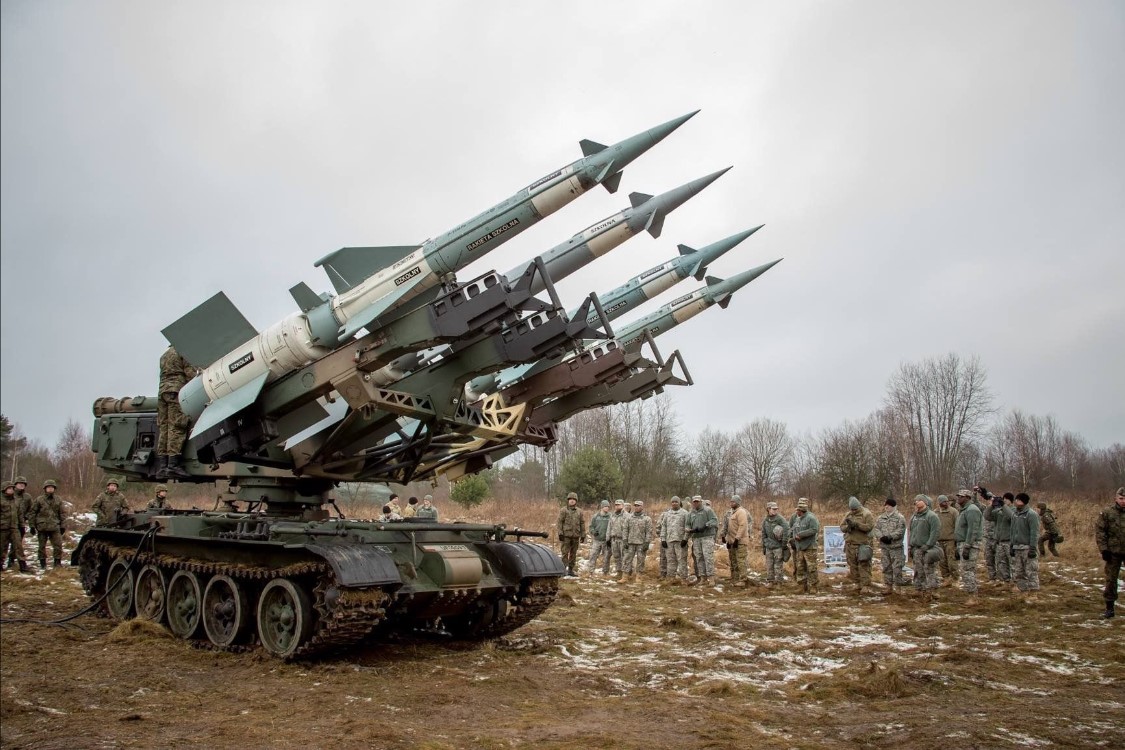
World
In a significant development in the Syrian conflict, Turkish-backed rebels have seized a fully operational S-125 “Pechora” air defense system during their rapid offensive on Aleppo Airport. The dramatic capture underscores the precarious state of the Assad regime’s military hold over northern Syria and highlights the strategic vulnerabilities in its defense infrastructure. A Stunning Seizure Images and videos circulating widely on social media confirm the rebels have acquired an intact and operational S-125 system. This Soviet-era air defense system, also known by its NATO designation SA-3 Goa, was a key asset for Assad’s forces. Capable of engaging targets at altitudes of up to 18 kilometers, the S-125 remains a potent weapon despite its vintage. Defense analysts have noted the surprising condition of the captured system. It is rare for such valuable military hardware to be seized intact during conflict, suggesting either a critical oversight or severe disarray among Assad's forces. One expert remarked, “The fact that no attempt was made to destroy or disable this system points to significant breakdowns in command and operational discipline.” The Offensive on Aleppo Airport The swift assault by Turkish-backed rebels overwhelmed the Assad regime’s defenses at Aleppo Airport earlier this week. According to local reports, regime forces abandoned their positions in haste, leaving behind critical assets including the S-125 system, tanks, and other military hardware. This marks one of the most significant losses of high-value equipment for the regime in recent months. The capture of Aleppo Airport and its assets comes amid a broader rebel offensive in northern Syria. Fierce clashes have allowed rebel factions to consolidate gains in strategic areas, further eroding the Assad regime's foothold in the region. Specifications of the S-125 “Pechora” The S-125 system was originally developed by the Soviet Union in the late 1950s and has undergone numerous upgrades to remain relevant in modern combat. Its medium-range capabilities make it a formidable adversary to enemy aircraft, particularly in contested airspace. Key specifications include: Target Range: Up to 35 kilometers. Target Altitude: Effective engagement at up to 18 kilometers. Guidance System: Semi-active radar homing. Missile Speed: Approximately Mach 3. While the system has seen service worldwide, its role in the Syrian Civil War has primarily been defensive, protecting airbases and key infrastructure. Its loss to the rebels raises concerns about its potential use against both regime and allied aircraft, including those of Russia. Implications for Assad’s Forces The fall of Aleppo Airport and the capture of the S-125 system highlights the Assad regime's growing vulnerabilities. In recent months, rebel forces have seized numerous assets, ranging from armored vehicles to artillery systems. This series of defeats points to weakening morale, poor coordination, and overstretched resources among regime troops. Furthermore, the incident has broader implications for Assad’s allies, including Russia and Iran. Both nations have invested heavily in propping up the regime, and the loss of such a critical system underscores the limits of their support. For Turkey, which backs the rebel factions, the capture is both a tactical and symbolic victory, solidifying its influence in northern Syria. A Turning Point? As the conflict in Syria continues to evolve, the capture of the S-125 “Pechora” system could mark a turning point in the balance of power in the region. While the long-term impact remains uncertain, the incident underscores the shifting dynamics on the battlefield and the increasingly precarious position of the Assad regime in northern Syria. This development also raises pressing questions about the future trajectory of the conflict, including the possibility of further losses of critical military assets and the role of international actors in shaping its outcome.
Read More → Posted on 2024-12-02 15:09:54
World
The Australian Army has taken a significant step forward in modernizing its armored capabilities with the arrival of the first batch of M1A2 SEP v3 Abrams main battle tanks. Earlier this month, the 3rd Brigade, based in Queensland, received four of these state-of-the-art tanks, marking the beginning of a broader transformation of Australia’s armored fleet. These tanks are part of a larger acquisition of 75 M1A2s approved in 2021, which will replace the Army’s aging M1A1 AIMs (Abrams Integrated Management) fleet. The full delivery is scheduled to be completed by the end of 2025, with 14 units already earmarked for the 2nd Cavalry Regiment. A Game-Changer for Combined Arms Warfare The M1A2 SEP v3 (System Enhanced Program Version 3) Abrams tanks bring a suite of advancements in mobility, firepower, and protection that elevate their role in modern combat. According to the Australian Department of Defence, these tanks are critical to the Army’s combined arms fighting system, empowering land forces to dominate key strategic positions. Weighing in at 73.6 tons, the M1A2 SEP v3 incorporates cutting-edge technology designed to adapt to the evolving demands of the battlefield. One of its standout features is the remotely controlled weapon station, allowing the crew to operate mounted weapons such as .50 caliber and 7.62mm machine guns, as well as the MK19 40mm grenade launcher, all while remaining protected inside the vehicle. Enhanced Situational Awareness The tank is equipped with a commander’s independent thermal viewer and upgraded situational awareness systems. These enhancements allow both the commander and gunner to monitor separate areas simultaneously. This capability is a leap forward in operational efficiency, enabling faster target acquisition and improved threat detection. For instance, while the gunner focuses on engaging a specific target, the commander can independently scan the surroundings using the thermal viewer. This ability to operate in different spectrums ensures better coordination and quicker reaction times. Advanced Ammunition and Digital Systems Another significant upgrade is the tank’s fully digital electrical system, powered by dual computers that continuously process and analyze battlefield data. Additionally, an ammunition data link enables programming of new ammunition types for versatile effects such as point detonation, delayed explosions, or airbursts. These capabilities give the M1A2 SEP v3 an edge in engaging various target profiles with precision. Major Trent Lam, Officer Commanding C Squadron, highlighted the tank's ability to fire on the move with enhanced accuracy, a crucial advantage in dynamic combat scenarios. Preparing for the Future The M1A2 SEP v3 is not just a replacement for Australia’s current fleet; it represents a shift toward integrating advanced technologies into the Army’s arsenal. With these tanks, the Australian Defence Force is better equipped to meet future challenges, whether on domestic soil or in international operations. The delivery of these tanks reflects Australia’s commitment to maintaining a modern and capable military force. As the remainder of the 75 units are rolled out, the M1A2 SEP v3 will undoubtedly become a cornerstone of the Army’s operational strategy, reinforcing its ability to secure key strategic positions and deter potential threats.
Read More → Posted on 2024-12-02 14:11:05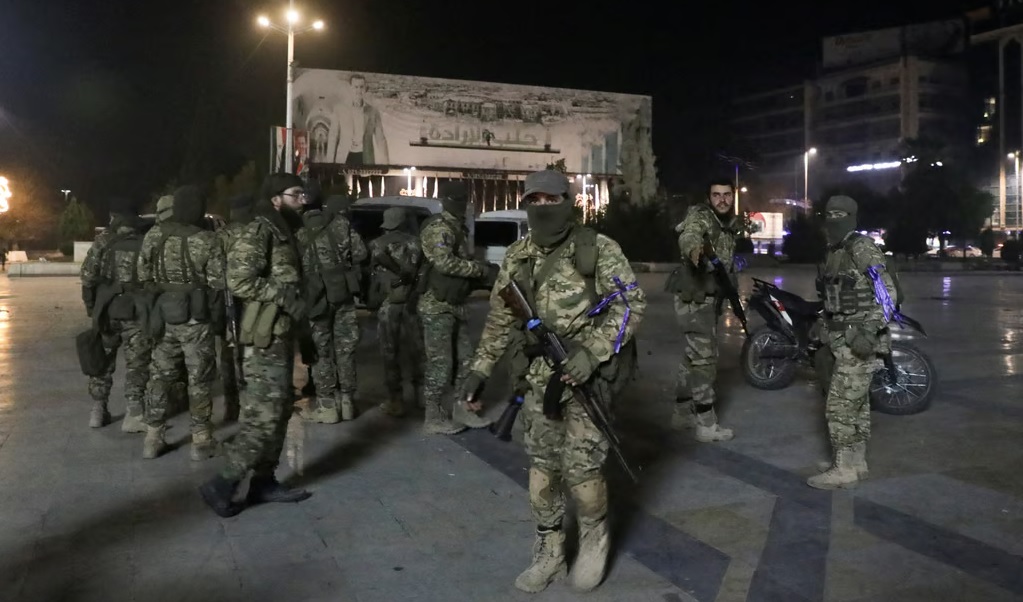
World
In a dramatic escalation in northern Syria, pro-Turkey factions have seized control of the strategic town of Tal Rifaat from Kurdish forces, a development with significant implications for the region's fragile balance of power. The Syrian Observatory for Human Rights (SOHR), a UK-based war monitor, reported that the offensive, which unfolded on Sunday, has left tens of thousands of Kurdish civilians besieged and heightened fears of potential atrocities. The Strategic Importance of Tal Rifaat Tal Rifaat is located just 20 kilometers (12 miles) south of the Turkish border, making it a focal point of conflict between Ankara-backed forces and Kurdish fighters. Historically, the town's population comprised Arabs and Turkmen. However, after Turkey's 2018 offensive on the nearby Afrin region, large numbers of displaced Kurdish families sought refuge in Tal Rifaat. The town has been under Kurdish control for years and is strategically significant as it connects key supply routes and serves as a defensive stronghold for Kurdish forces in the Aleppo province. Its capture by pro-Turkey fighters not only disrupts Kurdish supply lines but also consolidates Turkey's influence in northern Syria. Humanitarian Concerns and Communication Blackout SOHR has raised alarms over the situation, reporting that approximately 200,000 Syrian Kurds in the Aleppo province are now besieged by pro-Turkey forces. Communication lines in Kurdish-majority areas have been severed, sparking fears of potential massacres. Activists and humanitarian organizations are struggling to monitor the situation due to the blackout, which further complicates efforts to assess the humanitarian toll. Broader Context of the Offensive The assault on Tal Rifaat is part of a larger campaign launched by pro-Turkey factions in Aleppo province. This offensive has seen violent clashes with both Kurdish fighters and Syrian government forces. According to SOHR, pro-Ankara groups have also captured Safireh, Khanasser, and the Kweyris military airport southeast of Aleppo. The offensive has reportedly resulted in the deaths of at least nine Syrian government soldiers. It marks a significant shift in the dynamics of the Syrian conflict, as it simultaneously targets Kurdish forces, viewed by Turkey as linked to the outlawed Kurdistan Workers’ Party (PKK), and Assad regime troops. Turkey’s Strategic Goals Since 2016, Turkey has launched multiple military operations in northern Syria, aiming to push back Kurdish militias it deems as terrorist threats due to their affiliation with the PKK. The Turkish government has long sought to establish a "safe zone" along its southern border, free from Kurdish fighters, while also resettling Syrian refugees in the area. President Recep Tayyip Erdoğan has previously threatened further incursions into Kurdish-held areas, including Tal Rifaat. The current offensive aligns with Ankara’s broader strategy of expanding its influence in northern Syria, even as it draws criticism from the international community for exacerbating regional instability. International Response The United States, which backs the Kurdish-led Syrian Democratic Forces (SDF), has expressed concern over the recent developments. The SDF, which played a pivotal role in defeating ISIS in Syria, accused Turkey of orchestrating the offensive to divide the country. Turkish Foreign Minister Hakan Fidan discussed the ongoing violence with U.S. Secretary of State Antony Blinken on Sunday, emphasizing Ankara’s support for measures to "reduce tension." However, critics argue that Turkey’s actions on the ground contradict its stated commitment to de-escalation. A Region on Edge The seizure of Tal Rifaat underscores the volatility of northern Syria, where competing interests of regional powers, local militias, and international stakeholders continue to collide. As the conflict unfolds, the humanitarian situation remains dire, with thousands of civilians caught in the crossfire. For now, the battle for northern Syria appears far from over, and the fate of Tal Rifaat and its residents hangs precariously in the balance.
Read More → Posted on 2024-12-02 13:56:09
World
In a landmark development for South Korea's naval capabilities, Hyundai Heavy Industries (HHI) recently delivered an 8,200-ton Aegis destroyer to the Republic of Korea (ROK) Navy, solidifying its role in enhancing maritime defense. The vessel, named Jeongjo the Great, is part of South Korea's strategy to counter growing security threats in the region, particularly from North Korea’s missile and nuclear ambitions. Aegis Destroyer: A Technological Marvel Jeongjo the Great marks the ROK Navy’s fourth Aegis-equipped destroyer, joining the elite ranks of vessels that integrate cutting-edge technologies for maritime warfare. The contract for the ship was signed in 2019 with South Korea's Defense Acquisition Program Administration (DAPA), and construction commenced in 2021. Following its launch in 2022, the destroyer underwent rigorous trials to integrate the US-developed Aegis Combat Management System (CMS) with Korean-made systems. The warship boasts several state-of-the-art features: HHI-Developed Sonar System: Enhances underwater detection and tracking capabilities. Phased Array Radar: A multi-function radar system that provides advanced surveillance and targeting. Korean Vertical Launch System (VLS-II): Equipped for deploying various missile types, including surface-to-air and anti-submarine missiles. Propulsion System: Powered by four gas turbine engines and two hybrid electric drives, delivering unmatched speed and fuel efficiency. MH-60R Helicopter Compatibility: Facilitates extended maritime operations, including anti-submarine warfare. Designed as a core component of South Korea’s maritime-based "three-axis" system, the destroyer aims to provide a robust counter to North Korea's advancing missile technology. Unveiling the Chungnam Frigate The delivery ceremony also featured the unveiling of the Chungnam-class frigate (FFX-III), an advanced vessel set to join the ROK Navy within the month. This frigate underscores South Korea’s ambition to modernize its naval fleet with versatile, multi-role ships. Delegates from seven nations, including defense allies like the US, Poland, and Peru, were present at the event, signaling growing international defense collaborations. The Chungnam-class frigate incorporates: Enhanced Stealth Capabilities: Reducing radar cross-section for improved survivability. Advanced Weaponry Systems: Including anti-ship and anti-air missiles tailored for modern naval conflicts. Integrated Electronic Systems: Supporting situational awareness and combat readiness. A Milestone for HHI and South Korea’s Defense Industry The successful delivery of Jeongjo the Great and the unveiling of the Chungnam-class frigate highlight HHI’s growing prominence in the global defense market. Speaking at the ceremony, Joo Won Ho, Head of Naval and Special Ships at HHI, expressed pride in the accomplishment: “It is a result of our evolving cooperation with affiliated organizations, including DAPA, the ROK Navy, and the Agency for Defense Development (ADD). HHI remains committed to contributing to Korea’s defense exports with the ‘Team Korea, Team Ship’ efforts alongside government organizations.” The second Aegis destroyer is slated for launch in 2025, with construction of the third ship already underway, reflecting South Korea’s continued focus on bolstering its maritime defenses. Global Implications The involvement of international delegates at the ceremony, including representatives from Poland and Peru, highlights the broader implications of South Korea’s naval advancements. Poland’s recent acquisitions of battle tanks and howitzers from South Korea and Peru's defense agreements with Seoul suggest a growing reliance on South Korean expertise in military technology. As geopolitical tensions in the Indo-Pacific region rise, South Korea’s enhanced naval capabilities, exemplified by Jeongjo the Great, position it as a key player in maintaining regional stability and deterring aggression. Conclusion Hyundai’s delivery of the Aegis destroyer and unveiling of the Chungnam frigate not only mark significant milestones for the ROK Navy but also underscore South Korea’s emergence as a global leader in advanced naval technology. With these cutting-edge vessels, South Korea is poised to strengthen its maritime defense capabilities while expanding its footprint in the international defense industry.
Read More → Posted on 2024-12-02 13:33:05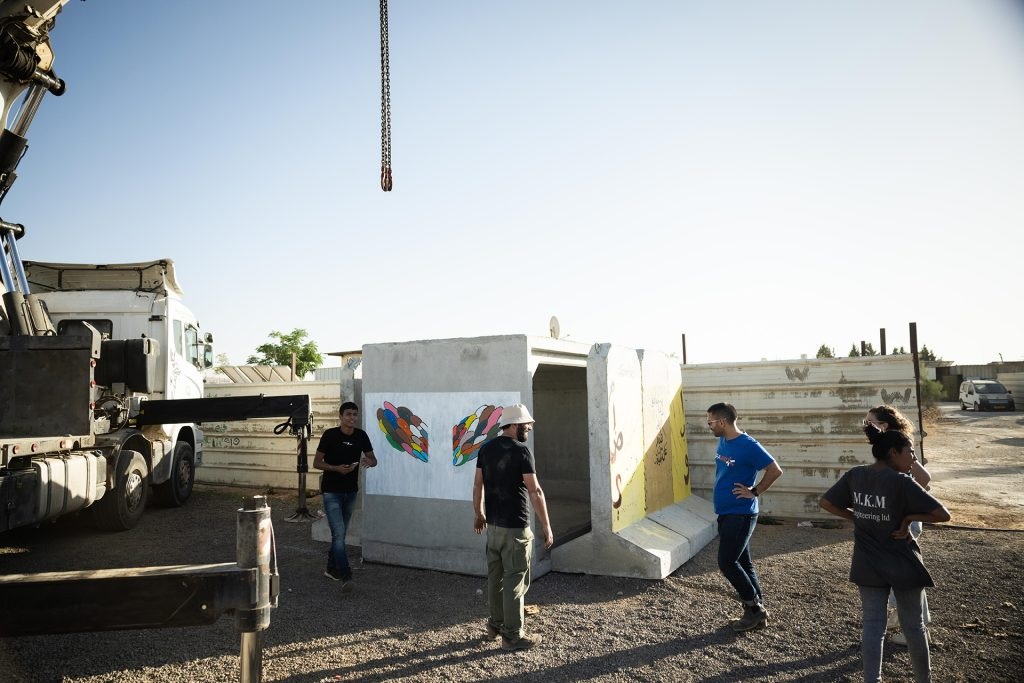
World
In a significant move to bolster civilian safety in its northern regions, Israel has earmarked an estimated $330 million for the construction of private bomb shelters near the Lebanese border. The agreement, part of the ongoing "Northern Shield" project, underscores Israel’s commitment to enhancing defense measures in an area historically vulnerable to cross-border tensions. The Ministry of Defense, in collaboration with the Israel Defense Forces (IDF) Home Front Command and the Ministry of Finance, announced plans to establish approximately 10,000 reinforced rooms in civilian towns situated within 1 to 5 kilometers of the border. These shelters, known as "self-realization" structures, are tailored to protect families in high-risk zones. The initiative also provides a financial grant of up to 132,000 Shekels ($36,360) per household, enabling residents to integrate bomb shelters into their homes. This initiative gains momentum following the signing of an inter-ministerial agreement, which allocates 875 million Shekels ($240.9 million) specifically for these private shelter grants. In addition, the plan encompasses the development of essential community infrastructure, such as medical facilities, in these settlements, enhancing both safety and living standards. Expanding the "Northern Shield" The "Northern Shield" project has been central to Israel’s defense strategy in the north, focusing on fortifying civilian structures against potential threats. Earlier efforts saw the construction of 1,700 reinforced rooms across settlements near the border. The latest agreement accelerates the project’s pace and scale, aiming to provide broader coverage for residents living in areas considered most at risk. Construction efforts are already underway, with the Ministry of Defense's engineering and construction department spearheading the initiative. The shelters are designed to withstand a variety of threats, including rocket fire, ensuring residents have immediate access to life-saving protection in emergencies. Strategic Importance of Northern Israel Northern Israel’s proximity to Lebanon has made it a focal point for defense planning. The region has historically been subject to rocket attacks and heightened military tensions, particularly during conflicts involving Hezbollah. As the security situation remains fluid, the construction of bomb shelters reflects a proactive approach to safeguarding civilians. The decision to allocate substantial resources to this initiative comes amid ongoing ceasefire agreements and efforts to maintain stability along the border. The enhanced shelter infrastructure not only provides immediate protection but also reinforces residents' confidence in the government’s ability to address security concerns. A Broader Vision for Civilian Safety Beyond individual bomb shelters, the Northern Shield project symbolizes a comprehensive approach to regional security. By combining robust infrastructure with financial incentives, Israel seeks to empower communities while ensuring that residents remain protected against potential threats. This dual strategy of physical fortification and economic support exemplifies the nation’s broader commitment to its citizens’ safety and resilience. With construction plans in full swing and funding secured, northern Israel is set to witness a transformative upgrade in civilian defense. These developments underline the government’s recognition of the unique challenges faced by border communities and its determination to provide solutions that are both immediate and enduring.
Read More → Posted on 2024-12-02 13:24:33
World
In a striking announcement, former President Donald Trump nominated Kashyap "Kash" Patel, a trusted confidante, as the next Director of the Federal Bureau of Investigation (FBI). This decision, unveiled on Truth Social, marks Patel as the highest-ranking Indian-American in Trump’s envisioned administration, should he return to the White House. Known for his uncompromising "America First" ethos and legal acumen, Patel’s nomination underscores Trump’s intent to recalibrate the agency and its priorities. Kash Patel: A Storied Career in Law and National Security Kash Patel, 44, has carved a distinctive career spanning law, counterterrorism, and intelligence. Born in Queens, New York, to Gujarati parents who migrated to the U.S. in the 1970s, Patel’s upbringing in a culturally rich environment shaped his perspective. After attending college in Virginia and law school in New York, Patel began his career as a public defender in Florida. His transition to federal service saw him tackle international terrorism cases as a prosecutor with the Department of Justice. During this tenure, he worked on high-profile cases across East Africa, Uganda, and Kenya, gaining deep insight into global security challenges. Patel later moved to the Pentagon, where he collaborated with Special Operations Command on interagency targeting operations worldwide. Political Spotlight and Media Recognition Patel’s trajectory took a sharp turn into the political limelight when Congressman Devin Nunes recruited him to serve as senior counsel on counterterrorism for the House Intelligence Committee. Patel played a pivotal role in the Republican-led investigation into alleged misconduct in the Russia inquiry, drafting the controversial “Kash Memo.” This document, endorsed by Trump, alleged partisan bias within federal agencies and spotlighted what he described as systemic failures. Vision for the FBI Trump, in his announcement, lauded Patel as a reformist poised to restore “Fidelity, Bravery, and Integrity” to the FBI. If confirmed, Patel’s agenda includes combating rising crime, dismantling transnational criminal networks, and tackling human and drug trafficking along the southern border. Patel is set to work under former Florida Attorney General Pam Bondi, another staunch Trump ally. Bridging India and America A fervent advocate of U.S.-India relations, Patel has emphasized strengthening ties between the two nations. He attended high-profile rallies featuring Trump and Indian Prime Minister Narendra Modi in Houston and Ahmedabad, underscoring his belief in the bilateral relationship's economic and strategic importance. Patel has critiqued the Biden administration for allegedly letting these ties weaken, particularly in the face of challenges like Chinese aggression and counterterrorism issues involving Pakistan. Patel’s Critique of Bureaucracy Patel’s 2023 book, Government Gangsters, sharply criticized the U.S. bureaucracy, alleging deep-seated corruption and partisanship. The book details what Patel describes as a "two-tier system of justice," accusing officials from both Republican and Democratic administrations of undermining accountability and weaponizing government institutions. A Game-Changing Nomination Trump’s choice of Patel signals a broader strategy to reshape the FBI into a more transparent and reform-oriented agency. Patel’s extensive legal background, coupled with his international experience and reputation as a staunch Trump loyalist, could make him a transformative figure at the FBI’s helm. Whether this nomination will secure Senate approval remains a question, but Patel’s nomination already represents a seismic shift in the landscape of American law enforcement leadership. For Indian-Americans, it also serves as a significant milestone, reflecting the community's growing influence in U.S. politics and governance.
Read More → Posted on 2024-12-01 15:33:33Search
Top Trending in 24 Hours
-
 Tulsi Gabbard Releases Declassified Files Detailing U.S.-Backed Network of 120 Biolaboratories Across 30+ Countries
-
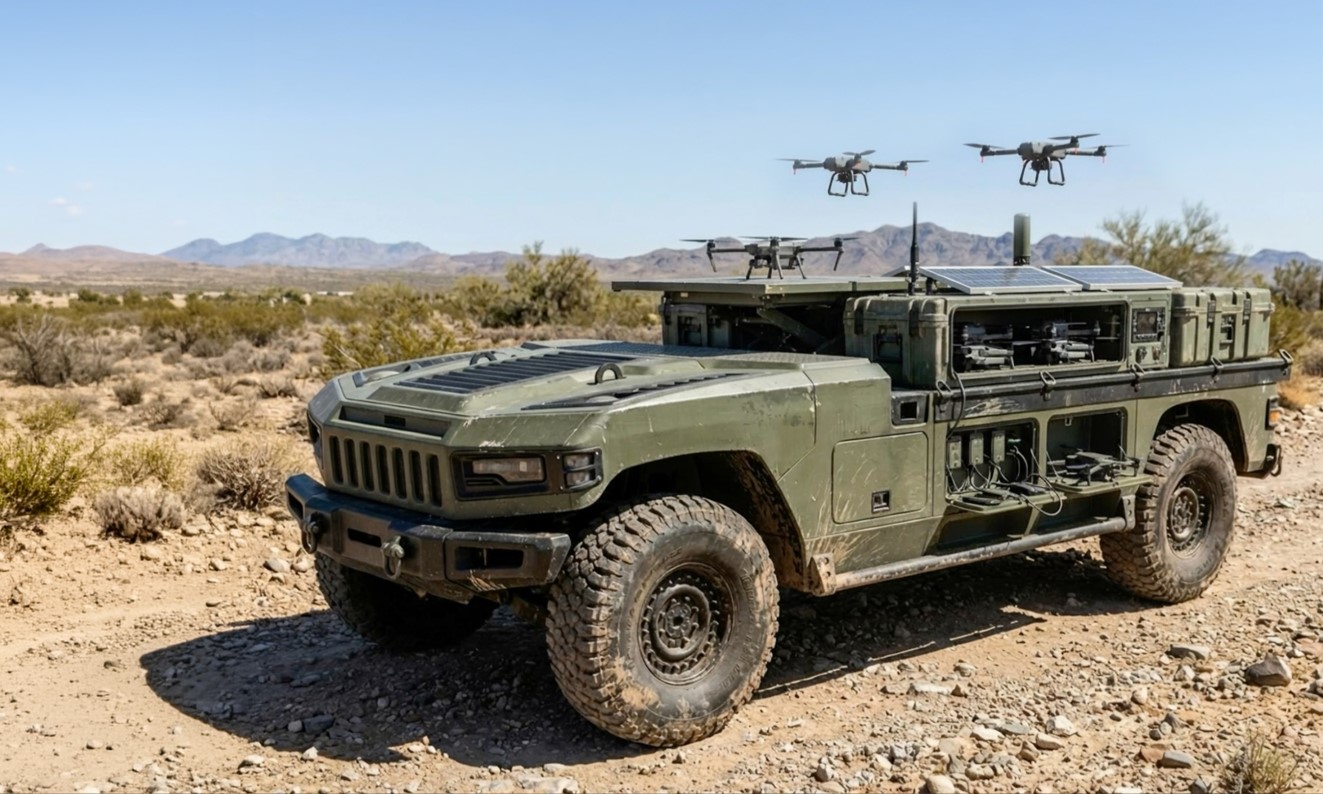 AM General Unveils Next-Generation UGV and JLTV A2 with Counter-Drone Systems at Eurosatory 2026
-
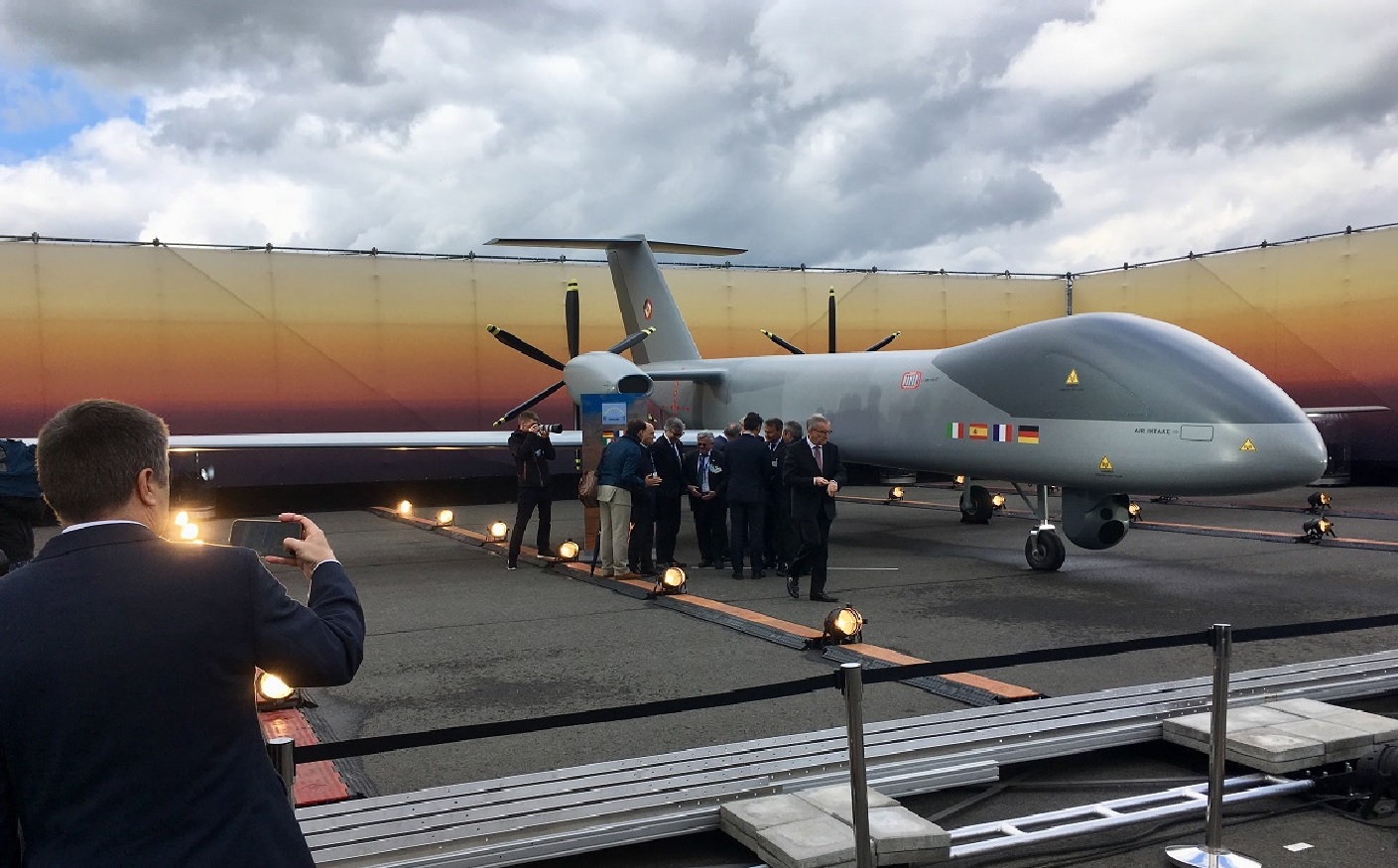 Dassault Seeks Compensation From Airbus as Eurodrone Dispute Erupts After FCAS Collapse
-
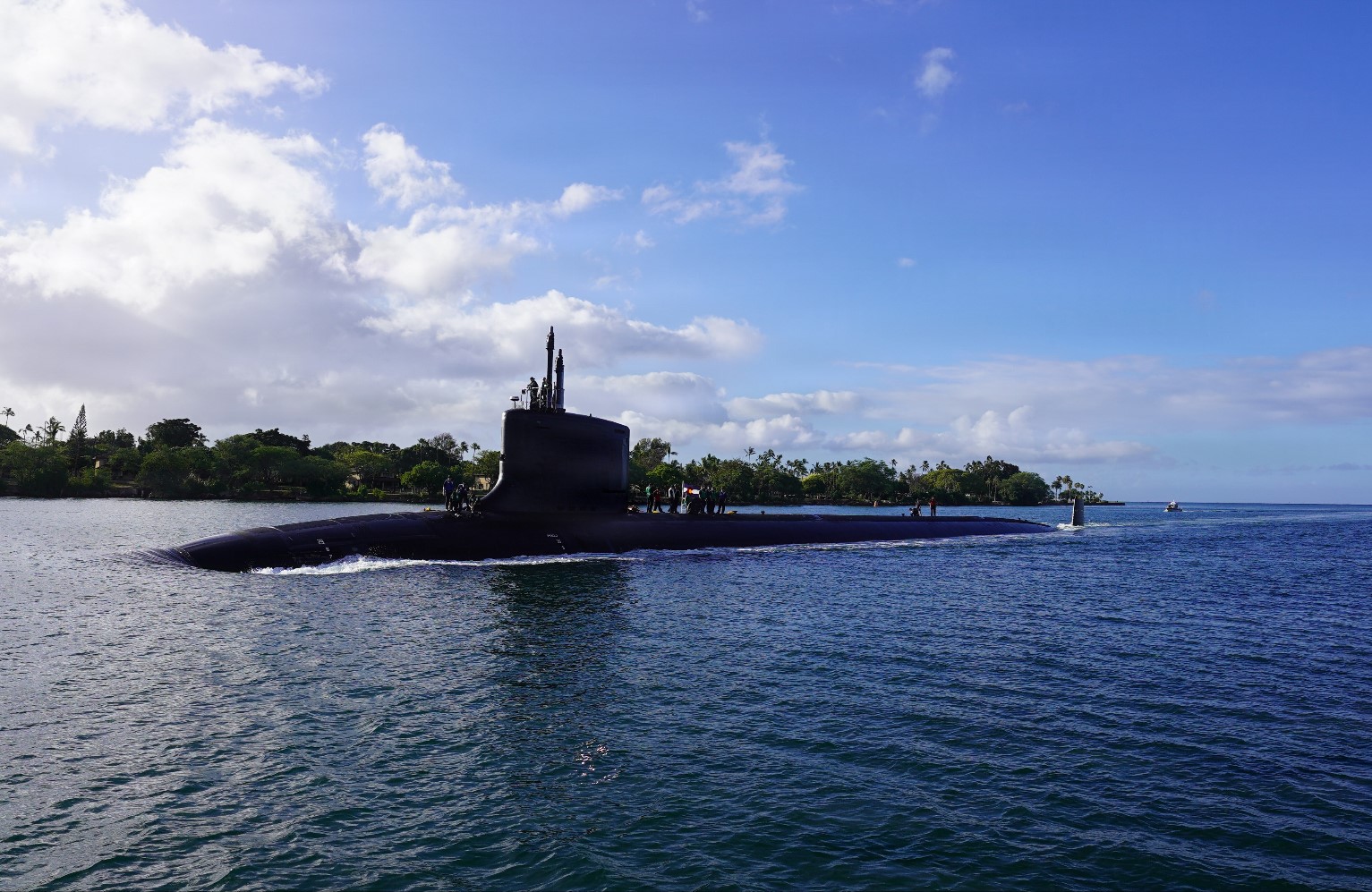 U.S. Navy's USS Colorado Submarine Returns to Pacific Fleet 29 Days Early After Major Pearl Harbor Overhaul
-
 Pakistan Raises Defence Budget from $9 Billion to $10.8 Billion as J-35 Fighter and Hangor Submarine Programs Advance
-
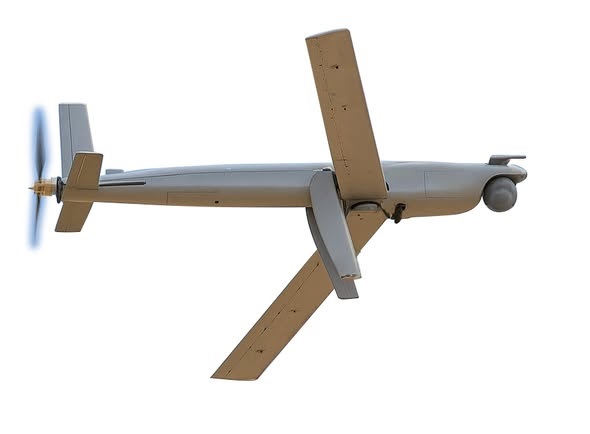 Elbit Systems and Diehl Defence Partner to Offer SkyStriker Loitering Munition to German Armed Forces
-
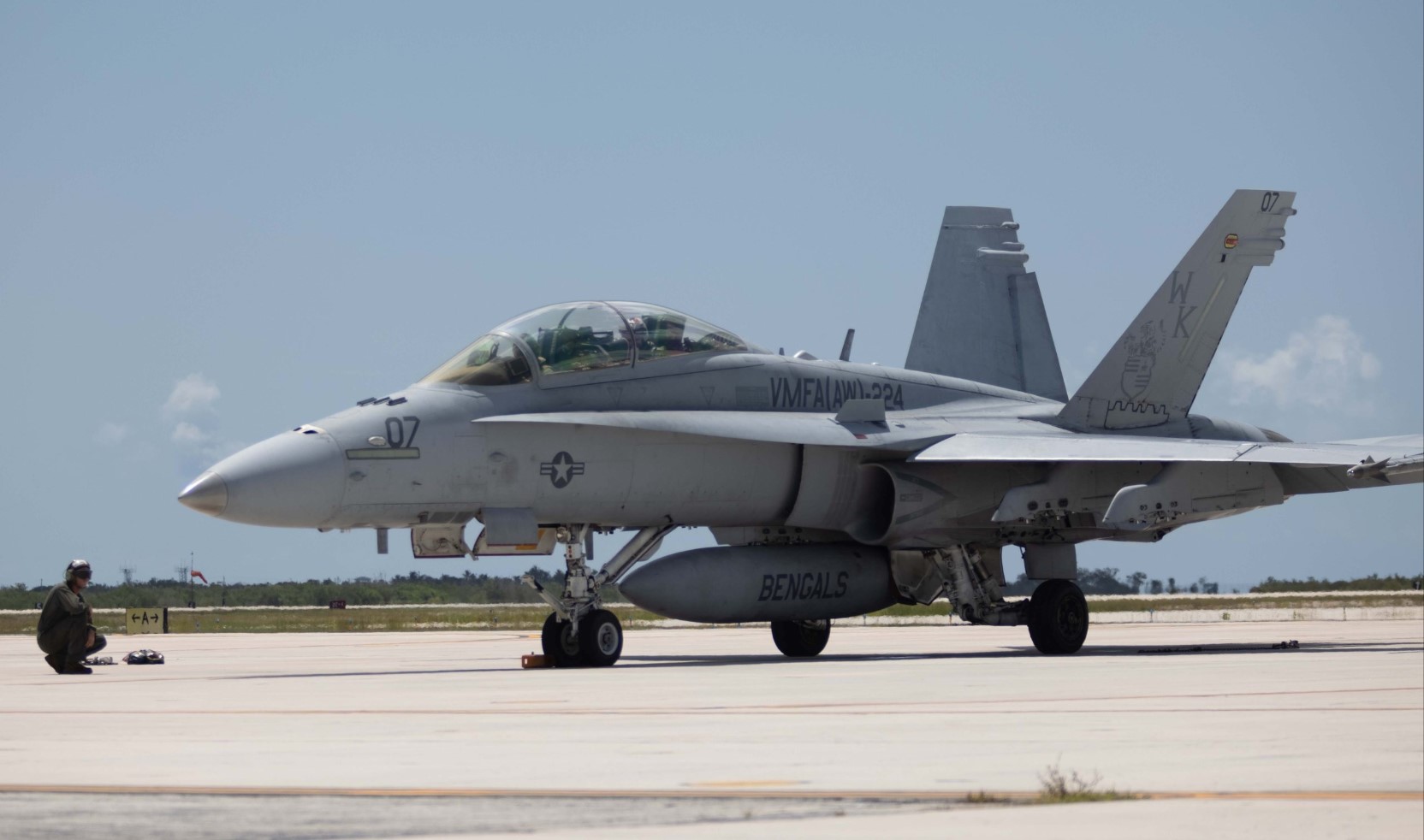 US Marine Corps F/A-18D Hornet Crashes During Training Flight in Washington Mountains; Pilot Ejects Safely
-
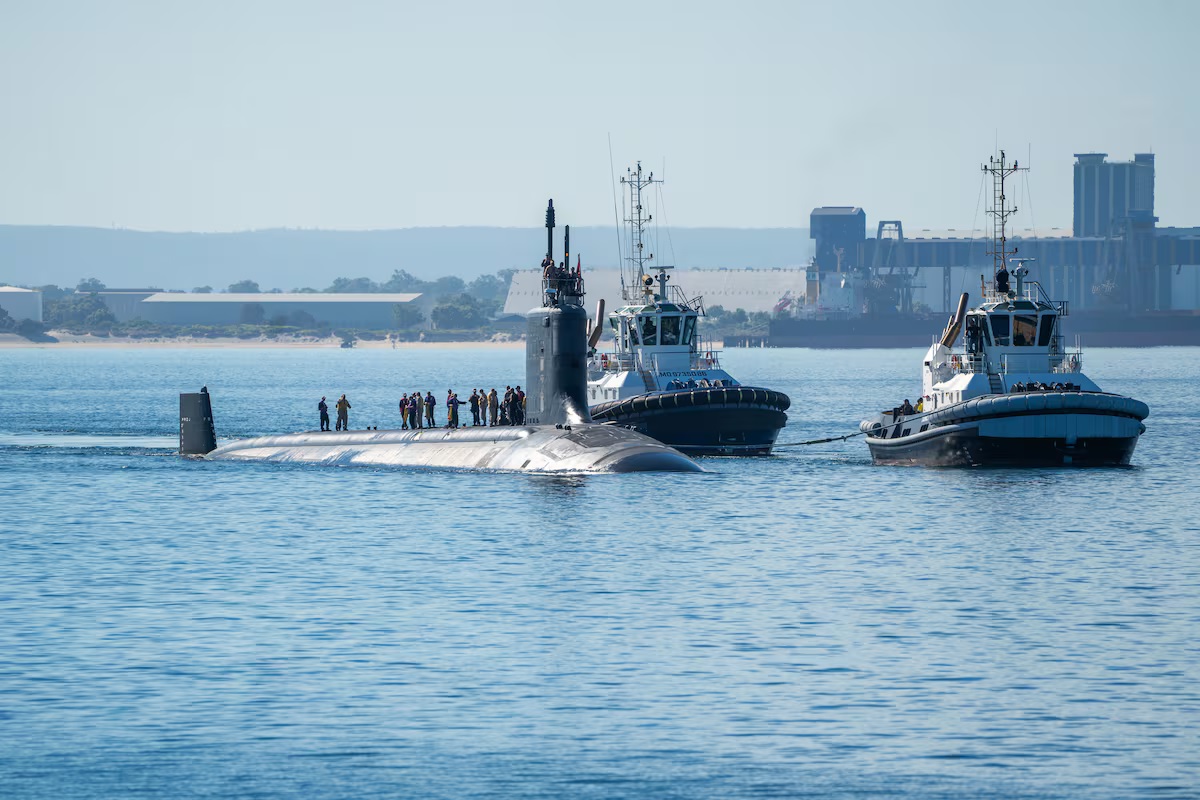 U.S. Navy Reestablishes Submarine Squadron 3 at HMAS Stirling to Support AUKUS Rotational Force
Top Trending in 4 Days
-
 Iranian Media Leaks 14-Point U.S.-Iran Peace Framework Amid Ongoing Negotiations
-
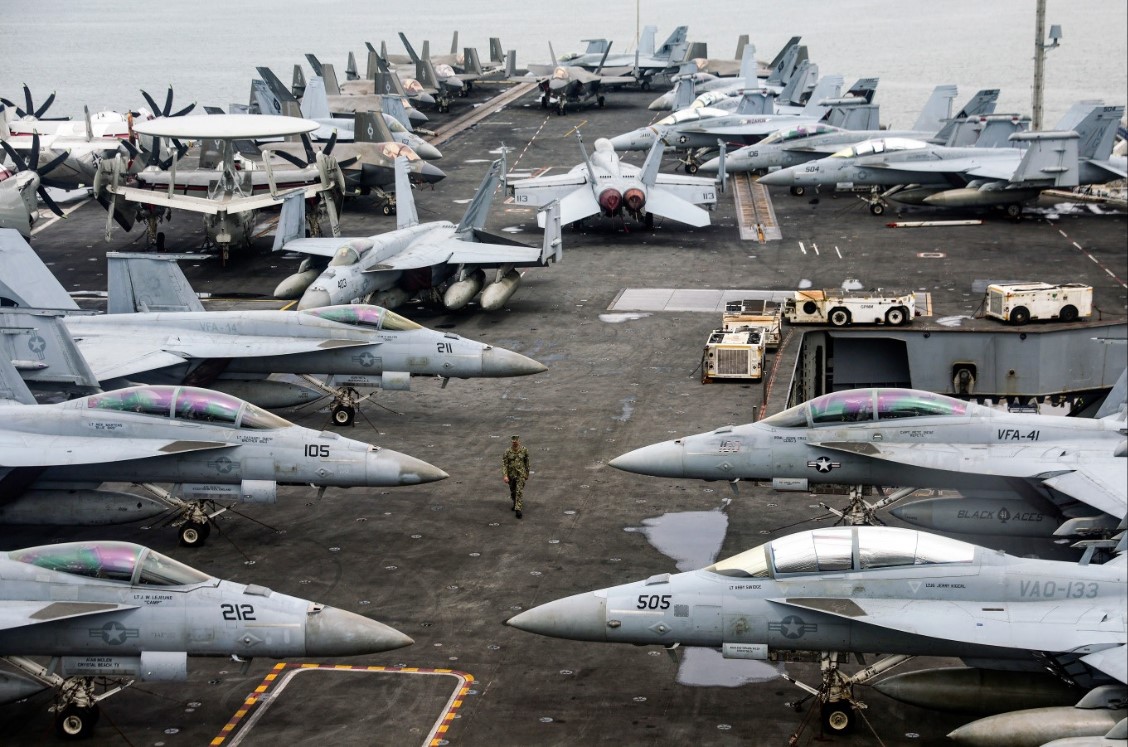 US Plans Significant Reduction of Fighter Jets and Warships for NATO Operations in Europe
-
 U.S. Air Force Faces Strategic Airlift Shortfall as C-17 Production Restart Remains Uncertain
-
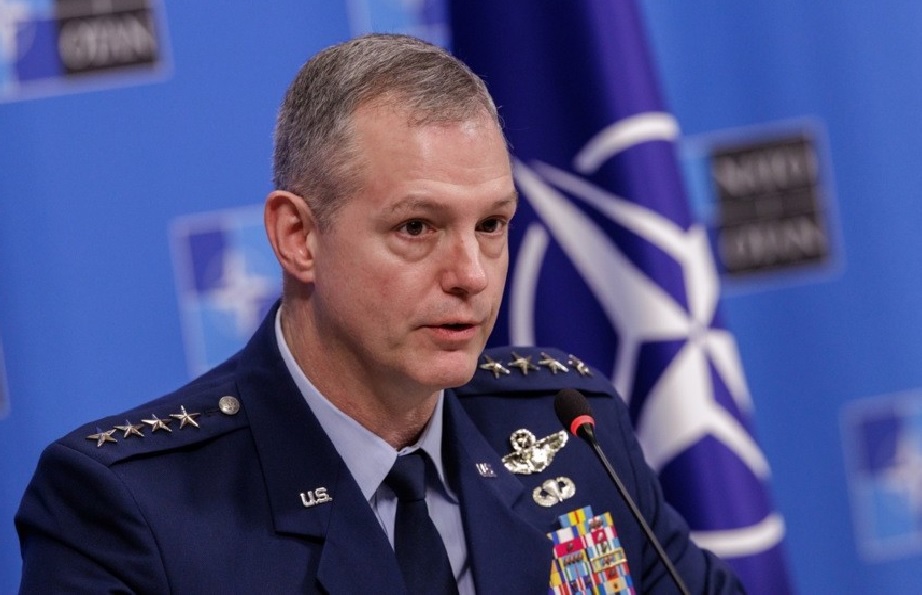 NATO Commander Says Russia Not Seeking Conflict With Alliance Despite U.S. Force Reductions
-
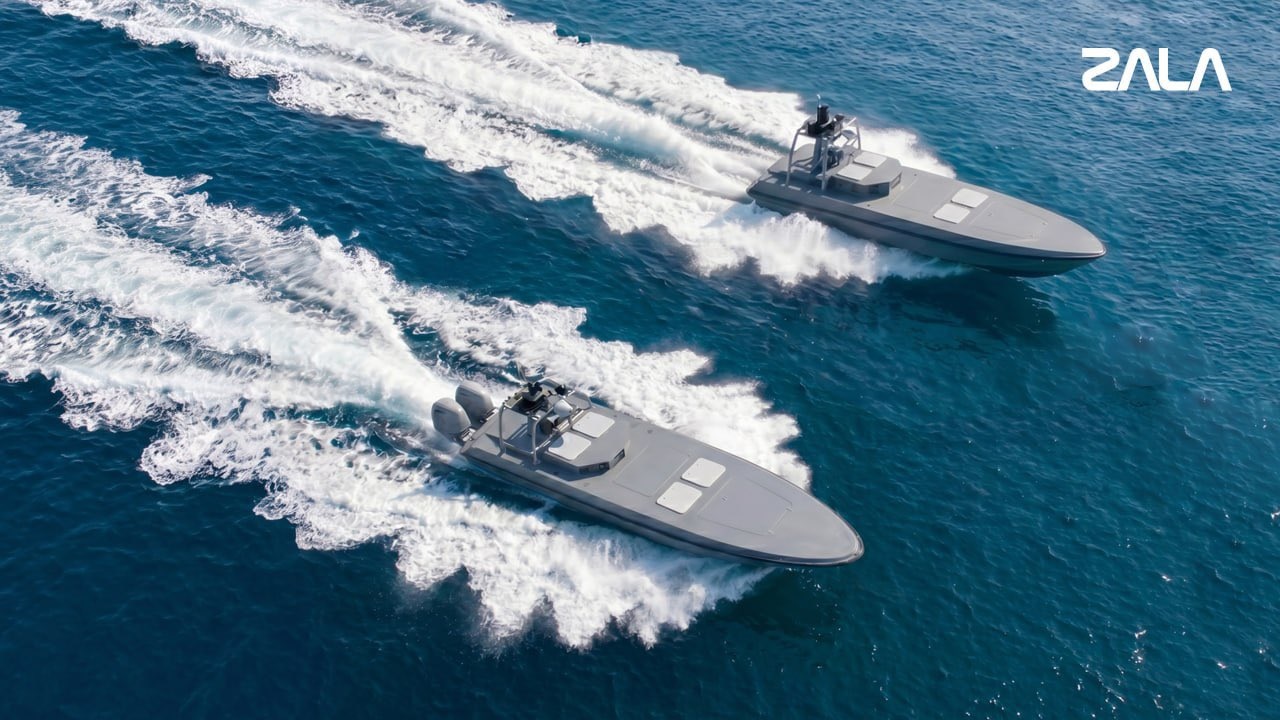 Russian Defense Firm ZALA Unveils KAMA Unmanned Surface Vessel Family at FLOT-2026 Naval Exhibition
-
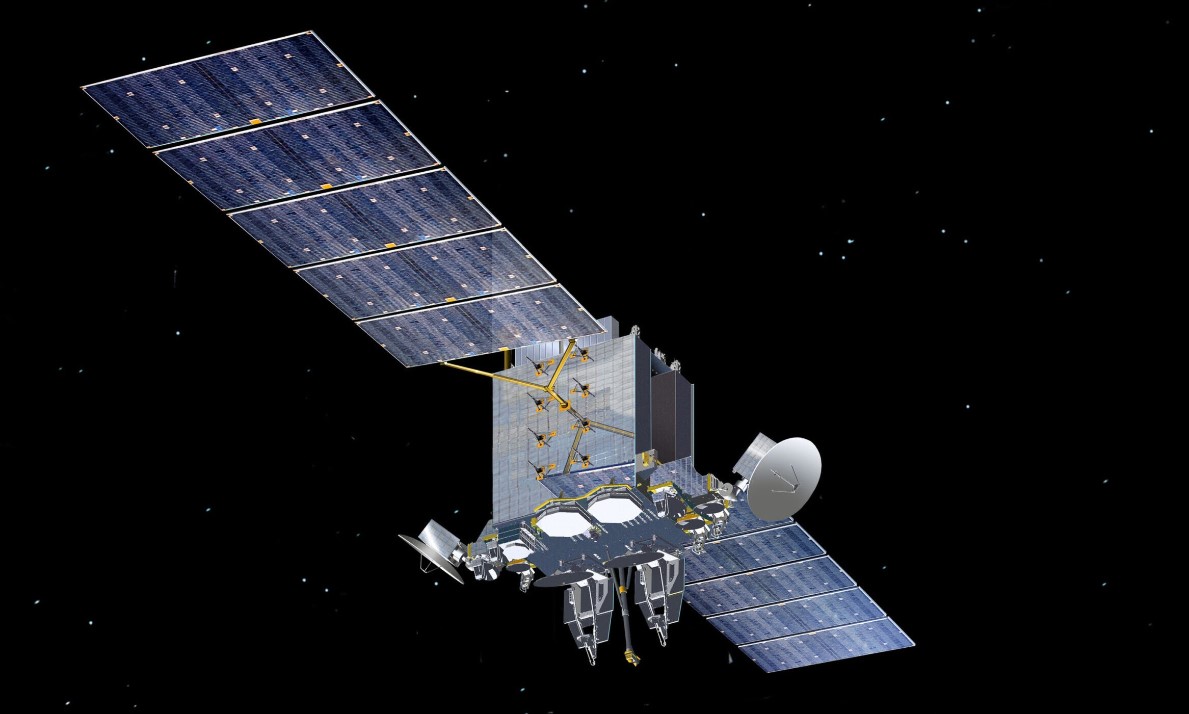 U.S. Space Force Awards $437.7 Million Contracts for First PTS-G Swarm 1 Anti-Jam Satellites
-
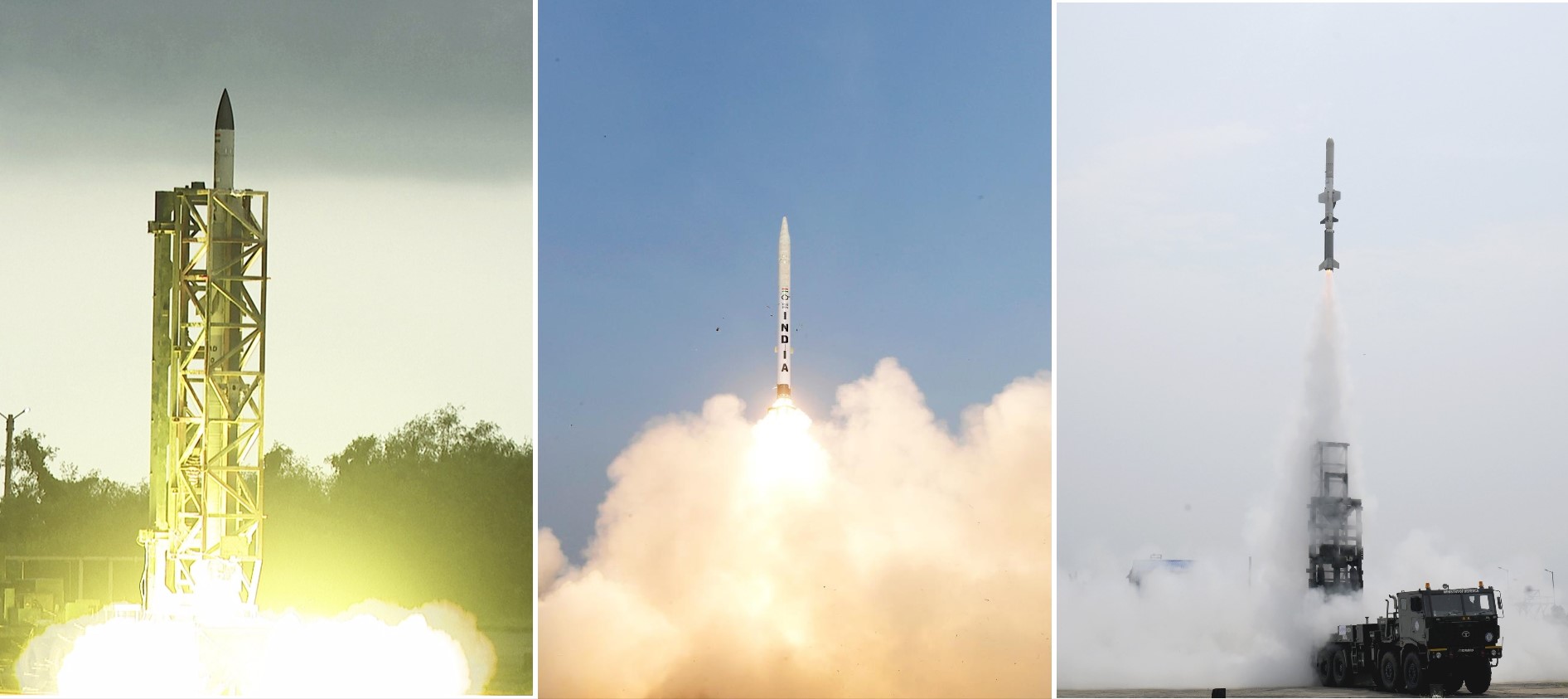 India Successfully Conducts AD-1, AD-2 Interceptor Tests and Maiden NASM-MR Flight Trial
-
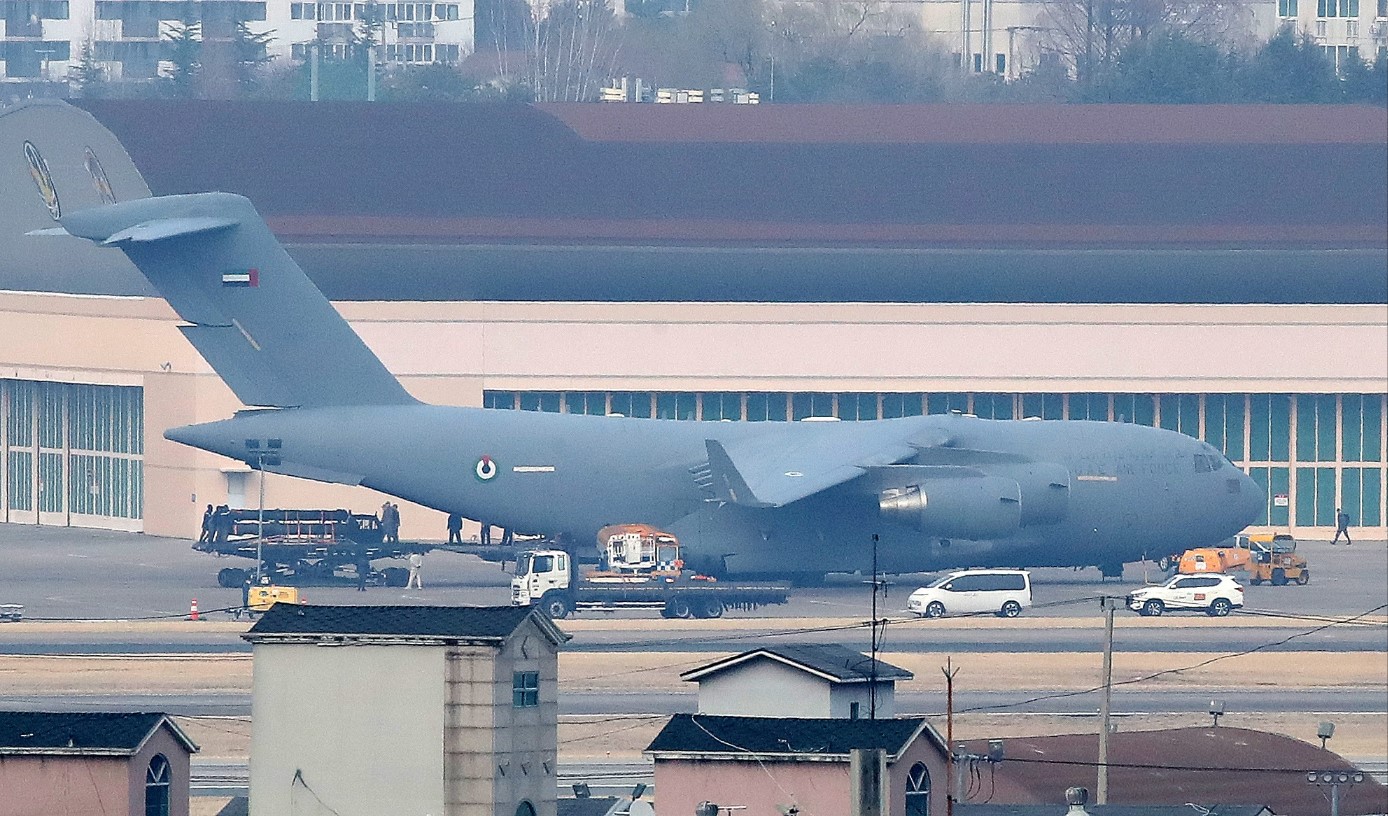 UAE Urgently Airlifts Cheongung-II Missile Defense Battery From South Korea Using Eight C-17 Aircraft