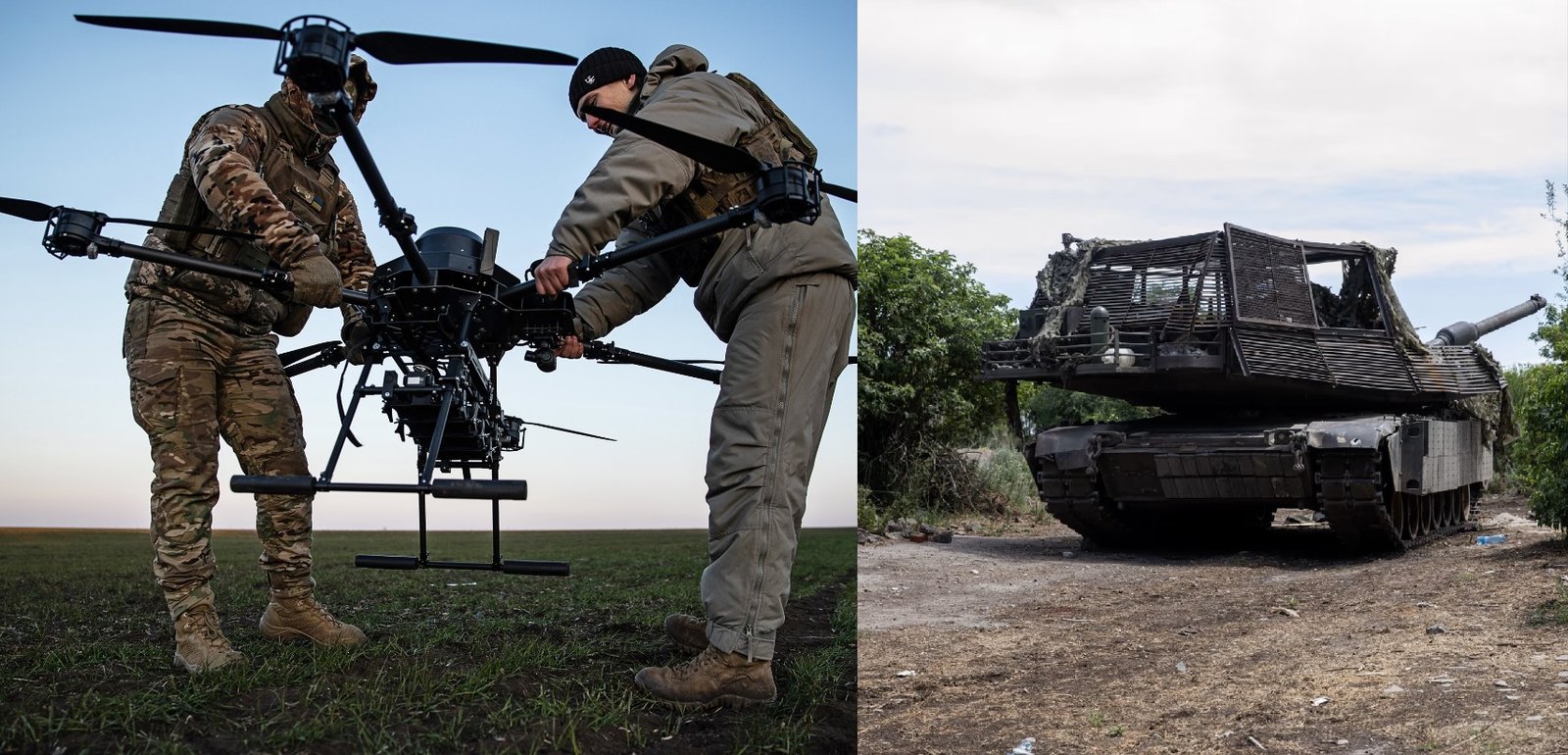
KHARKIV REGION, Ukraine — Western-supplied tanks that Ukraine sought after Russia’s full-scale invasion are now often kept under camouflage nets in forests, with some reportedly sitting idle as cheap drones have changed battlefield conditions.
Ukraine began requesting Western tanks after Russia’s invasion in February 2022. Britain, Germany and the United States agreed to supply them in January 2023 after months of negotiations. The 33rd Separate Mechanized Brigade was formed in part to operate the Western vehicles, which cost around $10 million each.
However, by the time many of the tanks entered combat in late spring 2023, inexpensive first-person-view (FPV) drones had become widely used against armored vehicles. The drones could target vulnerable areas of tanks, making their use in exposed frontline positions increasingly difficult.
Oleksandr Syrskyi, who served as Ukraine’s top military commander until last month, said: “We’re making virtually no use of armored vehicles.” He also questioned how Ukraine could counter the advantage provided by drones and give its armored forces a new role. The issue was part of wider discussions about Ukraine’s military strategy around the time of his removal from command.
In the 33rd Brigade, about half of one tank battalion has reportedly retrained as drone operators. Some remaining tanks are mainly used to tow damaged equipment and are more likely to operate during poor weather, when fewer drones are flying. Younger recruits are also being trained to operate ground drones and other unmanned systems.
Open-source assessments indicate significant losses among Western tanks. Of about 82 Abrams tanks delivered to Ukraine, including vehicles supplied by the United States and Australia, around 25 have been hit, according to available figures. Sweden supplied 10 Stridsvagn 122 tanks, of which open-source analyses indicate about one remains in service after others were hit, damaged or otherwise affected.
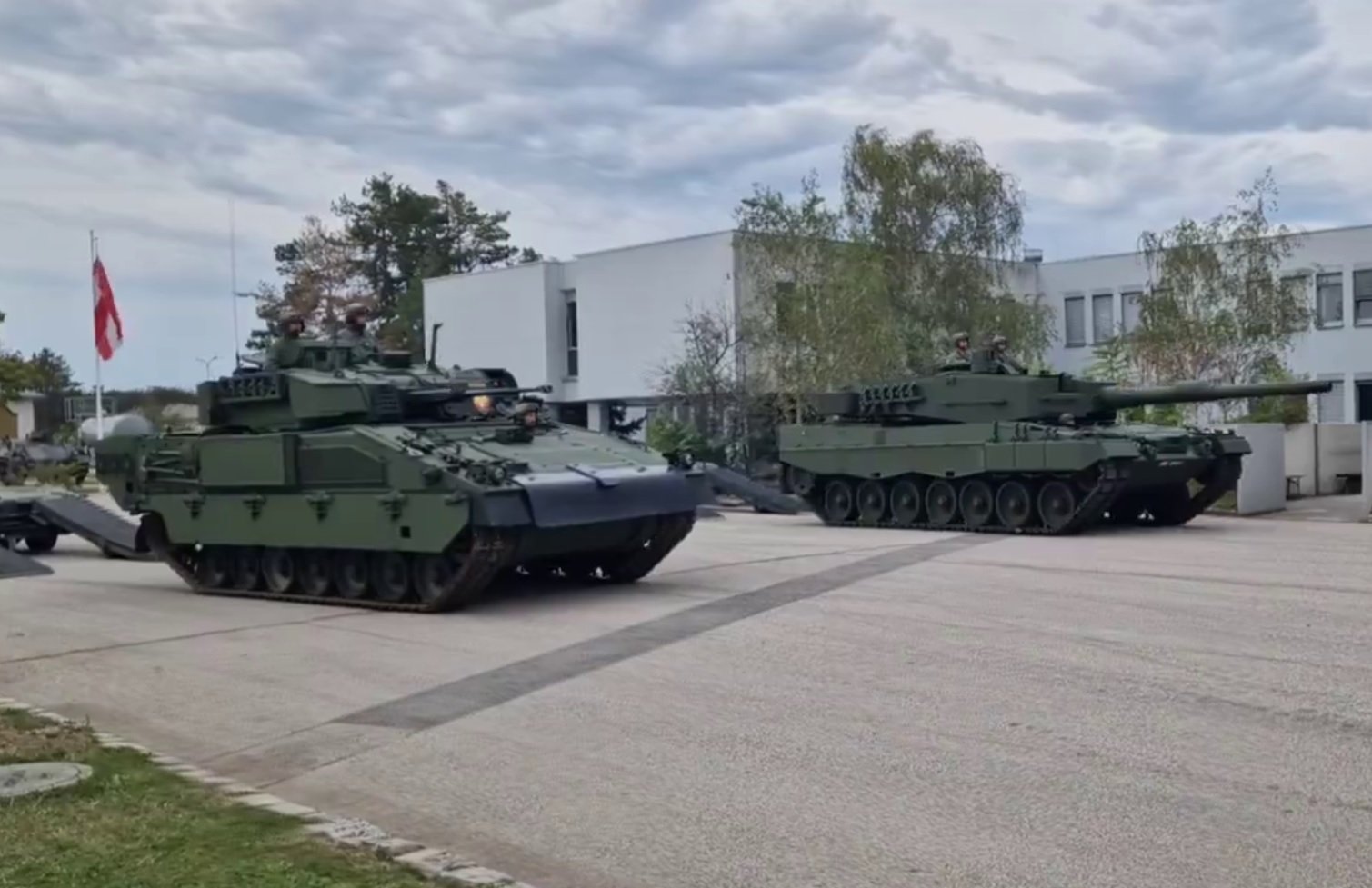
German Leopard tanks operated by Ukrainian units are also frequently kept under protective nets in rear areas, with some awaiting repairs or maintenance and others held in reserve.
Both Russia and Ukraine have added anti-drone protection to tanks. Russian forces began using metal cages and meshes around armored vehicles, a modification Ukrainian soldiers initially compared to “barbecue grills.” Ukraine has since adopted similar nets and cages, along with other protective measures.
Despite the reduced battlefield use, Ukraine continues to maintain its Western tanks and train crews. Members of the 33rd Brigade have conducted Leopard tank exercises and live-fire training in the Kharkiv region.
The experience has pushed Ukrainian units to combine traditional armored forces with drones, ground robots and surveillance systems. Western tanks remain part of Ukraine’s military inventory, but their frontline role has been reduced as drone warfare has become a major factor in combat operations.
——— End of Article ———