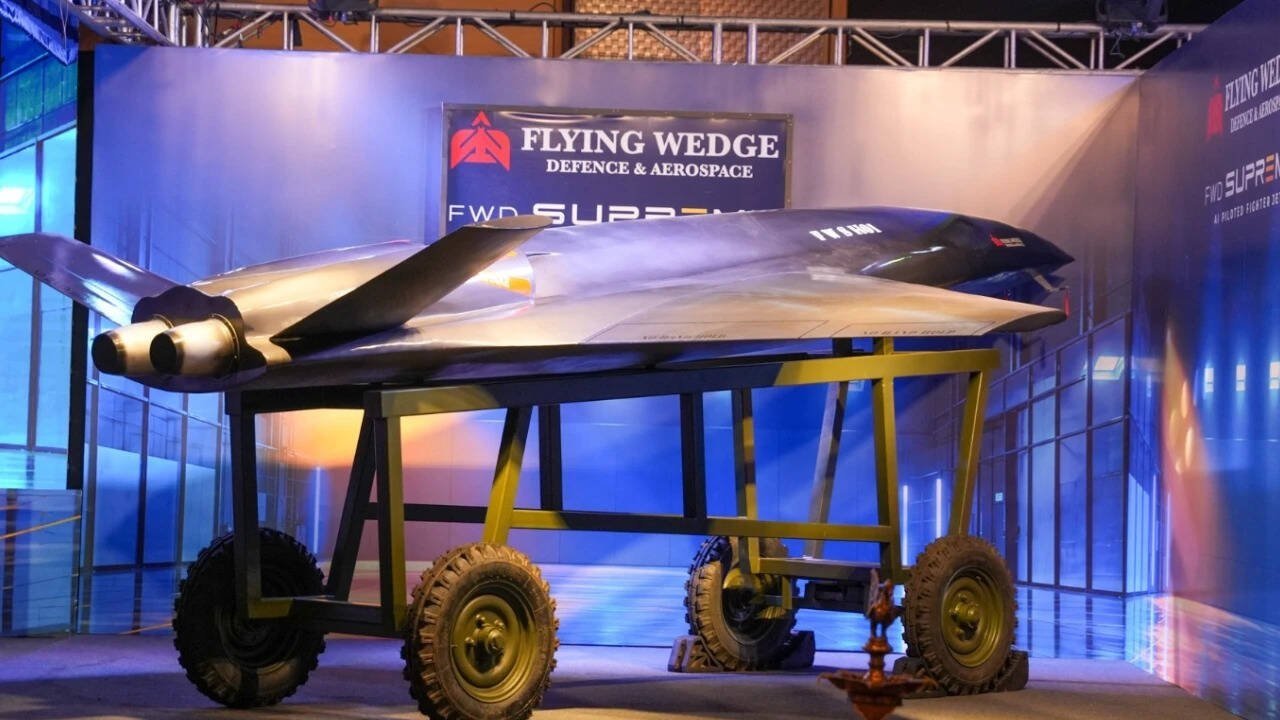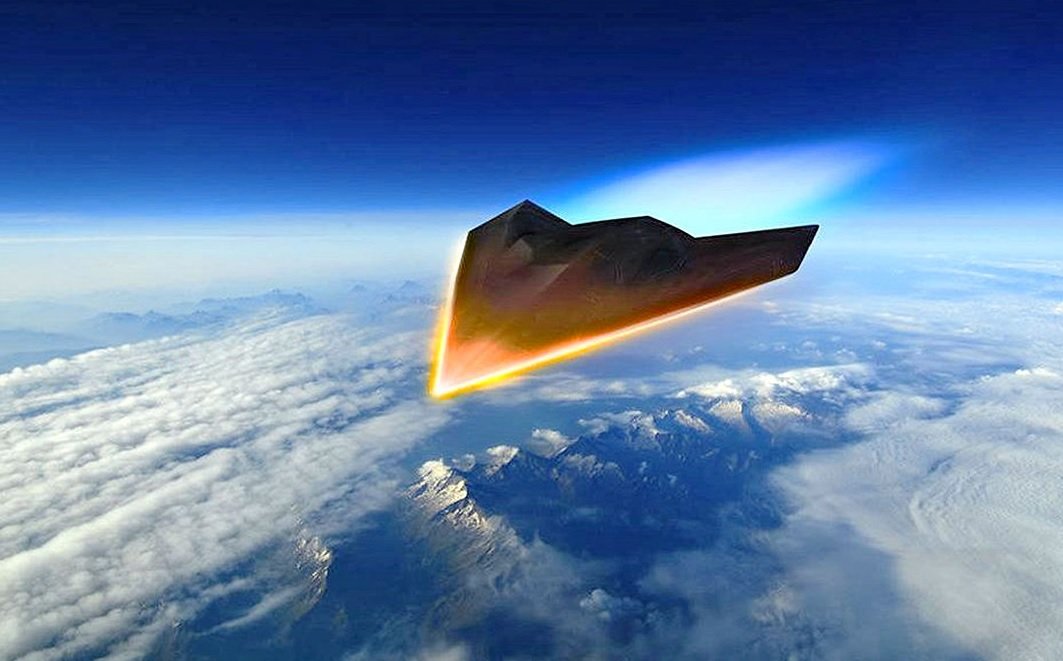
Beijing, — China has developed hypersonic glide vehicles (HGVs) capable of releasing air-to-air weapons during flight, according to a Bloomberg News report published on August 24. The reported capability is intended to target high-value airborne assets, including AWACS aircraft, aerial refueling tankers and command aircraft, at distances potentially measured in thousands of miles.
The concept would allow China to threaten aircraft that support long-range U.S. and allied air operations without requiring Chinese fighters to enter contested airspace. These support aircraft normally operate farther from the front line because of their importance and vulnerability.
Capability Builds on 2021 Test
The development is linked to a July 2021 Chinese hypersonic weapons test over the South China Sea. During that test, a hypersonic vehicle reportedly released a secondary projectile while traveling at least five times the speed of sound. The Financial Times, citing U.S. intelligence sources, reported that the vehicle fired a separate missile as it approached its target. Some U.S. analysts assessed the projectile could have been an air-to-air missile, while others considered it a possible countermeasure.
The test drew attention because the mid-flight release of a separate projectile from a hypersonic vehicle had not previously been publicly demonstrated under similar conditions.
PL-17 and Hypersonic Reach
China already operates the long-range PL-17 air-to-air missile, also referred to as the PL-20. Public assessments generally place its range in the 300–500 km class, and the weapon is intended primarily to engage high-value airborne targets rather than highly maneuverable fighters.
The PL-17 has been associated with aircraft such as the J-16. An HGV-launched air-to-air weapon would move the launch point much farther from the target area than a conventional fighter-launched missile.
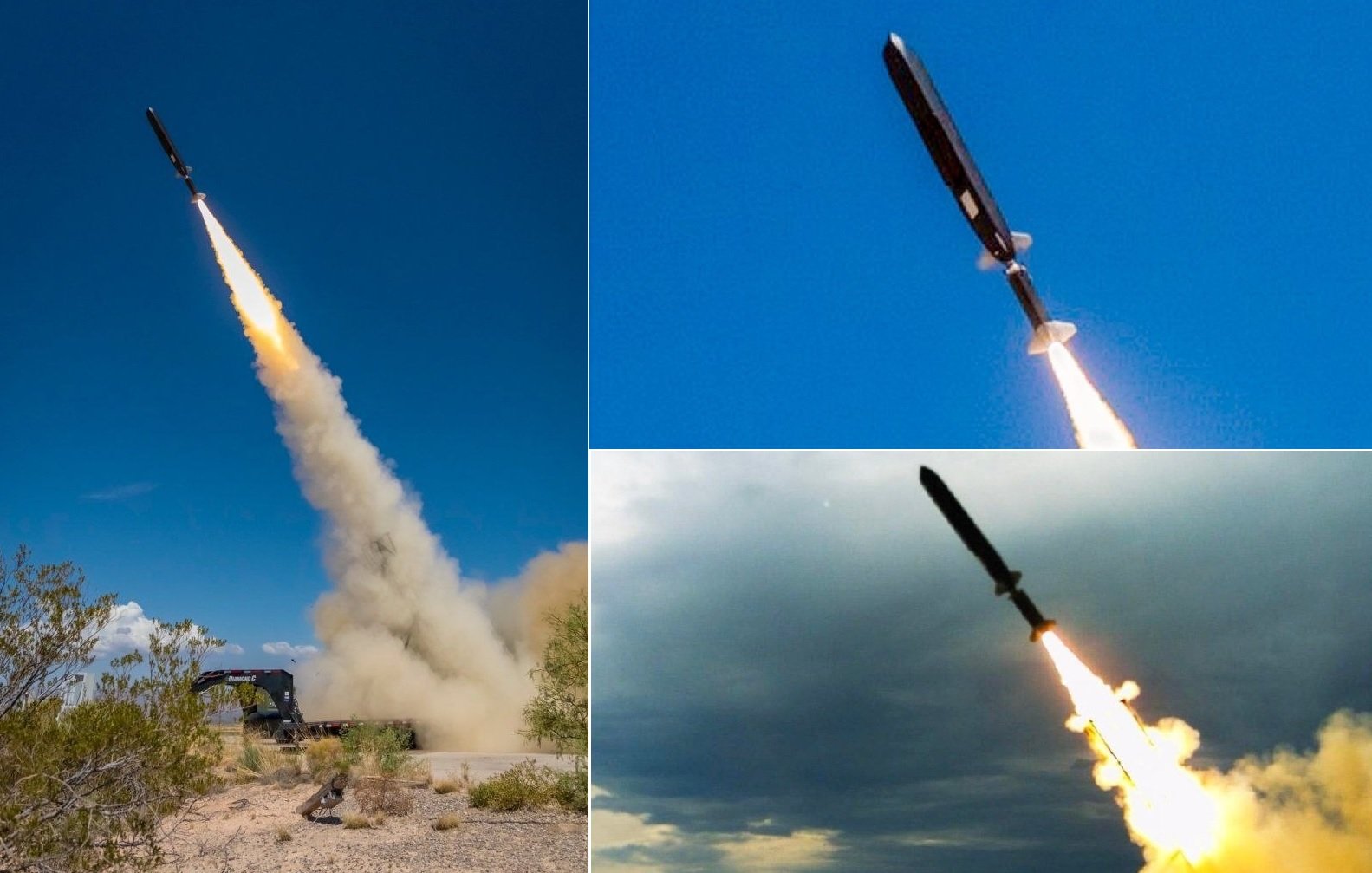
China also fields the DF-17, a missile system designed to carry a hypersonic glide vehicle. The Pentagon has identified the DF-17 as an HGV-capable medium-range ballistic missile system.
Hypersonic glide vehicles are boosted to high speed and altitude before gliding through the atmosphere at speeds above Mach 5 while retaining maneuverability. This combination can reduce defenders' reaction time and complicate interception.
Broader Missile Modernization
The reported development forms part of China's wider effort to expand the roles of its large missile inventory. Pentagon estimates cited in the Bloomberg report indicate that China had at least 3,150 ballistic missiles and 300 ground-launched cruise missiles in 2024.
For the United States and its allies, the reported capability could increase the challenge of protecting AWACS aircraft, tankers and other airborne support platforms during operations across the Pacific.
However, important details of the reported system remain undisclosed. China has not publicly released the exact range, guidance method, type of air-to-air weapon released, or operational status of the HGV-based system.
The available information therefore confirms the reported development and its connection to China's earlier hypersonic testing, but does not establish the precise performance or deployment status of the new capability.
——— End of Article ———